

The ‘1 Nojor’ media platform is now live in beta, inviting users to explore and provide feedback as we continue to refine the experience.
Saiful Haque, General Secretary of Bangladesh’s Revolutionary Workers Party, has described the Indian Border Security Force’s (BSF) push-in activities as evidence of India’s anti-Bangladesh and aggressive attitude. In a statement to the media on June 17, 2026, he said that India’s hostility toward Bangladesh has intensified since the formation of a BJP government in West Bengal. He expressed strong dissatisfaction and condemnation over the BSF’s alleged actions of forcing people, including women and children, into Bangladeshi territory. According to Haque, BSF personnel have pushed hundreds of people across the western border into Bangladesh, leaving some stranded in the no-man’s land without food, water, or medical care, creating a severe humanitarian situation. He stated that both countries have legal mechanisms for repatriating citizens, and any forced push-in violates international law. Haque urged India to immediately stop push-in activities and border killings if it truly seeks friendship with Bangladesh, accusing India of maintaining a double standard by continuing anti-Bangladesh actions while speaking of friendship.
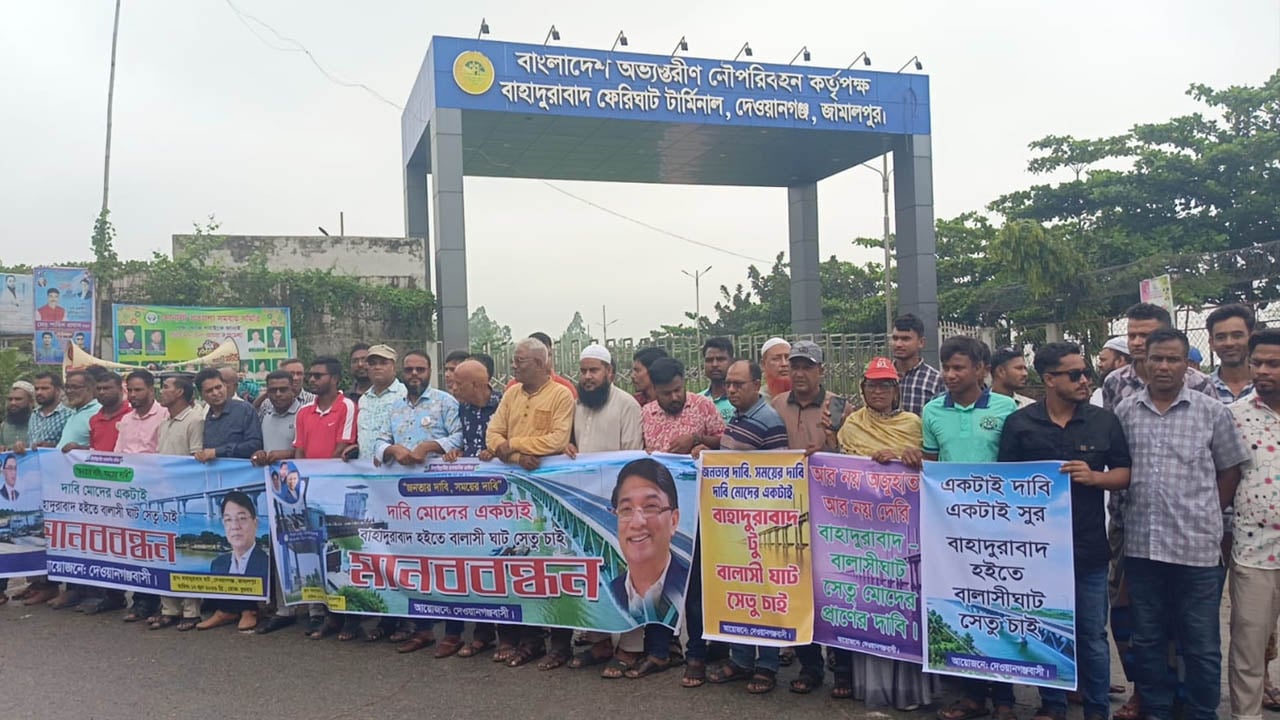
A human chain was organized on Wednesday afternoon in front of the Bahadurabad river terminal in Dewanganj upazila of Jamalpur, demanding the construction of a second Jamuna Bridge on the Bahadurabad-Balashi route. The hour-long demonstration was held under the banner of local residents and was joined by people from various professions, including businesspersons, transport workers, students, and leaders of political and social organizations. Speakers at the event said the Bahadurabad-Balashi river route has historically been one of the country’s most important communication links, playing a vital role in trade and connectivity between northern and other regions since the British era. They argued that building a bridge on this route would ease travel for millions in the northern region, reduce transport costs, expand trade, and boost agricultural and industrial growth, thereby benefiting the regional economy. Participants urged the government to take immediate steps to construct the bridge and warned that larger movements could follow if the demand is not met. Locals expressed hope that the government would prioritize the project considering public interest.
A Dhaka court has postponed the unfinished hearing on charge framing in the sedition case against former prime minister Sheikh Hasina and 285 others, setting July 14 as the new date. The decision came on Wednesday afternoon from Judge Moin Uddin Chowdhury of the Dhaka Third Additional Metropolitan Sessions Judge’s Court. Thirty-two detained defendants were presented before the court, where the prosecution began its arguments and the defense sought discharge. As the defense hearing remained incomplete, the court rescheduled the session. Earlier, the case had been transferred several times between different Dhaka courts. It originated from a complaint filed on March 27 of the previous year by CID Assistant Superintendent of Police Md Enamul Haque, accusing Sheikh Hasina and 72 others of sedition. Following investigation, a charge sheet was submitted on July 30 naming 286 accused, and arrest warrants were issued on August 14. The case alleges that during a Zoom meeting on December 19, 2024, Sheikh Hasina made anti-state remarks and called for the ouster of interim government head Dr Muhammad Yunus. The court proceedings will resume on July 14 to complete the defense hearing before deciding on charge framing.
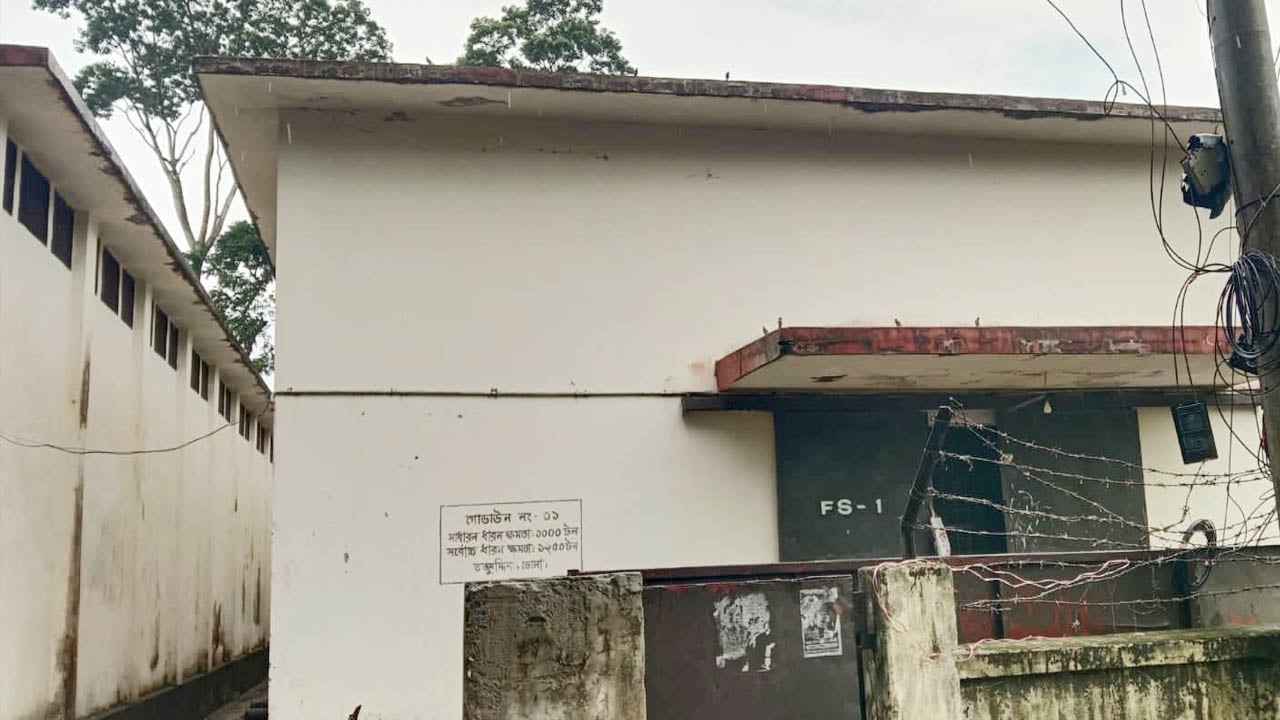
About 340 tons of government rice allocated for sea-going fishermen and beneficiaries under the Vulnerable Group Development (VGD) program remain undistributed in Tazumuddin upazila of Bhola. Although delivery orders were issued, the rice could not be transported due to a shortage of funds for transport costs. The rice, which includes expired and newly allocated stocks, has been lying in the local food warehouse beyond the scheduled distribution period, raising concerns about the effectiveness of the government’s food aid program. Officials said that several unions failed to collect their allocations within the designated time, leaving large quantities of rice stored in the warehouse. Beneficiaries complained that despite having official documents, they have not received their food aid. Local representatives cited insufficient government transport allowances as the main reason for the delay, while officials from the Women Affairs Office and the Food Department gave differing statements about the status of distribution. Local observers warned that if the issue is not resolved quickly, it could disrupt upcoming grain storage and procurement operations and undermine the objectives of the government’s food assistance initiatives.
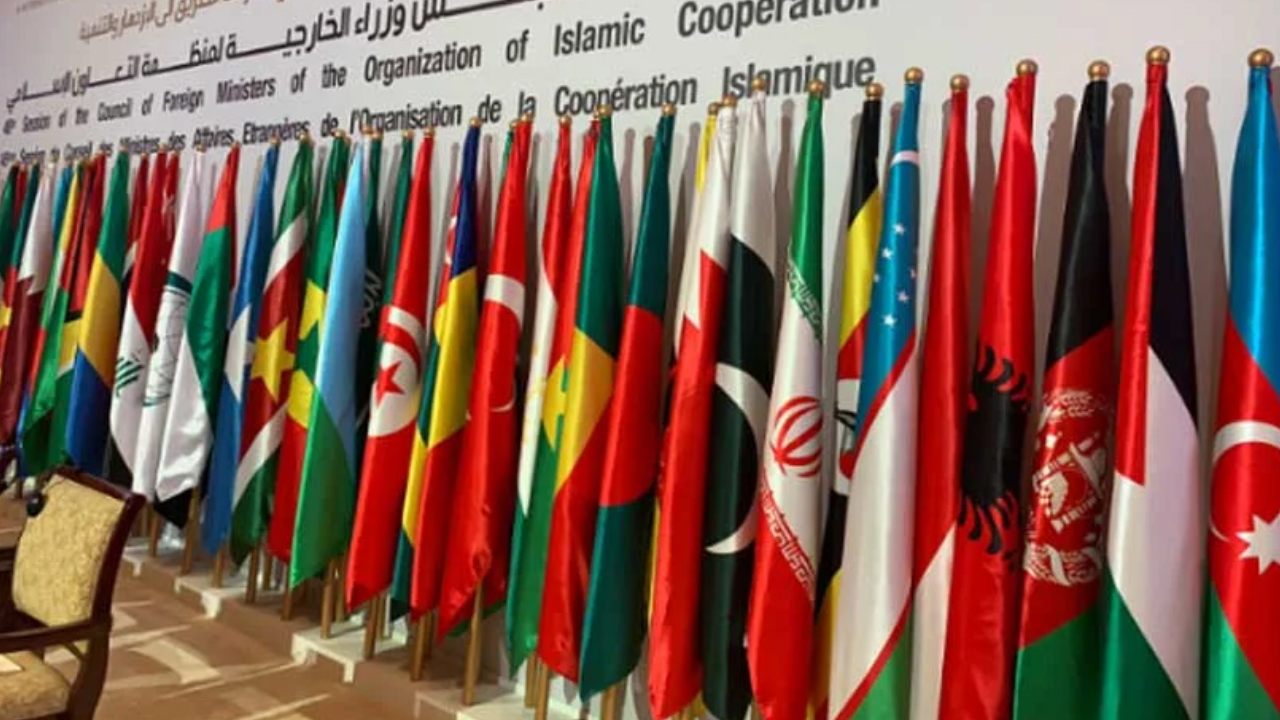
The Organization of Islamic Cooperation (OIC) has voiced deep concern over Israel’s plan to undermine the political and legal status of the Palestinian city of Hebron. In a statement shared on social media, the OIC said Israel’s finance minister recently decided to remove administrative and planning authority from the Hebron municipality over the Ibrahimi Mosque, the Old City, and surrounding areas. The organization warned that such actions violate international law and relevant United Nations resolutions. The OIC emphasized that Israel has no sovereignty over the occupied Palestinian territories, including Hebron and its holy sites, which have been under occupation since 1967. It cited related UN and UNESCO resolutions affirming this position. Palestinian officials also strongly criticized the move to annul the Hebron Agreement and transfer urban planning powers from the municipality to Israeli authorities, calling for urgent international intervention. Reiterating its appeal, the OIC urged the global community to take effective measures to preserve the historical and cultural significance of the Ibrahimi Mosque and Hebron’s Old City, both listed by UNESCO as endangered World Heritage sites belonging to the State of Palestine.
A police officer has testified as the first witness in a case against former Awami League MP Abul Hasanat Abdullah and three others over the alleged crossfire killings of two men in Agailjhara, Barishal, on February 21, 2015. The testimony was given on Wednesday before International Crimes Tribunal-2, marking the formal start of the trial. In his statement, witness Asim Kumar Sarkar, now Officer-in-Charge of Barishal Sadar Naval Police Station, described events leading up to the killings. He said that at the time he was a sub-inspector at Agailjhara Police Station and was instructed by his superiors to file a case after a pickup van was set on fire. He testified that the Superintendent of Police later ordered him to carry out a crossfire killing of two arrested suspects, which he refused. According to the testimony, the two detainees, Tipu Hawlader and Kabir Hossain, were later killed in what was reported as a crossfire incident. The witness claimed officers from another police station were brought in to execute the operation after local officers declined to participate.

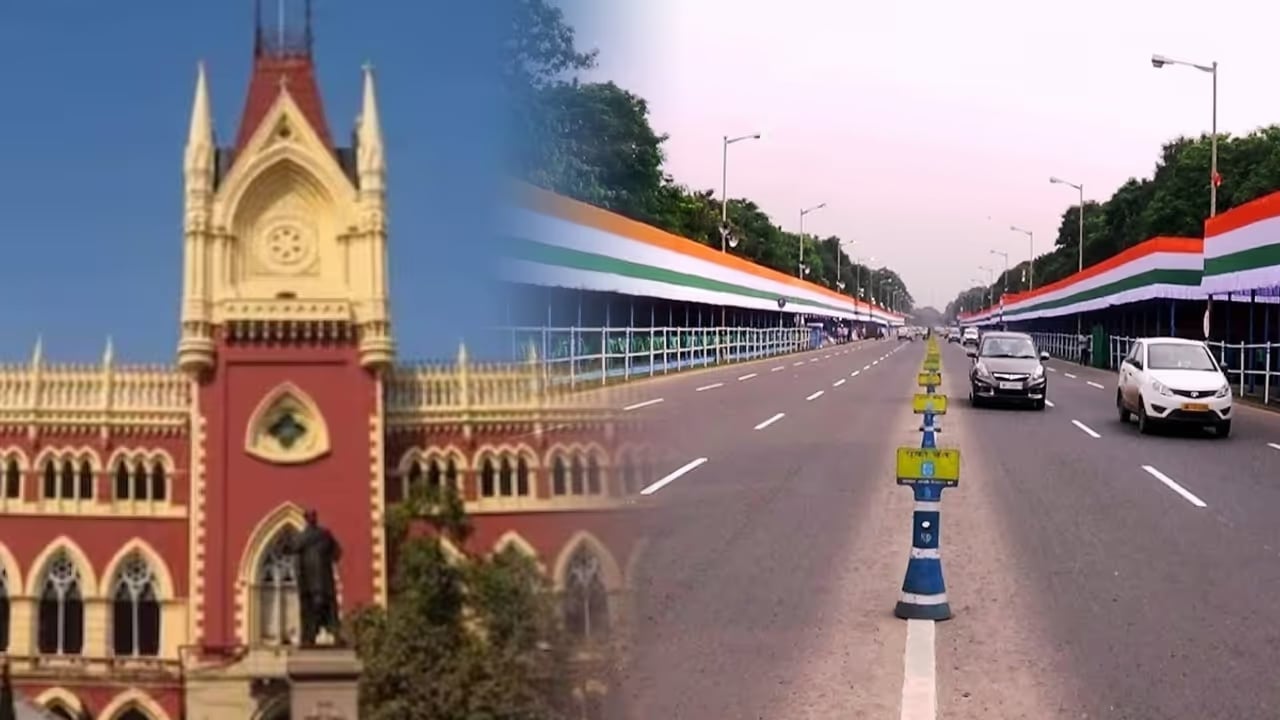
The Kolkata administration has decided to close the historic Red Road to all traffic from June 14 night to June 21 for preparations and security arrangements ahead of International Yoga Day. Indian Prime Minister Narendra Modi is scheduled to attend the main event on June 21. Kolkata Police announced that several nearby roads will also face restrictions, particularly for heavy vehicles, and said alternative traffic plans have been arranged in coordination with the transport department. The decision has triggered controversy and legal action. The All India Lawyers Association has filed a case in the Calcutta High Court challenging the legality of the order. CPM youth leader Satarup Ghosh criticized the move, alleging political bias and discrimination against the Muslim community. He argued that while Eid prayers on Red Road faced objections in the past, the same space is now being closed for a week for a yoga event. Ghosh also accused both the ruling Trinamool Congress and the BJP of double standards, claiming the decision limits minority religious rights and reflects selective enforcement of public space restrictions.
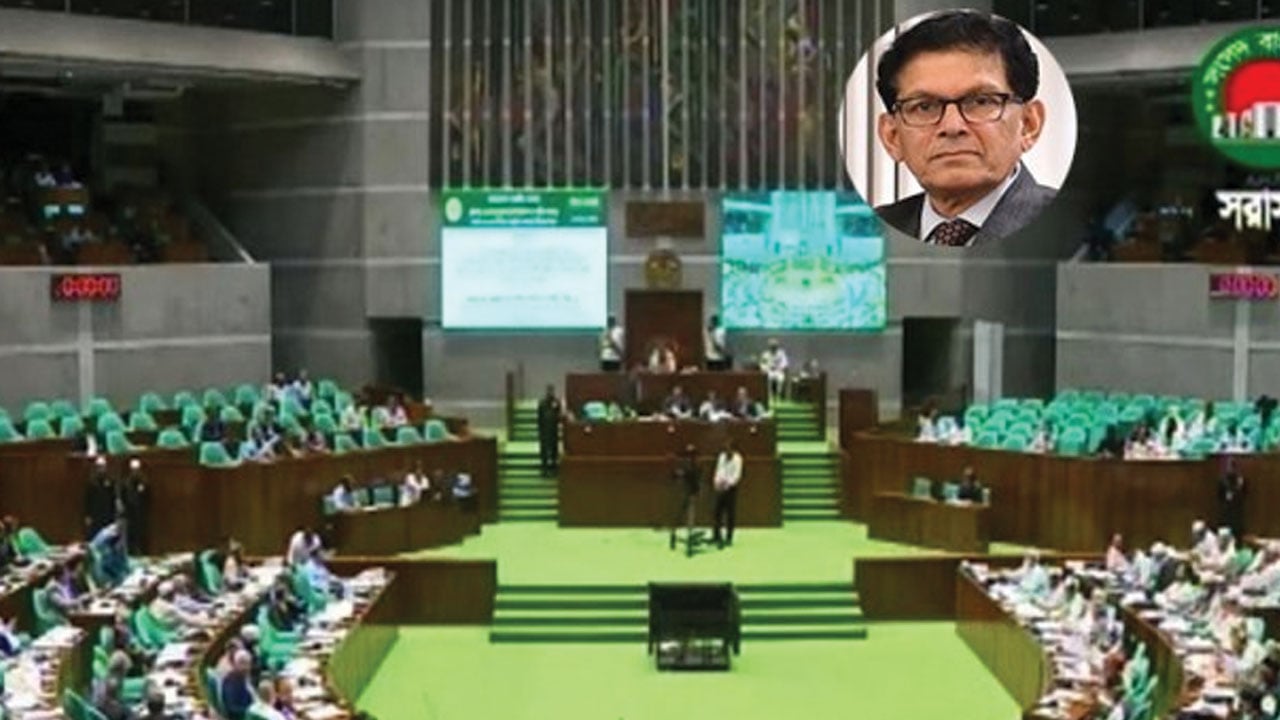
Foreign Minister Khalilur Rahman told Parliament that Bangladesh has recently signed an Agreement on Reciprocal Trade (ART) with the United States. The deal ensures zero-duty benefits for garments made from US cotton and is expected to strengthen Bangladesh’s position in global supply chains while attracting foreign investment and enhancing energy security. He said expanding export markets, diversifying exports, attracting international investment, and achieving employment-oriented growth are key government priorities. The government is emphasizing economic diplomacy to engage local entrepreneurs in global trade and boost economic dynamism through foreign investment. Relevant agencies, including BIDA, BEZA, and the Ministry of Commerce, are working together toward these goals. The minister added that Bangladesh is pursuing trade agreements such as PTAs, FTAs, and CEPAs with several countries, including the UAE, Malaysia, Singapore, and Thailand, while also seeking stronger ties with regional blocs like GCC and Mercosur. He also noted new export opportunities for agricultural products, such as potatoes to Vietnam and ongoing efforts to export mangoes to Malaysia.
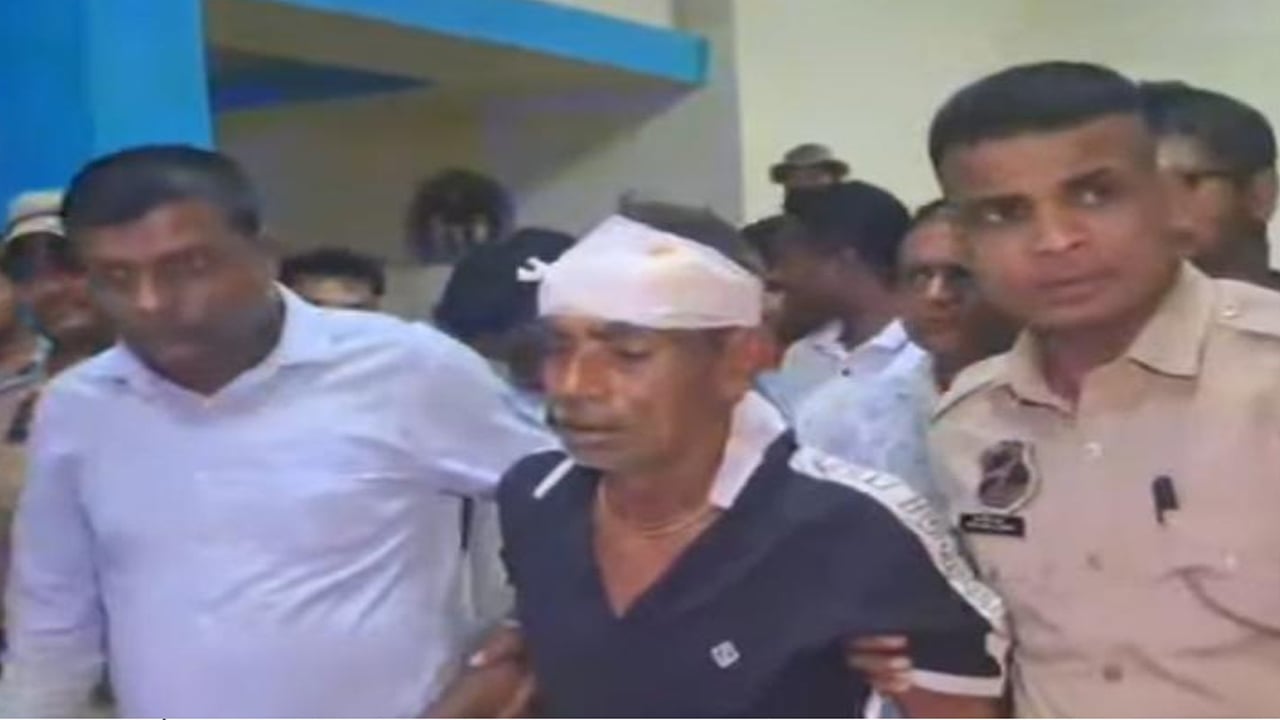
A Bangladeshi youth named Dipjal Ahmed, aged 26, has gone missing near the Uttarkul border in Zakiganj upazila of Sylhet, sparking tension among residents of both Bangladesh and India. Locals allege that Indian Border Security Force (BSF) members shot and killed Dipjal and kept his body on the Indian side. However, Border Guard Bangladesh (BGB) has not yet confirmed the authenticity of the claim and stated that Dipjal remains missing. According to local accounts, Dipjal and several others reportedly crossed into India on Sunday night. When returning, BSF personnel allegedly chased and fired at them. The others managed to flee back to Bangladesh, but Dipjal did not return. The incident led to unrest in the area, and on Tuesday, agitated locals detained an Indian farmer named Ranjit Das, who was later handed back to BSF unharmed through BGB intervention. Local authorities, including the union council chairman and police, confirmed that the missing person’s status remains unresolved, and it is still unknown whether he is alive or dead.
The government has withdrawn its plan to make music, dance and drama compulsory subjects in primary education. Following this decision, Bangladesh Khelafat Majlish suspended its previously announced protest marches. The party’s secretary general, Maulana Jalaluddin Ahmad, confirmed that the initiative did not receive cabinet approval and that the government has stepped back from implementing it. In a statement, the party said that imposing any education policy conflicting with Islamic values, family ideals, and public beliefs would harm national unity, social stability, and the education system. It urged the government to act cautiously in the future and respect religious and cultural values. The party also expressed concern that certain groups within the administration repeatedly propose measures inconsistent with the nation’s religious and social sentiments. Earlier, on June 10, State Minister for Primary and Mass Education Bobby Hajjaj had announced plans to include music, drama, dance, and fine arts in the curriculum from 2027, aiming to create new employment opportunities for trained teachers and artists.
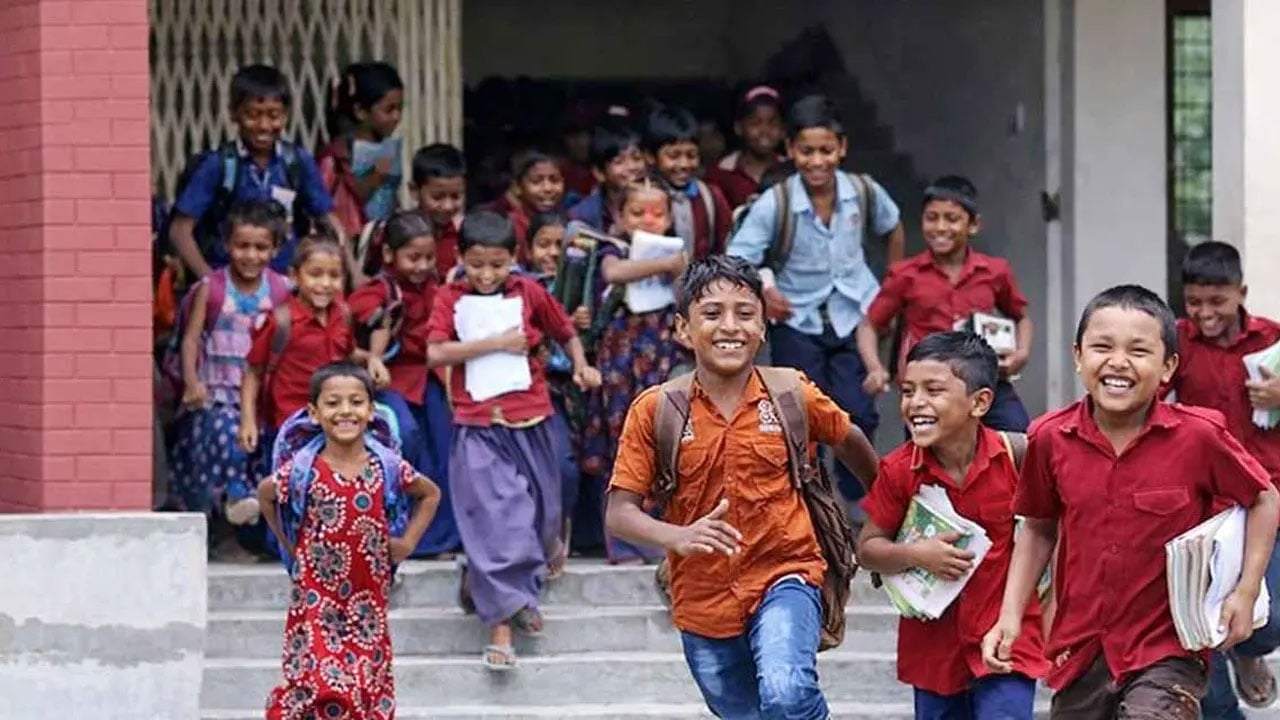
Bangladesh Home Minister Asaduzzaman Khan told Parliament that Border Guard Bangladesh (BGB) prevented 36 push-in attempts by India’s Border Security Force (BSF) following the West Bengal state election. He said that since August 5, 2024, a total of 2,369 people were pushed in by BSF, of whom 2,175 were handed to local police, 11 returned to BSF, and 183 were pushed back. The statement came during a parliamentary question session chaired by Speaker Hafiz Uddin Ahmed. In response to other questions, the minister described BSF’s killing of unarmed Bangladeshi citizens as a clear human rights violation and said the issue was raised strongly in BGB–BSF director general–level meetings. He added that no formal agreement exists for compensation from India, though Bangladesh continues to oppose the use of lethal weapons at the border and presses for accountability. The minister also outlined ongoing measures to strengthen border security, including fencing initiatives along sensitive areas and enhanced patrols to curb smuggling, drug trafficking, and cross-border crimes.
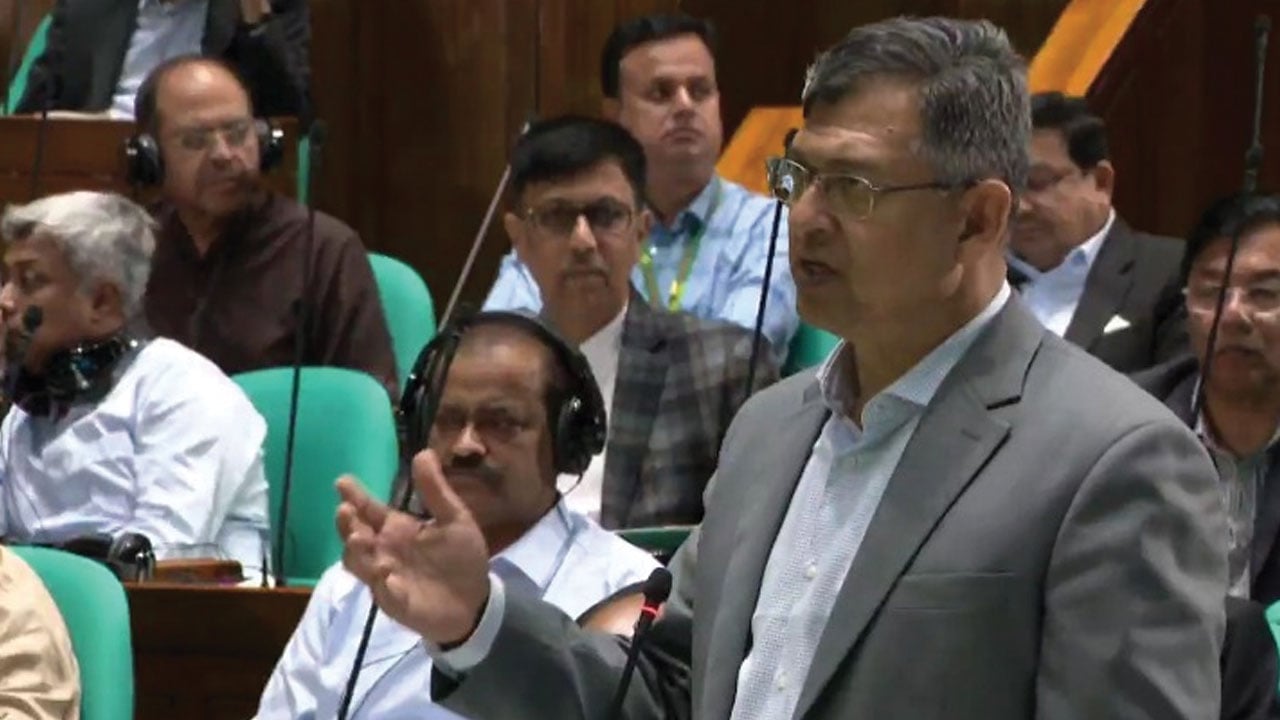
Hasnat Abdullah, chief organizer of the National Citizens Party (NCP) for the southern region and a member of parliament, declared that his political struggle will continue until equal dignity and rights are established for all citizens. He pledged not to accept any personal privileges or participate in VIP culture until state services and facilities are equally guaranteed for ordinary people. According to a press release from the NCP UK Alliance, Abdullah made the commitment during a reception held on Sunday at Maida Banqueting Hall in London’s Whitechapel area, organized in honor of his UK visit. He paid tribute to the contributions of expatriate Bangladeshis during the July uprising and called for unity among citizens, intellectuals, youth, and pro-democracy forces at home and abroad to build a new Bangladesh. The event concluded peacefully despite attempts by fugitive Awami League activists to disrupt it, thanks to the efforts of NCP UK Alliance volunteers and local law enforcement. Expatriate Bangladeshis, July fighters, NCP leaders, and community figures from various UK cities attended the program.

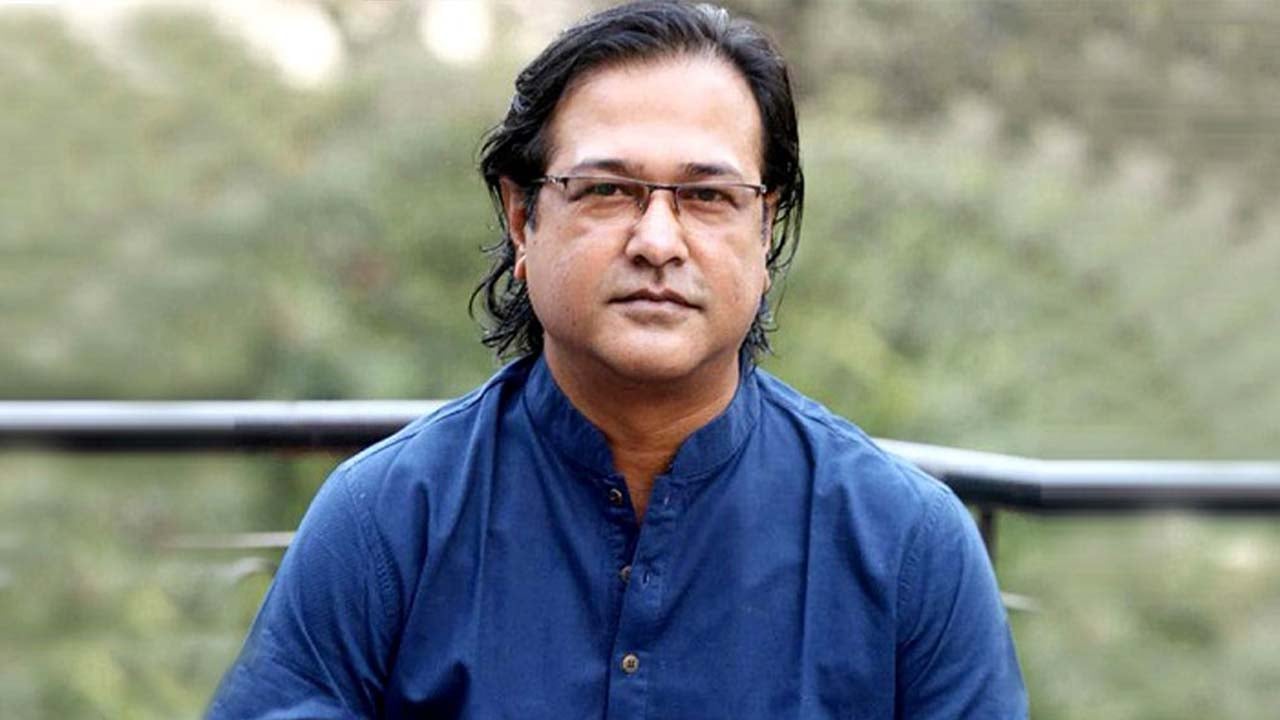
Popular Bangladeshi singer Asif Akbar has called for recognizing entertainment as the country's sixth basic need, citing a severe shortage of recreational opportunities. In a Facebook post on Tuesday, he emphasized that entertainment is vital for mental development, especially for children, and that its absence fosters violence, jealousy, and frustration. He argued that sports and cultural activities are the most effective ways to nurture creativity and emotional well-being. Asif also highlighted the cultural vision of late President Ziaur Rahman, recalling his meetings with musicians in 1979–80 that helped shape the country's band music scene. He noted that Zia had removed import duties on Western instruments, which contributed to the 1990s band music boom. Asif praised the current government for fully withdrawing a previously imposed 5% duty in the 2026–27 budget, saying it would strengthen the foundation of Bangladeshi music amid the rise of AI-generated music. He further urged the government to launch a nationwide cultural revolution, stressing that entertainment is a fundamental right for children and essential for building a healthy, prosperous nation.
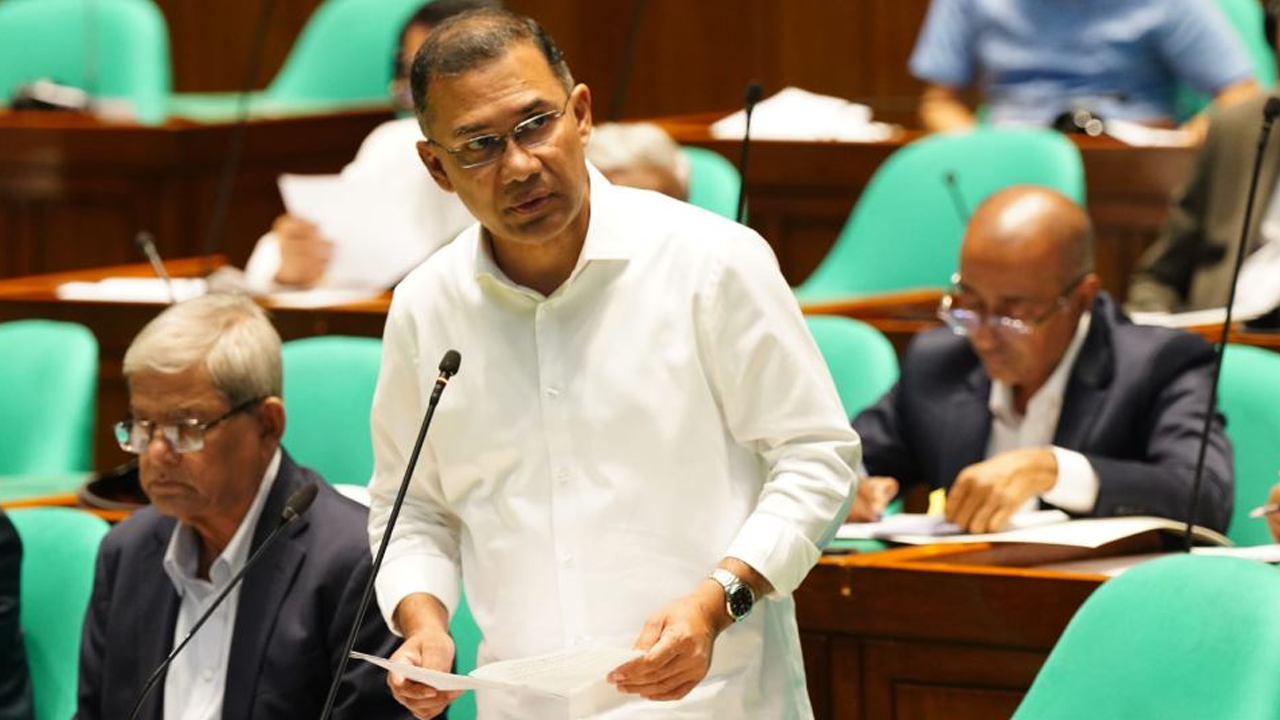
Prime Minister and Leader of the House Tarique Rahman informed the National Parliament that the government is planning to construct another barrage on the Teesta River to conserve water during the dry season. He said that technical and financial aspects of the project are currently under examination at various stages. The announcement came on Wednesday in response to a question from NCP Member of Parliament Akhtar Hossain during a parliamentary session chaired by Speaker Hafiz Uddin Ahmed. The Prime Minister added that a feasibility study for a sustainable and integrated development plan centered on the Teesta River has already been completed. The study report proposes the Teesta Master Plan, which includes 110 kilometers of riverbank protection, 110 kilometers of river dredging, 224 kilometers of flood control embankments with roads, construction and repair of 67 groynes or spurs, and recovery and development of 170 square kilometers of land. The plan aims to ensure sustainable river management and enhance water resource utilization in the Teesta basin, though implementation details and timelines have not yet been disclosed.
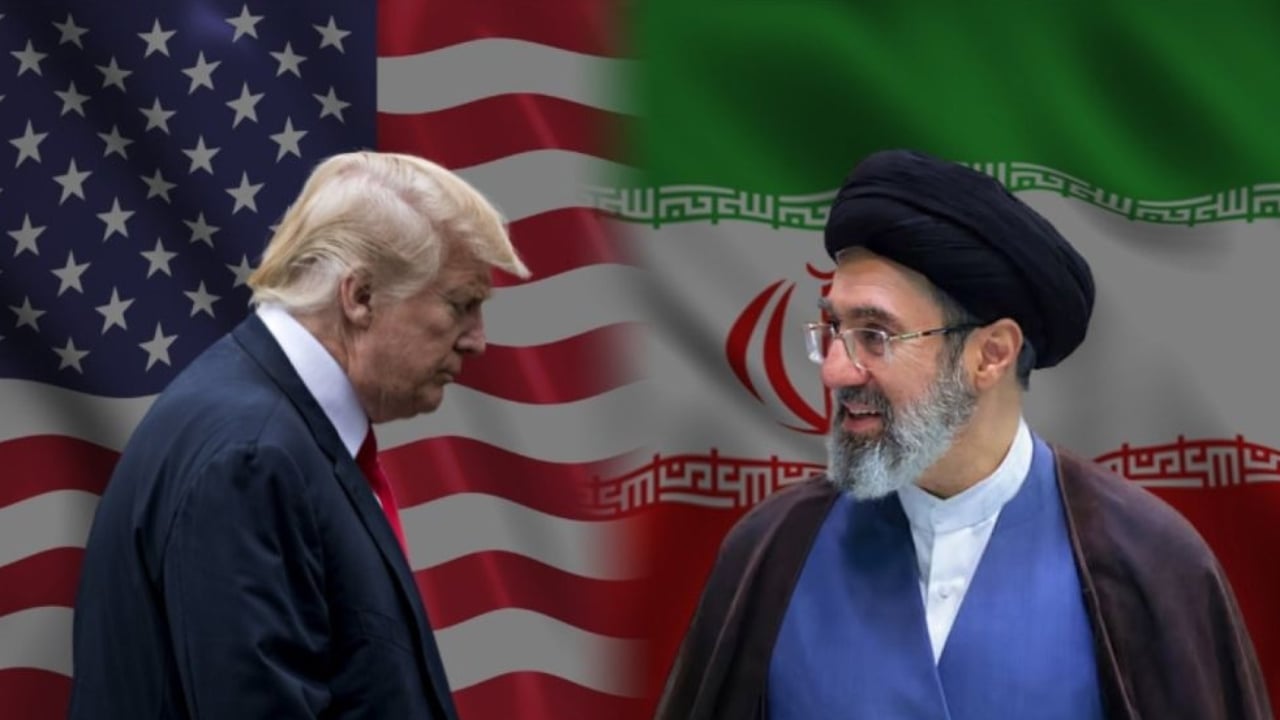
CNN has published a 14-point draft memorandum of understanding between Iran and the United States, describing it as a potential historic agreement amid ongoing Middle East tensions. The draft includes provisions for a ceasefire, normalization of shipping in the Persian Gulf and Strait of Hormuz, easing of sanctions on Iran, and commitments regarding Tehran’s nuclear program. According to CNN, the document was obtained from a U.S. official and verified by diplomatic sources at the G7 summit in France, though a White House spokesperson said the leaked text does not reflect the final deal. The report states that U.S. President Donald Trump, Vice President JD Vance, and Iranian Parliament Speaker Mohammad Bagher Ghalibaf digitally signed the draft on Sunday, with a formal signing planned in Switzerland on Friday. The agreement outlines a 60-day period to finalize the deal. It allows Iran to export oil and petrochemical products and access a $300 billion development fund if nuclear commitments are met, though the draft provides no clear explanation about Iran’s highly enriched uranium. The 14 clauses cover ceasefire terms, mutual respect for sovereignty, lifting of sanctions, maritime security, and UN Security Council endorsement of the final agreement.
The ‘1 Nojor’ media platform is now live in beta, inviting users to explore and provide feedback as we continue to refine the experience.