

The ‘1 Nojor’ media platform is now live in beta, inviting users to explore and provide feedback as we continue to refine the experience.
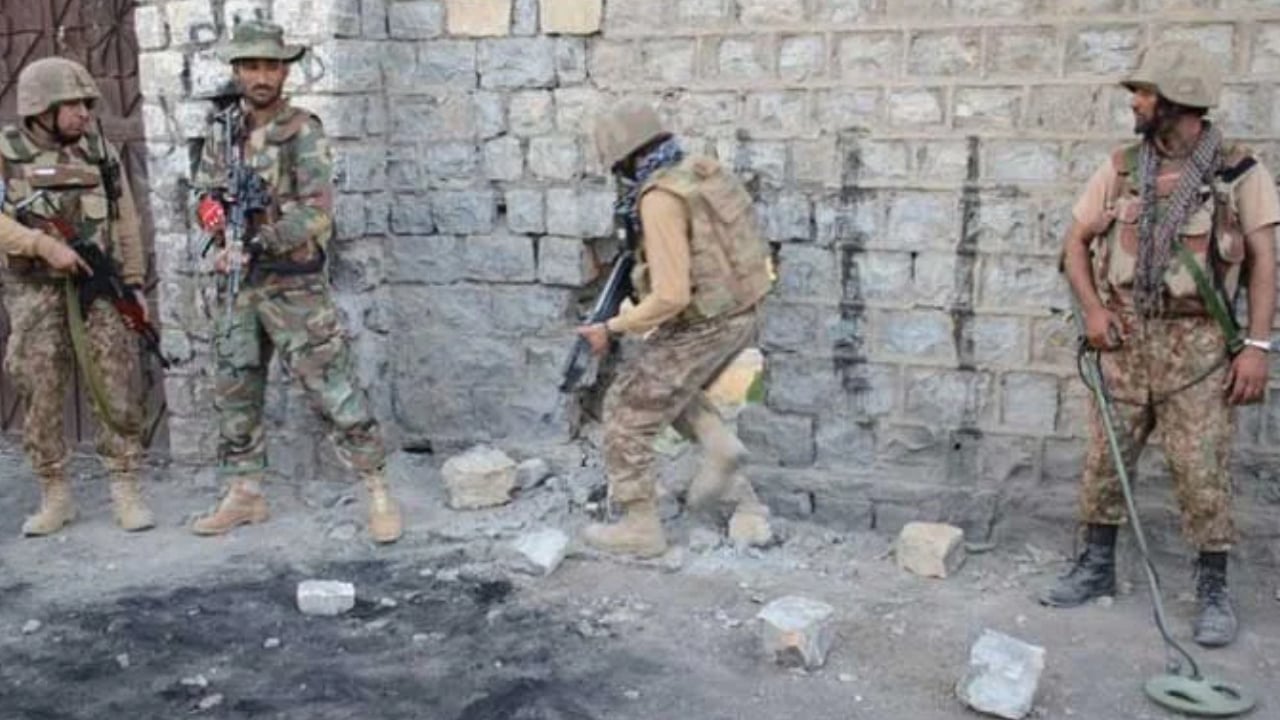
Six people were killed in separate counterterrorism operations conducted by security forces in Pakistan’s Khyber Pakhtunkhwa province, according to a statement issued by the country’s Counter Terrorism Department on Sunday. The statement said that militants had set up a checkpoint on Shakardara Road to plan attacks and obstruct the movement of law enforcement personnel. When a team from Swat reached the area, the militants opened fire, triggering a gunfight that left three militants dead. Authorities recovered three Kalashnikov rifles, nine magazines, and multiple rounds of ammunition from the scene, while other suspects fled. In another statement, officials reported that members of the group “Fitna al-Kharij” were moving from Mohmand district toward Charsadda to carry out terrorist activities. Acting on this information, security forces launched an operation and came under fire from the militants. After an intense exchange of gunfire, three more bodies were recovered from the area. The operations reflect ongoing efforts by Pakistani security forces to counter militant activity in the region.
A Dhaka court has again postponed the submission of the further investigation report in the murder case of Inquilab Moncho spokesperson Sharif Osman Hadi. On Wednesday, June 17, 2026, Additional Chief Metropolitan Magistrate Md. Sefatullah set June 28 as the new date after the investigating officer, CID Assistant Superintendent of Police Abdul Kadir Bhuiyan, failed to submit the report. This marks the 16th postponement of the report submission. Earlier, on January 15, 2026, the case’s complainant, Inquilab Moncho member secretary Abdullah Al Jaber, expressed dissatisfaction with the charge sheet filed by the Detective Branch and filed a petition for further investigation. The court accepted the petition and ordered a reinvestigation. The initial charge sheet, submitted on January 6, 2026, accused 17 individuals, including former ward councillor Taizul Islam Chowdhury Bappi and Faisal Karim Masud. According to the case details, Hadi was shot on December 12, 2025, in Dhaka’s Motijheel area while traveling after Friday prayers. He later died on December 18, 2025, in Singapore while undergoing treatment.

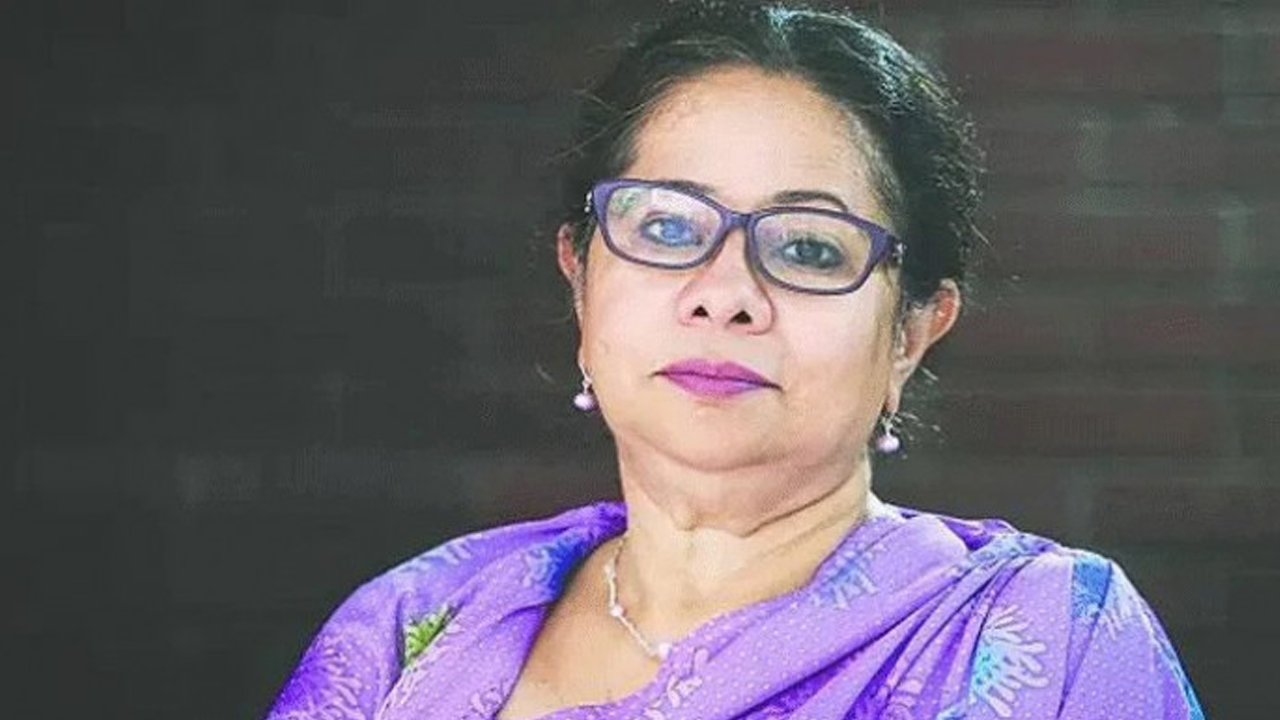
Rasheda K. Chowdhury, Executive Director of Campaign for Popular Education, stated that despite an increase in the education sector allocation, the government remains far from fulfilling its election pledges. She emphasized that allocation alone is not enough and called for timely fund release and good governance in expenditure. She made these remarks on Wednesday afternoon at a press briefing titled “How Is the Education Budget: Reality and Public Expectation,” organized by the Campaign for Popular Education. Chowdhury also criticized the government’s plan to impose examination fees on primary students, saying it contradicts the law guaranteeing free education. The main paper at the event was presented by the organization’s Deputy Director, Dr. Mostafizur Rahman. Other speakers included Dr. Fahmida Khatun, Executive Director of the Centre for Policy Dialogue (CPD); Dr. Syed Shahadat Hossain, Professor at the University of Dhaka’s Institute of Statistical Research and Training; and Dr. Imran Matin, Executive Director of the BRAC Institute of Governance and Development (BIGD).
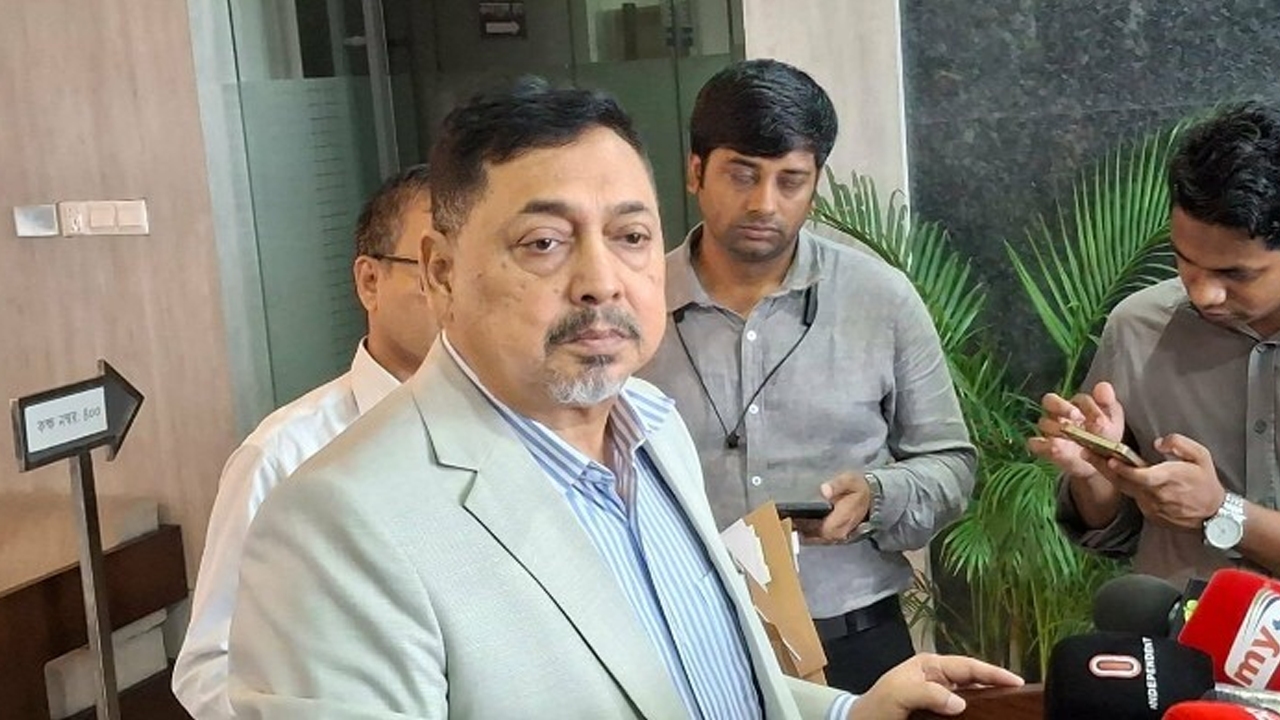
Bangladesh is set to establish its first-ever free trade zones in the Chattogram Port and Matarbari areas, according to Cabinet Secretary Nasimul Gani. The announcement came after a meeting of the Cabinet Committee on Economic Affairs held on Wednesday at the Secretariat. The zones will allow both foreign and local businesses to trade without taxes, marking a new step in the country’s trade policy framework. The Cabinet Secretary stated that two sites have been selected for the initiative—one near Matarbari Port and another adjacent to Chattogram Port—covering between 300 and 600 acres each. Alongside this development, the government also approved imports of 30,000 metric tons of urea fertilizer from Russia, 25,000 metric tons from Saudi Arabia, and raw materials for 15,000 metric tons of sulfuric acid from three countries. He added that due to the closure of the Hormuz Strait, Bangladesh is purchasing fuel from the spot market and has approved two shipments for June and early July. The government emphasized that administrative activities are progressing rapidly with a focus on public service delivery.
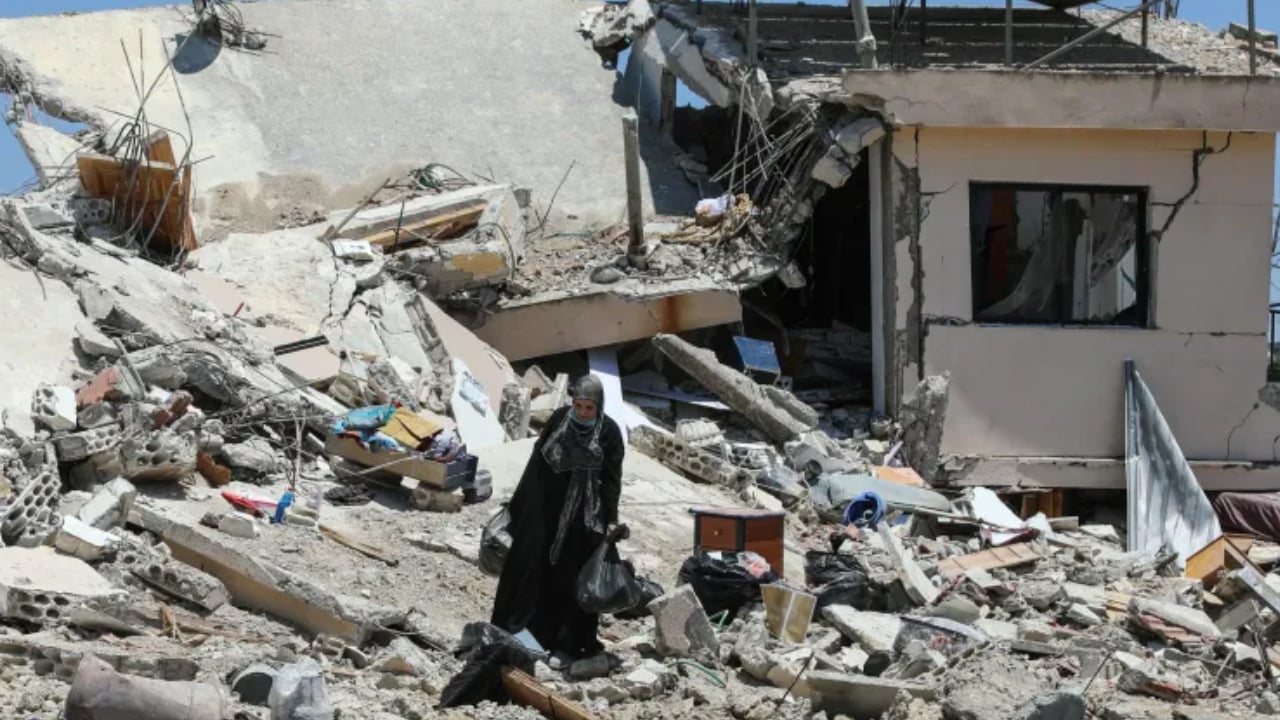
Amnesty International has accused the Israeli military of committing war crimes in Lebanon by ordering mass forced displacements of civilians. In a statement released on June 17, 2026, the UK-based human rights organization said that the Israeli army’s actions in southern Lebanon, including preventing displaced civilians from returning home, amount to unlawful transfers under international law. According to Amnesty, the Israeli military expanded its use of such orders after a ceasefire took effect on November 28, 2024, declaring about 4.6 percent of Lebanese territory a no-entry zone. Following another ceasefire on April 17, 2026, the restricted area was enlarged to nearly 6 percent of the country and designated as a “forward defense” zone. Thousands of residents from several villages were reportedly barred from returning to their homes. Lebanese officials stated that Israel has been conducting extensive attacks since March 2, resulting in more than 3,800 deaths and displacing over one million people across the country.
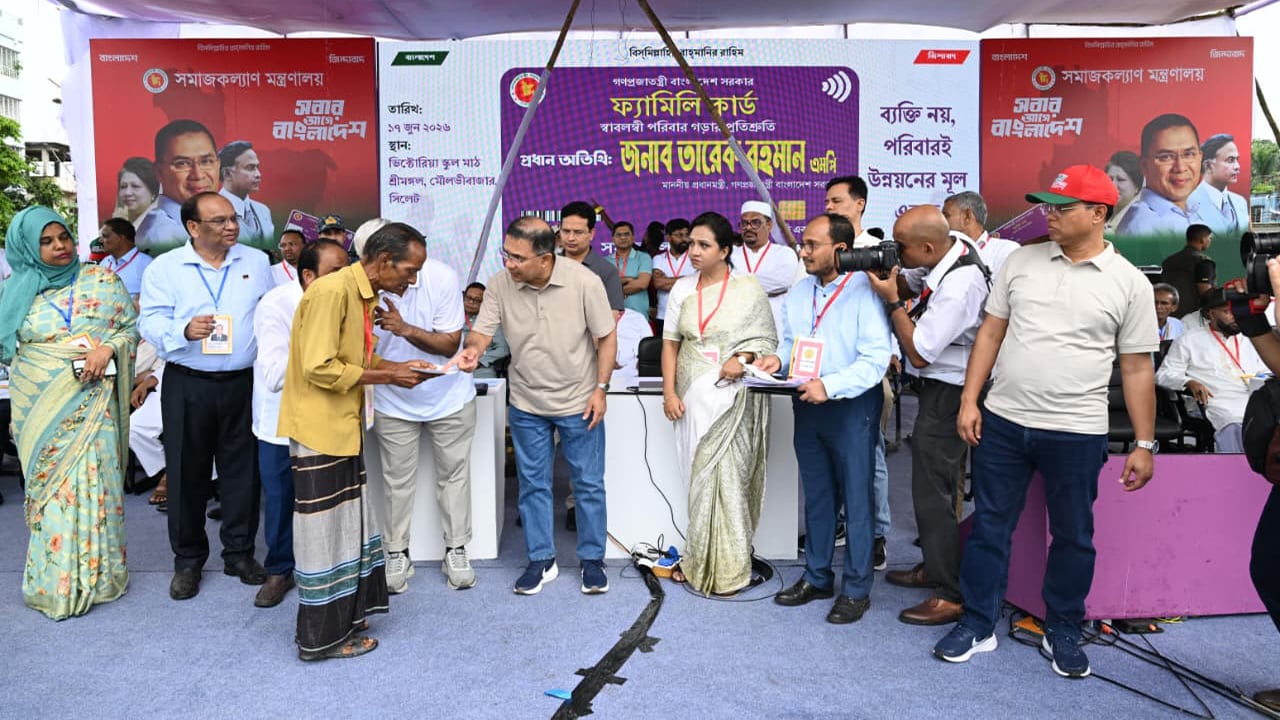
Prime Minister Tarique Rahman inaugurated the third phase of the family card distribution program in Moulvibazar on Wednesday. The event took place at the historic Victoria High School field around 1:30 p.m., marking the formal launch of the initiative’s latest stage. Earlier in the morning, the Prime Minister arrived at Sylhet Osmani International Airport at 10:15 a.m. before traveling to Moulvibazar for the ceremony. The family card distribution program is part of a broader government effort to support citizens through structured welfare initiatives. The launch in Moulvibazar represents the continuation of this program’s expansion across different regions, aiming to ensure equitable access to government assistance. The source also mentioned other ongoing government priorities, including preparations for future pandemics, initiatives to restore extinct local fruit species, and plans to invite bids for onshore oil and gas exploration, indicating a wider policy focus on public welfare and resource development.
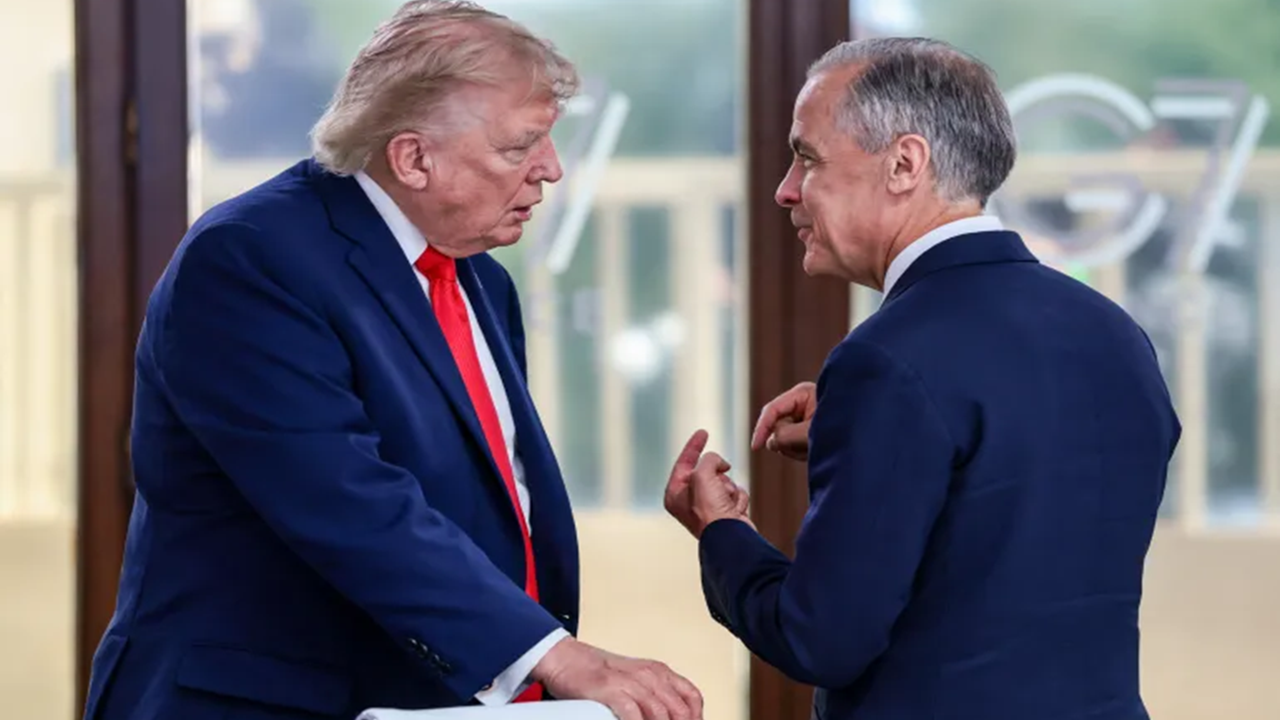
Canadian Prime Minister Mark Carney described the recently signed memorandum between Iran and the United States as a 'game changer' that could bring major changes. Speaking to CNN on the sidelines of the G7 summit, Carney said Canada was very satisfied with the agreement, calling it well-planned and positive. He expressed full support for the deal, emphasizing that it lays a foundation to ensure Iran cannot acquire nuclear weapons. Carney added that the agreement could help reintegrate regional economies and serve as a basis for resolving the Lebanon crisis, which was discussed at the summit. He also noted that the deal would create significant financial incentives for Iran, provided the country fulfills certain commitments in the coming months. According to Carney, these commitments include keeping the Strait of Hormuz open and continuing discussions on transferring enriched uranium, steps that could further stabilize the region if implemented successfully.
A small aircraft crashed on a highway in Laredo, Texas, on Tuesday night, killing one person and injuring five others who were on board. Police confirmed that the plane caught fire immediately after the crash. The aircraft reportedly lost contact with air traffic controllers before colliding with a moving vehicle during its attempted landing. According to Laredo Police Department investigator Jose Baeza, there were no immediate reports of casualties among people traveling on the highway. Authorities closed both directions of the roadway following the incident to ensure safety and facilitate emergency response. Videos shared on social media showed the plane tilted against a road barrier and engulfed in flames. Investigations are underway to determine the cause of the crash and assess any additional damage or injuries resulting from the collision.

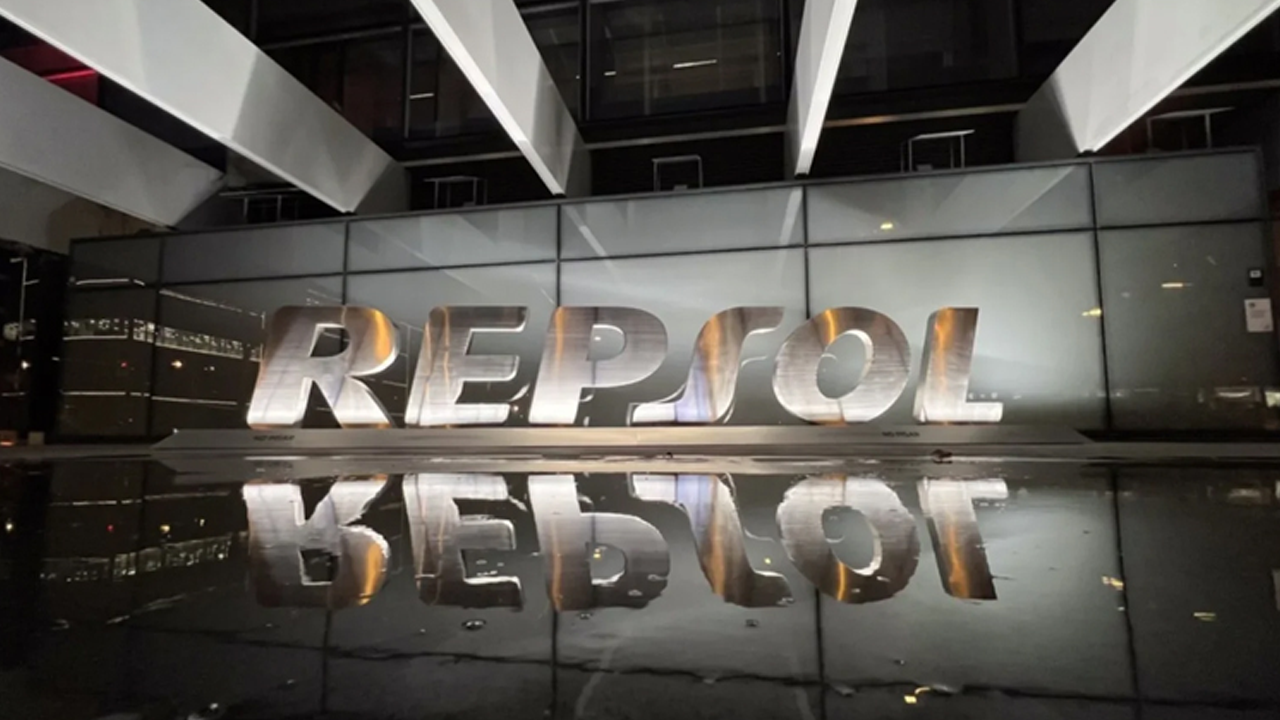
Spanish energy company Repsol has signed an agreement to explore a light crude oil field in Venezuela. The deal was finalized on Tuesday in one of the country’s main oil-producing regions, which holds the world’s largest proven oil reserves. The exploration will take place on the eastern shore of Lake Maracaibo in the oil-rich northwest of the country. Interim President Delcy Rodríguez has opened Venezuela’s hydrocarbon sector to foreign investment after President Nicolás Maduro was detained during a U.S. military operation. Under pressure from Washington, Rodríguez pushed reform legislation through parliament to attract international partners. Repsol had agreed in April to resume its operations in Venezuela. State oil company PDVSA’s president Héctor Obregón Pérez said the country aims to achieve growth in both gas and oil sectors. Repsol CEO Josu Jon Imaz San reaffirmed the company’s commitment to investing in Venezuela, while Rodríguez emphasized that Repsol had maintained its dedication during difficult times and would now receive guarantees for expanding its investments.
Lionel Messi delivered a stunning performance in Argentina’s opening match of the 2026 World Cup in the United States, scoring all three goals in a 3–0 victory over Algeria. The hat-trick not only secured Argentina’s first win of the tournament but also elevated Messi to share the record for most goals in World Cup history, matching Germany’s Miroslav Klose with 16 goals. Cameras captured Messi in tears after his first goal, a moment that drew widespread attention. After the match, Messi explained that his tears were not related to football but to personal challenges he had faced in recent days. He expressed gratitude to his teammates for their support, saying they gave him strength to overcome the situation. The 2022 World Cup champions entered this tournament aiming for back-to-back titles, and Messi’s dominant display has further fueled Argentina’s ambitions. Messi described the experience of celebrating with his family and teammates as special and emphasized the importance of starting the tournament with a win, reinforcing confidence within the squad.

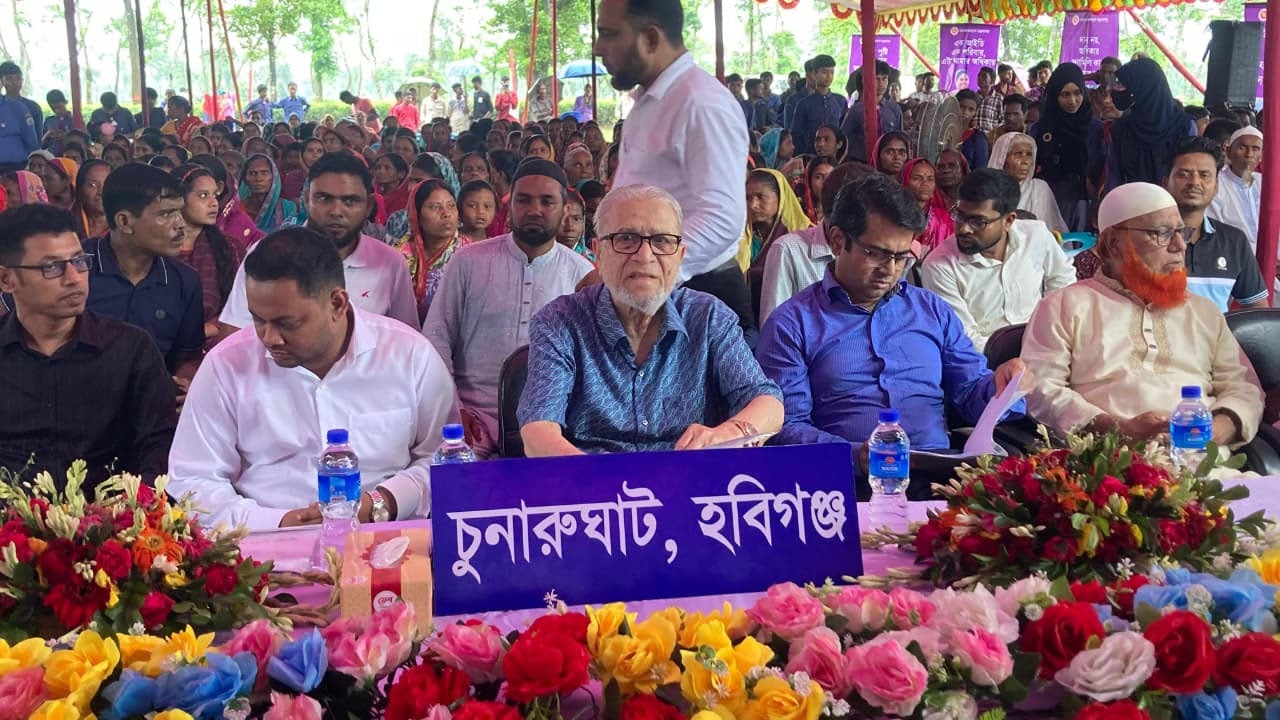
Prime Minister Tarique Rahman inaugurated the Family Card program at Chandichhara Tea Garden in Chunarughat upazila of Habiganj on Wednesday afternoon. The virtual inauguration took place during a local administration event at the Chandichhara playground. The event was attended by Habiganj-4 MP Syed Md. Faisal, Deputy Commissioner Dr. G.M. Sarfaraz, Upazila Nirbahi Officer Galib Chowdhury, local BNP leaders, and thousands of tea workers. The Family Card initiative, introduced for the first time in the district, generated significant enthusiasm among tea workers. Workers described the program as a vital support for their families, noting that their limited income and rations often fail to meet household needs. Leaders of the Bangladesh Tea Workers’ Union said the program fulfills a long-standing demand for measures to improve living standards. MP Syed Md. Faisal stated that the program will gradually expand to other tea gardens in Chunarughat and Madhabpur upazilas. The government’s goal, he said, is to ensure that no family remains outside social safety programs and that essential assistance reaches every citizen.
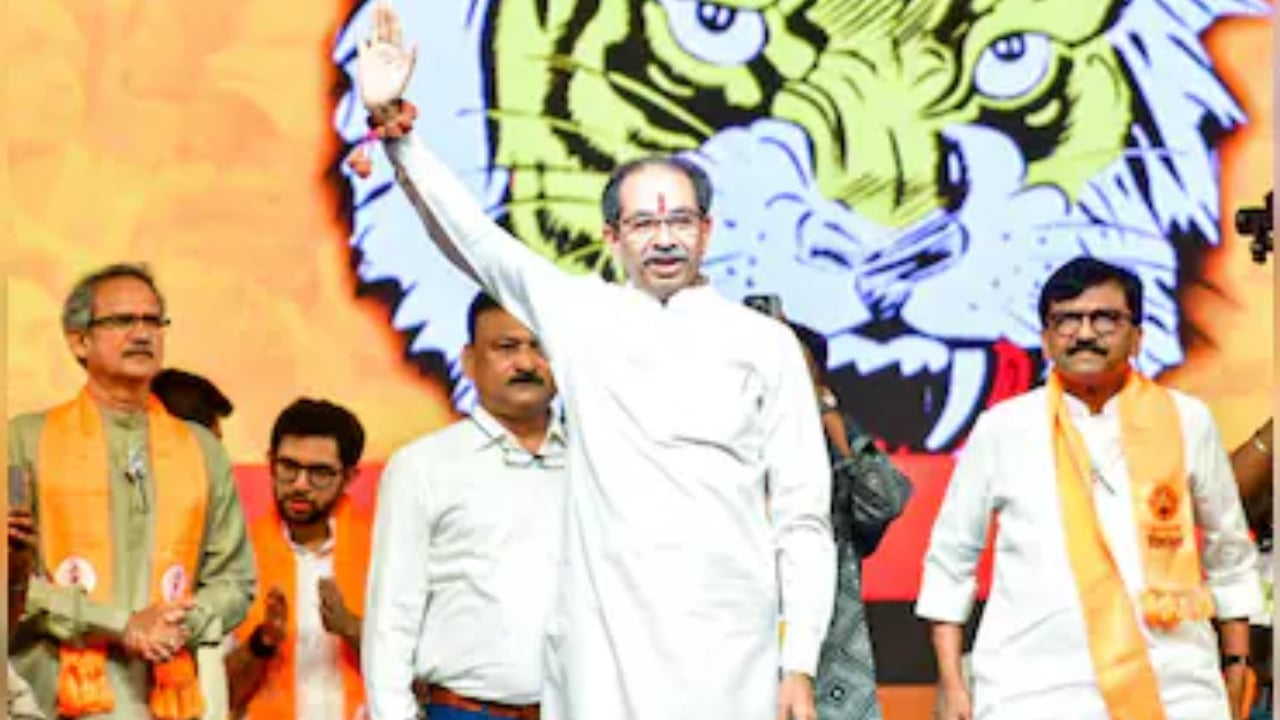
Shiv Sena (UBT) leader and Rajya Sabha member Sanjay Raut has alleged that the Bharatiya Janata Party (BJP) is offering 150 million rupees in advance to buy Members of Parliament in Maharashtra. He made the claim amid renewed speculation of a split within the Uddhav Thackeray-led Shiv Sena faction. Raut also alleged that BJP is luring MPs with private jet offers. In a post on social media platform X, Raut described the alleged payments as tragic and disgraceful. He asserted that the Uddhav Thackeray-led faction remains united and capable of handling the situation. He dismissed speculation that rebel MPs could form a separate group, saying they lack sufficient numbers. In an interview with NDTV, Raut said Thackeray has worked hard for every MP and that BJP’s attempts to lure them with money will fail. Raut further claimed that two of their MPs were to be flown from Nanded airport on a chartered plane. He mocked the rebels, saying they once could not afford rickshaw rides but now travel by private jets thanks to the Thackeray name.
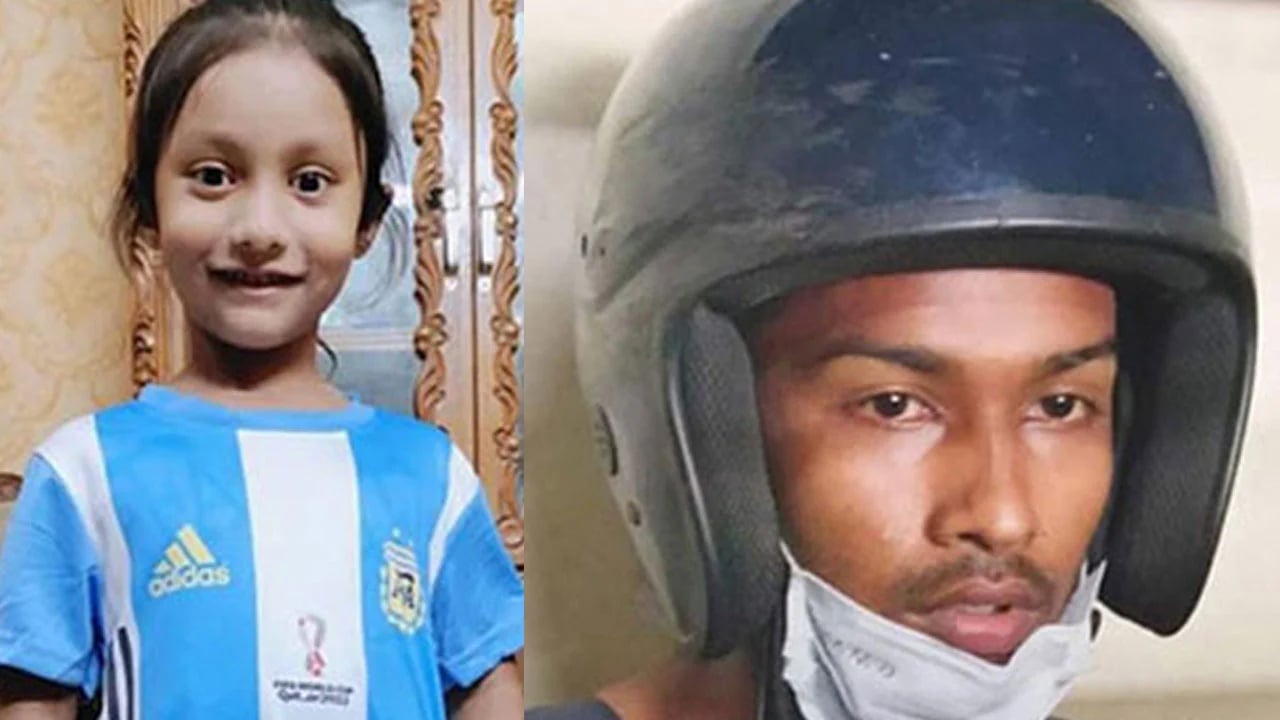
A Chattogram court has sentenced Md. Abir Mia to death and fined him 100,000 taka for the murder of five-year-old Alina Islam Ayat. The verdict was delivered on Wednesday by Judge Muhammad Ali Akkas of the Sixth Additional Sessions Judge Court. According to the prosecution, 33 witnesses testified in the case, and the state expressed satisfaction with the maximum punishment handed down to the main accused. The case originated from the disappearance of Ayat, daughter of Sohel Rana, from the Bandar Tila area under EPZ Police Station on November 15, 2022. Police Bureau of Investigation (PBI) found that Abir, a tenant known to the family, kidnapped the child for ransom and later killed her by suffocation when his plan failed. He dismembered the body and disposed of the parts near the sea and a canal. Abir confessed to the crime in court on November 25, 2022. PBI inspector Manoj Dey submitted the charge sheet on October 10, 2023, naming Abir and a 17-year-old accomplice. The juvenile’s trial is ongoing in the children’s court, while Abir remains in prison.
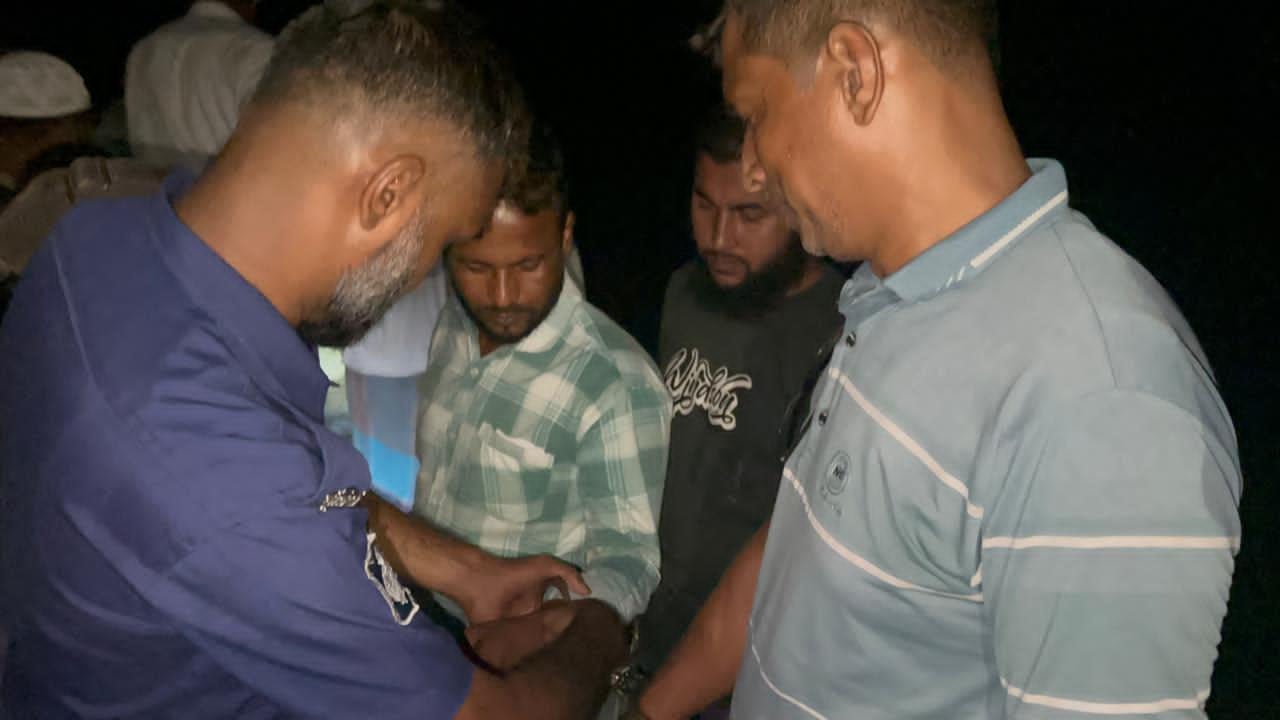
A mobile court in Shariatpur’s Damudya upazila fined a local BNP leader Tk 200,000 and sentenced another person to four months in jail for illegally cutting and selling soil from agricultural land. The verdict was delivered at 8:45 p.m. on Monday in Uttar Syedbasta village under Koneshwar Union. The court found that fertile farmland soil had been excavated using an excavator and sold elsewhere, damaging both the land’s productivity and a rural road built by the Local Government Engineering Department. According to the mobile court, Shafik Madbar received a four-month non-rigorous imprisonment for illegally cutting soil, while Ibrahim Member, a former joint general secretary of Koneshwar Union BNP and current union council member, was fined Tk 200,000 for supplying the excavator. In default of payment, he will serve three months in jail. Another accused, Sohel Bepari, was not found at the scene, and police were instructed to file a regular case against him. Assistant Commissioner (Land) Zahidur Rahman stated that illegal soil extraction harming farmland fertility is punishable under the Balumahal and Soil Management Act, 2010, and the Land Crime Prevention and Remedy Act, 2023.
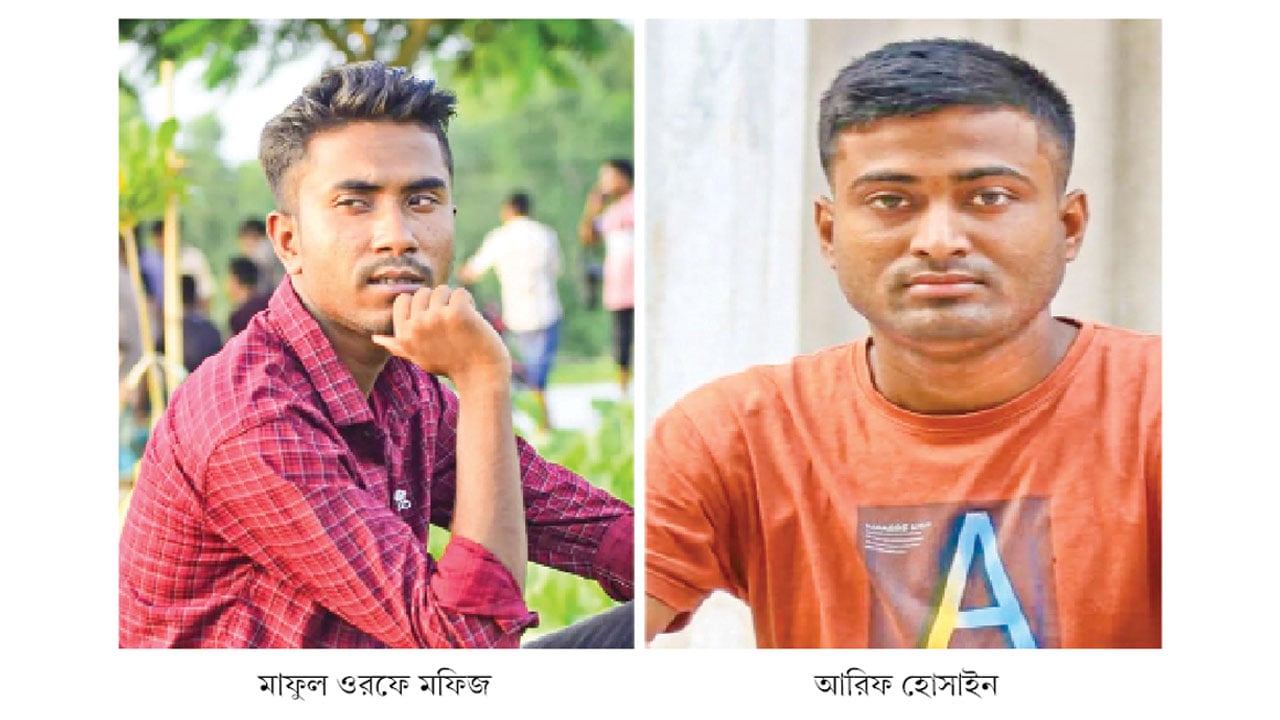
Two young men from Madarganj in Jamalpur, Bangladesh, have been missing in Russia since May 29, 2026. They are Maful alias Mofiz, 23, and Arif Hossain, 27, who traveled to Russia on May 7 seeking work as a mason and electrician. Families say they were sent through local brokers who promised jobs but instead handed them over to the Russian military. Social media reports and an audio message have circulated claiming the two were killed in a drone strike, though no official confirmation has been received. Relatives allege that the brokers deceived the men and sold them to the military for money. Both families last spoke with the men on May 29 before their phones went silent. Maful’s mother and sister expressed grief and demanded justice, while Arif’s family said they paid 1.6 million taka to send him abroad and now want a proper investigation. Local authorities acknowledged awareness of the case through social media and advised families to file formal complaints for further action. The Madarganj Upazila administration has informed higher authorities and pledged necessary support if written applications are submitted by the victims’ families.
The ‘1 Nojor’ media platform is now live in beta, inviting users to explore and provide feedback as we continue to refine the experience.