

The ‘1 Nojor’ media platform is now live in beta, inviting users to explore and provide feedback as we continue to refine the experience.
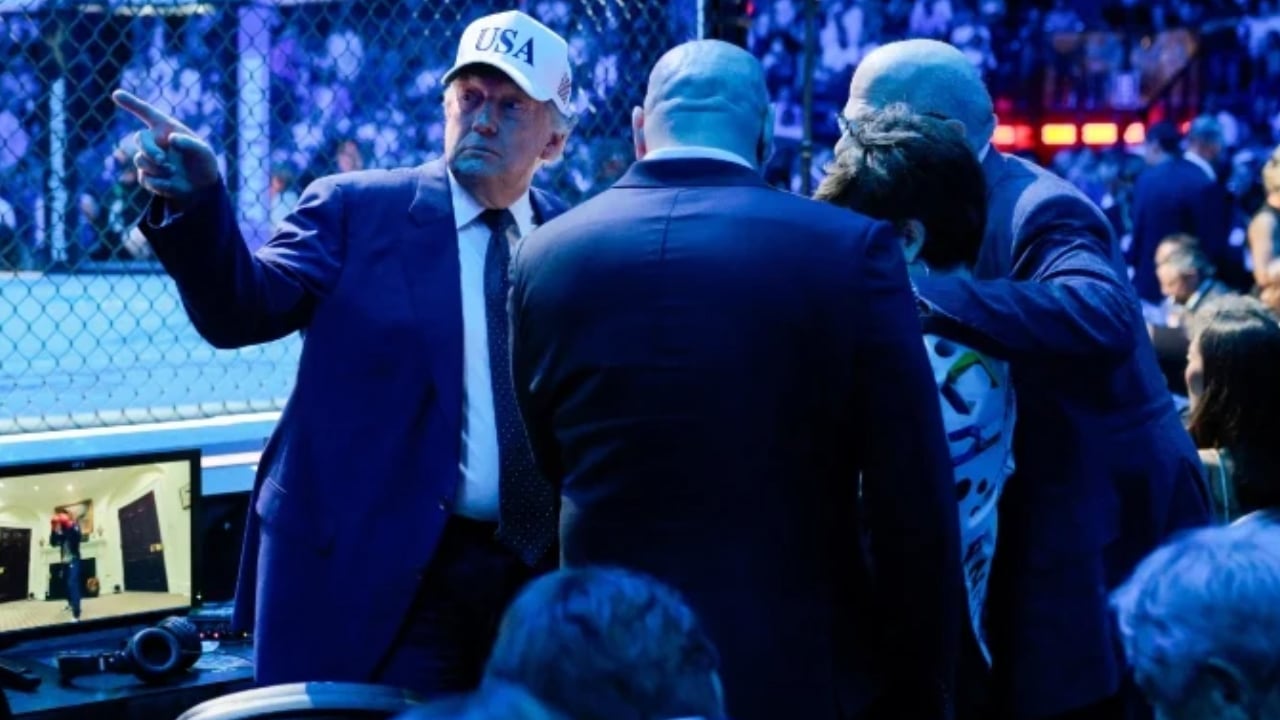
The U.S. Federal Bureau of Investigation (FBI) has thwarted a planned attack on the White House during a mixed martial arts event attended by President Donald Trump. Five individuals have been arrested and charged with conspiracy to commit murder. If convicted, each faces a maximum life sentence and fines up to $250,000. One suspect, Tyson Proper, faces an additional charge of conspiring to commit violence on White House grounds. The initial court hearing is scheduled for June 29. According to prosecutors, the suspects allegedly planned to use explosive-laden drones to strike nearby buildings before opening fire on key figures. Their objective was to drive panicked crowds toward sniper teams, followed by a second wave of attackers targeting the White House gate. Court documents list potential targets including President Trump, Vice President JD Vance, Israeli Prime Minister Benjamin Netanyahu, and entrepreneur Elon Musk, though not all were present at the event. FBI Director Kash Patel stated on social media that coordinated raids across multiple states led to the arrests and the complete disruption of the planned attack.
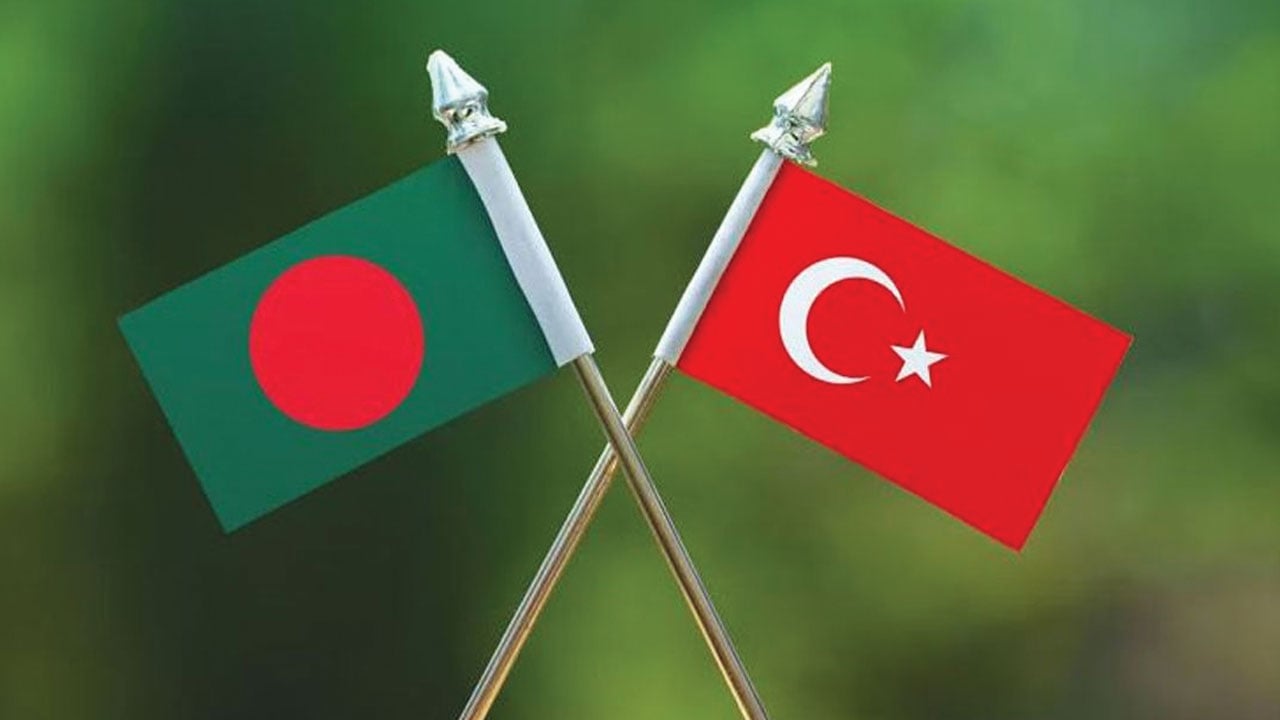
Turkey and Bangladesh are entering a new phase of bilateral relations marked by expanding trade, defense cooperation, and cultural engagement. Following Bangladesh’s support for Turkey’s democratic government after the 2016 coup attempt and Turkey’s humanitarian role during the Rohingya crisis, ties between the two nations have strengthened significantly. Turkish Foreign Minister Hakan Fidan’s two-day visit to Dhaka on June 5, 2026, was described as a milestone toward raising bilateral trade from USD 1.3 billion to USD 2 billion. Bangladesh proposed Turkish investment in special economic zones and emphasized partnership based on equality. Bangladesh exports jute, garments, leather, and ceramics to Turkey, while importing cotton, petroleum, machinery, and steel. Discussions during the visit included potential free trade and preferential trade agreements. Defense cooperation has also expanded, with Bangladesh purchasing Turkish drones and rocket systems under its Forces Goal 2030 modernization plan. Culturally, Turkish television dramas, fashion, and cuisine are gaining popularity in Bangladesh, strengthening people-to-people connections. The article suggests that establishing a Yunus Emre Cultural Center in Bangladesh could institutionalize cultural ties, further consolidating the growing partnership between the two nations.
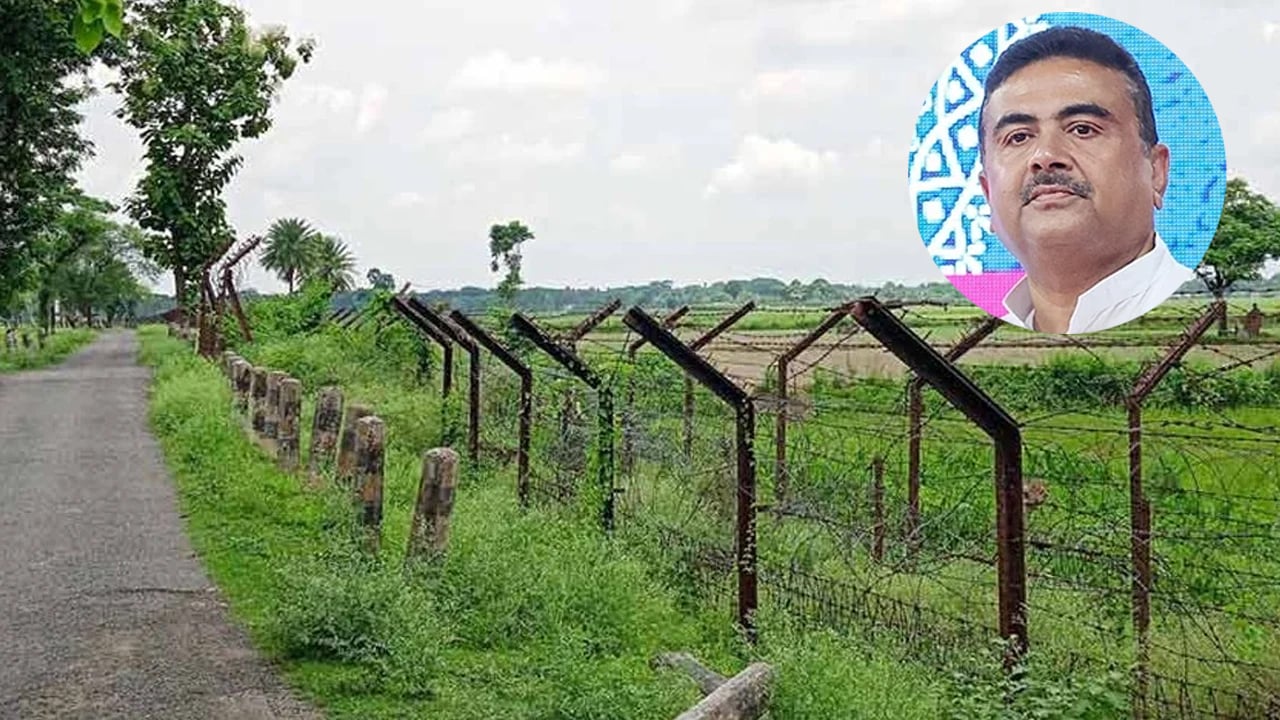
A column published on June 17, 2026, in the Bangladeshi daily Amar Desh argues that allegations of large-scale illegal migration from Bangladesh to India are baseless and politically driven. The writer, Abul Asad, cites historical statements, Indian census data, and official records to claim that the narrative of millions of Bangladeshi infiltrators has been exaggerated by Indian right-wing groups, including the Sangh Parivar and its affiliates such as the BJP and Bajrang Dal. He asserts that these groups use the infiltration narrative to disenfranchise Bengali-speaking Indian Muslims and to create tension between the two countries. The article references past Indian government data showing limited cross-border movement and repatriation of small numbers of people, contrasting this with inflated figures circulated in Indian political discourse. It also cites demographic studies indicating no abnormal population growth in border districts of West Bengal, arguing that economic and educational factors, not religion, explain population trends. The writer concludes that the infiltration theory is a continuation of long-standing efforts by Indian extremists to destabilize Bangladesh and that such attempts have repeatedly failed due to the unity and resilience of the Bangladeshi people.
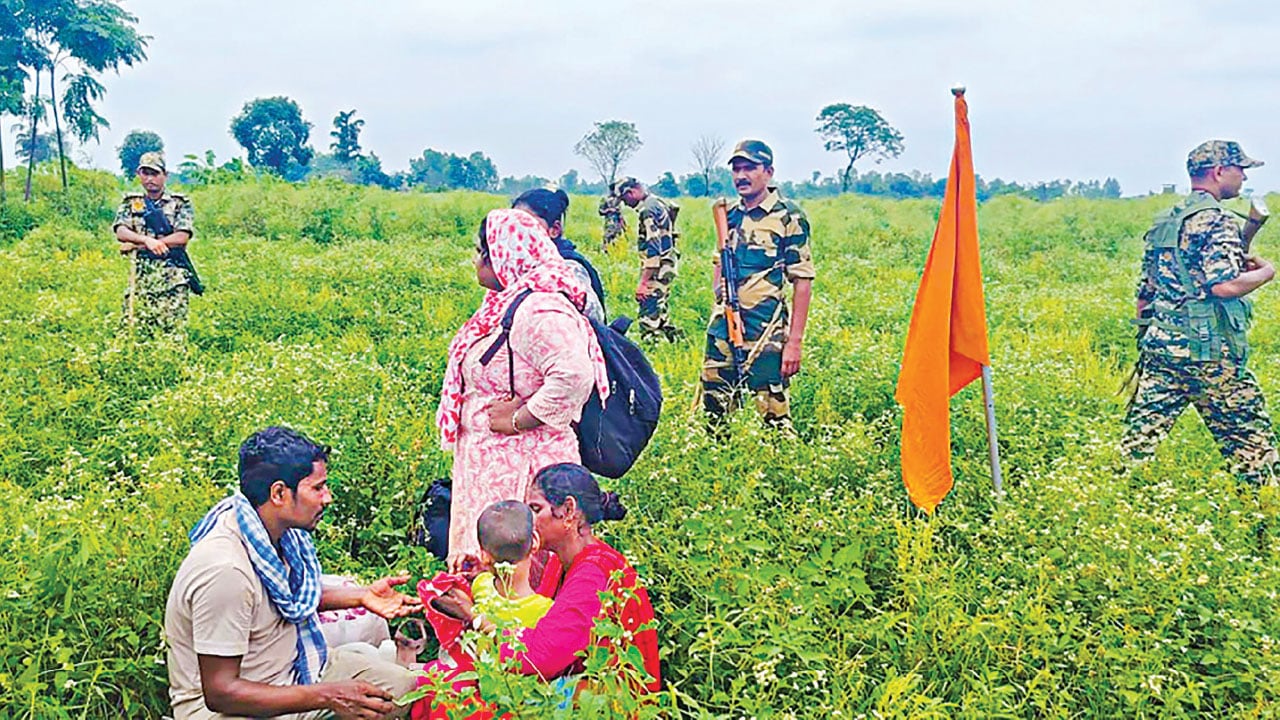
Human Rights Watch (HRW) has expressed deep concern over allegations that Indian authorities forcibly pushed back around 5,000 ethnic Bengali Muslims to Bangladesh without any legal process. The organization claimed that these actions took place after Suvendu came to power in West Bengal, with many affected individuals reportedly holding valid Indian identification documents but still being labeled as illegal immigrants. According to HRW’s report, India’s Border Security Force (BSF) attempted multiple pushbacks along the Bangladesh border since June 1, 2026. One incident at the Panchagarh border reportedly resulted in a 75-hour standoff, leaving several families stranded in dire conditions at the zero line. Officials have acknowledged that a post-election policy was implemented in West Bengal to identify and deport alleged illegal immigrants, leading to detentions and forced removals. HRW further alleged that many people were removed from voter lists and denied opportunities for legal recourse. The organization urged both India and Bangladesh to halt forced deportations and pushbacks, emphasizing adherence to human rights and international law.
The Bangladesh government has initiated efforts to locate 57 fugitive police officers following the arrest of former Inspector General of Police Benazir Ahmed in Dubai. According to police headquarters, these officers fled after August 5, 2024, and were allegedly involved in various crimes during the July uprising. Authorities are preparing to seek Interpol’s assistance to identify their locations. The fugitives include several former senior officials such as ex-DMP Commissioner Habibur Rahman, former SB chief Monirul Islam, and former DB head Harun-or-Rashid. Police sources said most of the fugitives are believed to be in India, while some have moved to Europe or remain in hiding within Bangladesh. Their salaries have already been suspended. The government has also obtained permission from the Home Ministry to arrest 26 of the officers. Two former IGPs, Chowdhury Abdullah Al-Mamun and A.K.M. Shahidul Haque, are currently imprisoned, while seven other officers have been arrested in connection with the uprising. An unnamed additional IGP told Amader Desh that bringing the fugitives back for trial depends on government directives.

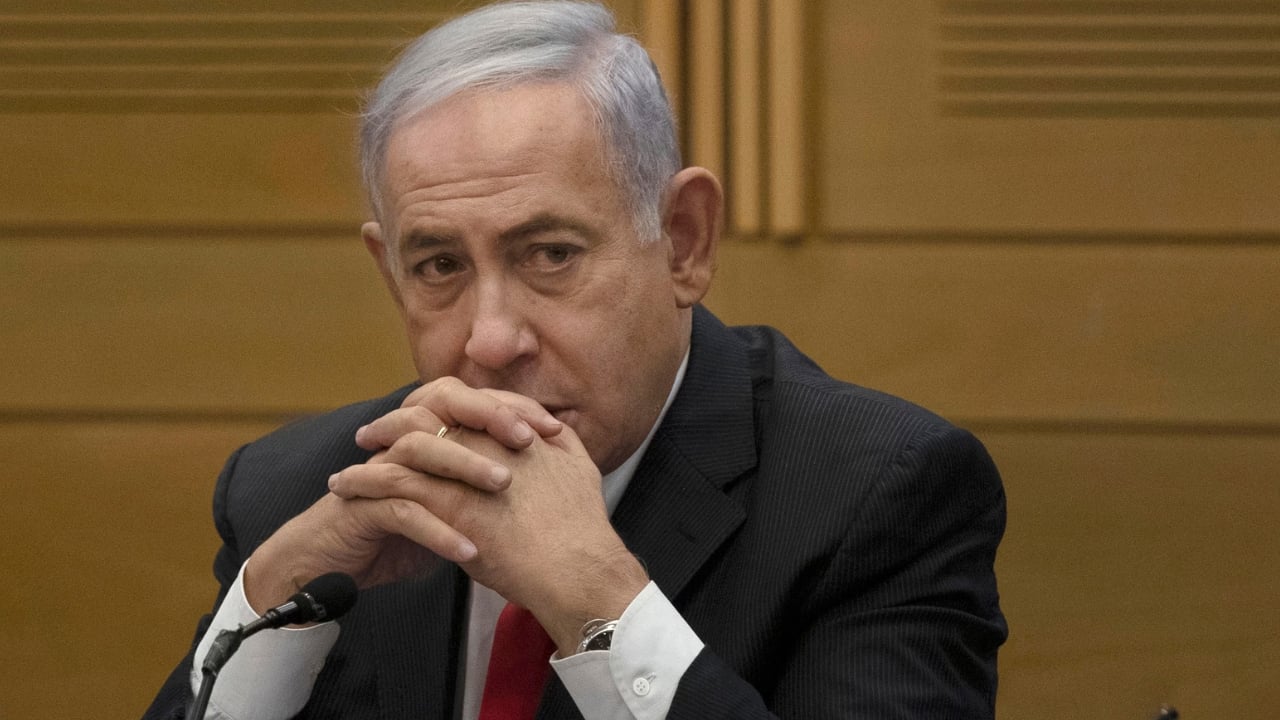
Israeli Prime Minister Benjamin Netanyahu is facing widespread criticism after a three-and-a-half-month war with Iran ended without Israel’s participation in a US-mediated interim agreement between Washington and Tehran. The deal, reached after months of conflict, left Iran’s government intact and strengthened its control over the Strait of Hormuz, while Israel’s influence appeared diminished. Israeli media described the Iran crisis as Netanyahu’s biggest failure since the October 7 attacks. The agreement has drawn opposition from both centrist and far-right factions in Israel. Centrist leader Gadi Eisenkot, Netanyahu’s main rival in the upcoming election, called the outcome a reflection of a failed government. Far-right ministers Itamar Ben-Gvir and Bezalel Smotrich also denounced the deal. Analysts said Netanyahu’s long-standing push for confrontation with Iran has backfired, leaving him politically weakened ahead of elections. Experts warned that Israel’s ongoing military actions in Lebanon could complicate relations with Washington and hinder future ceasefire efforts. Former diplomats and analysts said Netanyahu’s legacy now faces its toughest test, as he enters elections burdened by the Iran war, Lebanon tensions, and the fallout from the October 7 crisis.
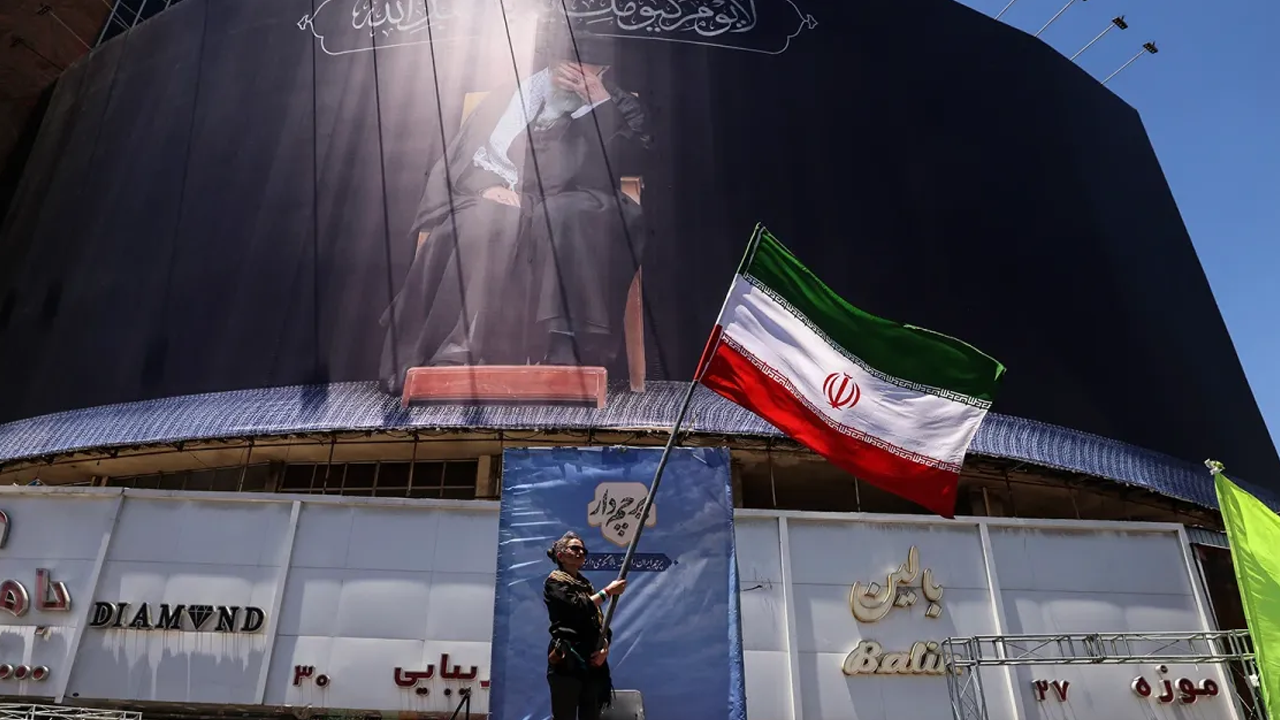
Iran’s leadership is presenting its forthcoming memorandum of understanding with the United States as a product of resistance and victory rather than retreat. The country, emerging from a recent war that caused severe damage and economic pressure, faces internal opposition from hardliners who have long warned against trusting Washington. Despite this, senior officials including President Masoud Pezeshkian and Parliament Speaker Mohammad Bagher Ghalibaf have described the deal as transformative and a step toward final victory. The government argues that the US and Israel failed to achieve their main objectives, such as forcing Iran to surrender or halting its nuclear program. Yet, some Iranian lawmakers have criticized the draft agreement as a potential path to dependency. Economic hardship, sanctions, and inflation have also pushed Tehran toward negotiation. The deal’s details remain undisclosed, with talks set to resume in Switzerland on Friday. Public reaction is mixed, with some Iranians expressing hope for relief and others doubting the government’s victory narrative. The agreement’s durability may depend on regional stability, particularly Israel’s actions in Lebanon and Washington’s ability to restrain them.
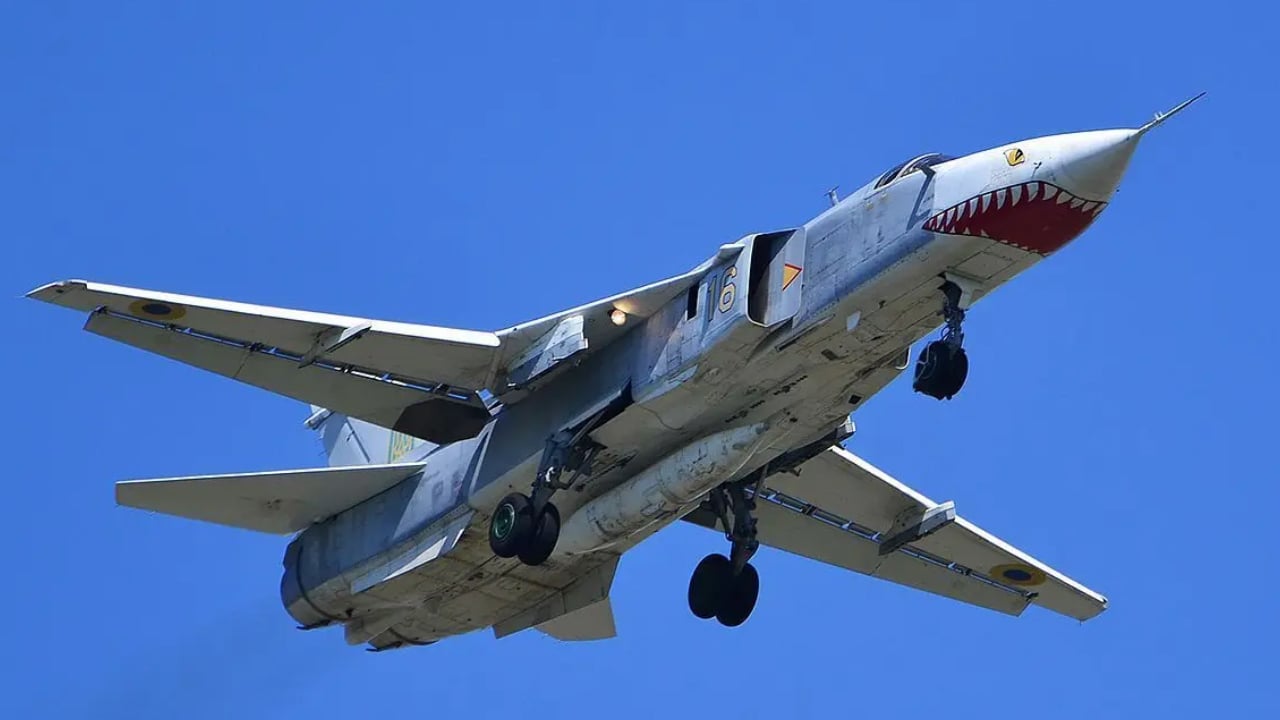
A Ukrainian Air Force Su-24M frontline bomber crashed during an operation in the Khmelnytskyi region on Tuesday, resulting in the deaths of two pilots, according to a statement released by the Air Force. The incident occurred while the aircraft was on a mission, and initial reports indicate that no civilians were injured. The Air Force announced the crash through a Telegram statement, noting that the cause and circumstances of the accident are under investigation. Rescue and law enforcement personnel are currently working at the crash site to manage the aftermath and gather evidence. Authorities have not yet provided further details about the mission or the pilots involved, and the investigation remains ongoing to determine what led to the fatal crash.
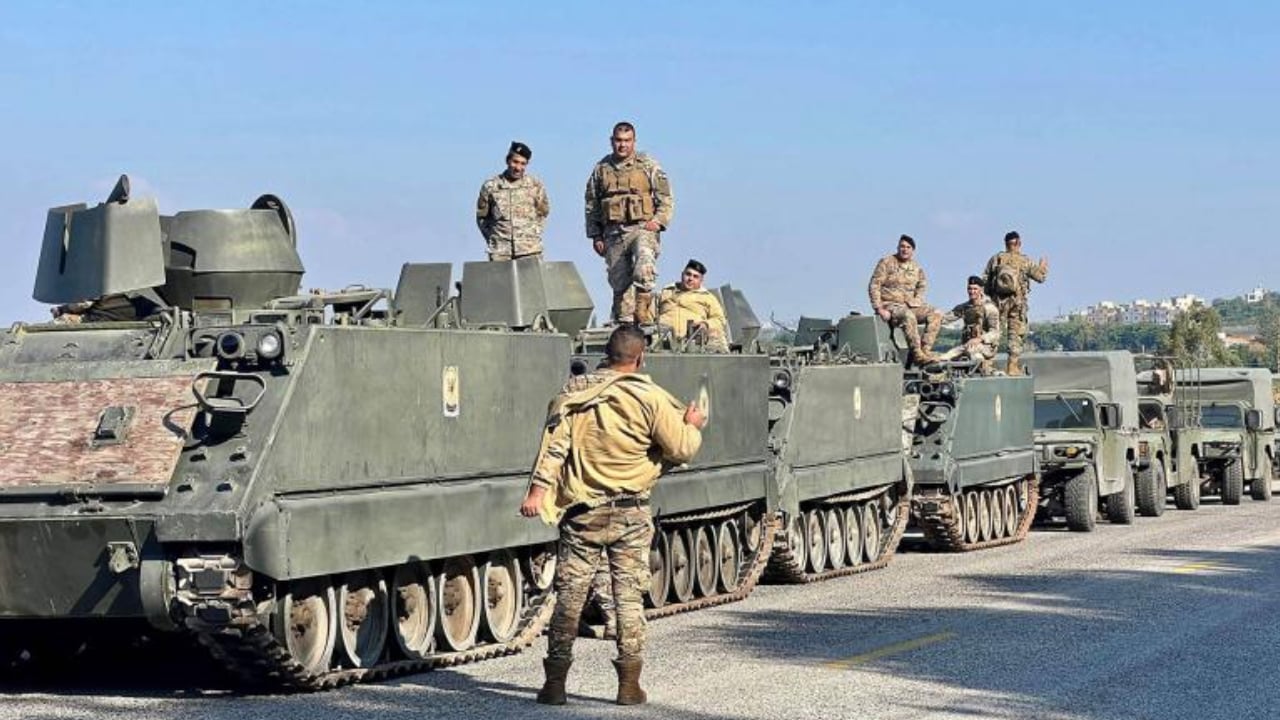
Israeli media reported on Tuesday that the Israeli army is preparing for a prolonged presence in Lebanon, even as the United States and Iran move toward an agreement to halt fighting across all fronts. According to Israel’s public broadcaster Kan, citing unnamed security sources, the army is ready to remain in Lebanon for an extended period if instructed by political leadership. The report added that while Washington and Tehran are nearing a deal in Switzerland, Israeli forces continue operations in southern Lebanon alongside exchanges of fire in northern Israel. The development comes as Lebanese President Joseph Aoun stated that the upcoming US-Iran memorandum of understanding includes commitments to end military tensions across the region, including Lebanon. Earlier, Iranian Foreign Minister Abbas Araghchi said that ending the conflict in Lebanon and withdrawing Israeli troops from Lebanese territory are integral parts of the agreement being negotiated with Washington. The reports suggest that despite diplomatic progress, Israel’s military posture indicates caution and readiness for continued engagement in Lebanon.
The trial of former Member of Parliament Abul Hasanat Abdullah and three others begins today at the International Crimes Tribunal-2 in Dhaka. They are accused of crimes against humanity for the alleged crossfire killings of two men, Tipu Howlader and Kabir Molla, in Agailjhara, Barishal, on February 21, 2015. The proceedings will open with the prosecution’s introductory statement and the testimony of the first witness. According to the case documents, the victims were political rivals of Abul Hasanat Abdullah. The charges allege that Abdullah, unable to defeat them politically, abused state power to orchestrate their deaths. He allegedly instructed then Barishal Superintendent of Police A.K.M. Ehsanullah to frame the victims in a false case, after which Assistant Sub-Inspectors Mahbul Islam and Jasim Uddin carried out the killings under the guise of a crossfire incident. The tribunal had framed charges on May 20, 2026, ordering the trial to proceed. The two arrested police officers are to be produced from prison for today’s hearing.
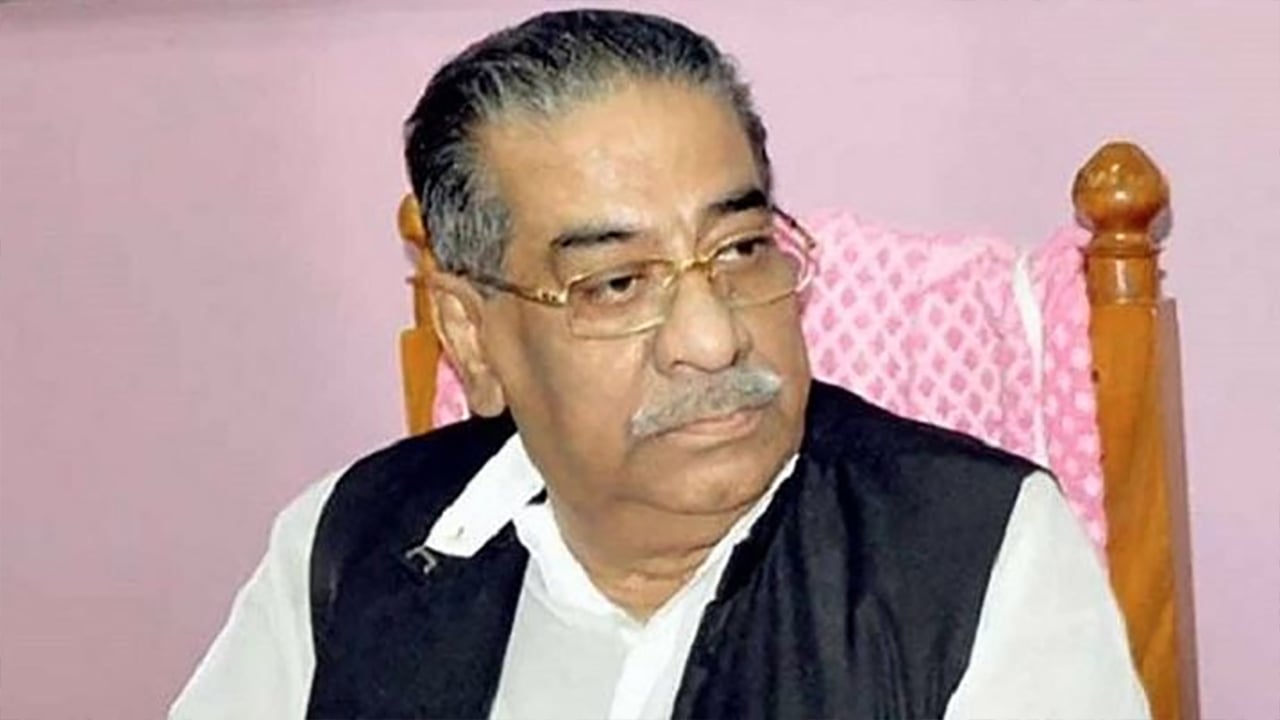
Doug Bandow, senior fellow at the Cato Institute and former special assistant to US President Ronald Reagan, said Washington must exert effective pressure on Israel to stop its ongoing attacks in Lebanon. In an interview with Al Jazeera, he noted that this would not be easy due to Israel’s strong political influence in the United States and the close relationship between President Donald Trump and Israeli Prime Minister Benjamin Netanyahu. Bandow stated that Trump appears focused on halting strikes on Beirut, while Iran is monitoring the situation in southern Lebanon, where hundreds of thousands have been displaced by the conflict. He emphasized that without real pressure, Netanyahu could easily ignore calls to end the attacks. Bandow added that US financial and military support gives Washington significant leverage over Israel, yet no American president has been willing to suspend such aid for long. He warned that if Trump fails to apply genuine pressure or find an effective method to do so, the measures could amount to mere political theater, potentially leading to the breakdown of existing agreements and dissatisfaction from Iran.
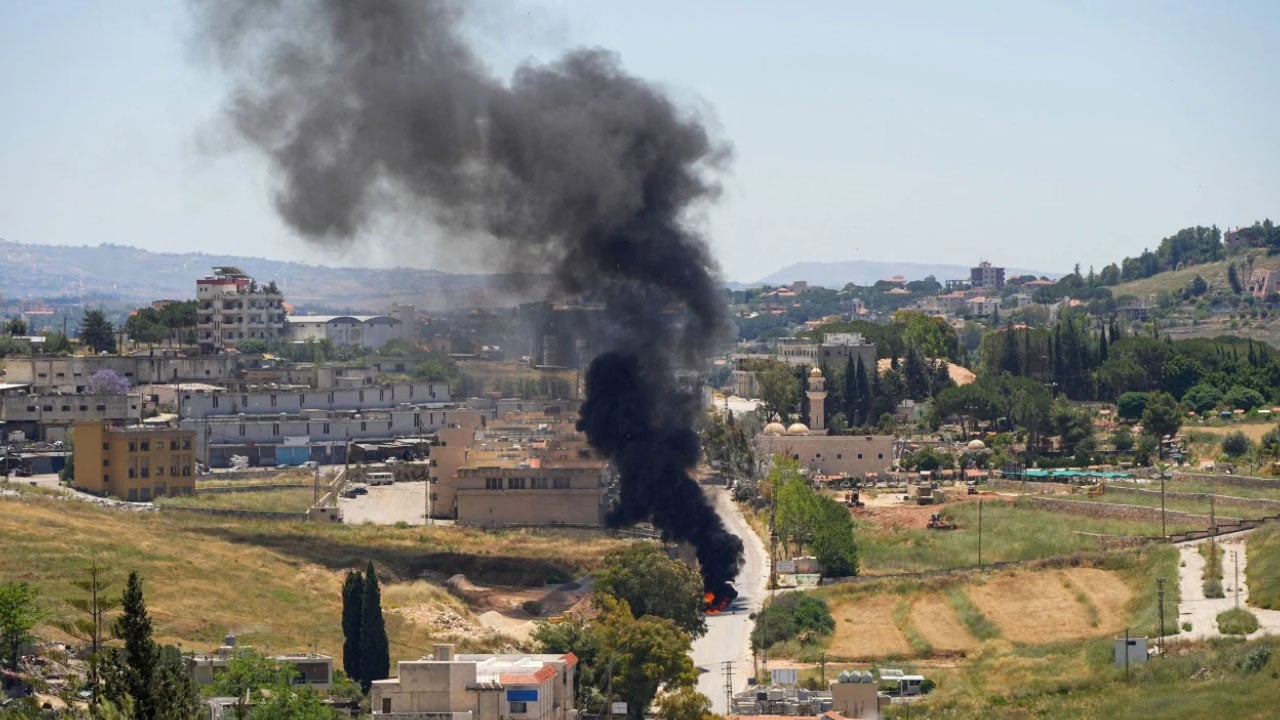
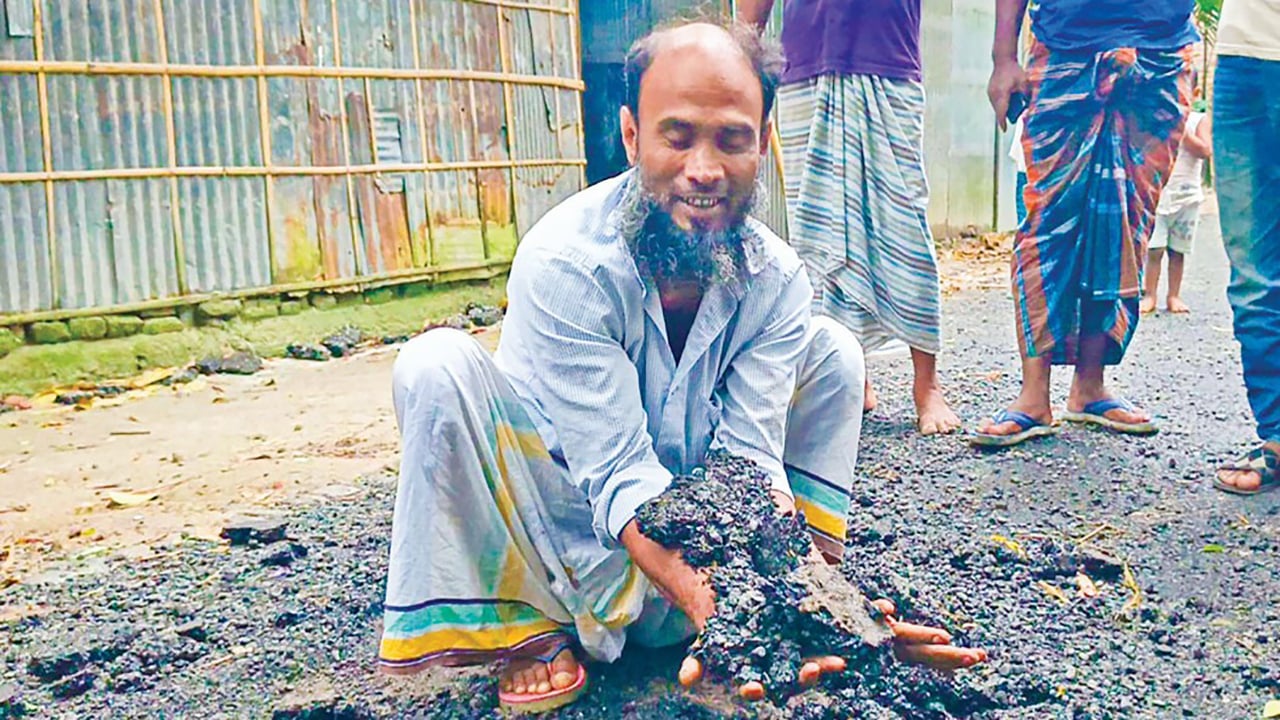
A newly constructed rural road in Magura Union of Kishoreganj upazila, Nilphamari, built at a cost of about 4.5 million taka, has started to deteriorate only seven days after completion. Locals allege that substandard materials, insufficient bitumen, and disregard for construction guidelines led to the rapid damage. The incident has sparked anger and concern among residents. According to the report, the 1.5-kilometer road from Checkpost to Darzipara village was built under the 2025–26 fiscal year’s rural infrastructure development project by contractor firm Suman Traders. Locals claim the contractor completed the work hastily during public holidays without supervision, skipping proper soil filling and layering of brick chips, sand, and stones. As a result, the road’s durability is now in question. Magura Union Parishad Chairman Akhtaruzzaman Mithu confirmed that the work was done without oversight, while contractor owner Mosgul Haque denied any wrongdoing. Kishoreganj Upazila Engineer Mahmudul Hasan said the site would be inspected soon and necessary action taken if irregularities are found.
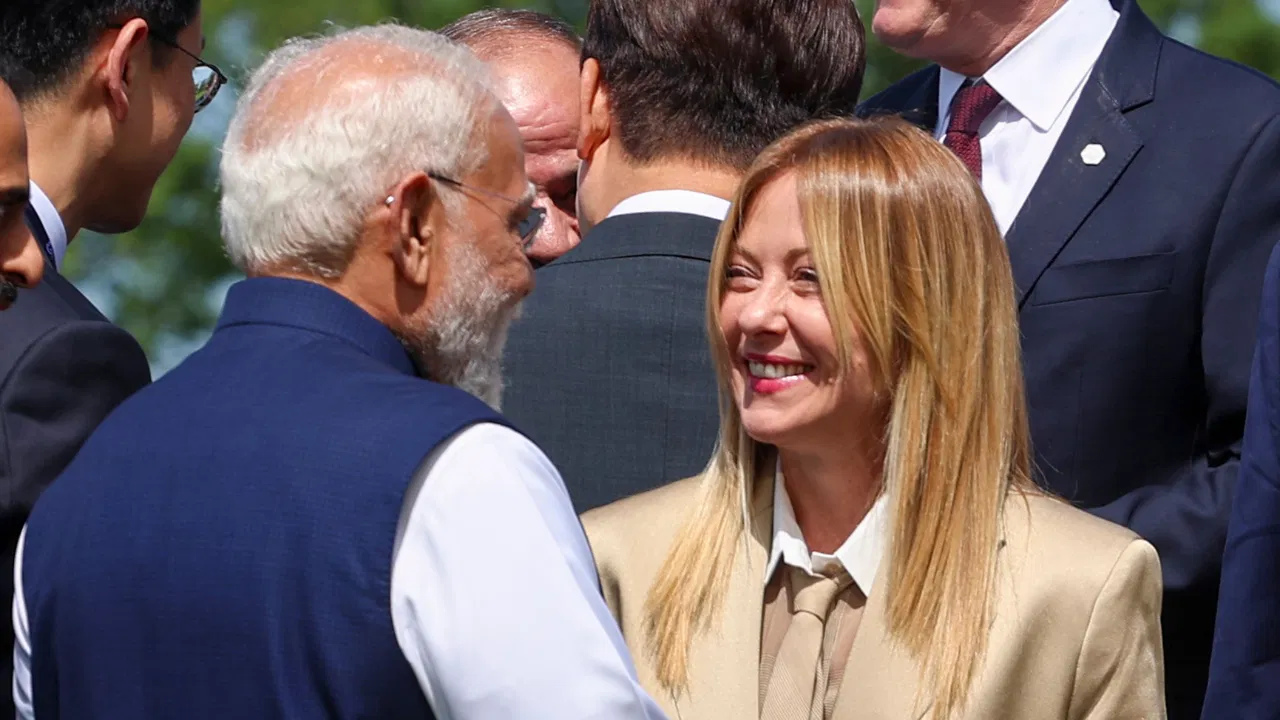
At the G7 summit held in Evian-les-Bains, France, a brief exchange between Italian Prime Minister Giorgia Meloni and Indian Prime Minister Narendra Modi drew widespread attention on social media. Before the traditional group photo, the two leaders greeted each other warmly and shared a light conversation. In a video clip, Meloni told Modi it was nice to see him again and jokingly remarked that they were the most popular duo on Instagram. Modi responded by referring to the viral 'Melodi' trend, prompting Meloni to repeat her comment with laughter. The 'Melodi' trend, combining their names, first gained popularity in 2023 when Meloni posted a selfie with Modi during the COP28 summit in Dubai, captioned “good friends” with the hashtag #Melodi. Since then, the tag has inspired numerous memes and humorous content online, resurfacing with each of their public meetings. During Modi’s recent visit to Rome, he gifted Meloni a toffee brand named “Melody,” which many interpreted as a playful nod to the viral trend. A video of the exchange showing both leaders smiling quickly went viral online.
Israel requested that the United States allow it to review a memorandum of understanding signed with Iran, but Washington declined the request, according to Israeli media reports. Channel 12 reported that Israeli officials sought access to the document but were denied, leaving them uncertain about its contents. The reports emerged amid growing criticism of the agreement from Israeli officials. Prime Minister Benjamin Netanyahu said at a press conference on Monday that he was not sure about the details of the deal. Israeli media also reported deep frustration among officials, particularly over clauses related to troop withdrawal from Lebanon and halting attacks on the country. The news site i24 described the agreement as embarrassing, while Netanyahu noted that the deal had been made by former U.S. President Donald Trump and that Israel would act based on its own interests. Earlier reports indicated that Israeli officials had informed Washington that Israel was not obligated to comply with the memorandum.
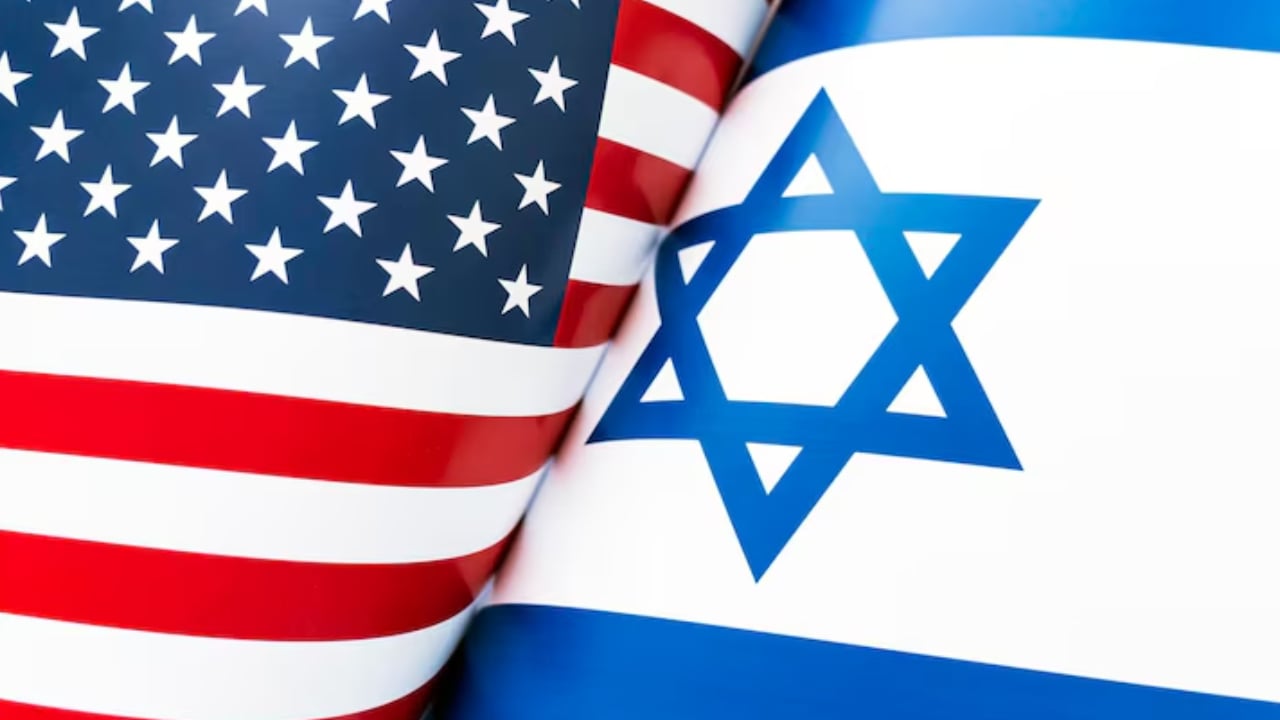
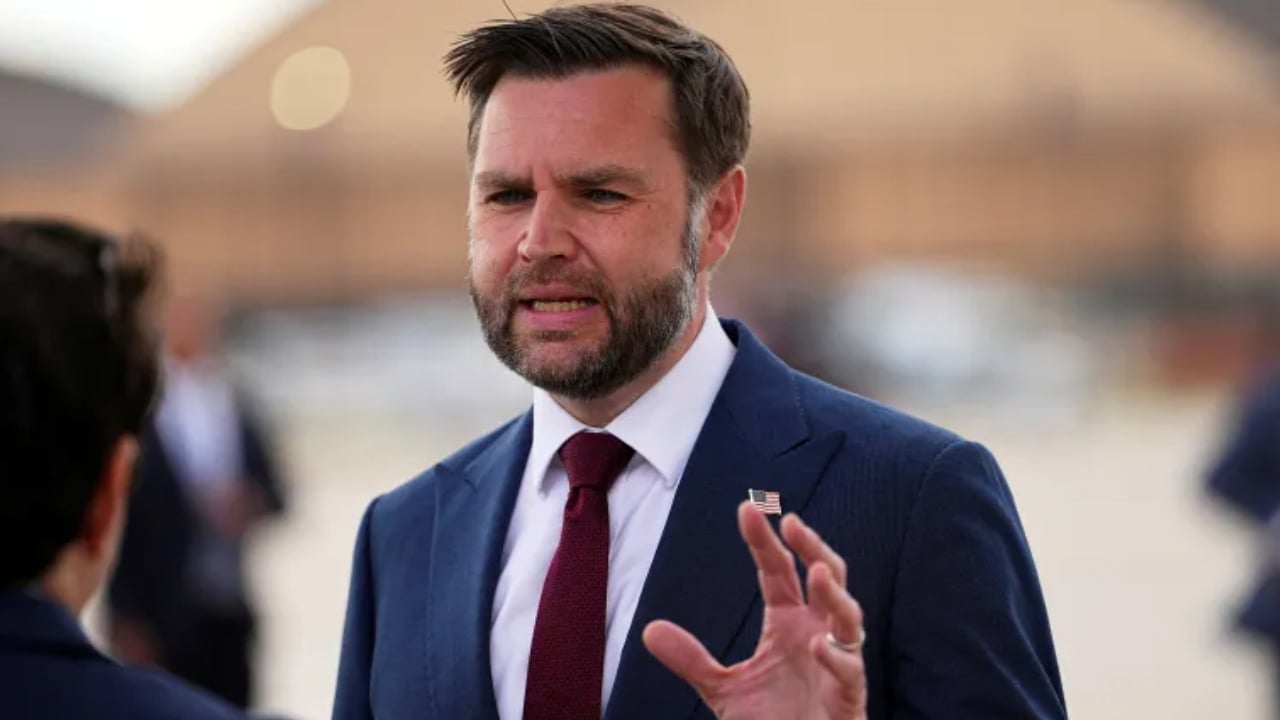
US Vice President JD Vance stated that Iran could benefit from the US-Iran agreement if it adheres to the set conditions. In an interview with Fox News, Vance said Iran must fundamentally transform itself to gain real advantages from the deal. He emphasized that the agreement is straightforward: Iran cannot possess nuclear weapons, the Strait of Hormuz must remain open, and Iran must demonstrate proper conduct to receive various benefits. Vance further explained that if Iran stops funding terrorism and ceases support for rebuilding its nuclear weapons program, it could gain genuine advantages. However, if it fails to meet these conditions, it will receive nothing. He also noted that regardless of the outcome, the United States stands to benefit from the arrangement. The remarks were reported by Al Jazeera and highlight Washington’s conditional approach toward Tehran’s compliance under the new agreement framework.
The ‘1 Nojor’ media platform is now live in beta, inviting users to explore and provide feedback as we continue to refine the experience.