

The ‘1 Nojor’ media platform is now live in beta, inviting users to explore and provide feedback as we continue to refine the experience.
Local Government, Rural Development and Cooperatives Minister Mirza Fakhrul Islam Alamgir stated that the Awami League and democracy have never gone together, not even since the party’s inception. He made the remark on Tuesday at the National Press Club in Dhaka while addressing a discussion organized by the Bangladesh Federal Union of Journalists (BFUJ) and the Dhaka Union of Journalists (DUJ) marking Newspaper Black Day. Mirza Fakhrul described himself as a liberal democrat who rejects politics based on religion or race and emphasized equal rights for all citizens. He portrayed the BNP as a democratic and liberal political force, calling it the safest option for the people. He praised journalists for their courage in defending democracy and freedom of the press during difficult political times and expressed hope that the current government would continue to support press freedom. He also urged effective measures to ensure employment for unemployed journalists and preserve the legacy of closed media outlets. Fakhrul warned against misinformation on social media and called for unity to counter destabilizing propaganda.
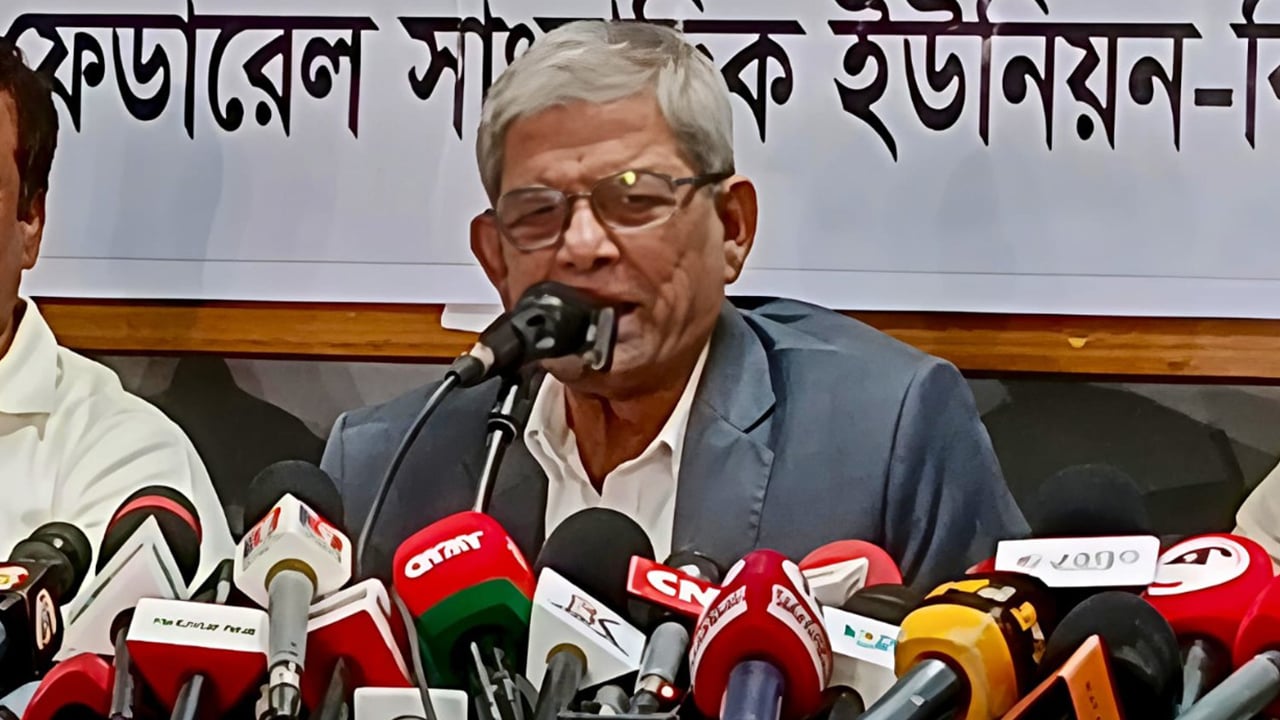
A man in Narail has been accused of killing his wife after she ignored his prohibition on making TikTok videos. The incident led to a case being filed at Lohagara Police Station on Tuesday. According to Officer-in-Charge (Investigation) Ajit Kumar Roy, the accused, Limon Mallik, allegedly strangled his wife, Sumona Ferdousi, on Monday morning at their home and then hung her body from a bamboo beam to make it appear as suicide. Limon reportedly left the house after locking the door and later returned in the afternoon, claiming that his wife had taken her own life. Police detained him that night after finding evidence of murder during preliminary investigation. Ajit Kumar Roy stated that during initial questioning, Limon confessed to killing his wife. The case was filed by Sumona’s mother against Limon. The dispute reportedly stemmed from Sumona’s continued posting of TikTok videos and sharing of photos on social media, which had caused ongoing marital conflict. Police are continuing their investigation into the incident following the confession and case registration.
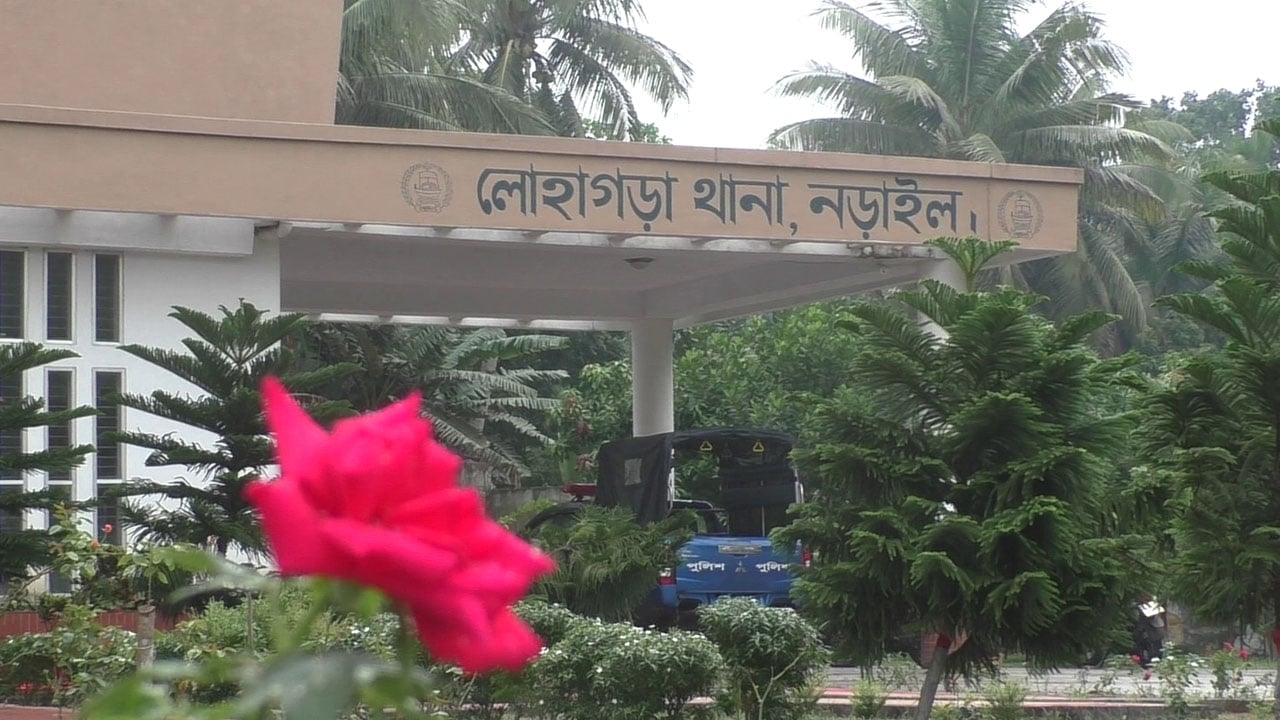
Ukrainian President Volodymyr Zelensky has expressed readiness to meet Russian President Vladimir Putin in the United States under mediation. On Monday, he suggested that such a meeting in the U.S. would be much harder for Putin to reject. Zelensky said he discussed the idea with U.S. President Donald Trump over the phone and is waiting to see the outcome. The proposal aims to advance efforts to end the war that has continued for more than four years. According to Zelensky, Putin has repeatedly rejected direct meeting proposals, including one during the G7 summit in France. A source from the Ukrainian president’s office told AFP that the proposal had been conveyed earlier through intermediaries, diplomats, and intelligence channels but received no clear response. Zelensky stated that if Russia rejects this opportunity as well, additional pressure will be necessary. The conflict began in February 2022 when Russia launched a full-scale invasion of Ukraine, described as Europe’s deadliest conflict since World War II.
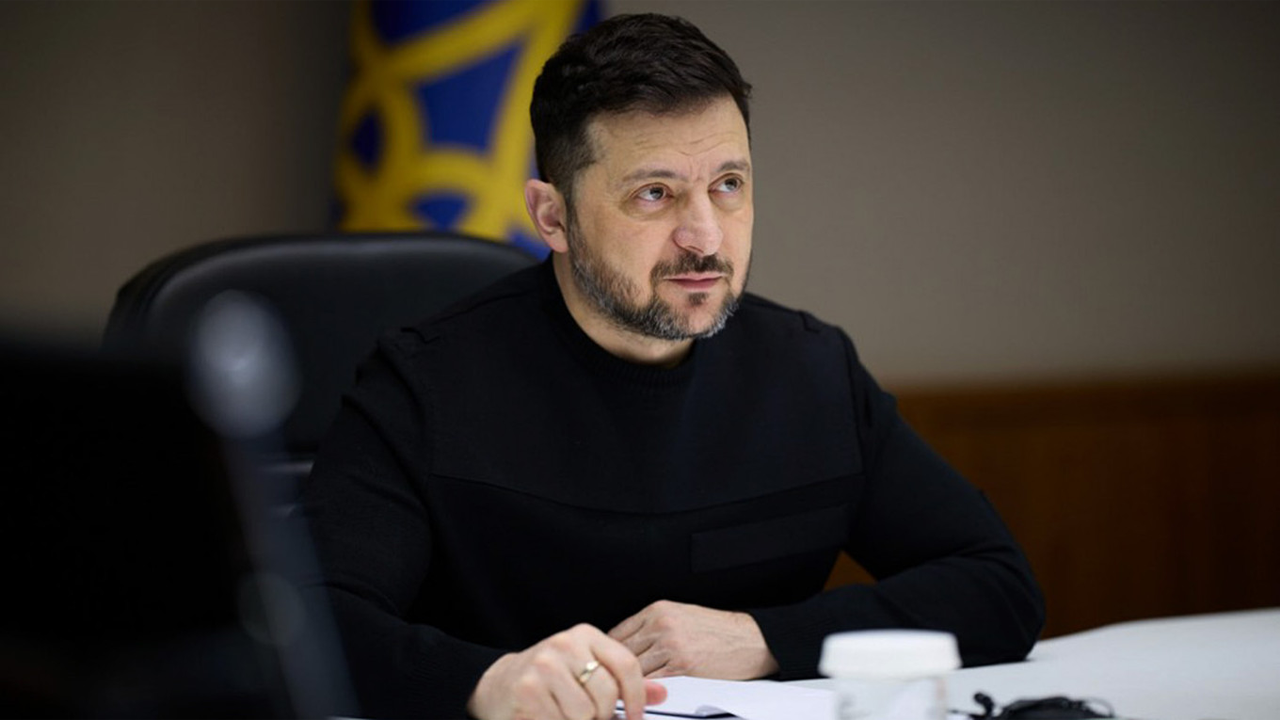
US President Donald Trump announced that a preliminary agreement to end the war with Iran has been signed, with full details to be released soon. Speaking during the G7 summit in France alongside French President Emmanuel Macron, Trump said the Strait of Hormuz would reopen on Friday, the day of the formal signing in Geneva. The deal and ceasefire have created a political crisis for Israeli Prime Minister Benjamin Netanyahu, undermining key pillars of his long political career and exposing him to new security challenges. The agreement has sparked intense debate in Israel, where opposition leader Yair Lapid warned that Netanyahu faces a choice between direct confrontation with Washington or compromising Israeli interests. Trump’s criticism of Netanyahu’s recent military decisions has been seized upon by his rivals ahead of upcoming elections. Hardline ministers in Netanyahu’s coalition have rejected the deal’s terms, while security experts argue it strengthens Iran and Hezbollah’s regional influence. Analysts say Netanyahu’s strategy has trapped Israel in prolonged conflicts across Gaza, Lebanon, and Syria without clear diplomatic outcomes, draining military resources and eroding his image as “Mr. Security.”
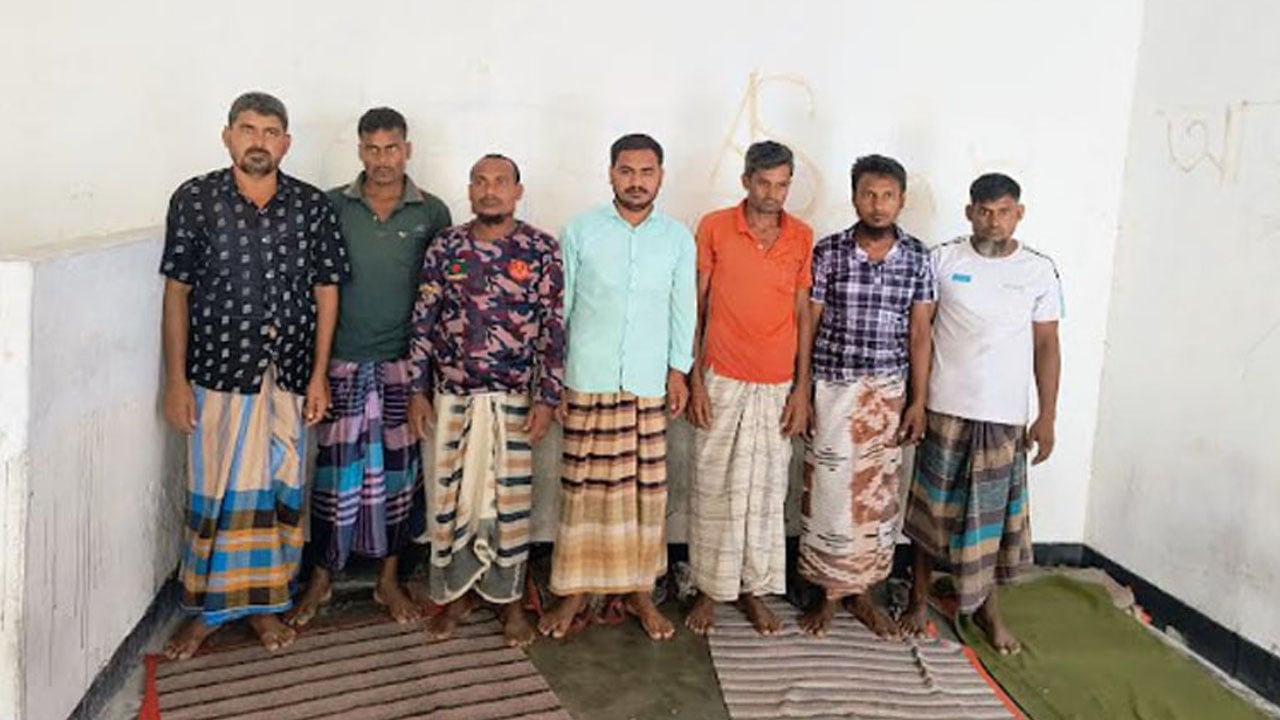
Seven individuals have been detained in Gomastapur upazila of Chapainawabganj for allegedly assisting Indian Border Security Force (BSF) personnel in a push-in attempt along the Roknupur border. According to police and Border Guard Bangladesh (BGB) sources, around 10:45 p.m. on Monday, members of India’s 88 BSF unit tried to push a woman into Bangladesh through border pillar 225/3-R under Roknupur Border Outpost. The attempt was foiled with the help of local residents and BGB intervention. Following the incident, BGB detained four men from Roknupur area early Tuesday and handed them over to Gomastapur police. Later, police conducted a special operation and arrested three more individuals from the same locality. Officer-in-Charge Nure Alam of Gomastapur Police Station confirmed that a total of seven suspects are now in custody. Legal proceedings, including case filing, are underway. Authorities have not disclosed further details about the woman involved or the specific charges against the detainees, and investigations are continuing.
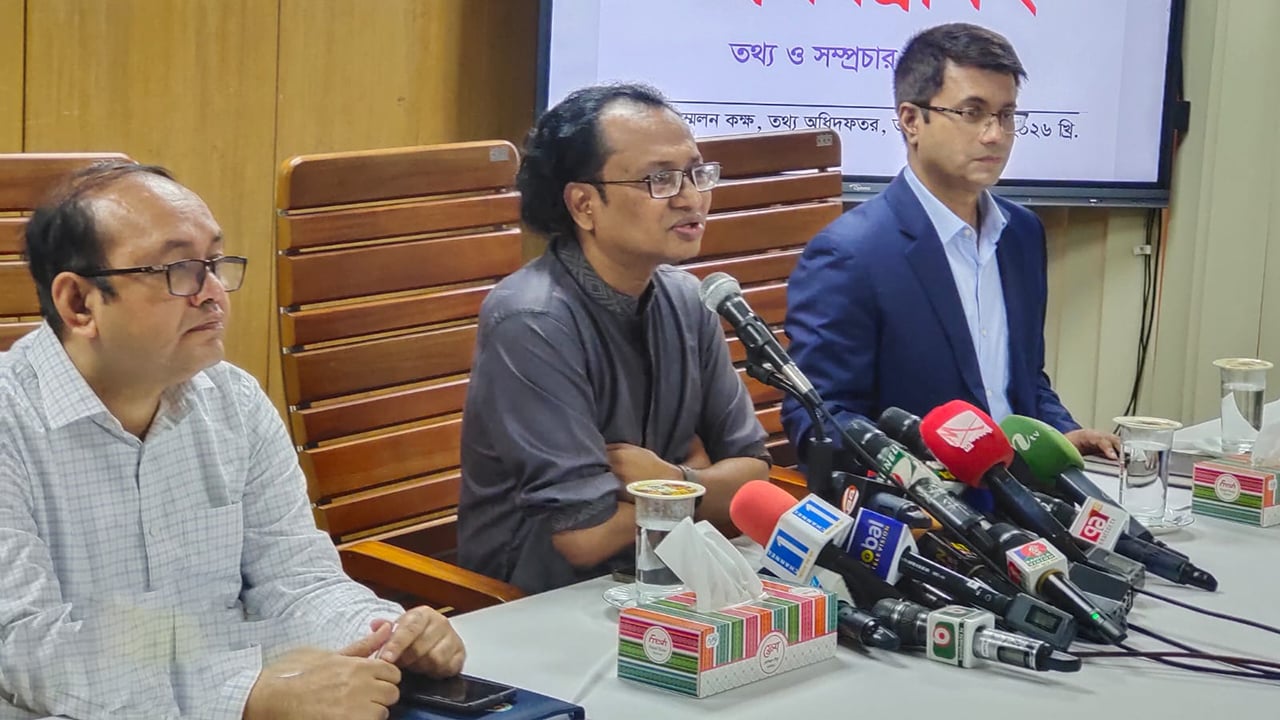
Information, Broadcasting and Cultural Affairs Adviser Dr. Zahidur Rahman stated that the current government will never compromise Bangladesh’s sovereignty in its relationship with India. He made the remarks on Tuesday during a press briefing at the Press Information Department in Dhaka, responding to questions from journalists about the government’s engagement with India. Rahman emphasized that engaging with India does not mean selling out the country, and said he would visit India if formally invited. He stressed that Bangladesh seeks to engage with India on the basis of equality, aiming to improve trade and other areas of cooperation. He also mentioned that relations had deteriorated during the interim government period but that the current administration wants to rebuild them. The adviser highlighted upcoming discussions on renewing the Ganges water treaty, the Teesta agreement, and the management of 53 shared rivers. Referring to a recent incident at Delhi airport, he described being kept waiting for over two hours as harassment but said he did not take it personally, viewing it as an issue of state respect.
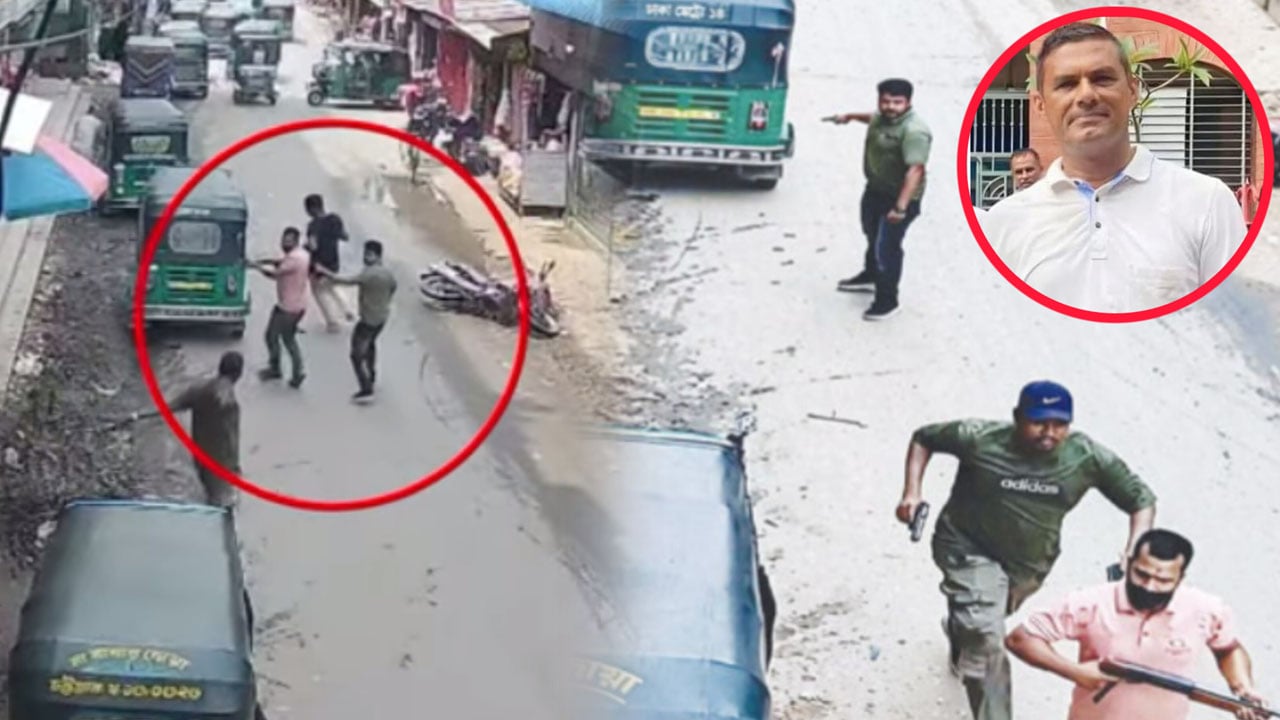
A case has been filed two days after the public shooting death of Jubo Dal leader Masudul Haque Chowdhury Masud in Raozan, Chattogram. The case was lodged around midnight on Monday by his elder brother, Peyarul Haque Chowdhury, at Raozan Police Station. It names 11 identified suspects and eight unidentified ones. Police said several suspects had already been recognized from CCTV footage captured at the scene. Masud was shot dead around 1:15 p.m. on Saturday, June 14, in front of Ashrafia Pharmacy at Choumuhani intersection in Pahartali Union. CCTV footage showed five to six armed assailants firing at his head to ensure his death. Witnesses and intelligence sources reported that the attackers arrived in a CNG-run autorickshaw and fired 8–10 rounds at close range before fleeing. Masud, a senior joint convener of Rangunia Upazila Jubo Dal and follower of MP Humam Quader Chowdhury, died on the spot. Initial reports suggest the killing may be linked to disputes over sand extraction business or rivalry ahead of the upcoming union council election.
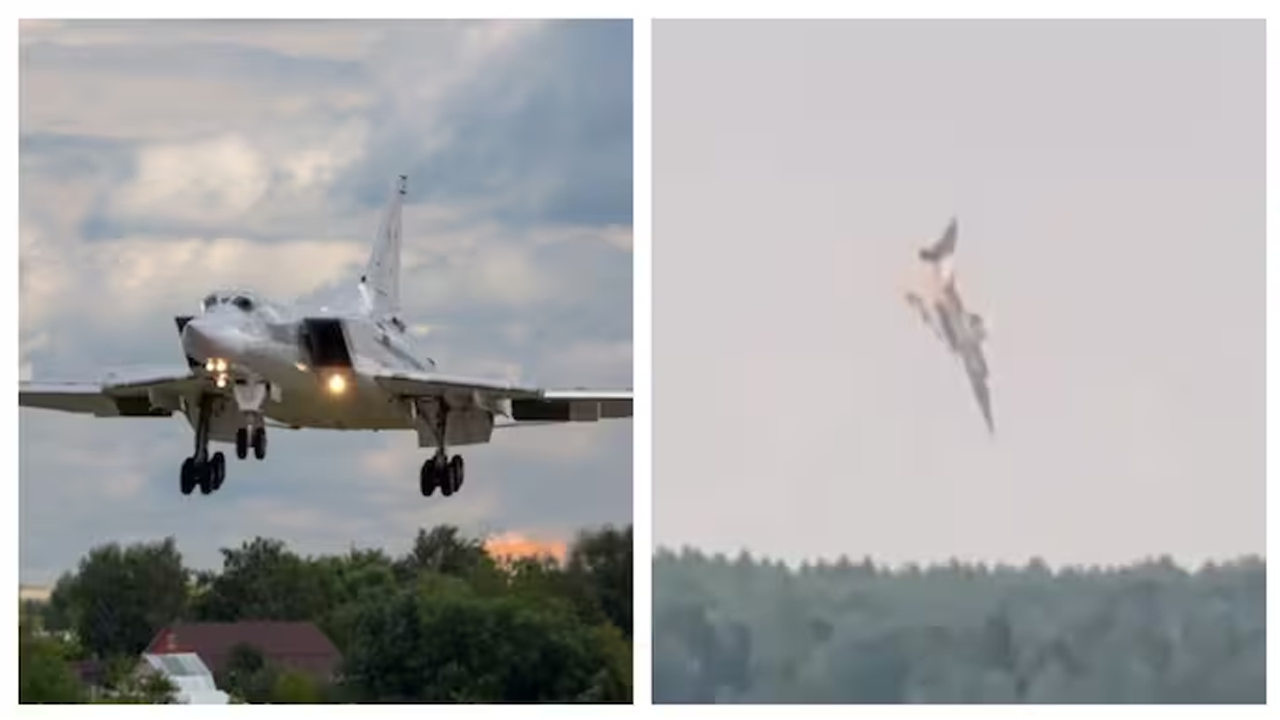
A Russian Tu-22M3 strategic bomber crashed near the village of Kamenka in the Irkutsk region of Siberia, according to local and defense officials. Preliminary reports suggest the crash was caused by an engine malfunction. The aircraft went down in a forested area near the Angara River, and videos circulating on social media showed smoke rising from the crash site, though their authenticity could not be independently verified. The Russian Defense Ministry stated that the crew ejected before the crash and that there were no threats to their lives or health. The ministry also confirmed that the bomber was not carrying any weapons and that no damage occurred on the ground. Irkutsk Governor Igor Kobzev said all four crew members were hospitalized but did not suffer life-threatening injuries. The Tu-22M3 is a modernized version of the earlier Tu-22 bomber and is capable of carrying KH-22 cruise missiles and hypersonic Kinzhal missiles. The aircraft type has previously been used by Russia in operations in Syria and Ukraine.
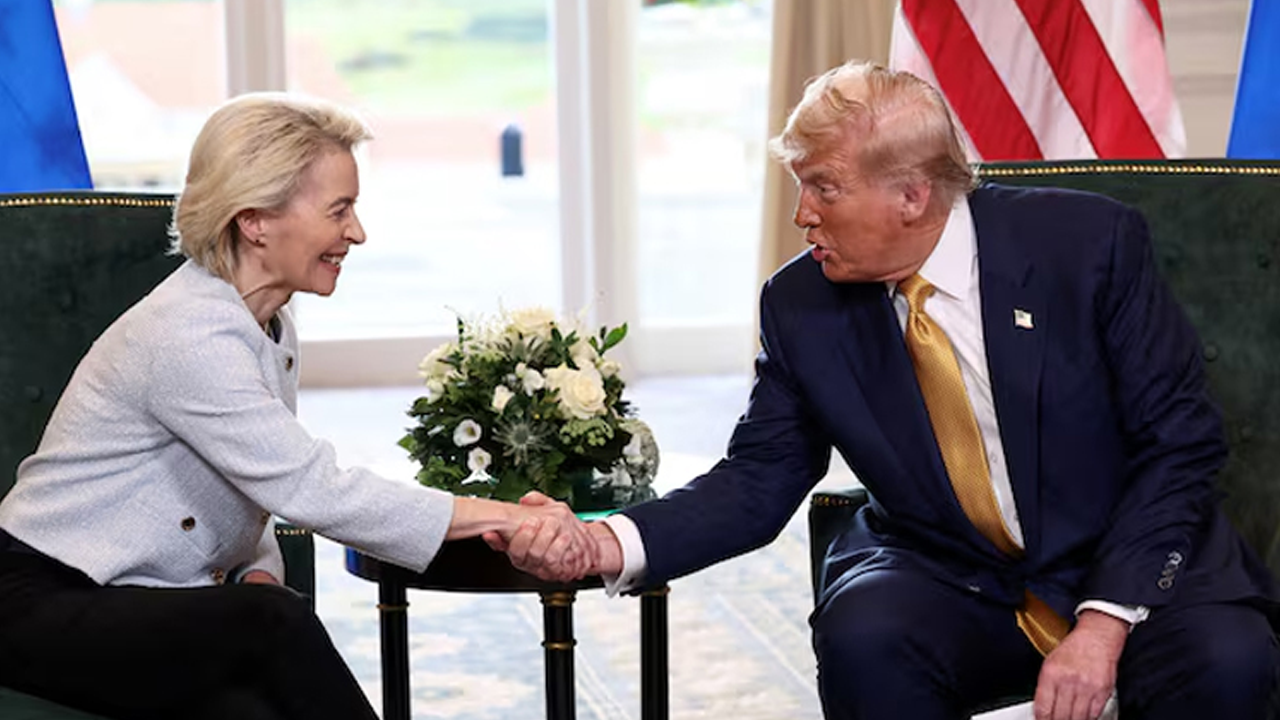
The European Parliament is preparing to give final approval to a tariff agreement with the United States, marking a potential end to a turbulent phase in transatlantic trade relations. The vote, expected on Tuesday, follows last year’s July accord that set a 15 percent tariff on most EU goods while eliminating tariffs on U.S. exports to the bloc. Implementation of the deal had been delayed due to U.S. President Donald Trump’s dissatisfaction, tensions over Greenland, and a Supreme Court ruling that canceled several tariffs. All EU member states have already endorsed the agreement, leaving parliamentary approval as the final political step. The deal’s supporters include the European People’s Party and European Commission President Ursula von der Leyen. Once approved, only administrative steps will remain before publication in the EU’s official gazette. The agreement includes safeguards limiting its duration to the end of 2029 and allowing suspension if the U.S. fails to meet commitments or disrupts trade and investment.
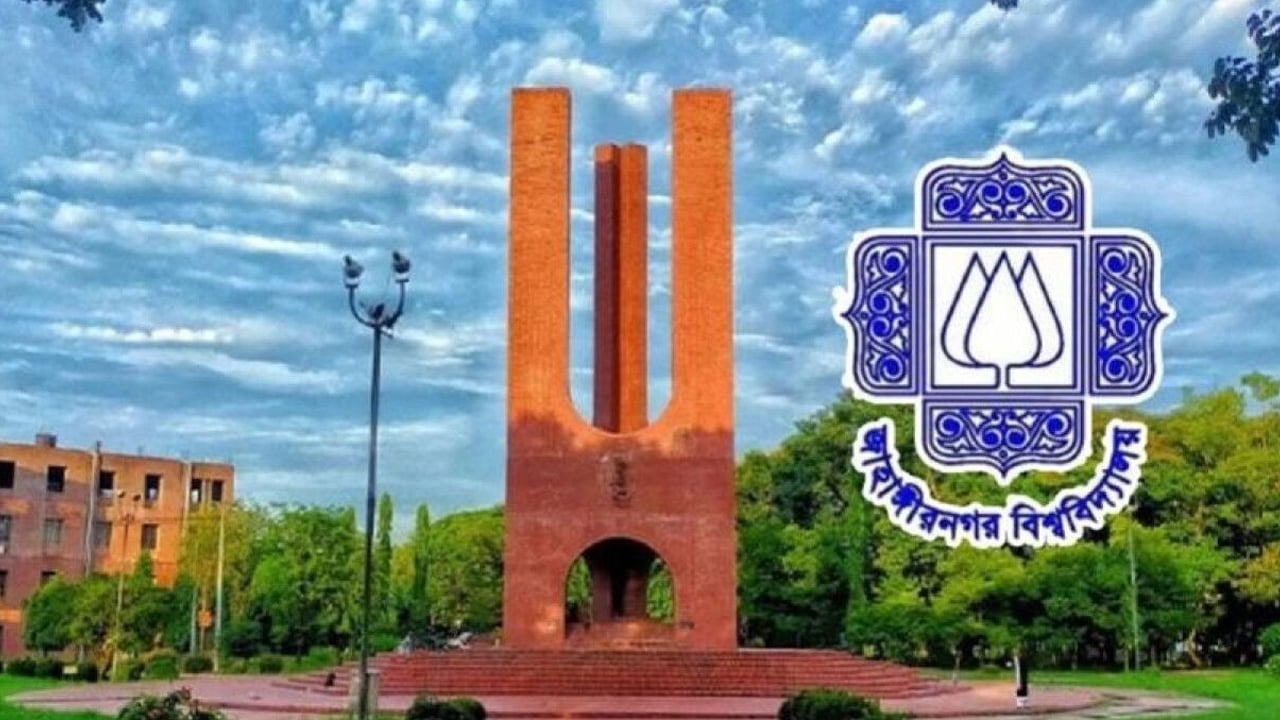
Jahangirnagar University authorities have expelled two female students for two years on charges of possessing and consuming drugs in a dormitory room. The decision was made following a syndicate meeting held early Tuesday, June 16, 2026. The expelled students are Tanuja Tithi from the Department of Management Studies (51st batch) and Sanjida Amir Inisi from the Department of Drama and Dramatics (48th batch). Both have also been permanently expelled from their residential hall, Nawab Faizunnesa Hall, and a case under state law has been recommended against Tithi. According to the university administration, a disciplinary investigation found that the two students violated the Jahangirnagar University Disciplinary Ordinance, 2018, which strictly prohibits the storage, use, or trade of any kind of drugs within the campus, departments, institutes, or residential halls. The investigation followed an April 18 raid by hall authorities in room 116 of Nawab Faizunnesa Hall, where drugs were recovered. The disciplinary board’s decision underscores the university’s zero-tolerance policy toward drug-related offenses within its premises.
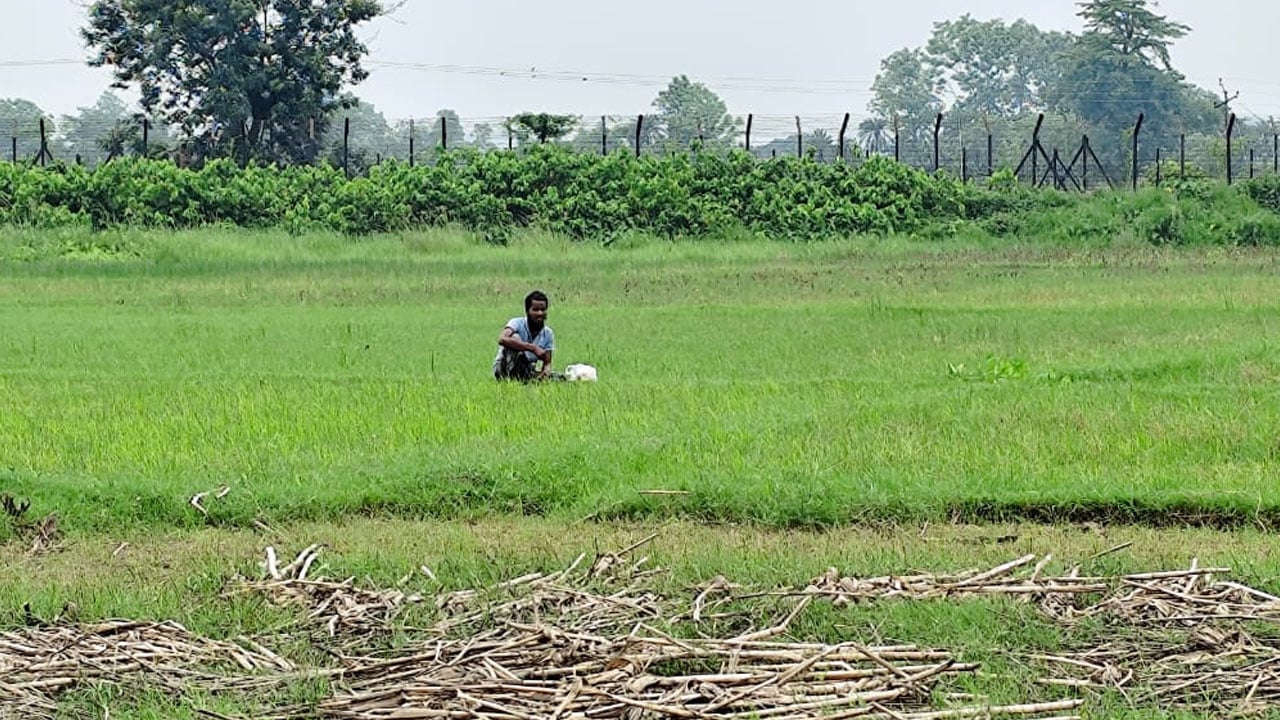
An alleged attempt by India’s Border Security Force (BSF) to push a young man into Bangladesh was thwarted by the Border Guard Bangladesh (BGB) at the Jhaodanga border in Dewanganj upazila of Jamalpur district. The incident occurred late Monday night near the 1078 international border pillar in the Madhyerchar area. According to BGB and local sources, BSF tried to send the youth across the border around 10 p.m., prompting BGB members and residents to take positions on the Bangladeshi side. The strong vigilance by BGB and locals reportedly forced BSF to abandon the attempt. The youth is now staying in the zero line area between the two countries, while both border forces remain on alert. Previous attempts to push individuals into Bangladesh through the Jamalpur border have also been reported. Lieutenant Colonel Hasanur Rahman, commander of Jamalpur 35 BGB Battalion, confirmed that an illegal push-in attempt took place and said BGB remains in a heightened state of readiness.
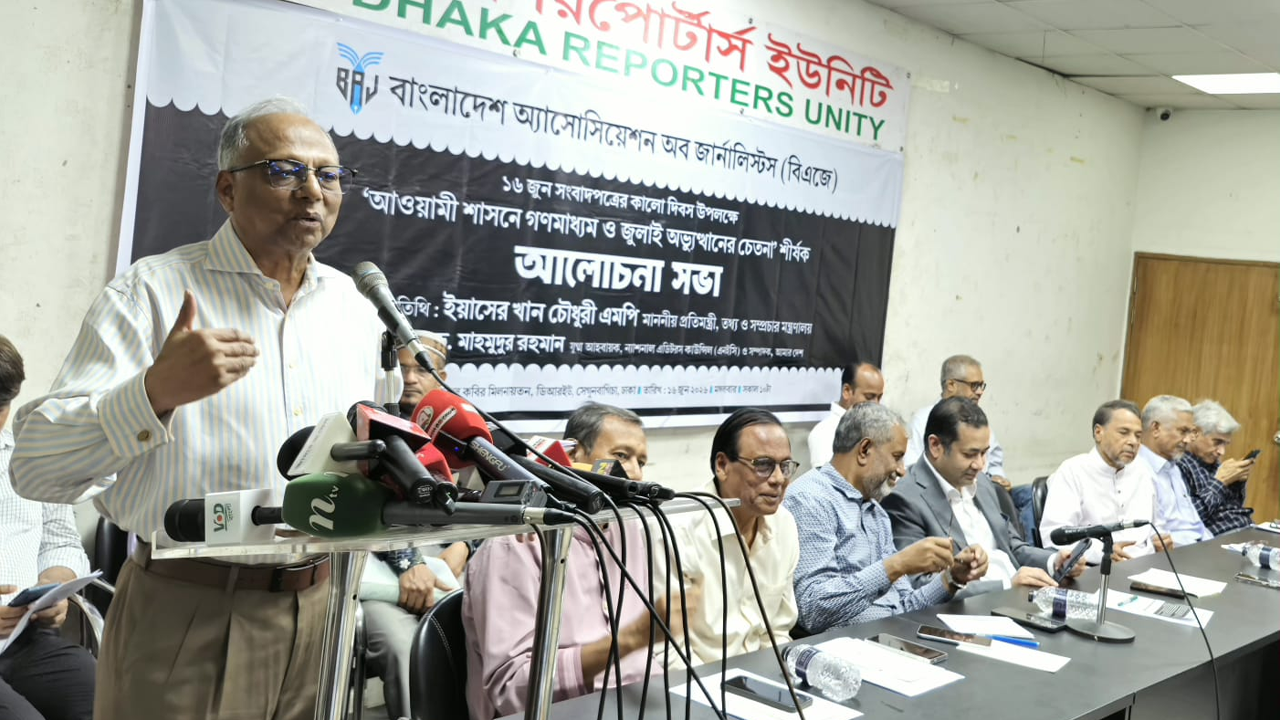
Dr. Mahmudur Rahman, joint convener of the National Editors Council and editor of Amar Desh, described Sheikh Mujibur Rahman as the icon of fascism in independent Bangladesh. He made the remark on June 16, 2026, at a discussion titled “Media under Awami Rule and the Spirit of the July Uprising,” organized by the Bangladesh Association of Journalists at the Dhaka Reporters Unity. He argued that the Awami League’s political history represents a shift from autocracy to fascism and claimed there was no difference between Sheikh Mujib and Sheikh Hasina in their approach to governance and media control. Mahmudur Rahman criticized both leaders for fostering a culture of flattery in the media and urged journalists to reject sycophancy and political interference. He compared the Rakkhi Bahini to the Rapid Action Battalion, calling the former its predecessor, and said that the suppression of press freedom began under Sheikh Mujib. He called for self-criticism and professional integrity among journalists to restore media independence. The event was chaired by journalist M. Abdullah and attended by State Minister for Information and Broadcasting Yasir Khan Chowdhury. Professor Abdul Latif Masum presented a paper analyzing the July 2024 uprising and its implications for media and democracy in Bangladesh.
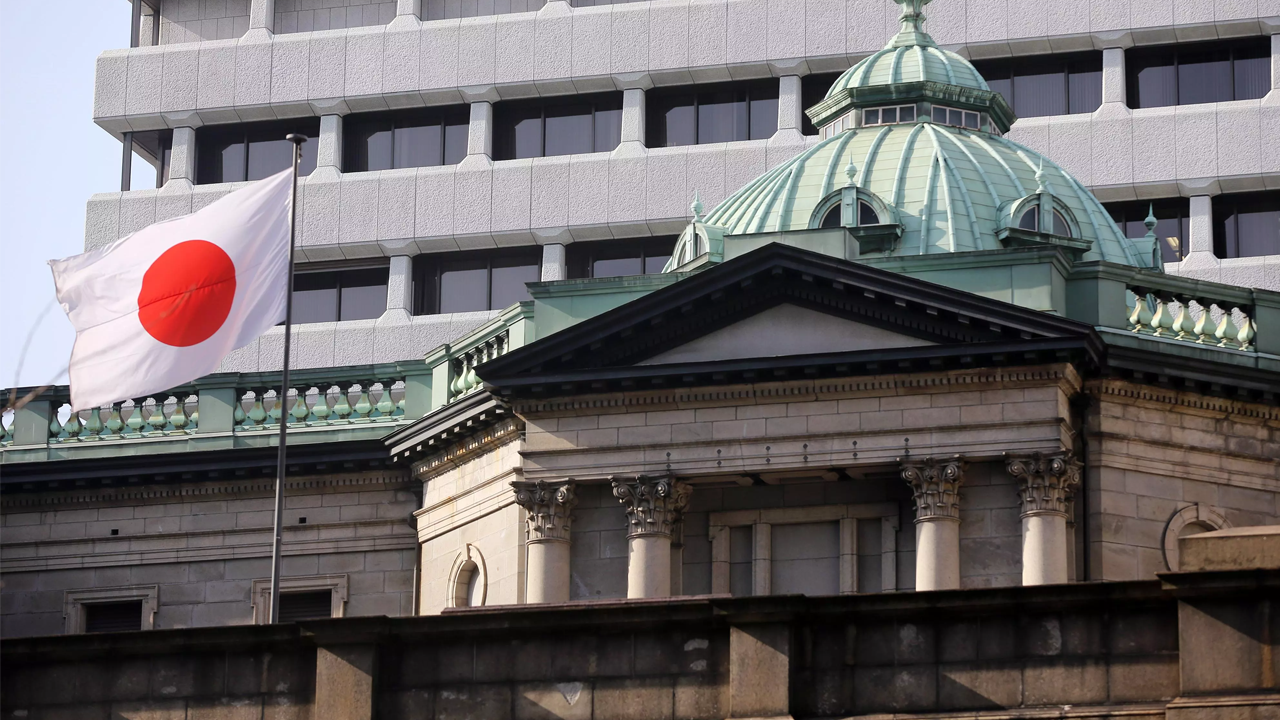
The Bank of Japan (BOJ) has raised its short-term policy interest rate to 1 percent, the highest level in 31 years, in an effort to control inflation caused by the energy crisis stemming from the Iran war and to normalize its monetary policy. The decision, announced on Tuesday, marks the first rate hike since December and aligns Japan with other major central banks that have tightened monetary policies to combat inflation. According to Reuters, the BOJ stated that risks to Japan’s economy from Middle East conflicts have eased due to government measures to reduce energy costs and progress in securing alternative energy sources. However, the bank warned that rising energy costs are being passed quickly among companies, potentially increasing consumer prices. The BOJ also noted that medium- and long-term inflation expectations are rising, posing a risk of exceeding its target. Following the announcement, Japan’s Nikkei 225 index rose 1 percent to a record high above 70,000, the yen strengthened slightly against the dollar, and 10-year government bond yields increased. One board member, Touichiro Asada, opposed the decision, citing greater downside risks to growth.
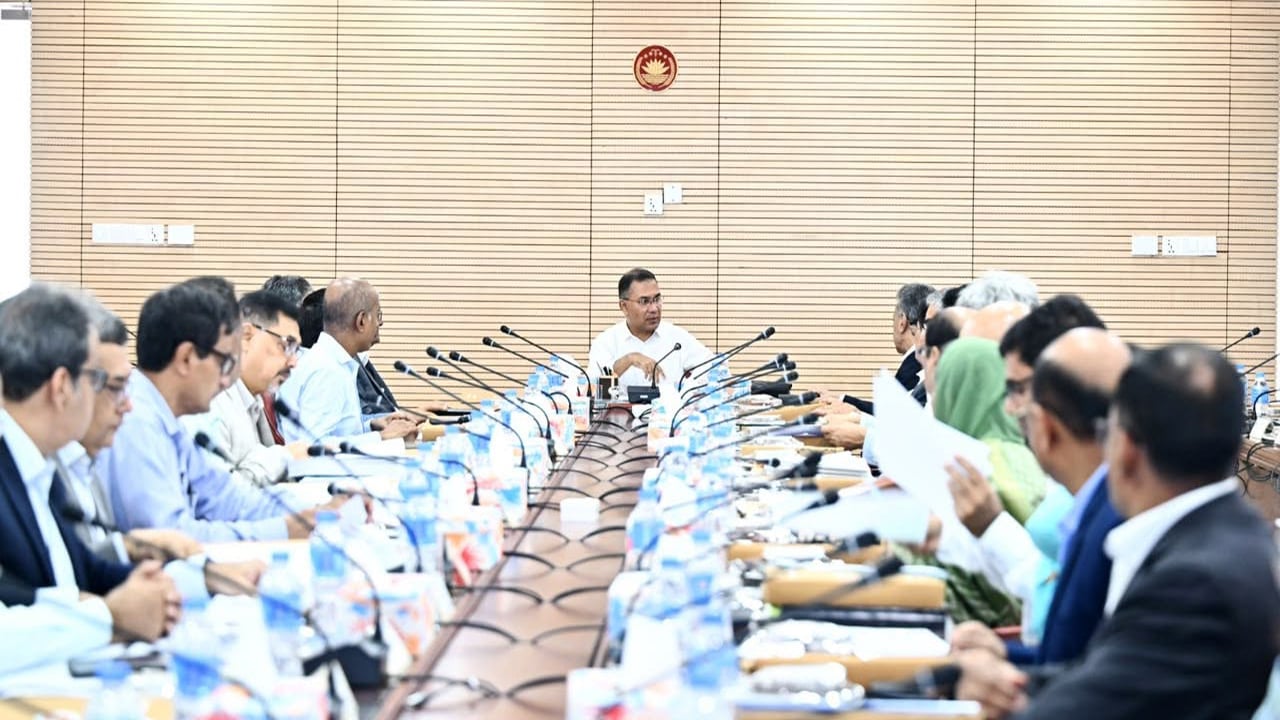
The Executive Committee of the National Economic Council (ECNEC) has approved five development projects with a total estimated cost of Tk 7,003.36 crore. The approval came on Tuesday during a meeting chaired by Prime Minister and ECNEC Chairperson Tarique Rahman at the Secretariat Cabinet Room. Of the total cost, Tk 4,536.10 crore will come from government funds and Tk 2,467.26 crore from project loans. The approved list includes three new projects and two revised ones. Among the approved projects are the Prime Minister’s Office initiative titled ‘Supporting Infrastructure Project for Chinese Economic and Industrial Zone,’ three projects under the Ministry of Water Resources, and one under the Ministry of Education. The water projects include rehabilitation of the Muhuri-Kahua Flood Control, Drainage and Irrigation Project in Feni, development of the Karatoa River system, and protection of areas in Kushtia district from Padma River erosion. The education project involves establishing one technical school and college in each of 100 upazilas. The meeting was attended by several ministers and senior government officials. ECNEC was also informed about four additional small-scale projects already approved by the Planning Minister, each costing less than Tk 50 crore.
Two local leaders of the Bangladesh Nationalist Party (BNP) in Babuganj upazila of Barishal have been suspended from their organizational posts following allegations of extortion and a subsequent mob beating. The suspension was announced on Tuesday morning through an official notice issued by the Chandpasha Union BNP. According to the notice, Mehedi Hasan Zakir Molla, president of the 2nd ward BNP and organizational secretary of the union BNP, and Abdur Razzak, organizational secretary of the same ward, were temporarily relieved of all party responsibilities for engaging in activities deemed contrary to party discipline. The notice, signed by Union BNP president Alomgir Hossain Swapon and general secretary Md. Shahin Hossain, instructed all party members to refrain from maintaining organizational contact with the two until further directives. The disciplinary action followed an incident on Monday night in the Raintritala area, where the two were reportedly beaten by locals after allegedly demanding Tk 20,000 in extortion from a sand trader. They were later released after giving a written undertaking.

The ‘1 Nojor’ media platform is now live in beta, inviting users to explore and provide feedback as we continue to refine the experience.