

The ‘1 Nojor’ media platform is now live in beta, inviting users to explore and provide feedback as we continue to refine the experience.
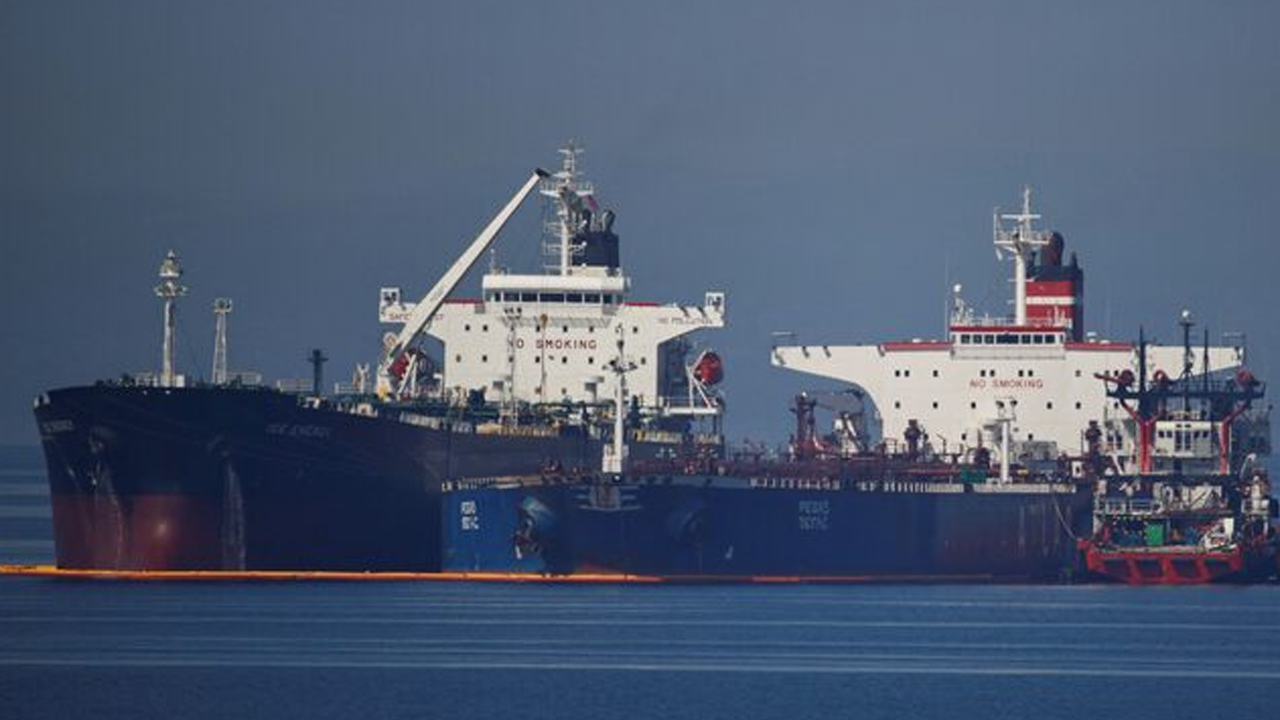
Under a new peace agreement signed by US President Donald Trump, ships will be able to pass through the Strait of Hormuz without paying tolls. The United States clarified that Iran must fulfill all commitments under the deal before receiving any economic benefits. According to AFP, a senior US official said a proposed $300 billion fund may be created to help rebuild war-torn Iran, but disbursement will depend on Tehran’s progress in implementing the agreement. The memorandum of understanding was signed electronically by President Trump, Vice President JD Vance, and Iranian Parliament Speaker Mohammad Bagher Ghalibaf. A US official said Trump’s personal signature was meant to signal his commitment to the peace process. Vice President Vance described the document as a brief, one-and-a-half-page text, leaving complex issues such as Iran’s nuclear program for later negotiations. Vance also stated that international nuclear inspectors would be allowed to re-enter Iran to assist in dismantling enriched uranium stockpiles. Expert-level discussions are scheduled this week to finalize details, ahead of a formal signing ceremony planned in Geneva, Switzerland.
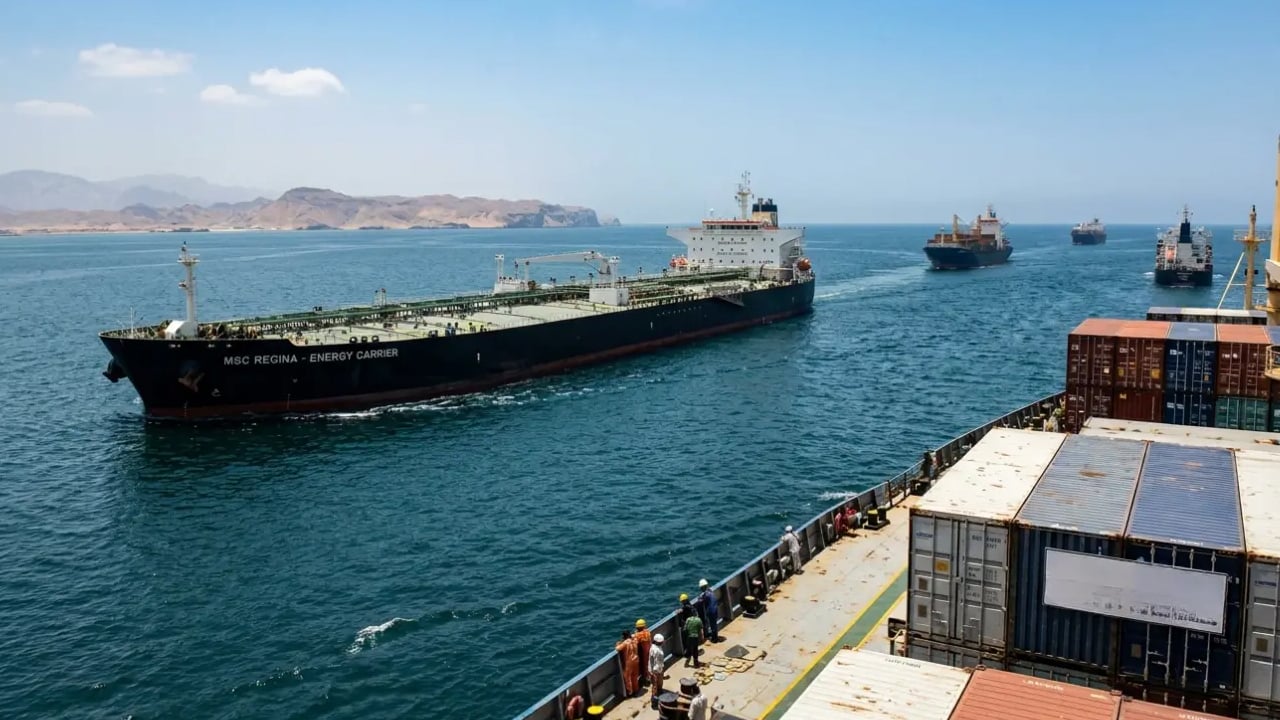
Around 22,000 sailors have been stranded in the Persian Gulf for nearly four months and are reported to be severely affected, according to Saman Rezaei, head of the Iranian Merchant Mariners Syndicate (IMMS). He said threats and attacks on commercial vessels have sharply increased since the start of the U.S. naval blockade, heightening maritime tensions and causing casualties among sailors, fishermen, dockworkers, pilots, and other civilians. Rezaei emphasized that regardless of political outcomes, ensuring the safe departure of all sailors through international cooperation is now the top priority. He noted that many sailors have been killed or gone missing, and the psychological toll on them and their families during the conflict is immense. Pointing to post-war recovery, Rezaei indicated a phased restoration process beginning with the signing of a memorandum of understanding (MoU) in Switzerland on June 19. Iran has pledged to begin mine clearance within 30 days, though full resumption of large vessel operations may take up to eight months due to safety checks, high insurance costs, and lingering distrust.
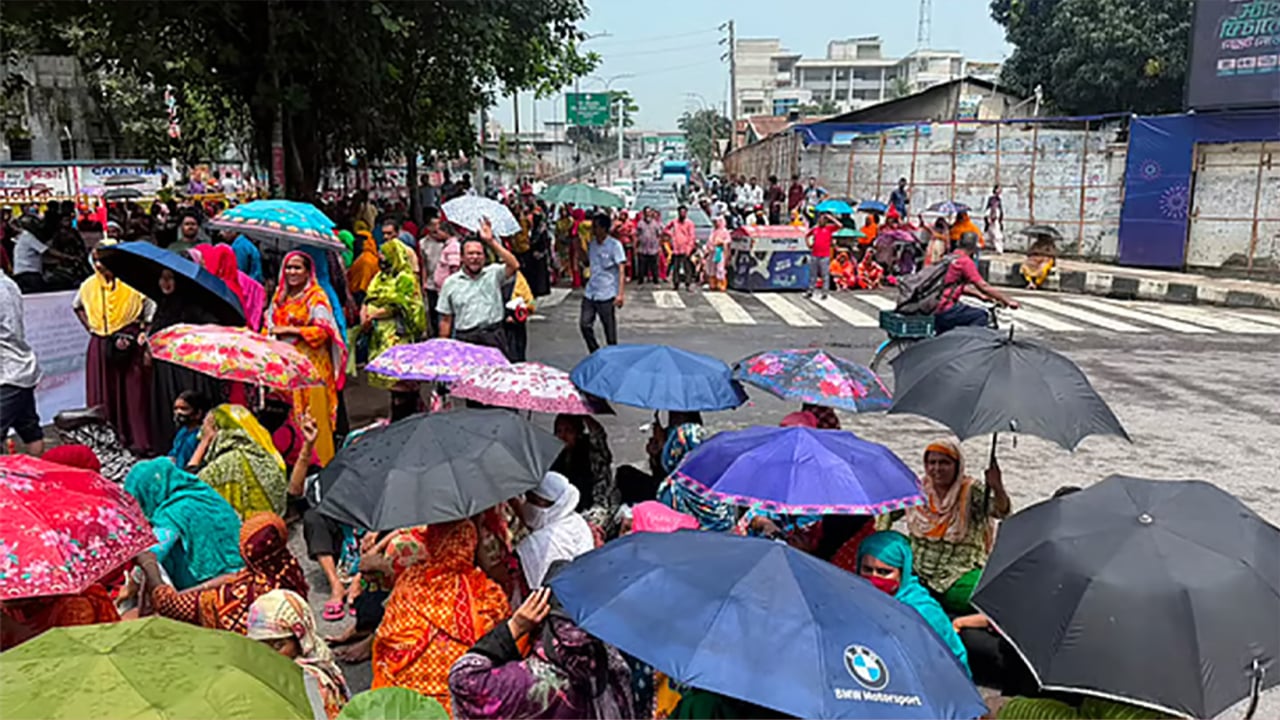
Workers of Nasa Garments staged a protest on Tuesday morning by blocking the main road near Love Road in Dhaka’s Tejgaon industrial area. The demonstration, demanding payment of salaries, leave allowances, service benefits, and other dues, brought traffic on the Mohakhali-Tejgaon corridor to a standstill. Police and eyewitnesses said hundreds of workers gathered around 10:15 a.m., occupying a large section of the road and causing severe congestion across nearby routes. According to Tejgaon Industrial Area Police Station’s officer-in-charge Mahbubur Rahman, the workers were demanding settlement of long-pending dues. Police were present at the scene to maintain order and continued discussions with the protesters. The workers claimed that despite repeated assurances, their legal entitlements remained unpaid even after factory downsizing or closure, forcing them into financial hardship. The protesting workers presented seven demands, including payment of May 2026 wages, 2025 leave allowances, December 2025 area bills, notice pay, 120 days’ wages and benefits under labor law, full service benefits, and assurance against harassment or legal action. Similar protests by the same group’s workers occurred in April, May, and June, but no lasting resolution has been achieved.
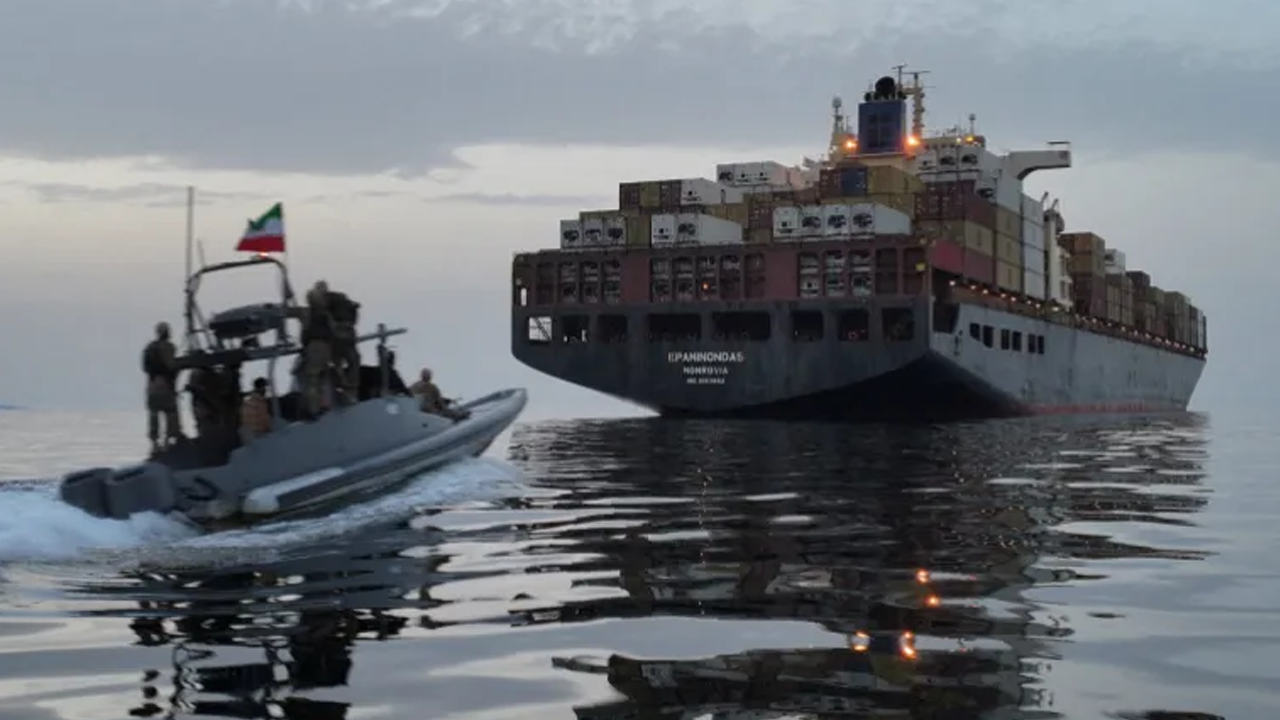
The head of Iran’s Merchant Marine Union, Saman Rezaei, told Al Jazeera that even after the current crisis ends, maritime transport through the Strait of Hormuz will never return to its pre-war state. Rezaei, who also serves as secretary general of the Iranian Merchant Mariners Syndicate under the International Transport Workers’ Federation (ITF), said the conflict has shattered the long-standing order and structure that once made the strait a safe haven for commercial shipping. According to Rezaei, the global shipping industry views the return to normal operations in the strait as a long and uncertain process. He noted that recovery depends on sustainable peace, visible reduction of threats, and several successful accident-free voyages. The ITF has indicated that clearing vessel congestion and rotating crews could take several weeks, possibly months. Rezaei added that many key port, transport, trade, and oil facilities along both shores of the Persian Gulf were damaged during the war, requiring significant time and financial resources for repair and reconstruction.
A woman in Chattogram has accused a police detective of detaining her overnight, assaulting her, and extorting Tk 11 million under threat. According to the complaint, Lutfur Nesa, wife of expatriate Fazlul Kader Badsha, was taken from her home on December 24, 2025, by men identifying as police detectives, including Sub-Inspector Mohiuddin Raju. She was allegedly held for 16 hours at the Detective Branch office, forced to sign a document, and later compelled to pay Tk 11 million out of fear for her family’s safety. Screenshots, audio recordings, and court documents reportedly support the payment claim. The case was filed on June 1, 2026, in the Chattogram Metropolitan Magistrate Court, which directed the Police Bureau of Investigation to probe the allegations. The accused officer denied the charges, claiming he only mediated a financial dispute. Civic group Sujan’s Chattogram secretary termed the allegations a serious abuse of power, while the city’s police commissioner said legal action would follow based on the investigation’s outcome. The court-ordered investigation is ongoing, and authorities have pledged strict measures if wrongdoing is confirmed.

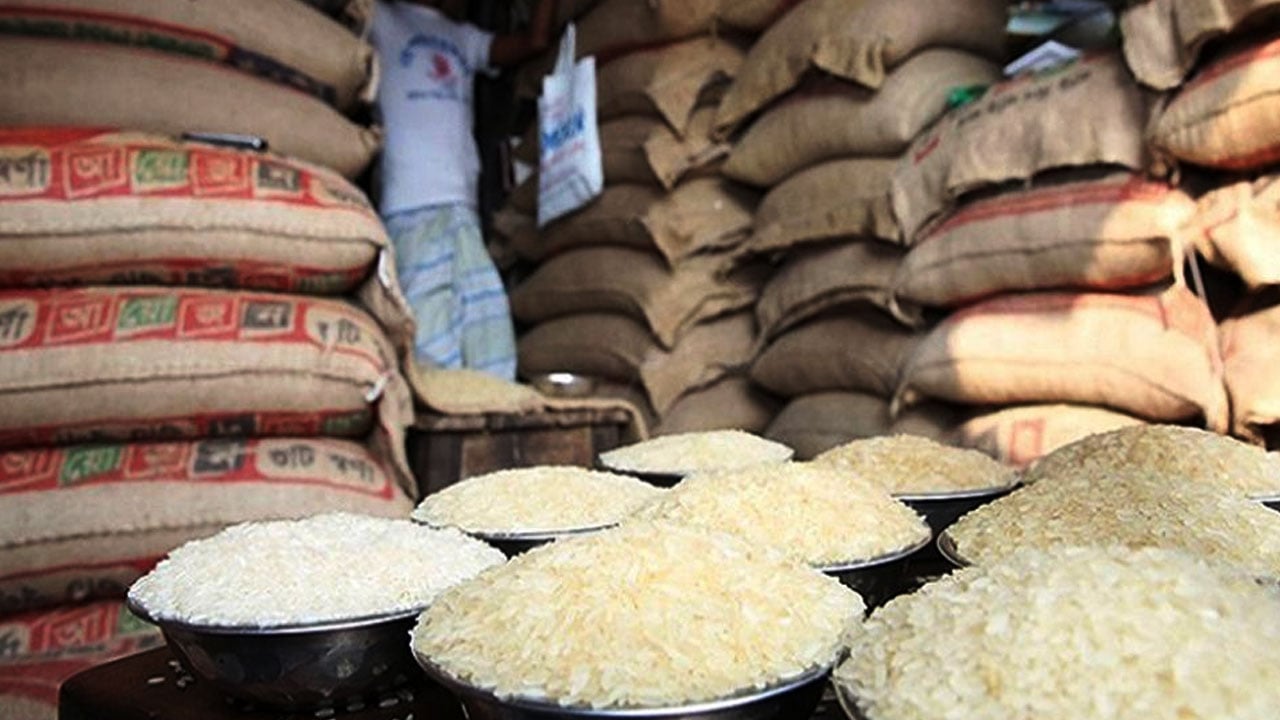
Rice prices in Bangladesh have risen sharply ahead of the national budget announcement, with wholesale and retail prices increasing by up to 10 taka per kilogram over the past month. Traders attribute the surge to manipulation by mill owners and corporate groups, citing the suspension of import letters of credit (LCs) as a key factor. Consumers accuse a syndicate of creating an artificial shortage to raise prices, while mill owners claim reduced paddy supply and rising costs are driving the increase. Government officials, however, maintain that no commodity prices have risen due to the budget. According to the Trading Corporation of Bangladesh, prices of fine, medium, and coarse rice varieties have increased by 1.29%, 2.50%, and 3.70% respectively in a month. Retailers in Dhaka’s major markets report that all rice types, including Miniket, Atash, and Nazirshail, have become costlier, alongside flour and soybean oil. The Consumer Rights Directorate and the Commerce Ministry have been urged to intensify monitoring to prevent hoarding and manipulation. Officials from the Food Department said the government has sufficient reserves and can stabilize the market through imports and open market sales if necessary. The Commerce Ministry indicated that strict action may follow if syndicate activity is proven.
Cape Verde goalkeeper Vozinha delivered a stunning performance in Atlanta, holding World Cup and European champions Spain to a goalless draw in the nation’s first-ever World Cup appearance. Spain took 27 shots, seven on target, but the 40-year-old goalkeeper repeatedly denied them, including key saves against Ferran Torres, Mikel Oyarzabal, and Aymeric Laporte. His efforts created one of the tournament’s biggest upsets and earned Cape Verde a historic point. After the match, Vozinha broke down in tears, explaining that his emotion came from personal loss and hardship. He said he was raised by his grandparents, who had passed away years earlier, and that his mother could not attend the match due to visa complications and lack of funds. His story of perseverance and sacrifice resonated widely across the football world. Former players and analysts praised Vozinha’s performance and composure. BBC analyst Pat Nevin called his display unbelievable, while former England defender Lee Dixon said he was deeply moved by the goalkeeper’s tears and Cape Verde’s deserved result.

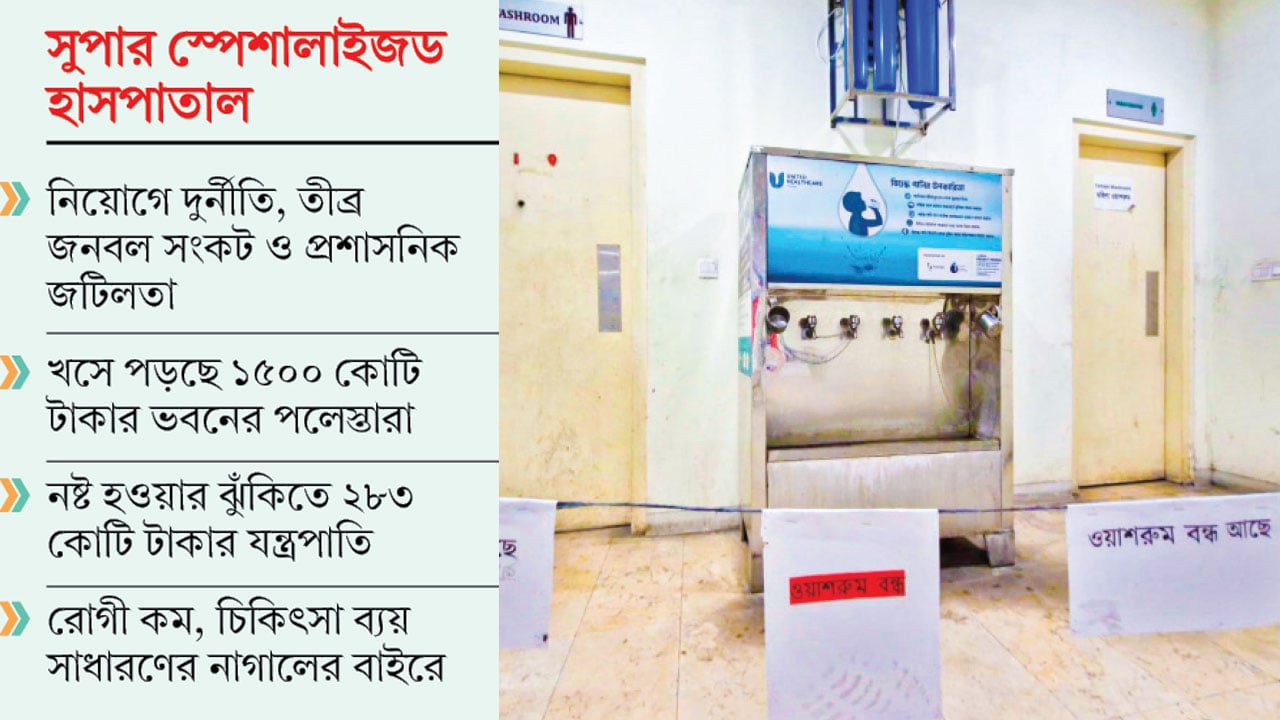
Bangladesh’s only super specialized hospital, launched in 2022 in Dhaka’s Shahbagh with promises of world-class treatment at low cost, remains largely nonfunctional due to corruption, mismanagement, and severe staffing shortages. Despite being inaugurated before completion, most specialized services such as kidney and liver transplants, cardiology, and cancer care are inactive. The hospital, built at a cost of about Tk 1,560 crore with South Korean funding, now operates with minimal staff and limited services. Multiple reports detail irregularities in recruitment, procurement, and training programs. The Anti-Corruption Commission found evidence of misuse of funds, fake recruitment, and sending unnecessary personnel abroad for training. Around 80 percent of medical equipment worth Tk 283 crore has never been used, and some have already deteriorated. Patients complain of high costs comparable to private hospitals despite poor service quality. Officials say full operation requires new laws and large-scale recruitment. The administration is reviewing previous recruitment processes and exploring ways to engage expatriate Bangladeshi specialists, but no timeline has been set for full activation.
Asif Mahmud Sajib Bhuiyan, spokesperson of the National Citizens Party (NCP), stated that the media should not serve as a mouthpiece for any ruler, political party, or power center, but remain loyal only to truth and the people. He made the remarks on Tuesday, June 16, through a Facebook post marking Bangladesh’s Press Black Day. In his statement, Bhuiyan recalled that on this day in 1975, the BAKSAL government under Sheikh Mujibur Rahman shut down all newspapers except four, leaving thousands of journalists and press workers jobless and silencing the nation’s independent voice. He said that even after the fall of BAKSAL, press freedom in Bangladesh has repeatedly come under attack, particularly during the past 17 years under the Awami League government, which he accused of suppressing dissent and controlling the media. Bhuiyan warned that if the current government continues similar practices, it would repeat past mistakes. He called on all governments to respect press freedom, emphasizing that any attack on media independence is an attack on democracy itself.

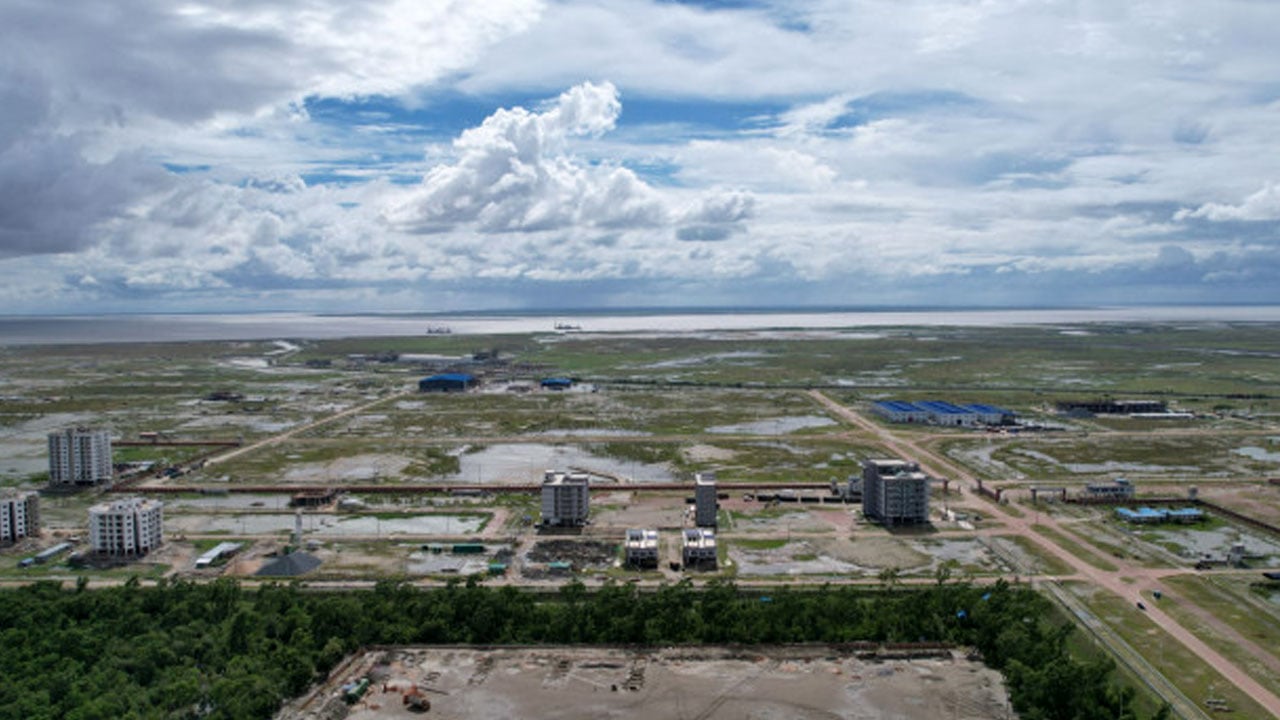
The long-delayed Chinese Economic Zone project in Chattogram’s Anwara upazila is being resubmitted for approval at the latest meeting of the Executive Committee of the National Economic Council (ECNEC), chaired by Prime Minister and ECNEC Chairperson Tareq Rahman. The meeting will also consider five projects worth Tk 7,003.36 crore, including three new and two revised ones. The Chinese Economic and Industrial Zone project, under the Prime Minister’s Office, is among those awaiting approval. The zone will be developed on about 800 acres in Belchura, near the Karnaphuli Tunnel, Chattogram Port, and Shah Amanat International Airport. Initiated in 2014 and formalized through a government-to-government deal with China in 2016, the project stalled due to financing and administrative delays. The Bangladesh Economic Zones Authority (BEZA) will handle offsite infrastructure, while China Road and Bridge Corporation (CRBC) will manage internal development. The project is scheduled from January 2027 to December 2031, funded by Tk 1,722 crore from the government and Tk 2,467 crore in Chinese credit. BEZA expects the project to create about 100,000 direct and 400,000 indirect jobs and attract around USD 500 million in foreign investment, though the Planning Commission has raised concerns over high construction costs.
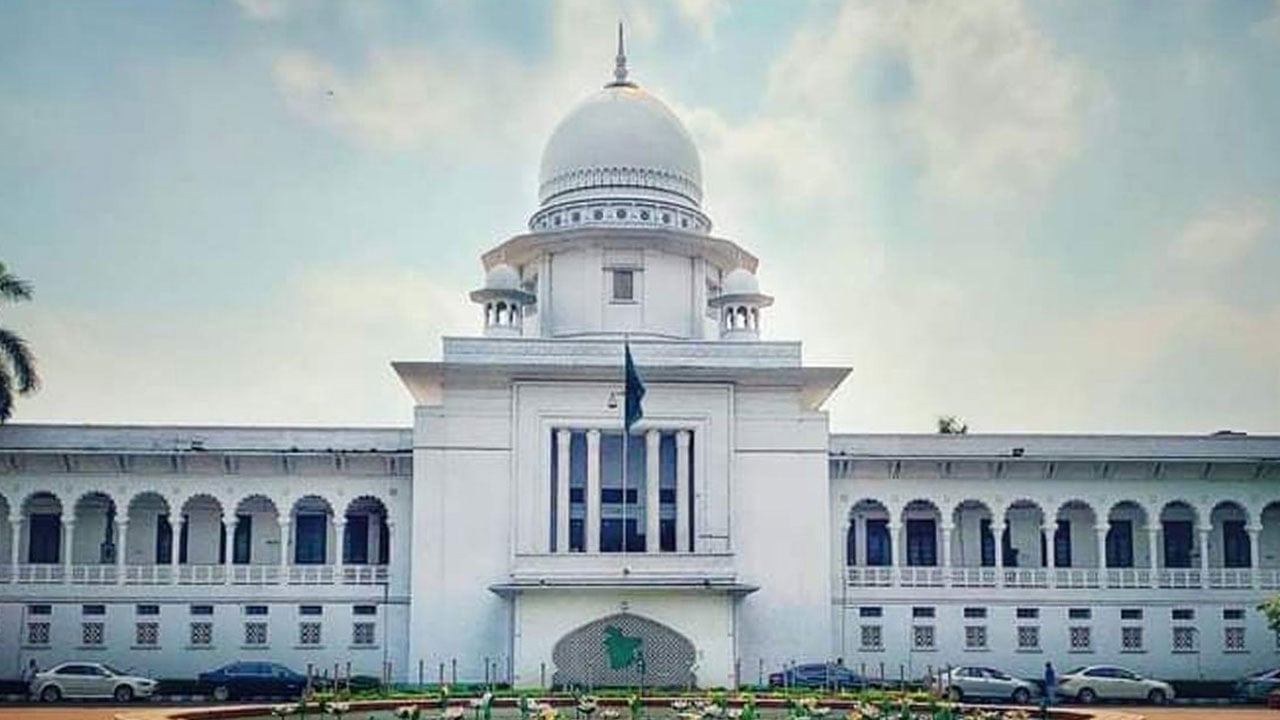
The appeal hearing against the High Court verdict establishing a separate secretariat for the judiciary is scheduled to begin on September 1. The information was confirmed on June 16. The case stems from a writ petition filed by lawyer Shishir Monir on August 25 of the previous year, challenging Article 116 of the Constitution, which concerns the control and discipline of subordinate courts. In the writ, the petitioner sought to place the authority over discipline, postings, promotions, and leave of magistrates under the Supreme Court. On September 1, the High Court declared Article 116 unconstitutional and directed the formation of a separate Supreme Court Secretariat within three months. Following the verdict, the secretariat began operating formally. However, after the current government took office, the ordinance establishing the Supreme Court Secretariat was not enacted into law, resulting in its cancellation. The upcoming appeal hearing will determine the future of the judiciary’s administrative independence.
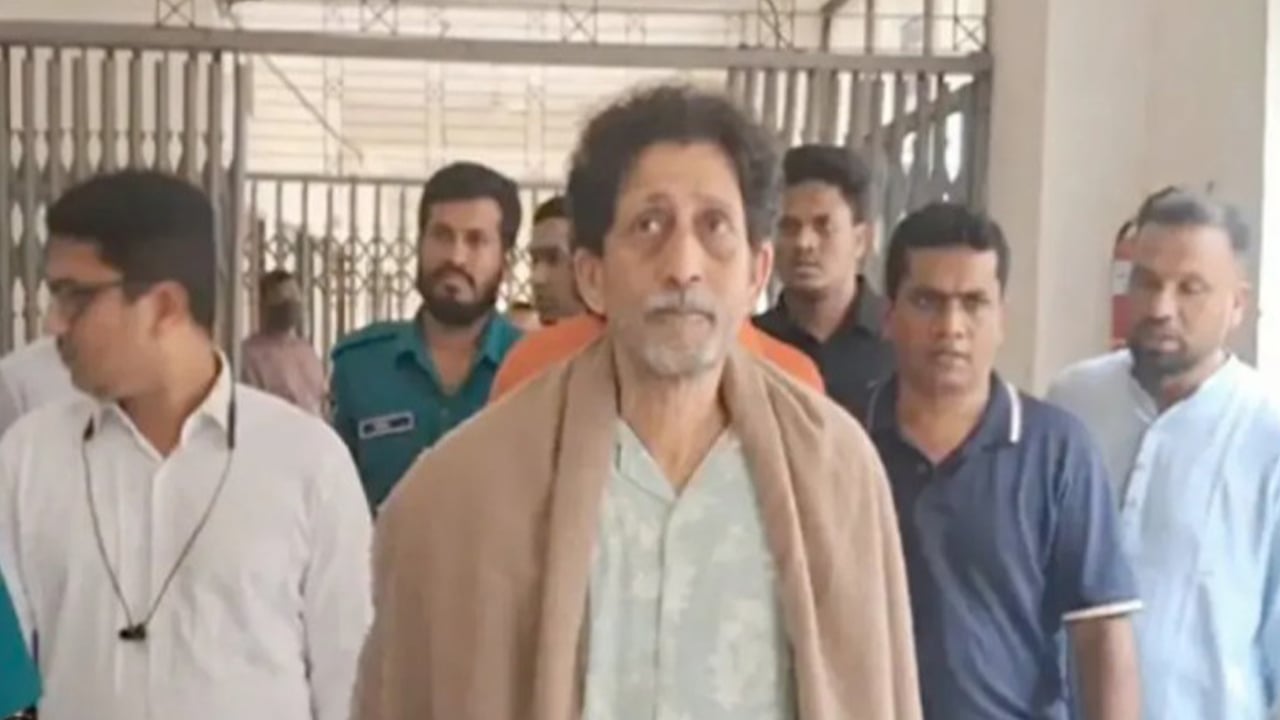
A Dhaka court has granted bail to economist and former Dhaka University professor Abul Barkat in the case concerning the murder of businessman Abdul Wadud during the July movement in Nilkhet. The bail was approved on Monday by Chief Metropolitan Magistrate Mohammad Mostafizur Rahman’s court, confirmed by state prosecutor Muhammad Shamsuddoha Suman. Barkat’s lawyers had earlier filed for bail after he was shown arrested in the case on Sunday, but the initial request was denied by another magistrate. The court later granted bail on a bond of 5,000 taka until the police report is submitted, clearing the way for his release as there are no other pending cases against him. Police had arrested Barkat on July 10 from his Dhanmondi residence in a separate case involving alleged embezzlement of 2.97 billion taka from Janata Bank through Annontex Group. He was granted bail in that case by the Appellate Division on June 7 under the condition of submitting his passport to the court. The Abdul Wadud murder case was filed at New Market Police Station by Wadud’s brother-in-law, naming 130 accused including Sheikh Hasina and Obaidul Quader.
Australia has pledged to conduct an independent investigation into alleged Israeli abuse of activists aboard the Global Sumud Flotilla, a Gaza-bound aid convoy. The announcement came after a meeting between representatives of the Global Movement to Gaza Aotearoa-Australia and senior Australian officials, including Foreign Minister Penny Wong, International Development Minister Anne Aly, the Australian Federal Police, and the Department of Foreign Affairs and Trade. According to the organization, the investigation will examine reports of assault, sexual abuse, and mistreatment of flotilla workers detained by Israeli forces in international waters. The flotilla was reportedly intercepted while en route to Gaza with humanitarian supplies. Italy and France have already initiated their own investigations into Israel’s treatment of the detained activists. Italy’s inquiry includes far-right Israeli minister Itamar Ben-Gvir, who appeared in a video showing activists being pushed and forced into painful kneeling positions aboard a detained vessel.

Four members of a single family have died following a house fire in Madanpur, Narayanganj. They had been receiving treatment at the National Institute of Burn and Plastic Surgery, where three of them died on Monday, June 15, 2026. The victims were identified as Ali Ahmed Mannan, aged 50, who died early in the morning; Md. Sayem, aged 19, who died around 9:45 a.m.; and Meem, aged 13, who passed away around 10:45 p.m. Earlier, on June 12, Sultana, aged 35, had succumbed to her injuries. The deaths were confirmed by resident surgeon Shawon Bin Rahman of the burn institute. According to the institute, the fire broke out early on June 11 at their home in Madanpur, injuring five people, including the four family members. All were taken to the National Burn Institute that morning. Another child, named Hozrat Ali, received primary treatment and was later released. The condition of the four family members had been critical, with burn injuries ranging from 35 to 90 percent. The family’s ancestral home is located in Purbadhala upazila of Netrakona district.

Iran began its World Cup campaign amid political and logistical uncertainty but delivered a spirited performance on the field. Facing New Zealand in Los Angeles, the Middle Eastern team twice came from behind to secure a 2-2 draw. New Zealand took an early lead through Chris Wood and Elijah Just’s combination, but Ramin Rezaeian equalized for Iran before halftime. In the second half, Wood scored again to restore New Zealand’s advantage, only for Mohammad Mohebi to level the match with a powerful header. Before the tournament, Iran’s preparations were overshadowed by visa complications, U.S.-Iran tensions, and entry issues for team officials. Despite these off-field challenges, Iran showed resilience and attacking intent, registering 17 shots compared to New Zealand’s 14. The result left both teams with one point each in Group G, where Egypt and Belgium also drew 1-1 in their match. The draw demonstrated Iran’s determination to compete strongly despite political pressures and uncertainty surrounding their participation.

The ‘1 Nojor’ media platform is now live in beta, inviting users to explore and provide feedback as we continue to refine the experience.