

The ‘1 Nojor’ media platform is now live in beta, inviting users to explore and provide feedback as we continue to refine the experience.
Global oil prices fell sharply on Monday after US President Donald Trump announced that the Strait of Hormuz would reopen following a peace agreement between the United States and Iran, mediated by Pakistan. Brent crude dropped 4 percent to 83.81 dollars per barrel, while US crude fell 4.7 percent to 80.89 dollars. Pakistani Prime Minister Shehbaz Sharif said the formal signing ceremony would take place in Switzerland on June 19. Iranian Deputy Foreign Minister Kazem Gharibabadi confirmed the deal on state television. The Strait of Hormuz, a vital route for about 20 percent of the world’s oil and LNG shipments, had been closed since February 28 after US and Israeli airstrikes in Iran. Tehran had threatened attacks on vessels using the route. The conflict had previously driven oil prices as high as 120 dollars per barrel, up from around 70 dollars before the war. Energy analysts cautioned that oil transport through the strait would not immediately return to prewar levels, citing the need to clear mines and ease tanker congestion. Asian stock markets rose sharply as investors welcomed the agreement.

The success of the current agreement between the United States and Iran depends entirely on whether US President Donald Trump can keep Israeli Prime Minister Benjamin Netanyahu under control, according to Middle East expert Sami Hamdi. In an interview with Al Jazeera, Hamdi, managing director of the risk consultancy International Interest, said Israel recently launched an attack in Lebanon to undermine the deal. Hamdi recalled that during a previous ceasefire announced by Pakistan, Israel halted attacks on Iran but intensified operations against Lebanon. He noted that when Pakistan insisted on including Lebanon in the ceasefire, Trump appeared to alter the agreement’s terms to exclude Lebanon. The main concern now, Hamdi said, is whether Trump will again modify the deal’s conditions. Hamdi warned that if Trump refuses to pressure Israel to withdraw forces from southern Lebanon, even while restraining attacks, the entire agreement could be jeopardized.
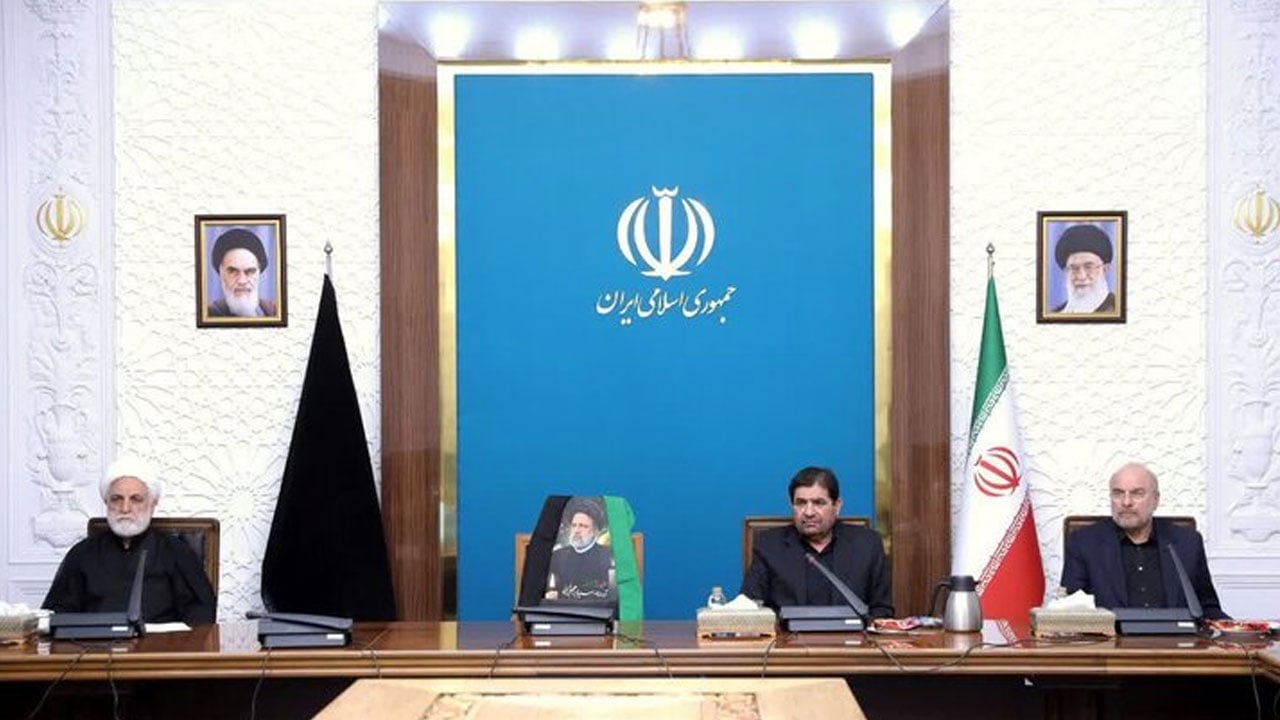
Iran’s Supreme National Security Council Secretariat announced that, under a new understanding reached with the United States, all military conflicts across fronts including Lebanon will be immediately suspended. The statement said that the U.S. naval blockade imposed on Iranian ports will also be lifted in full and without delay. The ceasefire and blockade withdrawal are to take effect from tonight, marking a significant de-escalation in regional tensions. According to the statement, a formal signing ceremony for the memorandum of understanding will take place on June 19. Iran added that discussions on a final agreement will begin only after the other party fulfills its commitments outlined in the memorandum. The announcement also expressed gratitude to the governments of Pakistan and Qatar for their mediation efforts. This marks the first time a high-level Iranian government body has officially detailed the ceasefire, the lifting of the naval blockade, and the framework for future negotiations.
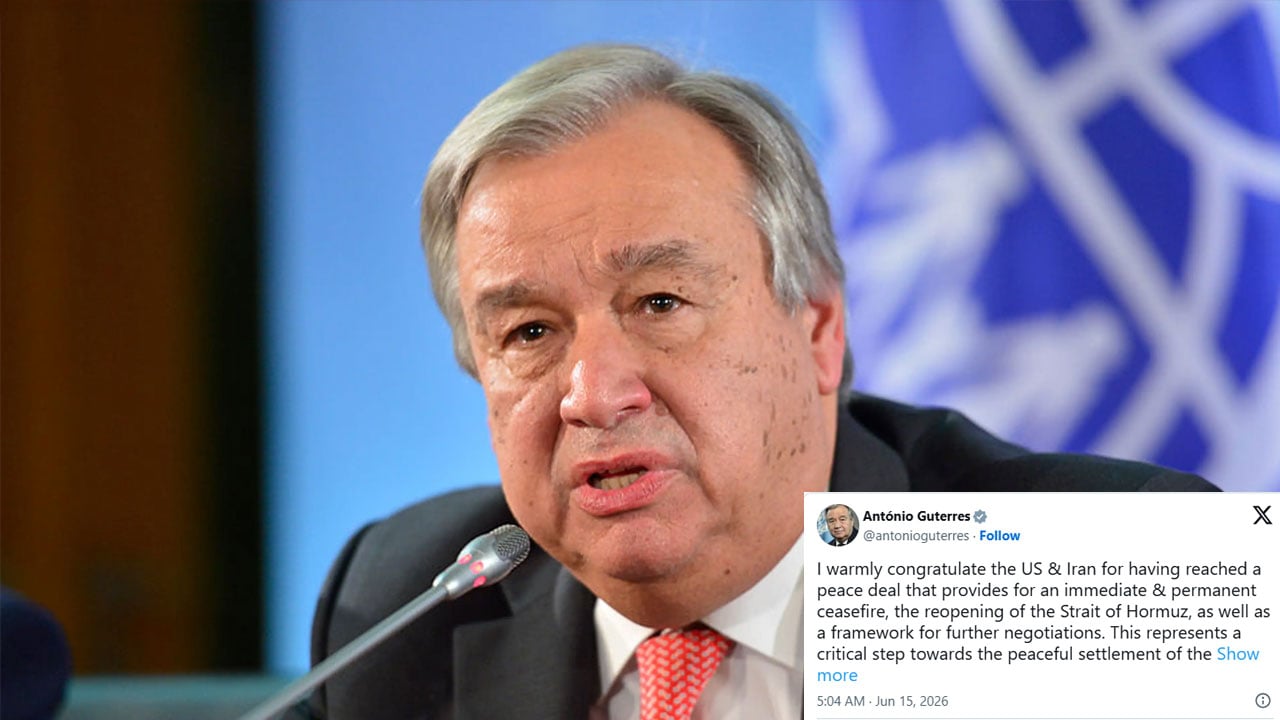
UN Secretary-General António Guterres has welcomed the newly announced peace agreement between the United States and Iran, describing it as an important step toward the peaceful resolution of their longstanding conflict. In a post on social media platform X, Guterres congratulated both nations for reaching a deal that includes an immediate and lasting ceasefire, the reopening of the Strait of Hormuz, and a framework for future negotiations. His remarks were interpreted as a sign of international support for the agreement, which follows years of heightened tensions between the two countries. Observers noted that the diplomatic breakthrough could help restore stability in the Middle East through the establishment of a ceasefire and renewed dialogue. Analysts cautioned, however, that the ultimate success of the deal will depend on its implementation, the fulfillment of mutual commitments, and progress in subsequent negotiations.
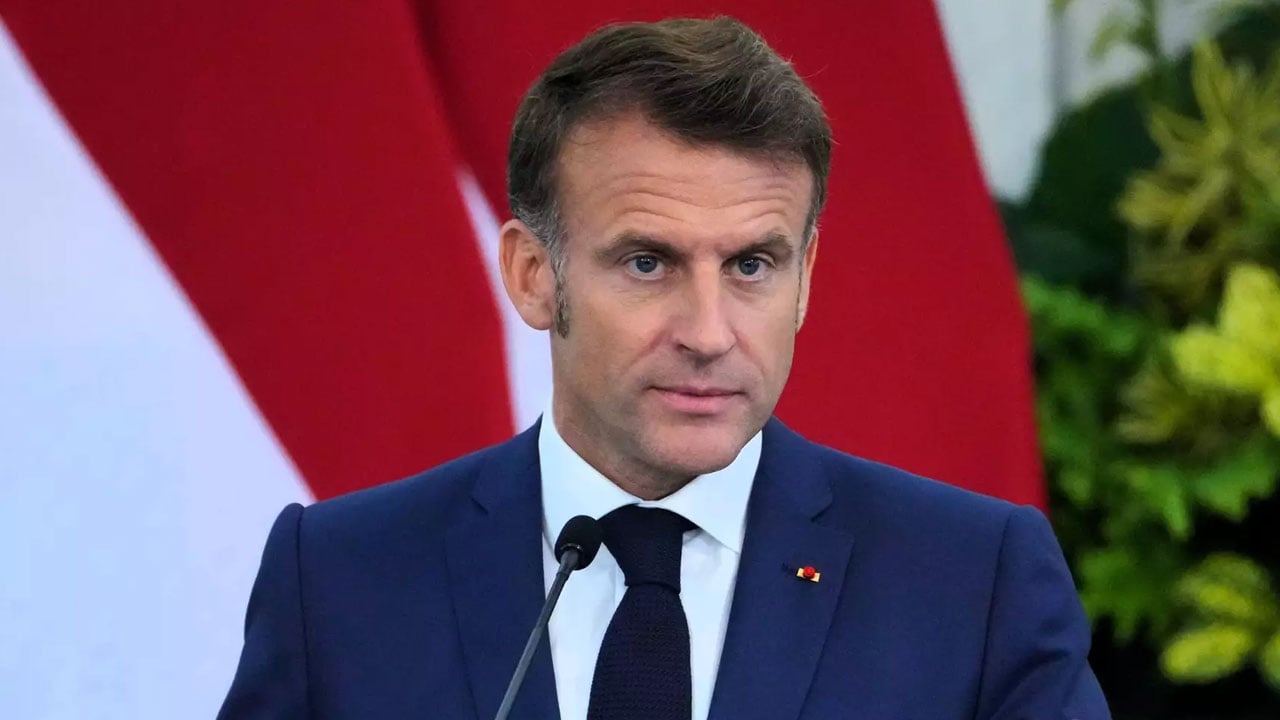
French President Emmanuel Macron has welcomed the agreement reached between the United States and Iran, describing it as the result of a broad diplomatic effort involving multiple partners. In a social media post, he called on all parties to swiftly and fully implement the deal. Macron also urged the immediate and unconditional reopening of the Strait of Hormuz, emphasizing its importance for regional stability and the global economy. He stated that an international mission formed with the United Kingdom is ready to assist in reopening the strait, with necessary resources and capabilities already prepared for deployment if needed. Macron stressed that restoring unrestricted maritime navigation is vital for maintaining stability and supporting global trade. Additionally, the French president reaffirmed France’s continued support for the Lebanese government in its efforts to strengthen state authority and establish control over armed groups within its territory.
US Vice President JD Vance welcomed the newly announced ceasefire agreement in the Middle East, describing it as the beginning of a “new era” in relations with Iran. In an interview with Fox News, Vance said the agreement to end the war against Iran has created an opportunity to establish stability in the region. He praised President Donald Trump’s diplomatic efforts that led to the deal. Vance stated that the President’s actions have opened the door for real change in the region and expressed hope that relations with Iran would enter a new phase. He asserted that the United States can now confidently say Iran will never possess nuclear weapons, emphasizing that preventing Iran’s nuclear capability has been a key US objective. According to Vance, the agreement will bring positive outcomes not only for the Middle East but also for the American people. He added that reduced regional tensions could stabilize global energy markets and lower fuel prices. Vance plans to attend the signing ceremony next week, where President Trump may also be present.
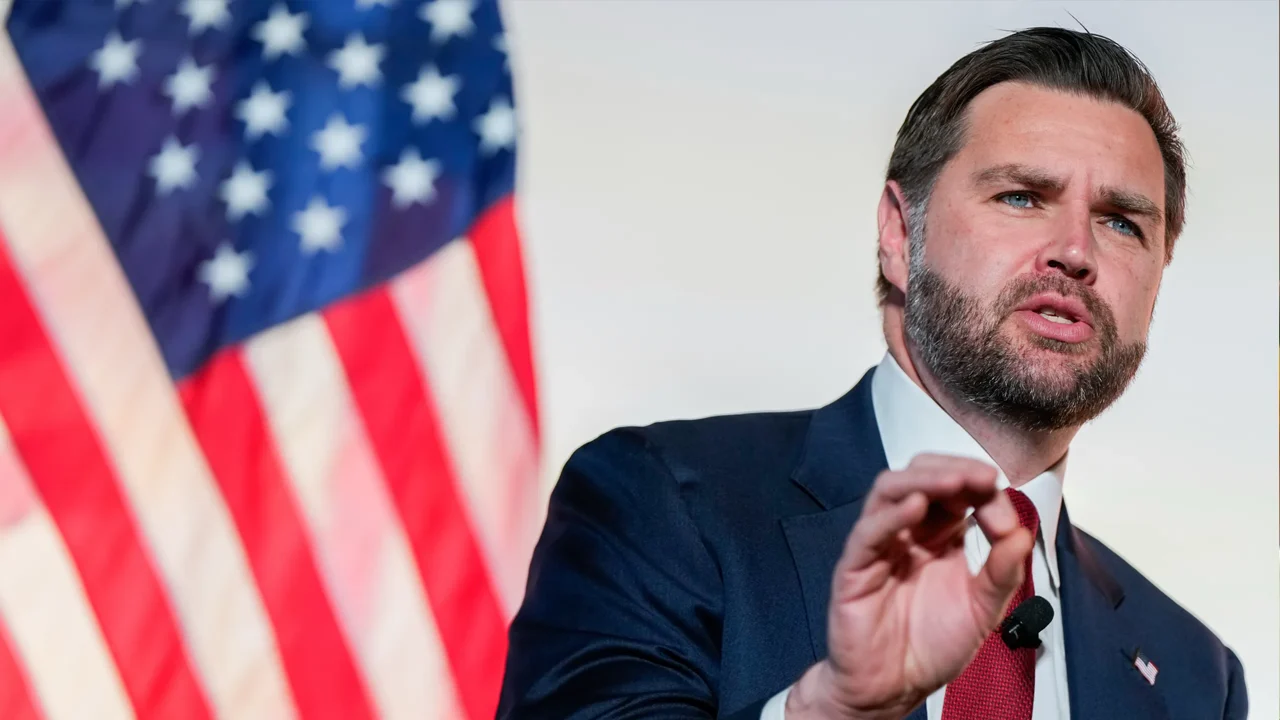
Iran’s state television and several domestic news outlets have described a reported agreement between Iran and the United States as a victory for Tehran. The state broadcaster announced that the two countries had reached a deal, citing Pakistani Prime Minister Shahbaz Sharif as the source of the information. According to the broadcast, the United States was compelled to sign the agreement to end hostilities against the Islamic Republic of Iran and the so-called resistance front. However, no senior Iranian government official or official spokesperson has yet confirmed the agreement or commented directly on its contents. As a result, the specific terms of the deal and Tehran’s formal position remain unclear. Analysts cited in the report noted that the actual structure and implementation process of the agreement will only become clear once both sides issue official statements. The announcement has sparked speculation within Iranian media circles, but without official confirmation, the nature and implications of the reported deal remain uncertain.
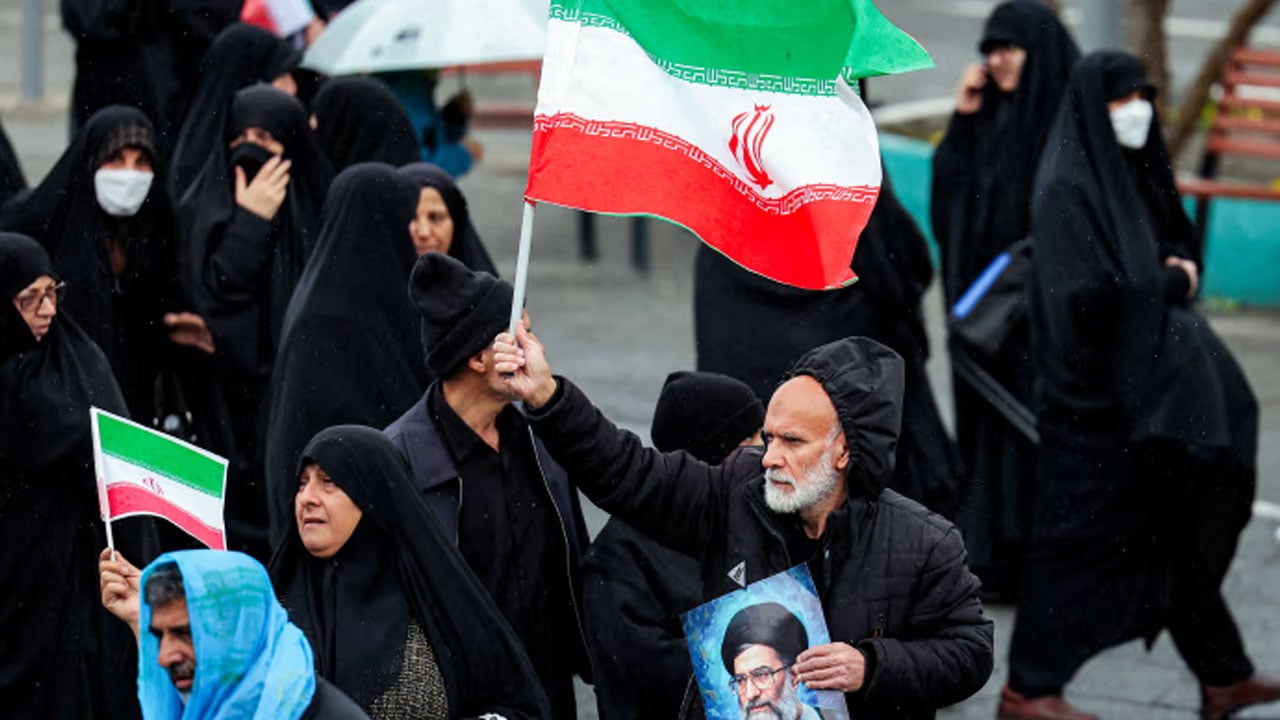
Iran has released more details about a proposed ceasefire agreement, with Deputy Foreign Minister Kazem Gharibabadi stating that discussions on a final deal will take place within 60 days after verifying whether the United States has fulfilled its commitments. According to Tasnim News Agency, Gharibabadi said the U.S. must first implement the ceasefire, lift blockades, and release Iran’s assets before any final negotiations proceed. He added that representatives from both countries will meet on Friday during an official ceremony to determine the framework and process for future talks. The draft memorandum of understanding reportedly includes all of Iran’s key positions, and the full text will be published after the ceremony. Gharibabadi emphasized that the memorandum does not signify trust in the adversary, warning that Iran will closely monitor U.S. actions. His remarks indicate that Tehran currently views the agreement as preliminary, with further progress dependent on Washington’s compliance.
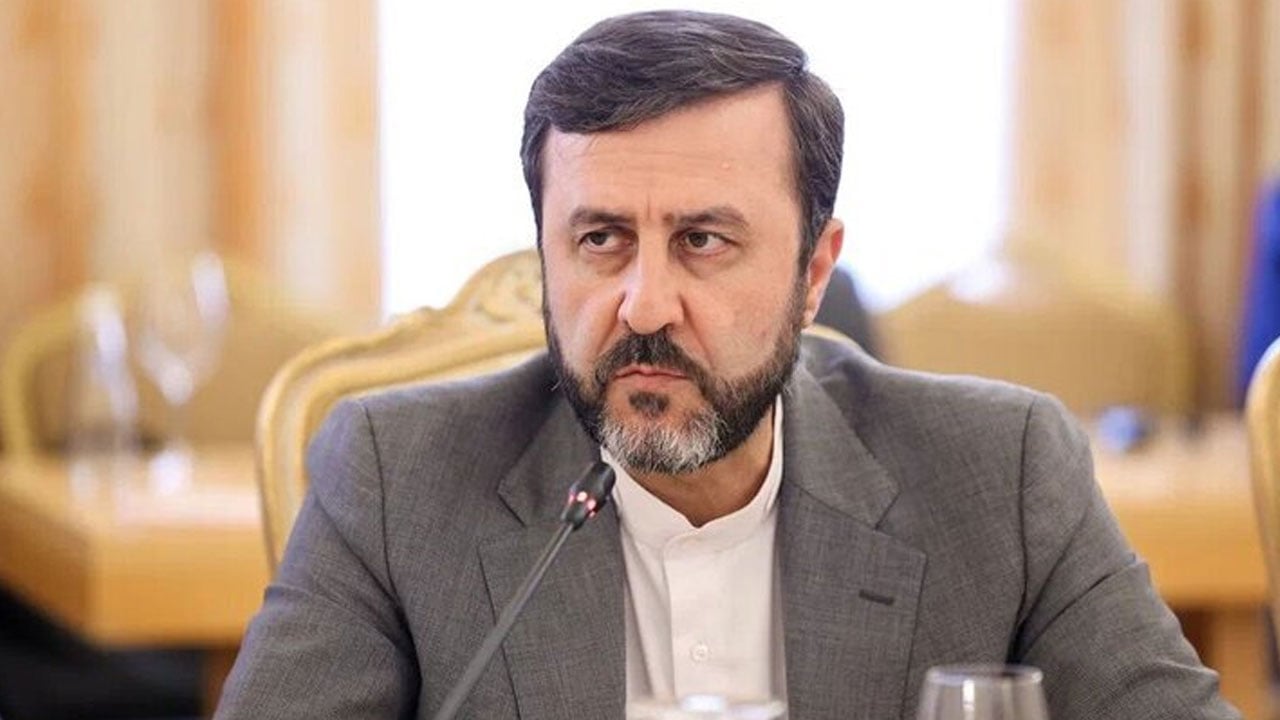
Pakistan’s Prime Minister Shehbaz Sharif has claimed that a peace agreement between the United States and Iran has been completed under his mediation. According to a post on social media platform X, Sharif said that after long and intensive discussions, both sides agreed to end military operations immediately and permanently, including on the Lebanese front. He added that a formal signing ceremony for the agreement will be held in Switzerland on June 19. The announcement has not yet been confirmed by officials from either the United States or Iran. As a result, details of the agreement, its implementation process, and the official positions of both parties remain unclear. The claim has drawn international attention, with observers awaiting official reactions from Washington and Tehran before assessing the development’s significance. If confirmed, the agreement could mark a major diplomatic breakthrough, but the absence of official statements leaves uncertainty about its authenticity and scope.
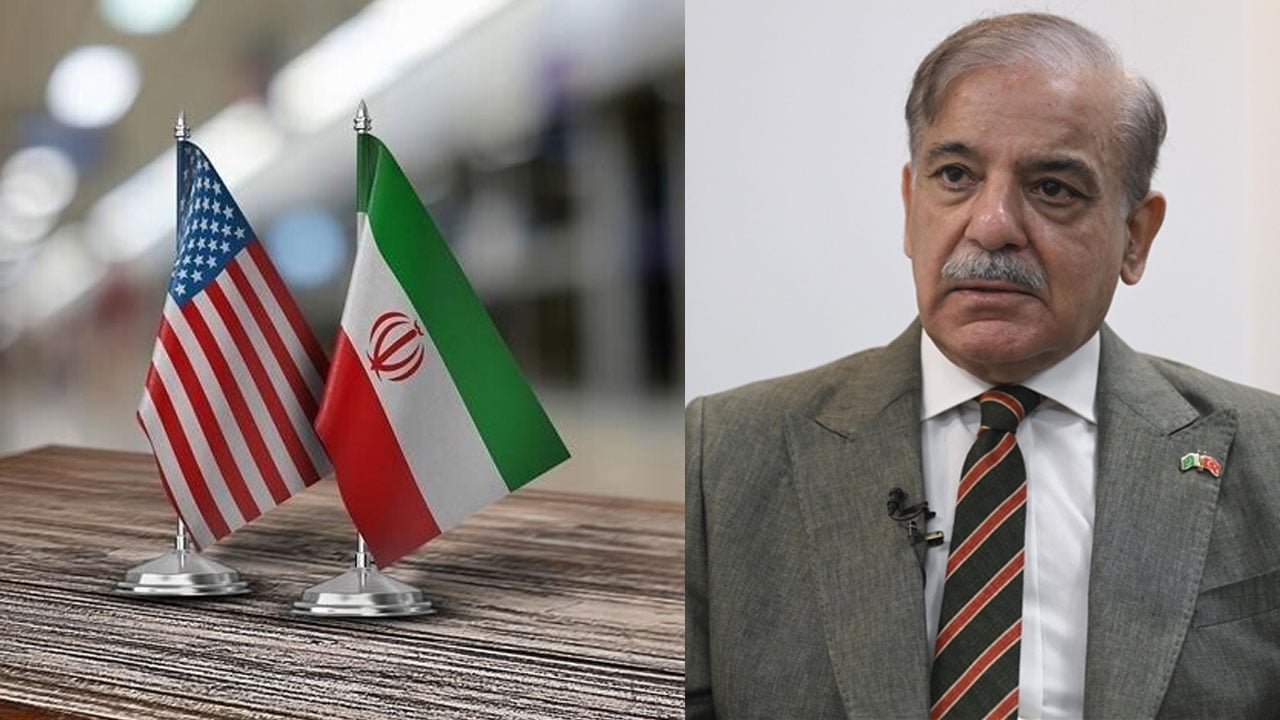
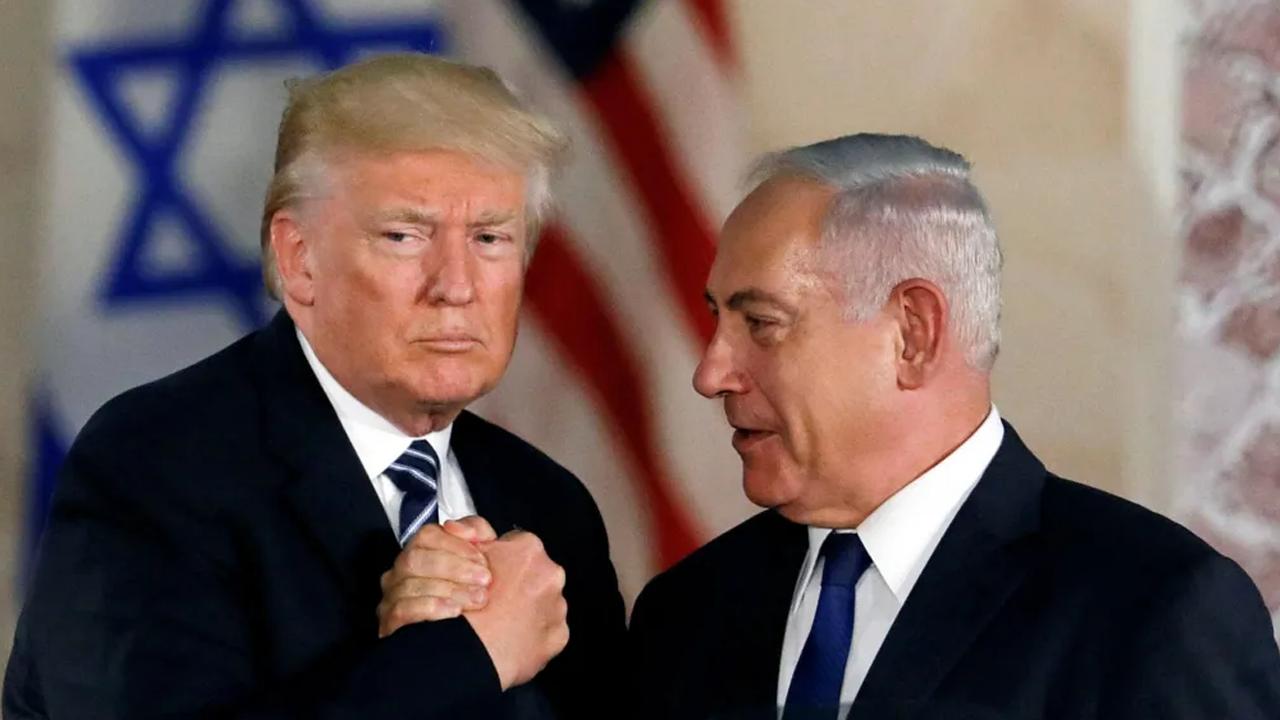
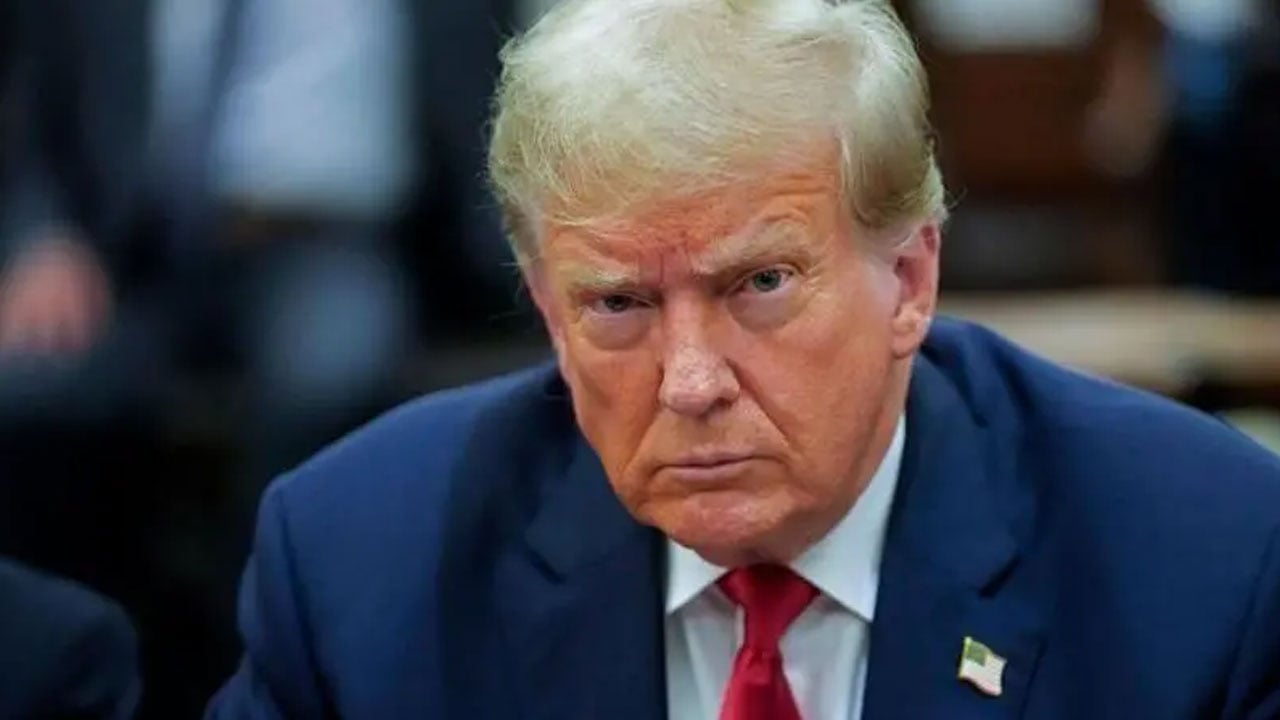
US President Donald Trump announced that a ceasefire agreement with Iran has been completed and, as part of the deal, he has authorized the immediate lifting of restrictions on navigation in the Strait of Hormuz and the withdrawal of the US naval blockade. The announcement was made through a post on his social media platform, Truth Social, where he congratulated all parties and declared the strait fully open for toll-free passage. Trump stated that he was allowing the Strait of Hormuz to operate freely and instructed the removal of the naval blockade without delay. Addressing global shipping operators, he urged them to resume operations and allow oil to flow again. The Strait of Hormuz is one of the world’s most critical energy transport routes, carrying large volumes of crude oil and fuel products daily. The decision to reopen the strait is viewed as significant for international energy markets and global trade, given its central role in global oil transportation.
A young man from Madarganj in Jamalpur, Bangladesh, has been missing in Russia for 17 days after reportedly being deceived into joining a war zone instead of receiving promised construction work. Family members said they learned through an audio message circulating on social media that he may have been killed in a drone attack, though no official confirmation has been received. The missing man, Maful alias Mofiz, 23, went to Russia on May 7 through a broker from Chandpur. According to relatives, Maful had complained that he was handed over to the Russian military instead of being given masonry work. His last contact with family was on May 29, after which his phone was switched off. His mother, sister, and other relatives have demanded the return of his body and punishment for those involved in sending him abroad under false pretenses. Local officials said the family has been advised to contact the embassy and that higher authorities will be informed. No government or diplomatic source has yet confirmed Maful’s death, leaving his fate uncertain.

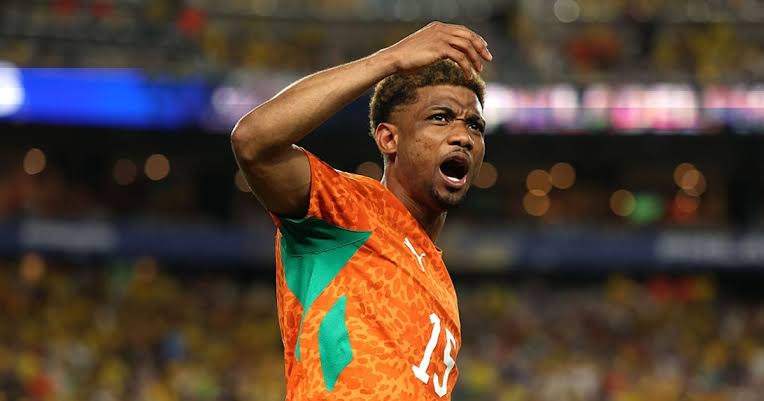
Ivory Coast secured a dramatic 1-0 victory over Ecuador in a FIFA World Cup group stage match held in Philadelphia. After a tense, goalless contest for most of the game, substitute Amad Diallo scored the decisive goal in the 90th minute, giving the African side all three points. Both teams played attacking football throughout, but neither could convert their chances until Diallo’s late strike. Ecuador came close several times, hitting the post twice and the crossbar once, while Ivory Coast also struck the crossbar. Ecuador’s Enner Valencia and John Yeboah both missed promising opportunities in the first half. For Ivory Coast, 19-year-old Yan Diomande impressed with his runs down the right flank, though his teammates failed to capitalize on his deliveries. Goalkeeper Yahia Fofana made key saves to keep Ivory Coast in the game. The result gives Ivory Coast a strong start to their World Cup campaign, while Ecuador will rue their missed chances as they leave the field empty-handed.
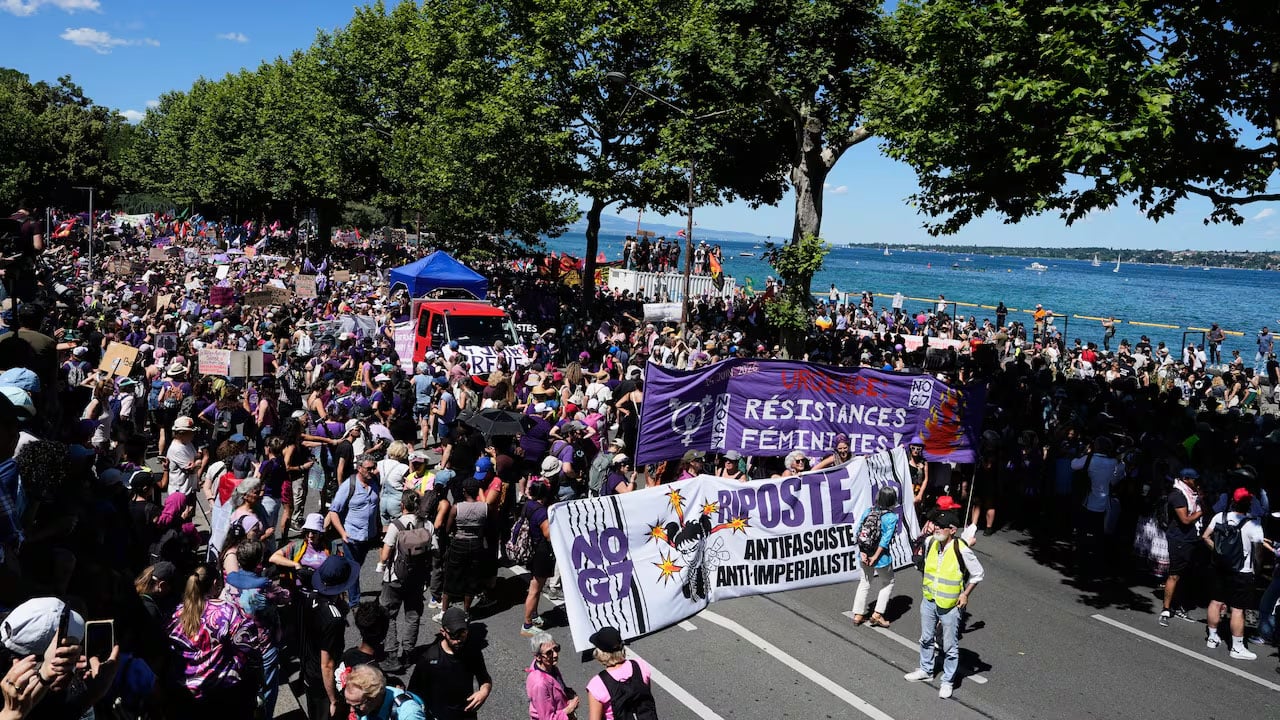
Thousands of demonstrators gathered in Geneva, Switzerland, on Sunday to protest the upcoming G7 summit scheduled to take place in Evian-les-Bains, France. The rally began at Park Mon Repos around 2 p.m. local time and proceeded toward Place des Nations under the banner of the 'No G7' coalition, which opposes the political, economic, and foreign policies of G7 member states. Authorities had anticipated up to 50,000 participants, prompting extensive security measures across the city. According to Geneva police, more than 7,400 security personnel have been deployed for the duration of the summit, including cantonal police, reinforcements from other Swiss regions, and about 4,000 soldiers. French security forces also arrived in Geneva on Saturday to coordinate border security. Despite the heavy security presence, the demonstration remained peaceful through the afternoon with no reports of clashes or police intervention. Protesters carried banners denouncing imperialism and fascism, calling for justice, equality, and solidarity. Many waved Palestinian flags and chanted slogans in support of Palestinian freedom.
Police and fire service personnel recovered the decomposed body of a young man named Md. Abdullah Pashari, aged 22, from inside a sunken ship in Umedpur area of Parerhat Union, Jhalokathi upazila of Pirojpur, on Sunday afternoon. The joint operation took place around 5 p.m., following a missing person report filed three days earlier. Abdullah was the son of Alal Pashari from Umedpur village. According to family sources, Abdullah had been missing for three days. His brother, Rana Pashari, found his shoes and mobile phone near the sunken vessel named MV Green Estrol-1, which had previously sunk near Parerhat fish port. Following this discovery, a general diary was filed at Jhalokathi Police Station on June 13. Police later requested assistance from the fire service to locate the missing man. The officer-in-charge of Jhalokathi Police Station, Md. Mohabbat Khan, confirmed that an unnatural death case has been filed. The body has been sent for autopsy, and further legal steps will follow after the post-mortem report clarifies whether the death was accidental or intentional.

Chittagong University witnessed separate protest programs by the university units of Chhatra Dal and Chhatra Shibir on Sunday night, June 15, 2026. The two student organizations held back-to-back demonstrations at the Zero Point area, leading to a brief period of tension on campus. Witnesses said Chhatra Dal began its rally around 10 p.m., marching through Shah Amanat Hall and Sohrawardy Mor before returning to Zero Point for a short assembly. About fifteen minutes later, Chhatra Shibir held a similar march along the same route. Chhatra Dal’s protest was part of a central program accusing Chhatra Shibir of staging “abduction dramas.” At their rally, Chhatra Dal leaders condemned Shibir’s alleged past and vowed to resist such actions. Meanwhile, Chhatra Shibir organized its protest in response to BNP lawmaker Monirul Haque Chowdhury’s remarks about the hijab. Shibir leaders criticized the comments as inappropriate for a national representative and also voiced concerns about certain provisions of the rape law and the government’s stance. Although the demonstrations created temporary tension, no untoward incidents were reported. University authorities and law enforcement remained on alert to maintain order.

The ‘1 Nojor’ media platform is now live in beta, inviting users to explore and provide feedback as we continue to refine the experience.