

The ‘1 Nojor’ media platform is now live in beta, inviting users to explore and provide feedback as we continue to refine the experience.
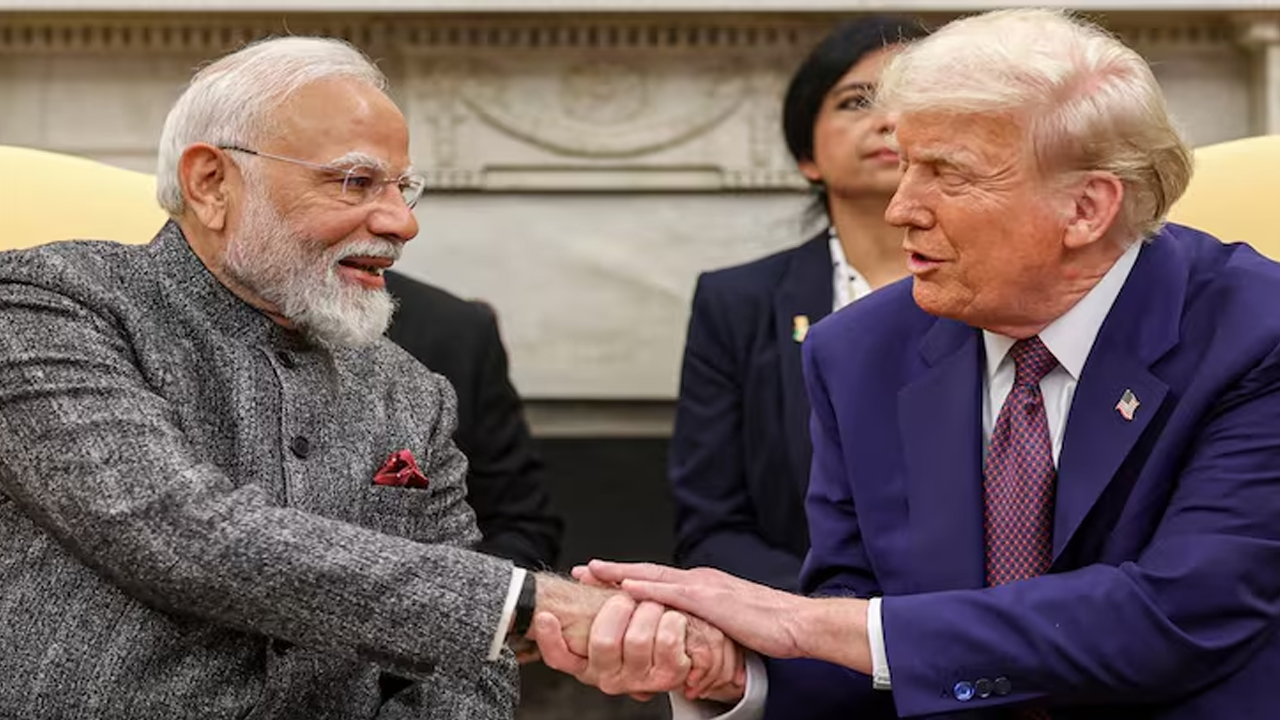
Indian Prime Minister Narendra Modi is scheduled to meet U.S. President Donald Trump next Wednesday on the sidelines of the upcoming G7 summit in France, according to the White House. The meeting comes as Trump is expected to discuss with allied nations a plan to remove mines from the Strait of Hormuz, a critical global oil route. According to U.S. media reports, the United Kingdom and France have expressed willingness to help secure the strait if current hostilities subside. Trump recently claimed that a “great agreement” had been reached with Iran, which could end ongoing tensions once signed. He also announced that U.S. Vice President JD Vance may represent the United States in Europe during the discussions. The Strait of Hormuz handles about 20 percent of global oil trade, and disruptions have driven up crude prices. While many countries have passed higher energy costs to consumers, India has maintained stable domestic fuel prices, remaining the only major economy not to raise prices during the first 76 days of the crisis.
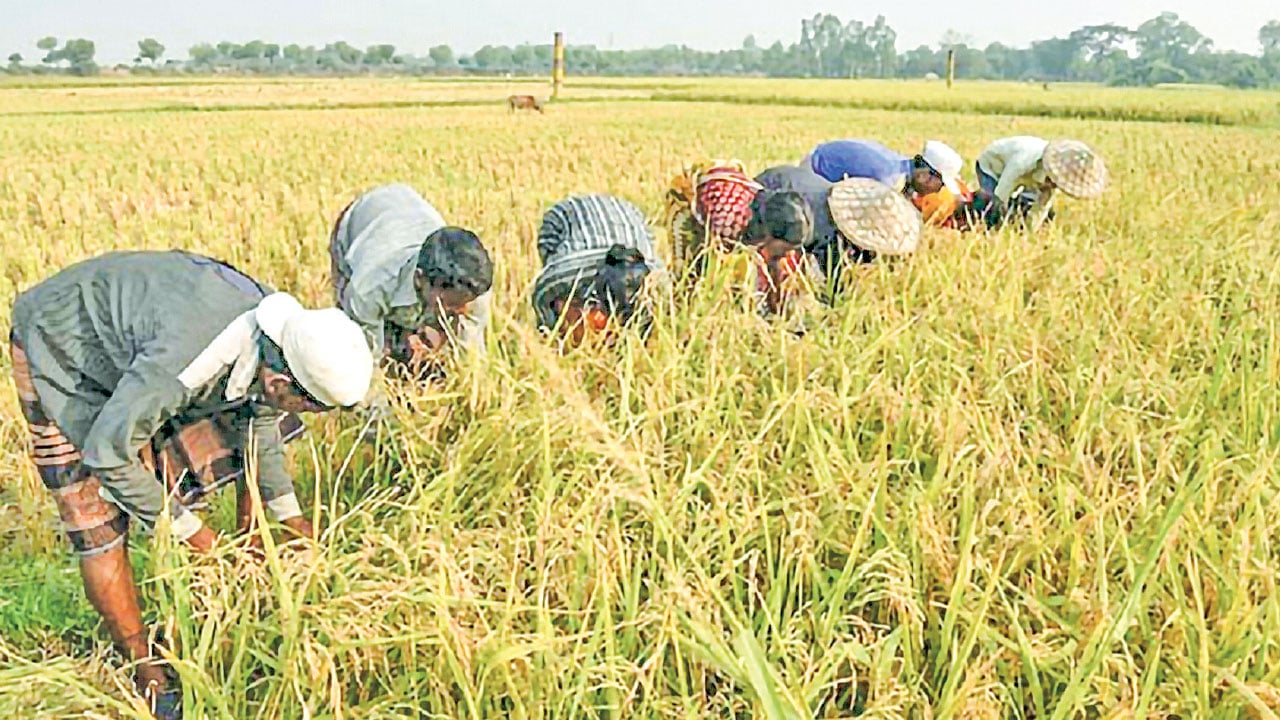
The BNP government has announced a national budget of Tk 9.38 trillion for the 2026–27 fiscal year, with Tk 43,335 crore allocated jointly to the agriculture, food, and fisheries and livestock ministries. This represents 0.63 percent of GDP and 3.2 percent of the total budget, a modest rise from the previous year’s Tk 37,126 crore. However, the budget does not specify how much each ministry will receive separately, leaving unclear the exact allocation for agriculture. The author argues that the increase is insufficient given the sector’s challenges and its importance to national food security. The article highlights that the government’s focus remains on food storage and procurement rather than direct support for farmers. It criticizes the continued emphasis on fertilizer and pesticide subsidies, which benefit chemical companies more than farmers. The piece also notes that recent diesel shortages and untimely rains devastated Boro rice crops, affecting about 200,000 farmers, yet the budget offers no relief measures. The author warns that neglecting agriculture and fisheries endangers food and nutrition security and undermines the livelihoods of millions dependent on these sectors.
Ecuador and Ivory Coast are set to begin their 2026 FIFA World Cup campaigns with a crucial Group E match at Lincoln Financial Field in Philadelphia on Monday at 5 a.m. Bangladesh time. While Germany is seen as the group favorite, both teams view this encounter as vital to strengthen their chances of advancing to the knockout stage. Ivory Coast returns to the World Cup after a 12-year absence, having last appeared in 2014. Under coach Emerse Faé, the three-time African champions are aiming to surpass the group stage for the first time, boosted by four consecutive wins. However, they will miss experienced striker Sébastien Haller, and defender Evan Ndicka is doubtful due to injury. Ecuador, led by Sebastián Beccacece, enters the match unbeaten in 19 games, with their defense keeping 13 clean sheets during that run. Ecuador’s main concern is the fitness of captain and top scorer Enner Valencia, whose absence could weaken their attack. Both teams’ recent form and the high stakes make this one of Group E’s most significant fixtures.

An arson attack was carried out at the July Memorial in Noakhali, built to honor those killed in the July uprising. The incident occurred early Saturday, June 13, near the central Shaheed Minar on the north side of the Maijdee Judge Court Road. Police confirmed they have started efforts to identify those responsible for the fire. The attack came to light only after a 25-second video showing the incident spread on social media later that evening. The footage showed a group of young men pouring flammable substances around the memorial and setting it ablaze, damaging its lower portion. One person in the video was heard making political statements before the group left the scene. Sudharam Model Police Station’s officer-in-charge, Md Kamrul Islam, said the perpetrators themselves uploaded the video online. He added that police have inspected the site and are reviewing video footage and CCTV recordings to identify those involved.

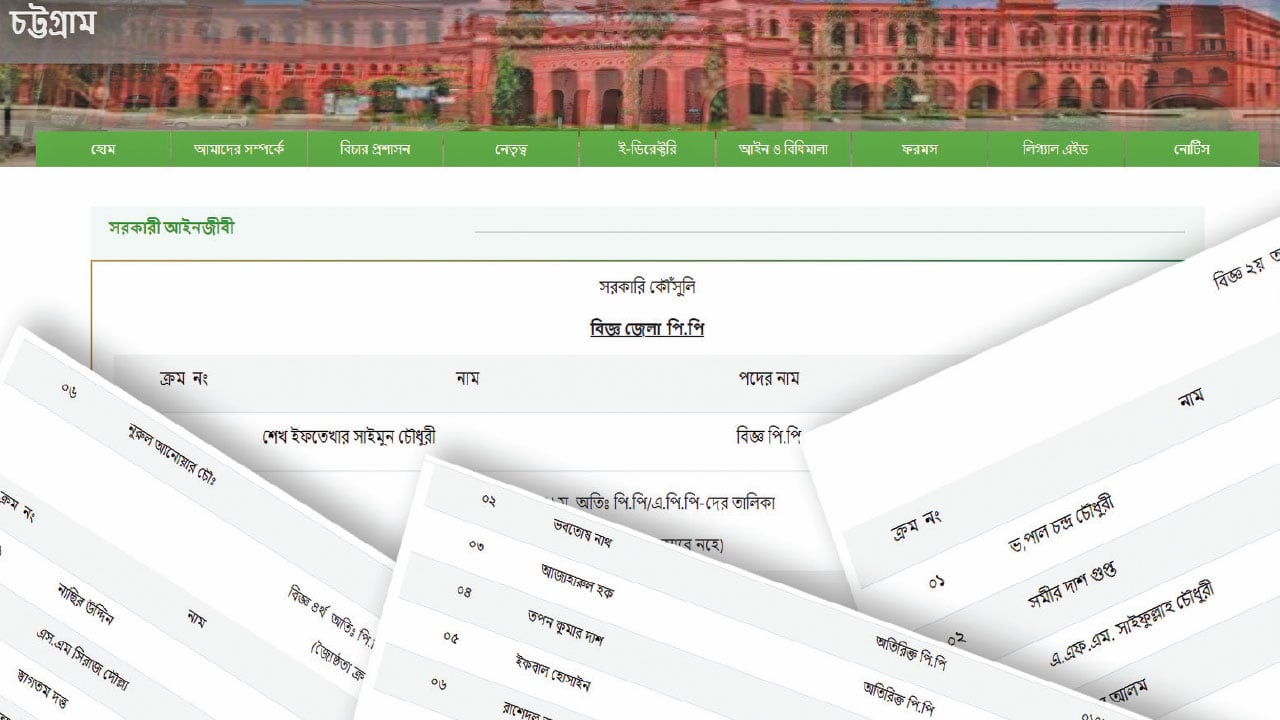
Nearly two years after the July uprising and four months into the BNP-led government, the official judiciary website of Bangladesh still displays the names of 131 Awami League–aligned lawyers under the Chattogram section. Many of these lawyers, including party leaders and individuals accused in the July student-public killing case, were removed from their posts on 16 October 2024 when new appointments were made. However, the website continues to list them as public prosecutors and government pleaders. Current prosecutors and officials have expressed frustration that the site has not been updated, saying it damages their image and causes confusion. They noted that even judges’ names are not regularly revised, despite a government order appointing 346 new officials in Chattogram courts in 2024. Several prosecutors, including Advocate Sarwar Hossain Lavlu and Advocate Rezaul Karim Rony, criticized the delay and called for accountability among responsible officials. Officials working in Chattogram courts said the website is managed directly by the judiciary, and local staff lack access credentials to make updates, which may explain the persistent outdated information.
Global gold prices have declined sharply even amid the ongoing conflict involving the United States, Israel, and Iran in the Middle East. On January 28, gold reached 5,303 dollars per ounce but dropped to 4,235 dollars by June 12. Analysts attribute the fall to concerns that central banks will not cut interest rates due to persistent inflation, and may even raise them further to control prices. The crisis in the Strait of Hormuz has disrupted oil and gas supplies, driving energy prices higher and fueling global inflation. In the United States, inflation has reached a three-year high of 4.2 percent, while a stable labor market has reduced the likelihood of near-term rate cuts. Experts note that gold, which yields no dividends, loses appeal when interest rates and the dollar strengthen. Reports of a possible US-Iran agreement recently provided slight relief, lifting gold prices marginally. However, analysts caution that even if the war ends, multiple factors will continue to influence gold’s performance in the coming months.

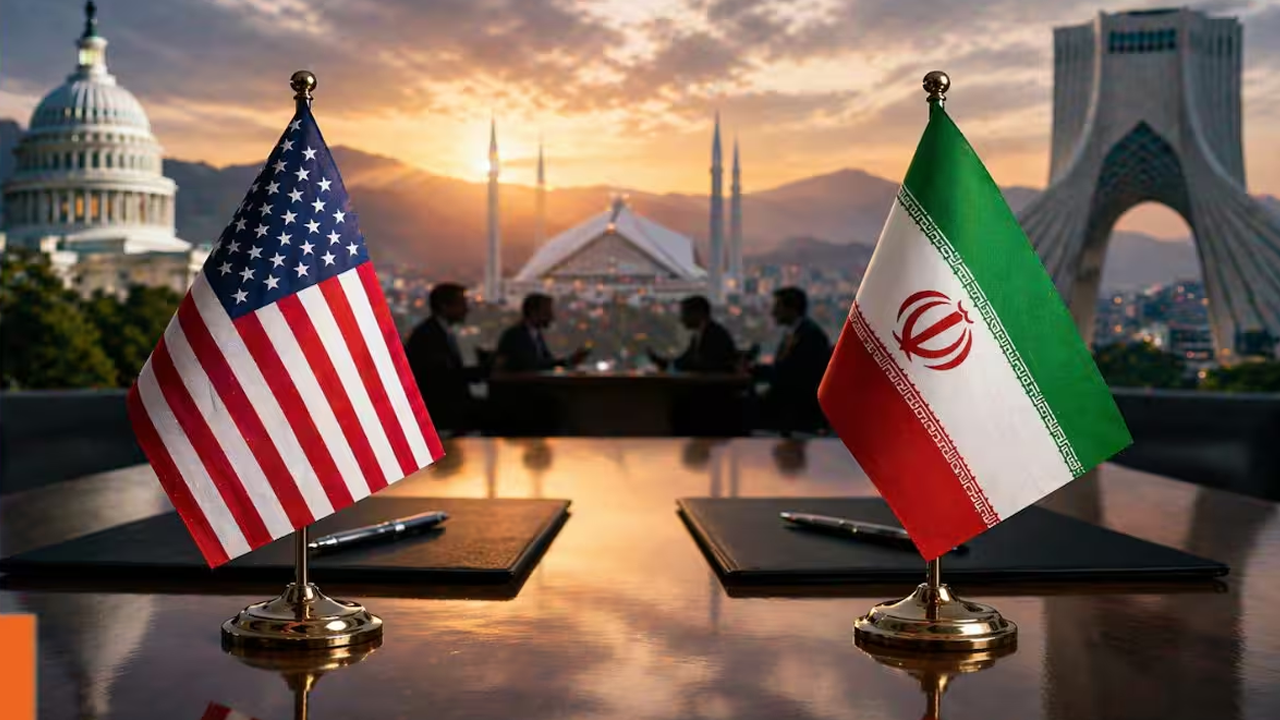
US President Donald Trump announced that a deal between the United States and Iran will be signed on Sunday. He stated on social media that once the agreement is signed, the strategic Strait of Hormuz will be opened for all. Pakistan, which has been mediating the talks, also indicated that the deal could be finalized within 24 hours and said preparations for an electronic signing are underway. However, Iran expressed uncertainty about the timing of the signing. Iranian Foreign Ministry spokesperson Esmail Baghaei said that the exact date for signing the memorandum of understanding is not confirmed and that it will not happen on Sunday. This statement contrasts with Trump’s declaration on his Truth Social account. Trump also referred to Iran’s enriched uranium stockpile, saying that at an appropriate time, once stability is ensured, the United States would collect and destroy what he called “nuclear dust.”
Former Awami League MP AKM Bahauddin Bahar’s recent virtual speech has reignited political tension in Cumilla following the fall of the Awami League government. Despite being in exile, Bahar’s influence allegedly continues through local networks, including some BNP leaders reportedly managing his business interests. His remarks criticizing BNP and Jamaat leaders have coincided with renewed street activity by the banned Chhatra League, which attempted a rally near Cumilla Sadar South on Sunday. Locals dispersed the gathering and handed 48 participants over to police. Local sources claim that Bahar’s associates and several former Awami League figures still control parts of Cumilla’s contracting and development sectors. Police confirmed arrests and ongoing operations against those involved in the banned organization’s activities. Meanwhile, BNP leaders have questioned law enforcement’s effectiveness in preventing such rallies. Separately, the Cumilla District Qawmi Madrasa Organization condemned Bahar’s alleged anti-madrasa comments and demanded his trial for sedition. At a press conference, religious leaders said his remarks insulted the country’s madrasa education system and violated constitutional rights to religious freedom.

Prime Minister and BNP Chairperson Tarique Rahman stated that no product prices have increased following the newly announced national budget, despite higher taxes on alcohol and cigarettes. Speaking at a public rally in Cox’s Bazar’s Chakaria and during the inauguration of the Patli Canal re-excavation, he said taxes were reduced on 60 essential goods. He emphasized that the government’s policies aim to improve the lives of farmers, women, students, and low-income citizens. Rahman announced plans to expand the Cox’s Bazar–Chattogram highway from four to six lanes and highlighted the government’s commitment to agricultural development. The re-excavation of Patli Canal is expected to benefit around 8,500 farmers and increase annual agricultural output by about 12,000 tons. He also said that 8,000–10,000 farmers in each district would receive agricultural cards with cash incentives. The Prime Minister further announced initiatives for free higher education for women, expansion of stipends, and introduction of family cards to support rural households. He said special budget allocations were made for affordable healthcare and medicine supply in rural areas.
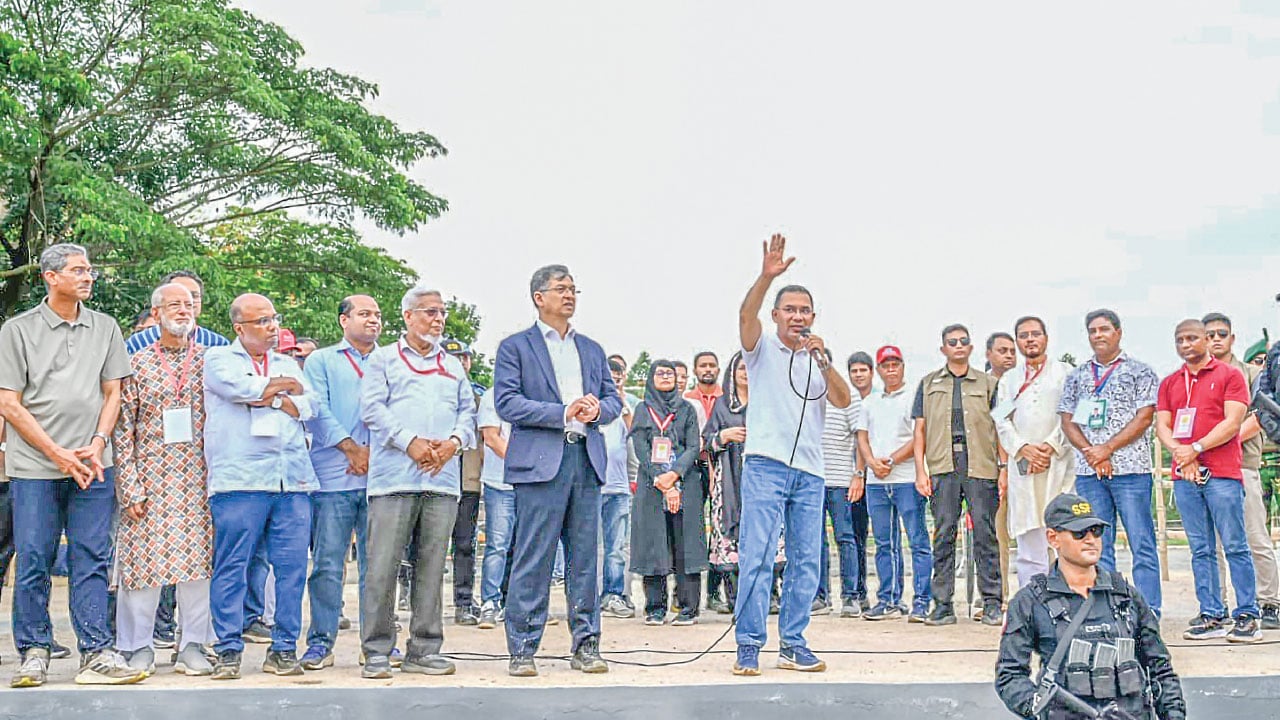
Israeli officials have stated that the issue of withdrawing troops from southern Lebanon is not currently on the negotiation table, according to a report by Israeli newspaper Yedioth Ahronoth. Israeli attacks in Lebanon are continuing, and officials indicated that any future withdrawal would only be considered under specific conditions following an agreement with Beirut. The statement comes amid uncertainty surrounding a proposed memorandum of understanding between the United States and Iran. The memorandum, expected to be signed virtually on Sunday, reportedly includes discussions related to Iran’s nuclear program, though disagreements remain over its content and timing. The ongoing military operations and diplomatic uncertainty highlight the complex regional dynamics involving Israel, Lebanon, Iran, and the United States, with no immediate indication of de-escalation.
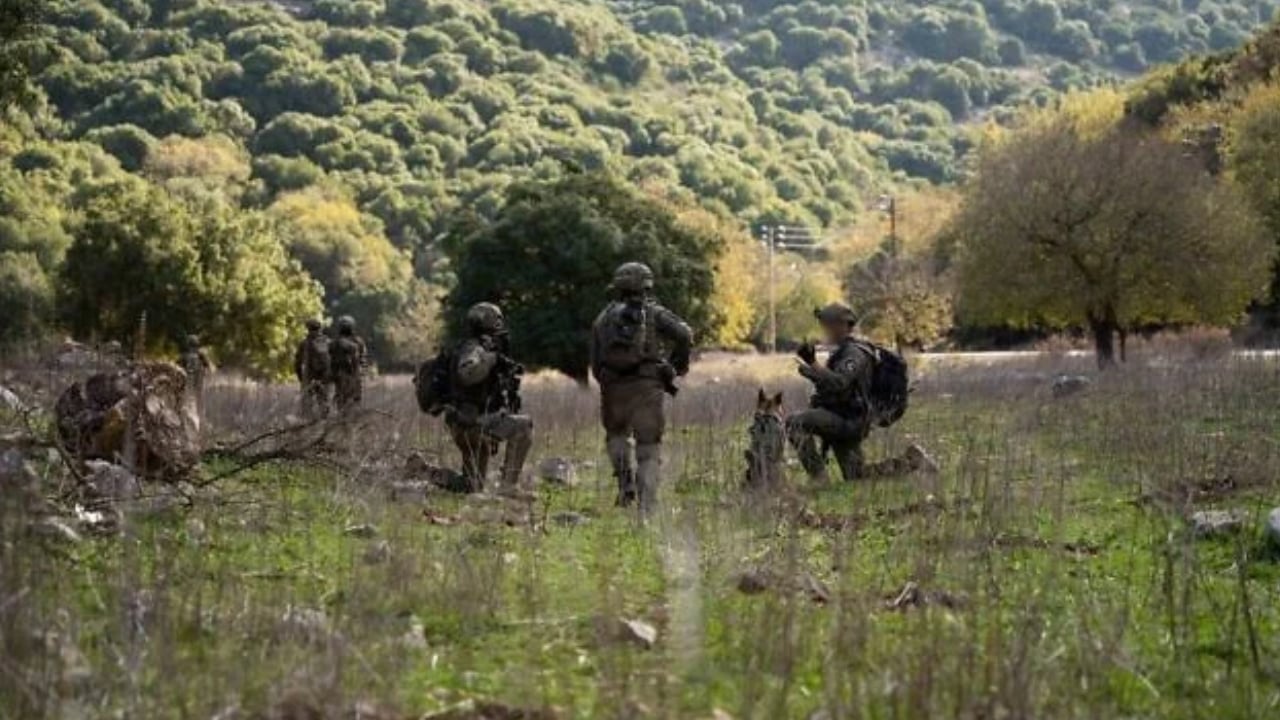
US President Donald Trump announced that a memorandum of understanding between the United States and Iran would be signed electronically during a virtual meeting on Sunday. However, the official schedule released for Trump’s Sunday engagements did not include any mention of a signing ceremony. Trump described the proposed memorandum as a major diplomatic success, asserting that it would prevent Iran from acquiring nuclear weapons. He claimed that Tehran no longer seeks to pursue nuclear arms. Referring to the deal made under former President Barack Obama, Trump argued that the earlier agreement had made it easier for Iran to obtain nuclear weapons, while his new deal would be the opposite and stronger. The report cited Middle East Eye as its source but did not provide further details about the contents of the proposed agreement or Iran’s response to Trump’s announcement.
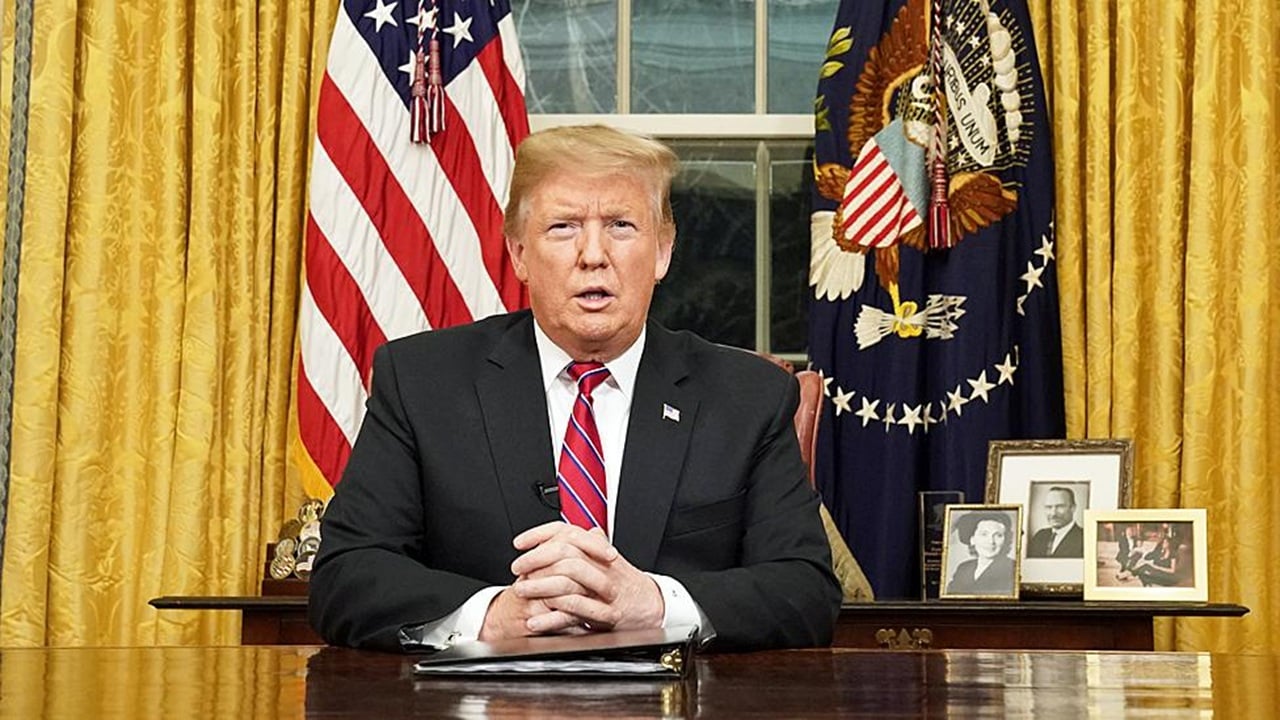
Bangladesh Border Guard (BGB) prevented an attempt by India’s Border Security Force (BSF) to push 11 people into Bangladesh through the Darshana-Jaynagar border in Chuadanga early Sunday. The incident occurred around 4 a.m. near border pillar number 75, confirmed Lieutenant Colonel Nazmul Hasan, director of Chuadanga-6 BGB. According to BGB sources, BSF had gathered the group on the Indian side with the intention of sending them across the border. Upon receiving information, BGB personnel took immediate defensive positions, joined by local villagers. Observing the situation, BSF eventually retreated, and the 11 individuals were later removed from the zero line area. The BGB official said repeated push-in attempts had been made by BSF but were successfully resisted each time. The report did not specify the identities or nationalities of the 11 people involved, nor did it mention any diplomatic communication following the incident.
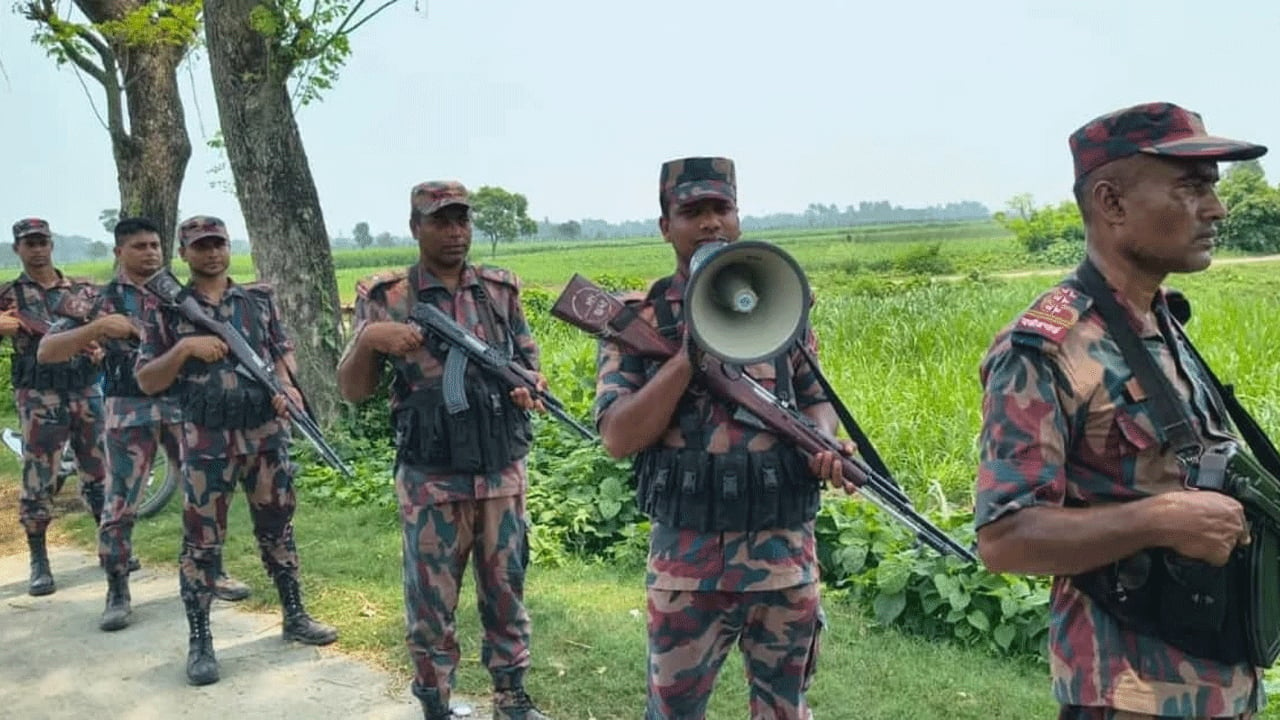
The name of former U.S. President Donald Trump has been removed from the John F. Kennedy Center for the Performing Arts in Washington, D.C., following a federal court ruling that declared the naming illegal. The removal took place on Saturday after the court’s decision, with workers taking down all signs bearing Trump’s name from the building and its surroundings, according to the center’s executive director Matt Floca. The Kennedy Center’s board had attempted to block the removal through a last-minute appeal, but the judge rejected the request. The ruling, issued on May 29 by U.S. District Judge Christopher Cooper, stated that only Congress has the authority to rename a national institution. The decision is viewed as a setback for the Trump administration, which had sought to attach Trump’s name to several public facilities after his return to the White House. Crowds gathered outside the center on Friday night to witness the removal, with many expressing approval. Despite delays caused by thunderstorms, the work was completed under safety precautions, and the center had already deleted Trump’s name from its website earlier in the week.
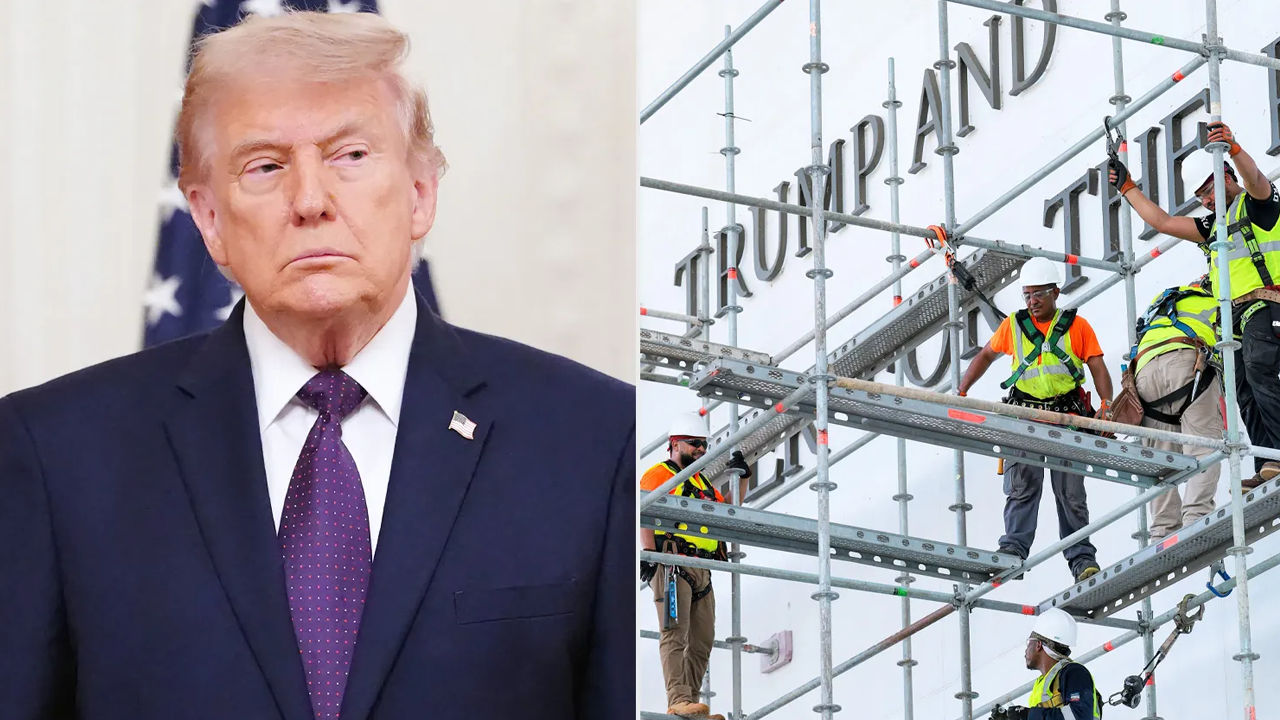
U.S. President Donald Trump stated that a proposed agreement with Iran would prevent Tehran from obtaining nuclear weapons. He described the plan as fundamentally different from the 2015 Joint Comprehensive Plan of Action signed during Barack Obama’s presidency. Trump argued that the earlier deal provided Iran with an easy route to nuclear arms, while his proposed framework would do the opposite. Trump also said that, unlike the Obama-era agreement, the new proposal would not involve any financial transactions with Iran. According to U.S. officials, the emerging understanding is being shaped as a “compliance-for-opportunity” framework, meaning Tehran would not receive immediate economic benefits. Any future incentives would depend on verified adherence to the deal’s terms. The report, citing Middle East Eye, indicates that the proposed deal aims to ensure stricter verification and conditional benefits, marking a significant shift in Washington’s approach to Iran’s nuclear program.
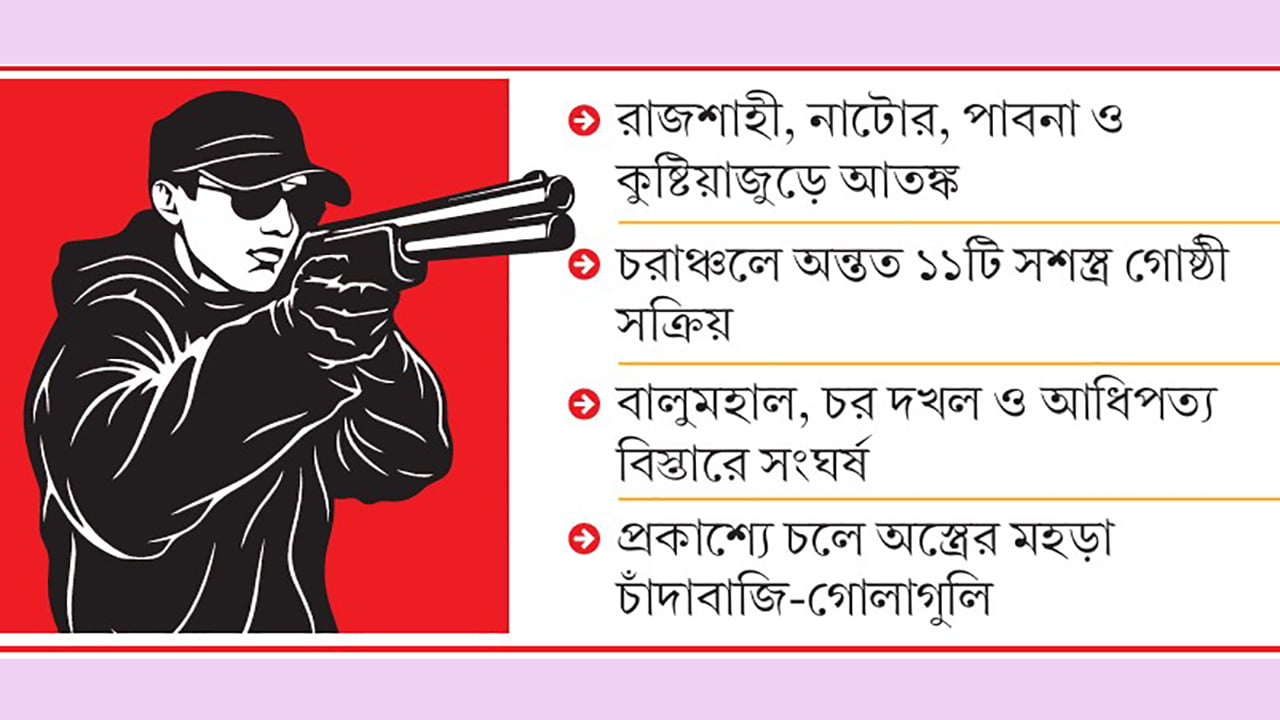
Armed groups have established dominance across the Padma River’s island regions spanning Rajshahi, Natore, Pabna, and Kushtia, creating a climate of fear and lawlessness. On Tuesday, Azizul Hakim, a sand depot manager, was shot dead in the Charjajira area after armed men arrived by speedboat and used a drone to locate him. Police later recovered his body with a gunshot wound to the head. Authorities report at least eleven active armed factions, with the ‘Kankon Bahini’ currently the most feared. Police sources confirm multiple cases against these groups, including six involving Kankon Bahini, whose leader remains at large despite several arrests. Law enforcement officials cite the region’s vast, river-based terrain and overlapping administrative boundaries as major obstacles to operations. Recent clashes reportedly involved heavy weapons, possibly AK-47 rifles. Following Hakim’s killing, senior police officers are planning coordinated operations across the four districts. Residents describe living amid constant gunfire, extortion, and fear, with movement restricted after dark. Locals demand long-term security measures and inter-district coordination to restore peace in the Padma’s char areas.
The ‘1 Nojor’ media platform is now live in beta, inviting users to explore and provide feedback as we continue to refine the experience.