

The ‘1 Nojor’ media platform is now live in beta, inviting users to explore and provide feedback as we continue to refine the experience.
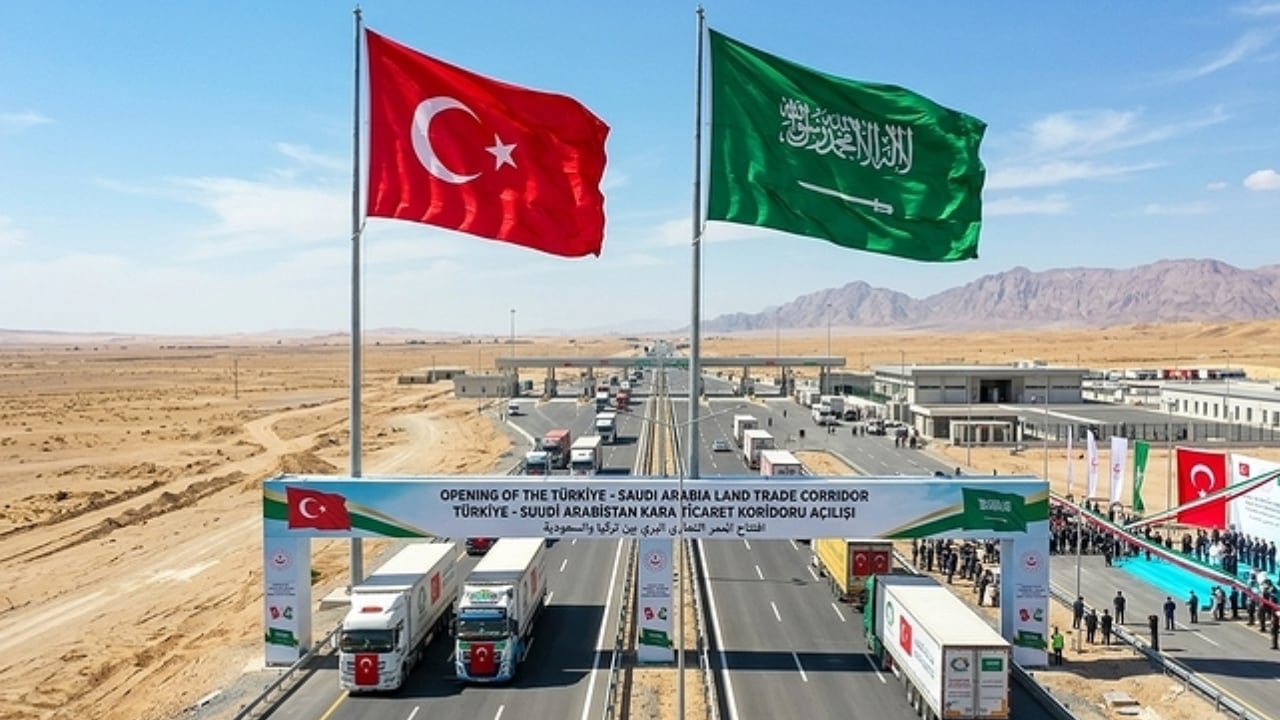
Turkey and Saudi Arabia are advancing a land trade corridor connecting the Gulf region to Europe through Syria and Jordan, according to a report by the Israeli newspaper Yedioth Ahronoth. The report states that Israel is concerned about this project because it would bypass Israeli territory and compete with the India-Middle East-Europe Economic Corridor (IMEC). The proposed route would allow goods to move between Asia and Europe via Syria and Jordan before reaching Turkey, reducing reliance on Israeli infrastructure such as the port of Haifa. Israeli officials reportedly view this initiative as a potential challenge to IMEC, which is supported by Israel and its international partners to link Asia, the Middle East, and Europe. The development highlights growing regional competition over trade connectivity projects that aim to reshape transport and economic routes between Asia and Europe.
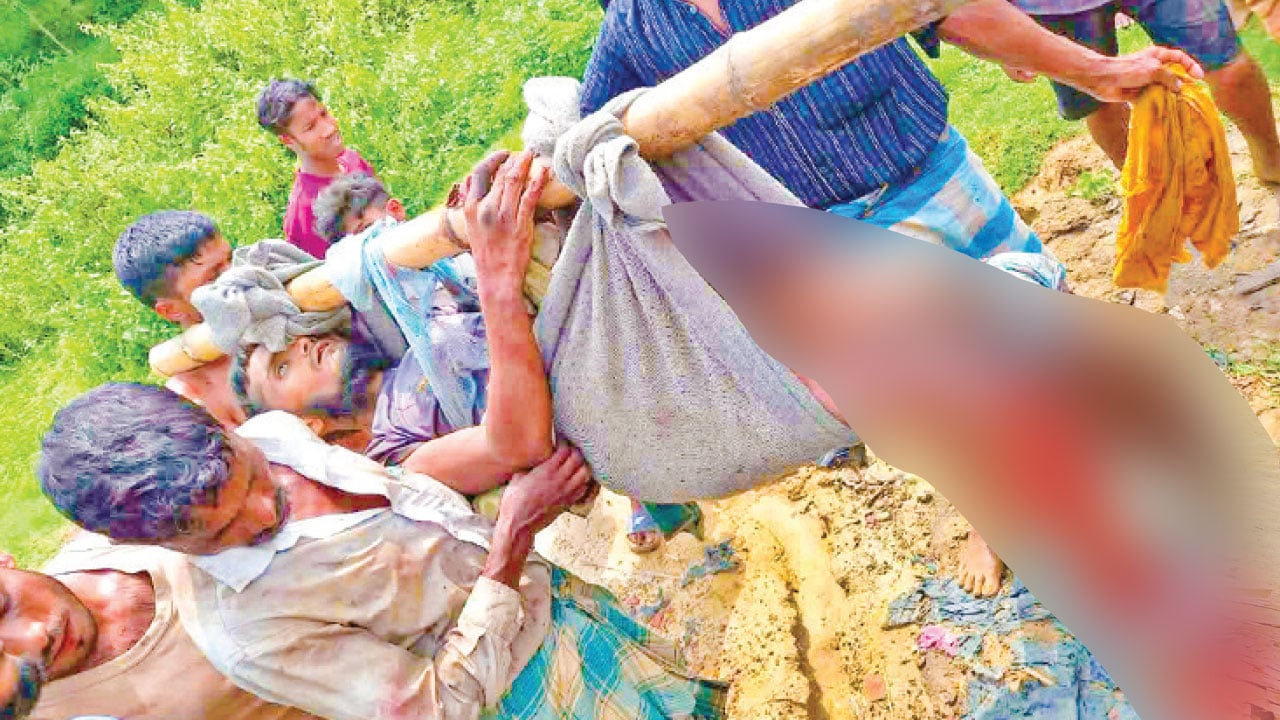
A surge in landmine explosions along the Bandarban border has caused rising fatalities and panic among residents. The latest incident occurred on Tuesday in Ghumdhum union near Bangladesh-Myanmar border pillar 40, where a Rohingya laborer named Abdul Khalek was killed after stepping on a buried mine while working in a garden. The area falls under the jurisdiction of the 34th Border Guard Battalion. Locals report living in constant fear as mine-related deaths continue to increase. The explosions are linked to ongoing clashes between Myanmar’s government forces and Rohingya rebel groups in Rakhine State, where the Arakan Army reportedly controls territory near the border. Residents claim that mines have long been planted along the frontier, possibly by armed groups seeking to secure their positions or prevent infiltration. Despite repeated incidents, Bangladesh’s border authorities have not yet issued a formal statement. Local elders recall that the once-forested border area has become barren and fenced with barbed wire, cutting off traditional livelihoods. Without a sustainable solution, residents fear further casualties from continued mine explosions.
Football enthusiasm swept through Palash upazila of Narsingdi as local supporters of Argentina organized a colorful procession on Friday afternoon carrying a 3,000-foot-long national flag of Argentina. The march began at 4 p.m. from Palash Bazar, paraded through the main roads, and concluded at the Palash bus stand. Participants wore Argentina jerseys, waved flags, and filled the area with chants and music. Supporters said their affection for the Argentina football team has been longstanding. They arranged the event to express support for their favorite team and to spread the festive spirit of football ahead of upcoming matches. Organizer Kalam explained that the initiative aimed to create a football festival atmosphere in the area and share the excitement of the World Cup season. Local residents described the spontaneous youth-led procession as an eye-catching event that generated widespread enthusiasm among people in and around Palash Bazar.

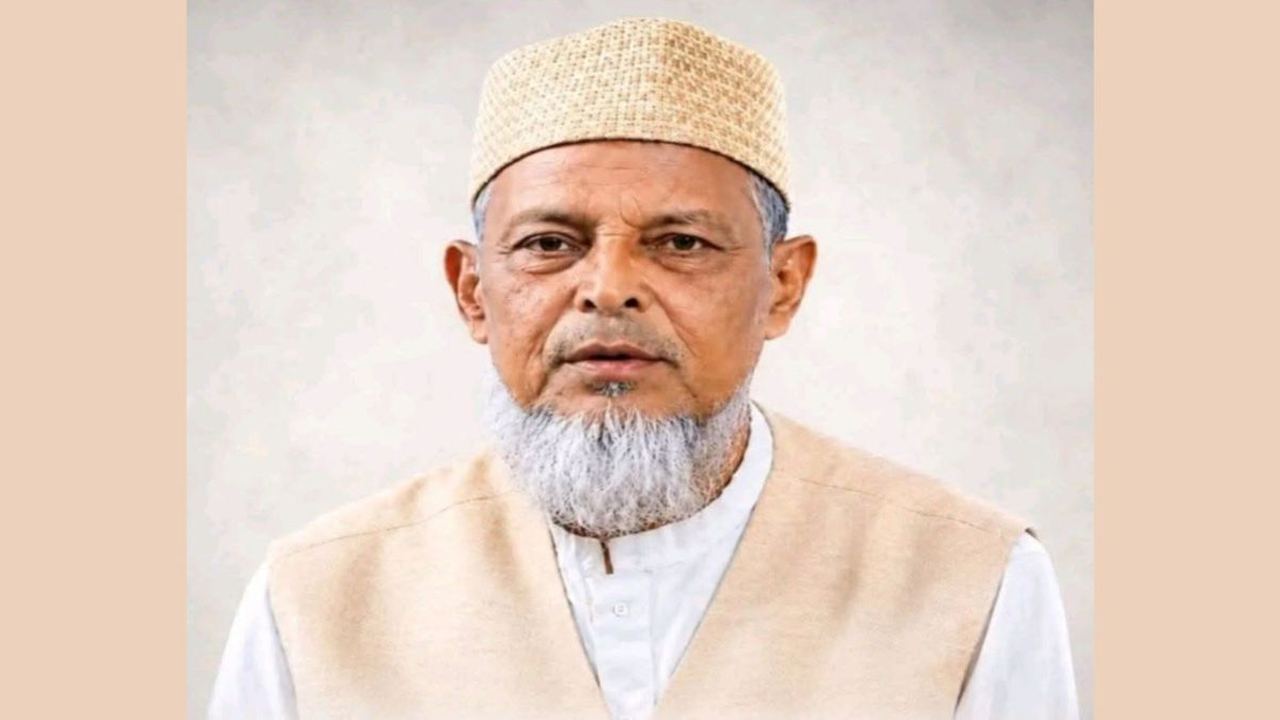
Former Sylhet-5 Member of Parliament and noted Islamic scholar Principal Maulana Farid Uddin Chowdhury passed away early Friday at 1:40 a.m. while undergoing treatment at Ibn Sina Hospital in Sylhet. He was 82 years old and had been suffering from age-related complications. Chowdhury was a former Ameer of Sylhet District Jamaat-e-Islami, as well as a former member of the party’s Central Working Committee and Majlis-e-Shura. He is survived by his wife, one son, four daughters, and numerous relatives, colleagues, and admirers. His funeral prayer is scheduled for Saturday at 4 p.m. at the field of Kanaighat Talbari Jamia Islamia Yusufia Fazil Madrasa, followed by burial at the family graveyard in Talbari. Opposition Leader and Jamaat-e-Islami Ameer Dr. Shafiqur Rahman expressed deep sorrow over Chowdhury’s death, describing him as a devoted preacher and a respected public representative who contributed significantly to the Islamic movement and local development in Sylhet. Dr. Rahman prayed for divine mercy and forgiveness for the deceased and conveyed condolences to the bereaved family.
The Federation of Bangladesh Chambers of Commerce and Industry (FBCCI) has described the proposed national budget of Tk 9.38 trillion for fiscal year 2026–27 as large but achievable. In its immediate post-budget reaction on Saturday, the apex business body emphasized the need for foresight, efficiency, and transparency to ensure effective implementation. It said such a budget is necessary to move Bangladesh toward a one-trillion-dollar economy amid current global geopolitical realities. FBCCI noted that the revenue target of Tk 6.95 trillion poses a major challenge and called for transparency and reforms in the National Board of Revenue. It warned that excessive domestic borrowing to cover the deficit could restrict private sector financing and slow investment and job creation, urging the government to seek low-interest foreign funding instead. The organization welcomed the Tk 600 billion “Stimulus Package 2026,” tax cuts on essential imports, and incentives for startups and women-led businesses. FBCCI also praised tax exemptions for ICT equipment and renewable energy but expressed concern over higher VAT on construction materials. It recommended raising the tax-free income limit and lowering the top personal tax rate to ease inflationary pressure on citizens.

In May 2026, Bangladesh recorded 613 road accidents that left 622 people dead and 1,652 injured, according to a report released by the Bangladesh Passenger Welfare Association. The report, signed by the association’s secretary general Md. Mozammel Haque Chowdhury, stated that motorcycle accidents accounted for the highest number of fatalities. Across road, rail, and waterways, a total of 676 accidents caused 671 deaths and 1,696 injuries. The report found that 37.13 percent of all road accident deaths involved motorcycles, with 231 killed and 219 injured. It also detailed that 28.69 percent of accidents involved motorcycles, followed by trucks, buses, and battery-run vehicles. Most accidents occurred on national highways, particularly in Dhaka Division, which saw 180 incidents resulting in 185 deaths and 558 injuries. The association attributed the crashes to poor road conditions, unfit vehicles, unskilled drivers, and reckless behavior. To reduce accidents, the organization recommended halting the import and registration of small vehicles such as motorcycles and e-bikes, improving road infrastructure, enforcing traffic laws, training drivers, strengthening BRTA capacity, conducting road safety audits, and ensuring fair wages and working hours for drivers.

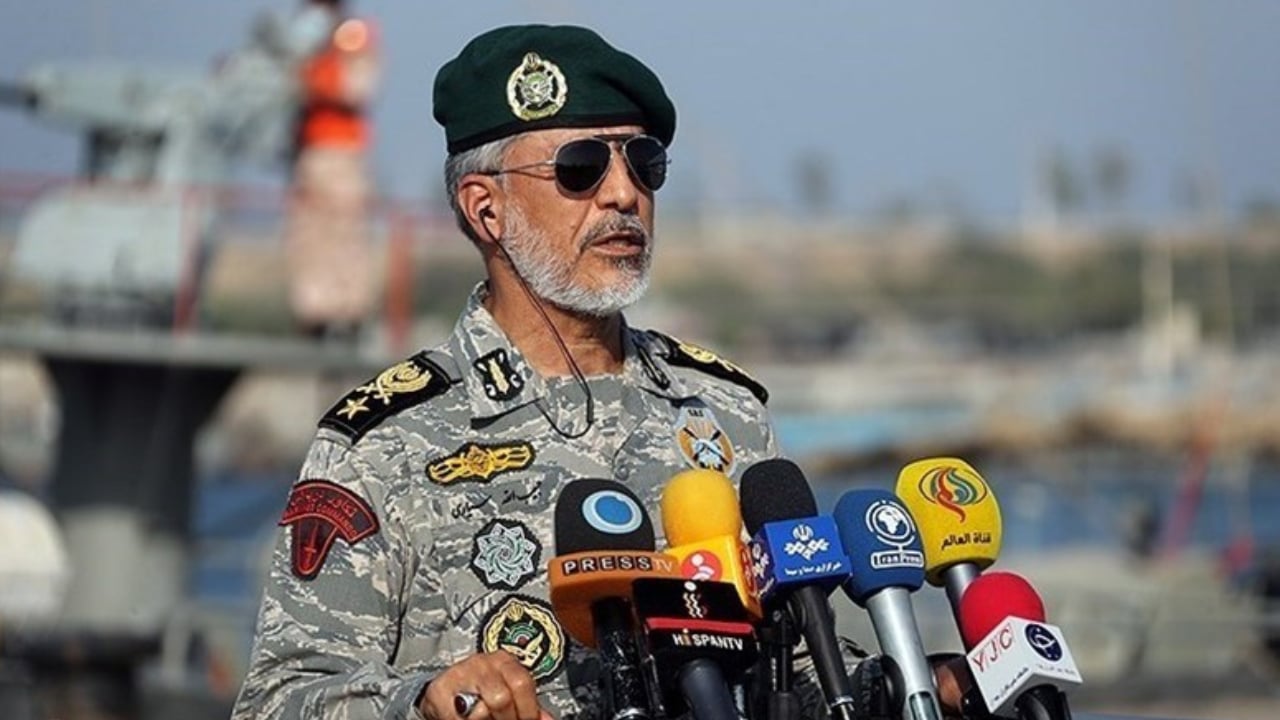
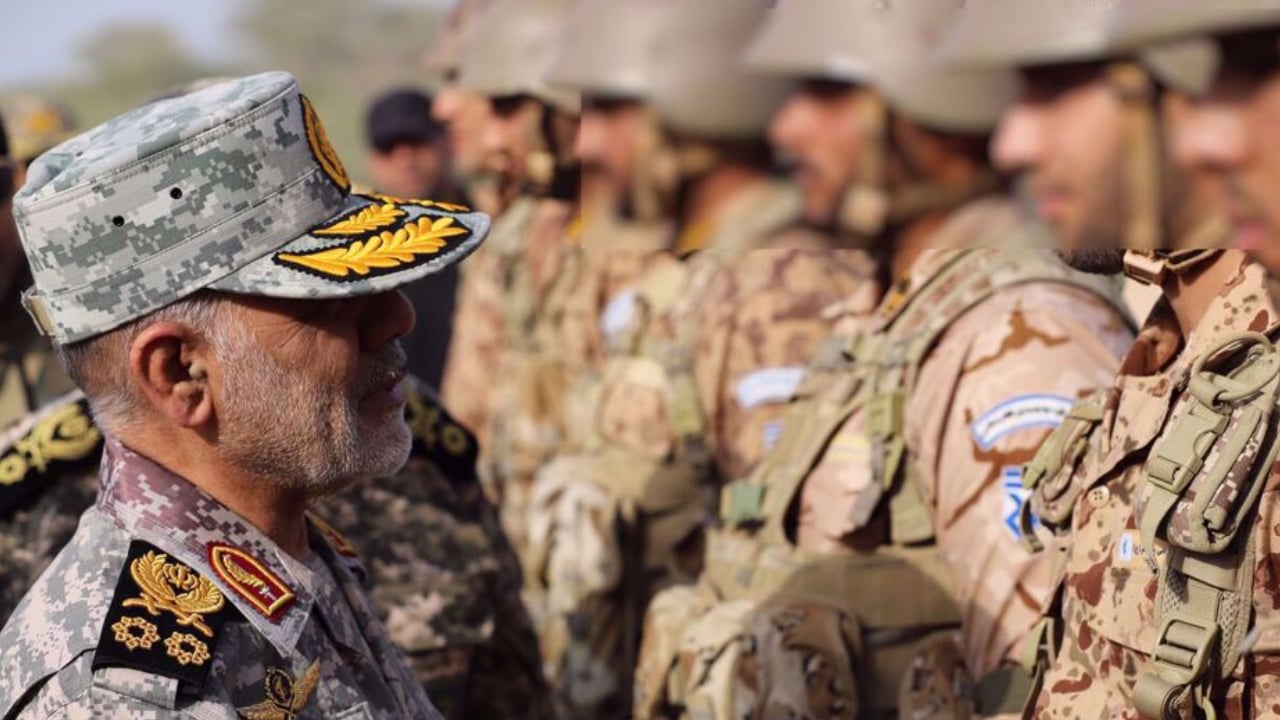
Rear Admiral Habibollah Sayyari, Iran’s deputy army coordinator, stated that the Strait of Hormuz is under the firm control of Iran’s armed forces. He emphasized that no vessel can enter this strategic waterway without Iran’s permission. Sayyari made the remarks on Friday during a televised program, where he also discussed Iran’s drone deployment capabilities. He noted that Iranian drones can be prepared for operation in a very short time, even under adverse conditions. According to Sayyari, Iran’s drone technology is highly advanced, and its production is being rapidly expanded. He reiterated that both the Strait of Hormuz and the Persian Gulf are under the strong control of the Islamic Revolutionary Guard Corps (IRGC) Navy. The statement underscores Iran’s assertion of authority over key maritime routes critical to regional and global trade, as reported by Tasnim news agency.
Three government primary schools in Astamirchar Union of Chilmari upazila, Kurigram, are operating with only one teacher each, leaving students deprived of proper education and parents increasingly worried. Local residents report declining attendance and rising dropout rates as a result of the acute teacher shortage. Field visits revealed that single teachers are handling multiple classes and administrative tasks simultaneously, while some appointed teachers remain absent or on deputation elsewhere. At Char Mudafat Kalikapur Government Primary School, the head teacher has been absent for months without approved leave, and another teacher is on deputation, forcing one assistant teacher to manage all classes. Similar conditions exist at South Natarkandi and other schools, where classes end early due to the lack of staff. Officials acknowledged that 74 teaching positions remain vacant across 93 schools in Chilmari, mostly in remote char areas. Education authorities said teachers avoid postings in chars due to travel difficulties but promised action against absentee staff and adjustments in future recruitment to prioritize local candidates.
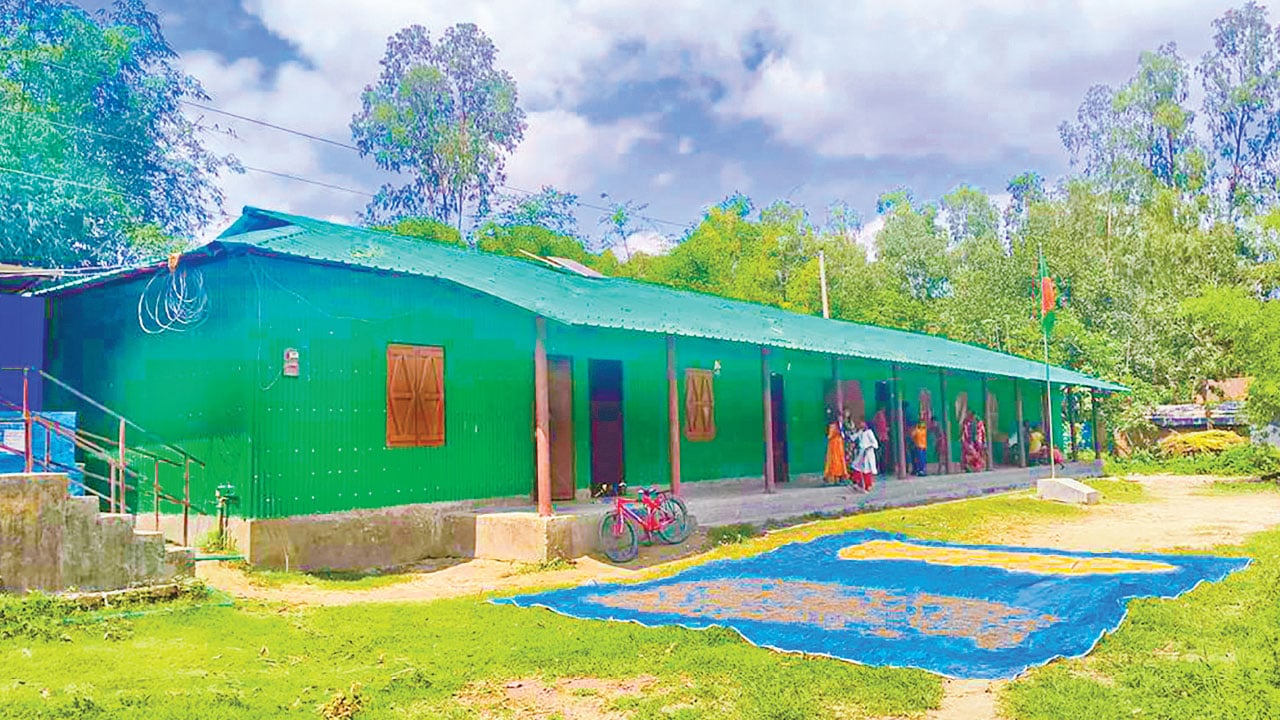
Nine years after the devastating landslide that struck Kaptai in Rangamati on June 13, 2017, around 500 families continue to live in hazardous conditions at the base and slopes of hills. The 2017 disaster, triggered by heavy rainfall, killed 18 people and injured over a hundred, destroying homes and farmland across several unions including Chandraghona, Wagga, Raikhali, and Chitmaram. Local officials report that many residents in Dhakaiya Colony under Kaptai Union, as well as in Wagga and Raikhali unions, remain in danger during the monsoon season. Kaptai Union Parishad Chairman Abdul Latif said that people take shelter in nearby centers during heavy rain but need permanent relocation. Upazila Nirbahi Officer Raihanul Islam stated that authorities are creating a database of at-risk residents to determine land ownership and provide assistance for safer housing. Former Upazila Chairman Dildar Hossain recalled leading rescue operations in 2017 and urged permanent resettlement for those still living in risky areas, particularly in Dhakaiya Colony.

Major General Ali Abdollahi, commander of Iran’s Khatam al-Anbiya Central Headquarters, stated that the world will soon hear the echo of Tehran’s victory over its aggressive enemies. He made the remarks on Friday during a memorial event in Dezful honoring Major General Gholamali Rashid and his son Amin Abbas Rashid on their martyrdom anniversary. In his message, Abdollahi said that Iran’s enemies believed killing its military leaders would weaken the country’s defense system, but they underestimated the legacy of knowledge, experience, and strategic thinking left by the martyrs. He emphasized that Iran’s current armed forces commanders are following the same guidance to skillfully manage complex hybrid warfare. Abdollahi added that Iran’s defenders across land, sea, and air have become symbols of active resistance and national dignity, expressing confidence that the world will soon witness Iran’s triumph against aggressors and terrorists.
Two police officers, Sub-Inspector Shafiqul Islam and Constable Russell, have been withdrawn following allegations of negligence in an incident involving national team spinner Nayeem Hasan in Chattogram. According to Assistant Commissioner Amirul Rashid, the officers were removed after Nayeem was detained overnight on suspicion of smuggling and later released when police realized their mistake. Police from Khulshi Station said Nayeem was brought in based on incorrect information and released after the officer-in-charge recognized him. However, his bag and personal belongings were searched the following morning, raising questions about the consistency of police actions. Officials admitted both to a mistaken detention and to conducting a subsequent search, prompting public discussion about contradictions in their statements. Senior police officials described the incident as regrettable and promised strict action against those responsible. The case has sparked debate over the reliability of intelligence information, the standards of police verification, and the protection of citizens’ rights in law enforcement procedures.

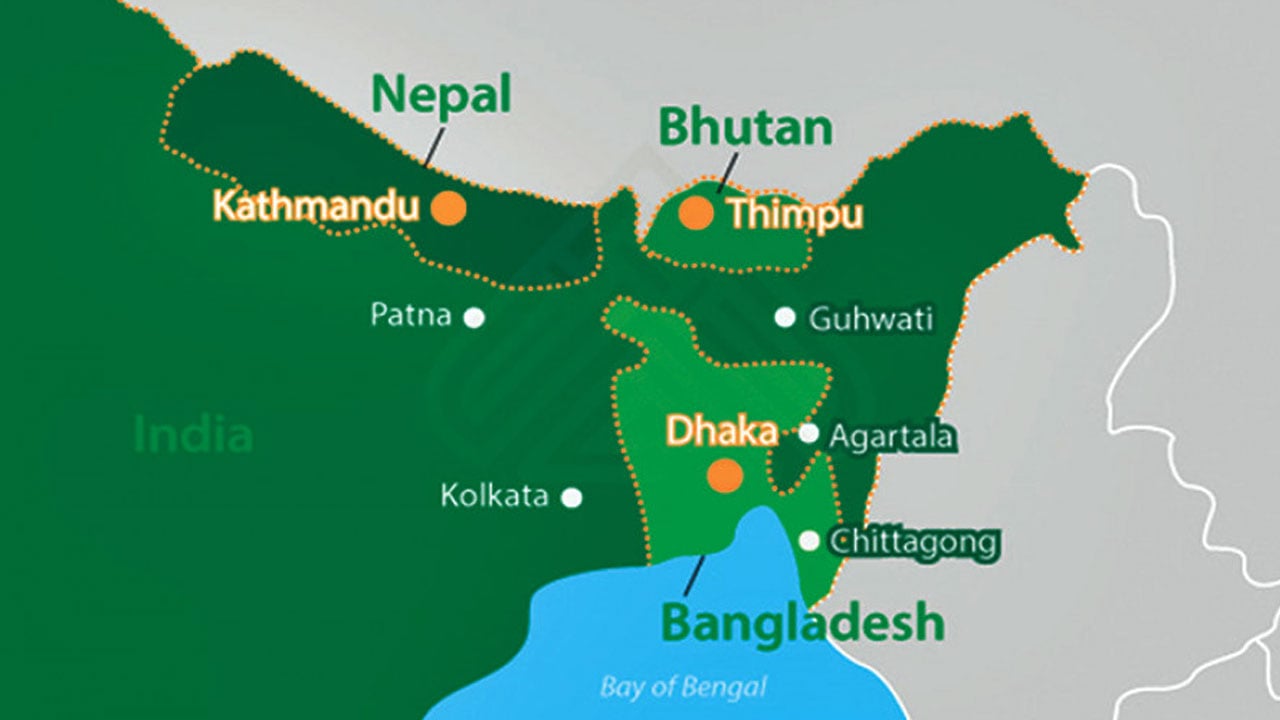
The article alleges that India has continued aggressive actions along the Bangladesh border, including killings by Indian border guards and recent forced push-ins of Muslims from Indian territory into Bangladesh. It criticizes both past and present Bangladeshi governments for failing to respond strongly to such incidents, contrasting their reactions with Nepal’s firm stance in a similar case. The piece also references former West Bengal Chief Minister Mamata Banerjee’s remarks implying Indian involvement in a Bangladeshi activist’s killing, which Dhaka officials dismissed as internal Indian politics. The commentary argues that India seeks to maintain dominance over Bangladesh’s politics and foreign policy, preferring Dhaka to align with Delhi’s strategic interests rather than build independent ties with the United States, China, or Turkey. It claims that India’s current policies reflect a Hindutva-driven agenda aiming to marginalize Muslims domestically and destabilize Bangladesh through demographic and political pressure. The author concludes that Bangladesh’s sovereignty and democratic institutions remain under strain, urging unity between government and opposition forces to resist external interference and restore public trust in state institutions.
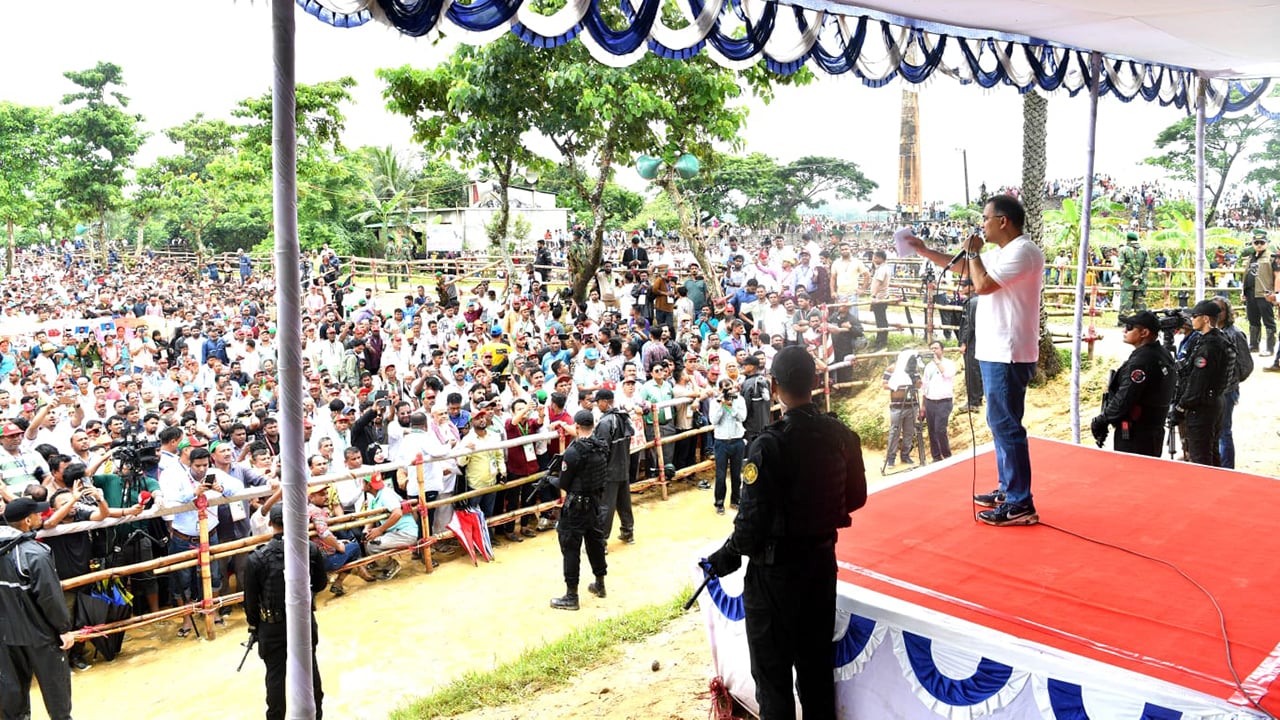
Prime Minister Tarique Rahman stated that prices of daily essentials have not increased since the announcement of the national budget. Speaking at a public gathering in PMkhali, Cox’s Bazar Sadar, on Saturday morning, he said taxes on 60 products have been withdrawn to ease the burden on citizens. Rahman argued that the opposition is not interested in supporting the people but rather in creating instability in the country. He further said that the opposition dislikes a budget that reduces taxes, which is why they are opposing it. The Prime Minister also highlighted that the re-excavation of the Patli Canal in Cox’s Bazar will directly benefit 40,000 people, including 8,000 farmers. He emphasized that his party’s politics are dedicated to the welfare of the nation’s people. The remarks came during the inauguration of the canal re-excavation project, where Rahman linked the government’s fiscal measures with broader development efforts aimed at improving livelihoods.
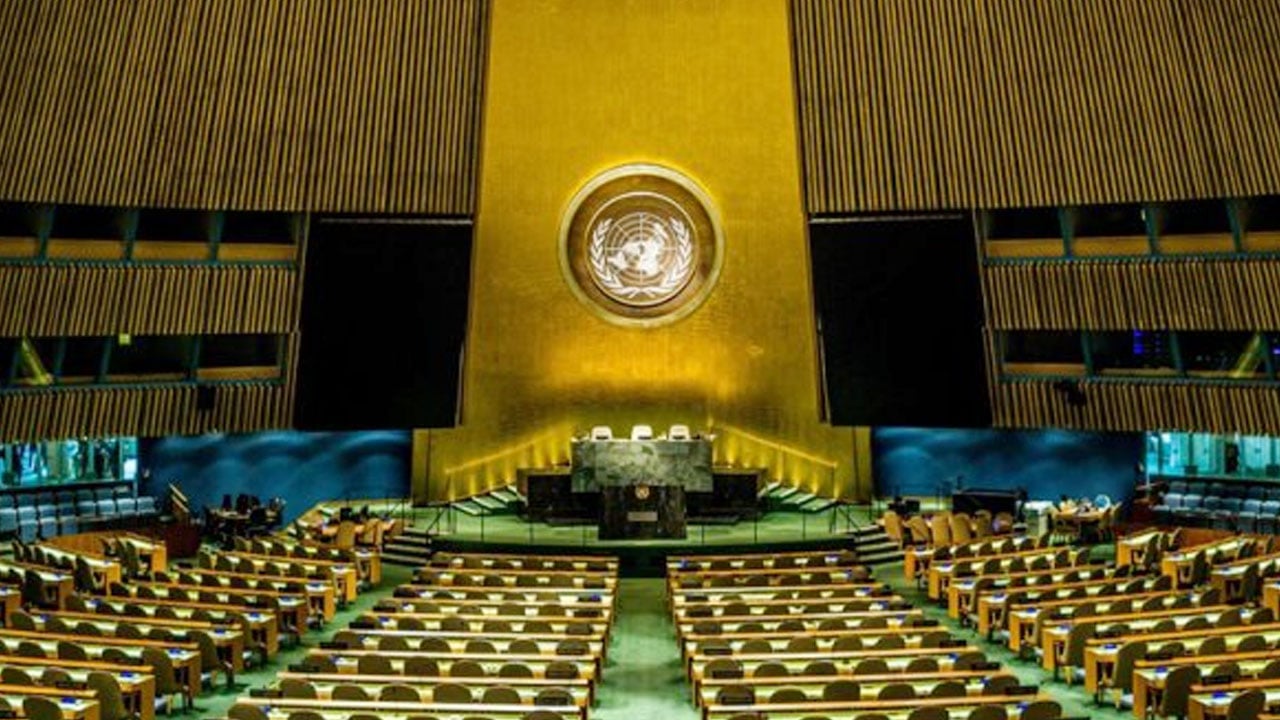
Bangladesh’s Foreign Minister Khalilur Rahman has been elected President of the 81st session of the United Nations General Assembly, marking the second time a Bangladeshi has held the position. The election took place under the Asia-Pacific regional group’s rotation, where Rahman won 99 votes against Cyprus’s candidate, who received 91. The General Assembly presidency, held for one year, carries significant global influence in shaping discussions on human rights, climate, and economic issues. The article notes that only three South Asian figures have ever presided over the UN General Assembly—India’s Vijaya Lakshmi Pandit in 1953, Bangladesh’s Humayun Rashid Choudhury in 1986, and now Rahman in 2026. Bangladesh is the only Asia-Pacific nation to have produced two presidents of the Assembly. The piece highlights the symbolic importance of this achievement amid Bangladesh’s turbulent political history and recent controversies surrounding human rights. Rahman’s election is seen as significant for Bangladesh’s international standing. His prior role as national security adviser during an interim government is mentioned, with expectations that he will uphold UN human rights standards and support democratic continuity in Bangladesh.
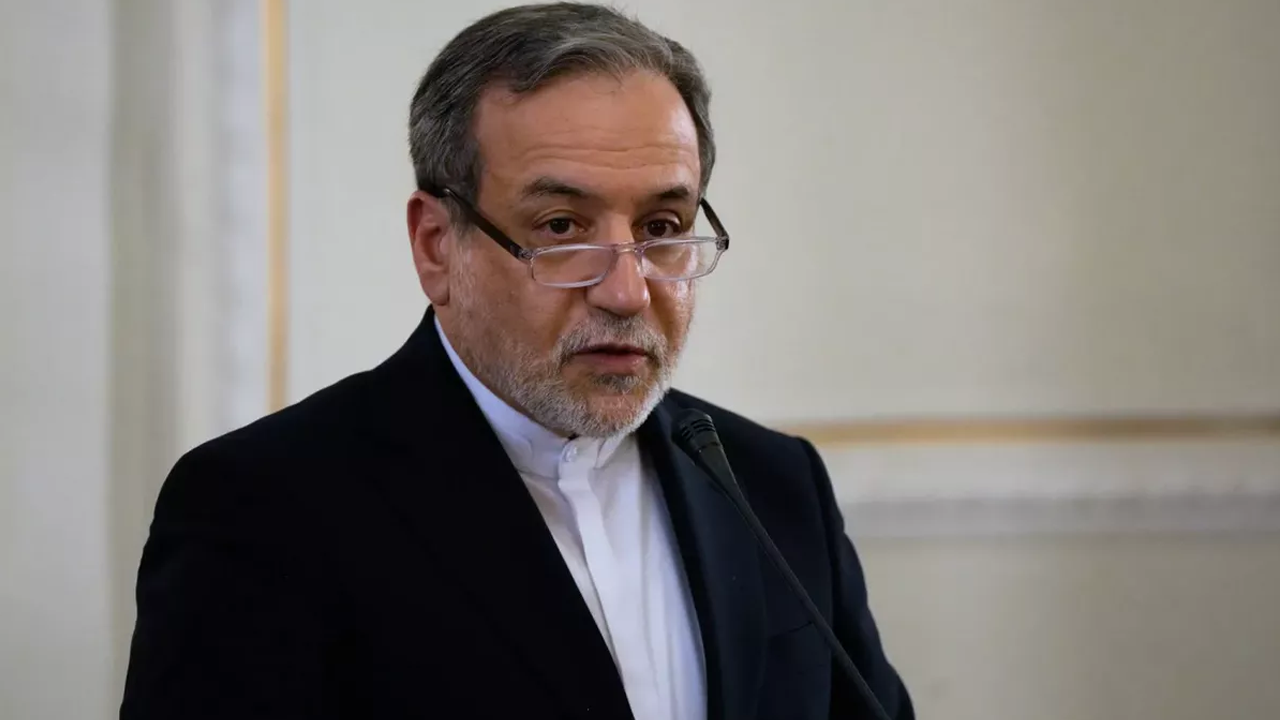
Iranian Foreign Minister Abbas Araghchi stated that no memorandum of understanding has yet been signed with the United States. He said the proposed agreement would declare an end to conflicts across all battlefronts, including Lebanon. Araghchi made the remarks in an interview with Iran’s state broadcaster IRIB. According to Araghchi, the memorandum would also include lifting the US naval blockade on the Strait of Hormuz and Iran. He noted that negotiators have revised the draft several times, while nuclear issues have been deferred to a second phase of discussions after Tehran rejected Washington’s demands. Araghchi emphasized that Lebanon would be part of the agreement, reaffirming Iran’s commitment not to leave Lebanon isolated. The comments, reported by Middle East Eye, indicate ongoing but incomplete negotiations between Tehran and Washington, with the scope of the proposed memorandum extending beyond bilateral issues to regional conflict resolution.
The ‘1 Nojor’ media platform is now live in beta, inviting users to explore and provide feedback as we continue to refine the experience.