

The ‘1 Nojor’ media platform is now live in beta, inviting users to explore and provide feedback as we continue to refine the experience.
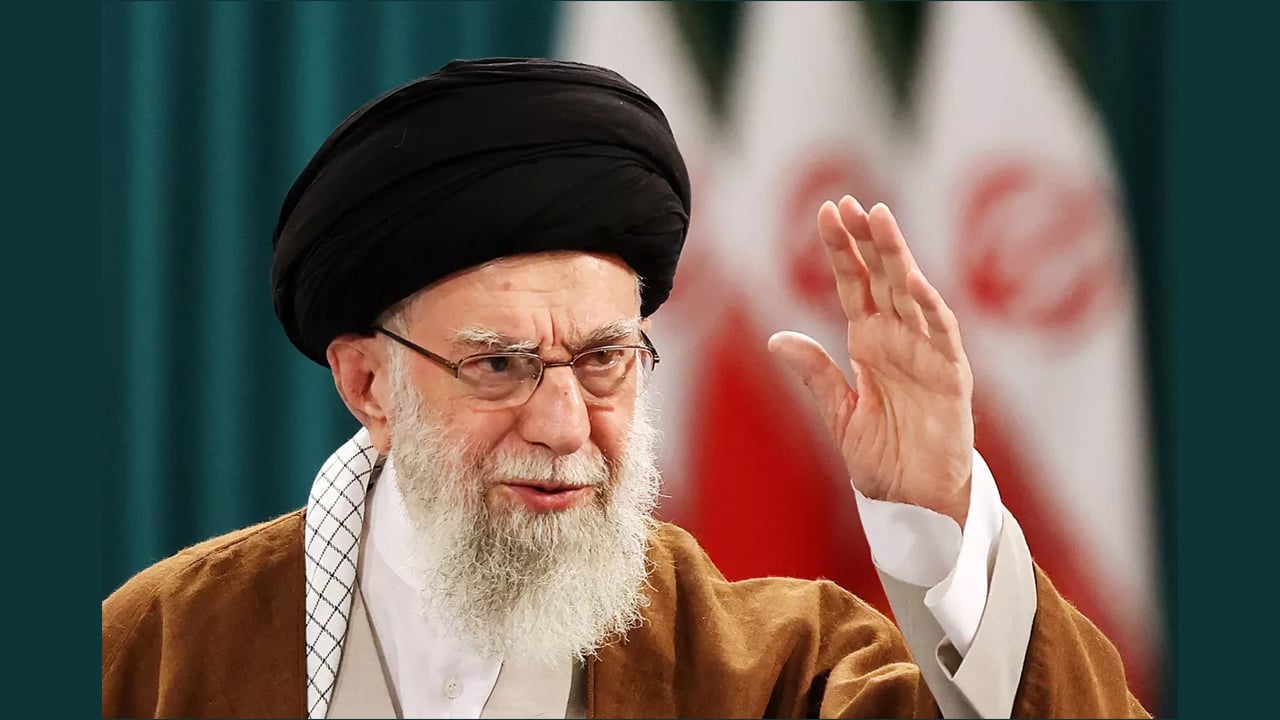
Iran has postponed the funeral and burial of its former Supreme Leader Ayatollah Ali Khamenei, who was reportedly killed in a joint attack by the United States and Israel. Tehran Mayor Alireza Zakani announced on Thursday that the funeral will now take place at the end of June or the beginning of July. Previously, Iranian authorities had planned a three-day ceremony at the start of the Islamic month of Muharram, which was expected to occur in early June. However, Zakani stated in a new announcement that the event will instead be held after the first ten days of Muharram. This adjustment means that Khamenei’s funeral is now scheduled to occur during the second ten days of Muharram, between June 26 and July 5, according to the revised plan.
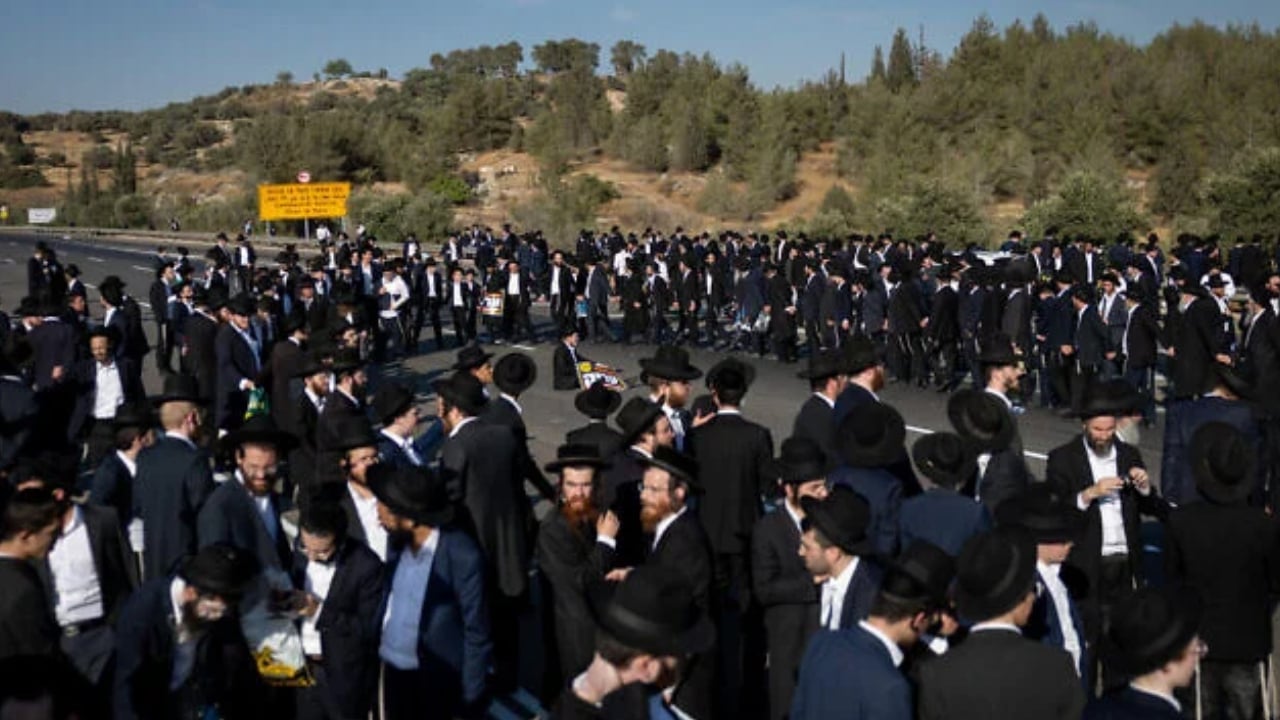
Thousands of people took to the streets across Israel on Thursday night to protest against mandatory military service and the arrest of individuals refusing to join the army. Demonstrators blocked highways and railways in central Israel, leading to disruptions in transportation. Two people were reported injured during the protests, which were organized by a group called the Jerusalem Faction. The protests followed the police handover of 19 detainees to the Israel Defense Forces on Wednesday. These individuals had been arrested the previous week for refusing military service. Similar demonstrations were also held outside detention centers in Jerusalem and Tel Aviv on Wednesday night. Participants were brought from Jerusalem, Beit Shemesh, and other Haredi-populated areas. Police had earlier advised the public to avoid using private vehicles in the central region due to expected unrest. Train services in Tel Aviv were temporarily halted after protesters occupied railway tracks, but highways were later reopened as Jerusalem Faction leaders instructed demonstrators to disperse.
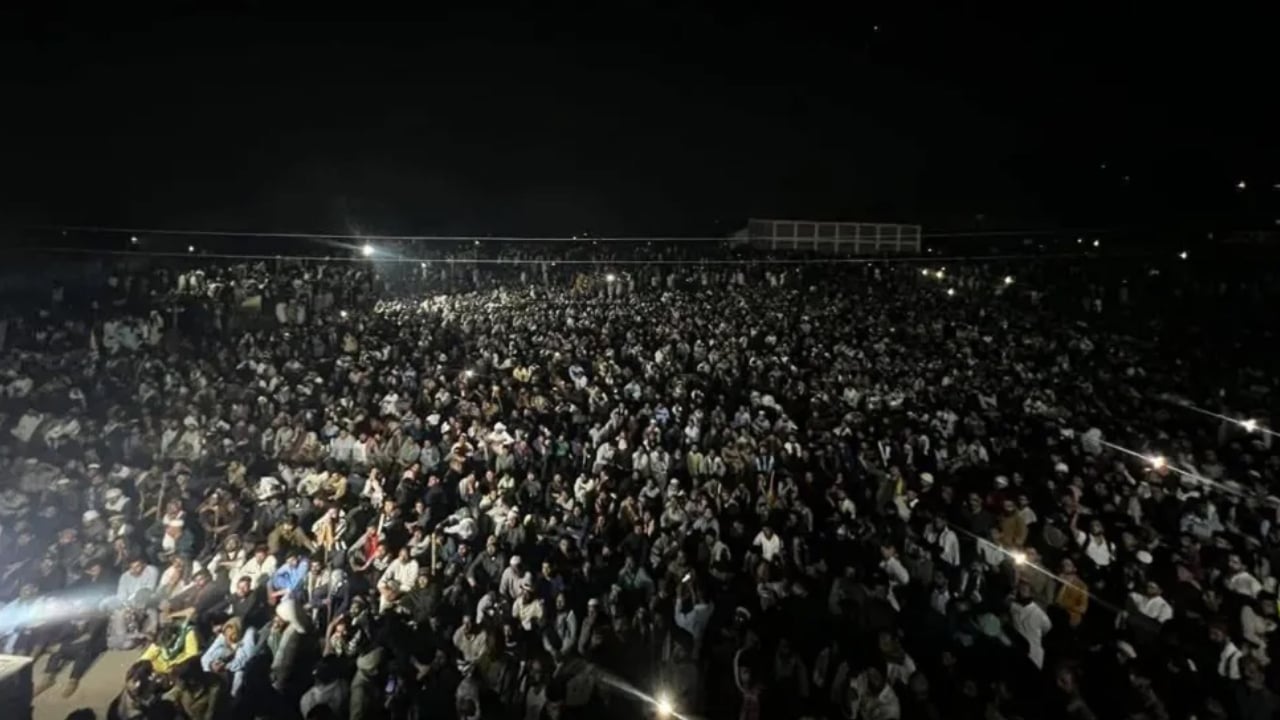
At least fifteen people were killed in violent clashes between protesters and security forces in Pakistan-administered Kashmir, according to local officials on June 12, 2026. The unrest erupted over opposition to reserved seats in the regional legislature for refugees who migrated from Indian-administered Kashmir decades ago. The protests were organized by the Joint Awami Action Committee (JSSC), a coalition of various groups opposing the reservation policy. Authorities have accused the JSSC of sedition and violence, banned the organization, and announced rewards for the arrest of its leaders. Despite the ban, thousands of demonstrators began marching toward the regional capital, Muzaffarabad. Among the dead were eleven civilians and four security personnel, officials confirmed. Local commissioner Sardar Wahid Khan said security forces were patrolling to maintain order and advised residents to stay indoors. He added that the convoy of more than ten thousand protesters, currently stationed four kilometers outside Rawalakot, would not be allowed to proceed toward Muzaffarabad.
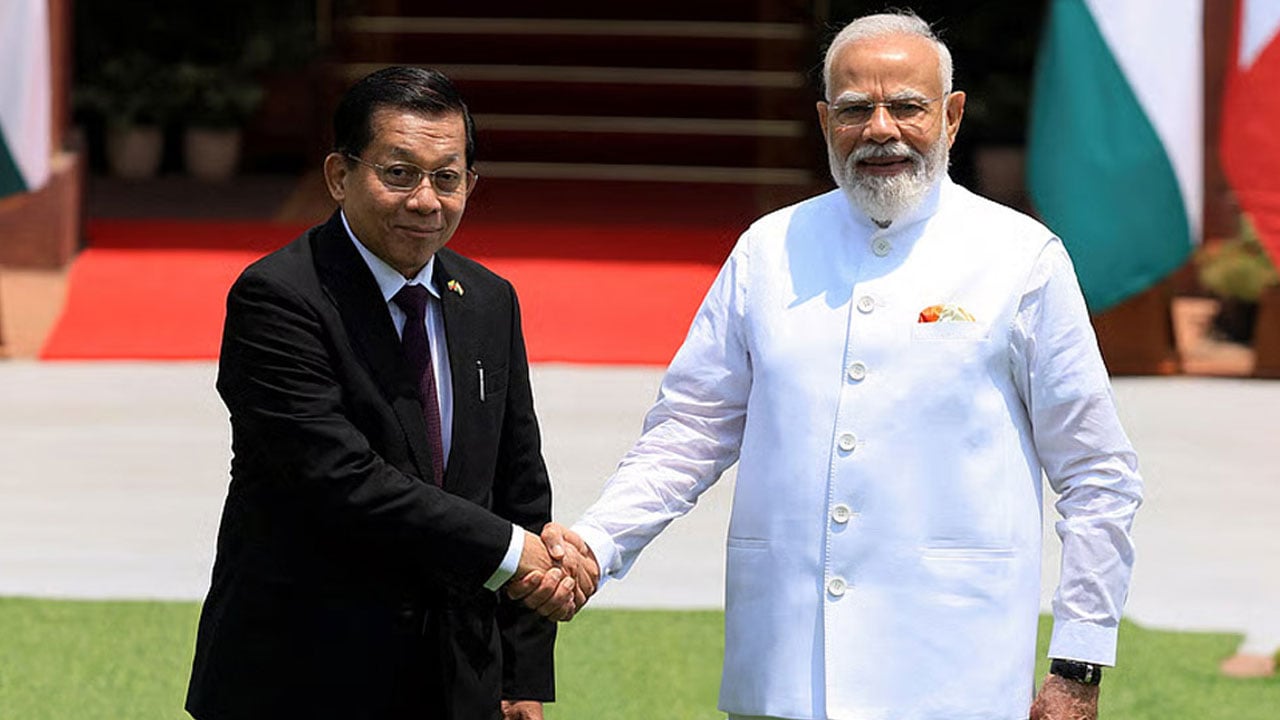
Myanmar’s military leader Min Aung Hlaing visited India from May 30 to June 3, 2026, marking his first official foreign trip as the country’s self-declared president. Despite his role in the 2021 coup and ongoing civil conflict, New Delhi received him as a legitimate head of state. For Min Aung Hlaing, the visit offered a rare opportunity to seek international legitimacy after years of bloodshed and isolation, while for Prime Minister Narendra Modi, it was a strategic engagement with a volatile neighbor sharing a 1,643-kilometer border. The visit highlighted India’s growing reliance on Myanmar’s junta for border security and infrastructure projects such as the Kaladan Multi-Modal Transit Transport Project and the Trilateral Highway. However, much of the planned route lies in rebel-controlled areas beyond the junta’s authority. Analysts argue that Modi’s government risks repeating China’s mistake of treating the junta as Myanmar’s sole sovereign power, ignoring ethnic armed groups and the opposition National Unity Government. The report concludes that India should balance its engagement by pressing the junta to halt airstrikes near the border and by opening dialogue with ethnic forces controlling key transit zones, as current strategies may undermine both stability and democratic credibility.
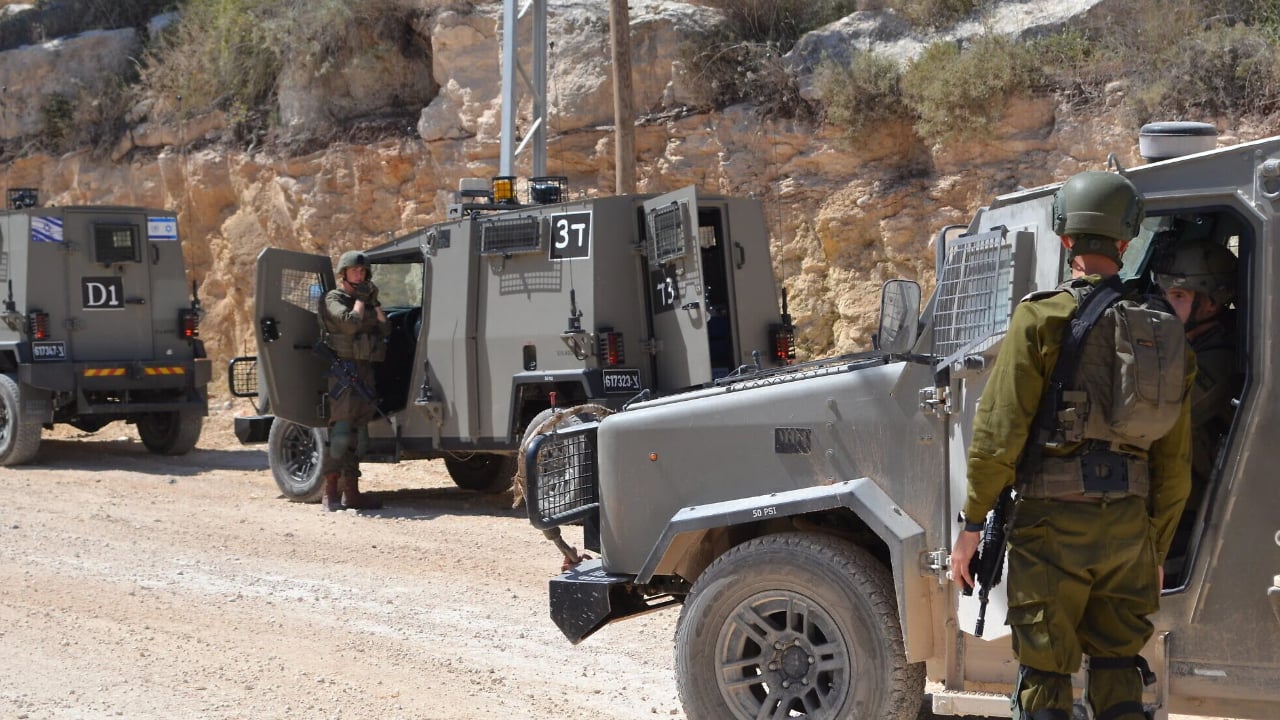
Israel is setting up a permanent military base in the city of Jenin in the occupied West Bank, according to a report by Israeli newspaper Haaretz. This will be the first such installation in an area that has been under full civilian and security control of the Palestinian Authority since the 1993 Oslo Accords. The report states that the Israeli army says the new base aims to create conditions for safely evacuating residents from homes in the Jenin refugee camp. The base will be built near the camp, where repeated Israeli operations since early 2025 have displaced thousands of residents and caused extensive infrastructure damage. According to the report, the base may also be used to support Israeli military operations and protect nearby Israeli settlements.
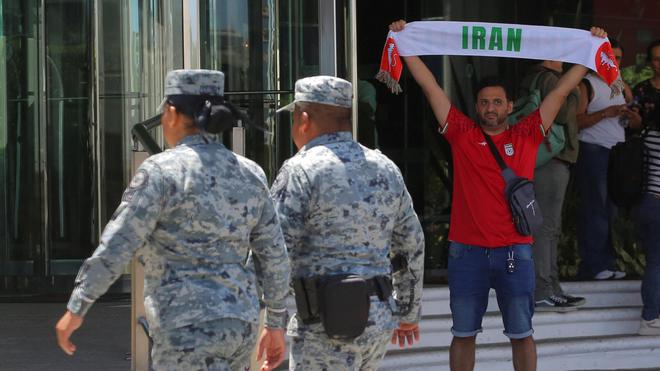
Iran’s Ministry of Sports has issued a strong warning ahead of the 2026 FIFA World Cup, stating that any display of unauthorized flags or anti-national team slogans during its matches will lead to the suspension of play. According to Iranian media citing Sports Minister Ahmad Donyamali, FIFA has already been formally notified of this stance. Iran is set to begin its World Cup campaign against New Zealand on June 15 in Los Angeles, followed by matches against Belgium on June 21 and Egypt on June 26 in Seattle. The warning comes amid ongoing political and social controversies surrounding Iran’s participation. The Iran–Egypt match in Seattle has been designated a “Pride Match” by local organizers, coinciding with the city’s Pride Week, prompting both nations to request FIFA to prevent LGBTQ-related activities or symbols inside the stadium. Iran has also faced protests calling for its exclusion from the tournament and ticket allocation issues that left many fans unable to attend. The Iranian team is currently training in Tijuana, Mexico, and will enter the United States only a day before its first match due to visa restrictions, adding to the tension surrounding its World Cup journey.
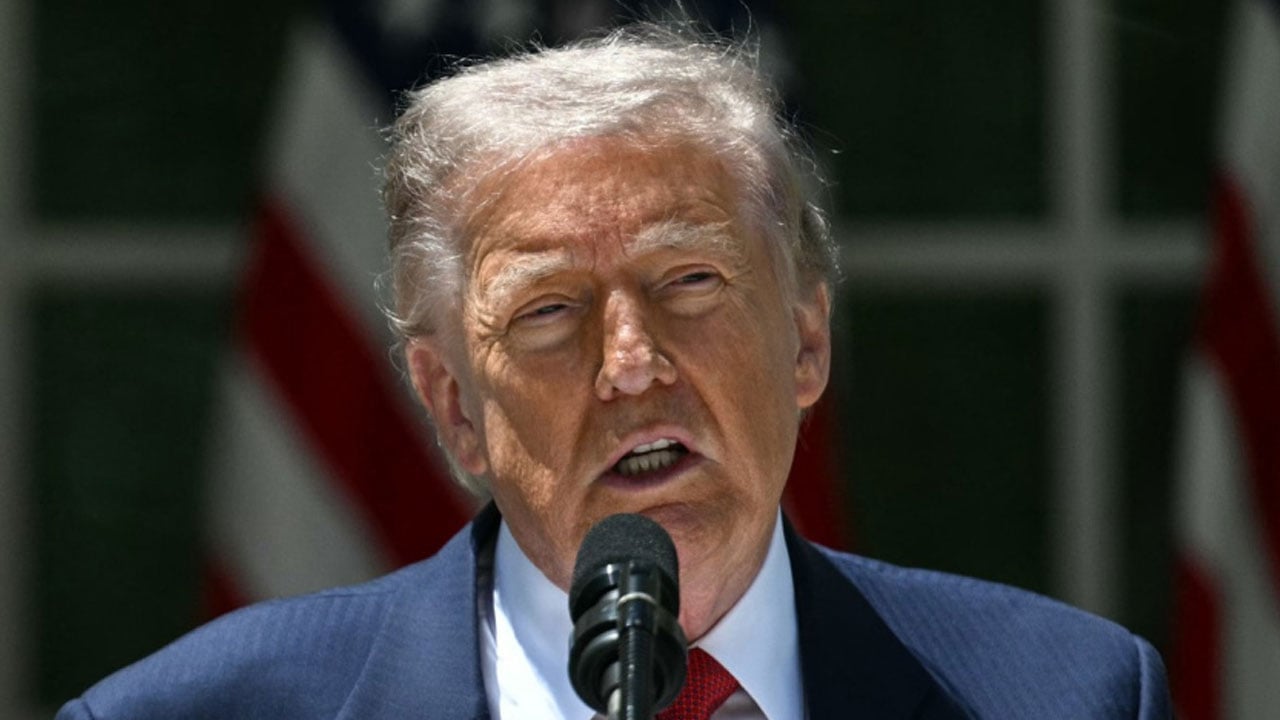
US President Donald Trump has said that Iran has agreed not only to refrain from producing nuclear weapons but also from purchasing them. He described this as a major success in the ongoing negotiations between Washington and Tehran. Trump made the remarks during a phone call with his supporters, highlighting that earlier drafts of the agreement only prohibited Iran from making nuclear weapons, without explicitly banning their purchase. According to Trump, he questioned the omission of a clause on buying weapons, and two days later, Iran agreed to include it. He stated that the United States achieved everything it sought in the negotiations. However, Iran has not yet made any public comment or confirmation regarding the details of the potential agreement. The report, citing Middle East Eye, indicates that while the US side is presenting the development as a breakthrough, the absence of an Iranian response leaves uncertainty about the final terms and implementation of the deal.
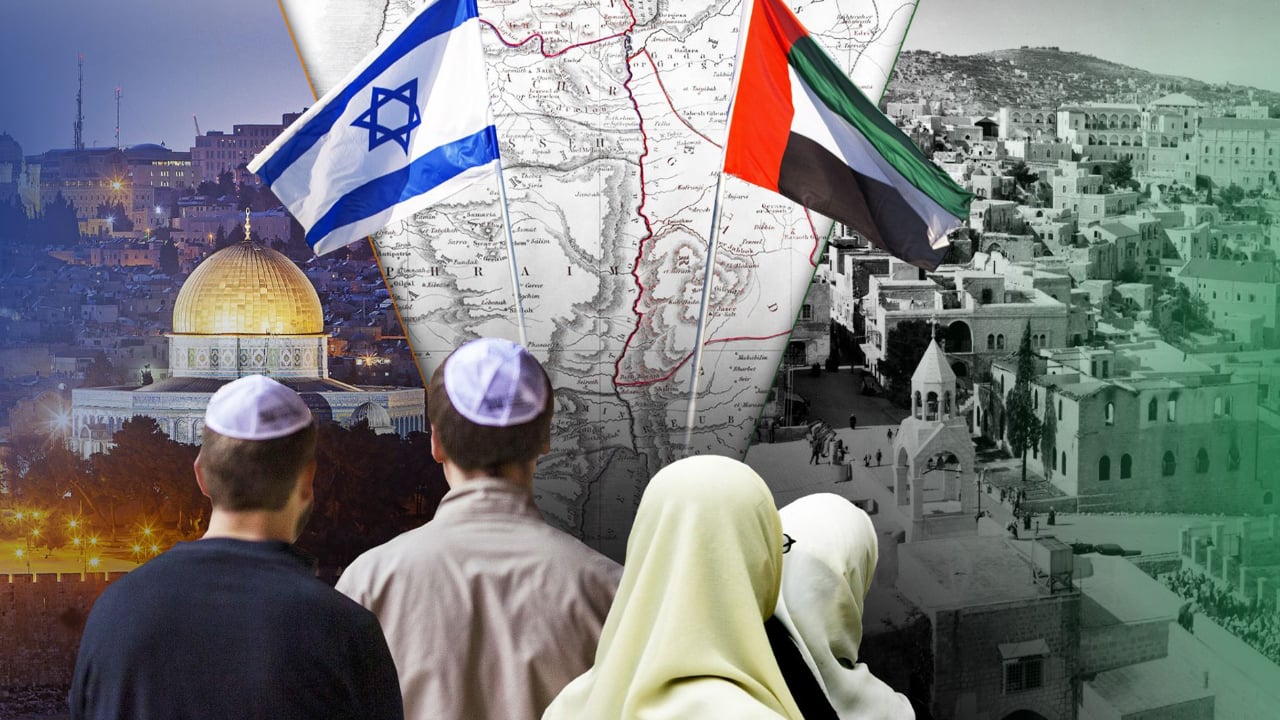
Australia, Canada and the United Kingdom have jointly launched a four million dollar peace fund to support the two-state solution to the Israel-Palestine conflict. Each country will contribute 1.34 million dollars to the fund, which was announced on Thursday. According to the UK Foreign Ministry, the initiative will focus on new and existing grassroots projects, particularly those involving youth groups, civil society organizations, and women. The move comes as the three countries, along with France, New Zealand, and Norway, have imposed coordinated sanctions against networks financing and executing violence by Israeli settlers in the West Bank. Western nations have taken this step in response to record levels of illegal settlement expansion and increasing violence against Palestinians in the region. British Foreign Secretary Yvette Cooper stated that peace, justice, and security in the Middle East depend on a two-state solution, noting that their countries have recognized both Israel and Palestine as states.
Iran has rejected U.S. President Donald Trump’s claim that a peace deal between the two countries has been finalized, ending their state of conflict. According to Iran’s semi-official Fars news agency, Tehran has not approved any draft agreement with Washington, though it may consider signing one in the future. Trump had earlier announced on social media that talks with Iran had reached the highest leadership level and were approved, prompting him to cancel a planned airstrike. The proposed peace deal reportedly aims to reopen diplomatic channels and lift U.S. sanctions on Iran. However, both sides are expected to require further discussions on Iran’s nuclear program and the conditions for lifting sanctions before any agreement can be reached. Iranian news agencies Fars and Tasnim both dismissed Trump’s statement, noting that similar claims in the past had not produced results. Reports suggest that until Iran officially announces a potential understanding, Trump’s statements should be treated as his previous unconfirmed messages.
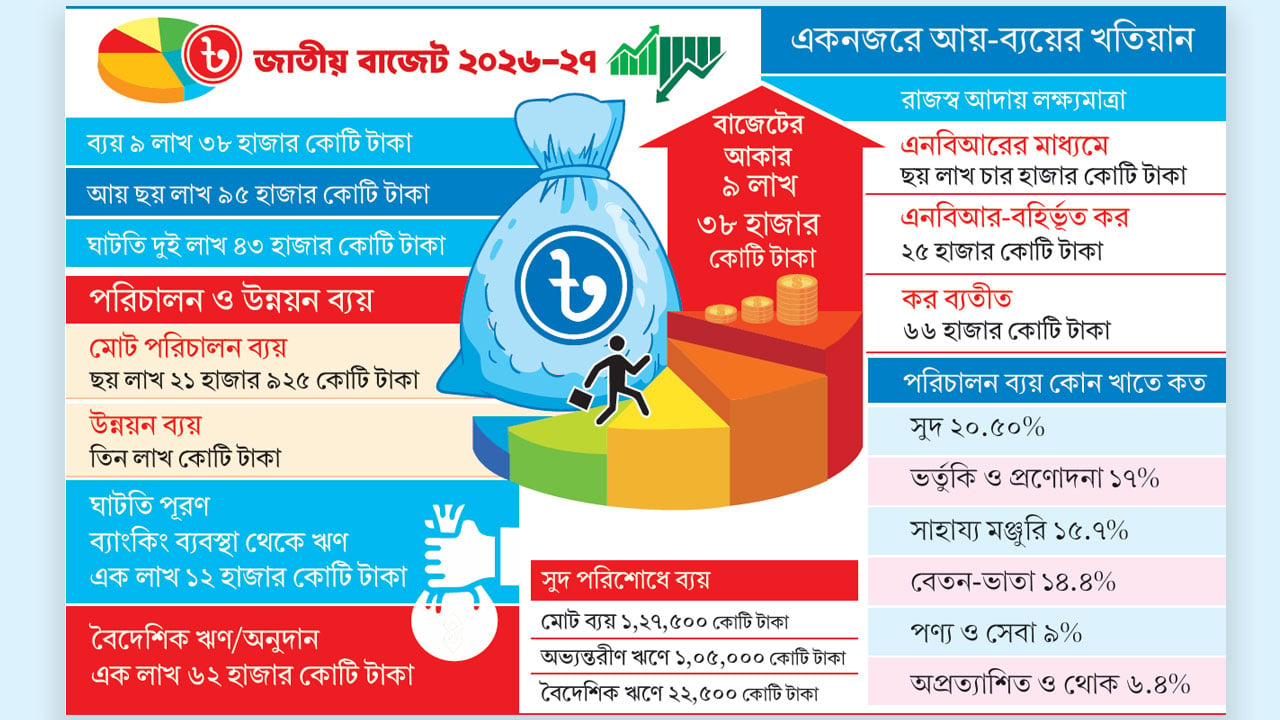
The BNP-led government, in its first full budget after nearly two decades, has introduced a provision allowing individuals to legalize undisclosed income by investing in land, buildings, or apartments upon payment of a 15% tax. The Finance and Planning Minister Amir Khosru Mahmud Chowdhury presented the 2026–27 fiscal year budget of Tk 9.38 trillion in the National Parliament. According to the Finance Bill, if the tax is paid, no authority will question the source of the money. However, if undisclosed income is detected before declaration, an additional 20% tax must be paid. The provision will remain effective from July 1, 2026, to June 30, 2027. Both buyers and sellers of property can use this opportunity to legalize undeclared amounts by paying applicable taxes. Similar opportunities were offered during previous Awami League governments, though economists and business groups have often criticized such measures as unethical and unfair to honest taxpayers. A similar proposal in the interim government’s 2025–26 budget was withdrawn after criticism, but the current administration has reinstated the option, continuing a long-standing debate over the effectiveness and morality of legalizing black money in Bangladesh.
Iran has announced plans to file legal action against the United States in both domestic and international courts, accusing Washington of destroying two potable water reservoirs in southern Hormozgan province. The attack, carried out early Wednesday, reportedly damaged the water infrastructure in Sirik, cutting off supply to more than 20,000 residents across Kuhestak city and ten villages in Bemani district, where temperatures exceed 45 degrees Celsius. Abdolhamid Hamzehpour, managing director of Hormozgan Water and Wastewater Company, said the destruction of the reservoirs has created a major crisis for the region’s water network, as local groundwater reserves are insufficient to meet immediate needs. Iranian President Masoud Pezeshkian condemned the alleged U.S. strike, calling it an assault on vital civilian infrastructure and a sign of desperation rather than strength. Hormozgan’s chief judicial official, Mojtaba Kahramani, stated that legal proceedings will be pursued under both national and international jurisdictions, citing the 1977 Additional Protocol I to the Geneva Conventions, which prohibits attacks on objects essential for civilian survival, including water facilities.
Bangladesh’s 2026–27 national budget outlines a coordinated approach to macroeconomic stability, investment, production, employment, and inclusive growth. The government aims to reduce inflation to 7.5 percent and raise economic growth to 6.5 percent in the next fiscal year, with a longer-term goal of bringing inflation down to 5 percent by 2030–31. The budget acknowledges pressures from currency depreciation, high exchange rates, import dependence, and rising global energy and fertilizer prices. Key initiatives include a Tk 60,000 crore stimulus package to boost private sector credit flow, new export processing zones in Patuakhali and Jashore, and economic zones in Kurigram, Nilphamari, Chandpur, and Kushtia. The government also launched the “BanglaBiz” digital platform to ease business operations and introduced an FDI heat map covering 19 promising sectors. Education and social protection allocations have been significantly increased, with special emphasis on women’s empowerment and employment generation. Despite these measures, the budget faces major tests in controlling inflation, ensuring effective implementation of stimulus funds, and reforming the banking sector, where high non-performing loans remain a key risk to financial stability.
Bangladesh’s Finance and Planning Minister Amir Khosru Mahmud Chowdhury presented a Tk 9.38 trillion national budget for the 2026–27 fiscal year in parliament, marking the first budget of Prime Minister Tarique Rahman’s government. The proposal, approved by the cabinet earlier in the day, emphasizes fulfilling electoral pledges, boosting investment and employment, and stabilizing the fragile economy. The budget is 18.73 percent larger than the previous year’s and includes record revenue targets and a deficit of Tk 2.43 trillion. The budget prioritizes education, health, agriculture, and local government while offering extensive incentives for young entrepreneurs and technology-driven sectors. It introduces tax exemptions for content creators, outsourcing professionals, and creative industries, alongside new social safety programs such as family and farmer cards. The government aims to reduce inflation to 7.5 percent and achieve 6.5 percent GDP growth. However, economists have questioned the feasibility of the ambitious revenue goals. Key challenges identified include inflation control, revenue mobilization, and accelerating project implementation. The government plans to expand the tax net, enhance automation in tax administration, and maintain cautious austerity while seeking domestic and foreign loans to finance the deficit.
Global oil prices declined after the United States announced the suspension of planned airstrikes on Iran. US President Donald Trump stated that he had canceled the scheduled air attack against Iran, following earlier warnings that a very strong response could be launched if necessary. The announcement led to an immediate reaction in the oil market. Following Trump’s statement, Brent crude prices dropped by 1.21 dollars, or 1.3 percent, to 89.17 dollars per barrel. At the same time, US West Texas Intermediate (WTI) crude fell by 1.23 dollars, or 1.4 percent, to 86.48 dollars per barrel. Both benchmarks recorded weekly losses, with Brent down 4.2 percent and WTI down 4.4 percent. The report, citing Al Jazeera, indicates that the market’s response reflects easing geopolitical tensions after the US decision to halt the planned military action against Iran.
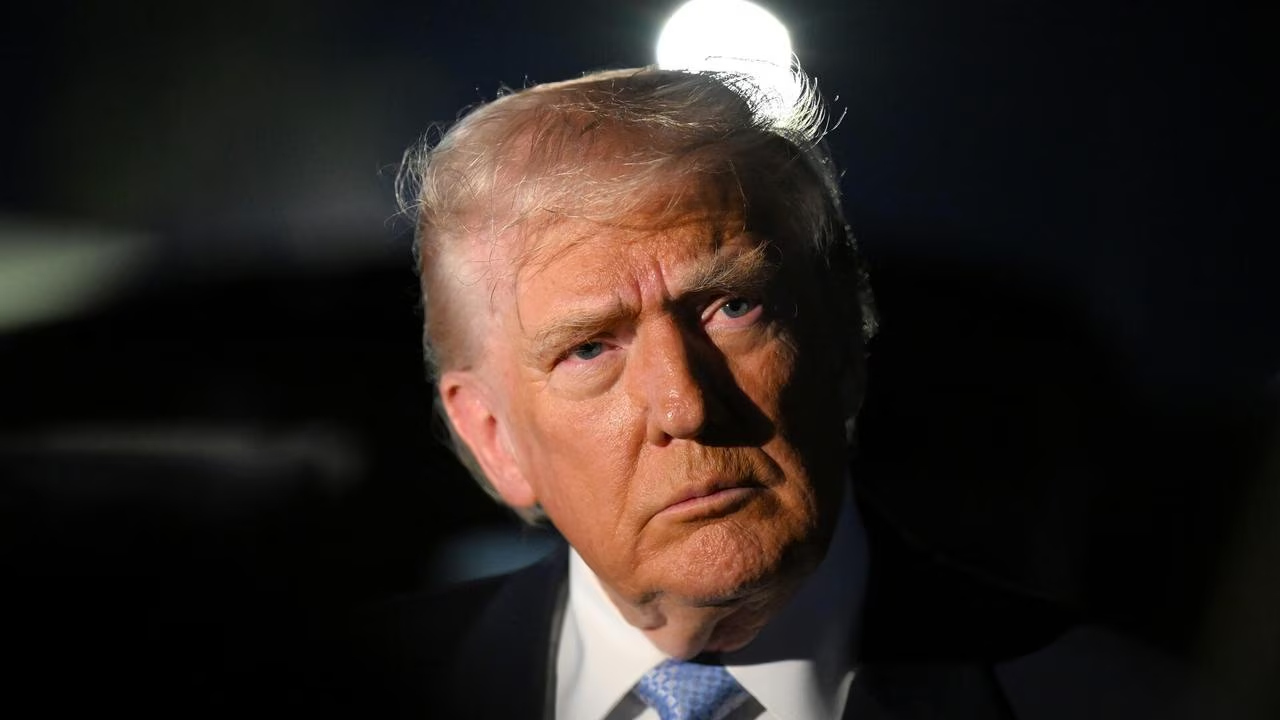
Questions have intensified over U.S. President Donald Trump’s handling of the Iran issue, particularly his fluctuating approach to negotiations and military threats. Analysts say that over the past two and a half months, Trump has created a situation that obscures reality and reflects internal contradictions. Despite repeatedly claiming that Iran is desperate for a deal, he has eased deadlines, downplayed Iranian provocations, and softened his tone after issuing threats, including a recent reversal on a planned assault on Iran’s Kharg Island. Critics argue that Trump’s reluctance to escalate militarily has allowed Iran to exploit the situation, prolonging both the conflict and its economic fallout. The issue is now intersecting with the 2026 U.S. midterm elections, potentially giving Iran political leverage. Trump’s muted response to the downing of a U.S. Apache helicopter and his mixed messages about deploying troops have further fueled debate. Experts warn that Trump’s flexibility and premature disclosure of plans are strengthening Iran’s bargaining position, while rising domestic inflation could deepen political challenges for Republicans ahead of the elections.
The ‘1 Nojor’ media platform is now live in beta, inviting users to explore and provide feedback as we continue to refine the experience.