

The ‘1 Nojor’ media platform is now live in beta, inviting users to explore and provide feedback as we continue to refine the experience.
Liton Ershad, secretary general of Nirapad Sarak Chai (NISCHA), was critically injured on June 11, 2026, around 10 a.m. when a speeding leguna hit him while he was crossing the road at Shahjahanpur Amtala intersection in Dhaka. Witnesses said he was thrown to the ground and sustained serious head injuries. Bystanders provided initial aid before taking him to Islami Hospital, where doctors gave six stitches to his head and placed him under observation. NISCHA leaders expressed deep concern over the incident, questioning whether it was a mere accident or a deliberate attack. The organization has long campaigned to ban illegal and reckless vehicles such as battery-powered rickshaws and legunas, and recently the government began considering related measures. The timing of the incident has raised suspicion within the organization about possible motives behind it. NISCHA demanded a fair and prompt investigation, identification of the leguna and its driver, and legal action. The group reaffirmed its commitment to continue advocating for safer roads and urged law enforcement to uncover the true cause of the incident.

Bangladesh’s Finance Minister Amir Khosru Mahmud Chowdhury has proposed a Tk 10,350 crore allocation for the Ministry of Disaster Management and Relief in the 2026–27 fiscal year budget, up from Tk 9,069 crore in the revised 2025–26 budget. The proposal was presented in parliament on Thursday under the chairmanship of Speaker Major (Retd.) M Hafizuddin, following approval by the parliamentary business advisory committee. In his budget speech, the minister emphasized the government’s focus on sustainable disaster management and mitigation, citing recurring natural calamities such as floods, cyclones, and tidal surges. He also noted continued humanitarian assistance for over 1.1 million displaced citizens from Myanmar. The budget includes allocations for rural employment, infrastructure maintenance, and food distribution programs, as well as ongoing construction of disaster shelters and canal excavation projects. The ministry is advancing the establishment of a National Emergency Operation Center and has purchased modern rescue equipment worth Tk 521 crore. Satellite technology is being used to strengthen disaster forecasting and riverbank monitoring, while SMS alerts and a toll-free weather information service are being expanded nationwide.
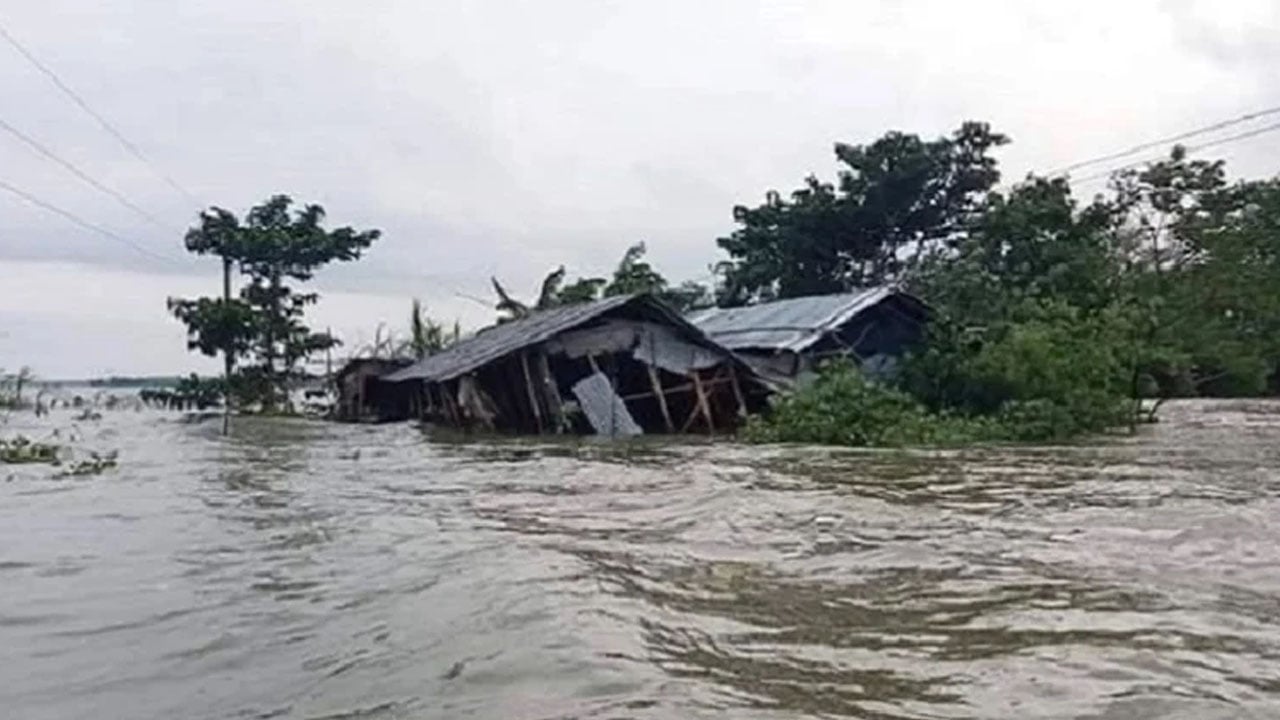
The Bangladesh government has proposed an allocation of Tk 31,099 crore for the Ministry of Home Affairs in the 2026–27 national budget, presented in parliament on June 11 by Finance Minister Amir Khosru Mahmud Chowdhury. The increase, compared to the previous year’s revised allocation of Tk 27,174 crore, aims to modernize law enforcement, strengthen border security, enhance cybercrime response, and improve disaster management. The budget emphasizes technology-driven security measures and modernization of key agencies including the police, Border Guard Bangladesh (BGB), Coast Guard, Fire Service, and Department of Narcotics Control. According to the budget documents, major investments will focus on public safety, border management, and digital transformation of policing. Projects include modern equipment for Dhaka Metropolitan Police, construction of a counterterrorism and international crime prevention center, and expansion of digital investigation capacity. The plan also covers new border observation posts, coastal patrol vessels, new fire stations, drug rehabilitation centers, and prison infrastructure upgrades. Analysts cited in the report said the increased allocation reflects growing challenges in internal security and cyber threats. If implemented effectively, the proposed investments are expected to strengthen Bangladesh’s security infrastructure and enhance technological readiness across law enforcement agencies.

Finance Minister Amir Khosru Mahmud Chowdhury presented the proposed national budget for the 2026–27 fiscal year in the Jatiya Sangsad on Thursday. The total ministry-wise allocation amounts to Tk 9.3 trillion, with the highest share going to the Secondary and Higher Education Division at Tk 573.02 billion. The lowest allocation was proposed for the Ministry of Disaster Management and Relief, receiving Tk 103.5 billion. Other major allocations include Tk 493.87 billion for the Health Services Division, Tk 467.38 billion for the Primary and Mass Education Ministry, Tk 424.97 billion for the Defence Ministry, Tk 402.46 billion for the Local Government Division, Tk 369.18 billion for the Road Transport and Highways Division, and Tk 310.99 billion for the Home Ministry. The total proposed budget size stands at Tk 9.38 trillion, up from Tk 7.88 trillion in the revised 2025–26 budget. The government set a revenue target of Tk 6.95 trillion. Operating expenditure is projected at Tk 6.0574 trillion, while total development spending, including the Annual Development Programme, is set at Tk 3.16075 trillion to sustain infrastructure growth.

In the proposed national budget for the 2026–27 fiscal year, Bangladesh’s Finance Minister Amir Khosru Mahmud Chowdhury has announced the continuation of an environmental surcharge for individuals owning more than one motor vehicle. The proposal, presented in Parliament on Thursday, specifies that each additional vehicle registered under a person’s name will incur a surcharge based on engine capacity or kilowatt rating. According to the proposal, vehicles up to 1500cc or 75 kilowatts will be charged 25,000 taka each, while those between 1500cc and 2000cc will face a 50,000 taka surcharge. The rates increase progressively, reaching 350,000 taka for vehicles exceeding 3500cc or 175 kilowatts. The lowest-rated vehicle owned by an individual will be exempt from the surcharge calculation. The tax will be collected at the time of vehicle registration or fitness renewal by the relevant authorities. The measure aims to maintain environmental accountability among vehicle owners and is part of broader fiscal proposals for the upcoming financial year.

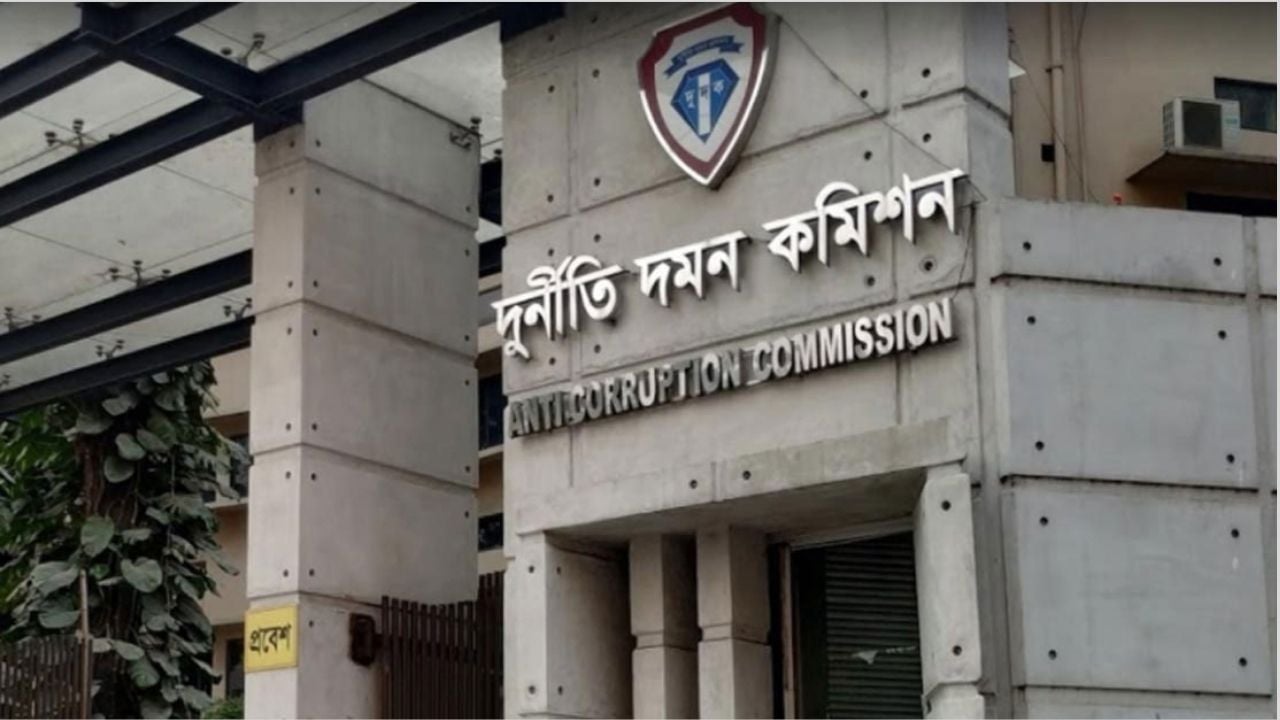
The proposed national budget for fiscal year 2026–27 includes an allocation of Tk 196.58 crore for the Anti-Corruption Commission (ACC). Of this amount, Tk 187 crore is designated for operational expenses and around Tk 10 crore for development projects. In the previous fiscal year 2025–26, the ACC’s proposed allocation was Tk 191 crore, later revised to about Tk 203 crore, making the new proposal slightly lower than the revised figure. According to the budget document, the ACC plans to strengthen its institutional capacity, expand anti-corruption awareness, and promote social movements against corruption. The commission will form 13-member metropolitan and district committees, 9-member upazila committees, and new union-level committees to institutionalize anti-corruption efforts nationwide. Infrastructure development plans include constructing new divisional offices in Khulna, Rajshahi, Rangpur, Barishal, and Sylhet, and expanding the Mymensingh office. The ACC will also enhance information technology capacity and expand its “Satata Sangha” program in educational institutions to foster integrity among youth. Activities such as honesty stores and public hearings will continue to encourage civic participation.
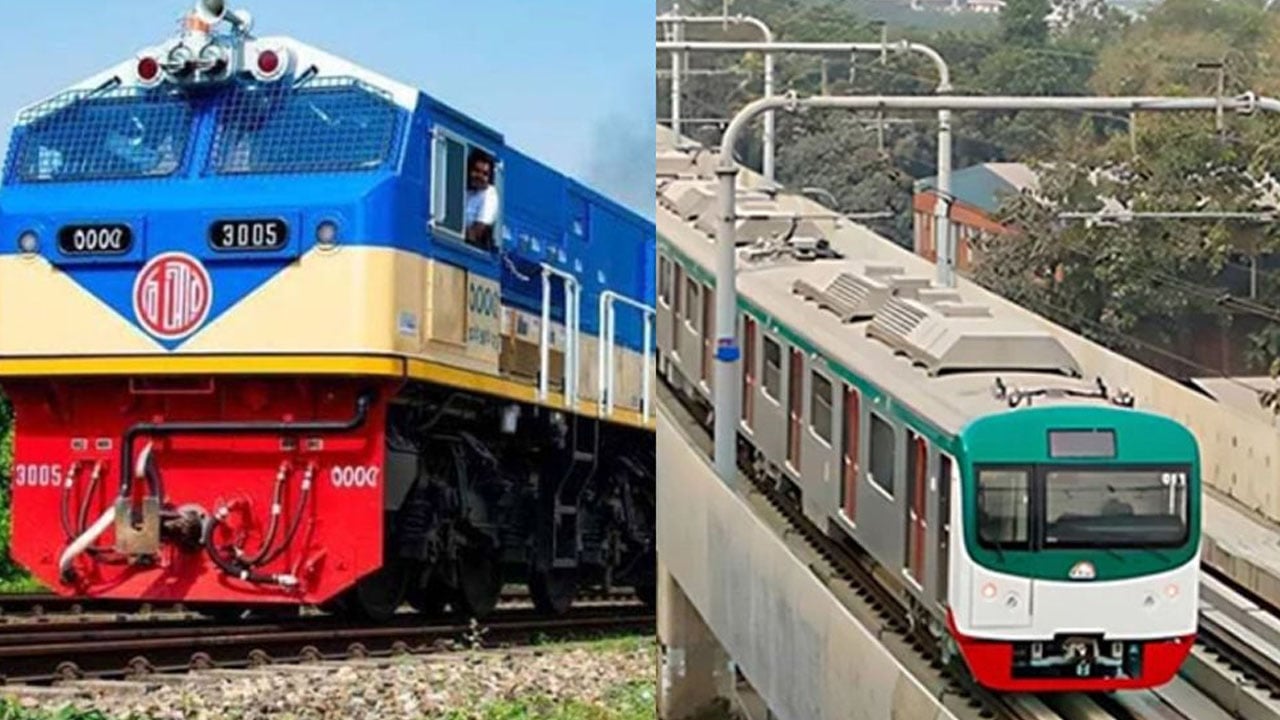
The government of Bangladesh has proposed a 25 percent fare discount for citizens aged 65 years or older and for persons with disabilities or special needs when traveling by train or metro. The proposal is included in the upcoming national budget for the next fiscal year, aiming to make public transport more inclusive and affordable for vulnerable groups. Alongside this measure, the government has outlined several major infrastructure projects to modernize the country’s communication network. These include connecting national highways to international routes, upgrading major economic corridors to four lanes, and implementing bus route rationalization in urban areas. Plans also cover the construction of a second Jamuna Bridge, the Dhaka–Chattogram elevated expressway, and the introduction of electronic toll and smart traffic systems. The budget further envisions replacing old buses with electric ones, expanding the rail network to all districts, and developing a 3,000-kilometer expressway grid. It also includes initiatives to enhance port capacity and establish Cox’s Bazar, Jashore, Rajshahi, and Saidpur as international gateways.
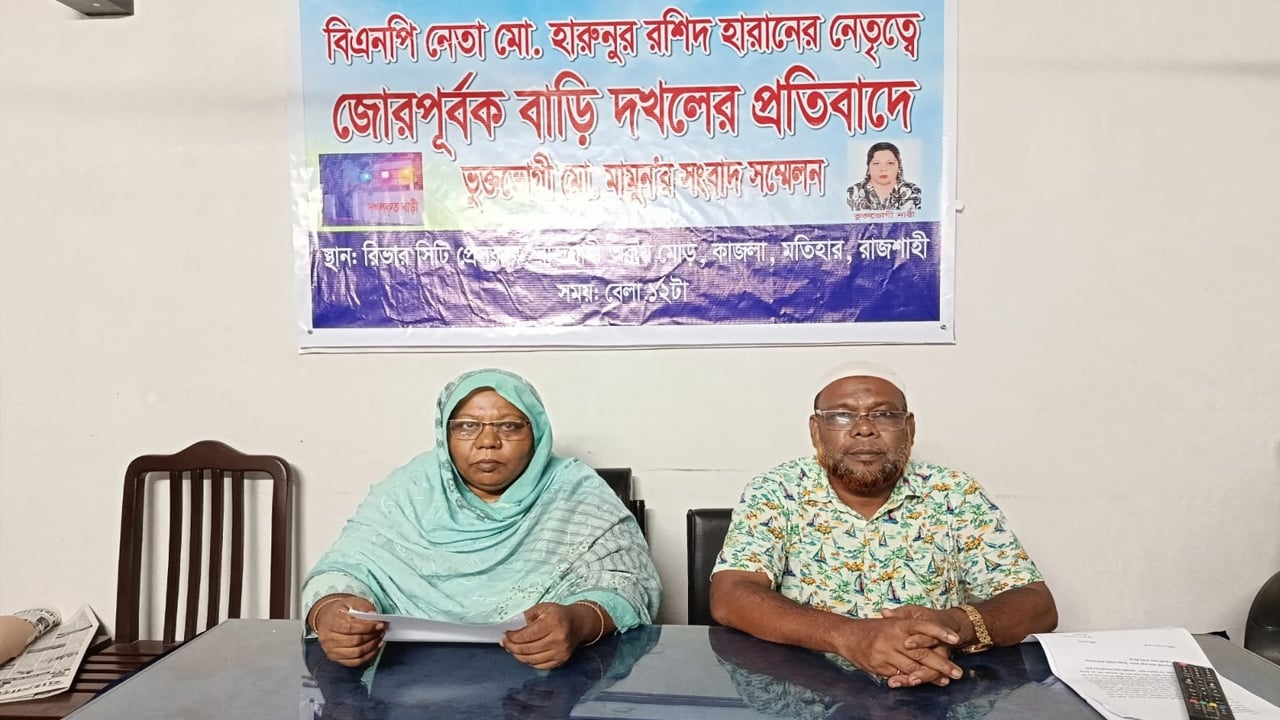
A man named Md. Mamun has accused a local BNP leader of forcibly taking over his house in Rajshahi’s Naodapara area. At a press conference on Thursday, Mamun alleged that on Tuesday night, several people led by BNP Ward 17 Member Secretary Md. Harunur Rashid Haran broke the lock of his house and occupied it. He claimed that after the incident, a police officer named Abir moved into the house with his family while Mamun’s belongings, including furniture, cash, and jewelry, remained inside. Mamun, an employee at Rajshahi University of Engineering and Technology, said he bought the property in May 2024 for about 3.5 million taka using savings and loans. Haran denied the allegations, stating that Mamun had not lived in the house since August 2024 and that the property was being maintained by locals before Abir moved in. He said he advised Mamun to pursue legal means to reclaim the house. Rajshahi Metropolitan BNP President Mamun Ar-Rashid said he does not support any wrongdoing under political cover. Shah Makhdum Police Station’s Officer-in-Charge Kabir Hossain confirmed that Mamun’s wife filed a written complaint, which is under investigation.
Bangladesh Finance Minister Amir Khasru Mahmud Chowdhury announced that the corporate tax rate will remain unchanged for the upcoming fiscal year. The existing rate from the current fiscal year will continue, with the decision aimed at maintaining policy consistency and providing long-term tax certainty for investors. Although the rate will not change immediately, the minister stated that efforts will be made to gradually reduce corporate taxes in the future by expanding the overall tax base to ensure adequate revenue collection. He also emphasized simplifying tax administration and making it more business-friendly. The minister proposed several targeted tax incentives, including zero percent turnover tax for startups and technology-based enterprises, tax exemptions for SME entrepreneurs up to 5 million taka and for women and disabled entrepreneurs up to 7 million taka, zero percent tax for solar power investments until 2035, and full tax exemption for edible oil production using domestic seeds for the first five years, followed by partial exemption for the next five years.
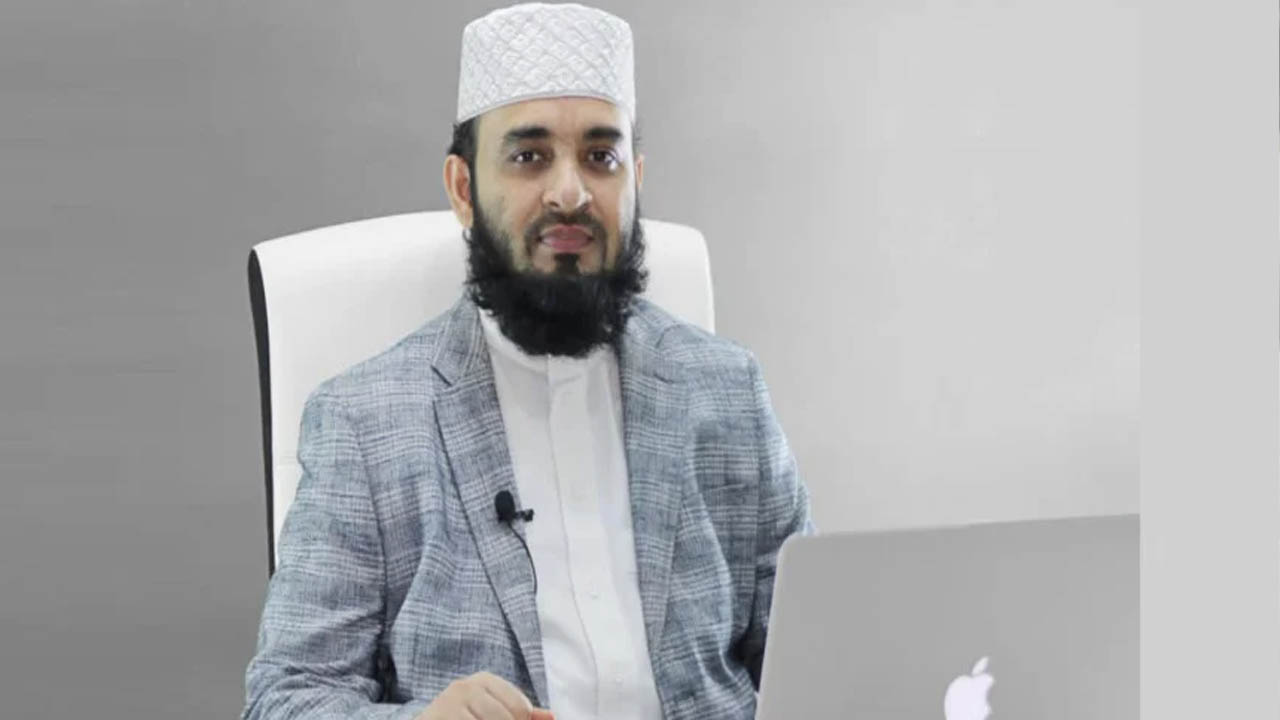
Prominent Islamic scholar and preacher Dr. Mizanur Rahman Azhari has described so-called 'Hilla marriages'—arranged solely to make a woman permissible again for her former husband—as a major sin and a misuse of Islamic law. In a post on his verified Facebook page on Thursday, he urged Muslims to avoid such practices. He also shared a hadith from Sunan Ibn Majah, which condemns both the man who performs such a marriage and the one for whom it is arranged. Azhari emphasized that every provision of Sharia is divinely ordained to ensure justice and human welfare across all times and societies. He stated that manipulating or circumventing these divine laws cannot be the act of a practicing Muslim. He clarified that normal marriages are permissible, but prearranged or staged marriages intended to make a woman lawful again for her previous husband are strictly forbidden. He further explained that if a woman, after a lawful divorce, remarries naturally and that marriage ends for genuine reasons, she may remarry her former husband after completing the required waiting period.
The government of Bangladesh has announced an expansion of its social protection programs aimed at improving the welfare of women and children. Under the Mother and Child Support Program, a total of 1,895,200 mothers will receive a monthly allowance of 850 taka. Additionally, 60 new modern day-care centers will be established across the country to support working parents and enhance child care services. The plan also includes extending the Vulnerable Women Benefit (VWB) program to 1.04 million families, each receiving 30 kilograms of rice per month. The number of widowed and husband-abandoned women receiving allowances will be increased by 100,000, raising the total to 3 million beneficiaries, each entitled to a monthly payment of 700 taka. These initiatives reflect the government’s continued focus on strengthening social safety nets and supporting vulnerable groups, particularly women and children, through direct financial and service-based assistance.

The proposed Bangladesh national budget for fiscal year 2026–27 has made only a minimal increase in the price of low-tier cigarettes and kept taxes on bidi, gul, and jorda unchanged. According to research and advocacy groups PROGGA and ATMA, the lack of reform in the tobacco tax structure and the failure to introduce a specific excise system will make tobacco products more affordable in real terms, potentially increasing consumption and related health risks. The groups warn that the government will also lose the opportunity to raise significant additional revenue. Under the proposal, the price of a 10-stick pack of low-tier cigarettes would rise by only 2 taka to 62 taka, a 3.33 percent increase, far below the 10.27 percent growth in per capita income. Prices for mid-tier, high-tier, and premium cigarettes would rise by 15, 14.29, and 13.51 percent respectively. PROGGA and ATMA argue that merging the lower tiers and introducing a specific tax could generate about 440 billion taka in extra revenue and prevent roughly 400,000 premature deaths. The budget also proposes new taxes on nicotine pouches and heated tobacco but ignores the Health Ministry’s call to ban them, raising further public health concerns.

The Government of Bangladesh has outlined several environmental and development initiatives in its proposed national budget, including the construction of the Padma Barrage to improve agriculture, environment, and water management in the southwest region. The project is expected to benefit about 37 percent of the country’s population once implemented. In addition to the barrage, the government plans to launch large-scale environmental programs to address climate change and promote sustainability. These include a five-year target to plant 2.5 billion trees and create approximately 3,500 green jobs. Authorities are also considering a 'One Child, One Tree' initiative that would add another 10 million trees under the same plan. The government further aims to reduce plastic waste by 30 percent within five years through the 'Reduce, Reuse, Recycle' (3R) policy framework, reinforcing its commitment to environmental protection and resource efficiency.

Bangladesh is set to require all business entities to obtain a Business Identification Number (BIN) for accessing seven types of financial and utility services. According to a proposed amendment to the Value Added Tax and Supplementary Duty Act, 2012, businesses must present a BIN when opening or operating current or STD accounts in banks or non-bank financial institutions. The amendment further stipulates that a BIN or proof of registration will be mandatory for obtaining loans from financial institutions, renewing trade licenses, opening merchant accounts for mobile financial services, acquiring or renewing membership in trade organizations, securing electricity and gas connections in a company’s name, and registering vehicles for business use with the BRTA. Officials from the National Board of Revenue (NBR) said the move is part of a broader effort to expand the VAT coverage. The proposal reflects the government’s ongoing initiative to formalize business operations and strengthen tax compliance through digital identification and registration systems.

The Bangladesh government has proposed raising the excise duty exemption limit on bank deposits in the 2026–27 fiscal year budget. Finance Minister Amir Khasru Mahmud Chowdhury announced in Parliament that depositors with up to four lakh taka in their bank accounts will not have to pay excise duty from the next fiscal year. The measure aims to provide relief to small depositors. Currently, excise duty is charged annually on bank accounts with deposits of three lakh taka or more. The new proposal increases this threshold to four lakh taka. The finance minister also stated that excise duty will be deducted only once against a single loan account, even if multiple deals or accounts are linked to it. The proposed 2026–27 budget totals 9.38 trillion taka, with a revenue target of 6.95 trillion taka and a deficit of 2.43 trillion taka. The government plans to finance the deficit through both domestic and foreign sources.
The ‘1 Nojor’ media platform is now live in beta, inviting users to explore and provide feedback as we continue to refine the experience.