

The ‘1 Nojor’ media platform is now live in beta, inviting users to explore and provide feedback as we continue to refine the experience.
The United States Central Command (CENTCOM) has confirmed that its forces carried out multiple strikes on targets across Iran under the directive of President Donald Trump. In an update posted on social media platform X, CENTCOM stated that the attacks targeted Iran’s military surveillance capabilities, communication systems, and air defense infrastructure. According to CENTCOM, precision munitions were used against specific Iranian sites that allegedly posed threats to international commercial shipping routes and US forces in the region. The command described the strikes as a response to what it called Iran’s “unwarranted and ongoing aggression.” CENTCOM concluded its message by emphasizing that US forces remain vigilant, lethal, and prepared, signaling continued readiness amid heightened regional tensions.
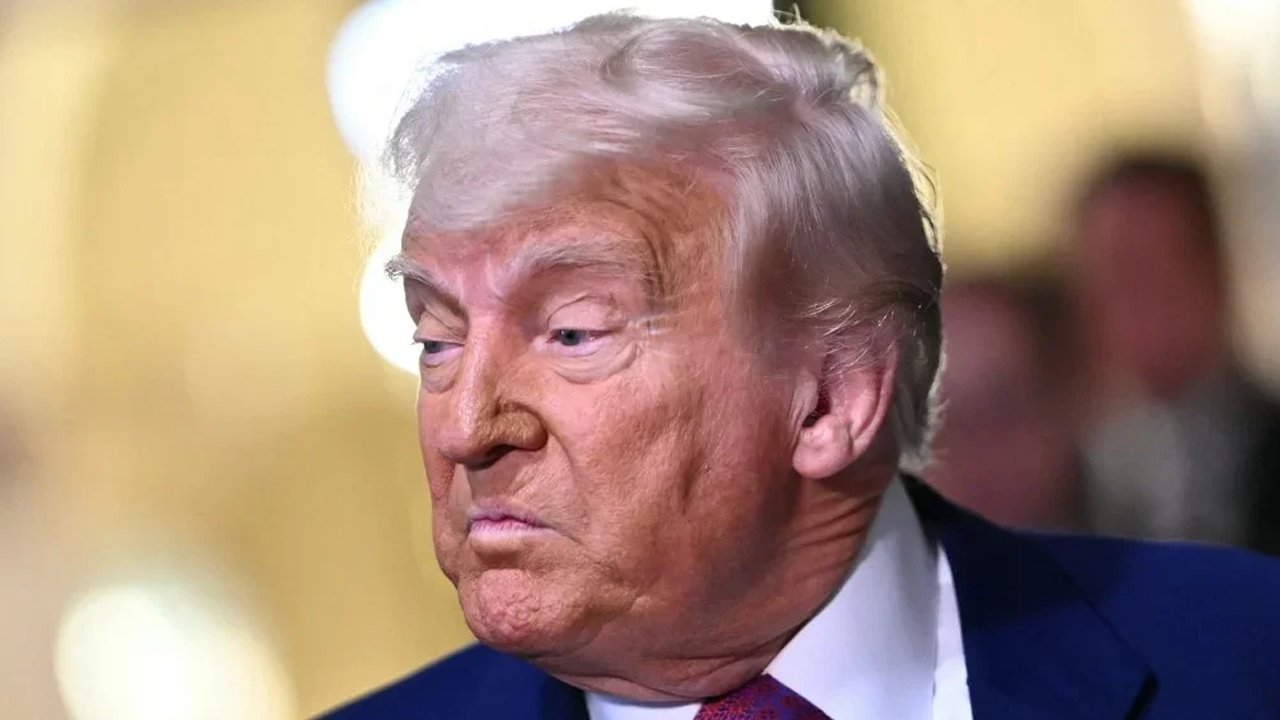
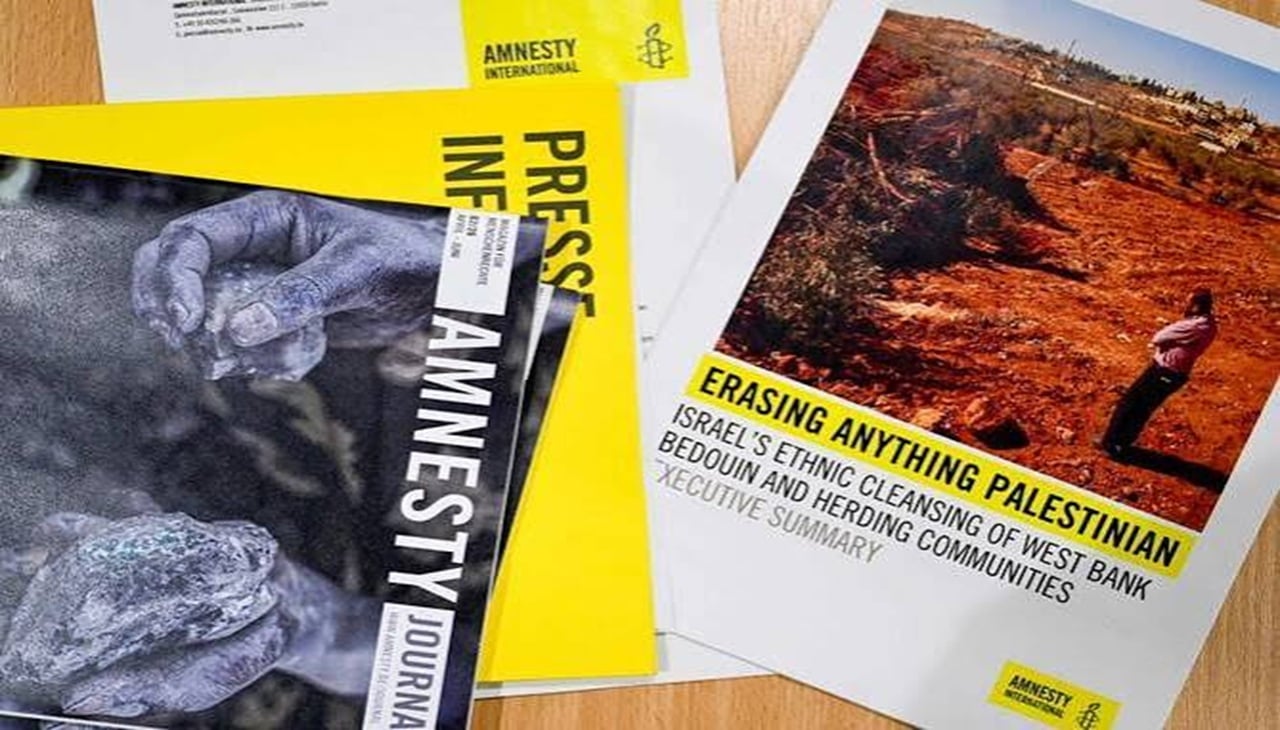
Amnesty International has accused Israel of conducting a state-led campaign of ethnic cleansing against Bedouin and herding communities in the occupied West Bank. The rights group’s report, released Wednesday from Ramallah, claims that Israel’s actions are accelerating the annexation of Palestinian territories. It says these rural Palestinian groups are the main victims of settler violence and forced displacement, with at least 27 communities in Area C displaced or at risk between 2023 and 2025. The report states that Israel’s current right-wing government is supporting settlers’ religious nationalist agenda by expanding settlements, increasing financial and logistical aid, and allowing settlers to carry weapons, leading to state-backed violence. Amnesty argues that these policies, along with public calls by some Israeli officials to reduce Palestinian presence, amount to deliberate state policy. The organization says such forced expulsions and population transfers could constitute war crimes and crimes against humanity. Amnesty’s Secretary General Agnes Callamard, presenting the report in Berlin, urged the European Union to suspend agreements with Israel, saying symbolic sanctions have failed to curb settlement expansion or violence.
Lionel Messi set another historic milestone for Argentina by becoming the nation’s oldest goalscorer. In a World Cup warm-up match against Iceland in Alabama, Argentina won 3–0, with Messi scoring from a penalty in the 72nd minute. At 38 years, 11 months, and 17 days old, he surpassed Ángel Amadeo Labruna’s 68-year-old record, which had stood since 1957 when Labruna scored against Brazil at 38 years, 9 months, and 9 days. Messi now has 117 goals for Argentina, far ahead of Gabriel Batistuta’s 55. Over a 21-year international career, he has played 199 matches for the national team. His next appearance, in Argentina’s opening World Cup match, will mark his 200th cap. Despite breaking Labruna’s scoring record, Messi has yet to surpass Labruna’s record as Argentina’s oldest player, set at 39 years, 8 months, and 16 days during the 1958 World Cup. Messi also has the chance to become Argentina’s oldest World Cup goalscorer if he scores in the upcoming tournament, surpassing Martín Palermo’s record from 2010.

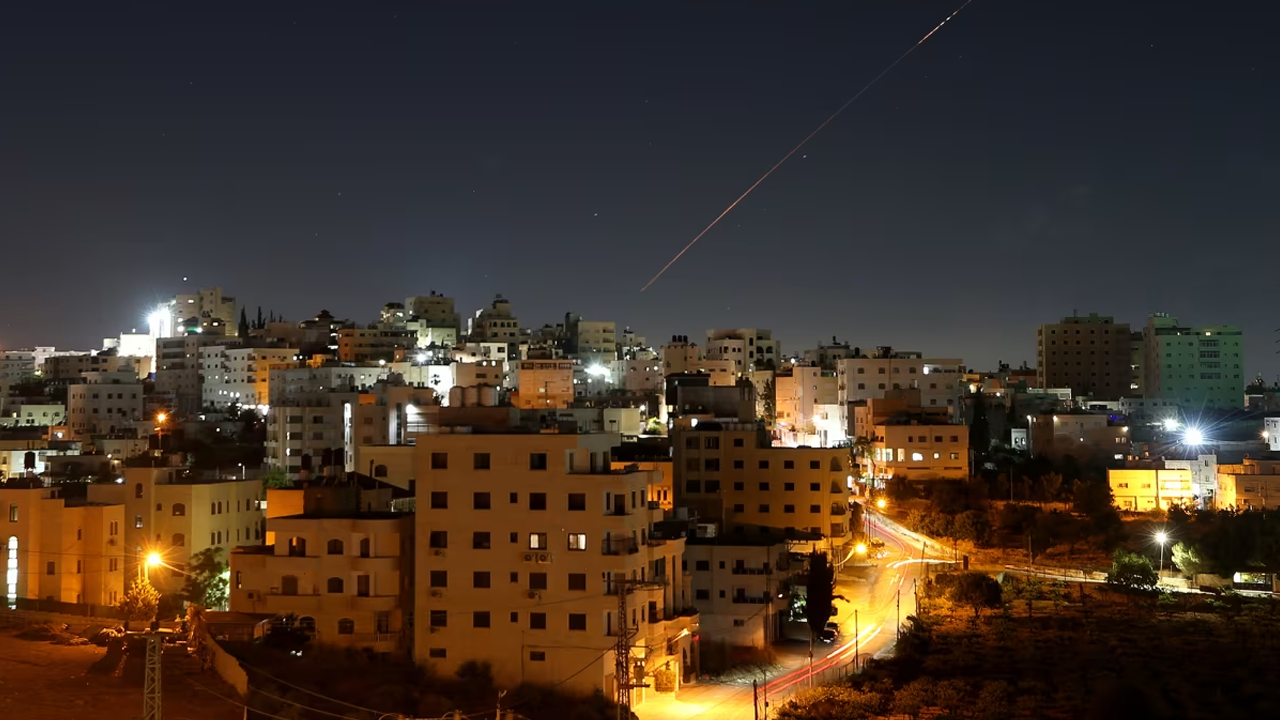
Analysts describe Iran’s recent missile attacks on Israel as its most daring move in decades, signaling a break from the long-standing pattern of proxy warfare and limited retaliation in the Middle East. The strikes, launched in response to Israeli attacks in Lebanon, indicate Tehran’s willingness to extend its ‘red line’ beyond its borders and take greater risks under its new leadership. Despite a ceasefire agreement signed between the United States and Iran on April 8, Tehran accuses both Washington and Tel Aviv of violating it through continued military actions. Lebanon’s prime minister reported thousands of Israeli strikes, while Iran responded with limited counterattacks and warned of broader escalation if diplomacy fails. The downing of a U.S. helicopter has further heightened regional instability. Experts attribute this assertive stance to Iran’s new generation of leaders who have abandoned the strategy of “strategic patience.” They are now using direct military and economic power to shape regional geopolitics. Observers note that Iran is exploiting divisions between Washington and Tel Aviv, as U.S. President Donald Trump urges restraint while Tehran seeks to strengthen its diplomatic leverage.
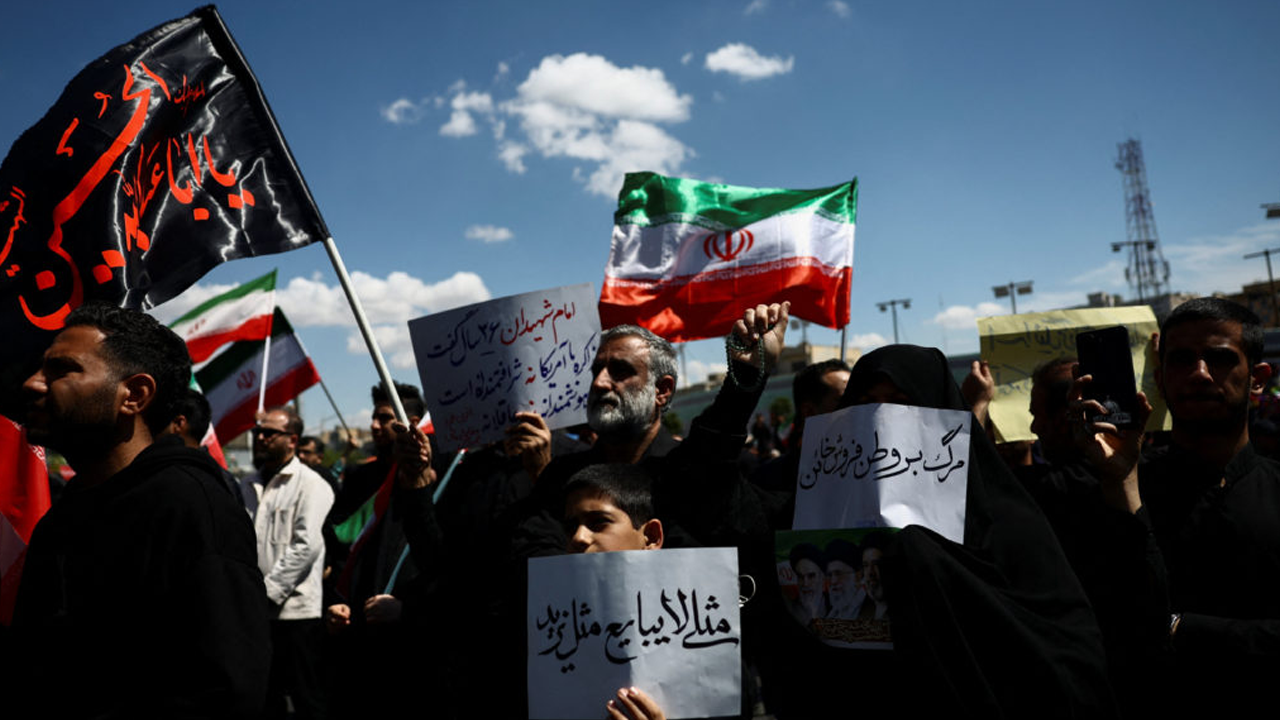
A coalition of 22 countries, including the United States and the United Kingdom, has called on Iran to immediately stop what they describe as killings, abductions, and harassment of dissidents and journalists living in Europe, North America, and Australia. The appeal was reported by Al Jazeera on June 10, 2026, citing a joint statement released by the UK’s Foreign, Commonwealth and Development Office. According to the statement, Iran’s Islamic Revolutionary Guard Corps (IRGC) intelligence branch, Quds Force, and the Ministry of Intelligence and Security have been carrying out hostile and threatening activities abroad targeting Iranian political dissidents, journalists, Jewish communities, and individuals or organizations linked to Israeli interests. The signatories warned Tehran that they remain united and determined to protect their sovereignty and citizens from such transnational threats. The statement was endorsed by countries including Albania, Australia, Belgium, Bulgaria, Canada, Czechia, Denmark, Estonia, France, Finland, Germany, Ireland, Latvia, Lithuania, the Netherlands, New Zealand, North Macedonia, Norway, Portugal, and Sweden.
Police in Shariatpur detained two Awami League activists following a raid on a gathering allegedly organized under the pretext of a khichuri event. The operation took place on Wednesday night, June 10, in the Bildeonia area of Rajnagar Union under Naria upazila. Acting on a tip-off, Naria police arrived at the scene, prompting many participants to flee, leaving behind cooked food and other items. Two individuals, identified as residents Saiful Islam, 22, and Zobayer Islam Onik, 21, were arrested. According to police sources, both detainees are believed to be involved in Awami League politics. Authorities stated that the raid was part of ongoing surveillance on political gatherings in the area. The local police chief confirmed that legal action against the detainees is in process. The incident has sparked widespread discussion in the locality, and police said further investigation is underway to determine the nature of the gathering and take necessary legal measures.

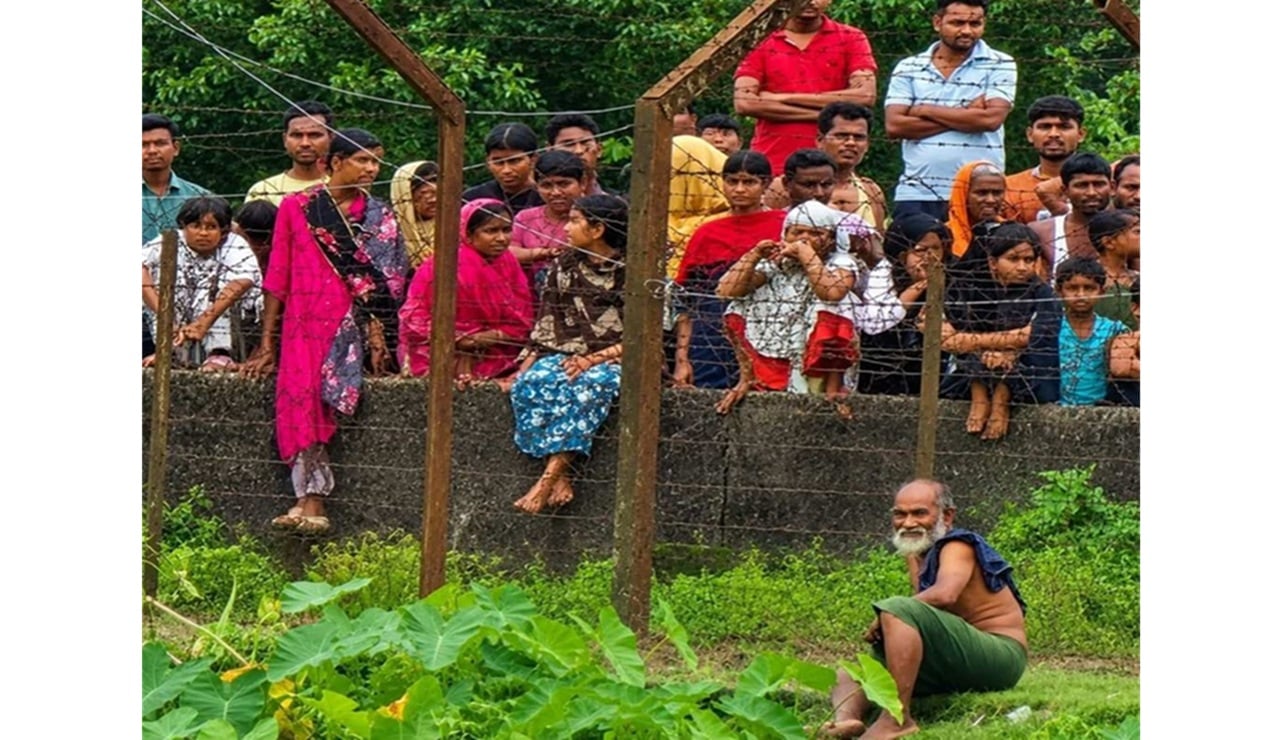
An elderly Indian Muslim man has been stranded for several days in the no-man’s land between India and Bangladesh near the Dewanganj border in Jamalpur. Local sources and the Border Guard Bangladesh (BGB) reported that members of India’s Border Security Force (BSF) from Assam’s Nandirchar camp attempted to push the man, a resident of Chennai, into Bangladesh through the Jhaudanga border. The BGB and local residents intervened to prevent the push-in, but the man remained trapped between the two countries, suffering from hunger and exposure. BGB commander Lieutenant Colonel Hasanur Rahman stated that BSF has repeatedly tried to push people across the border illegally and that BGB remains on high alert. Despite attempts to resolve the issue through a flag meeting, no solution was reached. Local residents and rights activists described the incident as part of a growing pattern of Indian Muslim citizens being forced toward Bangladesh. Human rights worker Jahangir Selim said such actions violate international law and human rights principles. Observers at the scene questioned the humanitarian implications, noting that the stranded man’s plight highlights broader concerns about citizenship, identity, and state responsibility along the border.
Bangladesh’s Rapid Action Battalion (RAB) has arrested two suspects in connection with the killing of BNP leader Billal Hossain Talukder in Dhaka’s Mouchak area. The detainees are identified as Siraj, the fourth accused in the case and alleged mastermind, and Rakibul Islam Shihab, known as Golden Rakib, the tenth accused. RAB-3 confirmed the arrests in a text message on Wednesday night, stating that the operation was conducted in separate raids in Lakshmipur district. With these arrests, a total of four suspects have now been detained in the case. According to RAB-3, the arrests followed the fatal stabbing of Billal Hossain Talukder during a mediation meeting at the Anarkali Market area of Mouchak on Monday night. Billal, a former convener of the Swechchhasebak Dal’s Ramna unit, was taken to Dhaka Medical College Hospital in critical condition, where doctors declared him dead around 9:15 p.m. Authorities said further details about the investigation would be shared later. The arrests mark a key development in the ongoing investigation into the high-profile killing, which has drawn attention within political circles.

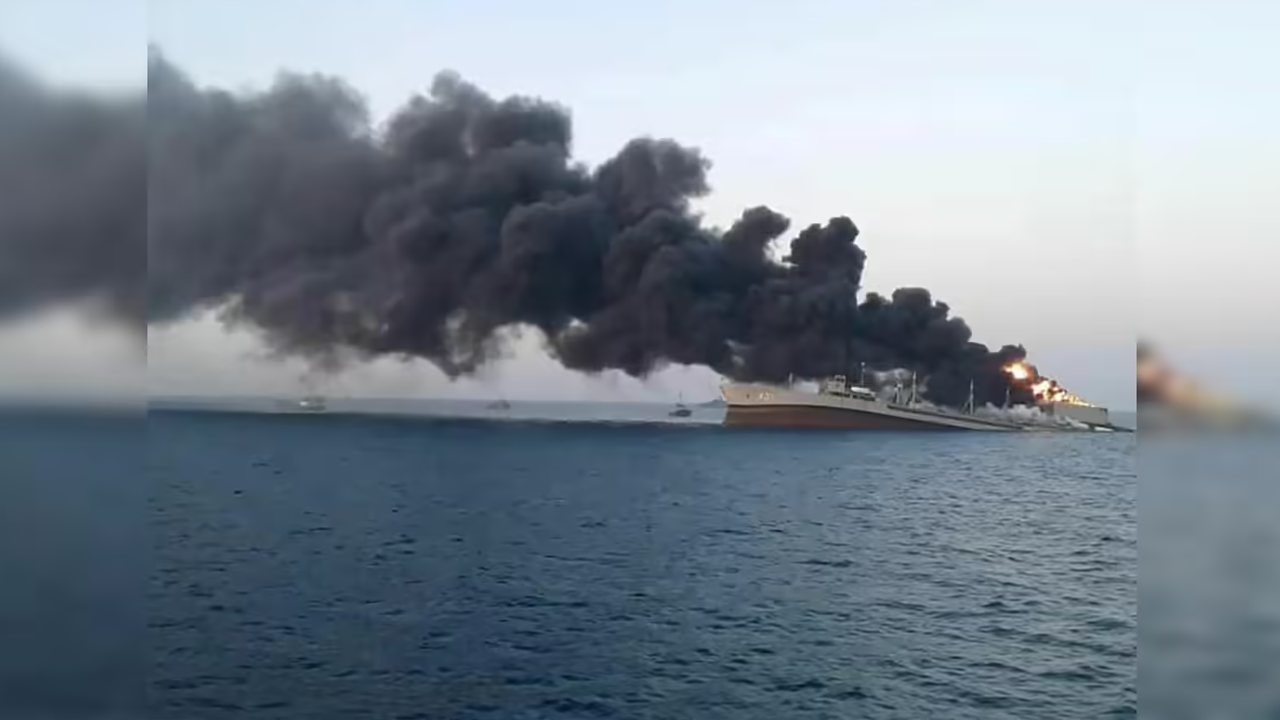
India has summoned a senior US diplomat in New Delhi following an attack on a commercial tanker near the coast of Oman that left three Indian nationals missing. According to India’s Ministry of External Affairs, US Chargé d’Affaires Jason Meeks was called in on Wednesday to receive a formal protest. The incident has triggered diplomatic tension between the two countries. The tanker, named Settébello, carried 24 Indian crew members. Twenty-one were rescued after the attack, while three remain unaccounted for. UK-based maritime security firm Ambrey reported that the strike may have resulted from a US military operation aimed at blocking Iranian ports. The US Central Command stated that the vessel was attempting to breach sanctions by heading toward Iran and was disabled by precision fire targeting its engine room. India expressed deep concern over the attack, emphasizing the need to ensure the safety of civilian ships and sailors in international waters. Coordination with Omani authorities is ongoing to locate the missing crew members.
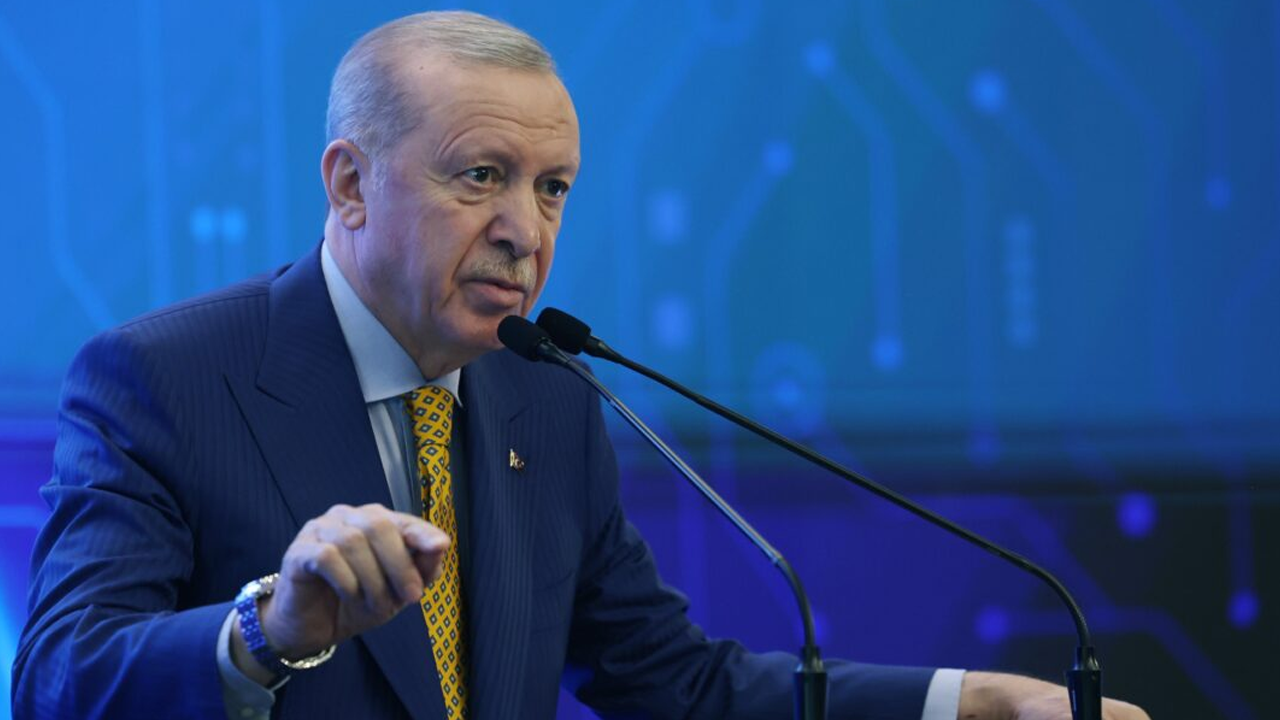
Turkish President Recep Tayyip Erdogan has warned that Israel’s continued attacks in Syria and Lebanon have reached a level that poses a direct security threat to Turkey. Speaking to lawmakers from his ruling AK Party on Wednesday, Erdogan described Israel’s actions as aggression that endangers global stability and must be stopped immediately. He accused Israeli Prime Minister Benjamin Netanyahu and his associates of escalating the situation to a point that now threatens Turkey’s own safety, emphasizing that Ankara’s security is closely tied to that of Syria and Lebanon. Turkey, a NATO member, has long condemned Israel’s operations in Iran, Gaza, and Lebanon, calling Israel the main obstacle to regional peace. Ankara has already suspended all trade with Israel and urged international legal action against it. Erdogan further alleged that Israel is secretly working to destabilize the Mediterranean and Africa by fueling divisions in Cyprus, warning that any violation of Turkish or Turkish Cypriot rights in the Eastern Mediterranean would meet a strong response. Erdogan also blamed Israel for provoking recent U.S.-Iran tensions and urged world powers to take a clearer stance, saying that holding Israel accountable under international law is a shared responsibility of all humanity.
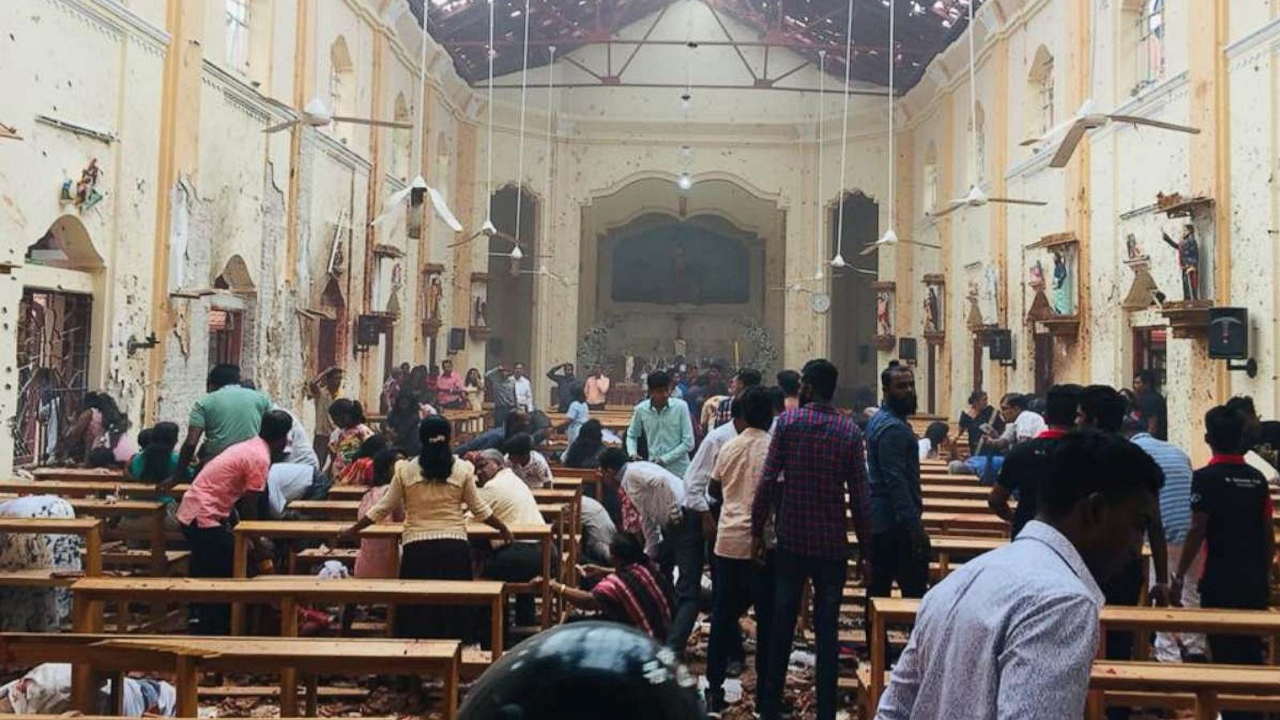
Sri Lanka’s government has officially acknowledged for the first time that its former intelligence chief was directly involved in planning the 2019 Easter Sunday suicide bombings. Public Security Minister Ananda Wijepala told Parliament on Wednesday that then–intelligence head Major General Suresh Salle guided the attacks that killed 279 people. Salle was arrested in February on charges of aiding and abetting terrorism and allegedly met with Muslim men weeks before the bombings to gather details about a Catholic church target. According to the minister, Salle conspired with Islamist extremists and strategically directed them to carry out the attacks. He has denied all allegations through his lawyer and began a hunger strike in prison before being hospitalized. Opposition activists in Colombo have been protesting for his release. Following Salle’s interrogation, a court imposed a travel ban on former President Gotabaya Rajapaksa, who had appointed Salle as intelligence chief in 2019. The Criminal Investigation Department has not yet named Rajapaksa a suspect but may question him soon, as the 2019 bombings remain Sri Lanka’s deadliest terrorist attack on civilians.
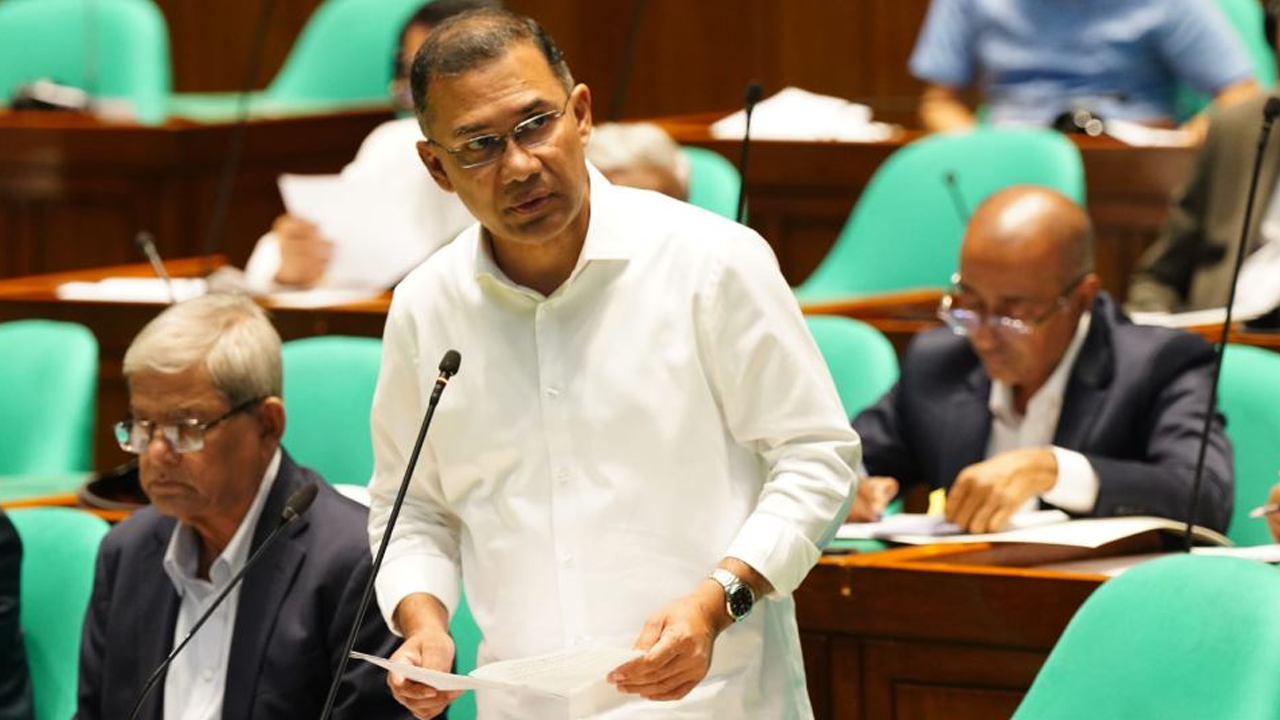
Prime Minister Tarique Rahman announced that the government will launch an e-Health Card pilot program in five districts within 180 days. He made the statement in parliament while responding to a question from BNP lawmaker Shamsur Rahman Shimul Biswas. The project, awaiting approval, will begin in Khulna, Noakhali, Bogura, Sirajganj, and Narsingdi. The e-Health Card will be linked to an electronic referral system and an electronic patient management system. The Prime Minister outlined several initiatives under the government’s 180-day program, including family cards for women heads of households, farmer cards, and debt waivers for small agricultural loans. He also mentioned monthly honorariums for religious workers across mosques, temples, pagodas, and churches, as well as canal excavation projects, tree plantation drives, and free school uniforms for primary students. Additional measures include expanding renewable energy production, increasing education loan limits for students going to Japan, and launching a youth sports talent program titled “Notun Kuri Sports-2026.”
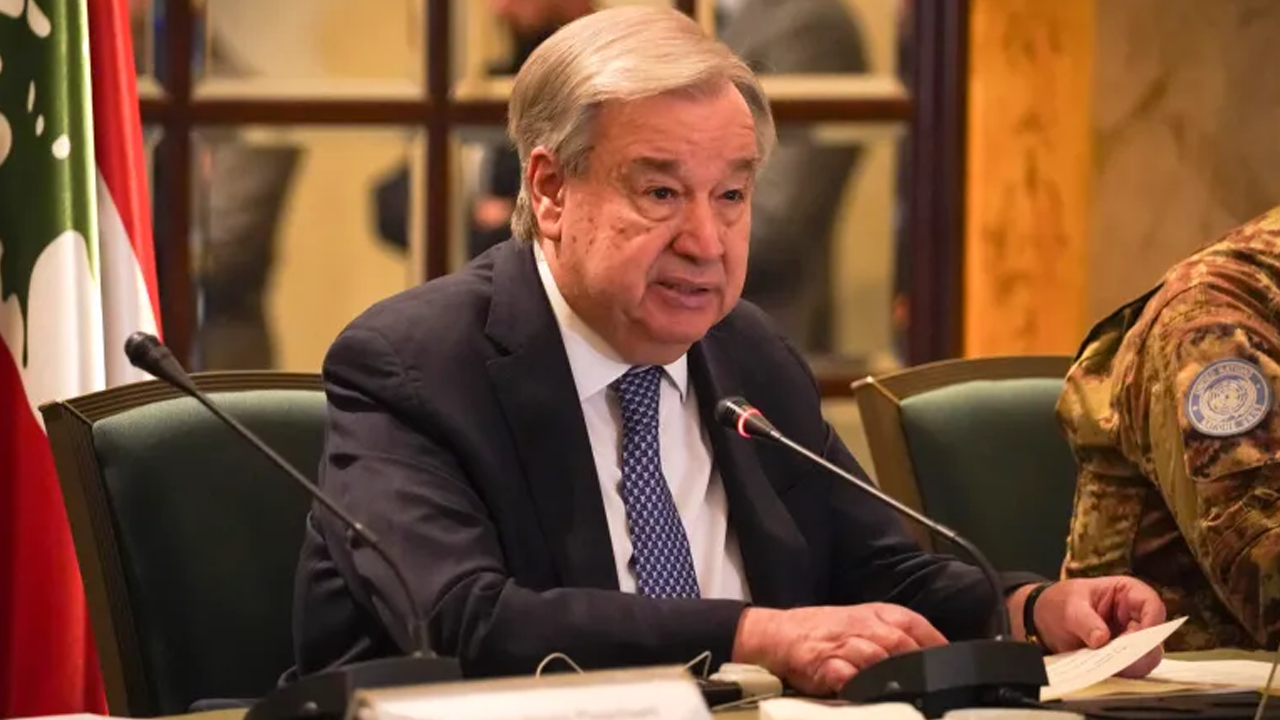
UN Secretary-General António Guterres has warned that the Middle East faces a serious risk of a full-scale war following recent retaliatory attacks between Iran and the United States. Speaking at a United Nations Security Council meeting in New York, he described the regional situation as extremely dangerous and cautioned that tensions could quickly spiral out of control. Guterres emphasized that even a small spark could ignite a much larger conflict, urging all sides to exercise maximum restraint. He noted that in the current tense environment, any miscalculation or wrong move could trigger a major confrontation. The warning came amid escalating hostilities in the region, with reports of new U.S. strikes on Iran and growing international concern over the potential for wider conflict.
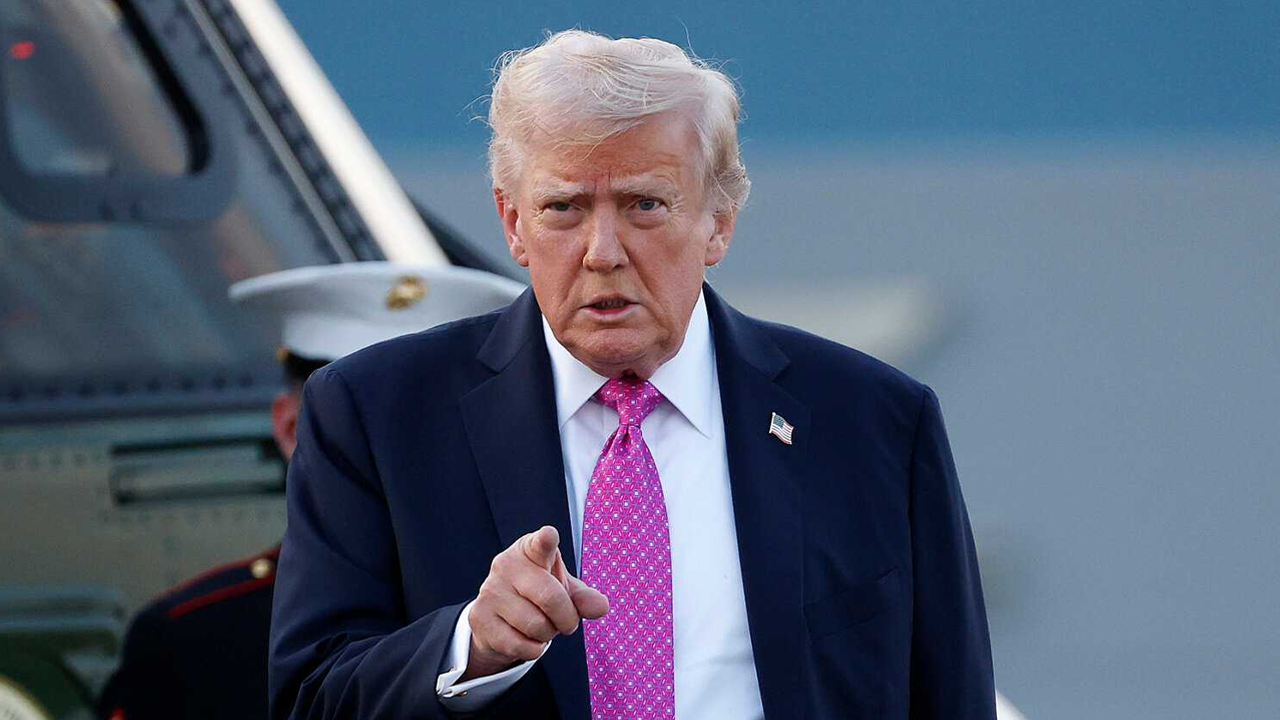
US President Donald Trump has warned that the United States may resume military operations against Iran after ongoing peace talks failed to achieve expected progress. Speaking to reporters at the White House on Wednesday, he said Washington is prepared to take tough measures and hinted that civilian infrastructure could be considered as potential targets if necessary. Trump cited the downing of a US Apache helicopter near the Strait of Hormuz as one of the reasons for possible military retaliation. Trump noted that his administration has been working for months toward a settlement with Tehran, describing the proposed deal as potentially beneficial for Iran. However, he expressed frustration over the slow pace of negotiations and accused Iran of deliberately stalling. When asked whether power plants or bridges could be targeted, he did not rule it out, instead criticizing Tehran for wasting time. Experts warned that targeting civilian infrastructure would raise serious humanitarian and legal concerns under international law. Analysts said the combination of peace talks and military threats could complicate diplomacy and risk escalating the Middle East conflict further.
The European Union’s Copernicus Climate Change Service announced on Wednesday that the likelihood of an extremely strong El Niño weather pattern forming later this year is increasing. Director Carlo Buontempo told AFP that all models had raised their forecasts between May 1 and June 1, indicating a higher probability of a strong or potentially record-breaking El Niño event. El Niño is a natural climate phenomenon that causes warming of surface waters in the central and eastern equatorial Pacific Ocean, leading to global shifts in wind, pressure, and rainfall patterns. According to the latest Copernicus update, 75 percent of participating global meteorologists expect sea surface temperatures in parts of the Pacific to rise by 2.5 degrees Celsius or more above average by November. Historically, since the first major El Niño recorded in 1877–78, temperatures have exceeded the 2-degree Celsius threshold only three times—in 1982–83, 1997–98, and 2015–16.

The ‘1 Nojor’ media platform is now live in beta, inviting users to explore and provide feedback as we continue to refine the experience.