

The ‘1 Nojor’ media platform is now live in beta, inviting users to explore and provide feedback as we continue to refine the experience.
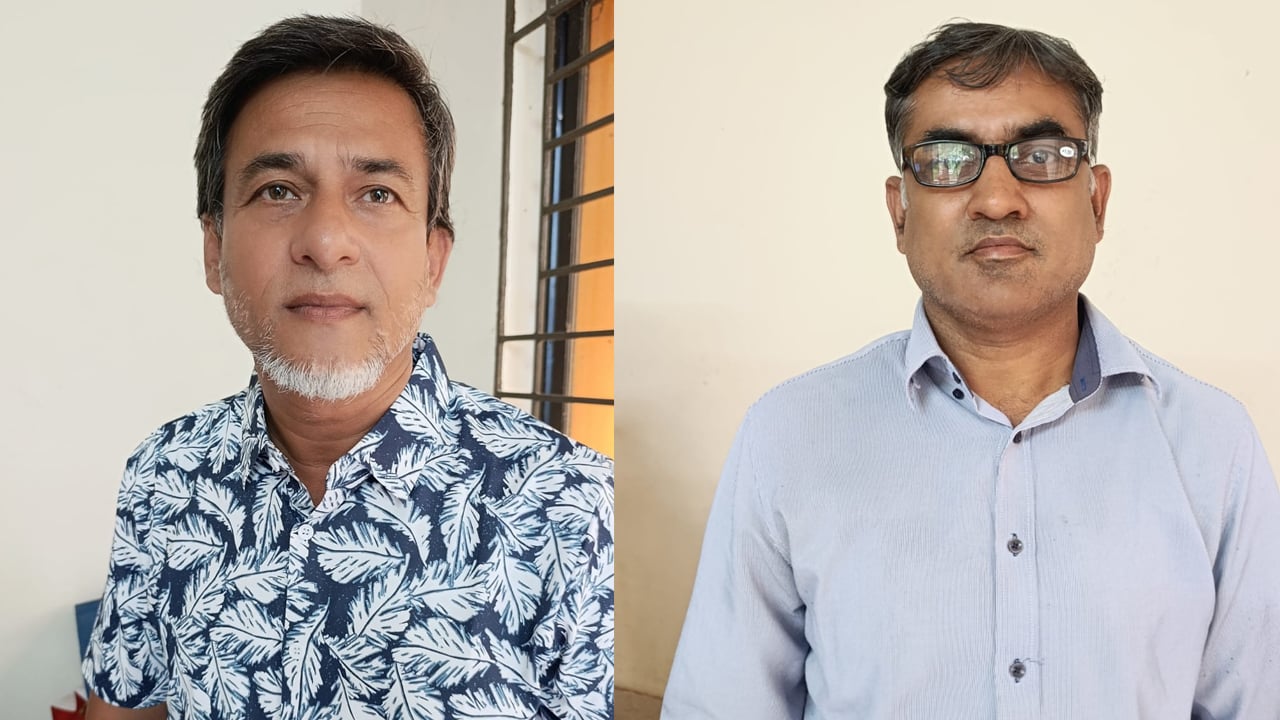
Two individuals were arrested in Madaripur on June 9, 2026, for their alleged involvement in supplying rotten and substandard food under the school feeding (midday meal) project. The detainees, AFM Ahsanul Habib from Mymensingh’s Gafargaon and Md. Nuruzzaman from Barishal’s Bakerganj, were arrested following a case filed against their company, Samata Traders, which was responsible for food distribution to students. Police detained them from Chandmari area of Madaripur municipality and sent them to court after initial interrogation confirmed their involvement. The arrests followed reports that several students in Madaripur Sadar and Chapainawabganj Sadar fell ill after consuming midday meals. Media coverage of the incident prompted government action. Education Minister Dr. A N M Ehsanul Haque Milan requested the district commissioners of both districts to form committees including civil surgeons to investigate the irregularities and take swift action against those responsible. Authorities have indicated that further legal and administrative measures will follow based on the findings of the ongoing investigation.
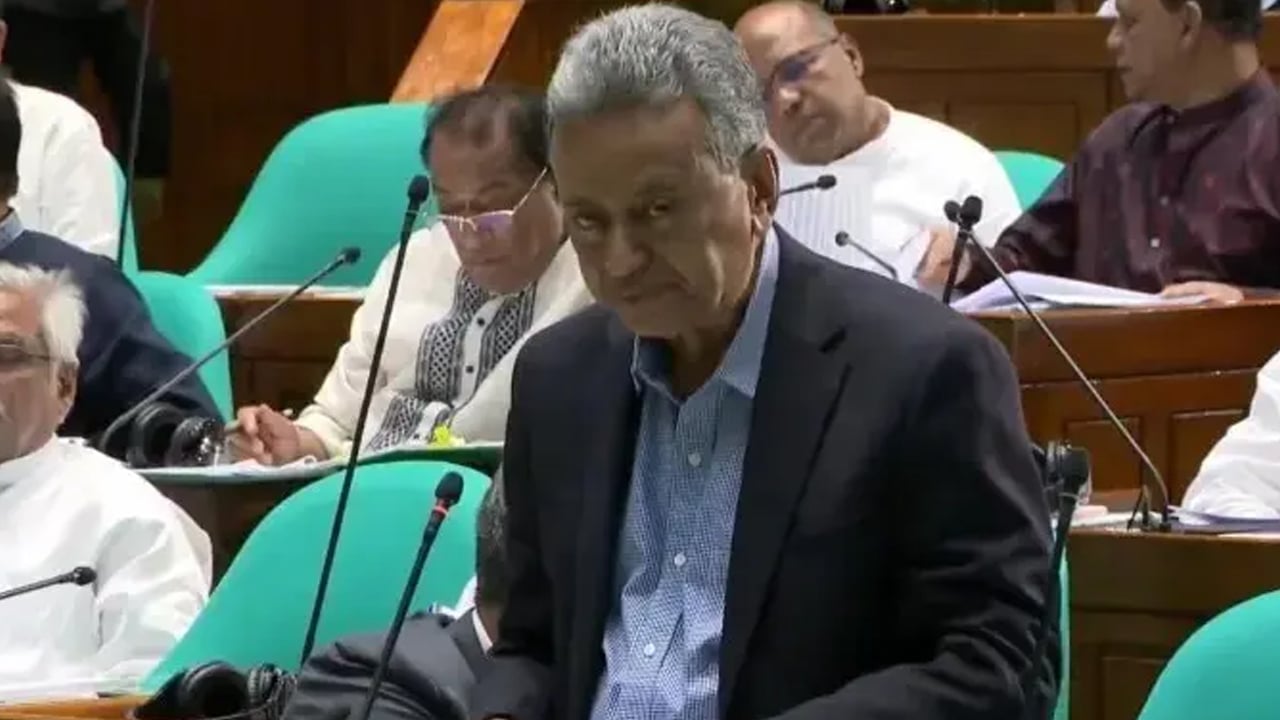
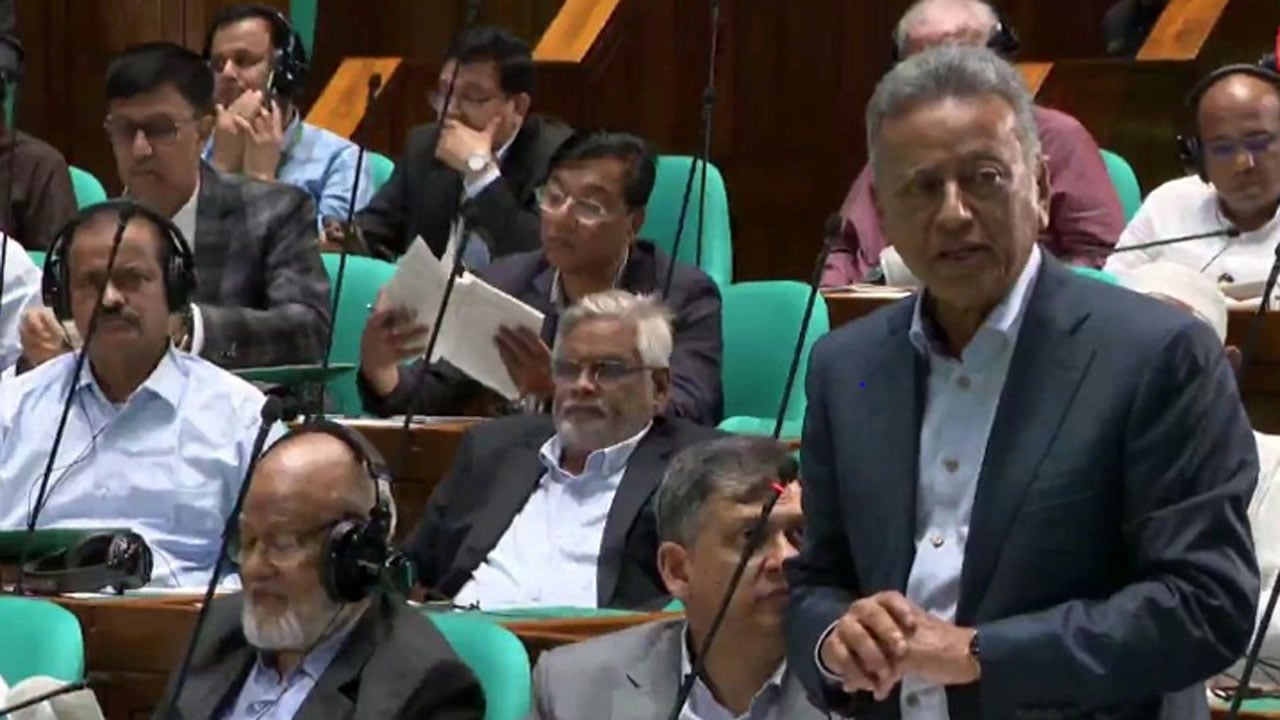
Finance Minister Amir Khosru Mahmud Chowdhury told Parliament that recent conflicts in Iran and the wider Middle East, along with global energy market instability, have sharply increased Bangladesh’s subsidy burden in four key sectors—oil, gas, electricity, and fertilizer. Preliminary estimates show that by June of the 2025–26 fiscal year, additional subsidies of about Tk 42,600 crore will be required. He provided the figures in response to a question from BNP lawmaker S. M. Jahangir Hossain during a session chaired by Speaker Hafiz Uddin Ahmed. According to the minister, the estimated extra costs include Tk 10,258 crore for oil, Tk 11,170 crore for gas, Tk 19,821 crore for electricity, and Tk 1,350 crore for fertilizer. Despite these pressures, the government continues policy and financial support to protect citizens, agriculture, and production sectors. The minister said the Middle East unrest poses both immediate and potential risks to Bangladesh’s economy, particularly in energy, imports, inflation, foreign exchange, remittances, and overseas employment. He added that the government is closely monitoring the situation and has initiated measures such as diversifying energy import sources, expanding local gas exploration, maintaining supply stability, managing foreign exchange prudently, and exploring alternative labor markets.
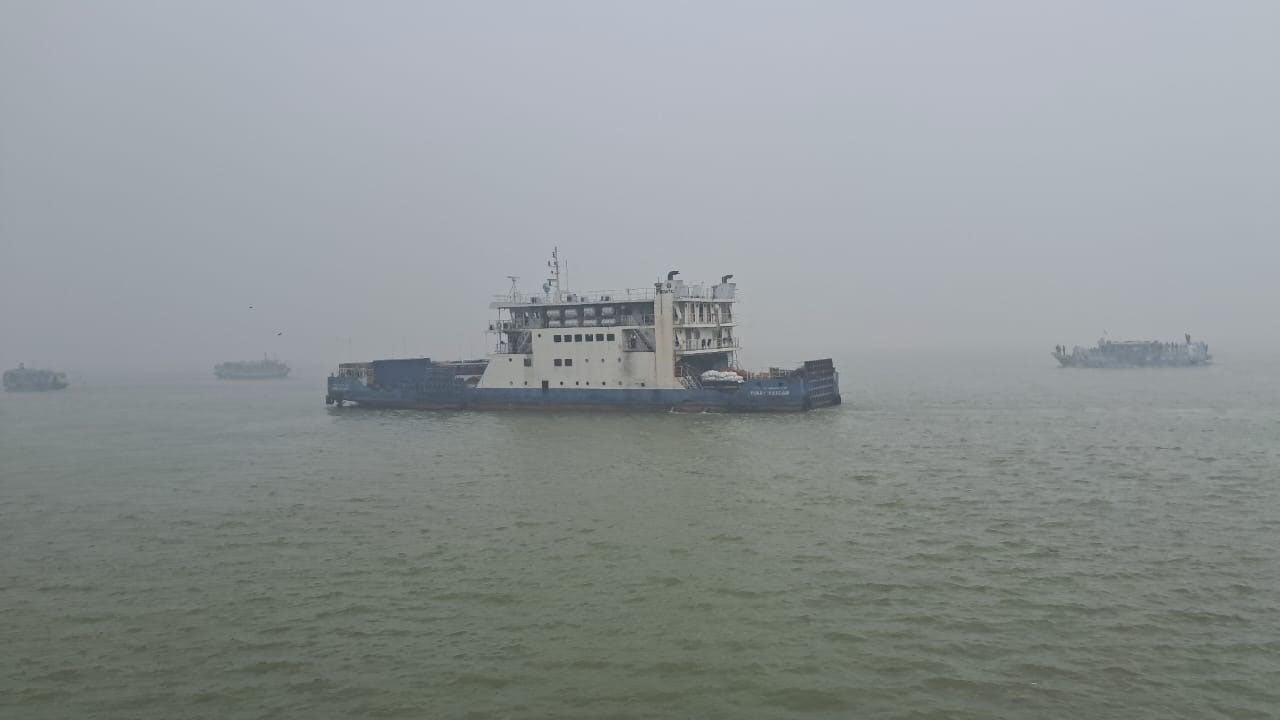
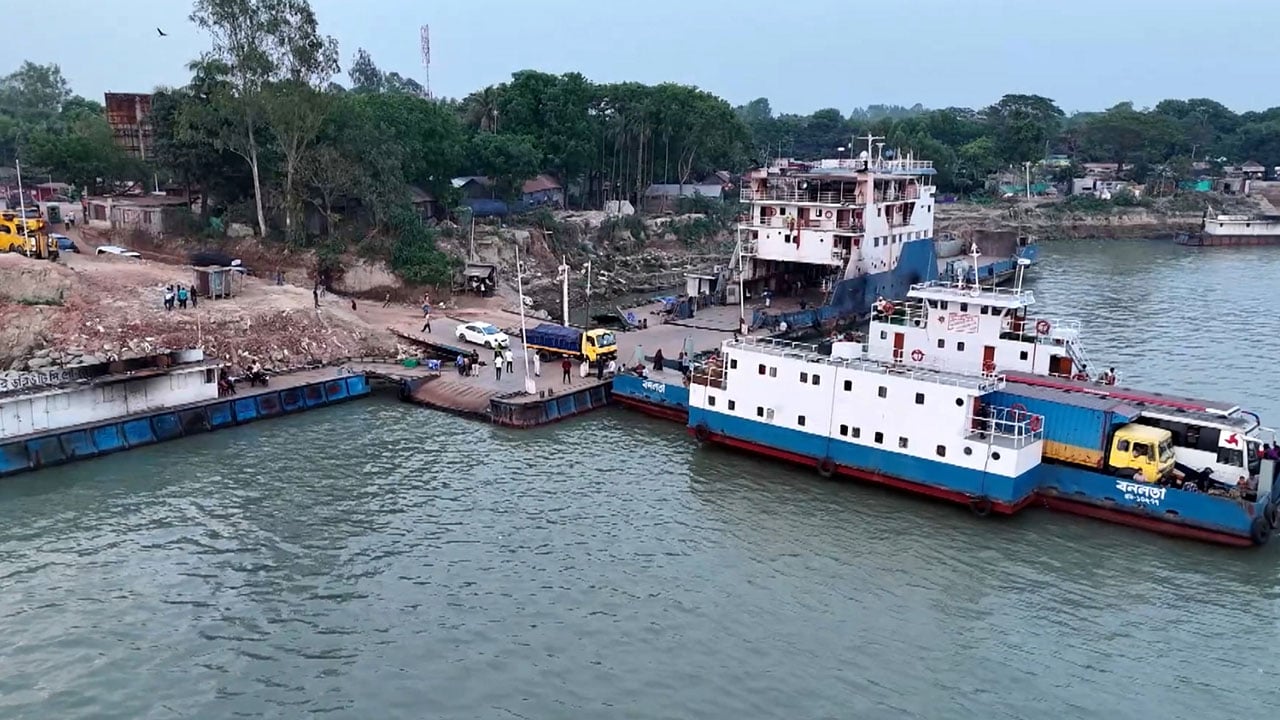
Ferry and launch services on the Daulatdia-Paturia route resumed normal operations after being suspended for 20 minutes due to adverse weather and strong winds. Authorities halted vessel movement around 4:30 p.m. on Tuesday to prevent accidents as the storm intensified. Operations restarted at 4:50 p.m. once conditions improved, restoring regular ferry traffic between Rajbari’s Daulatdia and Manikganj’s Paturia. According to the BIWTC Daulatdia terminal’s assistant manager (commercial), Jesanul Islam Tapu, the suspension was a precautionary measure following sudden rough weather that caused strong currents and large waves. He confirmed that ferry services resumed once the weather stabilized. Currently, 15 ferries of various sizes are operating on the route to transport vehicles across the river. The brief disruption highlights the sensitivity of river transport operations to weather conditions in the region, though services have now returned to normal.
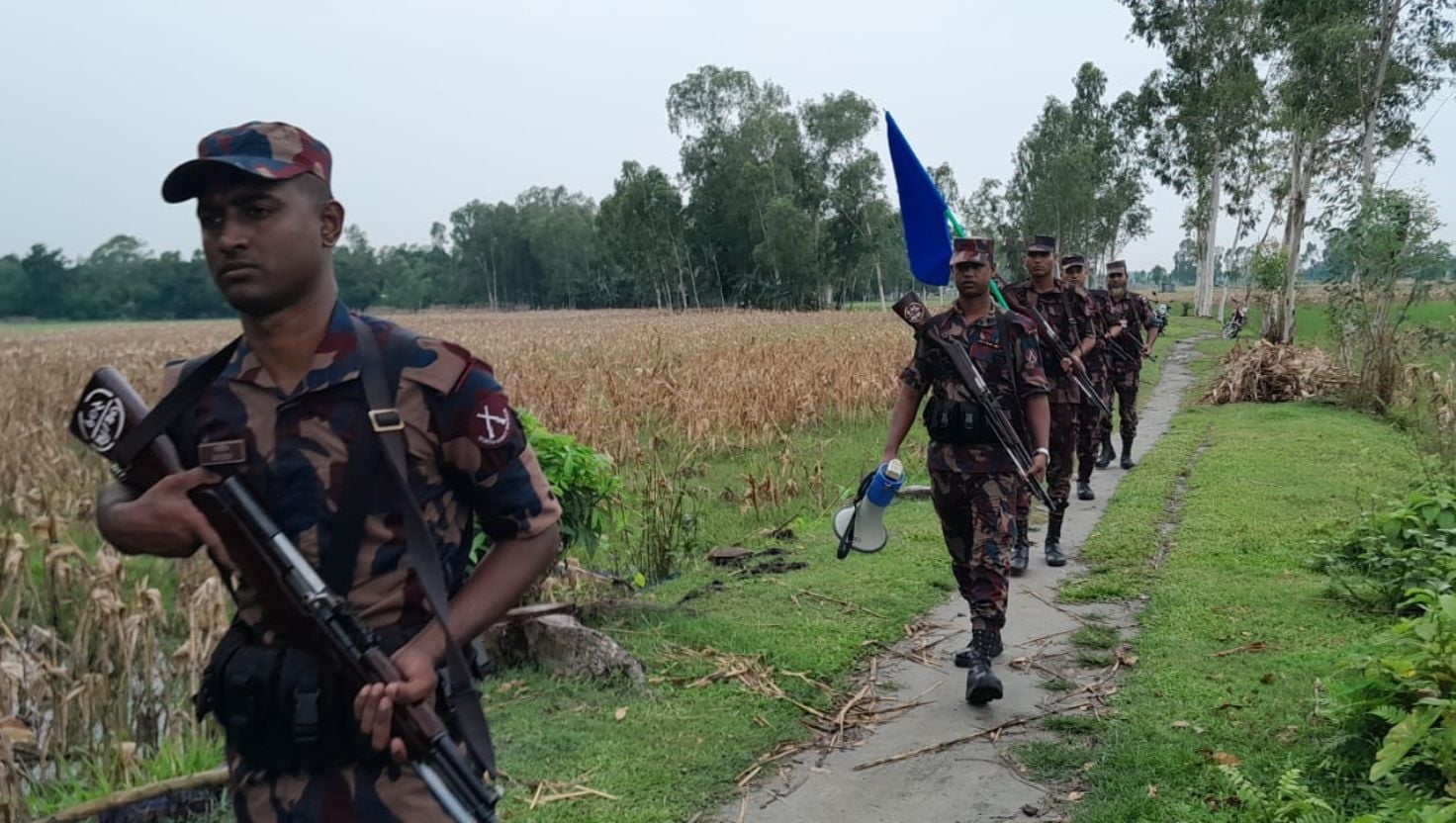
Bangladesh Jamaat-e-Islami Secretary General and former MP Mia Golam Porwar has strongly condemned alleged attempts by India’s Border Security Force (BSF) to forcibly push Indian citizens into Bangladesh through several border points. In a statement issued on Tuesday, he described the actions as illegal, unjust, and contrary to diplomatic norms. He accused the Indian government of violating its constitution, international law, and UN human rights principles through such push-in efforts, noting that international rights groups had expressed concern but India had not responded. According to the statement, Border Guard Bangladesh (BGB) prevented an attempt to push 11 Indian nationals—including a pregnant woman and a disabled child—through the Mashalgaon border in Thakurgaon’s Haripur upazila. Similar attempts were reported in Panchagarh, Kurigram, Meherpur, Sherpur, and other districts, allegedly involving around 320 Indian citizens. Porwar said repeated efforts failed due to vigilance by BGB, Ansar-VDP, and local residents. He urged the Bangladesh government to take necessary diplomatic measures against what he termed Indian aggressive activities and called for maintaining friendly and neighborly relations between the two countries.

Bangladesh Border Guard (BGB) and local residents prevented an attempt by India’s Border Security Force (BSF) to push 18 people into Bangladesh through the Kumarchar area of Dewanganj’s Bagarchar border in Jamalpur late Monday night. The incident occurred amid ongoing tensions along several border points where similar attempts have been reported in recent days. According to Jamalpur 35 BGB and local sources, BSF allegedly turned off searchlights before trying to push the group across the border. The attempt failed due to the firm stance of BGB and local residents, who joined forces to guard the area. The situation caused temporary panic in the region. A similar attempt involving eight people was reportedly foiled the previous night at the Baraibari border. BGB has intensified surveillance along the 72-kilometer Jamalpur border, deploying members from 15 border outposts for continuous patrols. Local representatives and community leaders are also assisting BGB in maintaining heightened alert to prevent illegal crossings.
Finance Minister Amir Khasru Mahmud Chowdhury told the National Parliament that Bangladesh’s revenue collection fell short of its target for the 2025–26 fiscal year. Up to April, revenue collection reached Tk 326,928.16 crore against a target of Tk 431,461.27 crore, achieving 75.77 percent. He identified 11 reasons for the shortfall, including reduced purchasing power, business losses, industrial production gaps, and declining profits. The minister said temporary political disruptions, supply chain breakdowns, high production costs, and weak macroeconomic conditions were key factors. He added that automation and stricter enforcement by the National Board of Revenue were helping to reduce the deficit. Other causes included high inflation, energy shortages, reduced imports, and lower corporate profits due to higher interest rates and currency depreciation. Tax and duty reductions on petroleum and LNG imports also contributed to the decline. Chowdhury also reported that as of March, savings certificate debt stood at Tk 313,670.48 crore, while government borrowing through treasury instruments reached Tk 893,837.26 crore by May. He further noted that Bangladesh had received USD 484.411 million in climate finance from three international funds.
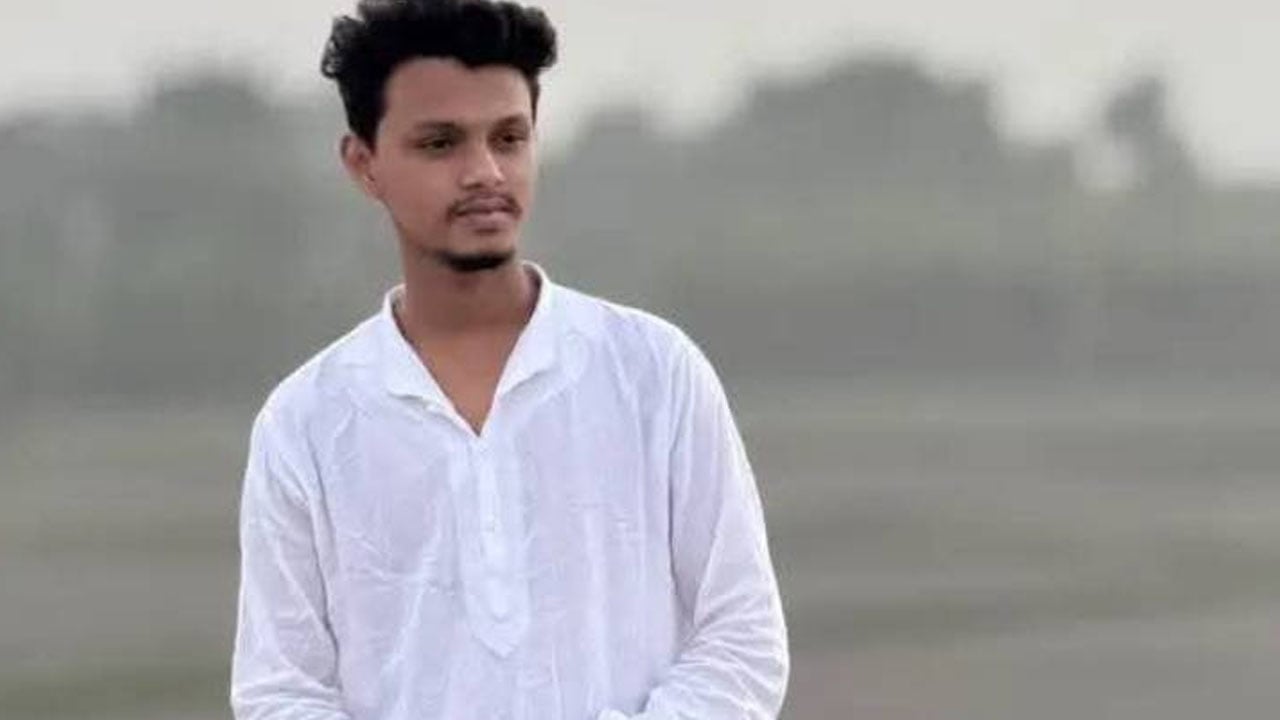
Police recovered the body of a 19-year-old woman named Ria Moni from a locked apartment in the Chhayabithi area of Savar municipality on Monday afternoon. The body was sent to Dhaka Medical College Hospital morgue for autopsy. According to police and local sources, Ria lived in the rented flat with her husband, Roni Islam, who recently became the joint general secretary of the municipal unit of the student organization Chhatra Dal. Roni has been missing since the incident. Ria’s family alleged that Roni killed her following ongoing marital disputes. They claimed that after receiving his new political post, Roni had been mentally and physically abusing Ria. The family further stated that Roni strangled or otherwise killed her, locked the flat from outside, and fled. Police said they broke the lock to recover the body and have conducted a postmortem examination. Multiple operations are underway to locate the suspect. Authorities stated that further action will be taken after receiving the autopsy report and approval from higher officials.
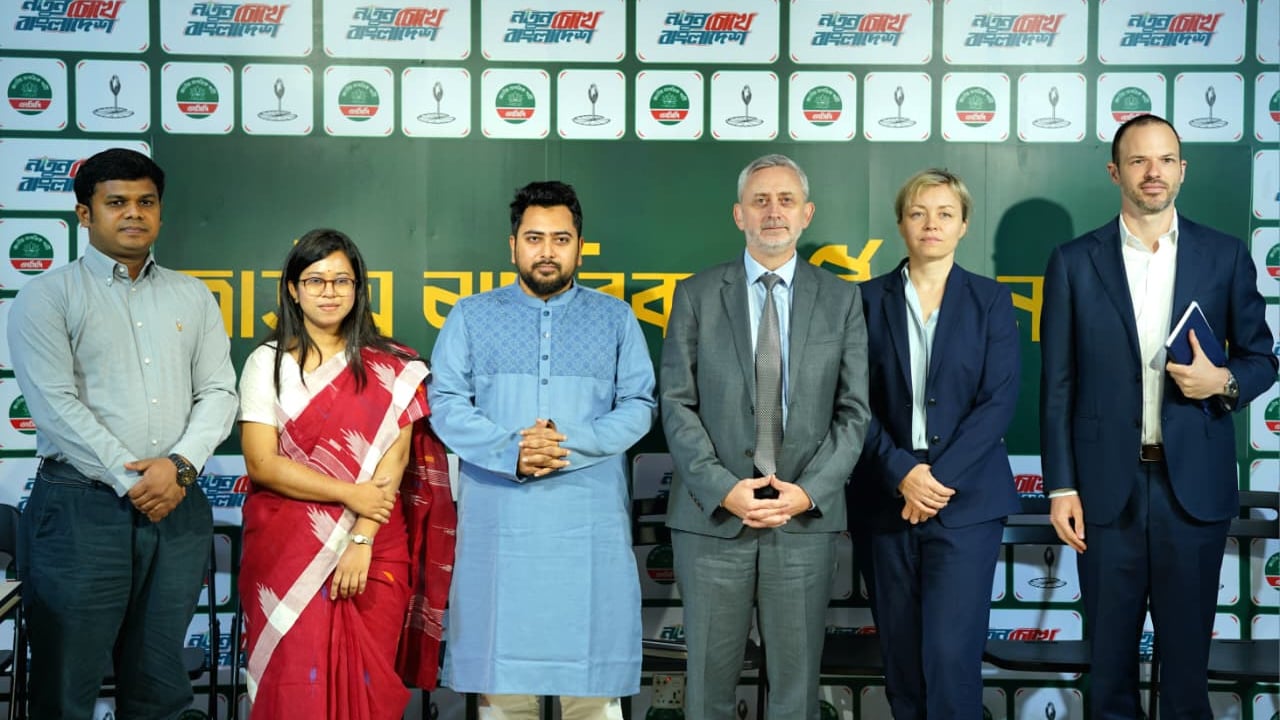
A high-level delegation from the European Union held a meeting with Nahid Islam, convener of the NCP and opposition chief whip, at the party’s central office on Tuesday. The delegation was led by EU Ambassador Michael Miller. Discussions focused on the implementation of key reforms approved in the recent referendum and the review of EU Election Observation Team guidelines to ensure transparent and credible elections. Both sides also exchanged views on institutional frameworks ahead of the upcoming local government elections. At the conclusion of the meeting, both parties reaffirmed their commitment to continuing dialogue and strengthening constructive international cooperation. Following the discussions, NCP leaders guided the EU delegation to view the graffiti commemorating the historic July Revolution, which reflected the aspirations and spirit of the youth during that period. The meeting was attended by NCP International Affairs Secretary Alauddin Mohammad and Joint Convener Monira Sharmin, while the EU delegation included Deputy Head of Delegation Baiba Zarina and First Secretary (Political) Sebastian Rieger Braun.
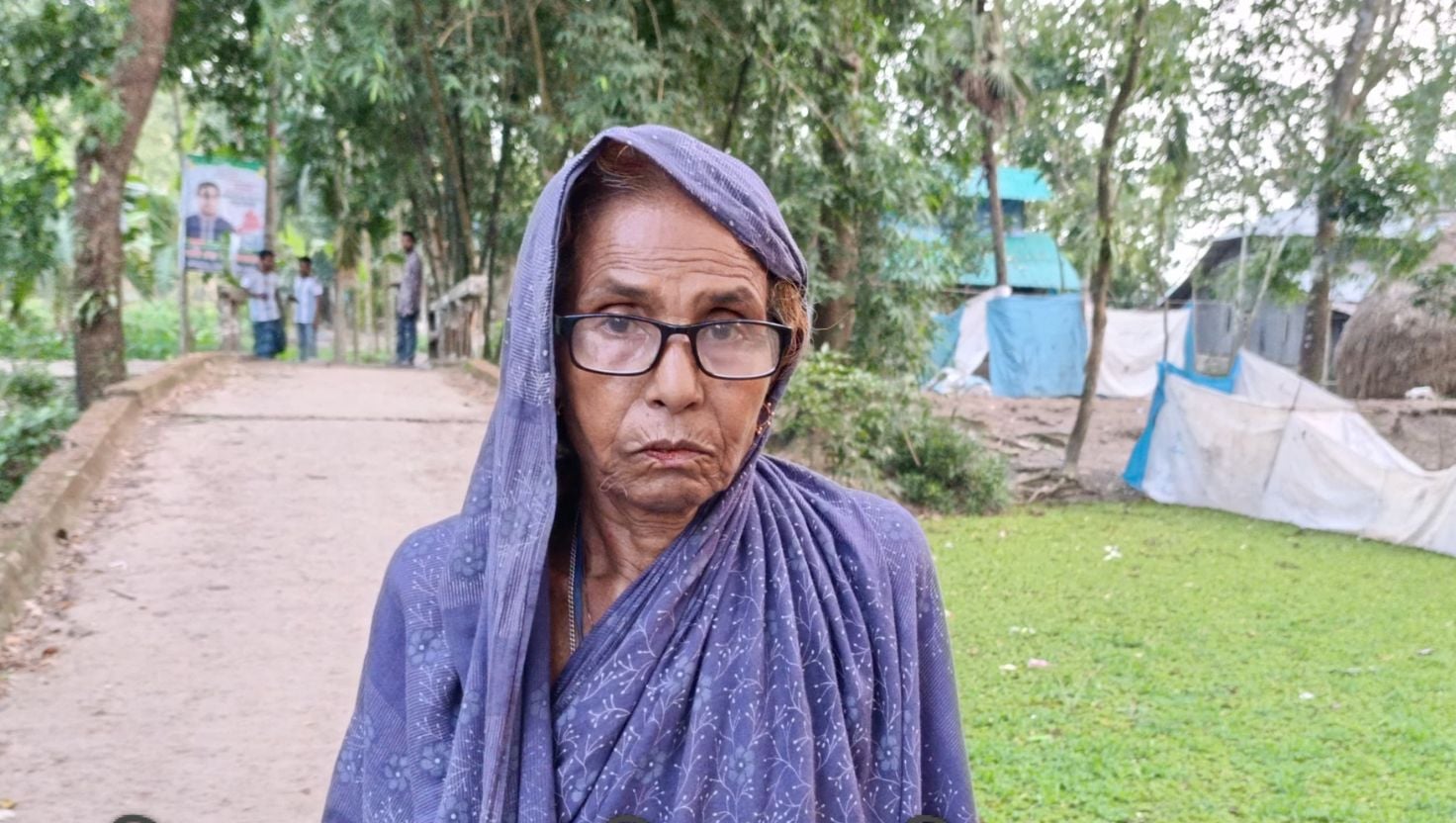
In Patuakhali’s Dumki upazila, a woman named Asiya Begum from Pangasia Union has reportedly been denied a widow allowance card for nearly twenty years since her husband’s death in 2007. Now elderly and caring for a physically disabled son, she survives by begging from door to door. Despite repeated applications and appeals to local representatives, she claims no assistance has been provided. Residents of South Pangasia expressed anger, questioning why a destitute woman like Asiya remains excluded from government benefits while wealthier or politically connected families receive them. They alleged that her poverty and inability to pay unofficial fees may have kept her name off the beneficiary list. Pangasia Union Parishad Chairman Nazrul Islam Gazi responded by asking whether she had formally applied, while the local social services officer, Oliul Islam, stated that Asiya’s name was not included in the list sent by the union. He added that if the chairman submits her name, action will be taken.
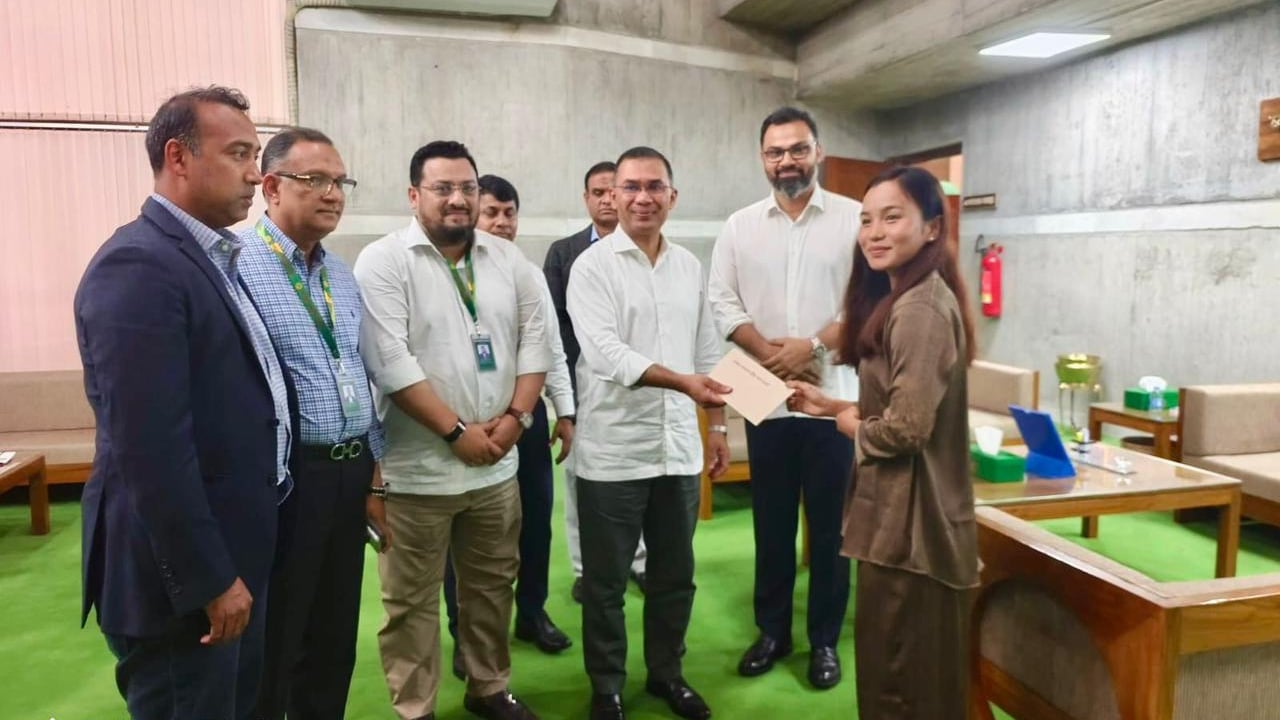
Prime Minister Tareq Rahman has provided financial assistance to Bangladesh national women’s football team star Rituparna Chakma for the construction of her house. The donation was handed over on Tuesday afternoon at the Prime Minister’s office inside the National Parliament complex during a break in the budget session. Youth and Sports State Minister Aminul Haque, Chittagong Hill Tracts State Minister Mir Helal Uddin, Textiles and Jute State Minister Shariful Alam, and Bangladesh Football Federation President Tabith Awal were present at the event. The report notes that the Bangladesh Nationalist Party (BNP) had previously supported Rituparna and her family. In 2025, when her mother required cancer treatment, BNP leaders visited their remote home in Rangamati and provided financial help under Tareq Rahman’s direction. Rituparna Chakma has been a key figure in Bangladesh’s women’s football success, contributing to SAFF Women’s Championship victories in 2022 and 2024 and helping the team qualify for the AFC Women’s Asian Cup finals in 2025.
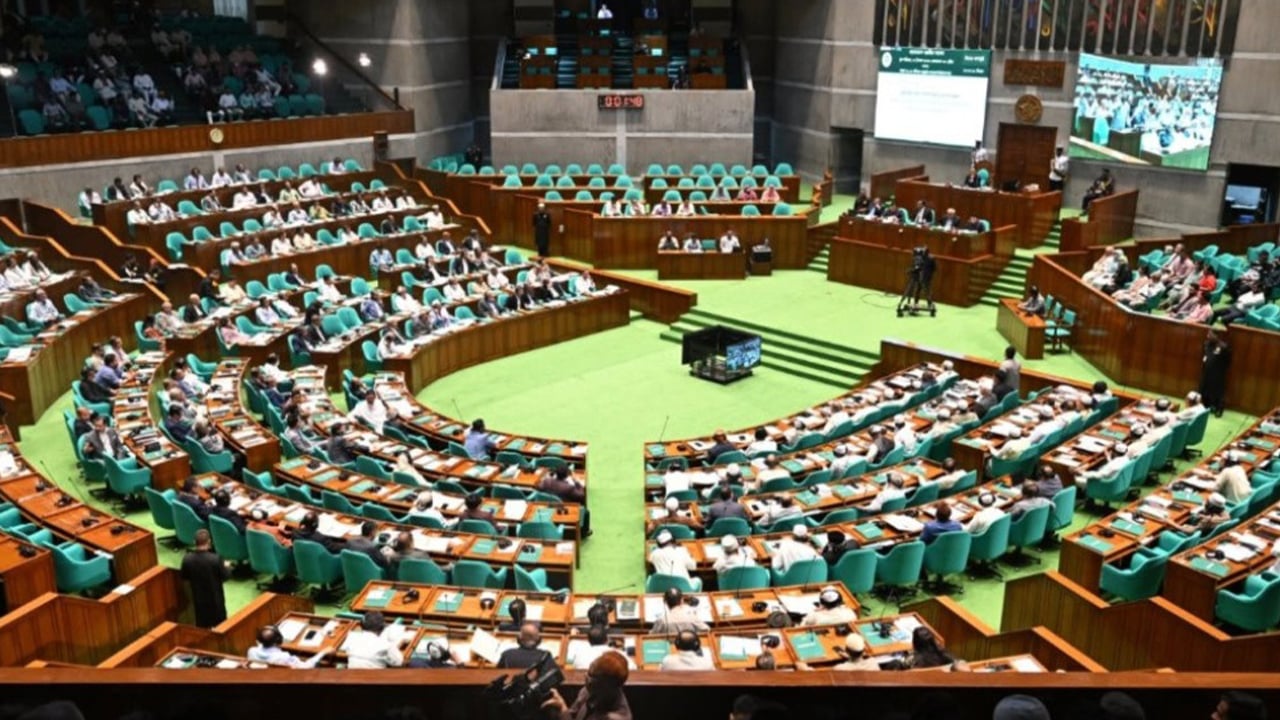
Finance Minister Amir Khasru Mahmud Chowdhury announced that new entrepreneurs in Bangladesh will be eligible for collateral-free loans of up to Tk 1 million. He made the statement on Tuesday during a question-and-answer session in the National Parliament, responding to a query from Sylhet-3 Member of Parliament Mohammad Abdul Malik. The minister explained that while Bangladesh Bank currently has no interest-free loan programs for youth, it operates several refinancing schemes offering loans on easy terms and at low interest rates. The fund for the 'New Entrepreneur Refinancing Scheme' under Bangladesh Bank’s own financing has been increased from Tk 1 billion to Tk 5 billion. Through this scheme, new entrepreneurs can receive loans at a maximum interest rate of 7 percent without collateral, and up to Tk 3.5 million with collateral. Additionally, a separate Tk 5 billion 'Startup Fund' has been established to support startup entrepreneurs, offering loans and equity assistance at a 4 percent interest rate.
All types of ferry and vessel movement on the Paturia-Daulatdia, Paturia-Kazirhat, and Aricha-Kazirhat river routes have been suspended. The Bangladesh Inland Water Transport Corporation (BIWTC) confirmed that operations were halted from 4:30 p.m. on Tuesday due to storms, rain, and adverse weather conditions. Several ferries that had already departed were anchored mid-river or at nearby terminals, while launches and speedboats remained docked at the ghats. Passengers arriving from across the river took shelter in local shops and waiting sheds near the terminals as heavy rain continued. Many travelers were stranded and drenched, with children and elderly passengers facing the most hardship. Authorities have not yet announced when ferry services will resume, as weather conditions remain unfavorable.
Transparency International Bangladesh (TIB) has issued a clarification following reactions from the home minister, the national parliament, and the police regarding its report titled “First 100 Days of the Post-13th National Election Government: Monitoring Governance and Anti-Corruption Commitments.” In a statement released on Tuesday, TIB said the responses from these authorities have encouraged the organization and will help make its research and governance activities more effective. TIB emphasized that it is not an investigative agency but a research-based organization working on anti-corruption and good governance through public awareness and engagement. The group explained that its report was prepared using both qualitative and quantitative methods recognized in social science research, drawing data from direct and indirect sources, including the Bangladesh Police and three human rights organizations. It rejected the claim that the report was based solely on newspaper clippings, stating that media information is verified against multiple official and non-governmental sources before analysis. TIB also noted that the police did not directly dispute its observation that law and order remained a concern, though comparative analysis with previous periods was beyond the study’s scope.

Islami Bank has requested Tk 10,000 crore in liquidity support from Bangladesh Bank after depositors withdrew around Tk 4,000 crore amid internal unrest. The instability followed the appointment of former deputy governor Khurshid Alam as the bank’s new chairman on May 24, 2026, after the resignation of Professor M Zubaidur Rahman. A senior bank official confirmed that the bank’s principal account balance dropped from Tk 7,015 crore to Tk 2,600 crore, leading to a shortfall in the Cash Reserve Ratio (CRR). The unrest began after Khurshid Alam’s appointment, which some customers and shareholders opposed, organizing continuous protests in front of Islami Bank Tower for nine consecutive days. The bank’s liquidity stress has been linked to earlier irregular loans taken by S Alam Group during the previous Awami League government, which had previously caused CRR deficits. The situation had improved under the interim government but deteriorated again under the new administration. A Bangladesh Bank official confirmed receiving Islami Bank’s request for liquidity support but said no decision had yet been made on the matter.

Bangladesh Jamaat-e-Islami has proposed a total expenditure of Tk 8,39,505 crore in its shadow budget for the 2026–27 fiscal year, representing 12.14 percent of GDP. The projected budget deficit stands at Tk 1,68,321 crore, or 2.43 percent of GDP, lower than the Tk 2,21,000 crore deficit estimated for 2025–26. The proposal was presented at a press conference at Al-Falah Auditorium in Dhaka by party executive council member and MP Saiful Islam Khan Milon, in the presence of party chief Dr. Shafiqur Rahman and other alliance leaders. The proposed allocations include Tk 2,02,245 crore for public administration, Tk 1,27,500 crore for debt interest payments, and Tk 1,25,575 crore for education and technology. Other major sectors include transport and communication, agriculture, social welfare, health, and local government. The party emphasized governance reform, anti-corruption measures, and a fair tax system prioritizing SMEs and agriculture. Jamaat leaders described the proposal as the first alternative budget by an opposition party in Bangladesh’s history, aiming to build an equitable, corruption-free, and employment-oriented economy grounded in justice and good governance.

The ‘1 Nojor’ media platform is now live in beta, inviting users to explore and provide feedback as we continue to refine the experience.