

The ‘1 Nojor’ media platform is now live in beta, inviting users to explore and provide feedback as we continue to refine the experience.
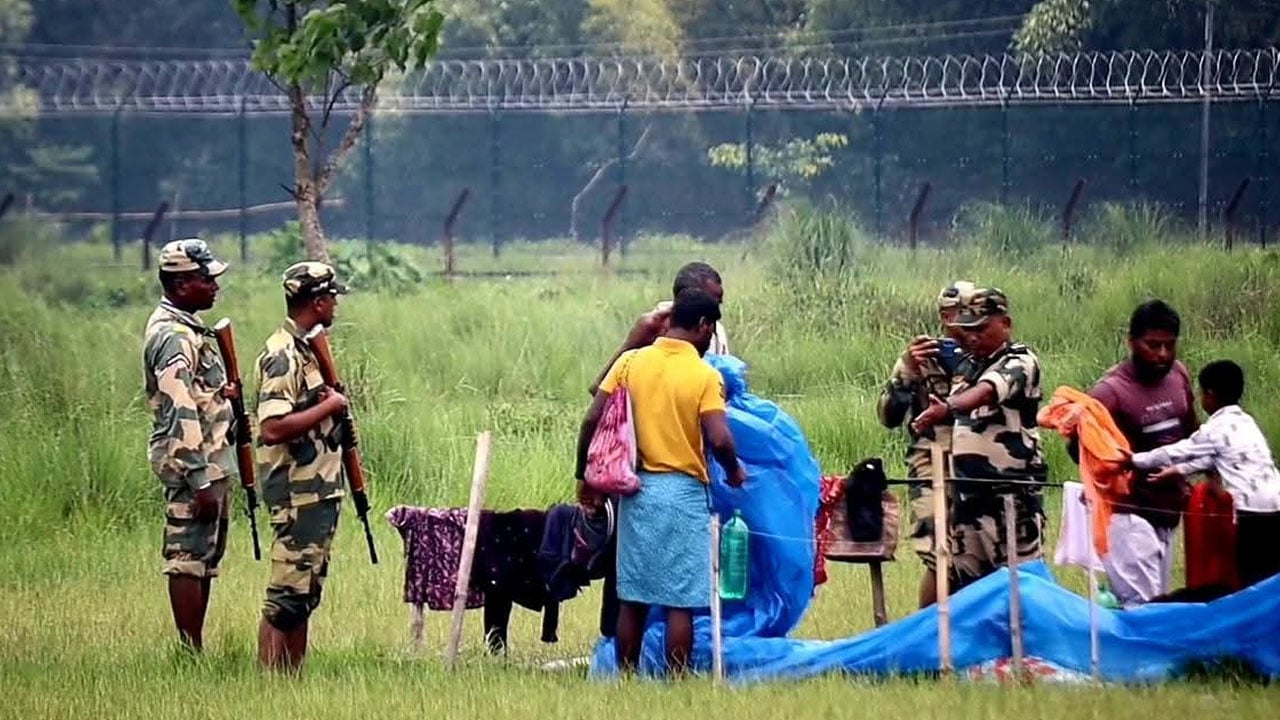
After 70 hours of tension at the Panchagarh border, the Indian Border Security Force (BSF) removed 10 people, including women and children, from the zero line late Sunday night. The incident ended a prolonged standoff over an attempted push-in near the South Pradhanpara border of Harivasha Union in Sadar upazila. On Monday morning, the area was found empty, and both the Border Guard Bangladesh (BGB) and BSF had withdrawn their additional personnel. According to local sources, the group had been staying on farmland near the border since early Friday, enduring harsh weather without shelter. They reportedly lived under the open sky amid sun and rain as the situation remained unresolved. Locals said BSF turned off border lights around midnight and later opened the barbed-wire gate to take the people away. Lieutenant Colonel Md Sirajul Islam, commander of the 56 BGB Battalion in Nilphamari, confirmed that BSF discussed the matter with BGB before removing the individuals around 2:30 a.m.
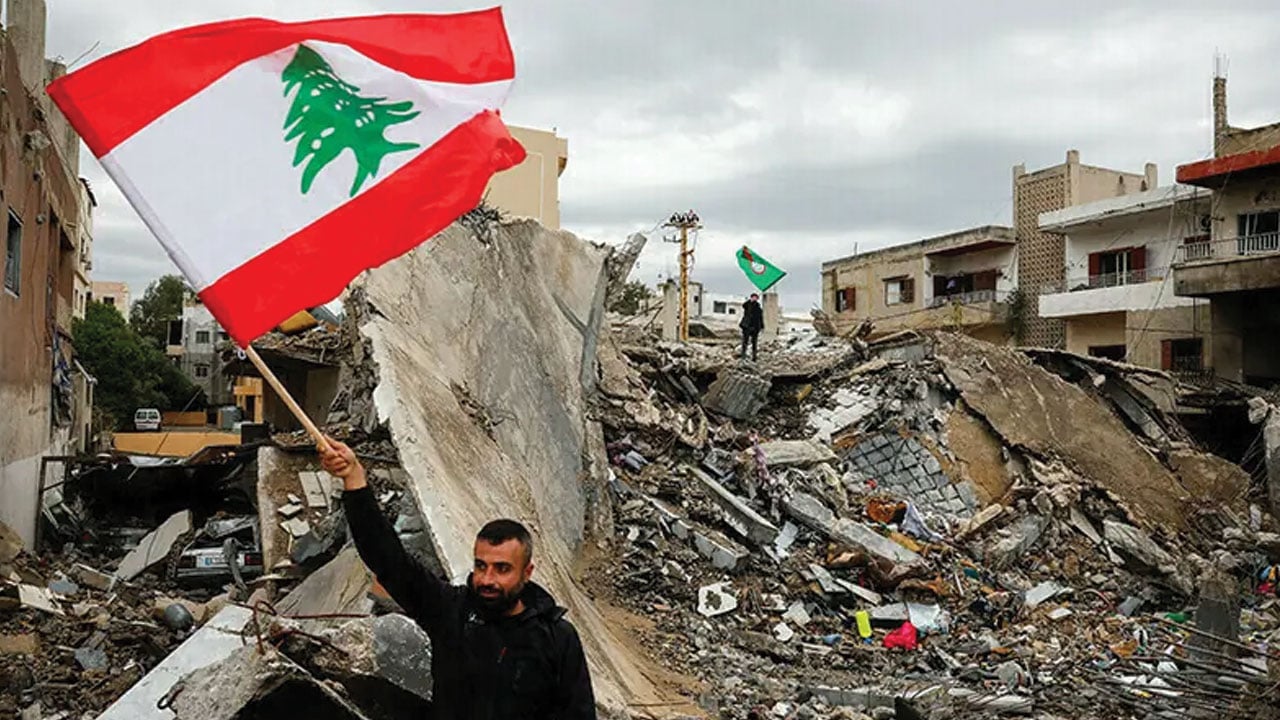
Lebanese Prime Minister Nawaf Salam has accused Israel of carrying out nearly 3,500 attacks in Lebanon despite a ceasefire announced by the United States. According to a statement from the Prime Minister’s Office posted on social media platform X after a cabinet meeting, between April 17 and June 7, Israel conducted 3,491 airstrikes, 407 planned demolition operations, and six 'raging operations'. The statement added that several villages in southern Lebanon near the border were completely destroyed. Salam said Lebanon is trying to maintain the ceasefire, but recent Iran-Israel tensions have triggered a new wave of displacement, putting immense pressure on the country. He noted that the capacity to shelter displaced people in Beirut, Saida, and other regions is nearly exhausted, making it increasingly difficult to accommodate new arrivals. Since the war began on March 2, more than one million people have been displaced due to Israeli attacks and forced evacuations, representing about one-fifth of Lebanon’s total population, according to the report cited from Al Jazeera.
The Ministry of Religious Affairs of Bangladesh has released the roadmap for the 2027 Hajj, setting September 26 of the current year as the final date for pilgrim registration. The roadmap, issued by the ministry’s Hajj-1 branch, outlines that a bilateral Hajj agreement with Saudi Arabia will be signed on November 8. The announcement follows a May 29 event in Jeddah, where Saudi Arabia’s Ministry of Hajj and Umrah shared the 2027 Hajj schedule with participating countries. According to the roadmap, Hajj visa issuance will begin on January 28, 2027, and Hajj flights will start on April 8. The pilgrimage is expected to take place on May 15, subject to moon sighting. Financial transactions for Saudi-side expenses through the Nusuk Masar platform’s e-wallet will run from July 15 to December 24 of this year. Service package agreements covering accommodation, catering, and transport will be signed between July 29, 2026, and January 23, 2027. The ministry has requested all stakeholders to complete activities according to the announced schedule, including uploading pilgrim data to the Nusuk Masar system between August 14, 2026, and January 28, 2027.

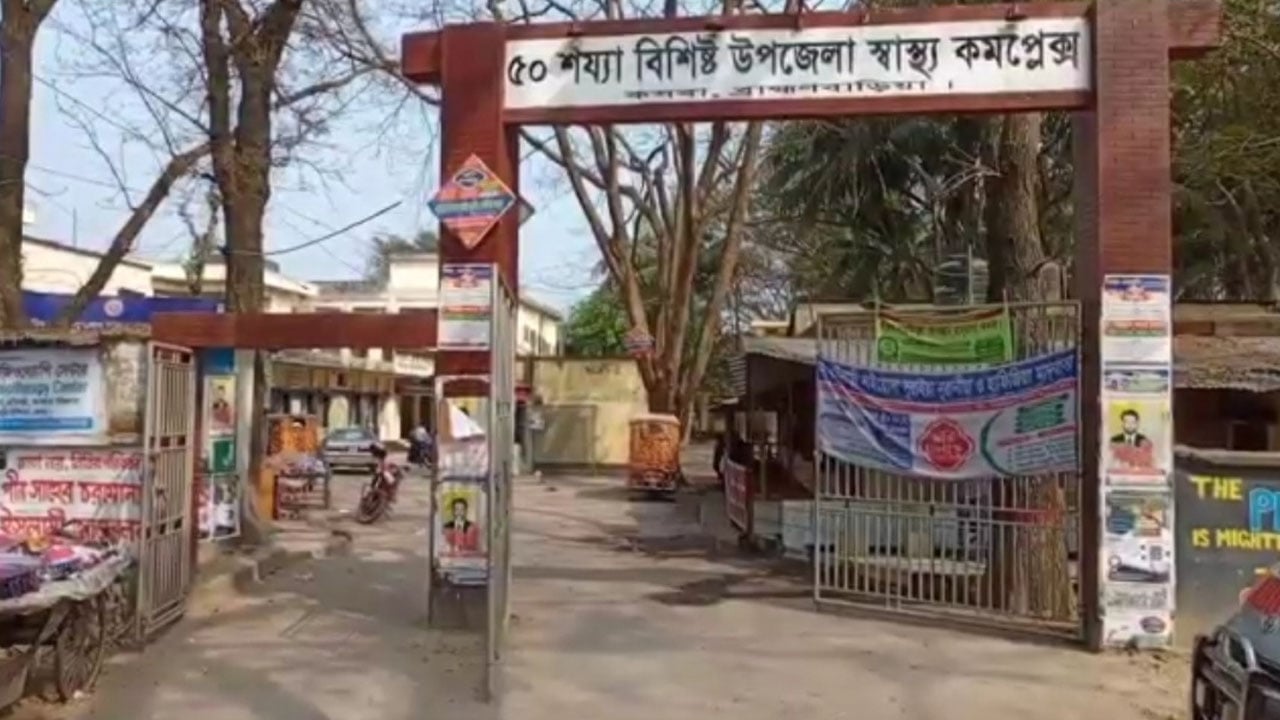
Two men died from electrocution while digging a grave in Noyamatpur village under Mulgram Union of Kasba upazila in Brahmanbaria on Monday around 11:30 a.m. The deceased were identified as Nuru Mia, 65, son of Jamir Hossain, and Sanaullah, 18, son of Marju Mia, both residents of Noyamatpur village. According to police and local sources, several villagers were preparing a grave for the burial of the late Mati Sarkar’s wife. While removing a steel shield used to cover the grave, it came into contact with an overhead electric wire, causing the fatal electrocution of the two men. One of them died on the spot, while the other was pronounced dead upon arrival at Kasba Upazila Health Complex. The attending physician at the health complex, Atik Akram, confirmed that one victim was already dead before reaching the hospital, and the other died at the scene.
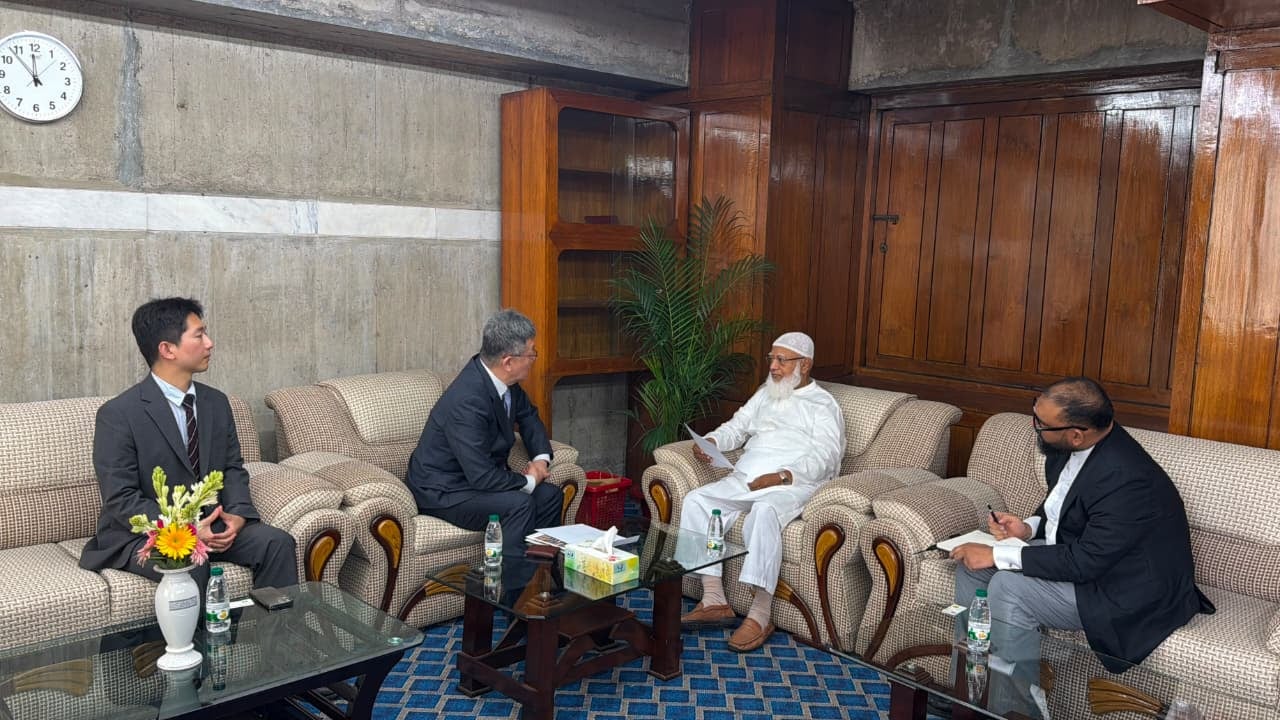
The Secretary General of the International Conference of Asian Political Parties (ICAPP), Oh Song, paid a courtesy call on Bangladesh’s Leader of the Opposition and Jamaat-e-Islami Ameer Dr. Shafiqur Rahman. The meeting took place at noon on Monday at the opposition leader’s office in the Jatiya Sangsad Bhaban. ICAPP Secretariat Officer Park Byongchan and the opposition leader’s foreign affairs adviser, Barrister Mir Ahmad Bin Kasem Arman, MP, were also present. During the meeting, Oh Song briefed Jamaat-e-Islami on ICAPP’s activities and invited the opposition leader to attend the upcoming ICAPP Standing Committee meeting in Mongolia. He also discussed the possibility of including Bangladesh Jamaat-e-Islami as a member of the ICAPP Standing Committee. The meeting highlighted ICAPP’s efforts to strengthen engagement with political parties across Asia and foster greater participation from Bangladesh in its organizational framework.
Home Minister Salahuddin Ahmed stated that Bangladesh’s law and order situation in 2026 has improved significantly compared to 2025. He made the remarks on Monday at an award ceremony held at the Secretariat. The minister said it is up to the public to assess whether the current situation is concerning. He declined to comment on a recent report by Transparency International Bangladesh. Ahmed noted that the police have become more people-friendly and continue to serve the public effectively. He emphasized the need to recognize their contributions and said the government is working to further motivate police officers morally. Those performing their duties with distinction will receive both certificates and financial rewards. At the event, 15 police officers were honored for professionalism in three major cases, including the murder of a child named Ramisa. Each received a certificate and a cash award of 20,000 taka. The minister also presented IGP badges to three officers for their role in rapid arrests and significant investigative contributions.

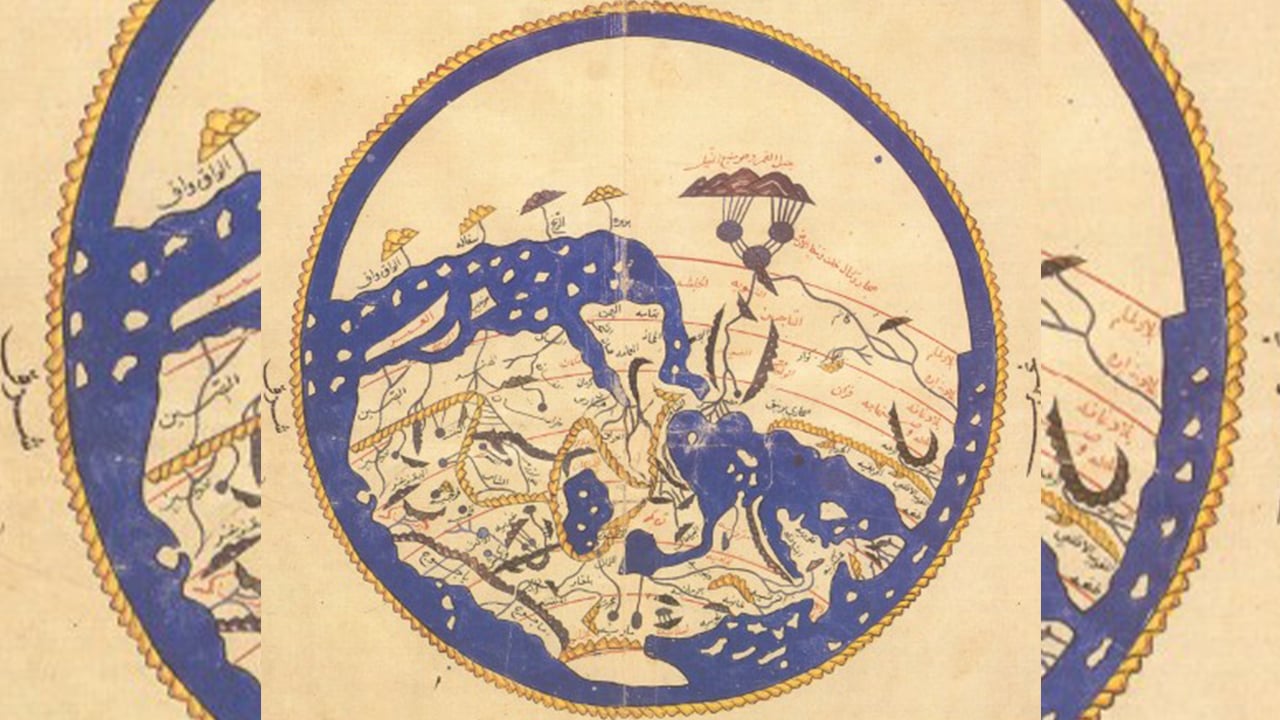
An article published on June 8, 2026, highlights the extensive contributions of medieval Muslim civilization to maritime technology and navigation. It explains how Arab and Persian sailors, astronomers, and engineers advanced shipbuilding, direction-finding, and cartography, creating tools such as the magnetic compass, astrolabe, and detailed sea charts that made long voyages safer and more efficient. The piece describes how Muslim dominance over the Indian Ocean, Red Sea, and Mediterranean from the seventh to fifteenth centuries was supported by superior nautical knowledge and ship design, including the triangular lateen sail used on dhows. Muslim geographers like Al-Idrisi, Ibn Majid, and Al-Biruni produced precise maps and guides that served both scientific and navigational purposes. The article also notes the military applications of these technologies under the Abbasid and Fatimid caliphates, which built powerful naval fleets and bases. It concludes that Muslim maritime innovations laid the scientific and practical foundations for later European exploration, influencing Renaissance-era navigation and shipbuilding techniques.
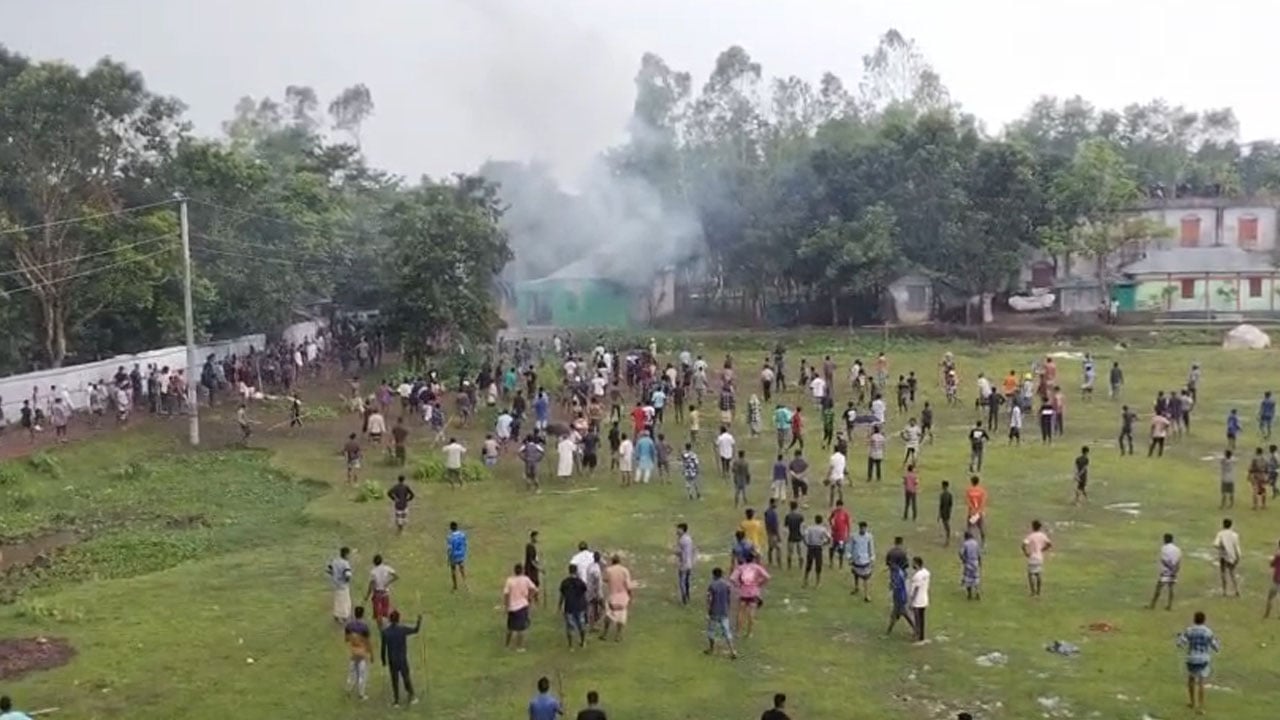
At least 50 people were injured on Monday in a violent clash between two rival groups over the position of chairman of Baroiuri Union Parishad in Baniachong upazila of Habiganj district. The confrontation began around noon in the union parishad compound and continued for nearly two hours before police intervened. According to police and local sources, the conflict stemmed from a leadership dispute between suspended Awami League–backed chairman Farid Ahmad and acting chairman Mizanur Rahman Kopil, who is also the vice president of the UP Jubo Dal. Farid Ahmad had been arrested earlier during an operation and was replaced by Kopil. After his release on bail, Farid attempted to resume his duties, which Kopil opposed. The long-standing tension erupted during a government relief distribution event attended by both men, leading supporters from several villages to engage in armed clashes. Police used tear gas to disperse the groups and brought the situation under control after two hours. Additional police have been deployed to prevent further unrest, and authorities report that the situation is now stable.
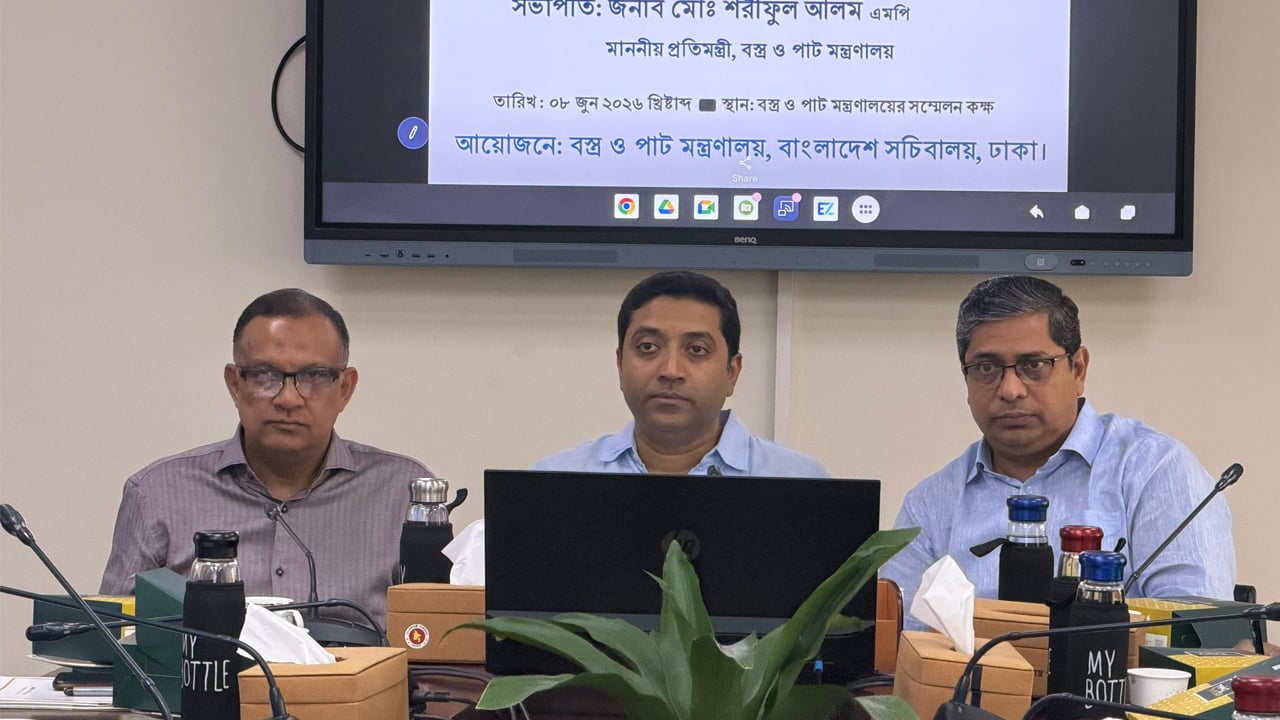
State Minister for Primary and Mass Education Bobby Hajjaj announced that the government will provide free school uniforms, bags, shoes, and socks to students of government primary schools across Bangladesh. The initiative, aligned with electoral commitments and directives from Prime Minister Tarique Rahman, will begin with a pilot program scheduled for July. Preparations for the pilot phase have been finalized, and the program will be officially launched by the Prime Minister. The pilot program will initially cover several hundred thousand students, with the Ministry of Textiles and Jute supplying 500,000 eco-friendly jute school bags. The Local Government, Rural Development and Cooperatives Ministry will assist in local-level implementation and distribution. The government aims to start the pilot within its first 180 days in office and gradually expand distribution through October, reaching over four hundred thousand students. Based on the pilot’s success, the program will be expanded nationwide next year under PEDP-5 to bring transformative changes to primary education. The government emphasized that improving education quality remains a national priority supported by multiple ministries.
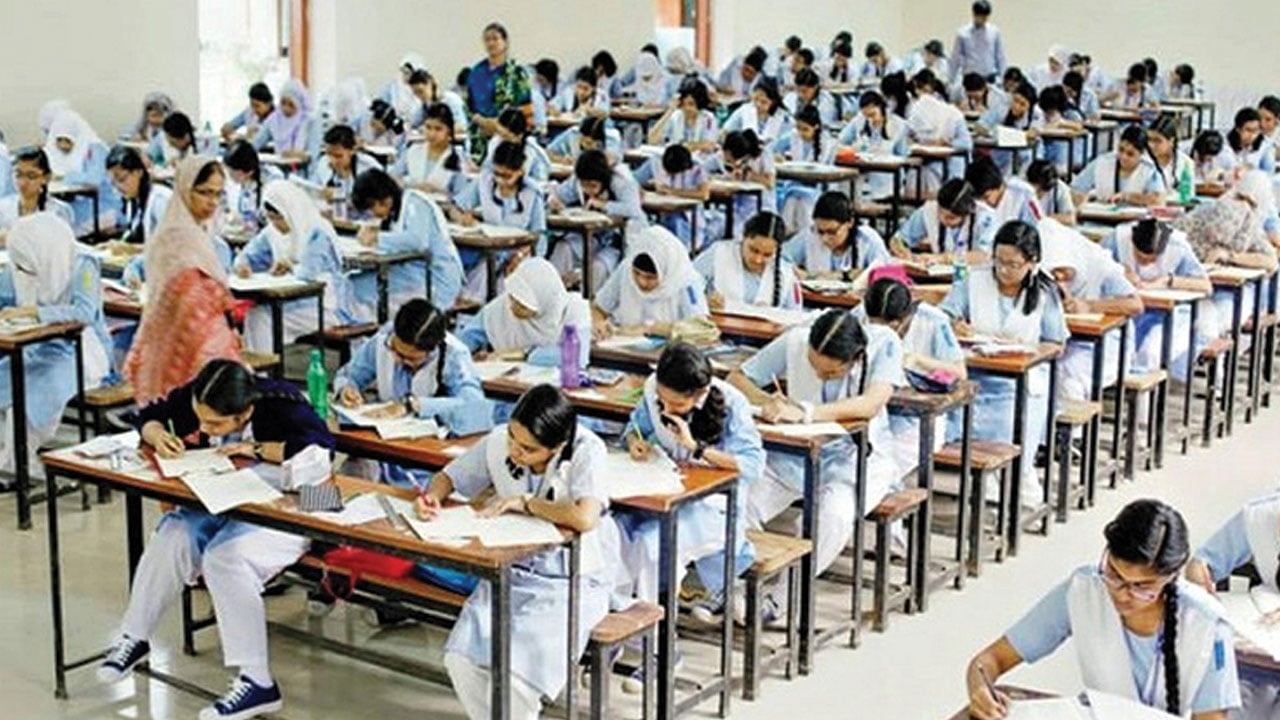
Education Minister Ehsanul Haque Milan announced that the results of the Secondary School Certificate (SSC) and equivalent examinations will be released on July 20. He made the announcement on June 8 during a press conference at the Secretariat, where the government’s three-month program was discussed. The minister stated that work is underway to revise the school-level curriculum. From the next academic year, four new subjects—sports, culture, technical scholarship, and ‘Learning with Happiness’—will be introduced in various classes. He added that while full curriculum reform cannot be completed within three months, partial changes will allow new textbooks to be distributed in 2027, with comprehensive updates planned for 2028. This year’s SSC and equivalent exams were held nationwide from April 21 to May 20, with 1,857,344 students participating. The government aims to begin the next SSC exams on January 7, following the completion of the syllabus in June.
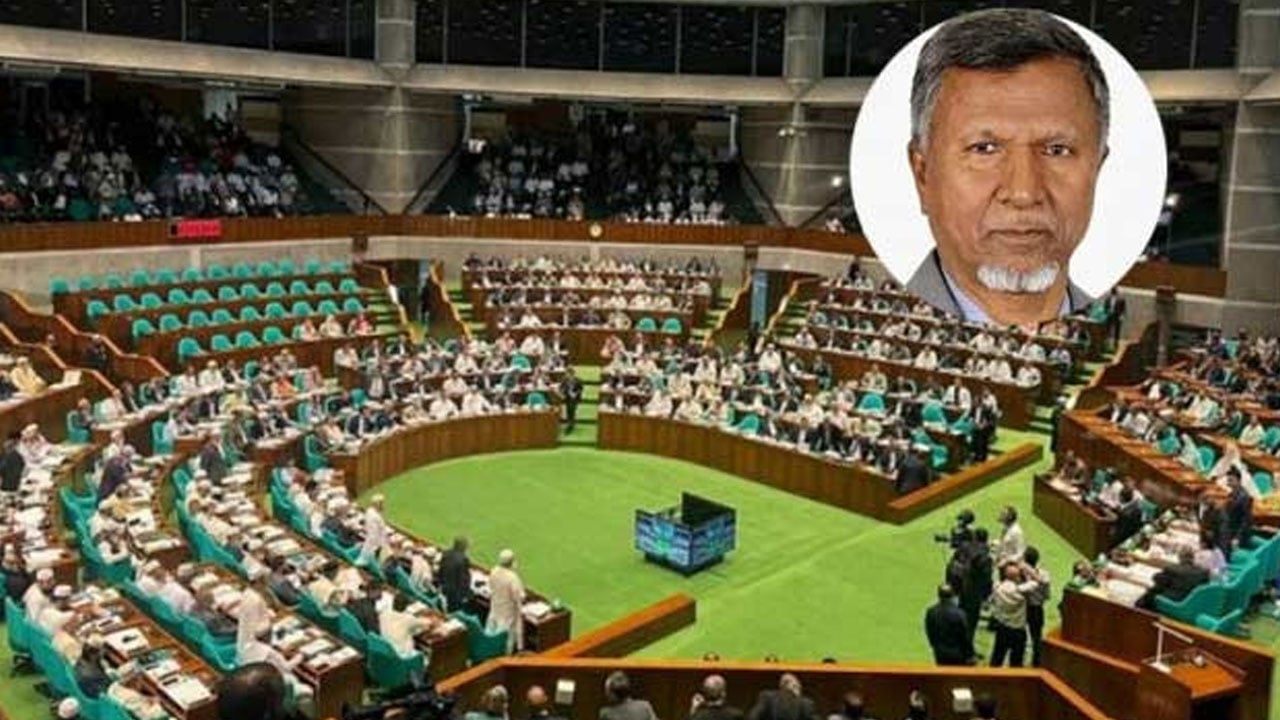
Bangladesh’s Food Minister Md. Abdul Bari informed the National Parliament that the country wastes about 3.5 million tons of food each year, citing data from the United Nations Environment Programme’s Food Waste Index 2024. He said this figure reflects the overall national food waste situation. The minister made the statement on Monday during the second day of the second session of the 13th National Parliament. Bari explained that food grains collected and stored under the Food Ministry’s management experience some losses during distribution, but the amount has been reduced through improved storage and transport systems. He highlighted that modern silos and warehouses have been built and awareness among stakeholders has increased, leading to a gradual reduction in waste. According to the minister, food grain losses in government management dropped from 21,329.88 metric tons (0.316%) in fiscal year 2023–24 to 18,887.347 metric tons (0.28%) in 2024–25. He added that the Bangladesh Food Safety Authority is working to ensure food security and raise public awareness to prevent waste.
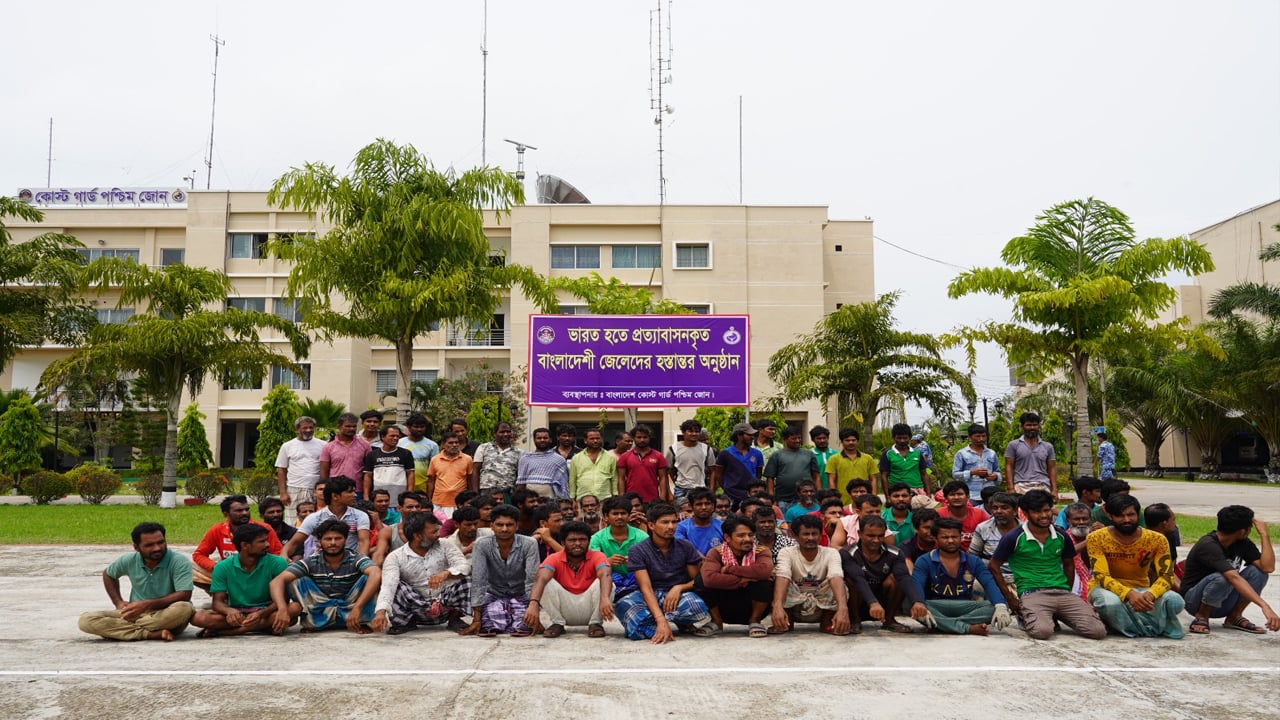
Ninety-one Bangladeshi fishermen who had been detained in Indian waters for about six months have returned home. Their repatriation was carried out through coordination between the Bangladesh and Indian Coast Guards and diplomatic efforts by the Bangladesh Ministry of Foreign Affairs. The information was confirmed on Monday afternoon by Bangladesh Coast Guard media officer Lieutenant Commander Sabbir Alam Sujon. According to Coast Guard sources, the Indian Coast Guard had detained the fishermen along with four fishing boats near the Bangladesh-India international maritime boundary. Following diplomatic discussions, both countries agreed to return the fishermen and their boats. On Sunday, the handover took place at the Bangladesh-India International Maritime Boundary Line under the supervision of the Bangladesh Coast Guard. On Monday at noon, the fishermen were formally handed over to their families along with their boats at the Coast Guard Base in Mongla. The event was attended by Commander Shah Kamruzzaman, commanding officer of BCGS Kamruzzaman.
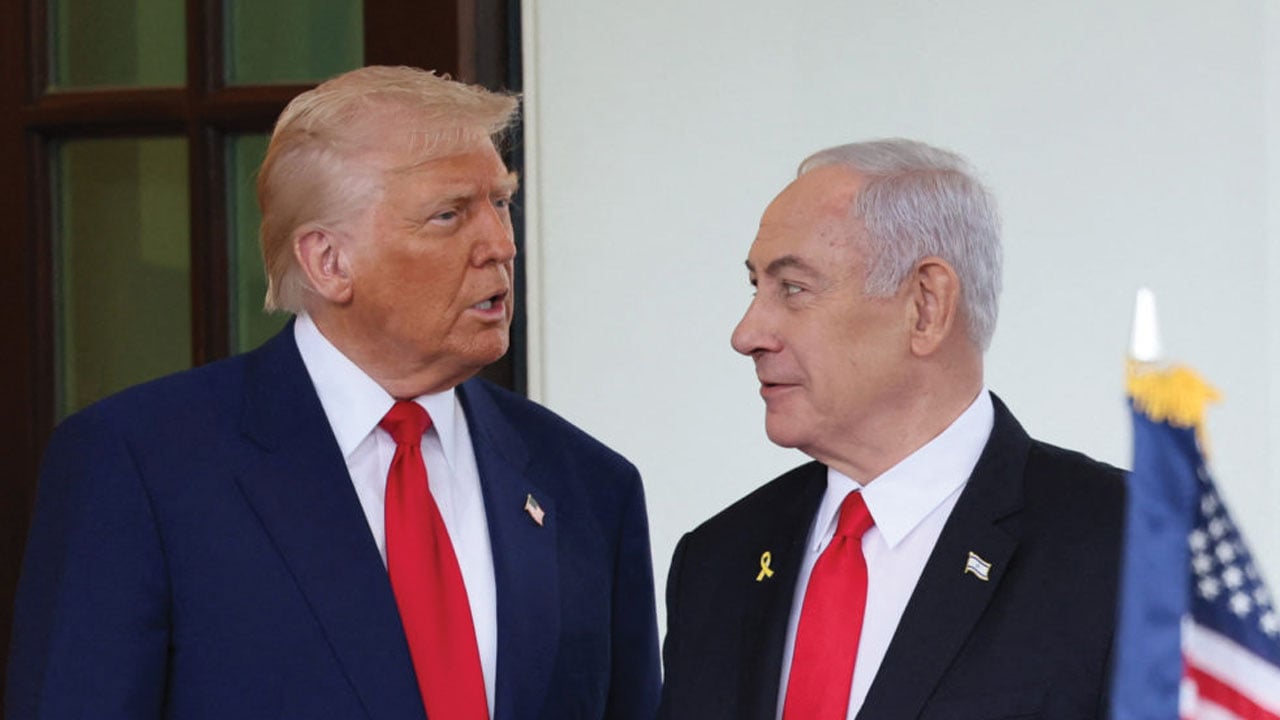
Amid renewed discussions on a possible diplomatic understanding between the United States and Iran, Israeli Prime Minister Benjamin Netanyahu is seen as unlikely to welcome such a deal, according to analyst Sami Al-Arian. He argues that Netanyahu’s political and security outlook prioritizes weakening Iran and its allied groups before any long-term regional stability can be achieved. The analysis notes that Netanyahu views Israel as the region’s dominant power, with the United States as its strategic partner. The report highlights that conflicts across Gaza, Lebanon, Syria, Iraq, Yemen, and Iran are interconnected parts of a broader regional power struggle. Despite extensive military operations, Israel has not fully met its political objectives, prompting Netanyahu to consider tougher strategies. Meanwhile, growing domestic opposition in the US to foreign wars and the upcoming midterm elections are shaping Washington’s approach to Middle East engagement. The article suggests that a potential framework under discussion could include a 60-day ceasefire, partial easing of sanctions on Iran, and safe navigation through the Strait of Hormuz. Such an agreement could offer Iran economic relief but may not align with Israel’s strategic expectations.
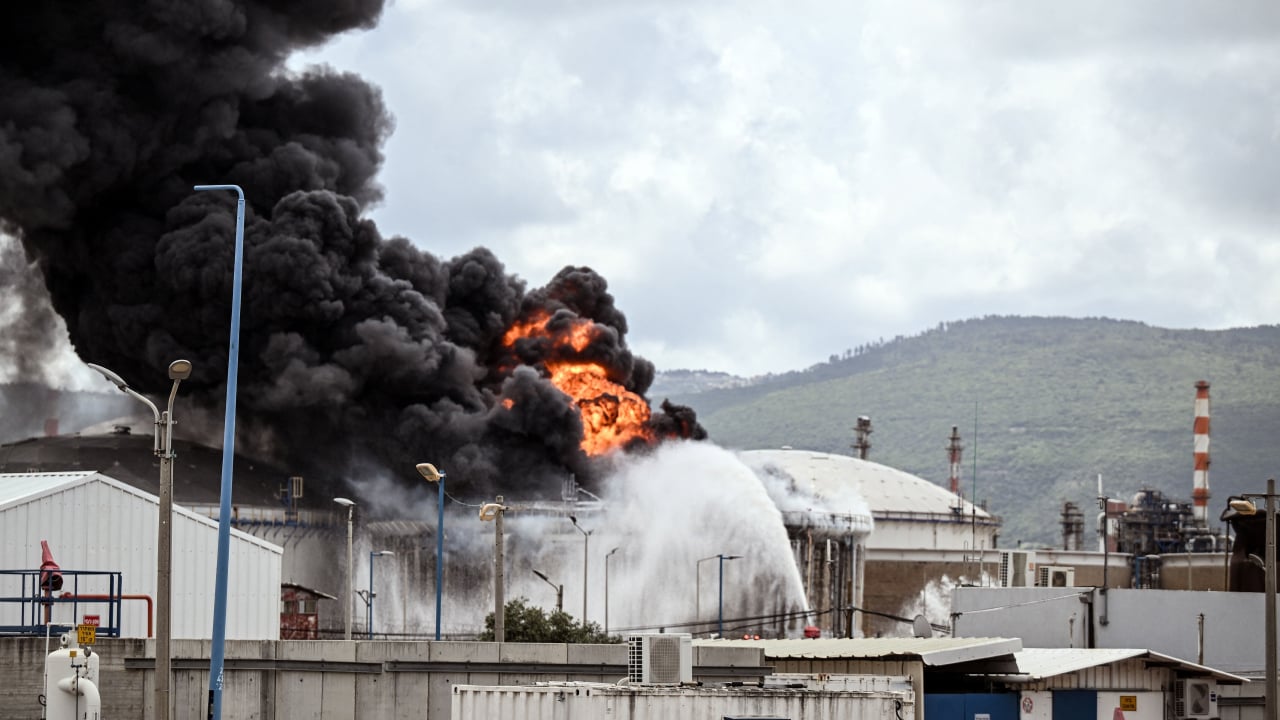
Iran’s Islamic Revolutionary Guard Corps (IRGC) has launched a missile attack on a chemical plant in the Israeli city of Haifa. The IRGC stated that the strike was a response to earlier attacks by the United States and Israel on an Iranian petrochemical facility. The incident marks a new escalation in regional hostilities following recent tensions. In a statement, the IRGC warned that further assaults on civilian and energy targets in the region would bring global consequences. The group accused what it called the Zionist enemy of initiating a dangerous game by targeting civilian and oil industry facilities, adding that the resulting impact on the world economy would be the responsibility of the United States, which it described as the main instigator. The warning underscores growing risks to regional energy infrastructure and global markets if hostilities continue, though no immediate international response was reported in the source.
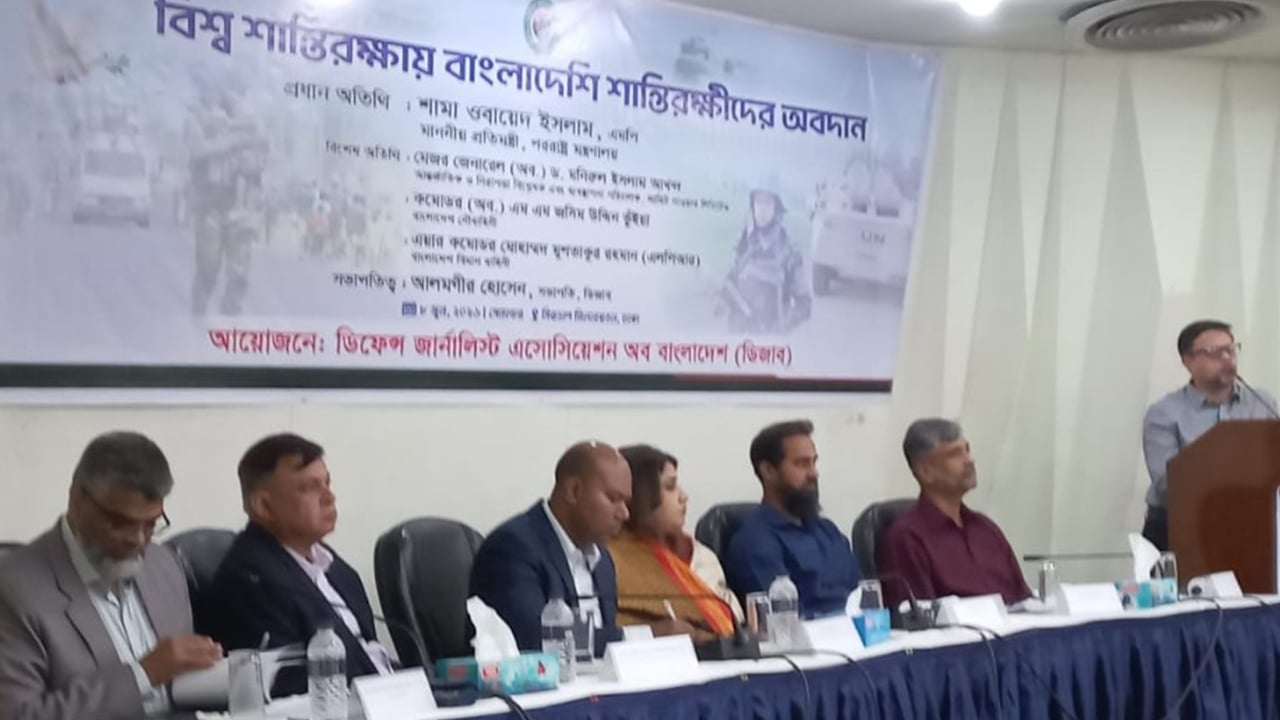
State Minister for Foreign Affairs Shama Obaid Islam has commended the dedication and sacrifice of Bangladeshi peacekeepers serving in United Nations missions. Speaking on Monday afternoon at a discussion titled 'Contribution of Bangladeshi Peacekeepers to Global Peace' at the CIRDAP auditorium, she said many people do not fully realize the extent of their sacrifices. The event was organized by the Defense Journalists Association of Bangladesh (DJAB). Shama Obaid emphasized that Bangladeshi peacekeepers work out of love for their country and to uphold its honor, often risking their lives in the process. She also paid tribute to the families of peacekeepers, acknowledging their courage in sending loved ones to dangerous missions without knowing if they will return. She expressed personal and governmental respect for their service and noted that the Ministry of Foreign Affairs remains attentive to their welfare. The discussion was chaired by DJAB President Alomgir Hossain and featured remarks from retired military and security experts, including Major General (Retd.) Monirul Islam Akhand, Commodore (Retd.) M. Tajim Uddin Bhuiyan, and Air Commodore Mohammad Mutasir Rahman (LPR).
The ‘1 Nojor’ media platform is now live in beta, inviting users to explore and provide feedback as we continue to refine the experience.