

The ‘1 Nojor’ media platform is now live in beta, inviting users to explore and provide feedback as we continue to refine the experience.
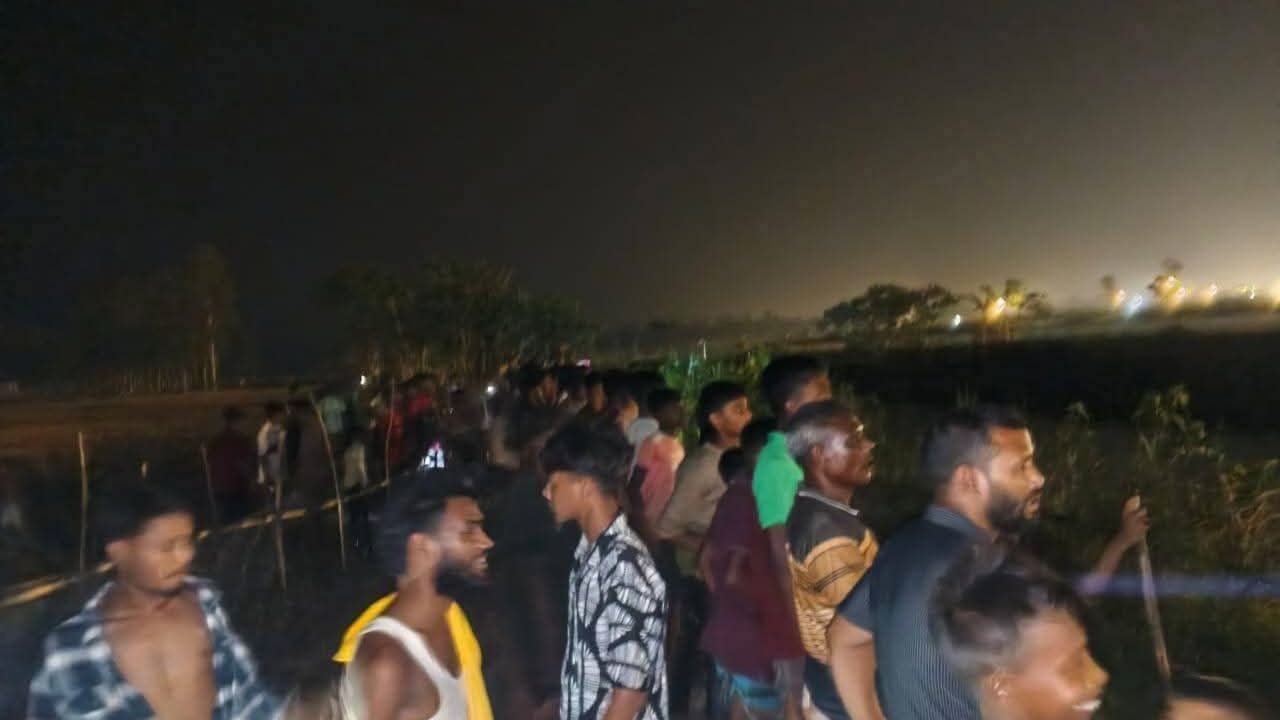
Border Guard Bangladesh (BGB) and local villagers jointly prevented multiple push-in attempts by India’s Border Security Force (BSF) along the Bokbanda and Jhaubari border points in Roumari upazila of Kurigram district. The incidents occurred on Saturday night and again on Sunday evening, when BSF allegedly tried to push several people across the border. BGB, supported by local residents, took a firm stance that forced BSF to retreat. To raise awareness and strengthen vigilance, BGB used loudspeakers in nearby villages. According to local accounts, the situation along the border remained tense throughout the day. Residents claimed that BSF has repeatedly tried to create unrest in the area, recalling earlier failed attempts in previous years. A BGB official confirmed that patrols and joint watch efforts with villagers are ongoing to prevent any illegal entry, though poor road conditions are hampering rapid response. Border residents expressed determination to resist any future push-in attempts, while BGB continues to maintain heightened alert along the affected frontier zones.
Iran’s Islamic Revolutionary Guard Corps (IRGC) has described its recent missile attack on Israel as a warning and cautioned that any Israeli retaliation would trigger a far more destructive counterattack. Reporting from Tehran, Al Jazeera’s correspondent said the IRGC’s statement indicates Iran does not intend to continue the strikes for now but is prepared for escalation if provoked. According to the report, Iran’s message emphasizes that it has fulfilled a promise to the people of Lebanon and delivered a strong signal to Israel. Tehran seeks to frame the conflict as extending beyond a bilateral issue, urging Israel to halt its operations in Lebanon. The key uncertainty remains whether Israel will respond militarily, as it faces significant pressure from the United States to avoid retaliatory action. Analysts cited in the report suggest that if Israel refrains from striking Iran but continues bombing Lebanon, Tehran’s objectives may fail. Conversely, if Israel ceases its attacks in Lebanon, Iran could claim a major political victory and use the resulting ceasefire as a platform for further negotiations.
A powerful 7.8-magnitude earthquake struck the Philippine island of Mindanao at 7:40 a.m. local time on Monday, according to the United States Geological Survey. The quake occurred at a depth of 35 kilometers, prompting tsunami warnings across multiple Asian nations. The Pacific Tsunami Warning Center reported that waves up to 10 feet could hit the Philippine coast, while Indonesia and Malaysia might experience waves exceeding 3 feet. Governments in the Philippines, Indonesia, and Japan issued tsunami alerts, warning of potentially dangerous large waves along coastal areas. Philippine President Marcos urged residents to move immediately to higher ground, noting that several coastal regions in Mindanao were already feeling the effects. Japanese Prime Minister Sanade Takachio also called on citizens to follow tsunami warnings and evacuation instructions closely.

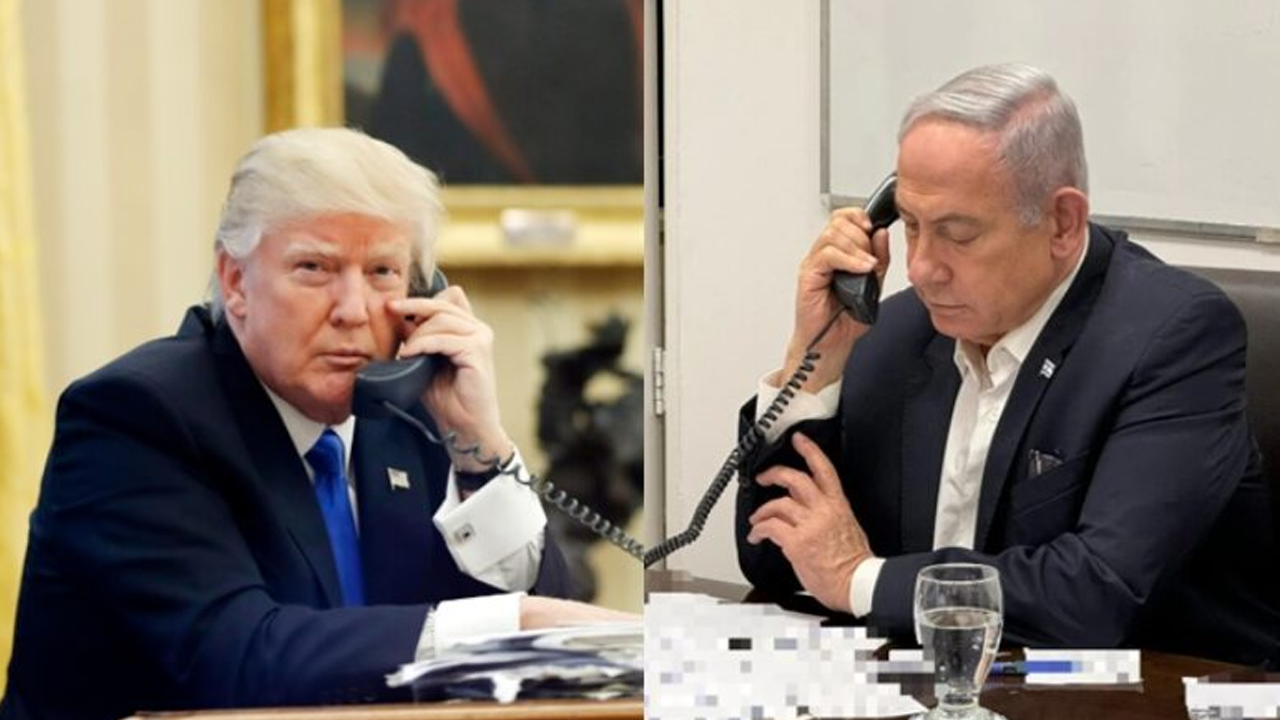
Israeli Prime Minister Benjamin Netanyahu has agreed to delay retaliatory action against Iran following a request from U.S. President Donald Trump. The appeal came after Iran launched missile attacks on Israel on Sunday, despite an existing ceasefire agreement reached in early April. Trump asked Netanyahu to hold off on a counterattack to allow Washington more time to pursue a diplomatic agreement with Tehran. According to a report by Axios citing senior U.S. and Israeli officials, Netanyahu initially opposed Trump’s request and tried to persuade him to authorize a strike on Iran. However, he eventually gave partial consent to the president’s appeal. U.S. officials described the latest phone call between the two leaders as calmer than their previous heated exchange over Israel’s plans to strike Beirut. One official said Trump believes the U.S. is very close to securing a deal with Iran and that Israel is unlikely to launch an attack soon. Israeli Channel 12 News reported that no formal decision has yet been made in Israel, and Netanyahu was still meeting with senior security officials on the matter.
OPEC Plus has decided to increase its oil production quota by 188,000 barrels per day for July, amid ongoing conflict in the Middle East and disruptions to crude transport through the Strait of Hormuz. The decision was approved during a virtual meeting attended by energy ministers from Saudi Arabia, Russia, Iraq, Kuwait, Kazakhstan, Algeria, and Oman, according to an official statement from the group. OPEC Plus stated that the move aims to maintain stability in the global oil market and accelerate compensatory production adjustments among member states during a period of high oil prices. However, analysts at Rystad Energy, including Jorge Leon, noted that the production increase may have limited real impact due to the continuing crisis in the Strait of Hormuz, which restricts actual oil supply. Experts warned that if instability in the Strait persists, global energy markets could face further pressure, keeping oil prices elevated for an extended period.

The United States expects that Israel will not carry out an immediate retaliatory attack against Iran, according to a report by Axios. The report states that Israeli Prime Minister Benjamin Netanyahu initially rejected former US President Donald Trump’s call to refrain from responding to Iran’s attack but later appeared to agree to hold back. The assessment was shared by a US official familiar with the phone conversation between the two leaders. The official told Axios that President Trump believes the US is very close to reaching an agreement with Iran and that taking military action now could jeopardize that progress. He compared the situation to being in the final quarter of a game, suggesting that it would be unwise to risk a potential deal at this stage. The report indicates that the US administration views the current moment as critical for concluding months of diplomatic efforts. If the diplomatic momentum continues, the report implies that immediate military escalation between Israel and Iran is unlikely in the near term.
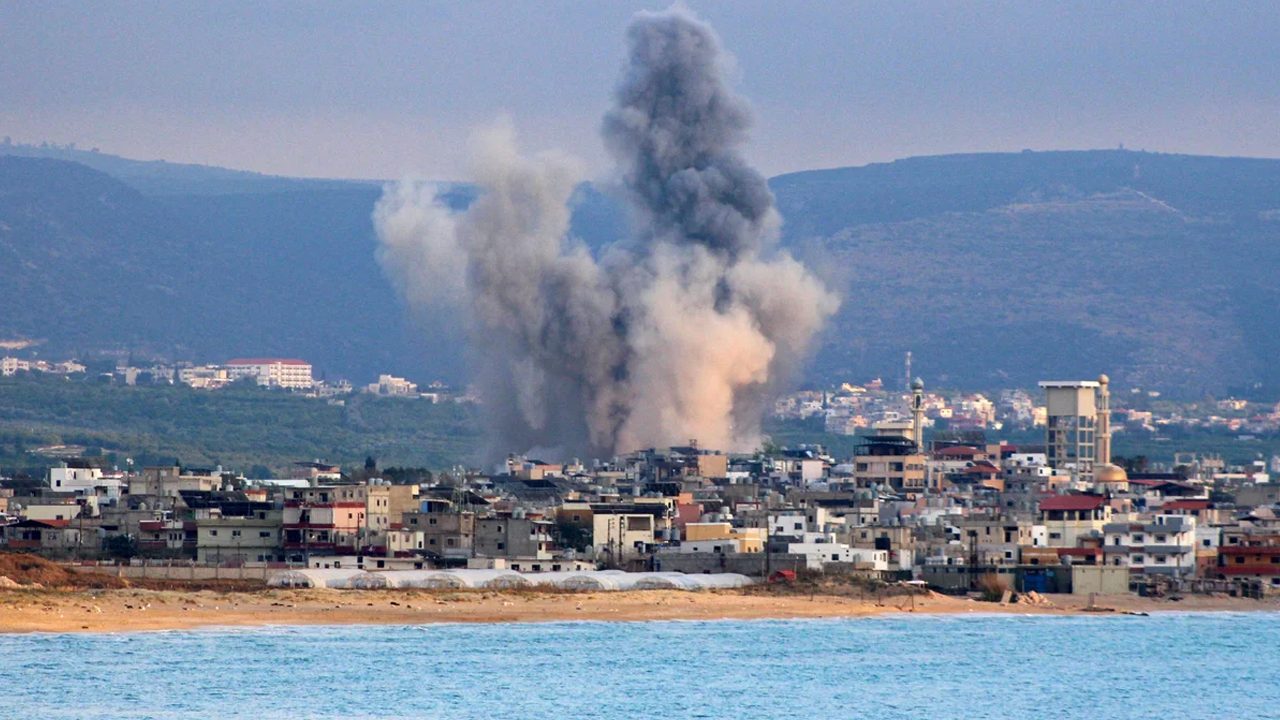
Journalist Abed Abu Shehadeh has said that Israel is stuck in a major quagmire in Lebanon, with no clear strategy to exit the ongoing conflict. Speaking to Al Jazeera from Jaffa, he argued that describing Israel’s recent actions as a ceasefire is misleading, as Israeli media themselves refer to it as a 'ceasefire war.' According to Abu Shehadeh, Israeli forces have faced increasing pressure in recent weeks as Hezbollah’s new fiber-based drones have repeatedly targeted and killed Israeli soldiers. He added that the Israeli military currently lacks an effective response to this drone technology, leaving its forces vulnerable on the ground. The report underscores the growing challenges Israel faces in Lebanon, where intensified drone attacks have complicated its military operations and strategic planning.
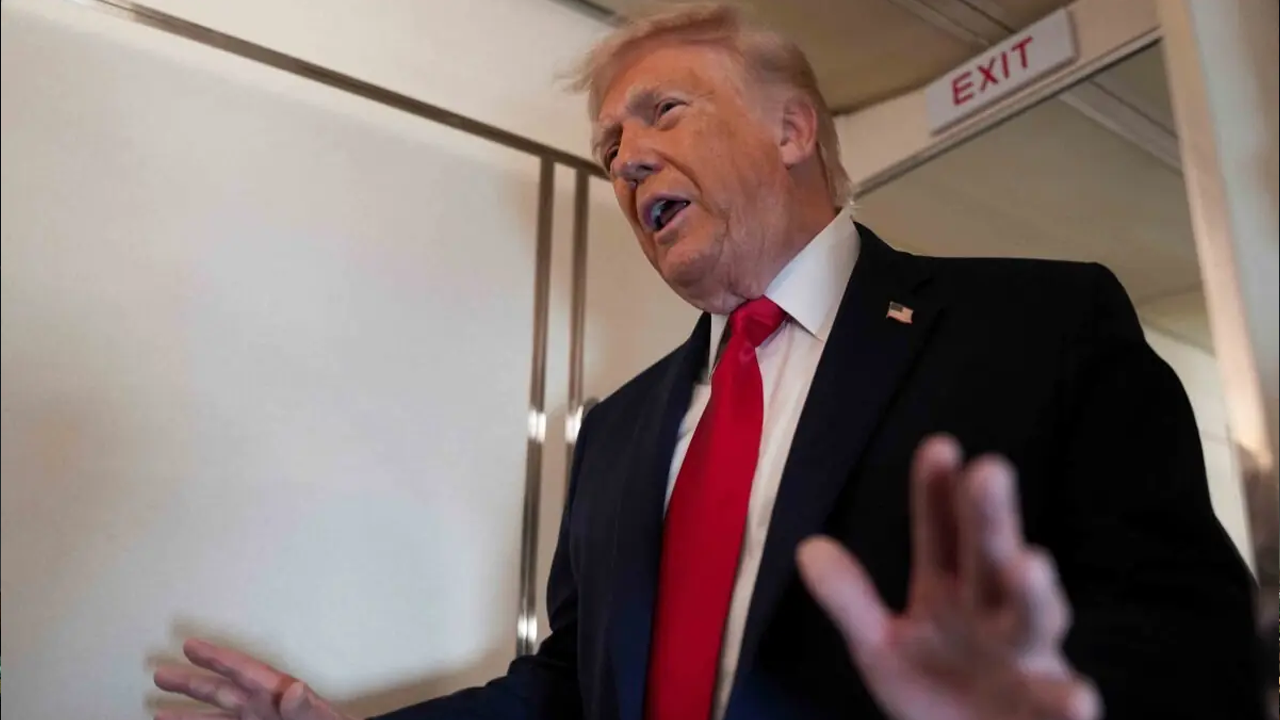
U.S. President Donald Trump stated that Israeli Prime Minister Benjamin Netanyahu will ultimately have no choice but to accept a settlement deal. In a phone interview with the Financial Times, Trump said he controls all key decisions and that Netanyahu does not make them. He also confirmed that despite Iran’s recent missile attack, Washington remains committed to pursuing a diplomatic agreement with Tehran. According to the report, the missile strike was carried out in support of Lebanon’s Hezbollah after Israeli forces attacked one of its bases in Beirut. Trump spoke with Netanyahu by phone following the incident and reiterated that the attack would not affect ongoing negotiations. He said the United States and Iran had been close to reaching an understanding before the strike, though no final deal had yet been achieved. Trump warned that if talks fail, the United States could resort to military action or continue its naval blockade against Iran, which he described as more effective than direct attacks. His remarks have renewed debate over U.S. policy in the Middle East.
Israeli military spokesperson Efi Defrin stated that Iran made a “serious mistake” by launching an attack on Israel. Speaking to the media on June 8, 2026, he said that the chief of the Israeli army is assessing the situation and approving various plans for potential future actions. Defrin added that Israeli forces will continue their operations across Lebanon and remain prepared for the possibility of further attacks. He indicated that Israel is closely monitoring the security situation following the recent assault and maintaining readiness for necessary military measures. The statement underscores Israel’s heightened alert and strategic planning in response to Iran’s actions, reflecting ongoing regional tensions and the potential for further escalation.
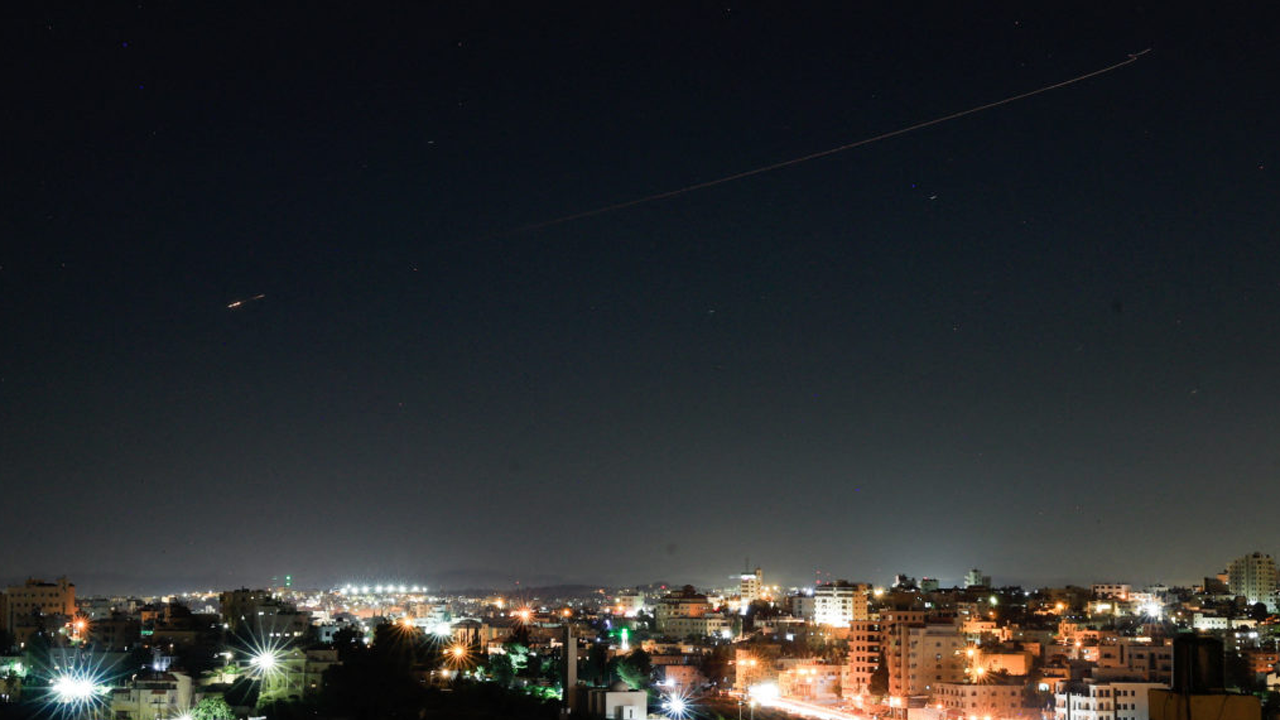
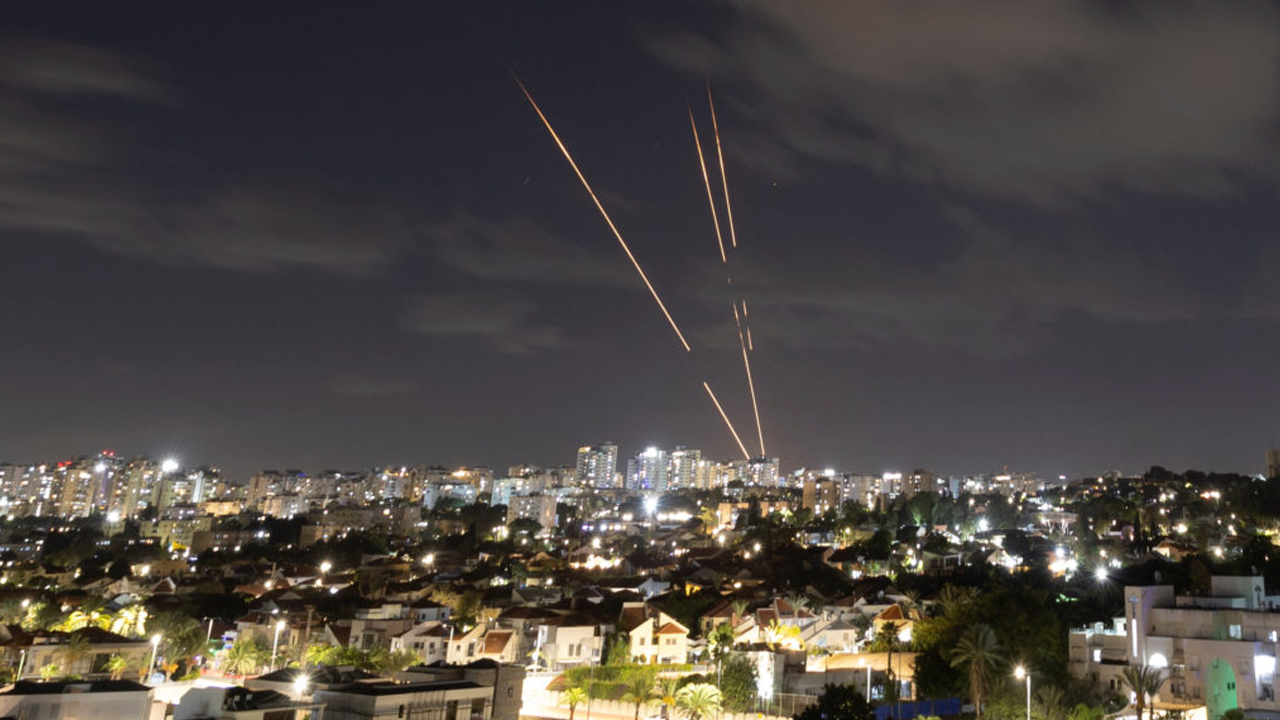
Iran has launched missiles toward Israel following an Israeli strike in Beirut, according to the Israeli military. The attack occurred amid an ongoing ceasefire, heightening regional tensions. Israel’s defense forces reported that their air defense systems were intercepting the missiles, with several already shot down while others continued to be launched. Earlier, Iran had warned of retaliation after Israel’s strike in southern Beirut. Within hours, Israel’s military placed the country on high alert, anticipating possible attacks. Sirens were activated in Haifa and northern areas, and civilians were instructed to move to shelters once missile launches were detected. Iran’s Islamic Revolutionary Guard Corps claimed responsibility, stating that the ballistic missiles targeted the Ramat David airbase near Haifa in response to recent Israeli operations in southern Lebanon and Beirut’s suburbs. Israel’s far-right National Security Minister Itamar Ben-Gvir’s online comment calling for Tehran to “burn tonight” further escalated the situation.
Political tension has escalated in Dewanganj municipality of Jamalpur following allegations that activists of the banned Chhatra League detonated several crude bombs at multiple locations on Tuesday evening. In protest, local leaders and activists of the Chhatra Dal and BNP organized a motorcycle showdown across the town, demanding punishment for those responsible. The demonstration featured anti–Chhatra League slogans, and the situation in the area has since remained tense. According to local sources, explosions reportedly occurred in the station area, Gabtoli, Kalitala, and other parts of Dewanganj, spreading panic among residents. Chhatra Dal leader Md. Biplob Mondal accused Chhatra League members, led by the organization’s upazila general secretary Sohel Rana, of orchestrating the blasts after failing to hold a rally two days earlier. However, Sohel Rana denied the allegations, claiming that neither he nor his associates were in the area and that BNP and Chhatra Dal members were attempting to defame them. Dewanganj police chief Anwar Hossain stated that no physical evidence or eyewitnesses of explosions were found at the reported sites, but an investigation is underway to determine the cause and source of the alleged blasts.

Former U.S. President Donald Trump’s administration is reportedly exploring a plan to purchase the Chagos Islands directly from Mauritius, potentially undermining UK Prime Minister Keir Starmer’s initiative to transfer sovereignty of the islands to Mauritius. According to a report by The Telegraph, White House officials have drafted alternative proposals to bypass Britain and negotiate directly with Mauritius to ensure continued U.S. control over the strategic Diego Garcia military base. The report states that among several options under review, the idea of buying the islands has been presented to President Trump by U.S. Treasury Secretary Scott Besent, though it is not yet the main policy choice. The renewed focus on Diego Garcia’s strategic importance follows rising tensions involving Iran and China’s expanding naval capabilities. Analysts cited in the report warn that if Mauritius, seen as close to China, gains control, it could heighten maritime intelligence risks. The British government remains committed to its agreement with Mauritius, under which the islands would be transferred and the U.S. would lease Diego Garcia for 99 years. A British minister recently said there is no realistic prospect of the U.S. purchasing the islands.

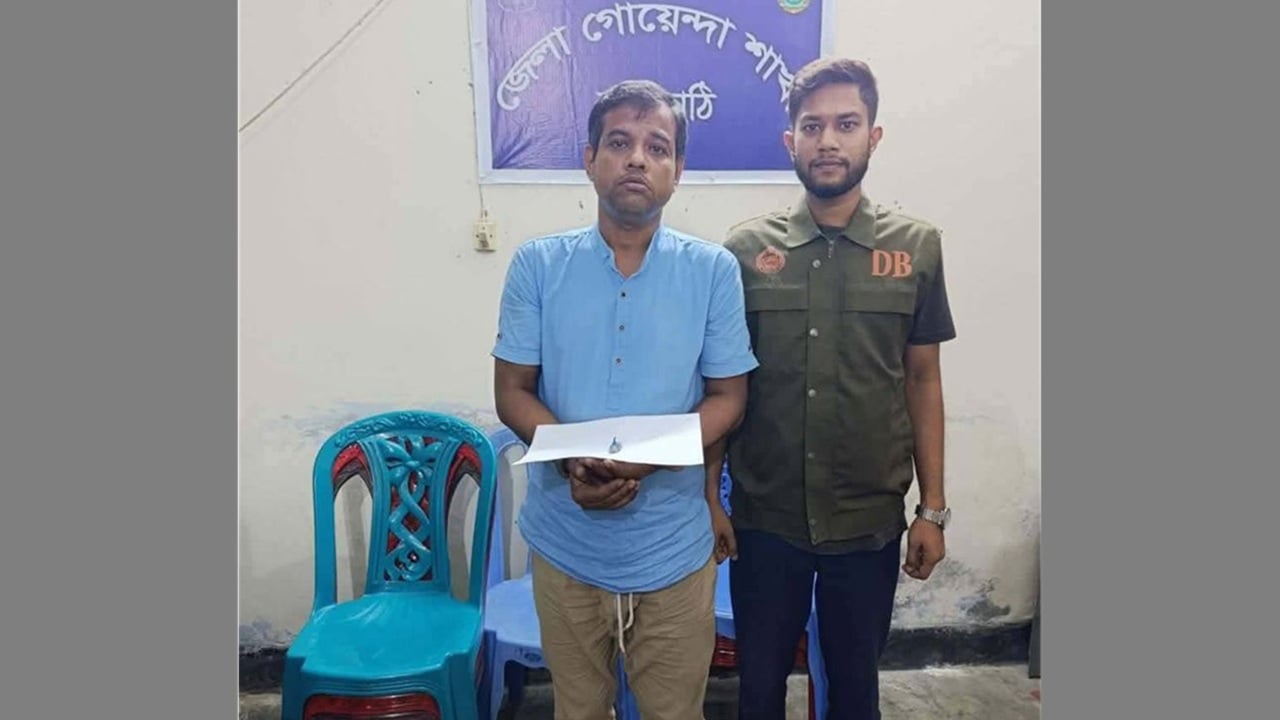
Detective Branch (DB) police in Jhalakathi arrested Sumon Chakraborty, the priest of the Kalibari Temple, with 20 yaba tablets from the Shitalakhola area of the town on Sunday evening. The arrest took place around 7 p.m. during a DB operation. Following the incident, the Kalibari Temple authority issued a press release announcing Sumon Chakraborty’s expulsion from his position as priest. The arrest of a priest from one of the city’s major temples with illegal drugs has become a widely discussed topic in Jhalakathi. Officer-in-Charge (OC) Md. Mahmud Hasan of Jhalakathi Sadar Police Station confirmed that Sub-Inspector (SI) Md. Tariful Islam filed a regular case against the accused under Section 36(1) Schedule 10(a) of the Narcotics Control Act, 2018. The case is now under investigation, and local authorities are proceeding according to the legal framework outlined in the narcotics law.
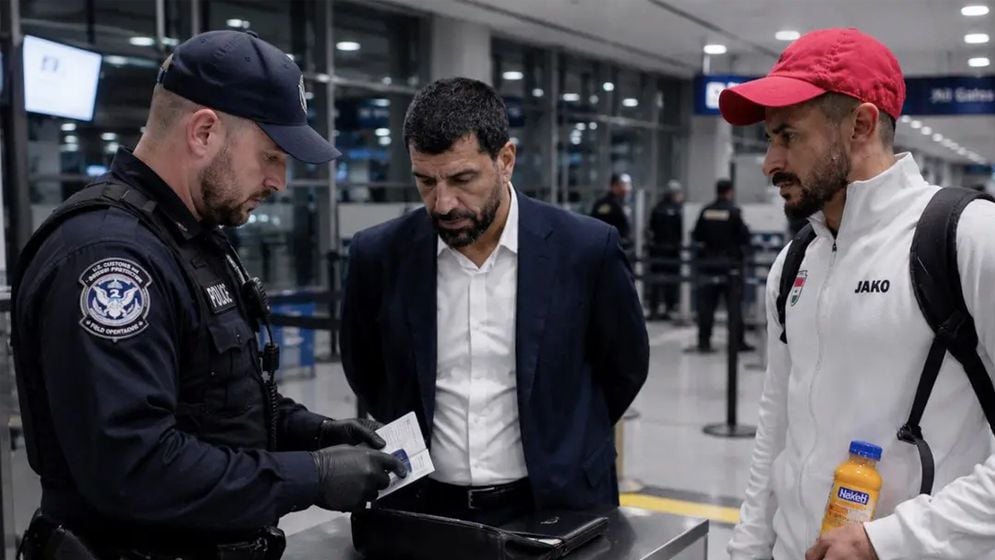
Iraq’s national football team faced an unexpected controversy upon arriving in the United States for the 2026 FIFA World Cup. Star striker Aymen Hussein was detained and questioned for nearly seven hours by US immigration authorities at Chicago’s O’Hare International Airport. After the lengthy interrogation and a detailed inspection of his mobile phone, Hussein was eventually allowed to enter the country. However, the team’s official photographer, Talal Salah, was denied entry after being held for more than ten hours and having his phone searched. According to an Iraqi Football Association official, US Customs and Border Protection officers closely monitored the team upon arrival. Hussein, aged 30, was separated from his teammates immediately after disembarking. His decisive goal against Bolivia in the playoffs had secured Iraq’s place in the World Cup for the first time in 40 years. The incident has cast a shadow over Iraq’s historic qualification, raising concerns about the team’s preparation and morale ahead of the tournament.
On Sunday, separate suspected shooting attacks in Israel left one person dead and four others injured, according to the country's emergency service organization and military. The Magen David Adom (MDA) emergency service reported that a man around 30 years old was found dead near Tzur Natan, close to the West Bank. Another person from the same area was hospitalized in serious condition. The MDA added that two men, aged 50 and 30, were treated for injuries following another shooting at a petrol station near the city of Kokhav Yair. Additionally, a man around 30 years old received treatment for a gunshot wound to the hand in Tzur Yitzhak. The Israeli army stated that troops were deployed to the areas of Sa’lit and Tzur Yitzhak after reports of multiple shootings. Police said they identified a suspected vehicle involved in the Kokhav Yair attack and neutralized one suspect. However, Israeli media reported that at least one attacker remains at large, prompting an ongoing security operation to locate the individual.

The ‘1 Nojor’ media platform is now live in beta, inviting users to explore and provide feedback as we continue to refine the experience.