

The ‘1 Nojor’ media platform is now live in beta, inviting users to explore and provide feedback as we continue to refine the experience.
Default loans in Bangladesh’s banking sector rose sharply during January–March 2026, with 44 of 61 banks reporting increases totaling Tk 31,487 crore. According to Bangladesh Bank data, total non-performing loans reached Tk 588,704 crore by the end of March, representing 32.26% of total loans, up from 30.60% in December. Officials said the rise followed post-inspection adjustments and sluggish business conditions that hindered loan recovery. Among six state-owned banks, four saw defaults increase, led by Janata Bank, where bad loans rose by Tk 2,458 crore to Tk 74,996 crore. Private banks were hit harder, with 34 of 43 institutions reporting higher defaults. IFIC Bank recorded the largest jump of Tk 4,683 crore, followed by Islami Bank and EXIM Bank. Specialized and foreign banks, including Bangladesh Krishi Bank and HSBC, also reported increases. City Bank’s managing director attributed the trend to slower overall economic growth. The data indicate widespread stress in both public and private banking segments, despite regulatory efforts to curb defaults.
Three tankers of a freight train derailed near Safdarpur railway station in Kotchandpur upazila of Jhenaidah early Sunday morning, disrupting train services between Khulna and Rajshahi as well as other northern regions. The incident occurred around 6 a.m. when the Parbatipur-bound oil-carrying train from Khulna reached the Safdarpur area. According to the Safdarpur station master, nine wheels of the train’s last three tankers went off the tracks, forcing authorities to suspend all train movements on the route. A rescue train has departed from Khulna to begin recovery operations once it arrives at the site. Train services between Khulna and northern Bangladesh are expected to remain suspended until the derailment site is cleared and tracks are restored.

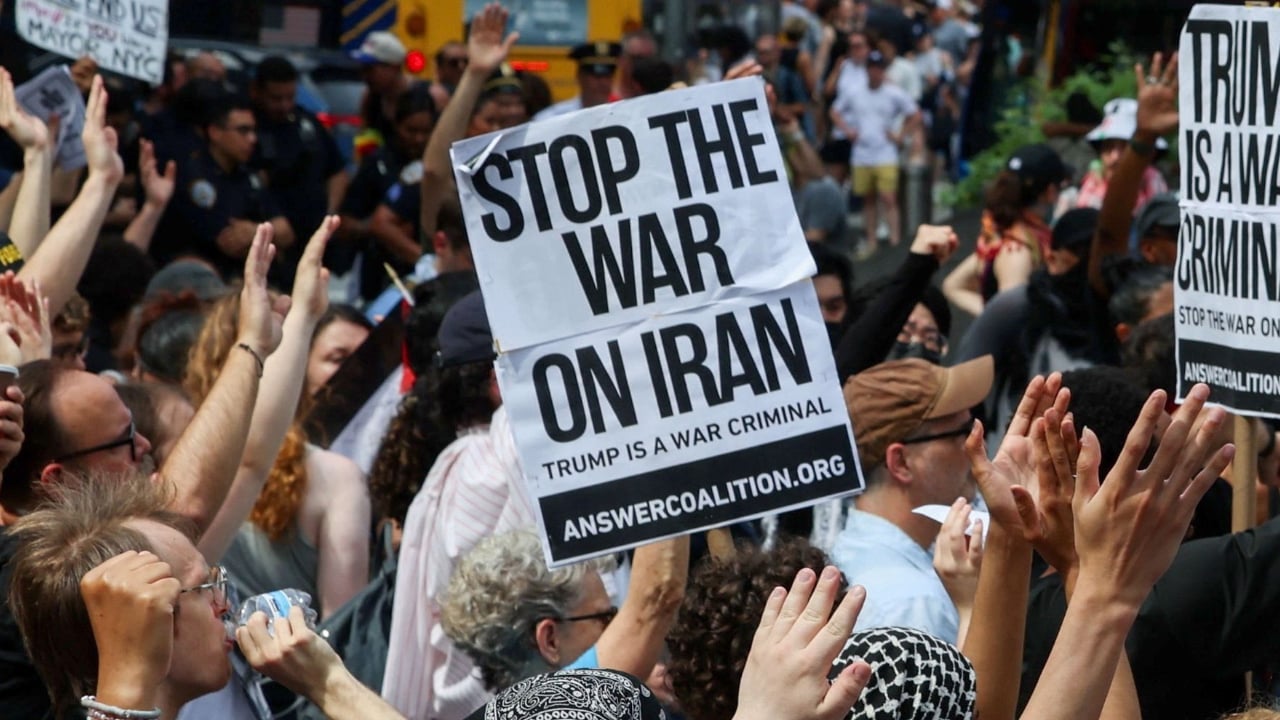
The war launched by the United States and Israel against Iran has reached its 100th day, but remains deeply unpopular among Americans. The conflict has become a political liability for President Donald Trump and his Republican Party, as public opinion surveys continue to show widespread opposition to the war. Many U.S. voters view the campaign as unnecessary and harmful to national interests. A poll conducted by the University of Maryland’s Department of Peace and Development, led by Professor Shibley Telhami, found that only 16 percent of American voters believe the United States has won or is winning the war. The survey also revealed that 33 percent of Republicans and a majority of voters overall think the conflict has had more negative than positive effects on U.S. interests. Telhami described the findings as “remarkable,” noting that even Republicans increasingly see the war as damaging. Experts cited in the report suggest that the lack of public support could politically weaken Trump ahead of the November midterm elections, where Democrats hope to regain control of Congress.
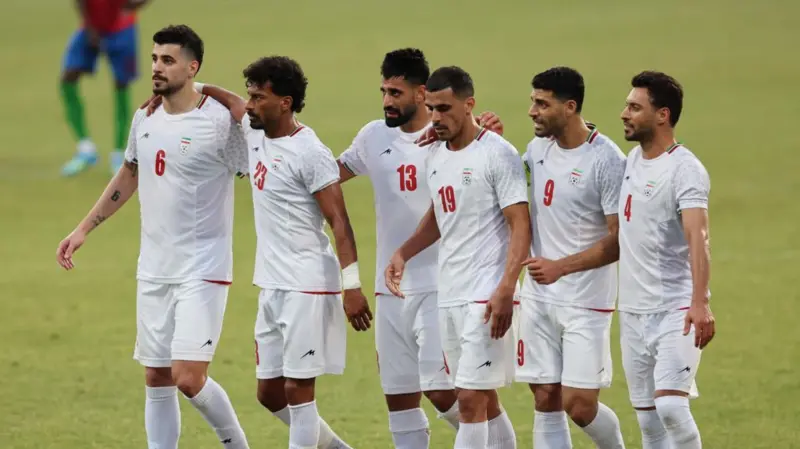
Iran has accused the United States of refusing visas to several officials and technical staff linked to its national football team just days before the World Cup begins. U.S. officials stated on Friday that all Iranian players and essential support staff had received visas ahead of Iran’s first match on June 15 in Los Angeles. They added that the U.S. remains vigilant to prevent any misuse of the visa system. Iran’s embassy in Turkey alleged that Washington was politically interfering in sports, claiming that many management and technical advisers were denied entry. Iranian state media reported that around 15 administrative officials, including the football federation’s president, vice president, and a media officer, were refused visas. The Iranian team completed training in Turkey and departed for Mexico, where it will stay during the tournament. Iran called the U.S. position an attempt to conceal the truth and urged FIFA to intervene. The World Cup is being co-hosted by the United States, Canada, and Mexico amid ongoing political tensions between Tehran and Washington.
Argentina continued their winning momentum ahead of the World Cup with a 2-0 victory over Honduras in a friendly match held at Kyle Field in College Station, Texas. Coach Lionel Scaloni opted to rest captain Lionel Messi for the entire match as a precaution due to lingering muscle fatigue. Lautaro Martínez opened the scoring in the 37th minute from a penalty after Nicolás Tagliafico was fouled, while Giuliano Simeone sealed the win with a precise finish in the 51st minute following a backheel assist from Martínez. Scaloni made several changes throughout the match but avoided risking Messi, who had sustained a minor injury while playing for Inter Miami on May 25. Although Messi has resumed training with the national team, he is yet to regain full fitness. The coach emphasized that no risks would be taken with the 38-year-old star before the World Cup. Argentina will play their final warm-up match against Iceland on June 9 before beginning their World Cup campaign on June 16 against Algeria. They are placed in Group J alongside Austria and Jordan.

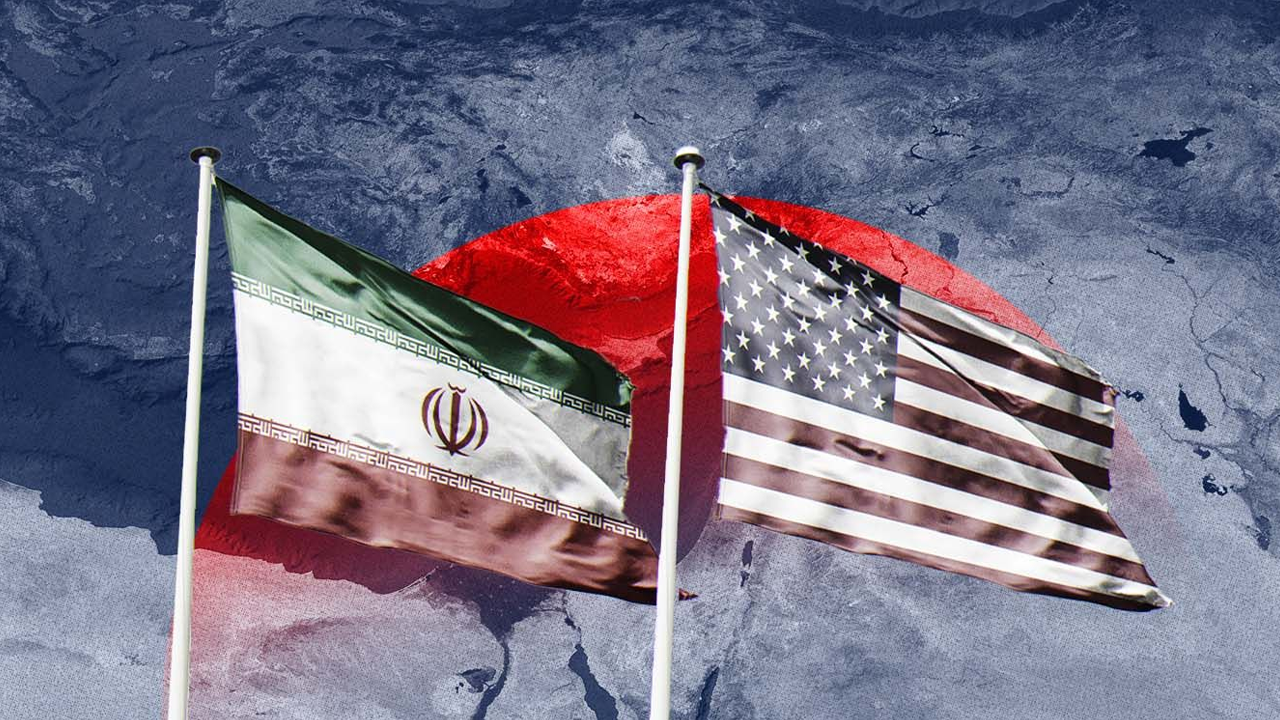
The United States is considering using Iran’s seized assets to compensate Gulf countries if they suffer damage from future Iranian attacks, according to a Reuters report citing informed sources. US Treasury Secretary Scott Besant has reportedly instructed a team to assess the extent of potential damages in Gulf allied nations and explore the use of Iranian funds for infrastructure repairs. The report emerged as Mohsen Rezaei, an adviser to Iran’s Supreme Leader, told CNN that one of Tehran’s conditions for a peace agreement is the release of 24 billion dollars in Iranian assets currently frozen in the United States. Analysts believe peace talks between Washington and Tehran have stalled due to unresolved issues over Iran’s nuclear program, the Strait of Hormuz, and the fate of the seized assets. The consideration of reallocating Iranian funds underscores the ongoing tension between the two nations and the uncertainty surrounding future diplomatic progress.
Bangladesh’s Prime Minister Tarique Rahman will make his first official foreign visit to Malaysia on June 21–22, 2026, at the invitation of Malaysian Prime Minister Anwar Ibrahim. The trip, followed by a visit to China from June 23–26, is being viewed as a reflection of the new government’s balanced geopolitical outlook. The main agenda for the Malaysia visit includes reopening the long-stalled labor market, expanding trade and investment, and enhancing cooperation in education. Analysts see the choice of Malaysia as a strategic move to maintain diplomatic equilibrium amid regional competition between India and China. By selecting a neutral and friendly Muslim-majority nation as his first destination, Rahman’s government signals its focus on national economic interests and people’s welfare over geopolitical alignments. The visit also carries symbolic importance for strengthening ties with ASEAN and the Muslim world. If successful, the visit could help revive Malaysia’s labor market for Bangladeshi workers, boosting remittance inflows and stabilizing Bangladesh’s economy. It may also advance ongoing negotiations for a free trade agreement aimed at expanding Bangladesh’s export access to Southeast Asian markets.
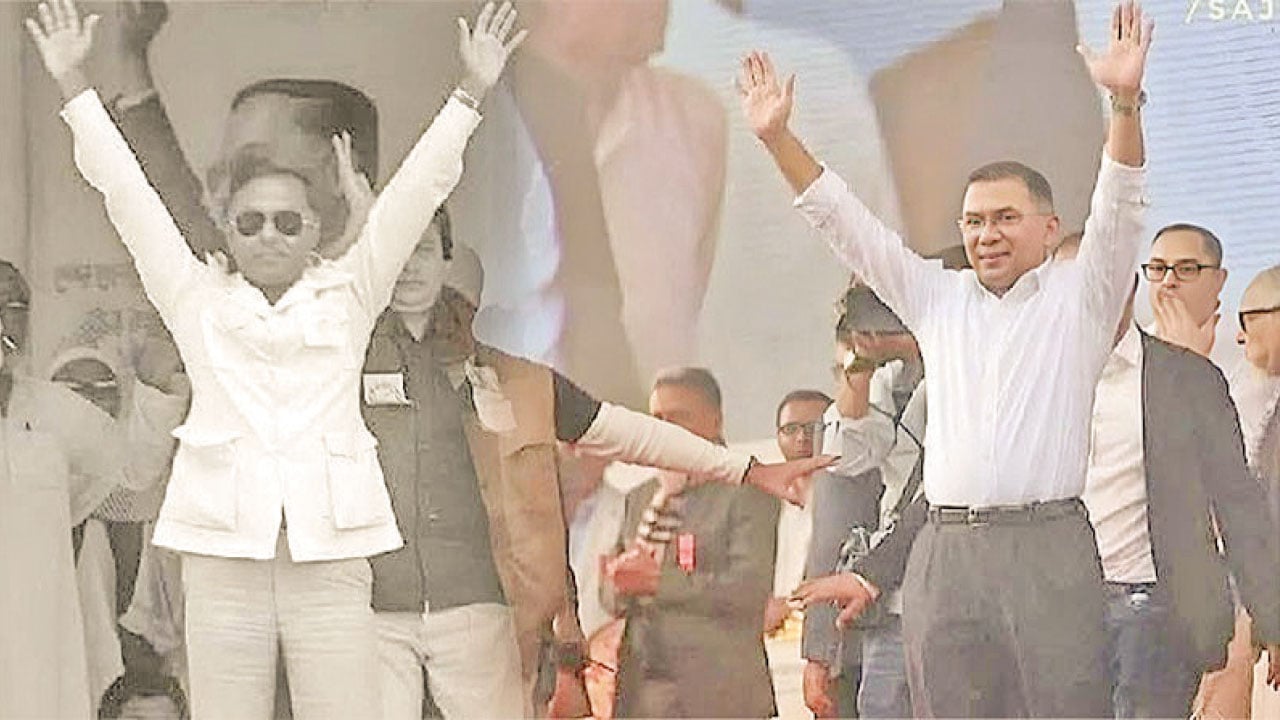
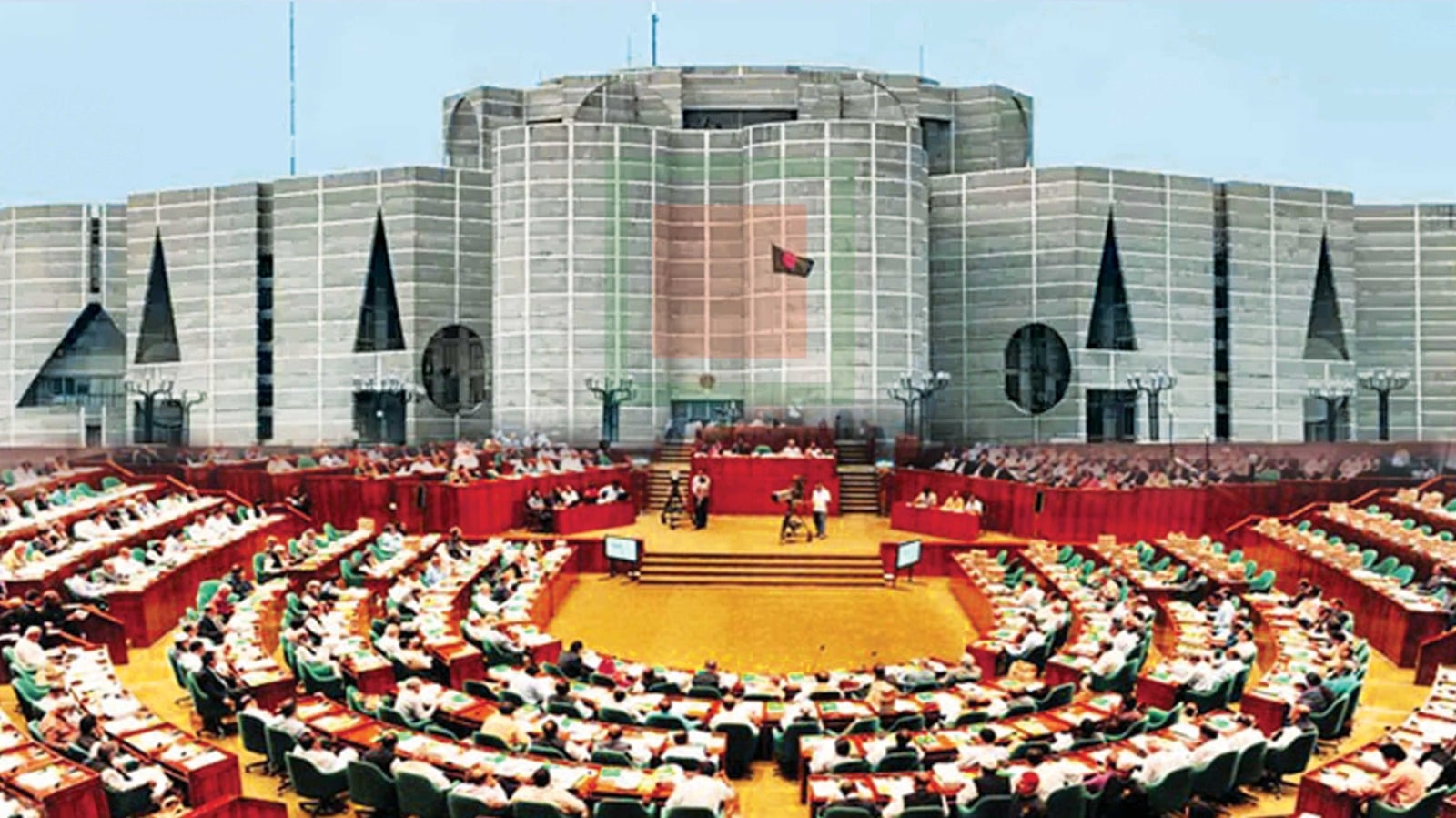
The second session of Bangladesh’s 13th Jatiya Sangsad begins today, Sunday, marking the first budget session of the current government. The session starts at 3 p.m., with the 2026–27 fiscal year budget scheduled for presentation on June 11. Opposition parties, including Bangladesh Jamaat-e-Islami and the 11-party alliance, are preparing to raise key issues such as electricity and fuel price hikes, law and order, and controversial appointments in Islamic Bank during the session. The 11-party alliance, led by Jamaat-e-Islami, is also resuming its divisional rallies after the Eid-ul-Azha holidays, demanding implementation of the July Charter and referendum verdict. The alliance has announced a series of rallies across major cities through July, alongside meetings with professionals to build public support. Several opposition parties have already held protests in Dhaka against recent energy price increases. Government sources indicate that a 17-member special committee on constitutional amendment may be formed during this session. However, opposition parties have yet to submit their nominees, raising questions about the committee’s composition if formed without them.
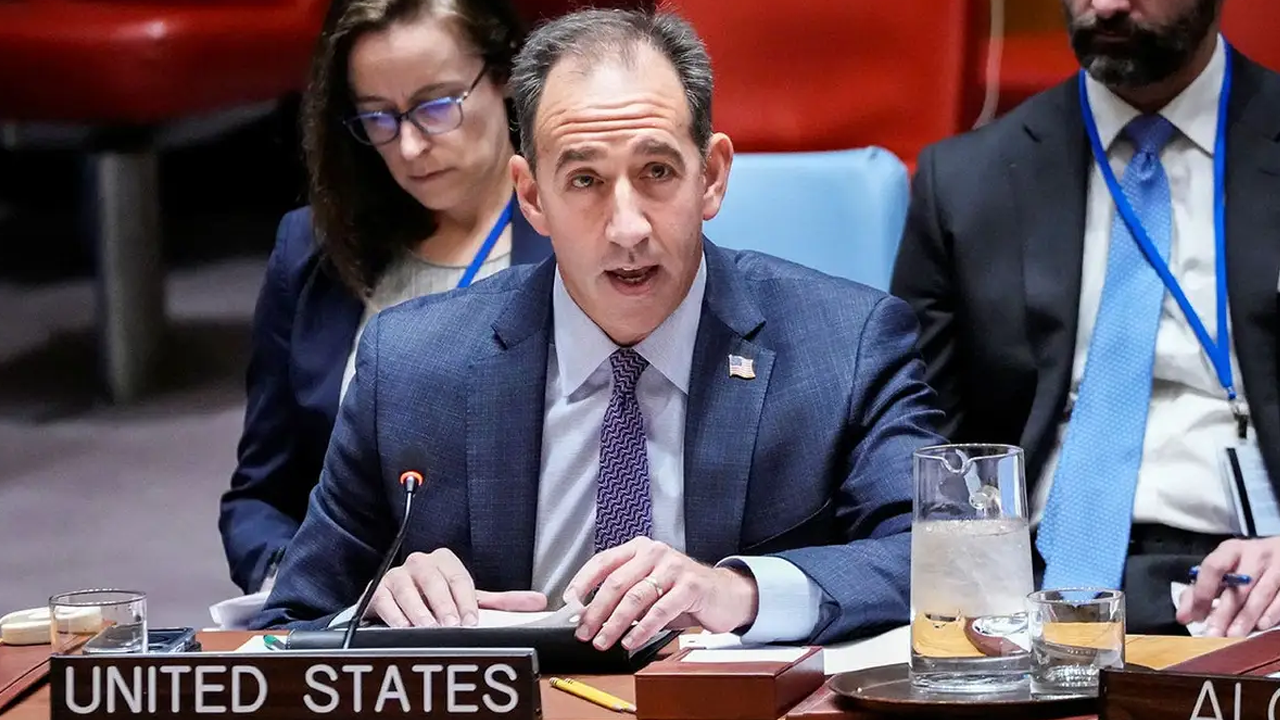
US Ambassador to the United Nations Jeff Bartos has threatened to cut funding to the UN, accusing the organization of harboring anti-Israel bias. In a post on social media platform X, Bartos said Washington is pursuing reforms to address what he described as an 'unreasonable prejudice' against the United States and its ally Israel. He highlighted previous reform measures, including the elimination of 3,000 bureaucratic positions and a $570 million reduction from the current year’s budget. Bartos credited former President Donald Trump’s leadership for enabling these reforms, which he said were once thought impossible. He emphasized that the US will continue its reform process across the UN system and dismantle structures that, in his view, support bias against the US and Israel. The statement underscores Washington’s ongoing pressure on the UN to align its operations with US and Israeli interests, signaling potential financial consequences if perceived bias persists.
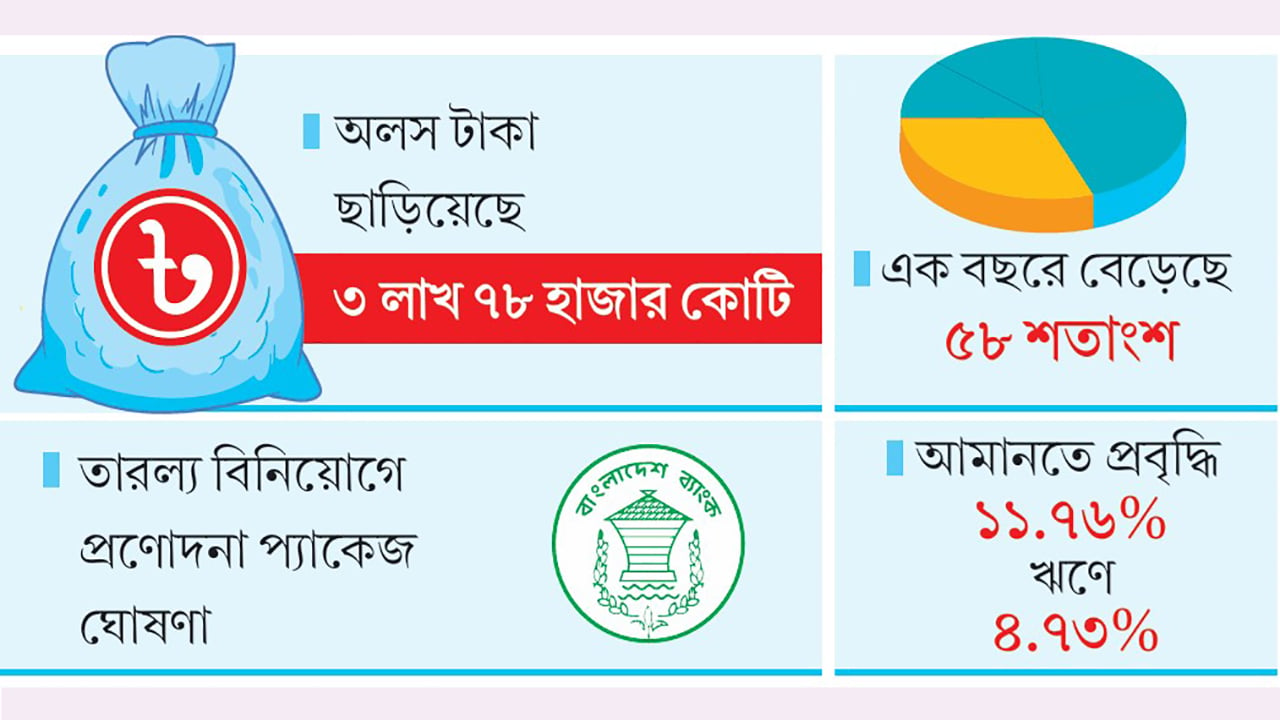
Bangladesh Bank has increased interest rates to control inflation, leading to a slowdown in private investment as businesses avoid borrowing at higher costs. Following the removal of the interest rate cap, deposits have surged in financially strong banks, while weaker banks struggle with liquidity shortages. As of March, excess liquidity in the banking sector reached Tk 3.78 trillion, up 58.31 percent from a year earlier. Bank officials said the fall of the Awami League government exposed the financial health of banks, prompting depositors to move funds to stronger institutions. This shift has created a liquidity imbalance, with some banks holding idle funds while others face shortages. The overall liquidity stood at Tk 7.02 trillion in March, exceeding the required Tk 3.16 trillion. To utilize idle funds, Bangladesh Bank announced a Tk 610 billion stimulus package, including Tk 410 billion from banks’ own funds and Tk 190 billion from refinancing. The package targets industrial, SME, agricultural, and export diversification sectors, aiming to create over 1.6 million jobs with loans offered at 7 percent interest, significantly below prevailing market rates.
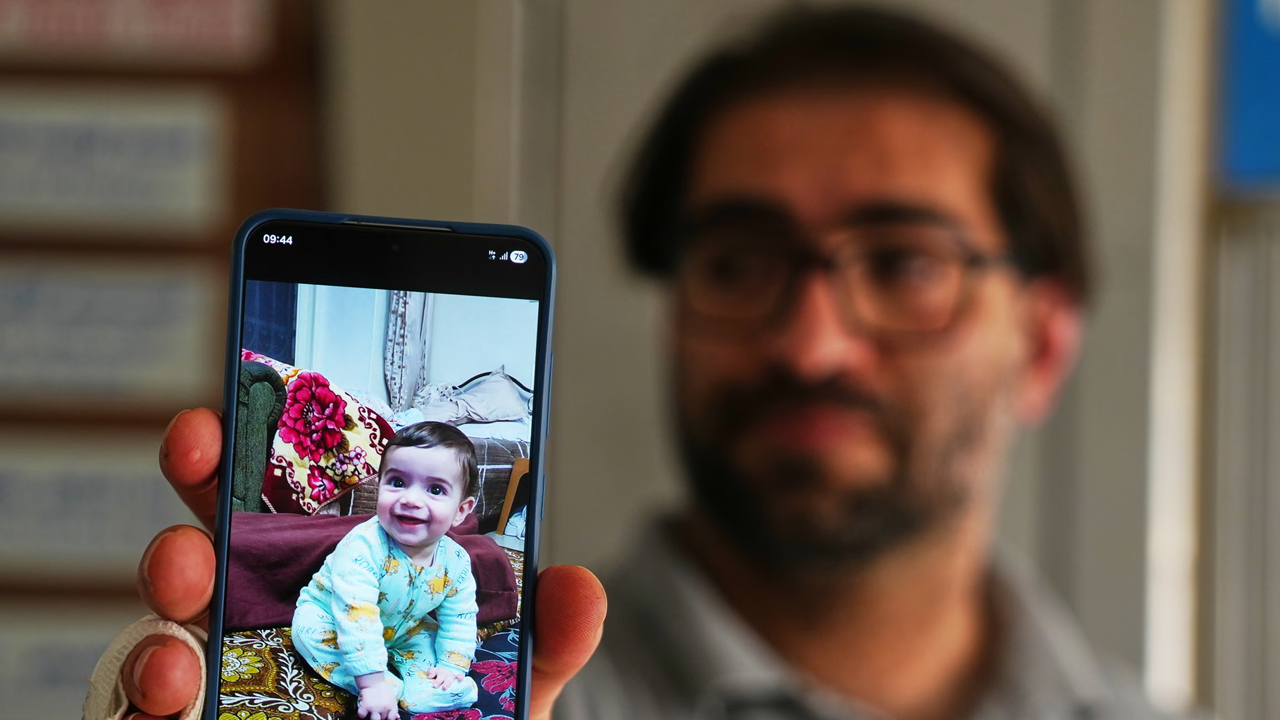
Israeli soldiers shot and killed a seven-month-old Palestinian baby in the Tel Rumeida area of Hebron, occupied West Bank, on Friday. The baby, named Sam Fahd Abu Haikal, was struck by a bullet while in his mother’s arms and later died in hospital. His parents were also injured in the incident. The Israeli military said soldiers opened fire believing a car was approaching them, but a preliminary investigation found the victims were civilians. The Israel Defense Forces expressed regret and said the matter was under review. The baby’s father, Fahd Abu Haikal, a lecturer at Bethlehem University, rejected the military’s account, stating the car had stopped and his hands were raised when soldiers fired. He demanded accountability for what he described as a deliberate killing. The British Consulate in Jerusalem expressed condolences and called for a transparent investigation. The report also cited a similar March incident in the Jordan Valley and data from Israeli rights groups showing few prosecutions in such cases. According to the United Nations, over 1,000 Palestinians, including at least 240 children, have been killed in the West Bank and East Jerusalem since the war began.
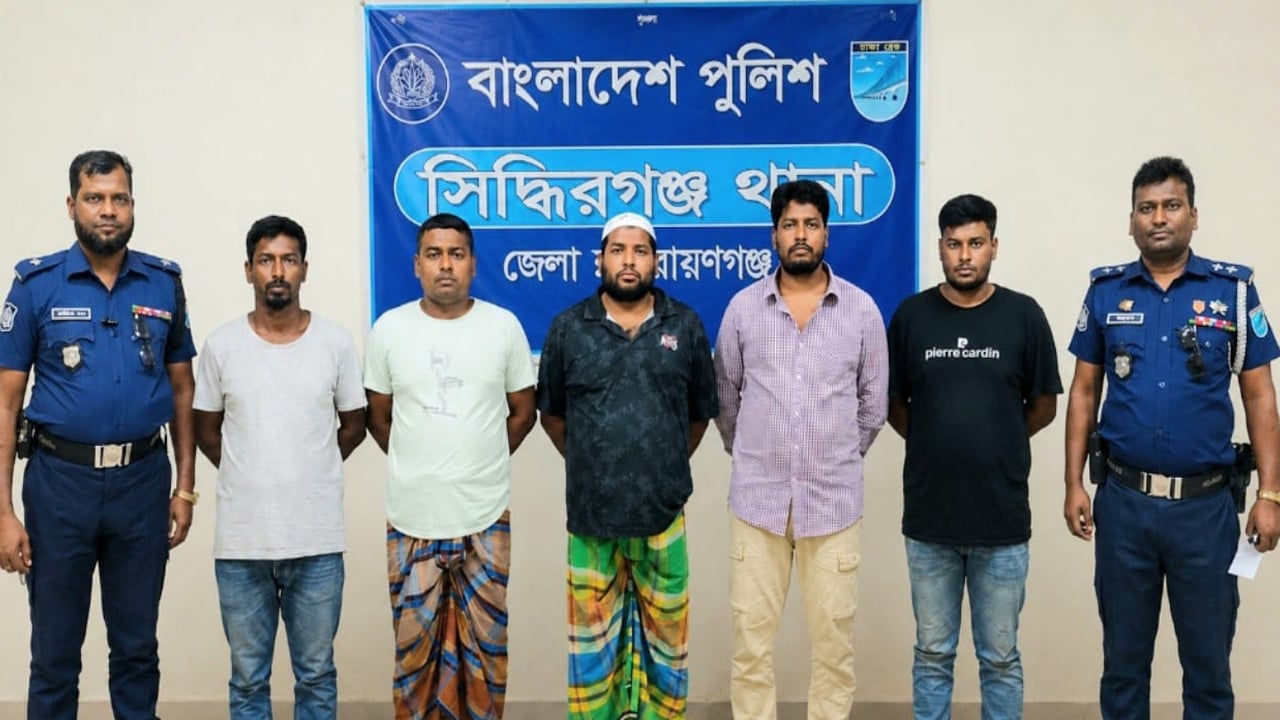
Police in Siddhirganj, Narayanganj, arrested five activists of the Awami League and Jubo League during a special operation conducted from late Friday night to Saturday, June 6. The arrests followed a rally reportedly organized by members of the banned Jubo League on the Shimrail-Demra road earlier on Friday afternoon. According to police, the detainees are Jibon (34), Md. Alam (30), Md. Sohel (44), Ainal Mia (45), and Jahangir Alam Bidyut (35). Among them, Jibon is a worker of Ward No. 7 Jubo League, Ainal Mia is the joint general secretary of Ward No. 8 Jubo League, and Jahangir Alam Bidyut is a member of the same ward unit. Md. Alam and Md. Sohel are identified as active Awami League workers. Police stated that the arrested individuals face multiple cases, including those related to anti-discrimination movements. Siddhirganj Police Station Officer-in-Charge Mohammad Emdadul Haque said the operation was launched after gathering information about the rally, and the detainees have been sent to court.
The Pentagon’s Defense Intelligence Agency (DIA) has reportedly elevated its assessment of Israeli espionage against the United States from “high” to “critical,” according to reports by NBC News and The New York Times. The change, made in recent weeks, was attributed to concerns over increasingly aggressive Israeli intelligence activities linked to the ongoing US-Israeli war with Iran. Anonymous sources cited by both outlets said the DIA acted amid fears that Israel is attempting to monitor senior US officials to gain insight into internal White House discussions about ending the conflict. The reports noted that US President Donald Trump and Israeli Prime Minister Benjamin Netanyahu have diverged publicly on the war’s direction, with Trump seeking to conclude it and Netanyahu urging its continuation despite an April 8 ceasefire. The New York Times said Israeli espionage activity intensified from late 2024, continuing into 2025 as Trump returned to office. Alleged incidents include attempts to surveil Trump’s envoy Steve Witkoff and Pentagon officials Elbridge Colby and Michael DiMino IV. While a Defense Department spokesperson reportedly denied the claims as “false,” the reports have raised questions about the depth of intelligence cooperation between the two allies, particularly as Congress debates deeper defense integration.

At least 12 people, including high-ranking Lebanese army officers, were killed in Israeli attacks across southern Lebanon on Saturday, days after both countries agreed to a conditional ceasefire mediated by the United States. Lebanon’s army confirmed that Brigadier General Wassam Sabra, Captain Elie Khoury, and soldier Hussein Ghozal died when an Israeli strike hit a military vehicle on the Khardali-Nabatieh road. Israel described the area as an active combat zone and said the incident was under investigation. Lebanese President Joseph Aoun and Prime Minister Nawaf Salam condemned the attack as a violation of sovereignty and international law. Hezbollah and Iran’s Foreign Ministry also denounced the strikes, while Saudi Arabia, Jordan, and Qatar issued statements rejecting Israel’s actions and calling for respect of Lebanon’s sovereignty. The UN peacekeeping mission in southern Lebanon said the attacks breached Security Council Resolution 1701, which underpins the current truce. The violence comes amid ongoing clashes between Israel and Hezbollah despite multiple ceasefire attempts. Lebanon’s army, which has largely stayed out of the conflict, faces growing pressure as Israeli forces intensify operations and renew displacement orders in southern villages.

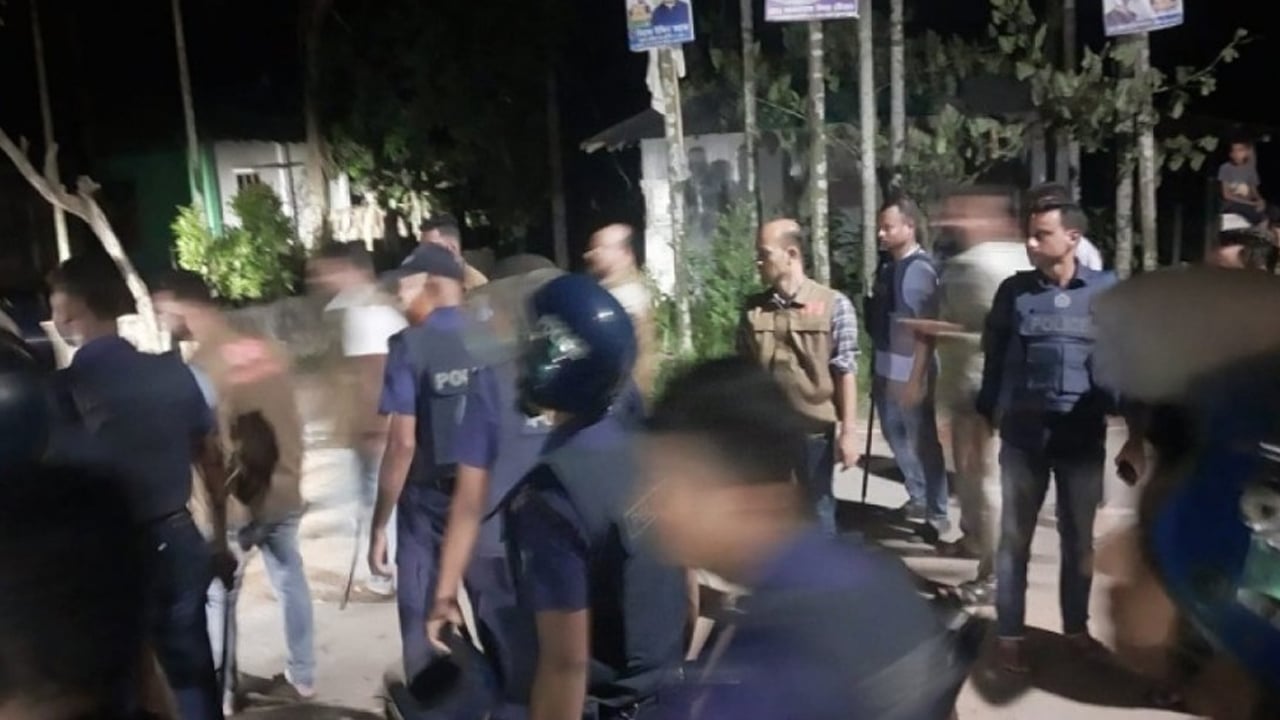
A violent clash broke out in Noakhali Sadar upazila on Saturday evening between activists of the Jatiyatabadi Chhatra Dal (JCD) and supporters of the Awami League and its affiliated groups. The incident occurred in West Shullukia village of Kaladarap Union, where a JCD motorcycle was set on fire and at least six people, including a city labor leader named Hridoy, were injured. Law enforcement personnel were deployed in large numbers following the confrontation. According to police and local sources, the conflict followed a banned Chhatra League rally held the previous day in Noannoi Union. In response, the JCD organized a protest led by district president NBS Russell, while Islami Chhatra Shibir also held a separate demonstration. Tensions escalated when JCD activists, returning from their program, encountered supporters of Kaladarap Union chairman Shahadat Hossain Selim near his residence. A dispute broke out, and an announcement over a mosque loudspeaker alleging an attack on the chairman prompted Awami League supporters to gather, leading to stone-throwing and arson. Police and Rapid Action Battalion members were present at the scene, and authorities said further details would be provided later.
The ‘1 Nojor’ media platform is now live in beta, inviting users to explore and provide feedback as we continue to refine the experience.