

The ‘1 Nojor’ media platform is now live in beta, inviting users to explore and provide feedback as we continue to refine the experience.
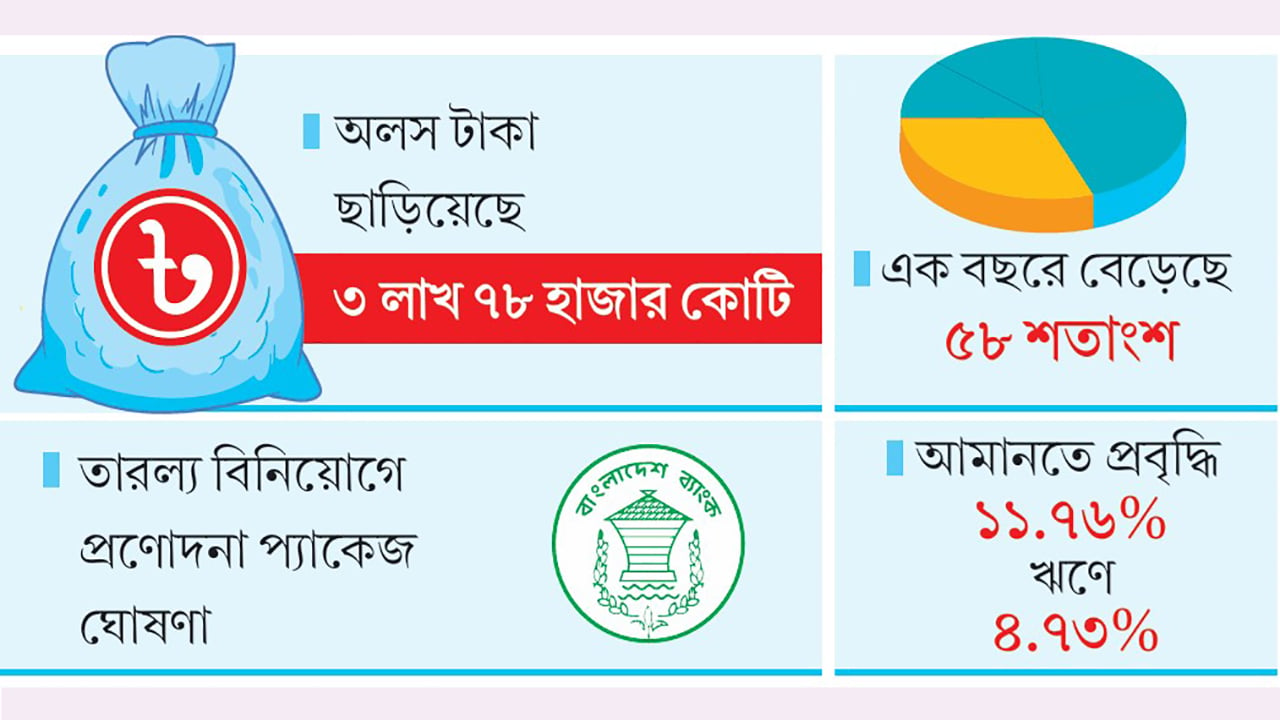
Bangladesh Bank has increased interest rates to control inflation, leading to a slowdown in private investment as businesses avoid borrowing at higher costs. Following the removal of the interest rate cap, deposits have surged in financially strong banks, while weaker banks struggle with liquidity shortages. As of March, excess liquidity in the banking sector reached Tk 3.78 trillion, up 58.31 percent from a year earlier. Bank officials said the fall of the Awami League government exposed the financial health of banks, prompting depositors to move funds to stronger institutions. This shift has created a liquidity imbalance, with some banks holding idle funds while others face shortages. The overall liquidity stood at Tk 7.02 trillion in March, exceeding the required Tk 3.16 trillion. To utilize idle funds, Bangladesh Bank announced a Tk 610 billion stimulus package, including Tk 410 billion from banks’ own funds and Tk 190 billion from refinancing. The package targets industrial, SME, agricultural, and export diversification sectors, aiming to create over 1.6 million jobs with loans offered at 7 percent interest, significantly below prevailing market rates.
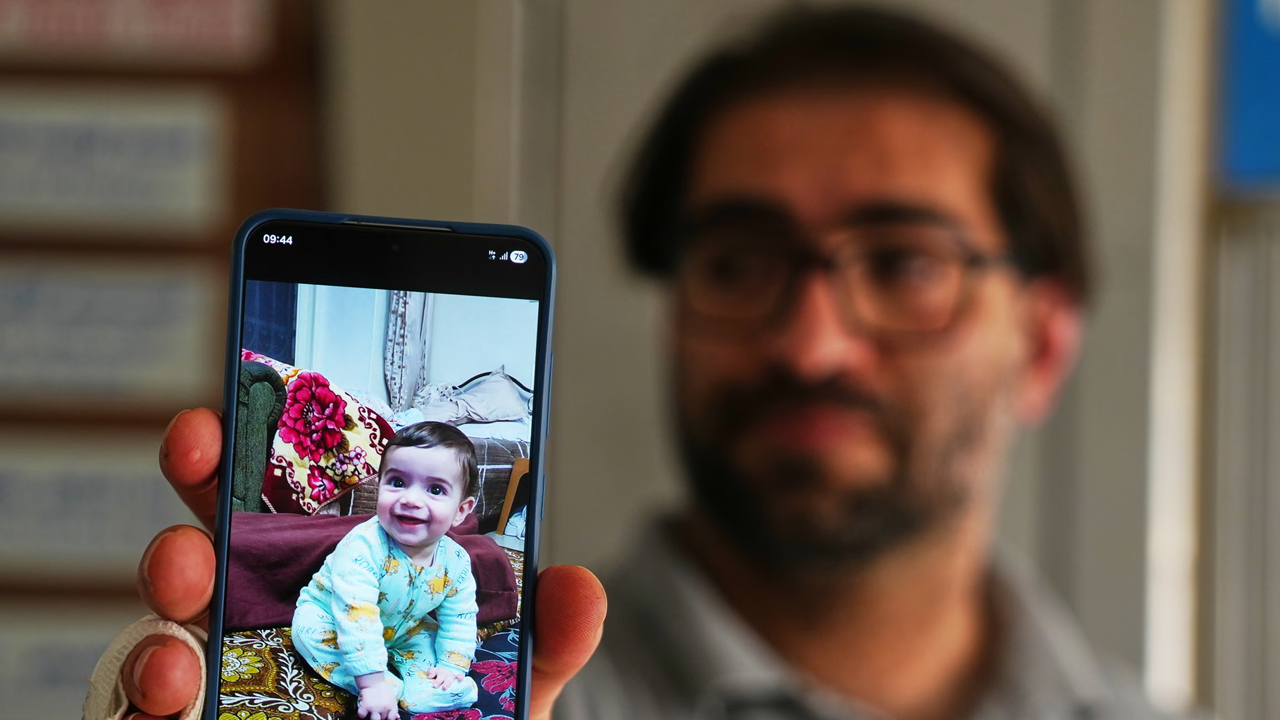
Israeli soldiers shot and killed a seven-month-old Palestinian baby in the Tel Rumeida area of Hebron, occupied West Bank, on Friday. The baby, named Sam Fahd Abu Haikal, was struck by a bullet while in his mother’s arms and later died in hospital. His parents were also injured in the incident. The Israeli military said soldiers opened fire believing a car was approaching them, but a preliminary investigation found the victims were civilians. The Israel Defense Forces expressed regret and said the matter was under review. The baby’s father, Fahd Abu Haikal, a lecturer at Bethlehem University, rejected the military’s account, stating the car had stopped and his hands were raised when soldiers fired. He demanded accountability for what he described as a deliberate killing. The British Consulate in Jerusalem expressed condolences and called for a transparent investigation. The report also cited a similar March incident in the Jordan Valley and data from Israeli rights groups showing few prosecutions in such cases. According to the United Nations, over 1,000 Palestinians, including at least 240 children, have been killed in the West Bank and East Jerusalem since the war began.
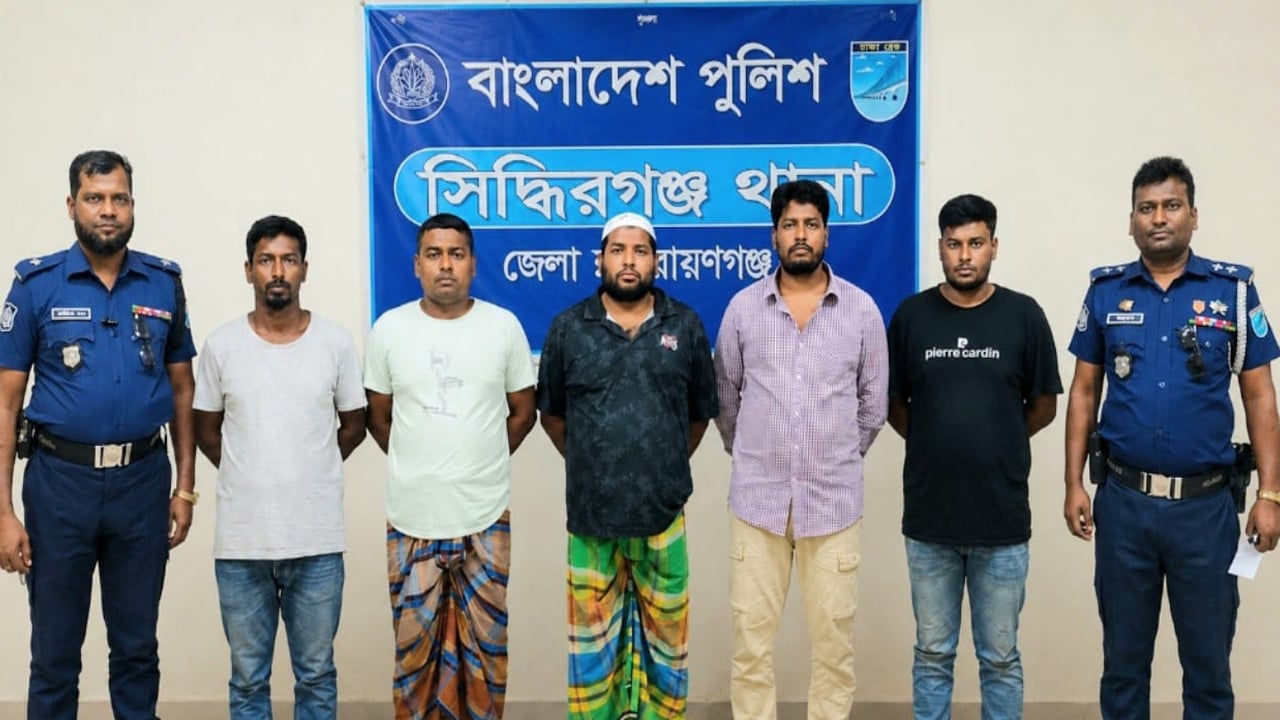
Police in Siddhirganj, Narayanganj, arrested five activists of the Awami League and Jubo League during a special operation conducted from late Friday night to Saturday, June 6. The arrests followed a rally reportedly organized by members of the banned Jubo League on the Shimrail-Demra road earlier on Friday afternoon. According to police, the detainees are Jibon (34), Md. Alam (30), Md. Sohel (44), Ainal Mia (45), and Jahangir Alam Bidyut (35). Among them, Jibon is a worker of Ward No. 7 Jubo League, Ainal Mia is the joint general secretary of Ward No. 8 Jubo League, and Jahangir Alam Bidyut is a member of the same ward unit. Md. Alam and Md. Sohel are identified as active Awami League workers. Police stated that the arrested individuals face multiple cases, including those related to anti-discrimination movements. Siddhirganj Police Station Officer-in-Charge Mohammad Emdadul Haque said the operation was launched after gathering information about the rally, and the detainees have been sent to court.
The Pentagon’s Defense Intelligence Agency (DIA) has reportedly elevated its assessment of Israeli espionage against the United States from “high” to “critical,” according to reports by NBC News and The New York Times. The change, made in recent weeks, was attributed to concerns over increasingly aggressive Israeli intelligence activities linked to the ongoing US-Israeli war with Iran. Anonymous sources cited by both outlets said the DIA acted amid fears that Israel is attempting to monitor senior US officials to gain insight into internal White House discussions about ending the conflict. The reports noted that US President Donald Trump and Israeli Prime Minister Benjamin Netanyahu have diverged publicly on the war’s direction, with Trump seeking to conclude it and Netanyahu urging its continuation despite an April 8 ceasefire. The New York Times said Israeli espionage activity intensified from late 2024, continuing into 2025 as Trump returned to office. Alleged incidents include attempts to surveil Trump’s envoy Steve Witkoff and Pentagon officials Elbridge Colby and Michael DiMino IV. While a Defense Department spokesperson reportedly denied the claims as “false,” the reports have raised questions about the depth of intelligence cooperation between the two allies, particularly as Congress debates deeper defense integration.

At least 12 people, including high-ranking Lebanese army officers, were killed in Israeli attacks across southern Lebanon on Saturday, days after both countries agreed to a conditional ceasefire mediated by the United States. Lebanon’s army confirmed that Brigadier General Wassam Sabra, Captain Elie Khoury, and soldier Hussein Ghozal died when an Israeli strike hit a military vehicle on the Khardali-Nabatieh road. Israel described the area as an active combat zone and said the incident was under investigation. Lebanese President Joseph Aoun and Prime Minister Nawaf Salam condemned the attack as a violation of sovereignty and international law. Hezbollah and Iran’s Foreign Ministry also denounced the strikes, while Saudi Arabia, Jordan, and Qatar issued statements rejecting Israel’s actions and calling for respect of Lebanon’s sovereignty. The UN peacekeeping mission in southern Lebanon said the attacks breached Security Council Resolution 1701, which underpins the current truce. The violence comes amid ongoing clashes between Israel and Hezbollah despite multiple ceasefire attempts. Lebanon’s army, which has largely stayed out of the conflict, faces growing pressure as Israeli forces intensify operations and renew displacement orders in southern villages.

A violent clash broke out in Noakhali Sadar upazila on Saturday evening between activists of the Jatiyatabadi Chhatra Dal (JCD) and supporters of the Awami League and its affiliated groups. The incident occurred in West Shullukia village of Kaladarap Union, where a JCD motorcycle was set on fire and at least six people, including a city labor leader named Hridoy, were injured. Law enforcement personnel were deployed in large numbers following the confrontation. According to police and local sources, the conflict followed a banned Chhatra League rally held the previous day in Noannoi Union. In response, the JCD organized a protest led by district president NBS Russell, while Islami Chhatra Shibir also held a separate demonstration. Tensions escalated when JCD activists, returning from their program, encountered supporters of Kaladarap Union chairman Shahadat Hossain Selim near his residence. A dispute broke out, and an announcement over a mosque loudspeaker alleging an attack on the chairman prompted Awami League supporters to gather, leading to stone-throwing and arson. Police and Rapid Action Battalion members were present at the scene, and authorities said further details would be provided later.
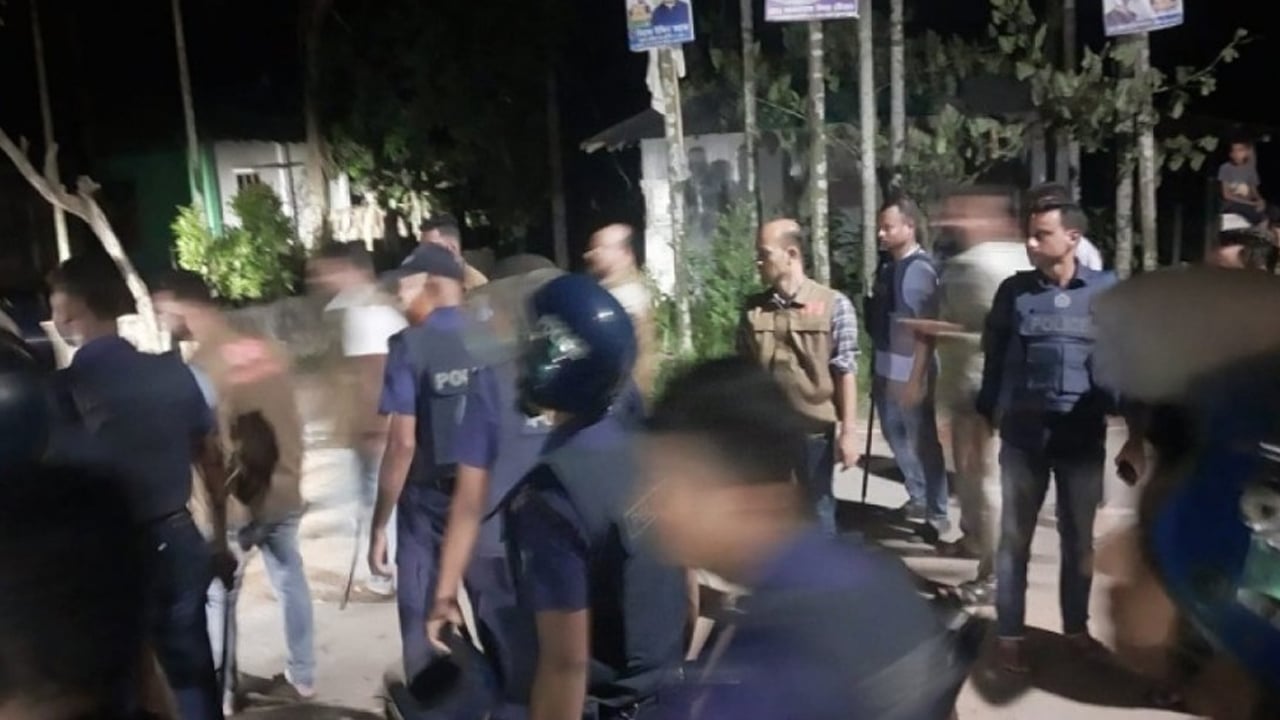
A tile worker named Rafiqul Islam died after being struck by lightning while cutting grass in a field in Ullapara upazila of Sirajganj district on Saturday afternoon. The incident occurred in the Charimuri area of Koyra Union. Rafiqul, son of Dulal Hossain from Charimuri village, was collecting grass for his cattle when sudden rain and lightning struck, killing him on the spot. Family members said Rafiqul was the only earning member of the household, and his sudden death has left the family in deep grief. Local police confirmed visiting the scene after receiving information about the incident. The report highlights the vulnerability of rural workers to lightning strikes during seasonal weather changes in the region.

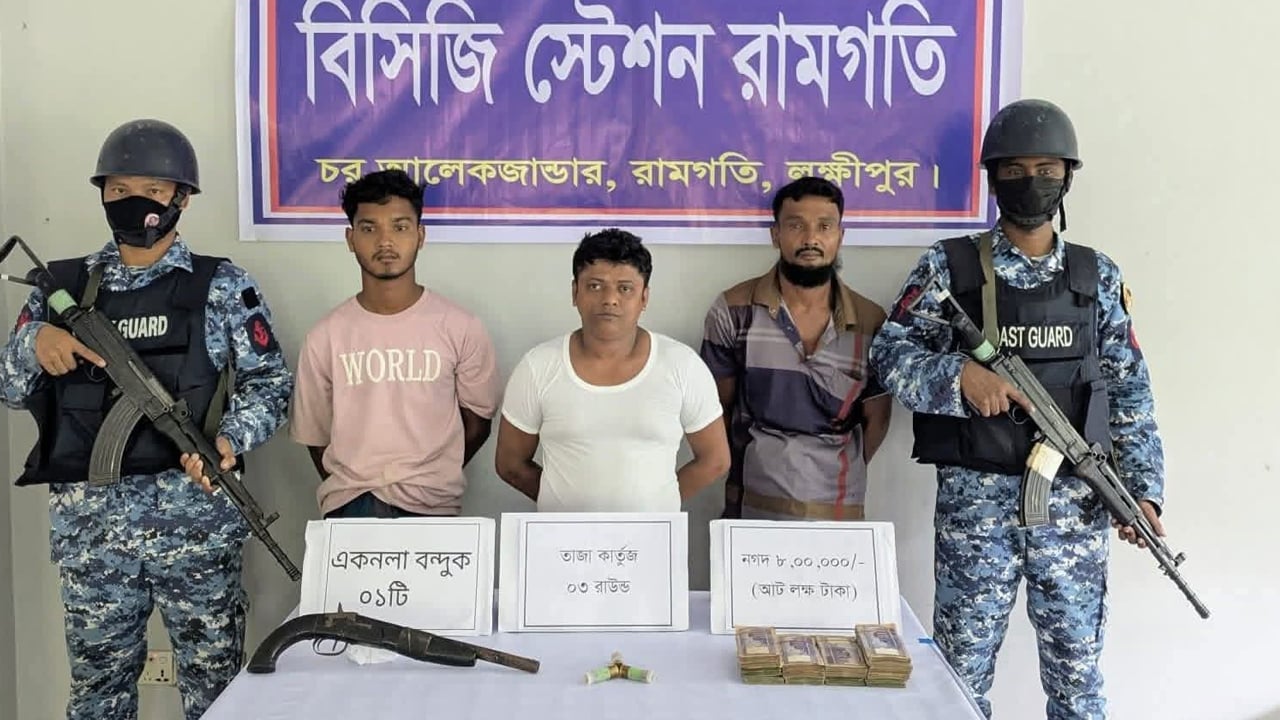
The Bangladesh Coast Guard arrested three suspected robbers with a locally made single-barrel gun, three rounds of live cartridges, and 800,000 taka in cash during a raid in the Meghna River area near Jonota Bazar in Ramgati upazila of Lakshmipur. The operation took place on the night of June 5, 2026, based on secret intelligence, according to Coast Guard media officer Lieutenant Commander Sabbir Alam Sujon. The detainees were identified as Md. Azim Bepari, also known as Azim Dakat (32), Md. Bashir (40), and Rabbi (16). Azim is from Bhuiyar Hat in Subarnachar upazila, while the other two are residents of Ramgati. Authorities said Azim had previously been arrested in 2022 with weapons and faces multiple cases in different police stations. The seized items and detainees were handed over to Ramgati Police Station for legal action. Ramgati Police Officer-in-Charge Liton Dewan stated that police and the Coast Guard are working jointly to maintain law and order. Cases under robbery and arms laws have been filed, and the suspects have been sent to court.
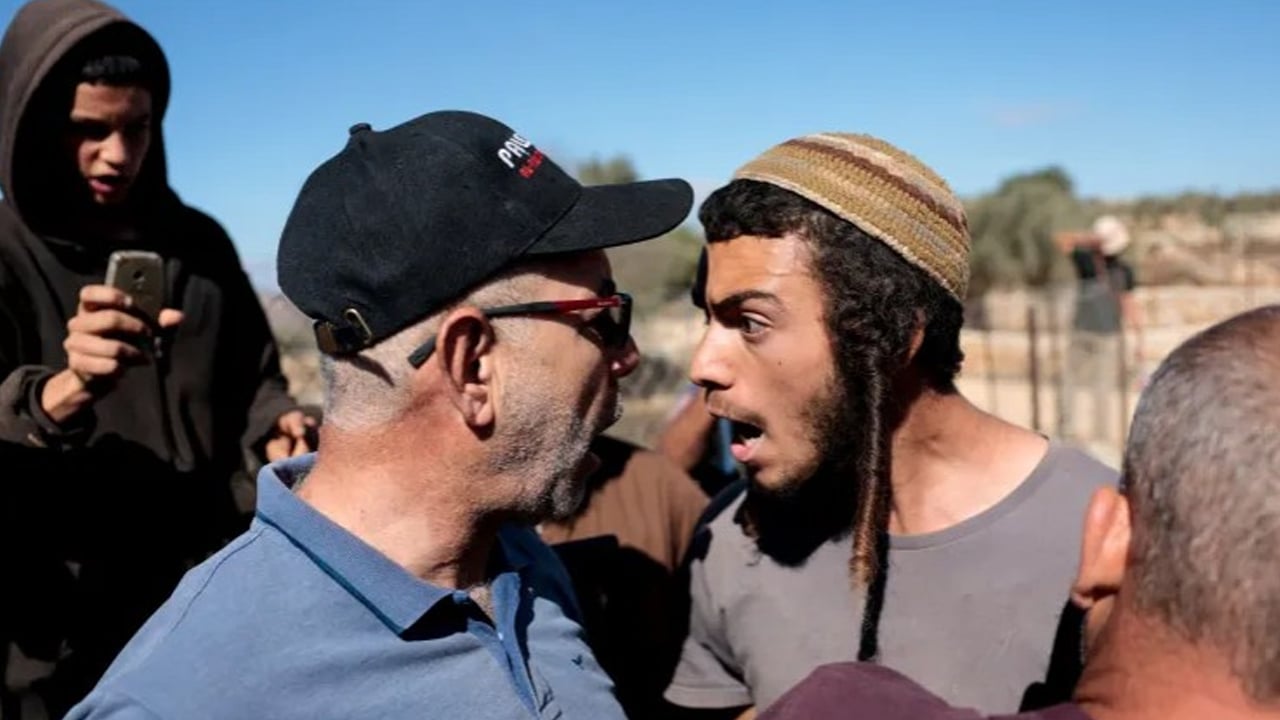
The European Union has imposed new sanctions on four organizations and three individuals linked to violence and illegal settlement expansion in the occupied West Bank. Among those targeted are the far-right group Regavim, co-founded by Israel’s Finance Minister Bezalel Smotrich, and the Amana Cooperative Association, which provides logistical and financial support for settlements. Regavim described the sanctions as a “badge of honor,” while Daniella Weiss, leader of the Nachala movement, dismissed them as “ridiculous.” The EU’s move follows similar measures by the United Kingdom, Canada, and other Western nations against senior Israeli officials, including Smotrich, for allegedly inciting and supporting violence in the occupied territories. Analysts note that these sanctions highlight direct backing from Israel’s top leadership for settlement projects on Palestinian land. Observers suggest that the defiant reactions from sanctioned individuals and groups indicate the EU’s measures are unlikely to curb settlement expansion or violence. Instead, the sanctions may inadvertently boost the domestic standing of extremist leaders within Israel’s political landscape.
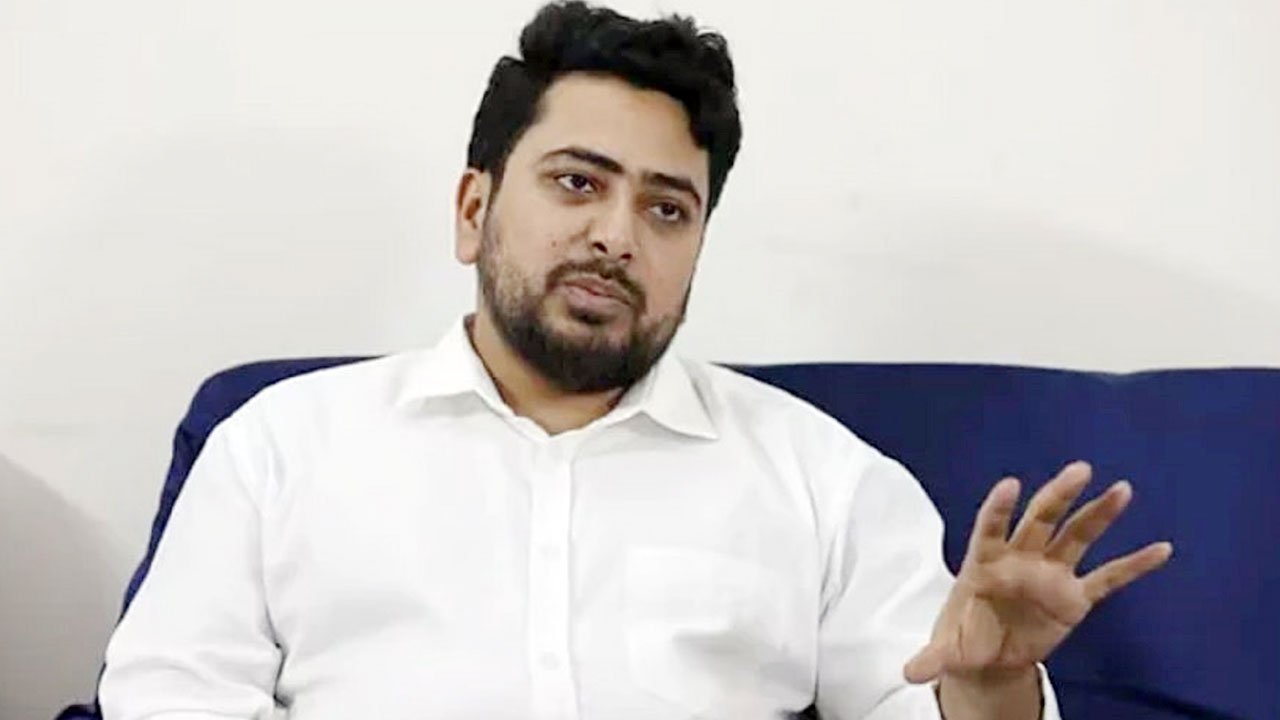
National Citizens Party (NCP) convener Nahid Islam has strongly criticized recent remarks by Home Minister Salahuddin Ahmed regarding border killings, calling them offensive and insulting. In a statement sent to the media on June 6, he said the minister’s comments about killings by Indian forces at the border were shameful for the nation. Nahid Islam demanded that the minister immediately withdraw his statement. He noted that three days had passed without any clarification or withdrawal from Salahuddin Ahmed, nor any condemnation from the government, implying that the minister’s position might reflect the government’s official stance. According to Nahid Islam, the home minister attempted to narrow the definition of “border killing” by arguing that deaths occurring outside the zero line should not be considered as such. Nahid Islam countered that international law, including the Geneva Conventions and UN human rights principles, strictly prohibits unlawful or excessive use of lethal force against civilians. He further recalled that a similar controversy arose in 2020 when then–foreign minister A.K. Abdul Momen made comparable remarks, which also drew criticism. Nahid Islam warned that such conciliatory positions toward India raise serious concerns and urged immediate retraction of the statement.
Brazil’s World Cup preparations are underway amid intense excitement, but star forward Neymar Jr. remains uncertain for the tournament due to an ongoing injury. The 34-year-old has not yet fully recovered and missed Brazil’s recent warm-up matches, leaving doubts about his participation in the team’s opening game. Despite the uncertainty, fans remain hopeful that Neymar will lead Brazil to its long-awaited sixth World Cup title after a 24-year drought. In a recent interview during the ‘Red Bull Ultimate Soccer Challenge,’ Neymar reflected on his career and said he believes his place in football history is already secured. He expressed pride in his achievements, stating that he has left a lasting mark on the sport and given his best for every club he has represented, including Santos, Barcelona, PSG, and Al Hilal. Neymar also emphasized his dedication to the Brazilian national team. Regarding his club future, Neymar confirmed he still has one year left on his contract with Santos and intends to complete it before deciding on his next career move later this year or early next year.

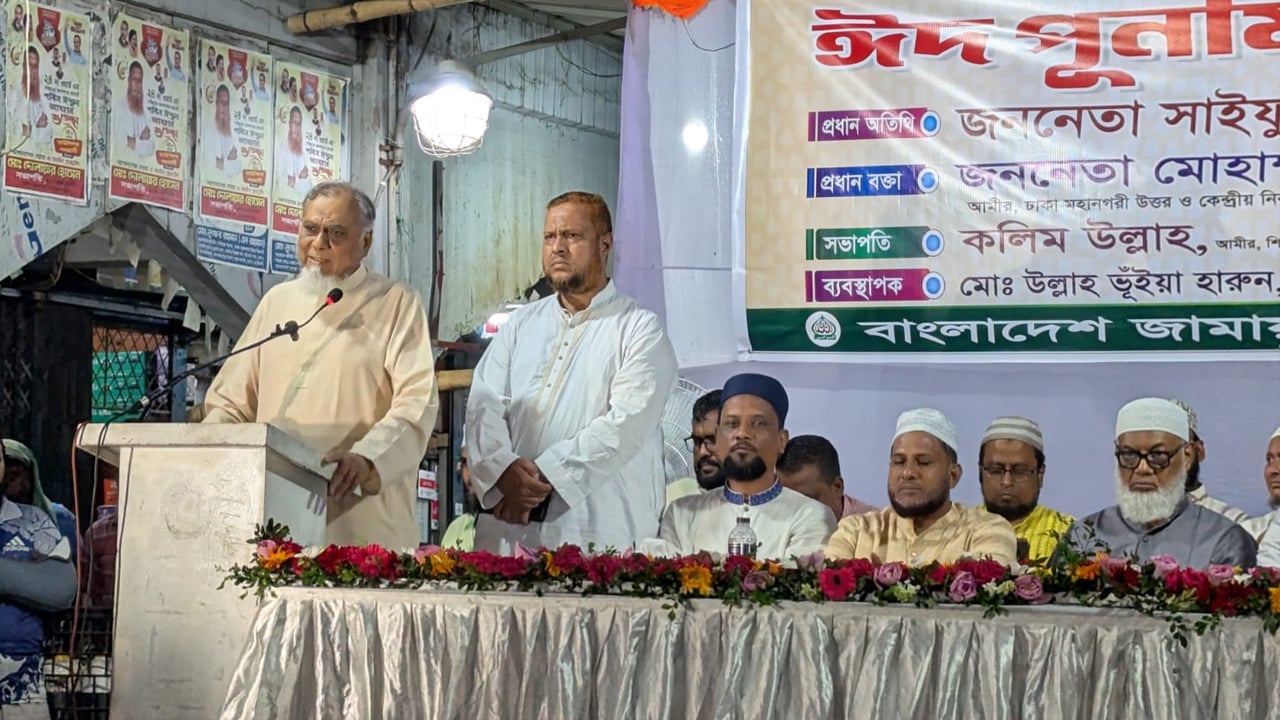
Dhaka-12 Member of Parliament Saiful Alam Khan Milon stated that the Islamic Bank was established by Bangladesh Jamaat-e-Islami, while accusing the current Awami League government of widespread corruption in the banking sector. Speaking at an Eid reunion event in Tejgaon Industrial Area Colony Market on Saturday night, he said the government had failed to ensure good governance and that a public uprising had occurred due to economic mismanagement and exploitation. Milon recalled the sacrifices of those killed and injured in the July uprising, saying their contributions would never be forgotten. He also demanded full independence for the judiciary. The MP alleged that a person with corruption allegations and a record of family loan defaults had been appointed chairman of Islamic Bank, and that many of the bank’s ATMs were currently short of cash, causing customer hardship. He assured that Jamaat-e-Islami would continue to stand by the people regardless of government cooperation.
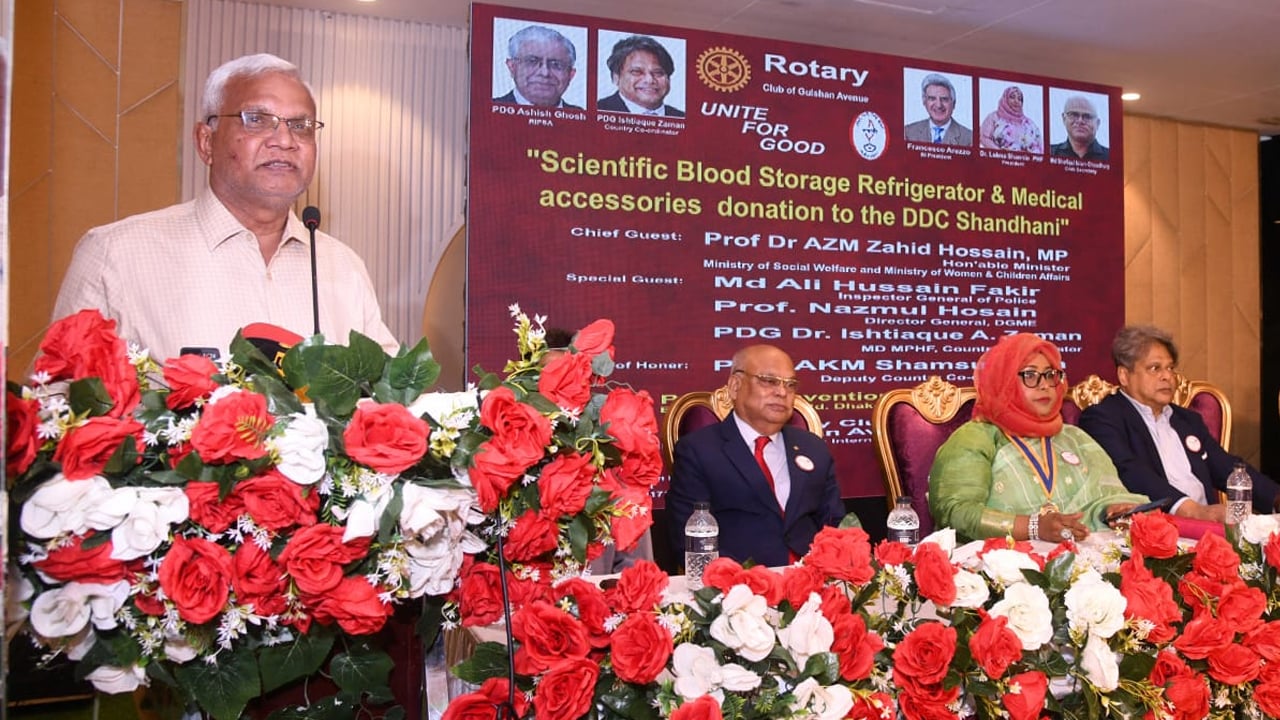
Social Welfare Minister Professor Dr. A Z M Zahid Hossain announced a zero-tolerance policy against violence against women and child marriage. He made the statement on Saturday at a seminar held at the Police Convention Hall in Eskaton, Dhaka, where he served as the chief guest. The minister said the government is working for the development of marginalized communities and emphasized education, caregiving, and language training programs. During the event, Rotary Club of Gulshan Avenue donated an advanced scientific blood storage refrigerator and other medical supplies to DDC Sandhani. The minister said the initiative would strengthen safe blood storage and supply systems across the country, benefiting patients with thalassemia, dengue, and those requiring emergency surgery. He also highlighted the role of journalists and media in raising public awareness. Hossain added that the government is partnering with private organizations and volunteers to improve the health sector. He welcomed Rotary’s humanitarian initiative and called for collective efforts to eliminate social injustices, drug addiction, gambling, and violence against women and children.
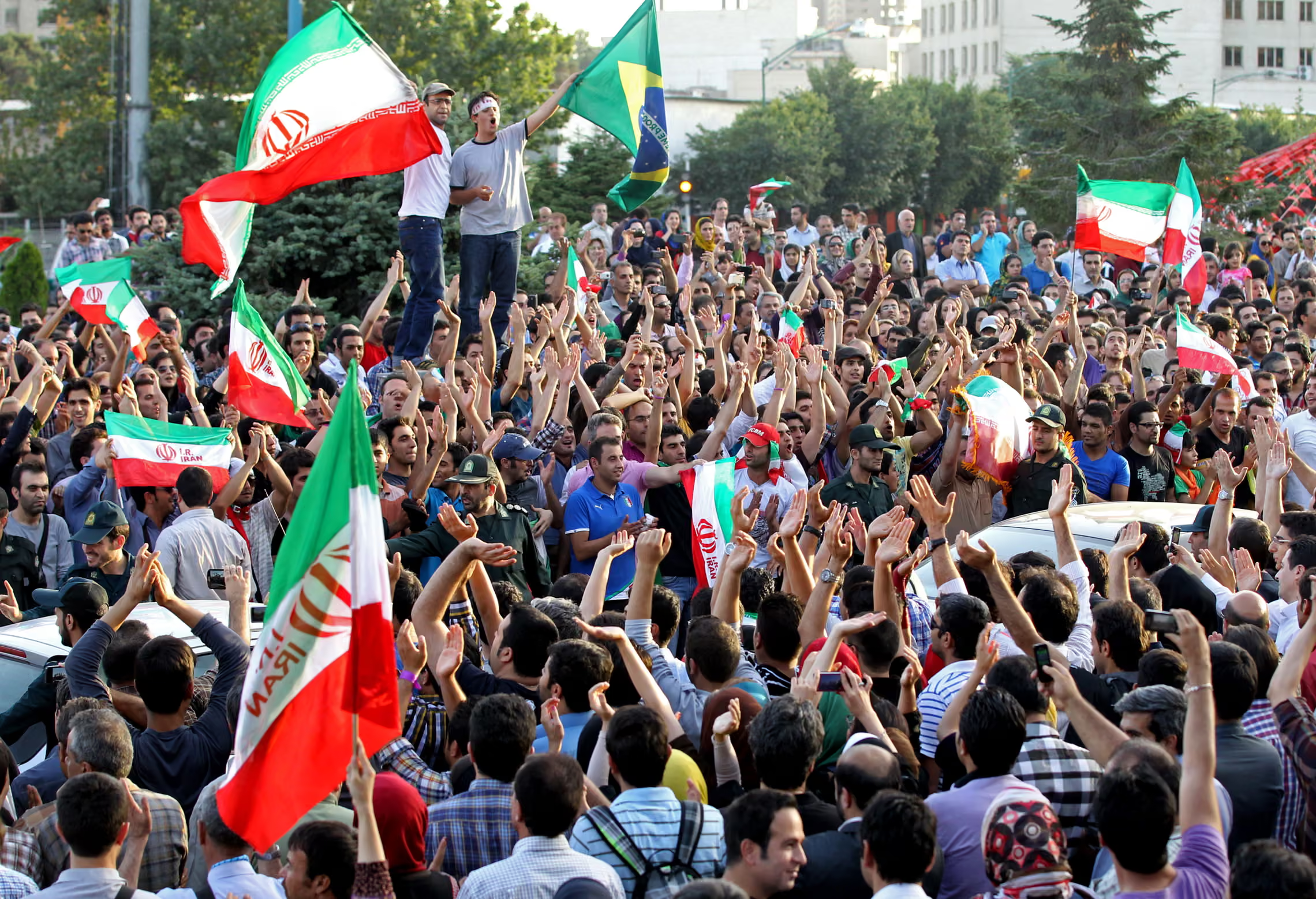
Iran has secured its place in the 2026 FIFA World Cup, but the usual nationwide celebrations are missing. Streets that once erupted in joy remain quiet, and social media shows little sign of excitement. Once a symbol of national unity, football now seems overshadowed by a sense of melancholy and detachment. The shift follows years of political and social upheaval, particularly after the 2022 death of Mahsa Amini and the ensuing “Women, Life, Freedom” movement, which divided Iranian society. The national team faced criticism for not taking a clear stance during protests, and many now view it as representing the state rather than the people. Economic hardship, inflation, and the shadow of war have further dulled public enthusiasm. Sports journalists and fans note that football no longer dominates public discourse, though some believe the passion could return if war tensions ease and internet restrictions lift. For now, Iran’s biggest challenge at the 2026 World Cup may not be its opponents, but reconnecting with its own people.
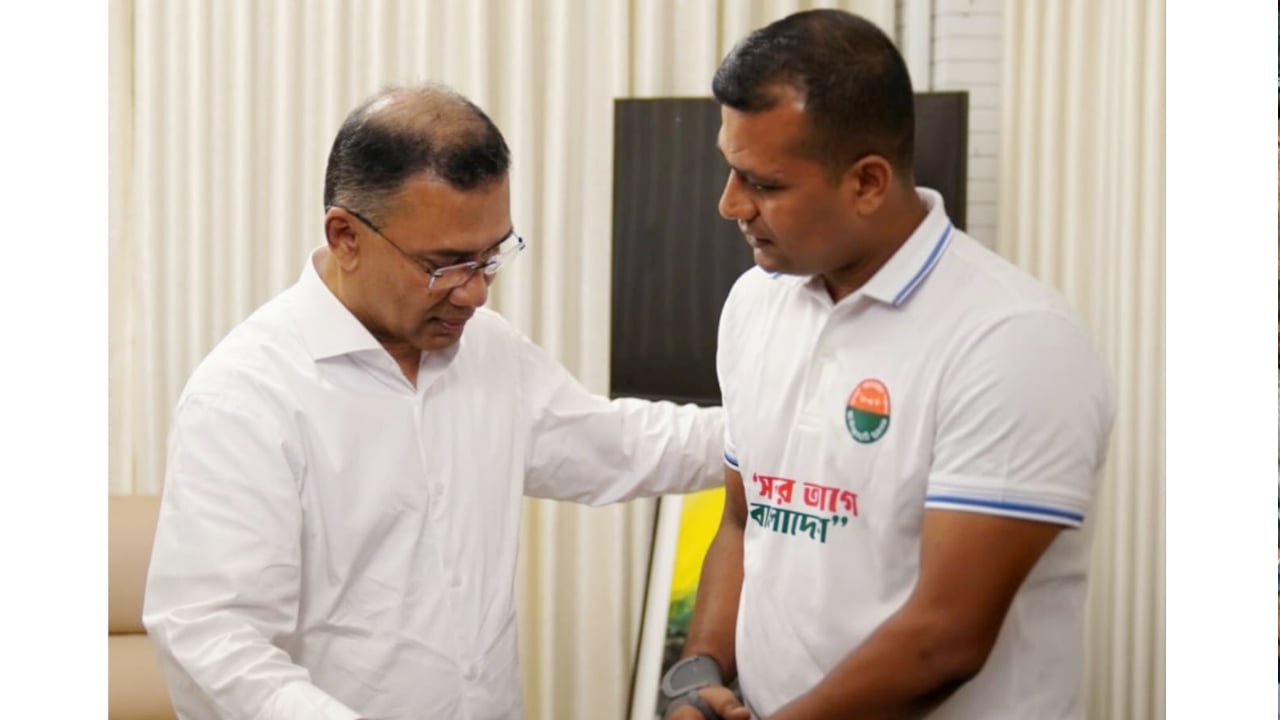
Md. Tariqul Islam Tarik, Central Joint General Secretary of the Bangladesh Jatiyatabadi Chhatra Dal, announced his intention to remain dedicated to politics rather than seeking employment. In an emotional Facebook post on Saturday, he addressed the party’s acting chairman, Tarique Rahman, expressing sentiments he could not convey in person. Tarik wrote that despite facing political adversity, legal cases, and fear of arrest, he continued his studies and achieved top results in both honors and master’s programs. He stated that although he could have pursued a teaching career, his commitment to helping others and loyalty to Chhatra Dal motivated him to stay in politics. He also mentioned enduring physical and mental abuse, including carrying bullet and splinter marks on his body. Highlighting his efforts to support students from diverse backgrounds and promote a positive image of the organization, Tarik said working with senior party leadership was a major achievement. He affirmed his readiness to serve the party with honesty and dedication and pledged lifelong allegiance if given the opportunity.
The ‘1 Nojor’ media platform is now live in beta, inviting users to explore and provide feedback as we continue to refine the experience.