

The ‘1 Nojor’ media platform is now live in beta, inviting users to explore and provide feedback as we continue to refine the experience.
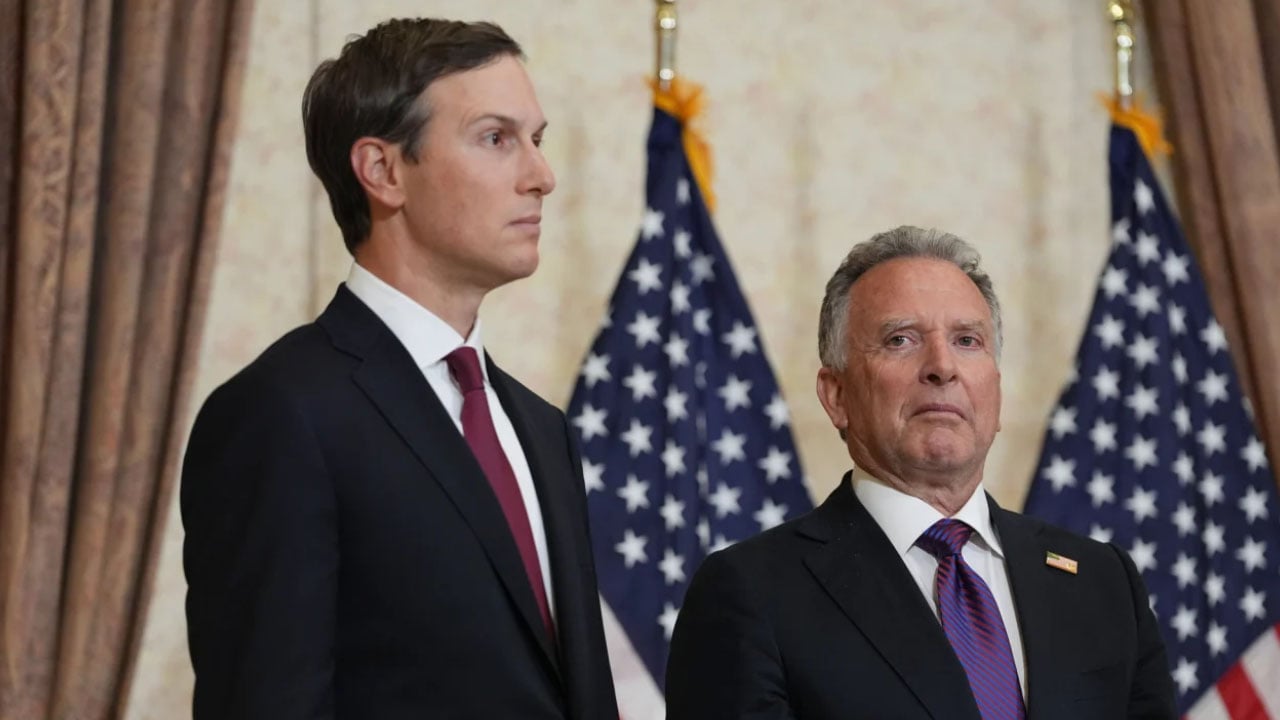
Jared Kushner and Steve Witkoff, envoys of US President Donald Trump, met with technology experts at a national research laboratory in Tennessee on Thursday, according to Axios citing a US official. The meeting took place as the United States resumed attacks on Iran while simultaneously engaging in talks aimed at limiting Tehran’s nuclear program. Scott Roker, vice president of the Nuclear Materials Security Program at the Nuclear Threat Initiative, said the laboratory has a history of removing highly enriched uranium worldwide. He told CNN that the facility has the expertise to handle, convert, and transport such materials safely, but noted that no one in the US has experience retrieving uranium buried underground. Intelligence assessments indicated that a June 2025 US strike on Iran’s Isfahan complex buried much of Tehran’s enriched uranium stockpile without destroying it. Roker described the meeting as an encouraging sign, suggesting it was necessary to involve US government experts in the ongoing discussions. Secretary of State Marco Rubio said earlier this week that the talks with Iran are technical and could take several months.
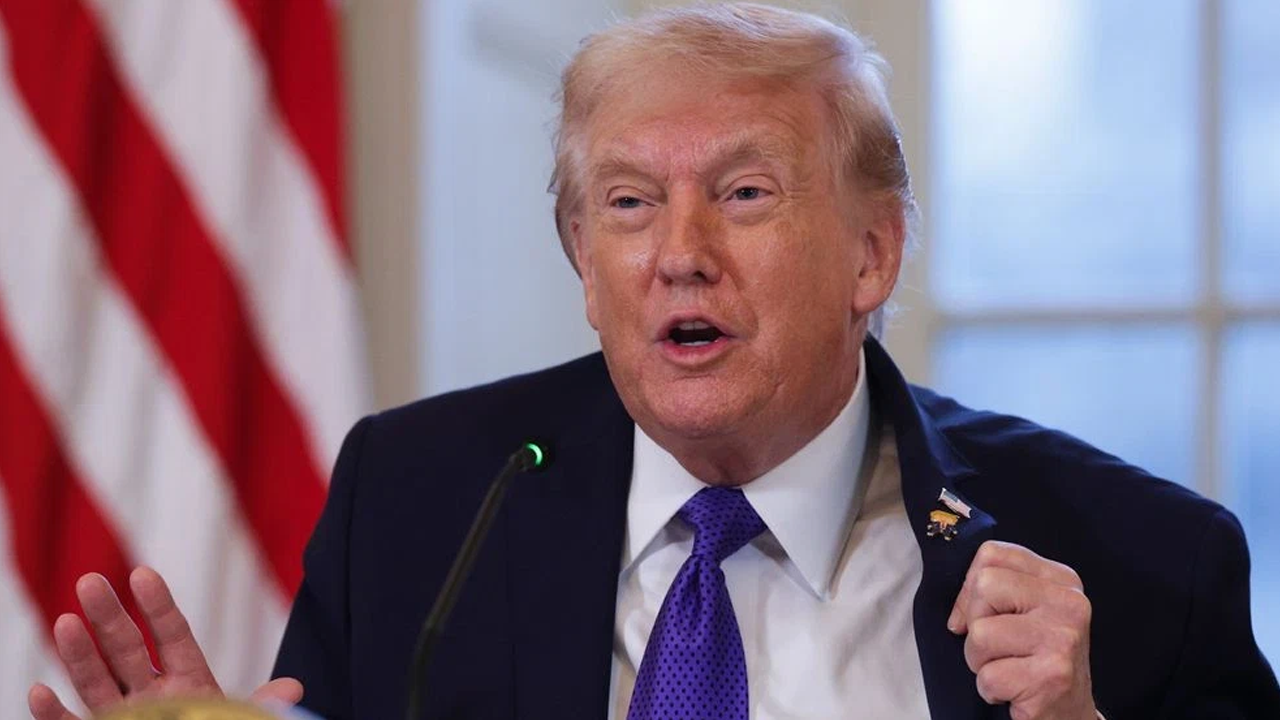
US President Donald Trump stated that Iran has only about 21 to 22 percent of its missile capability remaining following a US military operation. In an interview with NBC News, Trump said American forces had completely destroyed Iran’s military infrastructure, leaving the country with a fraction of its previous missile strength. However, his remarks appear to contradict a report published by The New York Times citing US intelligence agencies. That report indicated Iran had regained operational access to 30 of its 33 missile bases along the Strait of Hormuz and retained roughly 70 percent of its pre-war missile stockpile. The differing assessments highlight a significant gap between the US administration’s public statements and intelligence evaluations regarding the extent of damage to Iran’s missile program.
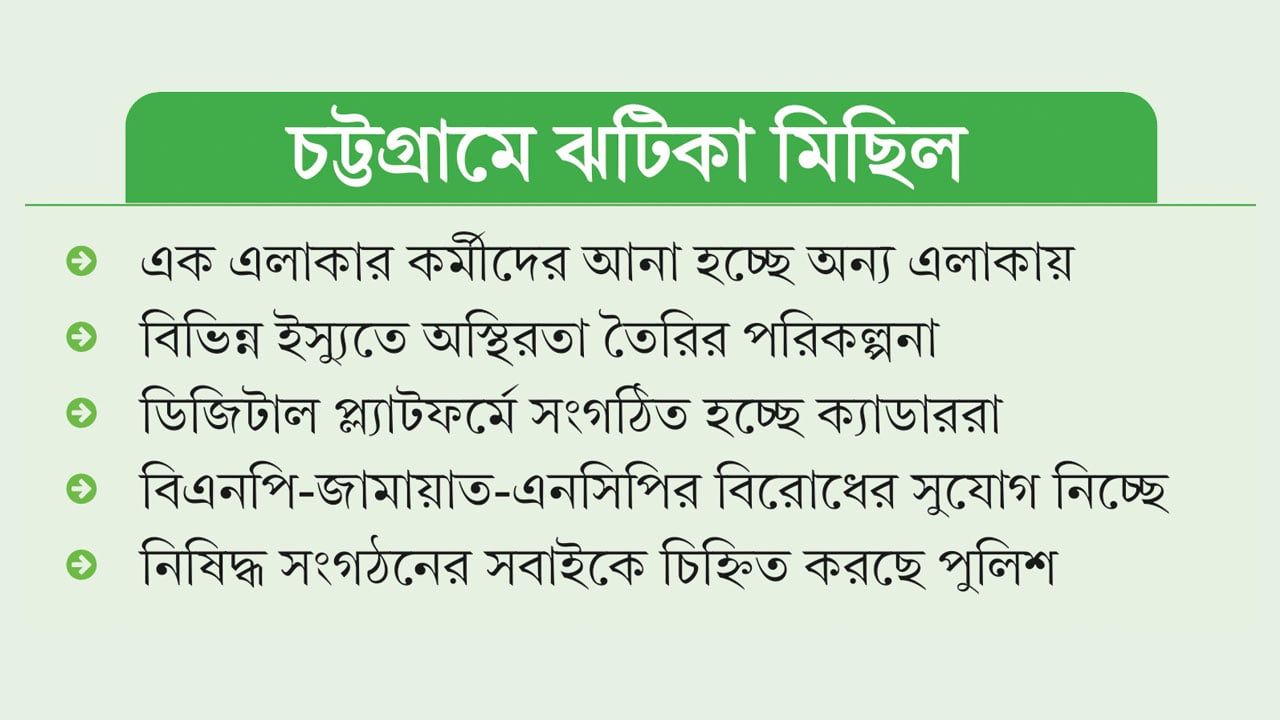
Law enforcement agencies in Chattogram have placed fifteen local businessmen under surveillance for allegedly financing the activities of the banned Chhatra League. According to the report, these businessmen, coordinated by a former Chattogram Chamber director, have been supplying funds collected from pro-Awami League donors. The money is reportedly distributed to field-level operatives through female associates and deposited into prison accounts of detained leaders. Police and intelligence units have begun monitoring these financial flows as part of an ongoing investigation. Sources cited in the report indicate that the banned organization has divided Chattogram city into two operational zones to plan flash processions and acts of sabotage. Two trained cadres, identified as Sadman and Jony, are said to be leading these groups under the remote supervision of exiled former ministers and an ex-MP. Police recently arrested 68 participants following major processions in the GEC and Oxygen areas, uncovering details about the group’s coordination and funding network. Analysts quoted in the report warned that administrative inaction and political divisions among opposition parties have emboldened the banned group, urging renewed unity among anti-fascist political forces to prevent further unrest.
After weeks of speculation and diplomatic tension, Iranian footballers have finally received US visas to participate in the 2026 FIFA World Cup. The White House confirmed that the players were granted approval ahead of their first match in Los Angeles. However, Iran reported that several technical and administrative officials have yet to obtain their visas, with the semi-official Fars News Agency claiming that the US has so far refused to issue them. The issue gained attention after Iran’s ambassador to Mexico, Abolfazl Pasandideh, complained that team members had not received visas even ten days before the tournament. Against the backdrop of strained Iran-US relations following recent military actions involving the US and Israel, the World Cup has become a focal point of geopolitical discussion. Tehran had earlier sought to move its preparations and matches to co-host Mexico due to visa complications. Despite the tensions, Iran’s ambassador said the team’s participation in the US demonstrates a commitment to peace. The team is scheduled to arrive in Tijuana, Mexico, for training before playing its first match against New Zealand on June 15.

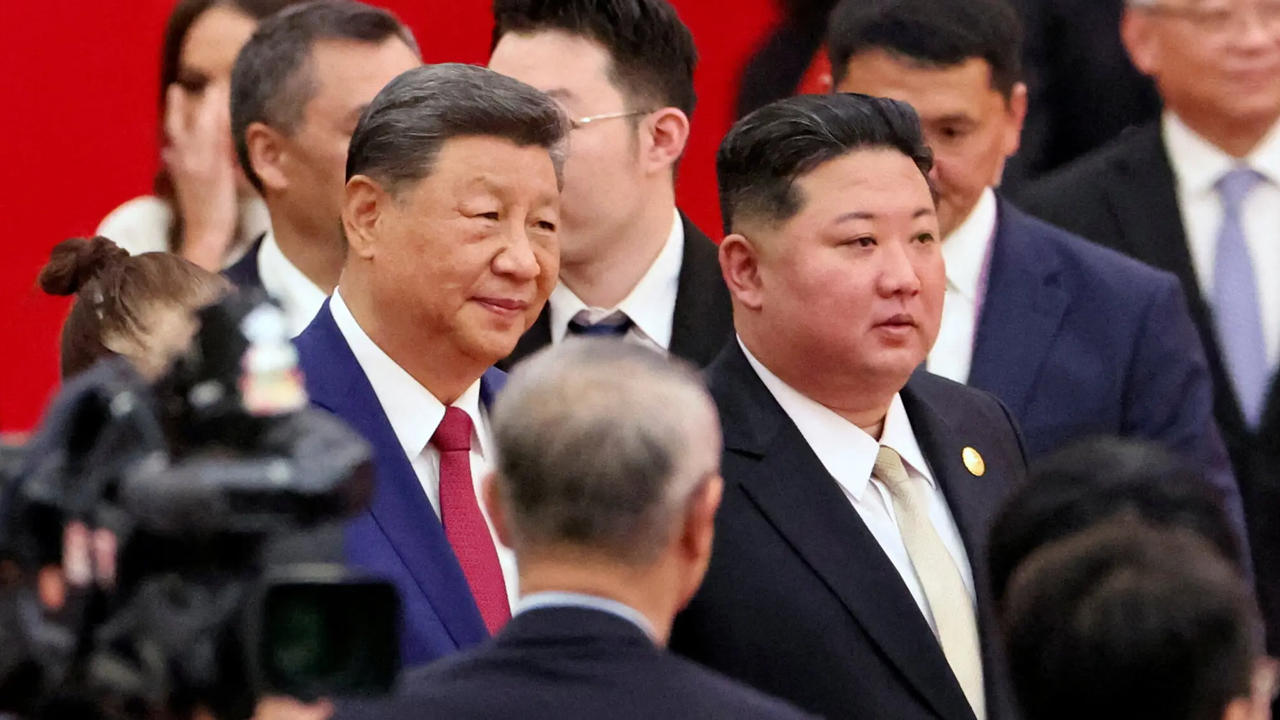
Chinese President Xi Jinping will travel to North Korea next Monday for a two-day state visit, marking his first trip there in nearly seven years. The visit comes as North Korean leader Kim Jong Un strengthens his strategic partnership with Russia to ease economic isolation. Analysts say Xi aims to present a united front against the West while reaffirming Beijing’s influence over Pyongyang, which has recently leaned closer to Moscow. Kim is expected to use his improved ties with Russia to seek greater economic benefits from China, while maintaining balance between his two powerful neighbors. North Korea’s renewed defense pact with Moscow and its supply of arms to Russia in exchange for oil, food, and technology have reduced its dependence on Beijing, raising concerns in China about losing regional leverage. The summit may also touch on nuclear issues, though Kim has ruled out talks with Washington over his nuclear program. Analysts note that Beijing’s stance on North Korea’s nuclear ambitions appears to be softening, viewing Pyongyang’s arsenal as a potential strategic advantage against the United States and its allies.
Bahrain has urged residents to move to safe shelters after Iran launched attacks on Kuwait and Bahrain in response to US strikes. Early Saturday morning, warning sirens sounded across Bahrain, prompting authorities to issue an alert for citizens and residents to remain calm and seek nearby safe locations. The Ministry of Interior announced the advisory through a message on social media platform X at around 4:15 a.m. local time. Earlier in the week, Bahrain reported that its air defense system had intercepted and destroyed three missiles and several drones. The recent escalation follows a series of retaliatory actions between Iran and the United States, with Bahrain now taking precautionary measures to protect its population. Authorities have not yet provided further details on the extent of the attacks or any casualties, but the alert indicates heightened security measures and ongoing regional tension.
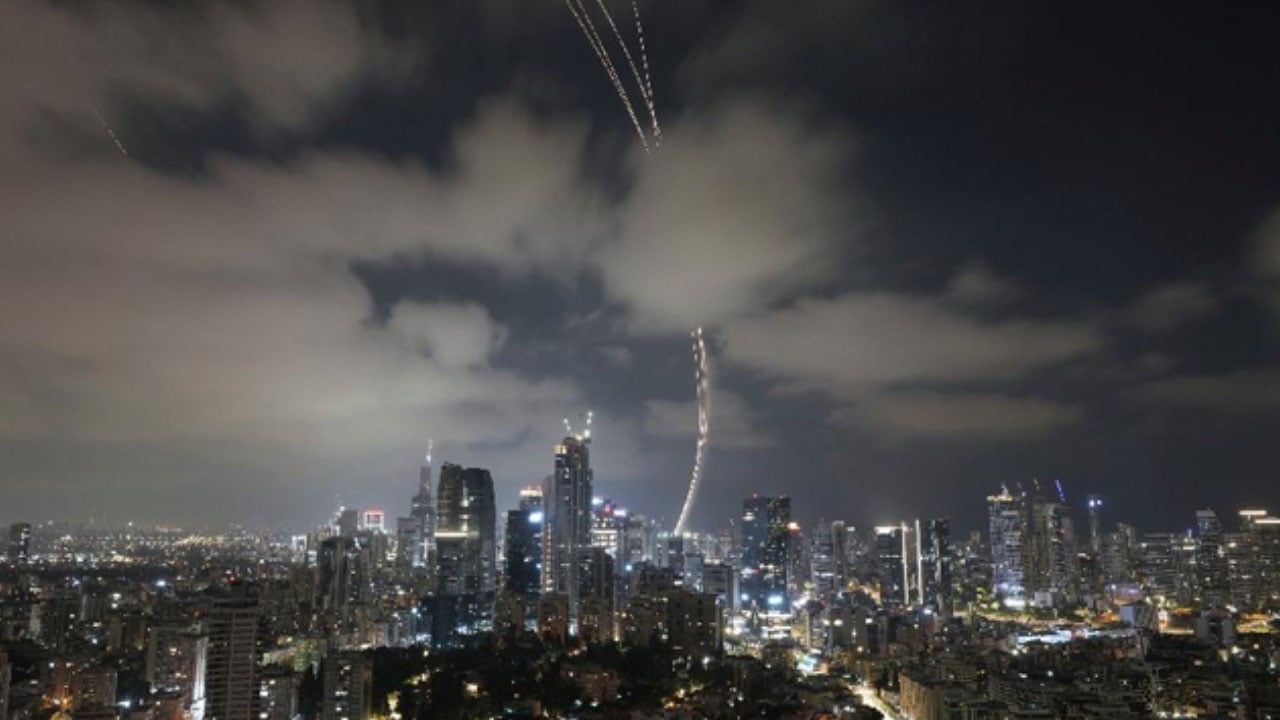
Iran’s Islamic Revolutionary Guard Corps (IRGC) announced that it carried out a missile strike on what it described as an 'enemy base' in the Middle East. According to a statement published by Iran’s semi-official Tasnim news agency, the attack was launched in response to U.S. military aggression near Iran’s Sirik city and Qeshm Island in the Strait of Hormuz. The U.S. Central Command (CENTCOM) reported that Iran fired seven ballistic missiles targeting Kuwait and Bahrain. In a separate statement, the U.S. military said it had struck radar installations in southern Iran after shooting down four Iranian drones that were launched toward the Strait of Hormuz. The radar sites hit were located in Goruk and Qeshm Island. The exchange of strikes marks a sharp escalation in military activity between Iran and the United States in the region, raising concerns about further instability in the Gulf area.
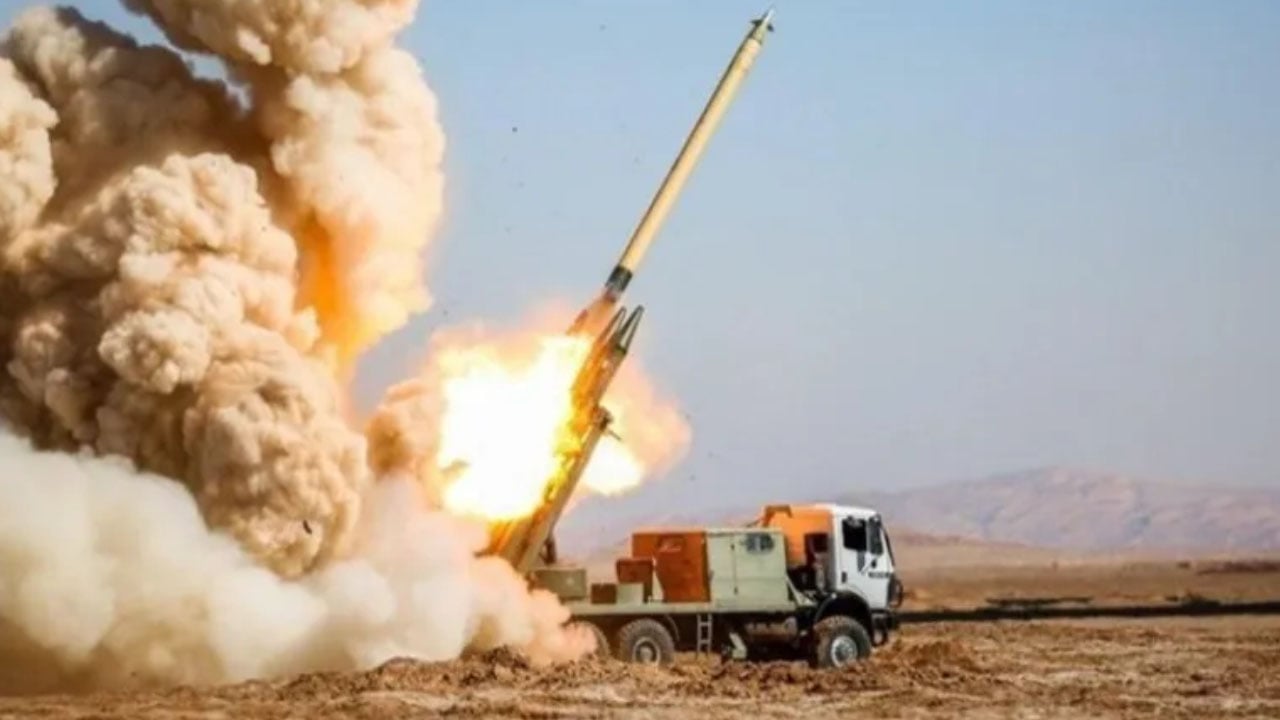
Iran launched seven ballistic missiles targeting Kuwait and Bahrain just hours after US forces struck Iranian radar sites and intercepted attack drones near the Strait of Hormuz, according to the US Central Command (CENTCOM). The US military said six of the missiles were intercepted midair and the seventh failed to reach its target. CENTCOM confirmed there were no American casualties and dismissed Iran’s claim of damaging the US Navy’s Fifth Fleet headquarters in Bahrain as false. Iran’s Islamic Revolutionary Guard Corps (IRGC) stated that it attacked ‘enemy bases’ across the Middle East using aerospace missiles. The semi-official Tasnim News Agency reported that the strikes were carried out in response to what Iran described as US aggression near the strategic Strait of Hormuz, particularly around the Iranian city of Sirik and Qeshm Island. The exchange marks a sharp escalation in military tensions between Iran and the United States in the Gulf region, with both sides issuing conflicting accounts of the attacks and their outcomes.
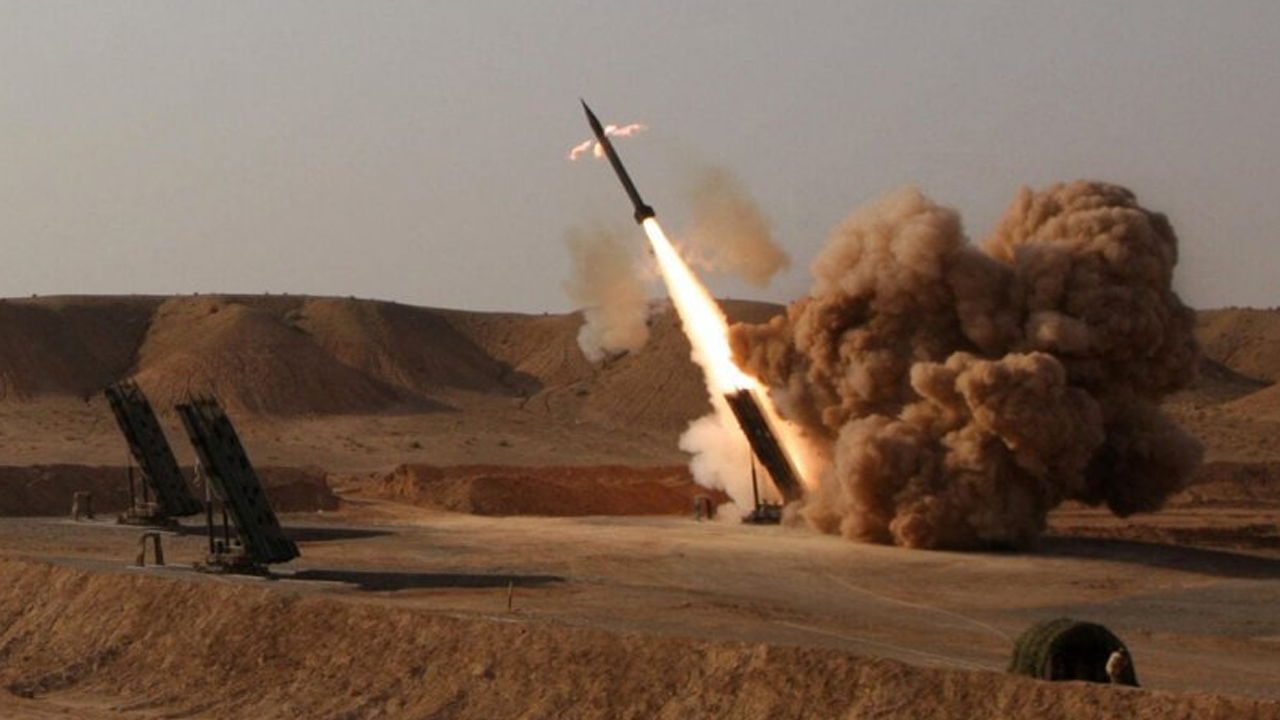
The United States military has claimed responsibility for airstrikes on radar installations in southern Iran. The announcement came on Friday, when the US Central Command stated that four Iranian drones had been shot down after being launched toward the Strait of Hormuz. Following the interception, US forces targeted coastal surveillance radar facilities on Goruk and Qashem islands. According to the Central Command, the Iranian drones posed a threat to regional maritime navigation, prompting the strikes to prevent further attacks. The incident marks another escalation between the two countries despite a temporary ceasefire declared on April 8, which was brokered by Pakistan. Efforts to achieve a lasting end to hostilities have so far failed, with both sides continuing to exchange proposals and counterproposals for peace. Leaders from both nations have also indicated their readiness to resume attacks if necessary, underscoring the fragile nature of the current truce.
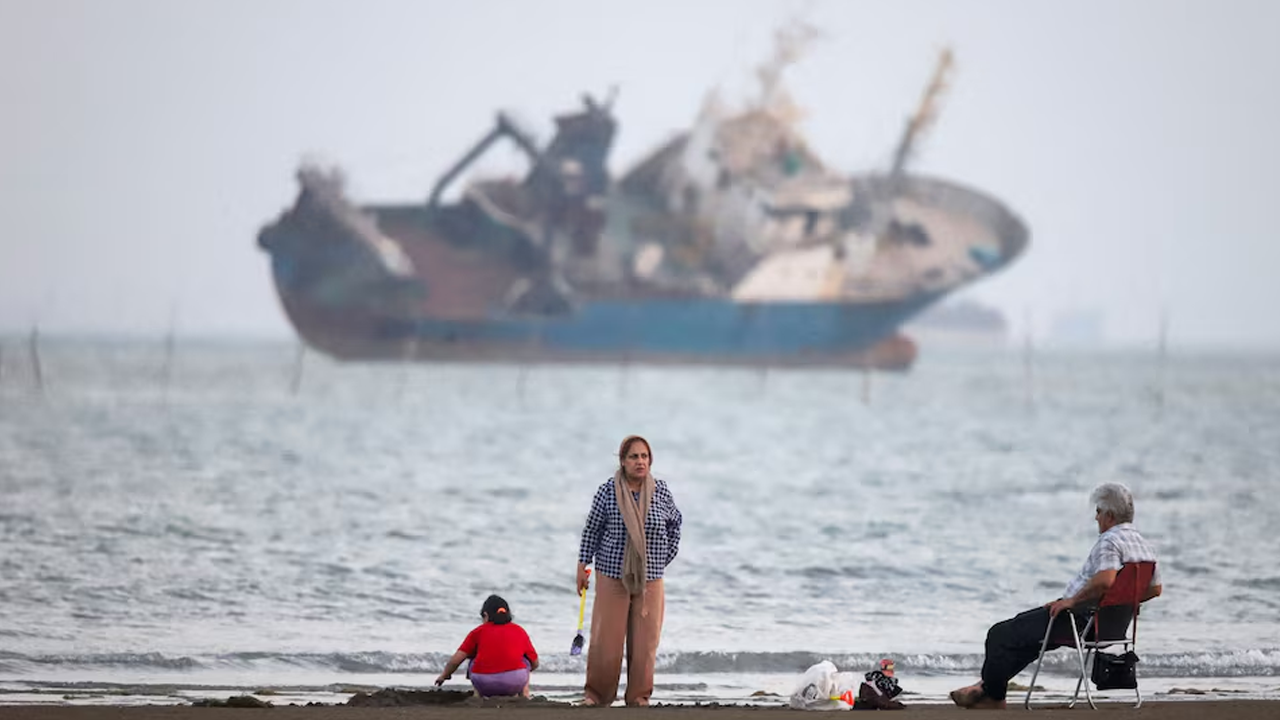
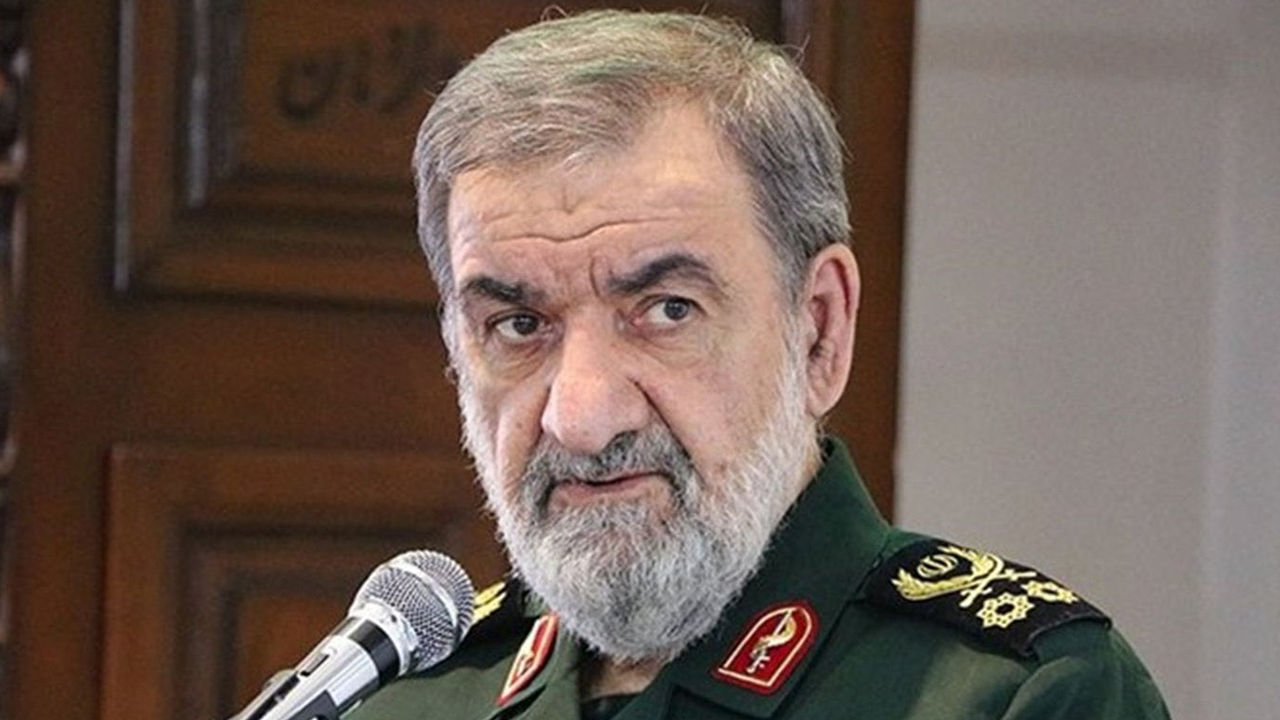
Iran’s top military adviser Mohsen Rezaei has warned that failure to release $24 billion in frozen Iranian assets could derail a potential peace agreement with the United States. In an interview with CNN in Tehran, Rezaei, who serves as a senior adviser to Supreme Leader Ayatollah Mojtaba Khamenei, said negotiations are stalled and urged U.S. President Donald Trump to act. He cautioned that renewed conflict would push the U.S. into a “dark tunnel.” Rezaei stated that Iran demands the immediate release of $12 billion following an interim deal, with another $12 billion to follow, calling the move a trust-building measure. U.S. officials reportedly fear that releasing the funds could weaken their leverage. Trump has insisted any new deal must be stronger than the 2015 nuclear accord and avoid perceptions of cash transfers. Rezaei also rejected the possibility of a Trump-Khamenei meeting and asserted Iran’s joint sovereignty with Oman over the Strait of Hormuz. He warned that if war resumes, Iran would expand operations beyond the Persian Gulf to the Indian Ocean and Mediterranean, though he said the likelihood of renewed fighting remains low.
Iran has stated that it does not believe a full-scale war or major conflict with the United States is imminent, but it remains fully prepared for any possible confrontation. According to reports from Tehran, discussions between the two countries are ongoing, and Iran is currently reviewing new proposals presented by the U.S. side. The Iranian government is preparing to deliver its response within the next few days. Officials in Tehran described the current diplomatic process as a familiar and recurring pattern, emphasizing that no expression of goodwill or negotiation from Washington is sufficient to restore Iranian trust in the United States. Iran maintains that the U.S. cannot be trusted under any circumstances. The report also notes that Iranian authorities fear the region could face a sudden escalation or outbreak of conflict at any moment, despite the ongoing diplomatic exchanges.
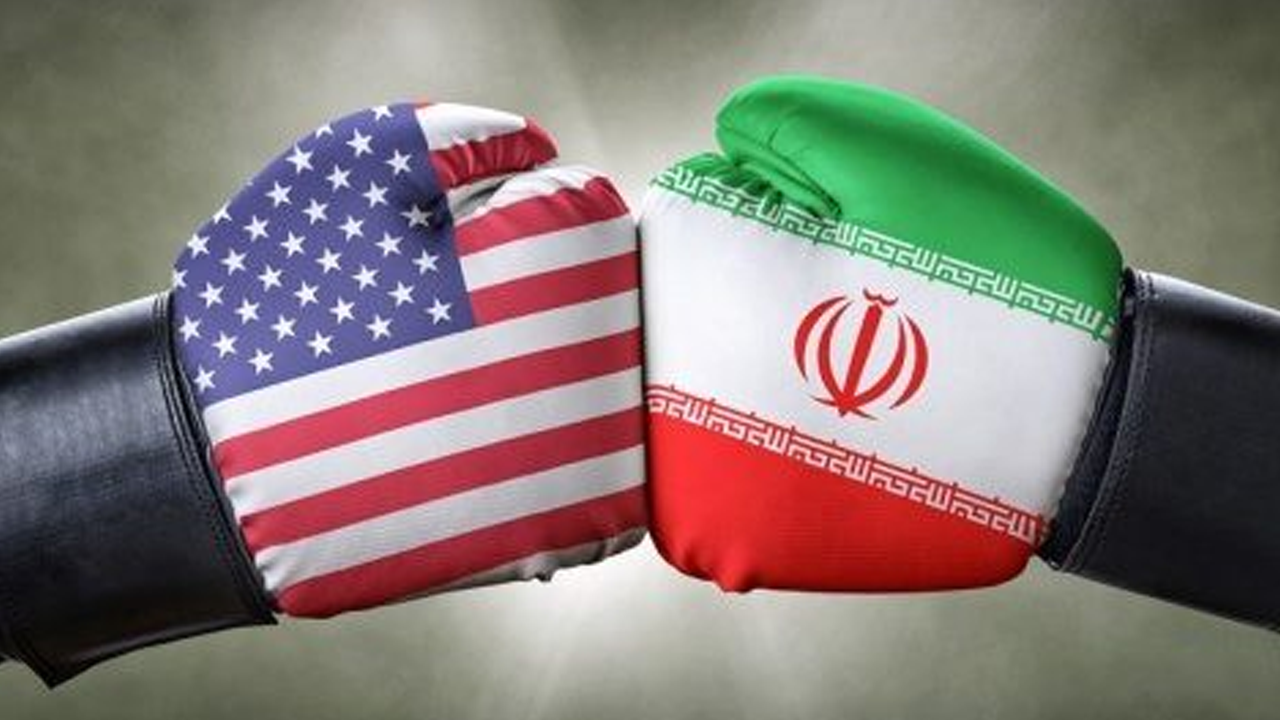
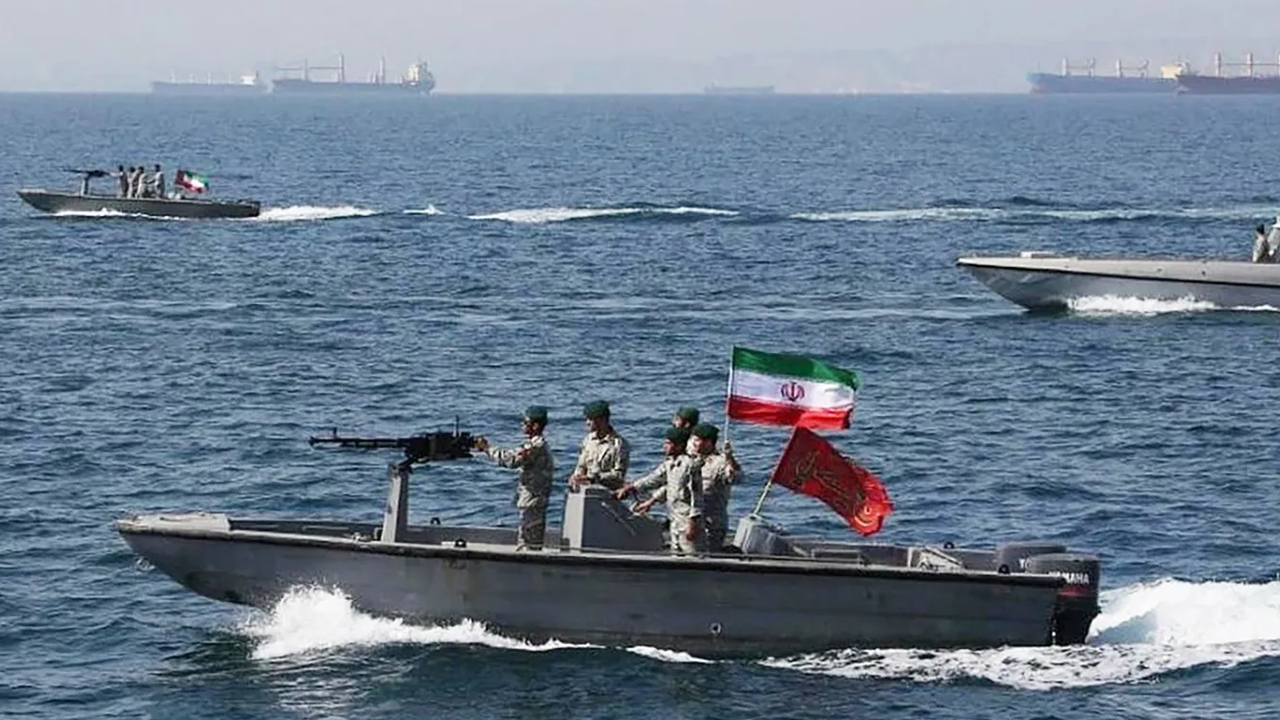
A new confrontation has broken out between the United States and Iran, centered on the strategically vital Strait of Hormuz. According to Al Jazeera’s Tehran correspondent, Iranian forces fired warning shots at several US Navy ships early Saturday morning. Iran also reported an explosion at Sirik port in Hormozgan province, located along the strait. Details of the incident remain limited, but it follows a series of similar encounters over recent days. The situation is part of an ongoing pattern of tension between the two nations, with both sides previously accusing each other of violating ceasefire terms and initiating hostilities. The US administration confirmed that Iranian drones were launched in the area, while Iran is expected to release further information within hours. The Strait of Hormuz has become the focal point of the standoff, as Washington demands Iran withdraw its military presence and ensure free international navigation. Iran has rejected these demands, asserting its control over the strait as a key element of its strategic strength against the US and Israel. Meanwhile, Bahrain’s Interior Ministry activated emergency sirens, urging residents to remain calm and seek shelter.
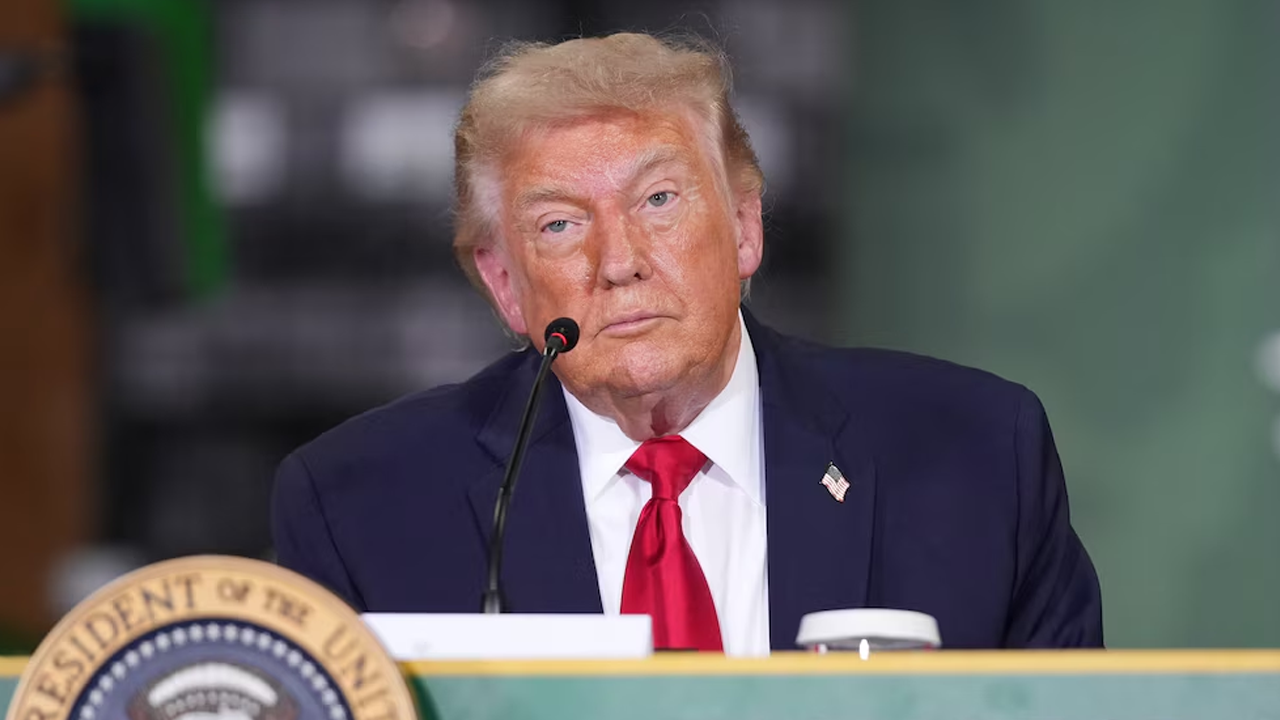
U.S. President Donald Trump said Iran’s leadership is highly self-respecting and unwilling to make concessions easily. He made the remarks in an interview with NBC’s ‘Meet the Press’ on Friday. Despite a ceasefire between the United States and Iran, recent days have seen renewed clashes. Both sides have been trying to end the conflict that began on February 28 through mediators. The U.S. Central Command confirmed an unexpected incident on Friday via social media. During the interview, Trump compared the current Iran situation to the Vietnam War, noting that the Iran conflict has lasted just over three months, while the Vietnam War continued for nearly 19 years. He stated there is no rush to reach an agreement with Tehran, emphasizing that any deal must protect U.S. national interests. Trump also indicated that Iran’s proud leadership is part of the peace process dynamic and said he understands their stance. He reiterated that political or strategic pressure should not dictate the pace of negotiations.
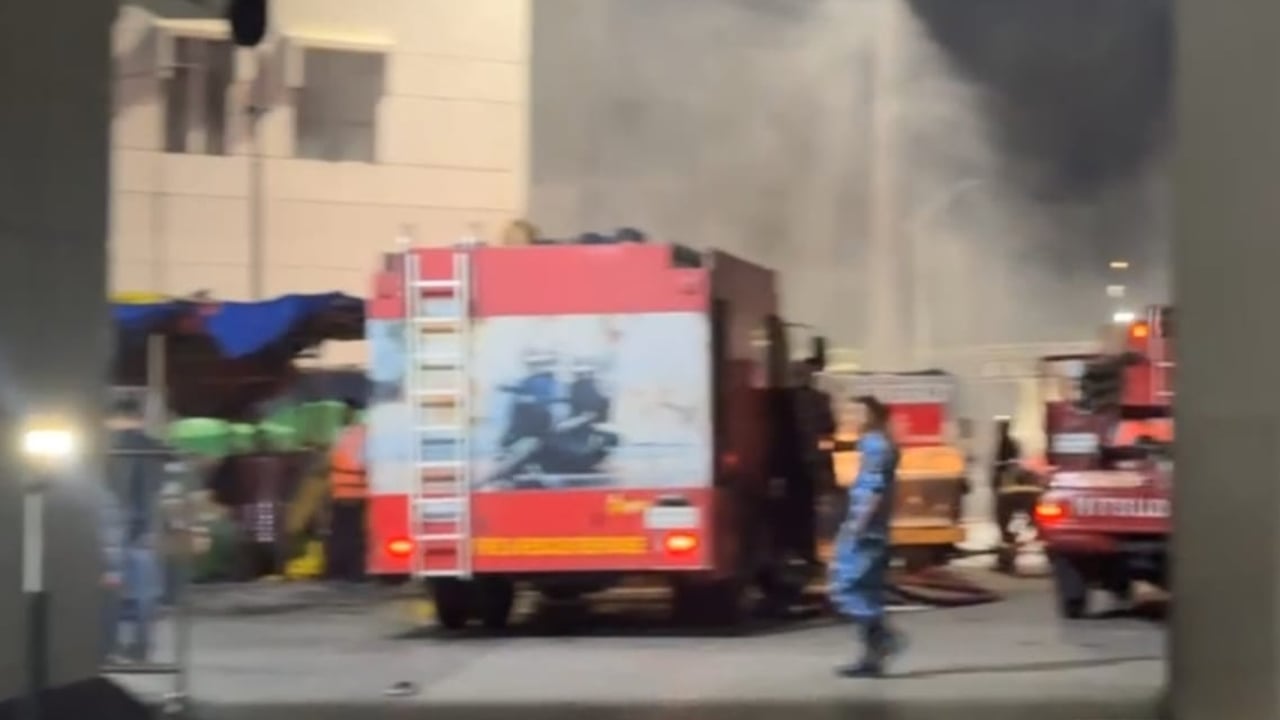
A fire broke out on Friday night at a storage area near Gate 9 of Hazrat Shahjalal International Airport in Dhaka. The incident occurred in a security-sensitive zone, prompting an immediate response from airport authorities and the Fire Service. Thanks to their swift action, the blaze was contained before it could spread further. Fire Service officials said they received the alert at 11:24 p.m. and reached the site within three minutes. The fire was brought under control by 11:38 p.m. through the coordinated efforts of four units. Preliminary reports indicate that the fire originated in a storage facility used for keeping goods near Gate 9. The cause of the fire and the extent of damage have not yet been confirmed. No injuries or casualties were reported, and airport operations, including flight schedules, remained unaffected. Security personnel cordoned off the area and evacuated nearby individuals as a precaution. Officials stated that an investigation will be conducted to determine the source and cause of the fire and to assess whether negligence was involved. Authorities are also reviewing fire safety measures to prevent similar incidents in the future.
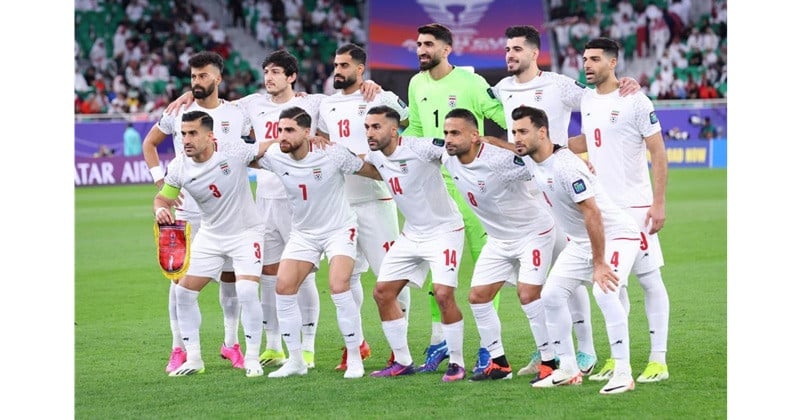
Iran’s national football team is preparing for the upcoming FIFA World Cup amid war and political turmoil. Following a joint U.S.-Israeli attack on Iranian territory on February 28, the two nations remain in a tense ceasefire. Due to instability at home, the Iranian squad has been training in Antalya, Turkey, since May 18. Players are struggling to stay focused as the conflict and political tension weigh heavily on their minds. The war has also disrupted administrative processes. Iranian players have yet to receive U.S. visas despite applying through the American embassy in Ankara, even though their group-stage matches are scheduled in the United States. In response, FIFA approved Iran’s request to move its base camp from the U.S. to Mexico, where the team quickly obtained visas and plans to depart on Sunday. However, uncertainty remains about their eventual entry into the U.S. for matches. Iran’s first two games will take place in Los Angeles, home to a large Iranian diaspora, many of whom oppose Tehran’s government. Players hope expatriates will still support them as they aim to bring joy to war-weary Iranians when their campaign begins on June 15 against New Zealand.
The ‘1 Nojor’ media platform is now live in beta, inviting users to explore and provide feedback as we continue to refine the experience.