

The ‘1 Nojor’ media platform is now live in beta, inviting users to explore and provide feedback as we continue to refine the experience.
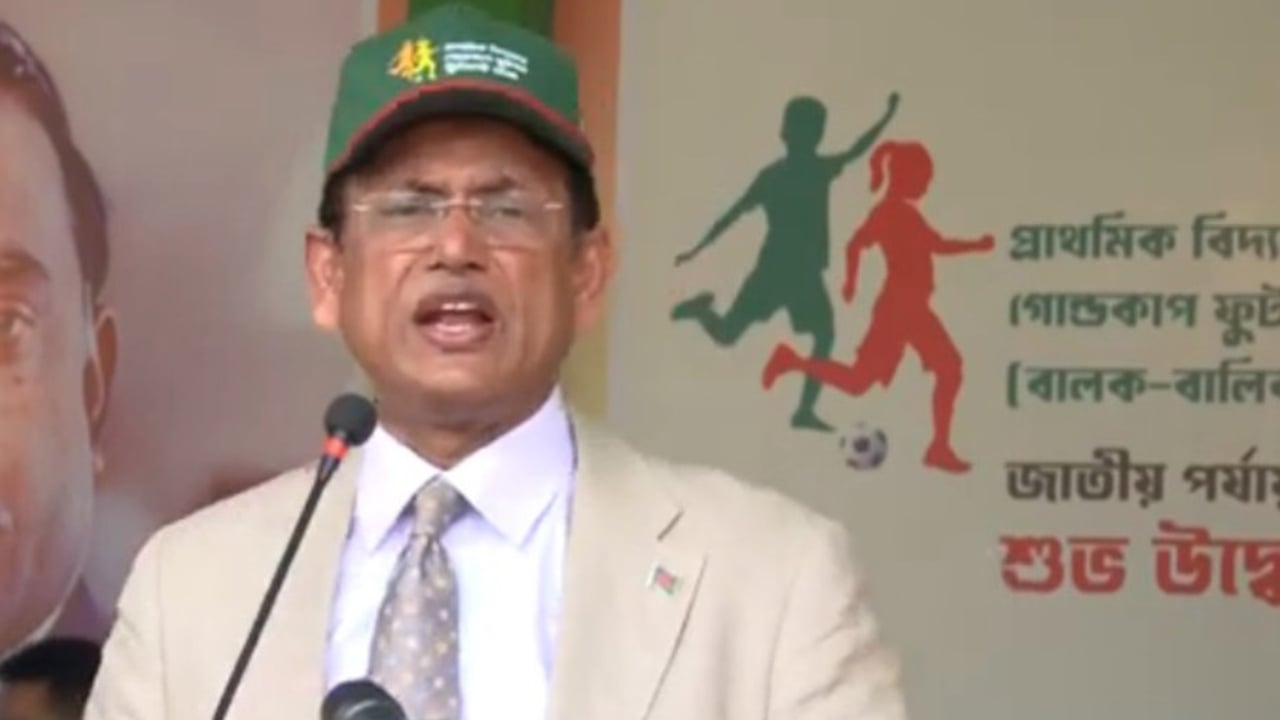
Education Minister Dr. Ehsanul Haque Milan announced that the government is implementing multiple initiatives to make children’s education more enjoyable. Speaking on Thursday at the inauguration of the National Primary School Gold Cup Football Tournament 2026 in Mirpur, Dhaka, he said every primary school in the country will provide mid-day meals within this year to prevent malnutrition among students. He also stated that within two months, all schoolchildren will receive uniforms. The minister emphasized that the Prime Minister envisions a joyful education system where children learn through play and creativity. To support this, sports are being integrated into the curriculum to encourage physical activity and enthusiasm among students. He highlighted that over 65,000 institutions are participating in the tournament, which he described as a record-setting event. Dr. Milan added that under the fifth primary education plan, no school will remain without a building, mid-day meal, or student uniform. He expressed hope that these measures will help build the future Bangladesh envisioned by the Prime Minister.
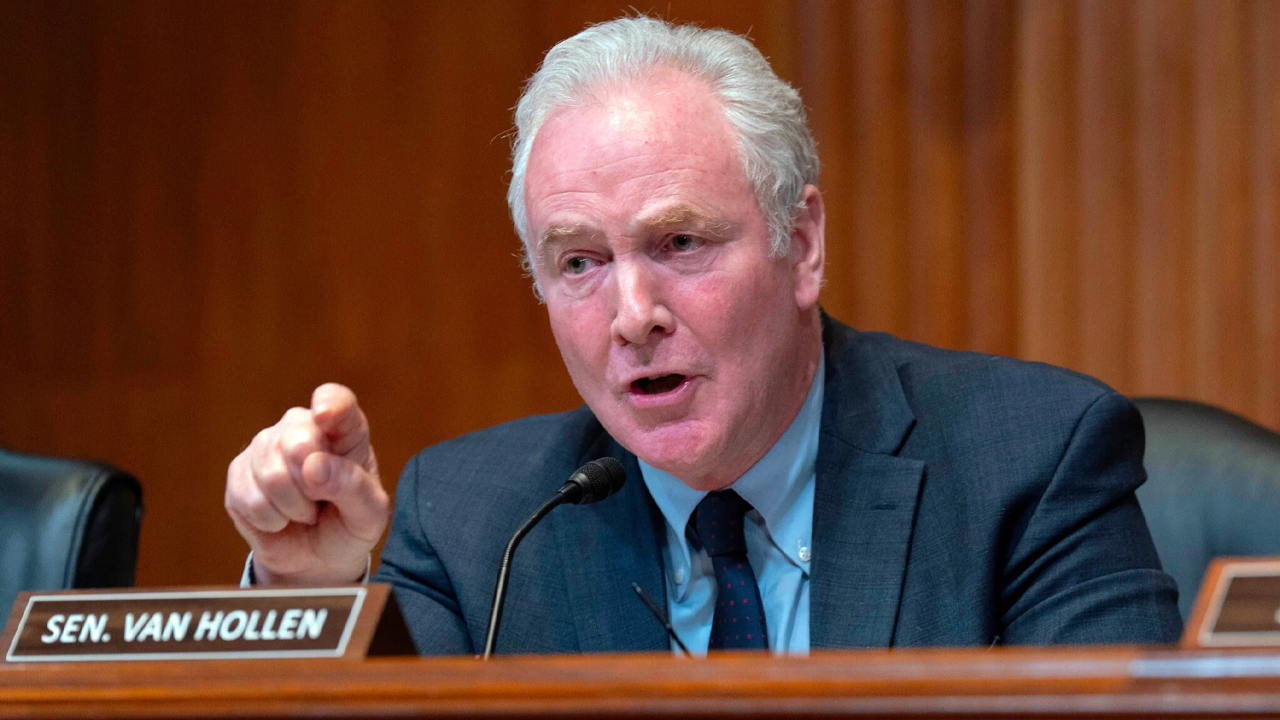
US Senator Chris Van Hollen has called for the release of a 20-year-old American citizen, Sama Safi, who was detained by Israeli forces from Birzeit University in the occupied West Bank. According to Van Hollen, Israeli security personnel entered Safi’s home around 3 a.m. and took her away without explanation, despite her informing them of her US citizenship. In a video message posted on X, Van Hollen criticized the Israeli government and Prime Minister Benjamin Netanyahu’s administration for their treatment of US citizens while receiving American taxpayer funding. He also alleged that previous incidents involving the deaths of US citizens at the hands of Israeli settlers and soldiers had gone without accountability. Human rights organizations described the arrests of Palestinian students as part of an intimidation campaign aimed at pressuring Palestinian communities. Israeli authorities have not yet issued any response to the senator’s statement or the reported detentions.
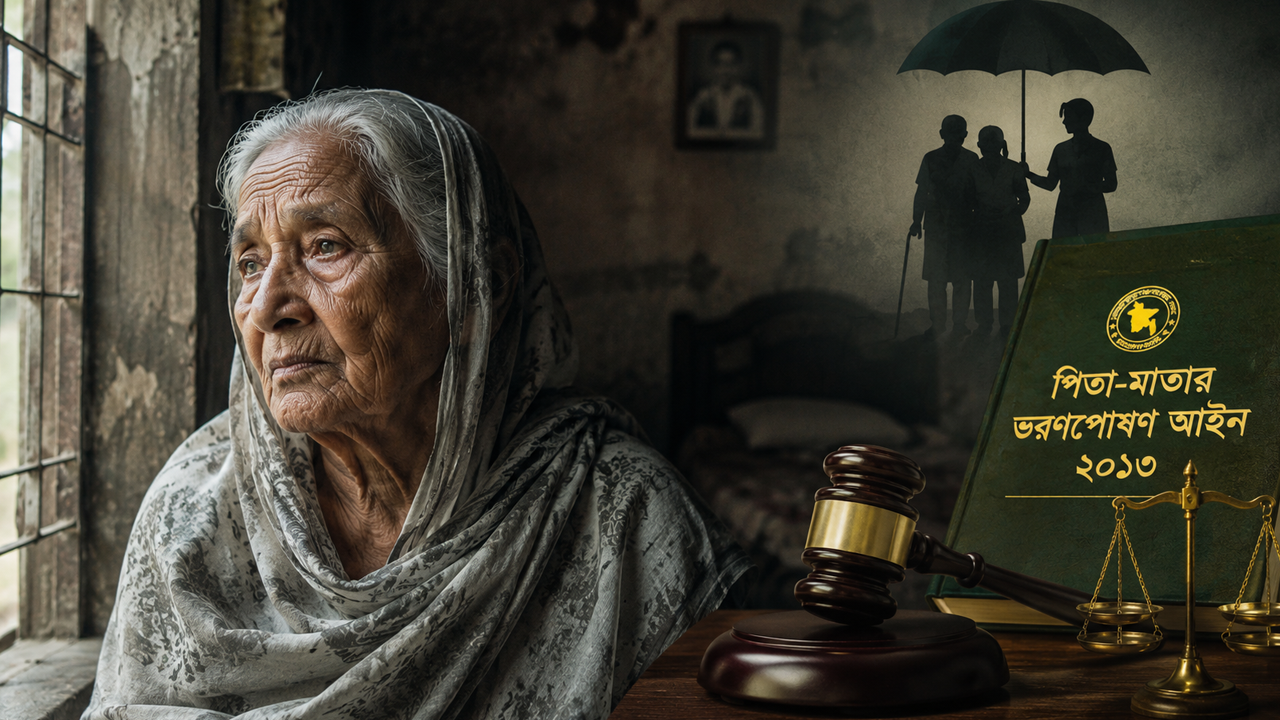
Police in Dhaka’s Mirpur area recovered the decomposed body of 75-year-old Nurjahan Begum from a filthy apartment on Sunday. The flat, filled with garbage and fungus, belonged to her daughter, a schoolteacher who lived with her. Officers said the daughter’s speech appeared incoherent, raising questions about her mental health. Nurjahan’s other children include a joint secretary and a university teacher. The body was later handed over to her son after autopsy. Images and videos of the unhygienic room went viral on social media, prompting widespread anger and calls for punishment of the children for alleged neglect. A High Court petition has been filed seeking an investigation into possible human rights violations. State Minister for Public Administration Md Abdul Bari said the joint secretary son has been removed from his post pending inquiry. The incident has renewed discussion about Bangladesh’s 2013 Parents Maintenance Act, which mandates that capable children must provide food, shelter, medical care, and companionship to their parents or face fines or imprisonment.
Four migrant workers were burned alive on Monday at a gas station in Calabria, southern Italy. Surveillance footage captured two individuals pouring petrol into a car, locking the doors, and setting it on fire. One person managed to escape and later spoke to Italian media about the attack, which has shocked the country. The survivor, 35-year-old Mohammad Taj Alamayar from Afghanistan, said he and four others from Afghanistan and Pakistan worked in the region picking strawberries. He claimed the violence erupted after they asked their employers about unpaid wages. Alamayar alleged that the attackers were Pakistani drug traffickers linked to Italian organized crime groups. Italian Prime Minister Giorgia Meloni condemned the killings in a social media post on Wednesday, stating that the government would not back down in the face of violence and that all responsible must be brought to justice.

At least three people were killed and seven others injured in a Ukrainian attack on Russian-controlled Crimea, according to Moscow-backed local authorities on Thursday. The strike occurred in Simferopol, where several non-residential buildings were hit. Emergency services were deployed to the site, said Sergei Aksyonov, the Moscow-appointed head of Crimea’s administration. The attack came a day after Ukraine targeted fuel and military facilities in Russia’s St. Petersburg, where the annual St. Petersburg International Economic Forum (SPIEF) was underway. The event was expected to host around 20,000 delegates from 130 countries, with Russian President Vladimir Putin scheduled to deliver a keynote speech on Friday. Kremlin spokesperson Dmitry Peskov warned of a “systematic” response to Ukraine’s strikes. Black smoke was seen over St. Petersburg following Wednesday’s attack, visible even from the forum venue.

A major controversy has erupted across India following the release of the Central Board of Secondary Education (CBSE) exam results on May 13, 2026. Students have alleged widespread irregularities and mismanagement linked to the board’s new digital evaluation system, which was hastily introduced for over 17 million candidates. The resulting errors and technical failures have triggered intense anger toward Prime Minister Narendra Modi’s government, with growing calls for Education Minister Dharmendra Pradhan’s resignation. The CBSE had implemented an on-screen marking system this year, outsourcing the process to Hyderabad-based company Koempt Edu Tech, a rebranded firm with a controversial past. Students and teachers have exposed errors such as mismatched answer scripts, blurred scans, and security flaws that allowed unauthorized access to exam data. Several students used social media to reveal these issues, forcing CBSE to acknowledge mistakes and revise some results. In response to mounting criticism, the government transferred the CBSE chairman and secretary, but opposition leaders including Rahul Gandhi and Arvind Kejriwal condemned the move as an attempt to shield the education minister. Many students remain unable to apply for re-evaluation due to the board’s website being offline, deepening frustration nationwide.
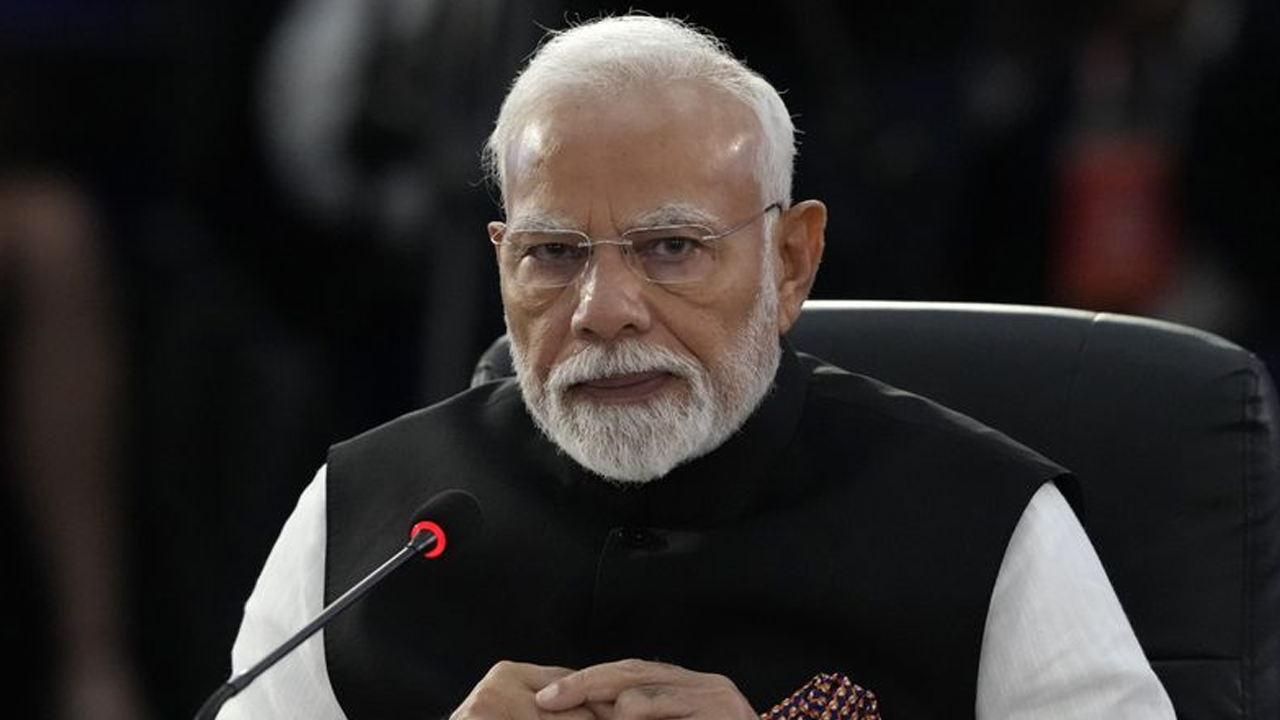
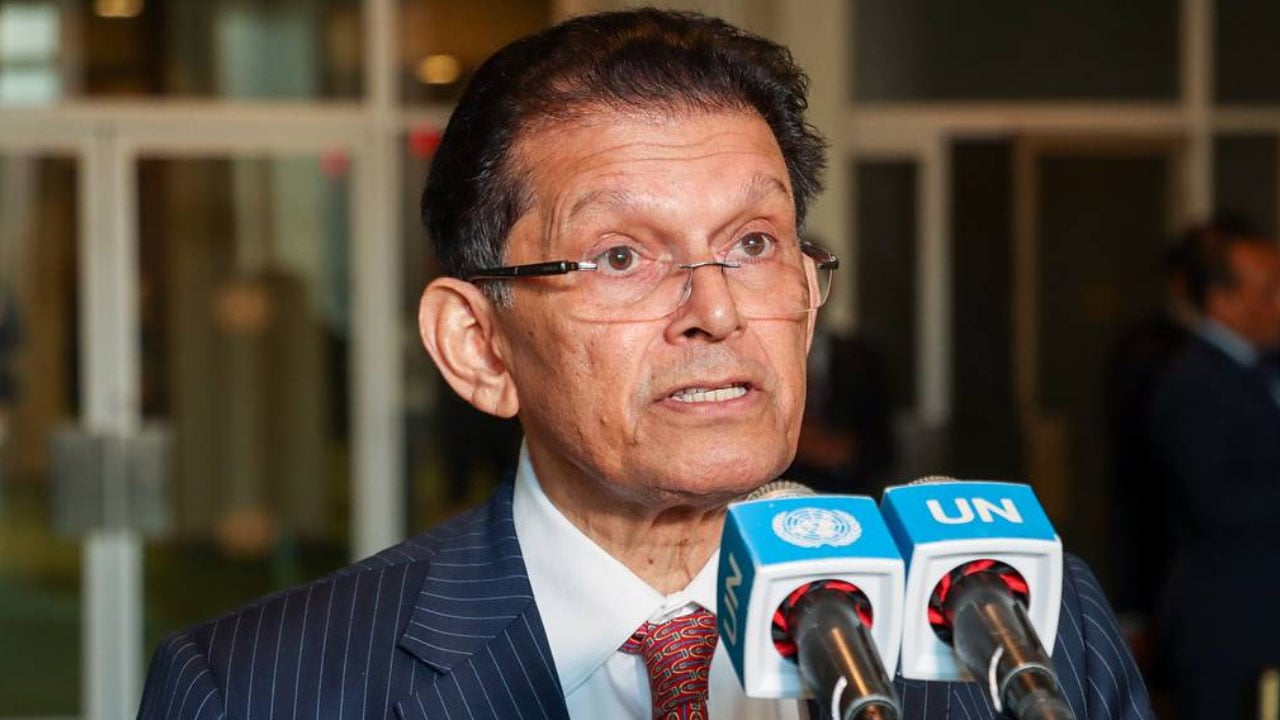
Bangladesh’s Foreign Minister Khalilur Rahman will visit Russia from June 7 to 9 for a three-day official trip, according to a statement from the Russian Foreign Ministry. The visit follows his election as President of the 81st session of the United Nations General Assembly, which will begin on September 8. He will serve a one-year term in that position. The Russian statement welcomed Rahman’s stated priorities of promoting the interests of the global South and East, accelerating progress toward the Sustainable Development Goals, improving the effectiveness of the General Assembly, and strengthening the UN’s role as a central coordinating body in global affairs. Moscow expressed its commitment to constructive and productive cooperation with the newly elected president. The visit is expected to reinforce diplomatic engagement between Bangladesh and Russia, particularly in the context of Rahman’s upcoming leadership role at the United Nations.
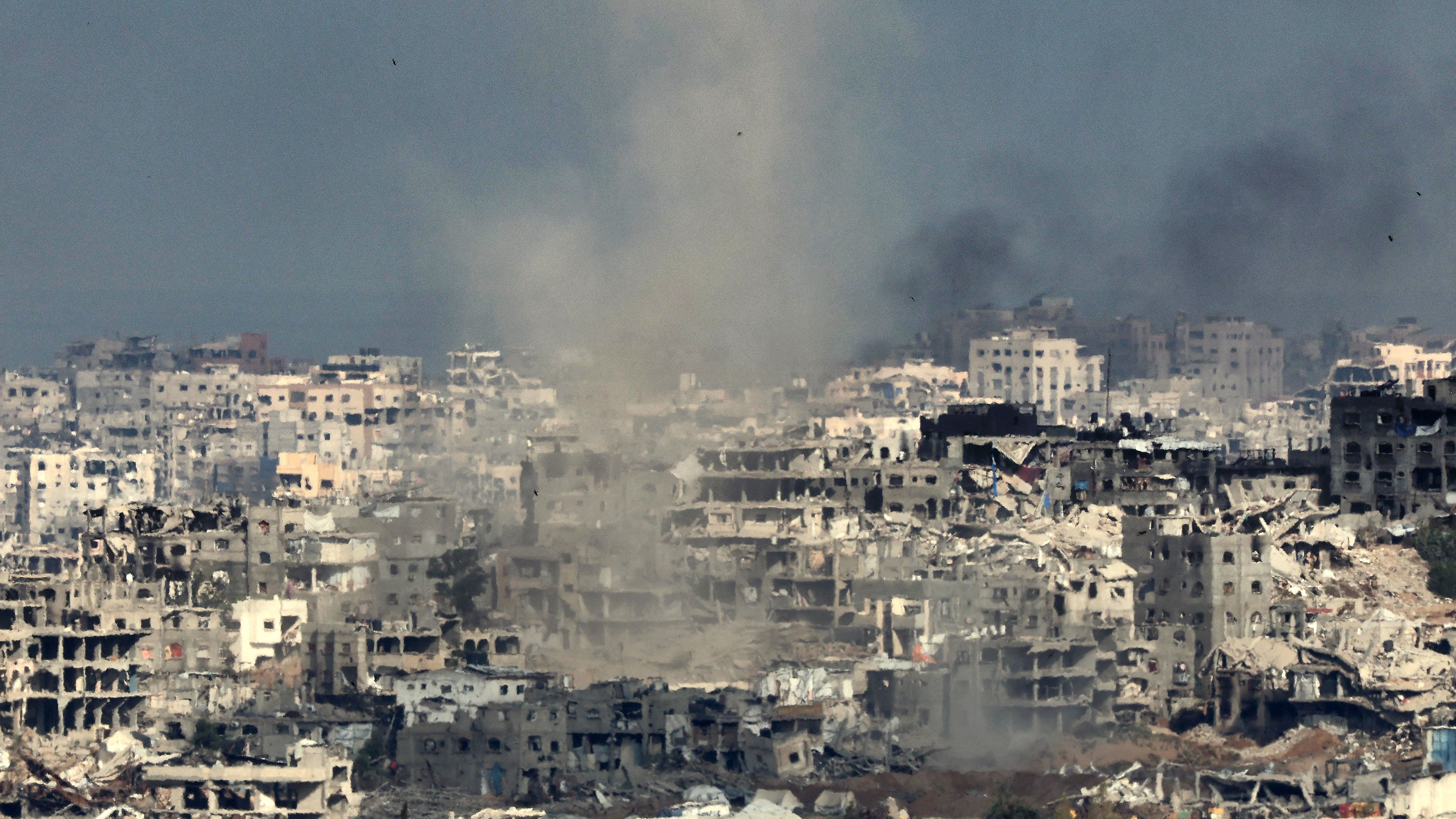
A Gaza-based human rights organization, Ad-Dameer, has reported that more than 9,500 Palestinians have gone missing in the Gaza Strip since Israel’s attacks began in October 2023. The group’s report, released on June 4, 2026, states that around 4,700 of the missing are women and children. It estimates that about 8,100 people may be trapped under rubble, while 250 others disappeared near aid distribution centers. Additionally, over 800 people were detained at Israeli military checkpoints during evacuations from northern to southern Gaza, with no information on their current whereabouts. The report also notes that the fate of 350 individuals who entered Israel on October 7, 2023, remains unknown. Ad-Dameer described the situation as one of the most complex and painful humanitarian crises caused by the ongoing war. The organization called for urgent international intervention to release Palestinian detainees, return the bodies of the dead, and establish a genetic database to identify the missing. The report emphasized that these figures are based solely on Ad-Dameer’s findings, and no official response from Israeli authorities was mentioned.
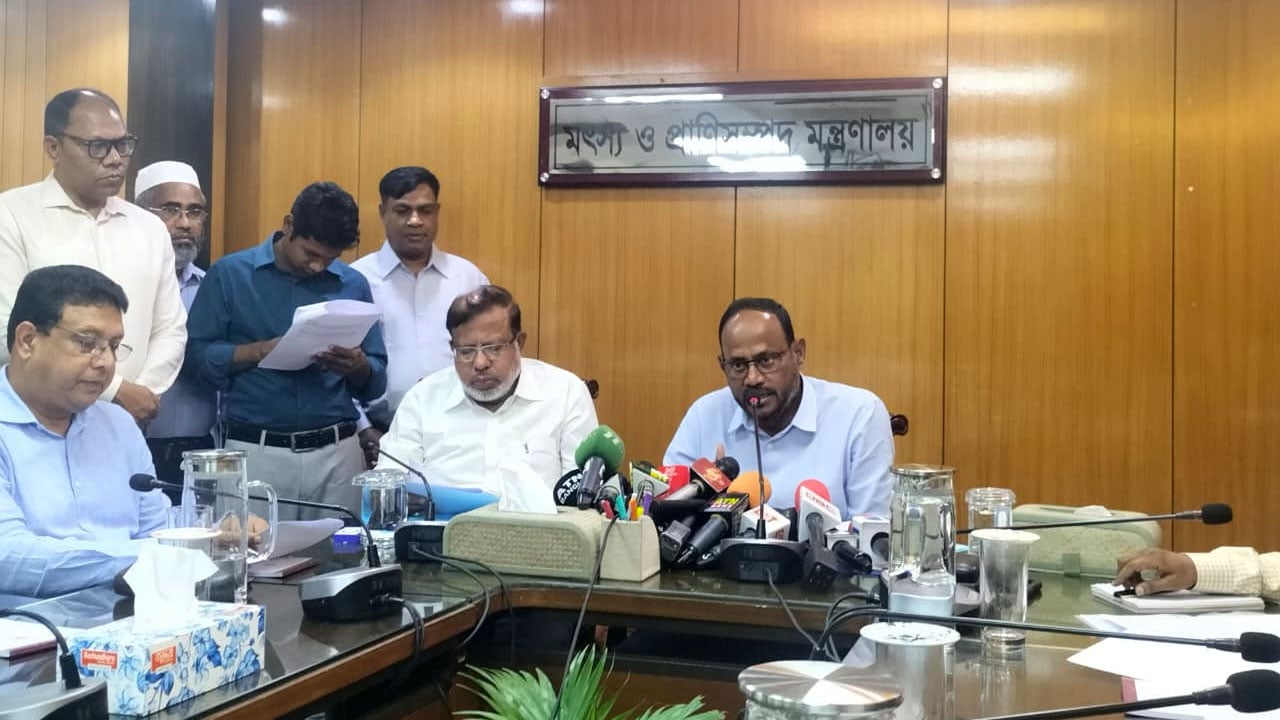
Bangladesh’s State Minister for Fisheries and Livestock, Sultan Salauddin Tuku, announced that a total of 9,367,418 animals were sacrificed across the country during Eid-ul-Azha. The data, presented at a press briefing at the ministry’s conference room on Thursday, showed that Dhaka division recorded the highest number of sacrifices, followed by Rajshahi and Chattogram. Compared to last year, the number of sacrificial animals increased by 231,418. According to the ministry’s preliminary statistics, the total included 4,864,158 cattle and buffalo, 4,502,233 goats and sheep, and 1,027 other animals. The national demand for sacrificial animals this year was 10,106,334, while availability stood at 12,333,840, leaving a surplus of 2,966,422 animals. The minister stated that Bangladesh is now self-sufficient in livestock production and that the government aims to export surplus animals and meat after meeting domestic demand. He credited timely government policies, farmers’ dedication, and private investment for achieving self-sufficiency in the livestock sector, which he said contributes to strengthening the rural economy and sustainable development.
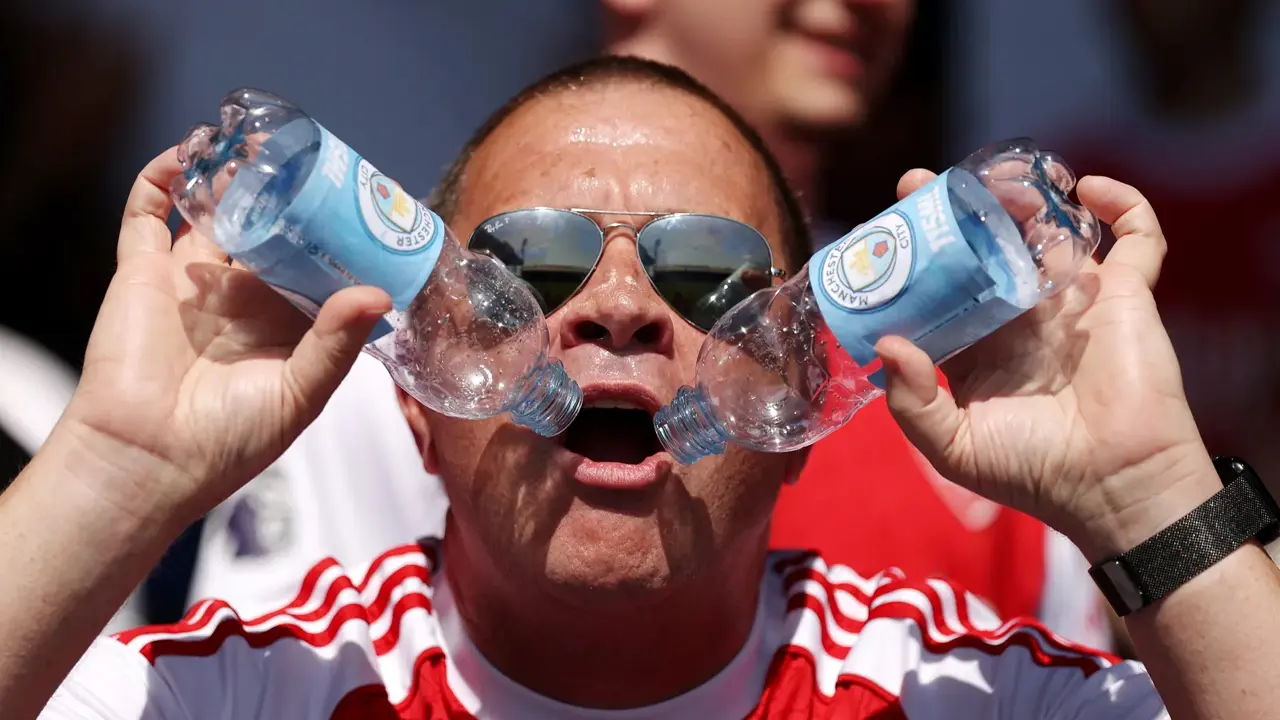
FIFA has decided to prohibit spectators from bringing their own water bottles into stadiums during the 2026 World Cup, sparking debate as concerns rise over North America’s extreme heat and humidity. The new directive reverses an earlier rule that allowed fans to carry one-liter transparent, reusable plastic bottles. According to an email obtained by The Athletic, FIFA cited safety reasons, saying bottles could be used as projectiles that might injure players or spectators. The decision has raised questions about water accessibility and affordability, as fans will no longer be able to refill bottles at stadium dispensers. During last year’s Club World Cup in the United States, bottled water prices ranged from four to six dollars. FIFA’s long-time partner Coca-Cola will sell its Dasani brand water at World Cup venues, though pricing has not yet been announced. FIFA said it will coordinate with host cities to install misting stations, cooling tents, extra fans, and water supply points to ensure spectator safety. Exceptions will be made for baby food, sterile water, and medically required liquids with proper certification.
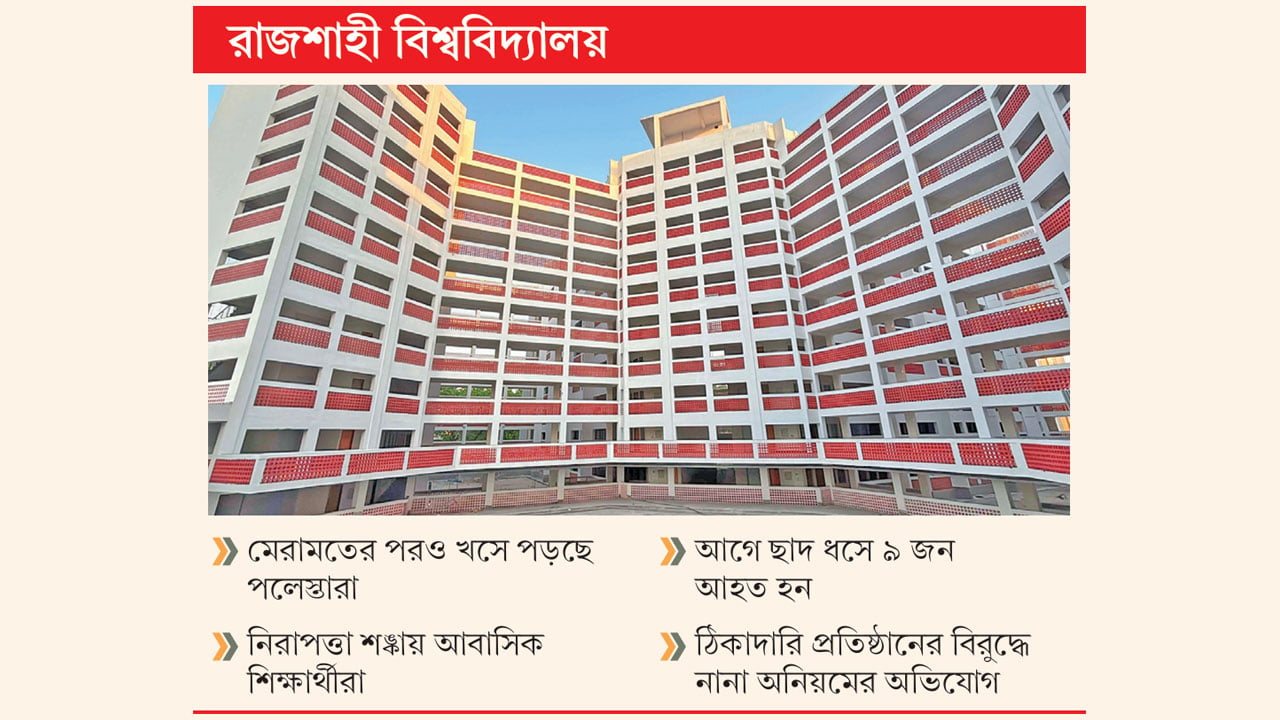
A newly constructed ten-storey dormitory at Rajshahi University, named 'Bijoy 71 Hall', has developed cracks on its walls and pillars even before its official inauguration. The Tk 74 crore project was supposed to open in December last year but remains unfinished, with incomplete gas, water, and electricity connections. Students relocated there from older, quake-damaged halls have expressed fear and frustration as plaster continues to fall off despite repairs. The hall, built by Majid Sons Construction Limited, the same firm previously criticized for irregularities in other projects, began construction in September 2021. Its completion deadline was extended multiple times, and two workers reportedly died from electrocution during the project. The hall includes facilities such as a mosque, auditorium, gym, and library for about 1,100 students. University engineers have attributed the cracks to temperature effects and assured that they are repairable. However, student leaders have demanded a formal investigation, alleging negligence and corruption in the construction process. The university administration has pledged to review the matter and ensure safety before opening the facility.
U.S. President Donald Trump posted a meme on his social media platform Truth Social portraying himself as British secret agent James Bond. In another post on Tuesday, he described himself as “The Greatest Attraction.” The meme used an archival photo of a young Trump standing before a mirror with the caption “Trump 007.” The White House had earlier humorously nominated Trump for the Bond role after Amazon MGM, owned by his friend Jeff Bezos, announced a casting call to replace actor Daniel Craig. Speculation continues over who will play the next James Bond, with actors Aaron Taylor-Johnson, Tom Holland, Harris Dickinson, Jacob Elordi, and Callum Turner reportedly under discussion. Daniel Craig last portrayed the character in the 2021 film “No Time to Die.” Trump also shared a photo of himself with late pop star Whitney Houston and praised Republican candidates who won Tuesday’s state elections, though he remained silent on the Iowa governor race where his preferred candidate Randy Feenstra lost to businessman Jack Lann in the Republican primary.

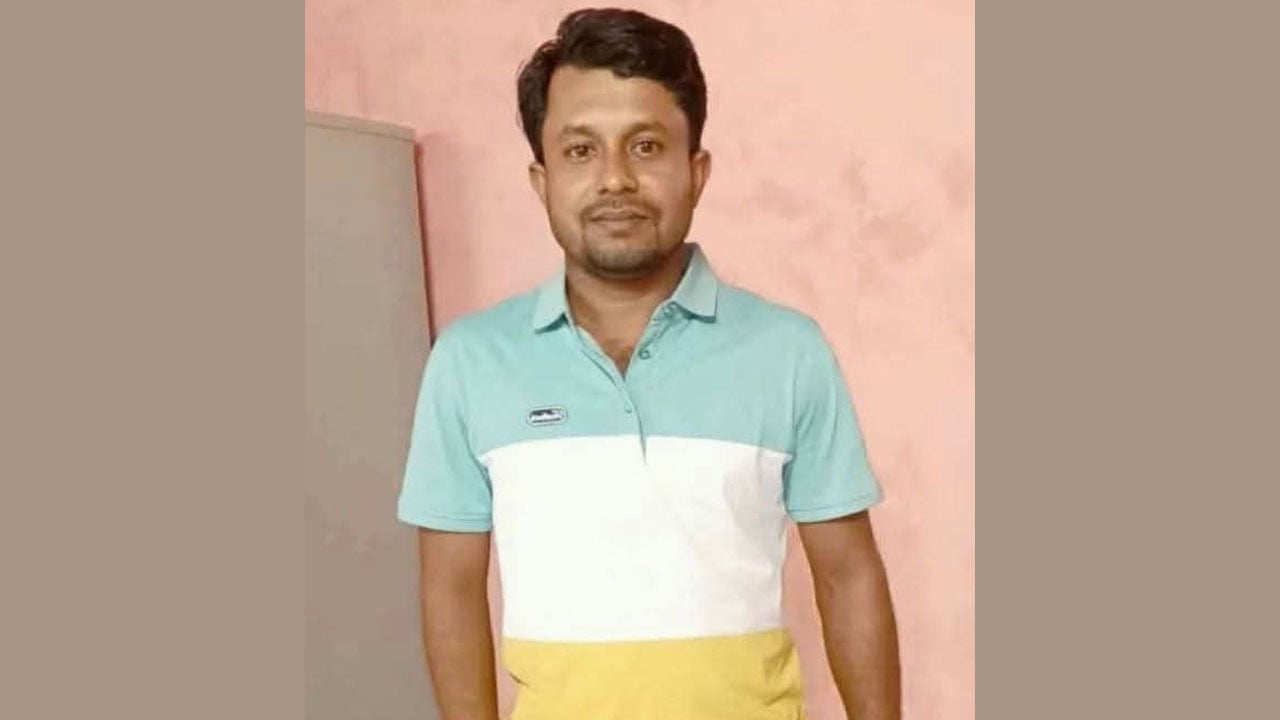
Police recovered the body of a raw materials trader about 30 hours after he went missing in Sreepur upazila of Gazipur. The body of the victim, identified as 27-year-old Nayeem from Baranal village under Boromi Union, was found on Thursday in the Shekherghat area. Nayeem was known for trading raw materials at Boromi market every Wednesday and also managed a fish farm near his home. According to his father, Jamal Uddin, Nayeem left home around 11:45 p.m. on Tuesday to check his fish project with a torchlight but did not return. Family members tried to reach him several times by phone; the first call was disconnected, and later the phone was found switched off. Despite extensive searching the next morning, he remained missing until police discovered his body. Officer-in-Charge Mohammad Shahinur Alam of Sreepur Police Station said the body was sent to Shaheed Tajuddin Ahmad Medical College Hospital morgue for autopsy, and an investigation is underway to determine the cause of death.
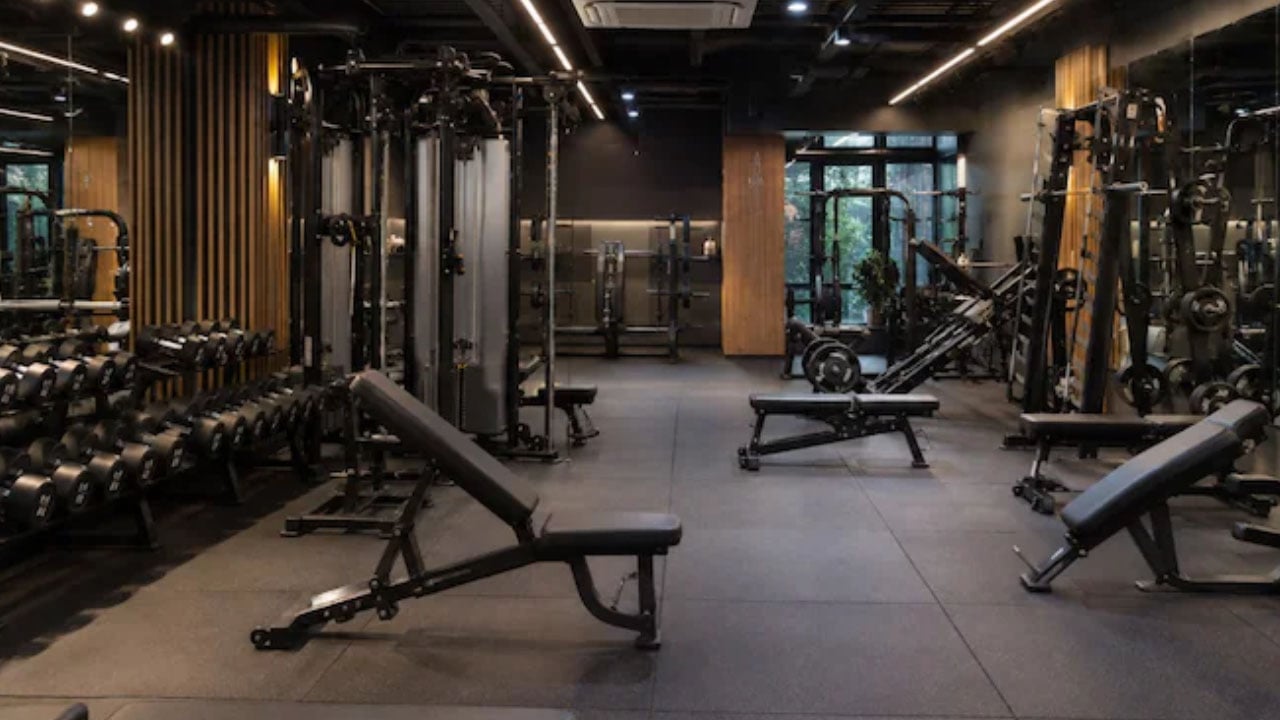
A gym owner in Kerala’s Palakkad district has sparked controversy after promoting his fitness center as 'Islam-friendly'. Nawaz Muthu T, who runs the gym in Puthunagaram, released a promotional video stating that the facility would operate without loud music and would have separate workout times and spaces for men and women. He described it as possibly the first of its kind in Kerala and invited people to visit the center, which has been operating for 15 years and is currently being renovated. The video drew widespread criticism on social media, with some questioning whether the initiative was intended only for Muslims. In response, the original video was removed, and Nawaz released a new clip clarifying that the gym is open to people of all faiths. He explained that 'Islam-friendly' refers to the gym’s operational style, catering to those who prefer gender-segregated spaces and a quieter environment. Nawaz emphasized that membership would not be restricted by religion, though loud music would not be allowed. Reactions have been mixed, with some praising the effort to create separate workout areas for men and women.
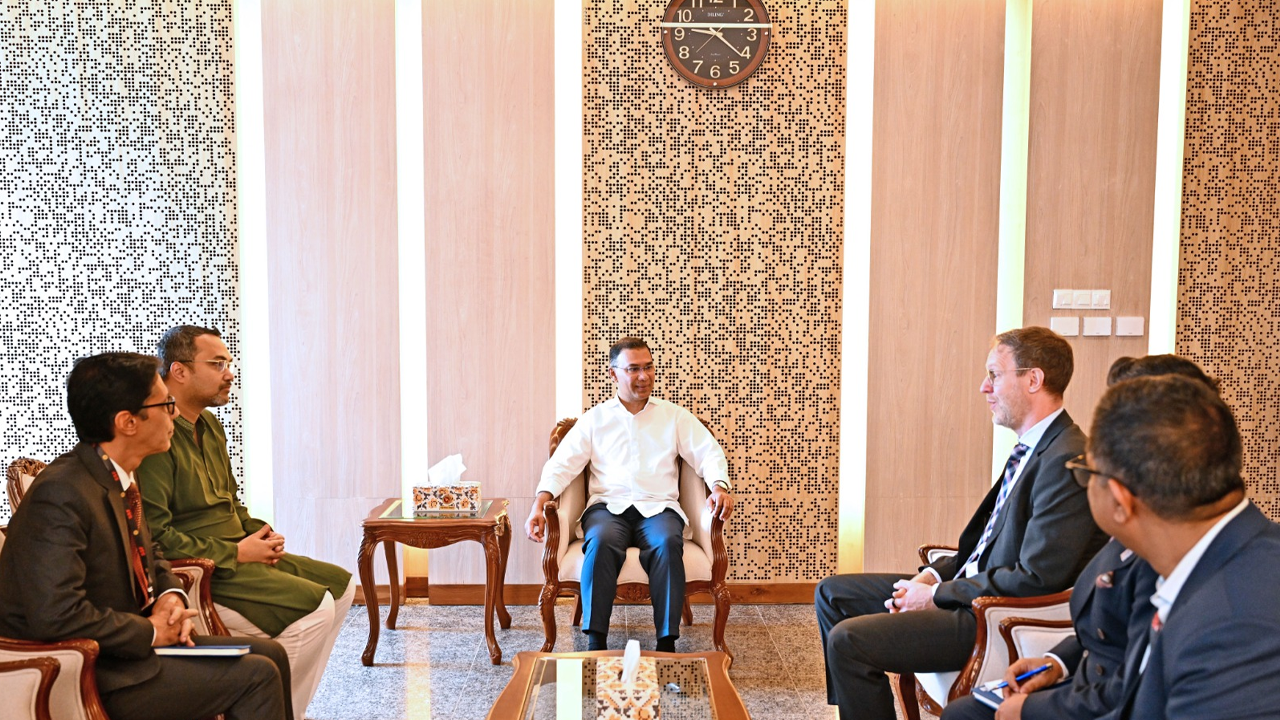
UNDP Bangladesh’s Resident Representative, Stefan Liller, paid a courtesy call on Prime Minister Tarique Rahman on Thursday, June 4, 2026. The meeting took place in the Cabinet Division at the Bangladesh Secretariat in Dhaka. The information was confirmed to journalists by the Prime Minister’s Deputy Press Secretary, Zahidul Islam Rony. The courtesy meeting reflected ongoing engagement between the Government of Bangladesh and the United Nations Development Programme (UNDP). The report did not include details of the discussion or any specific agenda items addressed during the meeting. No further information was provided regarding outcomes or future cooperation plans between the Prime Minister’s Office and UNDP Bangladesh.
The ‘1 Nojor’ media platform is now live in beta, inviting users to explore and provide feedback as we continue to refine the experience.