

The ‘1 Nojor’ media platform is now live in beta, inviting users to explore and provide feedback as we continue to refine the experience.
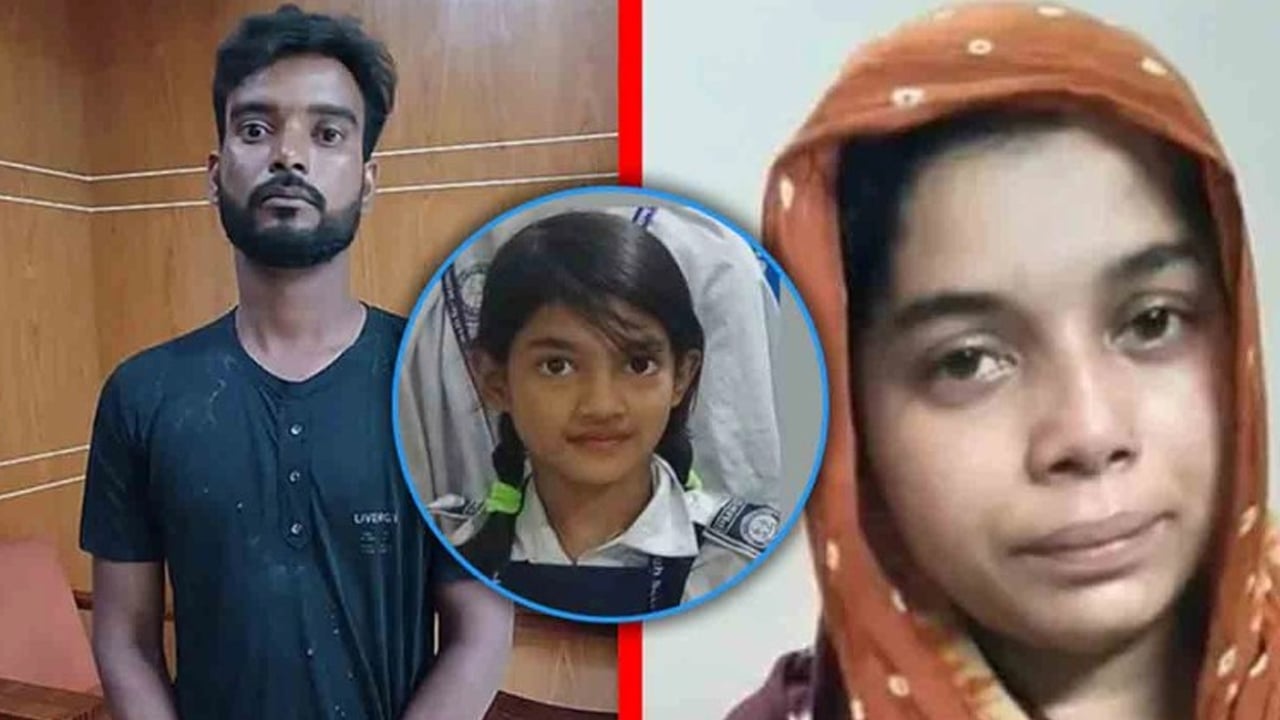
A Dhaka tribunal has set June 7, Sunday, for delivering the verdict in the case over the rape and murder of eight-year-old schoolgirl Ramisa Akter in Pallabi. The date was fixed by Judge Masrur Salekin of the Dhaka Metropolitan Tribunal for Suppression of Violence Against Children after hearing closing arguments from both prosecution and defense. The prosecution argued that evidence and witness testimonies proved the charges beyond doubt against accused Sohel Rana and his wife Swapna Khatun, seeking the death penalty for both. Defense lawyers appointed by the state pleaded for justice and claimed innocence on behalf of the accused. Earlier, Sohel Rana and Swapna Khatun were produced before the court. Sohel confessed to the crime in his statement, while Swapna denied involvement. The case stems from the May 19 discovery of Ramisa’s body in a Pallabi apartment, where police said Sohel killed and dismembered the child after assaulting her. The investigation concluded on May 24 with a charge sheet against both accused, later transferred to the special tribunal for trial. The verdict will conclude a fast-tracked trial that began after the completion of witness testimonies and arguments earlier this week.
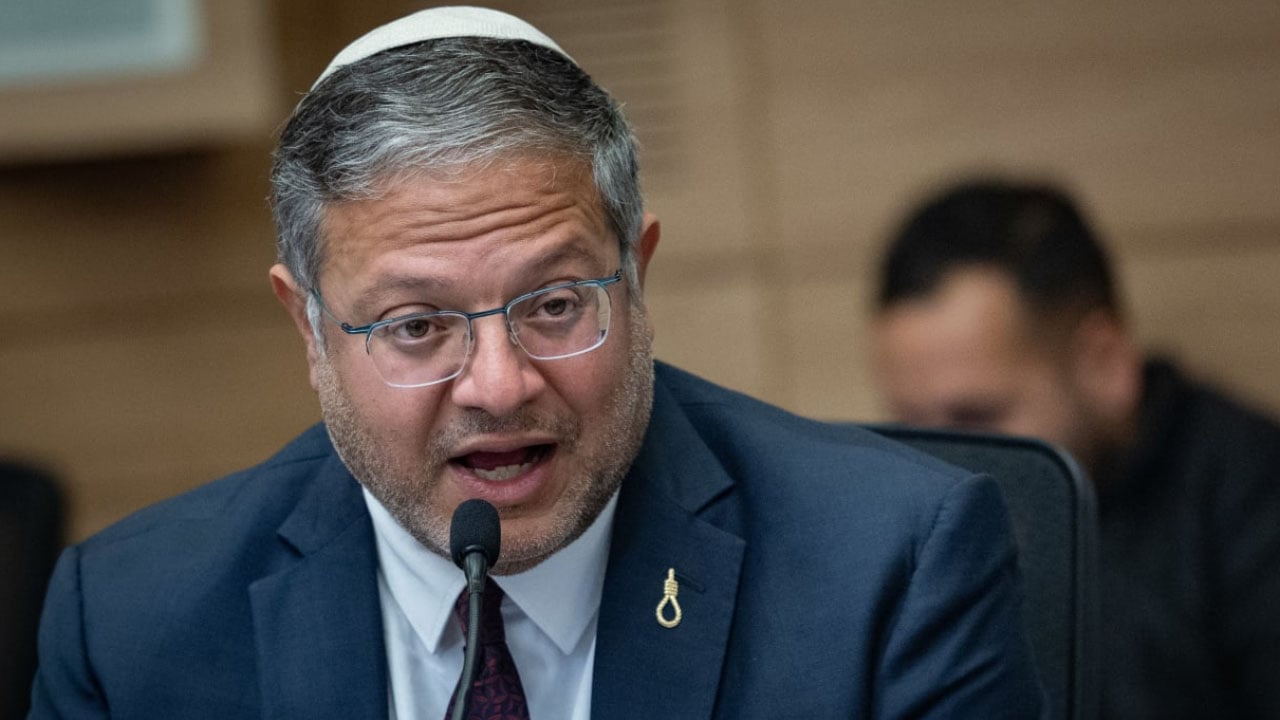
Israeli National Security Minister Itamar Ben-Gvir has sharply criticized the ceasefire agreement reached with Lebanon, calling it a ‘fatal mistake and delusion.’ The deal, brokered by the United States, has drawn his ire for what he described as misguided advice influencing Prime Minister Benjamin Netanyahu’s decision. Ben-Gvir made his remarks on social media platform X, arguing that the agreement would strengthen Hezbollah rather than weaken it. He claimed that by accepting the deal, Israel was effectively acknowledging Hezbollah’s presence instead of defeating it. Ben-Gvir further stated that there are moments when even the U.S. president should be told ‘no,’ warning that the agreement would lead to a stronger and more dangerous Hezbollah in the future. He also questioned the Lebanese army’s ability to enforce the terms of the deal, noting that Hezbollah had not withdrawn from south of the Litani River. The comments highlight internal divisions within Israel’s leadership over the ceasefire and its potential impact on regional security.
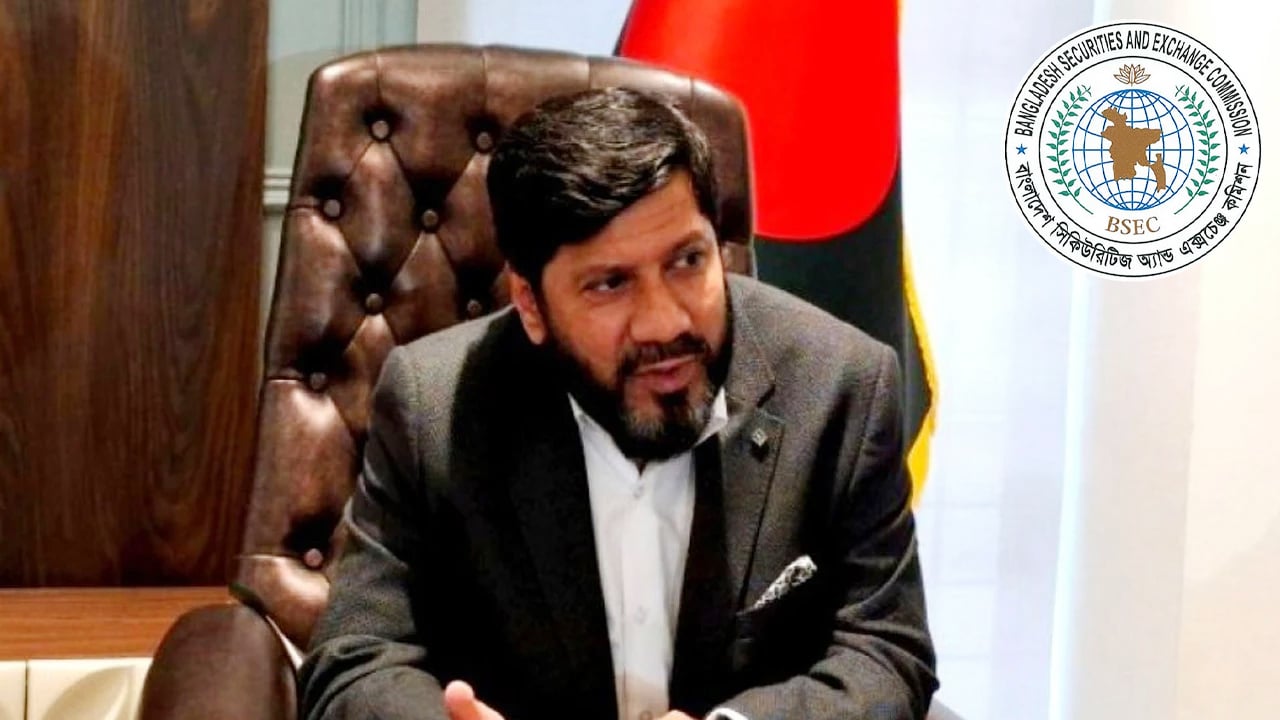
The chairman and commissioners of the Bangladesh Securities and Exchange Commission (BSEC) have resigned unexpectedly, ending weeks of speculation. The resignations were submitted on Thursday morning to the Financial Institutions Division of the Ministry of Finance. The outgoing chairman, Khondkar Rashed Maksud, and commissioners Md. Mohsin Chowdhury, Md. Ali Akbar, Farzana Lalarukh, and Md. Saifuddin stepped down from their positions. Two days earlier, Finance and Planning Minister Amir Khosru Mahmud Chowdhury had announced at an Economic Reporters Forum event that new appointments for the BSEC chairman and commissioners would be made within two weeks. Following this announcement, the resignations came sooner than anticipated. A scheduled Eid reunion event at the BSEC office, organized by the chairman, was also canceled after the resignations. According to sources connected to the invited guests, the chairman and commissioners were advised to resign. The developments mark a significant leadership change at the country’s capital market regulatory body.
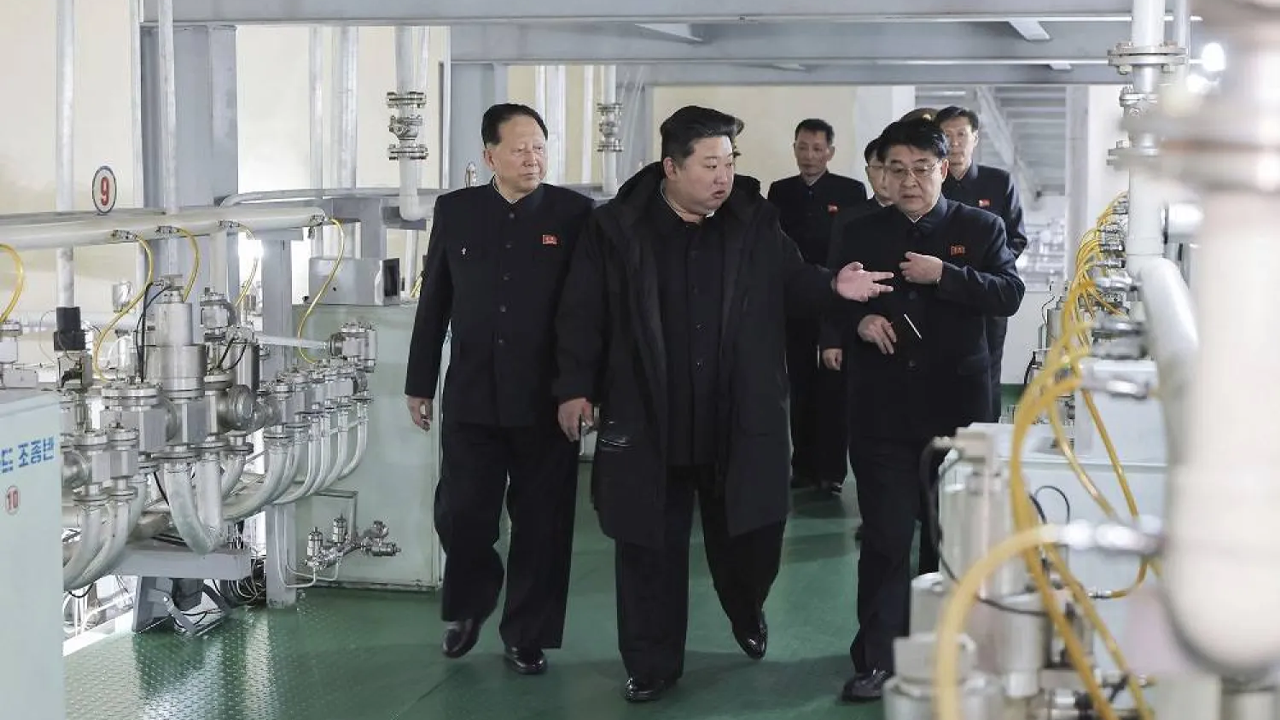
North Korean leader Kim Jong Un has announced plans to expand the country’s nuclear military capabilities at an exponential rate. According to state media reports on Wednesday, Kim made the declaration during a visit to a new nuclear material production facility. The Korean Central News Agency (KCNA) said Kim outlined an ambitious plan to rapidly strengthen North Korea’s nuclear forces. He claimed that the nation’s capacity to produce weapons-grade nuclear materials has more than doubled over the past five years. The location of the facility was not disclosed, though analysts believe it may be a newly built uranium enrichment center in Yongbyon. North Korea has long resisted U.S. pressure to abandon its nuclear program, insisting that its nuclear weapons policy is irreversible and non-negotiable. Analysts suggest the latest move signals Pyongyang’s intent to show the international community that denuclearization is off the table. The announcement comes amid ongoing U.S.-Iran nuclear talks, adding strategic significance to North Korea’s timing. Experts note that if the facility is indeed in Yongbyon, the development carries both production and political messaging value, highlighting North Korea’s continued defiance of international sanctions and diplomatic pressure.
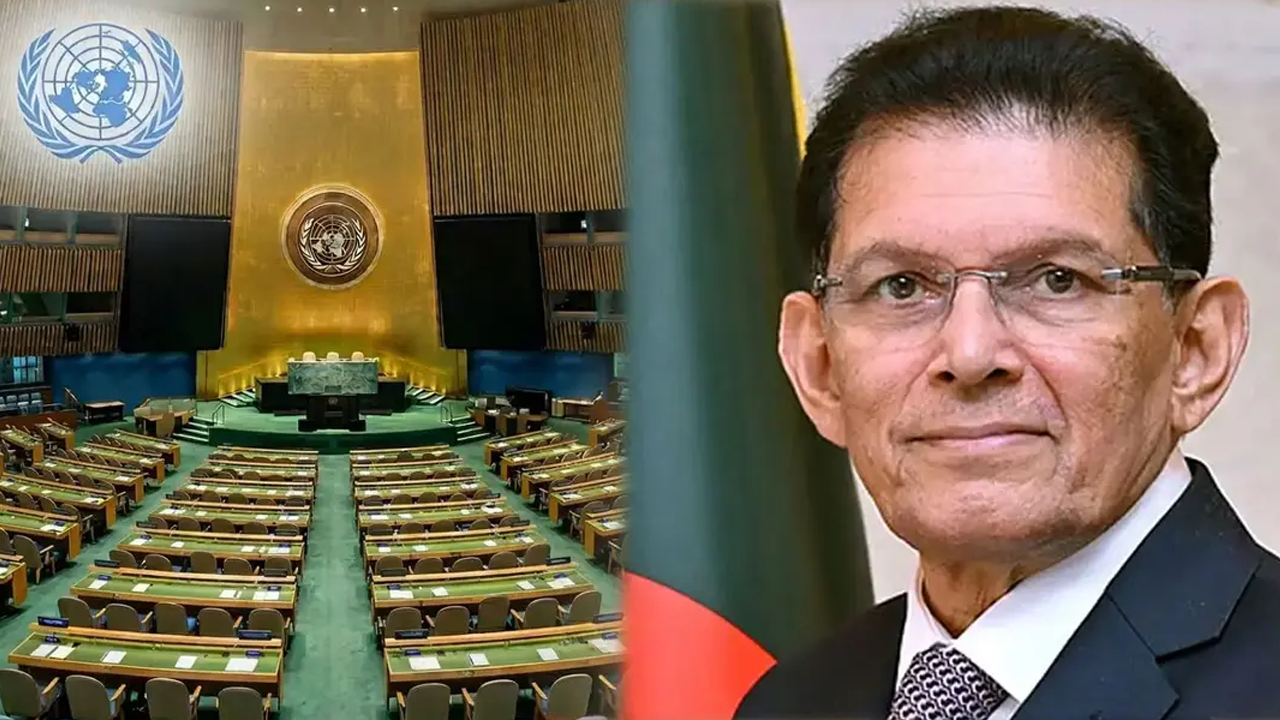
Bangladesh’s Foreign Minister Khalilur Rahman has been elected president of the 81st session of the United Nations General Assembly (UNGA), defeating Cyprus’s ambassador Andreas Kakouris in a closely contested secret ballot. The election, held on Tuesday, saw Rahman secure 99 votes, eight more than his rival, out of 190 total ballots cast. No votes were invalid or abstained. Under UN rules, the presidency rotates annually among five regional groups, and this term fell to the Asia-Pacific group. Rahman will serve a one-year term beginning on September 8. His presidency coincides with the upcoming process to select a successor to UN Secretary-General António Guterres, whose term ends later this year. Rahman, a career diplomat who joined Bangladesh’s foreign service in 1979, became foreign minister in February after the Bangladesh Nationalist Party won the first election following the 2024 student-led uprising that ousted Sheikh Hasina. He previously served as national security adviser and high representative on Rohingya affairs. Outgoing UNGA president Annalena Baerbock highlighted growing pressure on multilateralism, noting that the Assembly’s leadership role has become increasingly critical amid global challenges.
An albino buffalo named Donald Trump has become the main attraction at Bangladesh’s National Zoo since last week. The 700-kilogram animal, known for its golden hair, drew nationwide attention after a viral social media video compared its tuft of hair to that of the U.S. president. Originally sold for sacrifice during the upcoming Eid al-Adha festival, the buffalo was moved to the zoo on government orders citing security concerns. Visitors have been gathering in large numbers despite the heat to see the animal, taking photos and videos near its enclosure. Local media reported that the zoo initially displayed a signboard reading “Donald Trump,” which was later removed. The zoo curator was dismissed on Saturday, though no official reason was given. Some visitors criticized naming the animal after a world leader, calling it disrespectful, while others viewed it as a harmless curiosity. The buffalo’s buyer was refunded after the Home Minister ordered police to take the animal into custody. The buffalo’s popularity continues to grow, with visitors traveling from across the country to witness the unusual attraction firsthand.

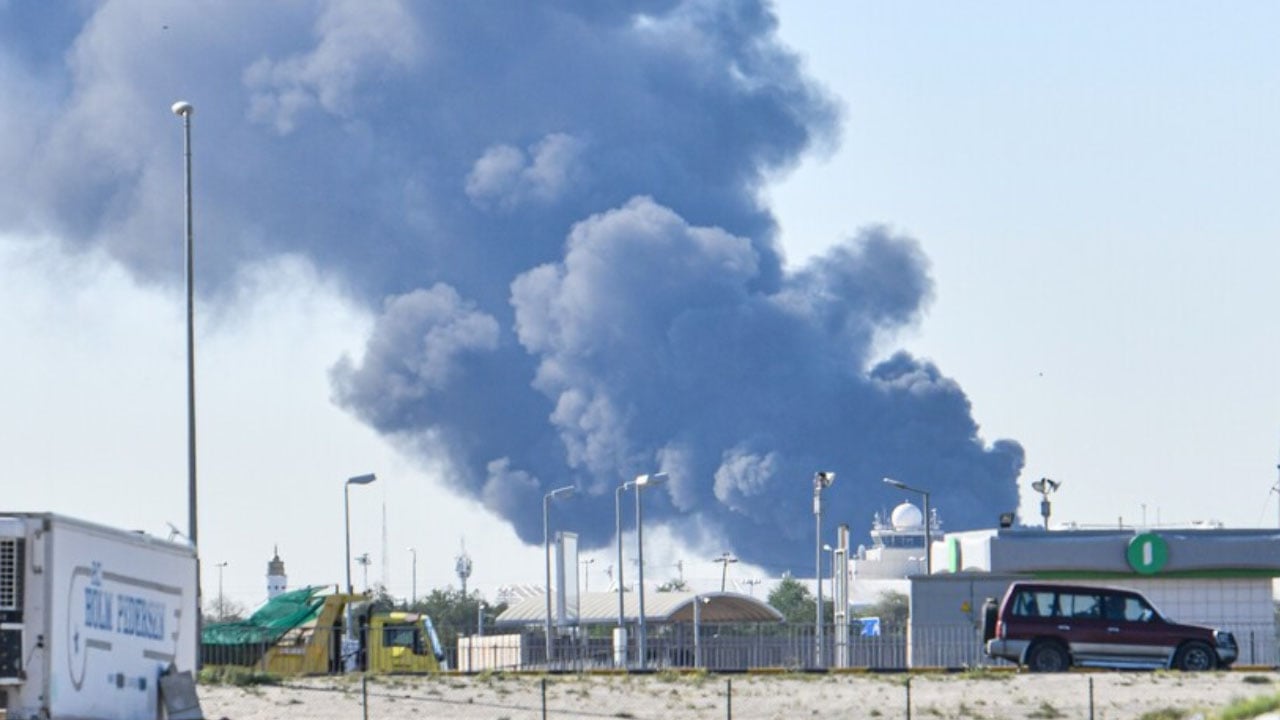
Iran’s Islamic Revolutionary Guard Corps (IRGC) has denied involvement in the recent attack on Kuwait International Airport, instead blaming a malfunction in the U.S.-made Patriot missile defense system for the damage. IRGC spokesperson Hossein Mohebbi stated that investigations showed the force’s aerospace division did not fire at the airport terminal. He claimed that a Patriot missile malfunctioned after failing to intercept an Iranian missile, causing destruction at the passenger terminal. The IRGC said the attack on U.S. facilities in Kuwait and Bahrain was retaliation for an overnight American strike on its communications tower on Qeshm Island. The U.S. Central Command (CENTCOM) rejected Iran’s explanation, calling it false. In a statement on social media, CENTCOM asserted that the airport damage was not caused by any U.S. defense system and accused Iran of deliberately targeting the civilian airport using drones. The conflicting claims have heightened tensions between Tehran and Washington, with both sides trading blame over the incident’s cause and intent.
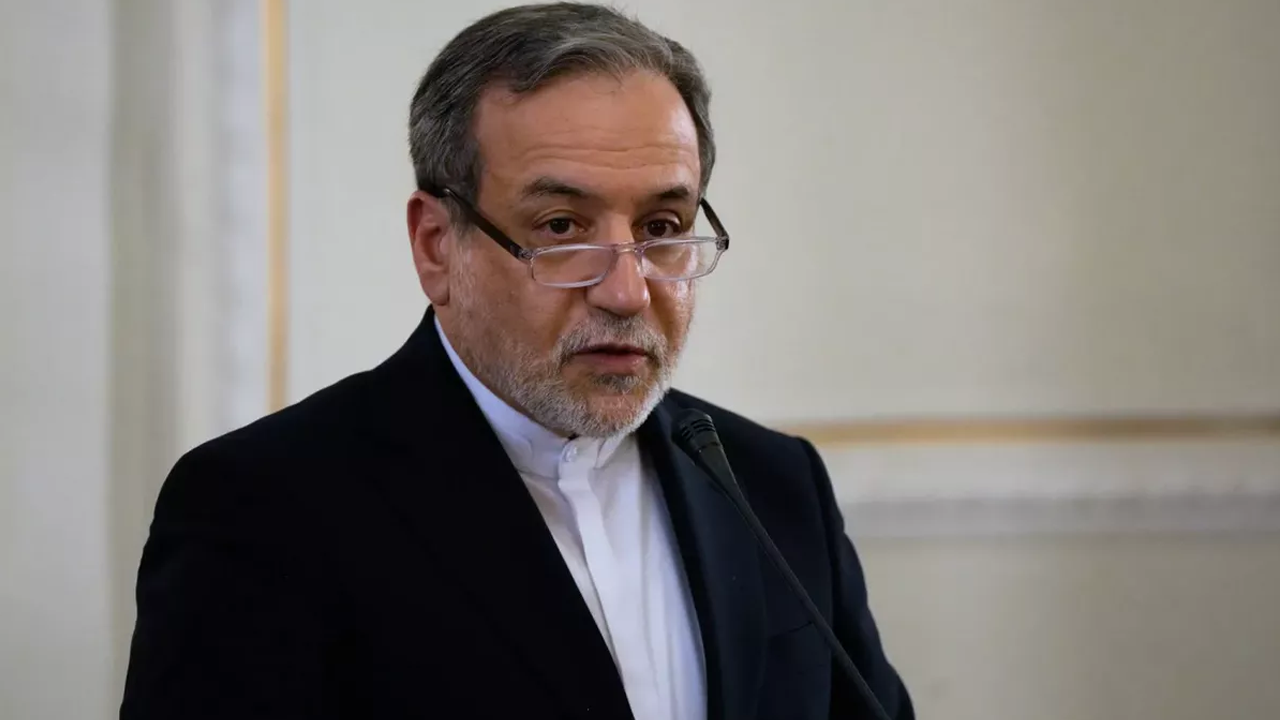
Iranian Foreign Minister Abbas Araghchi stated that Tehran’s disputes with the United States and Israel will only end once Israeli attacks in Lebanon stop. In an interview with an Arab media outlet, Araghchi emphasized that any ceasefire agreement must include Lebanon. He further said that ending the conflict requires the withdrawal of Israeli forces from Lebanese territory, where Israel has been conducting attacks since early March. Meanwhile, Israel and Lebanon have agreed to implement a ceasefire, contingent upon Hezbollah completely halting its rocket fire. According to a joint statement, both sides also agreed, following U.S.-led talks in Washington, to establish “pilot zones” where Lebanon’s armed forces will have exclusive security and administrative control, with no presence of non-state armed groups. The developments highlight ongoing diplomatic efforts to stabilize the Lebanon-Israel border amid regional tensions, with Iran linking broader peace prospects to the cessation of hostilities in Lebanon.
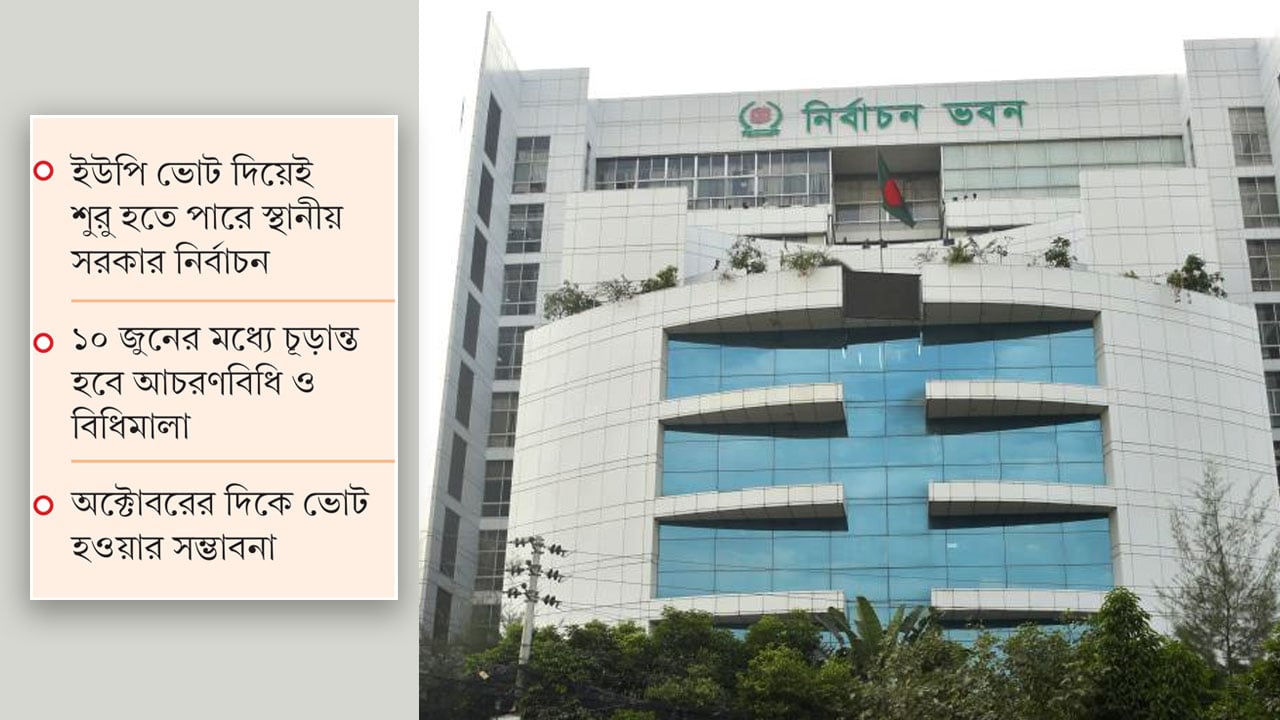
The Election Commission (EC) of Bangladesh has decided to remove the requirement for candidates to submit pledges in the upcoming local government elections. The decision, discussed in a recent EC meeting, is part of a broader revision of election regulations. The commission believes the presence or absence of such pledges does not significantly affect candidacy eligibility. Preparations are underway to begin the local government elections, likely starting with Union Parishad polls in October 2026. According to EC sources, the draft regulations are expected to be finalized by June 10 and sent to the government for approval within the month. The new proposals include raising deposits for various positions: Union Parishad chairmen from 5,000 to 20,000 taka, members from 1,000 to 10,000 taka, and municipal and city corporation posts with proportional increases. The EC also plans to adjust campaign spending limits for certain posts. Local Government State Minister Mir Shah Alam stated that a detailed election roadmap will be announced after budget allocations are confirmed. Most local government bodies are currently run by administrators, and the EC has developed election calendar software to streamline scheduling and data management.
During a congressional hearing on Wednesday, US Secretary of State Marco Rubio declined to confirm whether Israel possesses nuclear weapons when questioned by Democratic Congressman Joaquin Castro. Rubio stated that most countries believe Israel has such weapons but refused to disclose Washington’s official position, suggesting the matter be discussed privately. He acknowledged that avoiding public discussion of Israel’s nuclear capability has long been a feature of US foreign policy. Castro pressed for a clear answer, arguing that the issue is crucial given US involvement alongside Israel in conflict with Iran. He expressed concern that the US government may lack essential information about Israel’s nuclear limits and decision-making. Rubio responded that the question was fair and said he was willing to address it in a classified setting, noting the need to balance competing interests. The report also noted that Israel has not signed the Nuclear Non-Proliferation Treaty and has never officially confirmed possessing nuclear weapons, though some Israeli officials have hinted at their existence.
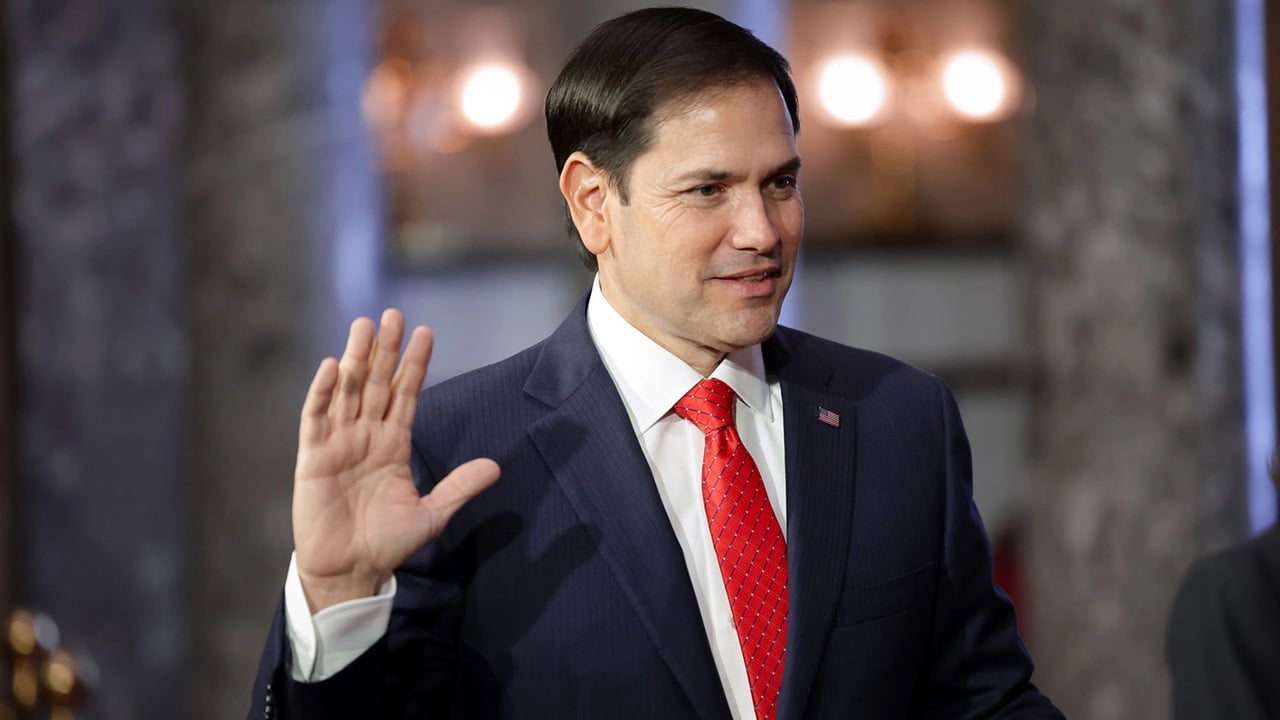
A five-year-old girl was sexually assaulted in the Modonhat area of Dighapatia Union under Natore Sadar upazila on Tuesday evening. The accused, identified as 48-year-old Shariful Islam, allegedly lured the child into a nearby cornfield with food and assaulted her. Locals said the child was threatened with a sharp weapon to keep silent. When her family noticed unusual behavior, she revealed the incident, and she was later hospitalized due to excessive bleeding. The incident became known on Wednesday night, prompting angry residents to capture Shariful from his home, beat him, and hand him over to the police. The victim’s father, a day laborer, demanded exemplary punishment for the accused. Natore Police Station Officer-in-Charge Monsur Rahman confirmed the arrest and said legal action would follow based on the family’s complaint. Police have taken the accused into custody, and further legal procedures are underway according to the report.

Israel and Lebanon have agreed to implement a ceasefire under specific conditions, according to a joint statement issued by both sides. The agreement requires Hezbollah to completely stop its shelling before the ceasefire can take effect. The announcement followed U.S.-led negotiations held in Washington, where both countries also agreed to establish 'pilot zones' under Lebanese Armed Forces control. In these designated areas, Lebanon’s national military will have sole responsibility for security and administration, with no presence of non-state armed groups. The joint statement further noted that additional discussions are scheduled for later this month to work toward a comprehensive agreement. The talks and conditional ceasefire mark a step toward reducing cross-border tensions, though the final implementation depends on Hezbollah’s compliance and the outcome of the upcoming negotiations.
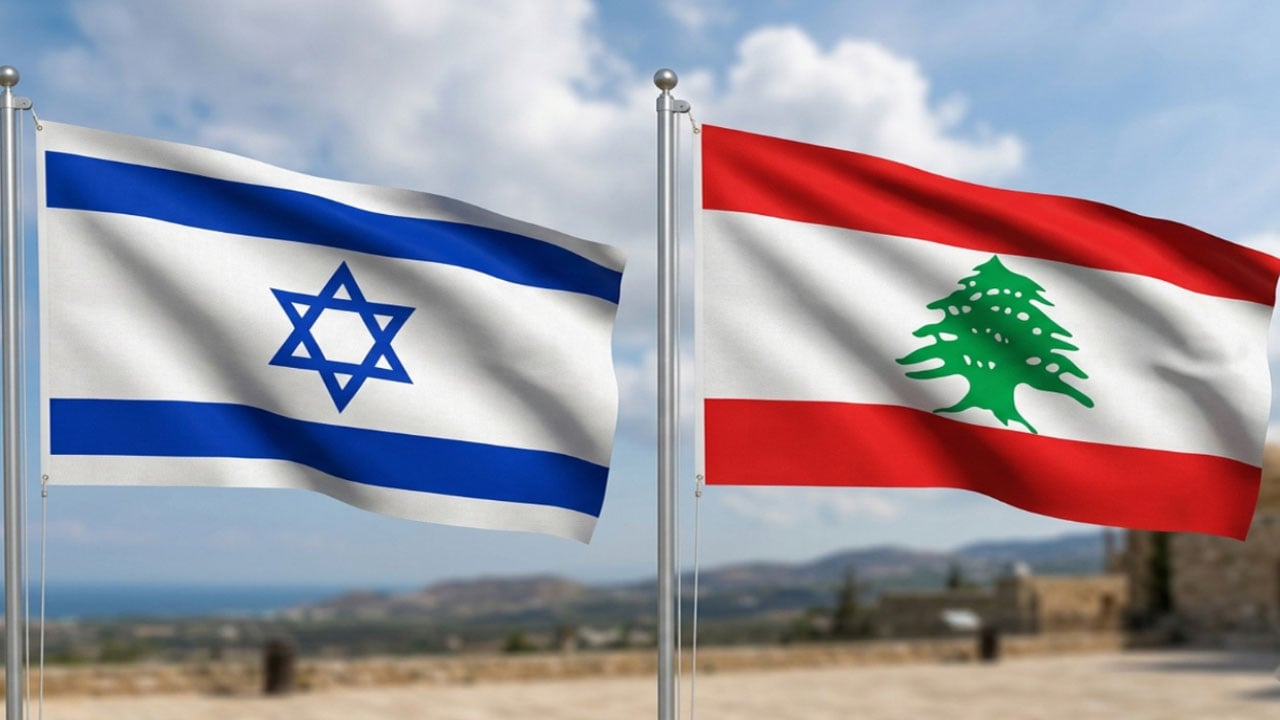
Police in Ghatail upazila recovered the body of Jubo Dal activist Mintu Khan, aged 45, from Kauntar Beel around 1 a.m. on Wednesday, four days after he went missing. Mintu, son of Majid Master from Amuabaid village, had been missing since Sunday morning after leaving his home. He was known as a former Chhatra Dal worker and an active member of the local Jubo Dal. According to Ghatail Police Station Officer-in-Charge Moksedur Rahman, the body was sent to Tangail morgue for autopsy. Police detained five suspects the same night for questioning in connection with the incident. The report also notes that Majid Master, Mintu’s father, is a well-known BNP leader in the hilly area of Ghatail. Further details about the cause of death or motive behind the incident were not disclosed in the report.
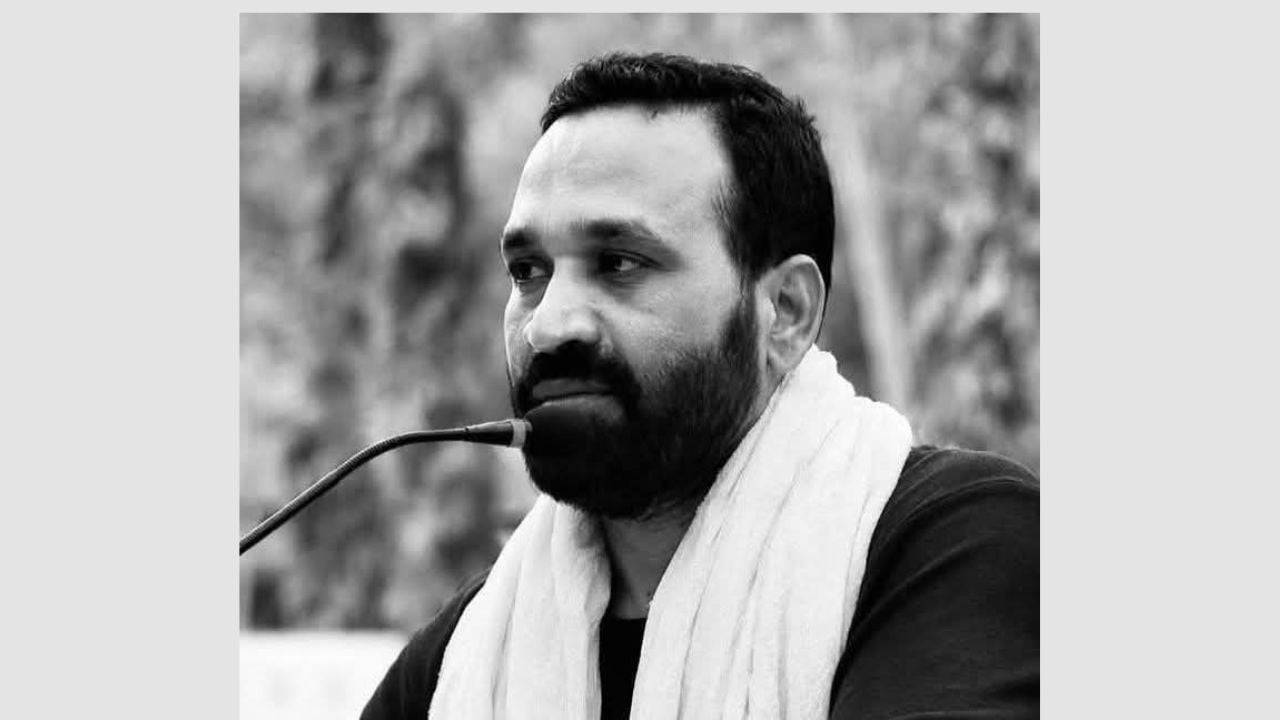
The ongoing Iran war has sharply undermined the United Arab Emirates’ two-decade effort to position itself as a nimble, indispensable middle power in the Gulf. Despite extensive investments in ports, militias, and global partnerships, recent Iranian attacks on U.S. bases and infrastructure in the region have revealed the structural weaknesses behind Abu Dhabi’s self-image as a resilient and militarily capable state. UAE presidential adviser Anwar Gargash publicly criticized regional partners for turning into mediators instead of steadfast allies, reflecting Abu Dhabi’s frustration at its inability to rally neighbors against Iran. Commentators such as Tarek Al-Otaiba and Ambassador Yousef Al-Otaiba have called for stronger collective action, but Iran’s military superiority and the lack of regional unity have left the UAE exposed. The country’s reliance on networks, sovereign wealth, and private security firms has proven ineffective against direct military threats. The article concludes that the UAE’s security depends on embracing a cooperative Gulf security framework with Saudi Arabia, Qatar, Oman, Kuwait, and Bahrain. It warns that the illusion of exceptional safety is unsustainable and that Abu Dhabi must accept shared vulnerability as the foundation of regional stability.
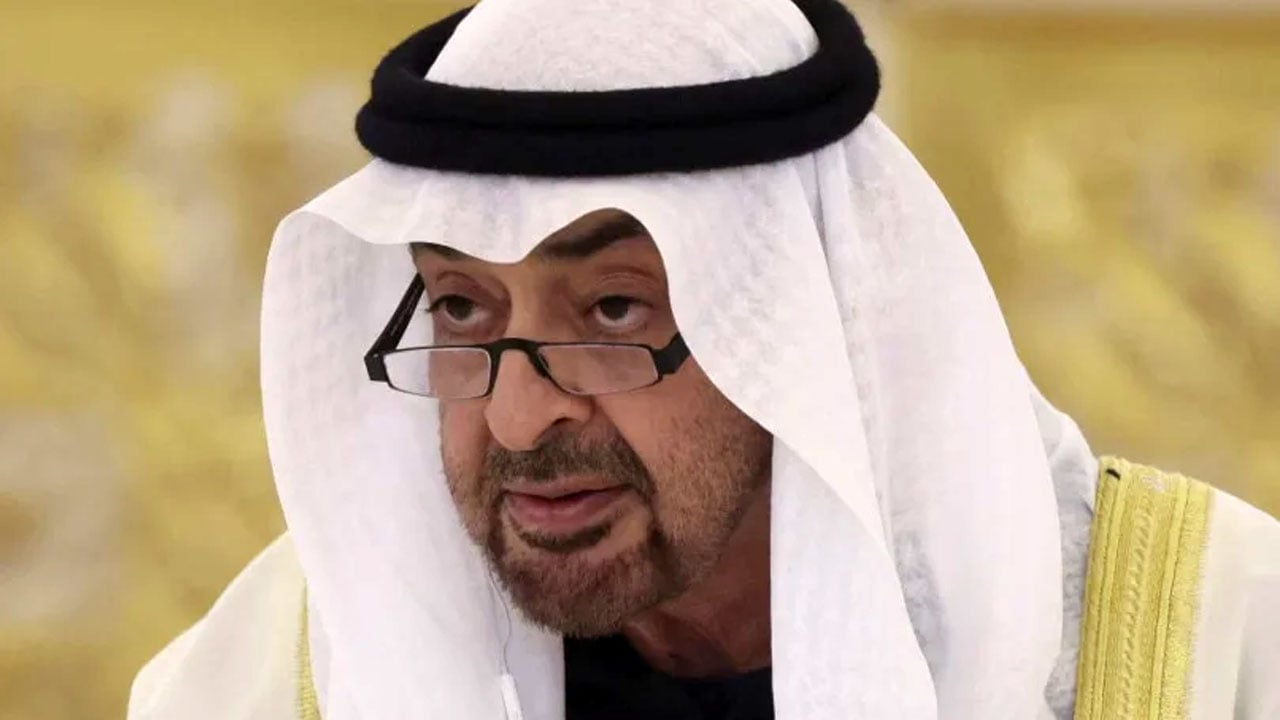
Global oil prices declined following reports that the ceasefire agreement between Israel and Lebanon had strengthened. Investors interpreted the development as a sign of renewed diplomatic momentum toward resolving the broader conflict involving the United States, Israel, and Iran. As of 12:15 a.m. GMT on Wednesday, Brent crude futures dropped by 67 cents, or 0.69 percent, to trade at 97.14 dollars per barrel. Meanwhile, U.S. West Texas Intermediate (WTI) crude futures fell by 62 cents, or 0.65 percent, to 95.40 dollars per barrel. The decline reflected market optimism about reduced geopolitical risks in the Middle East. The ceasefire understanding was reached after talks in Washington mediated by the United States. Both Israel and Lebanon agreed to implement the truce, though they emphasized that Hezbollah must completely halt its attacks for the agreement to hold.

The ‘1 Nojor’ media platform is now live in beta, inviting users to explore and provide feedback as we continue to refine the experience.