

The ‘1 Nojor’ media platform is now live in beta, inviting users to explore and provide feedback as we continue to refine the experience.
At least nine Palestinians, including four children, were killed in overnight Israeli airstrikes on Gaza City, according to initial reports. The attacks occurred without prior warning while many residents were asleep, leaving them shocked and disoriented. Rescue teams rushed to the scene after fires broke out in damaged buildings, where witnesses described chaotic conditions as families, including women and elderly people, were trapped inside. Several victims suffered severe burns, medical sources said. The strike took place amid ongoing violations of the ceasefire by Israeli forces. Gaza’s government information office reported that since the ceasefire took effect last October, Israel has breached it more than 3,000 times, resulting in at least 900 Palestinian deaths and over 2,000 injuries. Local residents said they had believed the situation was relatively calm before being awakened by explosions and destruction. Residents now fear that the fragile ceasefire could collapse entirely, potentially leading to further escalation and violence in the coming days.

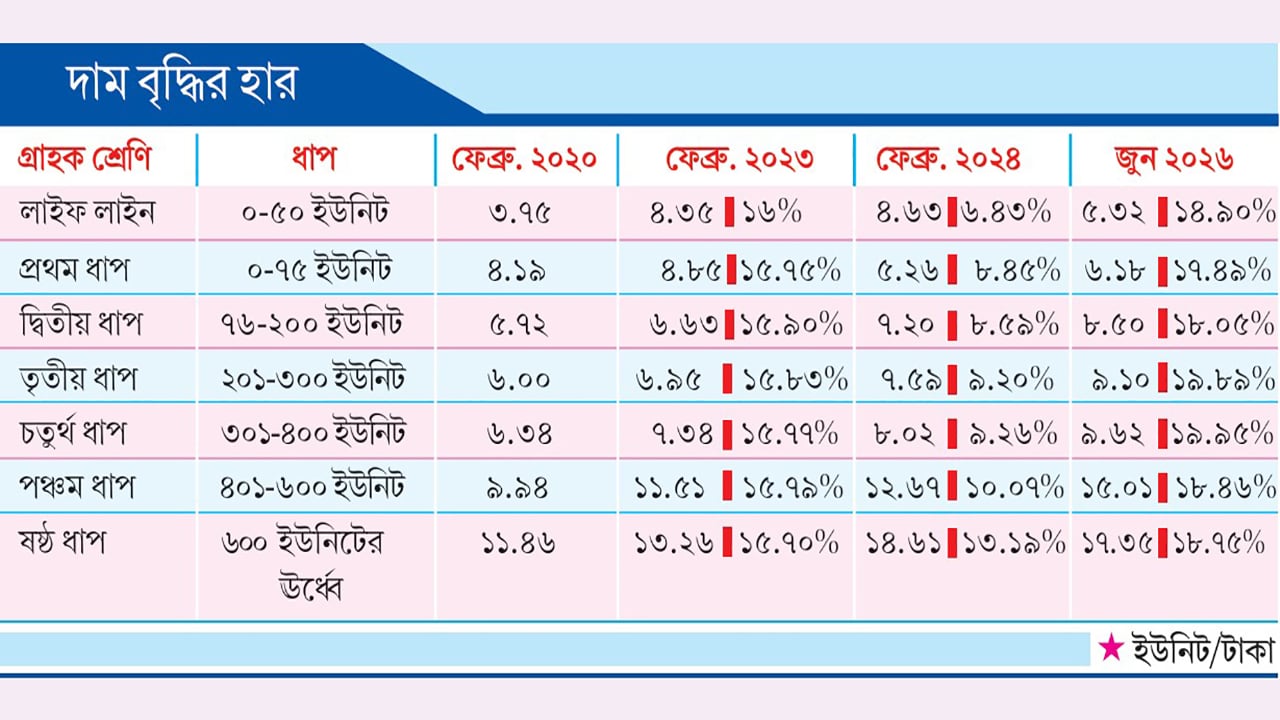
The Bangladesh Energy Regulatory Commission (BERC) has announced a record electricity price hike of nearly 20 percent at the consumer level, effective from June 2026 and payable in July. Wholesale rates will rise by 19.85 percent, while retail prices for middle-income households in the fourth usage tier will increase by 19.95 percent. The average increase for low-tension users is 18.21 percent. BERC Chairman Jalal Ahmed announced the decision at a press conference, stating that the adjustment was made after reviewing current conditions. The government will still provide Tk 41,000 crore in subsidies to the power sector. The decision follows public hearings held on May 19 and 20, where consumer groups strongly opposed the proposal. Despite earlier assurances from the energy minister that prices would not rise for two years, the commission approved the increase within four working days of the hearings. Consumers fear the hike will severely affect nearly 49.8 million users, raising living costs and impacting small industries, businesses, and households. The new rates also affect irrigation, religious institutions, and battery charging, with higher peak-hour tariffs. Critics argue that corruption and inefficiency in the power sector, rather than subsidies, are driving the need for such increases.
The US House of Representatives has passed a resolution aimed at restricting President Donald Trump’s authority to conduct military operations against Iran. The ‘War Powers’ resolution, introduced by Democrats, was approved in Washington on Wednesday by a 215–208 vote, with four Republican members joining Democrats in support. The measure succeeded partly due to some Republicans’ absence and growing discontent within the party over Trump’s Iran policy. Trump had pledged during his campaign not to start new wars and initially suggested that any conflict with Iran would end quickly. However, the source notes that resolving tensions through dialogue has become increasingly difficult. This is the first time such a resolution has passed the House after three previous failed attempts. The decision is expected to influence similar efforts in the Republican-controlled Senate, though any measure would still require the president’s signature to become law. Analysts in Washington described the passage of the resolution from a chamber under partial Republican control as a rare setback for Trump.

The US House of Representatives passed a war powers bill on Wednesday in Washington aimed at limiting President Donald Trump’s authority to conduct military operations against Iran. The resolution, introduced by Democrats, passed by a vote of 215 to 208. It requires the president to withdraw US forces from ongoing hostilities with Iran unless Congress explicitly authorizes military action. This marks the first successful passage of such a measure after three previous failed attempts. The House decision is expected to influence similar efforts in the Republican-controlled Senate, though any measure would still require the president’s signature to become law. Observers noted that Trump is likely to veto any attempt to restrict his powers. The US Constitution grants Congress, not the White House, the authority to decide on military deployments, and lawmakers have been criticized for neglecting this role in recent years. Four Republican representatives joined Democrats in supporting the bill, while six Republicans were absent. The Senate’s final vote on a similar proposal remains uncertain, though three Republican senators have already expressed support.

Former US President Donald Trump has told his associates that he would consider ending the ongoing ceasefire with Iran if any American soldiers are killed, according to a report by The Wall Street Journal. The report, citing US officials, indicates that despite minor clashes and tensions with Iranian forces, the United States has maintained its decision to suspend major military operations for several weeks. The report further notes that Trump’s reluctance to initiate a large-scale war suggests he may be willing to tolerate limited skirmishes or tensions for weeks or even months to avoid a broader conflict in the Middle East. However, Al Jazeera stated that it could not independently verify the authenticity of the Wall Street Journal report. The situation underscores the fragile balance in US-Iran relations, where isolated incidents could potentially escalate into renewed hostilities if American casualties occur.

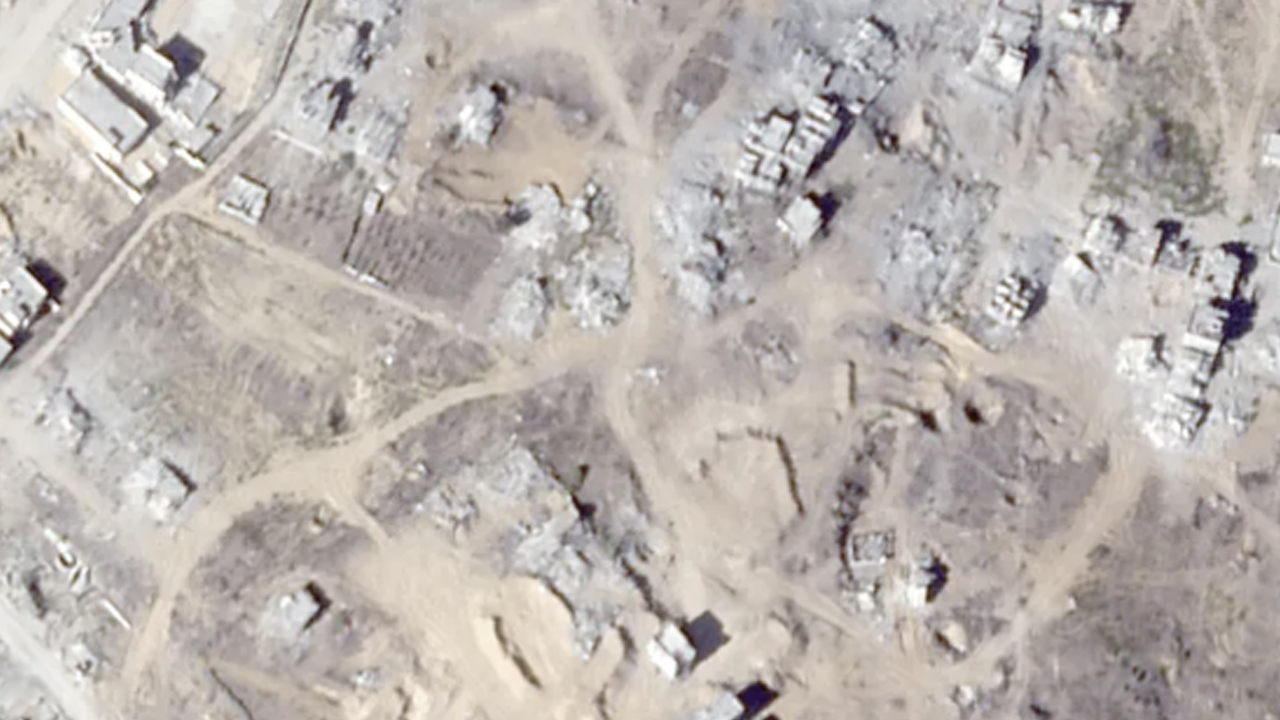
Israel is constructing 40 permanent and fortified military outposts throughout the Gaza Strip, according to satellite imagery analyzed by Al Jazeera’s Open Source Unit. The investigation, based on data collected up to May 2026, identified eight newly built bases since the ceasefire agreement took effect in October of the previous year, one of which remains under construction. The agreement, mediated by the United States, required Israel to withdraw all troops from Gaza. Prime Minister Benjamin Netanyahu confirmed that Israeli forces now control about 60 percent of Gaza, mainly within the so-called “Yellow Line” buffer zone, and suggested expanding control to 70 percent. Satellite images show that the new outposts are permanent installations, not temporary observation posts, with major construction in Khan Younis, Beit Lahia, and the Netzarim Corridor. Existing bases have also been expanded and modernized. Analysts cited in the report warn that the positioning of these 40 bases effectively encircles Palestinian population centers, restricting civilian movement and access to land. Palestinian analyst Abdullah Akrababi cautioned that the expansion could serve as infrastructure for renewed large-scale violence in Gaza.
Germany has lost its bid for a non-permanent seat on the United Nations Security Council, with Portugal and Austria securing the two rotating seats allocated to European countries. The election took place at the UN General Assembly, where Germany failed to obtain the required number of votes. Portugal received 134 votes, Austria 131, and Germany 104. Following the vote, German Foreign Minister Johann Wadephul suggested that Berlin’s open support for Ukraine and Israel may have contributed to the defeat. He noted that Germany’s clear positions on certain issues are not shared by all member states and that the country’s special responsibility toward Israel in the Middle East crisis might have cost it some votes. Germany had previously served six terms as a non-permanent member of the Security Council. The newly elected members, including Portugal, Austria, Zimbabwe, Trinidad and Tobago, and Kyrgyzstan, will begin their two-year terms in 2027.

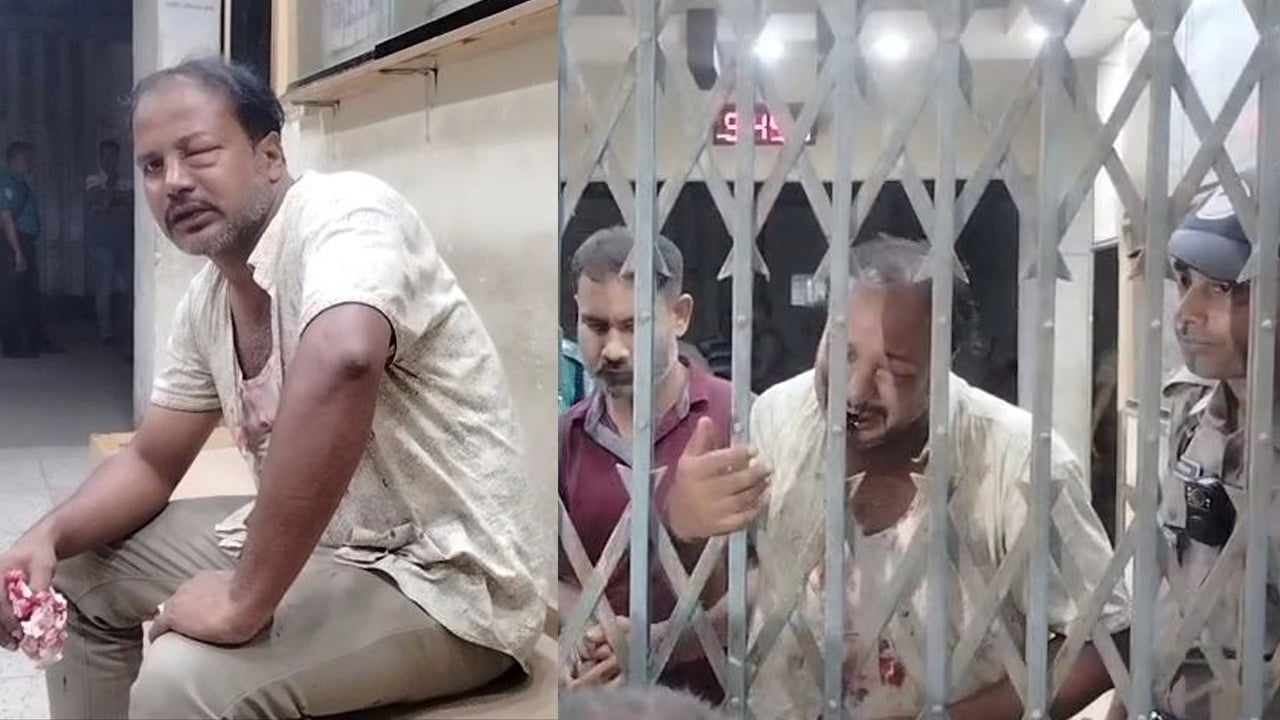
A member secretary of the Sadar Upazila unit of the Swechchhasebak Dal, Rakibul Islam, was allegedly beaten and injured inside Rangpur Metropolitan Kotwali Police Station on Wednesday night. The assault was reportedly led by the station’s officer-in-charge (OC) Azad Rahman and several police members. Following the incident, three officers on duty—female constable Lima Soren, duty officer Meherunnesa, and sub-inspector Masud Rana—were withdrawn from their posts. The Metropolitan Police confirmed the action in a midnight press release. According to the statement, Police Commissioner Mohammad Abdul Mabud ordered an inquiry to uncover the facts. A three-member investigation committee was formed, headed by Additional Police Commissioner (Administration and Finance) Naresh Chakma, with DC (Crime) Mahfuzur Rahman and AC Kotwali Sukumar Roy as members. The committee will conduct an impartial investigation and recommend legal and departmental measures. Rakibul Islam claimed that he was beaten with a rifle despite identifying himself as a BNP-affiliated leader. The OC denied the assault allegation, saying he only intervened in a scuffle between two families. Rakibul was later taken to hospital for treatment.
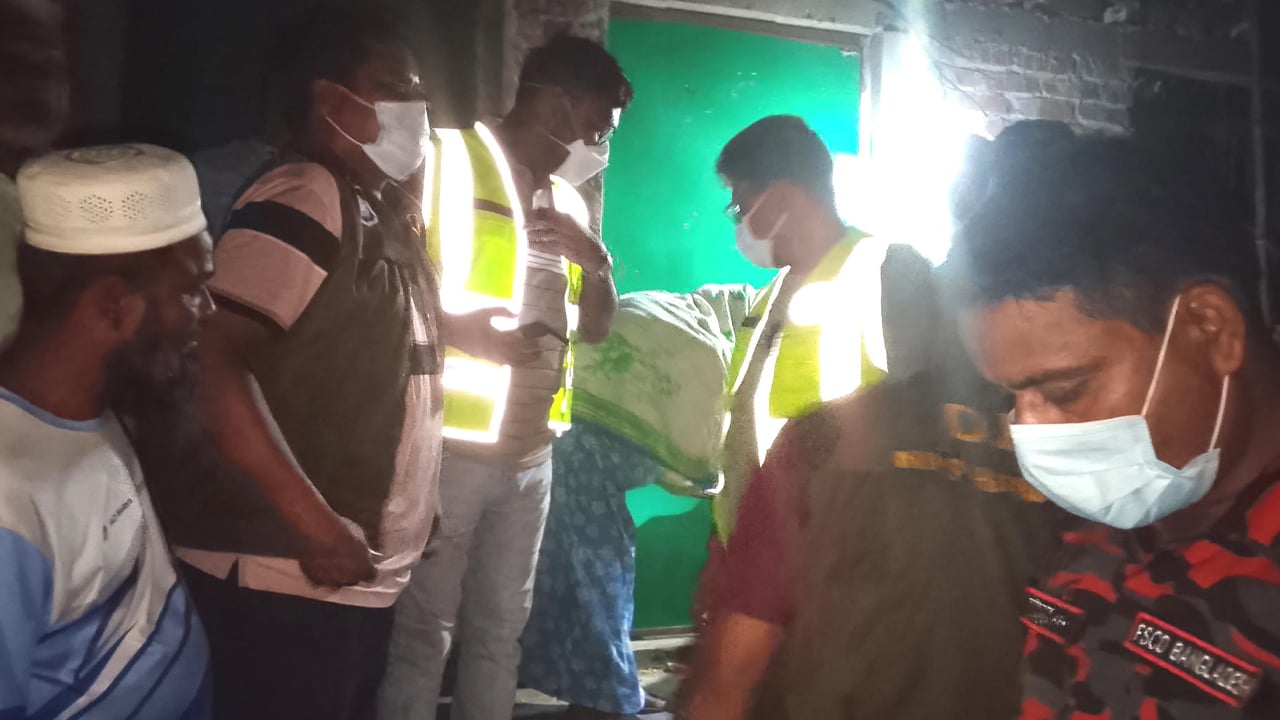
Police in Nilphamari’s Kishoreganj upazila recovered the body of a woman allegedly killed by her son and buried under the floor of his house. The incident occurred late Wednesday night in Uttar Barovita Moydanpara village under Barovita Union. The deceased was identified as Marufa Begum, 60, wife of late Ashraf Ali. Her son, Jewel Mia, 40, went into hiding after the incident. Police dug up the floor of Jewel’s house and found the body with head injuries. According to local accounts, Marufa was last seen on Monday. Her younger son, Lavin Mia, discovered bloodstains in the house on Wednesday afternoon, prompting a search that led to the discovery of the disturbed floor. Police were informed and recovered the body around midnight. Jewel’s wife and son were taken to the police station for questioning, while the body was sent for autopsy. Police officials said preliminary evidence suggests Jewel killed his mother two days earlier and buried her inside the house. A murder case is being filed by the victim’s younger son, and efforts are underway to arrest the suspect.
A global survey by the human resources and workforce management AI platform UKG has warned that the upcoming football World Cup, starting on June 11, could cause a productivity loss of about $170 billion worldwide. The study found that employers across multiple countries are concerned about keeping employees focused and present during the tournament. The projected loss equals roughly 20.8 trillion Bangladeshi taka. The United States is expected to face the highest loss at around $117 billion, followed by Germany with an estimated $13.4 billion. According to the survey, 37 percent of employees plan to adjust their work schedules to match match timings, while 27 percent admitted they might arrive late, leave early, or skip work entirely. About 14 percent said they would secretly stream matches or highlights at their desks, and 11 percent planned to work under the influence after watching late-night games. Even managers are not exempt, with 42 percent planning to take leave and 45 percent intending to modify their work hours. The UKG study covered eight major countries—Australia, Canada, France, Germany, Mexico, the Netherlands, the United Kingdom, and the United States—based on responses from around 8,000 employees.

Police in Rangpur have arrested Mohammad Yasin Ali, member secretary of the Rangpur Metropolitan Ganadhikar Parishad, in connection with a cheque fraud case. He was detained on Wednesday evening, June 3, 2026, from Ryan’s Hotel in Rangpur city by officers from the Kotwali Police Station. The arrest followed a court-issued warrant after Yasin Ali was convicted in a cheque dishonor case filed in Kurigram. According to court sources, the Joint District Judge’s Court in Kurigram delivered its verdict on April 20, 2026, finding Yasin Ali guilty of issuing a dishonored cheque worth 1.5 million taka. The cheque, drawn from Dutch-Bangla Bank’s Kurigram branch, was returned due to insufficient funds when presented on November 28, 2023. Despite receiving a legal notice, Yasin Ali failed to repay the amount, prompting the complainant to file a case. The court sentenced him to one year of rigorous imprisonment and a fine equal to the cheque amount. As he was absconding during the verdict, police executed the arrest warrant and took him into custody for further legal proceedings.
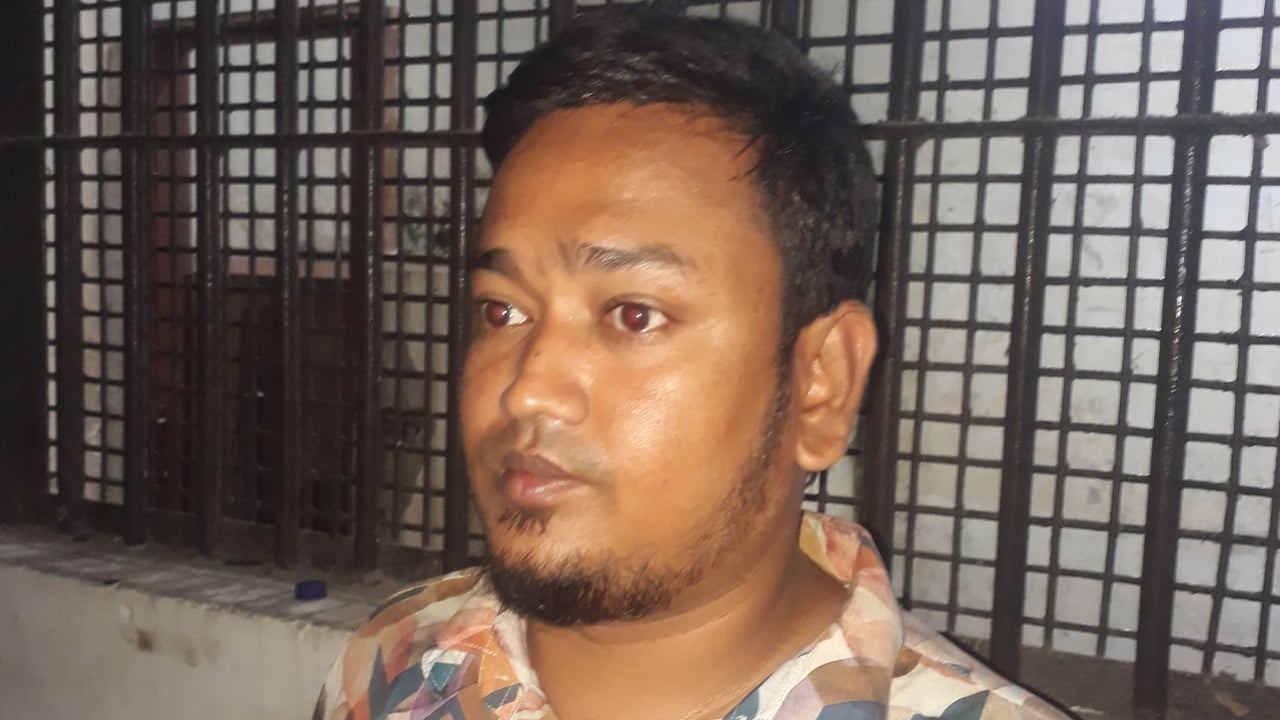
Three employees of an internet service company were assaulted and injured by unidentified attackers in Dhaka’s Kadamtali area on Wednesday night. The assailants also took away some of the workers’ equipment and materials after the attack. The victims, identified as Hridoy, Ratul, and Antor, all employees of Goti Online Net Service, were admitted to the emergency department of Dhaka Medical College Hospital for treatment. According to the company’s owner, Miraj, the workers were installing internet connections in the Shonir Akhra Post Office Lane when a group of miscreants suddenly attacked them with sticks. Locals rescued the injured and initially took them to a nearby hospital before transferring them to Dhaka Medical College Hospital as their condition worsened. Police confirmed that the three injured youths are receiving treatment. Miraj stated that the attackers’ identities remain unknown, but CCTV cameras in the area may help identify them. Police have begun investigating the motive and those involved in the assault.

At least 20 people were injured in a series of stray and rabid dog attacks in Homna municipality of Comilla on Wednesday. The incidents occurred from morning until 9 p.m. in Ward No. 5, where several dogs attacked men and women without warning. Many victims were forced to buy rabies vaccines from outside due to shortages at local hospitals, according to hospital and local sources. The attacks have caused widespread panic in the area. Local residents said victims were attacked while working in their yards or walking on the streets, and some were injured while trying to rescue others. Thirteen people received initial treatment at Homna Upazila Health Complex, including ten in the emergency department. The attending physician confirmed that rabies vaccine shortages required patients to obtain doses privately. Homna’s Upazila Nirbahi Officer Md. Shahidul Islam said the matter is being taken seriously, and necessary measures are being coordinated with the livestock department. The municipal administrator announced that officials will meet Thursday to decide on immediate steps to control the situation.

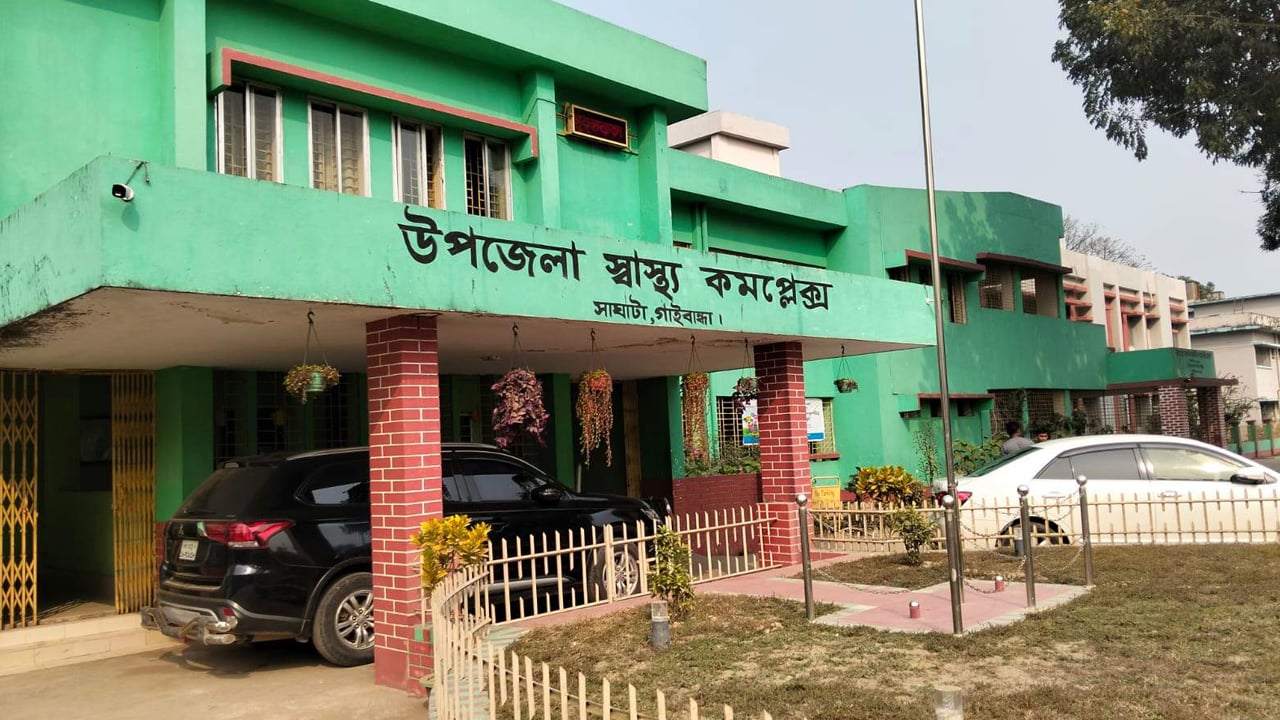
A mother and her son were killed by lightning in Mandura village of Saghatta upazila, Gaibandha, on Wednesday evening, June 3. The incident occurred when the sky became overcast and dark. The victims were identified as Kalpana Rani, 55, wife of Shailen Chandra Das, and their son Sohag Chandra Das, 32. Sohag had recently returned home from Dhaka, where he worked at a private company. According to family sources, Kalpana Rani asked her son to help bring in dried straw from outside as rain seemed imminent. Both went out together and were struck by lightning. Local union parishad member Sahin Alam said the two were critically injured and taken to Gaibandha Sadar Hospital, but they died on the way. Bhartkhali Union Parishad chairman Faruk Hossain confirmed the deaths and said the community was deeply saddened by the sudden loss. The incident has cast a shadow of grief over Mandura village, with residents mourning the unexpected tragedy.
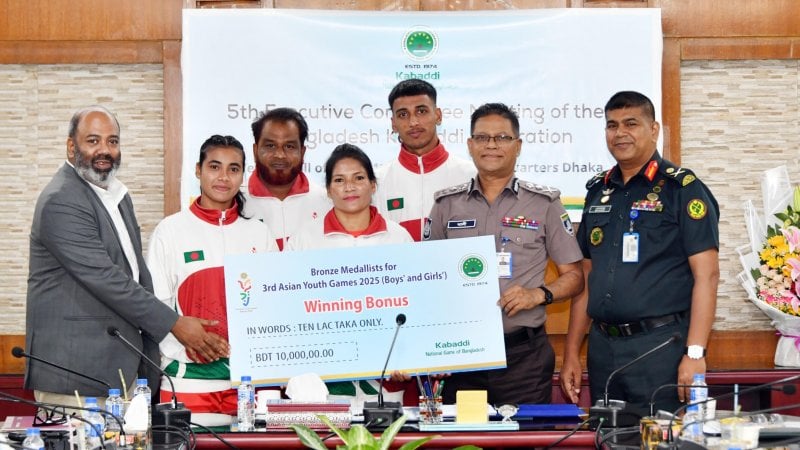
The Bangladesh Kabaddi Federation’s executive committee approved a Tk 5.5 crore budget for the 2026–2027 fiscal year during a meeting held on Wednesday at the Police Headquarters’ Hall of Pride in Dhaka. The meeting was chaired by Federation President and Inspector General of Police Md Ali Hossain Fakir. The budget, presented by General Secretary S M Nawaz Sohag, allocates a major portion to enhance international exposure for national team players. Plans include several home-and-away test series this year against Pakistan, Chinese Taipei, and Nepal. The meeting also awarded Tk 10 lakh in special honorarium and cash prizes to the bronze medal-winning Bangladesh youth teams from the 2025 Asian Youth Games. To expand kabaddi at the grassroots level, a new academy will be established in Gopalganj under a special committee led by Brigadier General Syed Md Motaher Hossain and S M Nawaz Sohag. The committee will oversee the academy’s operations and development. The federation plans to meet the State Minister for Sports soon to seek government support for improving kabaddi infrastructure and facilities nationwide.
The ‘1 Nojor’ media platform is now live in beta, inviting users to explore and provide feedback as we continue to refine the experience.