

The ‘1 Nojor’ media platform is now live in beta, inviting users to explore and provide feedback as we continue to refine the experience.
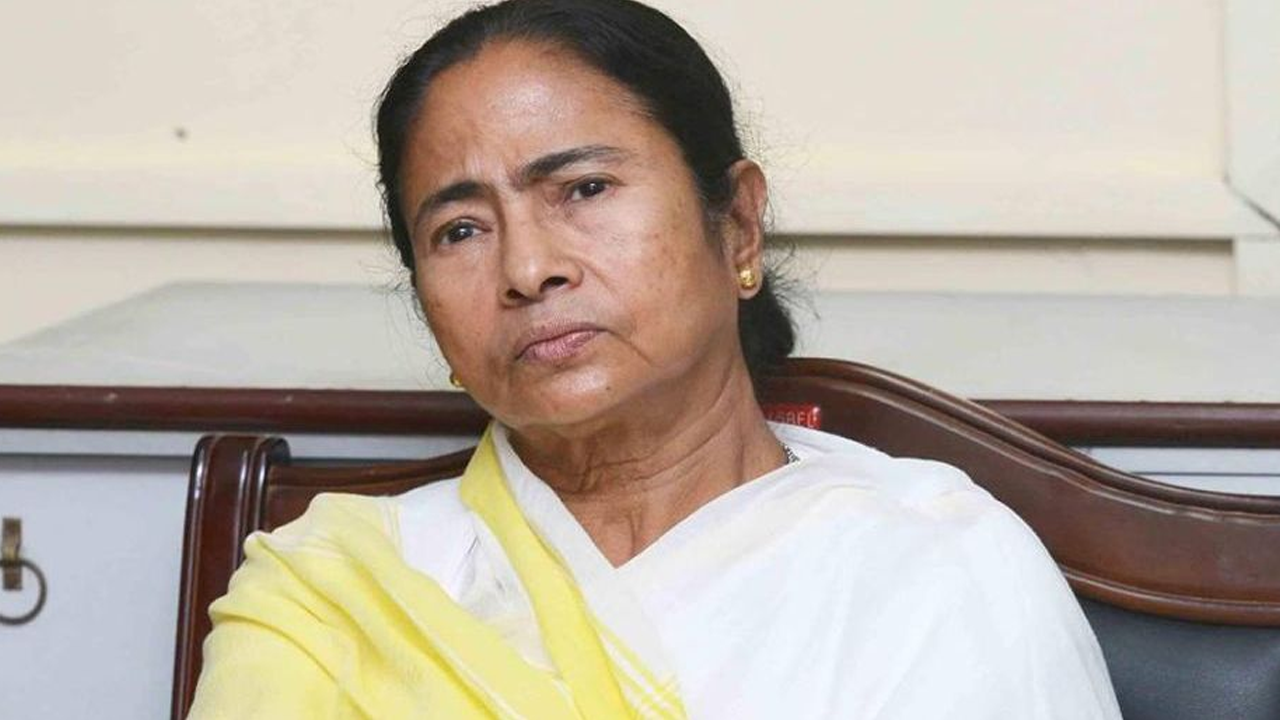
Ritabrata Banerjee, a former Trinamool Congress leader who was expelled from the party, has been appointed as the Leader of the Opposition in the West Bengal Legislative Assembly. The Speaker, Rathindra Basu, officially handed over the office keys to him. Banerjee claimed that two-thirds of Trinamool’s elected legislators have expressed support for his leadership, with 58 out of 80 MLAs already backing him and two more expected to join. Banerjee announced that his group will act as a responsible opposition, supporting positive government initiatives while holding the administration accountable. He named Akhruzzaman as chief whip and Javed Ahmed Khan, Sabina Yasmin, Shiuli Saha, and Sandipan Saha as deputy leaders. He also urged Mamata Banerjee to serve as the parliamentary advisor, while noting that his faction has no political ties with Abhishek Banerjee. The appointment follows internal conflict within Trinamool over the opposition leader nomination, including allegations of forged signatures on a letter supporting Shovandeb Chattopadhyay. Analysts say the development highlights growing divisions within Trinamool and signals new alignments in West Bengal’s opposition politics.
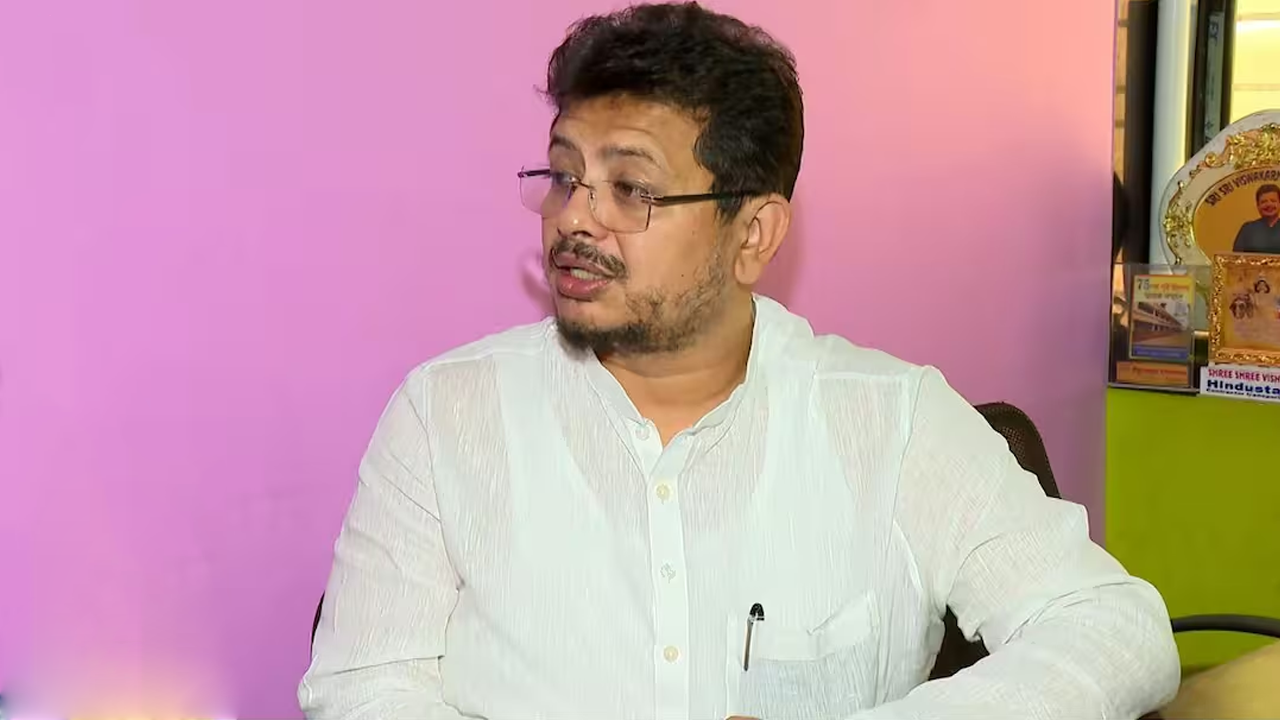
Nasiruddin Patwari, chief organizer of the National Citizens Party (NCP), called for national unity beyond political divisions to strengthen border security following alleged push-in attempts along the Benapole frontier in Jashore. He made the appeal on Wednesday noon while visiting the Sadipur border area, emphasizing the need to ensure the safety of border residents and to take effective measures to stop border killings and seek international justice for such incidents. During his visit, Patwari urged local communities to remain alert and united against any infiltration or push-in attempts, alongside the vigilance of the Border Guard Bangladesh (BGB). An NCP delegation accompanied him to observe the situation and protest the alleged push-in attempt. Local sources reported that individuals who had been at the zero line were moved inside Indian territory early Wednesday morning by the Indian Border Security Force (BSF). BGB conducted drone surveillance in the morning but found no one at the zero line, later withdrawing extra troops while maintaining regular patrols. The situation is currently reported as normal, though local residents remain concerned.
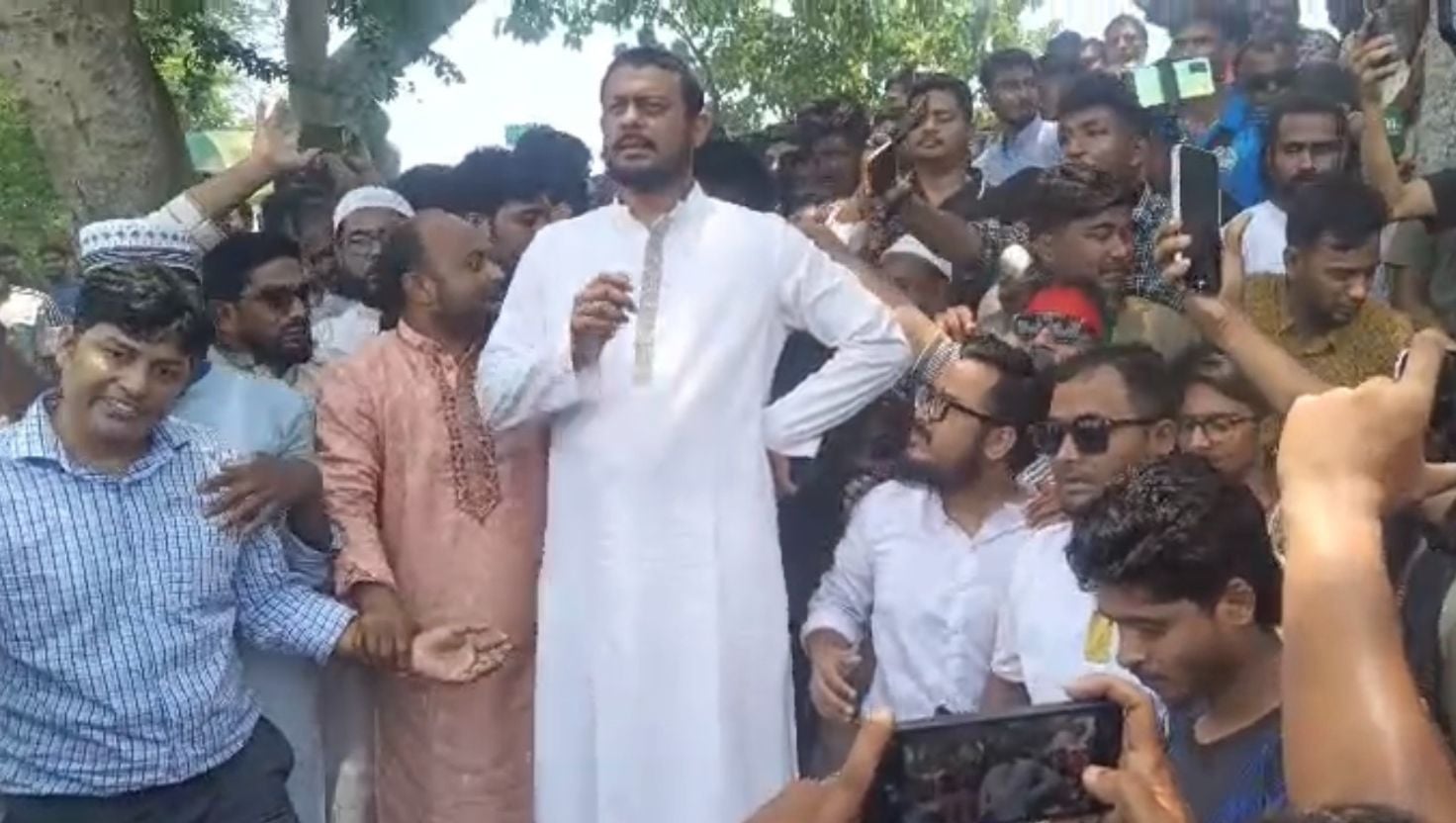
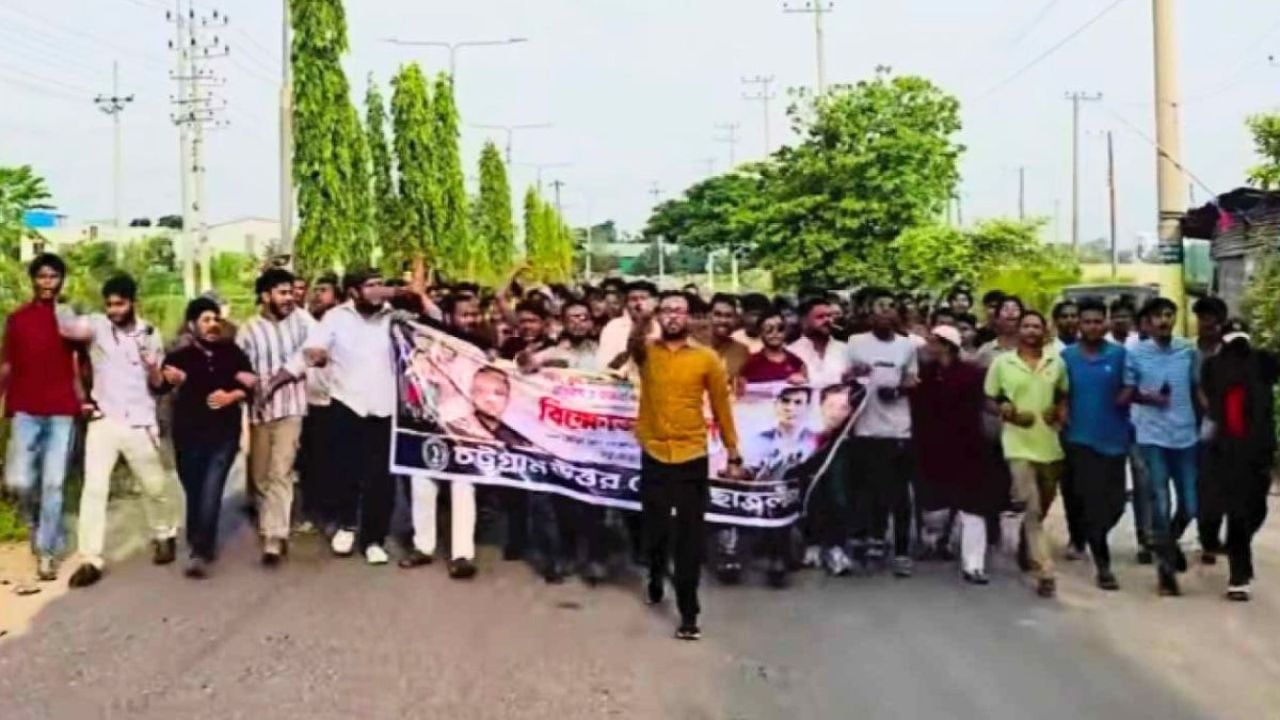
Leaders and activists of the banned Chhatra League staged another sudden rally in Chattogram city on Wednesday morning. The demonstration took place on the Oxygen-Kuwaish road in front of Evercare Hospital at the Anannya residential area. A video of the rally later spread on social media, showing participants chanting slogans in support of Sheikh Hasina and the Awami League. According to Hat Hazari Model Police Station Officer-in-Charge Md Zahidur Rahman, the Anannya residential area lies at the border of Hathazari, Chandgaon, and Bayezid Bostami police stations. After learning about the incident, police began the process of filing a case at Hathazari Police Station. As of Wednesday afternoon, no arrests had been made, but identification and operations to locate those involved were ongoing. The incident marks another appearance of the banned organization in public, prompting renewed law enforcement attention in the area.
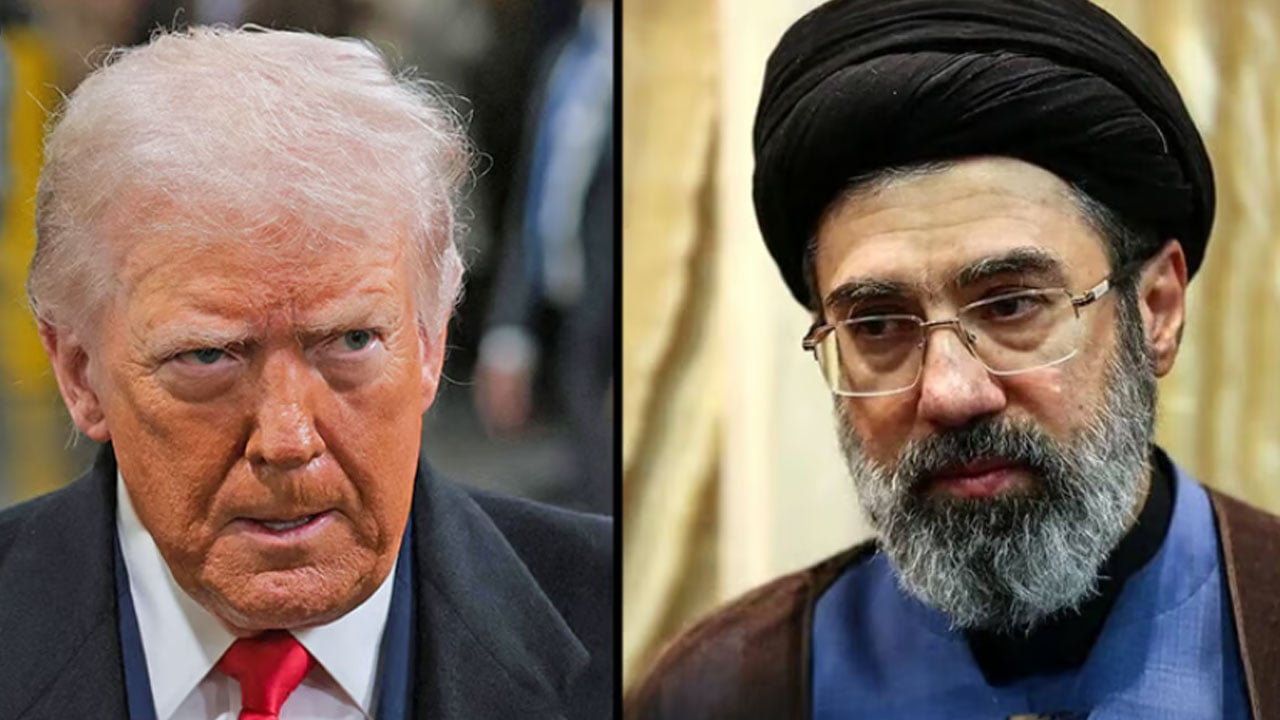
U.S. President Donald Trump has expressed interest in meeting Iran’s Supreme Leader Mojtaba Khamenei. In an interview on the New York Post’s ‘Pod Force One’ podcast on Wednesday, Trump said he has not yet had the opportunity to meet Khamenei but would like to do so if given the chance. He added that such a meeting might take place in the future. When asked about Khamenei’s current condition, Trump said he was unsure when the meeting might happen but believed that Mojtaba is highly respected in Iran. The report recalled that on February 28, Israel and U.S. forces launched a surprise attack in Iran, killing then-Supreme Leader Ayatollah Ali Khamenei and several family members. Mojtaba Khamenei, his son, survived the attack. On March 8, Tehran announced Mojtaba as the new Supreme Leader. Since then, his messages have been broadcast through state television, but no photos, videos, or audio recordings of him have been released. The remarks come amid ongoing U.S.-Iran discussions in which Trump suggested Mojtaba Khamenei is involved.
The Trinamool Congress has announced the dissolution of all its organizational committees across West Bengal, a move that has sparked fresh debate in state politics. The decision, declared on Wednesday, comes amid internal dissatisfaction and leadership criticism following the party’s defeat in the May state assembly election. The party leadership said all committees, including those of affiliated and branch organizations, are being disbanded immediately, with a new structure to be announced after a comprehensive review. According to party sources, the reorganization will cover every level from district to booth, assessing the performance of active and inactive members and identifying organizational weaknesses. Political analysts view the move as a strategic step to rebuild the party after electoral losses, reduce the influence of rebel legislators, and reassert central leadership authority. Some legislators have already sought recognition as a separate parliamentary group, intensifying the internal crisis. Observers believe this marks a new phase in West Bengal politics, with attention now focused on how unified the Trinamool Congress remains after restructuring and how its leadership manages relations with dissenting factions.
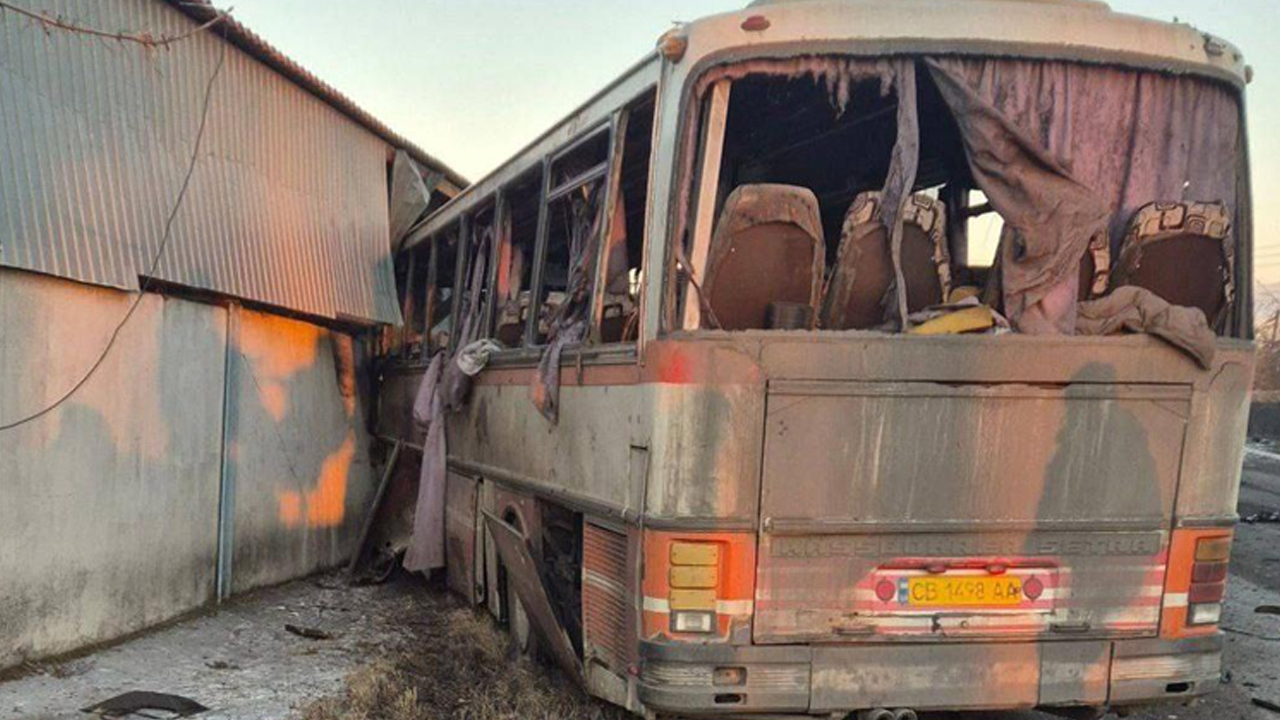
At least seven people were killed and eleven others injured when a Ukrainian drone struck a passenger bus traveling from Moscow to Simferopol in Russian-controlled Crimea, according to Russian authorities. The attack occurred near Yenakiieve in the Donetsk region, said Denis Pushilin, head of the self-proclaimed Donetsk People’s Republic, in a message posted on Telegram. He confirmed that the victims were civilians and that the injured were receiving medical treatment. The report noted that Ukraine had not immediately commented on the incident. The attack comes amid the ongoing war between Russia and Ukraine, during which drone strikes on border areas and Russian-controlled territories have increased significantly in recent months. Russian authorities have launched an investigation into the strike and expressed condolences to the victims’ families. The escalation of drone attacks highlights the continuing volatility along the Russia-Ukraine conflict zones, with civilian casualties adding to regional tensions.
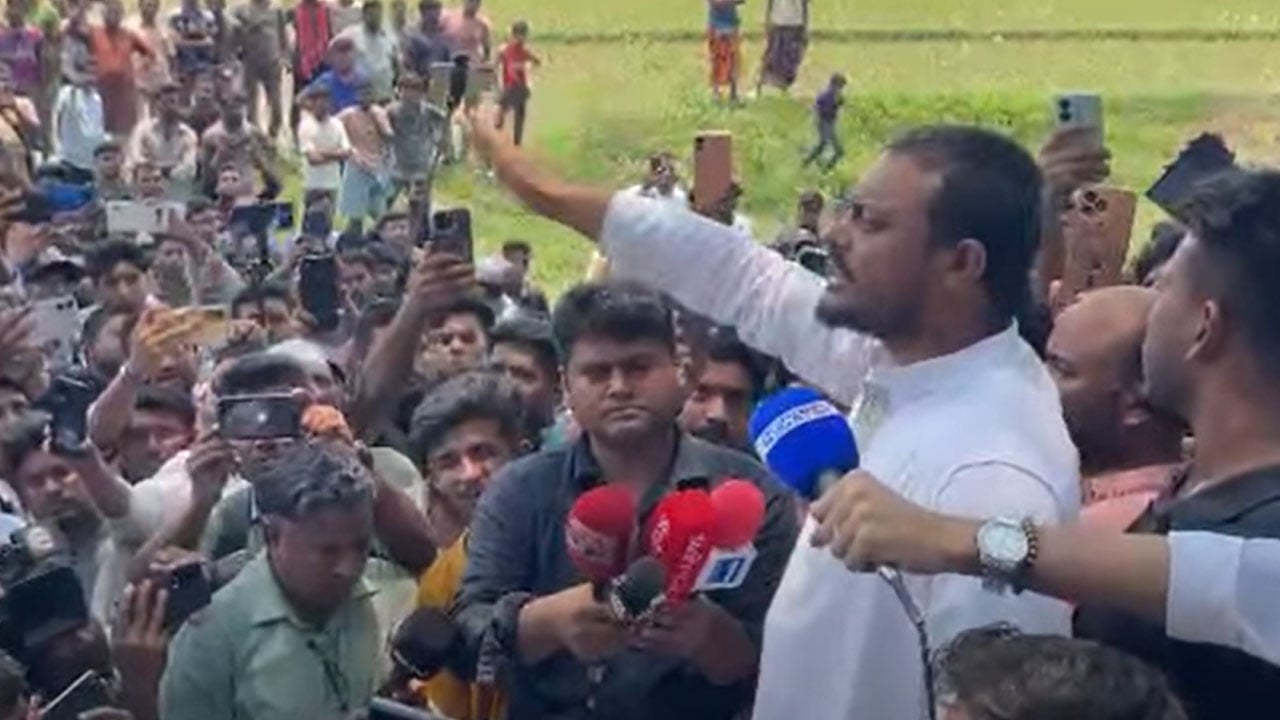
National Citizens Party (NCP) chief coordinator Nasiruddin Patwari declared that no Indian push-in would be allowed along the Bangladesh border. He made the statement on Wednesday afternoon while visiting the Sadipur border area in Benapole, Jessore. Patwari strongly protested alleged push-in attempts by India’s Border Security Force (BSF) and demanded justice for the continuous killings of Bangladeshi citizens along the frontier, calling India a killer state and the BSF a killer force. He criticized the lack of basic facilities for residents in border areas, noting the absence of hospitals, schools, and employment opportunities. Patwari claimed that locals do not engage in smuggling but are falsely blamed by Indian actors. He urged the government to modernize and strengthen the Border Guard Bangladesh (BGB) with heavy weapons, patrol cars, and better pay and benefits, asserting that 180 million Bangladeshis support the force. Patwari also condemned a former home minister’s past remarks, saying that killing any Bangladeshi without trial violates international law. He called on the government to bring India before the international court for every border killing incident.
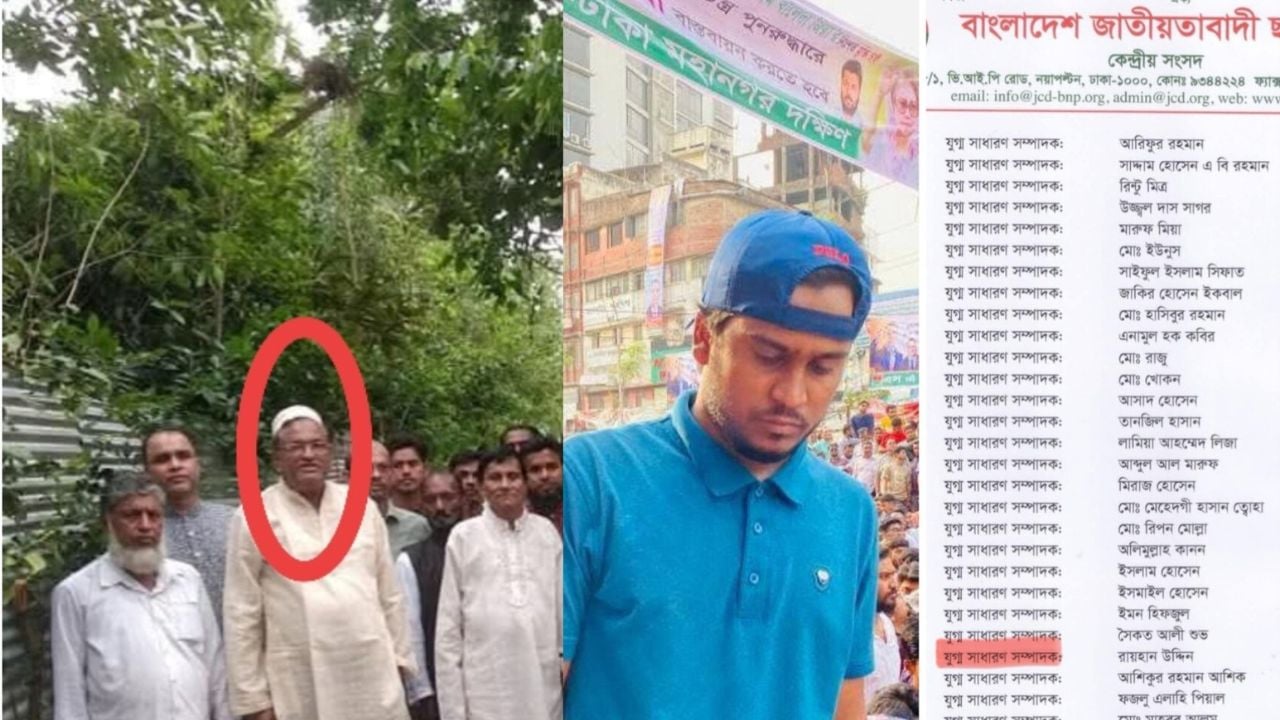
An Awami League worker named Helal Uddin Sarkar has filed a case against a dozen BNP and Jamaat leaders in Chandarchar Union of Homna upazila, Cumilla. The case followed a clash on June 1 evening centering a Jamaat workers’ meeting. Among the accused are former and current leaders of Chhatra Dal, Jubo Dal, and Krishak Dal, as well as a student and an expatriate. Police confirmed that one accused has been detained and sent to court. BNP’s Dhaka South Chhatra Dal joint general secretary Rayhan Uddin alleged that Helal Uddin had previously campaigned for Awami League candidates and was acting under their advice to file a false case against opposition activists. Helal Uddin denied the claim, saying the photos used to link him with Awami League were edited and that he had never been involved with the party. Police officials said the case was filed based on a written complaint and that further details would be available after the investigation report. The case has drawn attention locally due to conflicting claims about Helal Uddin’s political affiliation and the motives behind the complaint.
The election of the Bangladesh Ship Breakers and Recyclers Association (BSBRA), scheduled for Wednesday, June 3, 2026, has been suspended for unspecified reasons despite a High Court directive allowing the poll to proceed. The BSBRA election board issued a notice on Tuesday announcing the temporary suspension of all election-related activities, citing the need to ensure proper completion of necessary procedures. The notice was signed by the board’s chairman Md. Akhtarul Chowdhury and members Md. Rabel Pradhania and Ashraf Mahmud. Earlier, on Monday, a High Court bench of Justice Bishnudev Chakraborty and Asif Hasan declared the candidacy of Amjad Hossain Chowdhury for the post of president valid and directed that his name be included on the ballot. Following the suspension, general voters expressed strong dissatisfaction, while Chowdhury alleged that the election was deliberately postponed to benefit a particular group. He argued that the decision contradicted the court’s order and deprived members of their voting rights. Senior lawyer Syed Mamun Mahbub stated that the court had ordered immediate acceptance of Chowdhury’s nomination and equal opportunity to contest, eliminating any legal barriers to his participation.

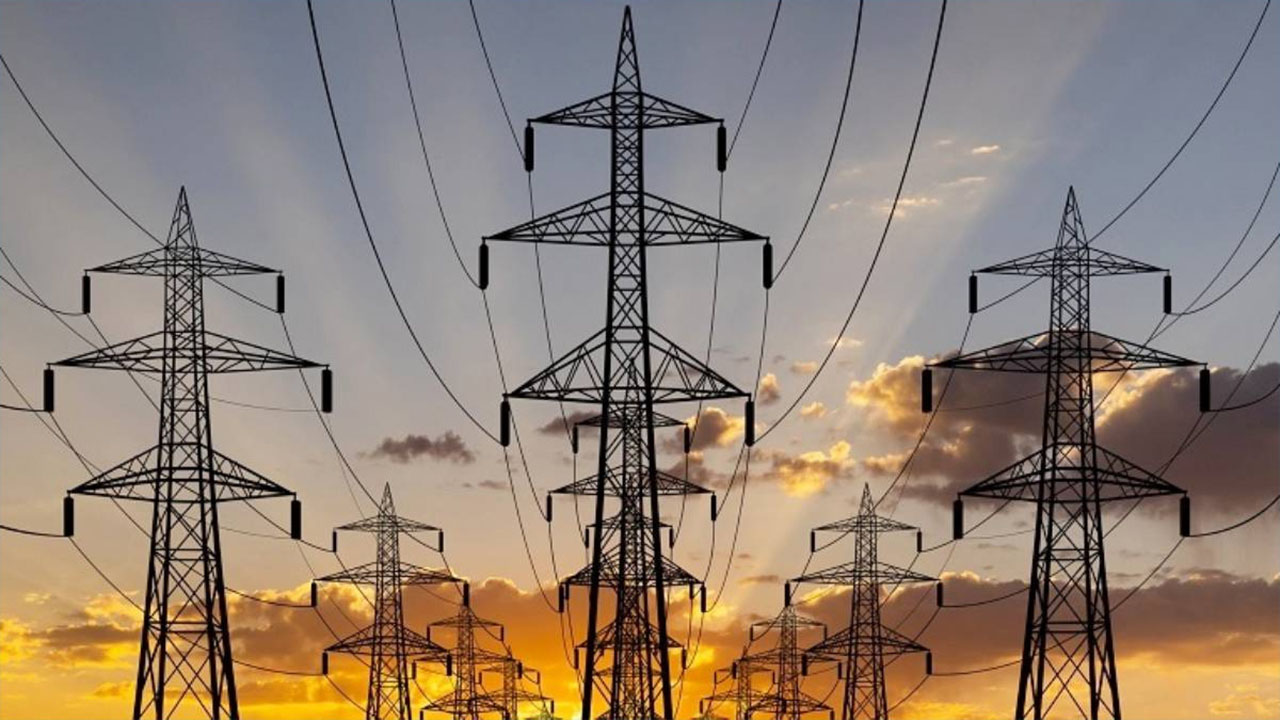
Bangladesh Energy Regulatory Commission (BERC) has announced another increase in electricity prices across the country. On Wednesday, the commission raised wholesale electricity rates by 19.85 percent and retail rates by 15 to 19.94 percent. Transmission charges were also increased by 23.96 percent. The decision follows applications submitted between May 3 and 6 by electricity producers, transmitters, and distributors seeking higher tariffs. During public hearings held on May 20 and 21, political leaders, consumer rights activists, business representatives, and industrialists opposed the proposed price hikes. They argued that long-standing corruption, mismanagement, poor planning, and waste were being unfairly passed on to consumers. The last electricity price adjustment occurred in February 2024, when the average wholesale rate rose from Tk 6.70 to Tk 7.04 per unit by executive order. The electricity price revision comes shortly after the government adjusted fuel prices effective June 1, increasing octane, petrol, and kerosene by Tk 5 per liter while keeping diesel unchanged at Tk 115 per liter.
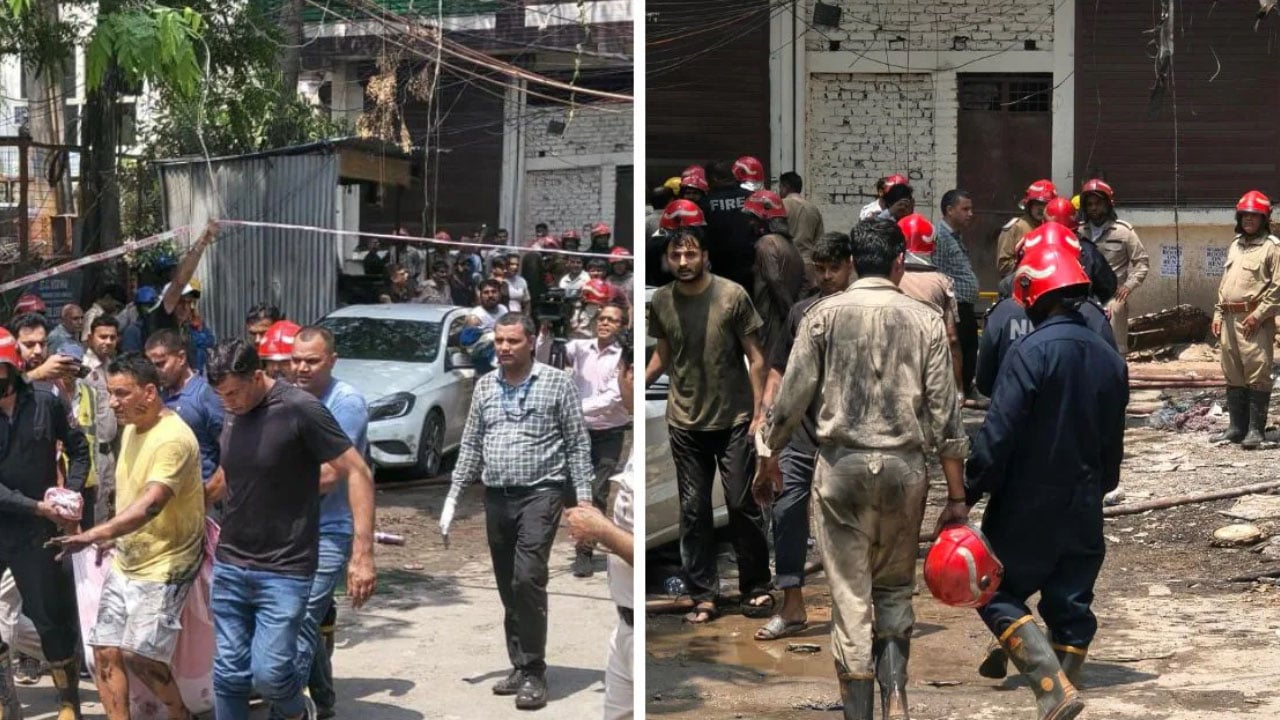
At least 21 people were killed when a fire broke out at a residential hotel in Delhi’s Malviya Nagar on Monday morning. The blaze started around 8:50 a.m. local time in the basement restaurant of the five-story building. Authorities believe about 40 people were inside the hotel at the time, including foreign nationals visiting India for medical treatment. The cause of the fire has not yet been determined. Video footage showed some guests jumping from the building to escape the flames. Most of the hotel’s 25 rooms were occupied, and many guests were reportedly asleep when the fire began. Rescue operations were launched as emergency services responded to the scene. Indian Prime Minister Narendra Modi expressed condolences to the victims’ families and announced financial assistance of 200,000 rupees for each family of the deceased and 50,000 rupees for the injured. Delhi Chief Minister Rekha Gupta said she was deeply saddened by the loss of lives.
The United States has proposed new tariffs on imports from 60 countries, including Bangladesh, citing failures to prevent the use of forced labor. According to official documents, the proposed tariffs range from 10 percent to 12.5 percent on goods imported from these countries. The U.S. Trade Representative’s Office (USTR) stated that 54 of the affected countries have failed to effectively ban or enforce restrictions on goods produced through forced labor. This proposal follows investigations launched by Washington against major trade partners such as China, the European Union, and Japan. The move comes as the Trump administration seeks to restructure its emergency tariff framework, which was struck down by the U.S. Supreme Court in February. USTR specified that imports from countries including Canada, Ecuador, the EU, Indonesia, Mexico, Pakistan, Argentina, Bangladesh, Cambodia, El Salvador, Guatemala, Malaysia, Taiwan, and the United Kingdom would face an additional 10 percent tariff, while the remaining 45 countries would face a 12.5 percent tariff.
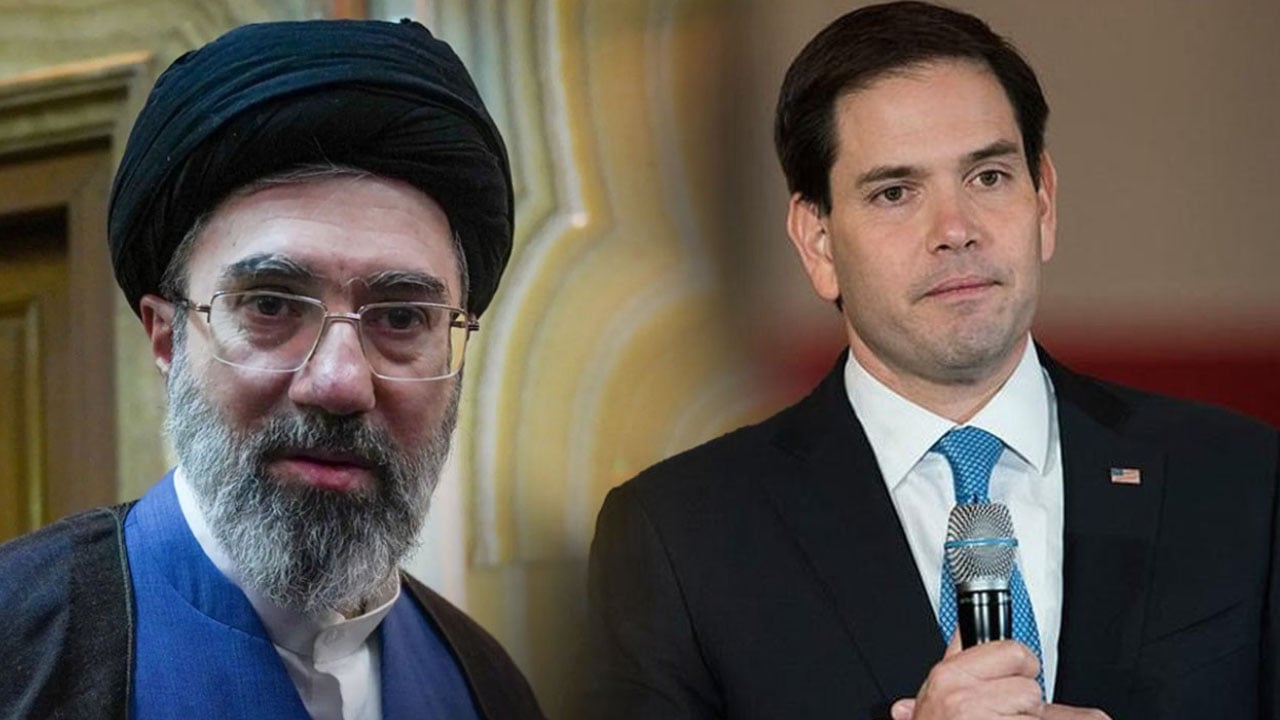
US Secretary of State Marco Rubio told Congress on Tuesday that Iran’s Supreme Leader Mojtaba Khamenei is alive and increasingly active in running the country. Rubio stated that since the April 8 ceasefire, Khamenei appears to have taken a more engaged role as discussions between the two nations continue. According to Rubio, Khamenei has become more involved in domestic affairs, though all his communications have been conducted in writing and through intermediaries. He has not been seen in public since his father and predecessor was killed in a US airstrike on the first day of the war. Meanwhile, Tehran is reviewing the latest US proposal aimed at reaching a final agreement following the April ceasefire. Iran’s semi-official Mehr News, citing a source, reported that Tehran is still analyzing the proposal and has had no contact with the United States for several days.
Professor Dr. Muhammad Abdul Bari, an internationally renowned educationist, administrator, and Islamic thinker, is remembered for his lifelong contributions to Bangladesh’s education and cultural development. Born on September 1, 1930, in Syedpur village of Bogura, he served as chairman of the University Grants Commission, founding vice-chancellor of the National University, and the first elected vice-chancellor of Rajshahi University. He passed away in Dhaka on June 4, 2003, at the age of 73. Bari’s academic excellence began early, earning top honors in Arabic from the University of Dhaka and completing his D.Phil. at Oxford University at just 23. His career included teaching at Dhaka and Rajshahi colleges, leading the Department of Islamic History and Culture at Rajshahi University, and chairing several national education reform committees. He also played key roles in establishing Shahjalal University of Science and Technology and Islamic University. Known for his integrity and commitment to Islamic values, Bari led the Bangladesh Jamiat Ahl-e-Hadith as central president from 1960 until his death. His reformist vision and administrative leadership left a lasting mark on the nation’s educational landscape.
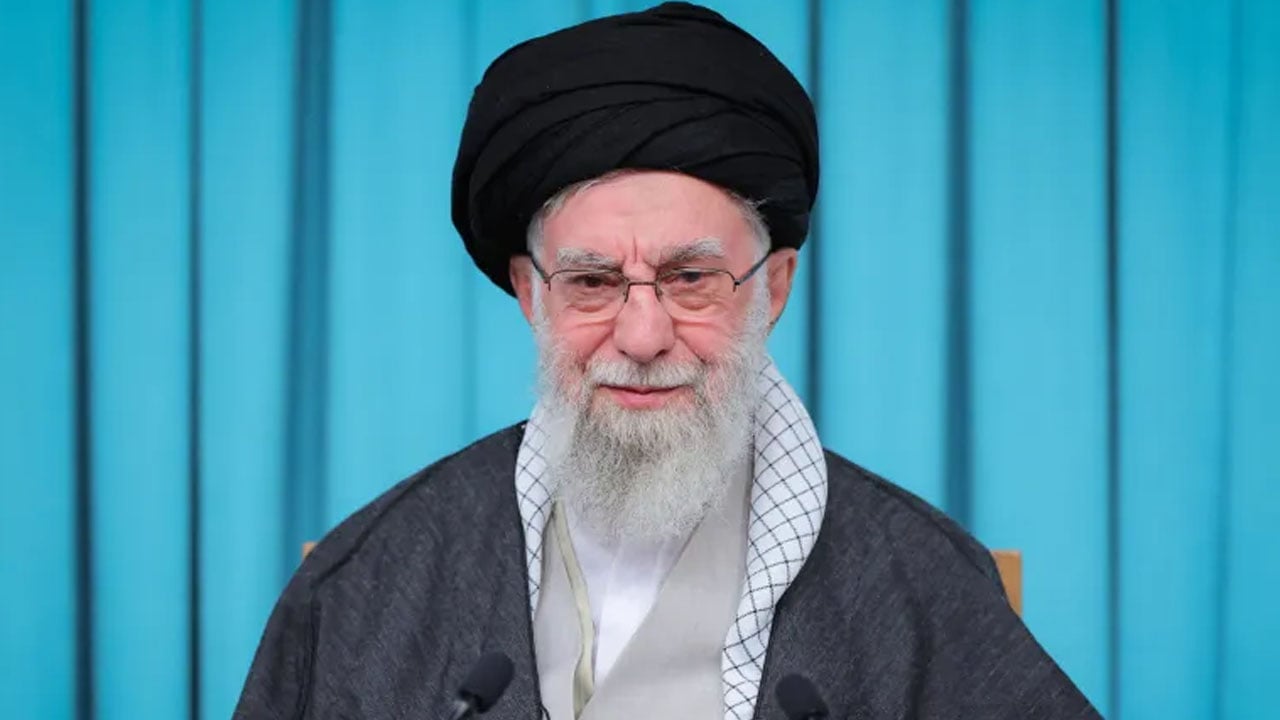
Iran has announced a three-day state funeral plan for former Supreme Leader Ayatollah Ali Khamenei. The ceremonies will take place sequentially in Tehran, the religious city of Qom, and Mashhad. Authorities and security forces have begun extensive preparations to ensure smooth arrangements. Tehran’s Deputy Mayor Mohammad Amin Tavakolizadeh said a 24-hour mourning event is being prepared in the capital, with an estimated participation of around 20 million people. Khamenei will be buried in Mashhad, his birthplace, near the shrine of Imam Reza, where his father was also laid to rest. Although the exact date has not been confirmed, officials indicated the burial may coincide with the beginning of Muharram, expected in mid-June. Khamenei was killed on February 28 in a joint U.S.-Israeli airstrike, after which Iran declared 40 days of national mourning and a seven-day public holiday. Earlier plans for a farewell ceremony in March were postponed due to continued airstrikes, but the government has now resumed preparations for the final rites.
The ‘1 Nojor’ media platform is now live in beta, inviting users to explore and provide feedback as we continue to refine the experience.