

The ‘1 Nojor’ media platform is now live in beta, inviting users to explore and provide feedback as we continue to refine the experience.
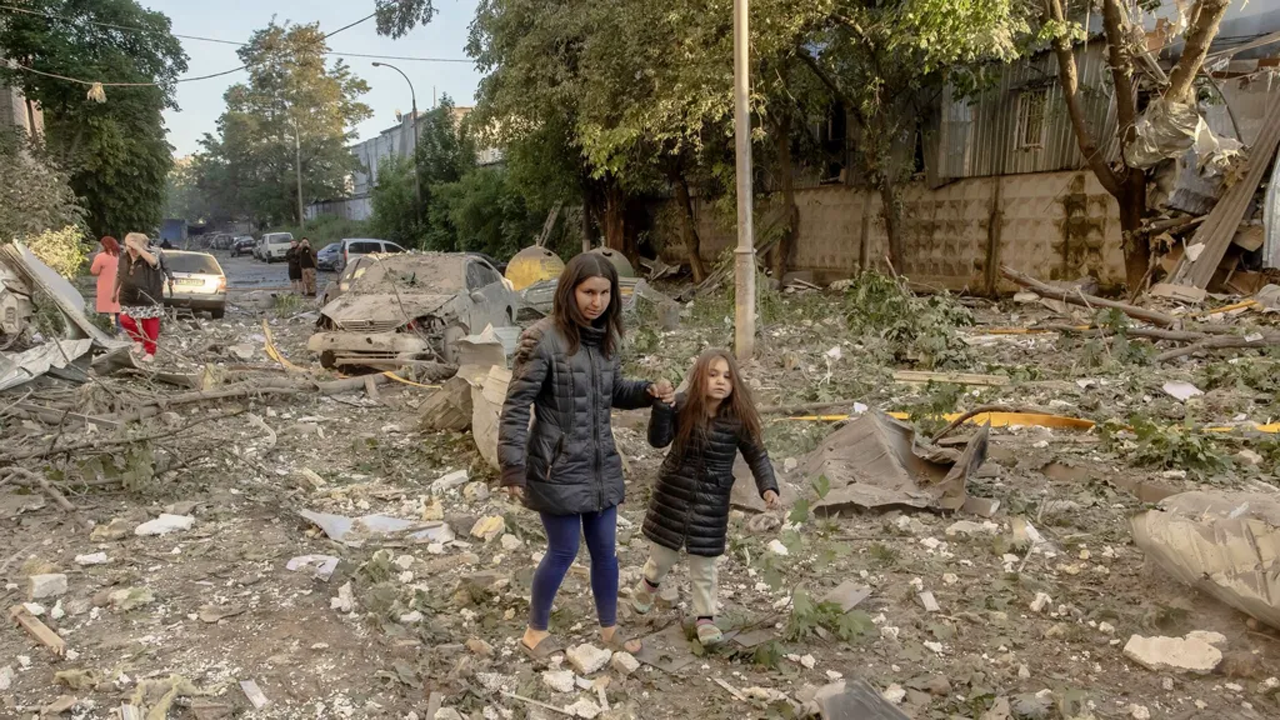
Russia launched extensive drone and missile attacks early Tuesday on Kyiv, Dnipro, and several other Ukrainian cities, killing at least 10 people and injuring around 100, according to Ukrainian authorities. The strikes caused major explosions near residential buildings in Kyiv, where Mayor Vitali Klitschko reported four deaths and 58 injuries, including children. A 24‑story apartment building partially collapsed after being hit, and debris ignited fires in multiple locations, including near a kindergarten. The attacks follow Moscow’s warning of continued strikes after a drone attack last week on a student dormitory in Russian‑controlled Luhansk killed 21 people, an incident Ukraine denied involvement in. Both sides have repeatedly denied targeting civilians, though Russia has continued to hit Ukraine’s energy infrastructure and key facilities, while Ukraine has intensified counterattacks on Russian oil and military sites. Thousands of Kyiv residents took shelter overnight in metro stations as air defense systems attempted to intercept incoming missiles. Rescue teams continued searching damaged buildings for survivors as explosions were still heard in parts of the capital after dawn.
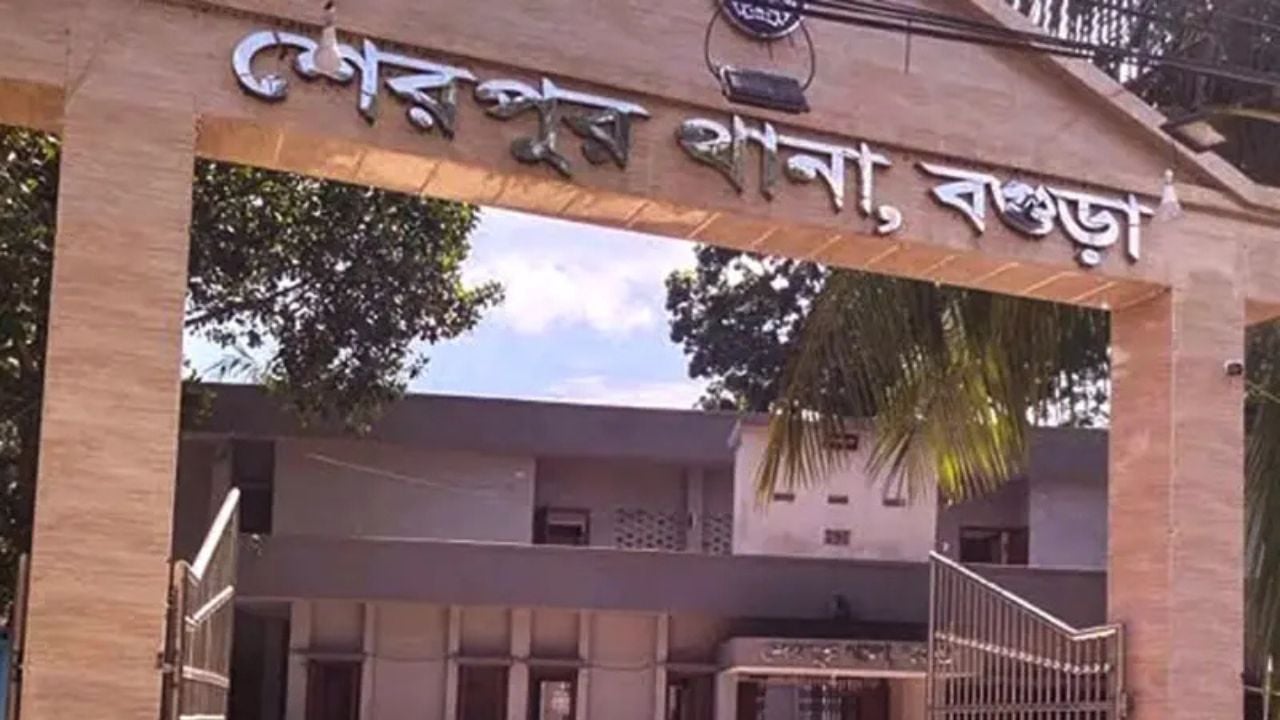
A 22-year-old housewife named Nilufa Akter was found dead under mysterious circumstances in Darimukund Uttarpara village of Shahbandegi Union, Sherpur upazila of Bogura early Monday night. Police recovered her body from the floor of her home, while all members of her in-laws’ family went missing immediately after the incident, intensifying local suspicion. Nilufa’s husband, Ekhlas Ali, works as a truck helper and was reportedly away from home for three days. According to police and local sources, Nilufa lived with her two-year-old child, father-in-law Monju, mother-in-law Ratna Begum, and brother-in-law Mostakin. Neighbors rushed to the house after hearing cries around 10:30 p.m. and found Nilufa’s body covered with cloth, with a candle burning beside her head. Before police arrived, her in-laws allegedly fled, taking her child with them. Sherpur police said there were no visible injuries on the body except a mark around the neck. The body was sent to Shaheed Ziaur Rahman Medical College Hospital morgue for autopsy, and investigators are focusing on the disappearance of family members to determine the cause of death.
TwelveLabs, a company specializing in video understanding technology, has announced the launch of Rodeo, its first application-layer product. Rodeo introduces AI agents directly into video production workflows, allowing creators to find, edit, and assemble footage using natural language. The product marks TwelveLabs’ transition from being solely an infrastructure provider to offering tools that place its video intelligence capabilities directly in the hands of creators. Rodeo enables users to describe the content they need, after which TwelveLabs’ AI searches their entire footage library to locate and assemble relevant clips instantly. The technology’s contextual understanding allows it to identify not only what appears in a video but also why it matters, helping creators save hours of manual searching. The system eliminates the need for complex IT setups, making advanced video intelligence accessible to producers, editors, and directors. Rodeo is powered by TwelveLabs’ Marengo 3.0 and Pegasus 1.5 models, which together provide state-of-the-art performance in long video understanding. The company positions Rodeo as a natural evolution of its model-layer innovations, aiming to help creators move from raw footage to finished stories more efficiently.

A father and son were killed in a road accident in Karnaphuli, Chattogram, on Tuesday morning. The incident occurred near the first stair area of Shah Amanat Bridge when a pickup van and a motorcycle collided. The victims were identified as Durga Pada Mallik, aged 70, from Singhra village in Chatari Union of Anwara upazila, and his son Bidhan Mallik, aged 47, a science teacher at Daulatpur Multipurpose High School in Karnaphuli. According to Moijjartek Traffic Police In-Charge Abu Sayeed Baker, the collision took place around 8 a.m. as both vehicles were traveling from the new bridge area toward Moijjartek. Durga Pada Mallik, who was riding on the back of the motorcycle, died on the spot. His son, the motorcycle rider, was taken to Chittagong Medical College Hospital, where doctors declared him dead. Sub-Inspector Alauddin Talukdar of the hospital police outpost confirmed that both bodies were brought to the hospital and that legal procedures are underway.

The Department of Social Services (DSS) under the Ministry of Social Welfare has issued a revised recruitment circular for 1,485 positions across 52 categories under the revenue sector. The online application process, to be completed through Teletalk Bangladesh Limited’s designated website, opened on June 2, 2026, at 10 a.m. and will continue until June 23, 2026, at 5 p.m. Both male and female candidates aged between 18 and 32 years as of June 1, 2026, are eligible to apply, with certain departmental candidates receiving age relaxation. The circular covers a wide range of posts from grade 13 to grade 20, including positions such as principal assistant, computer operator, field supervisor, social worker, and office assistant. Applicants who previously applied under the March 27 and June 9, 2024, notices for the same posts do not need to reapply. Application fees range from 56 to 112 taka depending on the post category, payable via Teletalk prepaid numbers within 72 hours of form submission. Detailed information and the application form are available through the DSS official website at https://dss.gov.bd/pages/notices.

OpenAI and Oracle have announced plans to expand their large-scale AI infrastructure project, Stargate, to Michigan. The new campus, developed by Related Digital, is scheduled to break ground early next year. It will feature an eco-friendly closed-loop cooling system designed to reduce water consumption. DTE Energy will provide power through existing transmission capacity while maintaining efficiency and sustainability standards. OpenAI described the expansion as an opportunity to reindustrialize the country, emphasizing Michigan’s role in supporting both AI progress and local economic growth. The project is expected to generate jobs, attract investment, and create opportunities linked to the rapidly growing AI sector. The Michigan site will be the seventh Stargate hub in the United States, joining others in Texas and additional locations. Once completed, the Stargate network aims to deliver more than 8 gigawatts of data center capacity and attract over $450 billion in investment within three years, highlighting the accelerating scale of AI infrastructure development.

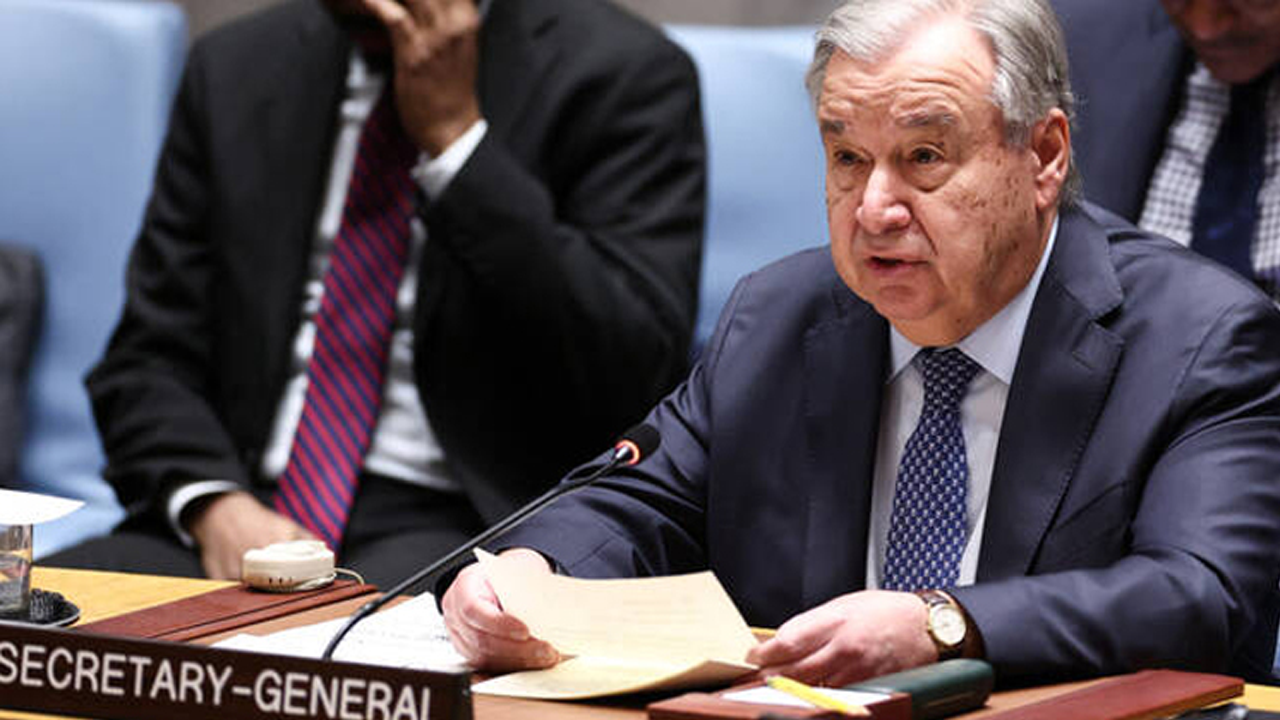
UN Secretary-General António Guterres stated on Monday that maintaining UN peacekeepers in Lebanon remains essential even after the current mission’s mandate expires later this year. The statement follows a 2023 UN Security Council decision, influenced by the United States, to end the mandate of the UN Interim Force in Lebanon (UNIFIL) on December 31, 2026. Guterres submitted three alternative proposals recommending the continued deployment of 2,000 to 5,500 UN personnel to monitor the 120-kilometer Blue Line and support the Lebanese Armed Forces. According to AFP, Guterres emphasized that peacekeepers are vital for reducing tensions, strengthening dialogue, and assisting Lebanon’s military. The Blue Line, marking the de facto border between Lebanon and Israel, remains a flashpoint amid ongoing clashes involving Hezbollah. Lebanon’s government and its UN envoy expressed support for the UN presence, while the United States and Israel oppose extending the mission. China’s ambassador urged the Security Council to act responsibly to avoid a security vacuum. UNIFIL currently includes about 7,500 peacekeepers from 50 countries stationed in southern Lebanon. Established in 1978, the mission has sought to maintain stability despite recurring hostilities.
A writ petition has been filed in the High Court challenging the schedule and voter list for the upcoming Bangladesh Cricket Board (BCB) election, scheduled for June 7. Six councillors submitted the petition to the bench of Justice Bhishmadev Chakraborty and Justice Md Asif Hasan on Tuesday. According to the election commission’s earlier announcement, the schedule for the BCB Board of Directors Election 2026 was issued on May 16 by the Chief Election Commissioner’s office. The notice stated that the election and result announcement would both take place on June 7. The draft voter list was released on May 17 at 4 p.m. The election will select 23 directors through direct voting, while two directors will be nominated by the National Sports Council (NSC). A total of 25 directors will then elect one president from among themselves.

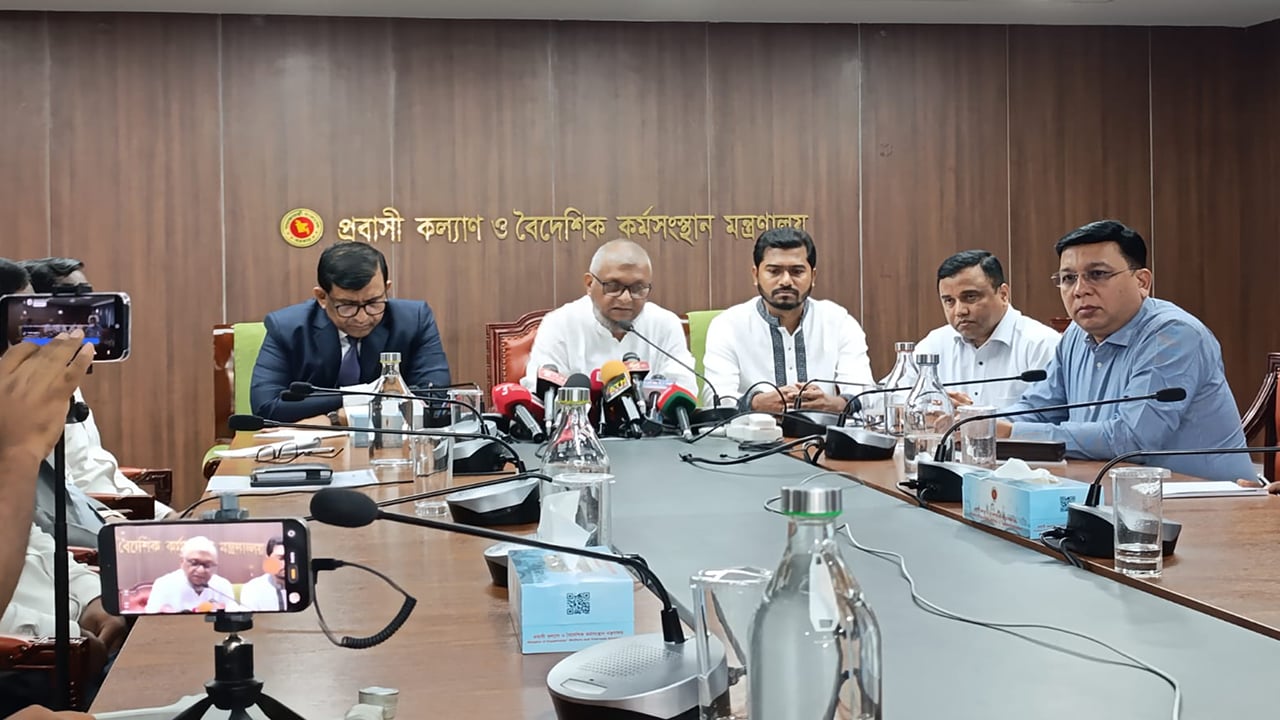
Expatriates’ Welfare and Overseas Employment Minister Ariful Haque Chowdhury announced that the government plans to introduce a unified expatriate card, which will replace the existing BMET card. Speaking at a briefing at the ministry on Tuesday, he said the goal is to enable all necessary services through one card instead of multiple ones. According to the ministry, the card will be available to all expatriates, including those living in Europe and Latin America. The minister explained that the card will function like a credit card, with applications processed through a dedicated cell for verification. Although the facilities are not yet finalized, the card is expected to include features for currency management, remittance benefits, and digital identity tracking. The minister added that discussions are ongoing with the Land Ministry to allow expatriates to access land-related services using the card. Plans are also being considered to give cardholders priority in hospitals and other service areas. State Minister Nurul Haque, Secretary Mokhtar Hossain, and senior officials attended the briefing.
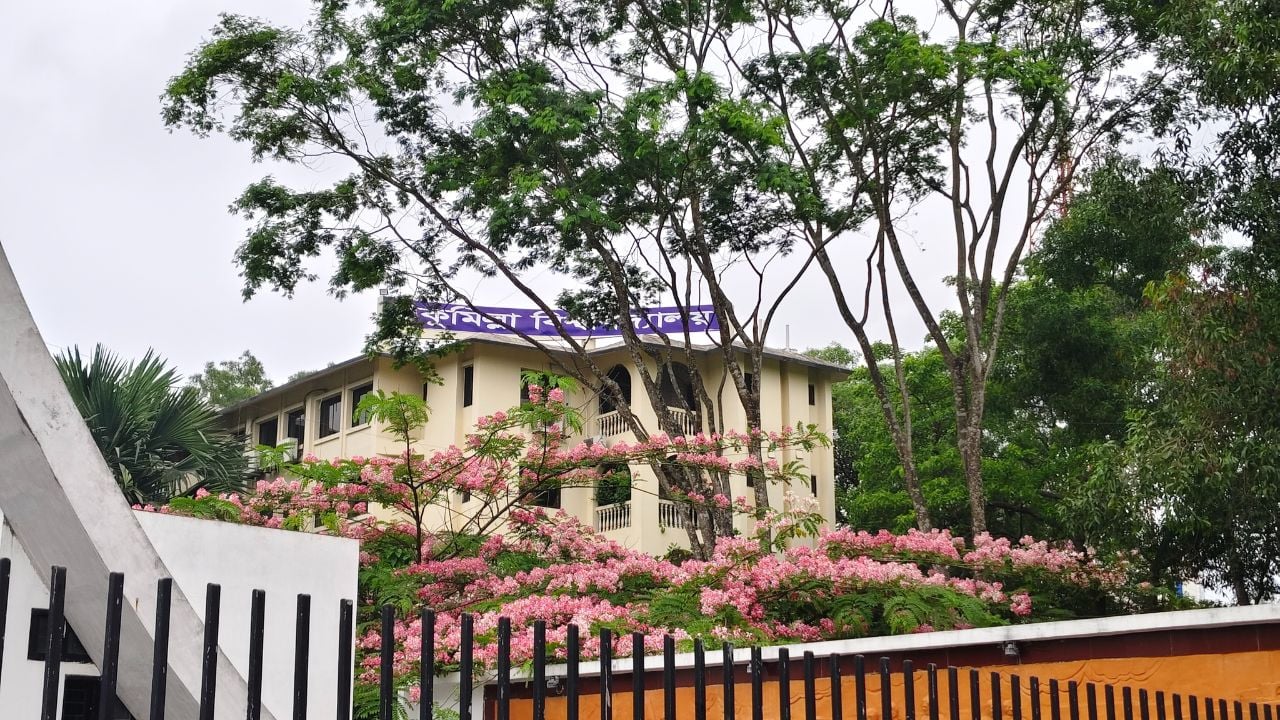
Comilla University, located at the foothills of Lalmai in southeastern Bangladesh, is facing a severe housing shortage as about 76 percent of its 6,484 students lack dormitory access. Despite the university’s two-decade history, residential facilities have not expanded proportionately. Only 1,239 seats are officially available, accommodating roughly 19 percent of students, though overcrowding has pushed the number of residents to 1,554. Many students are forced to share beds and study spaces, while nearly 4,930 others live off-campus in rented housing. Students report that overcrowded dorms hinder study conditions and personal comfort, with two students often sharing one bed, table, and locker. Female students, in particular, face safety and financial challenges when renting outside housing. University officials acknowledge the crisis and note that four new ten-story dormitories are under construction on a 200-acre new campus, expected to add 4,206 seats once completed. However, the project requires an additional 2.41 billion taka and has been delayed due to funding complications with the University Grants Commission. Administrators expect the new campus to ease the accommodation crisis once operational, though interim overcrowding remains a pressing concern.
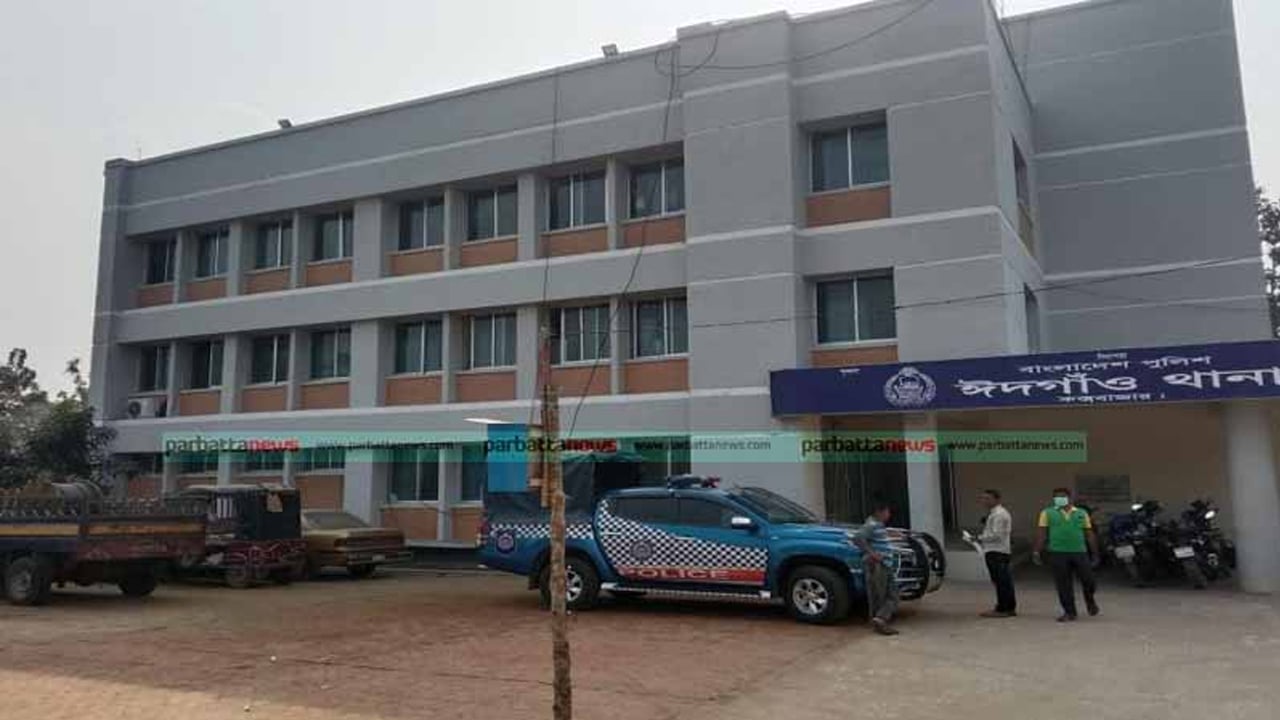
A 17-year-old boy named Hamid was killed by his friend Shamim in Eidgaon upazila of Cox’s Bazar on Tuesday morning after a dispute over unpaid money. The incident occurred around 10:30 a.m. in the Lorabag area. Local residents detained Shamim along with his mother and sister and handed them over to the police. According to local chairman Alomgir Taj Jony, both Hamid and Shamim were neighbors and friends. Hamid worked as a mobile mechanic, while Shamim was a tomtom driver. The argument began when Hamid demanded his due payment from Shamim, leading to a heated exchange. During the altercation, Shamim allegedly stabbed Hamid in the abdomen and fled. Locals later captured Shamim and his family members. Eidgaon Police Station Officer-in-Charge A.T.M. Sifatul Majdar confirmed that the suspects were taken into custody and that the knife used in the killing was recovered from the scene.
Bangladesh Bank spokesperson Arif Hossain Khan confirmed on Tuesday that the wife of Islami Bank Chairman Khurshid Alam has defaulted on a loan taken under her company’s name from First Security Islami Bank. The loan, amounting to 30 million taka, has remained unpaid for a long period. However, there is no loan registered under Khurshid Alam’s own name. The report indicates that the defaulted loan is tied to the wife’s business entity, but it remains unclear whether Khurshid Alam acted as a guarantor for the loan. The disclosure comes amid broader concerns over rising non-performing loans in Bangladesh’s banking sector. Bangladesh Bank data show that defaulted loans have increased by 310 billion taka over the past three months, reflecting growing pressure on the financial system.
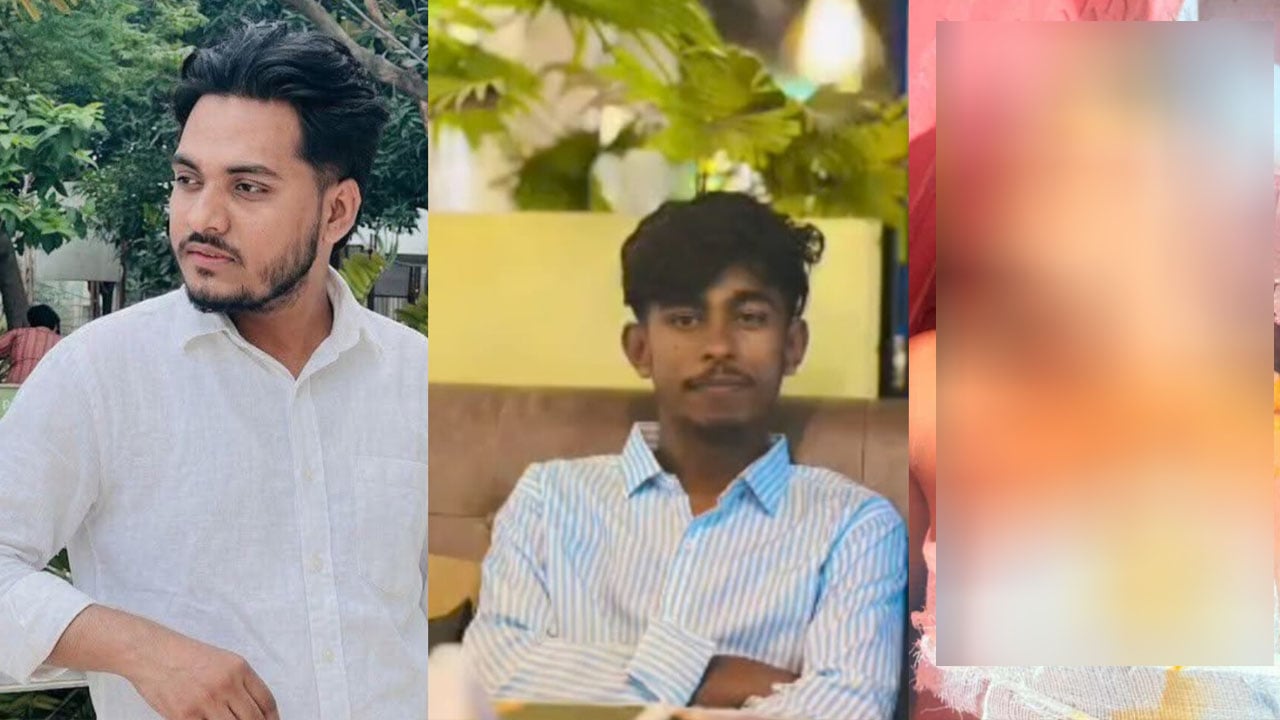
A clash between two factions of the Chhatra Dal in Brahmanpara upazila of Cumilla left an organizational secretary candidate hospitalized on Monday evening. The incident occurred around 6:30 p.m. at Asadnagar College Gate in Malapara Union. The injured, Mohiuddin Bhuiyan Afnan, is a candidate for the post of organizational secretary of the union unit, while the alleged attacker, Jewel Rana, is a candidate for the convenor post. According to local sources, the dispute began during an Eid reunion event at Asadnagar College field, where Jewel Rana introduced himself as a former convenor and was interrupted by Mohiuddin. Although a central leader mediated the disagreement, tensions resurfaced later that evening when Jewel Rana called upazila convenor Didarul Alam to the college gate. Didarul allegedly slapped and beat Mohiuddin, who was later admitted to Brahmanpara Upazila Health Complex. Police said no formal complaint had been received as of the report’s publication, but they would investigate if one is filed.
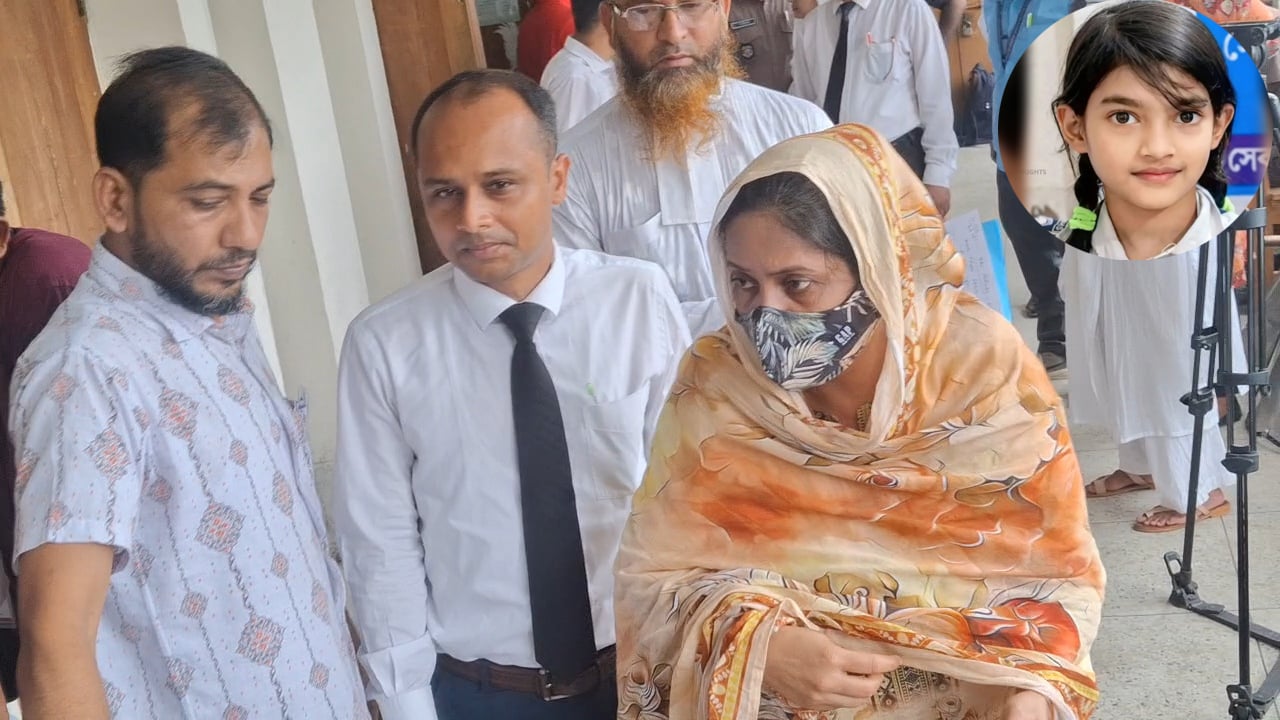
In Dhaka’s Metropolitan Tribunal for the Suppression of Violence Against Children, the parents of murdered child Ramisa Akter gave emotional testimony on Tuesday, June 2, 2026. Abdul Hannan Molla, the victim’s father and the case’s complainant, described returning home after a call from his wife to find crowds gathered outside their building in Pallabi. He recounted discovering blood near the toilet and his daughter’s severed head under a steel bed in the accused’s flat. He said police later completed formalities and he filed the case at the police station. Ramisa’s mother, Parveen Akter, also testified, recounting that she was cooking when her younger daughter went missing. After hearing screams, she searched the building and found her daughter’s shoes under the accused’s door. Despite repeatedly asking neighbor Swapna Khatun to open the door, she refused. When residents broke in, they found blood in the bathroom. Parveen identified accused Sohel Rana as the killer and claimed his wife Swapna assisted him. Both parents became emotional during testimony, and the father left court in distress after completing his statement.
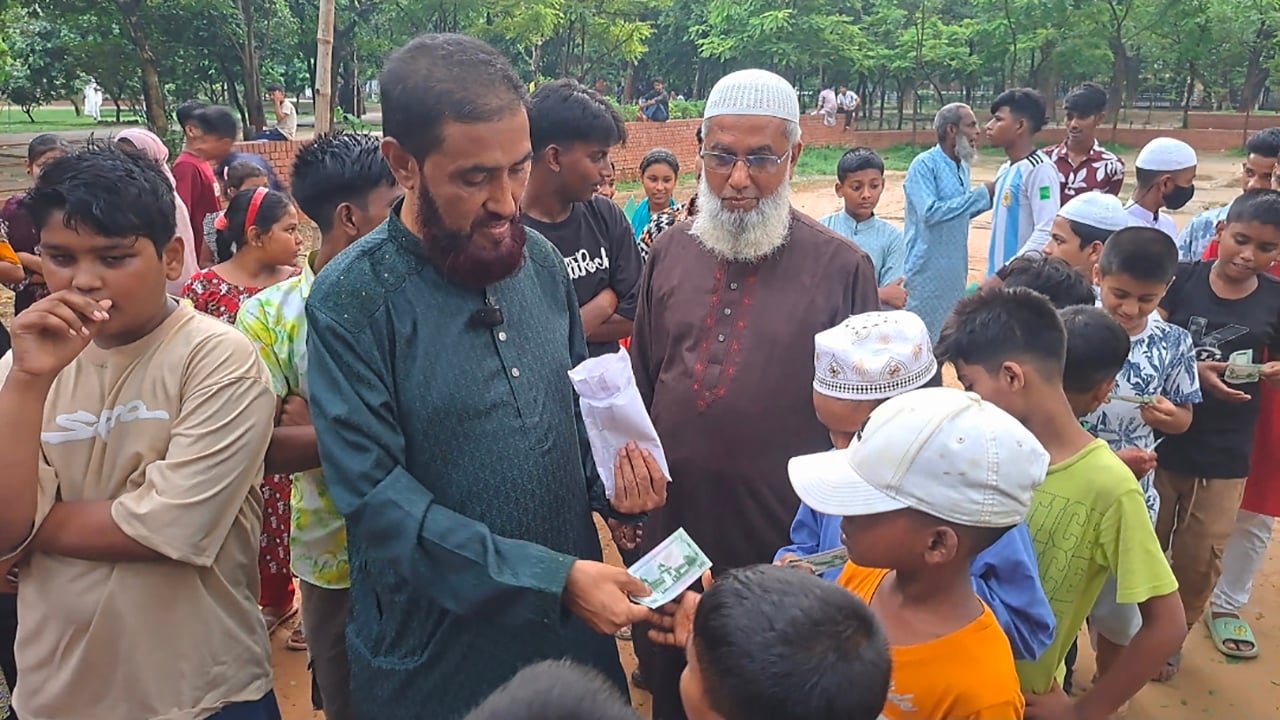
Jamaat-e-Islami’s Dhaka North Ameer and mayoral candidate Mohammad Selim Uddin stated that every child has the right to grow up safely and beautifully. He urged affluent and conscious citizens to stand beside underprivileged children, emphasizing that only through such collective effort can a humane and welfare-oriented society be built. He said Jamaat-e-Islami is working to ensure a safe future for street children. He made these remarks on Tuesday morning while attending the 'Ichchhepuron' program during an Eid reunion in Uttara, Dhaka. In memory of the late child Ramisa, he distributed new post-Eid currency notes among more than a hundred street children. Selim Uddin said Ramisa’s untimely death deeply saddened everyone, and this initiative was taken to bring smiles to disadvantaged children in her memory. He also announced plans to build welfare-oriented residential schools for underprivileged children in various parts of the city. The street children expressed joy upon receiving the new money and gratitude toward the organizers.
The ‘1 Nojor’ media platform is now live in beta, inviting users to explore and provide feedback as we continue to refine the experience.