

The ‘1 Nojor’ media platform is now live in beta, inviting users to explore and provide feedback as we continue to refine the experience.
A Bangladeshi migrant worker from Hauli Union in Damurhuda upazila of Chuadanga district has died while working in Malaysia. The deceased was identified as Aynul Islam, a resident of Puratan Bastapur village under the Gobindpur post office. His family has appealed to the authorities to bring his body back to Bangladesh as soon as possible. According to the report, Hauli Union Parishad panel chairman Md. Nizam Uddin sent an application on May 29 to the Labor Counselor at the Bangladesh Embassy in Malaysia, requesting necessary steps for the repatriation of the body. Family members have also urged the relevant government offices and the embassy to assist in returning the remains promptly. The report highlights the family's appeal for swift action but does not specify the cause of death or the timeline for repatriation.
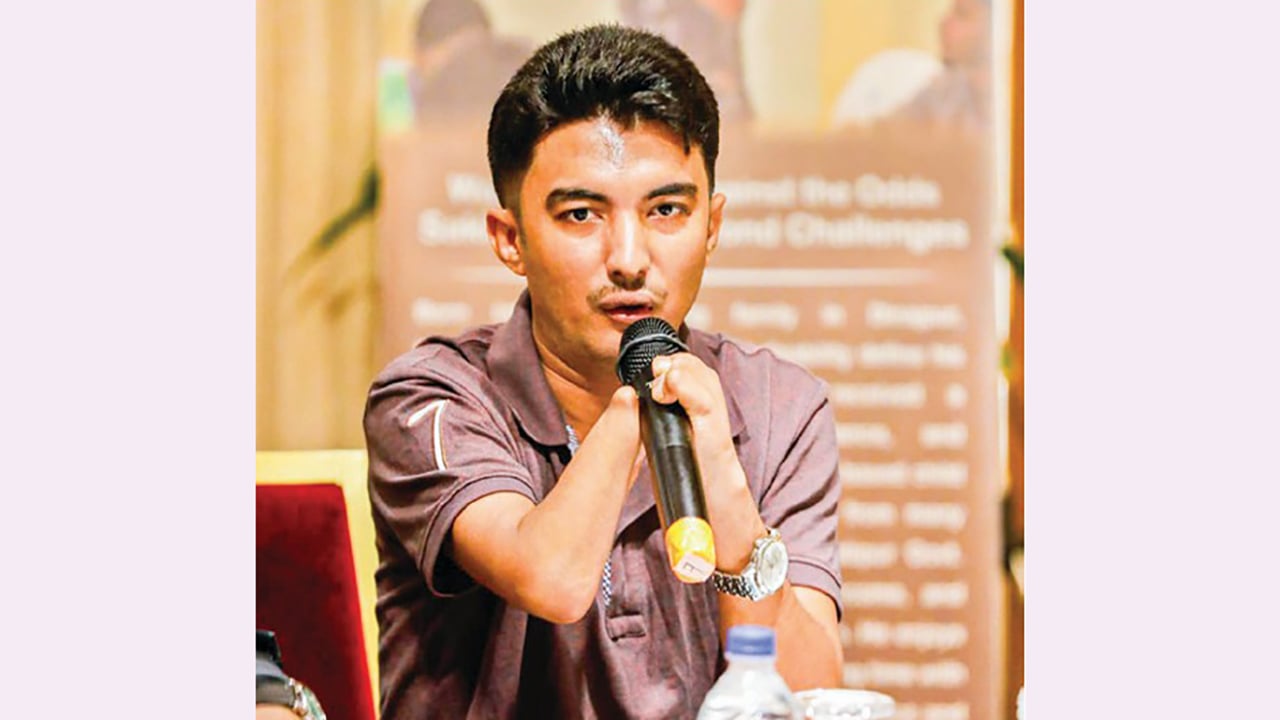
Nazmuz Sakib, a young man from Parbatipur in Dinajpur, has overcome severe physical disabilities to pursue higher education. Born without both hands up to the wrists and missing part of his right leg below the knee, Sakib refused to accept his condition as a limitation. Through determination and confidence, he has achieved academic success at every stage and is now in his third year at Parbatipur Government College. Sakib’s educational journey began at Manmathpur Government Primary School, where he earned GPA-5 in the Primary Education Completion Examination. He later achieved GPA-4.40 in JSC, GPA-4.56 in SSC (Science), and GPA-4.83 in HSC from Manmathpur Ideal Degree College. Despite financial hardship, he continues to study with strong family support. His father, Azimuddin Sardar, expressed pride in Sakib’s perseverance, while his elder brothers have also pursued higher education and professional careers. Sakib’s story has become a source of inspiration in his community, symbolizing resilience and the power of education to overcome adversity.
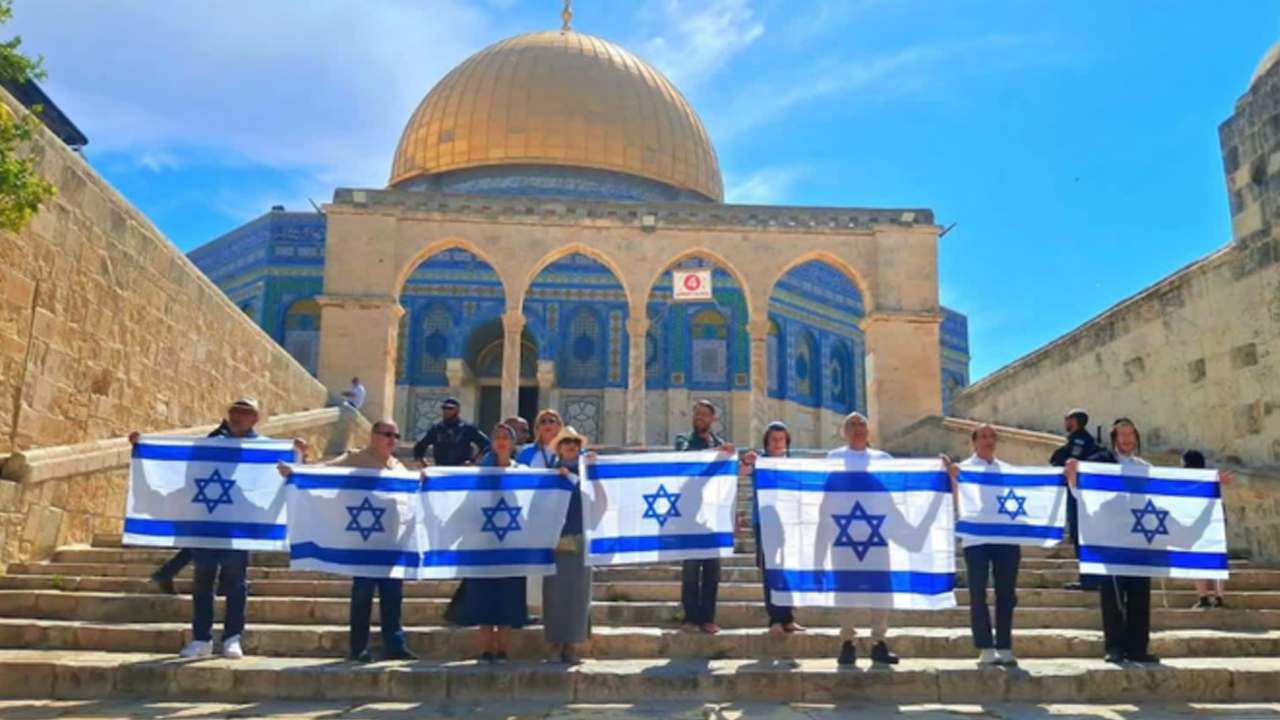
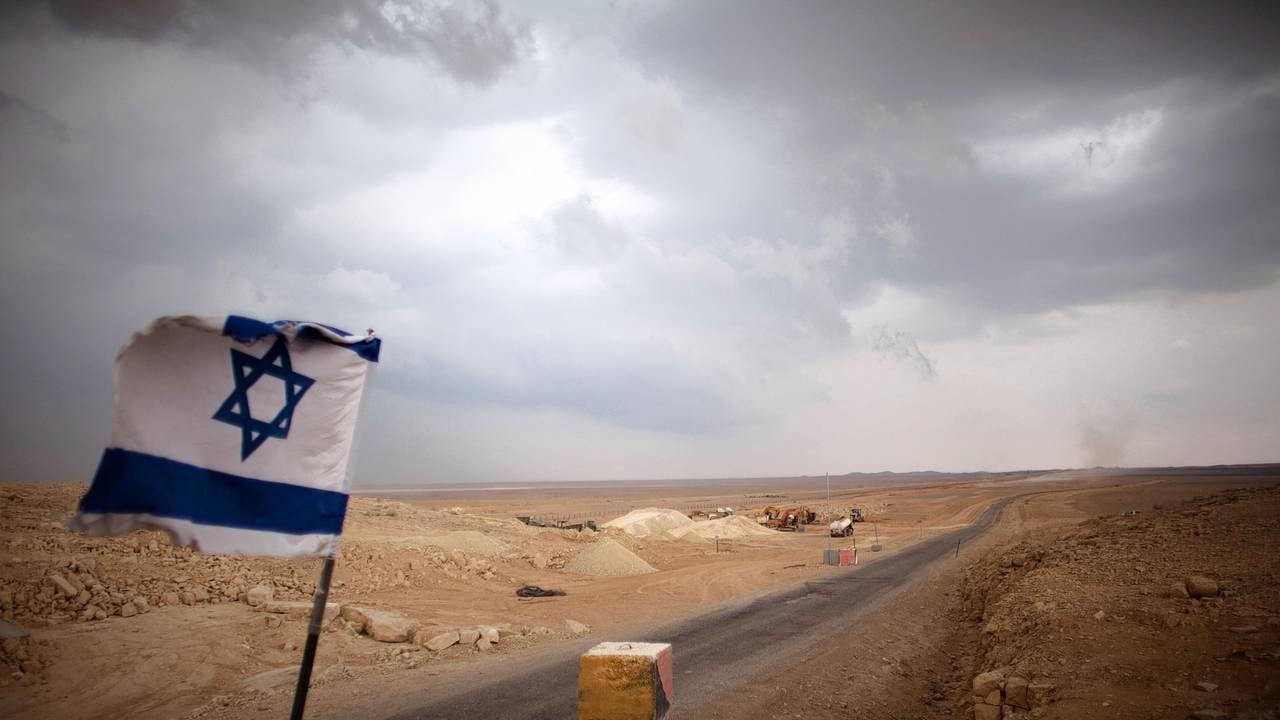
A group of nationalist Israelis entered the Al-Aqsa Mosque compound in occupied East Jerusalem on Sunday, raising the Israeli flag and singing the national anthem under heavy police protection. According to the Jerusalem Islamic Waqf, which manages the site, at least 199 Israelis took part in the incursion. Some participants were also seen performing Jewish religious rituals inside the compound. The Al-Aqsa Mosque, one of Islam’s holiest sites, is governed by a long-standing international status quo agreement that allows only Muslim worship within the complex. The Waqf, under Jordanian supervision, oversees its administration and maintenance. Israeli authorities have faced repeated accusations of violating this arrangement, with near-daily incursions by extremists displaying flags and performing religious acts. Omar Rajoub, media director of the Jerusalem Governorate, told Anadolu Agency that such actions are part of a systematic policy by Israel’s far-right government to alter the historical and legal status of Al-Aqsa. He warned that these provocations aim to Judaize Jerusalem and erase its religious identity, calling them clear violations of international law.
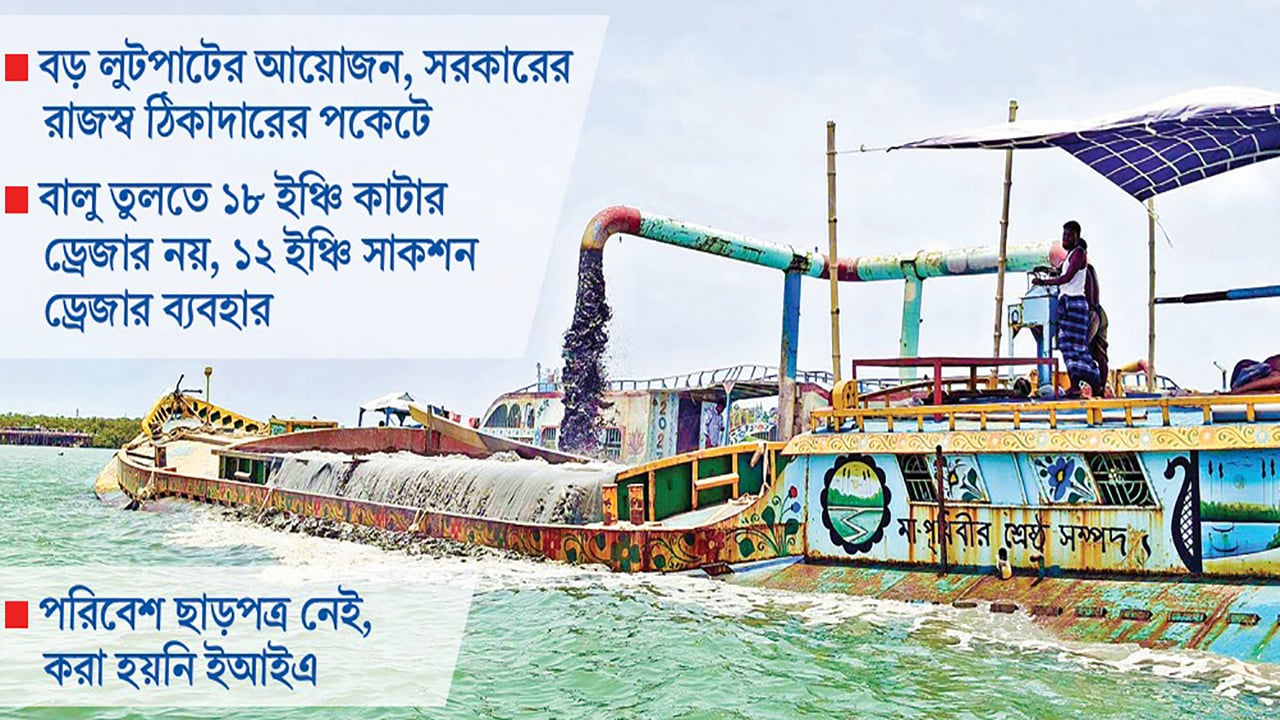
Irregularities have been reported before and after the approval of sand extraction for the Matarbari Deep Sea Port connecting road project in Maheshkhali, Cox’s Bazar. The contractor, Tokyo-MIL-JV, was permitted to extract sand under 13 conditions but allegedly ignored them, using a 12-inch suction dredger instead of the required 18-inch cutter dredger. The company also failed to obtain environmental clearance or conduct an Environmental Impact Assessment (EIA). Officials from Max International Limited, the local partner, denied all allegations, claiming compliance with government terms. Documents show that the Cox’s Bazar district administration approved sand extraction without tender or environmental clearance, setting a rate of Tk 6.94 per cubic foot while the government would pay Tk 4.56 per cubic foot as dredging cost. This arrangement allegedly allows the contractor to profit while the government bears the expense. Competing firms offering higher royalties were reportedly ignored. The district administration, led by Deputy Commissioner Md. A. Mannan, justified the approval as being based on a land ministry directive. The Department of Environment confirmed that no application for clearance was submitted and warned of legal action if extraction continues without approval. The administration has asked the Water Development Board to verify whether the contractor is violating conditions.
In Jerusalem, public discussion around Israel’s participation in the Eurovision Song Contest reflected the country’s growing sense of isolation. Several European nations boycotted the event over Israel’s military operations in Gaza, where more than 70,000 Palestinians have been killed, most of them civilians. Despite finishing second in the contest, Israel faces increasing rejection in academic and diplomatic circles, with scientists reporting unexplained denials of research funding and parents fearing social exclusion for their children abroad. Inside Israel, many view global criticism as unfair, arguing that the world ignores Hamas’s deadly October 2023 attack that killed 1,200 people. Supporters cite strong U.S. ties, particularly under former President Donald Trump, as evidence that Israel is not truly alone. Yet, officials privately fear that shifting American politics and potential U.S.–Iran negotiations could weaken Israel’s strategic position. European nations remain major trade partners, but trust is eroding. Former security chief Ami Ayalon warned that without granting Palestinians statehood, Israel risks losing peace with Egypt and Jordan. As both Israeli and Palestinian leaderships remain divided, the article concludes that Israel’s growing solitude may deepen unless a credible path toward peace emerges.
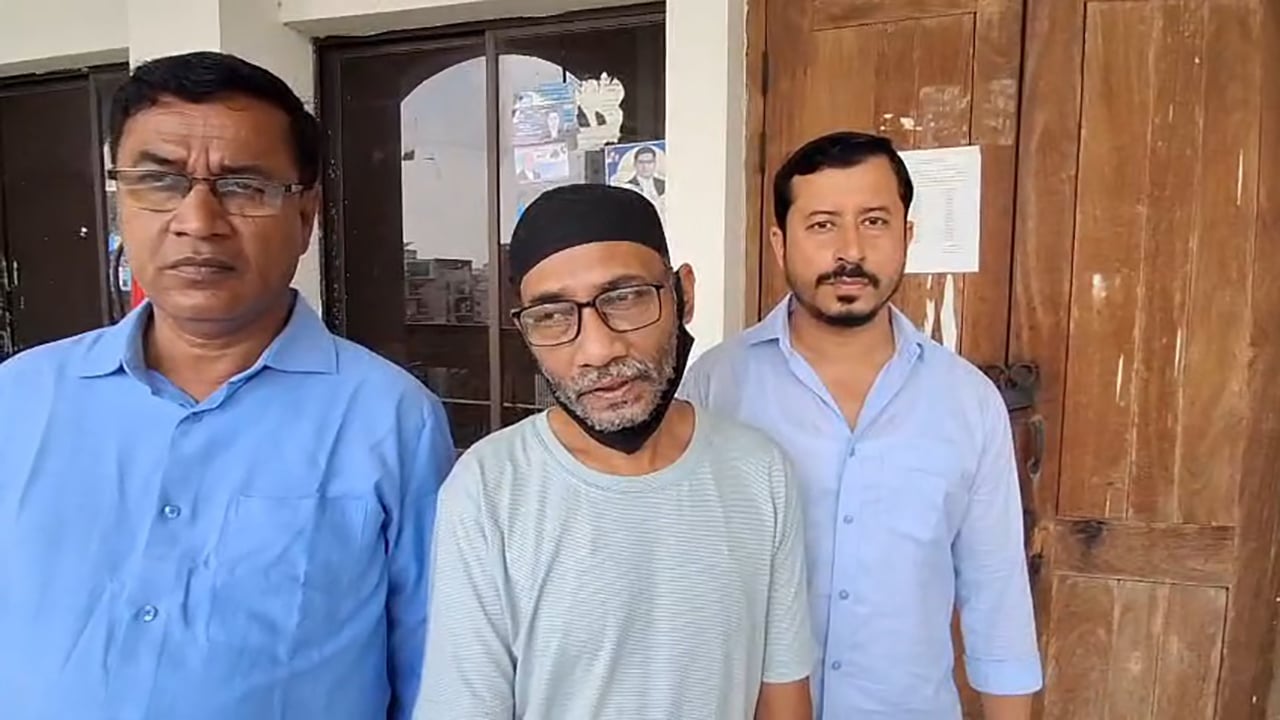
Abdul Hannan Molla, father of murdered child Ramisa Akter, demanded maximum punishment and justice for the accused Sohel Rana and his wife Swapna Khatun. He made the appeal on Tuesday morning before the first day of witness testimony at the Dhaka Metropolitan Tribunal for the Suppression of Violence Against Children, presided over by Judge Masrur Salekin. Key witnesses including a magistrate, doctor, evidence collector, and local residents were scheduled to testify. The main accused, Sohel Rana, was brought from Dhaka Central Jail in Keraniganj, while his wife Swapna Khatun was brought from Kashimpur Jail. On Monday, the court framed charges against the couple for rape, murder, and concealment of the body, and summoned 17 witnesses to appear. According to the case file and police sources, Ramisa’s body was recovered on May 19 from a flat in Pallabi, Dhaka. Police alleged that Sohel Rana, a 32-year-old neighbor, killed and mutilated the child before attempting to flee. The victim’s father filed the case the same day at Pallabi Police Station.
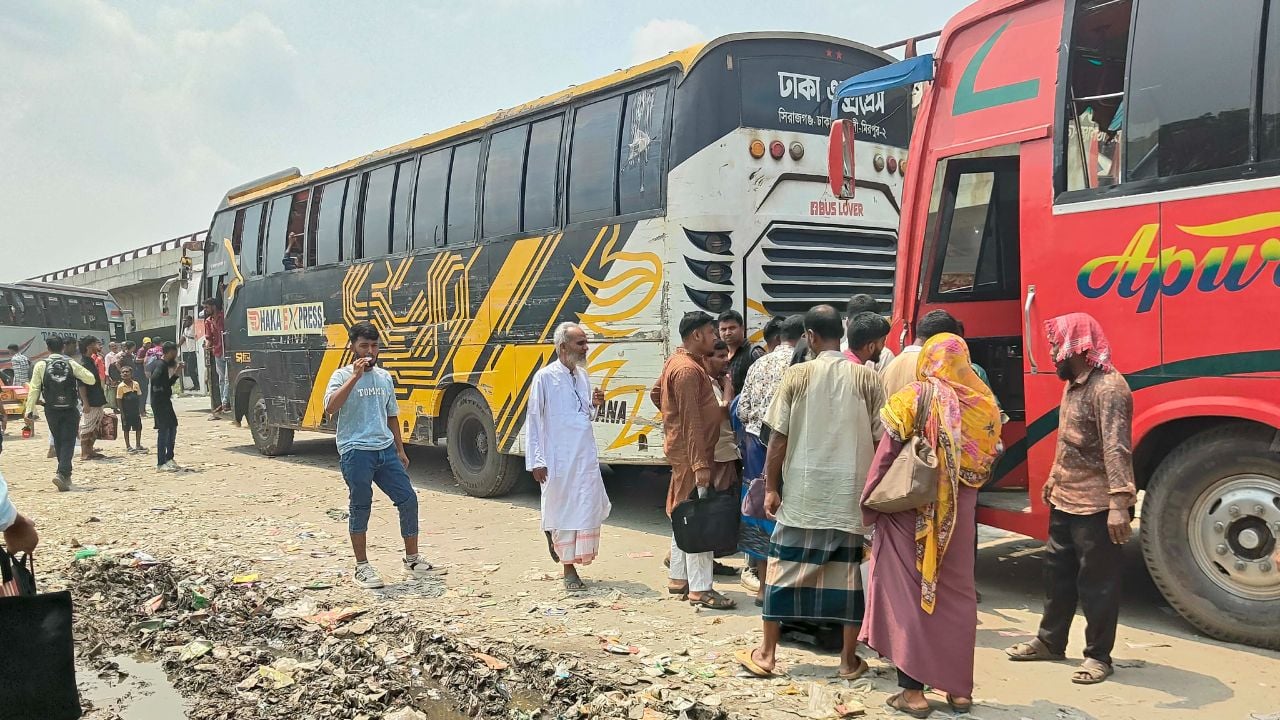
The Directorate of National Consumer Rights Protection in Sirajganj fined several transport operators on June 2, 2026, for charging passengers excessive fares during the post-Eid return journey. The joint operation with the Rapid Action Battalion took place between 11 a.m. and 2 p.m. at Jamuna Bridge West Circle and Soydabad areas. Five CNG auto-rickshaw drivers and two bus supervisors from SI Paribahan and Jamuna Line Paribahan were fined a total of 18,000 taka. Additionally, 24,000 taka in overcharged fares was refunded to passengers on the spot. Passengers reported that regular fares of 300–350 taka had risen to 500–600 taka, with some being asked to pay more for seats. Bus supervisors cited increased fuel prices and empty return trips as reasons for the higher fares. Highway police officials said traffic on the Jamuna Bridge western highway remained normal without congestion, and no formal complaints had been received. Officials confirmed that joint task force operations to protect passenger rights and monitor transport fares will continue in the coming days.
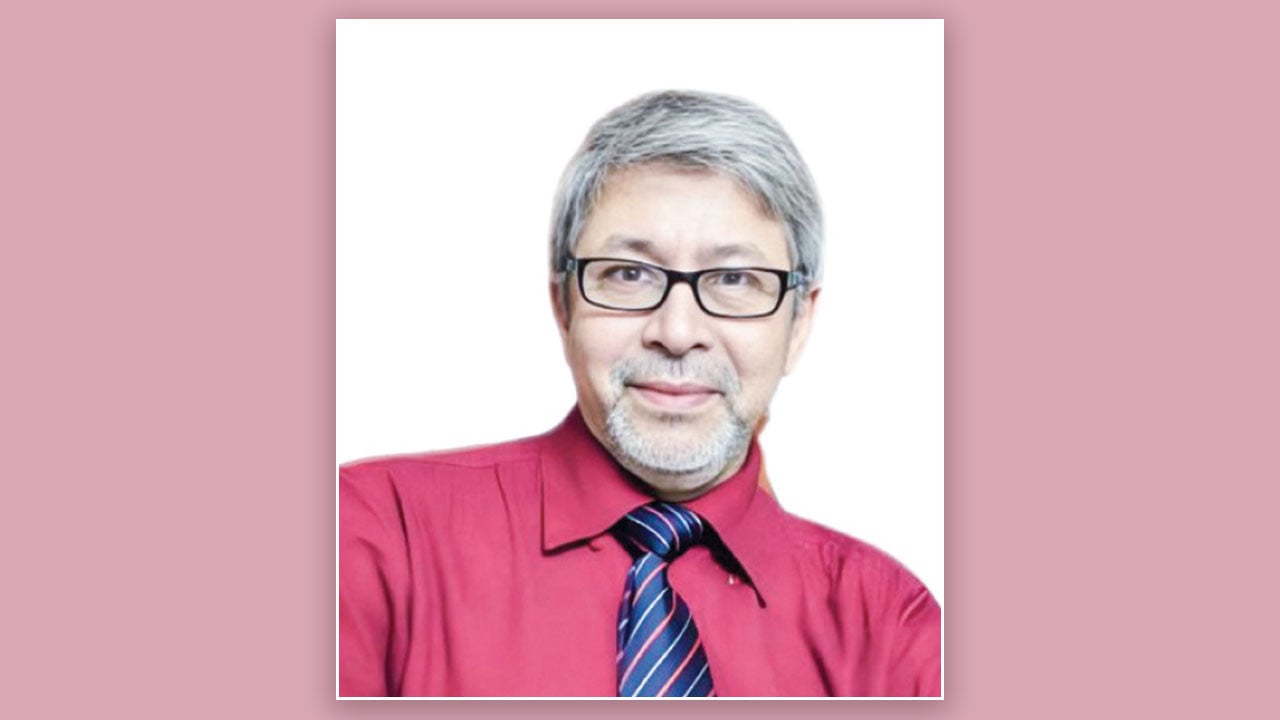
Bangladesh is confronting renewed tensions over transboundary river management as the 30-year Ganges Water Sharing Treaty with India, signed in 1996, approaches its expiry in December 2026. Technical teams from both countries have begun preliminary discussions, but India has informally suggested a new formula based on water flow at the Farakka point, which Bangladeshi experts deem unfair. The uncertainty over renewal has revived concerns about equitable water distribution, particularly as Bangladesh continues to suffer from reduced dry-season flows, salinity, and environmental degradation linked to upstream control. The article highlights that India’s unilateral management of shared rivers has long disadvantaged Bangladesh, affecting agriculture, fisheries, and navigation. The Farakka Barrage, Teesta water-sharing deadlock, and Tipaimukh Dam project are cited as examples of India prioritizing its strategic and domestic interests over regional fairness. Bangladesh’s government is advancing the Padma Barrage project to retain dry-season water, though experts warn of potential ecological side effects. The author urges Bangladesh to strengthen water diplomacy, enhance research capacity, and mobilize international support for binding transboundary river governance to safeguard national interests and environmental security.
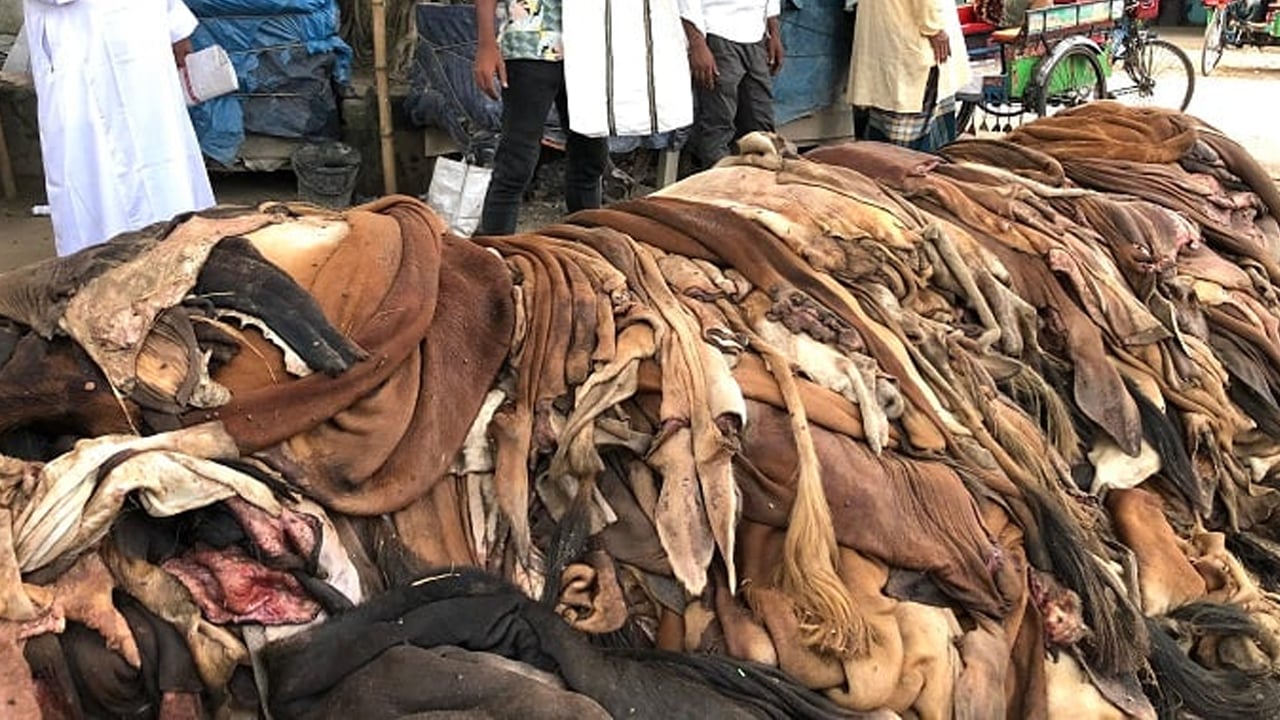
After Eid-ul-Azha, leather trading has intensified across Rajshahi, Natore, Naogaon, and Chapainawabganj, but small and seasonal traders are facing severe losses due to non-implementation of government-fixed prices. At Natore’s Chakbaidyanath leather market, many traders returned unsold hides or sold them at a loss, with salted cowhides fetching Tk 900–1,000 and unsalted ones Tk 600–800, though most sold for much less. Goat hides saw almost no buyers, and traders reported prices as low as Tk 300–600 per cowhide in some areas. Wholesalers argued that poor-quality and disease-affected hides reduced prices, while traders blamed a market syndicate and lack of enforcement. The Rajshahi Leather Traders Group acknowledged weak market conditions, with many small traders still holding unsold stock. Experts noted that recurring crises stem from inadequate preservation systems, weak tannery capacity, and lack of transparency in market management. Economists and traders urged coordinated action among collectors, wholesalers, and tanneries to ensure fair prices and transparency. Authorities said they are monitoring to prevent cross-border smuggling, while stakeholders warned that without price enforcement, small traders, madrassas, and orphanages will suffer most.
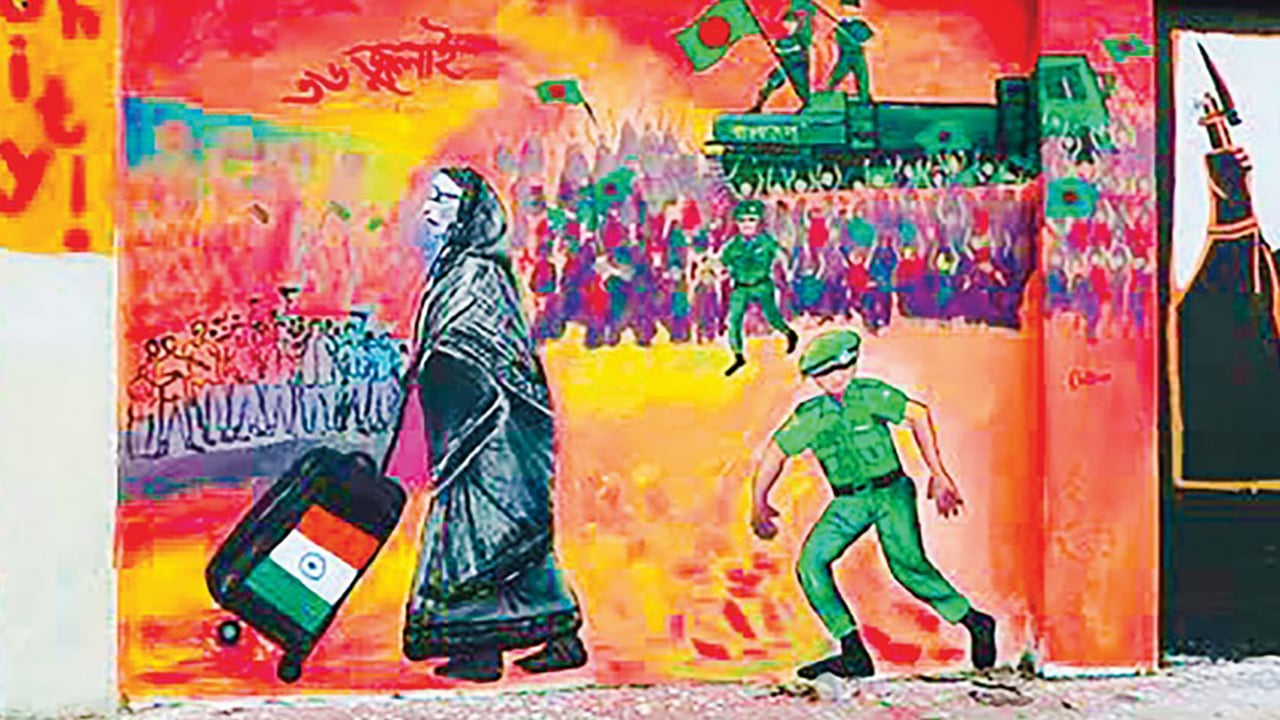
A commentary published in the Bangladeshi newspaper Amar Desh on June 2, 2026, alleges that former Bangladeshi leader Sheikh Hasina, described as a fugitive convicted of serious crimes, is currently living secretly in New Delhi. The article claims India granted her refuge out of gratitude for her past alignment with Indian interests and to use her as a political tool against Bangladesh. It further asserts that recent interviews attributed to Hasina in Indian media reflect India’s stance rather than her own verified statements. The piece argues that Hasina’s political relevance in Bangladesh has ended following recent elections, which it says were participatory and shifted support toward the opposition. It accuses Indian media and pro-Hasina groups of attempting to keep her politically visible as Bangladesh’s new government pursues independent foreign and defense policies that may not align with India’s preferences. The article concludes that India’s efforts to influence Bangladeshi politics through Hasina and sympathetic voices could create challenges for the current government if not carefully managed.
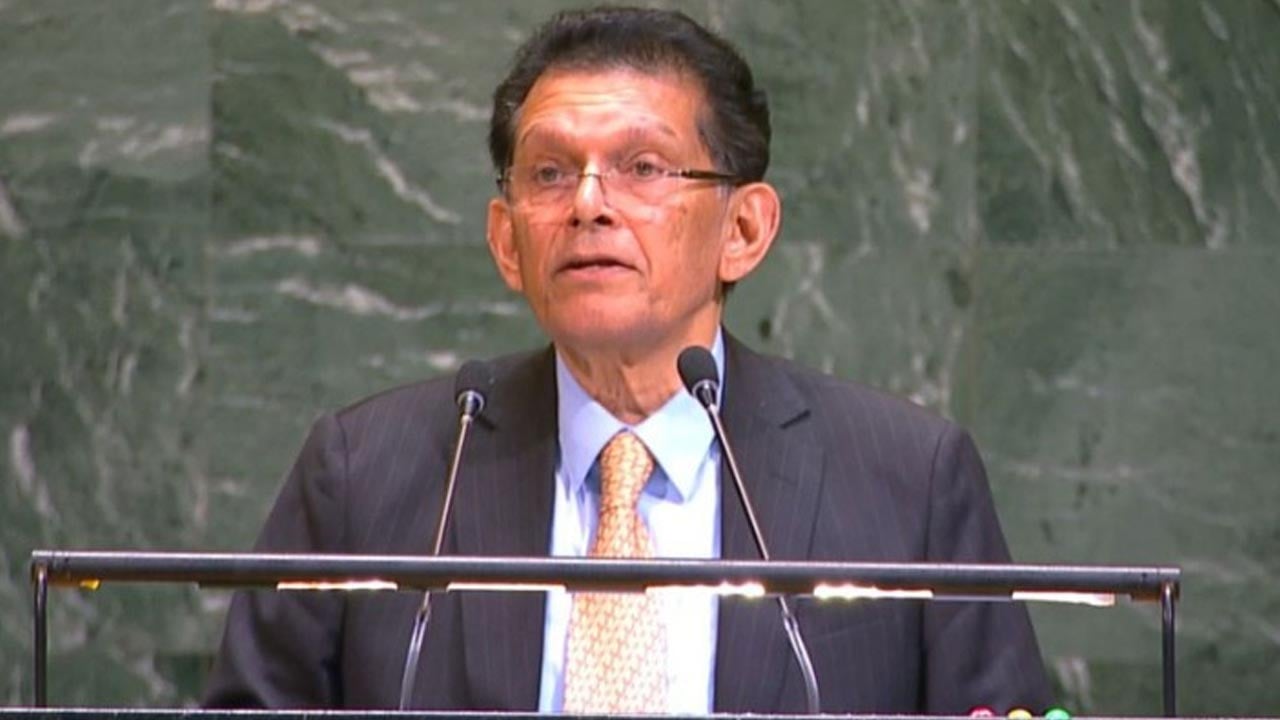
The election for the presidency of the 81st session of the United Nations General Assembly is taking place today at the UN headquarters in New York. Bangladesh’s Foreign Minister Dr. Khalilur Rahman is contesting against Cyprus’s Permanent Secretary of the Ministry of Foreign Affairs, Andreas S. Kakouris. The vote is scheduled for 10 a.m. local time. The position is allocated to the Asia-Pacific Group under the UN’s regional rotation policy, and although geographically in Europe, Cyprus belongs to that group diplomatically. Bangladesh has received formal support from several countries, including Brazil, Algeria, Saudi Arabia, Pakistan, Turkey, Gambia, and Libya. The country is contesting for this post after nearly four decades, following its previous win in 1986. Officials said Bangladesh intensified diplomatic efforts in the final hours, though limited campaign time posed challenges compared to Cyprus’s year-long promotion. Diplomats and observers are closely watching the vote, which will be conducted by secret ballot. If elected, Dr. Khalilur Rahman would become one of the most influential voices in the 193-member body, offering Bangladesh a platform to shape global discussions on peace, sustainable development, climate action, and governance.
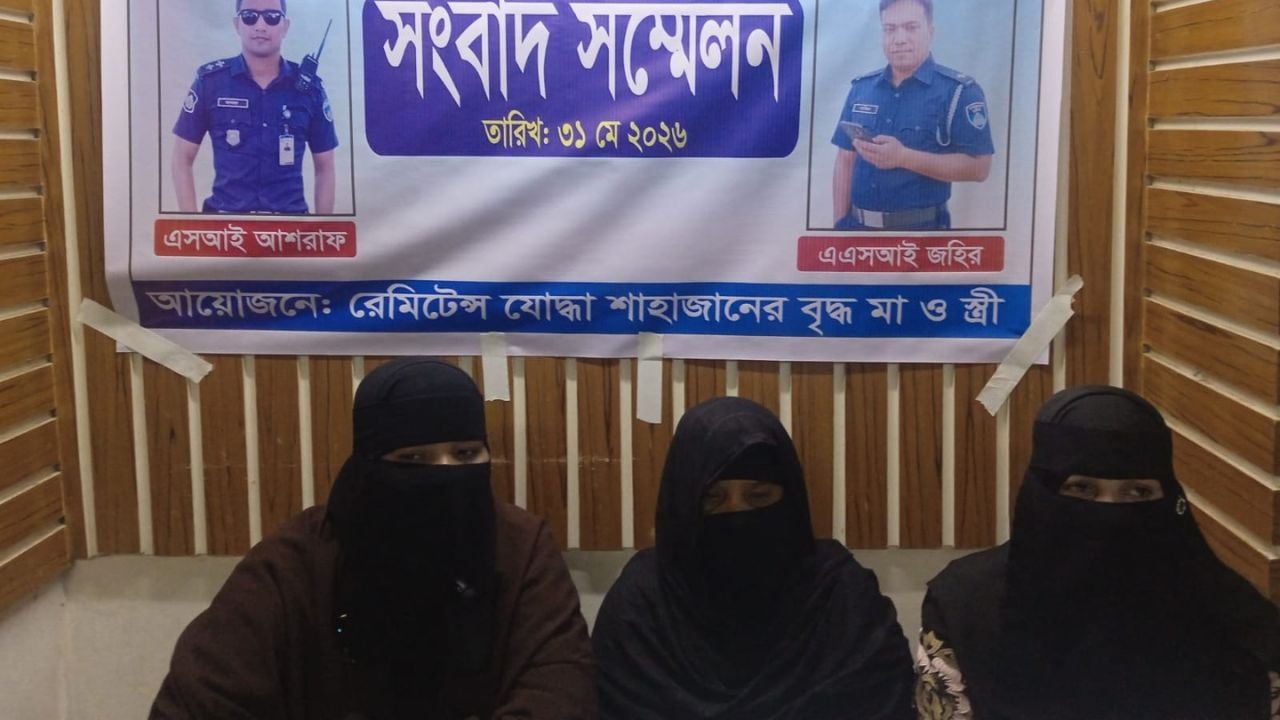
A police team from Eidgaon Police Station in Cox’s Bazar has been accused of assaulting the elderly mother and wife of an expatriate and forcing them out of their home. The complaint was filed by Shahena Akhter, wife of Malaysia-based expatriate Shahjahan, who alleged that on the night of June 29, officers led by Officer-in-Charge A.T.M. Shifatul Majdar, along with SI Ashraf and ASI Zohir, entered her house without reason, physically assaulted her and her mother-in-law, and expelled them from the residence. She later lodged a formal complaint with the Superintendent of Police and held a press conference seeking justice. According to the complaint, the police’s actions allowed Shahjahan’s divorced first wife, Shaheda Sultana Beauty, to re-enter the house, causing social humiliation and distress to the family. In response, OC Shifatul Majdar denied the allegations, stating that police intervened only to rescue a girl allegedly confined by the second wife amid a domestic dispute between the two spouses. He claimed the other accusations were baseless. The matter remains under review following the complaint submission to the district police authority.
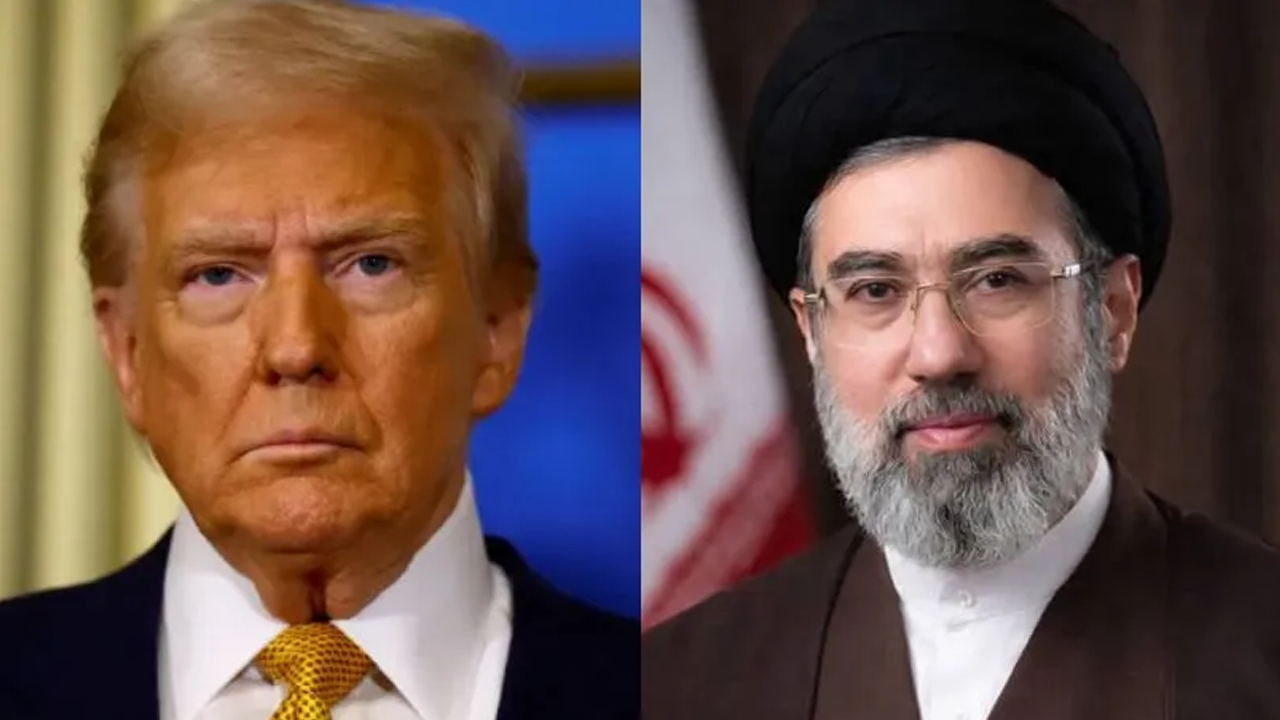
The United States and Iran have signaled they do not intend to return to full-scale conflict after the April 8 ceasefire, despite ongoing military strikes and counterstrikes. Mediation efforts by Pakistan, Qatar, and others have continued, but tensions remain high as U.S. forces operate within striking distance of Iran. Tehran is reportedly using the ceasefire to recover from earlier attacks and reorganize its forces, while Washington seeks to maintain pressure through military presence and deterrence. Israel’s renewed bombing in Beirut has further complicated U.S. President Donald Trump’s options, limiting prospects for a broader agreement with Iran. Iran insists that any major deal must include an end to Israeli aggression, while Trump faces domestic opposition to offering concessions. The closure of the Strait of Hormuz since February 28 has severely disrupted global oil supply, causing economic strain across Gulf states and beyond. Regional actors such as Saudi Arabia, the UAE, and Qatar have taken divergent stances, with mediation continuing but progress slow. The prolonged conflict has damaged Gulf stability and global economic confidence, leaving Trump politically cornered and Iran determined to hold its ground.
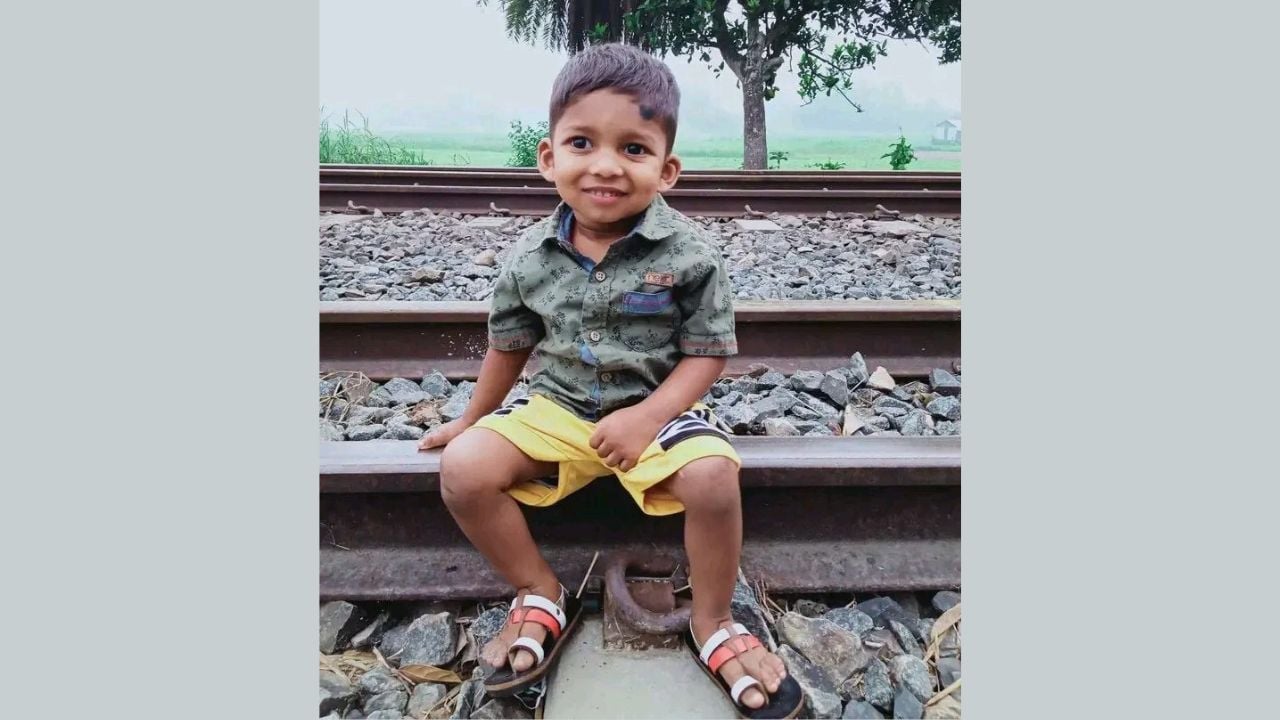
A six-year-old boy named Jihad has been missing for three days in Bhangura upazila of Pabna. He disappeared on Sunday around 5 p.m. from the Charbhangura Purbo Para area while visiting his maternal grandparents’ home. Jihad is the son of Zafar Iqbal from Agbohor village in Dilpashar union. His father filed a general diary with Bhangura Police Station on Monday morning after failing to locate him. According to Jihad’s father, the family lives in Savar, Dhaka, due to his job and had come home to celebrate Eid. On Saturday, they visited his in-laws’ house in Charbhangura. The child was last seen playing with other children near the house before he went missing. Despite extensive searches, the family has not found any trace of him. Bhangura Police Station’s investigation officer Md. Ariful Islam said police are working to locate the missing child.
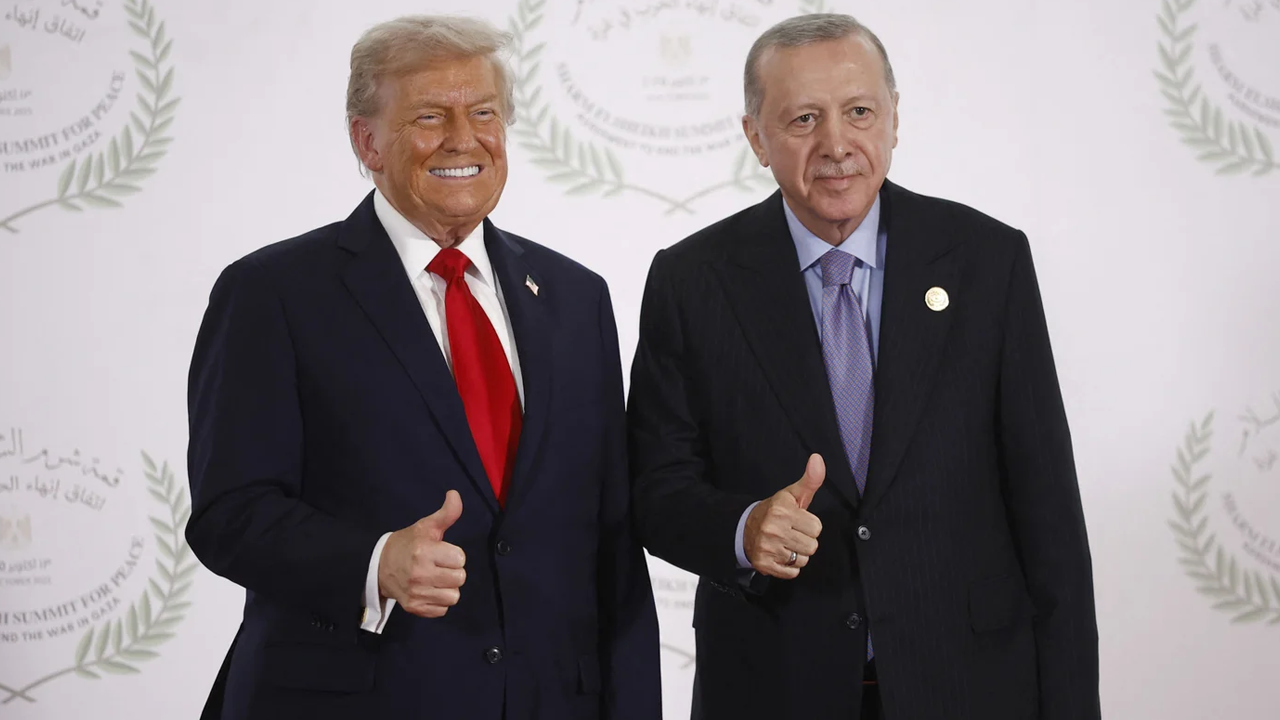
U.S. President Donald Trump has informed Turkish President Recep Tayyip Erdoğan of his plan to attend the upcoming NATO summit in Turkey this July, according to multiple sources cited by Middle East Eye. The announcement follows a period of mixed signals from Trump regarding the United States’ role in the alliance. In April, he had said he was seriously considering withdrawing from NATO, but during a May 20 phone call with Erdoğan, he expressed interest in joining the Ankara meeting. Turkish Foreign Minister Hakan Fidan confirmed that Erdoğan and Trump have spoken several times in recent weeks, and Trump never indicated he would skip the summit. Reports also suggest Erdoğan hopes to meet Trump in Los Angeles on June 25 during a U.S.–Turkey World Cup match, though no final decision has been made. European officials view the Ankara summit as one of the most significant in decades, given uncertainty over U.S. defense commitments. NATO leaders, including Secretary General Mark Rutte, are expected to emphasize the alliance’s importance to transatlantic security. Diplomats suggest allies may seek a gradual U.S. troop withdrawal roadmap if Trump insists on reducing America’s role.
The ‘1 Nojor’ media platform is now live in beta, inviting users to explore and provide feedback as we continue to refine the experience.