

The ‘1 Nojor’ media platform is now live in beta, inviting users to explore and provide feedback as we continue to refine the experience.
At the fifth founding anniversary of the volunteer organization Austagram Blood Bank in Kishoreganj, freedom fighter and Member of Parliament Advocate Fazlur Rahman delivered a strongly worded speech criticizing Dr. Muhammad Yunus, Jamaat-e-Islami, and leaders of the anti-discrimination student movement. He alleged that the Jamaat-Yunus alliance had misled the youth and destroyed multiple generations through conspiracies. Rahman specifically accused Asif Mahmud and Hasnat Abdullah of corruption, claiming they demanded large sums of money from district officials after August 5. Speaking as the chief guest, Rahman described the current generation as misguided by political manipulation and lamented the decline of education, sports, culture, and genuine religious practice. He praised the young volunteers of Austagram Blood Bank for their humanitarian work, calling them the true strength of the future. The event featured speeches from local leaders and guests, distribution of T-shirts among members, and recognition of blood donors. The organization reported completing 10,695 blood donations in five years, with one donor contributing 151 times, setting a local record.

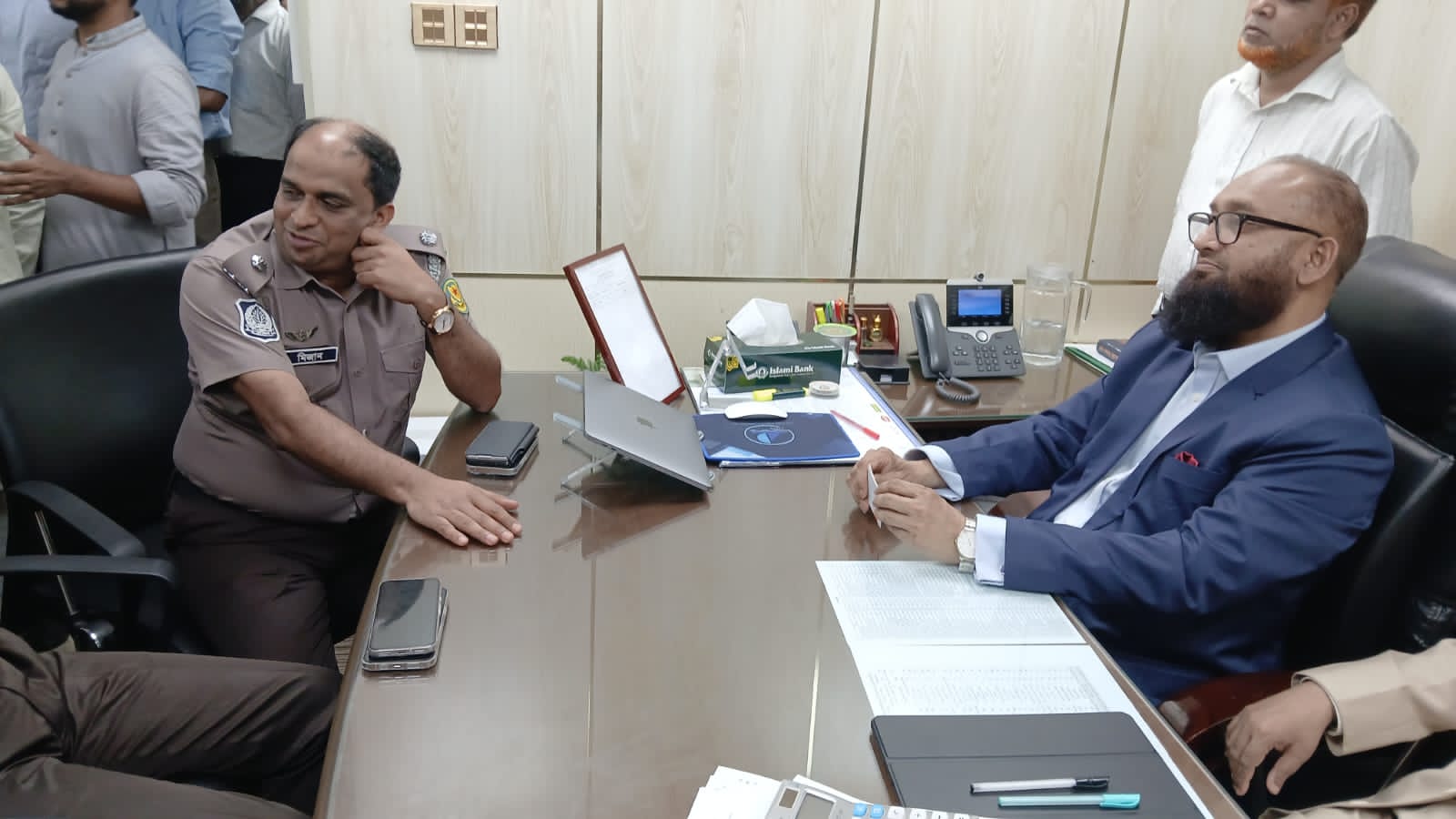
Bangladesh Bank has permitted Islami Bank to conduct a board meeting online, despite its own 2024 directive that prohibited virtual meetings for all banks. The meeting was called to introduce the bank’s newly appointed chairman, Khurshid Alam, who replaced M. Zubaidur Rahman after Rahman resigned on the central bank’s advice. However, the meeting could not take place due to protests by depositors under the Islami Bank Customer Forum, who gathered at the bank’s head office demanding the chairman’s removal and the return of allegedly laundered funds. According to the report, police officers were seen urging the bank’s managing director to proceed with the online meeting, while protesters demonstrated outside his office. The Bangladesh Bank spokesperson stated that a political party was interfering in the bank’s affairs and warned that no political influence would be tolerated in banking decisions. As of the report’s publication, protests continued outside Islami Bank’s headquarters, and the customer forum announced plans for human chains in front of all branches nationwide the following day.
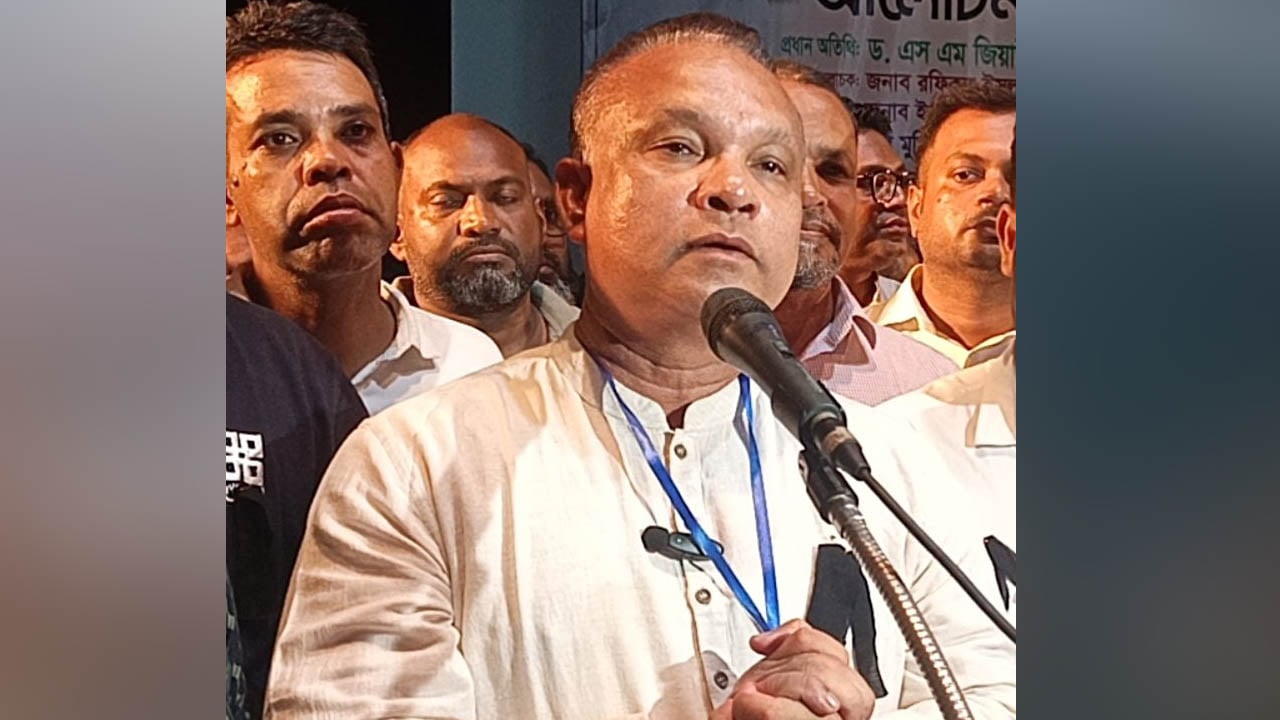
ATM Azharul Islam, central committee member and Nayeb-e-Ameer of Bangladesh Jamaat-e-Islami, has alleged that the Home Minister has completely failed to maintain law and order in the country. Speaking as the chief guest at an Eid reunion organized by the Badarganj upazila unit of Jamaat at Badarganj High School auditorium on Monday afternoon, he said incidents of theft, robbery, extortion, and other crimes are occurring daily, often involving ruling party members. He further claimed that the Home Minister has neglected his responsibilities despite worsening security conditions that have left citizens fearful. Azhar accused the minister of being ineffective in combating drugs and said that many ruling party figures are involved in illegal activities such as gambling and drug trafficking. He also alleged that a neighboring country is facilitating drug production near the border to harm Bangladesh’s youth. Azhar additionally criticized the appointment of Khurshid Alam as chairman of Islami Bank, claiming it was part of a government effort to destroy the bank’s Islamic principles. The event was presided over by Badarganj upazila Ameer Kamruzzaman and attended by local Jamaat leaders.

Around 200 far-right Israeli nationalists entered the Al-Aqsa Mosque compound in occupied East Jerusalem on Sunday, raising the Israeli flag and singing the national anthem under police protection, according to the Jerusalem Islamic Waqf. The group also performed Talmud-based prayers and took photographs near the Dome of the Rock, actions the Waqf described as provocative and in violation of established regulations governing the holy site. The Al-Aqsa Mosque, one of Islam’s holiest sites, operates under a long-standing status quo recognizing it as an exclusively Muslim place of worship administered by the Islamic Waqf under Jordanian supervision. Critics have long accused Israel of undermining this arrangement by facilitating frequent incursions by nationalist groups who conduct prayers and flag displays within the compound. Omar Rajoub, media director of the Jerusalem Governorate, said the flag-raising and religious acts were part of a deliberate Israeli policy to alter the site’s historical and legal standing. He claimed the actions aimed to impose new realities in East Jerusalem and erase its Islamic and historical identity, calling them clear violations of international law.

An event marking the 45th martyrdom anniversary of former President Ziaur Rahman was held at the Jhalokathi District Shilpakala Academy auditorium on Monday afternoon. The program, organized by the local BNP and its affiliated organizations, featured Dr. Ziauddin Haider, the Prime Minister’s Special Assistant on Health Affairs, as the chief guest. Dr. Haider described Ziaur Rahman as Bangladesh’s first elected president and the pioneer of multiparty democracy. He said Ziaur Rahman fought for independence, sovereignty, and democracy, and played a key role in political reform and restoring citizens’ right to free expression. He highlighted Ziaur Rahman’s contributions to agriculture, industry, and infrastructure, including canal excavation programs, export expansion, and the establishment of export processing zones. Dr. Haider urged the younger generation to study Ziaur Rahman’s life and philosophy, emphasizing the importance of learning from his statecraft. He also noted that BNP’s acting chairman Tarique Rahman focuses on development and employment rather than political vengeance, aiming to build a modern and prosperous Bangladesh.
Muslim student Suheila Mukhtar drew international attention after reciting verses from the Holy Quran at Harvard University’s 2026 commencement ceremony. On May 26, during the opening session that featured readings from various religious texts, she recited the first few verses of Surah Al-Alaq. Her melodious recitation captivated attendees and received widespread praise across social media platforms. Suheila completed her undergraduate studies at Harvard for the 2022–2026 academic term, earning recognition for both academic excellence and community service. In 2024, she was honored as a ‘John Harvard Scholar’ and ‘Prize Fellow’. Her published research covers medical science, women’s empowerment, digitalization, and surgical studies. She is also actively involved with several health and social service organizations at the university and currently volunteers at a hospital, continuing her engagement in community-oriented initiatives.

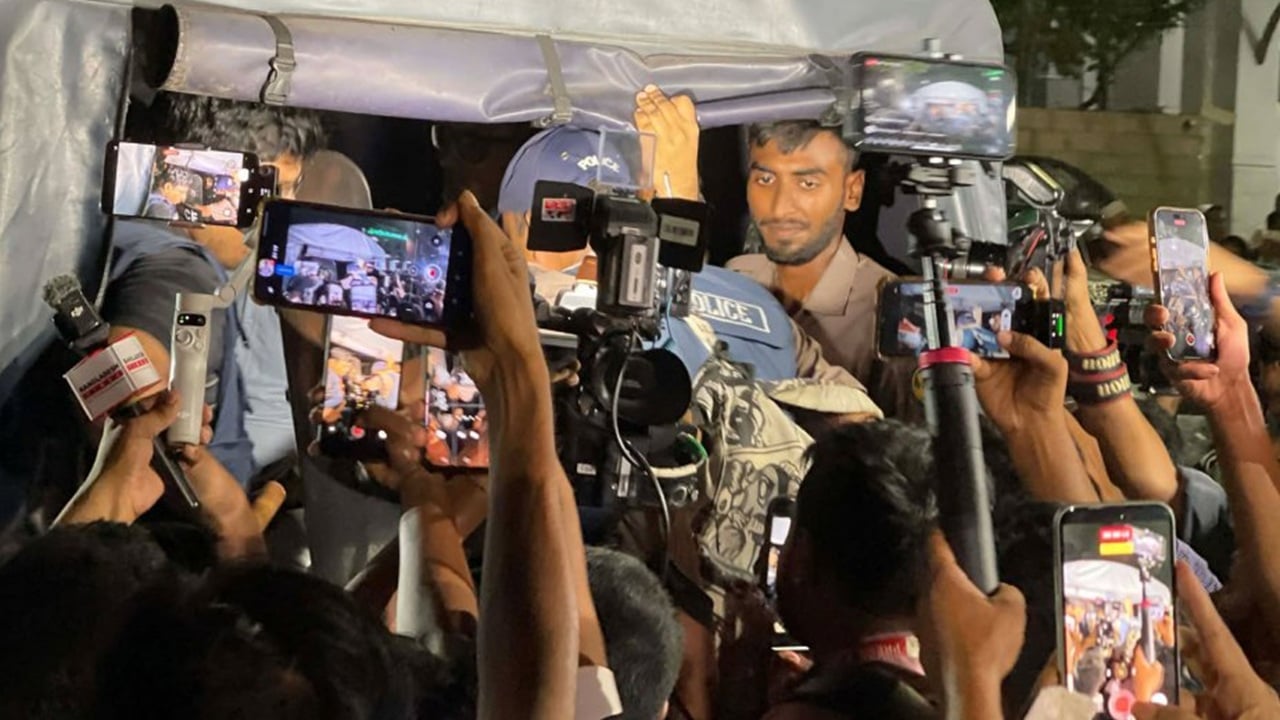
Police detained ten people after Awami League supporters chanted 'Joy Bangla' slogans following the funeral prayer of party leader Tofail Ahmed at Takwa Mosque in Dhanmondi, Dhaka, on Monday evening. The detainees were taken to Dhanmondi Police Station, though their identities were not disclosed. According to police, the incident occurred around 7:15 p.m. when supporters began chanting slogans after the funeral. Officers used batons to disperse the crowd and detained several individuals. Additional Deputy Police Commissioner (ADC) Zisanul Haque of Dhanmondi Zone stated that police acted to ensure the smooth movement of the funeral vehicle and detained those who created disorder. The report did not mention any injuries or further legal actions following the detentions.
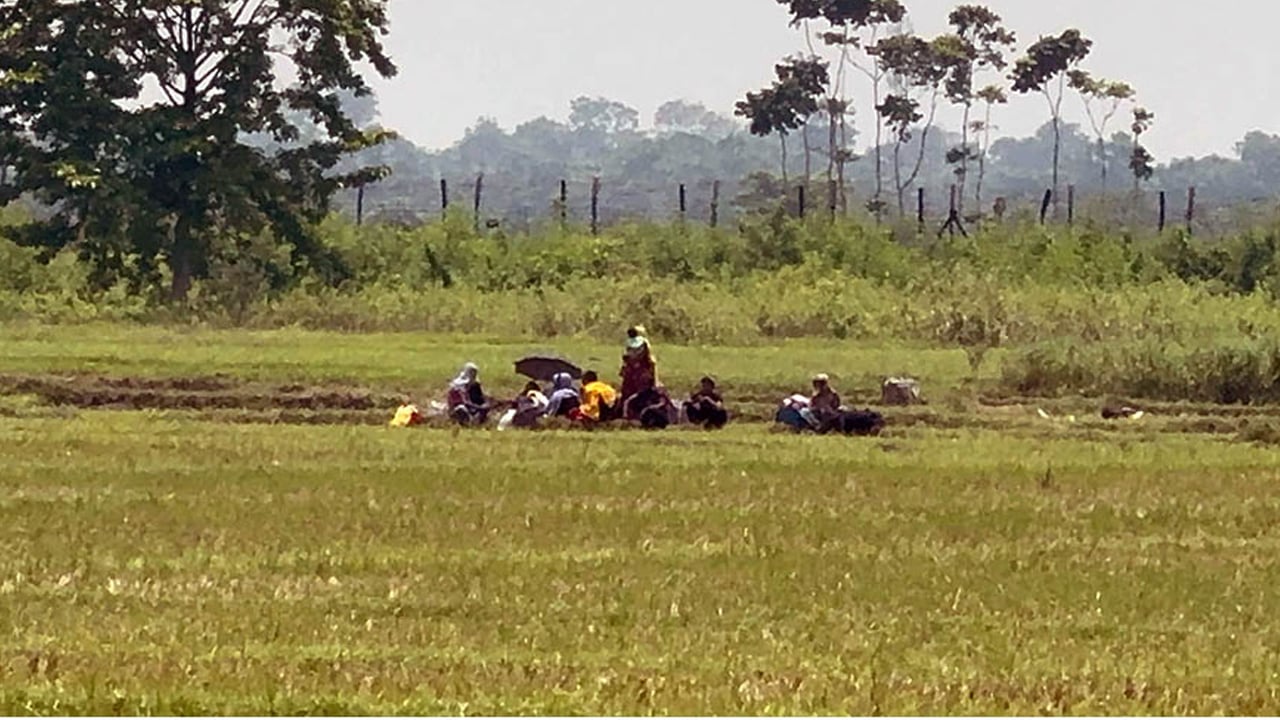
Border Guard Bangladesh (BGB) has prevented an attempt by India’s Border Security Force (BSF) to push a group of men, women, and children into Bangladesh through the Benapole border in Jashore. The incident occurred on Sunday night near the Sadipur Khayer Math area, north of the Benapole International Checkpost. As of Monday afternoon, eight to ten individuals were seen staying at the zero line between the two countries. According to BGB sources, the BSF opened a barbed-wire gate from the Jayantipur border area in India’s North 24 Parganas district and tried to send several people into Bangladesh. Local sources confirmed that the group includes women and children who have been staying under the open sky at the zero line. Despite BGB’s resistance, BSF did not take them back to India. Following the incident, tension rose in the border area, but the situation is now under control. BGB’s Jashore 49 Battalion has strengthened patrols to maintain security along the border.
Bangladesh and Pakistan played to a goalless draw in the opening match of the four-nation football tournament currently being held in the Maldives. The match, staged at the National Stadium in Malé, saw both teams share points after neither side managed to score. Bangladesh’s next match is scheduled against Afghanistan on June 4, while Pakistan will face hosts Maldives on the same day. Bangladesh will then play their final group-stage match against Maldives on June 7. Notably, Bangladesh is represented by its Olympic team, while the other three nations have fielded their senior national sides. Bangladesh’s youthful squad put up a spirited performance against Pakistan, creating several scoring opportunities in the first half. Pakistan’s goalkeeper made crucial saves, denying Bangladesh an early lead, while Bangladesh’s own goalkeeper, Mehedi Hasan Srabon, produced outstanding saves to keep Pakistan from scoring. Srabon’s performance earned him the Man of the Match award. After the match, he said the team had aimed for victory but had to settle for a draw. Players like Rabbi Hossain Rahul and Nazmul Huda also impressed with their promising play. Bangladesh now looks ahead to its next match against Afghanistan, hoping to secure its first win of the tournament.

Iran has decided to suspend its ongoing indirect peace talks with the United States, citing Israel’s recent military operations and the deteriorating situation in Lebanon. The semi-official Tasnim news agency reported on Monday that Tehran halted communications and negotiations being conducted through mediators aimed at easing Middle East tensions and reaching a possible understanding with Washington. The decision followed continued Israeli attacks in Gaza and Lebanon. Following Iran’s announcement, global energy markets reacted sharply. Brent crude for August delivery rose nearly 5 percent to over 95 dollars per barrel, while U.S. benchmark WTI crude climbed about 6 percent to above 92 dollars. Tasnim noted that Israel’s military actions in Lebanon and alleged violations of ceasefire terms were key factors behind Tehran’s move. Iran had earlier emphasized that an effective ceasefire in Lebanon was essential for any regional peace initiative. On the same day, Israeli Prime Minister Benjamin Netanyahu ordered new airstrikes near Beirut and expanded operations in Hezbollah-controlled areas. Iran reiterated its continued support for Hezbollah and regional resistance movements.

Mahfuz Alam, a key organizer of the July uprising and former adviser to the interim government, has clarified his stance on the ongoing debate over the Awami League’s political future. In a Facebook post on Monday evening, he described the current situation as a reflection of insecurity between two major parties, the BNP and Jamaat-e-Islami, rooted in past political conflicts. He expressed concern that future political developments could marginalize those who fought against what he termed the League’s fascism, a risk he said has grown due to Jamaat’s alliance politics. Alam criticized the older generation of political leaders for exploiting youth movements, arguing that young activists must now organize independently, build institutions, and strengthen their influence beyond politics. He urged them to focus on unity, long-term planning, and anti-fascist ideals rather than internal divisions. Concluding his message, Alam called for courage and organizational strength to ensure that fascism, in any form, cannot return to the country’s political landscape.

The government has suspended two regional executive officers from Dhaka North and South City Corporations for alleged negligence in removing sacrificial waste after Eid. On Monday, the Ministry of Public Administration issued separate orders suspending Md. Sadekur Rahman of Dhaka North and Kazi Saleh Mustanjir of Dhaka South. Both are deputy secretaries. The suspension took effect on June 1, and they will receive subsistence allowances as per regulations. Earlier, the two officials had been attached to the Ministry of Public Administration following complaints of misconduct. The decision to take departmental action was made under the Government Service Act and the Government Employees (Discipline and Appeal) Rules. The move followed a surprise inspection by Prime Minister Tarique Rahman, who visited several areas of Dhaka on Friday afternoon to review development projects and waste management after Eid-ul-Azha. During the visit, the Prime Minister observed uncollected waste in parts of Elephant Road, Green Road, Farmgate, and Karwan Bazar, prompting immediate administrative action against the two officials.

Feni District Council Administrator and BNP Joint Convener M A Khalek publicly apologized on Monday after facing widespread criticism for mistakenly referring to the Minister for Forest, Environment and Climate Change, Abdul Awal Mintoo, as 'beloved prophet' during a local BNP discussion meeting in Daganbhuiyan. Speaking at a press conference in the district council conference room, Khalek said he had intended to call the minister a 'beloved person' but misspoke. He described the incident as a slip of the tongue and expressed embarrassment, adding that he had already sought forgiveness from Allah. The controversy began after his remarks at the May 30 event went viral on social media, drawing strong reactions. Islamic scholar Dr. Enayetullah Abbasi called the statement clear disbelief, urging Khalek to repent and reaffirm his faith. Political and social figures also criticized the comment as offensive to religious sentiments and evidence of incompetence. Khalek has previously faced similar controversies for his statements, including incidents in April and September of earlier years, which he also described as slips of the tongue.
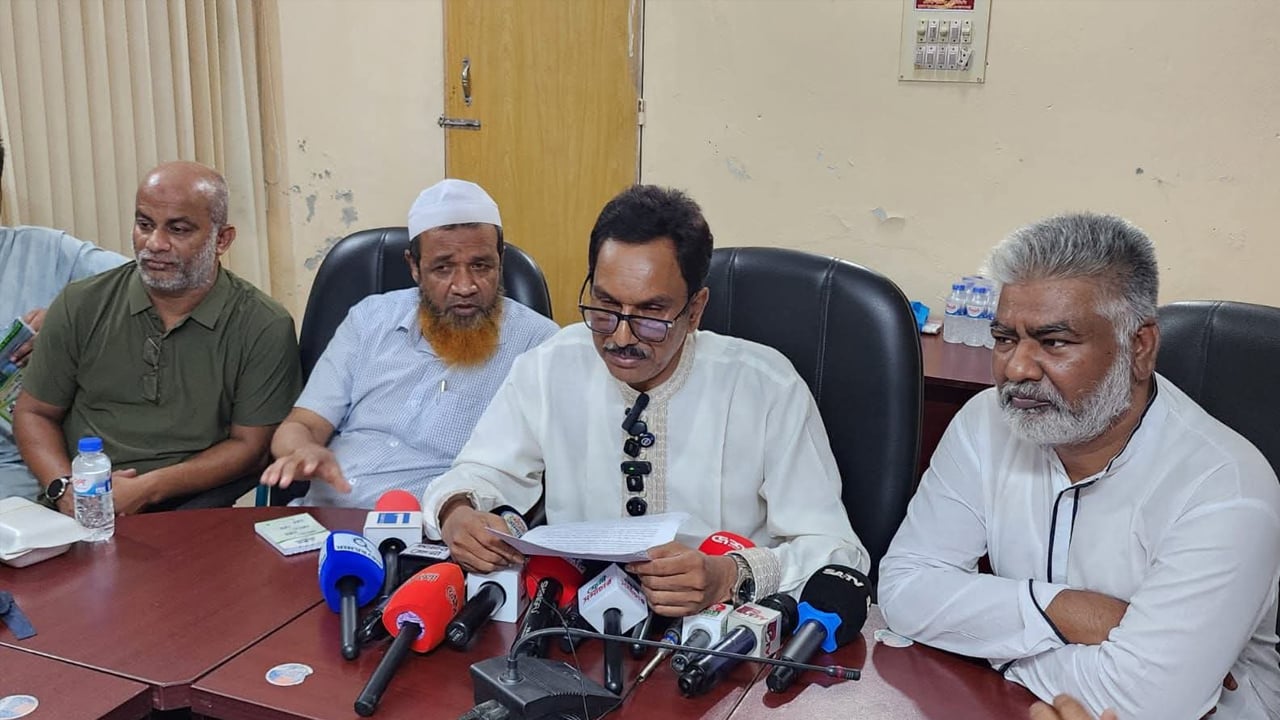
Opposition Leader and Jamaat-e-Islami Ameer Dr. Shafiqur Rahman is set to begin a two-day visit to Sylhet on Monday night. According to his office, he will depart from Dhaka’s Hazrat Shahjalal International Airport at 8:40 p.m. and arrive in Sylhet later that evening. Upon arrival, he will visit former MP Maulana Farid Uddin Chowdhury, who is undergoing treatment at Ibn Sina Hospital, before spending the night at his residence in Shibganj, Subidbazar. On Tuesday morning, Dr. Rahman will attend a meeting organized by Islami Chhatra Shibir at Shahjalal Jamia Islamia Kamil Madrasa. Later in the day, he is scheduled to meet the family of a deceased child in Sonatala village, exchange greetings with officials of Sylhet Women’s Medical College, and attend a civic gathering at the Shilpakala Academy auditorium. In the evening, he will hold discussions with Sylhet city and district Jamaat leaders. His return flight to Dhaka is planned for 10 p.m. from Osmani International Airport. The opposition leader’s assistant private secretary, Mohammad Nazrul Islam, will accompany him during the visit.

The government of Bangladesh has reinstated its directive requiring all shopping malls, markets, and shops across the country to close by 7pm, effective June 1. The same restriction applies to lighting on billboards, as well as to ongoing and upcoming fairs, trade fairs, and cultural events, which must also conclude by 7pm. Officials from the Power Division said the measure aims to conserve electricity. The Power Division’s Coordination-2 branch issued the order on Monday, sending it to all city corporation mayors, administrators, divisional commissioners, and district commissioners for implementation. The earlier 7pm closing rule had been temporarily relaxed to 10pm during the Eid-ul-Azha period to facilitate business activities. With the end of the Eid concession, the previous schedule has been reimposed. The Power Division has requested all relevant administrative authorities to take necessary steps to ensure compliance with the directive.

The ‘1 Nojor’ media platform is now live in beta, inviting users to explore and provide feedback as we continue to refine the experience.