

The ‘1 Nojor’ media platform is now live in beta, inviting users to explore and provide feedback as we continue to refine the experience.
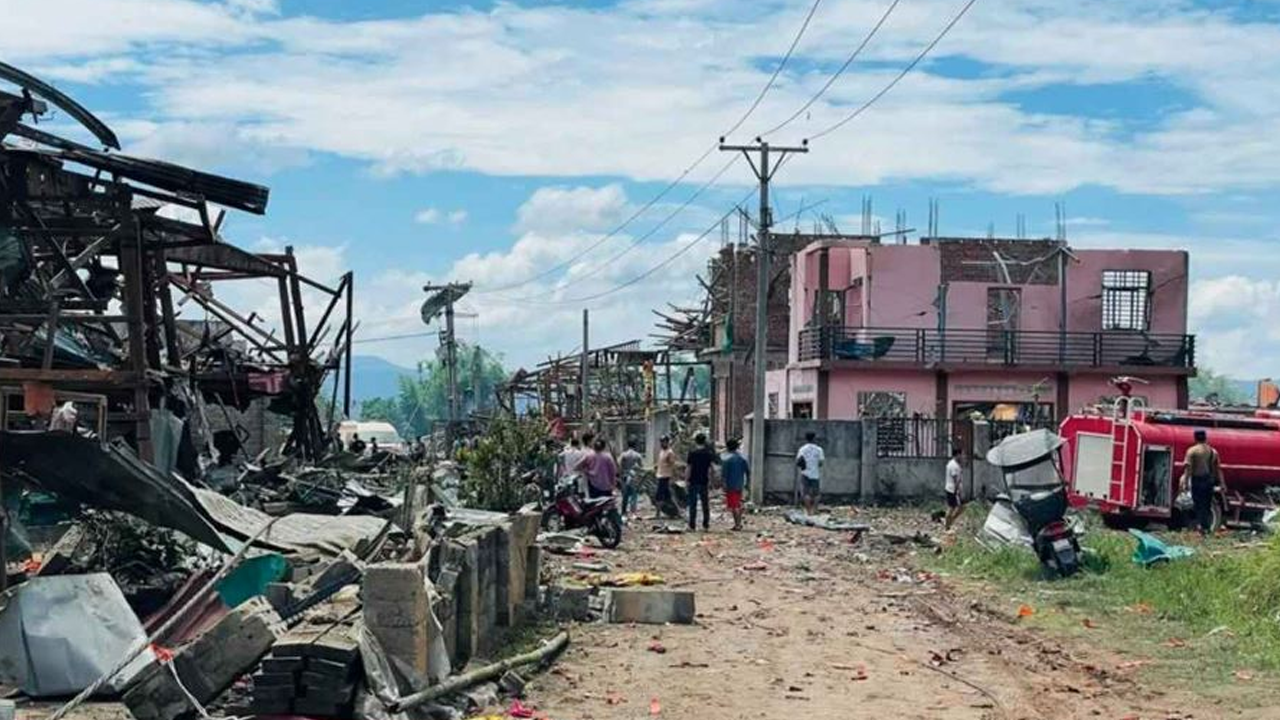
At least 46 people were killed and more than 70 injured in an explosion in northern Myanmar’s Shan State on Sunday, according to two rescue workers. The blast occurred in Namkham district, where rebels said it was caused by explosives used in mining operations. One rescue worker reported that six children were among the dead and warned that more bodies might still be trapped under the debris. Another emergency worker, speaking anonymously, suggested the death toll could be higher and said many houses were destroyed. The Ta’ang National Liberation Army (TNLA), which controls the area, stated that many local residents were killed or injured and their homes damaged. TNLA is part of the “Three Brotherhood Alliance” along with the Arakan Army (AA) and the Myanmar National Democratic Alliance Army (MNDAA). The alliance had agreed to a ceasefire with the military in early 2024 through Chinese mediation but resumed attacks in Shan and Mandalay regions that June. The explosion adds to instability in northern Myanmar, where ethnic armed groups and the military have repeatedly clashed despite previous ceasefire efforts.
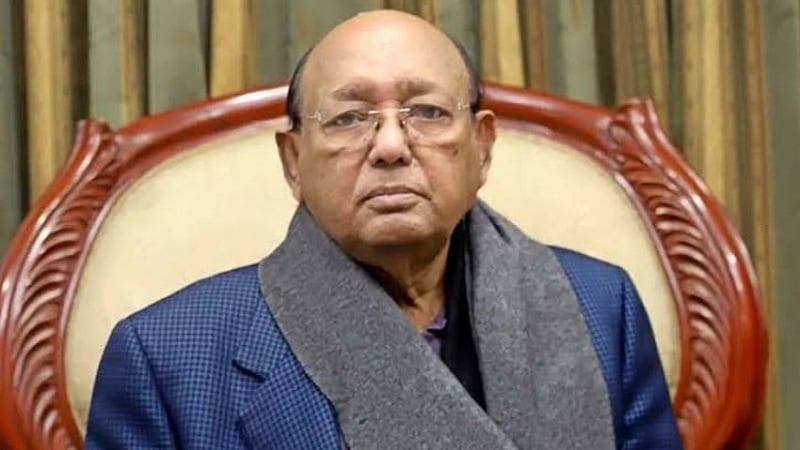
Former minister and senior Awami League leader Tofail Ahmed passed away on Monday, June 1, 2026, at around 3:30 p.m. while undergoing treatment at Square Hospital in Dhaka. Hospital authorities and his family confirmed his death. He was 82 years old and had been suffering from various age-related complications. Tofail Ahmed had been admitted to the hospital on September 24 of the previous year due to pneumonia-related breathing problems, heart disease, and physical weakness. Born on October 22, 1943, in Koralia village of Dighaldi Union under Bhola Sadar upazila, he was a prominent student leader who served as vice president of the Dhaka University Central Students’ Union (DUCSU) from 1967 to 1969. He gained national recognition for his leadership role in the 1969 mass uprising. He is survived by a daughter and numerous well-wishers, according to the report.
Russia has announced a temporary ban on jet fuel exports starting Monday to stabilize its domestic energy supply. According to a government statement cited by Turkish media outlet Yeni Safak, the restriction will remain in effect until November 30. The ban also applies to jet fuel purchased through commodity exchanges, though exceptions include shipments already cleared through customs and supplies under intergovernmental agreements. Officials stated that the primary goal of the measure is to ensure stability in the domestic fuel market. Earlier in April, Russia had taken a similar step by restricting petrol exports until July 31 to manage seasonal demand and price pressures driven by global market conditions. The government emphasized that it continues to work toward maintaining a steady and reliable energy supply within the country.

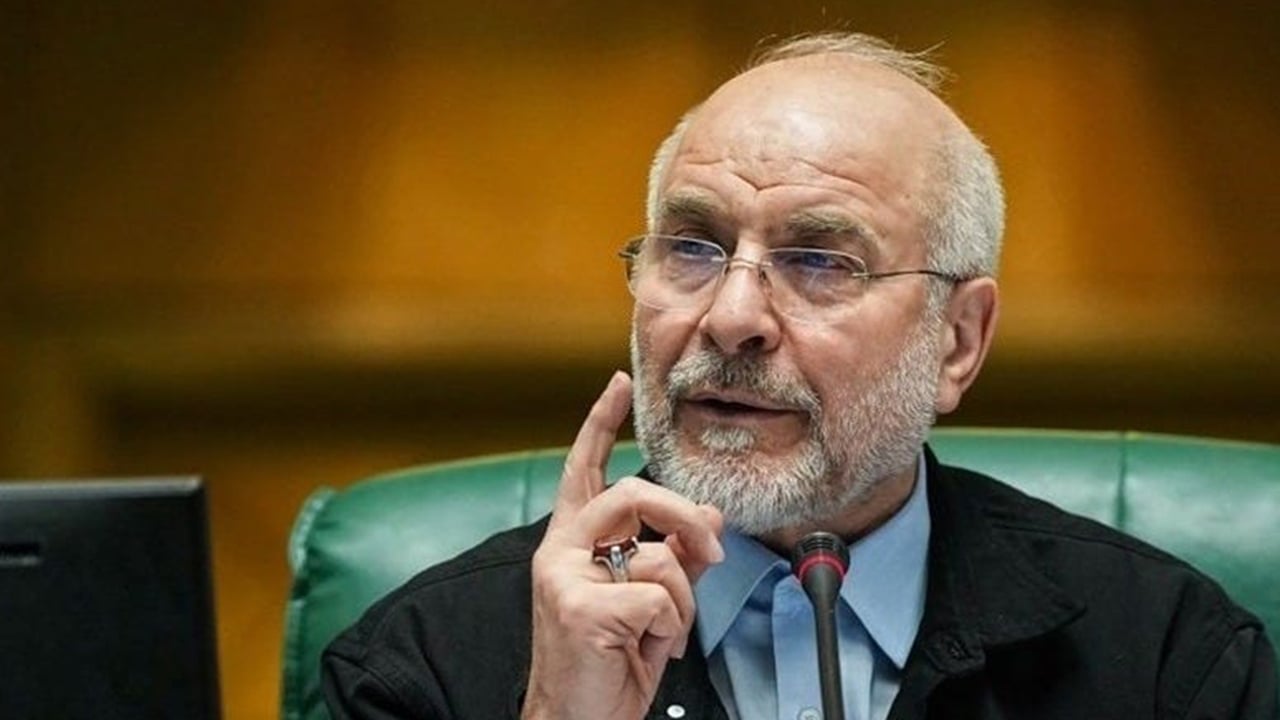
Iranian Parliament Speaker and chief negotiator Mohammad Bagher Ghalibaf has accused the United States of violating a ceasefire agreement. He said the violations include maintaining blockades on Iranian ports and failing to stop Israel, a U.S. ally, from continuing attacks in Lebanon. In a post on social media platform X, Ghalibaf described Israel’s actions in Lebanon as war crimes and clear evidence of ceasefire breaches. Ghalibaf further stated that the United States cannot be trusted and that Tehran will not agree to any deal with Washington until the rights of the Iranian people are fully guaranteed. His remarks came as U.S. President Donald Trump reportedly sent Iran a new peace proposal with tougher conditions, highlighting the deepening disagreements between the two nations. The exchange underscores ongoing diplomatic strain between Tehran and Washington, with both sides signaling hardened positions over regional security and future negotiations.
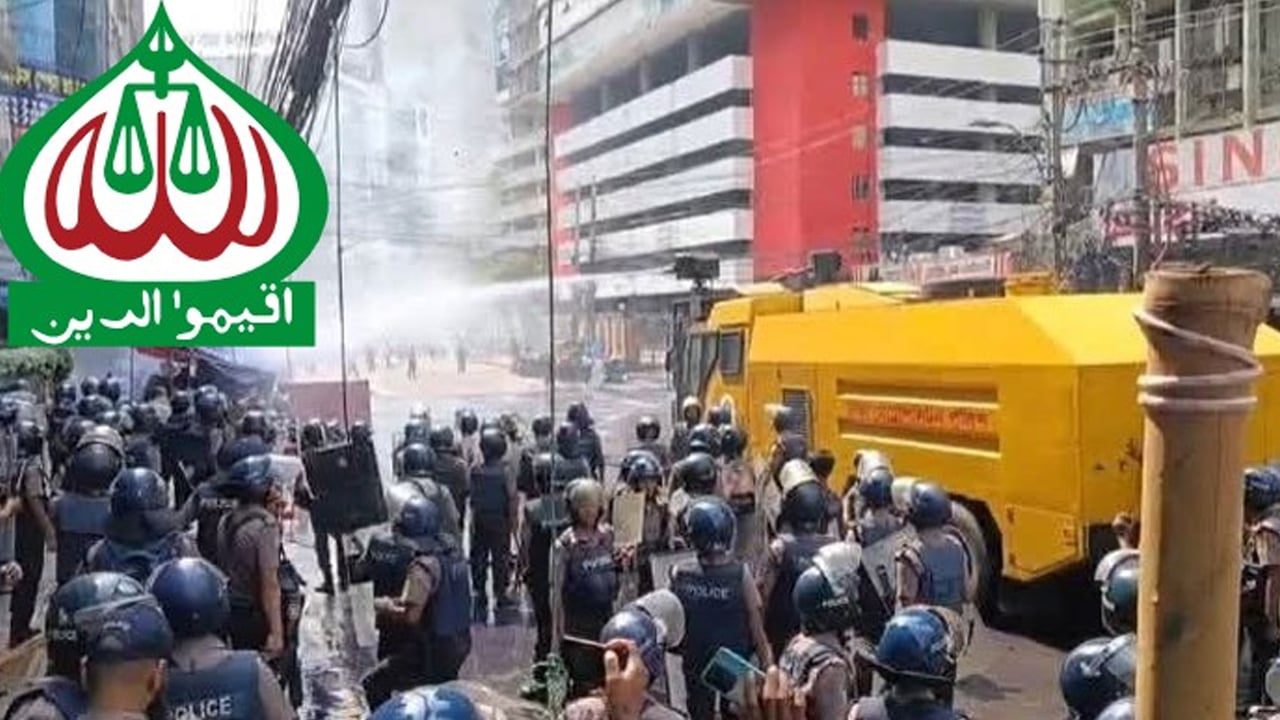
Jamaat-e-Islami has strongly condemned the police for allegedly opening fire, using batons, tear gas, and water cannons on Islami Bank customers demonstrating in front of the bank’s head office in Motijheel, Dhaka. The party’s Secretary General, Mia Golam Porwar, issued a statement on Monday expressing outrage over the incident, saying several depositors were seriously injured and are now receiving treatment. According to the statement, the customers were peacefully protesting under the banner of Islami Bank Customer Forum, demanding protection of the bank’s interests and the resignation of its newly appointed chairman, whom they consider controversial. Porwar described the police action as an unjustified use of force and a severe violation of human rights, asserting that citizens have a constitutional right to demand the safety of their deposits. Jamaat-e-Islami called for identifying and holding accountable the police officers involved in the attack and urged authorities to cancel the appointment of the chairman to restore normalcy and public confidence in the bank.
Dhaka University Central Students’ Union (DUCSU) member Sarba Mitra Chakma posted on Facebook about the resignation of Dipen Dewan, the Minister for Chittagong Hill Tracts Affairs. The post, made on Monday afternoon, noted that Dewan resigned from his ministerial post citing physical illness. Chakma described the resignation as a rare event in Bangladesh’s political history, where most politicians tend to hold on to power. In his post, Chakma praised Dewan as a polite, modest, and soft-spoken politician who avoided verbal attacks against opponents and maintained a clean image in politics. He expressed uncertainty about the reasons behind the decision, suggesting there might be internal matters, but emphasized that Dewan’s continued service would benefit the country and the hill people. He also mentioned that if the Prime Minister wished, Dewan would likely not refuse to continue. According to the Prime Minister’s Additional Press Secretary Atikur Rahman Rumman, Dewan resigned due to health issues. Dewan had been elected to parliament on February 12 with the largest vote margin in the 13th national election.
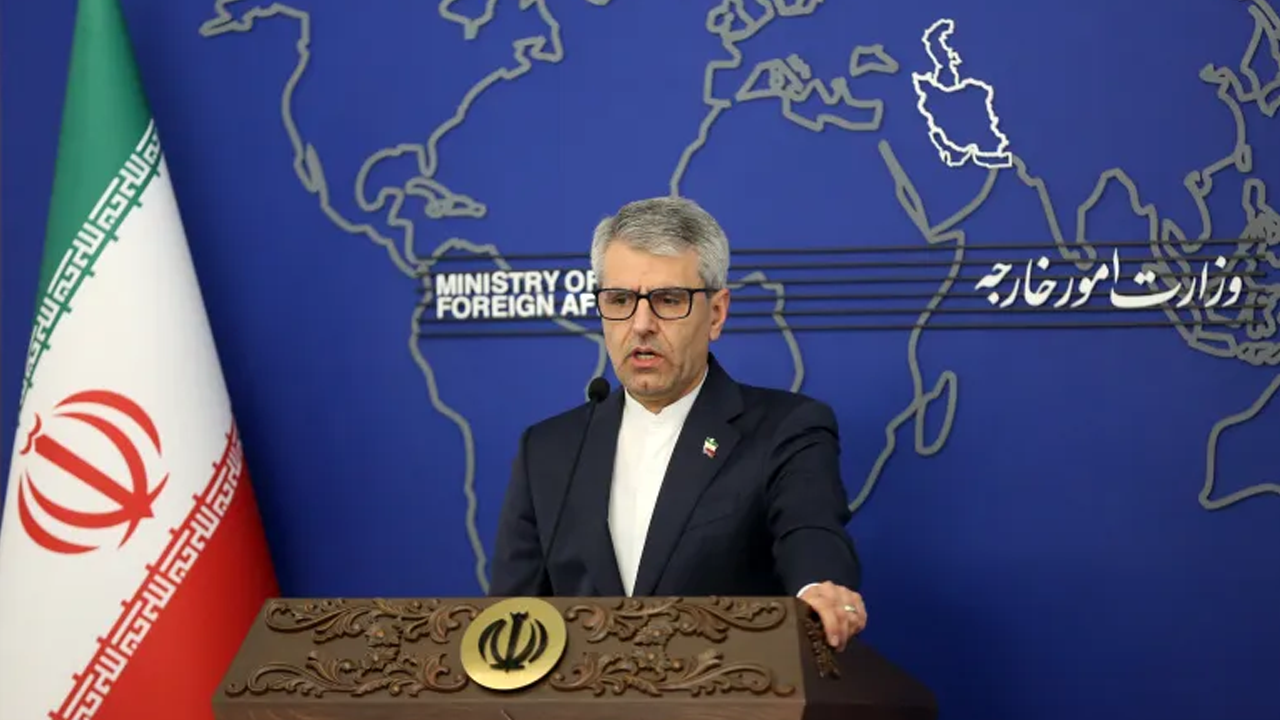
Iran’s Foreign Ministry spokesperson Esmail Baghaei stated that the country is not currently holding any discussions with the United States regarding its nuclear program. He said Iran knows when to take necessary steps on the issue but emphasized that the government’s immediate priority is ending the ongoing war. Baghaei accused the United States of repeatedly violating ceasefire agreements, including on the morning of his statement. He added that Iran would take all measures it deems necessary to protect its national security. His remarks came after the United States admitted to carrying out strikes on Iranian radar and drone sites in Goruk city and Qeshm Island over the weekend, which Washington described as acts of self-defense. The exchange underscores continuing tensions between Tehran and Washington, with no sign of renewed diplomatic engagement on nuclear matters while military confrontations persist.
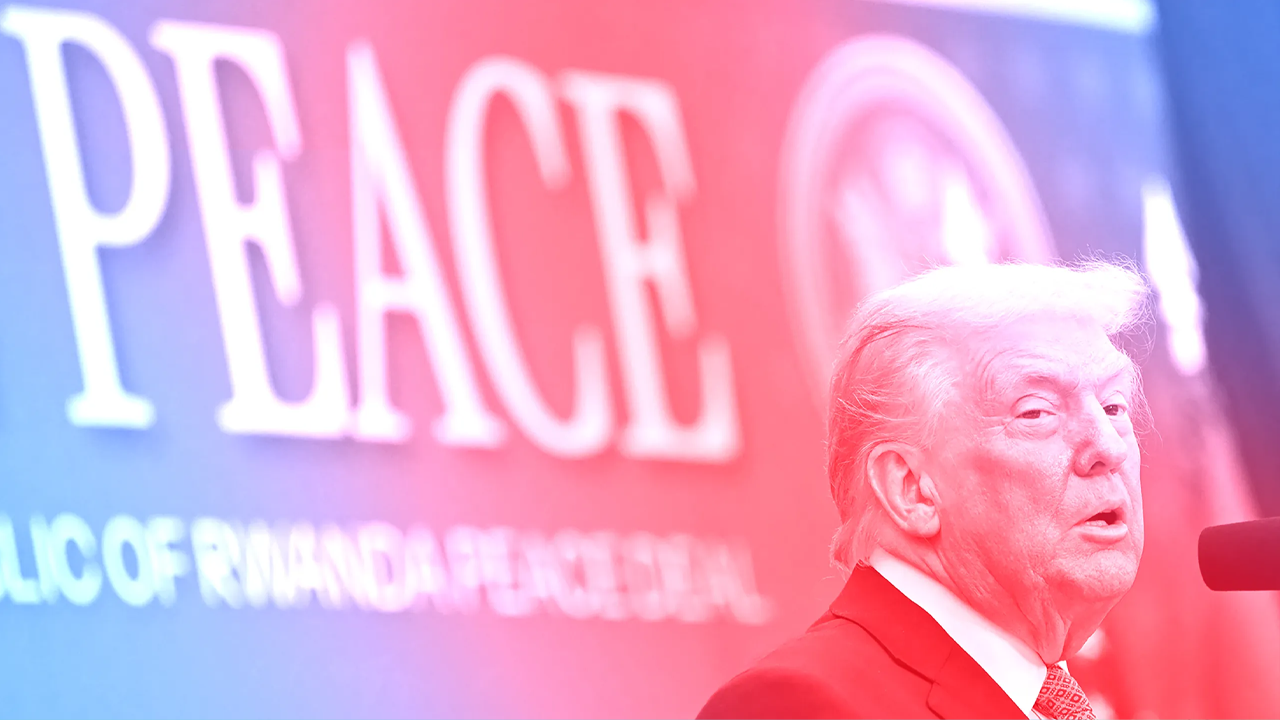
A political storm has erupted in the United States over President Donald Trump’s Iran policy, drawing sharp criticism from both the Republican and Democratic parties. According to Negar Mortazavi, a senior fellow at the Washington-based Center for International Policy, divisions have emerged within both major parties as Trump’s approach toward Iran intensifies. In an interview with Al Jazeera, Mortazavi noted that centrist and right-leaning Democrats argue Iran is growing stronger while the U.S. appears weaker, and a faction within the Republican Party’s 'America First' wing also opposes the policy. Mortazavi explained that Trump had once made opposition to Middle East military interventions a key part of his political identity, but his current stance contradicts that position. She recalled that Trump twice promised to end what he called “foolish” and “meaningless” wars, presenting himself as a “peace president.” However, she warned that adopting Israeli Prime Minister Benjamin Netanyahu’s proposed Iran attack plan would be unprecedented and risky, as previous U.S. presidents avoided it due to potential consequences. Mortazavi cautioned that underestimating Iran could provoke retaliation, leaving Trump trapped in a complex situation facing criticism from both allies and opponents.
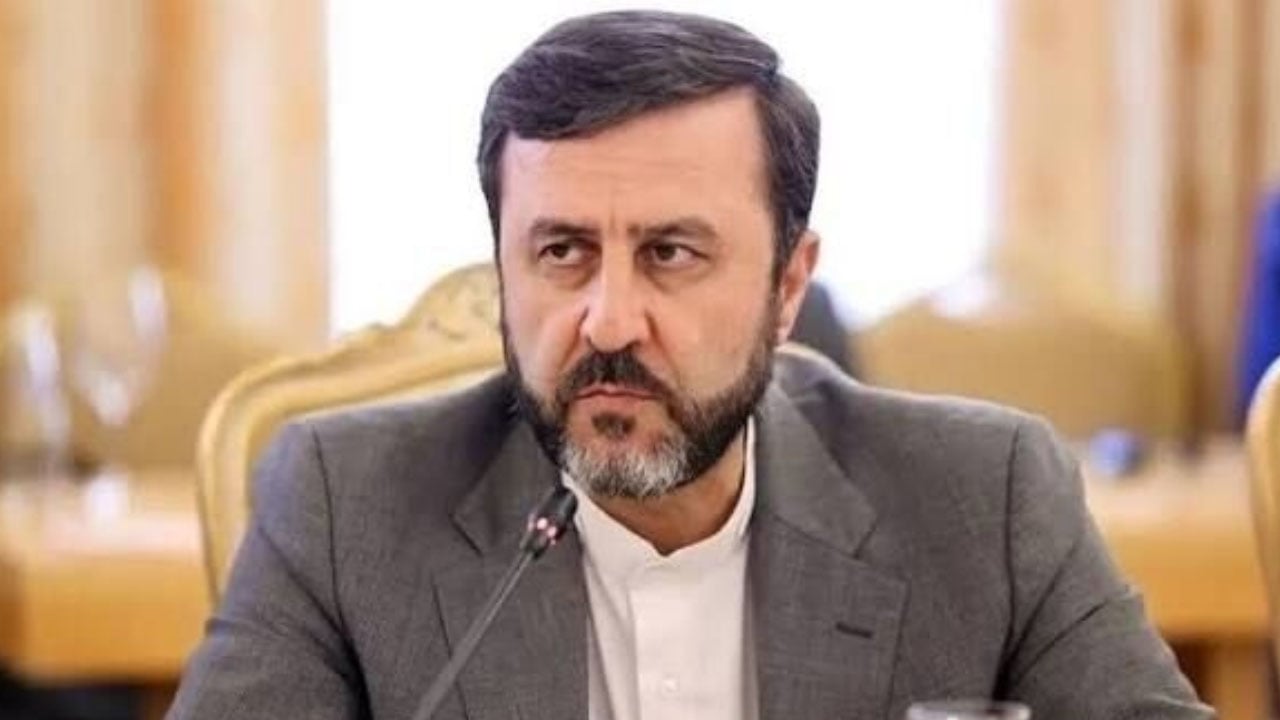
Iran’s Deputy Foreign Minister Kazem Gharibabadi stated that only Iran and Oman have the right to exercise sovereignty over the Strait of Hormuz. The statement was reported by Iran’s state broadcaster IRIB on June 1, 2026. Gharibabadi said Iran has introduced a new mechanism to regulate vehicle and maritime traffic in the waterway, which is being managed in coordination with Oman. He also mentioned that Iran has urged Oman not to yield to threats from the United States. The report recalled that former U.S. President Donald Trump had previously threatened to “blow up” Oman. The comments highlight Iran’s emphasis on regional control and cooperation with Oman in managing the strategic maritime passage. The announcement underscores Tehran’s stance on maintaining joint authority with Oman over the Strait of Hormuz, a critical route for international shipping, while rejecting external interference.
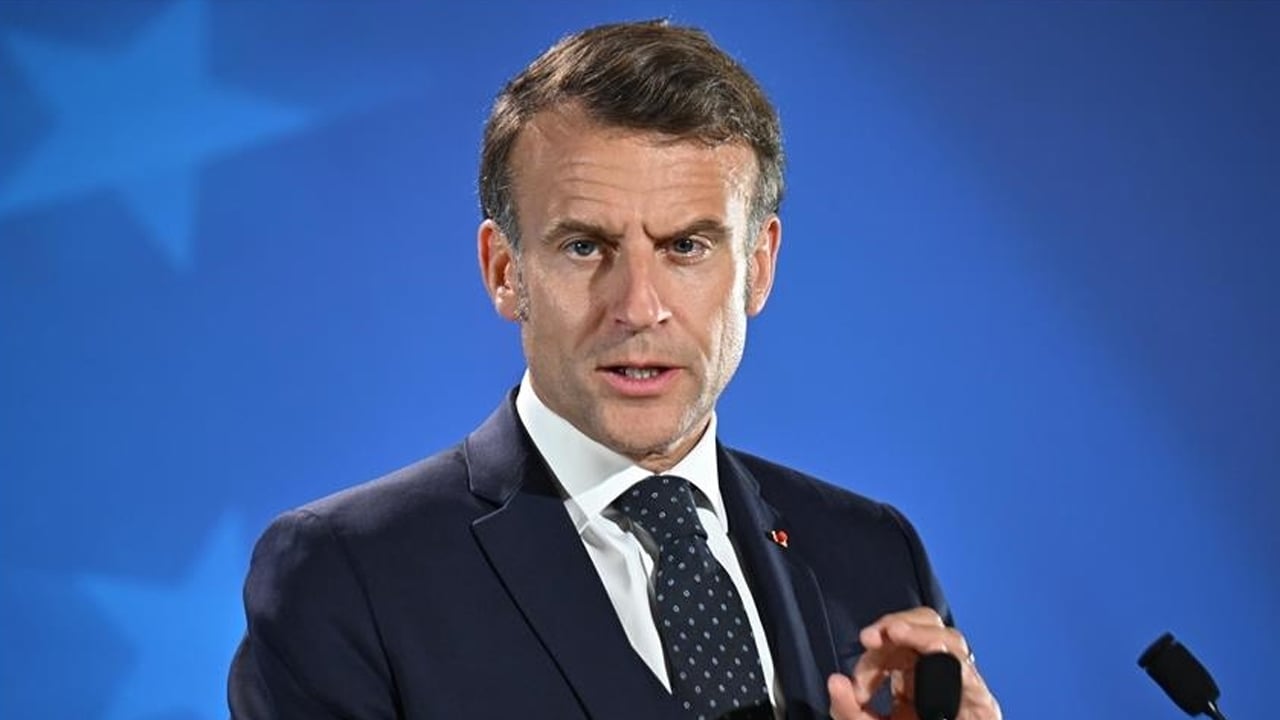
French President Emmanuel Macron announced on Monday that France and its allies have seized a Russian oil tanker named 'Tagr' in the Atlantic Ocean. The vessel, which was under international sanctions, was intercepted on Sunday morning in international waters. According to Macron, the operation was supported by the United Kingdom and other partner nations, as reported by AFP from Paris. Macron stated that using the ship to evade international sanctions, violate maritime law, and finance Russia’s ongoing war against Ukraine for more than four years is unacceptable. The French leader’s statement highlights continued Western enforcement of sanctions targeting Russia’s energy trade amid the prolonged conflict. The announcement underscores France’s coordination with allied nations in monitoring and enforcing maritime sanctions, though further details about the tanker’s destination or crew were not disclosed in the report.
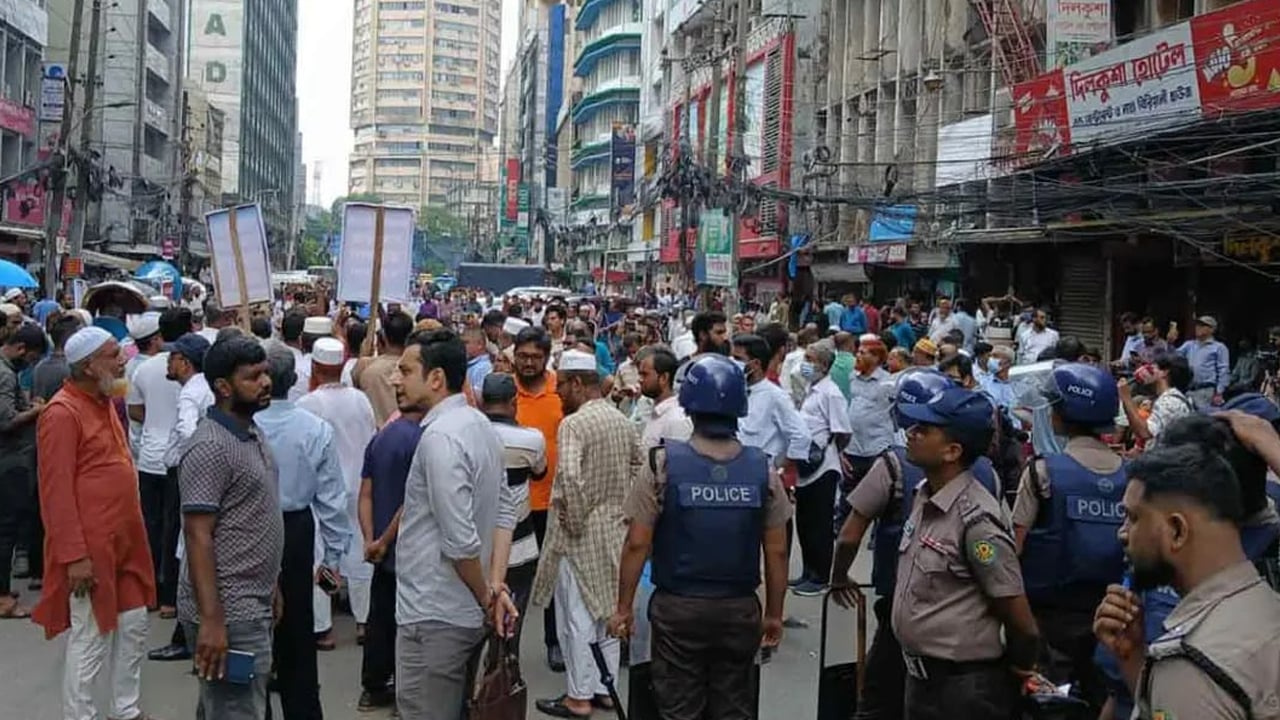
Thousands of customers and shareholders of Islami Bank Bangladesh PLC staged a protest in front of the bank’s head office in Motijheel, Dhaka, on Monday, demanding the cancellation of newly appointed chairman Md. Khurshid Alam. Police used batons, water cannons, tear gas, and sound grenades to disperse the demonstrators, but they regrouped and continued their sit-in outside the Islami Bank Tower. As of the latest report, protesters and police remained in a tense standoff at the site. The demonstration was organized under the banner of the Islami Bank Affected Customers Coordination Council. Participants began gathering from various parts of the capital and beyond early in the morning to join the human chain program. Police later dispersed the crowd, but the protest resumed shortly afterward. According to Motijheel Zone Deputy Commissioner Harunur Rashid, the situation was under control. The ongoing standoff highlights growing unrest among the bank’s stakeholders following the leadership change, though no further details on official responses or next steps were available.
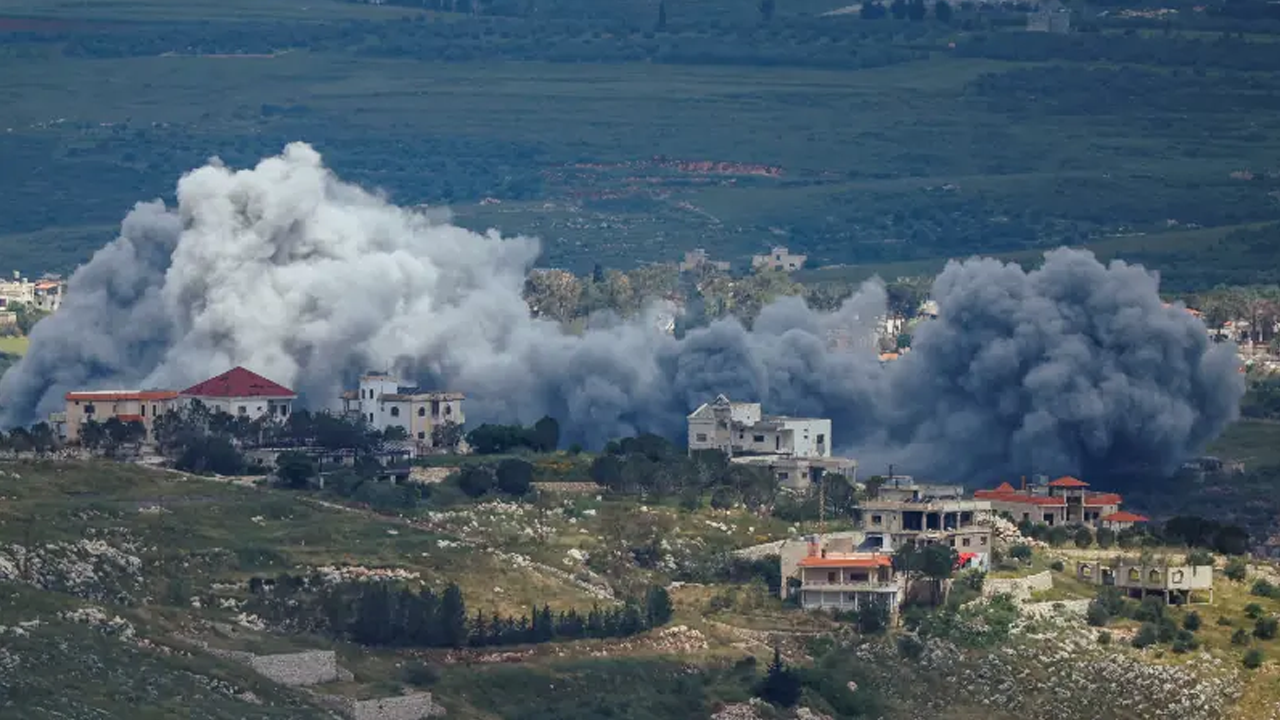
Israel is working in coordination with the US administration to expand its military operations in Lebanon, according to a report by Israel’s Channel 15. The report indicates that Washington has been directly involved in the escalation of Israeli attacks across Lebanese territory. Citing reliable sources, the report states that Israeli officials held close consultations with the US administration before broadening the scope of the operation. The offensive has resulted in civilian casualties and widespread destruction across southern Lebanon. The Israeli ambassador in Washington reportedly played a central role in coordinating the expansion efforts. According to Israeli officials, limited military actions would not achieve their objectives, prompting the decision to intensify the campaign.
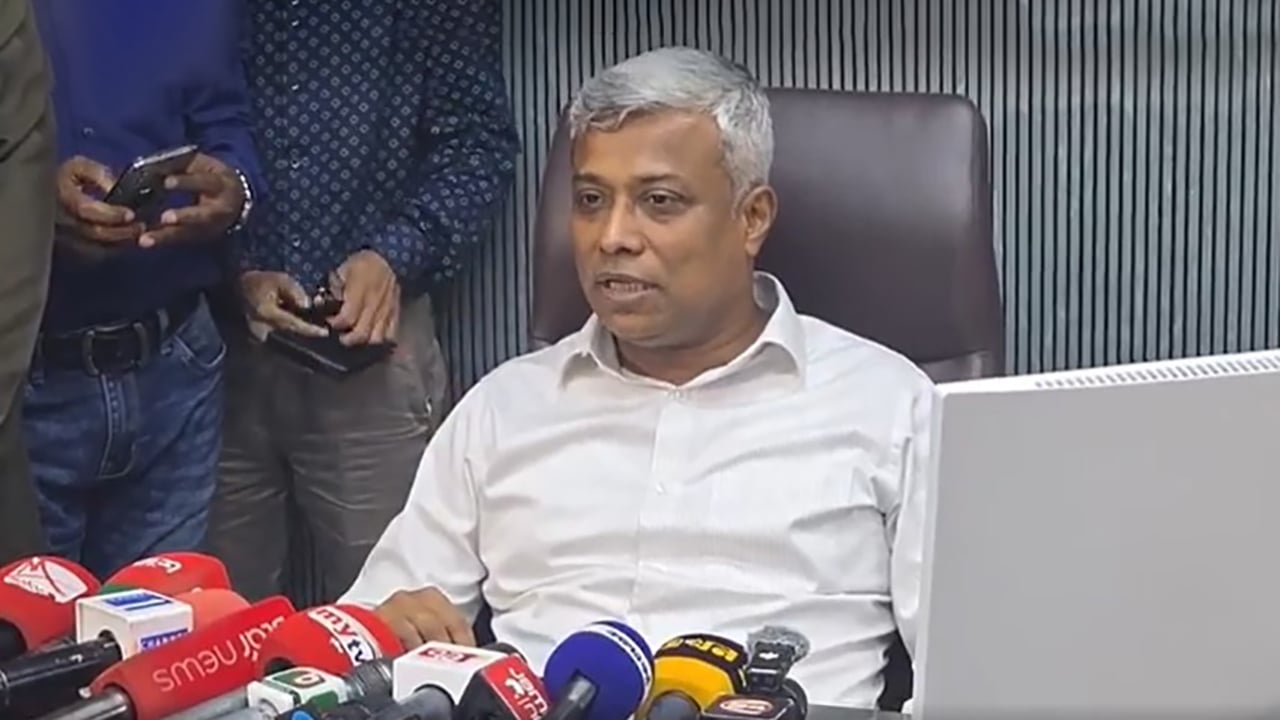
State Minister for Power, Energy and Mineral Resources Anindya Islam Amit announced that the government has decided to adjust fuel prices due to rising pressure in the international energy market. Speaking to reporters at his office in the Secretariat on Monday, he said the government would act quickly to reduce prices if global oil rates decline significantly, aiming to ease consumer burdens. The minister explained that fuel prices are reviewed monthly, though no adjustment was made in May. He noted that about 66 percent of the country’s fuel consumption is diesel, which receives the highest government subsidy, and its price has been kept unchanged to protect ordinary consumers. He cited the Middle East crisis as a key factor behind the recent adjustments and reaffirmed that unnecessary price hikes would be avoided. Amit added that the government is pursuing long-term plans to reduce subsidies by expanding renewable energy use and advancing major projects such as offshore exploration, a second Eastern Refinery unit, and new LNG infrastructure to ensure stable energy supply and lower production costs.
BNP Senior Joint Secretary General Ruhul Kabir Rizvi has alleged that extensive conspiracies are still being woven against the government. Speaking on Monday at the BNP central office in Naya Paltan during a food distribution event for the poor organized by the Bangladesh Nationalist Rickshaw-Van-Auto Drivers’ Association, Rizvi claimed that not only propaganda but also a dangerous mob culture is being created against the government. Rizvi emphasized that since the time of late President Ziaur Rahman, the BNP has been a government of employment creation, not unemployment. He credited Ziaur Rahman for initiating overseas employment opportunities and said that under Tarique Rahman’s leadership, no one in the country would remain jobless. He also promised rehabilitation for evicted street vendors. Rizvi criticized the Awami League’s 1972–1975 rule, alleging widespread poverty and misrule, and accused the current government of laundering vast sums of public money. He warned that if old fascism resurfaces through any loophole, democracy and sovereignty would be at risk. The event was also addressed by several BNP leaders and concluded with food distribution among the poor.
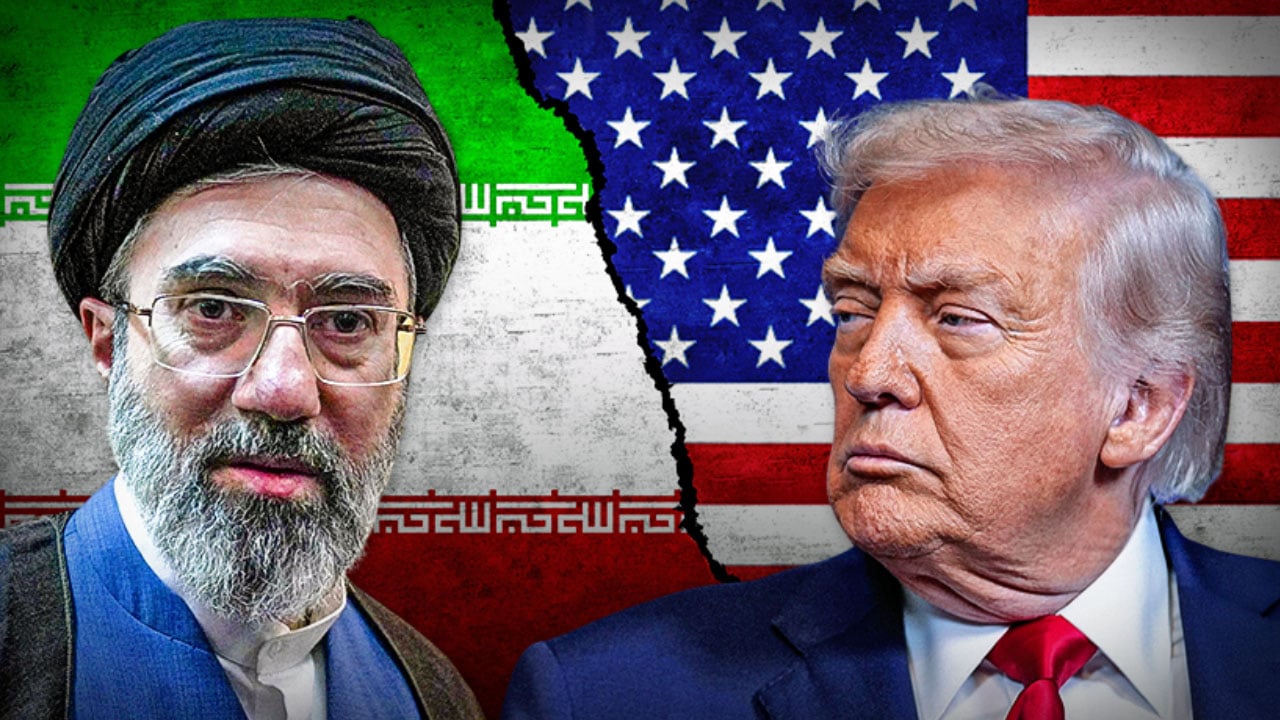
Iran has rejected the amendment to a draft agreement proposed by US President Donald Trump, according to semi-official Tasnim News Agency. The report stated that Tehran has submitted its own new amendment proposal to the draft memorandum of understanding. The decision comes as discussions between the parties remain ongoing. Citing unnamed sources, Tasnim emphasized that Iran’s move to propose changes does not mean it has accepted Trump’s suggested amendments. Earlier, The New York Times reported that President Trump had sent Iran a revised version of a proposed peace framework aimed at ending the conflict, which included stricter conditions than before. The developments indicate that negotiations over the proposed ceasefire agreement are still in flux, with both sides maintaining differing positions on the terms of the deal.
The ‘1 Nojor’ media platform is now live in beta, inviting users to explore and provide feedback as we continue to refine the experience.