

The ‘1 Nojor’ media platform is now live in beta, inviting users to explore and provide feedback as we continue to refine the experience.
Bangladesh Jamaat-e-Islami has expressed deep concern and strong protest over another increase in fuel prices. In a statement sent to the media on Monday, the party’s Secretary General, Mia Golam Porwar, said the decision to raise prices again after last month’s 8 to 12 percent hike was unacceptable. He described the move as a severe blow to citizens already struggling with rising living costs. Porwar stated that the previous fuel price hike had already pushed up the prices of essentials such as rice, lentils, and oil, making them unaffordable for ordinary people. He criticized the government for breaking its earlier assurance that fuel prices would not rise this month, calling the move a clear breach of promise and deception. He warned that raising prices hastily before the national budget session would be a highly anti-public measure. The Jamaat leader urged citizens to become aware and vocal in defending their rights and demanded that the authorities immediately withdraw the decision to raise fuel prices.

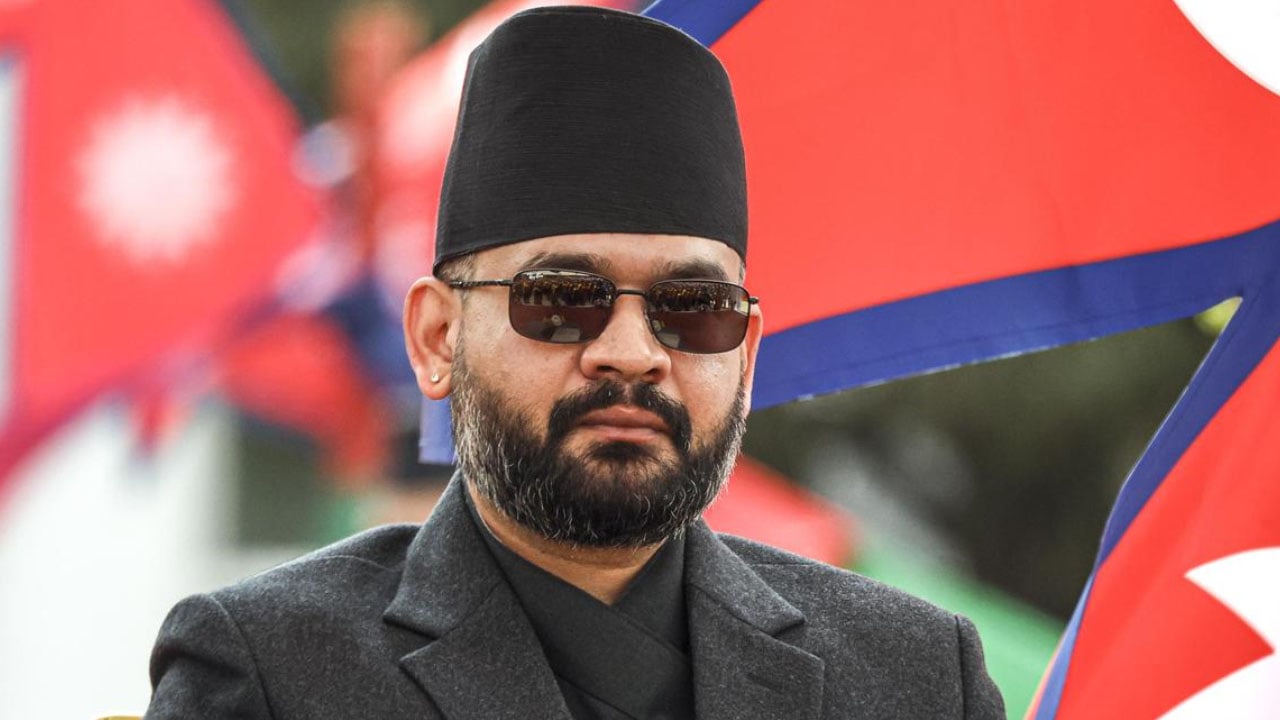
Nepal’s Prime Minister Balendra Shah told parliament on Sunday that both Nepal and India have occupied each other’s territories. Responding to a question, he said that after assuming office he learned Nepal also holds parts of Indian land, just as India occupies Nepali land. Shah emphasized that both sides should engage in dialogue to examine the issue and resolve it through diplomatic means. He added that Nepal has also communicated with China and the United Kingdom regarding the border dispute. According to Shah, the UK should show interest because the problem dates back to the period when Britain left the region. Citing a report by The Kathmandu Post, the article said Nepal has already sent an official diplomatic note to India. Shah stated that India replied by agreeing to form a joint committee of historians, surveyors, and regional experts from both governments to seek a negotiated solution.
The Bangladesh Meteorological Department has issued a warning for possible gusty or squally winds over Chattogram and Cox’s Bazar districts by Monday evening. The alert, released in a special weather forecast for inland river ports from 8:30 a.m. to 6:00 p.m. on June 1, 2026, also mentioned the likelihood of rain accompanied by thunder. According to the notice signed by meteorologist A K M Nazmul Haque, temporary gusty winds from the west or northwest may blow at speeds of 45 to 60 kilometers per hour in the two southeastern districts. The department has instructed river ports in the affected areas to hoist local cautionary signal number 1 as a precautionary measure. The advisory comes amid ongoing hot and humid conditions across much of the country, with the weather office noting that despite reduced rainfall, there is no immediate concern of severe heatwaves.

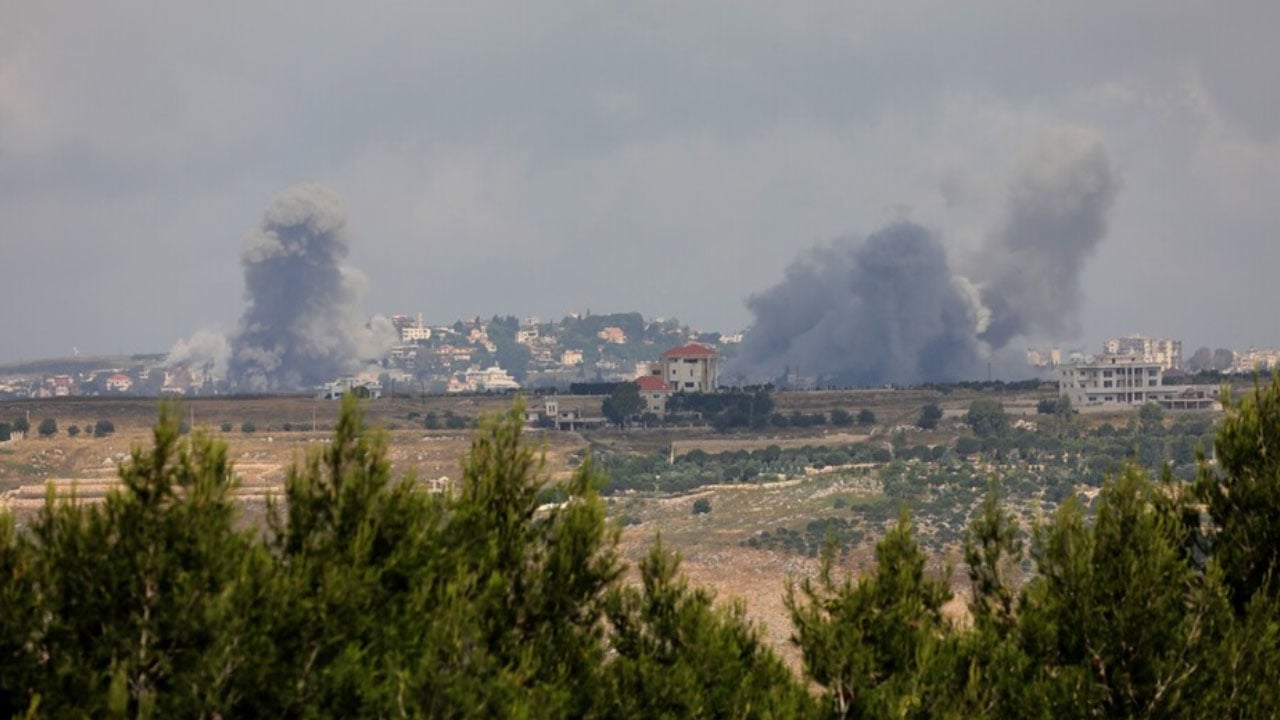
European leaders have strongly condemned Israel’s military operations in southern Lebanon. French President Emmanuel Macron said there was no justification for the ongoing tensions in the region. After speaking with regional leaders, Macron wrote on social media that a swift agreement between the United States and Iran was essential. He confirmed that France would continue to support Lebanon’s efforts to restore its sovereignty and territorial integrity. German Foreign Minister Johann Wadephul expressed concern over the Israeli army’s deeper advance into southern Lebanon, warning that any escalation could worsen the already volatile situation and trigger new waves of displacement within Lebanon. He called on all sides to halt hostilities. British Foreign Minister Yvette Cooper also urged Israel to stop its operations in Lebanon, emphasizing that Hezbollah must disarm and cease attacks on Israel. Cooper added that Israel’s advance was causing civilian casualties, displacement, and infrastructure destruction, undermining diplomatic efforts. She called on all parties to respect the ceasefire and engage in good-faith negotiations.
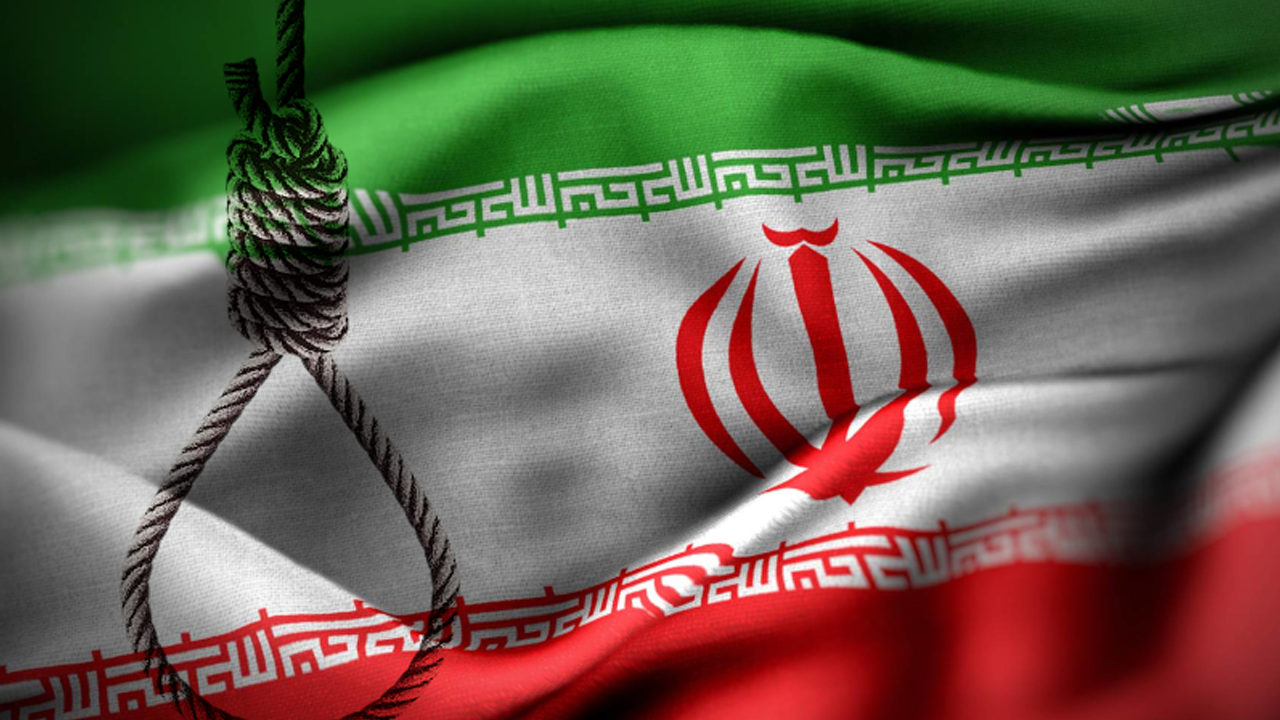
Iran has executed two men convicted of participating in anti-government protests, according to the judiciary’s media outlet Mizan. The report stated that the men were found guilty of setting fire to a mosque, damaging public property, and engaging in clashes with security forces. Mizan identified them as Mehrdad Mohammadinia and Ashkan Maleki, who were accused of leading an attack on the Jafari Mosque in Tehran’s Gisha district. The country’s Supreme Court upheld their death sentences before the executions were carried out. The protests began in late December of the previous year over economic hardship and rising living costs. These demonstrations evolved into a broader movement against the religious leadership that has governed Iran since the 1979 Islamic Revolution. The executions mark another development in the government’s response to the unrest. The report did not specify the exact date or location of the executions, nor did it mention any official or public reactions to the event.
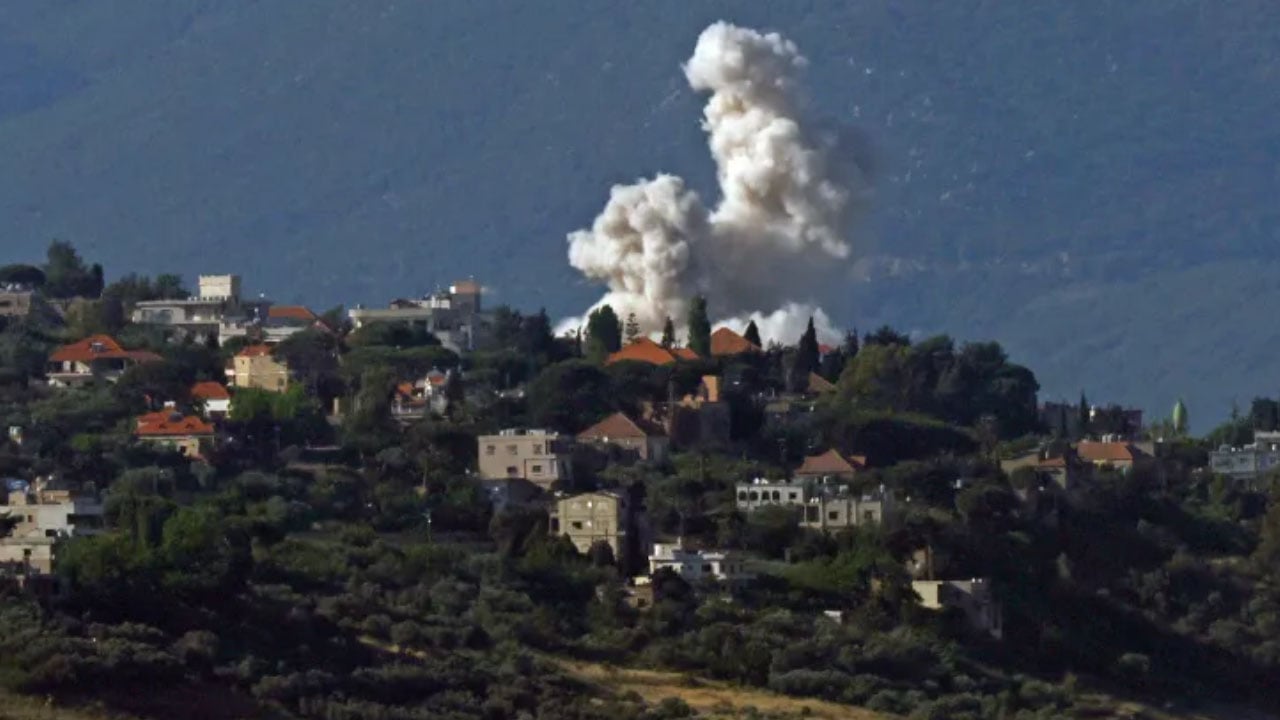
Israel’s expanded military operations inside Lebanon have triggered widespread international condemnation and concern. Leaders and diplomats from multiple countries have urged an immediate halt to the escalating hostilities. French President Emmanuel Macron stated that the large-scale military tension in Lebanon cannot be justified under any pretext. France’s foreign minister said Paris has called for an emergency meeting of the UN Security Council to address the situation. British Foreign Secretary Yvette Cooper urged Israel to suspend its military actions in Lebanon immediately, warning that the escalation is undermining diplomatic efforts. German Foreign Minister Johann Wadephul described Israel’s advance as a serious cause for concern and called on all parties to cease hostilities. Qatar strongly denounced Israel’s expanded ground operations in southern Lebanon, calling them a clear violation of international law and a dangerous provocation. Egypt’s Foreign Minister Badr Abdelatty expressed Cairo’s full solidarity with Beirut during a phone call with Lebanese Prime Minister Nawaf Salam and demanded the complete withdrawal of Israeli forces from all Lebanese territory.
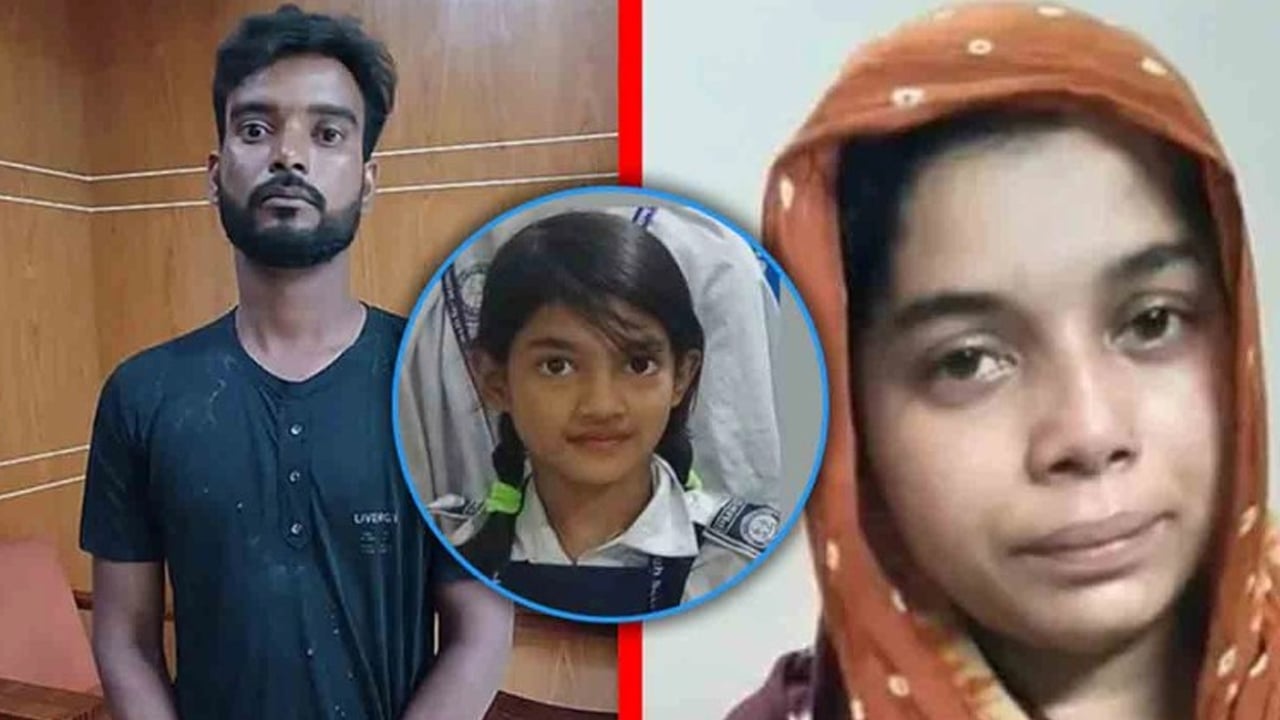
The hearing on charge framing in the case of the rape and murder of child Ramisa began on Monday at the Dhaka Metropolitan Tribunal for the Suppression of Violence Against Children. The session started around 11:15 a.m. in the court of Judge Masrur Salekin, where the state-appointed lawyer Azizul Rahman Dulu read out the charges to the accused. Two defendants were brought to court earlier that morning, following the court’s earlier decision on May 24 to accept the charge sheet and set the hearing date. According to court sources, the tribunal may decide whether the formal trial will commence after the charge framing. The case accuses Sohel Rana and his wife Swapna Akter, who were charged by the investigating officer, Sub-Inspector Ohiduzzaman of Pallabi Police Station. The Chief Metropolitan Magistrate’s Court had previously accepted the charge sheet and transferred the case to the tribunal. Law Minister Asaduzzaman stated on Sunday that the government would seek the maximum punishment for the crime, citing the evidence and the accused’s confession as grounds for expecting the highest penalty.
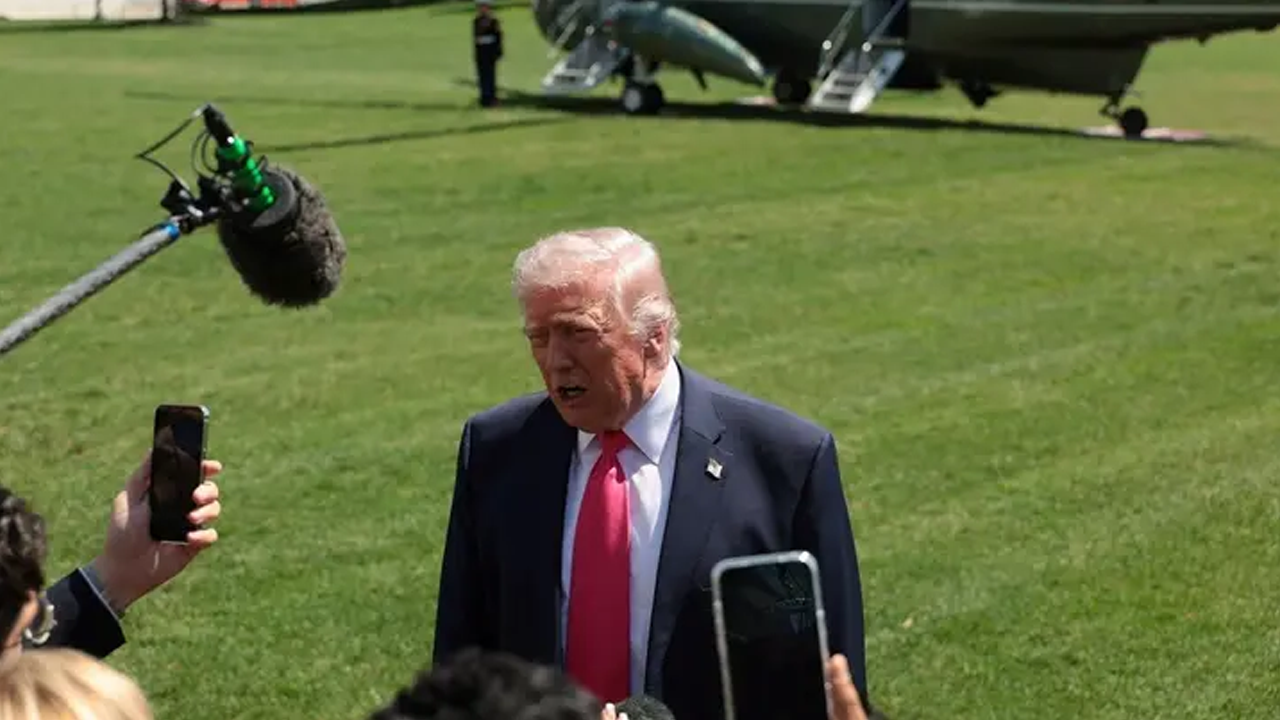
U.S. President Donald Trump stated in a new message that Iran is eager to reach an agreement and that any future deal would be advantageous for the United States and its allies. His remarks were shared on social media, where he emphasized that Tehran truly wants a deal and that such an agreement would serve the interests of Washington and its partner nations. Trump also criticized domestic opponents who have questioned his handling of military matters, accusing them of making unhelpful comments about his decisions. He urged critics to remain calm, assuring that everything would ultimately work out well, as it always has in the past. The statement came amid ongoing international discussions about regional tensions surrounding Iran and the possibility of a diplomatic resolution. However, Trump did not provide any specific details about what a potential agreement might include.
Iran has claimed responsibility for a missile strike on a United States airbase, saying it was carried out in retaliation for an earlier US attack. According to the Islamic Revolutionary Guard Corps (IRGC), the strike targeted the base identified as the source of the attack on a communication tower located on Sirik Island in Iran’s southern Hormozgan province. The IRGC’s aerospace unit reportedly launched the missiles about an hour after the US strike on the communication tower. The information was released through Iran’s Fars News Agency, which cited IRGC sources. However, the IRGC did not disclose the location of the US airbase that was allegedly hit. The report, citing Al Jazeera, did not provide further details about the extent of the damage or any casualties. The lack of information about the airbase’s location leaves uncertainty regarding the scale and impact of the reported retaliation.
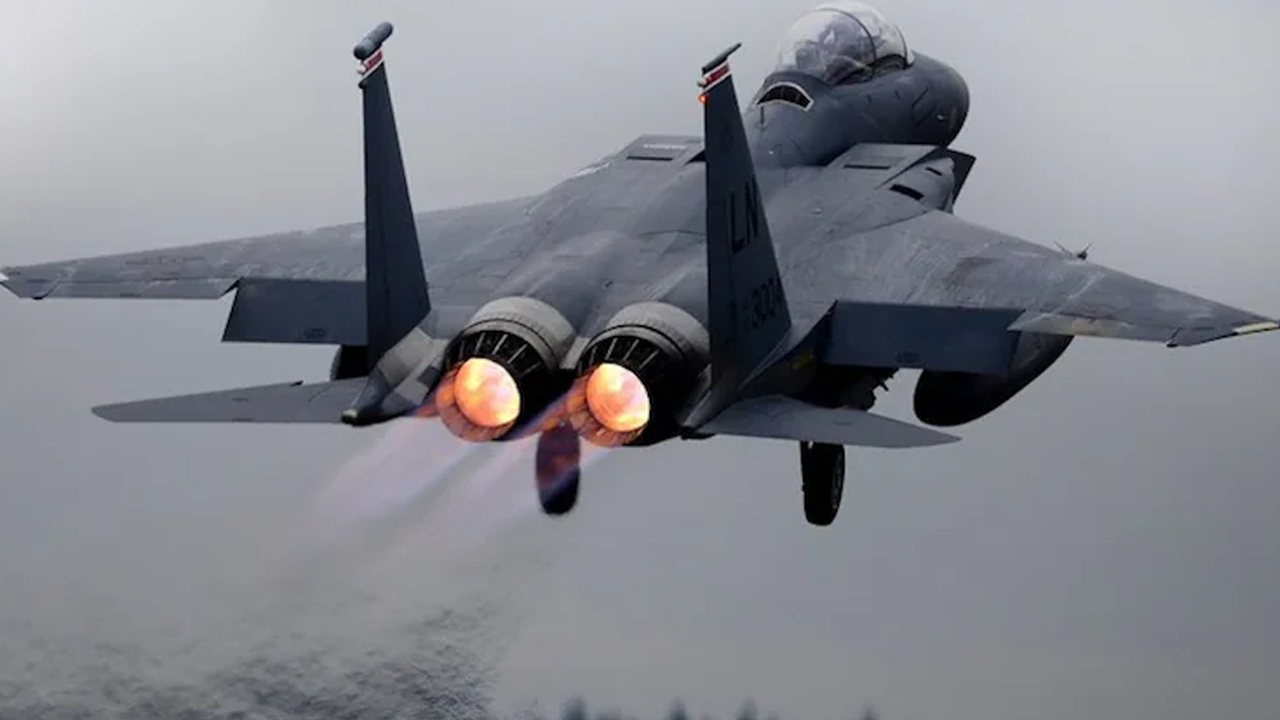
NBC News reported that the US F-15 fighter jet that crashed in Iranian airspace last month was likely shot down by a Chinese-made shoulder-fired missile. The incident occurred amid ongoing hostilities that began on February 28. According to the report, China may have provided Iran with stealth aircraft technology and long-range radar systems, enhancing Tehran’s ability to track advanced US aircraft. The crash prompted a 36-hour search and rescue mission, during which both crew members were eventually recovered. US officials are still investigating how the jet was downed, marking the first time in decades that an American warplane was destroyed by enemy fire. The Pentagon confirmed that the pilot was rescued within seven hours, while the weapons systems officer was found two days later in Iran’s Zagros Mountains. The timing of China’s military support to Iran remains unclear. Analysts suggest that if Iran indeed used Chinese weapons, it could further strain US-China relations. The report surfaced as President Donald Trump sought Beijing’s help to de-escalate the conflict with Iran ahead of a planned meeting with Chinese President Xi Jinping.
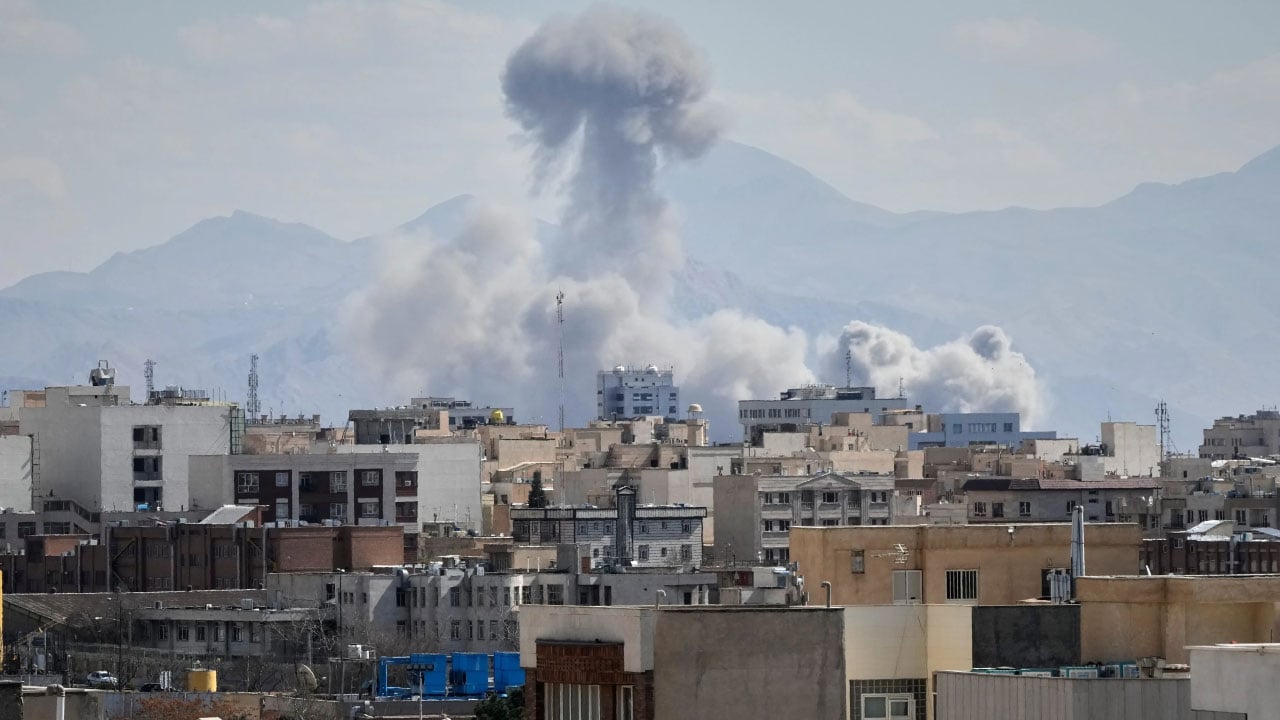
The United States has claimed responsibility for airstrikes on Iranian military installations during an ongoing ceasefire. According to the US Central Command (CENTCOM), the attacks targeted radar and drone facilities in Iran’s Goruk city and Qeshm Island over the weekend. CENTCOM stated on social media that the strikes were carried out in response to what it described as Iran’s aggressive actions, including the downing of an MQ-1 drone in international waters. The US military reported destroying Iran’s air defense system, a ground control station, and two one-way attack drones that were considered a clear threat to ships operating in regional waterways. The statement emphasized that the operations were defensive in nature and aimed at protecting navigation security in the area. As of now, Iran has not issued any response or acknowledgment regarding the reported attacks. The incident was first reported by Al Jazeera, and no independent verification of the claims has been provided.
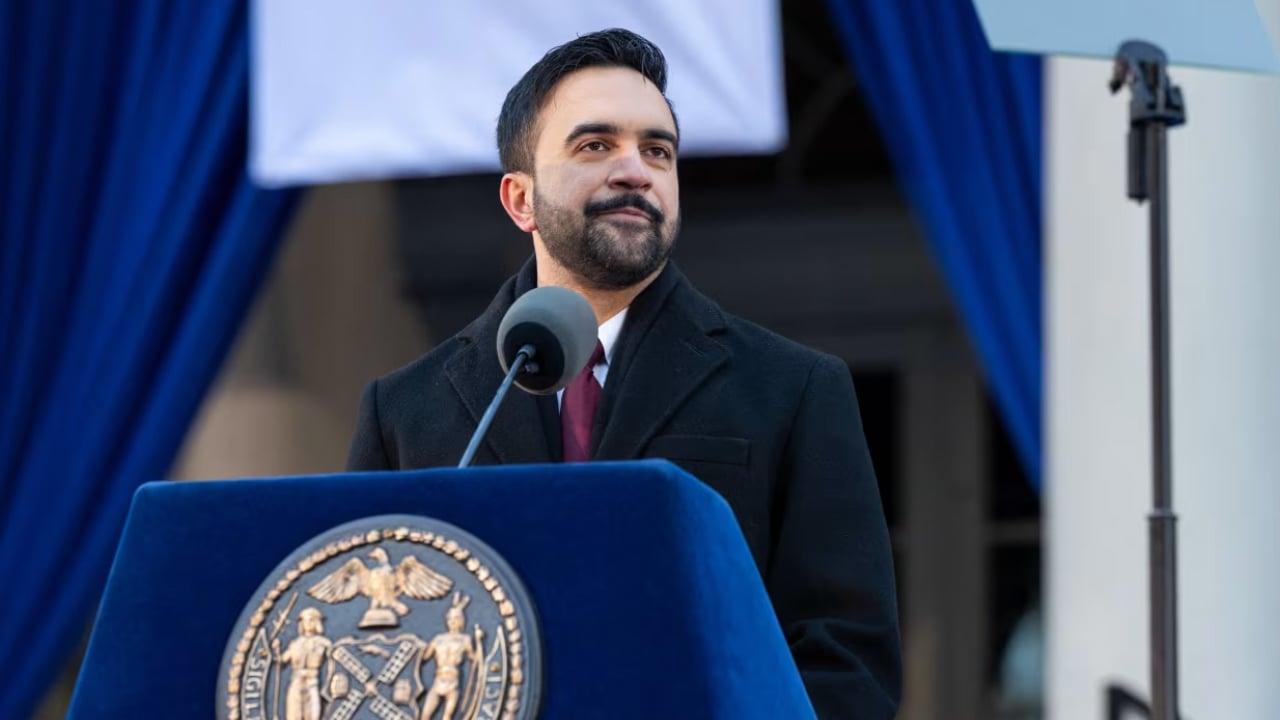
New York City Mayor Zohran Mamdani broke with tradition by not attending the annual Israel Day Parade held on Sunday. The event, which has taken place for decades along Fifth Avenue, typically features participation from the city’s governor, mayor, and other political leaders. This year marked the first time a sitting New York City mayor chose not to join the parade, citing solidarity with Palestinians. Two weeks earlier, the mayor’s office released a video commemorating Nakba, an Arabic term meaning “catastrophe,” referring to the displacement of about 700,000 Palestinians during the 1948 Arab-Israeli war. At a press conference on Thursday, Mamdani reiterated that he had pledged during his campaign not to attend the parade and had made his views on the Israeli government clear. Despite his absence, Mamdani assured that the parade would proceed peacefully and without disruption. New York City Police Commissioner Jessica Tisch, who is Jewish, attended the event.
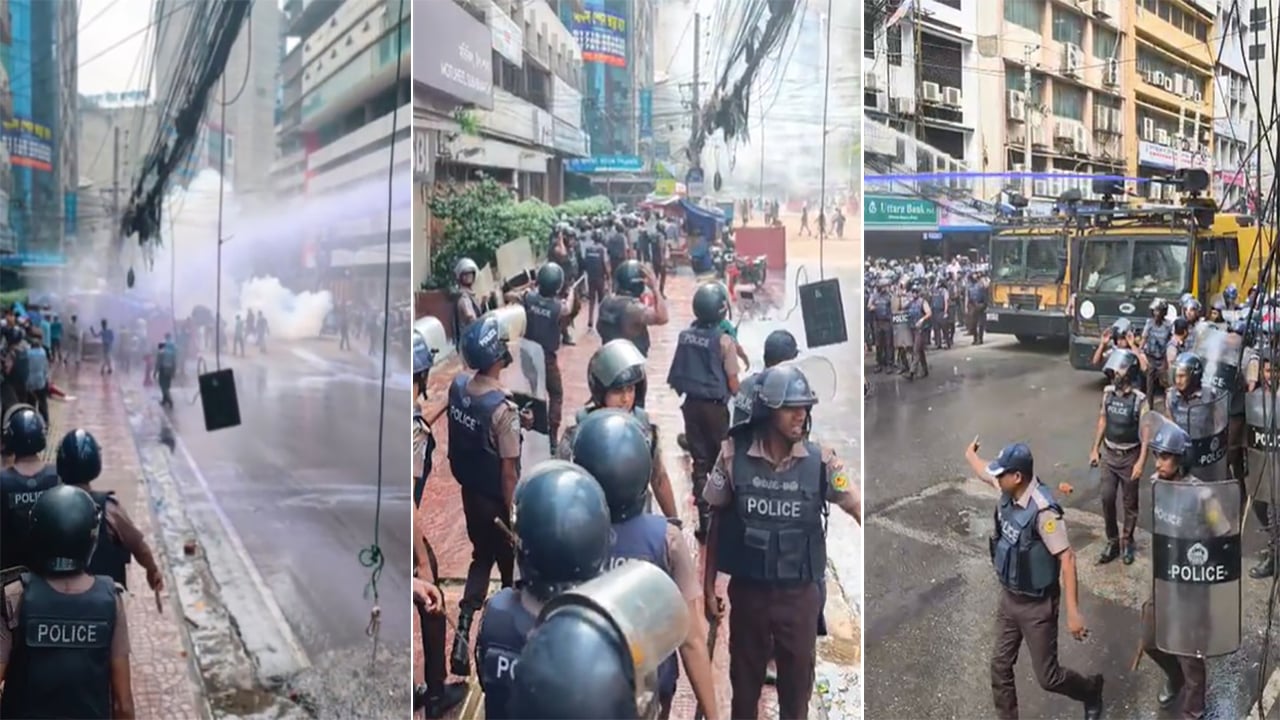
Police clashed with customers of Islami Bank in Dhaka’s Dilkusha area on Monday morning as they protested demanding the resignation of the bank’s newly appointed chairman. To disperse the demonstrators, police used batons, water cannons, and tear gas, resulting in several reported injuries. The incident occurred around 9:30 a.m. in front of the bank’s head office, where protesters had gathered since early morning. Witnesses said police launched an operation to clear the area after repeated requests for the protesters to leave were ignored. The situation escalated as law enforcement used force, spreading tension in the area. Some injured individuals were taken to Islami Bank Central Hospital for treatment. Protesters claimed they had been demonstrating peacefully and expressed concern that the new chairman’s appointment could revive previous irregularities and controversies. Following the clash, additional police forces were deployed around the bank headquarters to maintain order and strengthen security in the financial district.
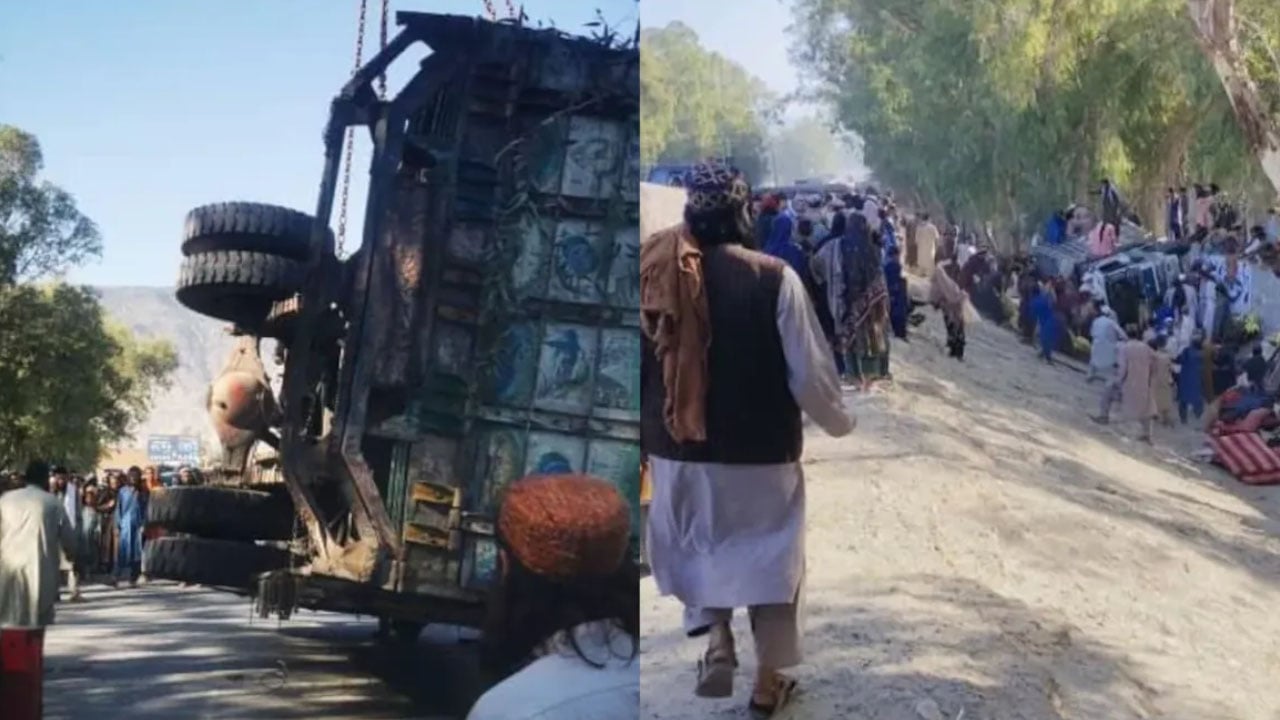
A truck carrying Afghan refugees returning from Pakistan overturned in eastern Afghanistan’s Laghman province, killing 22 people and injuring 36 others. Provincial governor’s spokesperson Abdul Malik Niazi said the accident occurred on the main highway connecting Kabul and Nangarhar provinces. Most of the victims were women and children, including ten children and five women. The injured were taken to hospitals in Nangarhar. Provincial public health director Aminullah Sharif stated that the crash happened when the driver fell asleep, causing the truck to plunge into a ditch. The victims were among many Afghans returning home after Pakistan began a crackdown on undocumented migrants in 2023. Around the same time, Iran also started deporting Afghan migrants, leading to the return of hundreds of thousands of Afghans from both countries. Authorities have not released further details about the condition of the injured or the ongoing investigation into the accident.
Technology company Google has proposed releasing 32 million laboratory-bred male mosquitoes in the US states of Florida and California over two years to reduce mosquito-borne diseases. The company applied for government approval in December 2025, and the proposal is currently under review by the US Environmental Protection Agency (EPA). The initiative is part of Google’s ‘Debug’ project, launched in 2014 to use technology for controlling disease-spreading mosquito populations and lowering health risks. Under the plan, Google’s scientific division will infect male mosquitoes with a bacterium called Wolbachia pipientis. When these infected males mate with wild female mosquitoes, their eggs will not hatch, gradually reducing mosquito populations and limiting virus transmission. Since only female mosquitoes bite humans, the release of these males poses no risk of increased mosquito nuisance. The project will proceed in two phases, releasing 16 million sterile males each year. However, the specific trial locations and start date have not been disclosed in the application.

The ‘1 Nojor’ media platform is now live in beta, inviting users to explore and provide feedback as we continue to refine the experience.