

The ‘1 Nojor’ media platform is now live in beta, inviting users to explore and provide feedback as we continue to refine the experience.
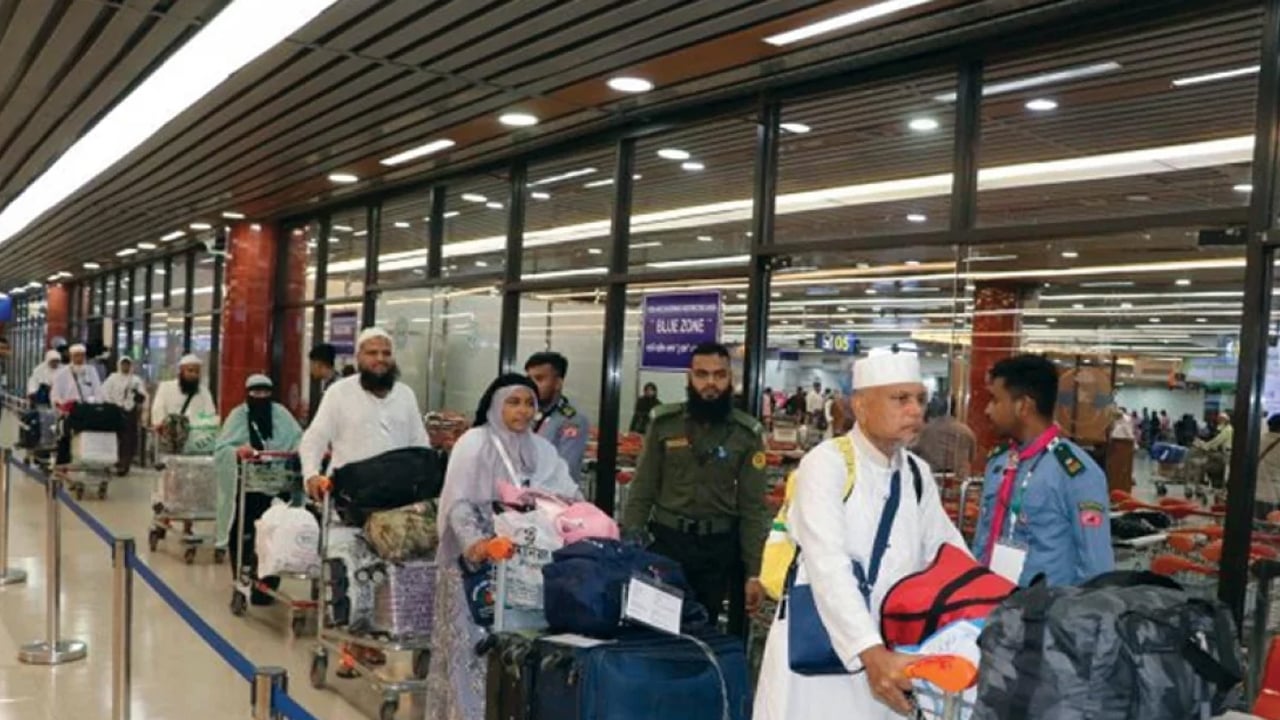
The first return flight of Bangladeshi pilgrims from Saudi Arabia arrived in Dhaka on Saturday morning, marking the beginning of the 2026 Hajj return phase. According to the report, 419 pilgrims landed at Hazrat Shahjalal International Airport on a Saudia Airlines flight around 10 a.m. They were welcomed with Zamzam water and flowers upon arrival. The flight departed from Jeddah’s King Abdulaziz International Airport at 12:10 a.m. local time. The Ministry of Religious Affairs stated that the formal Hajj rituals concluded on Friday with the symbolic stoning at the three Jamarat. On the first day of return flights, a total of 5,434 pilgrims are expected to arrive in Bangladesh on 13 flights. The return operations will continue until July 1. This year, 79,164 Bangladeshi pilgrims, including management officials, traveled to Saudi Arabia for Hajj. The ministry completed all logistical arrangements, including tent rentals, transportation contracts, housing, and visas, within the Saudi government’s timeframe. As a result, all registered pilgrims reached Saudi Arabia without any schedule disruptions. So far, 35 Bangladeshi pilgrims have died during this year’s Hajj.
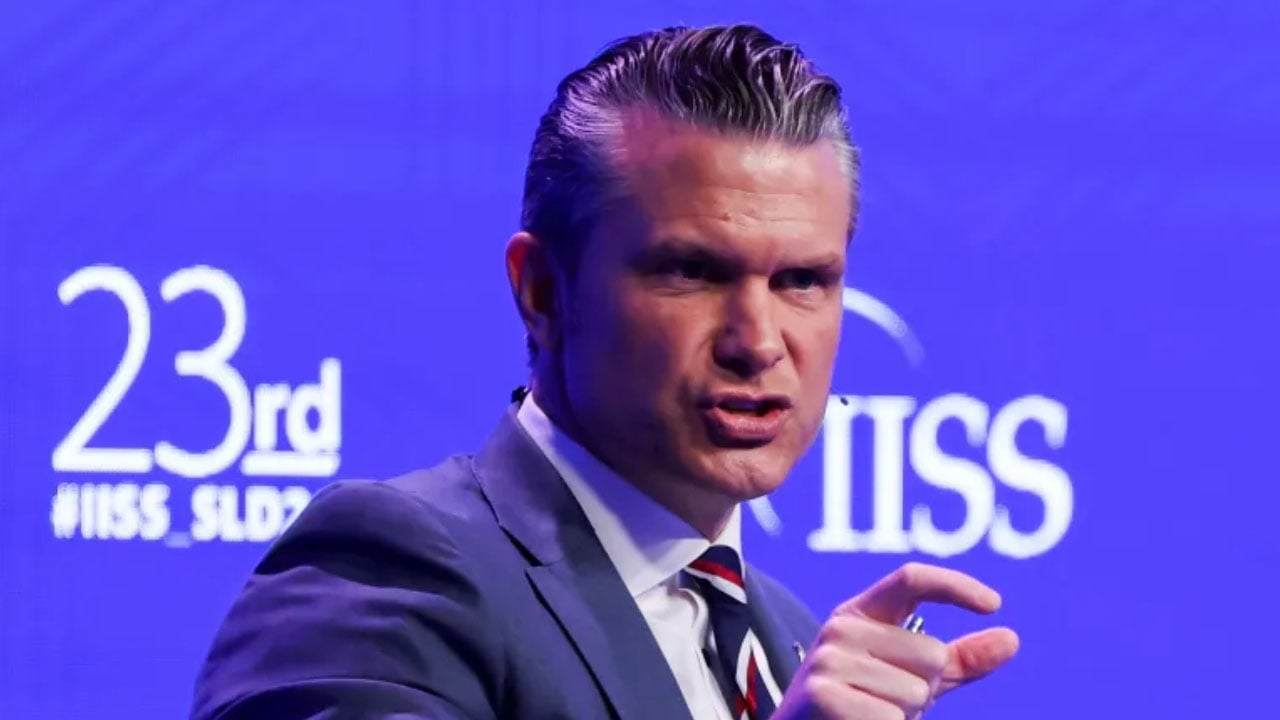
US Defense Secretary Pete Hegseth stated that the United States is fully capable of resuming war against Iran if necessary, citing a weapons stockpile exceeding current needs. Speaking at the Shangri-La Dialogue in Singapore, he emphasized that Washington is prepared to act should the situation demand it. Hegseth explained that the US maintains a balance between advanced and abundant weaponry, ensuring readiness for any potential conflict. He also declared that the era of subsidizing wealthy nations is over. During his remarks, he warned that domination of the Pacific region by any hegemonic power would disrupt the regional balance of power. He added that while discussions about a possible conflict with Iran have continued for months, the United States remains committed to maintaining a “free and open Indo-Pacific.”
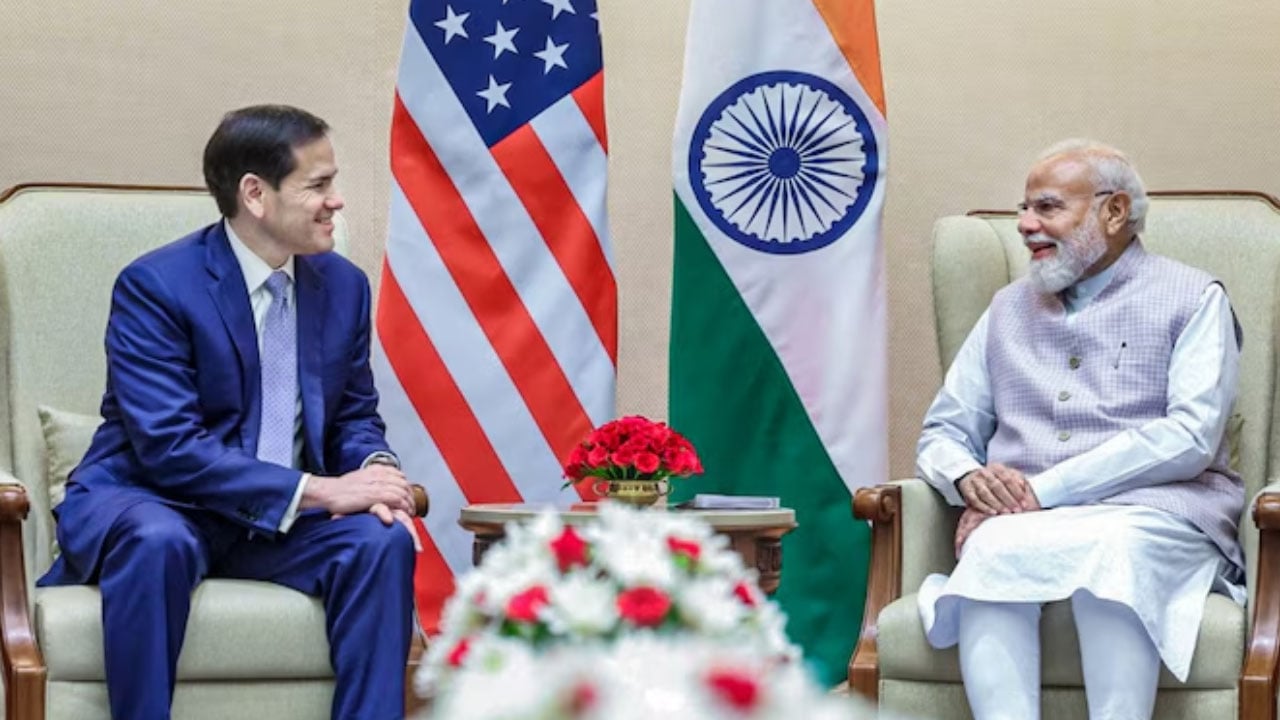
U.S. Secretary of State Marco Rubio announced during his visit to India that New Delhi has pledged to purchase $500 billion worth of American goods over the next five years. The statement has sparked widespread discussion among global media, trade experts, and economic analysts, who are questioning what India has agreed to and whether it will benefit sufficiently from the deal. The commitment follows an interim trade agreement announced in February, when U.S. President Donald Trump reduced tariffs on Indian goods from 50 to 18 percent, and India expressed interest in increasing imports of U.S. energy, coal, and technology equipment. Analysts have raised concerns about the timing of such a large import plan, given recent changes in global trade conditions. After the U.S. Supreme Court invalidated some of Trump’s earlier tariff measures, Washington imposed a uniform 10 percent tariff on trade partners. Experts question why India is proceeding with such a massive purchase without securing further concessions and why it is limiting supplier options in sectors like aviation. The deal is viewed as politically sensitive and economically risky for India amid currency depreciation, high oil prices, and uncertain global trade. Additionally, concerns persist in India about U.S. tariff and immigration policies, as well as Washington’s warming ties with China and Pakistan, which analysts say could complicate India’s strategic and economic positioning.
State Minister for Textiles and Jute Md. Shariful Alam stated that there are no minorities or majorities in Bangladesh, emphasizing unity for national progress. He made the remarks on Friday afternoon at the bi-annual conference of the Upazila Puja Celebration Council in Kuliarchar, Kishoreganj, where he attended as the chief guest. The event, held at the Upazila Parishad auditorium under the chairmanship of Piyush Kanti Ghosh, was inaugurated by former president of the Bangladesh Puja Celebration Council, Jitendra Lal Bhowmik. The minister noted that the current government, led by Prime Minister Tarique Rahman, has been in office for three months and ten days and has already begun implementing election pledges. Initiatives include providing allowances for imams, muezzins, and priests, as well as distributing family cards, with benefits expected to reach households nationwide in phases. Several local leaders and officials also spoke at the event, including former BSS managing editor Manoj Kanti Roy and local BNP representatives.

A U.S. federal judge has temporarily halted the Trump administration’s proposed $1.776 billion “anti-weaponization” fund, which was intended to compensate individuals claiming to be victims of political misuse of government power. The order, issued by Judge Leonie Brinkema of the U.S. District Court in Alexandria, Virginia, suspends all fund-related activities for at least two weeks. A hearing on whether to extend the suspension is scheduled for June 12. The fund was created as part of a settlement in a case involving the Internal Revenue Service and former President Donald Trump’s tax disclosures. It has faced multiple lawsuits, including one by the legal advocacy group Democracy Forward, which argues the fund lacks legal basis and accountability. Other suits were filed by Citizens for Responsibility and Ethics in Washington and two Capitol Hill police officers. Republican lawmakers have also questioned the eligibility criteria, particularly whether January 6 rioters could claim compensation. The U.S. Department of Justice maintains confidence in the fund’s legality, while the White House has declined to comment. No funds have yet been distributed or claims accepted.
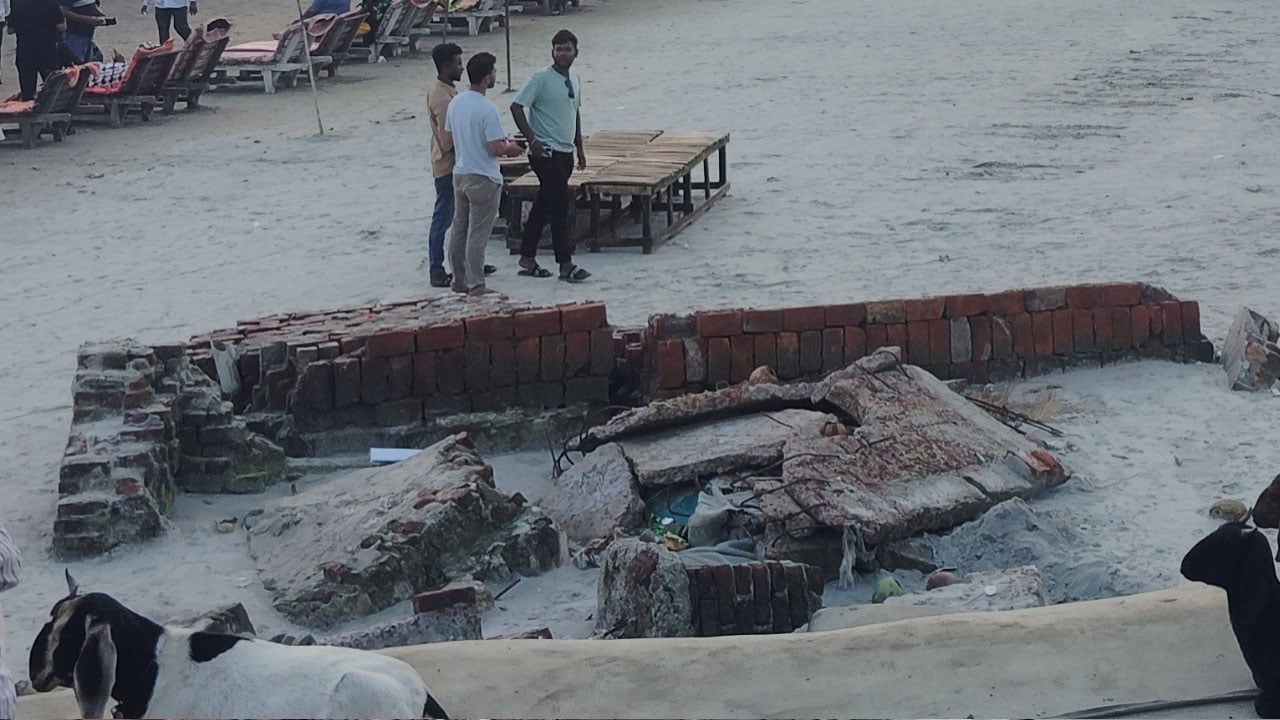
Concrete debris hidden under sand and seawater at Kuakata beach in Patuakhali has become a major safety concern for tourists. The hazardous remnants, including broken pillars, guide walls, and rusted rods, are mainly concentrated around the Zero Point area, where thousands of visitors bathe daily. Locals report that despite repeated accidents, the beach management committee and relevant authorities have not taken visible measures such as installing warning signs or clearing the debris. The concrete structures originated from facilities destroyed by cyclones Sidr in 2007 and Aila in 2009, including an LGED bungalow, public toilets, and park installations. These remnants now lie submerged or scattered across the beach, posing hidden dangers during high tide. A fatal accident occurred about a year and a half ago when a tourist was struck by submerged concrete. Local visitors and business owners have urged immediate safety measures, while Kuakata municipal administrator Md. Yasin Sadek stated that risky areas will be marked and warning signs installed to ensure tourist safety.
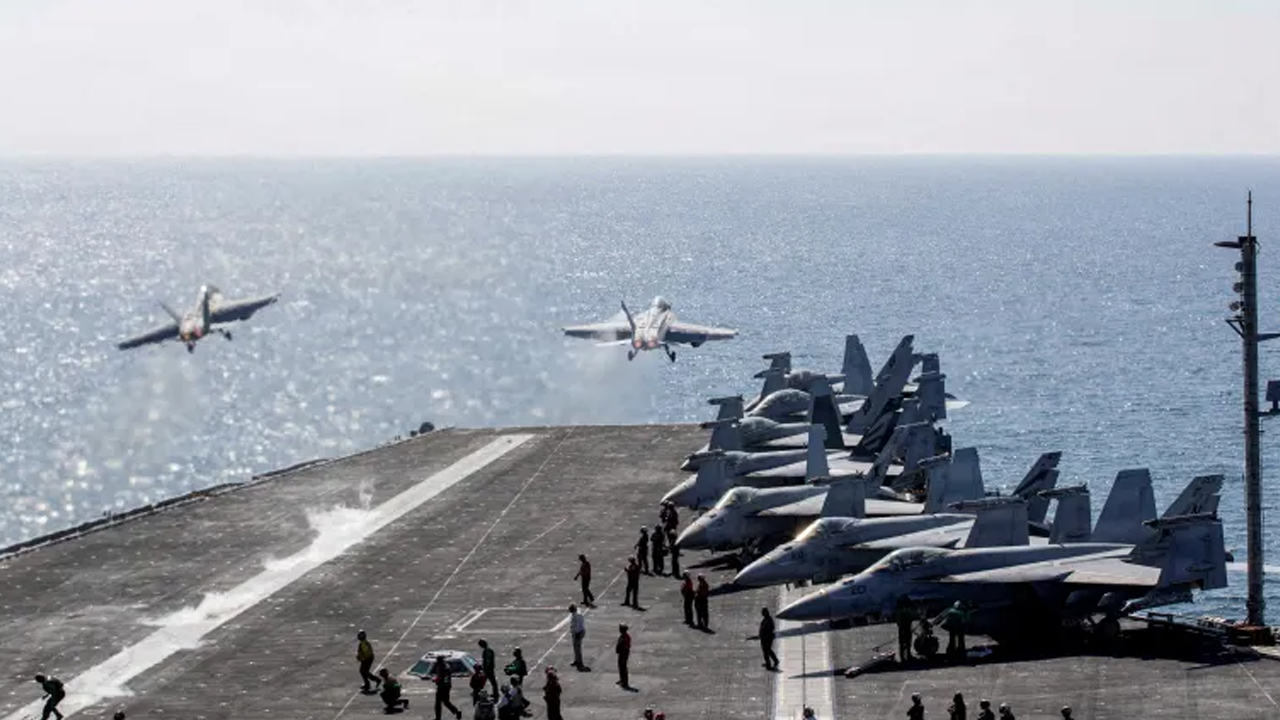
The United States Central Command (CENTCOM), responsible for military operations in the Middle East, has stated that American forces remain present and alert throughout the region. The announcement was made through a post on social media platform X, where the command shared an image related to its ongoing operations. According to CENTCOM, the shared image shows an F-16 fighter jet flying over Middle Eastern airspace while on patrol. The post underscores continued US military vigilance in the area, though no additional operational details were provided in the statement. The information was reported by Al Jazeera, and the CENTCOM post reflects ongoing monitoring and readiness activities by US forces in the region.
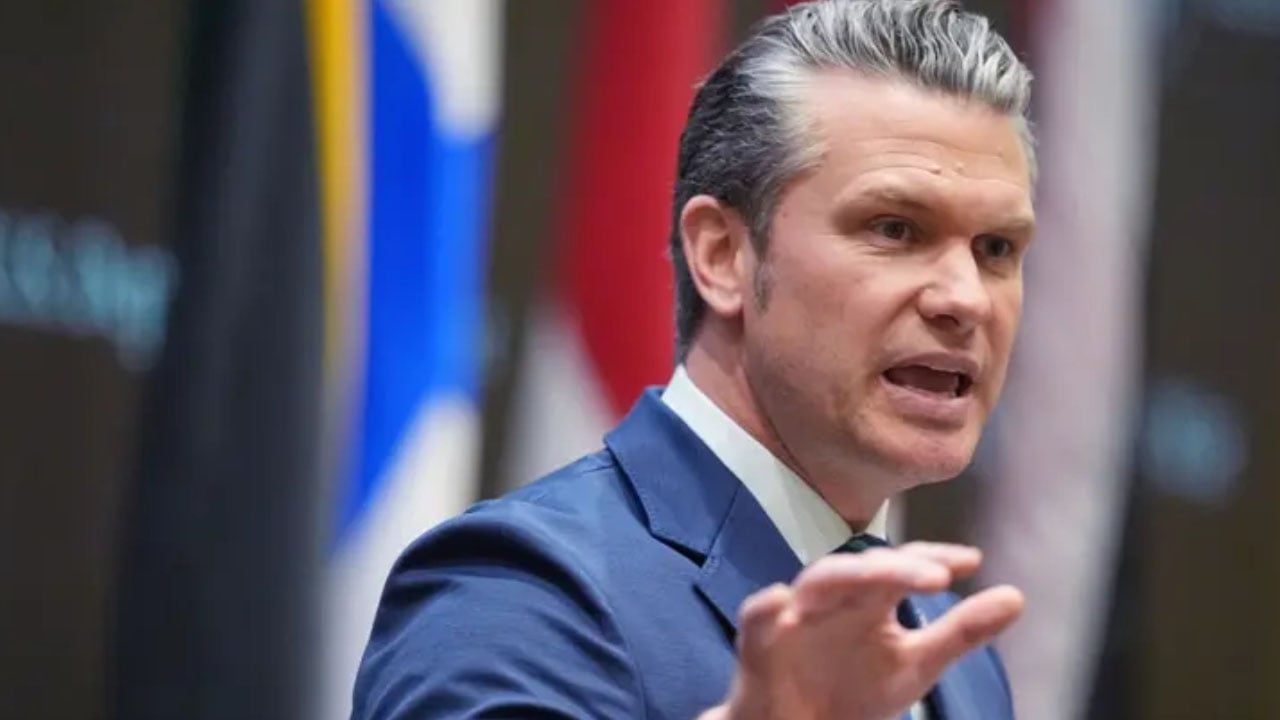
US Defense Secretary Pete Hegseth announced that the era of providing subsidies from the United States to wealthy nations has ended. He made the statement on Saturday while attending the Shangri-La Dialogue in Singapore. Hegseth warned that if the Pacific region falls under the control of any hegemonic power, it would disrupt the regional balance of power. He added that despite months of discussions about a possible war with Iran, the United States remains committed to maintaining a free and open Indo-Pacific. Hegseth also said that under President Donald Trump, relations between the United States and China have improved compared to previous years. He noted that the US is holding more frequent meetings with Chinese counterparts while keeping military communication channels open. Hegseth emphasized that the United States insists China must respect its long-standing presence in the region, underscoring Washington’s strategic focus on stability and openness in the Indo-Pacific.
A 60-year-old Canadian citizen, Kenneth Law, has pleaded guilty to 14 charges of aiding suicide by selling poison online. He entered the plea on Friday in an Ontario court as part of a deal with prosecutors, which led to the withdrawal of more serious murder charges. Authorities said Law, a former chef, sold about 1,200 poison packages to people in 40 countries through online suicide forums, with a quarter of the shipments sent to the United Kingdom. All 14 charges against him relate to Canadian victims. Families in the UK expressed anger that British prosecutors did not charge him, despite reports that 79 deaths there were linked to his products. The UK’s Crown Prosecution Service stated it agreed with the Canadian plea deal, ensuring British deaths would be considered during sentencing. Law will not face trial in the UK, as he could challenge extradition after conviction in Canada. Under Canadian law, aiding suicide carries a maximum penalty of 14 years in prison. His sentencing hearing will begin on September 23, where victim impact statements will be read in court.

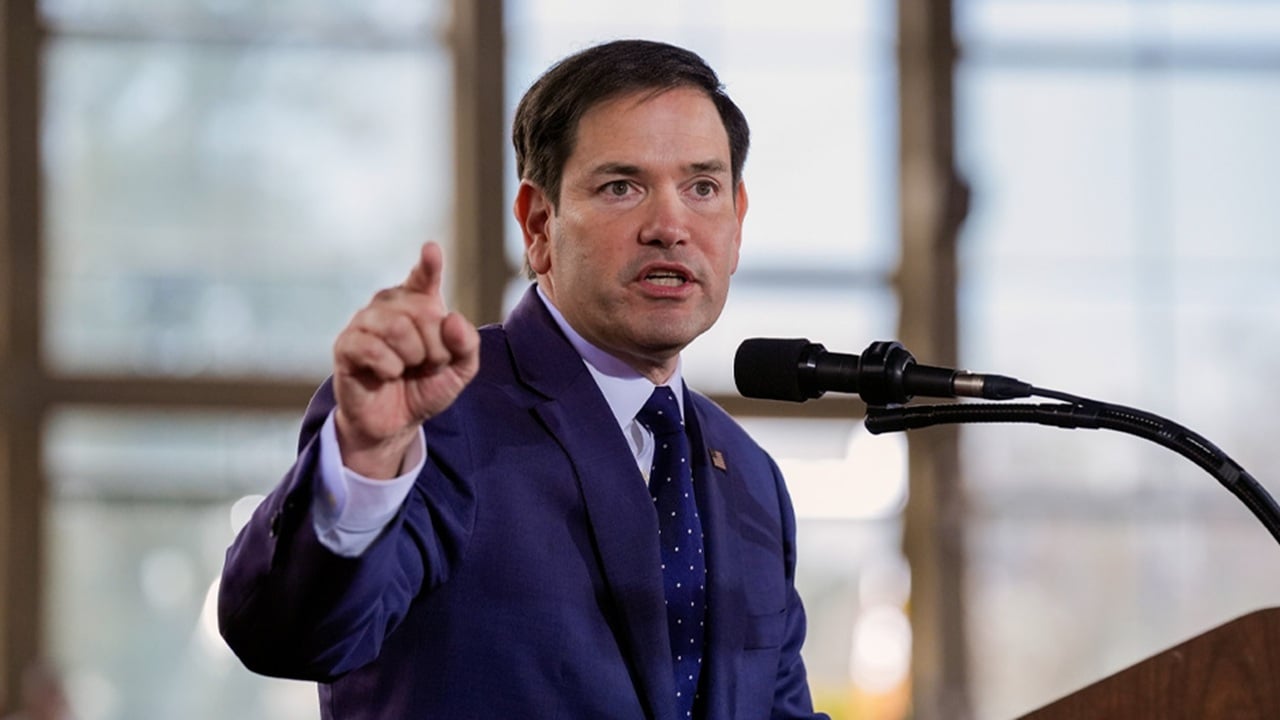
U.S. President Donald Trump has held Hezbollah solely responsible for the ongoing conflict with Israel, according to remarks conveyed to Lebanese President Joseph Aoun. Senator Marco Rubio stated that Hezbollah must immediately stop its attacks to create an opportunity for easing tensions with Israel. Rubio also praised Aoun’s courage and foresight in continuing direct talks with Israel. Rubio said Hezbollah is attempting to undermine efforts to seize a historic opportunity for advancing peace and stability. He reaffirmed Washington’s support for diplomatic initiatives aimed at reducing tensions along the Lebanon-Israel border. Despite a ceasefire, Israel continues to carry out full-scale attacks in Lebanon, while Hezbollah is conducting retaliatory strikes, according to the report sourced from Middle East Eye.
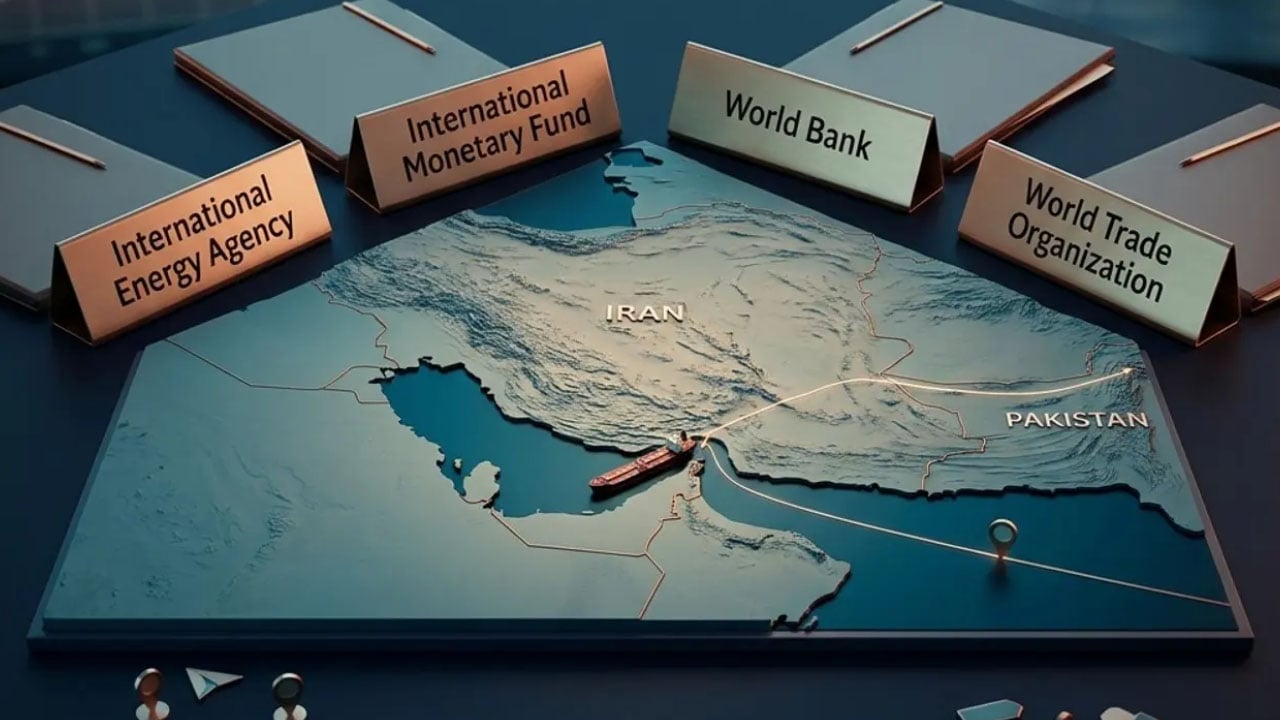
Leaders of the International Energy Agency (IEA), International Monetary Fund (IMF), World Bank, and World Trade Organization met to discuss the economic and energy impacts of the ongoing war in Iran and the wider Middle East. Following the meeting, the institutions issued a joint statement warning that if shipping through the Strait of Hormuz does not return to normal, global oil reserves could be depleted before the northern hemisphere’s summer demand peaks. They cautioned that this would heighten risks to energy security, market stability, and the broader global economy. The statement also noted that the organizations are exploring ways to strengthen collective support through multilateral and bilateral measures to mitigate the crisis and its economic consequences. In April, the IMF, World Bank, and IEA had announced the formation of a joint team to assist vulnerable economies in managing the crisis. The institutions’ coordinated approach signals growing concern over the potential escalation of the energy crisis and its ripple effects on global markets and economic stability.
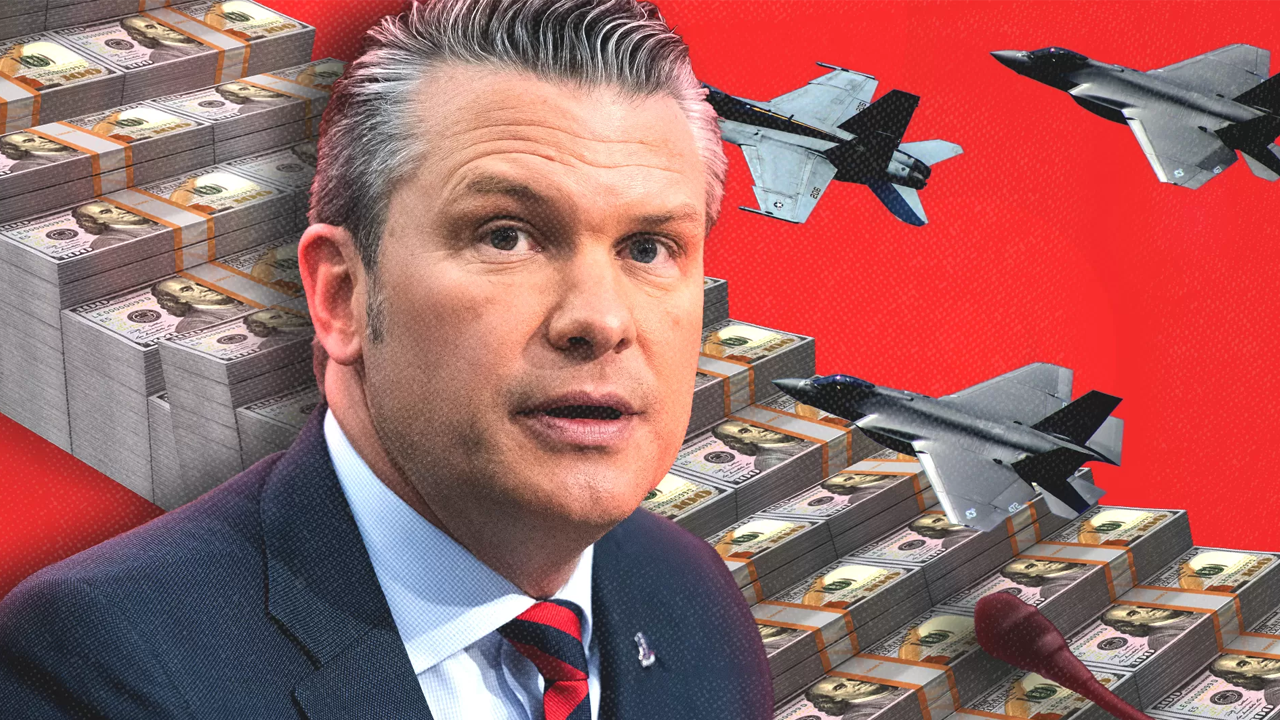
US Defense Secretary Pete Hegseth announced that President Donald Trump will make a $1.5 trillion generational investment in the defense sector this year. Speaking at the Shangri-La Dialogue, Asia’s leading security conference in Singapore, Hegseth described the move as a historic national production momentum for America’s defense industrial base. He called on allied nations to allocate at least 3.5 percent of their GDP to defense spending, emphasizing that Washington will now prioritize relations with what he termed “ideal allies.” Hegseth warned that countries failing to meet this commitment would face clear changes in their business and diplomatic relations with the United States. He added that those relying on American taxpayers’ generosity for free benefits should recognize that such days are over. Hegseth characterized the initiative as a strategic necessity, underscoring a shift in US defense and alliance policy direction.
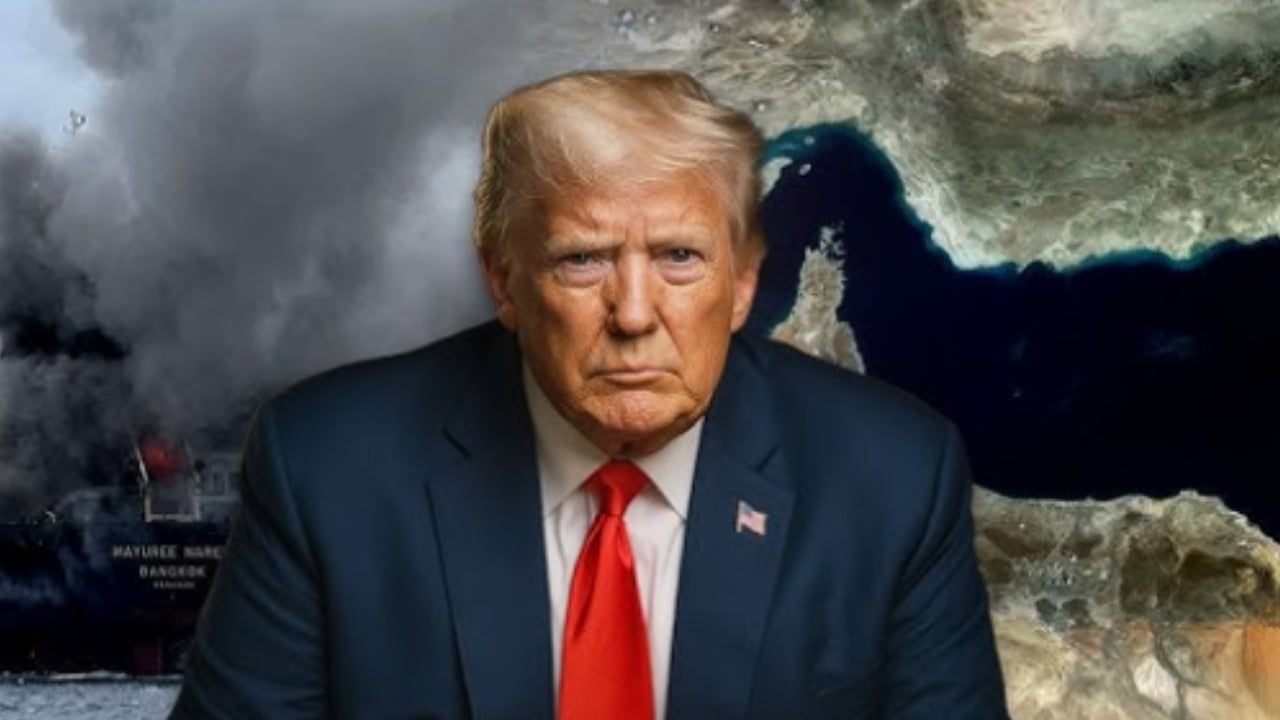
US President Donald Trump has announced the lifting of the naval blockade imposed on Iran last month. The announcement was made through a post on his social media platform, Truth Social. Trump stated that the blockade on Iranian ports would soon be removed, allowing detained ships to return to their destinations. In his post, Trump outlined several conditions for a potential US-Iran agreement. He said Iran must pledge never to develop nuclear weapons and ensure free passage of ships through the Strait of Hormuz without any tolls. He also demanded that any mines in the strait be cleared, claiming that US forces had already destroyed several through explosions. Trump further claimed that the United States, with assistance from the International Atomic Energy Agency, would recover and destroy uranium that had been damaged in an underground Iranian facility during a US B-2 bomber strike about eleven months ago.
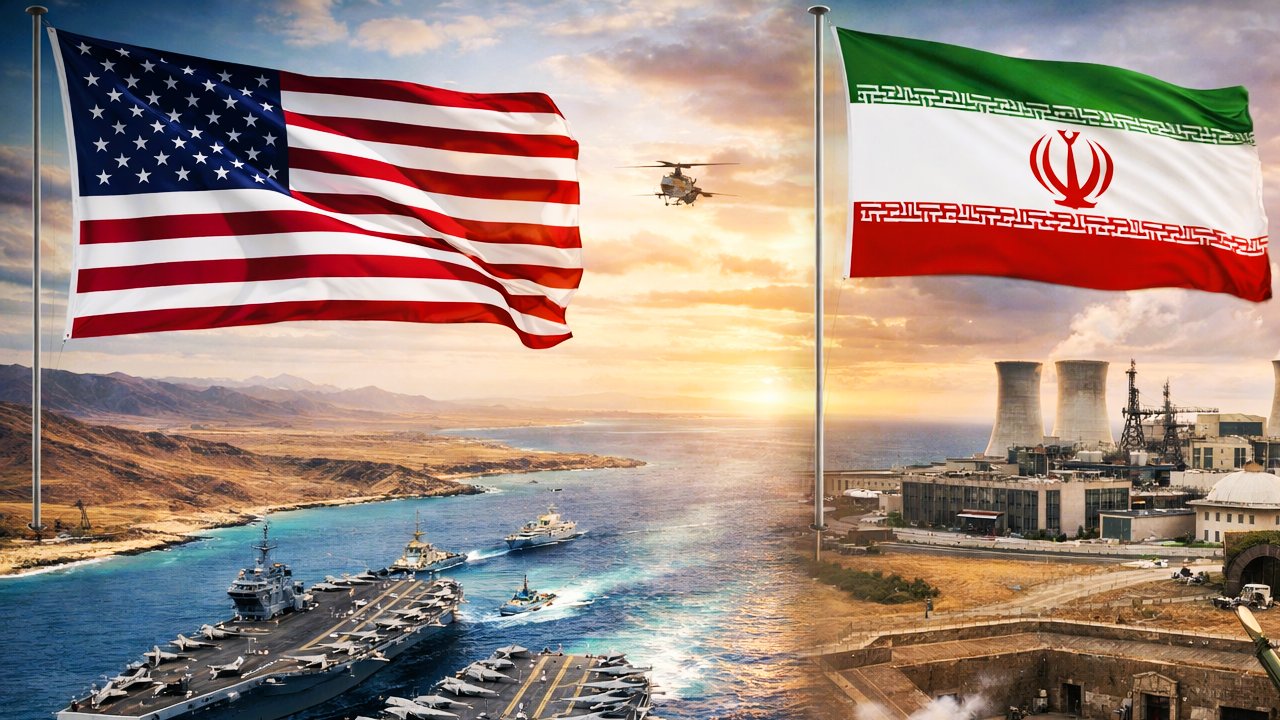
Iran has confirmed that message exchanges with the United States are ongoing but no final agreement has been reached. The statement came from Iranian Foreign Ministry spokesperson Esmail Baghaei, who issued a formal response emphasizing Tehran’s cautious stance. He strongly rejected the tone and language used by U.S. President Donald Trump, asserting that Iran abandoned the language of imposed conditions 47 years ago. Baghaei stressed that Iran bases all its decisions solely on the interests and rights of its people. Addressing the issue of the naval blockade and the Strait of Hormuz, he said that what the United States calls a blockade is, from Iran’s perspective, an illegal act since the beginning of the war, violating both the ceasefire and international maritime freedom. He added that Iran will observe whether the announced lifting of the blockade is implemented in practice or remains a mere publicity claim. Overall, Tehran’s message was one of caution, indicating that despite ongoing discussions, the main contentious issues between the two countries remain unresolved.
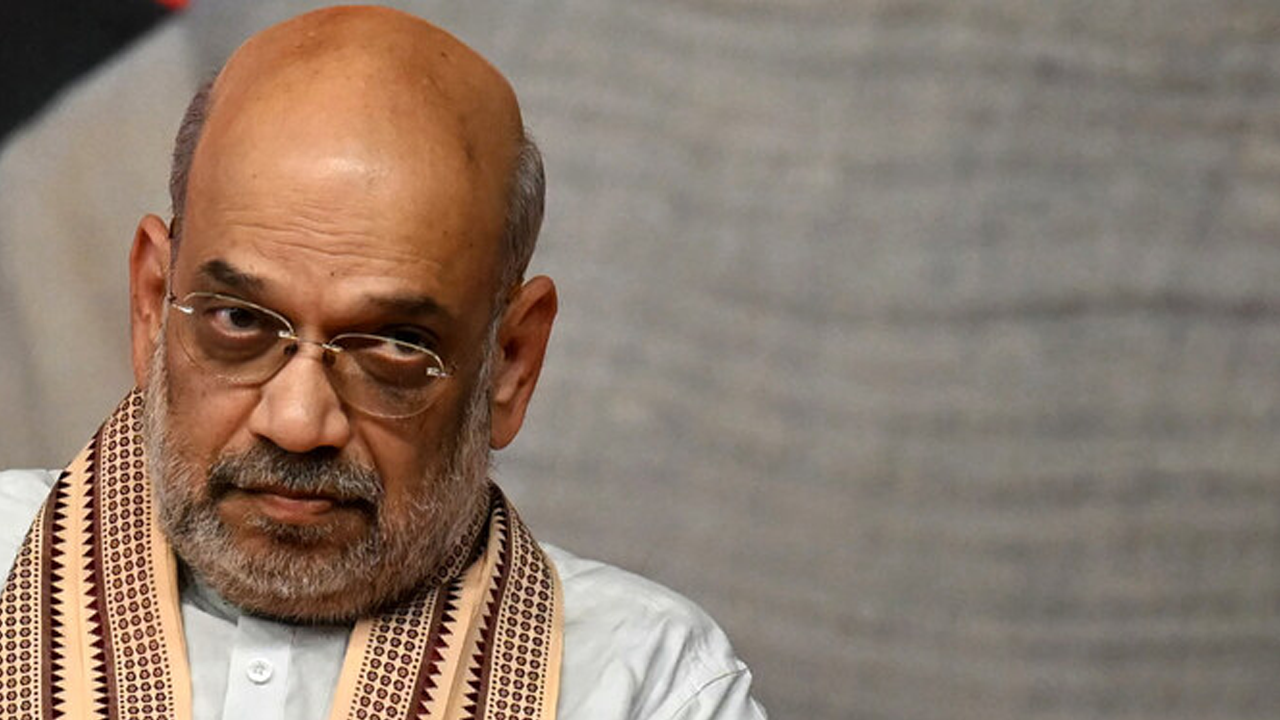
The West Bengal state government, led by Chief Minister Suvendu Adhikari, has handed over 721 hectares of land to India’s Border Security Force (BSF) for constructing border fencing. The announcement was made by Union Home Minister Amit Shah on Thursday during a meeting in Gandhinagar, Gujarat. According to Shah, the land transfer took place within seven days of Adhikari’s swearing-in as chief minister. Of the total land, 600 hectares are located along various Bangladesh–West Bengal border areas, while 121 hectares are in the sensitive Chicken’s Neck region. Amit Shah stated that under Prime Minister Narendra Modi’s leadership, the Bharatiya Janata Party (BJP) now governs across the Ganga river basin. He added that after the establishment of detention centers in West Bengal, illegal immigrants have begun returning to their home countries voluntarily. Shah contrasted this with the previous administration under Mamata Banerjee, claiming that daily infiltration occurred during her tenure. He further said that the state government is ready to assist those who wish to leave voluntarily and assured that no legal cases would be filed against them if they depart before formal identification begins.
The ‘1 Nojor’ media platform is now live in beta, inviting users to explore and provide feedback as we continue to refine the experience.