

The ‘1 Nojor’ media platform is now live in beta, inviting users to explore and provide feedback as we continue to refine the experience.
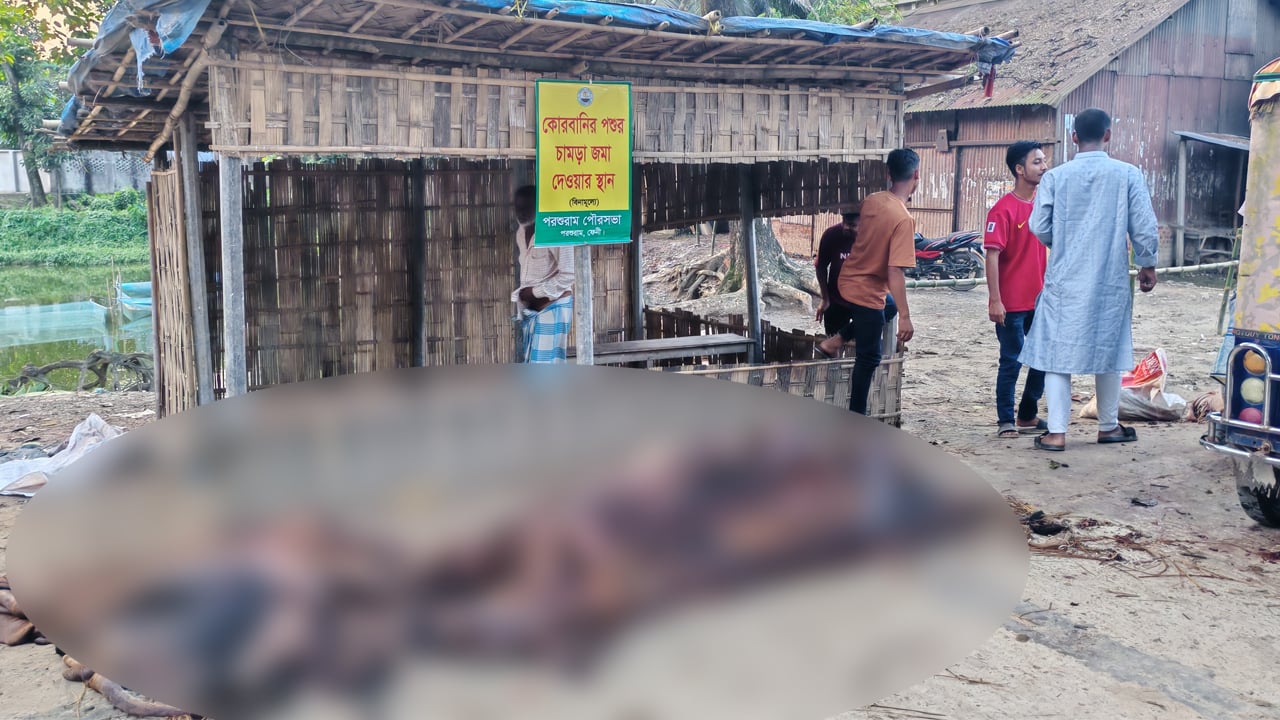
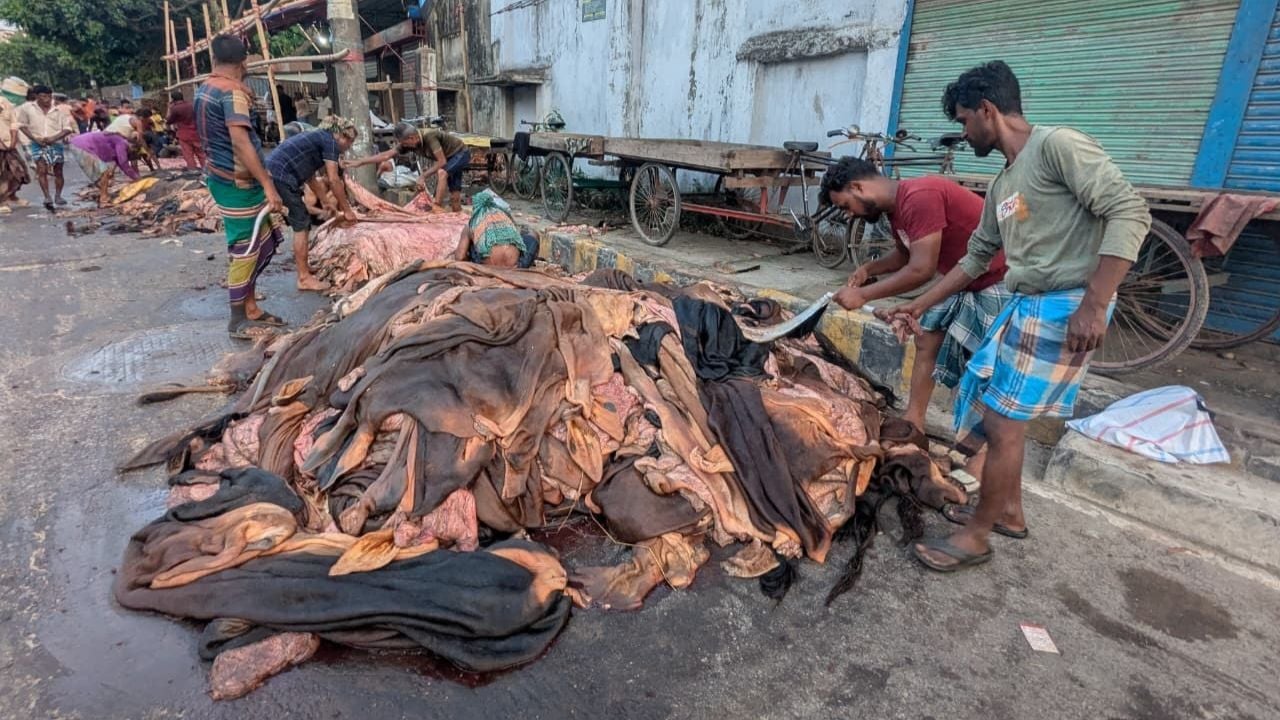
In Parshuram upazila of Feni, seasonal traders faced severe losses as sacrificial cowhides were sold at extremely low prices, ranging from Tk 50 to Tk 200, during Eid-ul-Azha on Thursday evening. Many small traders gathered at the local cattle market to sell hides but found buyers unwilling to pay beyond Tk 200. According to the local livestock office, around seven thousand cows, goats, and buffaloes were sacrificed in the area, leaving both donors and traders frustrated over the poor returns. Several traders described their losses, including a 70-year-old man who bought a hide for Tk 500 but could not sell it for more than Tk 200, and another who sold four hides for Tk 550 after paying market tolls. Despite the government’s fixed rate of Tk 57–62 per square foot for salted cowhide outside Dhaka and Tk 25–30 for goat hides, buyers were largely absent. Many donors instead gave hides to local madrasas and orphanages as charity. Parshuram municipal administrator and assistant commissioner (land) SM Shafayat Akhtar Noor said the issue of low prices had been reported to higher authorities for further action.
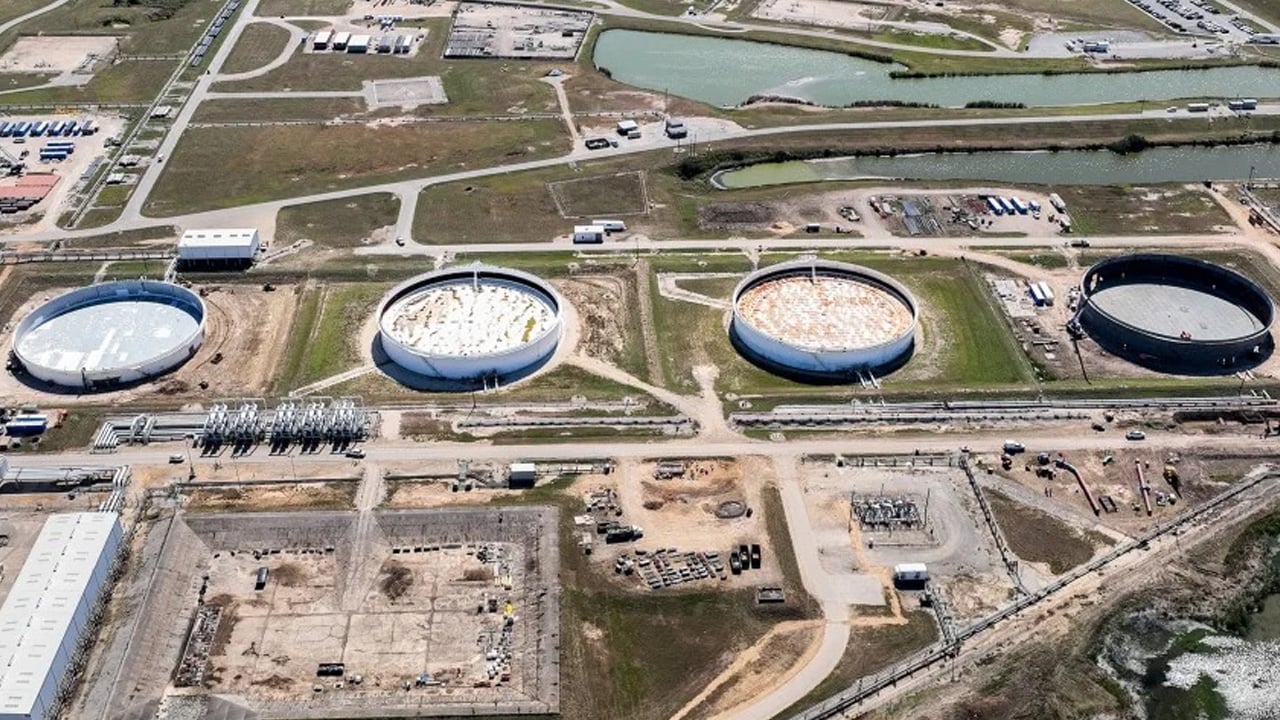
The United States’ Strategic Petroleum Reserve (SPR) is rapidly depleting as President Donald Trump releases oil at a faster pace ahead of the midterm elections. The reserve, located in underground caverns in Texas and Louisiana, now holds crude oil volumes close to the lowest levels since the early 1980s, when the US economy and energy consumption were significantly smaller. The accelerated drawdown follows Trump’s earlier criticism of President Joe Biden for selling oil from the SPR during the 2022 campaign period to keep gasoline prices low. Energy intelligence firm Kpler’s chief oil analyst Matt Smith said the barrels released from the reserve will eventually need to be replaced, which could push prices higher. The shrinking stockpile highlights the challenge US officials will face in refilling the reserve, potentially sustaining both demand and prices in the energy market. The SPR, the world’s largest emergency crude oil reserve, has historically been used by both Republican and Democratic presidents to stabilize supply disruptions caused by wars, hurricanes, or other crises.
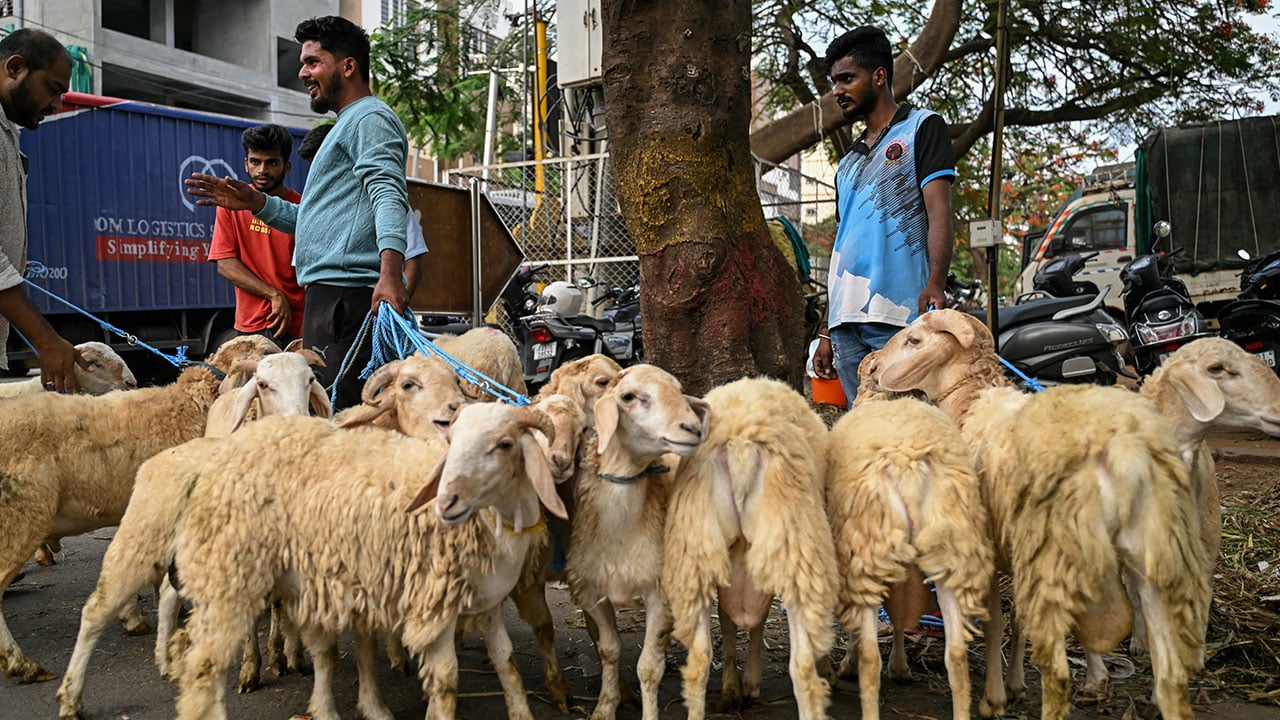
Indian Muslims are facing growing anxiety ahead of Eid al-Adha after police issued warnings against cow sacrifice. In Mumbai, an incident occurred where Muslims carrying a goat for sacrifice were attacked with chants of a religious slogan, and pigs were brought in to humiliate them. A video shared on social media showed a West Bengal police officer cautioning that anyone secretly sacrificing cows would face consequences, and even goat sacrifices should not be done publicly. The video was released by police a day before Eid and later shared by the West Bengal unit of the Bharatiya Janata Party (BJP) on Eid day. These actions have created pressure and fear among Muslims across the state. However, BJP representatives claimed that Muslims were celebrating peacefully and that no restrictions were imposed on those observing their faith lawfully. This year, Kolkata’s traditional Eid scene changed significantly. The historic Eid prayer at Red Road was not permitted by the BJP-led state government, and the congregation took place instead at Brigade Ground with a much smaller turnout. Reports described a subdued atmosphere and minimal animal sacrifices across West Bengal.
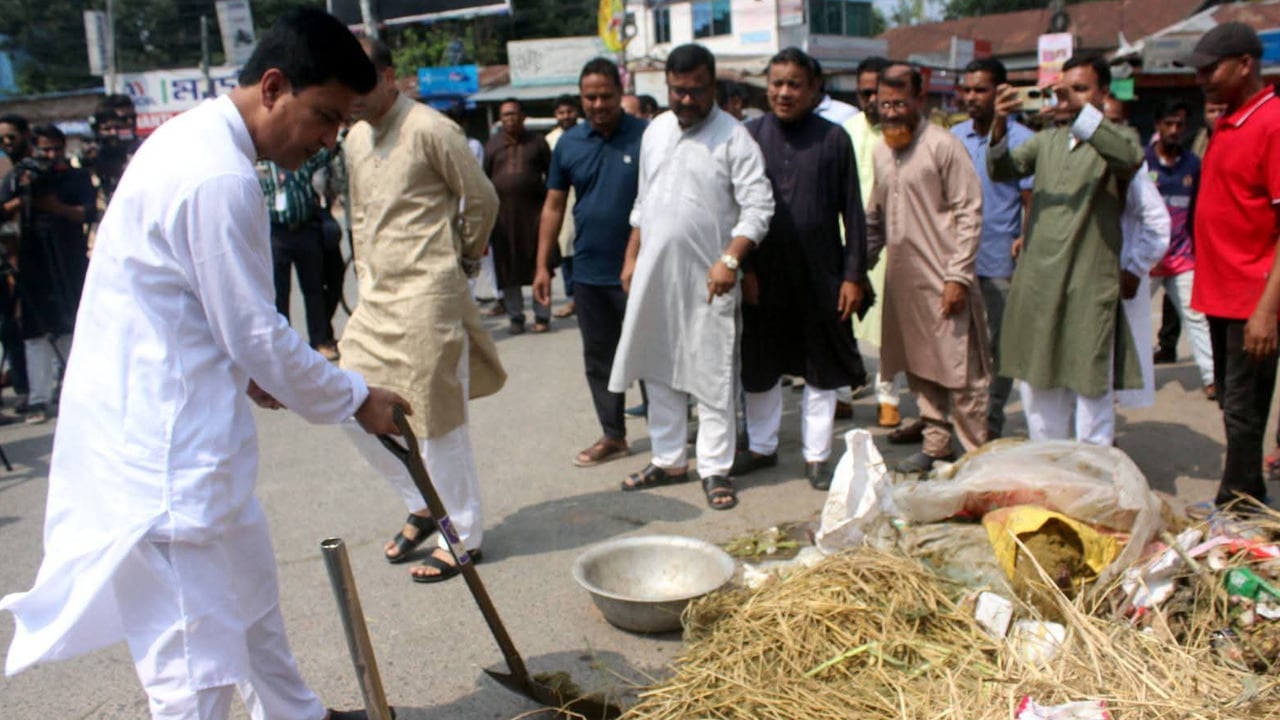
Rangpur City Corporation has launched a citywide operation to remove sacrificial waste following Eid-ul-Azha. The cleanup began at 3 p.m. on Thursday at Shapla Chattar, inaugurated by City Administrator Mahfuz Un Nabi Don. Around 1,100 workers are engaged simultaneously across the city’s 33 wards to clear waste from designated bins, streets, and residential areas, transporting it to the corporation’s dumping site at Nachania Beel. The administrator stated that all waste removal would be completed by 10 p.m. and that the cleaned areas would be washed with bleaching powder and water afterward. He also noted that the city had arranged 66 designated slaughtering spots across the 33 wards to facilitate organized animal sacrifice during Eid. Officials reiterated their expectation to complete the waste removal within eight hours, maintaining the city’s commitment to a clean and hygienic environment after the festival.
Industry, Commerce, and Textiles Minister Khandaker Abdul Muktadir made an unannounced visit to the Aminbazar leather sales center in Dhaka on Thursday, May 28, 2026. The inspection aimed to observe whether the collection, preservation, and marketing of sacrificial animal hides were being conducted properly. Commerce Ministry Secretary Md. Abdur Rahim Khan accompanied the minister during the visit. During the inspection, the minister spoke with rawhide buyers, sellers, commission agents, and traders to learn about market conditions, pricing, storage systems, and overall operations. He emphasized that the government is giving top priority to ensuring proper management of hides during the Eid-ul-Azha season, describing the leather industry as a vital sector of the national economy. He urged all stakeholders to act responsibly. Muktadir further stated that the government remains vigilant to prevent mismanagement, syndication, or wastage of hides and that regular field-level monitoring will continue.

Seasonal leather traders in Chattogram have again suffered major losses after buying sacrificial animal hides during Eid-ul-Azha. They purchased hides from neighborhoods for 400–450 taka per piece but were forced to sell them to wholesalers at Aturar Depot and Choumuhani markets for as low as 150–250 taka. Traders alleged that wholesalers ignored government-fixed prices and formed syndicates to buy hides at nominal rates. Many traders waited for hours without buyers and eventually sold at a loss to prevent spoilage. Wholesalers denied the syndicate allegations, saying that processing and salting each hide costs around 450 taka, which must be deducted from the government rate. They claimed seasonal traders overpaid during collection, leading to their losses. The same problem occurred last year when unsold hides were left on streets. To prevent waste this year, two voluntary groups—Islami Samaj Kalyan Parishad and Gausia Committee—have started salting and preserving collected hides, targeting 30,000 and 100,000 pieces respectively. Despite official promises of market monitoring, traders reported no visible administrative oversight, leaving them vulnerable to unfair pricing and financial losses.
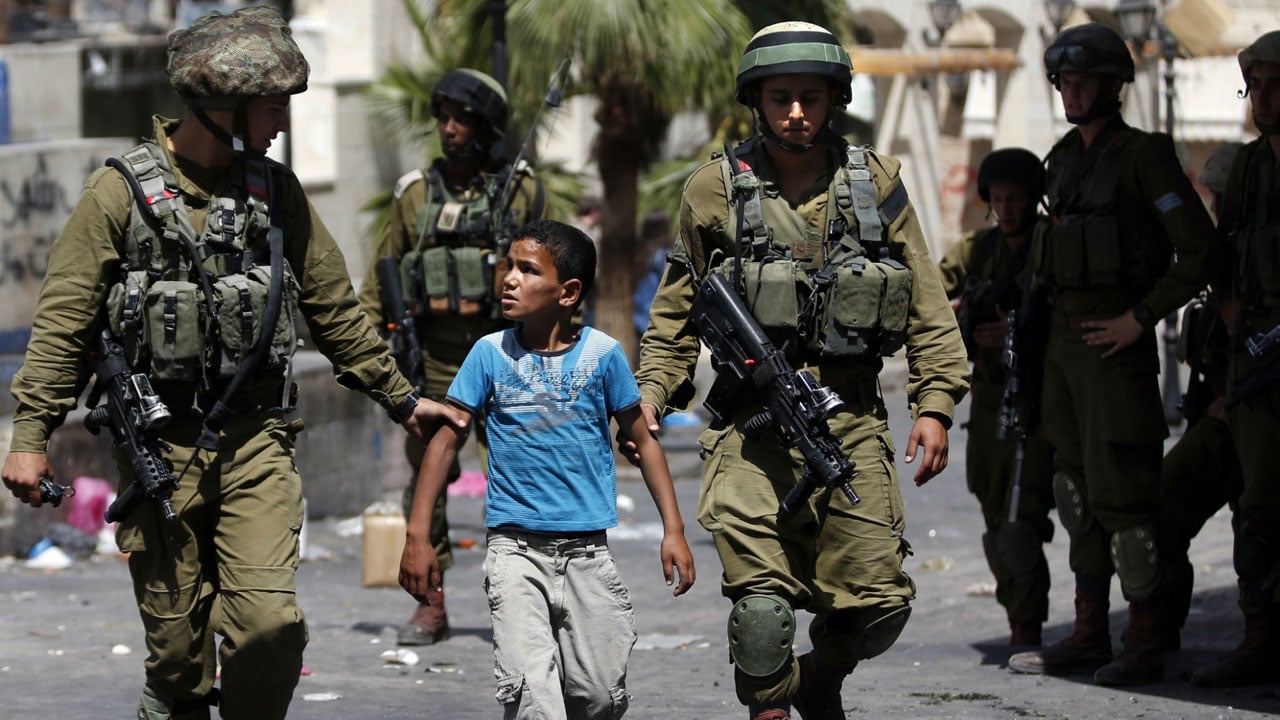
Nearly 140,000 Palestinian worshippers performed Eid al-Adha prayers at the Al-Aqsa Mosque in occupied Jerusalem on May 28, 2026, despite heavy Israeli security measures and restrictions. The Islamic Waqf Department reported that the mosque compound was filled with worshippers, while Israeli forces deployed in large numbers, conducted searches at entry points, and detained several individuals. This was the first Eid prayer at Al-Aqsa since tensions between Israel and the United States escalated over Iran last year. During Eid al-Fitr earlier, Israeli authorities had closed the mosque, forcing worshippers to pray outside. On Eid morning, Israeli forces tightened security across Jerusalem’s Old City, and worshippers entered mainly through the Lions’ Gate. Palestinian residents were urged to attend prayers to affirm the mosque’s Islamic identity and presence. The report also noted incidents of Israeli forces assaulting and detaining individuals near the mosque, including a young woman and journalist Saif al-Kawasma. Similar Eid prayers were held across the occupied West Bank, where Israeli raids and arrests continued, injuring a 13-year-old boy near Hebron.

The West Bengal government moved Kolkata’s main Eid congregation from the city’s historic Red Road to the Brigade Parade Ground, ending a 48-year tradition. The prayer gathering took place under tight security with drone surveillance, watchtowers, and a large police presence. The Eid prayers began at 8:32 a.m. and concluded at 8:44 a.m., with thousands of worshippers attending. Authorities stated that the decision was part of a policy to avoid closing major city roads for religious events, aiming to reduce public inconvenience. Historically, the Kolkata Khilafat Committee had organized Eid prayers at the Shaheed Minar area until 1976, before shifting to Red Road in 1977 due to flooding. Since then, Red Road had hosted both major Eid congregations every year until 2025. Many attendees said they faced no difficulty praying at the new venue, though some expressed concern that heavy rain before future Eids could complicate arrangements. The event also featured the hoisting of the national flag as a key symbol of the celebration.

On May 28, 2026, the Palestinian Prisoners Club reported that 360 Palestinian children, including three girls, and 84 women spent the holy Eid al-Adha day in Israeli prisons. The organization stated that a total of 9,400 Palestinians are currently held under Israeli custody, facing severe mistreatment and deprivation of food and basic necessities. According to the club’s head, Abdullah al-Zaghari, Israel is targeting detainees through unprecedented repression and abuse. He claimed that since the start of the Gaza war, more than 100 prisoners and detainees have died, with 89 of them identified so far. Al-Zaghari also alleged that Palestinian prisoners are being denied adequate food and that incidents of sexual assault and rape have occurred in detention centers. He further accused Israeli authorities of preventing families from visiting detainees, isolating them from the outside world to break them mentally and physically.
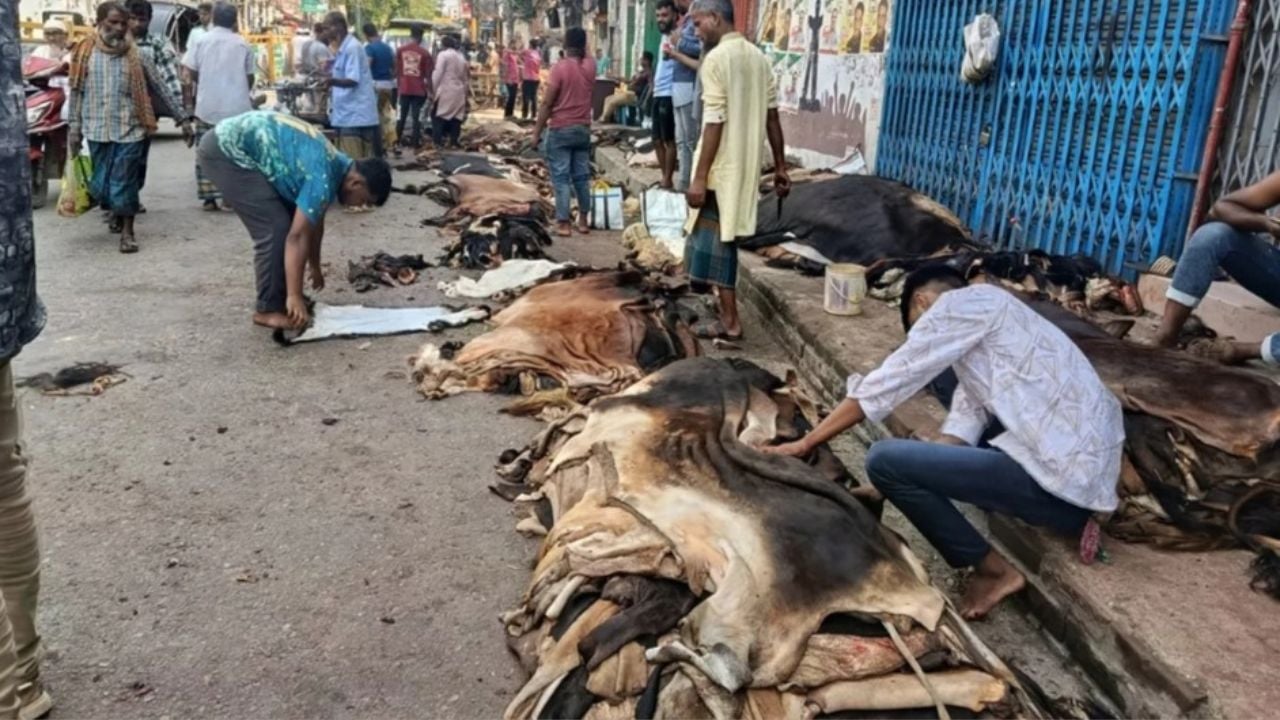
Seasonal leather traders in Bogura are facing a severe crisis as the local market experiences a sharp decline in demand. Goat hides are reportedly being discarded in dustbins due to a lack of buyers. Traders said they are unable to sell their collected hides at reasonable prices, with cowhides fetching only Tk 200–600 after being purchased for Tk 500–800 in rural areas. Goat hides are selling for as little as Tk 5–20, far below the purchase price of Tk 30–60. According to traders, the crisis has deepened because tannery owners in Dhaka owe them large sums of unpaid dues, leaving their capital tied up. Rising salt prices and higher preservation costs have further worsened the situation. Many traders fear losing their investment as transportation and labor costs exceed their sales revenue. Buyers attribute the slump to poor-quality hides caused by lumpy skin disease in livestock. They said only high-quality hides are being purchased at government-fixed rates, while low-quality hides have little to no demand. Traders and wholesalers warned that if dues remain unpaid and the market does not stabilize soon, the leather trade could face an even greater crisis ahead.
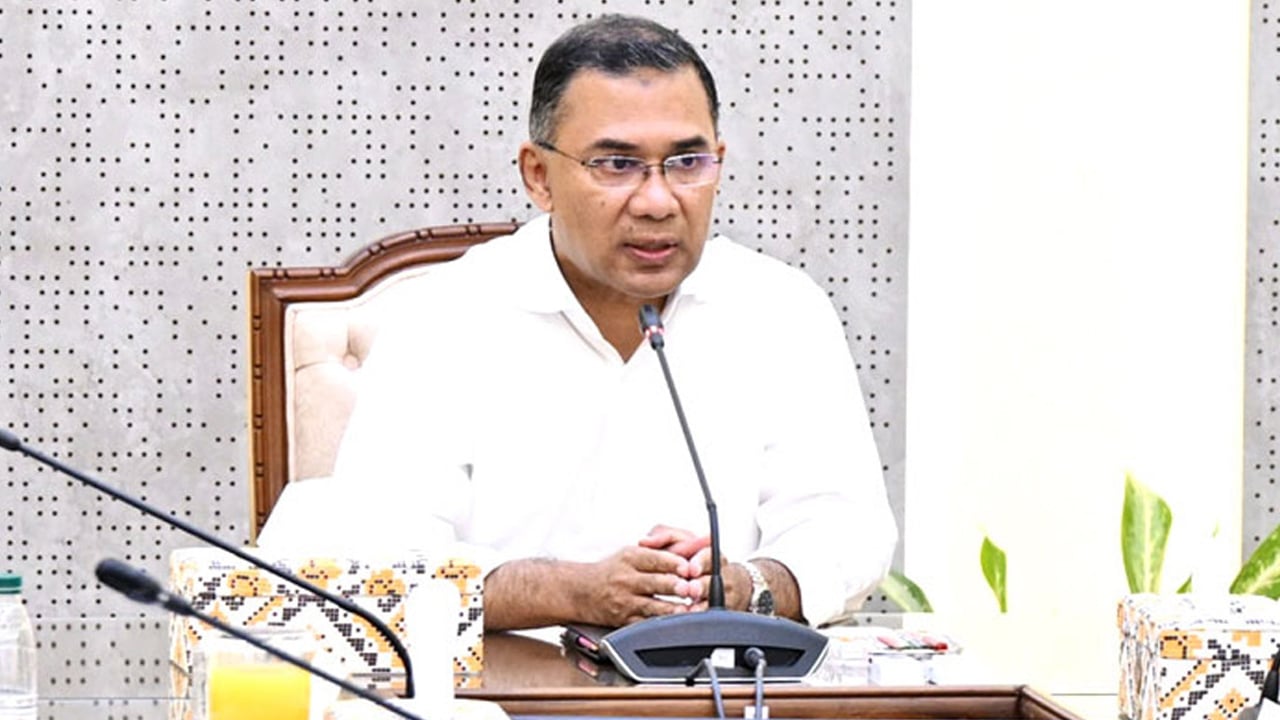
Prime Minister Tarique Rahman said that everyone must fulfill their responsibilities from their respective positions to build the desired Bangladesh. He made the remarks on Thursday afternoon during a luncheon organized by ‘Mrityunjayi 25’ at Zia Colony in Dhaka Cantonment on the occasion of Eid-ul-Azha. The Prime Minister expressed his emotional connection to the cantonment, recalling many personal memories associated with the place. He praised the Bangladesh Army for its professionalism, sense of duty, and tradition of standing beside the people during national crises and disasters. Rahman said the army’s contribution to national needs is deeply valued by the people and that it remains a symbol of trust for the state in safeguarding independence, sovereignty, and public security. After the luncheon, the Prime Minister exchanged Eid greetings with army members, inquired about the living conditions of soldiers at the army mess, planted a neem sapling, and signed the visitors’ book. He also performed the Zuhr prayer at the army mess mosque and again exchanged Eid greetings with officers and soldiers.
Shantanu Sen, a senior leader of the Trinamool Congress and former Rajya Sabha member, has resigned from his position as the party’s national spokesperson. According to reports, he sent his resignation letter to party chief Mamata Banerjee on May 28, 2026, explaining his reasons for stepping down. In his letter, Sen stated that despite facing difficult circumstances and internal differences, he had long represented the party’s stance in the media and defended it on several controversial issues, earning public appreciation. However, he now believes that a section of the state’s population is rejecting the party due to allegations of corruption and unethical activities. Referring to incidents such as the RG Kar case and job recruitment scandals, he said it was no longer possible for him to continue as the party’s spokesperson. Sen requested that his resignation be accepted as a mark of respect for the people’s verdict, signaling his withdrawal from the party’s national communication role.

Home Minister Salahuddin Ahmed stated that the current government is working with a commitment to national unity and nation-building. He made the remarks on Thursday in Dhaka while briefing journalists after exchanging Eid greetings with Prime Minister Tarique Rahman at the Prime Minister’s Gulshan residence. The minister emphasized that people from all walks of life, regardless of political affiliation, must unite to build a prosperous Bangladesh under the slogan 'Bangladesh First'. He added that since August 5, 2024, the people of Bangladesh have been enjoying a free, independent, and peaceful environment, celebrating several festive Eids in succession. The minister called for collective prayers for the country’s continued prosperity, peace, and welfare. He also mentioned that on the occasion of Eid-ul-Azha, Prime Minister Tarique Rahman and his wife Dr. Zubaida Rahman visited the graves of former presidents and family members to pay their respects. The briefing was attended by State Minister for Local Government Mir Shahe Alam, the Home Minister’s son and BCB Adhoc Committee member Syed Ibrahim Ahmed, and other senior leaders.

Eid al-Adha in West Bengal took on an unusually subdued tone this year as the traditional congregational prayers on Kolkata’s Red Road did not take place. The event, historically central to the city’s Eid celebrations, was not permitted by the state’s BJP government under Chief Minister Suvendu. Instead, the main Eid prayers were held at the Brigade Parade Ground at 8:30 a.m., led by Imam Qari Fazlur Rahman. Attendance was significantly lower than usual, with only a few thousand participants compared to the typical one to two lakh worshippers. The festive enthusiasm was notably absent, and animal sacrifices across the state were largely suspended. The Red Road Eid congregation has a long history dating back to the British era, when the Khilafat Committee initiated prayers there. Despite changes in governance, the tradition continued after India’s independence. The report also recalls the historical roots of Kolkata’s waqf properties, many of which are now encroached upon, and references the Sachar Committee’s unimplemented recommendations to use such assets for Muslim education and welfare. The article reflects on Kolkata’s past interfaith harmony, contrasting it with the current atmosphere of melancholy and diminished communal spirit.

Israel and Lebanon are set to resume talks mediated by the United States starting tomorrow, beginning with a technical meeting between military officials. Diplomatic discussions are scheduled for the first week of June. The renewed dialogue comes even as Israel has significantly expanded its ground operations in recent days, particularly around the southern Lebanese city of Tyre. Reports indicate that Israeli forces have attempted to cross the Litani River and have established a 10-kilometer-deep security zone inside Lebanese territory. Observers suggest Israel aims to strengthen its position ahead of the talks. Israel has urged the Lebanese government to cooperate in disarming Hezbollah in the south, claiming that Lebanon has not taken sufficient action since a 2024 agreement to form a joint mechanism. Lebanon, facing a worsening humanitarian crisis and limited resources, is struggling to manage the escalating situation. Public frustration is rising, with many citizens calling for a stronger stance from their government, though such a shift appears unlikely under current conditions.

The ‘1 Nojor’ media platform is now live in beta, inviting users to explore and provide feedback as we continue to refine the experience.