

The ‘1 Nojor’ media platform is now live in beta, inviting users to explore and provide feedback as we continue to refine the experience.
Adverse weather conditions caused major flight disruptions at Shah Amanat International Airport in Chattogram on Tuesday, May 26, 2026. From early morning, several international and domestic flights were cancelled, diverted, or delayed for hours, leaving passengers facing significant inconvenience. The airport’s public relations officer, Engineer Mohammad Ibrahim Khalil, confirmed the disruptions in an official press release. According to airport sources, Biman Bangladesh Airlines flight BG-138 from Madinah was diverted to Dhaka instead of landing in Chattogram at 9:40 a.m. It later returned to Chattogram at 2:01 p.m. and departed again for Dhaka at 3:20 p.m. US-Bangla Airlines flight BS-342 from Dubai to Dhaka via Chattogram departed for Dhaka at 3:09 p.m. after a four-and-a-half-hour delay, while its BS-105 flight on the Dhaka–Chattogram–Dhaka route was cancelled. Flydubai’s FDB-564 flight from Chattogram to Dubai also departed nearly three hours late at 12:16 p.m. Airport authorities stated that poor runway visibility and safety concerns prompted the schedule changes and cancellations, and they are monitoring the situation continuously.

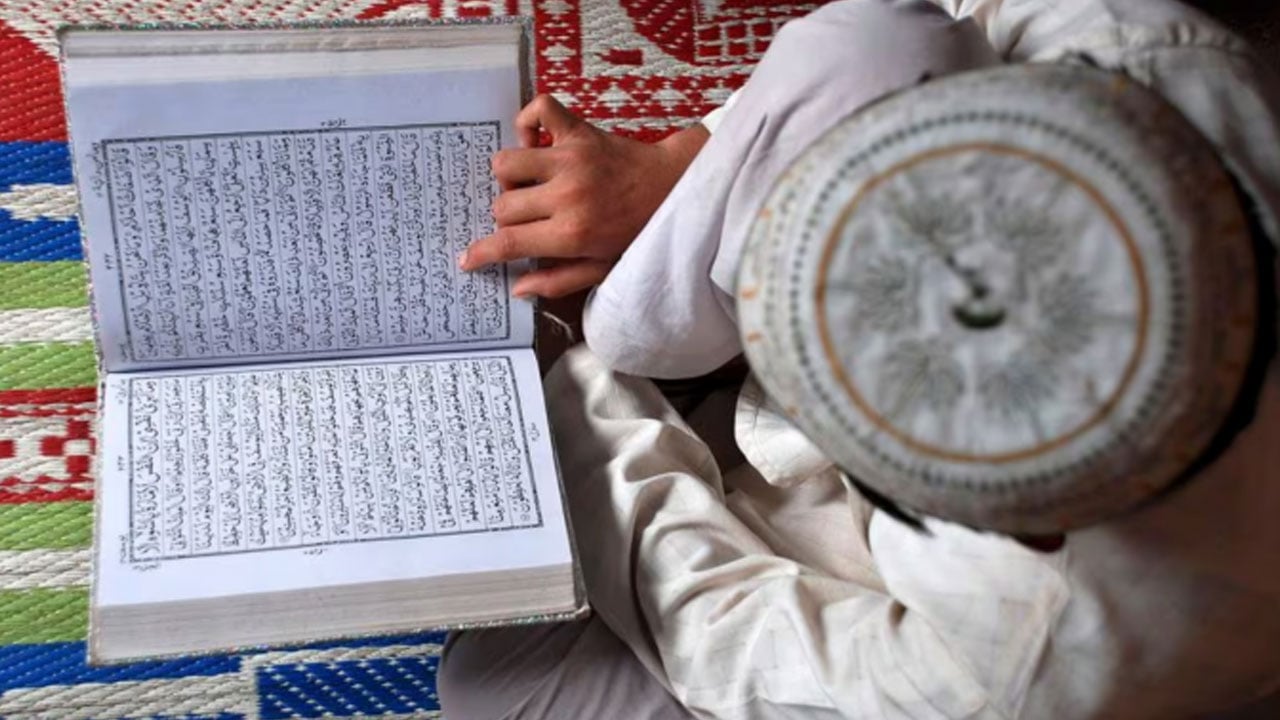
After Suvendu Adhikari assumed office as Chief Minister of West Bengal, government stipends for teachers at 601 unregistered madrasas were discontinued, according to a report by India Today. These institutions collectively serve about 84,000 students and employ nearly 6,000 teachers. During Mamata Banerjee’s tenure, the state had provided financial assistance to these madrasas, but that support has now been withdrawn. Following the suspension of stipends, a delegation of teachers met with Minority Morcha president Kamal Hossain, who assured them that he would look into the matter. The report also noted that Adhikari’s administration introduced new regulations on animal slaughter, which have affected cattle sales during the Muslim festival of Eid al-Adha, causing concern among Hindu cattle farmers. Additionally, the state government reduced the Eid al-Adha holiday from two days to one, citing adjustments based on moon sighting. The change marks a departure from the previous Trinamool Congress government’s policy, as the Bharatiya Janata Party now governs the state with a majority of 207 assembly seats.
A 20-member youth delegation from the Bangladesh Nationalist Party (BNP) is set to visit China from June 4 to 14, 2026, at the invitation of the Chinese government. The list, published by the Ministry of Local Government, Rural Development and Cooperatives and signed by Minister Mirza Fakhrul Islam Alamgir, includes student leaders from various universities and organizations but excludes any elected representatives from the Jagannath University Central Students’ Union (JAKSU). The omission has drawn attention and debate on social media. Several JAKSU leaders expressed disappointment over their exclusion, noting that Jagannath University performed strongly in recent student elections. They voiced hope that future delegations would include their representatives. Some leaders emphasized that the selection was based on the party’s internal planning rather than election results, while others criticized the decision as undermining their institution’s contributions. BNP’s Jagannath University student leaders reiterated their commitment to the party’s ideals and expressed confidence that future opportunities would reflect fair representation across institutions.

Iran’s Revolutionary Guard Air Force commander, Sayed Majid Mousavi, has warned that Iran is fully prepared to deliver a decisive response to what it calls a US violation of the ongoing ceasefire. In a post on social media platform X, Mousavi criticized current diplomatic efforts, saying that talks with the enemy bring only harm. He stated that Iran’s air force, which oversees the country’s strategic ballistic missile and drone programs, is on high alert and ready to act upon the supreme commander’s final order. Earlier, Iran’s Foreign Ministry accused the United States of breaching the ceasefire by conducting aggressive activities in the Hormozgan region near Bandar Abbas. The statement comes amid continuing peace negotiations, which have been overshadowed by renewed tensions between Tehran and Washington. The warning signals a potential escalation if the ceasefire violations persist, with Iran emphasizing its readiness for immediate retaliation should hostilities resume.

Saudi Arabia and several other countries are set to celebrate Eid al-Adha tomorrow, according to reports published on May 26, 2026. The celebration will take place across the Middle East, including Saudi Arabia, the United Arab Emirates, Qatar, Kuwait, Bahrain, and Oman. Muslim-majority nations such as Malaysia, Indonesia, Turkey, and Tunisia have also confirmed that they will observe the festival on the same day. Preparations for Eid prayers, animal sacrifices, and public holidays have already been completed in these countries. In addition, many Muslim communities in Europe and North America are expected to celebrate Eid al-Adha tomorrow in alignment with Saudi Arabia’s announcement. Meanwhile, Bangladesh and several South Asian countries are expected to observe the festival a day later. Across the Muslim world, the occasion is being marked with both religious solemnity and festive enthusiasm.

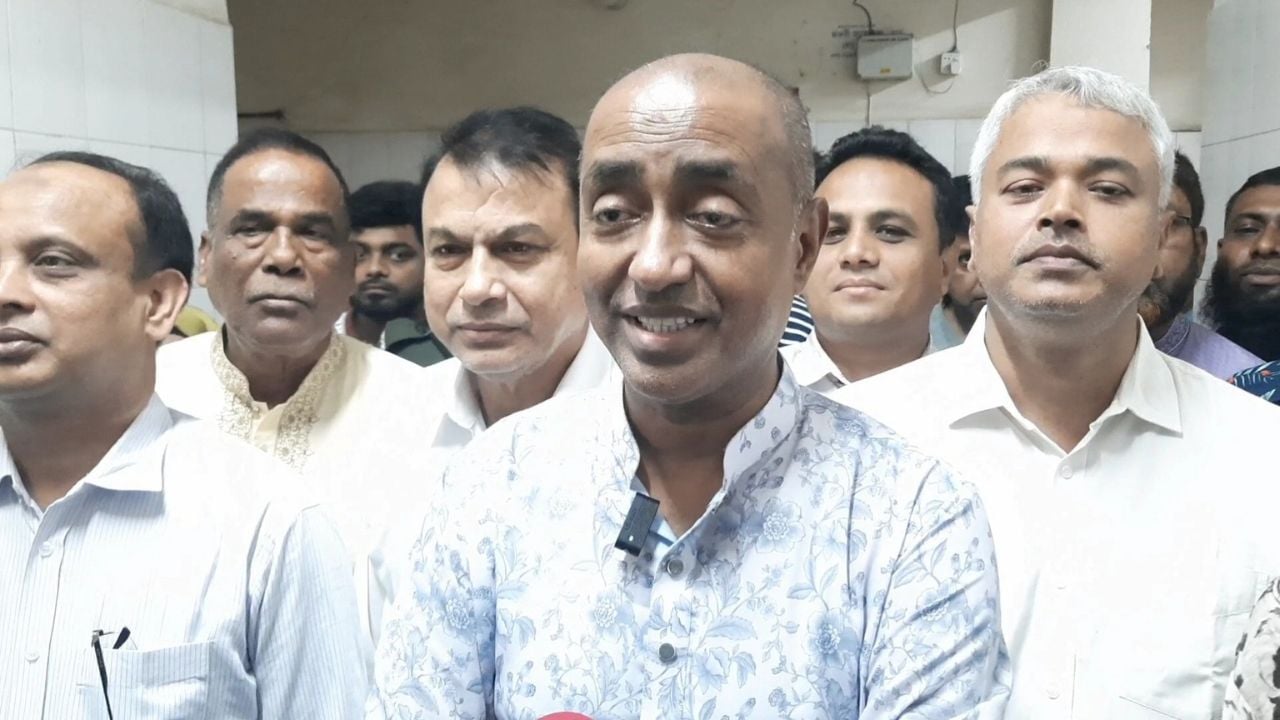
Law Minister Md. Anisul Huq stated that the judiciary in Bangladesh operates independently and that NCP leaders received bail because judges act freely. He made the remarks on Tuesday morning after visiting the Shailkupa Upazila Health Complex in Jhenaidah. The minister also assured that the state would provide all necessary support to expedite the trial of the Ramisa rape and murder case, though he acknowledged delays due to shortages of judges and lawyers across the country. Responding to NCP leader Hasnat Abdullah’s claim that the Law Ministry controls the courts, the minister said such comments amount to contempt of court. He emphasized that judges in Bangladesh are more independent than in many other countries. The minister described the statements by Hasnat Abdullah and Nasiruddin Patwari as politically motivated and aimed at creating confusion. He further noted that recent incidents involving NCP activists in Jhenaidah were handled responsibly by the police and that the judiciary functioned independently in those matters.
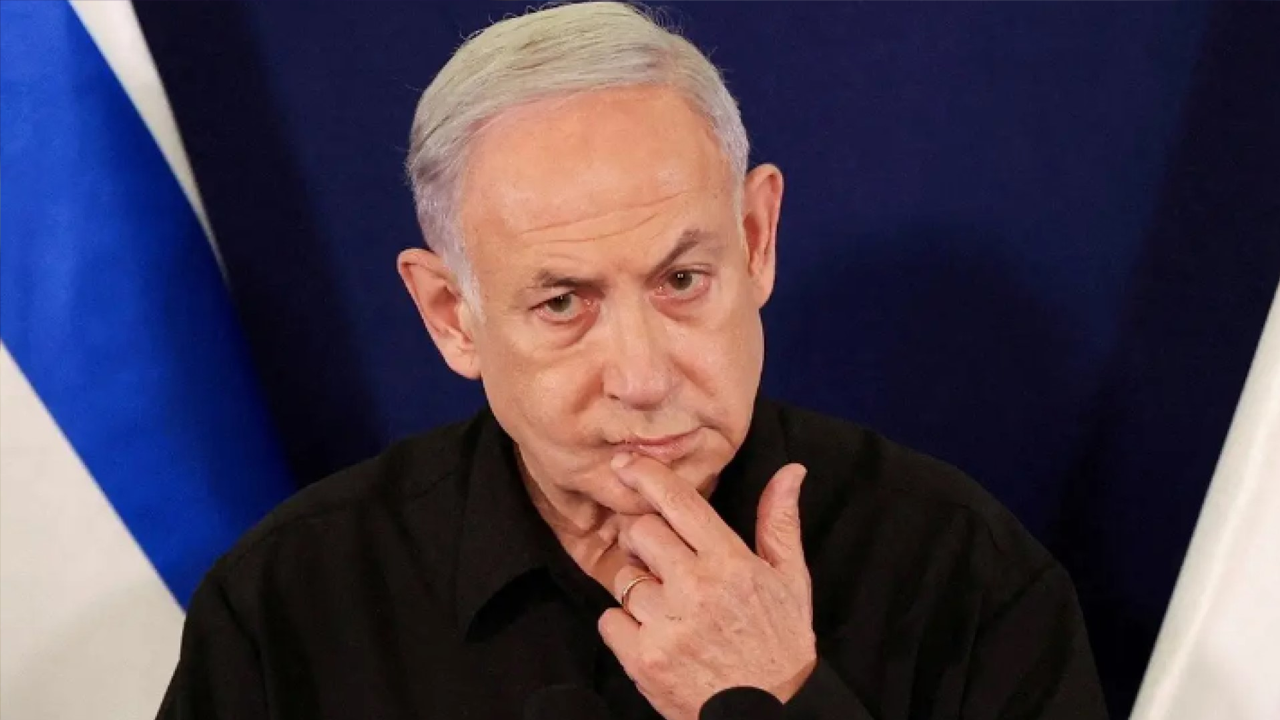
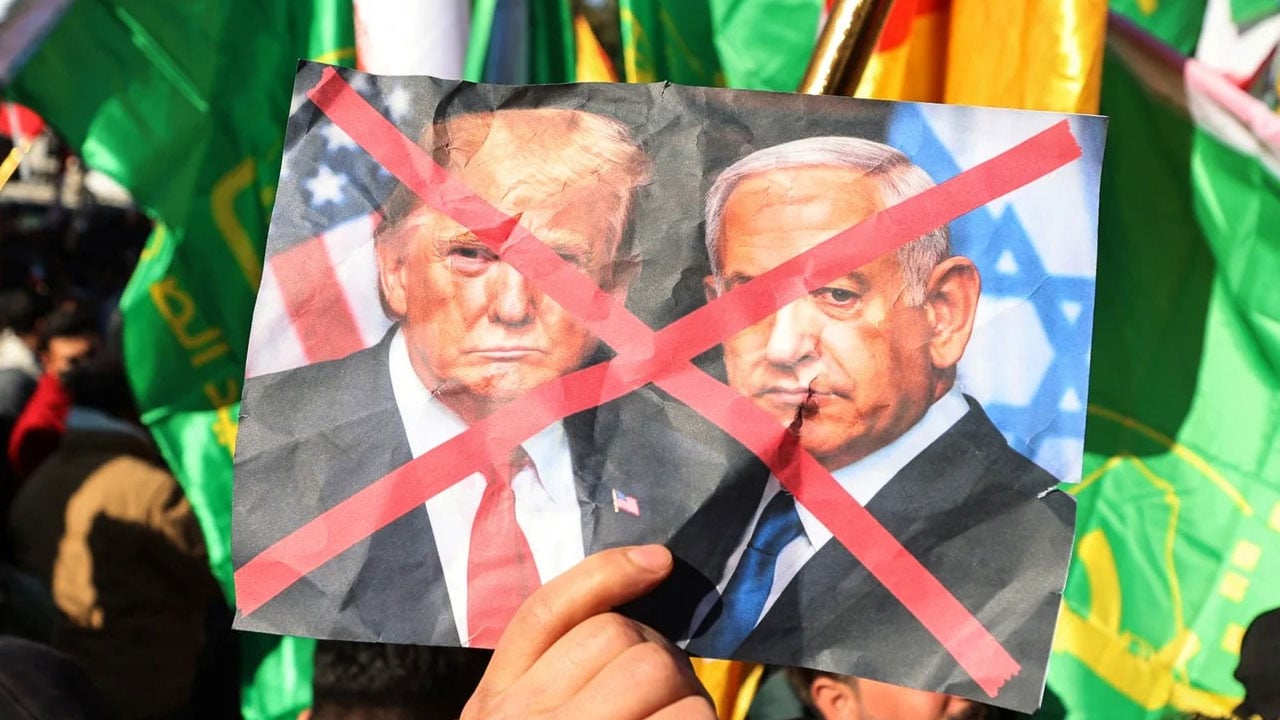
Lorenzo Kamal, a history professor at the University of Turin and Rome’s Luiss School of Government, told Al Jazeera that Washington must bring Israeli Prime Minister Benjamin Netanyahu under control if it wants to implement a peace agreement between Iran and the United States. He made the remarks in an interview published on Tuesday. Kamal said Israeli authorities have been trying to escalate tensions in Lebanon to weaken any potential deal between the Trump administration and Iranian officials. According to him, Netanyahu remains the central figure in this dynamic, seeking to present himself as an indispensable wartime leader at least until Israel’s next election. Kamal added that Netanyahu’s political position could weaken if tensions subside, allowing his rivals to challenge his leadership. He further noted that the United States continues to allow Israel to act without restraint, and until Trump compels Netanyahu to enforce a ceasefire in Lebanon, the Iran-US peace agreement will remain extremely fragile.
Bangladesh’s 2026 FIFA World Cup broadcast rights have taken a new turn after Singapore-based Springbok Private Limited withdrew from its agreement with FIFA. The company had initially secured the Bangladesh media rights for about 7.211 million US dollars but failed to make scheduled payments, leading FIFA to cancel the deal. With the World Cup set to begin on June 12 and end on July 20, Bangladeshi broadcasters now have a chance to negotiate directly with FIFA at lower rates. Springbok had demanded around 12.3 million dollars from Bangladesh Television (BTV) for the rights, including TV, radio, mobile, and internet coverage, but BTV declined due to the high cost. Following the cancellation, T Sports, Star News, and a Dubai-based firm are now competing to buy the rights directly from FIFA. Government requests for free broadcast access were rejected by FIFA, which cited its funding commitments to national football federations. Experts say FIFA may now offer the rights for 2–3 million dollars, reflecting regional market adjustments. Calls have also emerged for an independent audit into alleged irregularities during the 2022 World Cup rights deal.

Health and Family Welfare Minister Sardar Sakhawat Hossain Bokul has accused the previous Awami League and caretaker governments of failing to purchase vaccines from foreign donor agencies due to alleged corruption motives. He made the remarks on Tuesday afternoon at a relief distribution event for the underprivileged in Monohardi Upazila, Narsingdi. The minister claimed that the earlier administrations intended to buy vaccines through private channels but abandoned the plan when their desired arrangements were not met. According to Bokul, the failure to procure vaccines led to a sudden outbreak of measles across the country, resulting in the deaths of many children. He stated that after the current government took office, it quickly arranged vaccine supplies and launched immunization drives, which have significantly reduced the spread of measles. He expressed hope that the situation would further improve within a week. The minister also mentioned that initiatives have been taken to combat dengue and that a large budget has been allocated to strengthen the health system, with plans for extensive future work in the sector.

British journalist David Hearst has argued that Iran has emerged victorious in its recent conflict with the United States, fundamentally altering the balance of global power. He wrote that Iran’s resistance against subjugation has sent a strong message to the Arab world, showing that determined regional powers can resist U.S. and Israeli dominance. Hearst described how repeated failed negotiations between U.S. President Donald Trump and Iran exposed Washington’s declining influence, with Israel’s Prime Minister Benjamin Netanyahu playing a key role in undermining potential agreements. The article outlines how Iran’s control over the Strait of Hormuz and its regional deterrence capabilities have strengthened its position. It also notes the emergence of a new Sunni alliance involving Saudi Arabia, Pakistan, Turkey, Qatar, and Oman, which contrasts with earlier U.S.-backed normalization efforts between Arab states and Israel. Hearst contends that the Islamic Republic’s survival has upended Israel’s regional ambitions and weakened U.S. strategic dominance. According to Hearst, Iran’s endurance has emboldened resistance movements across the region and redefined Middle Eastern geopolitics, leaving both Trump and Netanyahu politically diminished.
Nasiruddin Patwari, chief organizer of the National Citizen Party (NCP), announced the closure of his Motijheel office due to security concerns. In a Facebook post on Tuesday, he stated that operations at the temporary office located in the garage of Hotel Parabat in Motijheel have been suspended. All organizational and administrative activities will now be conducted from the 15th floor of Rupayan Tower. Patwari urged residents of Dhaka-08 and supporters across Bangladesh to contact the new office for party-related matters. He emphasized that the party’s journey would continue with commitments to public trust, political decency, security, and the rights of ordinary citizens. He also cautioned that anyone visiting the previous office location would be personally responsible for any potential security risks, attacks, or losses, urging everyone to prioritize safety above all else.

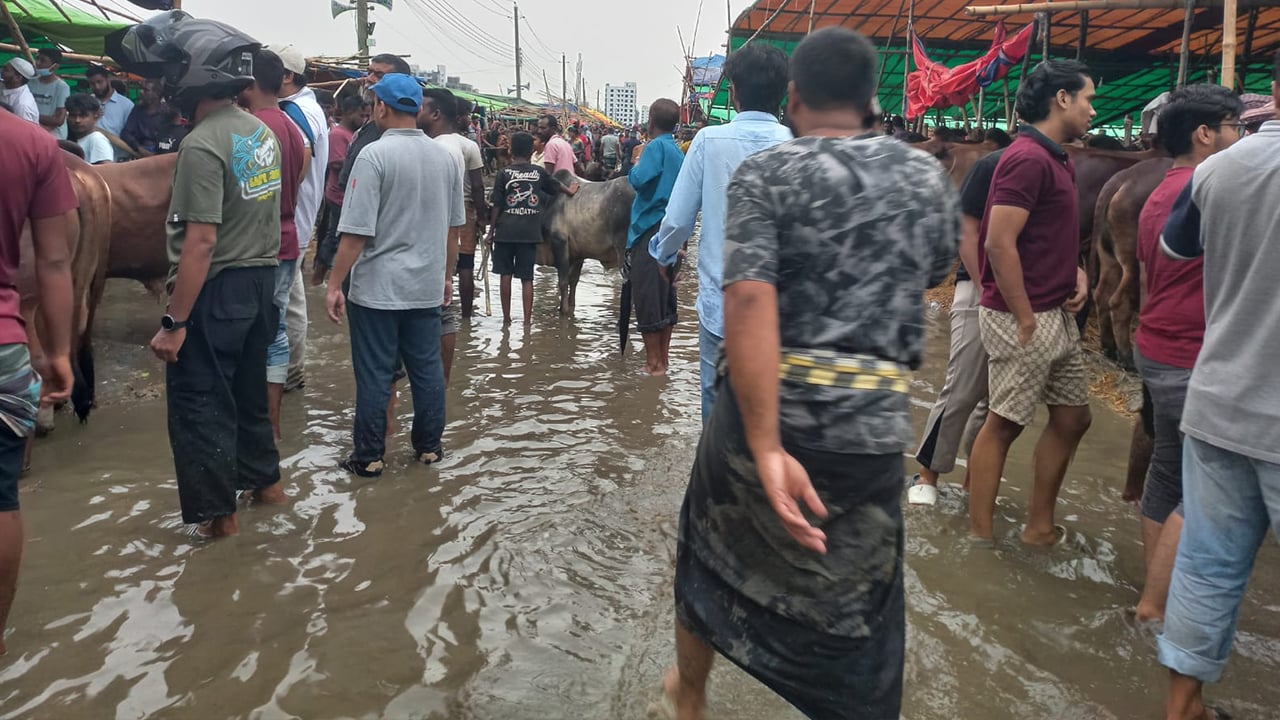
Heavy rain has turned Dhaka’s cattle markets into muddy, waterlogged grounds, causing severe hardship for both buyers and sellers ahead of the Eid-ul-Azha sacrifice. On Tuesday, at the Diabari market in Uttara, traders and farmers were seen struggling as cattle stood in knee-deep water and mud. Many animals appeared exhausted or ill from prolonged exposure to rain, while traders expressed frustration over the lack of drainage and poor preparation by market authorities. Traders from Kushtia, Jamalpur, Faridpur, and Natore voiced anger at the market’s mismanagement, saying the leaseholders failed to ensure proper water removal despite collecting high fees. Some reported financial losses due to sick cattle and reduced buyer turnout. Buyers, however, continued to visit the markets under umbrellas, noting that prices were lower than usual as sellers were forced to compromise. Despite the discomfort, some customers expressed satisfaction after securing cattle within their budgets. Repeated attempts to contact the Diabari market leaseholder, SF Corporation owner Sheikh Farid Hossain, went unanswered, leaving questions about accountability for the poor conditions.
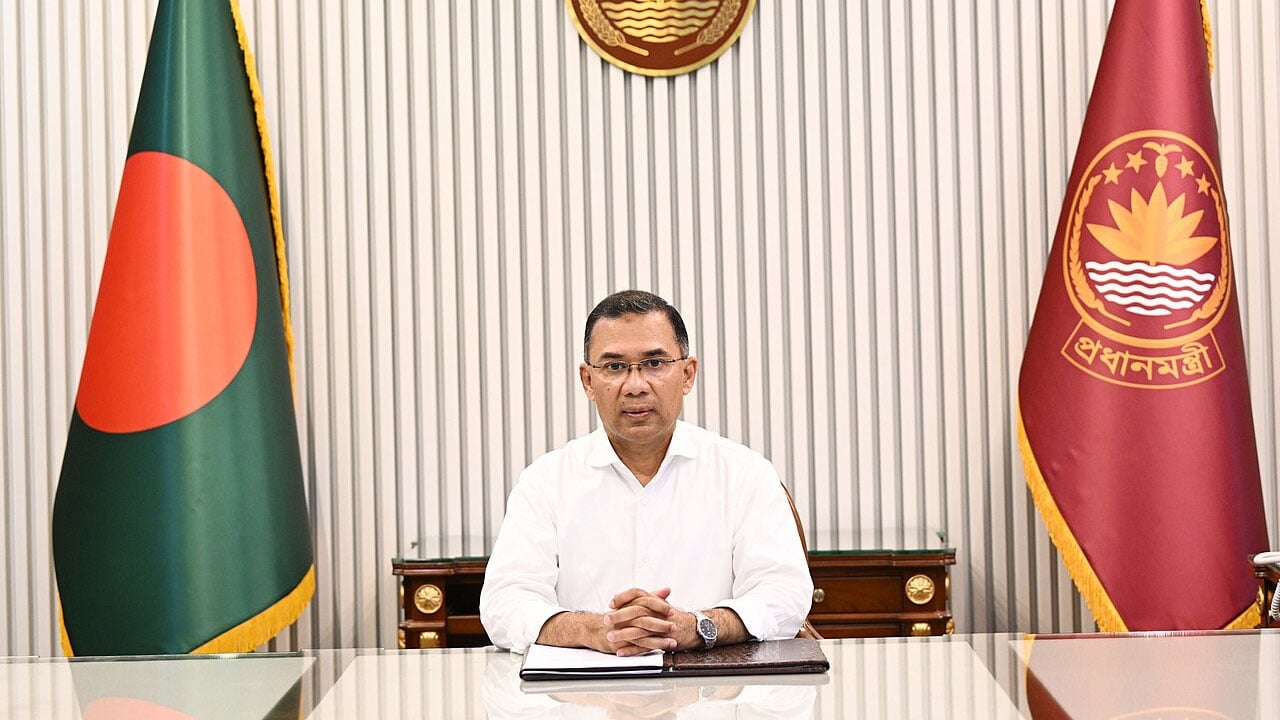
Prime Minister Tarique Rahman has extended his greetings to the people of Bangladesh and Muslims around the world on the occasion of Eid-ul-Azha. In a verified Facebook post on Tuesday, May 26, 2026, he wished that the holy festival be illuminated by the spirit of sacrifice and that Allah accept the prayers and offerings of all believers, filling their lives with peace and prosperity. In his message, the Prime Minister highlighted that Eid-ul-Azha returns each year to remind the global Muslim community of the supreme example of sacrifice, devotion, and faith demonstrated by Prophet Ibrahim (A). He described the festival as not only a celebration but also a timeless message of dedication and submission to the Creator. He further prayed for peace, security, and stability for Bangladesh, the Muslim world, and all humanity, expressing hope that the blessings of Eid would inspire harmony and compassion across nations.
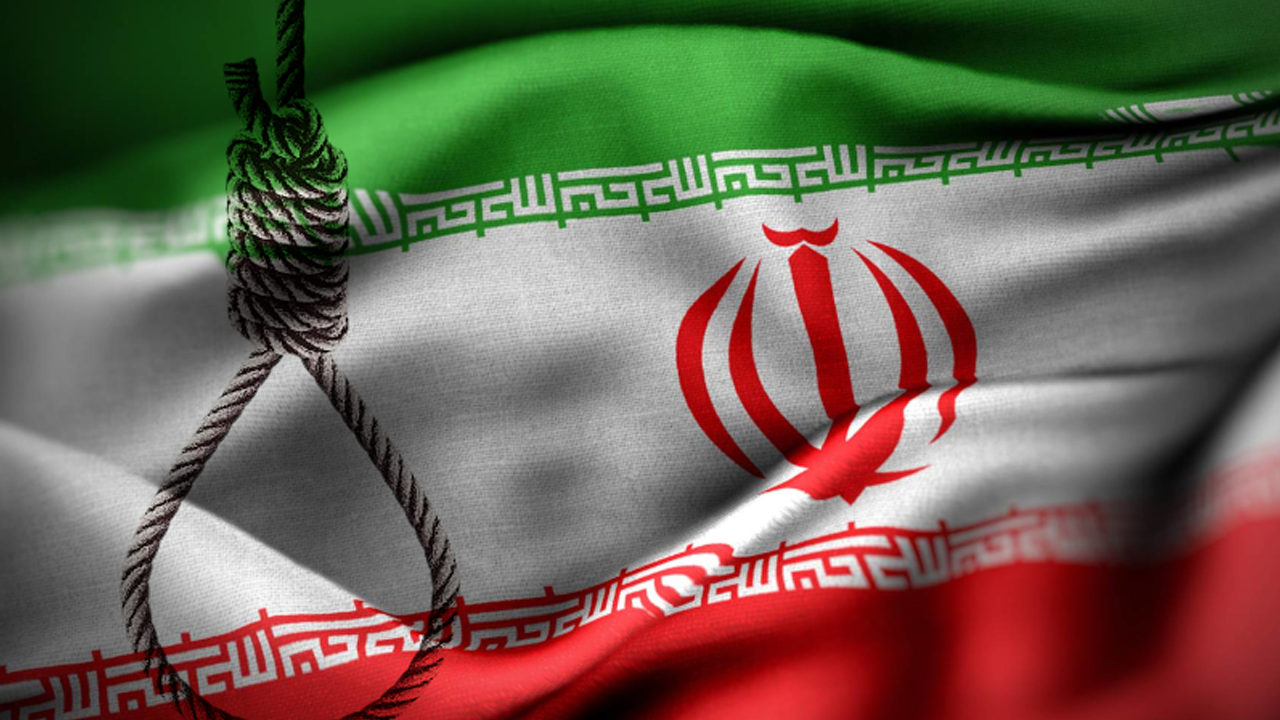
Iran has executed a man accused of espionage and intelligence cooperation with Israel, according to the semi-official Tasnim news agency. The individual, identified as Gholamreza Khani Shekharab, was put to death after Iran’s Supreme Court upheld his death sentence. The report did not specify the location or method of execution. Tasnim noted that Tehran has recently carried out several executions of individuals convicted of spying for Israel. Human rights organizations have criticized this pattern, arguing that Iran continues to rank among the world’s top countries in carrying out executions, reportedly second only to China. The report, citing Al Jazeera, reflects ongoing tensions between Iran and Israel, as well as international concern over Iran’s use of the death penalty in espionage and political cases.
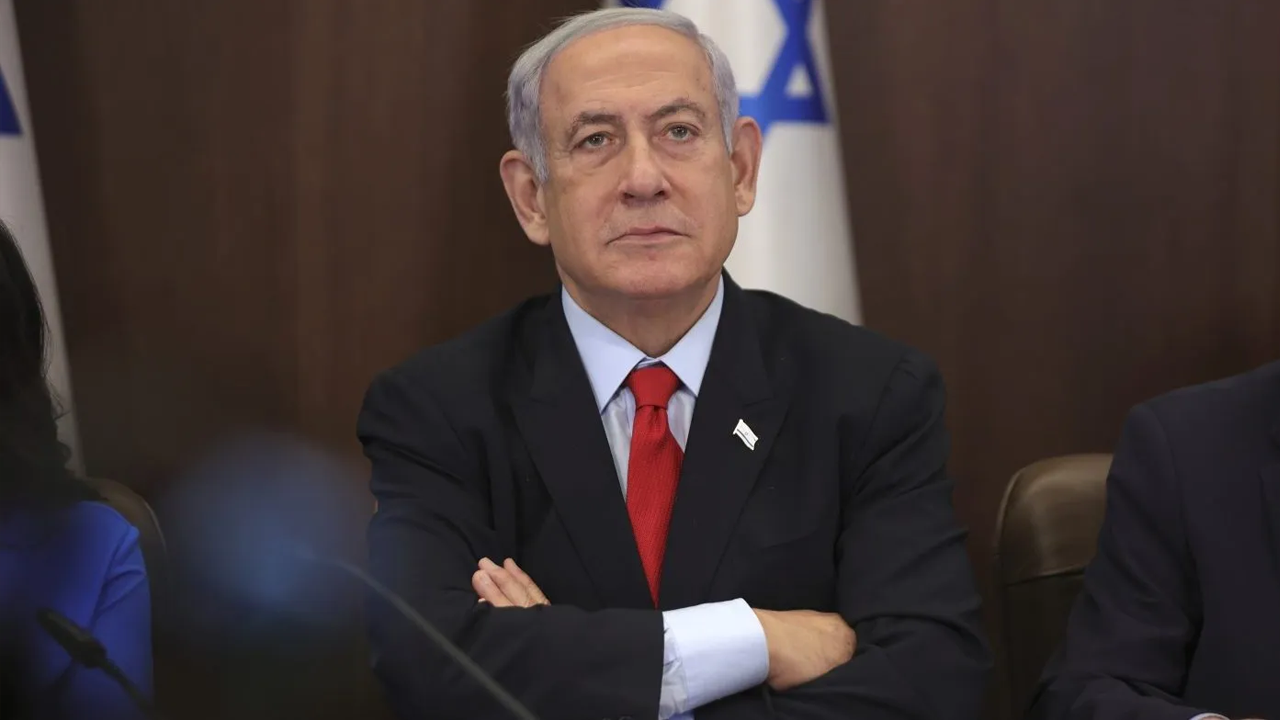
Israeli Prime Minister Benjamin Netanyahu was admitted to a hospital in Tel Aviv on Monday evening, according to Hebrew media reports. The Prime Minister’s Office stated that the 76-year-old leader was taken to the hospital primarily for dental treatment, as reported by the Times of Israel. Netanyahu’s health has been a subject of public debate in Israel in recent months. He previously faced criticism for allegedly withholding details about his medical condition. Last month, he revealed through a social media post that he had undergone successful surgery at Hadassah Medical Center to remove a malignant prostate tumor. Alongside his announcement, a health report and related documents were released, though they lacked clarity and official hospital verification. The report also recalled Netanyahu’s earlier medical procedures, including a pacemaker implantation in July 2023, hernia surgery in March 2024, and prostate surgery in December 2024.
The ‘1 Nojor’ media platform is now live in beta, inviting users to explore and provide feedback as we continue to refine the experience.