

The ‘1 Nojor’ media platform is now live in beta, inviting users to explore and provide feedback as we continue to refine the experience.
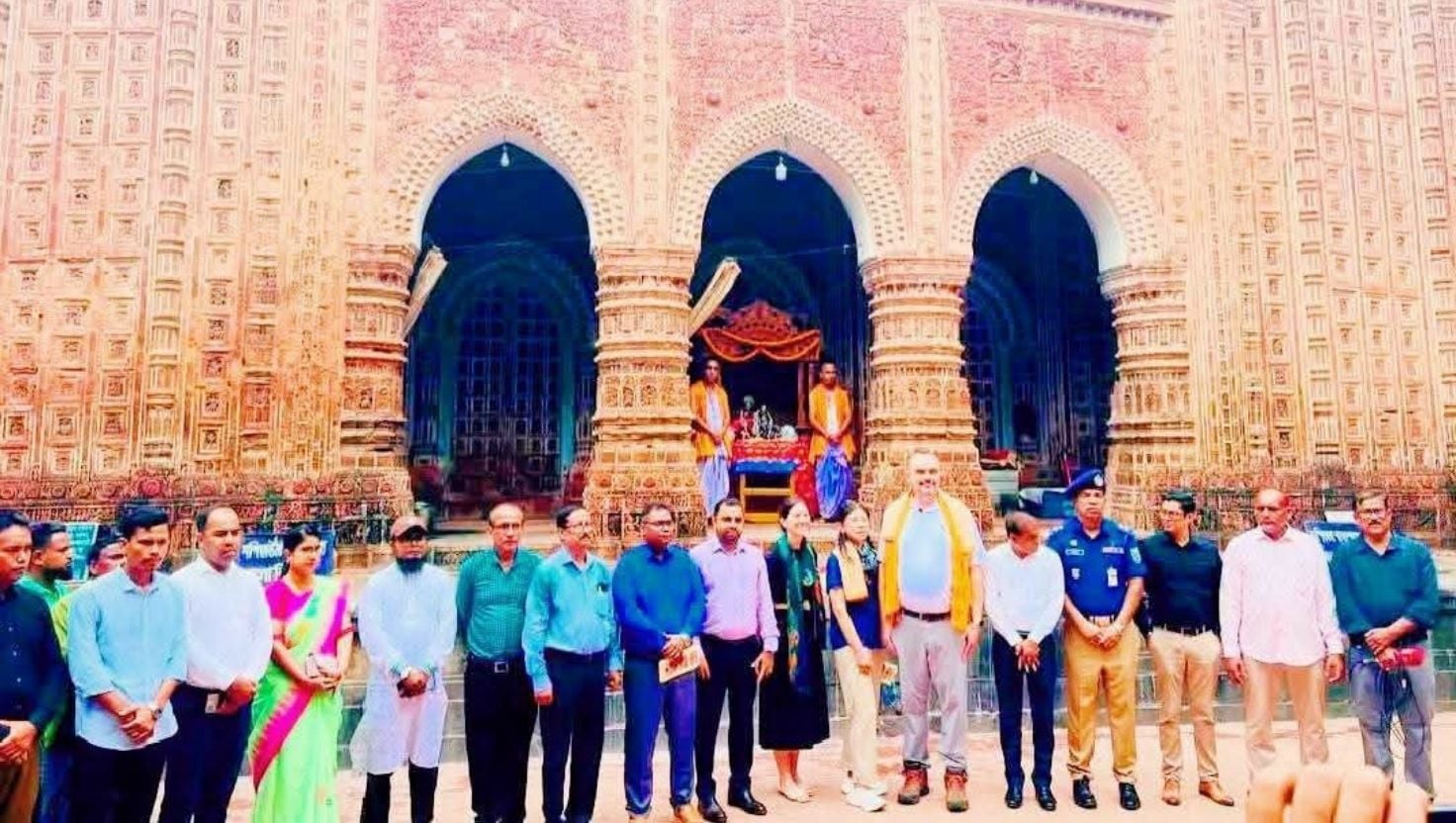
US Ambassador to Bangladesh Brent T. Christensen visited the historic Sri Sri Rukmini Kantaji Temple and Nayabad Mosque in Dinajpur’s Kaharol upazila on Tuesday afternoon. He first toured the Kantaji Temple in Kantanagar, where he viewed its ancient architectural style, terracotta ornamentation and historical relics. He later visited the historic Nayabad Mosque in the same upazila. During the mosque visit, he was accompanied by Dinajpur-1 lawmaker Manjurul Islam, Deputy Commissioner and District Magistrate Rafiqul Islam, Kaharol Upazila Nirbahi Officer Mokhleda Akhtar, Assistant Superintendent of Police Md. Moniruzzaman and Assistant Commissioner for Land Ishtiaq Ahmed, among others. The ambassador was briefed on the history, architecture and heritage of both Kantaji Temple and Nayabad Mosque. Through the visits, he became acquainted with Dinajpur’s archaeological and cultural heritage, according to the report.
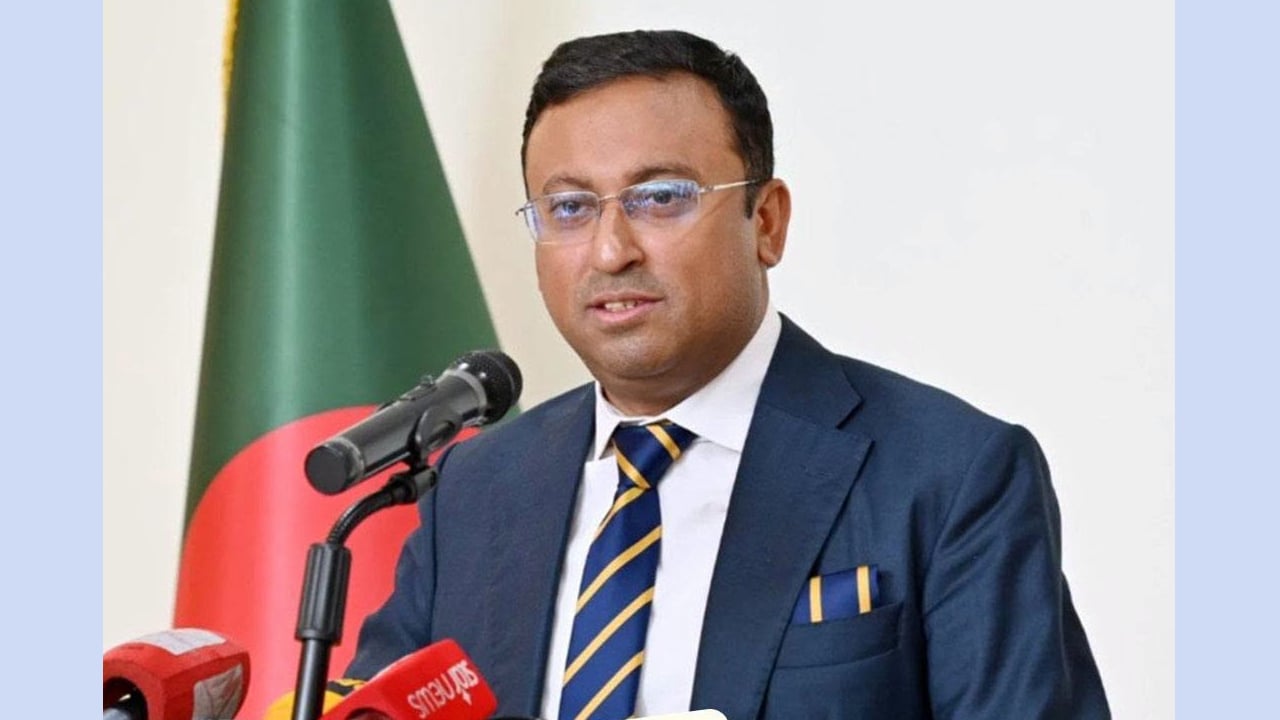
Former Israeli Prime Minister Naftali Bennett said Israel has become a “negative brand” among Americans, particularly students, amid the Gaza war. In a recent interview, he said that when US students are asked about Israel, the word “genocide” now comes to mind. Bennett described this as the first time since Israel’s founding that its image has reached such a point among the American public. Bennett acknowledged the impact of the Gaza war and Israel’s international image crisis, while rejecting the perception as neither true nor fair. He also blamed Qatar for influencing US public opinion, claiming it had been allowed to build influence in the United States over the past 25 years and had helped shape sentiment against Israel. International criticism of Israel’s military operation in Gaza has increased over civilian casualties and worsening humanitarian conditions. Gaza’s Health Ministry says more than 73,000 Palestinians have been killed since October 2023. The report also says more than 1,300 Palestinians were killed and over 4,300 injured in Israeli attacks after a US-backed ceasefire took effect last October.

Residents of Paital Bari near Barmi Bazar in Sreepur upazila, Gazipur, held a human chain on Tuesday at 11am over alleged harassment, extortion and threats linked to compensation for land acquired for the Barmi Bridge and road. Hundreds of men and women joined the protest, organised by affected local residents. Speakers demanded that genuine landowners receive their acquisition payments, that harassment and unethical monetary demands stop, and that authorities investigate allegations of extortion and threats. The banner named Mobarak, Hridoy, Mokbul, Kabir, Ibrahim and Abdur Razzak, calling for an end to alleged harassment of legitimate owners over the compensation. Affected residents Sohel Mia, Faruk Mia, Manjurul and Liton Mia said compensation belongs to those whose land was acquired. They called for administrative intervention, a fair investigation and legal action if allegations against those involved in extortion or intimidation are found true. They also said genuine owners should not face pressure or complications while receiving their money.
-452c30.jpg)
State Minister for Foreign Affairs Humayun Kabir said Tuesday that Bangladesh and India are discussing a possible visit by Prime Minister Tarique Rahman to India, but no date has been finalised. Speaking to reporters at the foreign ministry, he said the prime minister would visit India, while adding that such a trip is not likely before the UN General Assembly session. Kabir also said Bangladesh viewed positively the cancellation of a meeting of Awami League leaders in India on August 29 following police intervention. He said the relevant Indian authorities had taken steps that Bangladesh regarded positively. Addressing fugitives and criminals who have fled between the two countries, Kabir said Bangladesh would not shelter any criminal who had fled from India. He expressed hope that India likewise would not shelter criminals who had fled from Bangladesh, stressing the need for mutual cooperation so that neither country becomes a safe haven for criminals. He also said any Boeing aircraft purchases from the United States would be based on Bangladesh’s own needs and demand, not pressure.
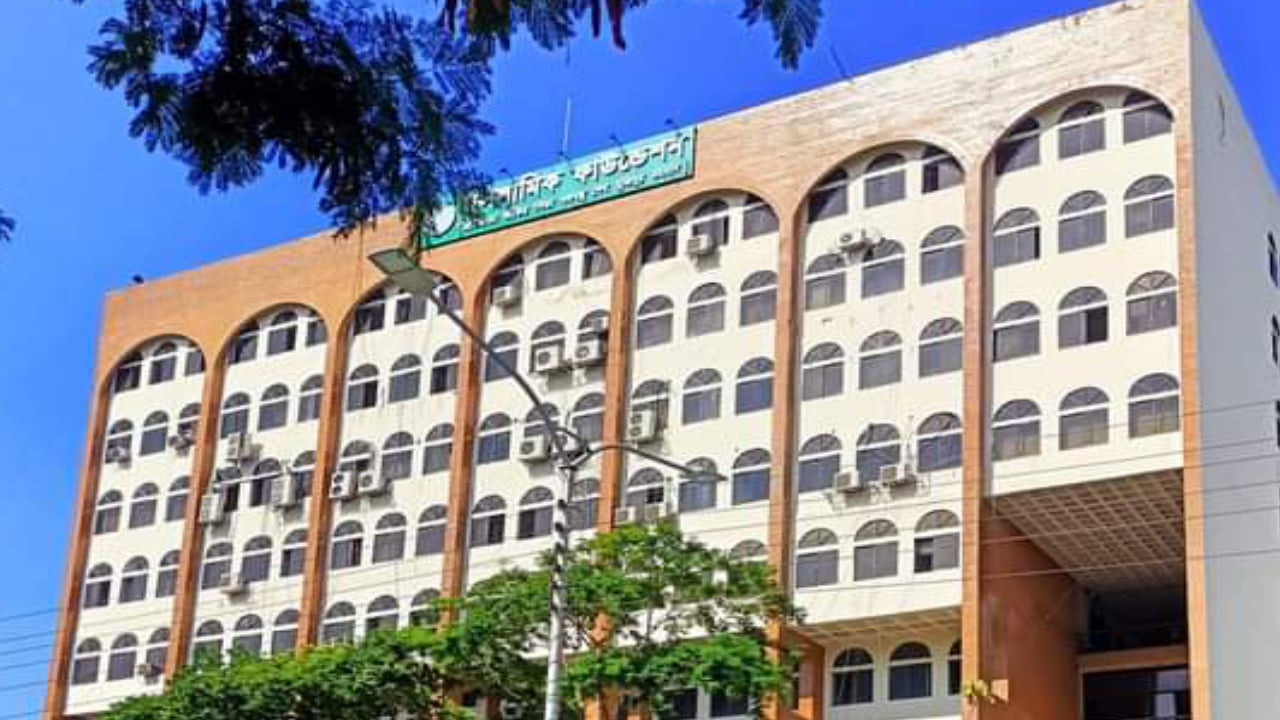
Bangladesh’s Islamic Foundation has formed a new Board of Governors, adding three Islamic scholars as governors. The Religious Affairs Ministry’s Agency-1 branch issued a notification on Tuesday, September 1, under Section 6(1) of the Islamic Foundation Act, 1983, by order of the President. The new appointees are Mufti Monir Hossain Qasemi, Mufti Azharul Islam and Mufti Sharif Ullah. The Religious Affairs Minister will serve as board chair by virtue of office. The University Grants Commission chairman, Religious Affairs Ministry secretary, Islamic University vice-chancellor, Bangladesh Madrasah Education Board chairman and Islamic Foundation director general will also serve as ex officio governors. The director general will act as member-secretary. Two government-nominated lawmakers, State Minister for Religious Affairs and Gaibandha-4 MP Mohammad Shamim Qaiser, and Cox’s Bazar-4 MP Shahjahan Chowdhury, were included. Five scholars were nominated from among prominent Muslim scholars and religious theorists, with three receiving new responsibilities. Existing members include Befaqul Madarisil Arabia Bangladesh secretary general Maulana Mahfuzul Haque and Maulana Syed Md Mosaddeq Billah Al Madani. Non-ex officio governors will serve for three years from the notification date, subject to government replacement or vacancy decisions.
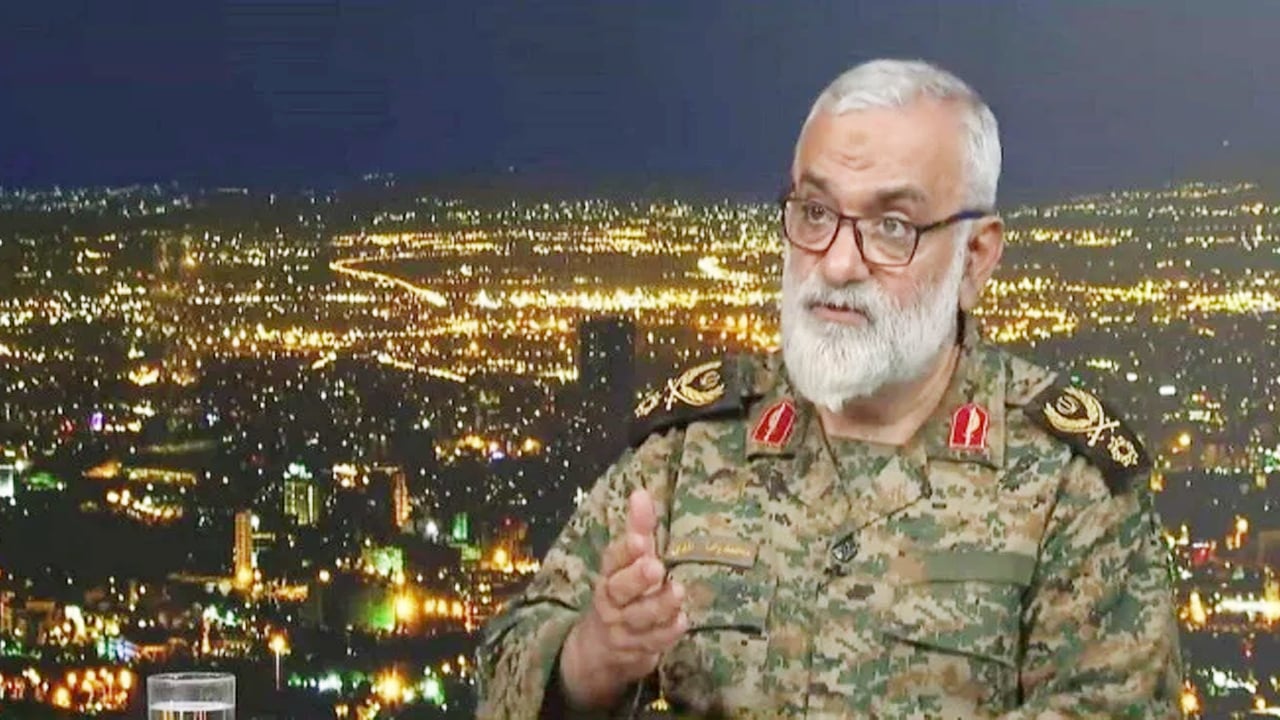
Iran has rejected Western claims that its weapons capacity and missile inventory have been depleted, with Brigadier General Mohammad Reza Naqdi saying more than 90 percent of the country’s strategic missile stockpile remains fully intact. Naqdi, a senior adviser to the Islamic Revolutionary Guard Corps commander-in-chief, made the remarks in an interview with Al-Mayadeen. The Iranian official stressed the self-reliance and long-term durability of Iran’s missile-production network. He said domestic underground production facilities continue to manufacture missiles regularly and at a highly effective rate, rapidly replacing missiles used during military operations. He said this has kept Tehran’s military capability strong. The report also cited recent assessments in major US media that challenged White House claims that US military operations had destroyed Iran’s missile and drone capabilities. Those reports said attacks had failed to fully disable Iran’s underground missile network and drone-launch platforms. They also indicated that the United States’ air-defence stocks have faced shortages as it uses Patriot and THAAD interceptors faster than its defence industry can produce replacements.
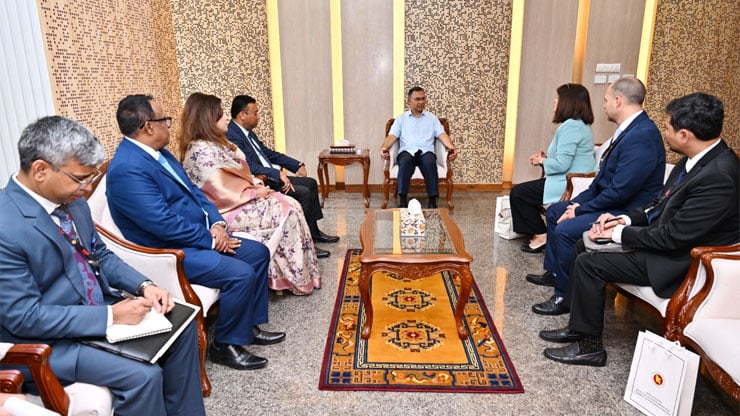
Prime Minister Tarique Rahman said the BNP not only restored multi-party democracy but also introduced parliamentary democracy in Bangladesh. He made the remarks on Tuesday at the Prime Minister’s Office in the Bangladesh Secretariat during a courtesy meeting with Inter-Parliamentary Union Secretary Anda Philip, according to Deputy Press Secretary Shahadat Swadhin. Rahman said his government was working to protect every citizen’s constitutional rights and ensure essential public services. He said democracy had been re-established after a long struggle and claimed that many BNP leaders and activists had faced enforced disappearance, killings and false cases. He said the February 12 election had helped open a democratic path in the country. Philip praised Rahman’s leadership and said his regular attendance at parliament sent a strong message of commitment to parliamentary democracy. He welcomed education and community-based initiatives in the BNP election manifesto and expressed interest in deeper IPU cooperation with Bangladesh’s parliament. Rahman said women’s empowerment was a government priority, citing plans for free education through honours level, stipends for female students and the Family Card project to strengthen women’s financial independence and household decision-making.
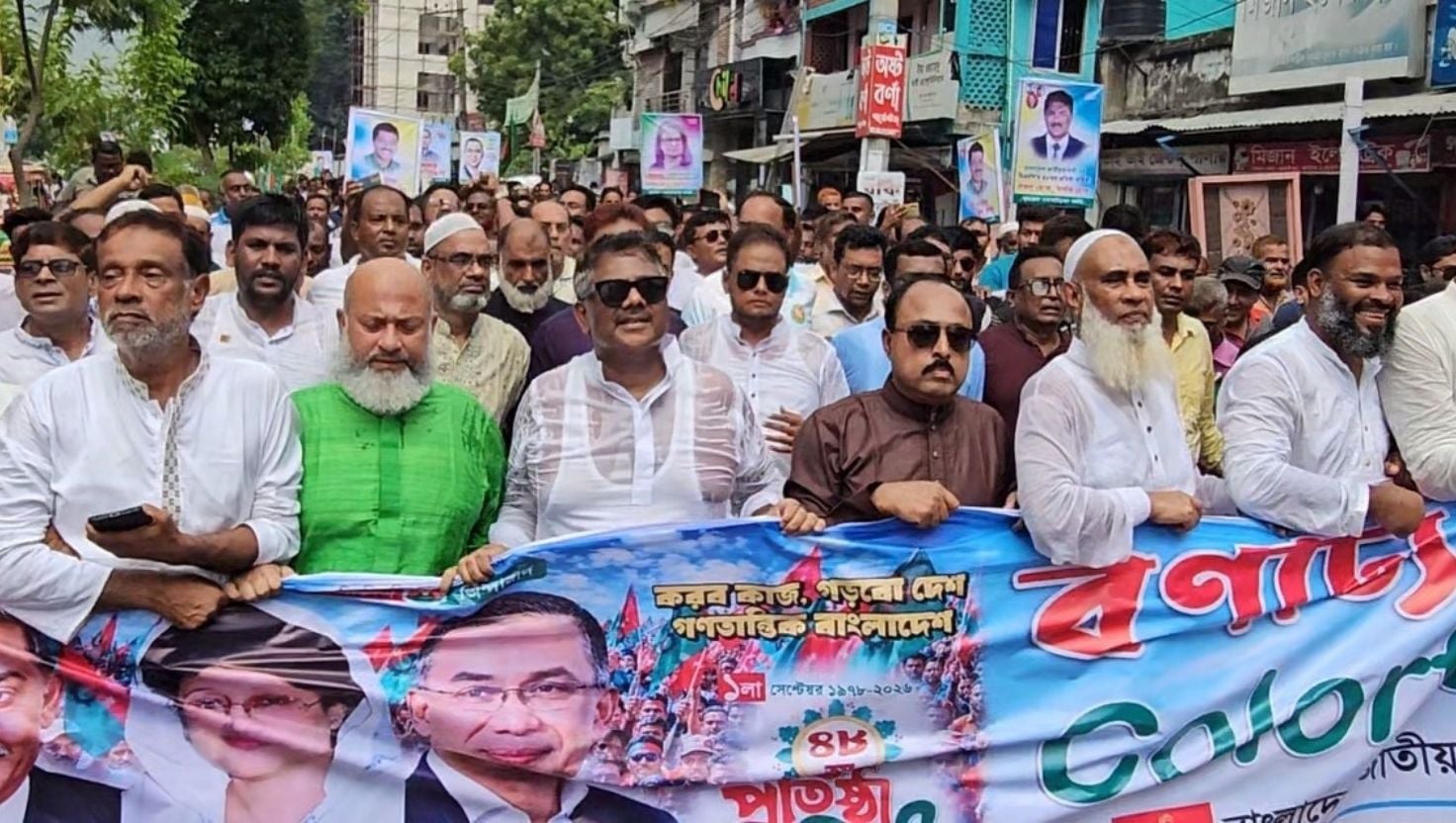
National Parliament Whip and Natore-2 lawmaker Advocate Ruhul Quddus Talukdar Dulu said those who tried to destroy the Bangladesh Nationalist Party have themselves been destroyed. He made the remarks as chief guest at a rally marking BNP’s 48th founding anniversary at Natore town’s Upashahar field on Tuesday at about 11am. Dulu alleged that BNP had faced conspiracies and attempts to split it into pieces. He accused the Awami League of preventing BNP from conducting organisational activities for 17 years, attacking its programmes and harassing leaders and activists with false cases. He also alleged that BNP workers had faced killings and disappearances. He said people should remain alert about Awami League leaders and activists, alleging they could create unrest or carry out sabotage if given an opportunity. The event was chaired by Natore district BNP convener Rahim Newaz, while member secretary Asaduzzaman Asad spoke as the main speaker. A rally led by Dulu later toured Natore town. Dulu also said BNP is working under Tarique Rahman’s leadership to build a better Bangladesh.
Lake Assal, a highly saline lake in central-western Djibouti, lies 155 metres below sea level and is described as Africa’s lowest land point. The source places it in one of Africa’s hottest and driest regions, west of Djibouti City. Its water is said to be about 10 times saltier than seawater, containing more than 350 grams of salt per litre. The lake formed in its current shape roughly one to four million years ago through volcanic activity and changes in the Earth’s surface, according to the source. It says the lake had been at sea level during an earlier geological era, while faulting and volcanic activity continue nearby. Lake Assal is surrounded by volcanoes and black lava fields, with bright white salt deposits that resemble dunes. Geothermal wells have been drilled around the lake to supply electricity. The source says a thermal power plant produces 50 megawatts, using underground heated water and hot springs reaching up to 360 degrees Celsius. Salt is also produced as water evaporates in the heat; the source states that six million tonnes are exported annually after meeting Djibouti’s domestic demand.

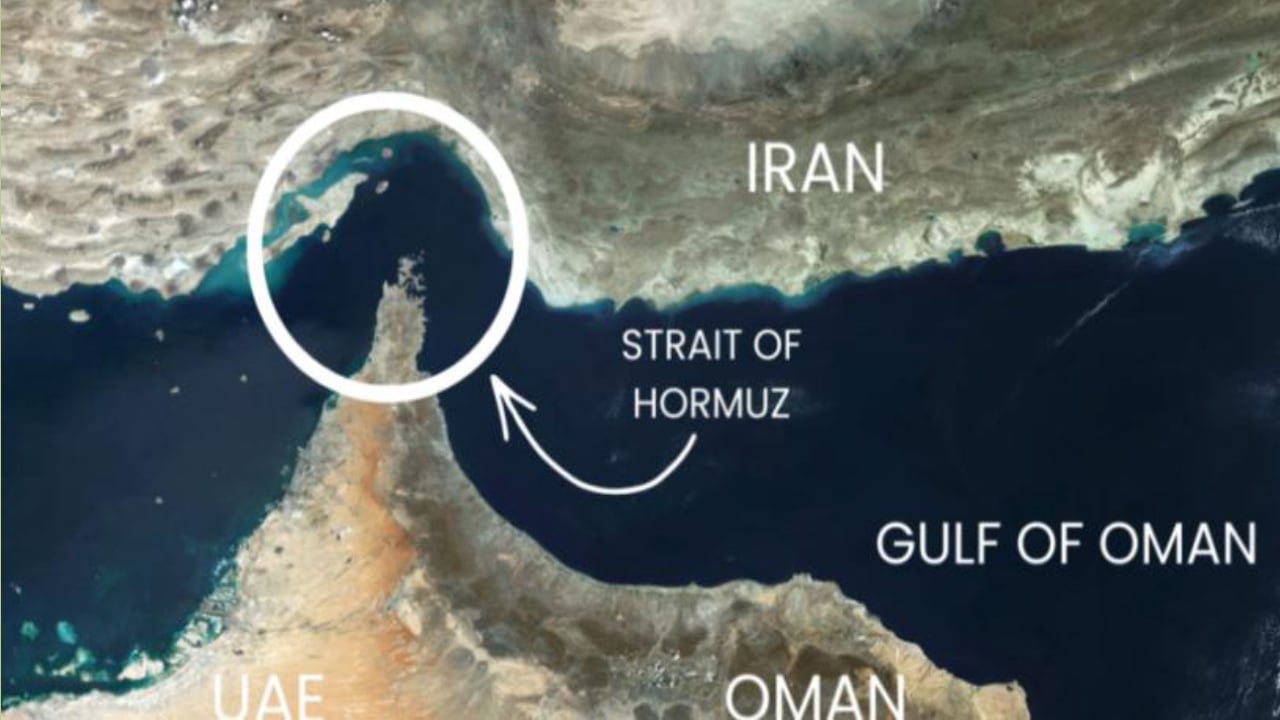
An analysis published by South Asia Monitor on August 28, 2026 examines why Iran had long avoided fully closing the Strait of Hormuz despite repeated threats, and why calculations changed after the 2026 Iran-US conflict. Retired Brigadier Sanjay Agarwal described a complete closure as Iran’s “last weapon,” because the narrow waterway carries much of the Persian Gulf’s oil and gas to global markets while also serving Iran’s own trade and oil exports. The analysis says a full blockade would reduce Iran’s oil exports and foreign-exchange income, disrupt imports of food and essential goods, intensify international pressure, and increase the risk of military action by the United States and its allies. Instead, Iran has sought leverage through ship controls, warnings, inspections, patrols and restrictions on particular vessels. In May 2026, the Revolutionary Guard said passage through Hormuz was occurring with its permission and coordination. The source says US efforts to protect navigation and Iranian efforts to maintain control have made Hormuz a direct military flashpoint. It cites US strikes on Iranian missile-launch sites on Larak Island on August 31 and subsequent Iranian retaliation. Prolonged instability could encourage alternative export routes, while raising energy-price risks for Asian importers, including Bangladesh.
Bangladesh’s Internal Resources Division under the Finance Ministry has issued a notification exempting gross receipts of up to Tk2 crore from turnover tax for most sectors. The notification, issued by acting IRD secretary and acting NBR chairman Ahsan Habib by order of the President, was published as a gazette on Monday. The revised rates exclude manufacturers of cigarettes, bidis, chewing tobacco, smokeless tobacco, gul and other tobacco products, as well as carbonated beverage and sweetened drink producers, mobile phone operators and NTTN. For other sectors, gross receipts above Tk2 crore and up to Tk4 crore will face a minimum turnover tax rate of 0.5 percent. Businesses with gross receipts above Tk4 crore will pay turnover tax at 1 percent. The Finance Act, 2026 had previously set the turnover tax rate at 1 percent, raising concerns of a substantial tax burden. The government has therefore moved away from its earlier position. Turnover tax is charged on a business’s total annual sales or transactions and must be paid even when there is no profit.
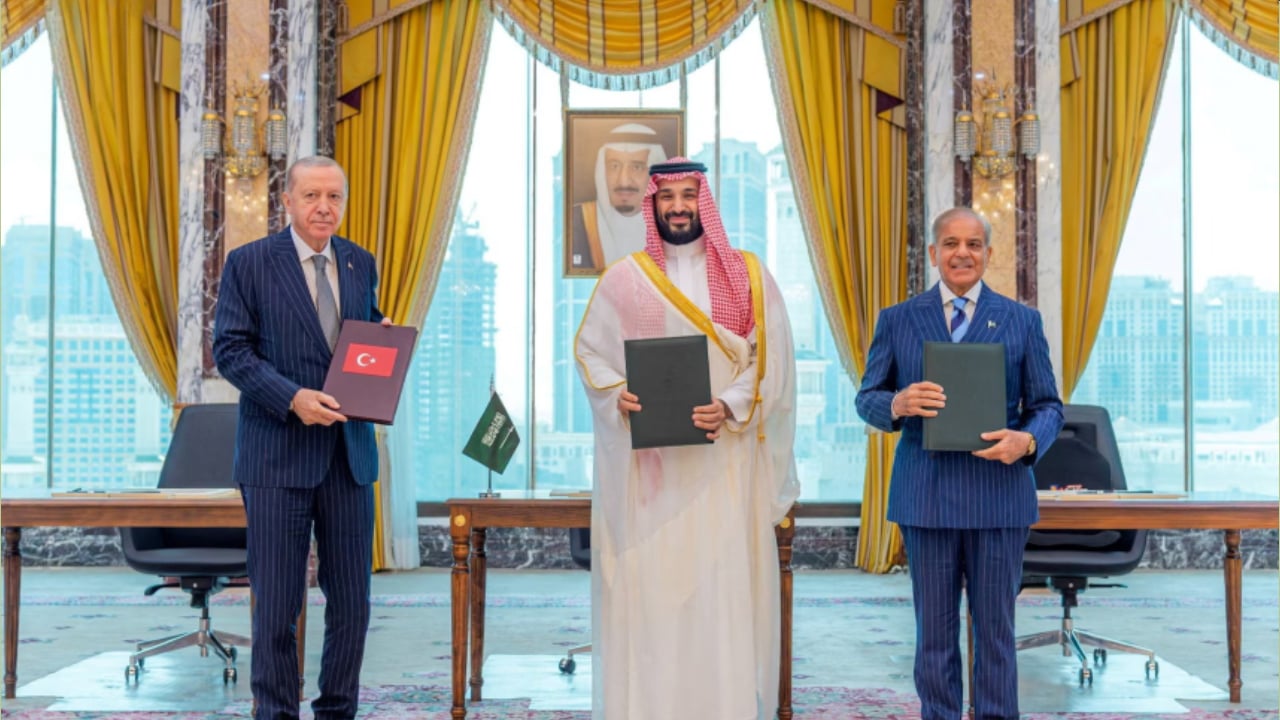
A commentary attributed to Turkish journalist, researcher and academic Ardan Zenturk examines the “Mecca Pact,” described as a joint defence agreement signed in Mecca on 7 August by Turkey, Pakistan and Saudi Arabia. It says the alliance remains open to additional members and portrays Bangladesh as among the Muslim-majority countries that responded positively soon after its announcement. The article argues that Bangladesh may view joining the pact as a starting point for redefining its geopolitical position. The article says Turkey has supported Egypt’s potential accession and that trilateral discussions have taken place, while noting Egypt’s economic ties with the United Arab Emirates could delay such a move. It presents Saudi Arabia as important to Bangladesh for manpower, the economy, energy security and religious reasons. Turkey is described as a potential supplier of modern defence equipment, while Pakistan-Bangladesh trade, diplomatic and military contacts are said to have expanded after August 2024. The commentary contends that closer Bangladesh ties with Saudi Arabia, Pakistan and Turkey would concern India, Israel and a US-centred strategic axis. It also notes China’s deep involvement in Bangladesh’s defence and infrastructure sectors. The author cautions that not all expectations may be realised, but argues membership in the pact could place Bangladesh in a substantially different geopolitical position.
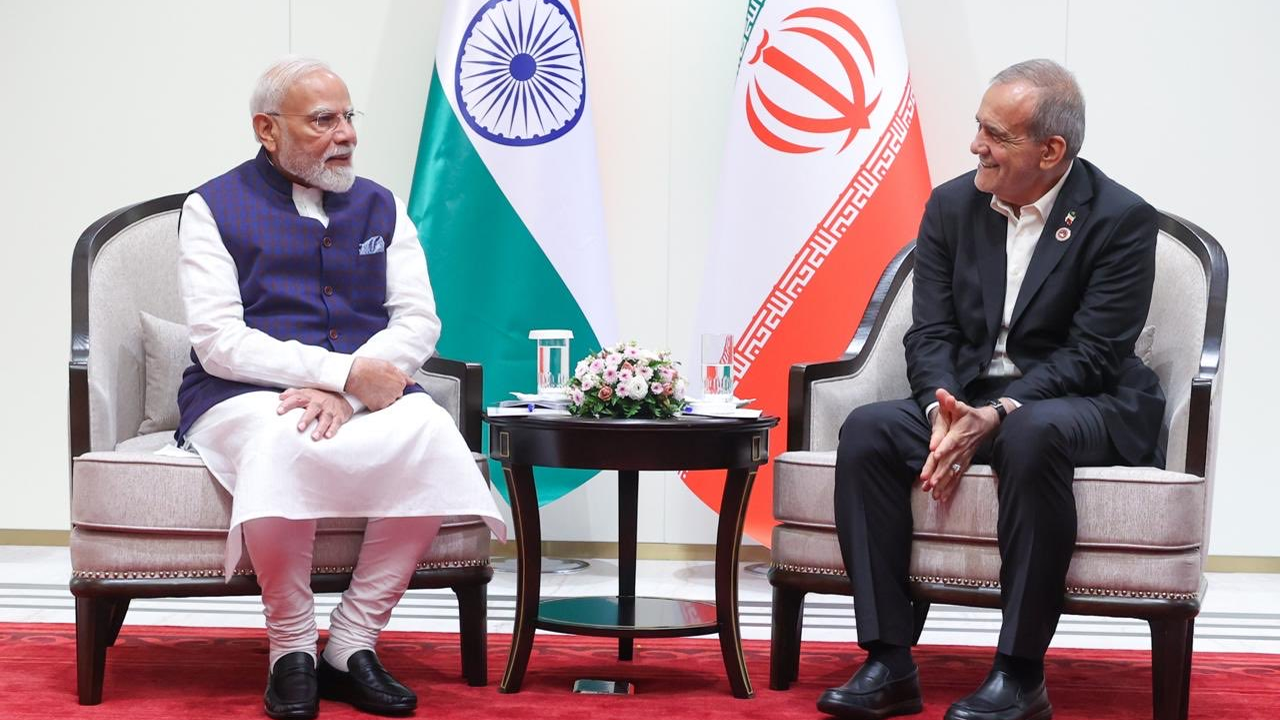
Indian Prime Minister Narendra Modi said India wants to expand and diversify trade with Iran during a meeting with Iranian President Masoud Pezeshkian in Bishkek, Kyrgyzstan. The meeting came seven days after the United States launched an economic campaign targeting Iran, increasing pressure on its military activities, energy and petrochemical trade and creating sanctions risks for foreign businesses dealing with Tehran. In a post on X, Modi reaffirmed India’s commitment to strengthening its long-standing friendship with Iran across sectors. He also said India would support all efforts aimed at securing lasting peace. The leaders discussed the regional situation in their first in-person meeting since the US-Iran conflict began six months earlier. Foreign Secretary Vikram Misri said New Delhi was exploring feasible new trade opportunities within existing constraints, including financing, insurance, transport and logistics. Bilateral trade fell from $17.03 billion in 2018-19 to $1.63 billion in 2025-26. India is also consulting stakeholders on a sustainable path for Chabahar port after its US sanctions exemption expired on April 26.
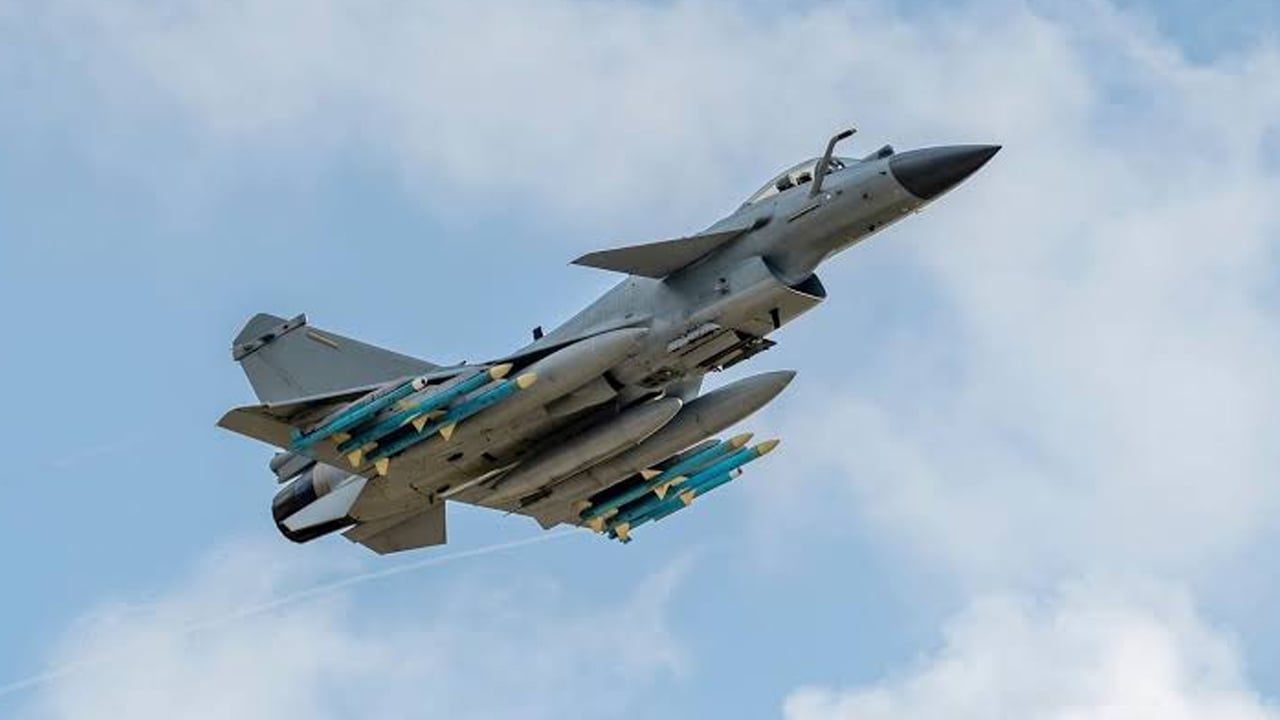
Prime Minister’s Information and Broadcasting Adviser Dr. Jahed Ur Rahman said on Tuesday that buying J-10 fighter jets from China is part of the government’s specific plan to acquire modern multirole aircraft. Speaking at a Secretariat press briefing on progress in government activities, he said options from the United States, Europe and China had been considered, with the Chinese option appearing comparatively advantageous for Bangladesh. He said aircraft with similar capabilities could be bought at much lower cost, potentially less than half and close to one-third of the cost of alternatives from the United States and Europe. He also said the Bangladesh Air Force has only a small number of MiG-29 aircraft, which are not fully operational, while its F-7 fighters are very old. Rahman said the purchase of modern multirole fighters is included in the Forces Goal and was not a sudden decision. He said the government would remain alert to corruption allegations, citing past allegations and cases surrounding MiG-29 purchases. On a question about a reported new Boeing agreement with the United States, he said the government had not announced anything and would disclose any such agreement.
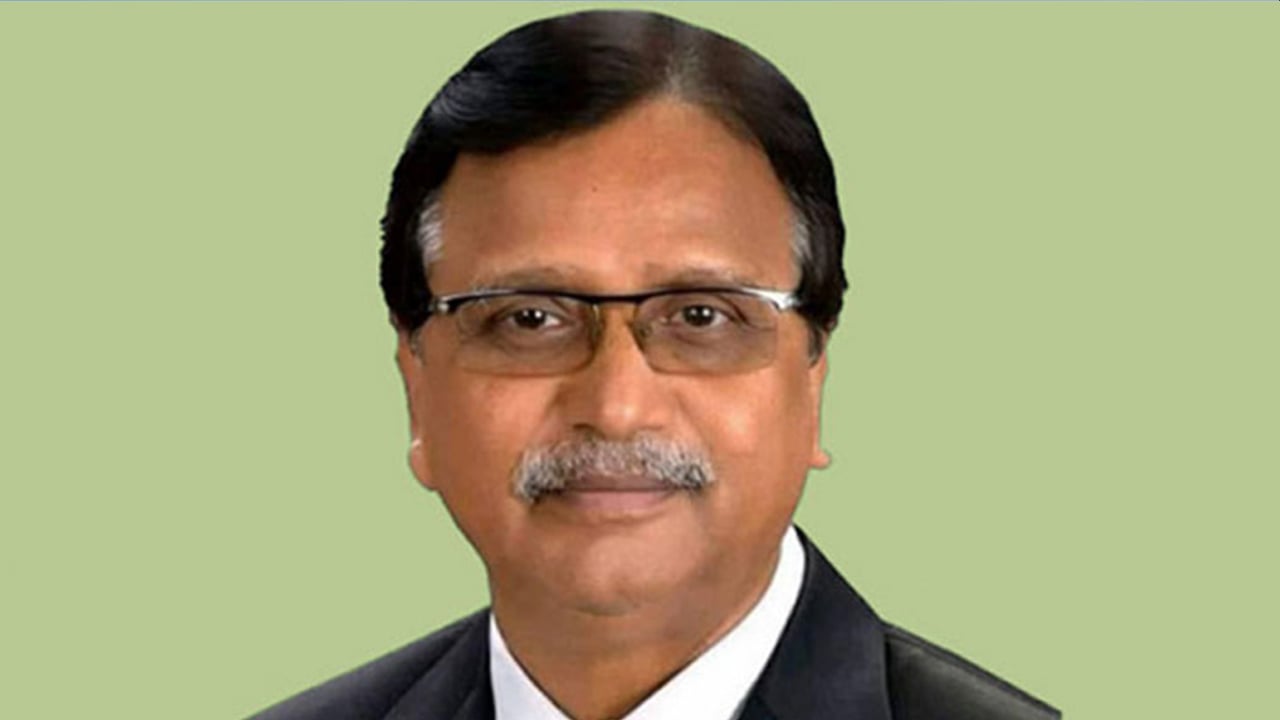
Dhaka South City Corporation Administrator and freedom fighter Md Abdus Salam said eviction drives against businesses occupying sidewalks will continue, with legal action and possible arrests for those who return after removal. He made the remarks on Tuesday, September 1, during an operation from Bakshibazar to Chankharpul in the capital. The operation was part of DSCC activities on cleanliness, revenue collection and mosquito control. Salam said most people would initially receive warnings and time to comply. If they fail to clean their premises or do not remain in accordance with legal requirements within that period, the corporation will be compelled to take legal measures. Authorities will instruct relevant people to keep roads and sidewalks clean along the Bakshibazar-Chankharpul route and ask sidewalk businesses to leave those spaces. Businesses without trade licences will be requested to obtain them, while those with unrenewed licences will be asked to renew them. Salam said the corporation does not want to take action if people voluntarily follow the law, and sought residents’ cooperation as mosquito control, health and sanitation staff work in the area.
The ‘1 Nojor’ media platform is now live in beta, inviting users to explore and provide feedback as we continue to refine the experience.