

The ‘1 Nojor’ media platform is now live in beta, inviting users to explore and provide feedback as we continue to refine the experience.
Two young men were killed when a train struck their motorcycle while they were crossing the railway line in Dudhpatila village of Damurhuda upazila, Chuadanga, on Thursday evening. Witnesses and local sources said the speeding train hit the motorcycle as it attempted to cross the tracks, killing both riders instantly at the scene. Sub-inspector Jagadish Chandra Basu of Chuadanga Railway Police confirmed the incident, stating that two people died in the collision between the train and the motorcycle. The identities of the deceased were not immediately known. Police arrived at the scene to collect information and initiate necessary legal procedures. In the same incident, a man named Abdul Kader, son of Rahidul Islam from Dudhpatila village, was injured. Details about his condition were not yet available at the time of reporting.

A Youth Dal activist named Shahidullah Russell, aged 41, died on Wednesday afternoon while receiving treatment under prison custody at Comilla Medical College Hospital. He had been arrested on May 10 from Shasanpara village in Lalmai upazila with 102 yaba pills and was sent to Comilla Central Jail the following day. Prison authorities stated that Russell had been suffering from pneumonia and other illnesses before his incarceration. After his condition worsened, he was transferred to the hospital on June 17, where he died around 3 p.m. The body was handed over to his family after autopsy. Russell was a resident of Perul Uttar Union in Lalmai upazila and an active member of the local Youth Dal. His wife, Halima Akter, alleged that he had been falsely implicated in the drug case and denied proper care. Lalmai Upazila BNP General Secretary Yusuf Ali Mir Pintu described Russell as a dedicated party worker and called for an investigation into any irregularities or conspiracy surrounding his arrest and death. Authorities have not yet announced any formal inquiry into the circumstances of his death.
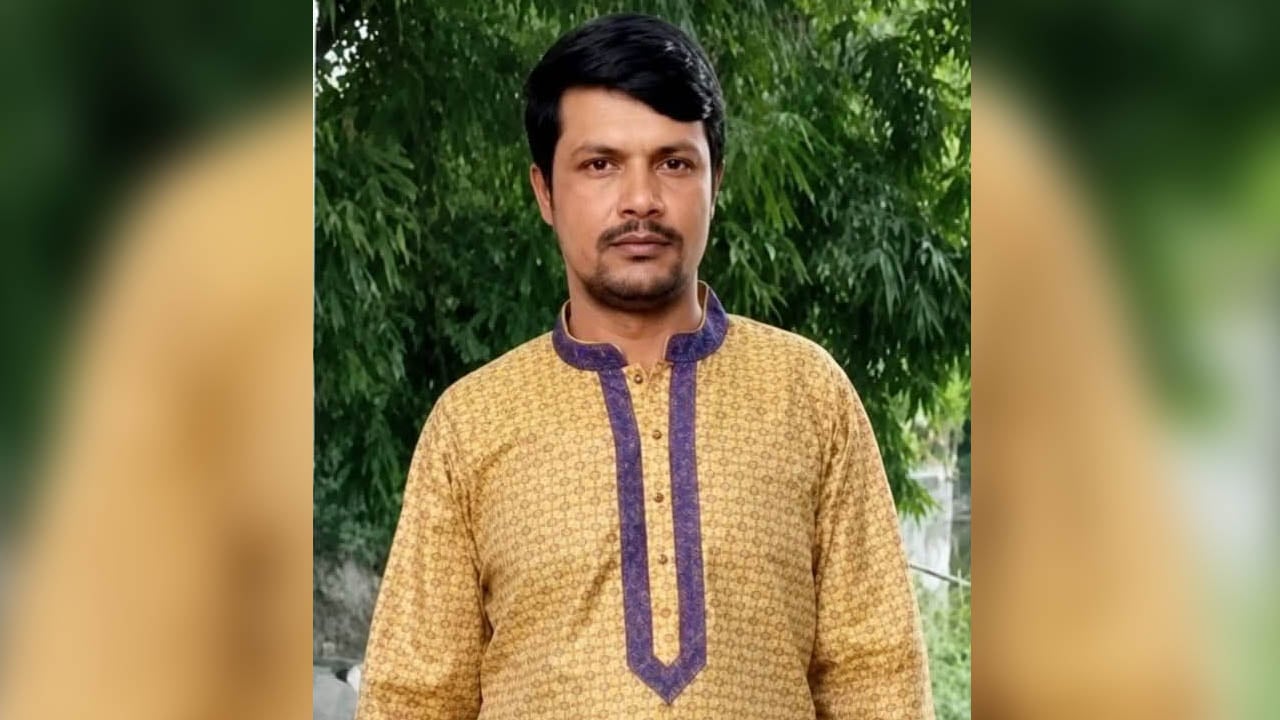
Bangladesh Khelafat Majlis leaders have strongly condemned remarks made in the National Parliament about their party chief Allama Mamunul Haque by a BNP-aligned Member of Parliament and subsequent comments by the Speaker. In a joint statement issued on Thursday night, Senior Nayeb-e-Ameer Maulana Yusuf Ashraf and Secretary General Maulana Jalaluddin Ahmad said the discussion about Haque in Parliament, despite his absence, reflected political fear and attempts to revive old propaganda. The leaders stated that Haque had been acquitted by a court in a politically motivated case filed during the Awami League government and that national newspapers had reported on his innocence. They criticized the Speaker for calling the matter an “extramarital affair” and a “dark chapter,” describing the remarks as uninformed and contradictory to her constitutional neutrality. They urged the Speaker to withdraw her comments, issue a public clarification, and apologize to the nation. The statement warned that failure to do so would make the Speaker responsible for public outrage. Youth Majlis also planned protest marches in Dhaka and other areas against the remarks made in Parliament.

A leaked audio recording has triggered widespread concern in the Lohagara–Satkania area after it allegedly revealed a plan to shoot Chittagong-15 Member of Parliament Shahjahan Chowdhury in the leg. The conversation, which spread on social media, reportedly features Arman Uddin, the MP’s longtime personal assistant, discussing the plan with another unidentified person. Local discussions suggest the audio indicates a violent intent toward the elected representative. Reporter investigations confirmed that one of the voices in the audio belongs to Arman Uddin, though the identity of the other speaker remains unverified. When questioned, Arman denied any involvement and stopped responding after being sent the audio clip. The recording includes remarks about preventing the MP from visiting Lohagara and references to armed readiness. Local sources claim the unidentified speaker may be linked to influential groups involved in sand and soil extraction. Chittagong District Police Superintendent Md. Masud Alam stated that authorities are taking the matter seriously and are verifying the authenticity, source, and roles of those involved before taking legal action.

French footballer Maxence Lacroix has chosen to celebrate his selection for France’s World Cup squad by sharing the joy with his childhood community. The 25-year-old defender, who grew up in the small southwestern village of Azat, decided to provide pizza for all residents on every match day of France’s World Cup campaign. He informed the local mayor in advance about his plan to ensure the entire village could join in the celebration. Lacroix spent much of his childhood in Azat with his grandparents before leaving at a young age to pursue football training. Despite his professional success and busy schedule, he has maintained a strong connection to his roots. The villagers, deeply moved by his gesture, have prepared to watch France’s matches together on a large screen at the town hall while enjoying the pizza provided by their hometown star. After playing for several French clubs, Lacroix joined Germany’s Wolfsburg in 2020 and later moved to England’s Crystal Palace. His consistent club performances earned him his first call-up to the national team, and his village now eagerly awaits his debut on the World Cup stage.

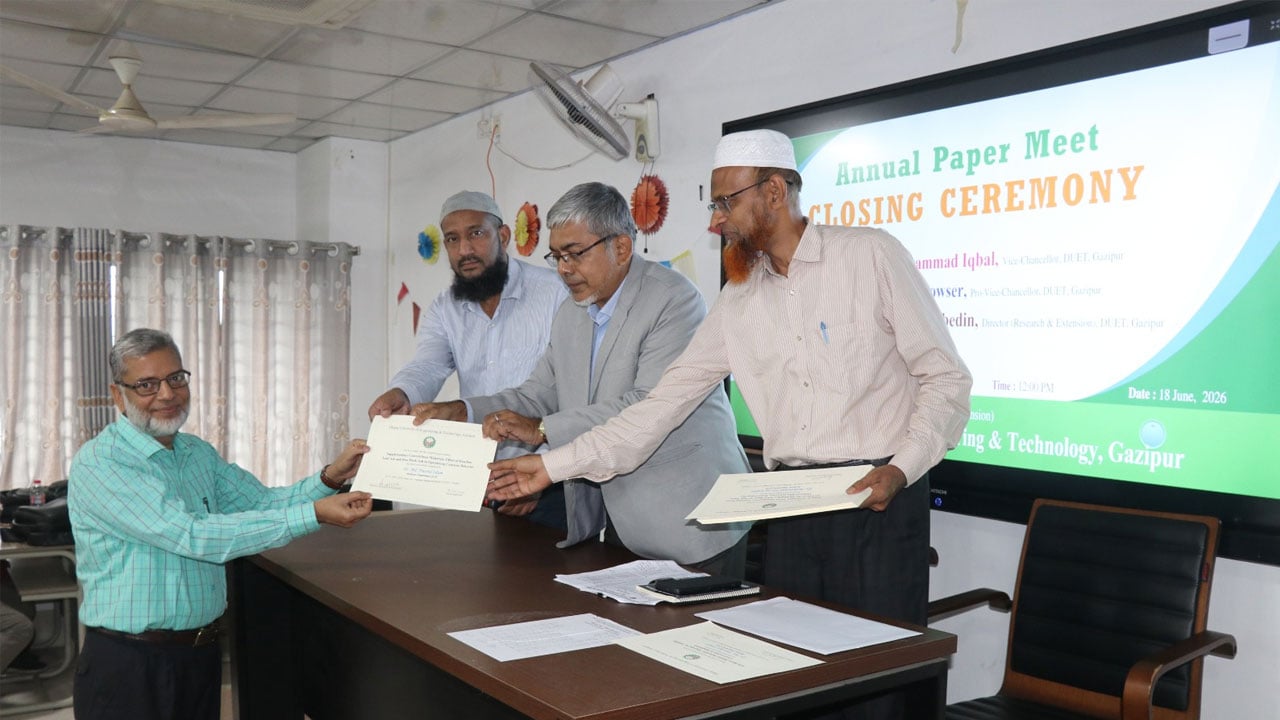
Dhaka University of Engineering and Technology (DUET), Gazipur, held its ‘Annual Paper Meet’ on Thursday, June 18, 2026, at the Shaheed Syed Nazrul Islam Academic Building. The event showcased the outcomes, innovations, and future prospects of research projects approved for the 2025–2026 fiscal year. DUET Vice-Chancellor Professor Dr. Engineer Mohammad Iqbal attended as chief guest, with Pro-Vice-Chancellor Professor Dr. Md. Arefin Kawsar as special guest, and Professor Dr. Md. Anwarul Abedin presiding. In his address, the Vice-Chancellor emphasized that research-driven knowledge creation and technology-based solutions can significantly contribute to national industry, economy, and society. He called for more publications, patents, and collaboration with industry to raise research to international standards and urged the University Grants Commission to increase financial allocations for research. The Pro-Vice-Chancellor praised researchers’ creativity and stressed the need for practical application of research outcomes. During the event, project directors presented their research goals, methods, findings, and potential applications. Participants engaged in discussions on interdisciplinary collaboration and implementation of research results, and certificates were awarded to project directors at the closing session.
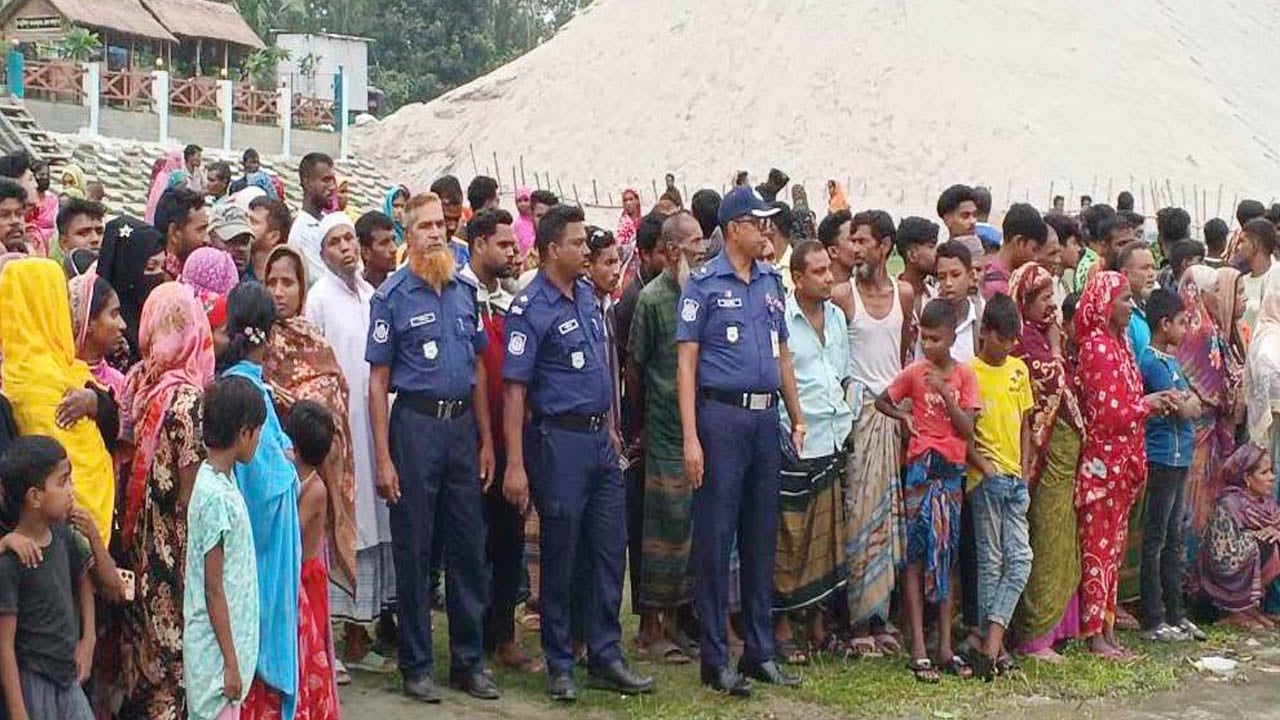
Two children who went missing while bathing in the Jamuna River at Sarishabari upazila of Jamalpur were found dead seven hours later. The incident occurred on Thursday afternoon when the children entered the river at Radhanagar Sunset Point area and were swept away by a strong current. A diving team from the Fire Service recovered their bodies after an extensive search lasting about seven hours. The victims were identified as Israfil, aged seven, son of Firoz Mia, and Osman Gani, aged eight, son of Shamim Mia, both residents of Radhanagar village in Pingna Union. Following the recovery, police confirmed that the bodies would be handed over to their families after completing necessary legal procedures. Authorities said the rescue operation began immediately after receiving the report of the disappearance, with both the Fire Service and local residents participating in the search effort.
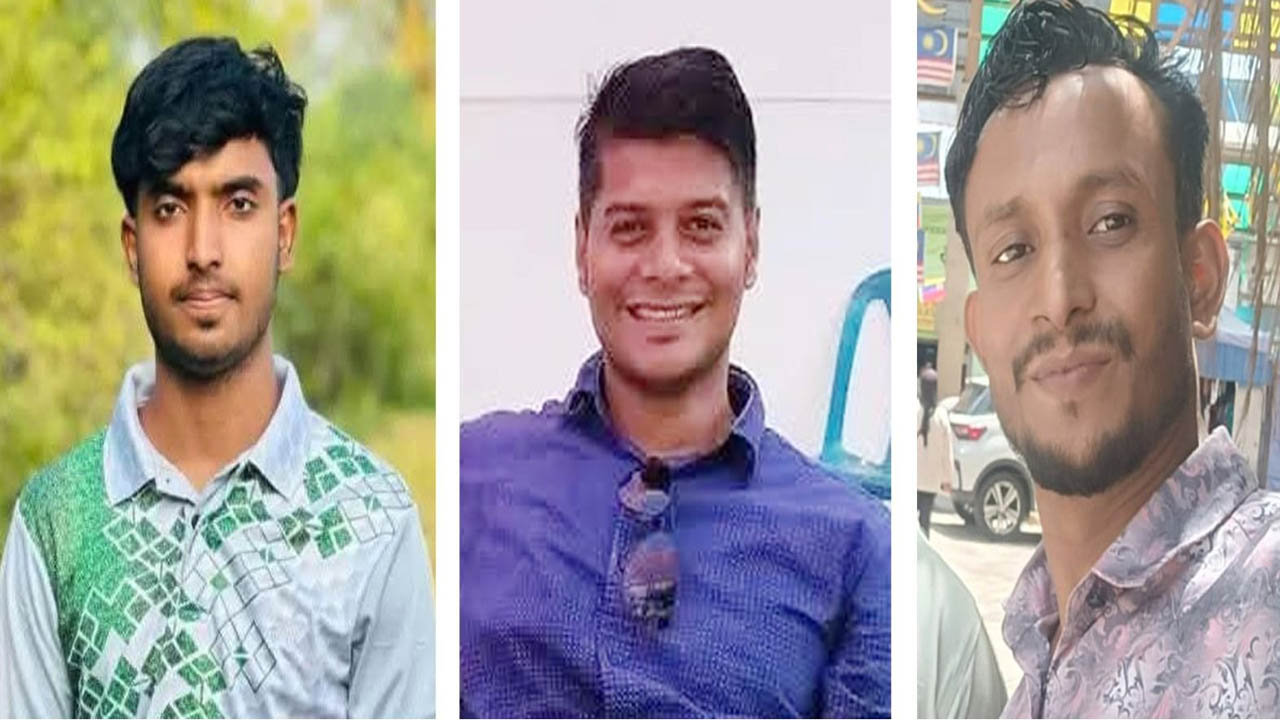
Three people have been killed in a violent clash between two rival groups in Raipura upazila of Narsingdi, police confirmed after recovering the body of Latif Molla, 32, from the Meghna River on Thursday afternoon. The conflict, which began early Tuesday in Nilaksha Union’s Haripur area, stemmed from a long-running dispute over local dominance between groups led by Nazim Uddin and Alal Munshi. A case has been filed naming 30 individuals and listing 50–60 others as unidentified suspects. According to local sources, the clash involved the use of spears, firearms, and other weapons, lasting several hours and resulting in property damage and arson. Osman Member’s son Anik Mia, 20, was killed on the first day, while Kawsar Ahmed, 37, was found dead the following day. Police and locals said the long-standing rivalry between the two groups had periodically caused tension in the area. Police stated that no arrests had yet been made but that operations were underway to detain the accused individuals.
Qatar has launched an unprecedented initiative to boost its national football team’s morale at the ongoing World Cup. Under the special arrangement of Emir Sheikh Tamim bin Hamad Al Thani, around one thousand Qatari supporters have been flown by chartered planes to Vancouver, Canada, ahead of a crucial match against the host nation. The move has drawn global attention for its scale and royal-style organization. According to an Associated Press report, the program—called the ‘Qatari Fans Delegation Program’—is jointly managed by Qatar’s Social and Sport Contribution Fund and the country’s football federation. The government is covering all expenses, including airfare, luxury accommodation, local transport, and match tickets. Upon arrival, the fans created a festive atmosphere in Vancouver by playing traditional darbuka drums and celebrating in public spaces. Qatar’s captain Abdulaziz Hatem expressed gratitude to the traveling supporters, saying their presence motivates the team to perform their best. The federation stated that the initiative aims to ensure players feel supported in the stadium. The upcoming match against Canada is seen as crucial for both teams’ survival in the tournament.

The Directorate of Primary Education has issued an urgent directive instructing all its offices and institutions to promptly pay outstanding and current land development taxes for the 2025–26 fiscal year. The order, signed by Assistant Director of the Finance and Revenue Division Selina Akhter, was circulated on Wednesday to all field-level offices under the directorate. According to the directive, all offices under the Ministry of Primary and Mass Education—including divisional deputy directors’ offices, district primary education offices, primary teacher training institutes, upazila and thana education offices, and government primary schools—must ensure payment of land development tax under code 3821102 from their allocated funds for the fiscal year. The directive emphasizes that timely payment is essential for proper management of government assets and maintaining financial discipline. The Directorate has instructed all concerned officials to take immediate steps to comply with the order and complete the payment process without delay.
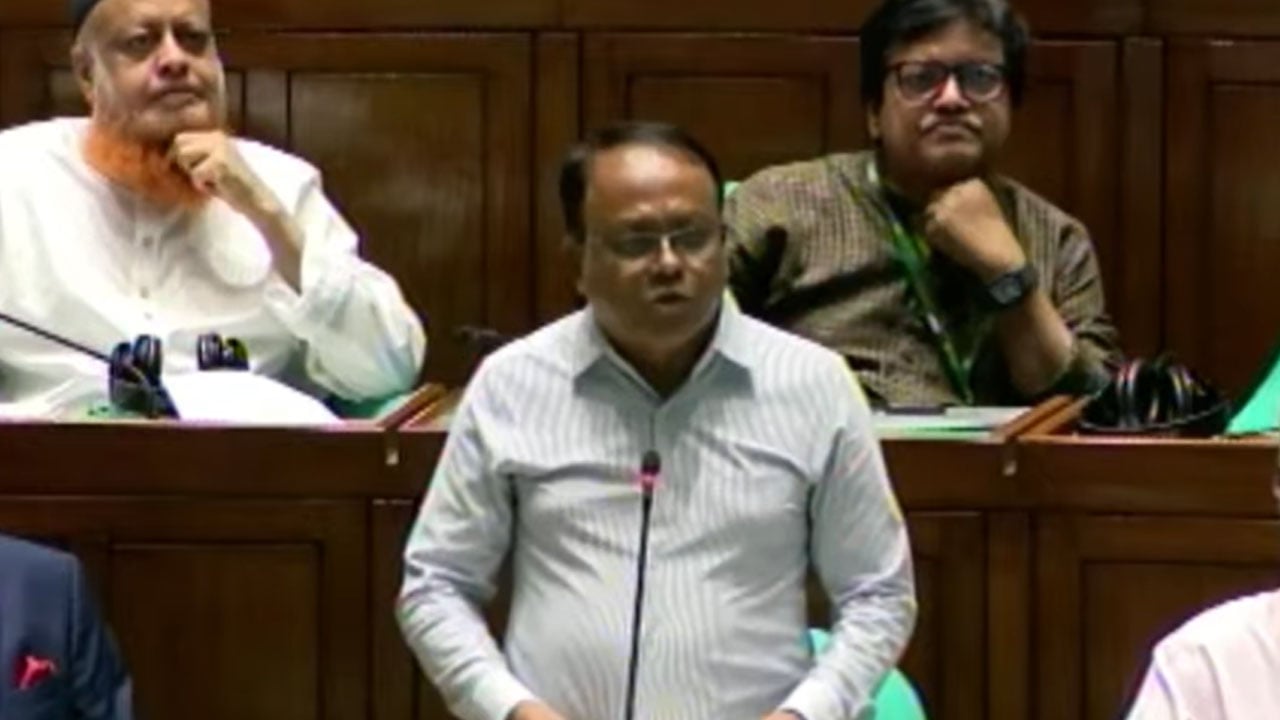
BNP Member of Parliament Md. Selim Bhuiyan alleged in the national parliament on Thursday that police in his constituency are working to make the government controversial. He said that when asked to take action against yaba traders, local police claimed they lacked vehicles to conduct operations. Bhuiyan urged that police be provided with necessary resources and that action be taken against drug dealers. He further stated that many police officers are involved with drug users and yaba dealers, accusing them of being aligned with the Awami League. According to him, even after being transferred between stations, police and administrative officials such as UNOs and DCs continue to act in favor of the ruling party. Bhuiyan claimed that these officials ignore instructions from BNP MPs and instead pursue their own agendas. He concluded that to properly implement the national budget, the police administration must be reorganized to ensure accountability and neutrality.
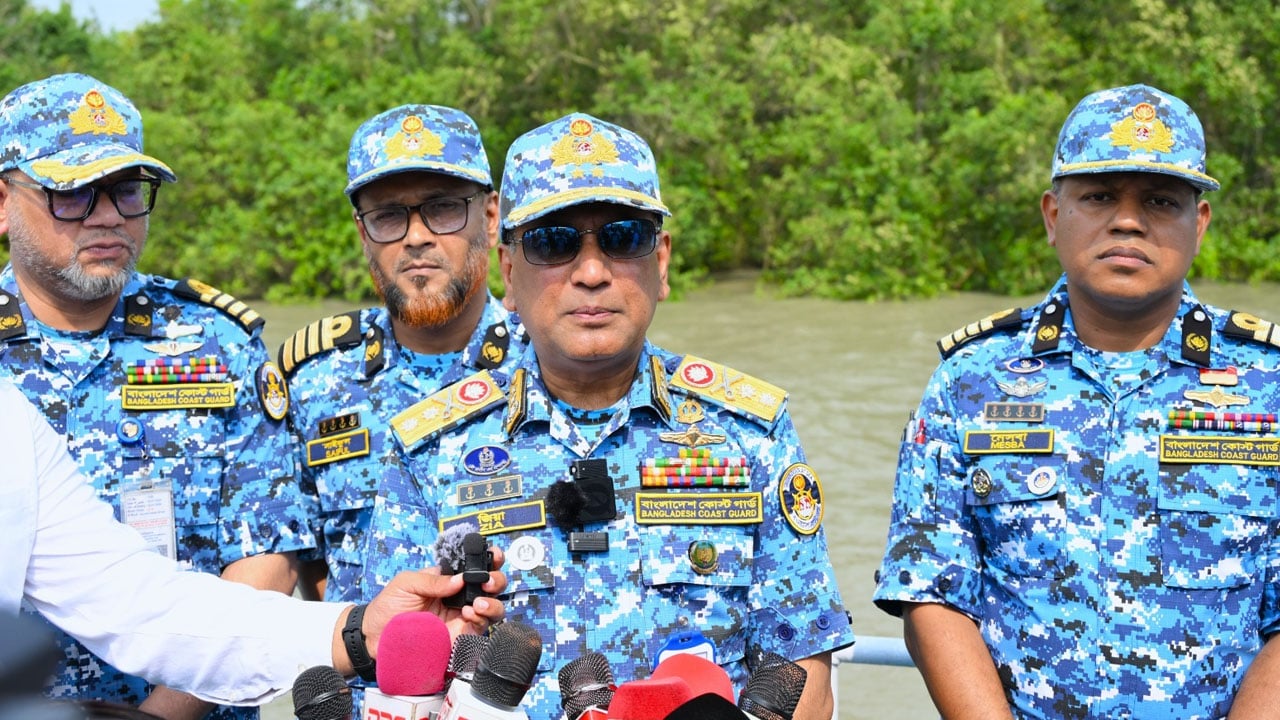
Rear Admiral Md Ziaul Haq, Director General of the Bangladesh Coast Guard, stated that the force remains firmly committed to combating piracy, drug and human trafficking, and ensuring the overall security of coastal communities in the Sundarbans. He made the remarks on Thursday afternoon after inspecting the region’s security situation. According to Ziaul Haq, under government directives, the Coast Guard is leading two special operations—‘Operation Restore Peace in Sundarbans’ and ‘Operation Mangrove Shield’—to establish law and order and eradicate forest piracy. Continuous operations, intelligence efforts, and coordination with other law enforcement agencies have cornered pirate groups, leading to the recent surrender of notorious bandit Chhoto Suman and his associates. He added that the establishment of the Coast Guard Station Harbaria in Joymonir Ghol, previously known as a pirate stronghold, has effectively disrupted the supply of logistics, weapons, and other support to criminal groups. Ziaul Haq condemned a recent attack and vandalism at the Harbaria station, calling it a regrettable and alarming attempt to undermine security operations, and said immediate action was taken afterward.
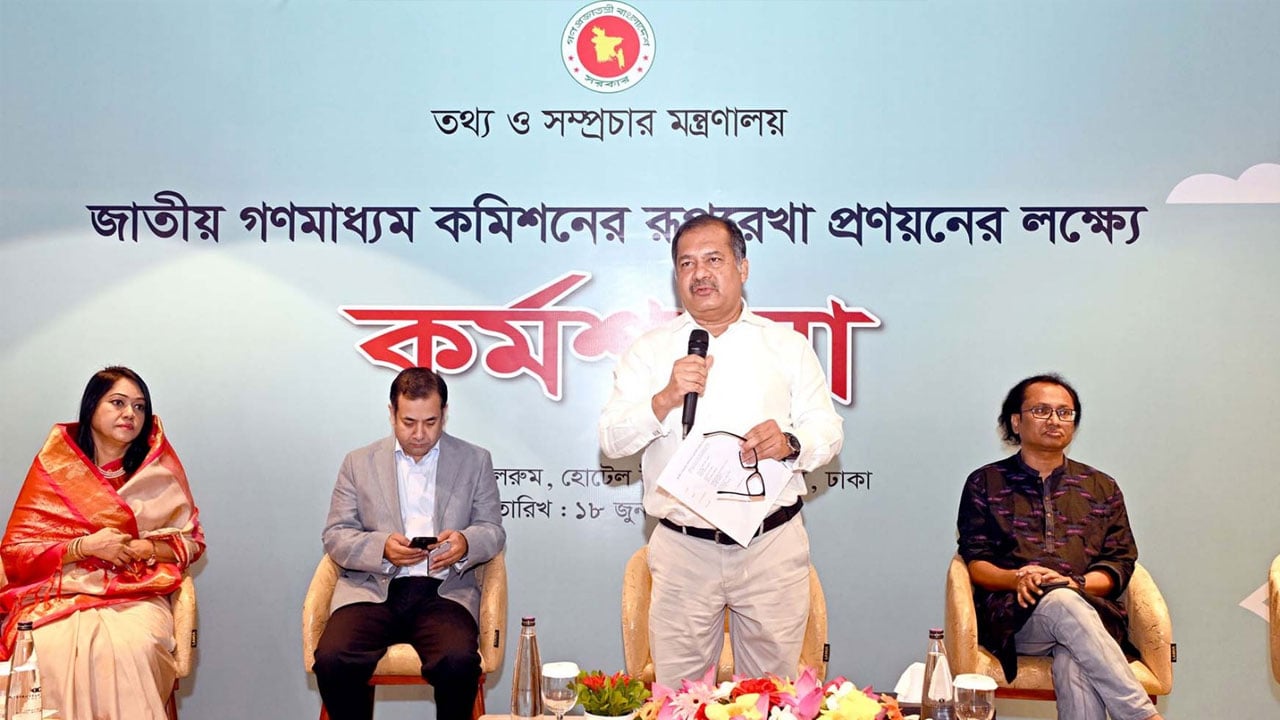
Information and Broadcasting Minister Zahir Uddin Swapan announced that the government will act as a facilitator, not a regulator, in the ongoing media reform process aimed at ensuring press freedom. Speaking at a workshop held on Thursday at Hotel Intercontinental in Dhaka, he said the initiative seeks to create a widely accepted framework for a National Media Commission through open dialogue and stakeholder input. The ministry has brought together all sectors of the media for the first time to form an independent and strong national commission. Swapan described the initiative as a milestone in promoting media reform and freedom, noting that the government under Prime Minister Tarique Rahman is implementing reforms across key sectors to build a democratic and welfare-oriented state. State Minister for Information and Broadcasting Yasser Khan Chowdhury emphasized the importance of clear input from media representatives to make the commission effective, independent, and accountable. Participants from various media organizations and associations discussed the commission’s framework and reached a consensus to draft a national action plan, offering recommendations and proposals for its formation.
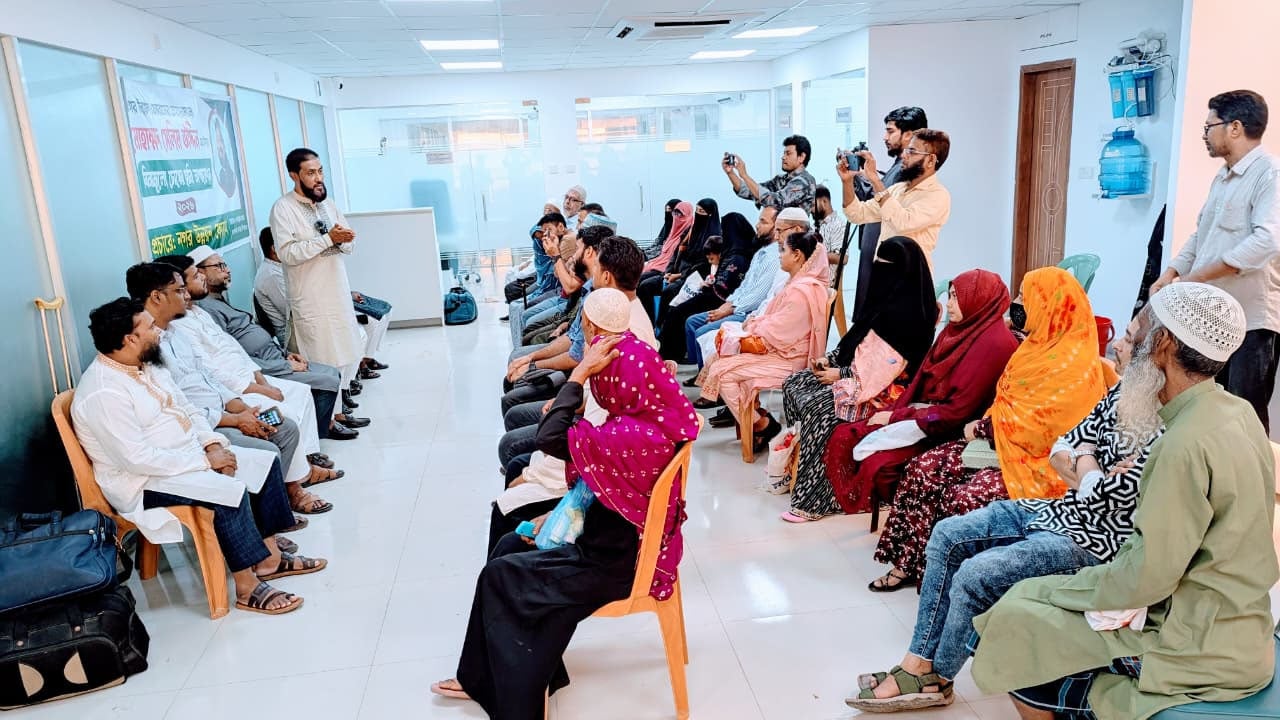
Mohammad Selim Uddin, Amir of Bangladesh Jamaat-e-Islami’s Dhaka North unit and chairman of the Citizens Development Forum, stated that corruption and looting are depriving people of government healthcare services. He made the remarks on Thursday in Mohammadpur, Dhaka, while addressing a program organized by the Citizens Development Forum marking the completion of free cataract surgeries for 26 patients. The event was attended by several local leaders and councilor candidates. Selim Uddin said healthcare is a fundamental right and that most countries provide free medical services to their citizens. He noted that although Bangladesh has such provisions, government hospitals suffer from malfunctioning equipment and misappropriation of medicines. He attributed these problems to rampant corruption and mismanagement in the health sector. He emphasized that restoring good governance and building a corruption-free society are essential to ensuring proper healthcare for citizens, urging collective efforts to achieve that goal.
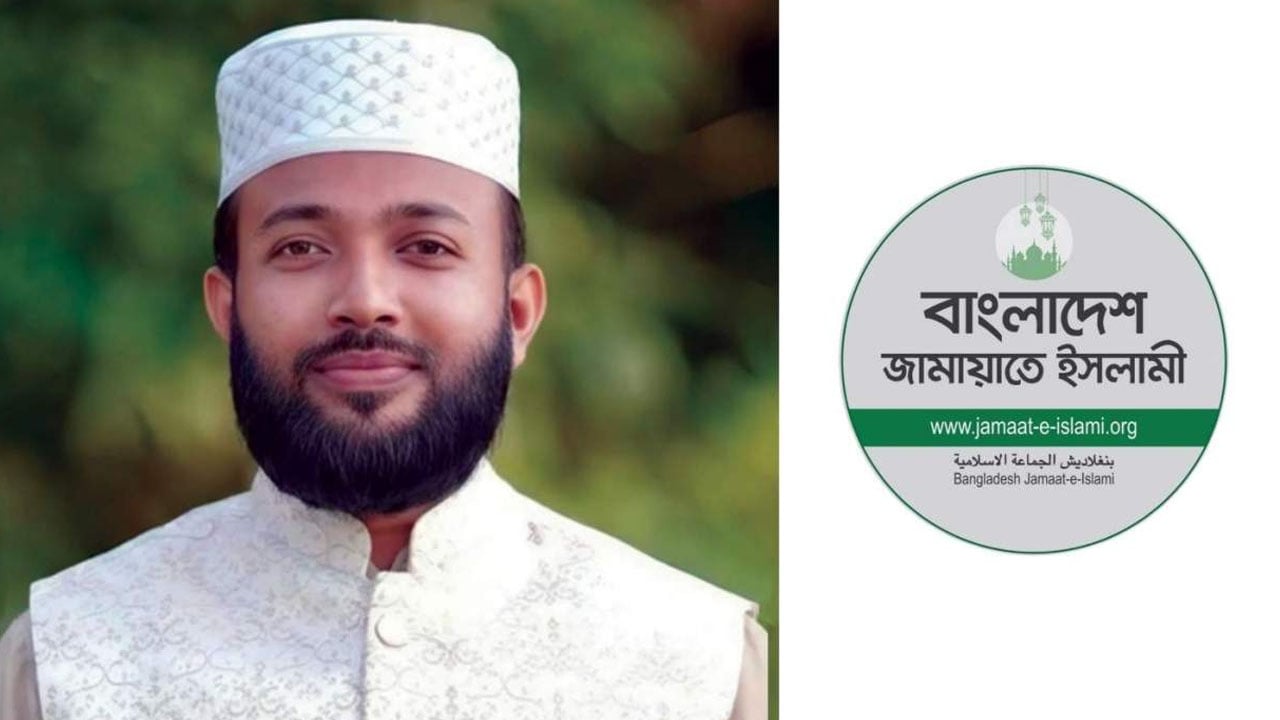
Bangladesh Jamaat-e-Islami has expelled its member (Rukon) S.K. Mohibullah from Paikgacha in Khulna for breaching party discipline. According to a press release issued by the party’s central publicity department on Thursday, the decision was made after Mohibullah announced his candidacy for the Union Parishad election, disregarding the party’s official decision. The statement said Jamaat Secretary General Mia Golam Porwar confirmed that Mohibullah, son of Md. Azizur Rahman Sheikh, had violated clauses (a) and (b) of sub-section 2 under section 62 of the party constitution by engaging in election activities independently. The party’s Ameer cancelled his membership and expelled him from the organization on June 18 after the allegations were proven beyond doubt. The expulsion underscores Jamaat’s strict enforcement of internal discipline and its stance against members acting outside collective party decisions.
The ‘1 Nojor’ media platform is now live in beta, inviting users to explore and provide feedback as we continue to refine the experience.