

The ‘1 Nojor’ media platform is now live in beta, inviting users to explore and provide feedback as we continue to refine the experience.
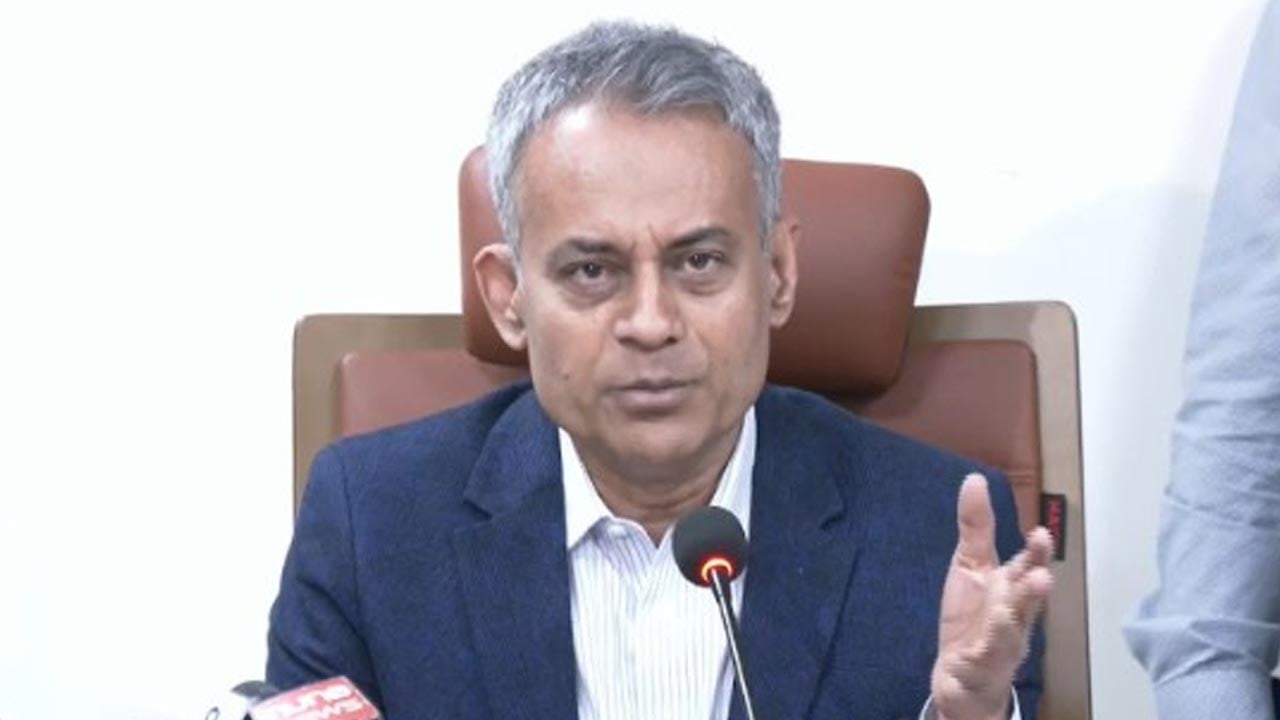
Home Minister Salahuddin Ahmed stated that no member of the current parliament is a loan defaulter. He clarified that while some members may have outstanding loans, none have been declared defaulters by a court. The minister made these remarks on Thursday in response to a point of order raised by Opposition Chief Whip and National Citizens Party (NCP) convener Nahid Islam. Ahmed explained that under the Representation of the People Order and related regulations, anyone declared a loan defaulter by a court is deemed ineligible to contest parliamentary elections. Therefore, those who have been elected to parliament cannot be considered loan defaulters under the law. He further noted that any claim suggesting that loan defaulters were nominated in the current parliament contradicts the legal interpretation of eligibility criteria for members of parliament.
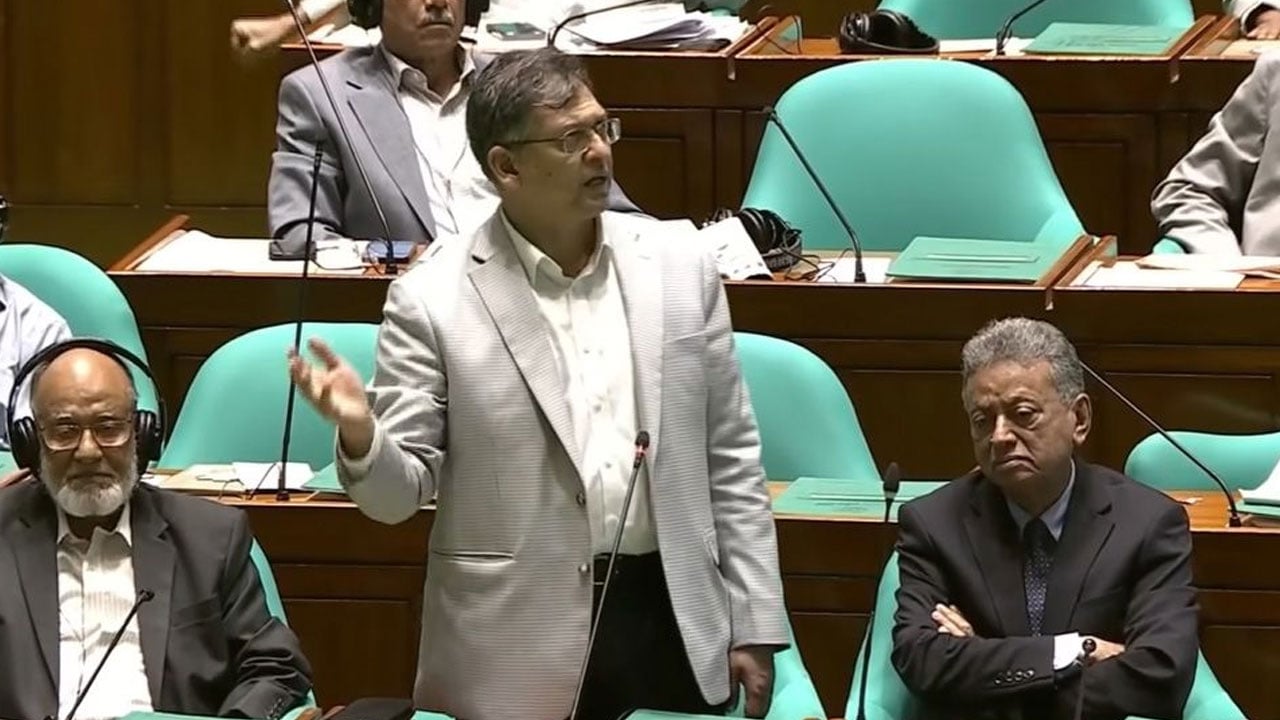
Madrasah teacher Tajul Islam testified before International Crimes Tribunal-1 on Thursday, describing his abduction and prolonged detention by the Directorate General of Forces Intelligence (DGFI). He stated that he was held in isolation for one year and eight months, during which he was repeatedly beaten and pressured to confess involvement in militant activities. Tajul said he was taken from his workplace in Manikganj in April 2015 by 10 to 15 men and later learned that DGFI had detained him. According to his testimony, he was interrogated and tortured in several secret facilities, including rooms marked with RAB-4 and RAB-10, before being handed over to Akbar Shah police in Chattogram in December 2016. He said false cases were filed against him under anti-terrorism and arms laws, and he spent eight years in prison before being released on bail in January 2025. Tajul named former Prime Minister Sheikh Hasina, her military adviser Tarique Siddique, and DGFI officials as responsible for his abduction and demanded justice. The case is part of an ongoing crimes against humanity trial concerning enforced disappearances allegedly carried out during the Awami League government’s rule.
Maulana Muhiyuddin Rabbani, Secretary General of International Majlis Tahaffuz Khatme Nabuwwat Bangladesh, has expressed gratitude and congratulations to Speaker Major (Retd.) Hafiz Uddin Ahmed, Bir Bikram, for abolishing the long-standing practice of bowing the head when entering the National Parliament. In a statement released to the media on Thursday, Rabbani said the decision aligns with the faith and values of the country’s devout citizens and deserves appreciation. He noted that the move reflects respect for the religious beliefs, cultural heritage, and moral values of Bangladesh’s majority population, strengthening national identity and self-respect. Rabbani described the Speaker’s decision as one of foresight, courage, and sensitivity to public sentiment, ending a practice that had long been a source of debate. Rabbani further urged authorities to review other state practices inconsistent with the nation’s religious and cultural values and to adopt systems aligned with national consciousness. He prayed for the Speaker’s well-being and expressed hope that state institutions would continue to act in harmony with public faith and democratic principles.
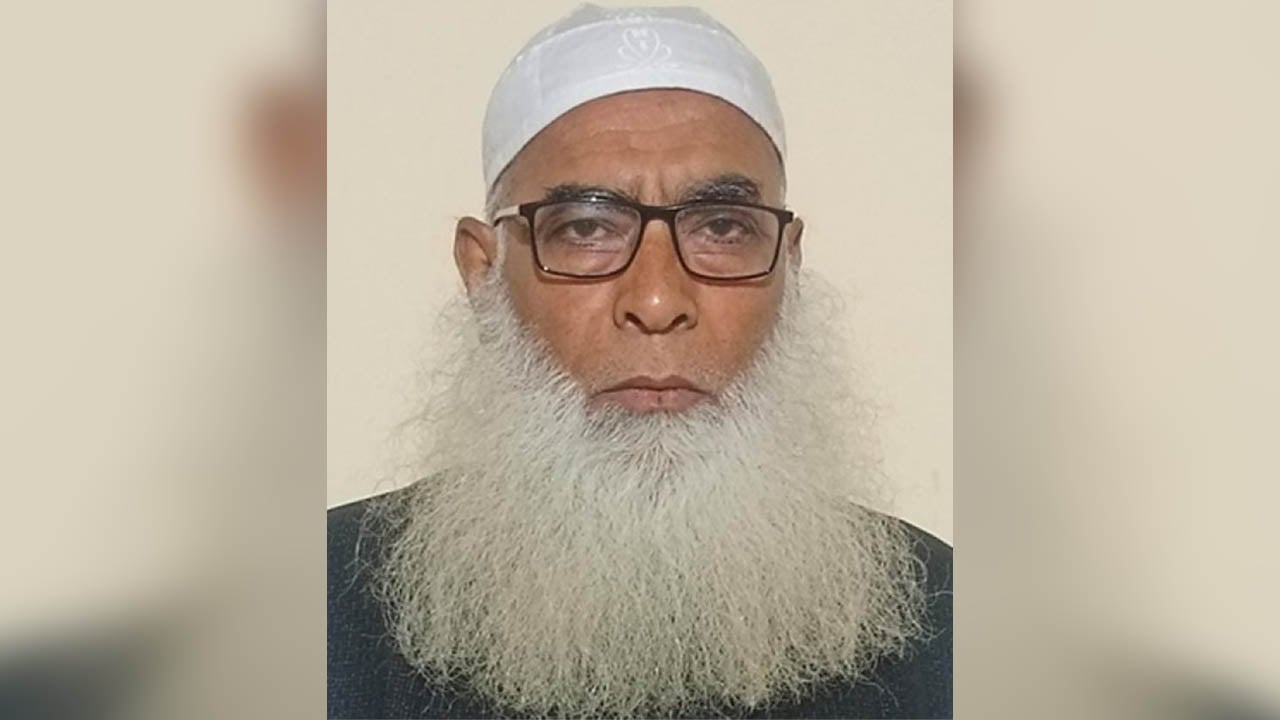
A detainee and Youth Dal activist, Shahidullah Russell, aged 41, died on Wednesday, June 17, 2026, while receiving treatment at Cumilla Medical College Hospital under the supervision of prison authorities. He had been held at Cumilla Central Jail since May 11 after being arrested with 102 yaba tablets from Shasanpara village in Lalmai upazila on May 10. According to the senior jail superintendent, Russell had been suffering from pneumonia-related illness and was given medication on May 19. His condition worsened on June 15, and after further deterioration on June 17, he was taken to the hospital, where doctors declared him dead at 3 p.m. following cardiac shock. Russell was a resident of Atiti Khondokar Bari in Perul Uttar union of Lalmai upazila and an active member of the local Youth Dal. Following his death, Lalmai Upazila BNP general secretary Yusuf Ali Mir Pintu described him as a dedicated party worker and called for an investigation into whether any irregularities or conspiracies were involved in his arrest and subsequent death. After postmortem examination, the body was handed over to the family.
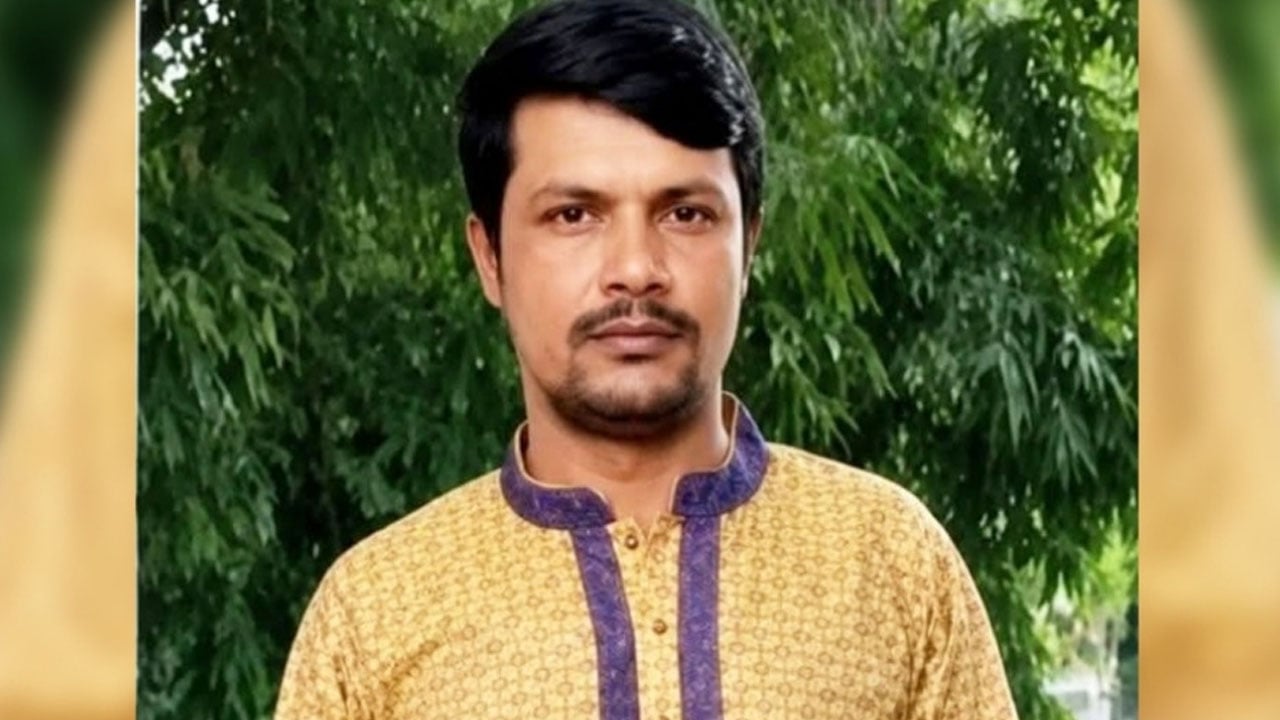
The United States and Iran have reached a preliminary agreement aimed at achieving a ceasefire, providing Iran with significant economic benefits. Under the deal, Washington will lift its naval blockade on Iranian ports and allow Tehran to resume oil exports even before a final nuclear accord is reached. In return, Iran has pledged to keep the Strait of Hormuz open for international commercial shipping for 60 days, with the option to impose transit fees afterward. The agreement temporarily defers the toughest nuclear concessions to future negotiations. Analysts described the deal as largely favorable to Iran, citing eased sanctions, restored oil trade, and reduced military pressure. Nicole Grajewski of Sciences Po noted that Tehran gained tangible relief in exchange for limited new nuclear commitments. However, critics such as former US Treasury official Miyyad Maleki warned that easing banking restrictions could weaken Washington’s leverage. Supporters of diplomacy, including Jamal Abdi of the National Iranian American Council, praised the accord as a correction to failed pressure policies. Following news of the agreement, global oil prices fell, and US gasoline prices dropped below four dollars per gallon for the first time in months.
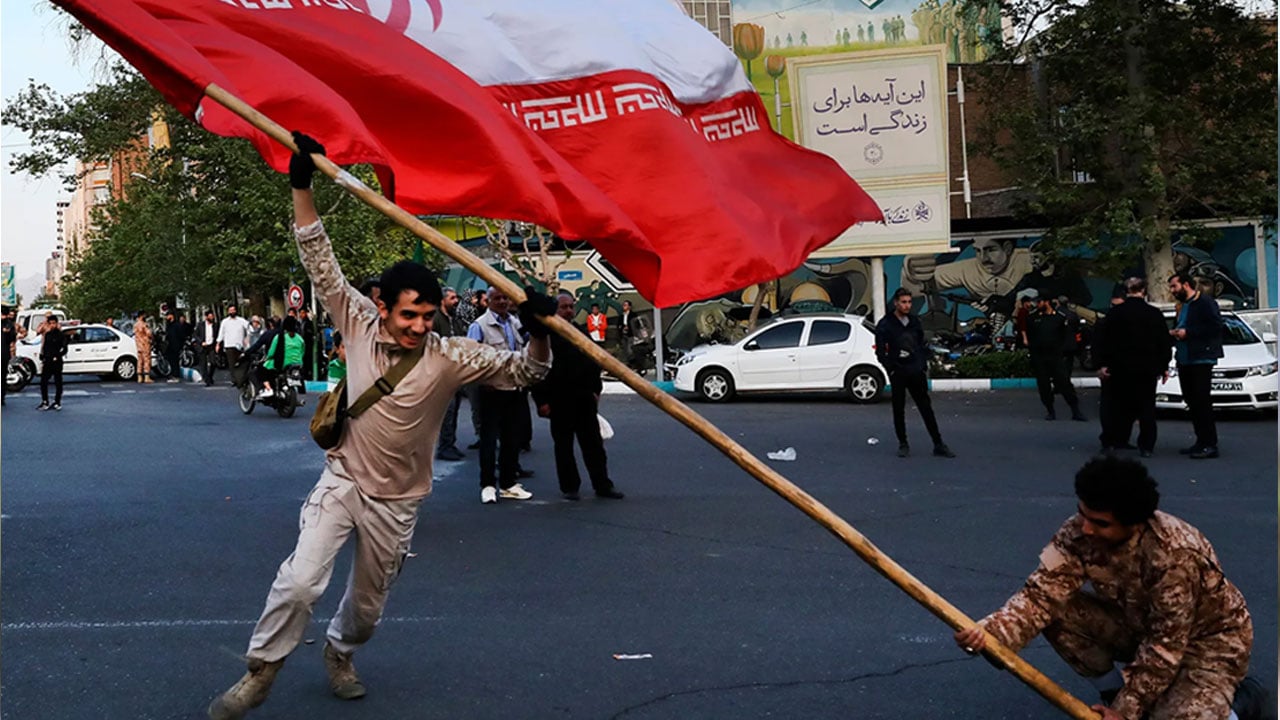
National Citizens Party convener Nahid Islam told the national parliament on Thursday that many members of parliament are loan defaulters. He said he had raised the issue before the election and again in his first parliamentary speech, mentioning the number of defaulters without revealing names. Nahid Islam argued that if so many loan defaulters sit in parliament, it could justifiably be called a parliament of loan defaulters, adding that the ruling party’s two-thirds majority had brought them in. During the same session, BNP lawmaker Md. Selim Bhuiyan highlighted local law enforcement challenges, stating that police in his area lack vehicles to pursue drug dealers. He urged the government to provide vehicles and ensure action against yaba traders. The remarks underscored growing concerns about financial accountability among lawmakers and operational limitations faced by police in combating narcotics-related crimes.
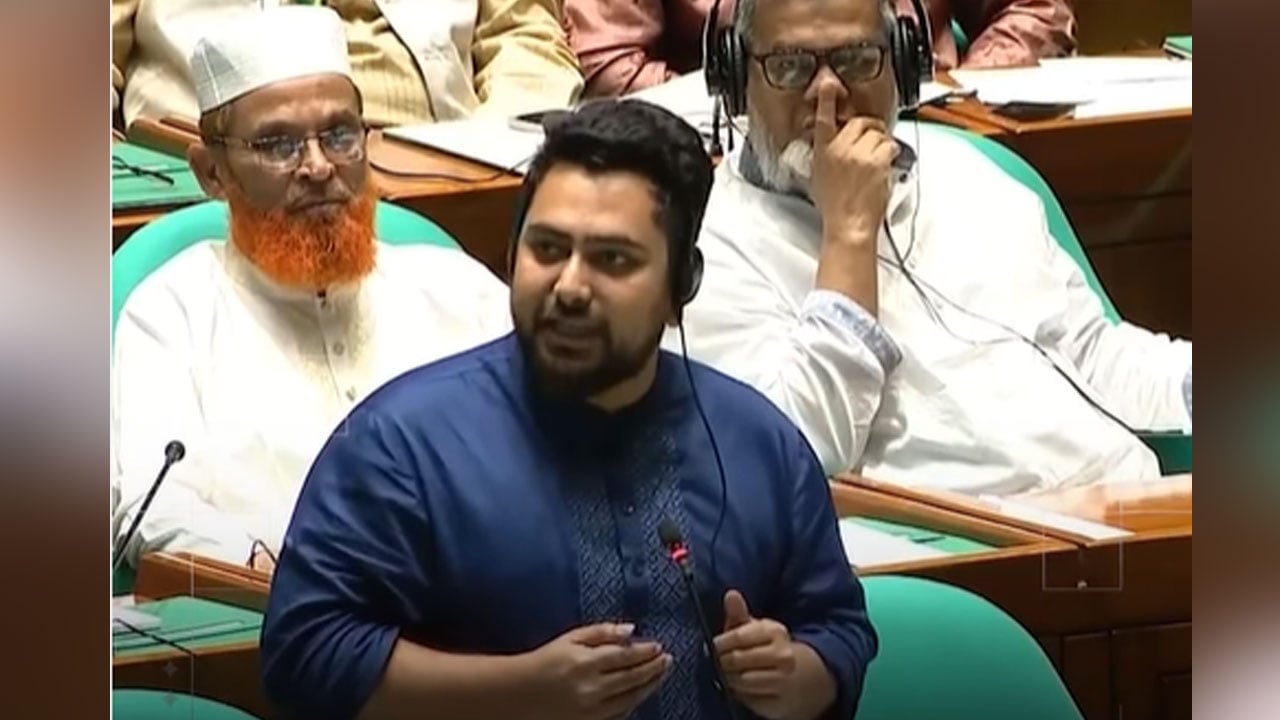
BNP Member of Parliament Md. Selim Bhuiyan alleged that local police and administrative officials are biased toward the ruling Awami League. Speaking in the national parliament on Thursday, he said police often claim they lack vehicles to arrest yaba traders, yet remain inactive even when provided with resources. He urged that the police administration be reorganized to effectively implement the national budget. Bhuiyan further claimed that many police officers are directly involved with drug dealers and users, asserting that the police and local administrators, including UNOs and DCs, act as Awami League loyalists. He said these officials are merely transferred between stations without any real change in their political alignment. According to him, this partisan behavior undermines the authority of BNP lawmakers and hampers governance. He concluded that meaningful reform of the police administration is essential if the government intends to implement the budget properly.
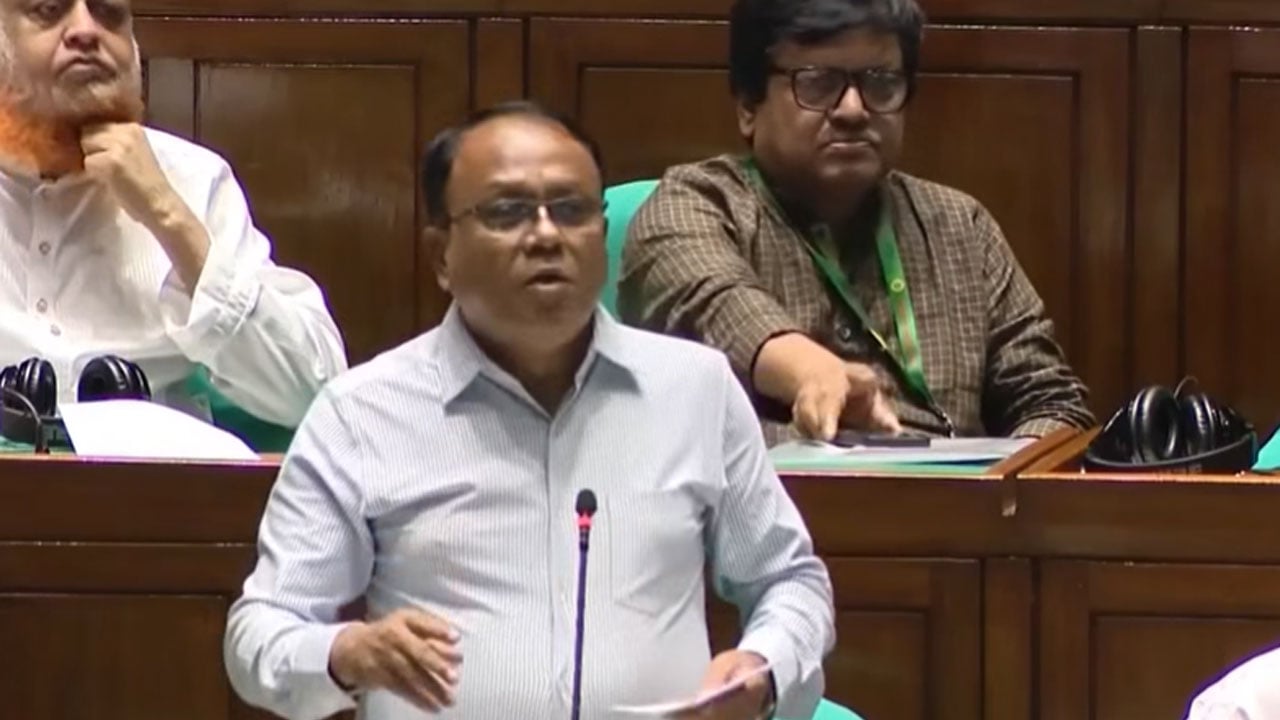
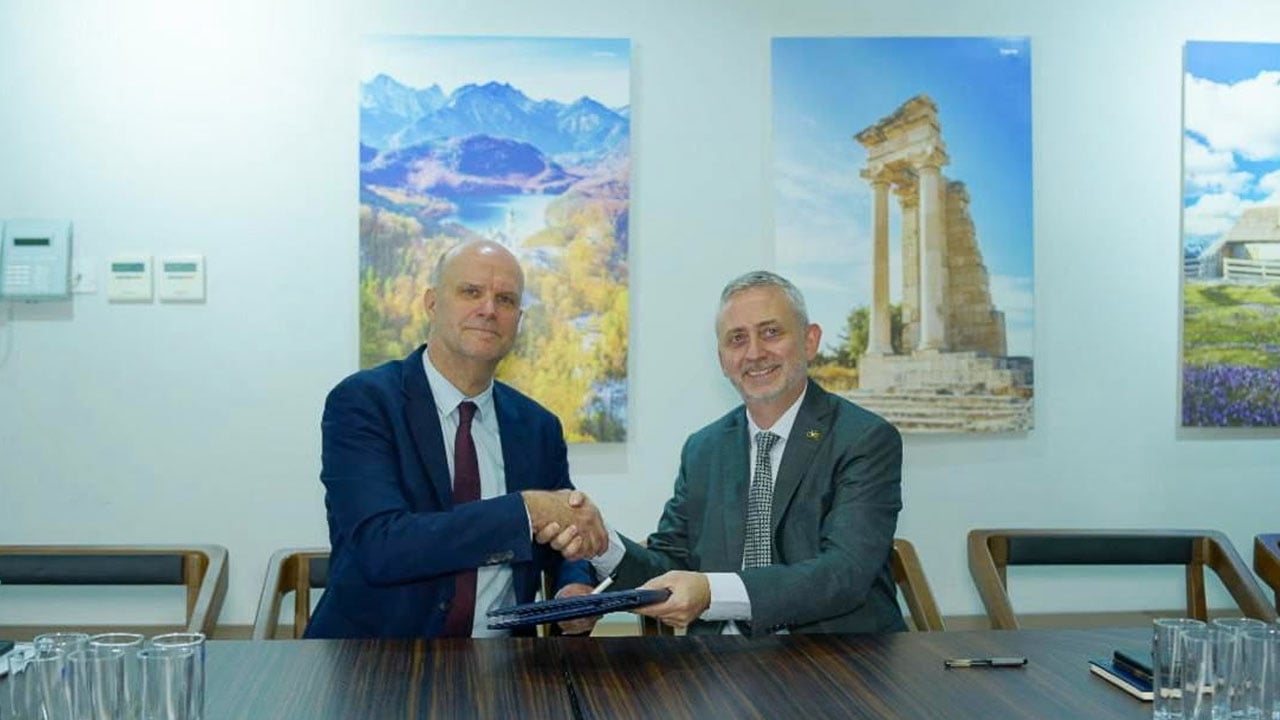
The European Union and the United Nations High Commissioner for Refugees (UNHCR) have announced an additional €14 million (around Tk 200 crore) in aid for Rohingya refugees living in Ukhiya and Teknaf, Cox’s Bazar. The announcement was made on June 18, 2026, ahead of World Refugee Day. The funding aims to sustain emergency assistance and protection programs for 1.2 million Rohingya refugees and to support local host communities. According to the EU and UNHCR, the new funding will benefit both refugees and at least 70,000 Bangladeshis by expanding skill development programs and access to clean cooking fuel (LPG). EU Ambassador to Bangladesh Michael Miller said the EU remains committed to supporting both refugees and host communities, emphasizing the need to focus on education, skills, and livelihood opportunities. UNHCR Representative Ivo Freijsen highlighted the importance of continuous support for Rohingya families enduring hardship for nine years. The initiative seeks to uphold refugees’ dignity, enhance self-reliance, and prepare them for voluntary, safe, and dignified return to Myanmar. It is part of the 2025–2026 Joint Response Plan, which requires $710 million to meet urgent needs of 1.2 million refugees until repatriation becomes possible.
Road Transport and Bridges Minister Sheikh Robiul Alam stated that removing soil near the pillars of the Padma Bridge poses no risk to the structure. He said he personally inquired about the matter and consulted with army engineers and experts involved in the bridge project. Based on their assessment, the soil removal is necessary to maintain the river’s natural flow, navigability, environmental balance, and water movement, as outlined in the feasibility study. The minister made these remarks on Thursday at a dialogue organized by the Bangladesh Secretariat Reporters Forum (BSRF) at the Secretariat media center. During the same event, Sheikh Robiul Alam also announced plans to form companies comprising bus owners for each route in Dhaka’s public transport system. He explained that the current system, where multiple private owners operate separately on the same route, creates unhealthy competition and disorder. The new approach aims to bring discipline by ensuring that buses operate under unified management and follow designated terminals and stops.
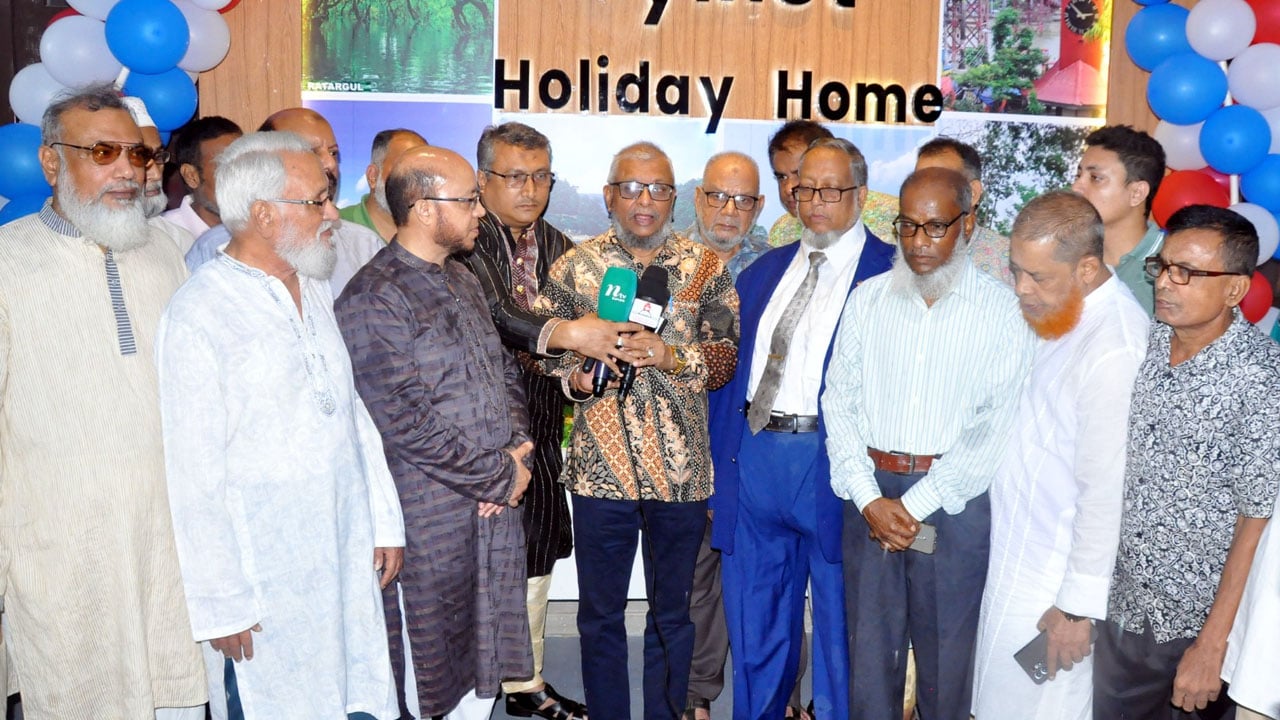
Expatriate Welfare Minister Ariful Haque Chowdhury stated that remittances sent by Bangladeshi expatriates are significantly enriching the national economy. He said these funds are fueling large-scale investments across the country, leading to the establishment of new industries and service institutions that are helping reduce unemployment. The minister emphasized the need for collective efforts to channel expatriate investments more effectively toward national development. He made these remarks on Thursday morning while inaugurating the newly established ‘Sylhet Holy Day Home’ at Khasdabir Point in Sylhet city. Chowdhury added that expatriate investments not only strengthen the national economy but also create local employment opportunities. He noted that the government is sincerely working to ensure the safety of expatriates and to create an investment-friendly environment for them. The event was presided over by UK-based community leader and CEO of Sylhet Holy Day Home, Shah Munim, who highlighted Sylhet’s tourism potential and called for greater engagement of expatriates and the younger generation in travel and investment. Several community leaders, business representatives, and journalists attended the inauguration ceremony.
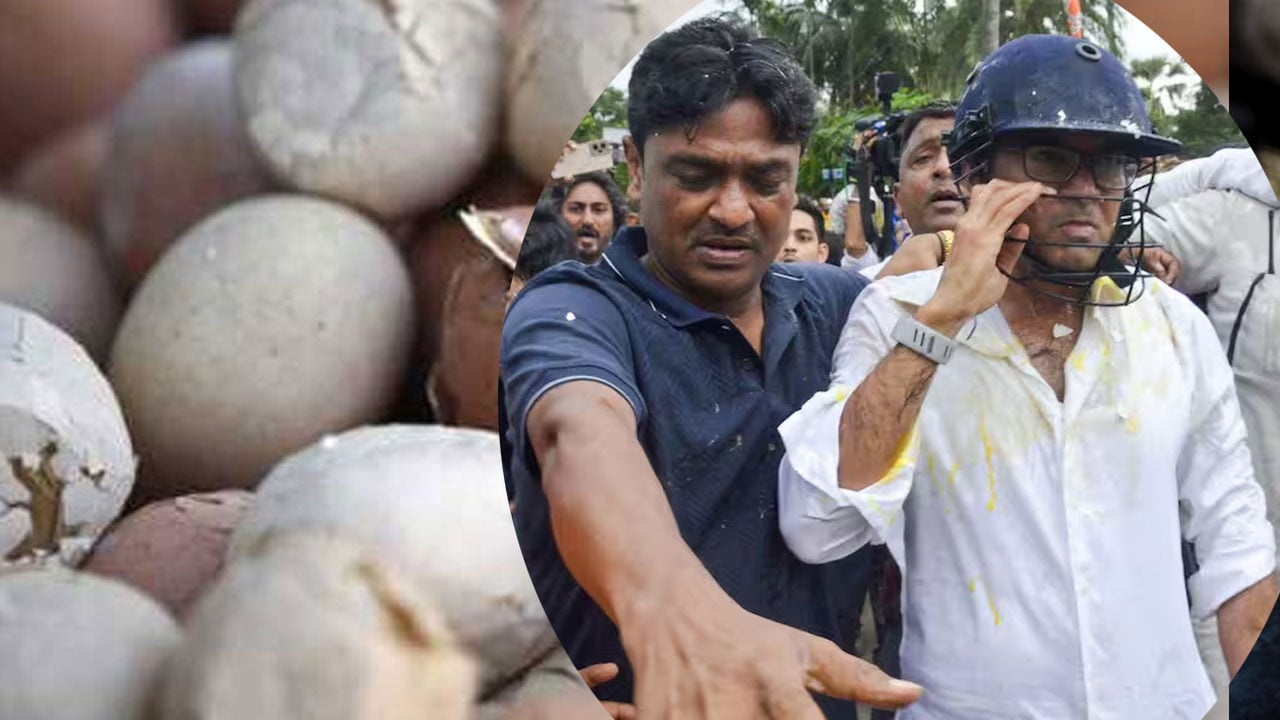
Following the recent change of power in the West Bengal assembly elections, Kolkata has witnessed an unusual form of political protest involving rotten eggs. Demand for spoiled eggs has surged across city markets as protesters use them to target leaders of the Trinamool Congress. Vendors report that customers now jokingly ask whether eggs are for eating or throwing, and some shops have sold entire crates of rotten eggs, suggesting political motives behind the purchases. The trend began when Trinamool’s national general secretary Abhishek Banerjee faced a protest in Sonarpur, South 24 Parganas, where he was first hit with rotten eggs. Since then, several party leaders have been similarly targeted. Trinamool accuses the BJP government of encouraging post-election violence and claims police remain passive as leaders are attacked. Police have also arrested several Trinamool figures, who were again pelted with eggs while being taken to court. Rotten eggs are being chosen for their strong stench, which causes lasting humiliation. Prices have varied sharply across Kolkata, with rates ranging from 3 to 10 rupees per egg depending on the area.
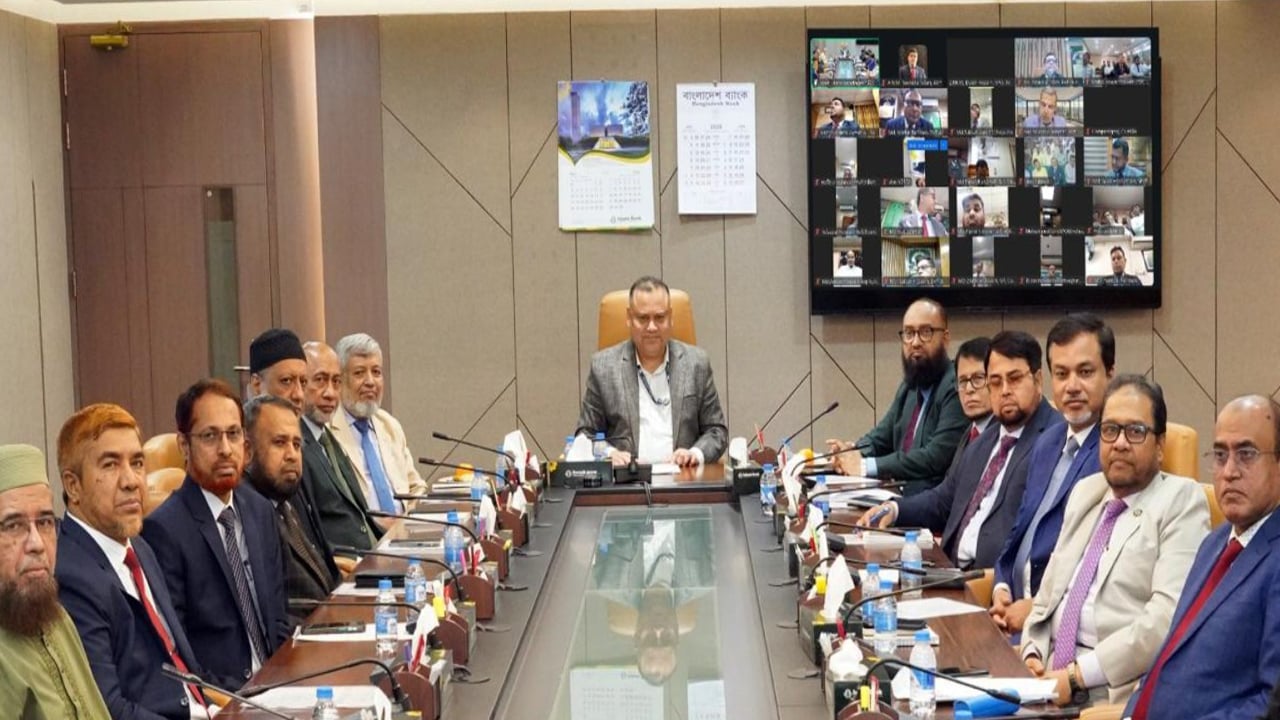
Mohammad Zahid Hossain, Executive Director of Bangladesh Bank and representative in charge of Islami Bank Bangladesh PLC’s board, held a meeting with the bank’s officers and employees on Wednesday at Islami Bank Tower. Senior executives attended in person, while staff from across the country joined virtually. The session was chaired by Acting Managing Director Md. Altaf Hossain, with additional remarks from senior management members. In his address, Hossain described Islami Bank as a systemically important institution in Bangladesh’s financial system, deeply linked to trade, remittances, and entrepreneurship. He acknowledged the challenges the bank has faced in recent years but emphasized that its core strength remains intact. He said that with proper leadership, guidance, and collective effort, the bank’s former reputation could be restored. Hossain added that Bangladesh Bank has taken timely decisions to ensure financial stability and that Islami Bank’s operations will continue under full professionalism, transparency, and accountability. He noted that the process of forming a strong and credible board will be completed in due course.
Law, Justice and Parliamentary Affairs Minister Md. Anisul Huq criticized the opposition for protesting over Islami Bank while remaining silent when 234 billion taka was allegedly laundered abroad to create 'Begumpara'. Speaking in the national parliament on Thursday, he said the opposition did not demand the return of that money but is now marching over the bank issue. He noted that the opposition leader had called for returning Islami Bank to its previous shareholders, but according to company law, those shareholders belong to a specific group whose ownership was certified by the High Court. The minister said the government has no objection to discussions on the matter but urged the opposition to understand the issue before protesting. Anisul Huq added that the proposed budget emphasizes controlling inflation, expanding tax benefits, strengthening social safety programs, and ensuring good governance. It also aims to restore discipline in the banking sector, protect public deposits, and uphold the rule of law as part of building a transparent and accountable economy.
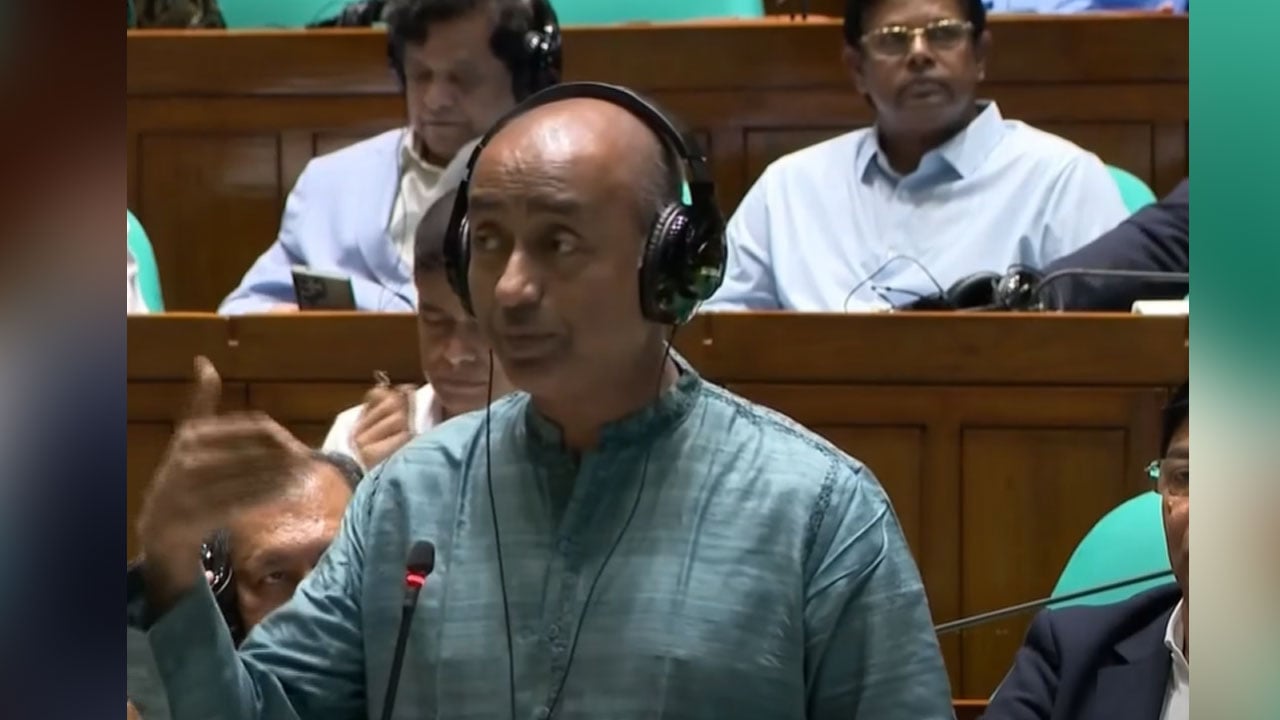
Speaker Hafiz Uddin Ahmed ordered the removal of remarks about Bangladesh Khelafat Majlish leader Maulana Mamunul Haque from the official record of the National Parliament. The decision came after both ruling and opposition members requested that the comments made by BNP MP Khondaker Abu Ashfaq during the 2026–27 budget discussion be expunged. The Speaker stated that there was no need for such personal matters to appear in the parliamentary proceedings and noted that Mamunul Haque had not yet clarified his position. During the session, Abu Ashfaq had referred to a past incident involving Mamunul Haque and questioned issues related to “mut’a marriage.” The Speaker cautioned against raising irrelevant or personal topics, emphasizing that it was inappropriate to discuss allegations about individuals not present to respond. Opposition Deputy Leader Syed Abdullah Mohammad Taher and Chief Whip Nurul Islam also supported the removal of the remarks, calling them unparliamentary. The Speaker reiterated that Parliament should avoid discussing the private lives of political figures and confirmed that the remarks would be expunged from the record.
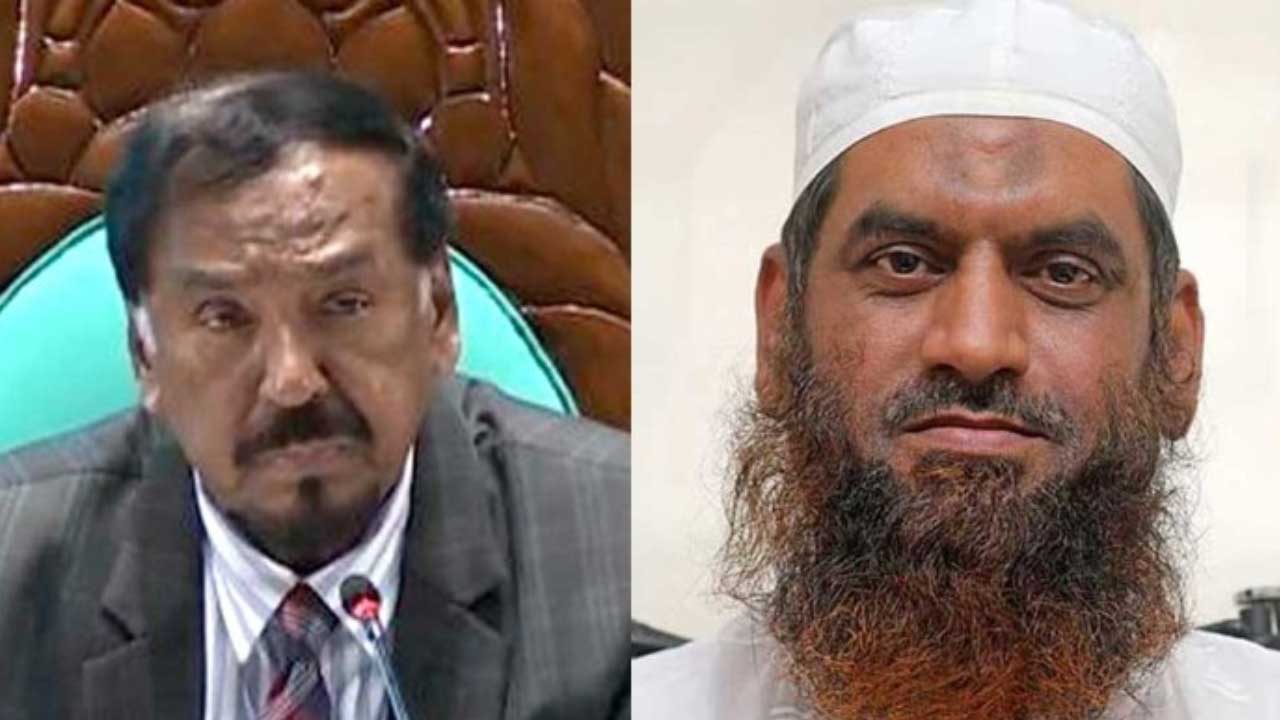
Law, Justice and Parliamentary Affairs Minister Md. Anisul Huq described the proposed Tk 9.38 trillion national budget for fiscal year 2026–27 as ambitious and visionary, asserting it will take Bangladesh to new heights and pave the way for a self-reliant nation. He made the remarks during the general discussion on the proposed budget in the National Parliament on Thursday. The minister said the budget was prepared in line with the government’s long-term development plans, emphasizing that it reflects sustained efforts to ensure national progress and public welfare. He noted that the budget prioritizes the interests of the poor, middle class, marginalized communities, entrepreneurs, and job-seeking youth. Key allocations include continued subsidies for agriculture, expansion of family card programs, and additional Tk 6,000 crore for technical and madrasa education. He added that the budget focuses on inflation control, tax benefits, social safety expansion, and good governance. It also aims to restore discipline in the banking sector, ensure deposit security, and curb money laundering, marking a step toward a transparent and accountable economy.
The ‘1 Nojor’ media platform is now live in beta, inviting users to explore and provide feedback as we continue to refine the experience.