

The ‘1 Nojor’ media platform is now live in beta, inviting users to explore and provide feedback as we continue to refine the experience.
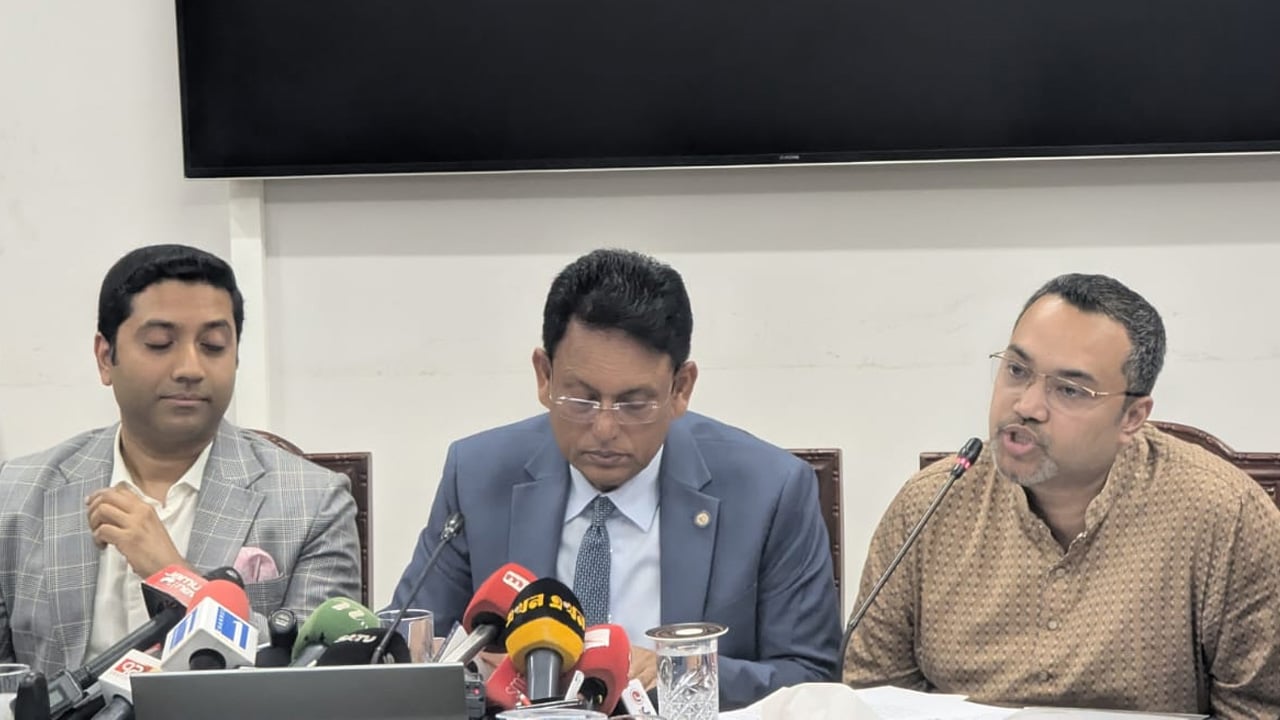
Education Minister Ehsanul Haque Milon announced that the upcoming Higher Secondary Certificate (HSC) examinations, starting on July 2, will be conducted with uniform question papers across all education boards in Bangladesh. He said the decision aims to eliminate disparities among the boards. The minister also assured that contingency measures are in place to handle any disruptions caused by natural disasters during the exams. At a press conference held at the Ministry of Education, Milon addressed concerns about the spread of coaching centers linked to school admission tests. He said the ministry is reviewing the system to ensure fairness by defining catchment areas and seat allocations. Prime Minister’s Education Adviser Dr. Mahdi Amin added that the government is introducing new textbooks on sports, culture, and vocational education to make learning more practical and enjoyable. Dr. Amin also highlighted the nationwide primary school football tournament involving over 1.1 million boys and girls from 65,342 schools, with the final scheduled for June 20 in the presence of the Prime Minister.
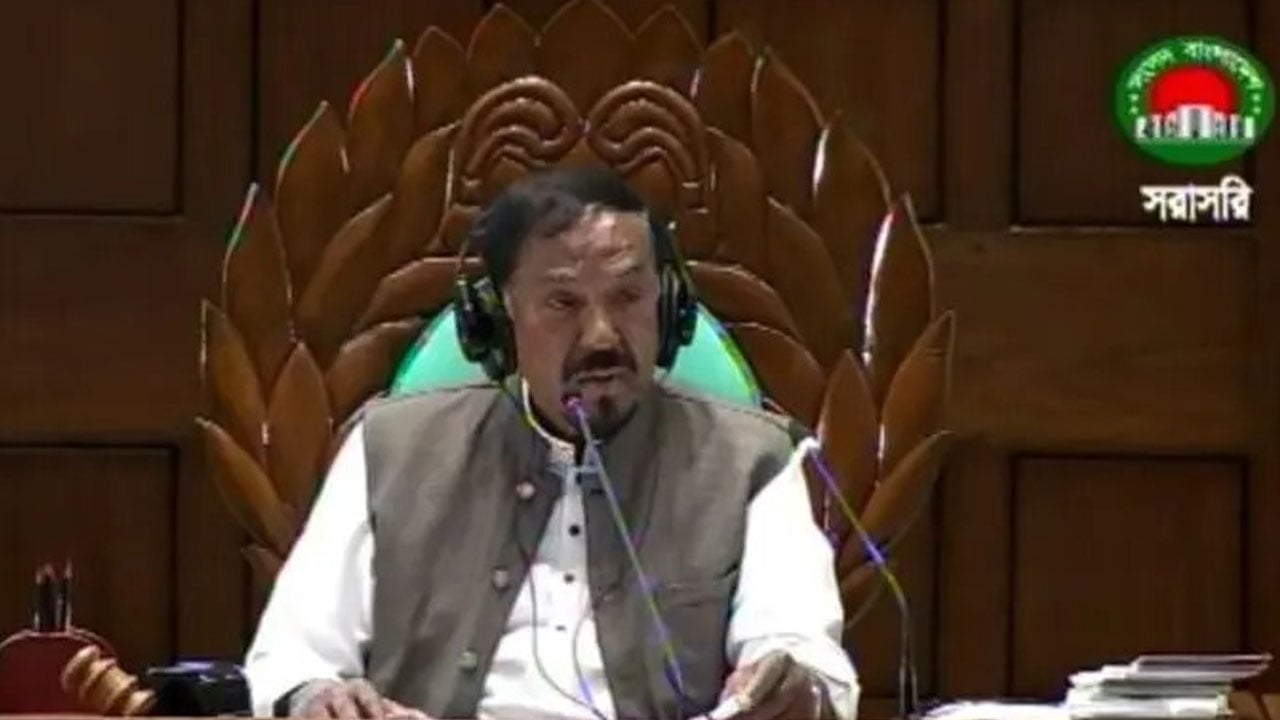
Speaker Hafiz Uddin Ahmed ruled in the Bangladesh National Parliament that members may show respect to the Speaker’s chair or the presiding officer according to their respective religious customs. The decision was announced on Thursday during a parliamentary session following a request raised earlier by Jamaat-e-Islami MP Md. Mujibur Rahman, who questioned whether bowing as a sign of respect conflicted with Islamic principles. The Speaker explained that under Rule 267 of the parliamentary procedure, members must show respect when entering, leaving, or taking their seats in the chamber. However, he noted that the word “bowing” had been removed from the rule during the eighth parliament after a standing committee review and subsequent approval by the House. This amendment means that members are no longer required to physically bow. By clarifying the rule, the Speaker emphasized that MPs are free to follow their own religious practices when showing respect in Parliament, aligning parliamentary decorum with individual faith traditions.
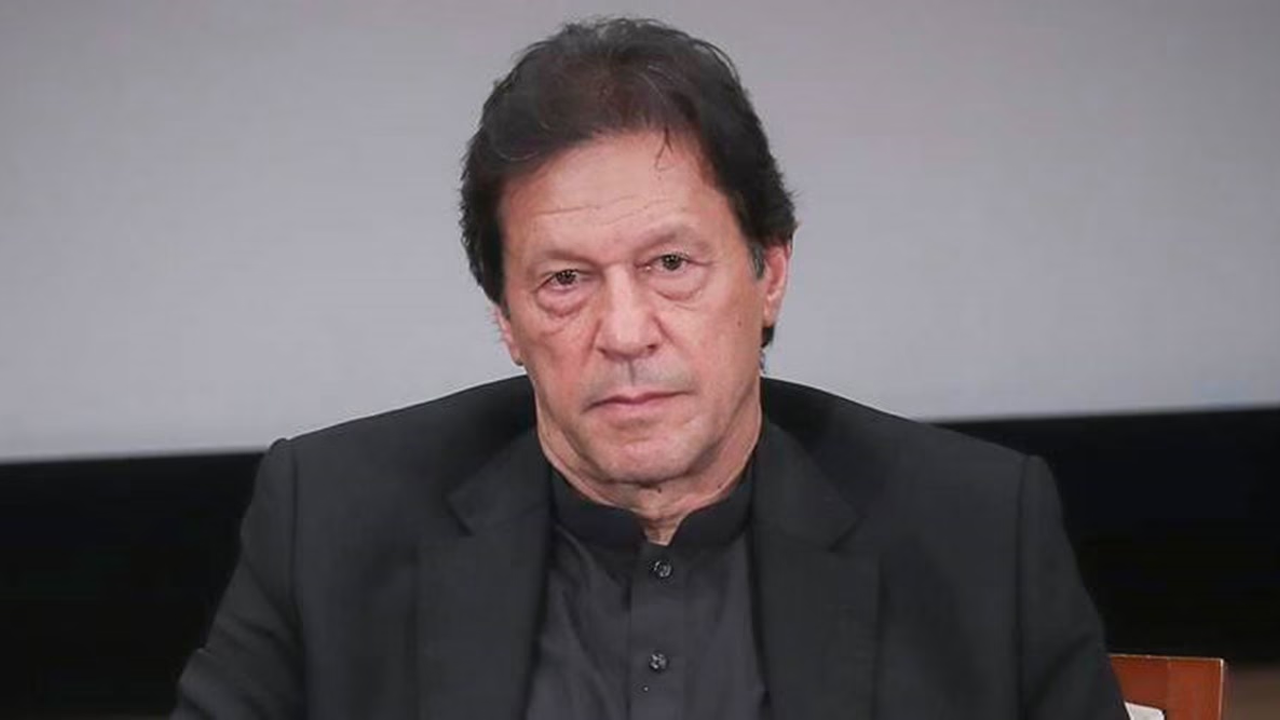
The Islamabad High Court has directed the concerned administration to arrange a meeting between imprisoned former Pakistani Prime Minister Imran Khan, his wife Bushra Bibi, and their lawyers within seven days. The order aims to facilitate their appeal against convictions in the 190 million pound corruption case. The directive was issued by a division bench comprising Chief Justice Sardar Muhammad Sarfraz Dogar and Justice Muhammad Asif. During the hearing, Imran Khan’s lawyer Barrister Salman Safdar informed the court that repeated attempts to meet his client at Rawalpindi’s Adiala Jail had been denied. This restriction, he said, prevented him from obtaining necessary instructions and signatures for the appeal process. After hearing the lawyer’s statement, the court instructed authorities to ensure the meetings take place within the specified timeframe. Imran Khan was sentenced to 14 years in prison and Bushra Bibi to 7 years by a trial court in the Al-Qadir Trust or 190 million pound corruption case. Both have appealed their sentences before the Islamabad High Court.
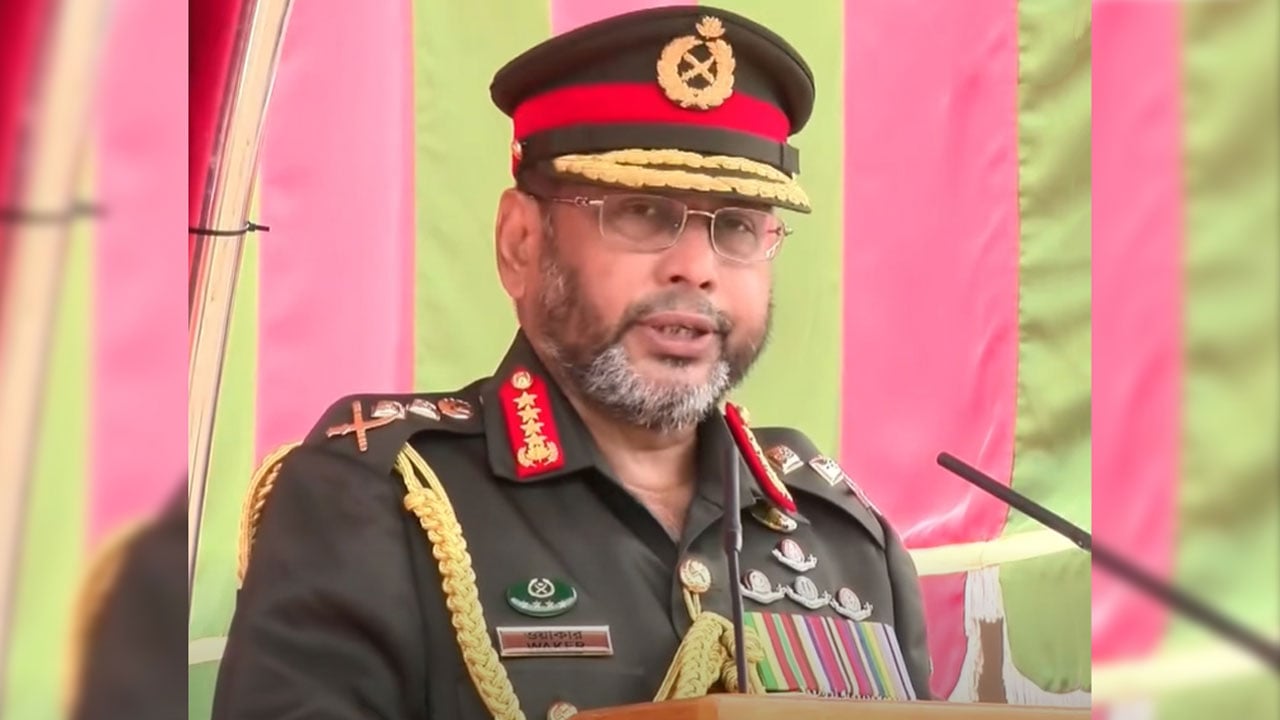
Bangladesh Army Chief General Waker-uz-Zaman emphasized the importance of practicing religious values and discipline in military life, describing them as essential for upholding the nation’s freedom and sovereignty. He made the remarks on Thursday, June 18, during the President’s Parade marking the commissioning of officer cadets from the 90th long course at the Bangladesh Military Academy (BMA) in Bhatiari, Chattogram. The Army Chief highlighted that the BMA, established in 1974, has been producing skilled, intelligent, and patriotic officers capable of leading in the 21st century. He noted that the academy’s graduates have contributed significantly both within Bangladesh and internationally through disciplined and principled leadership. He expressed pride and gratitude for the academy’s role in strengthening the army through visionary planning and effective training. General Waker-uz-Zaman also announced the formal inauguration of the Second Bangladesh Battalion at the academy to enhance training quality, modern facilities, and practical development initiatives aligned with the army’s modernization goals amid changing global conditions.
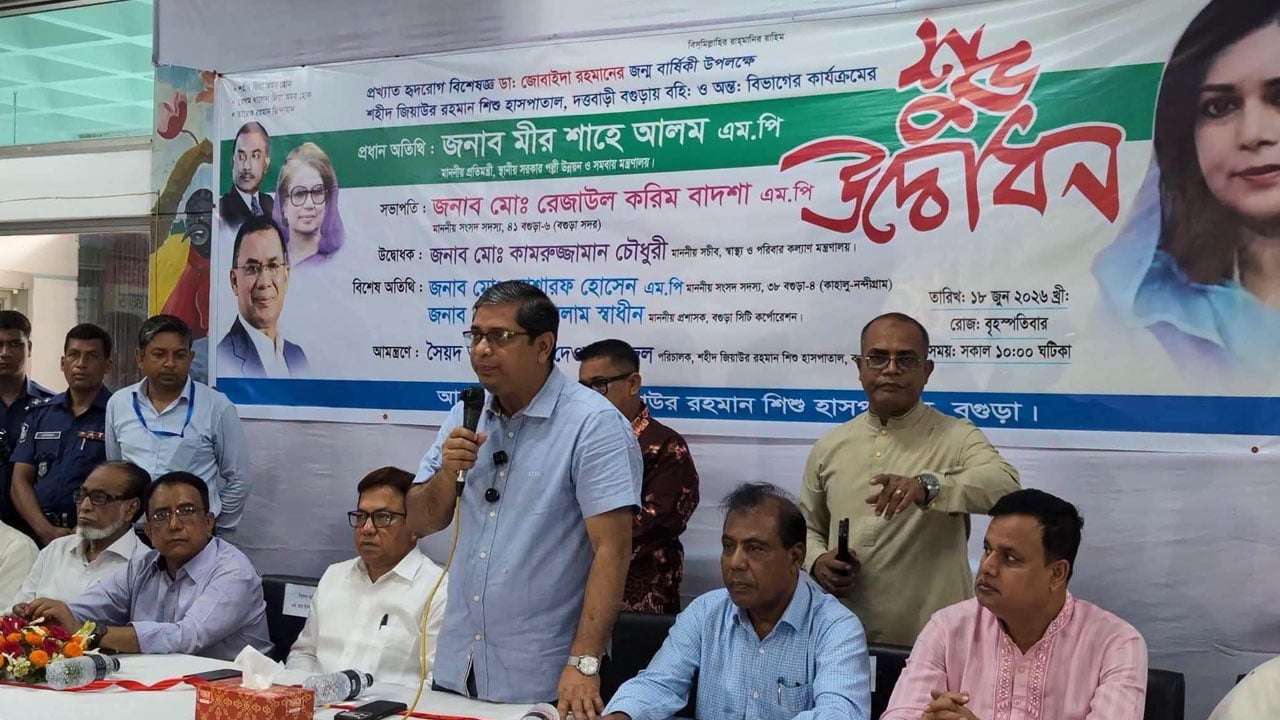
State Minister for Local Government, Rural Development and Cooperatives Mir Shah Alam declared that the Awami League, which he termed authoritarian, would not be allowed to return to Bangladesh’s political arena. He warned that the party might attempt to regain political activity by spreading confusion on social media. He urged citizens to remain alert against such efforts. The minister made these remarks on Thursday while addressing the inauguration of outpatient and inpatient services at Shaheed Ziaur Rahman Children’s Hospital in Bogura, marking the birthday of Dr. Zubaida Rahman, wife of Prime Minister Tarique Rahman. Mir Shah Alam cautioned that misleading campaigns could emerge around June 23, the Awami League’s founding anniversary, aiming to divert public attention. He alleged that certain groups were conducting propaganda to rehabilitate authoritarianism and called for unity against these attempts. He also stated that Bogura had faced political discrimination and development deprivation for 17 years, but the current government had begun development work despite conspiracies. The minister added that the government planned to expand the hospital’s six-story building to eight stories and acquire an adjacent multistory building to enhance healthcare services.
A Dhaka court has postponed the submission of the investigation report in the Sagar Sarowar and Meherun Runi murder case for the 127th time. On June 18, 2026, Metropolitan Magistrate Arifur Rahman fixed July 22 as the new date after the investigating officer, Additional Superintendent of Police Md Azizul Haque of the Police Bureau of Investigation (PBI), failed to submit the report. The case involves several accused, including Rafiqul Islam, Bokul Mia, Masum Mintu, Kamrul Islam alias Arun, Abu Sayeed, and two security guards of the couple’s residence, Palash Rudra Pal and Enayet Ahmed, along with their friend Tanvir Rahman Khan. Among them, Tanvir and Palash are on bail, while the others remain in custody. The journalist couple were murdered on February 11, 2012, and the case has since passed through multiple investigative agencies. In September of the previous year, the High Court ordered the formation of a high-powered task force to complete the investigation within six months, removing the Rapid Action Battalion from the case. The Home Ministry later issued a notification forming a four-member task force led by the PBI chief.

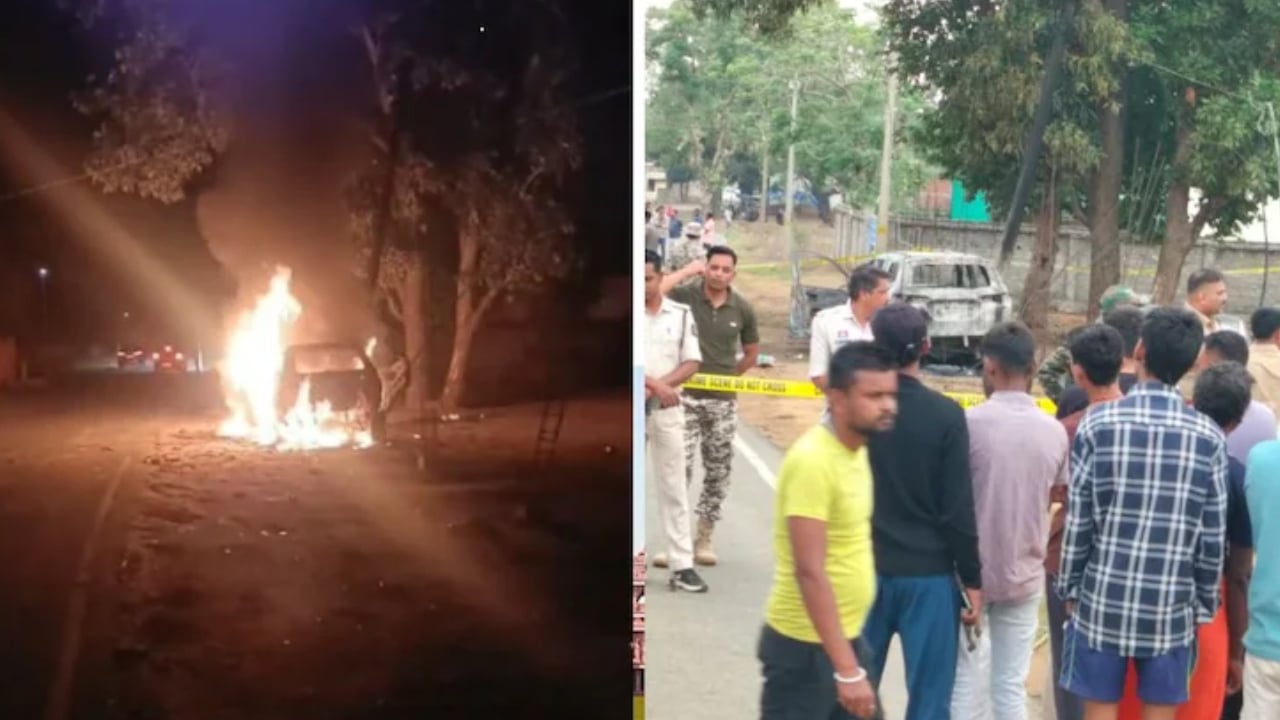
Three people, including Bharatiya Janata Party (BJP) leader Bharat Singh, were burned to death after their vehicle was set on fire in Koriya district of Chhattisgarh, India. The incident occurred late Tuesday night in Naugaon village under Sonhat police station. According to the victims’ family, Bharat Singh had gone to discuss a settlement over a sand mining dispute and was attacked on his way back. Police have arrested four suspects so far and filed cases against nine individuals on charges of murder and attempted murder. Preliminary reports indicate that Bharat Singh’s family had been awarded a sand mining contract in the area. Local residents claimed that the dispute stemmed from control over alleged illegal collections linked to sand transport and quarry operations across several nearby villages. The conflict had reportedly been ongoing for months between supporters of Bharat Singh and the family of another BJP leader, Manoj Tripathi, highlighting deep tensions over local resource control in the region.
Political activity by the banned Awami League has reportedly intensified in Feni, with fugitive leaders accused of financing and directing operations. On the night of June 17, fugitive former MP Alauddin Nasim, wanted in a student and public killing case, posted a Facebook message warning police officials across the country. He claimed that law enforcement had filed false cases and hinted at a political comeback, invoking the name of party leader Sheikh Hasina. Earlier that day, activists and supporters of the banned party held a sudden procession on Station Road under the banner of Feni Sadar Upazila Awami League and its affiliated organizations. Nasim shared a video of the rally on Facebook, thanking participants. The banned party’s page claimed the march was led by Sadar Upazila AL secretary Shusen Chandra Shil. Police later detained four participants from the procession. Feni Model Police Station’s officer-in-charge said legal action was underway, while Superintendent of Police Pratyush Kumar Majumder stated that all illegal activities would be dealt with firmly.

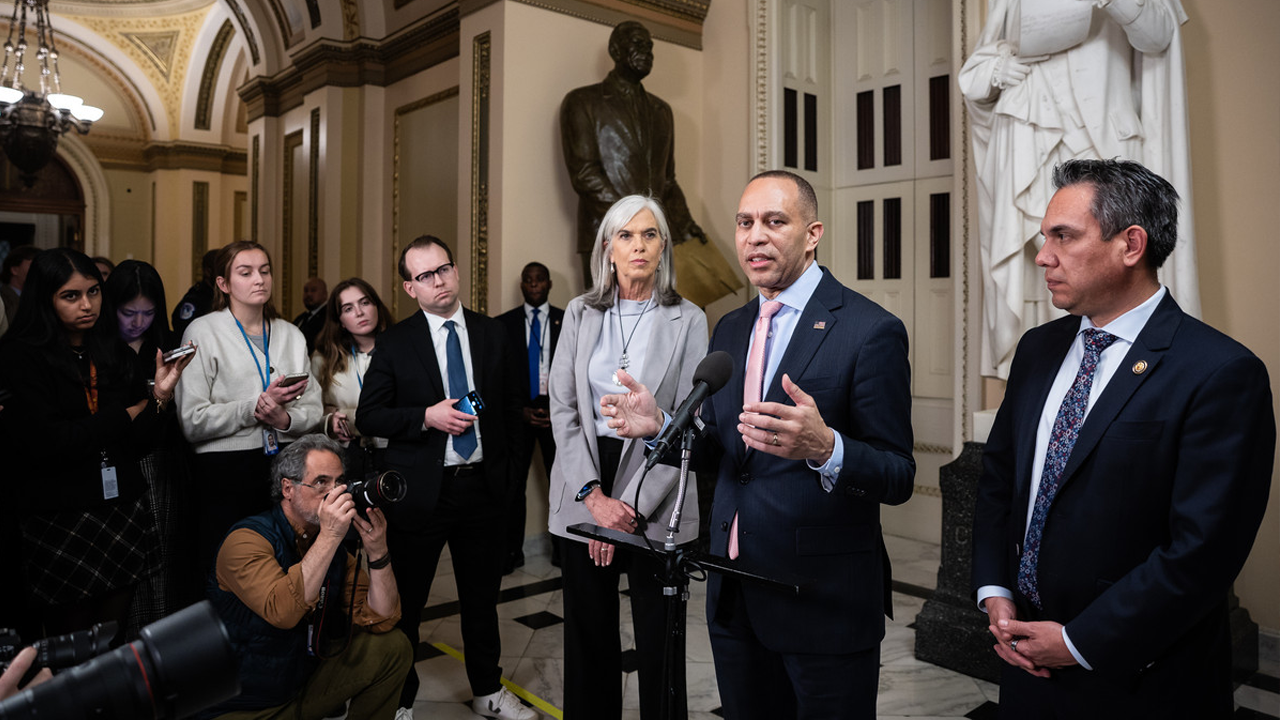
Senior Democratic lawmakers in the United States Congress have requested the full text and an immediate briefing on the memorandum of understanding (MoU) recently reached between the US and Iran. In a letter to Secretary of State Marco Rubio, Representatives Gregory Meeks, Jim Himes, and Adam Smith asked the administration to provide details of the MoU, any related secret agreements or implementation plans, and the broader US strategy for future engagements with Iran. The lawmakers accused the administration of keeping Congress and the American public uninformed for more than 15 weeks about what they described as a “war of choice” that has become a “strategic failure.” They cited the deaths of 14 US soldiers, hundreds of injuries, damage to key military facilities, depleted ammunition reserves, and global increases in food and oil prices due to the closure of the Strait of Hormuz. While welcoming the administration’s decision to return to diplomacy and end the conflict, they insisted on greater transparency regarding the MoU. The letter also raised questions about Iran’s nuclear program, the 60-day negotiation timeline, implementation mechanisms, Lebanon’s situation, Iran’s ballistic missile activities, allied groups, sanctions relief, and a proposed $300 billion reconstruction fund for Iran.
Argentina’s Lionel Messi delivered a standout performance at the 2026 World Cup, scoring a hat-trick against Algeria to lead his team to a commanding victory. The feat brought him level with Miroslav Klose’s record for most goals in World Cup history. Following the match, Brazil’s President Luiz Inácio Lula da Silva humorously remarked in Geneva that he was considering signing Messi to play for Brazil, a comment that quickly drew attention given the historic rivalry between the two footballing nations. Lula’s lighthearted statement reflected the admiration Messi’s current form has inspired even among rival supporters. Meanwhile, Brazil began their own World Cup campaign with a 1–1 draw against Morocco, a result Lula downplayed by noting that Spain had also drawn with Cape Verde. For Messi, this tournament marks his sixth World Cup appearance, equaling the record held by Cristiano Ronaldo and Mexico’s Guillermo Ochoa. Argentina’s next match in Group J is scheduled against Austria on June 22, where Messi and his team aim to secure a place in the knockout stage.

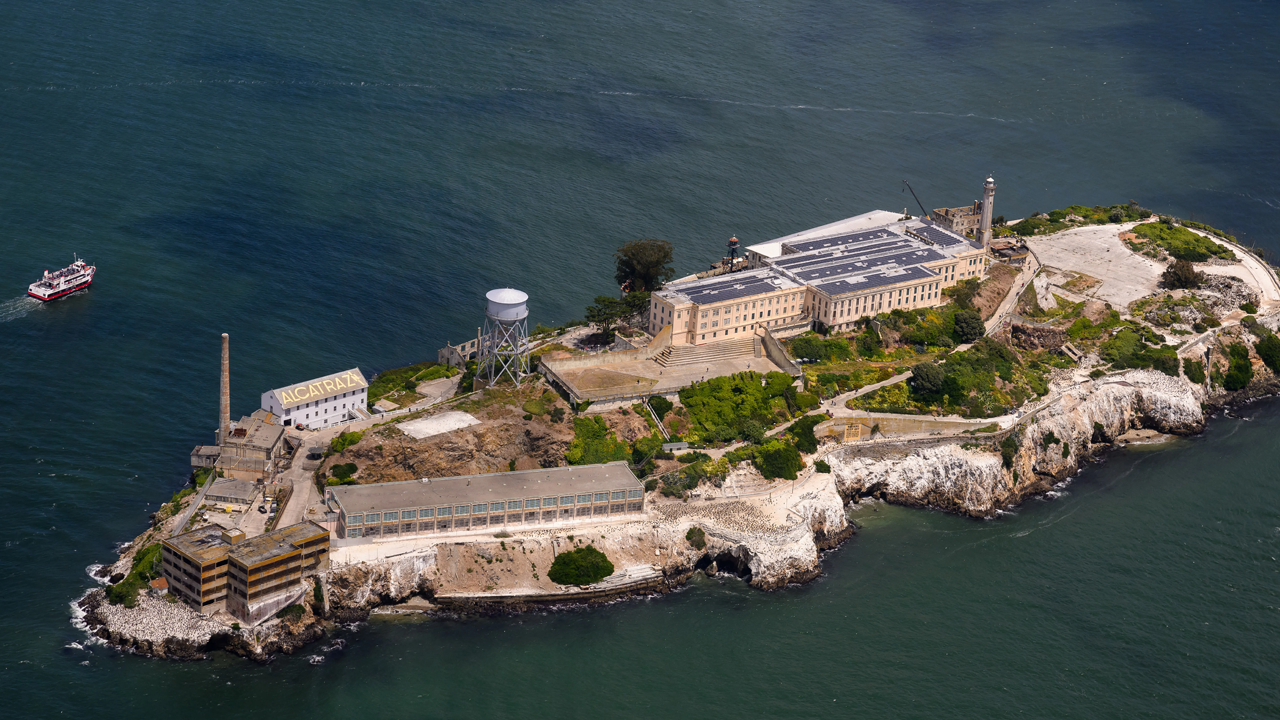
The administration of U.S. President Donald Trump has removed all detainees from Florida’s controversial ‘Alligator Alcatraz’ migrant detention center, effectively shutting it down. The Department of Homeland Security (DHS) said the move was made for safety reasons as the Atlantic hurricane season begins. DHS spokesperson Lauren Bice told the Associated Press that detainees were relocated to other facilities for their protection, but did not specify how many were moved or where they were sent. The facility, located inside the Big Cypress National Preserve, had faced criticism since its launch on June 19, 2025. Built on a former airbase and surrounded by swamps, it was designed to prevent escapes. Indigenous leaders from the Miccosukee and Seminole tribes opposed the center, saying it damaged their homes and sacred sites. Human rights groups questioned its ability to protect detainees from Florida’s extreme weather. The center had been accused of multiple human rights violations, including denial of legal access and medical neglect. The American Civil Liberties Union’s Amy Godshall called the evacuation an important step but urged permanent closure of the facility.
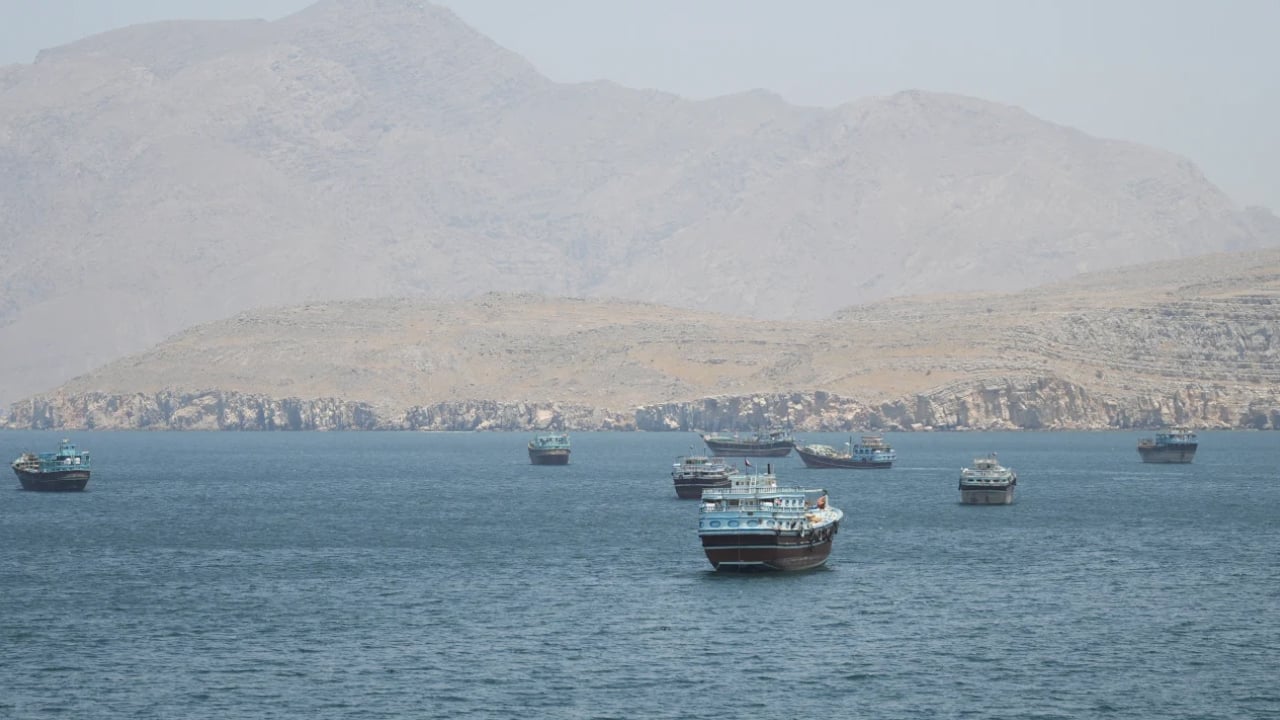
German Defense Minister Boris Pistorius announced that Germany is sending two naval vessels to the Red Sea in preparation for a potential military operation in the Strait of Hormuz. He told reporters on Thursday that the mine-clearing ship Fulda and the supply ship Mosel are currently transiting the Suez Canal toward the Red Sea. Pistorius stated that before participating in any mine-clearing mission, Germany would require authorization from Iran and Oman. He added that the operation’s implementation would depend on the evolving situation between Tehran and Washington. The announcement reflects Germany’s readiness to support maritime security efforts in a region often affected by geopolitical tensions. Further details about the timing or scope of the possible operation were not provided, and its execution remains contingent on diplomatic developments involving Iran and the United States.
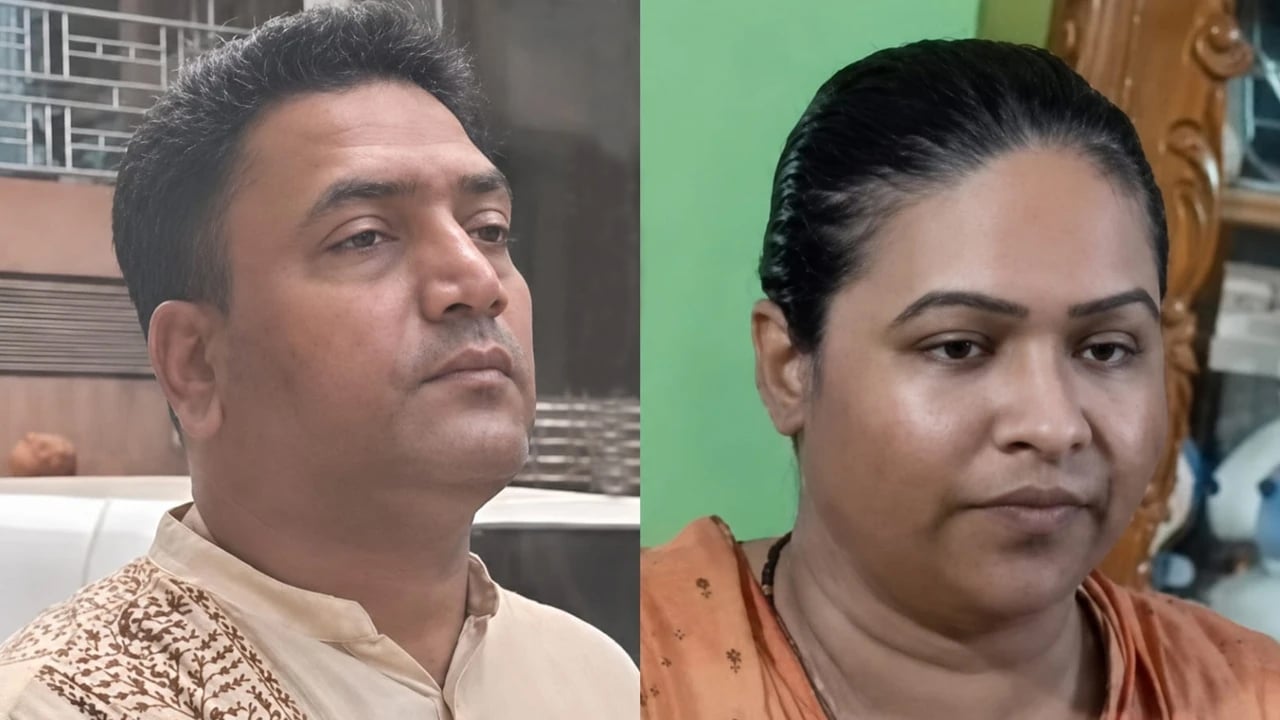
A police couple in Khulna has been arrested for allegedly assaulting their domestic worker at their home in the Sonadanga residential area’s second phase. The accused, Assistant Sub-Inspectors Poppy Rani Saha and Sanjoy Kumar Sarkar of Sonadanga Police Station, were detained following a case filed by the victim’s mother, Minati Rani Das, on Thursday morning. The 20-year-old victim, Milon Chandra Das, is currently receiving treatment at Khulna Medical College Hospital. According to the case statement, the incident occurred around 12:30 p.m. on Wednesday at house number 414 on road 6 in the Sonadanga second phase area. Police rescued the injured worker and took him first to the Victim Support Center and later to the hospital’s emergency department, where he was admitted to the surgery ward. Sonadanga Police confirmed that both accused officers are in custody and that departmental and legal proceedings are underway. Authorities stated that Milon’s treatment is ongoing at the hospital, and further legal steps are being processed.
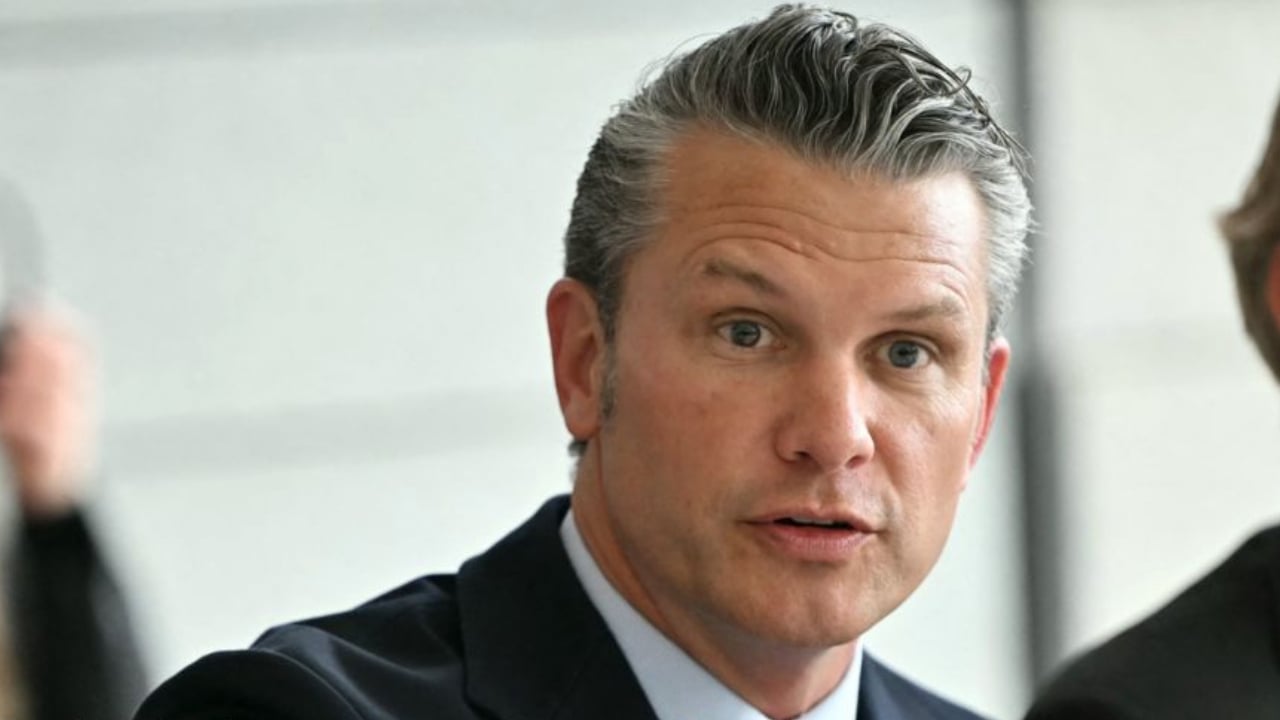
US Defense Secretary Pete Hegseth has warned that Iran could face renewed naval blockades if it fails to uphold commitments made under a recent agreement with the United States. He also indicated that the US military is prepared to launch operations if necessary. The statement was reported by the BBC. As part of the latest deal, the United States agreed to lift its naval blockade on Iran, which had previously restricted Iranian maritime movements. Hegseth emphasized that Iran must abandon its ambitions to develop nuclear weapons and adhere to its promises under the agreement. He further mentioned that several European countries are ready to participate in mine-clearing operations in the Strait of Hormuz, and urged the United Kingdom to take a more active role in the initiative.
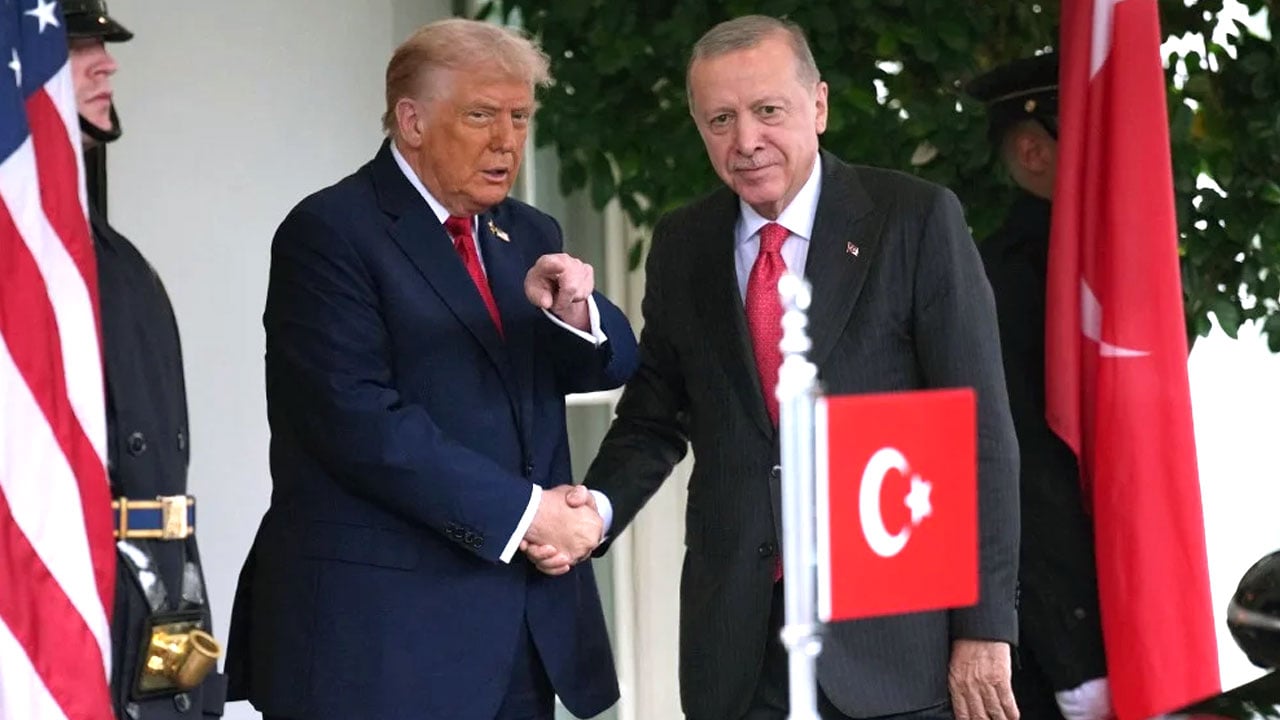
US President Donald Trump will attend the upcoming NATO summit in Ankara, reportedly to please Turkish President Recep Tayyip Erdogan, according to Middle East Eye citing multiple sources. The summit, scheduled for July in Turkey’s capital, is viewed as a critical moment for relations between the United States and its European allies, which have recently experienced growing tensions. Turkish Foreign Minister Hakan Fidan told reporters that many European countries consider it significant that the meeting is being held in Turkey under President Erdogan’s leadership, as this has made Trump’s participation possible. Fidan added that without Erdogan or Turkey’s involvement, Trump would not have attended, which could have sent a message that he does not value the NATO summit. Fidan further stated that the summit will address differing perspectives between the United States and Europe, emphasizing that resolving key issues would not be possible without the US President’s presence.
The ‘1 Nojor’ media platform is now live in beta, inviting users to explore and provide feedback as we continue to refine the experience.