

The ‘1 Nojor’ media platform is now live in beta, inviting users to explore and provide feedback as we continue to refine the experience.
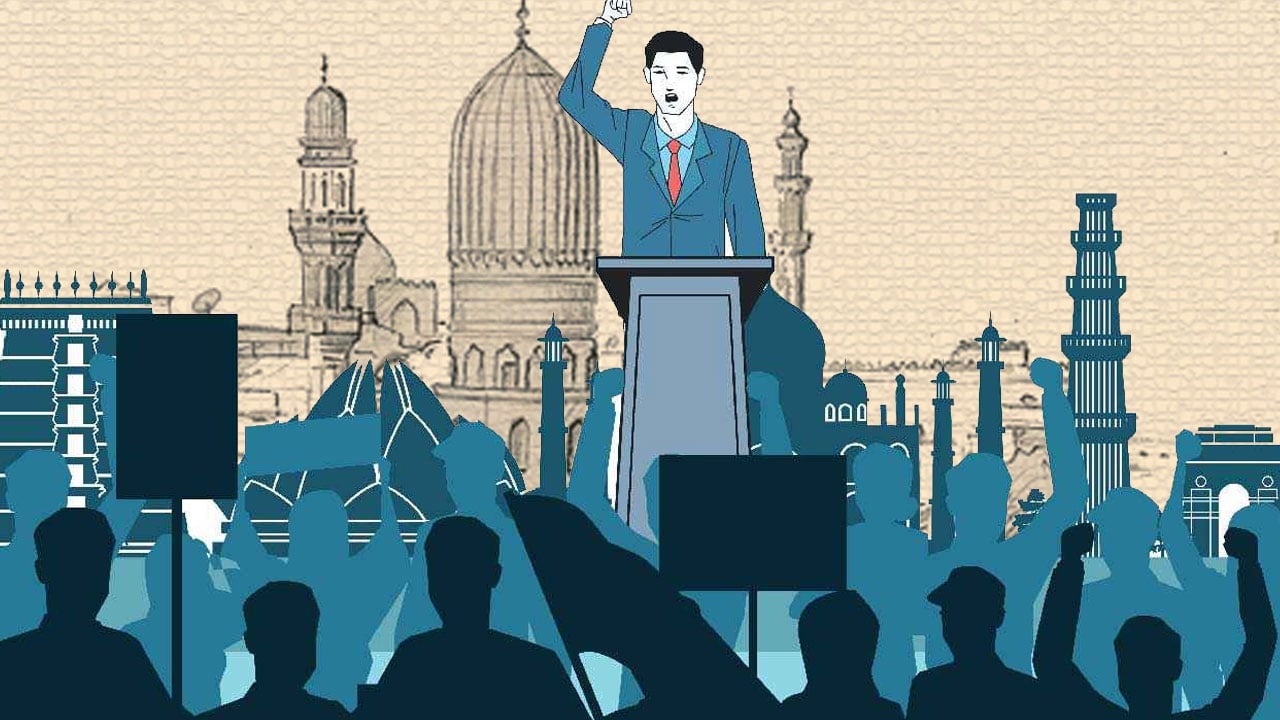
A recent comment in Bangladesh’s Parliament by BNP lawmaker Monirul Islam about Jamaat-e-Islami’s female members wearing hijab and niqab has triggered a nationwide debate that quickly expanded beyond politics into religious and cultural dimensions. Following the controversy, expatriate intellectual Faham Abdus Salam joined the discussion, arguing that niqab hinders normal social interaction and that public representatives should maintain visible identities. Columnist Minar Rashid, writing in response, criticized Faham for presenting his personal preferences as universal standards and for misinterpreting niqab as social seclusion. He emphasized that modern biometric technologies can verify identity without requiring facial visibility and argued that niqab-wearing women deserve respect for their personal and religious choices. Rashid noted that earlier parliaments under Khaleda Zia included niqab-wearing members without ridicule. The article concludes that political criticism of Jamaat-e-Islami should not blur into opposition to Islam itself. It calls for restraint and respect for religious diversity, warning that conflating political rivalry with religious antagonism could alienate devout citizens and harm democratic culture.
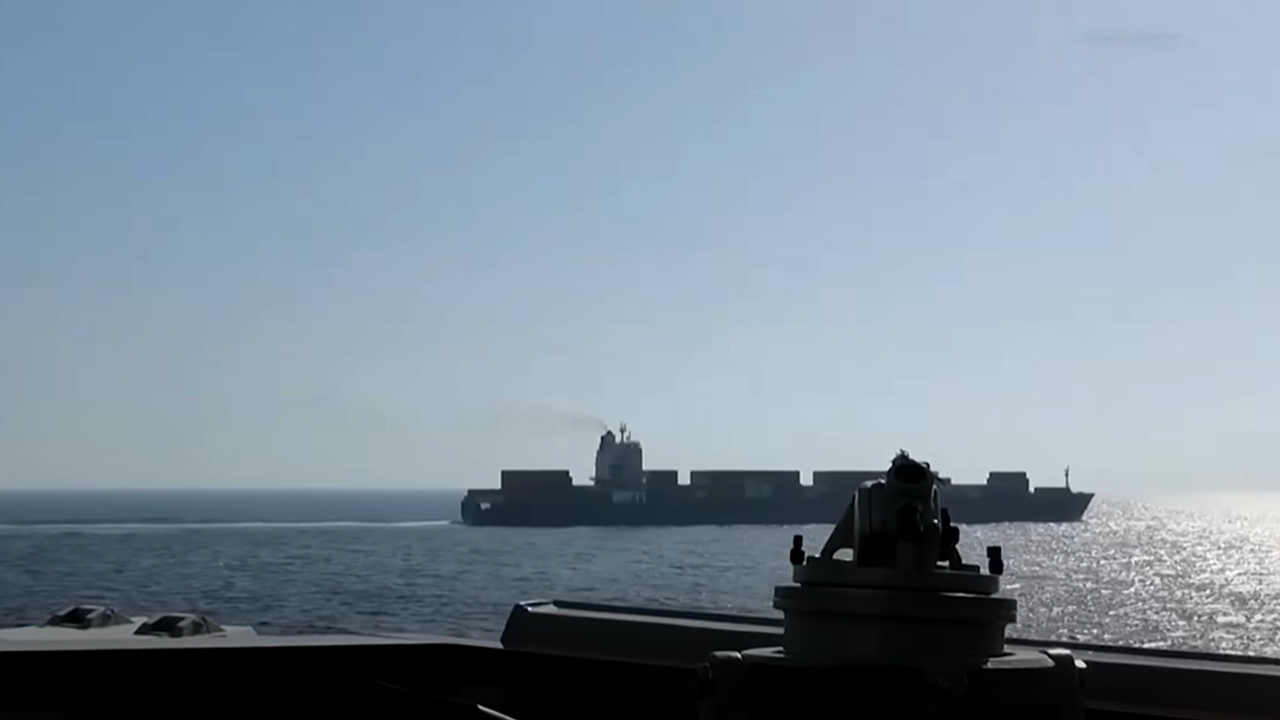
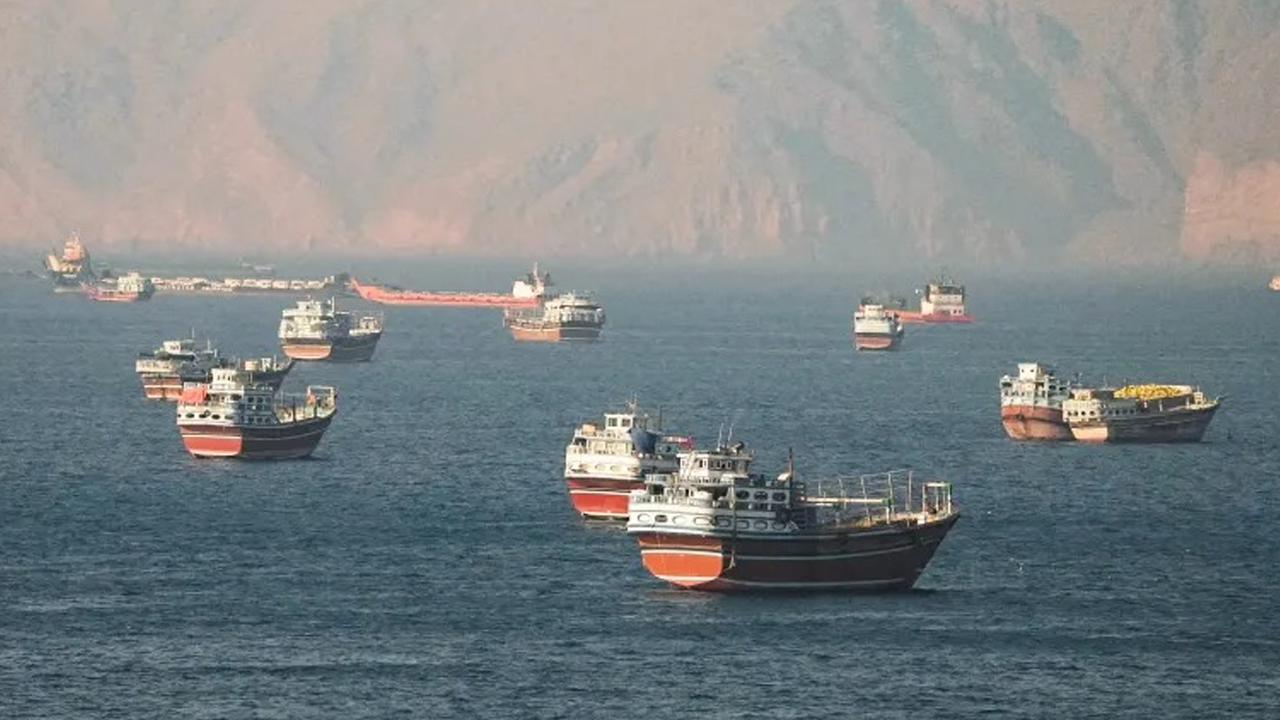
Iranian state media reported that eleven Iranian commercial ships crossed the Strait of Hormuz following the finalization of a draft bilateral memorandum of understanding between Iran and the United States. The movement occurred shortly after Washington lifted its naval blockade in the Persian Gulf region, allowing the vessels to resume operations. According to the report published on June 18, eight cargo ships left Iranian territorial waters for international routes, while three commercial vessels entered Iranian waters through the strait. Under the new agreement, the United States will withdraw its naval blockade targeting Iran, and in return, Iran will allow international commercial ships to pass through the Strait of Hormuz safely and without tariffs for the next 60 days. Analysts cited in the report suggested that the normalization of commercial shipping through the Strait of Hormuz could significantly influence regional trade and energy transport in the Persian Gulf.
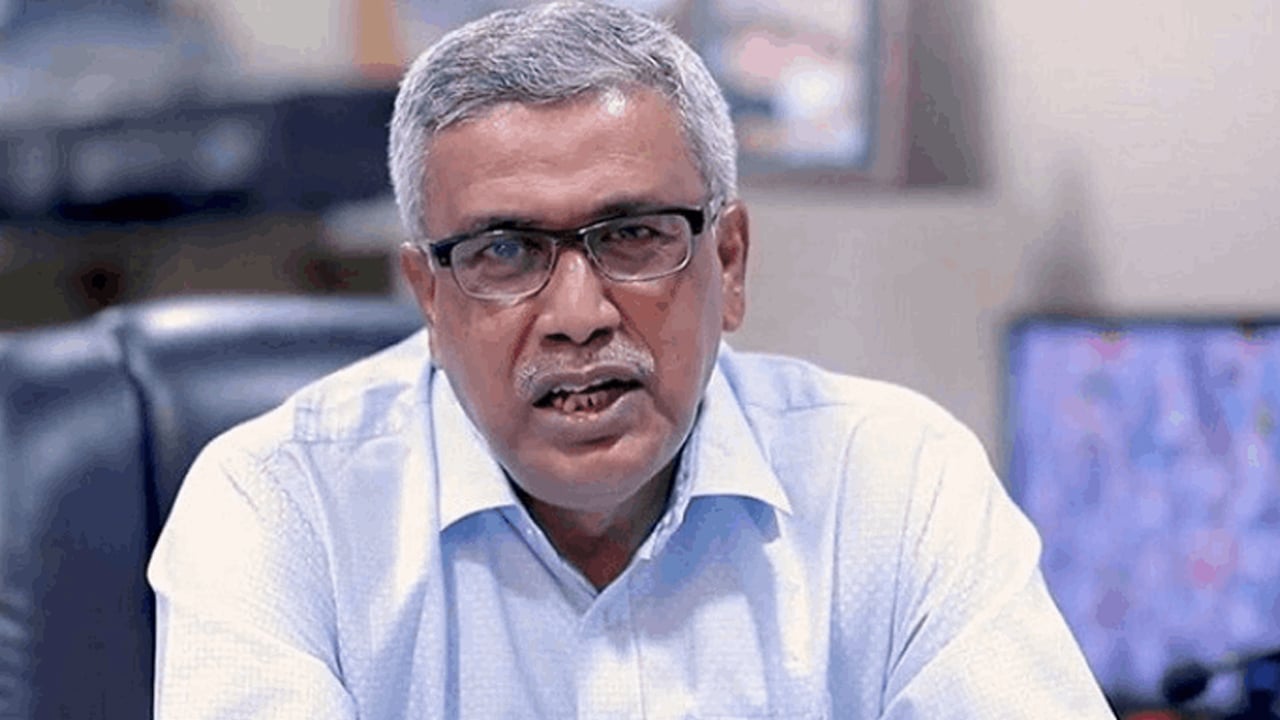
A Dhaka court on Thursday, June 18, 2026, ordered the imprisonment of Ahmed Zubair, former managing director of Somoy Television, in a fraud case. The order followed his failure to appear before the court in connection with a bank fraud and breach of trust case filed at Kalabagan Police Station. On Wednesday, June 17, the court had issued arrest warrants against Zubair, his wife Shamima Sultana Chowdhury, their two children Saraf Nawar Joyita and Ahmed Rafid Kader Rivu, and two witnesses, Sheikh Mahmud Yasin and Sani Chowdhury, for not complying with a previous court summons. The summons, issued on May 10 by the Dhaka Metropolitan Magistrate Court, required them to appear and respond to the allegations. Court sources said the accused were given the opportunity to submit legal explanations either in person or through lawyers. Their absence on the scheduled date led to the issuance of arrest warrants and Zubair’s subsequent imprisonment order.
The Swiss Foreign Ministry has confirmed that a meeting between representatives of Iran and the United States will take place on Friday at the mountain resort of Burgenstock, Switzerland. According to a Reuters report, the ministry stated that, as of now, the plan remains for delegations from the U.S., Iran, mediator countries Pakistan and Qatar, and other involved nations to attend the session. The discussions will focus on the initial implementation of an agreement between the two countries. The ministry did not provide further details about the meeting’s schedule or agenda, Reuters added. Earlier, Iran had said that no direct meeting would occur in Switzerland following the signing of a memorandum of understanding by U.S. President Donald Trump and Iranian President Masoud Pezeshkian. However, this new initiative aims to facilitate talks on implementing the agreement, with Pakistan and Qatar expected to act as mediators. The meeting marks a continuation of diplomatic efforts to operationalize the recent U.S.-Iran understanding, though specific outcomes remain undisclosed.
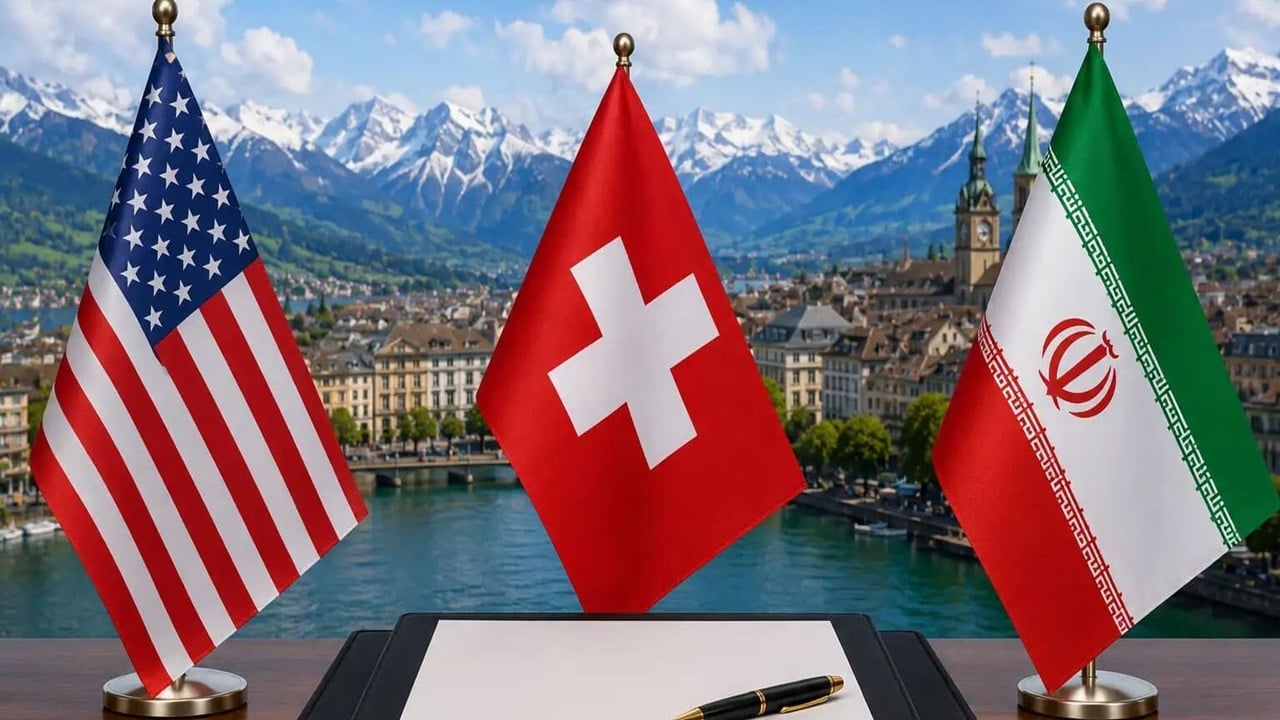
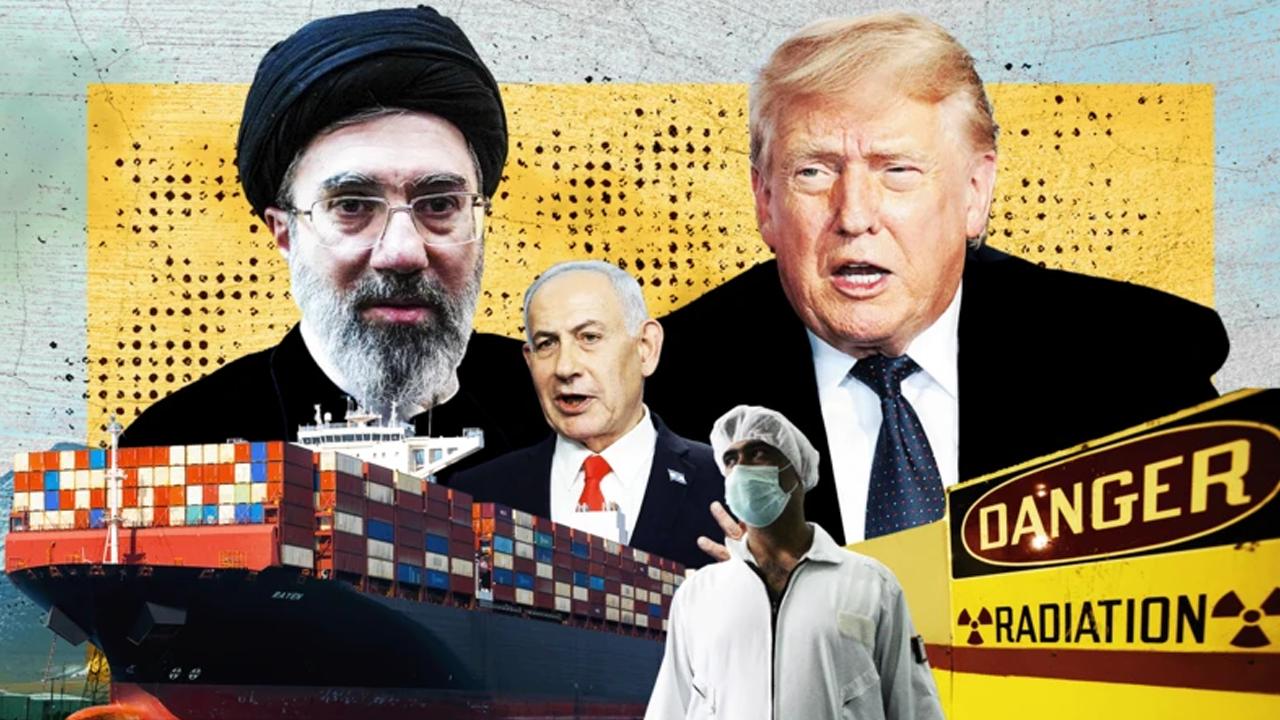
After weeks of negotiations, the United States and Iran reached a preliminary 14-clause memorandum of understanding aimed at ending hostilities and reopening the Strait of Hormuz. The agreement, signed by US President Donald Trump and Iranian President Masoud Pezeshkian, includes commitments to lift sanctions, ease naval blockades, and establish a $300 billion reconstruction fund for Iran. Both sides have 60 days to finalize a comprehensive deal, with the option to extend discussions. However, the fragile accord faces serious threats. Israel’s continued military operations in Lebanon, despite calls for restraint, have raised doubts about regional stability. Iran insists that ending the Lebanon conflict is integral to the peace process, while Israel maintains its right to self-defense. Analysts warn that renewed clashes could derail diplomatic progress before substantive nuclear talks begin. Further uncertainty surrounds Iran’s enriched uranium stockpile and the reopening of the Hormuz Strait. Technical challenges, including mine clearance and maritime security, could delay implementation. Experts caution that the memorandum remains only a framework, not a final solution, and that the hardest negotiations are yet to come.
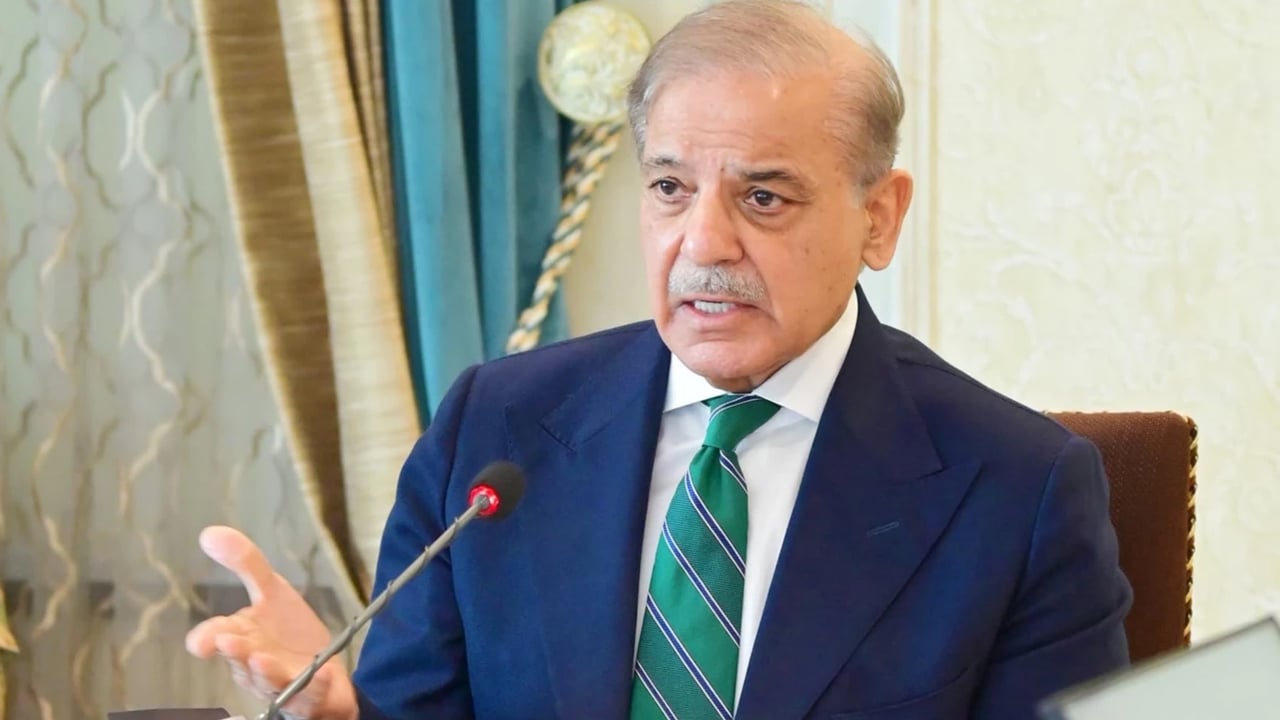
Pakistan’s Prime Minister Shehbaz Sharif has deleted a social media post announcing a planned signing ceremony between the United States and Iran in Switzerland. The original post mentioned that, with support from Qatar as a mediator, the event would take place on June 19, 2026, to mark the start of technical-level discussions. However, the reposted version omitted any reference to the upcoming formal ceremony. Earlier, Iranian Foreign Ministry spokesperson Esmail Baghaei stated that the planned meeting in Switzerland between Tehran and Washington was not yet confirmed. He explained that although the meeting had been set for Friday, the decision for both presidents to sign the agreement led to a temporary suspension of the event. The developments highlight uncertainty surrounding the anticipated US-Iran memorandum of understanding, with no official confirmation of when or whether the signing will proceed.
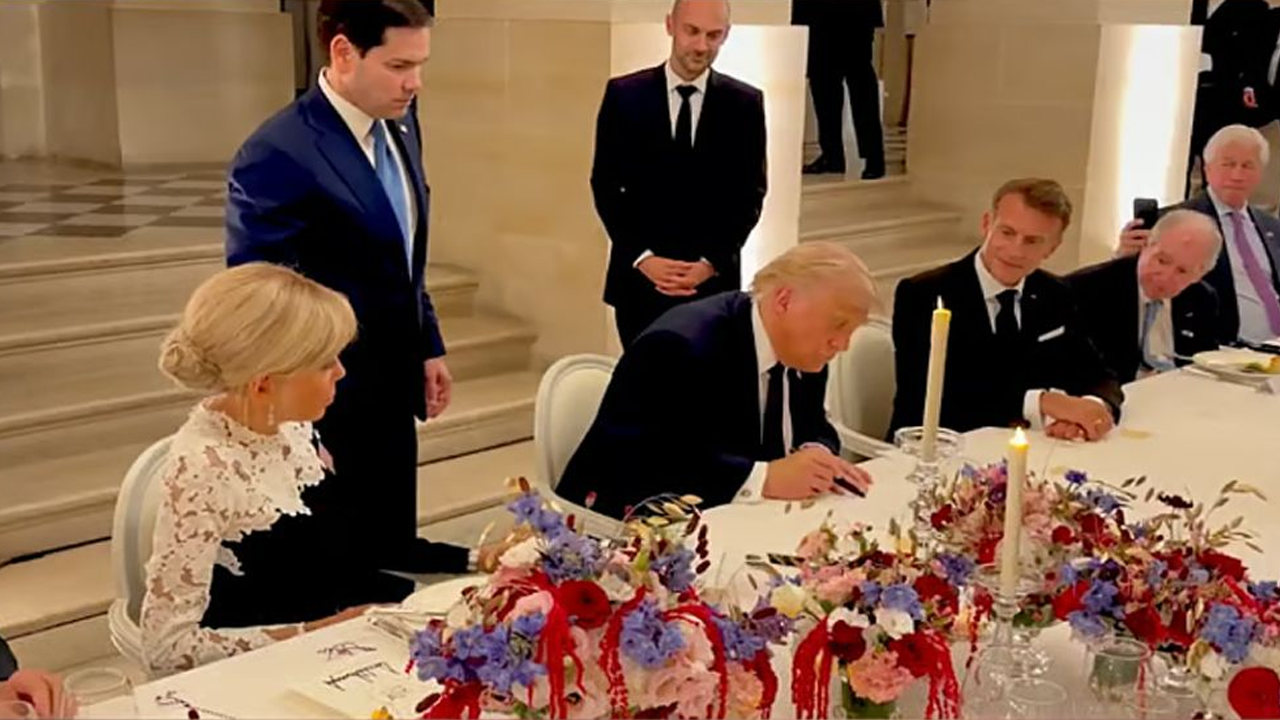
French President Emmanuel Macron released a short video on social media showing US President Donald Trump signing a memorandum of understanding (MoU) with Iranian President Masoud Pezeshkian at the Palace of Versailles in Paris. The signing took place one day after both leaders agreed to move toward a permanent peace deal aimed at ending ongoing conflicts. Macron wrote that the agreement would pave the way for lasting peace and reopen the Strait of Hormuz, describing it as a key step toward stabilizing energy prices. According to the published 14-point document, both Iran and the United States, along with their allies, committed to an immediate and permanent ceasefire across all fronts, including Lebanon. The MoU outlines mutual respect for sovereignty, the lifting of US naval blockades, restoration of commercial shipping, and a $300 billion reconstruction plan for Iran. It also includes provisions for lifting sanctions, maintaining the current nuclear status, and forming a monitoring framework for implementation. The final agreement is expected to be approved by a binding United Nations Security Council resolution once negotiations conclude within 60 days.
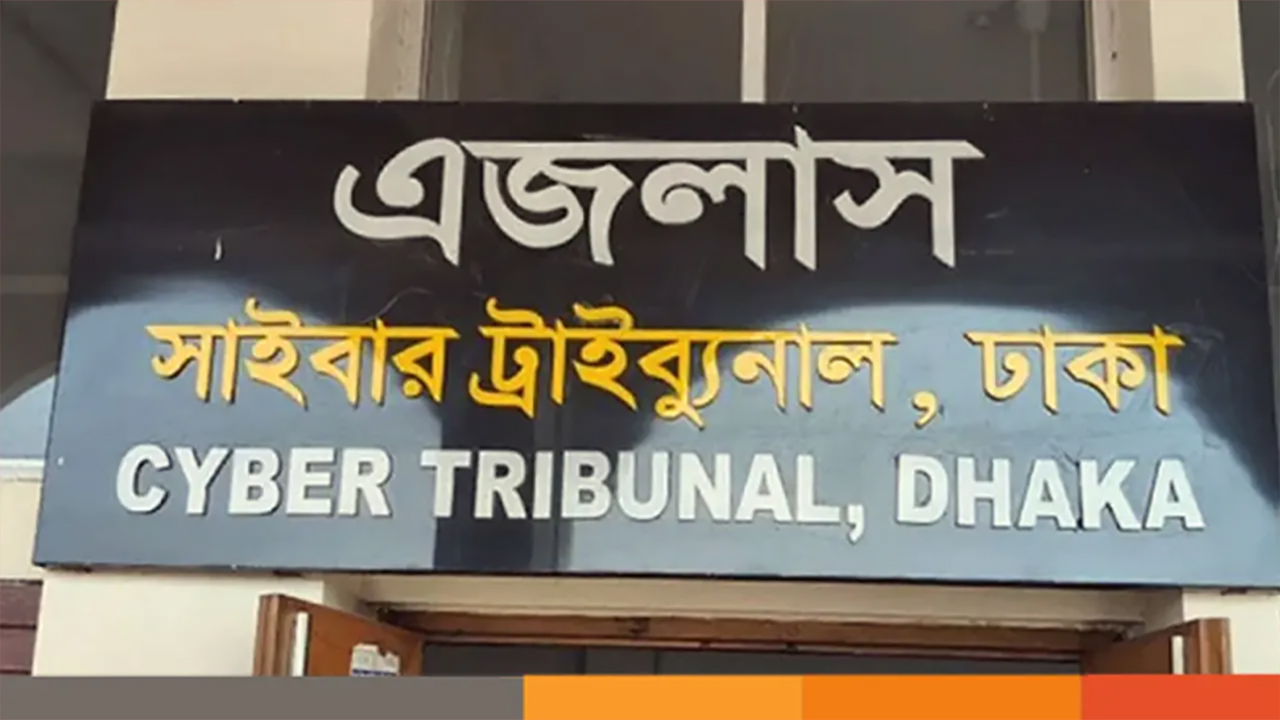
A hearing on whether to accept the charge sheet against TikToker Toha Hossain and his wife Hur-E Jannat is scheduled for today at the Dhaka Cyber Tribunal. The case involves allegations of promoting gambling advertisements on Facebook and TikTok. The hearing will take place before Judge Mohammad Saidur Rahman Gazi. Police had earlier submitted the charge sheet to the Dhaka Chief Metropolitan Magistrate Court on October 9 last year, and the case was later transferred to the Cyber Tribunal. The case was filed on April 13, 2025, at Mirpur Model Police Station under the Cyber Security Act and fraud charges by several concerned citizens. The complaint alleged that Toha used his Facebook page and TikTok account to promote gambling sites, luring young people with promises of high profits from small investments. The promotions allegedly led many individuals to lose money and become involved in criminal activities. The court’s decision on whether to accept the charge sheet will determine the next stage of the legal process against the couple.
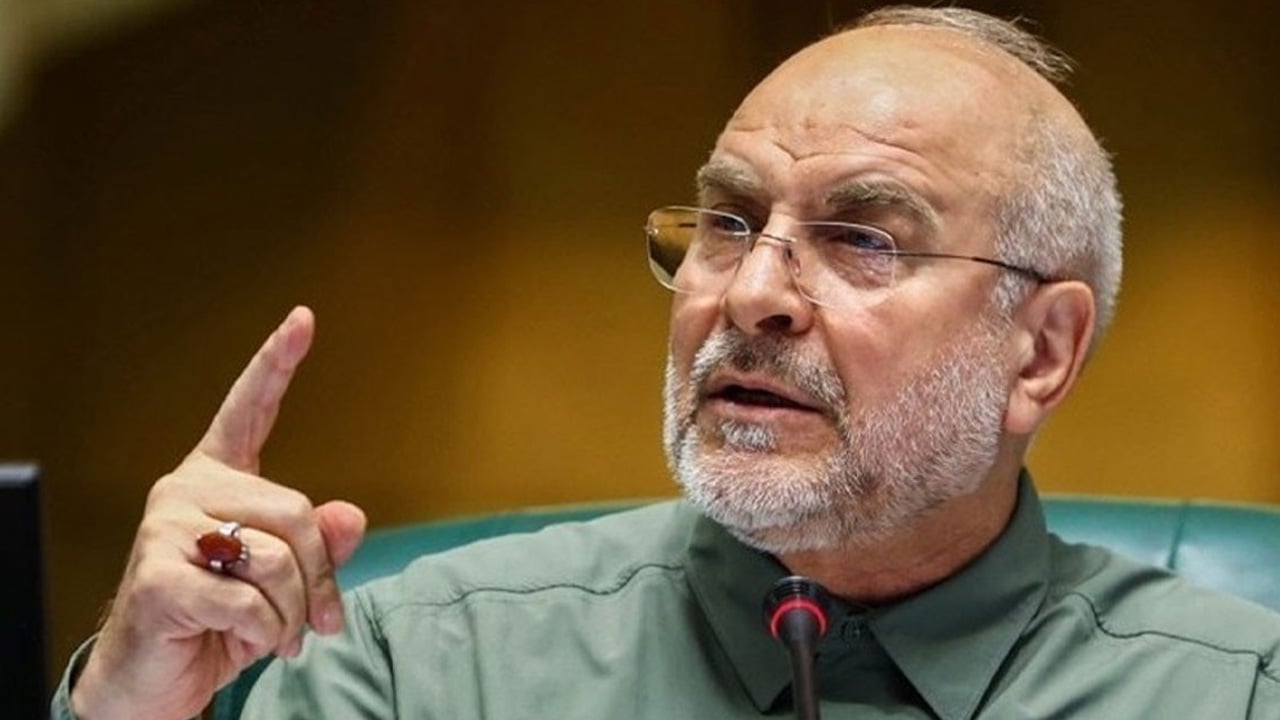
Iranian Parliament Speaker and chief negotiator Mohammad Bagher Galibaf described the newly signed memorandum of understanding with the United States to end hostilities as a document of Washington’s failure. He made the remarks in a televised interview following the signing of the agreement, emphasizing that the Iranian people would judge the outcome themselves. Galibaf stated that Iran entered the talks from a position of strength, asserting that victories on the battlefield had shaped the context of the negotiations. He contrasted the current discussions with previous ones, saying that the flag of victory now serves as the foundation for dialogue. He further noted that every war ending in victory must be recorded in legal and political documents to ensure that its achievements are preserved and meaningful.
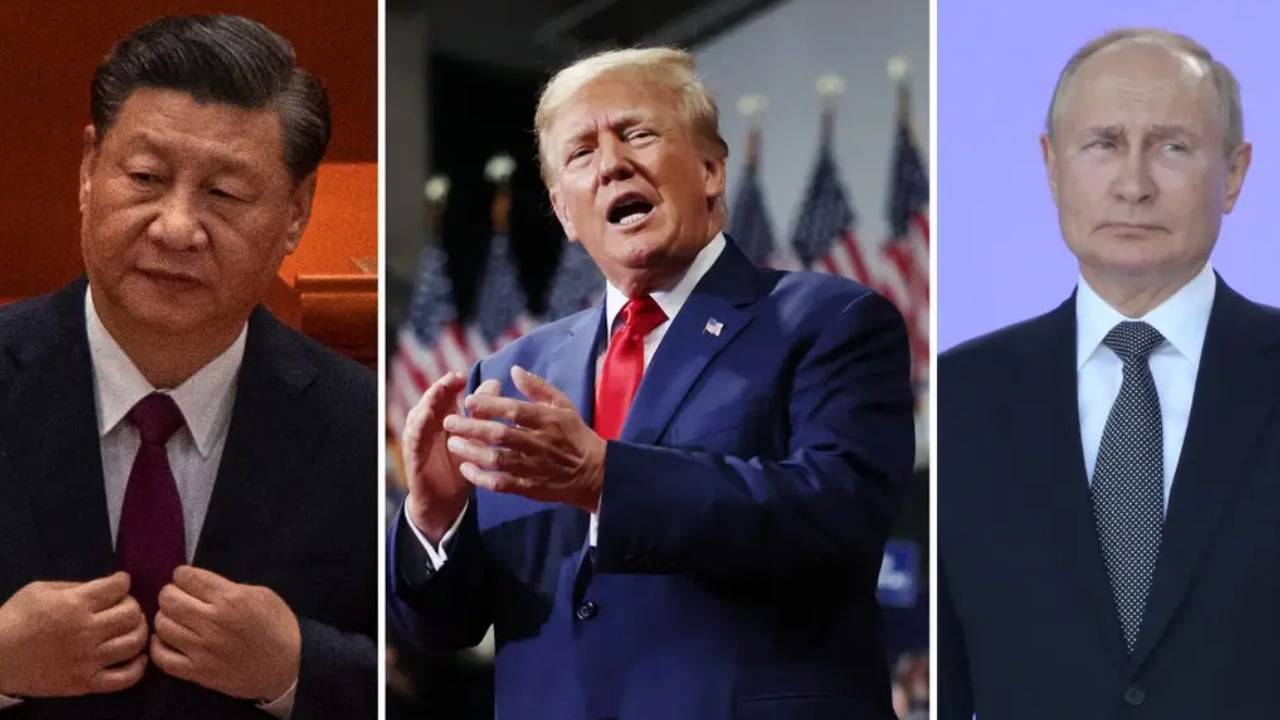
U.S. President Donald Trump expressed gratitude to Chinese President Xi Jinping and Russian President Vladimir Putin for maintaining neutrality during the Iran conflict. Speaking after the signing of a memorandum of understanding with Iran, Trump said their stance helped improve the situation and did not obstruct his efforts to curb Tehran’s nuclear ambitions. At a press conference following the G7 summit in Évian-les-Bains, France, Trump reiterated his appreciation for both leaders, emphasizing that their neutrality prevented further complications. He noted that Xi and Putin could have made the situation more difficult but chose not to intervene. The remarks came amid ongoing diplomatic efforts between Washington and Tehran, with Switzerland confirming upcoming U.S.-Iran talks. The acknowledgment of Chinese and Russian restraint highlighted Trump’s focus on maintaining international stability during the sensitive negotiations.
Eleven Iranian ships have moved through international waters defying a US naval blockade, following the finalization of a draft memorandum of understanding (MoU) between Tehran and Washington. According to Iran’s state media Press TV, eight of the vessels departed from Iranian waters into international seas, while three entered Iranian territory from international waters. The report cited a reliable source and said the movements occurred after the draft MoU was completed last Sunday. The draft agreement reportedly includes provisions for lifting the US-imposed naval blockade on Iran. In return, Iran has agreed to allow toll-free passage for commercial vessels through the Strait of Hormuz for at least 60 days. The news of Iranian ships crossing the blockade has drawn significant international attention amid the ongoing diplomatic developments between the two countries. The report, sourced from Al Jazeera, indicates that the developments come as part of broader efforts to ease tensions between Tehran and Washington, though full details of the finalized agreement remain undisclosed.
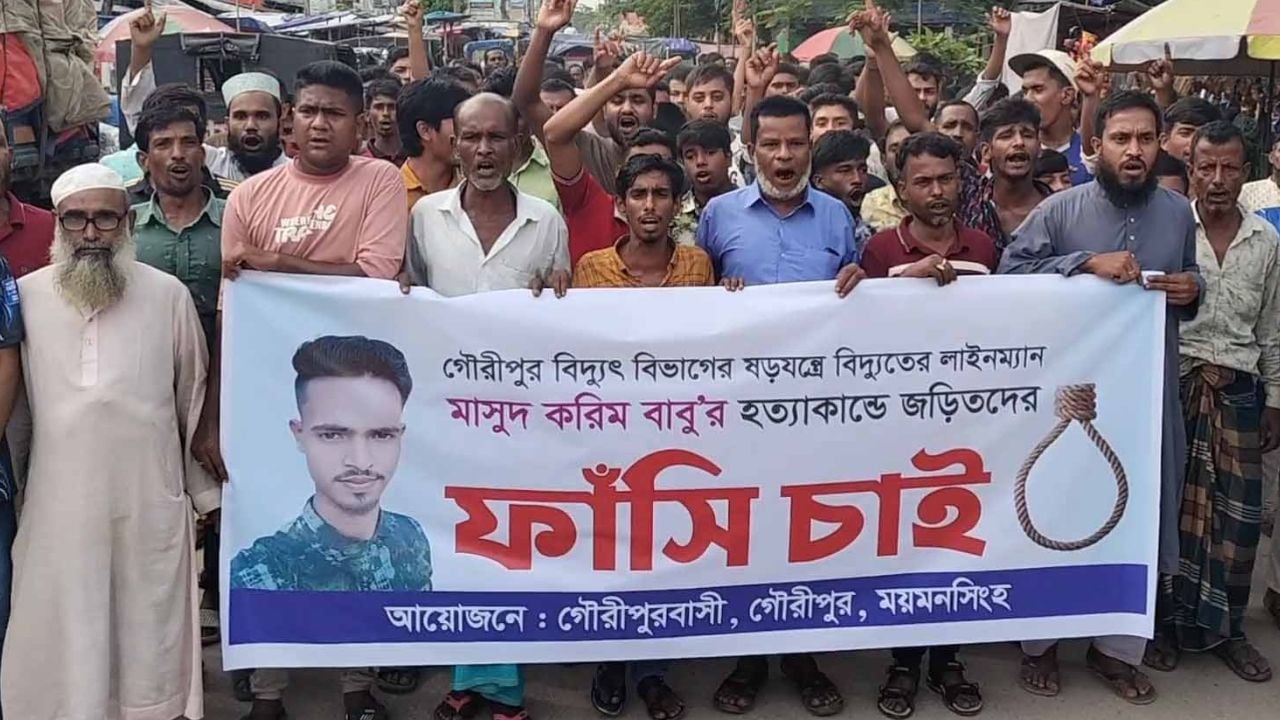
Residents of Gauripur in Mymensingh staged a protest on Wednesday following the death of Masud Karim Babu, a private employee of the local power department. Demonstrators surrounded the Gauripur police station, power office, and upazila complex, demanding the arrest and execution of those they accused of being responsible for what they called a murder. Babu died late Tuesday night after being electrocuted while working on an 11,000-volt power line at Baluapara intersection. According to local sources, Babu and several colleagues had gone to repair the line after confirming a feeder shutdown. However, he was electrocuted immediately upon touching the wire and later pronounced dead at Mymensingh Medical College Hospital. The incident sparked anger among residents, who alleged negligence by the power department. Police and BNP leaders later arrived at the scene, assuring protesters of a fair investigation. Authorities said no formal complaint had yet been filed, though police urged residents to submit one so that legal action could proceed.
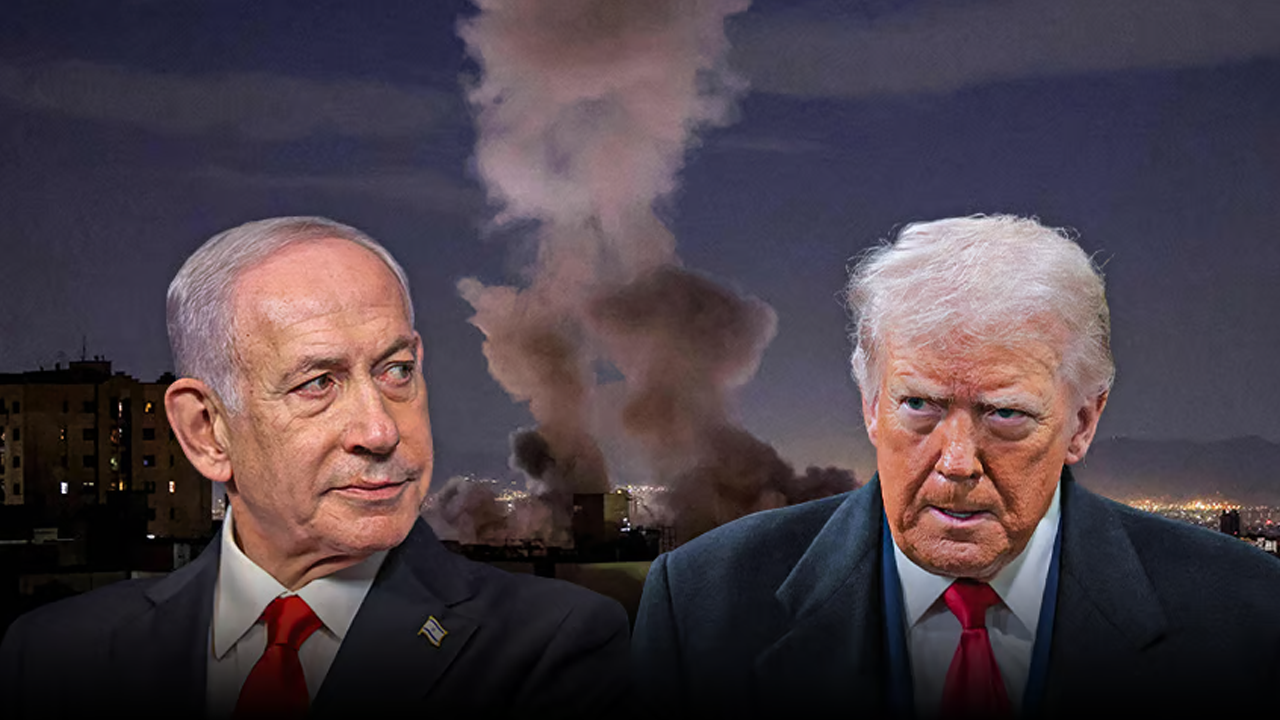
According to a Wall Street Journal report cited by the source, U.S. President Donald Trump told his advisers that Israeli Prime Minister Benjamin Netanyahu is difficult to handle. Trump reportedly said that Netanyahu wants to bomb everyone. Despite describing Netanyahu as 'wonderful,' Trump added that the Israeli leader sometimes goes too far. A senior official from the Trump administration stated that during most phone conversations between the two leaders, Netanyahu emphasized the need for new military actions. The official said Trump had grown increasingly weary of these discussions. In the official’s words, Netanyahu would explain why an attack was necessary, how Israeli intelligence could carry it out, and when it should happen, with nearly every call following the same pattern. The report, based on information from Middle East Eye, highlights ongoing tension in the Trump-Netanyahu relationship over Israel’s military approach and the U.S. president’s patience with repeated calls for action.
Opposition members of Bangladesh’s 13th National Parliament, representing an 11-party alliance including Jamaat-e-Islami and the National Citizens Party (NCP), have alleged persistent discrimination in government allocations and administrative cooperation. They claim that despite being elected representatives, their opinions are often ignored in local development activities, and they face obstacles and disrespect from ruling party members and government officials. Several MPs raised these issues in parliamentary sessions, citing examples of being excluded from local committees and receiving significantly smaller development funds compared to ruling party MPs. Jamaat’s whip and assistant secretary general Maulana Rafiqul Islam Khan stated that opposition MPs are receiving only 1–1.5 million taka in allocations, while ruling party MPs receive 10–15 million. NCP MPs also complained of unequal disaster relief allocations. In response, Disaster Management and Relief Minister Asadul Habib said allocations are based on local needs and that opposition MPs would receive their funds soon. Other opposition MPs described administrative non-cooperation, political interference, and even attacks on their convoys and supporters. Opposition lawmakers emphasized their commitment to serving their constituencies and urged the government and local administration for fair treatment and cooperation.

Lionel Messi led Argentina to a 3–0 victory over Algeria in their opening match of the 2026 World Cup in Kansas City, scoring all three goals. The performance marked his first World Cup hat-trick, equaled the record for most goals in World Cup history with 16, and came in his 200th match for Argentina. At 38 years old, Messi also became the first player to appear in six World Cups, reinforcing his enduring dominance on the global stage. The article reflects on how Messi’s achievements have seemingly ended the long-standing debate over who is football’s greatest—Pelé, Maradona, or Messi. It highlights his evolution from a teenage dribbler to a versatile playmaker and goal scorer, emphasizing his consistency, leadership, and artistry over two decades. The piece contrasts Messi’s all-round excellence with Pelé’s three World Cup titles and Maradona’s 1986 heroics, arguing that Messi unites individual brilliance, team success, and aesthetic mastery in one career. The commentary concludes that Messi’s story is not over, as he now seeks to defend the World Cup title Argentina won in 2022, rather than simply chase another.

The ‘1 Nojor’ media platform is now live in beta, inviting users to explore and provide feedback as we continue to refine the experience.