

The ‘1 Nojor’ media platform is now live in beta, inviting users to explore and provide feedback as we continue to refine the experience.
Prime Minister Tarique Rahman inaugurated the Family Card program at Chandichhara Tea Garden in Chunarughat upazila of Habiganj on Wednesday afternoon. The virtual inauguration took place during a local administration event at the Chandichhara playground. The event was attended by Habiganj-4 MP Syed Md. Faisal, Deputy Commissioner Dr. G.M. Sarfaraz, Upazila Nirbahi Officer Galib Chowdhury, local BNP leaders, and thousands of tea workers. The Family Card initiative, introduced for the first time in the district, generated significant enthusiasm among tea workers. Workers described the program as a vital support for their families, noting that their limited income and rations often fail to meet household needs. Leaders of the Bangladesh Tea Workers’ Union said the program fulfills a long-standing demand for measures to improve living standards. MP Syed Md. Faisal stated that the program will gradually expand to other tea gardens in Chunarughat and Madhabpur upazilas. The government’s goal, he said, is to ensure that no family remains outside social safety programs and that essential assistance reaches every citizen.

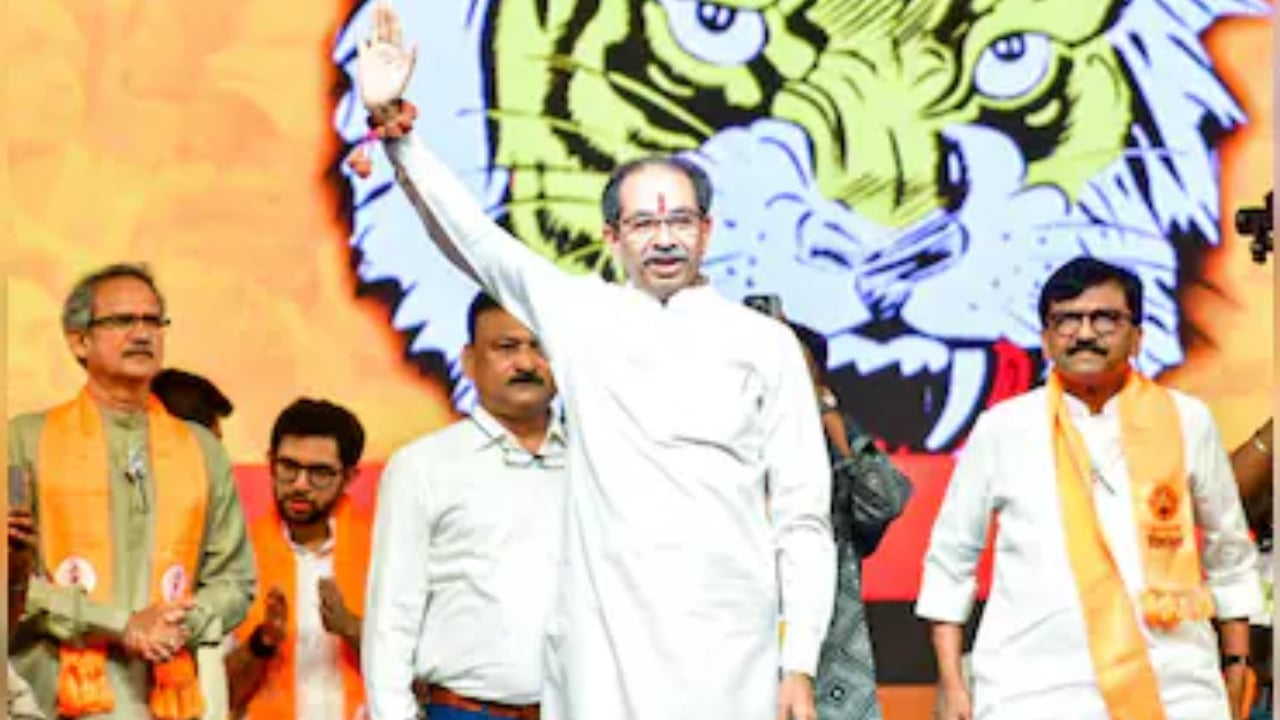
Shiv Sena (UBT) leader and Rajya Sabha member Sanjay Raut has alleged that the Bharatiya Janata Party (BJP) is offering 150 million rupees in advance to buy Members of Parliament in Maharashtra. He made the claim amid renewed speculation of a split within the Uddhav Thackeray-led Shiv Sena faction. Raut also alleged that BJP is luring MPs with private jet offers. In a post on social media platform X, Raut described the alleged payments as tragic and disgraceful. He asserted that the Uddhav Thackeray-led faction remains united and capable of handling the situation. He dismissed speculation that rebel MPs could form a separate group, saying they lack sufficient numbers. In an interview with NDTV, Raut said Thackeray has worked hard for every MP and that BJP’s attempts to lure them with money will fail. Raut further claimed that two of their MPs were to be flown from Nanded airport on a chartered plane. He mocked the rebels, saying they once could not afford rickshaw rides but now travel by private jets thanks to the Thackeray name.
A Chattogram court has sentenced Md. Abir Mia to death and fined him 100,000 taka for the murder of five-year-old Alina Islam Ayat. The verdict was delivered on Wednesday by Judge Muhammad Ali Akkas of the Sixth Additional Sessions Judge Court. According to the prosecution, 33 witnesses testified in the case, and the state expressed satisfaction with the maximum punishment handed down to the main accused. The case originated from the disappearance of Ayat, daughter of Sohel Rana, from the Bandar Tila area under EPZ Police Station on November 15, 2022. Police Bureau of Investigation (PBI) found that Abir, a tenant known to the family, kidnapped the child for ransom and later killed her by suffocation when his plan failed. He dismembered the body and disposed of the parts near the sea and a canal. Abir confessed to the crime in court on November 25, 2022. PBI inspector Manoj Dey submitted the charge sheet on October 10, 2023, naming Abir and a 17-year-old accomplice. The juvenile’s trial is ongoing in the children’s court, while Abir remains in prison.

A mobile court in Shariatpur’s Damudya upazila fined a local BNP leader Tk 200,000 and sentenced another person to four months in jail for illegally cutting and selling soil from agricultural land. The verdict was delivered at 8:45 p.m. on Monday in Uttar Syedbasta village under Koneshwar Union. The court found that fertile farmland soil had been excavated using an excavator and sold elsewhere, damaging both the land’s productivity and a rural road built by the Local Government Engineering Department. According to the mobile court, Shafik Madbar received a four-month non-rigorous imprisonment for illegally cutting soil, while Ibrahim Member, a former joint general secretary of Koneshwar Union BNP and current union council member, was fined Tk 200,000 for supplying the excavator. In default of payment, he will serve three months in jail. Another accused, Sohel Bepari, was not found at the scene, and police were instructed to file a regular case against him. Assistant Commissioner (Land) Zahidur Rahman stated that illegal soil extraction harming farmland fertility is punishable under the Balumahal and Soil Management Act, 2010, and the Land Crime Prevention and Remedy Act, 2023.
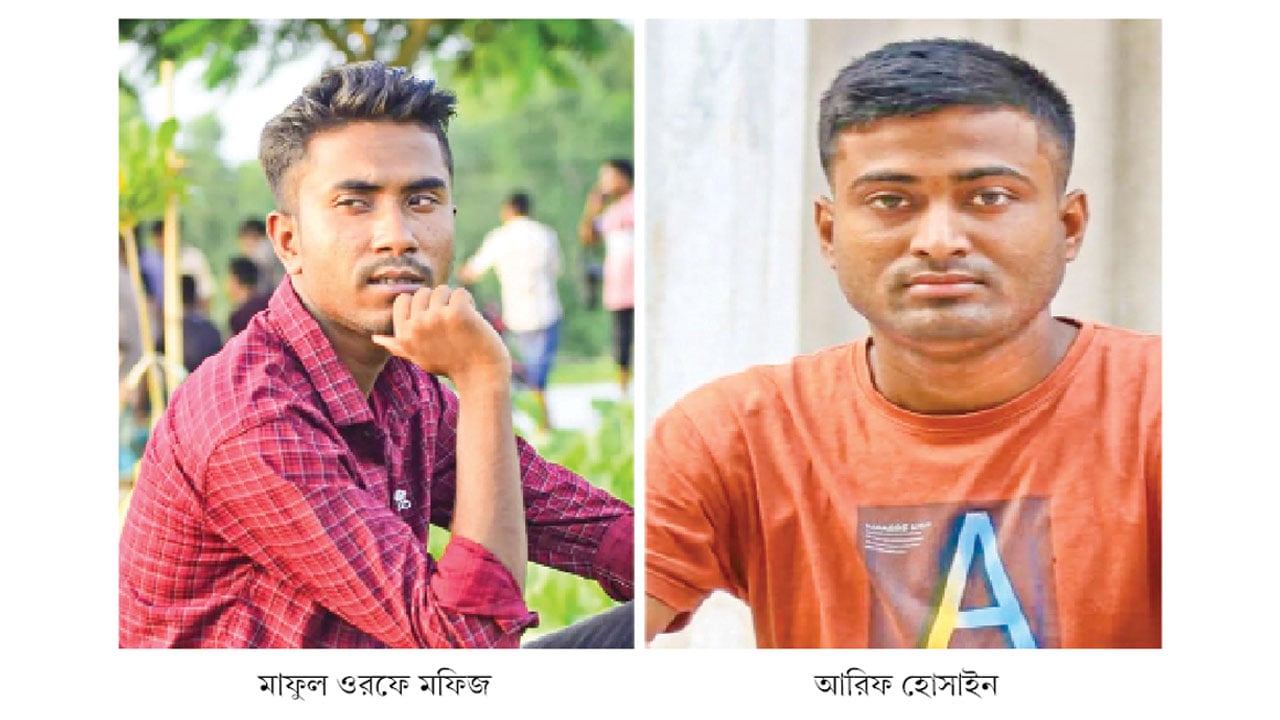
Two young men from Madarganj in Jamalpur, Bangladesh, have been missing in Russia since May 29, 2026. They are Maful alias Mofiz, 23, and Arif Hossain, 27, who traveled to Russia on May 7 seeking work as a mason and electrician. Families say they were sent through local brokers who promised jobs but instead handed them over to the Russian military. Social media reports and an audio message have circulated claiming the two were killed in a drone strike, though no official confirmation has been received. Relatives allege that the brokers deceived the men and sold them to the military for money. Both families last spoke with the men on May 29 before their phones went silent. Maful’s mother and sister expressed grief and demanded justice, while Arif’s family said they paid 1.6 million taka to send him abroad and now want a proper investigation. Local authorities acknowledged awareness of the case through social media and advised families to file formal complaints for further action. The Madarganj Upazila administration has informed higher authorities and pledged necessary support if written applications are submitted by the victims’ families.
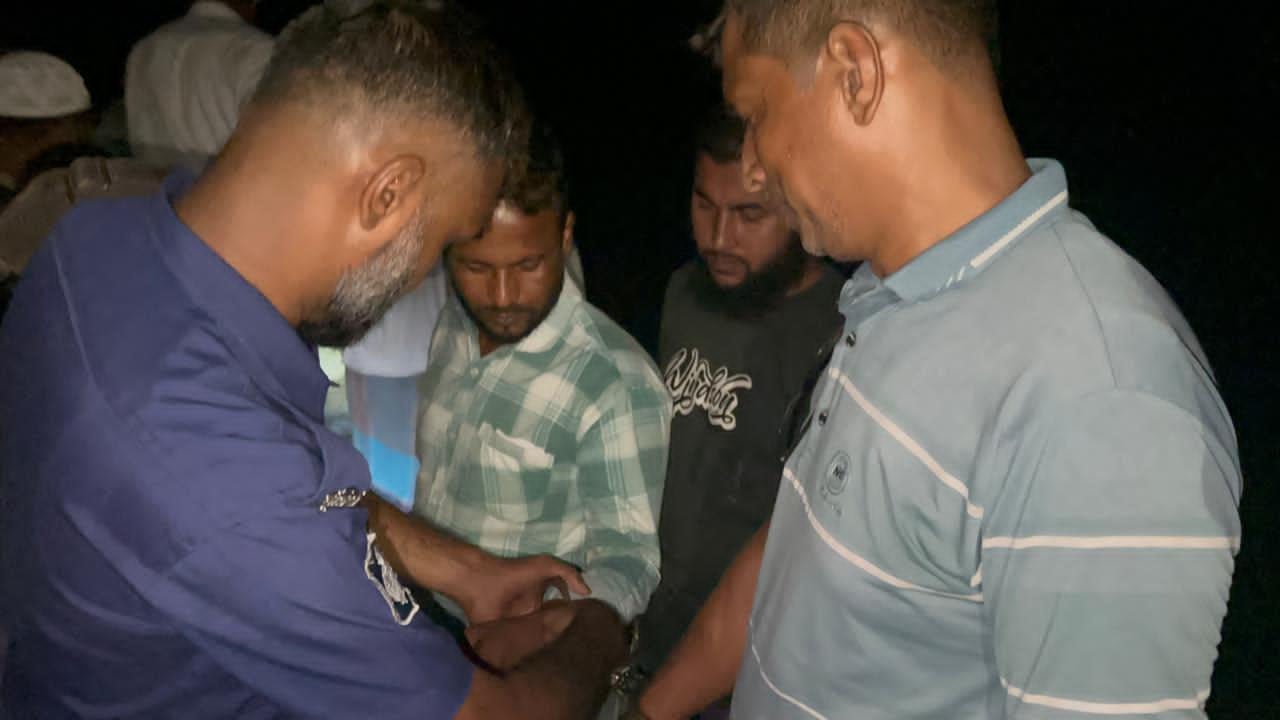
A surge in street crime has intensified concerns over public safety in Dhaka after police officers were injured during a pursuit of muggers. On Tuesday morning, robbers attacked a mobile financial agent in Adabor, stealing 350,000 taka. Later that day, when police launched an operation to arrest the suspects, the assailants attacked with sharp weapons, injuring the local police chief and a sub-inspector. Two robbers were shot and four were detained, according to law enforcement officials. Reports indicate that Dhaka now has 466 identified mugging hotspots with nearly 1,000 active offenders. Despite special police drives, incidents continue to rise, with 33 cases recorded in May and 167 nationwide last month. Many victims avoid filing complaints, leading to underreported crime figures. Areas such as Mohammadpur, Mirpur, Jatrabari, Mugda, and Dhanmondi are among the most affected. Experts warn that muggers are increasingly organized and armed, urging legal reforms to prevent easy bail. The Dhaka Metropolitan Police has reaffirmed a zero-tolerance policy and intensified operations following the recent attacks.

A series of brutal killings in Chattogram has triggered widespread fear and raised serious concerns about the region’s deteriorating law and order. Recent incidents include the daylight shooting of a Jubo Dal leader in Raozan and the nighttime murder of a mother and daughter in Anwara. Attackers have been seen moving openly with heavy weapons, and even police camps have come under assault. The violence is reportedly linked to disputes over control of illegal businesses involving sand, soil, and drugs. Police sources said that in the past 18 months, more than 50 murders have occurred across Chattogram district and city, including 25 in Raozan alone, most of them politically motivated. CCTV footage of several killings has circulated on social media, revealing the identities of suspects who remain at large. The police have identified those involved in the latest incidents but cited difficulties in arresting them due to their escape into remote hilly areas. District police officials stated that the perpetrators have been surrounded and that a major operation is being planned to restore order soon.

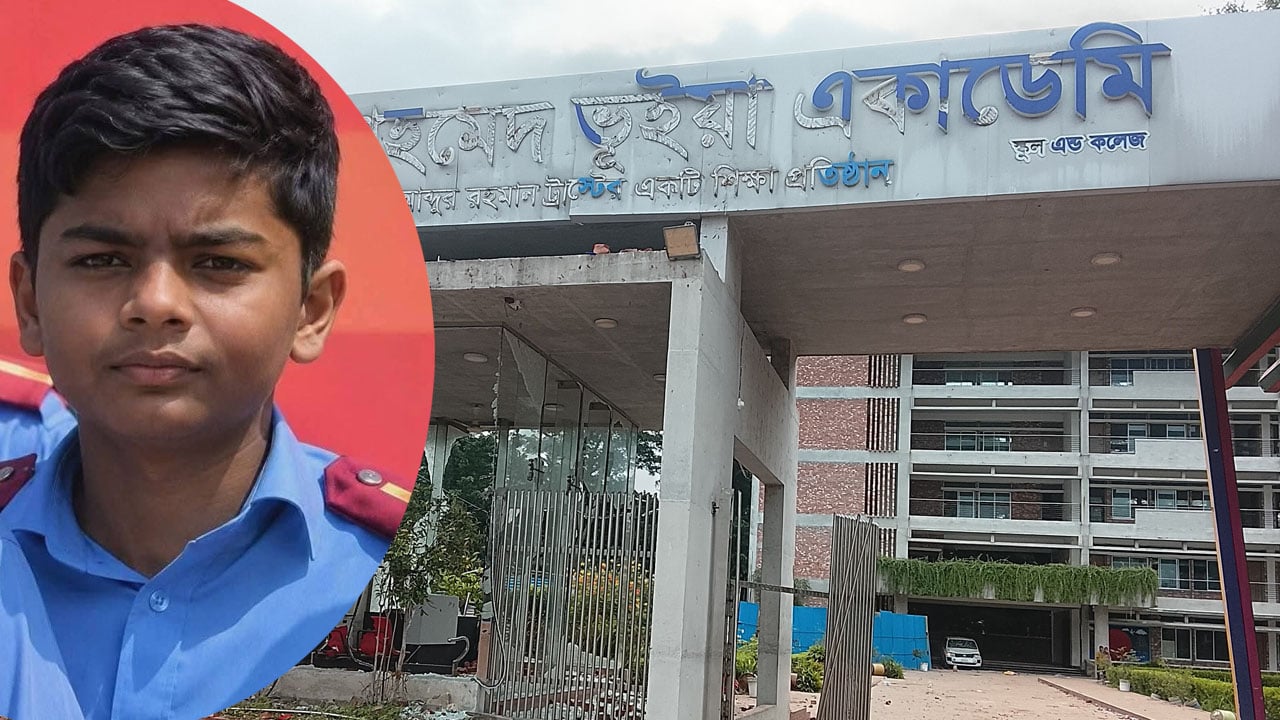
Police recovered the body of a student from the hostel of Farid Ahmed Bhuiyan Academy, a private school in Ramganj, Lakshmipur, on Tuesday night. Following the discovery, angry residents vandalized the school’s main gate and reception area around 10 p.m. in protest. The situation was brought under control after Officer-in-Charge Firoz Uddin Chowdhury and Upazila Nirbahi Officer Kazi Atikur Rahman arrived at the scene and assured proper investigation. The deceased, Mehedi Hasan, aged 14, was an eighth-grade student and the son of Ziauddin Zia from Raghbapur village in Ichapur Union. His family alleged that he was murdered. However, Additional Superintendent of Police (Administration and Finance) Hossain Mohammad Raihan Kazemi stated that the body was found hanging and that it could not yet be determined whether it was a case of murder or suicide until the autopsy report is received. The situation in the area is currently calm.
Iran and the United States have outlined a proposed $300 billion private investment fund aimed at attracting global capital to Iran under a new bilateral agreement. According to a Reuters report citing a source directly involved, more than half of the fund’s capital has already been pledged. The agreement, expected to be signed on Friday in Washington and Tehran, is designed to encourage both sides toward a final and lasting peace settlement following months of conflict. The fund will be entirely financed by private entities, with no government grants or public money involved. Companies from the United States, Gulf Arab states, Asia, South America, and Africa have reportedly committed to participate. The investment will target energy, logistics, manufacturing, and transport sectors. The initiative emerged after Tehran’s initial $400 billion compensation demand was rejected by Washington, leading to the creation of this reconstruction and development mechanism instead. The fund will only become operational after the final agreement is signed, followed by a 60-day planning phase. Pakistan has acted as a mediator, while the White House confirmed that Iran must meet conditions including halting its nuclear program and allowing international inspections to access the fund’s benefits.
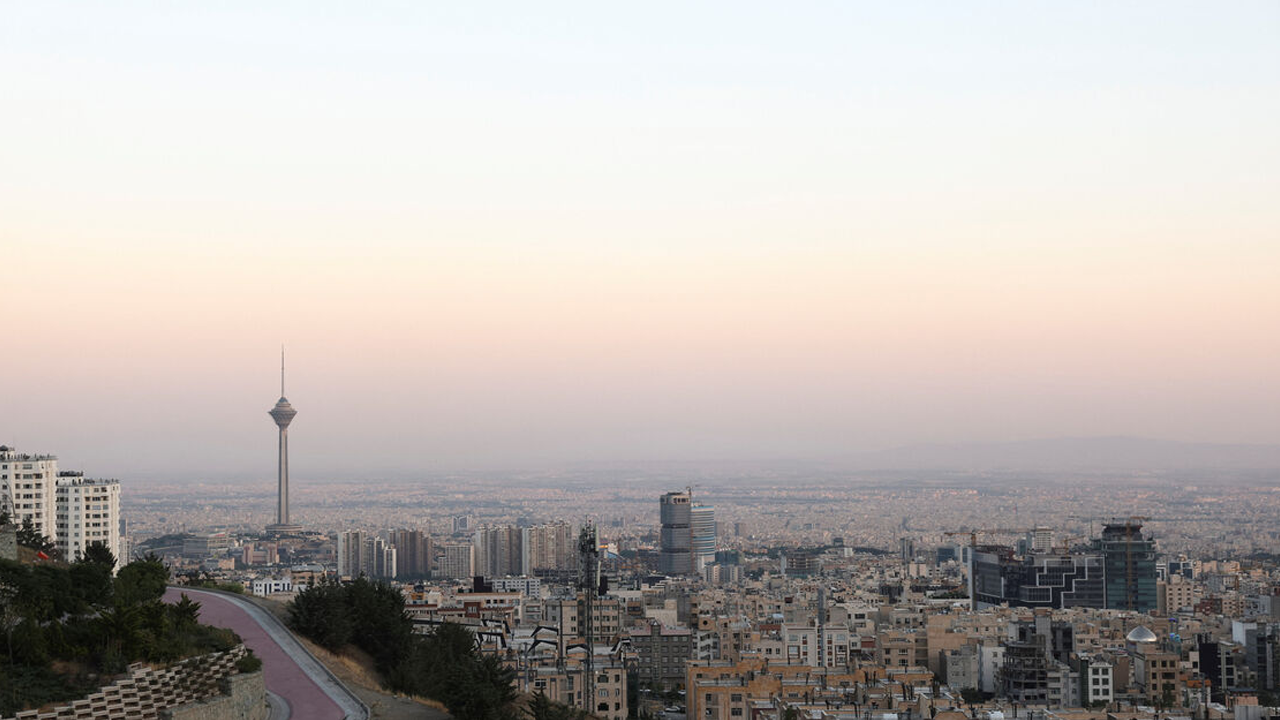
Iran has gained the ability to effectively close access to the Strait of Hormuz whenever it chooses, according to recent US intelligence assessments cited by CNN. The reports suggest that the ongoing conflict has given Iran’s leadership a powerful new tool to influence the global economy. A memorandum of understanding to reopen the key waterway is expected to be signed on Friday as part of renewed nuclear talks, but intelligence sources warn that Tehran has already demonstrated its capacity to block the strait and could do so again. Sources familiar with the intelligence review told CNN that Iran’s wartime success in targeting Gulf energy infrastructure has emboldened it to use such asymmetric capabilities in the future. The United States had to engage in close negotiations with Iran to reopen the strait, reflecting Tehran’s strengthened bargaining position. A senior US official said Iran would only benefit from the agreement if it keeps the strait open and complies with its terms. Other sources cautioned that any future attempt to close the strait could have self-destructive consequences, while discussions continue on whether allied nations could help secure the waterway once reopened.
Prime Minister Tarique Rahman was greeted with a shower of flowers by tea workers during his visit to Sylhet on Wednesday morning. He landed at Osmani International Airport at 10:15 a.m., where central and local BNP leaders welcomed him. According to his schedule, there were no formal party programs in Sylhet, and he departed for Srimangal by special bus around 10:30 a.m. Along the route, workers from the Malnichhara tea estate braved the rain to greet him with flowers. Sylhet District BNP President and City Corporation Administrator Abdul Kaiyum Chowdhury said that local representatives, along with central and local party leaders, were present at the airport to receive the Prime Minister. He urged party members to stand in an orderly manner along the roadside to welcome him. Organizers stated that people from all walks of life were involved in making the visit successful, and preparations were underway for one of the largest public receptions in the greater Sylhet region.

The European Parliament is scheduled to give final approval on Wednesday to a stricter migration law that will expand authorities’ powers to detain and deport irregular migrants. The legislation also allows the establishment of deportation centers outside the European Union. The vote in Strasbourg marks one of the final steps in a lengthy legislative process aimed at tightening migration control amid rising political pressure across member states. EU Commissioner for Migration Magnus Brunner said the law clarifies that the EU, not smugglers, will decide who can stay or must leave. The law has faced criticism from human rights groups for provisions enabling the creation of ‘return hubs’ outside the EU, where people without legal residence rights could be sent. Several countries, including Denmark, Austria, Greece, Germany, and the Netherlands, have shown interest in hosting such centers, while France and Spain have opposed the plan. Greek Prime Minister Kyriakos Mitsotakis stated that the first agreements for these centers are expected by 2026, with operations starting in 2027. The EU’s focus has shifted toward improving repatriation systems, as only about 30 percent of those ordered to leave have returned home.

A Foreign Policy article cited by Middle East Eye reports that Paul Musgrave, an associate professor of political science at Georgetown University in Qatar, described the United States' war against Iran as a more serious strategic shock than the Vietnam War. He argued that the conflict has damaged core American interests and weakened Washington’s global standing. Musgrave characterized the war as a 'war of choice' initiated by former US President Donald Trump, which ultimately ended in both political and military disaster. The article suggested that the consequences of this conflict could prove even more severe than those of Vietnam. According to the report, the war’s aftermath may have long-lasting domestic and international effects, shaping perceptions of American power and leadership for years to come.

Bangladesh’s finance minister Amir Khosru Mahmud Chowdhury presented a new amendment to the Income Tax Act in parliament on June 11, 2026. The proposal states that if a company fails to pay loan interest within three years, the unpaid amount will be treated as business income and taxed accordingly. The measure aims to prevent companies from repeatedly claiming unpaid interest as expenses to reduce taxable profits. According to the amendment, if the unpaid interest is later settled after the three-year period, it will then be considered an allowable expense for that year. The change aligns the tax law with international accounting standards under the International Financial Reporting System (IFRS), which follows the accrual basis of accounting. Previously, the National Board of Revenue (NBR) applied a cost basis, recognizing expenses only when payments were made. Officials explained that the amendment resolves inconsistencies between accounting and tax reporting practices, ensuring that companies cannot indefinitely defer tax liabilities by delaying interest payments.
Bangladesh’s apparel exports to the European Union, the country’s largest export destination, dropped sharply in the first quarter of 2026. According to Eurostat data, export earnings from January to March fell by 19.26 percent year-on-year to 4.59 billion euros, down from 5.68 billion euros in the same period of 2025. In March alone, exports declined by 19.24 percent to 1.7 billion euros, a loss of about 410 million euros compared to the previous year. The decline was driven by both reduced export volume and lower average prices. During the three months, Bangladesh’s export volume fell by 8.32 percent, while the average price per kilogram dropped by 11.93 percent. The EU’s total apparel imports from all countries also decreased by 11.62 percent in value and 8.32 percent in quantity during the same period. Industry stakeholders warned that since nearly half of Bangladesh’s total export earnings come from the EU, a prolonged downturn in this market could negatively affect the broader economy. They also noted that global trade shifts and stronger competition from China, India, Vietnam, and other exporters have intensified challenges in the European market.

The ‘1 Nojor’ media platform is now live in beta, inviting users to explore and provide feedback as we continue to refine the experience.