

The ‘1 Nojor’ media platform is now live in beta, inviting users to explore and provide feedback as we continue to refine the experience.
After the dissolution of Islami Bank’s chairman and entire board, the bank’s operations have begun returning to normal. Customer anxiety and cash withdrawal pressure have eased, while fixed deposit accounts are being reopened. ATM booths and online banking services, previously inactive, are now operational again. On Tuesday, deposits exceeded withdrawals by 964 crore taka, though electronic transfers kept the bank’s net position negative by about 450 crore taka. Bank officials reported that pending electronic fund transfers and real-time settlements are being cleared, contributing to some remaining pressure. However, overall liquidity conditions are improving. About 502 customers have reopened their fixed deposit accounts, adding 45 crore taka in new deposits. The bank announced that customers who prematurely encashed deposits between June 1 and 15 may reactivate accounts within seven working days with previous benefits intact. Senior management stated that ATM and online services are functioning, and full normalization may take another week. The interim board, led by Bangladesh Bank’s executive director Mohammad Zahir Hossain, is working to form a new five-member board to restore stability and depositor confidence.

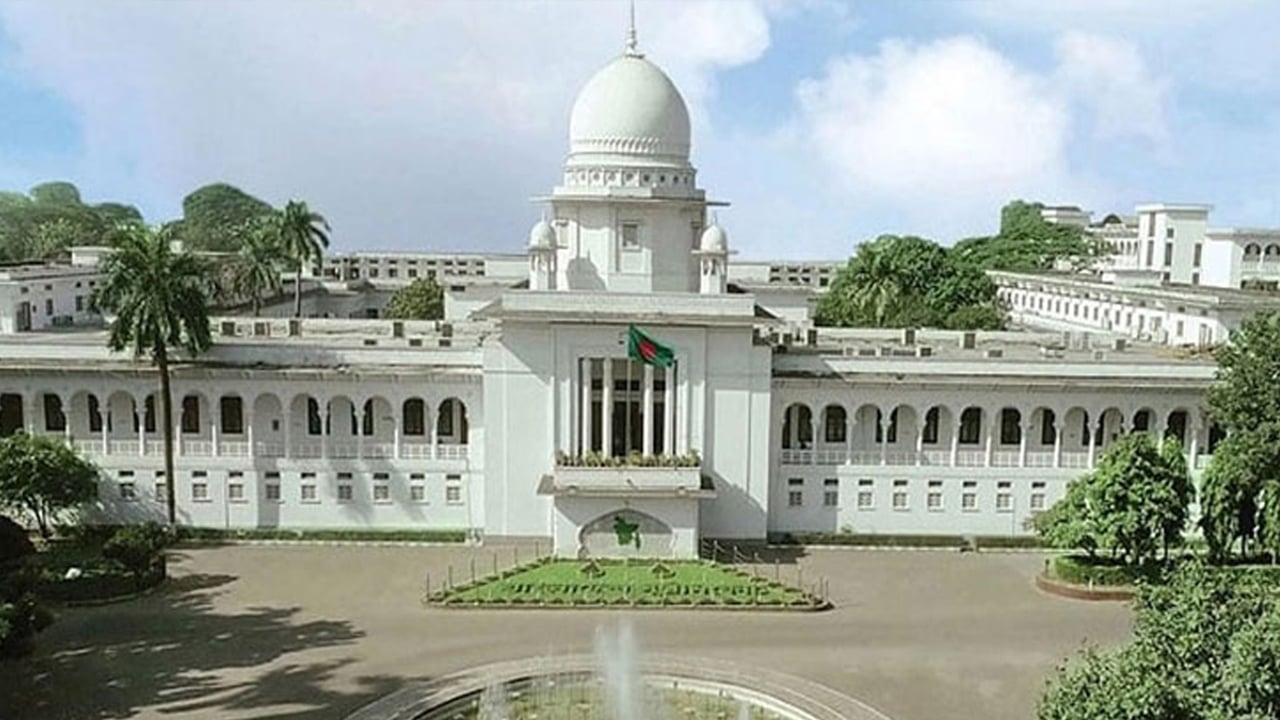
The Appellate Division of the Supreme Court has postponed until September 1 the hearing of an appeal seeking suspension of the High Court verdict that directed the establishment of an independent and separate secretariat for the Supreme Court within three months. The order was issued on Tuesday by a five-member bench led by Chief Justice Zubayer Rahman Chowdhury after the state sought additional time. Attorney General Barrister Md Ruhul Quddus Kajol represented the state, while senior lawyers Mohammad Shishir Monir and Ahsanul Karim appeared for the petitioners and appellants respectively. Lawyer Karishma Jahan represented Badiul Alam Majumdar. The case had earlier been listed for hearing before a full and regular bench of the Appellate Division. The High Court had delivered its verdict on September 2, 2025, declaring Article 116 of the Constitution contradictory and void, and ordering the formation of an independent Supreme Court Secretariat. Before that, the Supreme Court Secretariat (Repeal) Act was enacted on April 10, and Badiul Alam Majumdar appealed to maintain the previous administrative status until the appeal’s resolution.
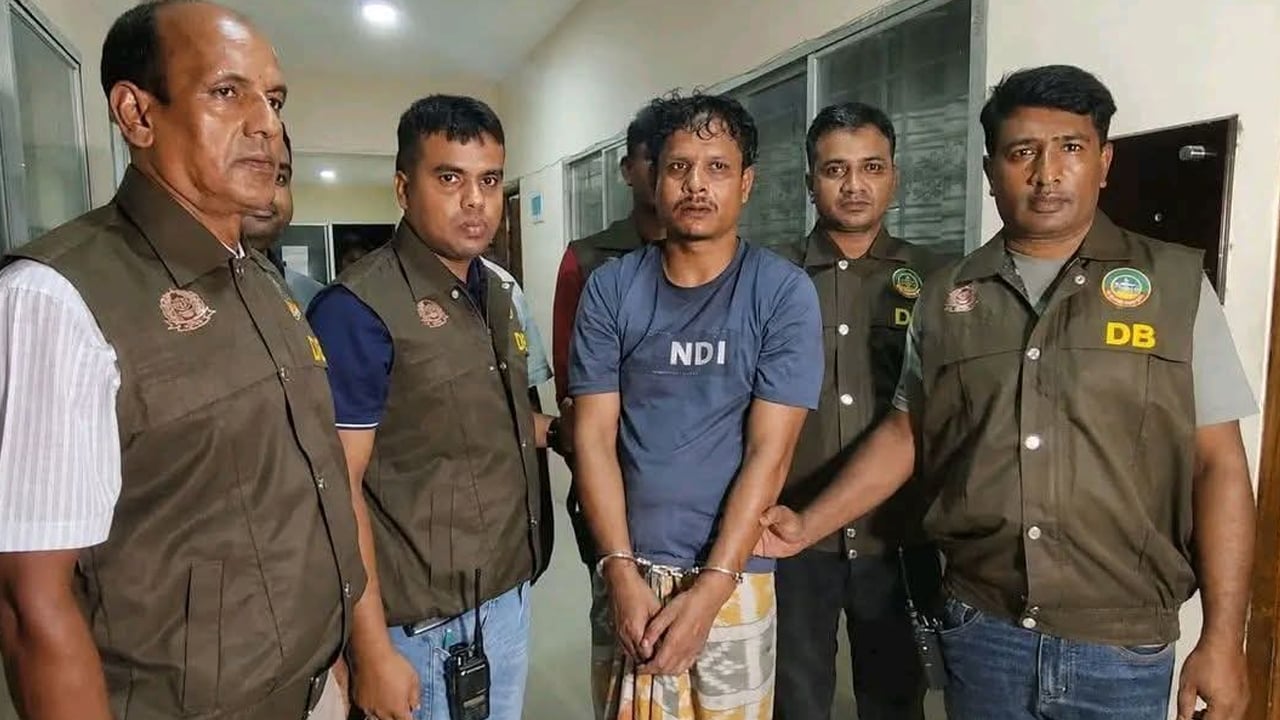
A shop employee named Shawon was allegedly beaten to death with a hammer by his employer’s son in Rangpur on Tuesday night. The incident occurred around 8:30 p.m. at Khamar Mor area of the city. Locals detained the suspect, identified as Mizanur Rahman Monu, son of shop owner Amir Hossain, and handed him over to police. According to police and local sources, the altercation began when Shawon and Mizan argued over spitting near the dishwashing area of the shop. As Shawon was leaving, Mizan reportedly struck him on the head with a hammer, causing severe injuries. Shawon died on the way to the hospital. His body was later sent to the morgue of Rangpur Medical College Hospital. Police confirmed that the suspect is in custody and an investigation is underway into the fatal assault.
Argentina began their World Cup title defense with a commanding 3-0 victory over Algeria at Kansas City Stadium. Lionel Messi led the charge with a hat-trick, marking his 200th international appearance for Argentina. The team took control early, with Messi opening the scoring in the 17th minute after a precise pass from Rodrigo De Paul. Despite Algeria’s efforts to regroup, Argentina maintained pressure throughout the match. In the second half, Messi doubled the lead in the 60th minute, capitalizing on a rebound from a shot by Mac Allister. He completed his hat-trick in the 76th minute after a well-coordinated attack with Nicolas Gonzalez. The win not only secured three points for Argentina in Group J but also highlighted Messi’s enduring brilliance at age 38. The match was historic for Messi, who equaled Miroslav Klose’s World Cup goal tally of 16, became the oldest player to score a World Cup hat-trick, and surpassed Pelé’s record for total goal contributions in the tournament.

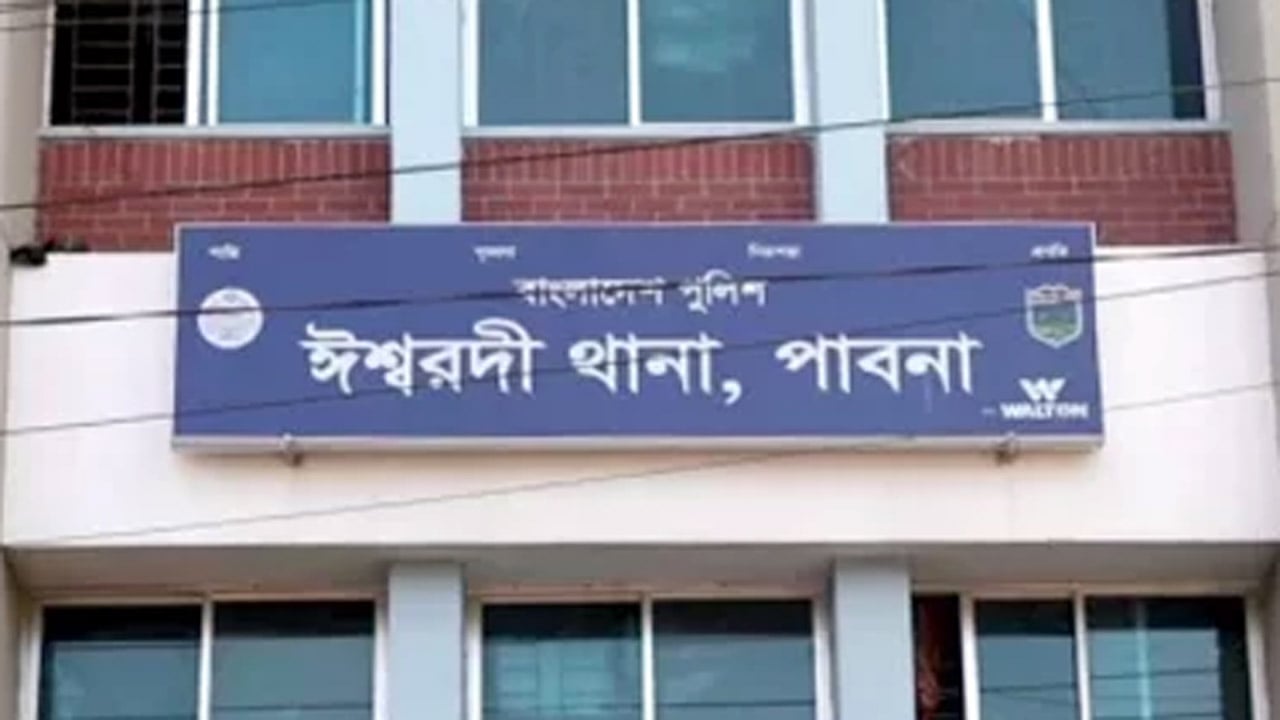
Police in Ishwardi, Pabna recovered the bullet-riddled body of Shahabul Pramanik, aged 42, from the Padma River on Tuesday morning. Locals discovered the body inside a fishing boat at the Raiter Char area and informed police, who later sent it to the morgue. The incident marks the second recovery of a gunshot victim from the river within a week, spreading fear among residents. According to police and local sources, around 2:00 a.m. to 2:30 a.m., five to six unidentified men arrived on motorcycles and opened fire near the riverbank. Shahabul, who was in a shallow-engine fishing boat with another man, Rabiul Islam, was fatally shot in the right shoulder and chest. Rabiul was injured but escaped by jumping into the river. Police have taken him in for questioning as part of the ongoing investigation. Naval police officials said frequent shootings and clashes occur in the Padma River area over control of sand extraction zones. Despite increased patrols, criminals continue their activities using various tactics.
A Jamaat-e-Islami leader named Asadul Islam, aged 24, was killed in Kalukhali of Rajbari, where his hands and feet were tied before his body was burned. Member of Parliament Nurunnisa Siddika expressed deep concern over what she described as a severe deterioration in the country's law and order situation, citing this killing as evidence. She stated that the government has failed to ensure the safety of people's lives and property anywhere in the country. The Jamaat-e-Islami women's division condemned the killing and called for justice for the victim’s impoverished family. The group urged the government to provide assistance to ensure a fair investigation and trial. They also offered prayers and support for the bereaved family, seeking divine help for them. The statement reflects growing concern within opposition circles about public safety and the government’s ability to maintain order, as highlighted by this violent incident in Rajbari.
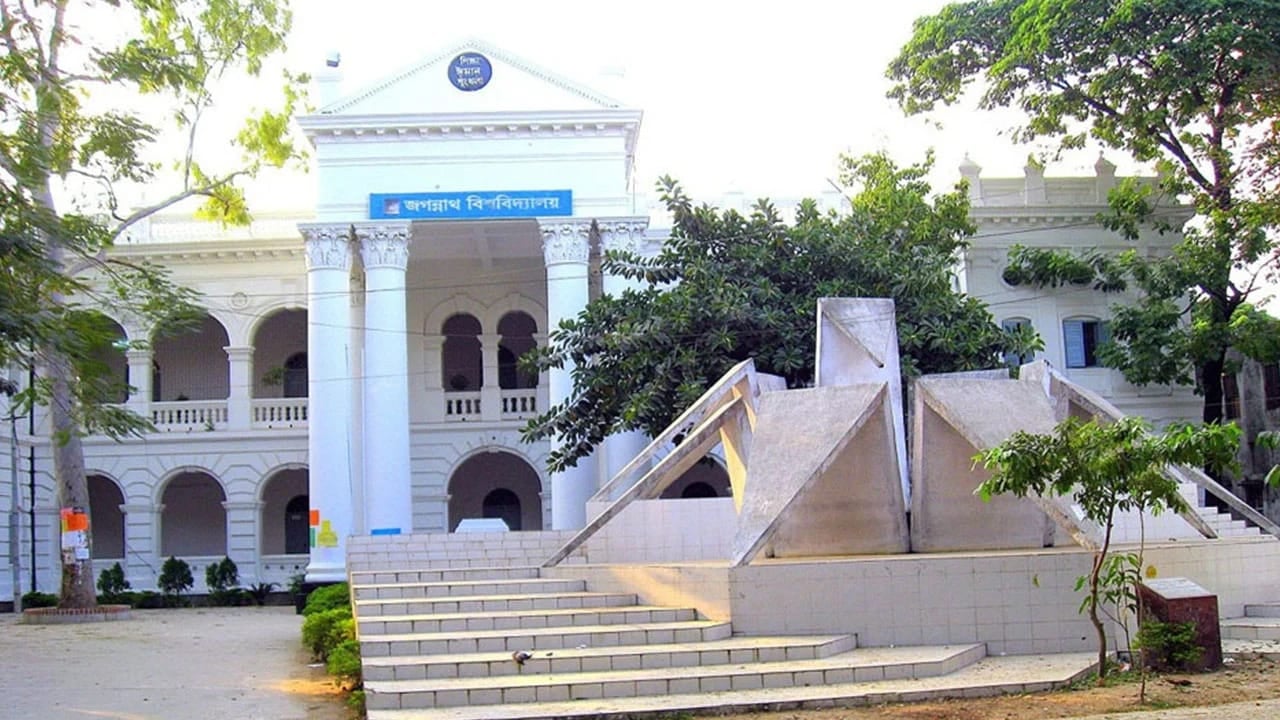
Jagannath University has formed an investigation committee to examine possible corruption, irregularities, misconduct, or abuse of power in the recruitment of teachers, officers, and employees during the Awami League government from 2009 to 2024. The decision was announced in a circular signed by Acting Registrar Professor Dr. Sheikh Gias Uddin on Tuesday. According to the circular, the university’s 111th Syndicate meeting appointed retired Senior District and Sessions Judge Md. Saifullah Biswas to lead the investigation. He began his work on Tuesday and is expected to submit a report to the university authorities within three months after reviewing all relevant information and documents. The investigation will be conducted from a designated office on the third floor of the administrative building. Deputy Registrar Mohammad Monirul Islam has been assigned to provide full administrative support for the investigation, and all university offices, departments, and institutes have been instructed to cooperate in supplying necessary records and information.
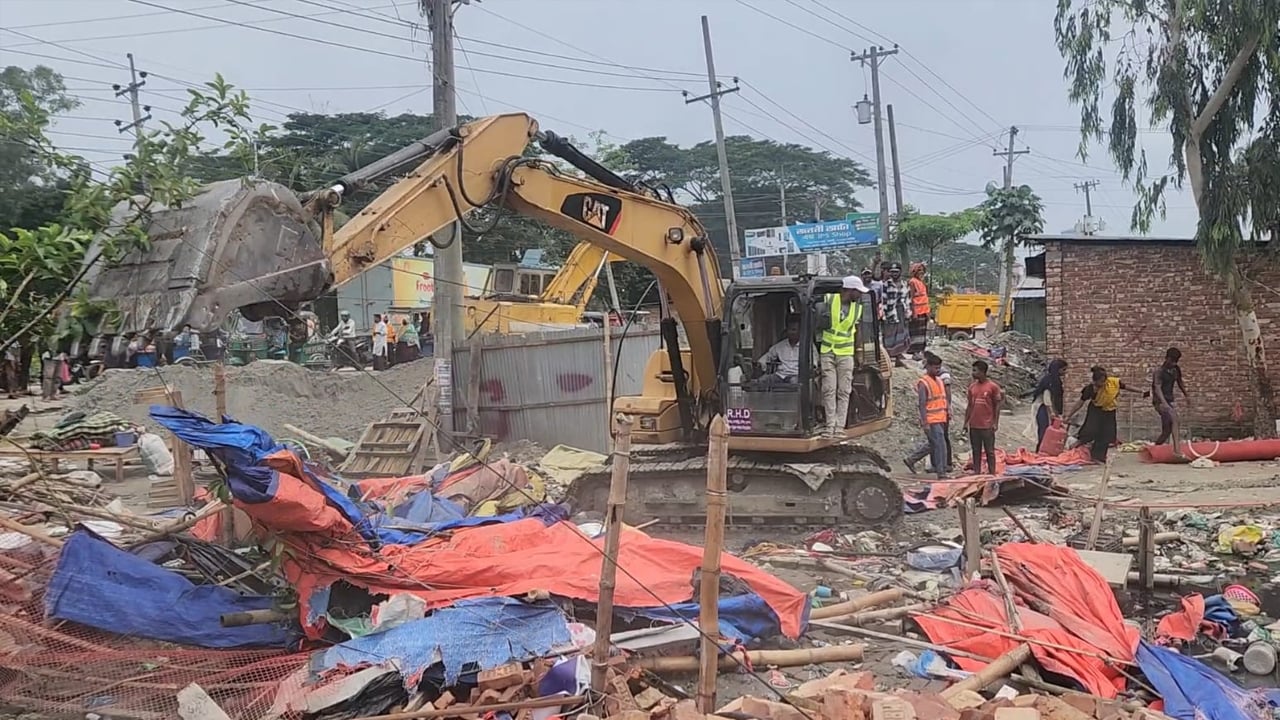
Authorities in Chatkhil, Noakhali, have demolished a luxury drug den that was illegally built on government land and operated under air conditioning and CCTV surveillance. The eviction drive took place on Tuesday afternoon in Bhimpur village’s Bede settlement, led by Upazila Nirbahi Officer (UNO) Mizanur Rahman. The structure, constructed on land owned by the Roads and Highways Department, was completely demolished using bulldozers. Local residents said that a woman named Bobita Akter Sumaiya had long been running a drug and immoral activity hub disguised behind ordinary huts. The operation followed media reports highlighting the site’s negative impact on the community, including frequent visits by outsiders and the deterioration of the social environment. Police had earlier raided the location on Sunday, seizing CCTV equipment, an air conditioner remote, and drug-related materials, though the main accused escaped. Officials confirmed that the eviction was part of a broader effort to reclaim public land and curb illegal activities. Residents have demanded the arrest and exemplary punishment of those involved.
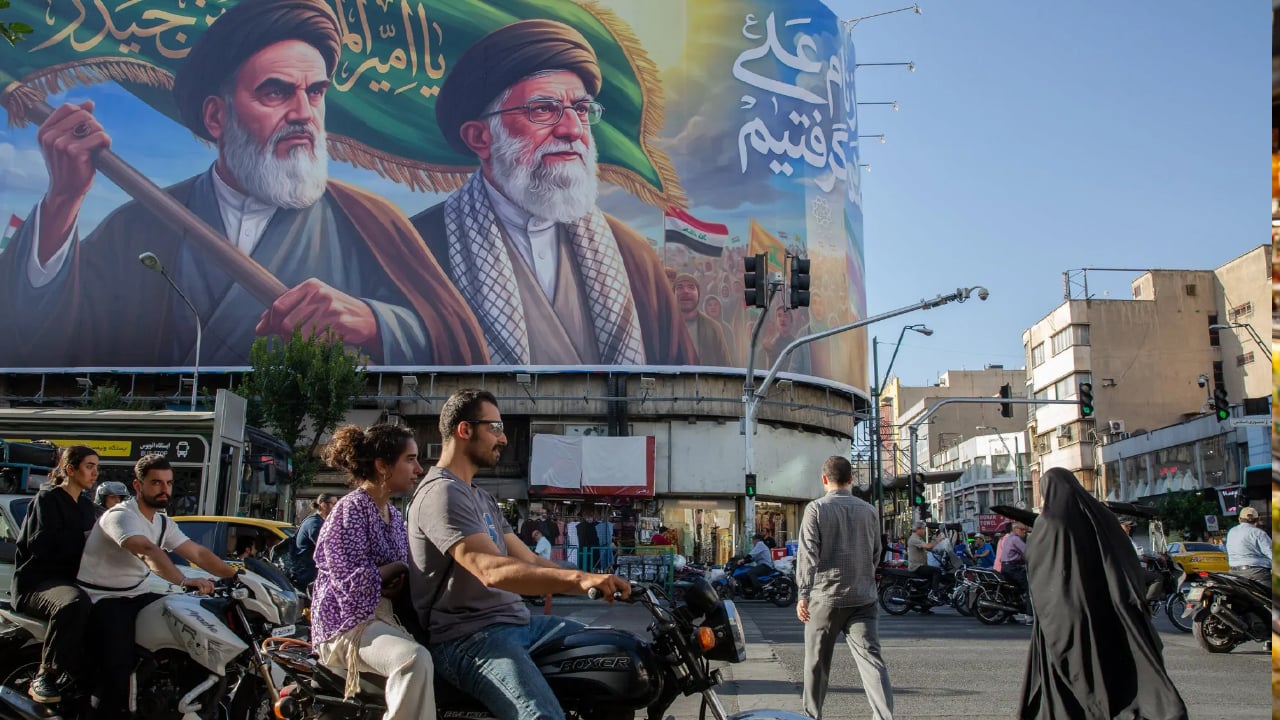
Iran is presenting itself as strong and confident ahead of renewed nuclear negotiations following a recent ceasefire agreement with the United States. Despite suffering significant military and political losses during the war, Iranian leaders are portraying the truce as a diplomatic success. Political, military, and religious figures have described the ceasefire as proof of Iran’s resilience, with parliamentary speaker Mohammad Bagher Ghalibaf calling it a major step toward victory. Senior official Sadegh Amoli Larijani claimed the country thwarted U.S.-Israeli efforts to topple the Islamic Republic. Analysts note that the conflict has reshaped Iran’s power structure, strengthening the Islamic Revolutionary Guard Corps after the deaths of several pragmatic politicians. This shift could make Iran’s stance tougher in upcoming talks. U.S. President Donald Trump’s criticism of Israeli Prime Minister Benjamin Netanyahu and his remarks labeling Iran’s leadership as “realistic” have also bolstered Tehran’s confidence. The next round of nuclear negotiations is scheduled to begin Friday in Switzerland, focusing on Iran’s nuclear program and potential sanctions relief. Observers believe Iran will resist major concessions, making the talks a key test for the ceasefire’s durability and future U.S.-Iran relations.
The global economy is undergoing a structural transformation following the military operations by the United States and Israel centered on Iran. Although a recent framework agreement between Washington and Tehran has raised hopes of ending the conflict, analysts believe the pre-war global economic order will not easily return. The conflict has disrupted Middle Eastern security, global energy markets, trade supply chains, and international political balance. Energy markets have been severely affected, with oil and gas supplies from the Middle East nearly halted during the war, forcing import-dependent nations to seek alternatives. Short-term reliance on coal in countries like Japan and South Korea is giving way to long-term investment in renewables such as solar and wind power, alongside renewed interest in nuclear energy. Russia has strengthened ties with Saudi Arabia and benefited from eased sanctions, while China has emerged as the main beneficiary of the global shift toward renewable energy. Economists warn that even after the war, uncertainty in the Strait of Hormuz and damaged Gulf infrastructure will continue to raise transport and insurance costs. The World Bank has lowered global growth forecasts and expects persistent inflationary pressure, signaling a prolonged period of slower growth and heightened uncertainty.

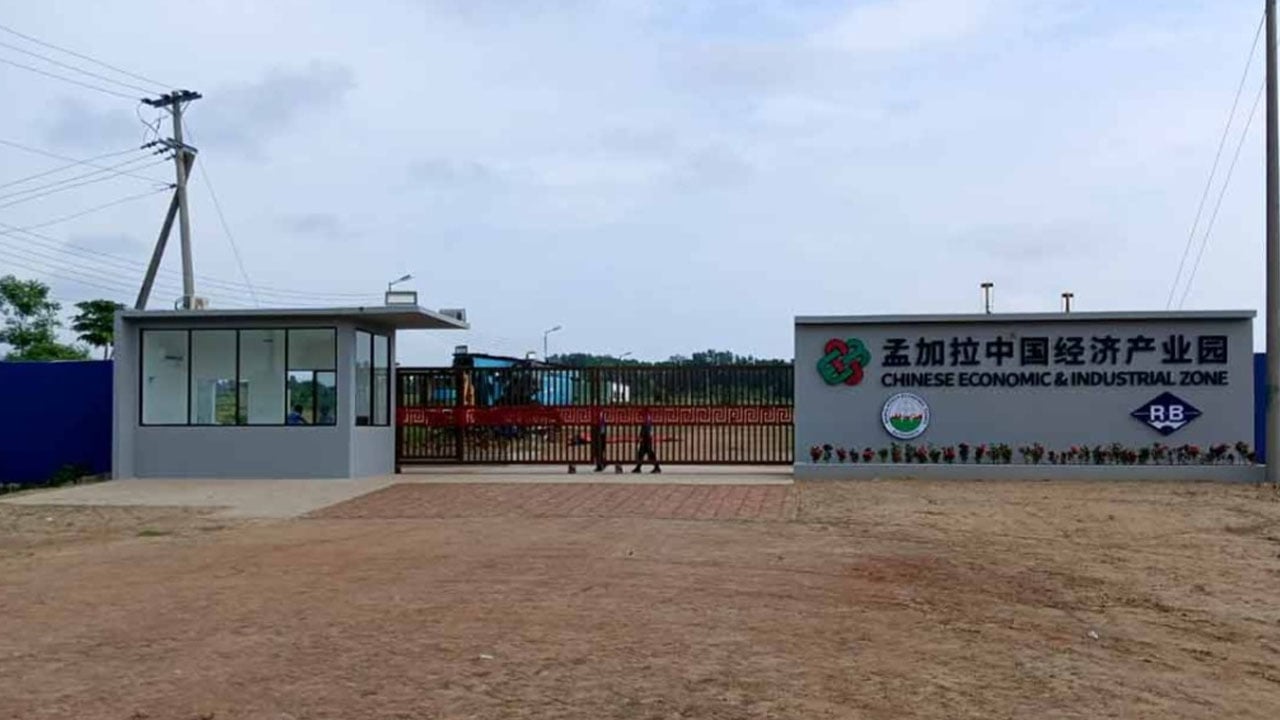
The Executive Committee of the National Economic Council (ECNEC) has approved the Chinese Economic and Industrial Zone (CEIZ) project in Anwara, Chattogram, with an estimated cost of Tk 41.89 billion. The approval came on Tuesday, June 16, 2026, during a meeting chaired by the Prime Minister. The project, pending for nearly a decade, is expected to generate around 100,000 direct and indirect jobs and attract about USD 500 million in foreign investment, particularly in textiles, pharmaceuticals, and light engineering sectors. According to the Bangladesh Economic Zones Authority (BEZA), the project will be developed on approximately 800 acres of land under a government-to-government arrangement between Bangladesh and China. Infrastructure construction is scheduled to begin in January 2027 and conclude by December 2031. Of the total cost, Tk 17.22 billion will come from domestic sources and Tk 24.67 billion from foreign loans. The China Road and Bridge Corporation (CRBC) has been nominated as the developer, replacing the earlier proposed China Harbour Engineering Company. The zone’s location near the Karnaphuli Tunnel, Chattogram Port, and Shah Amanat International Airport is expected to enhance its logistical advantages and regional economic impact.
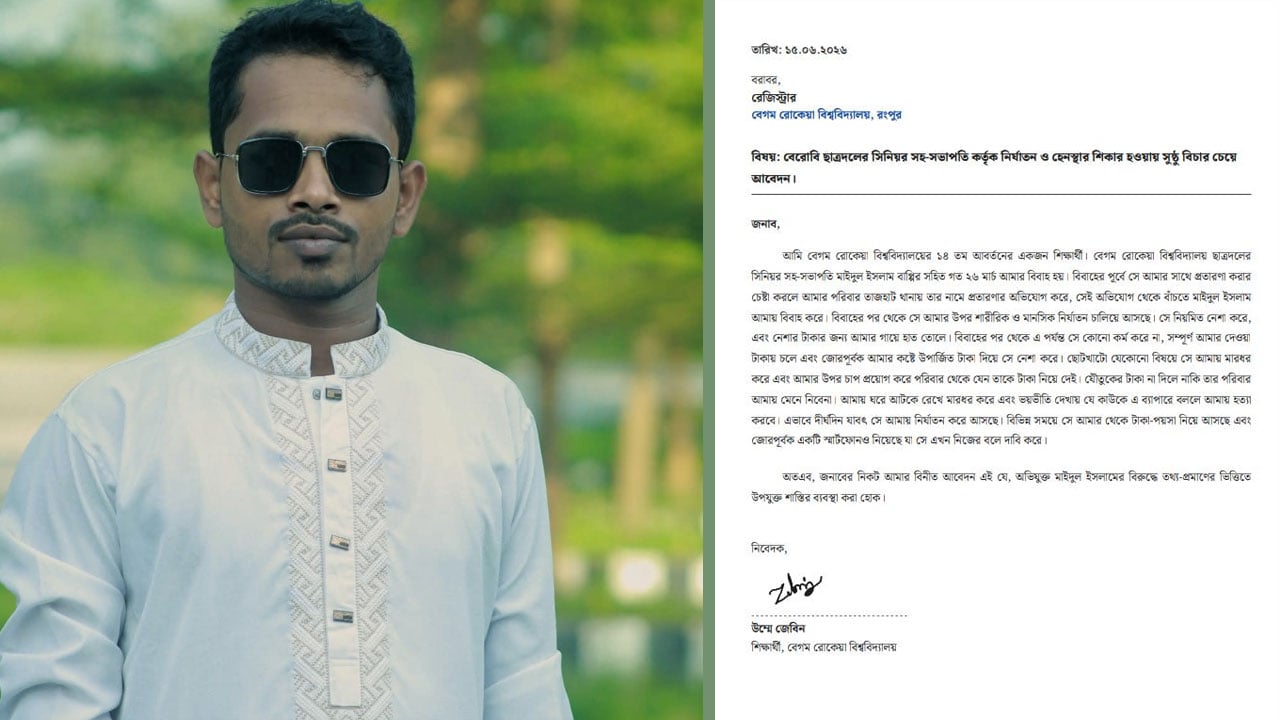
A written complaint has been filed against Maidul Islam Bappi, senior vice-president of the Begum Rokeya University (BRU) unit of the Bangladesh Nationalist Party’s student wing, Jatiyatabadi Chhatra Dal. His wife, Umme Jebin, accused him of physical and mental abuse, misappropriation of her earnings, and death threats allegedly linked to his drug addiction. The complaint was submitted on June 15 to both the central president of Chhatra Dal, Rakibul Islam Rakib, and the university registrar. According to the complaint, the couple married on March 26, and Jebin claimed Bappi married her to avoid earlier fraud allegations. She alleged that he regularly assaulted her for drug money, seized her income and belongings, and pressured her for dowry. She also claimed to have been confined and threatened with death if she disclosed the abuse. Bappi denied all allegations, calling them false and motivated. The university registrar stated that formal investigation would follow if the complaint was officially lodged, while the Chhatra Dal president confirmed that an inquiry had been initiated and organizational action would be taken if the accusations proved true.
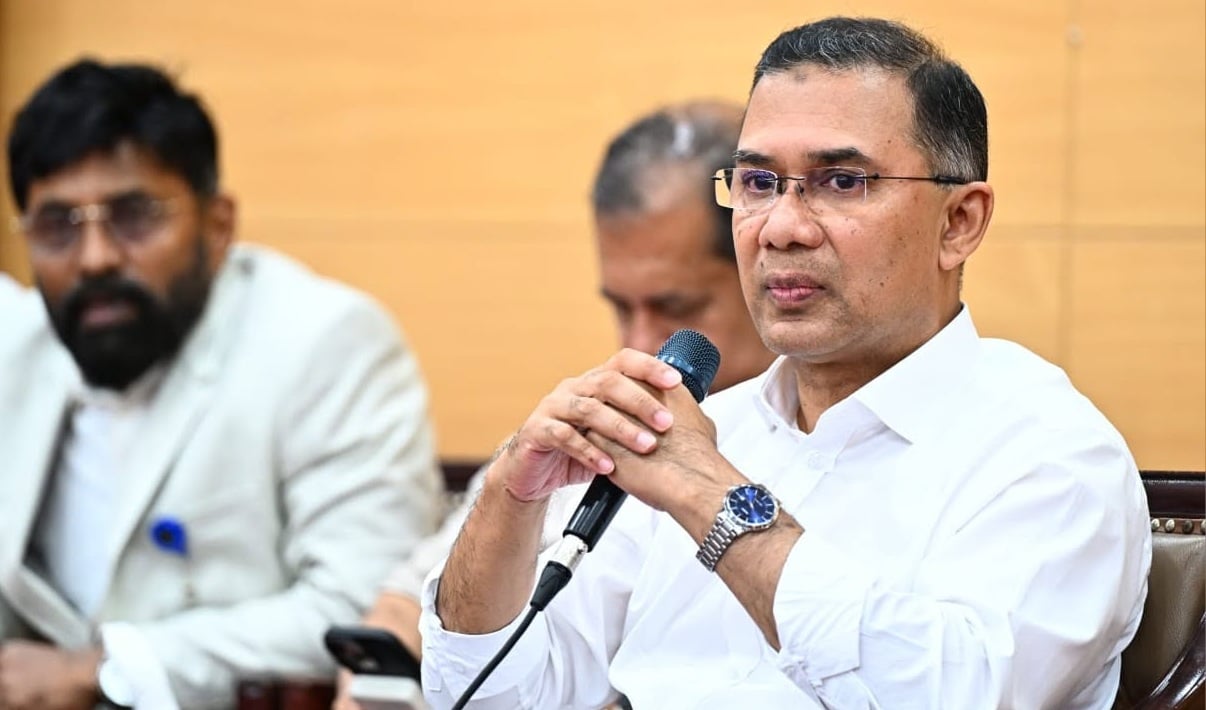
Bangladesh Prime Minister Tarique Rahman said he is feeling 'immense pressure' in carrying out his duties, citing numerous challenges and high public expectations. He made the remarks on Tuesday afternoon in Dhaka during an exchange with journalists, according to the state news agency BSS. Rahman noted that despite seeing happiness among citizens after the election, the responsibilities of leadership remain demanding. Referring to his father, former President Ziaur Rahman, the Prime Minister recalled a remark about wishing for 48-hour days to accomplish more work. He said he now feels the same, as his schedule leaves little time to rest. Rahman also spoke about his past imprisonment and physical suffering, urging people to abandon a mentality of revenge and focus instead on the nation’s welfare. He emphasized that the government seeks to ensure media freedom and constructive dialogue. Requesting cooperation from journalists, Rahman said the government cannot succeed alone and needs media support to identify and improve its work.
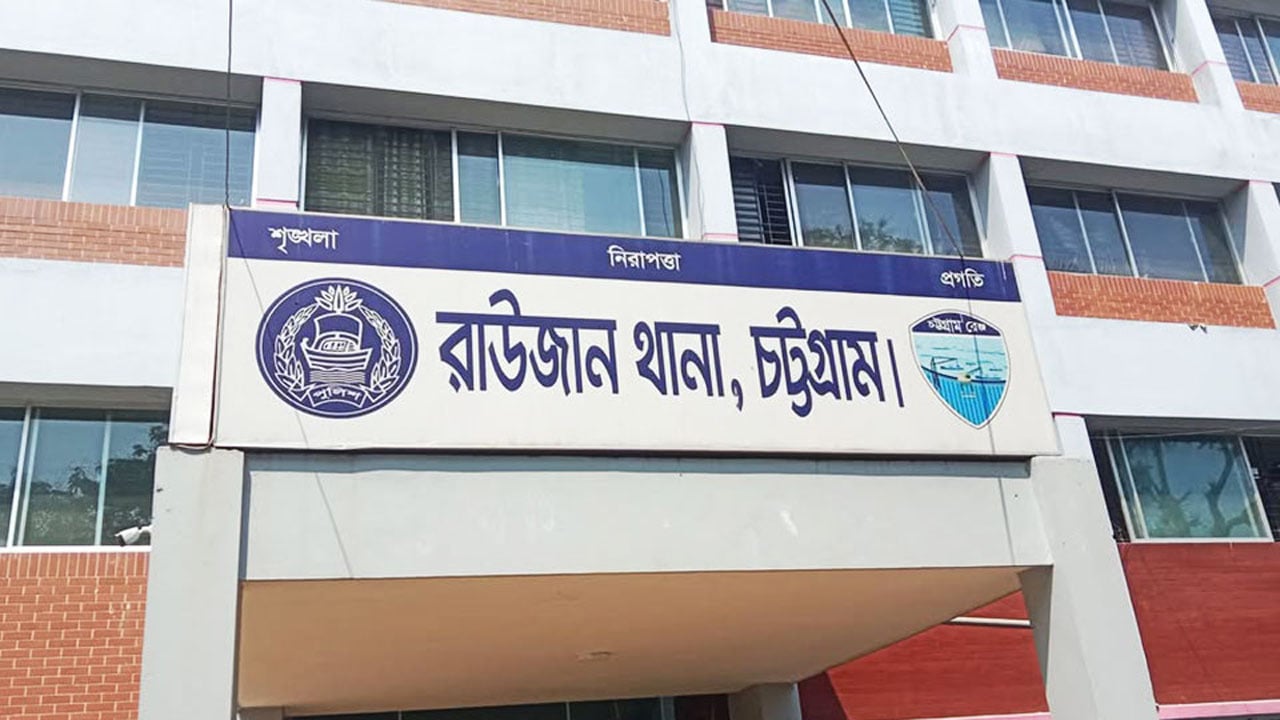
A 40-year-old man named Rashed was found dead on Tuesday morning, June 16, 2026, in the courtyard of a house near the Urkirchar Jonokollan Chhatra Sangha in Raozan upazila of Chattogram. Police recovered the body and identified him as the son of the late Badruddoza from Nanupur union in Fatikchhari upazila. Rashed, a father of two, had reportedly gone to visit his cousin’s father-in-law’s house before his death. According to Rashed’s uncle Abdul Mabud, the deceased had been mentally unstable since his wife’s death five years ago. He claimed that locals might have beaten Rashed to death, suspecting him to be a thief. A local resident, Morshed Alam, said Rashed had been mentally distressed and worked irregularly as a helper in construction jobs. He alleged that Rashed was beaten and had head injuries. Raozan Police Station Officer-in-Charge Saiful Islam stated that Rashed died of a stroke after falling near the stairs, causing facial injuries. Police have filed an unnatural death case and sent the body for autopsy at Chattogram Medical College Hospital.
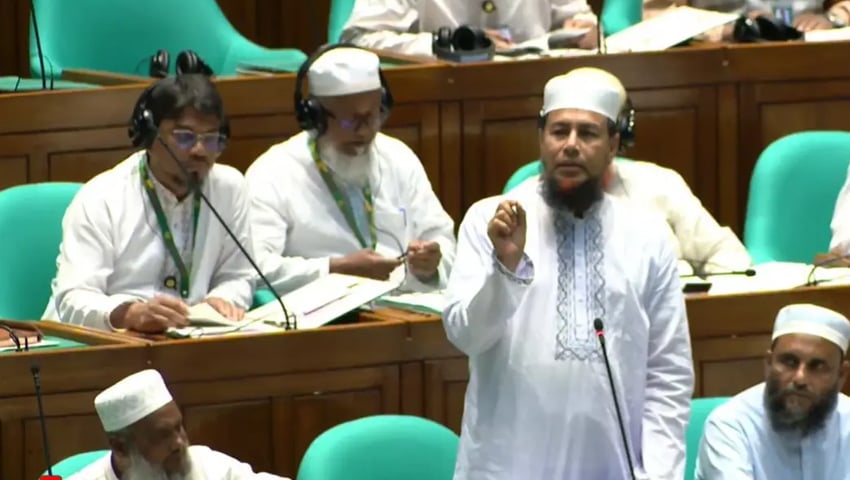
On June 16, 2026, Rangpur-6 Member of Parliament and Jamaat-e-Islami leader Md. Nurul Amin stated that no madrasa teachers had received their salaries for the month. He described the situation as deeply unfortunate, noting that some teachers were unable to meet urgent family needs due to the delay. The issue of delayed salary and allowance payments for madrasa teachers and staff has drawn attention in the national parliament. The government has initiated steps to resolve the problem through the Madrasa Education Management and Information System (MEMIS) Support (2nd Revised, Proposed 3rd Amendment) project, which was approved by the Executive Committee of the National Economic Council (ECNEC) on June 9. The inclusion of electronic fund transfer (EFT) in the project is expected to streamline payments. The project, originally approved in 2017 at a cost of about Tk 10.12 crore, now stands at approximately Tk 38.07 crore. Previously, only eight madrasa institutions under a pilot program used EFT for salary payments, while others relied on manual methods, causing delays. Authorities expect the new approval to resolve the issue soon.
The ‘1 Nojor’ media platform is now live in beta, inviting users to explore and provide feedback as we continue to refine the experience.