

The ‘1 Nojor’ media platform is now live in beta, inviting users to explore and provide feedback as we continue to refine the experience.
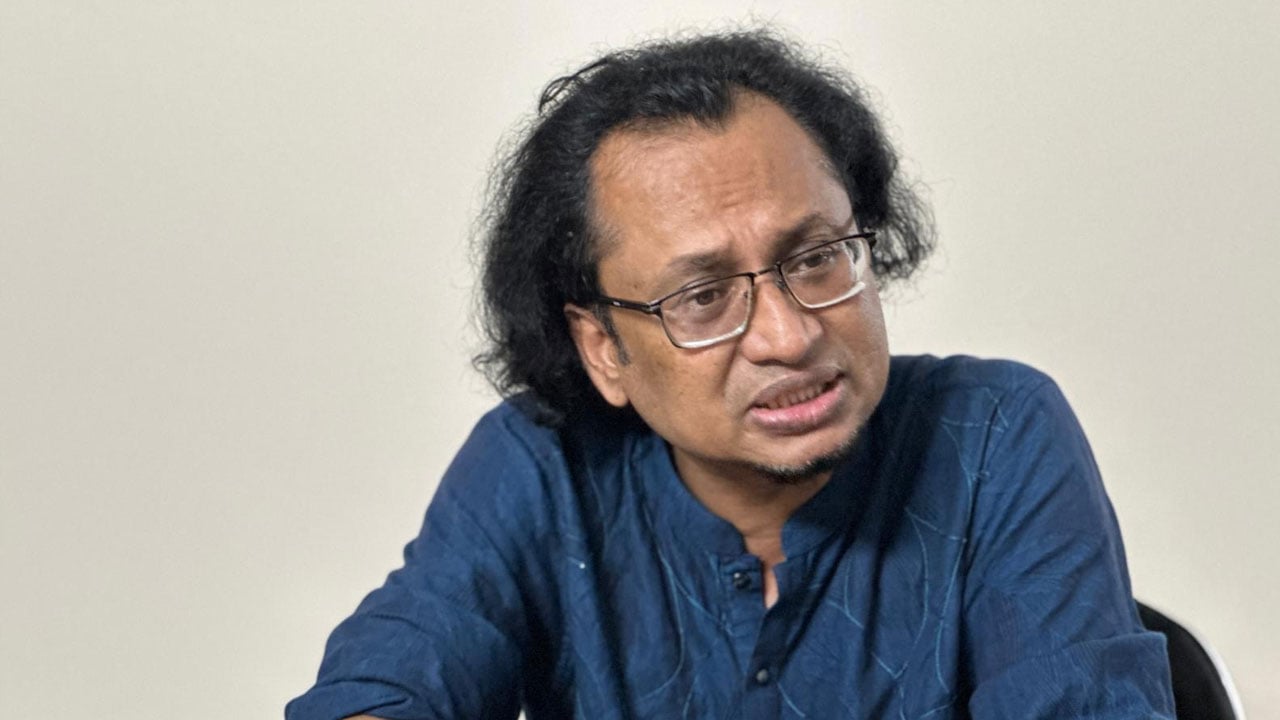
Bangladesh Prime Minister’s Information and Broadcasting Affairs Adviser Dr. Zahed Ur Rahman was detained on Sunday at Indira Gandhi International Airport in Delhi by Indian immigration authorities. His name appeared on a security watchlist, prompting additional verification before he was allowed entry. Following the incident, Dr. Rahman decided to cancel his visit and return home, citing an unpleasant immigration experience. According to a News18 report, the incident occurred when Dr. Rahman arrived in India as part of an official delegation to attend a government meeting. Sources indicated that the issue arose from administrative complications and outdated data. Although his name had previously been removed from a social media-related blacklist, the update had not been reflected in the immigration department’s watchlist, triggering an automatic security alert. Neither Indian nor Bangladeshi authorities issued an official statement regarding the incident. The reasons for his initial inclusion on the watchlist and the delay in updating immigration records remain unclear.
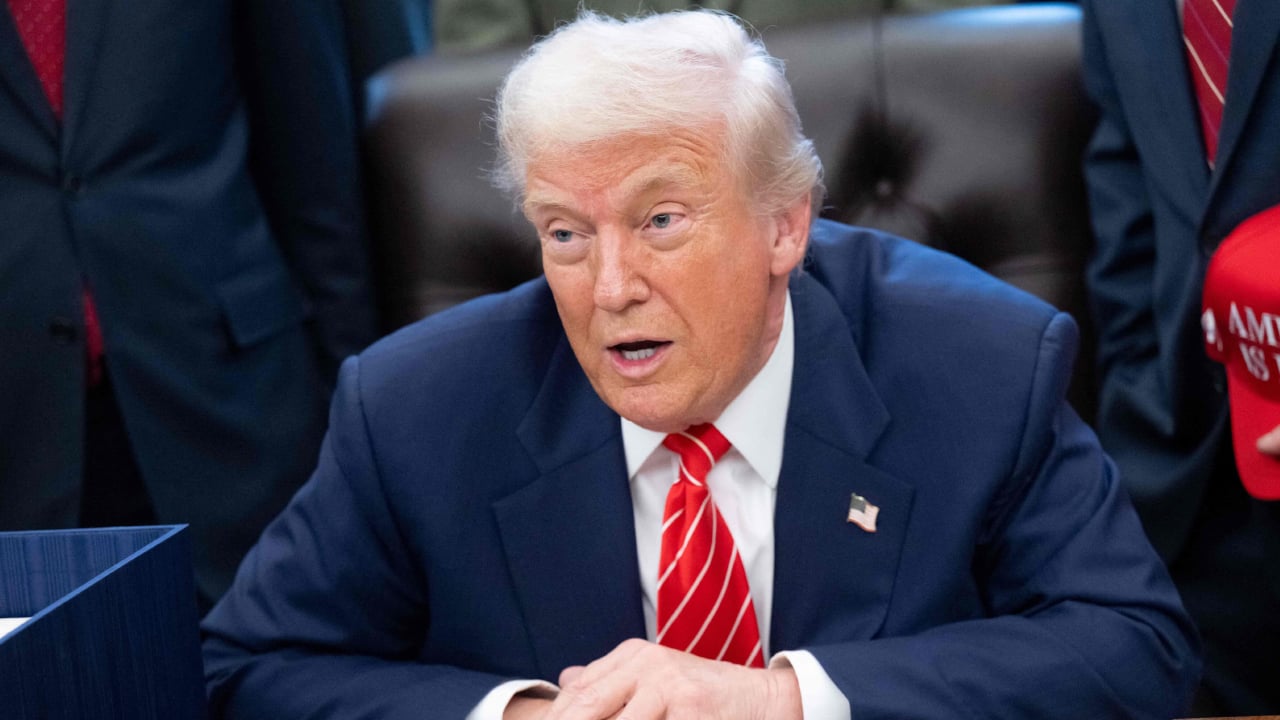
US President Donald Trump stated that a proposed agreement between the United States and Iran, aimed at ending ongoing hostilities, was delayed by several hours due to a recent Israeli attack. Speaking to Axios by phone, Trump said the strike disrupted the process and postponed the signing, which had been scheduled to occur shortly before the attack. He expressed surprise after being briefed by advisers and criticized Israeli Prime Minister Benjamin Netanyahu for the timing of the assault. In an earlier interview with Fox News, Trump said the deal could be finalized within two to three hours. Reuters cited an official involved in the talks saying mediators remained optimistic that the US-Iran understanding was “very close to the final stage.” Diplomatic efforts have intensified to prevent a wider regional conflict and to restrain Israel’s military operations. However, Tehran remains unwilling to accept any conditions that would allow Israel to continue its military actions across the region.
Bangladesh has launched the 700 MHz spectrum band, a move expected to strengthen the country’s digital infrastructure. The announcement came during an event in Dhaka organized by mobile operator Grameenphone to mark the activation of the new spectrum. Prime Minister’s ICT Affairs Adviser Rehan Asif Asad said the initiative will expand quality network coverage across urban and rural areas, enhance digital inclusion, and accelerate economic growth by improving access to essential services. Bangladesh Telecommunication Regulatory Commission (BTRC) Chairman Md. Emdadul Bari stated that the use of the 700 MHz spectrum will reinforce the telecommunications sector and help ensure equal access to digital services for all citizens. Grameenphone CEO Yasir Azman noted that the new spectrum will increase 4G network capacity, deliver faster data speeds with lower latency, and prepare the network for future technologies such as 5G, artificial intelligence (AI), and the Internet of Things (IoT). Officials expressed optimism that the deployment of the 700 MHz band will accelerate Bangladesh’s digital transformation and improve mobile internet quality nationwide.

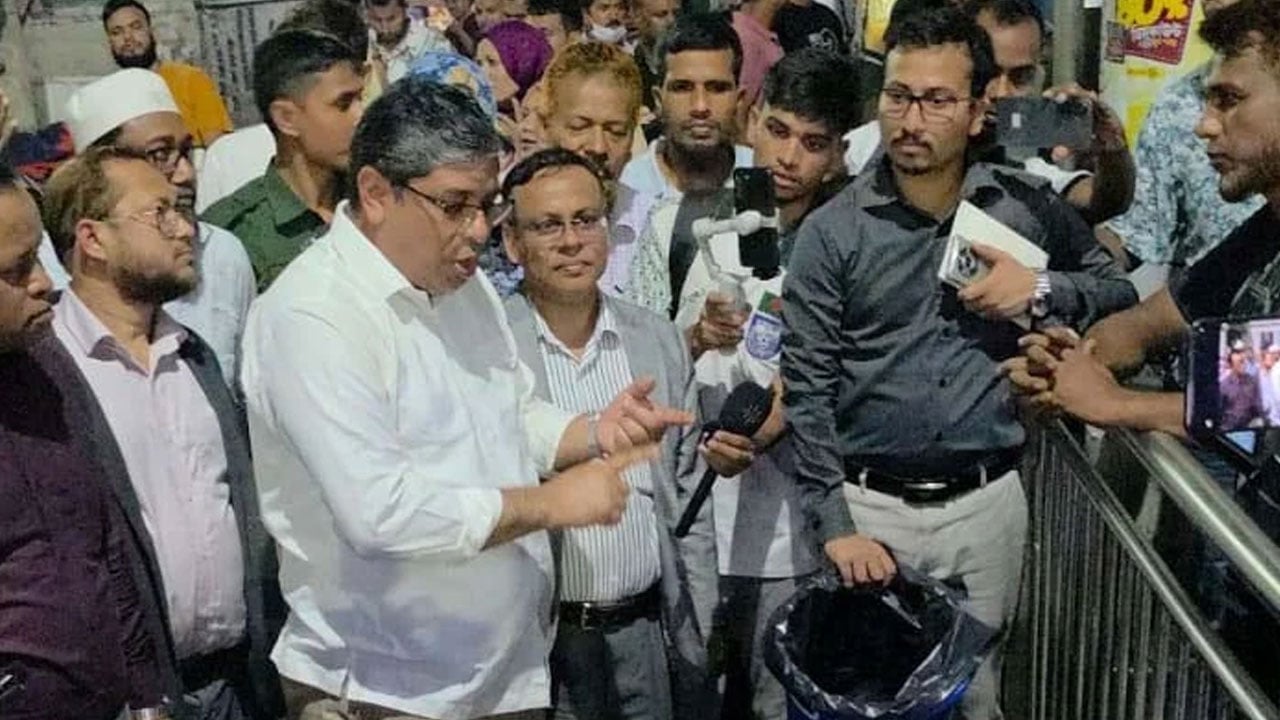
State Minister for Local Government, Rural Development and Cooperatives Mir Shahe Alam conducted a sudden cleanliness drive in Dhaka’s Shahbagh area to raise public awareness against indiscriminate waste disposal. During the inspection, he expressed dissatisfaction over garbage scattered in front of several permanent and temporary shops and urged traders to dispose of waste only in designated places. Dustbins were distributed among the business owners as part of the campaign. A mobile court led by an executive magistrate of Dhaka South City Corporation (DSCC) fined nine traders a total of Tk 19,500 for environmental pollution and littering. After the inspection, the state minister told reporters that the government aims to make Dhaka a cleaner and more livable city within its capacity, emphasizing that citizens must also act responsibly by keeping waste in proper locations for easy collection. Senior officials from the ministry and DSCC, including the chief executive officer Md Zahirul Islam and chief waste management officer Air Commodore Md Mahbubur Rahman Talukder, were present during the operation.
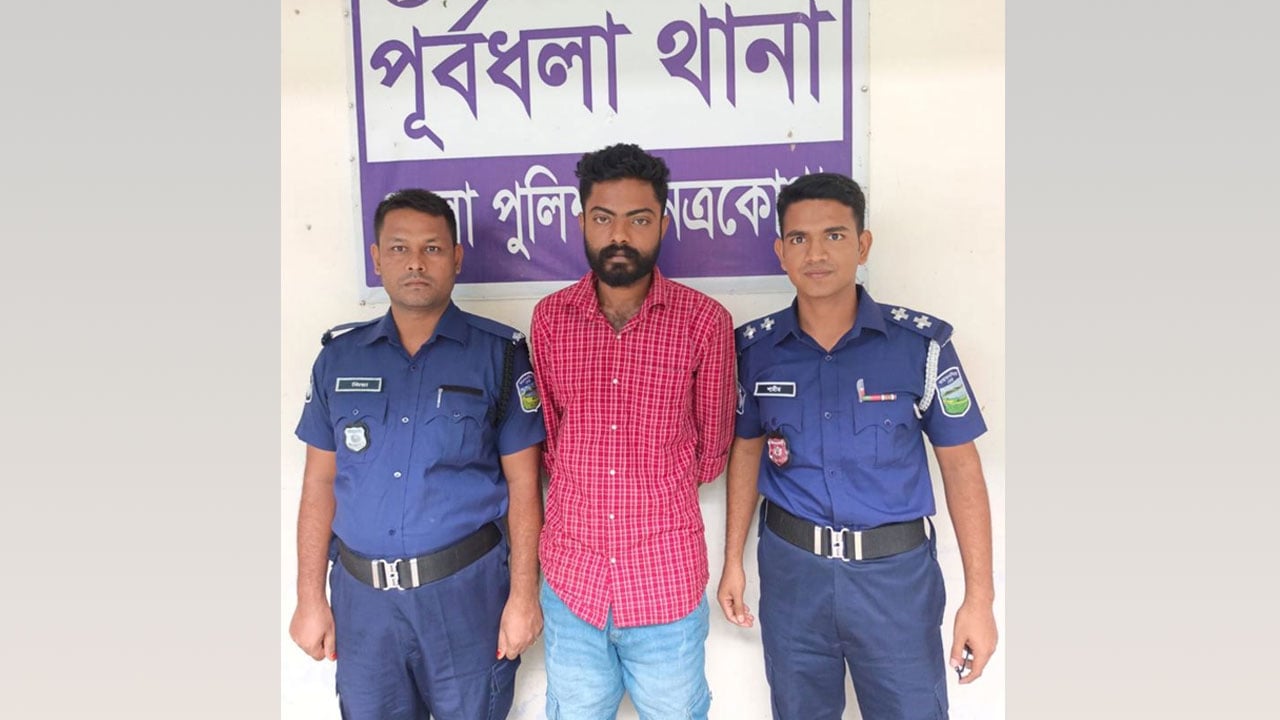
Police in Netrokona’s Purbadhala have arrested a Chhatra League activist, Shishir Ahmed Talukder Ratul, for allegedly assaulting, extorting money from, and forcibly filming a Jahangirnagar University student in a compromising state. The arrest took place late Saturday night in Mymensingh’s Charpara area through a technology-assisted operation, according to a press release issued by the district police superintendent on Sunday. The incident occurred on June 10 when the victim, a first-year student of drama and dramatics, mistakenly arrived in Purbadhala’s Shaldigha area. Three assailants allegedly intercepted him, beat him, and robbed him of cash and mobile money transfers totaling over 15,000 taka, along with a mobile phone worth about 22,000 taka. They later discovered his university identity from Facebook, mocked his political affiliations, and forced him to make statements while being filmed. The video was later circulated on social media. Police recovered the victim’s stolen phone and part of the cash during the arrest. The accused was sent to court with a seven-day remand request, while efforts continue to identify and apprehend the remaining suspects.
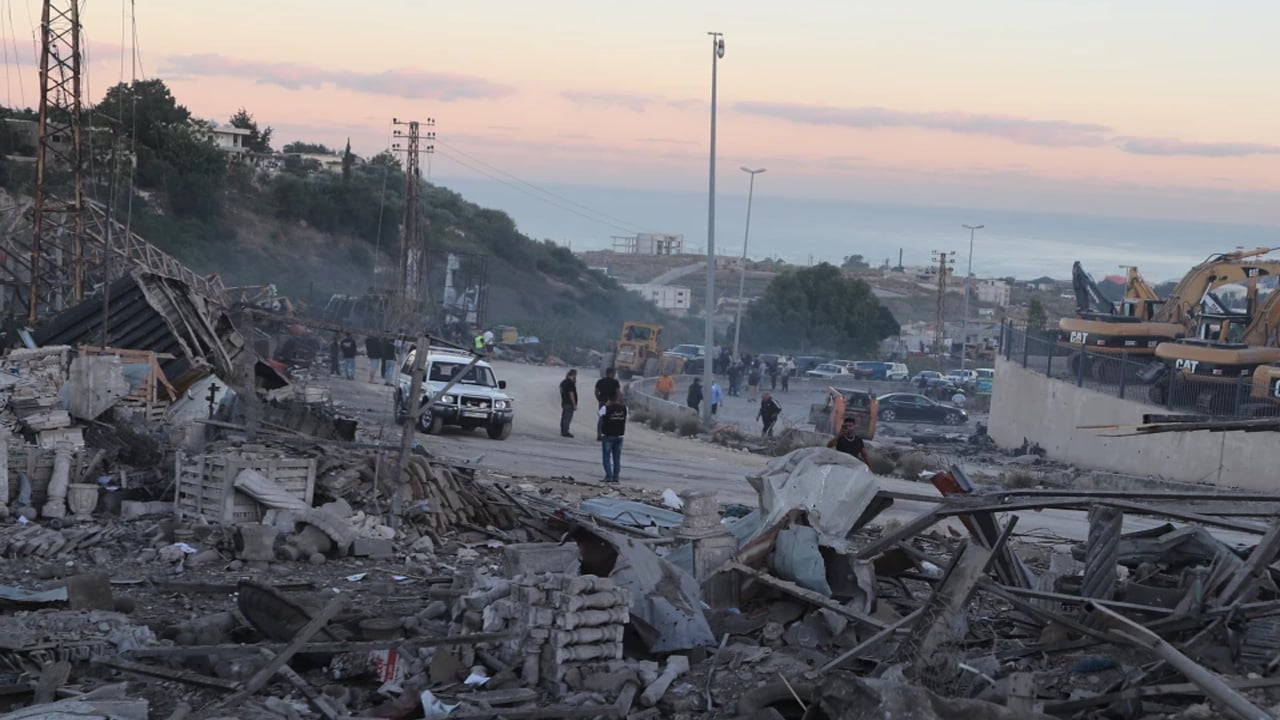
At least three people were killed and 16 others injured in an Israeli airstrike on Ghobeiri, a southern suburb of Beirut, Lebanon, on Saturday, June 14, according to the country’s Ministry of Health. The ministry warned that the number of casualties could rise as rescue operations continued. The information was released through a statement by Lebanon’s National News Agency. The Health Ministry’s latest figures show that between March 2 and June 14, Israeli attacks across Lebanon have killed a total of 3,783 people and injured 11,699. Authorities said the ongoing strikes have caused extensive humanitarian damage in multiple regions of the country. The ministry’s update underscores the escalating toll of the conflict and the growing strain on Lebanon’s health and emergency services as violence persists.
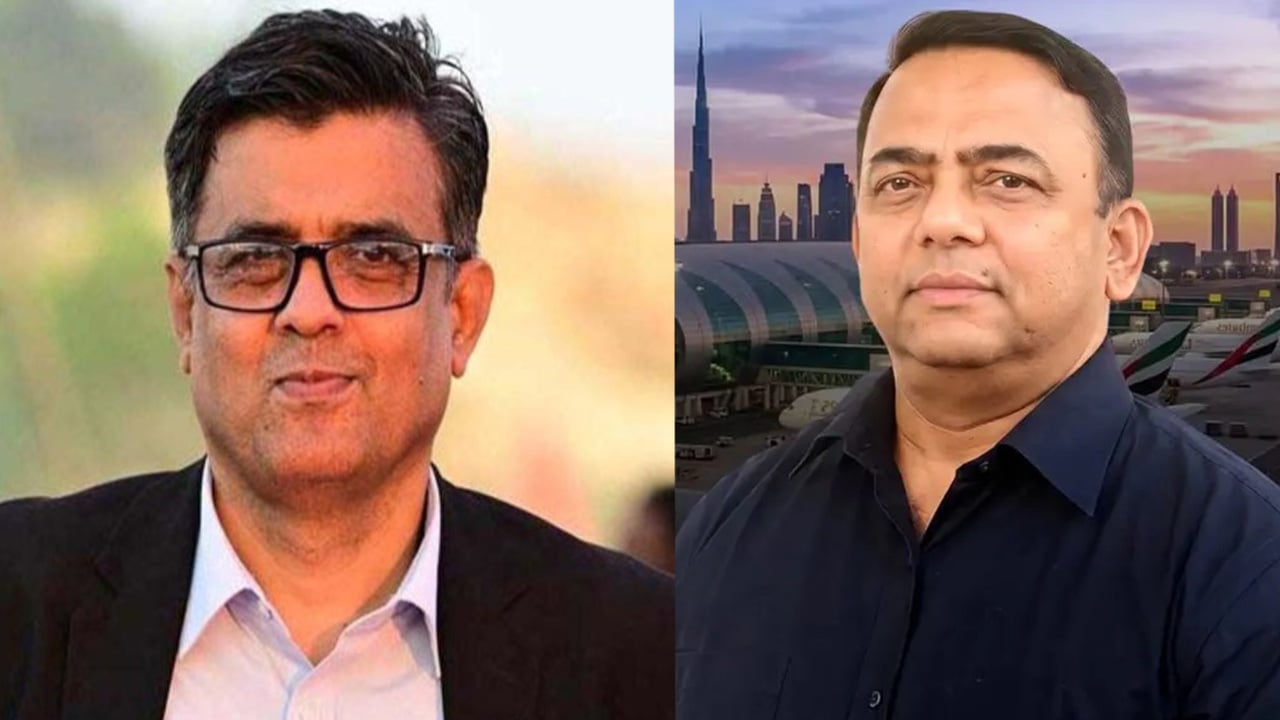
Former Inspector General of Police (IGP) of Bangladesh, Benazir Ahmed, was arrested in Dubai with the assistance of Interpol, nearly two and a half years after leaving his post. The arrest was confirmed by the UAE’s Directorate General of Federal Criminal Police through an email to Bangladesh’s National Central Bureau on June 12. Bangladesh’s Home Minister Salahuddin Ahmed informed parliament that the arrest was made with Interpol’s cooperation. Benazir Ahmed had been under an Interpol ‘red notice’ since February 2025, issued during the interim government period. Following confirmation of his arrest, social media saw widespread discussion. Shafiqul Alam, former press secretary to the chief adviser of the interim government, reacted sharply on Facebook, referring to Benazir as the “Butcher of Shapla” and declaring that his chapter had ended. The arrest marks a significant development in ongoing legal and political processes involving former senior officials of Bangladesh’s law enforcement agencies.
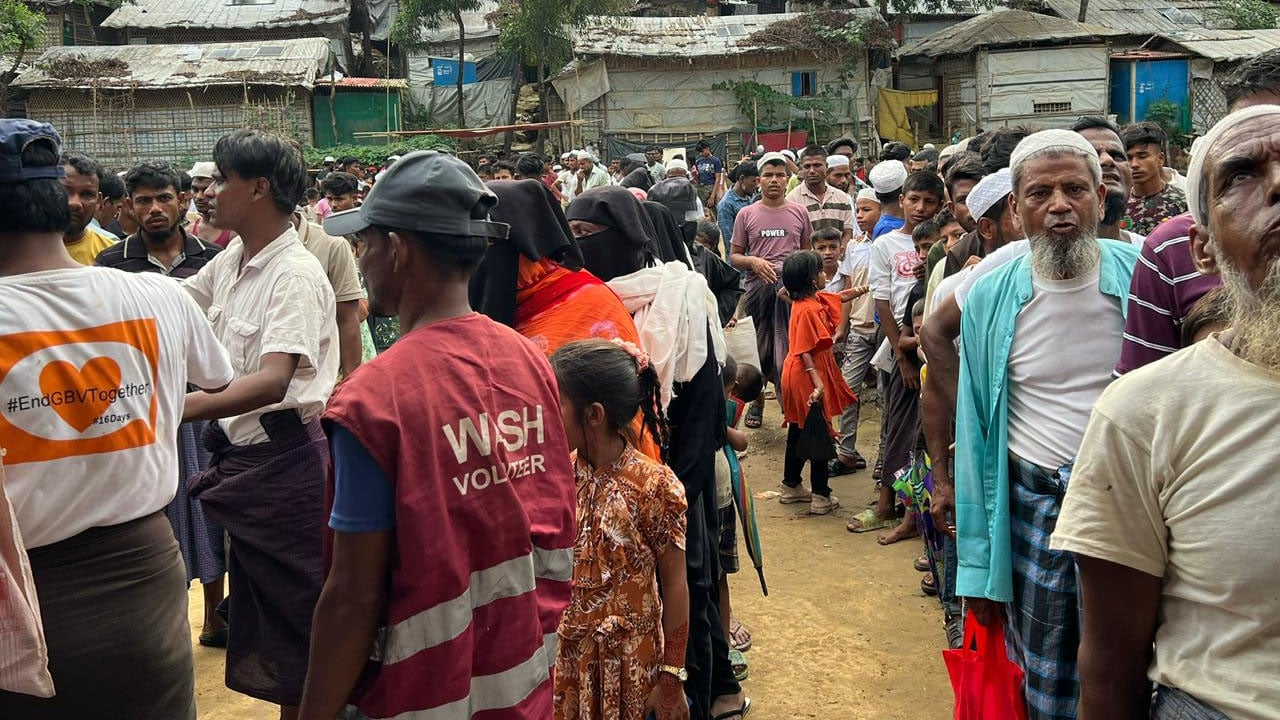
A Rohingya youth named Mohammad Yunus Arman distributed sacrificial meat among around 12,000 impoverished families in Ukhiya, Cox’s Bazar, including both Rohingya refugees and local residents. The initiative took place during Eid-ul-Azha and was supported by donors from various countries. The meat was distributed through several partner organizations as part of a humanitarian effort aimed at sharing the joy of Eid with underprivileged communities. According to those involved, the program was organized with assistance from international donors and partner agencies, benefiting thousands of families who otherwise could not afford to perform Qurbani. Beneficiaries expressed gratitude, saying the support allowed them to celebrate Eid with happiness despite economic hardship. Local residents also praised the young Rohingya for continuing this initiative every year. Mohammad Yunus Arman stated that he was inspired by the support Bangladeshis extended to Rohingyas when they first arrived and expressed his commitment to continuing humanitarian activities for the needy in the future.
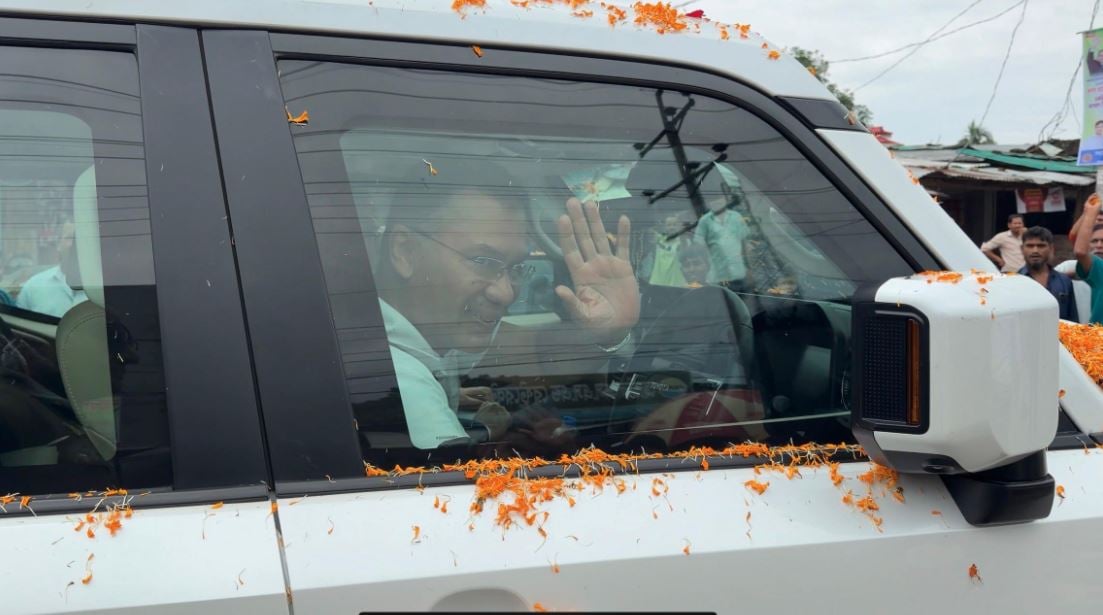
Prime Minister Tarique Rahman undertook a distinctive visit to Cox’s Bazar, personally driving 197 kilometers while attending various official programs on Saturday. According to his Additional Press Secretary Atikur Rahman Rumman, the Prime Minister began his journey after landing at Cox’s Bazar Airport in the morning and drove through challenging weather conditions to inaugurate the Patli Canal excavation project in PMkhali Union. He then continued to Dulahazara Safari Park and other scheduled locations, driving himself throughout the day. Thousands of local residents and party supporters gathered along the roads to greet him, waving and cheering as he passed by. The Prime Minister responded with smiles and gestures of acknowledgment. Home Minister Salahuddin Ahmed sat in the front passenger seat, while the Prime Minister’s wife Zubaida Rahman and the Home Minister’s wife Hasina Ahmed were seated in the back. The Prime Minister’s hands-on participation and direct engagement with the public during the trip drew widespread interest, marking a unique example of leadership and public connection amid the scenic surroundings of Cox’s Bazar.
Bangladesh Bank has annulled the appointments of the chairman and all members of the board of directors of Islami Bank, the country’s largest Shariah-based bank. The decision was confirmed by Shahriar Siddiqui, assistant spokesperson of Bangladesh Bank, and was taken on Sunday under the authority of the Bank Company Act, 1991. According to an official notice, the central bank stated that the move was made in the interest of depositors and the public. Under section 47(3) of the Bank Company Act, 1991, Bangladesh Bank’s executive director Mohammad Zahid Hossain has been assigned to exercise all powers and responsibilities of the dissolved board. The announcement follows recent discussions between Islami Bank’s top officials and the governor of Bangladesh Bank, as well as ongoing concerns about depositor protection and governance within the banking sector.

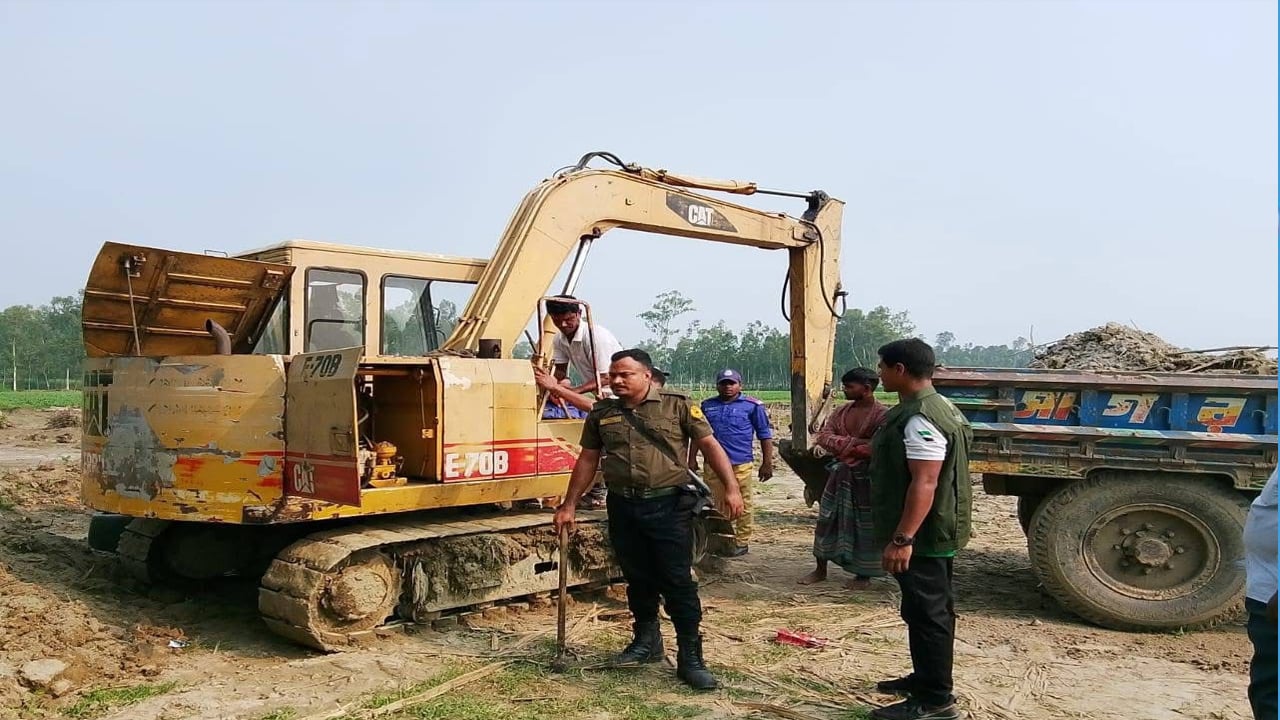
A mobile court in Dewanganj upazila of Jamalpur sentenced Md. Mizan Rahman, aged 38, to one year of imprisonment without labor for illegally selling topsoil from agricultural land. The operation took place on Sunday afternoon in Sarkarpara area of Dangdhora Union, led by Dewanganj Upazila Nirbahi Officer and Executive Magistrate Shah Zahurul Hossain. According to local sources, soil had been excavated and sold from farmland in the area for a long time using excavators, damaging both the fertility of the land and nearby roads. Acting on complaints, the administration conducted a raid and caught Mizan in the act of soil cutting. He was immediately sentenced by the mobile court. The executive magistrate stated that removing and selling fertile soil from agricultural land poses a threat to the country’s food security and environment.
The government has issued the revised Trading Corporation of Bangladesh (TCB) Dealer Appointment and Management Policy 2025 to make subsidized goods distribution among low-income families more transparent and accountable. The updated policy, released in June 2026, restricts dealership applications exclusively to genuine grocery traders holding updated trade licenses. It also disqualifies all categories of salaried employees, including those in government, semi-government, autonomous, private, and MPO-listed educational institutions. The new policy introduces several administrative changes, such as mandatory physical presence of dealers during official inspections, increased security deposit requirements from 30,000 to 50,000 taka, and a shortened renewal grace period of one month with a fine. It also allows district commissioners to appoint substitute dealers from nearby areas to ensure uninterrupted supply of essential goods. The 2025 and 2021 policies have been repealed with the issuance of this revised version. According to the Ministry of Commerce, the revision was prompted by operational complexities and weak oversight found in the earlier policy. Currently, 8,273 dealers operate across the country, with new appointments and contract cancellations ongoing.

The Bangladesh Association of Banks (BAB) has called for the rapid identification, legal recovery, and return of embezzled or looted funds from the country’s banking sector to protect depositors’ interests. In a press release issued on Sunday, the organization welcomed the proposed national budget for fiscal year 2026–27, noting the government’s allocation of about Tk 40,000 crore for weak banks as a key step toward restoring stability. BAB emphasized that the recapitalization effort will only be effective if accompanied by strong measures to recover stolen assets and hold those responsible accountable. It urged visible and strict actions against willful defaulters and individuals who have harmed the banking system, warning that they should not be allowed to re-enter the sector. The association also proposed establishing an asset management company to reduce non-performing loans and strengthen bank balance sheets. BAB cautioned that recapitalization without effective recovery would bring only temporary relief. It called for equal emphasis on reform, recovery, and accountability to ensure sustainable growth and maintain public trust in the banking system.

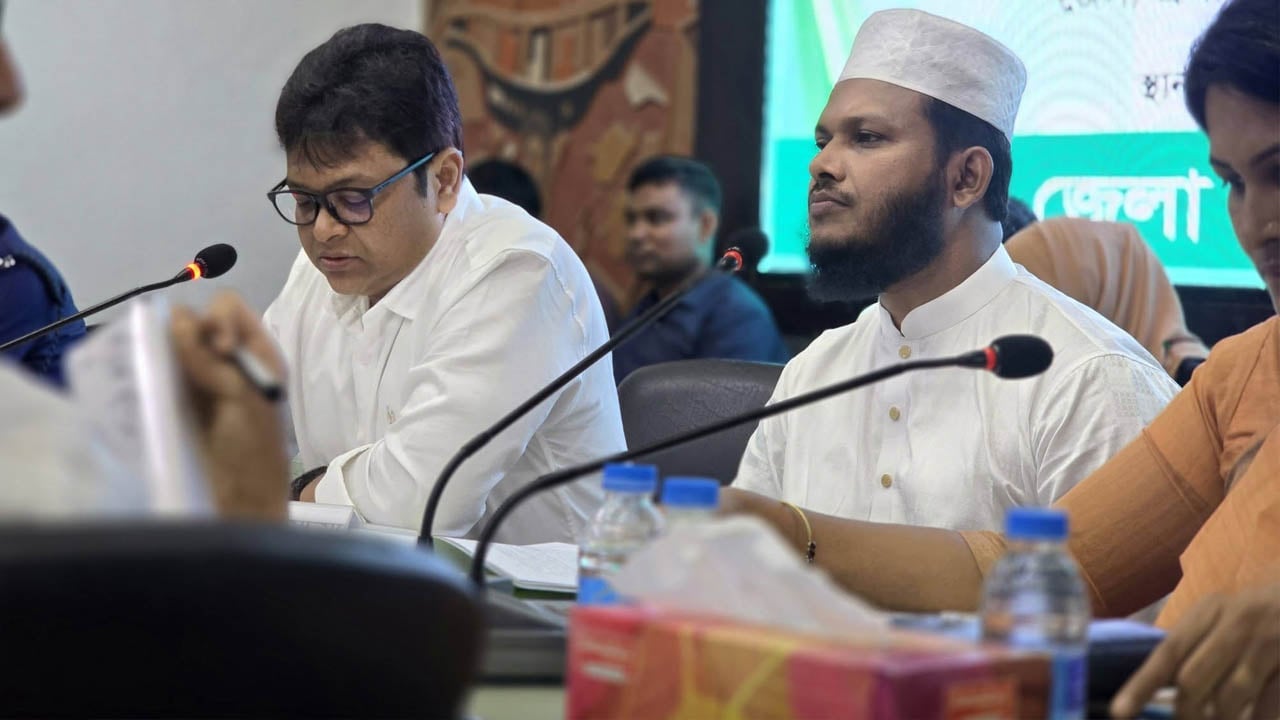
Government party lawmaker Mujibur Rahman, representing Gazipur-1 constituency, has alleged that several 'torture cells' have been set up in different parts of Gazipur to carry out extortion activities. He made the allegation on Sunday during the monthly law and order committee meeting held at the Bhawal Conference Room of the Gazipur Deputy Commissioner’s office. Rahman called on the police administration to investigate who established these cells and what activities are taking place there. The meeting, chaired by Deputy Commissioner Nurul Karim Bhuiyan, discussed the district’s law and order situation, including incidents of extortion, theft, and highway robbery. Mujibur Rahman stated that at least three to four such torture cells currently exist and urged police to take swift action, even if ruling party members are involved. He also demanded a precise list of criminals to ensure accountability while warning police not to harass innocent people. Deputy Commissioner Bhuiyan said the allegation would be taken seriously and directed the police to investigate immediately, noting that such practices have no place under the current government.
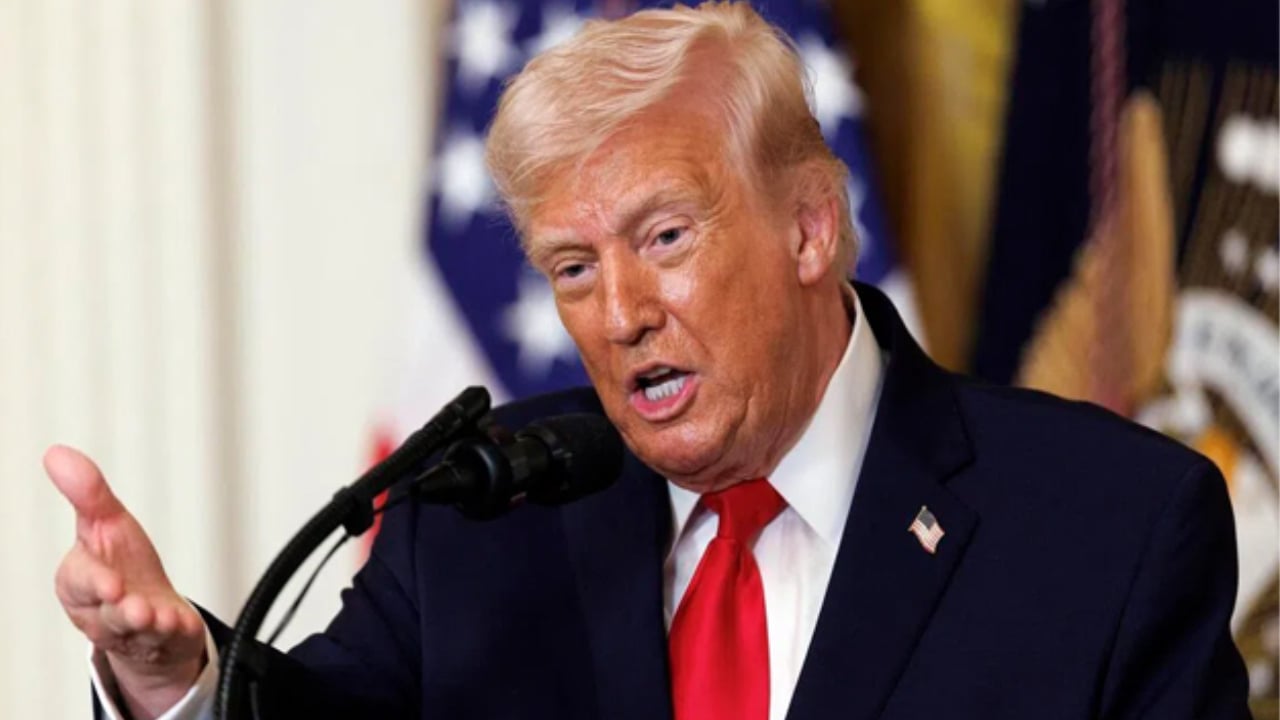
U.S. President Donald Trump expressed concern over Israel’s recent attack on Beirut, saying such an assault should not have occurred. In a social media message, he urged all parties involved to exercise restraint and avoid further escalation. Trump described the initial incident that prompted Israel’s response as minor and insignificant, noting that no one was killed, injured, or harmed, and that it should not disrupt the ongoing peace process. He added that a peace agreement was close to being finalized, which could help establish stability not only in Lebanon but across the broader region. Trump emphasized that Israel should refrain from launching any further attacks in Lebanon, while groups such as Hezbollah and others should also avoid new offensives against Israel. Calling for calm, Trump warned that the opportunity for peace should not be wasted, highlighting the importance of maintaining momentum toward a regional settlement.
The ‘1 Nojor’ media platform is now live in beta, inviting users to explore and provide feedback as we continue to refine the experience.