

The ‘1 Nojor’ media platform is now live in beta, inviting users to explore and provide feedback as we continue to refine the experience.
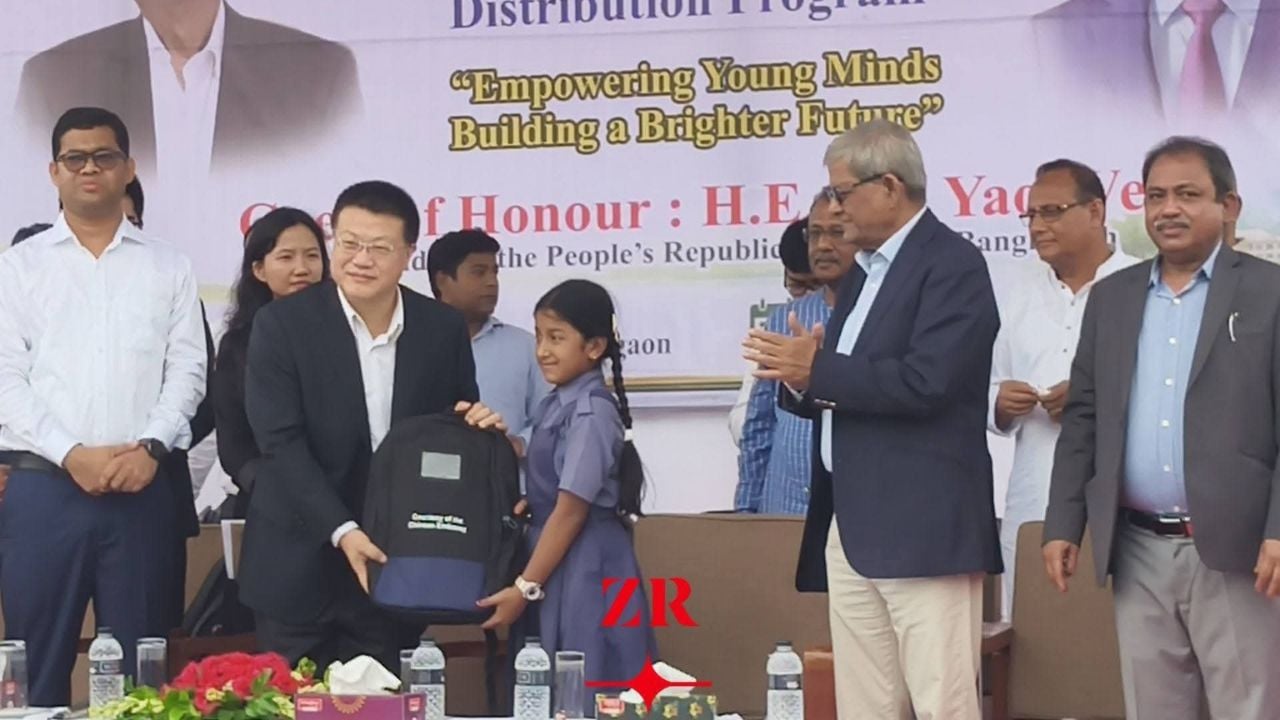
Local Government, Rural Development and Cooperatives Minister Mirza Fakhrul Islam Alamgir stated that no nation can progress without skilled human resources, emphasizing education, hard work, and planned human resource development as the main drivers of advancement. He made these remarks on Friday at Shaheed Mohammad Ali Stadium in Thakurgaon during a Bangladesh-China Friendship event distributing school bags and educational materials to students. The minister highlighted China’s transformation through education and skill-building, urging stronger focus on Bangladesh’s education sector. He called on teachers, parents, and community leaders to ensure moral education and competitiveness among children. He also mentioned ongoing government programs providing free educational materials. Fakhrul noted that children and youth must be developed as future assets through joint efforts of families, schools, and society. Chinese Ambassador Yao Wen, attending as special guest, said China is pleased to support Bangladeshi students and will continue such cooperation. A Chinese delegation is scheduled to visit Thakurgaon later this year to assess agricultural and industrial investment opportunities, with future student exchange visits planned to strengthen bilateral ties.
Bangladesh Border Guard (BGB) officials have alleged that India’s Border Security Force (BSF) repeatedly attempted to push groups of people into Bangladesh across multiple border points since late May 2026. Brigadier General Mahmudul Hasan, BGB’s South-West Region Commander, said that before each attempted ‘push-in,’ lights along the Indian border are turned off, which serves as a key signal. He added that local residents have been assisting BGB in preventing such crossings, particularly in areas like Benapole, Chapainawabganj, and Naogaon. According to BGB, at least 200 people were pushed toward Bangladesh at around 20 border points between late May and early June, but none were able to enter due to joint resistance by BGB and local villagers. Several incidents were reported where groups were stranded in no man’s land for days before being taken back into India. BSF has not issued any formal statement but has denied involvement in such activities during meetings with BGB. BGB continues to engage local communities through awareness campaigns in schools, mosques, and markets, urging vigilance against night-time movements or light shutdowns near the border.

Bangladesh Jamaat-e-Islami has described the 2026–2027 fiscal year budget, announced by the BNP-led government, as heavily deficit-driven and dependent on loans. At a press conference held at the party’s central office in Moghbazar on Friday, Secretary General Mia Golam Porwar said the budget failed to reflect public expectations or outline a path toward a self-reliant and corruption-free nation. Finance Minister Amir Khosru Mahmud Chowdhury presented the Tk 9.38 trillion budget in parliament on Thursday. Porwar stated that the proposed budget includes a deficit of about Tk 2.36 trillion, with a revenue target of Tk 6.29 trillion, but lacks an effective tax structure and corruption-free administration. He warned that the government’s borrowing from banks could reduce private investment and employment. He also identified rising energy costs, high inflation, and global economic uncertainty as major obstacles to implementation. Jamaat leaders said they had proposed a people-oriented and realistic budget, but claimed the government ignored their suggestions. Several senior party officials attended the press conference and responded to media questions.
Finance and Planning Minister Amir Khosru Mahmud Chowdhury presented a Tk 9.38 trillion proposed budget for fiscal year 2026–27 in the National Parliament on Thursday. This marks the first budget of the current government and the minister’s first presentation. The proposal drew mixed reactions from economists, politicians, and citizens, with some praising its reformist tone and others calling it overly ambitious and detached from economic realities. The budget pledges to depoliticize the banking sector, reduce government borrowing from banks by Tk 60 billion, and promote private investment. It also proposes tax exemptions for edible oil production and renewable energy, and aims to raise education spending to 5% of GDP. A new pay scale for government employees and expanded financing for youth and women entrepreneurs were also announced. However, analysts warned that the 23% higher revenue target and a projected Tk 2.43 trillion deficit could strain inflation and debt sustainability. Reactions varied: CPD’s Debapriya Bhattacharya termed it a thoughtful budget but flagged financing and foreign debt management as key challenges. Opposition figures criticized it as unrealistic and lacking transparency, while TIB welcomed the absence of black money legalization but urged stronger governance measures.
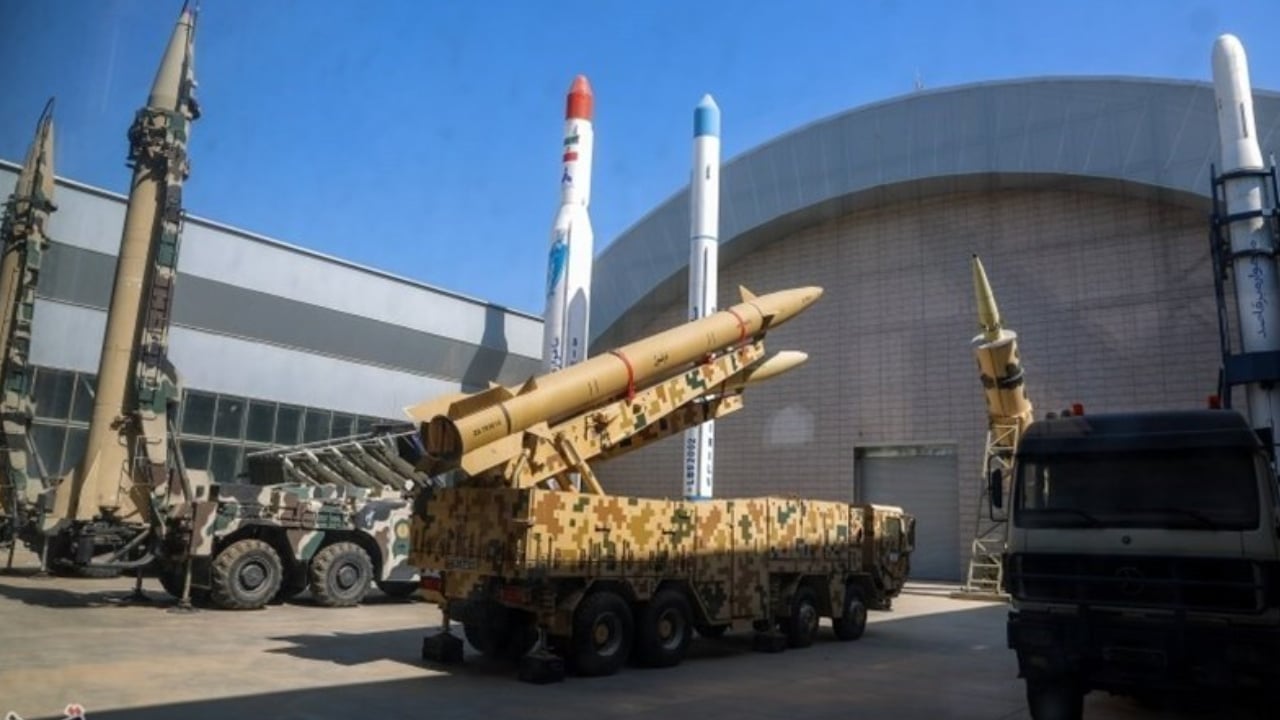
Iran’s Islamic Revolutionary Guard Corps (IRGC) has warned that the country’s armed forces are fully prepared to deliver an immediate, decisive, and painful response to any threat, aggression, or miscalculation by its enemies. In a statement, the IRGC said that those enemies have imposed a war aimed at weakening Iran’s defensive capabilities, breaking national morale, undermining the political system, and dividing the country. The statement accused the United States-Israel alliance of attempting to obstruct Iran’s dignity, independence, and progress through coordinated military, intelligence, media, economic, and psychological warfare. However, it asserted that these strategies ultimately failed. Drawing lessons from the imposed war, the IRGC claimed that Iran is now stronger, better prepared, and equipped with greater resistance capabilities than before. The IRGC emphasized that the Islamic Republic remains fully aware of its adversaries’ movements and stands ready to respond firmly and immediately to any threat or act of aggression.
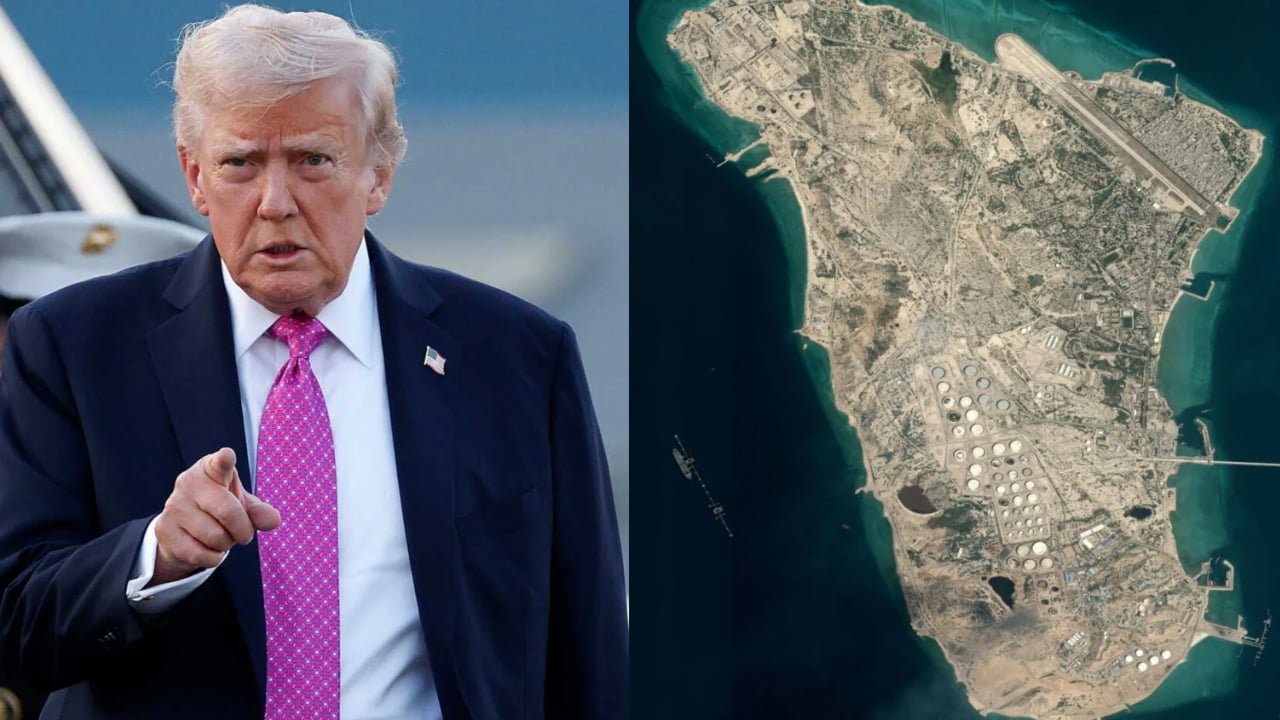
Hours before announcing the cancellation of a planned attack on Iran, President Donald Trump stated that U.S. forces would soon seize Kharg Island. The island, located 55 kilometers northwest of Bushehr port and 15 nautical miles from Iran’s mainland, handles about 90 percent of the country’s crude oil exports and is under strict military control. Kharg Island, only eight kilometers long and four to five kilometers wide, benefits from deep surrounding waters that allow large supertankers to anchor safely. It serves as a key terminal for crude oil shipments, particularly to Asian markets such as China. The island’s facilities reportedly have a loading capacity of around seven million barrels per day, though Iran’s current exports hover near 1.6 million barrels daily. Analysts fear that any U.S. attack on Kharg could sharply escalate tensions, prompting Iranian retaliation against Gulf infrastructure and driving global oil prices higher. The ongoing Iran conflict is already viewed as a threat to the world economy.
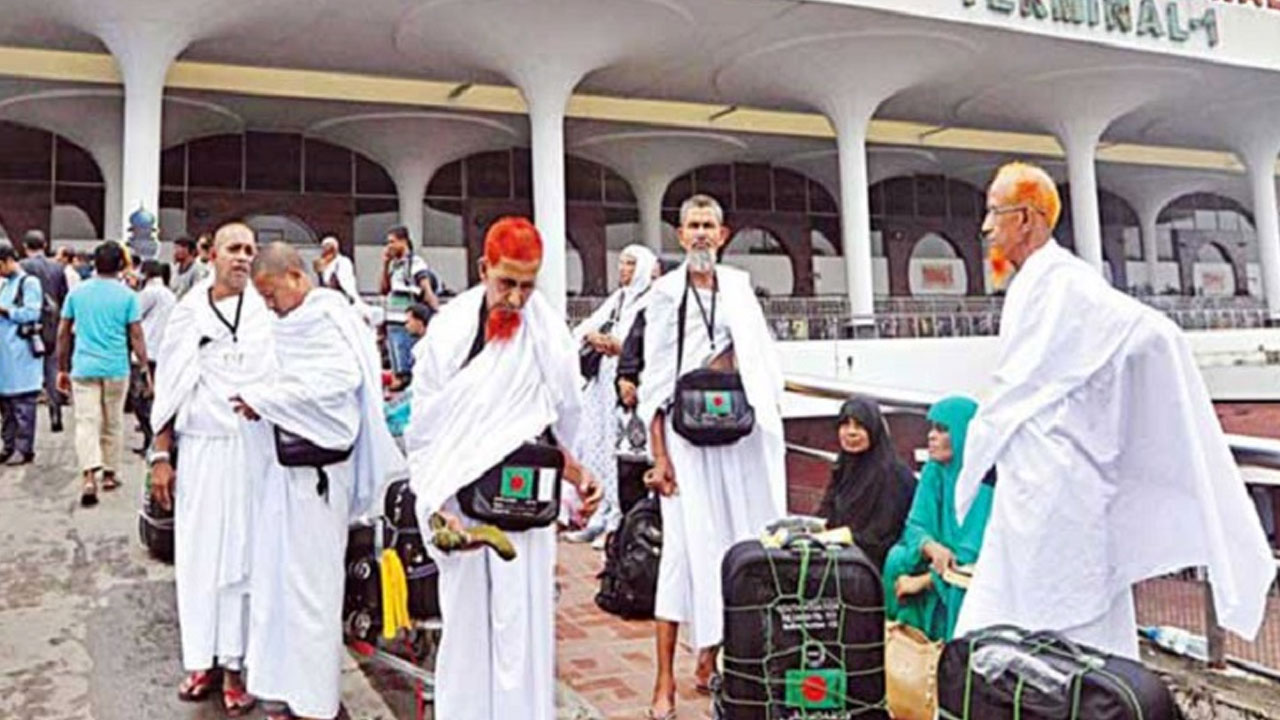
A total of 52,491 Bangladeshi pilgrims have returned home after performing the Hajj, according to the latest bulletin from the Ministry of Religious Affairs released early Thursday. The return flights were operated by several airlines, including Biman Bangladesh Airlines carrying 21,920 pilgrims, Saudia Airlines transporting 18,880, and Flynas Airlines carrying 8,380. Another 3,311 pilgrims returned through other airlines. The bulletin confirmed that 49 Bangladeshi pilgrims died during this year’s Hajj, including 33 men and 16 women. Of them, 35 died in Makkah, 13 in Madinah, and one in Jeddah. Additionally, 410 Bangladeshi pilgrims received medical treatment in various hospitals in Saudi Arabia, with 24 still under care in facilities such as Saudi National Hospital, King Abdul Aziz Hospital, and Makkah Medical Center. This year’s Hajj took place on May 26, with more than 1.7 million pilgrims from around the world participating. From Bangladesh, 4,565 pilgrims traveled under government management and 73,935 under private arrangements. Return flights began on May 30 and will continue until June 30.
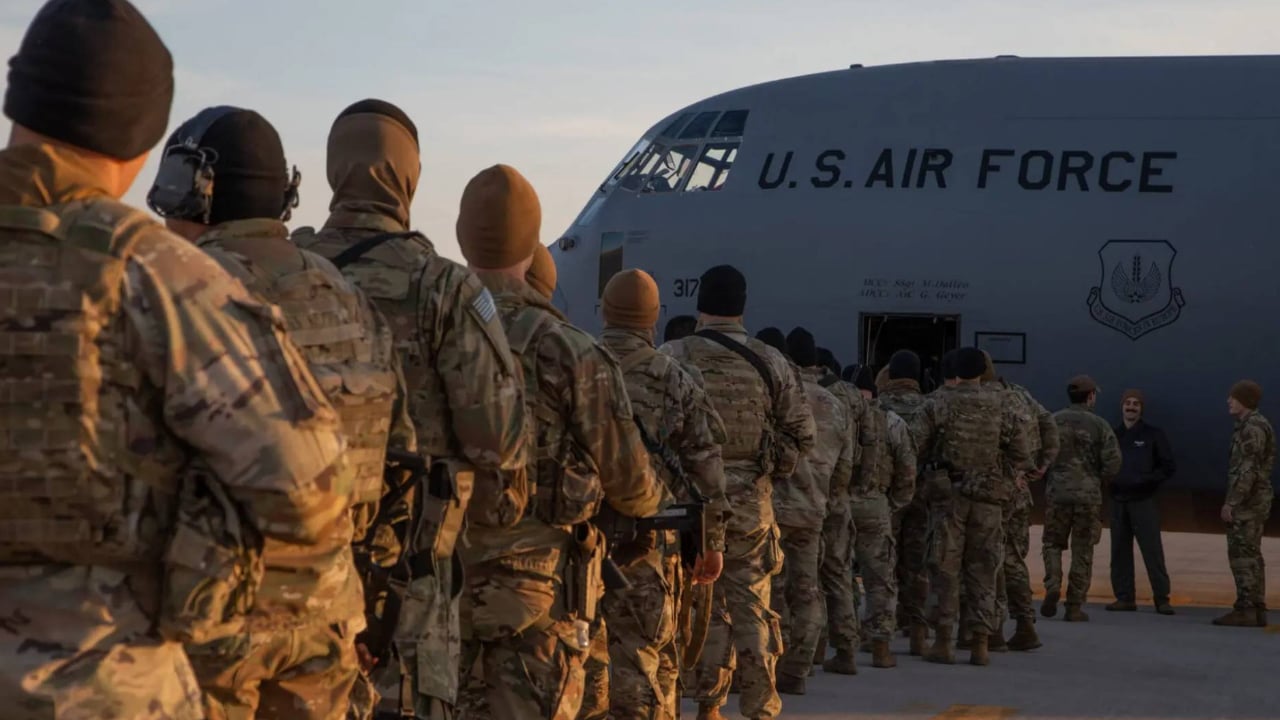
The United States is planning to significantly reduce the number of aircraft and naval assets allocated to NATO operations in Europe, according to a report by The New York Times citing two senior European officials. The decision was communicated to allies earlier this month through a written document and is described as part of a broader shift in Washington’s security policy toward Europe. According to the report, the U.S. intends to cut the number of F-16 and F-15E fighter jets assigned to NATO from about 150 to 100, reduce maritime patrol aircraft from 26 to 15, and withdraw eight aerial refueling planes currently allocated for European missions. The changes will also include the redistribution of one aircraft carrier, one missile-carrying submarine, several warships, and strategic bombers. Officials cited in the report warned that these adjustments could weaken the alliance’s long-range strike and aerial surveillance capabilities. The report was sourced from Middle East Eye.
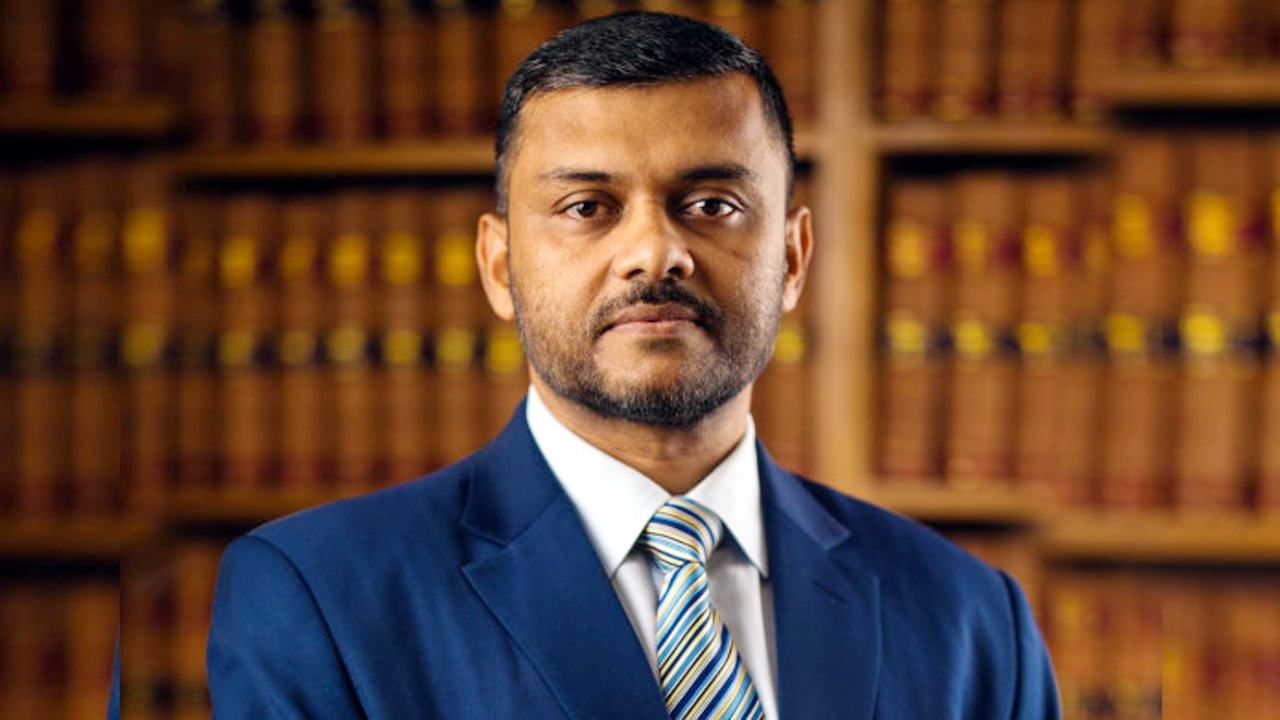
Lawyer Shishir Monir stated on Friday that the government canceled the license of Ad-Din Hospital’s pathology center, not the hospital itself. In a Facebook post, he attached copies of the cancellation order and licenses, arguing that the revoked license number HSM 4310059 belongs to the pathology center, while the hospital’s license number is HSM 4310058. He said the government had issued two separate licenses for the hospital and its pathology lab and questioned whether the confusion was due to negligence or intent. In response, Dr. Abu Hossain Md. Moinul Ahsan, director of the Directorate General of Health Services’ (DGHS) hospital and clinic branch, said the order clearly stated that the hospital’s license was revoked and that the matter would be reviewed. Earlier, DGHS Director General Prof. Dr. Prabhat Chandra Biswas confirmed the hospital’s license was canceled under the 1982 ordinance after an unsatisfactory explanation regarding the deaths of six newborns on May 27, which an investigation linked to oxygen shortages and negligence. Under the same ordinance, the hospital has 30 days to appeal the cancellation decision to the government.
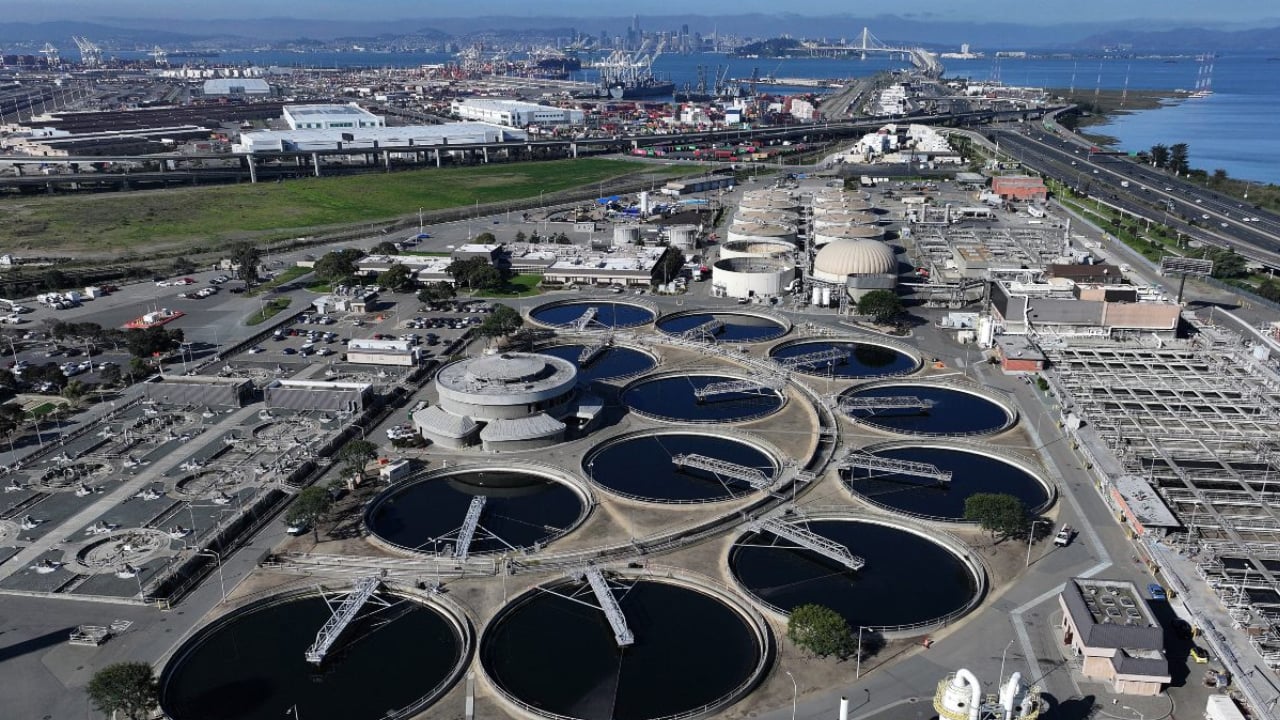
A hacker group named Hanzala has claimed responsibility for breaching California’s water supply system, stating that the attack was carried out in retaliation for a United States strike on a water reservoir in southern Iran. The group announced that it had collected data from the hacked website and described the operation as a warning to Washington. According to Hanzala’s statement, the group possesses the capability to disrupt water distribution but chose not to completely shut down supply to American cities, citing ethical differences with its adversaries. As evidence of the breach, the hackers released five gigabytes of data. The report, citing Middle East Eye, did not include any official response from US authorities or confirmation of the claimed hack.
Former Bangladesh Bank governor and economist Ahsan H. Mansur described the new government’s budget as ambitious, emphasizing that its implementation will be a major challenge. In an immediate reaction shared on Thursday, he noted that weak revenue performance and heavy reliance on borrowing, particularly from the banking sector, could strain the economy. He added that private sector growth has fallen below five percent, while foreign loan targets may be difficult to achieve in the absence of an active IMF program. Mansur expressed concern that the budget lacks a clear plan to address ongoing instability in the banking sector, warning that this could affect both the budget and the broader economy. He highlighted the situation at Islami Bank, where recent leadership changes and resignations appear politically influenced, potentially undermining confidence and triggering deposit withdrawals. He said the government must manage the situation peacefully to avoid long-term damage. Mansur also noted that Islami Bank serves around three crore customers, indirectly involving up to 10–12 crore people, and argued that political interference in such a large institution is unjustified.
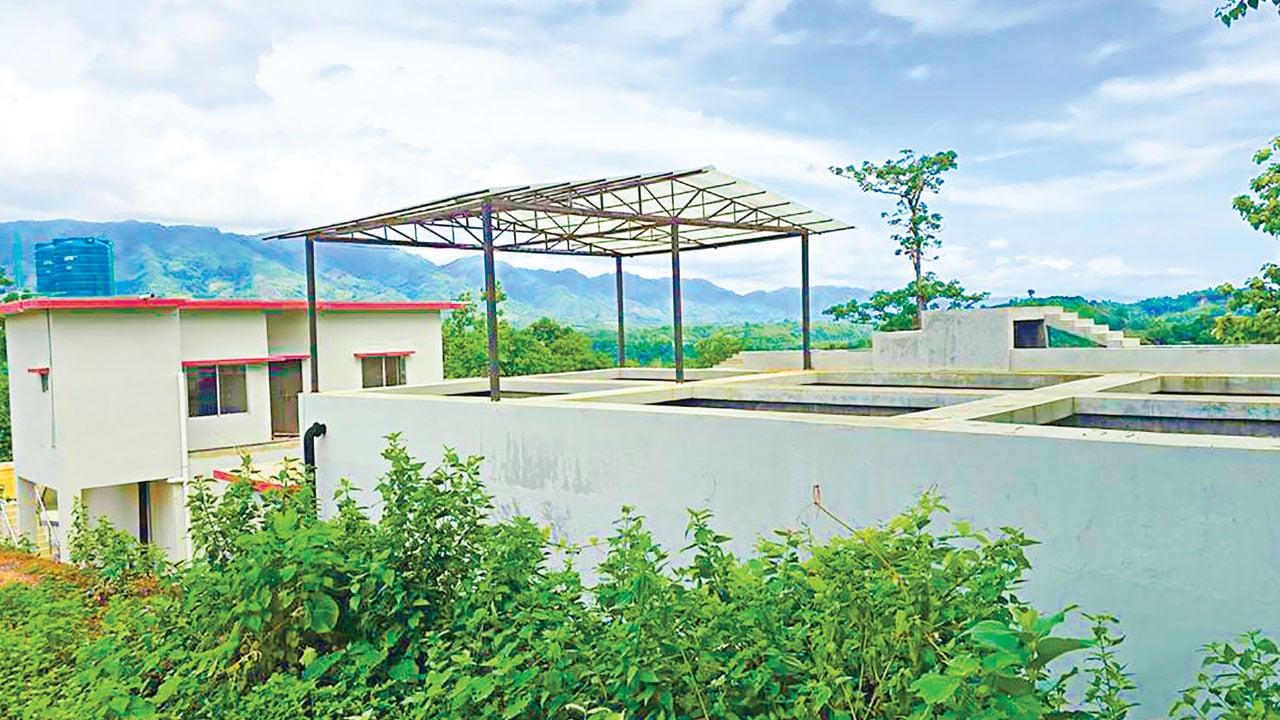
A multimillion-taka government project aimed at resolving the drinking water crisis in Bandarban municipality and four upazilas has become a major source of public frustration. Despite being inaugurated four to five years ago, residents of Thanchi and Naikhongchhari have yet to receive a single drop of water from the treatment plants built under the initiative. The project, launched in 2022 with an estimated cost of Tk 44.25 crore, included construction of water treatment plants in several upazilas, but most remain locked and unused. Investigations revealed that each project initially received around Tk 2.71 crore, but costs ballooned through repeated revisions, with the Naikhongchhari project alone now costing about Tk 9 crore. Locals accused officials and contractors of collusion, budget manipulation, and siphoning public funds. Several contractors and firms were repeatedly linked to major development works in the district. Officials cited land acquisition issues, material theft, and other complications as reasons for the delay. The Public Health Engineering Department acknowledged that the projects could not be inaugurated due to these problems, leaving the multimillion-taka facilities idle and deteriorating.
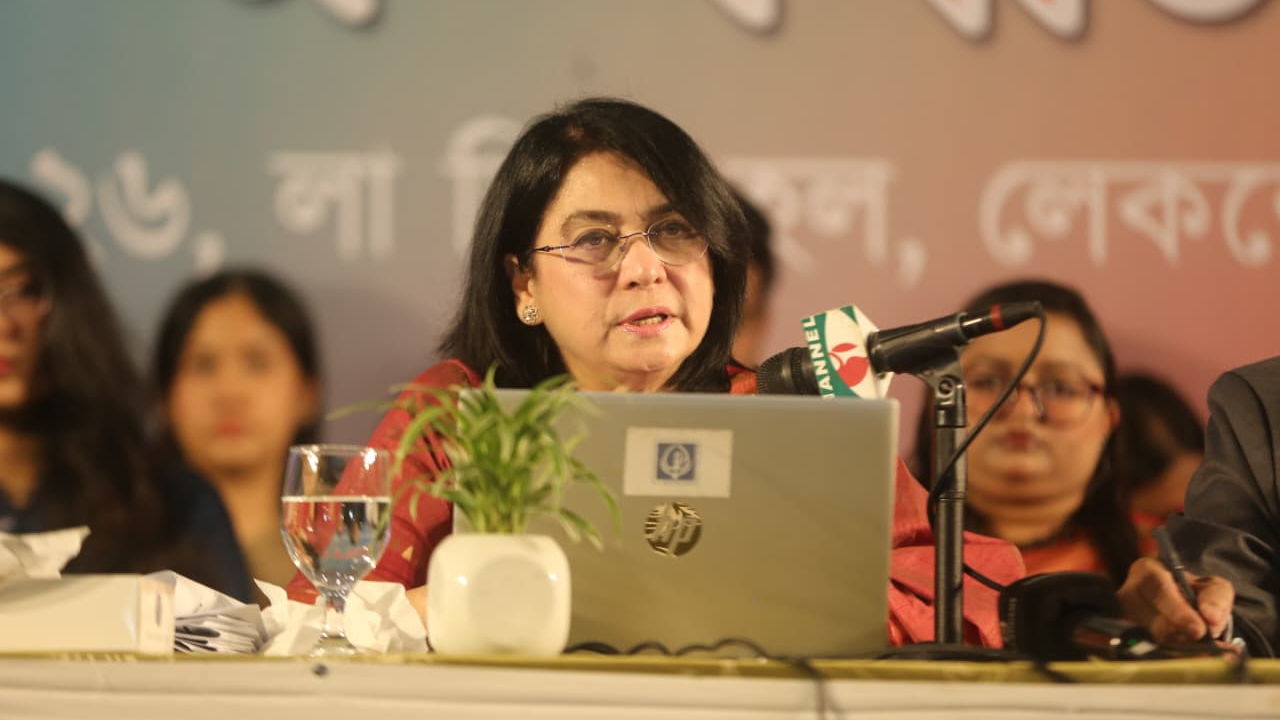
The Centre for Policy Dialogue (CPD) has said that the government’s target to bring inflation down to 7.5 percent in the proposed 2026–27 fiscal year budget is nearly impossible. The observation came at a press conference titled “National Budget 2026–27: CPD’s Review” held at Lakeshore Hotel in Dhaka, where CPD Executive Director Fahmida Khatun presented the analysis. She noted that the budget was announced amid multiple economic challenges, including prolonged high inflation, weak growth, low private investment, employment stagnation, revenue shortfall, and a fragile banking sector. According to CPD, the proposed budget emphasizes human development, private sector–driven growth, and social protection to ensure economic recovery. It also aligns in several areas with the BNP’s election manifesto, particularly regarding employment generation, private investment, deregulation, and social sector development. CPD stressed that the success of the budget will depend on implementation quality rather than its size. The organization added that strong and effective institutions are essential for achieving the budget’s goals. It described the budget as a major test for the new government to demonstrate its ability to drive economic recovery, boost investment, and advance structural reforms.
The World Bank has warned that the ongoing conflict between the United States and Iran could push global economic growth to its lowest level since the COVID-19 pandemic. In its latest Global Economic Prospects report released on Thursday, the Washington-based institution cut its 2026 global growth forecast from 2.9 percent to 2.5 percent, citing rising energy prices, inflation, and high borrowing costs. The report highlighted that Iran’s closure of the Strait of Hormuz, in response to the conflict initiated by the US and Israel, has severely disrupted global energy and supply chains. The Bank expects Brent crude oil to average 94 dollars per barrel this year, 36 percent higher than last year, and fertilizer prices to rise significantly, driving up food costs. Global inflation could reach 4 percent as a result of the strategic waterway’s closure. If energy supply disruptions persist, the World Bank warned that global growth could fall further to 1.3 percent and inflation rise to 4.4 percent. Developing countries are expected to be the hardest hit, with growth forecasts downgraded for two-thirds of them since January.
Bangladesh’s Finance Minister Amir Khasru Mahmud Chowdhury presented a Tk 9.38 trillion national budget for fiscal year 2026–27 in parliament, setting a revenue target of Tk 6.95 trillion and a deficit of Tk 2.43 trillion. The budget introduces eight major tax and revenue changes, including raising the tax-free income threshold to Tk 390,000 and maintaining corporate tax rates. The government plans to fully automate tax administration to curb evasion and reduce taxpayer harassment. The budget proposes tax relief on 60 essential goods such as rice, wheat, and edible oil, and removes duties on key spices and baby food imports. It also exempts kidney dialysis filters from advance tax and lowers taxes on gold and jewelry. Freelancers and content creators will receive full VAT exemption, while mobile SIM taxes will be withdrawn. The government extended VAT exemptions for locally produced electronics and technology goods until 2030. Additional measures include duty waivers for pharmaceutical raw materials and incentives for electric vehicle imports and production. The new system allows taxpayers to file returns year-round, with early submissions rewarded. The government aims to raise the tax-to-GDP ratio to 15 percent by 2035 through expanded coverage and automation.

The ‘1 Nojor’ media platform is now live in beta, inviting users to explore and provide feedback as we continue to refine the experience.