

The ‘1 Nojor’ media platform is now live in beta, inviting users to explore and provide feedback as we continue to refine the experience.
The Bangladesh Textile Mills Association (BTMA) has welcomed the proposed 2026–27 national budget for emphasizing investment, production, employment, export capacity, and business facilitation. The association said that measures such as protection for local industries, improved competitiveness, tariff restructuring, and incentives for renewable energy send positive signals for the primary textile sector. According to BTMA, several of its proposals were partially reflected in the budget. These include reducing advance income tax on export cash incentives from 10 to 5 percent, lowering taxes on recycled products and raw materials, cutting source tax on cotton supply, exempting duties on solar power equipment imports, and maintaining benefits for importing chemicals used in effluent treatment plants. The association also viewed legal provisions for free trade zones and initiatives to reopen closed mills as positive steps. However, BTMA expressed concern over the proposal to withdraw the 30 percent value addition requirement for raw material imports under bank guarantees, warning of potential misuse and harm to domestic industries. It urged for a 15 percent corporate tax rate, stable tax policy, and investment-friendly reforms to address challenges such as high energy costs, supply uncertainty, and volatile raw material prices.

Bangladesh’s Revolutionary Workers Party General Secretary Saiful Haque has said that the proposal to legalize black money in the new national budget will encourage renewed economic corruption. In a statement sent to the media on Thursday as an initial reaction to the proposed budget, he described the fiscal plan as a half-hearted attempt to meet public expectations within limited capacity, warning that the large deficit will ultimately burden ordinary citizens. Haque noted that the government’s reliance on bank borrowing is likely to increase and that the ambitious revenue target of Tk 6.95 trillion will determine the success of budget implementation. He described the GDP growth target of 6.5 percent as modest and the inflation reduction goal of 7.5 percent as realistic, emphasizing that unchecked inflation would undermine public welfare. He urged greater incentives for domestic investment, reopening closed factories, and promoting labor-intensive industries to create jobs. He also criticized the continuation of the black money whitening policy, saying it perpetuates economic wrongdoing. Haque added that allocations for education and health remain inadequate and called for increased funding for key sectors such as industry and agriculture.
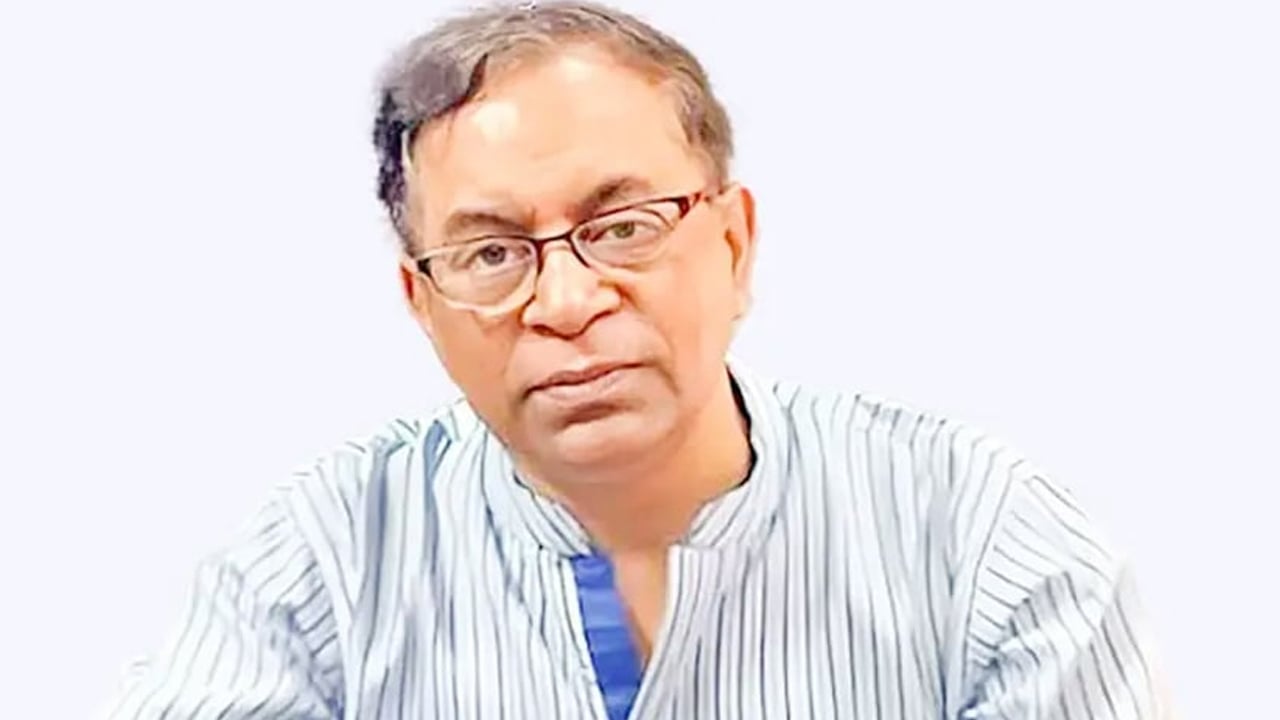
Economist and Distinguished Fellow Dr. Debapriya Bhattacharya has cautioned that Bangladesh’s newly proposed debt-dependent budget could pose challenges to fiscal discipline. Speaking to reporters on June 11 after leaving the national parliament’s budget session, he said the budget relies heavily on foreign loans and includes large lump-sum allocations across several sectors. According to him, the success of the budget will depend on its effective implementation. Dr. Bhattacharya noted that the budget emphasizes liberalization, building a humane economy, and promoting digital inclusion. It also mentions allocations for youth and marginalized groups. However, he argued that the financial framework designed to implement these policy goals remains weak, with significant dependence on external borrowing. This, he warned, could undermine fiscal stability in the future. He added that the government’s ability to maintain reform continuity and efficiently execute the budget will be the key test in the coming days.
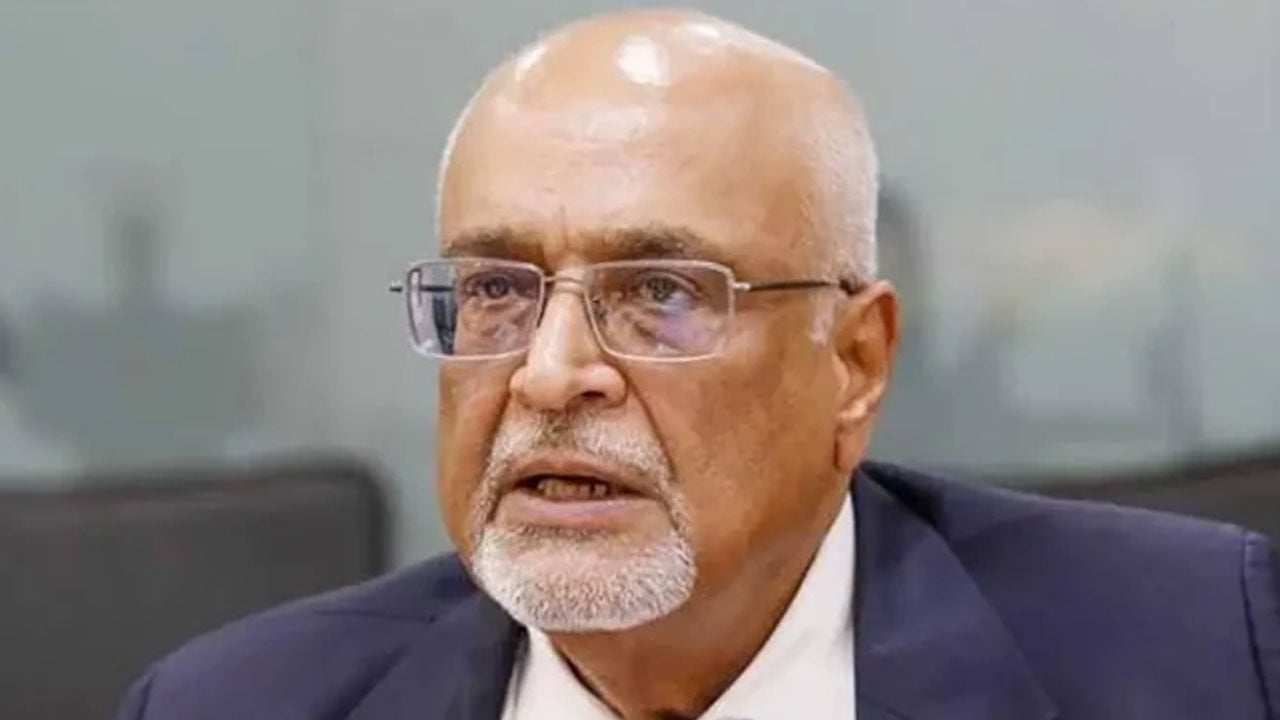
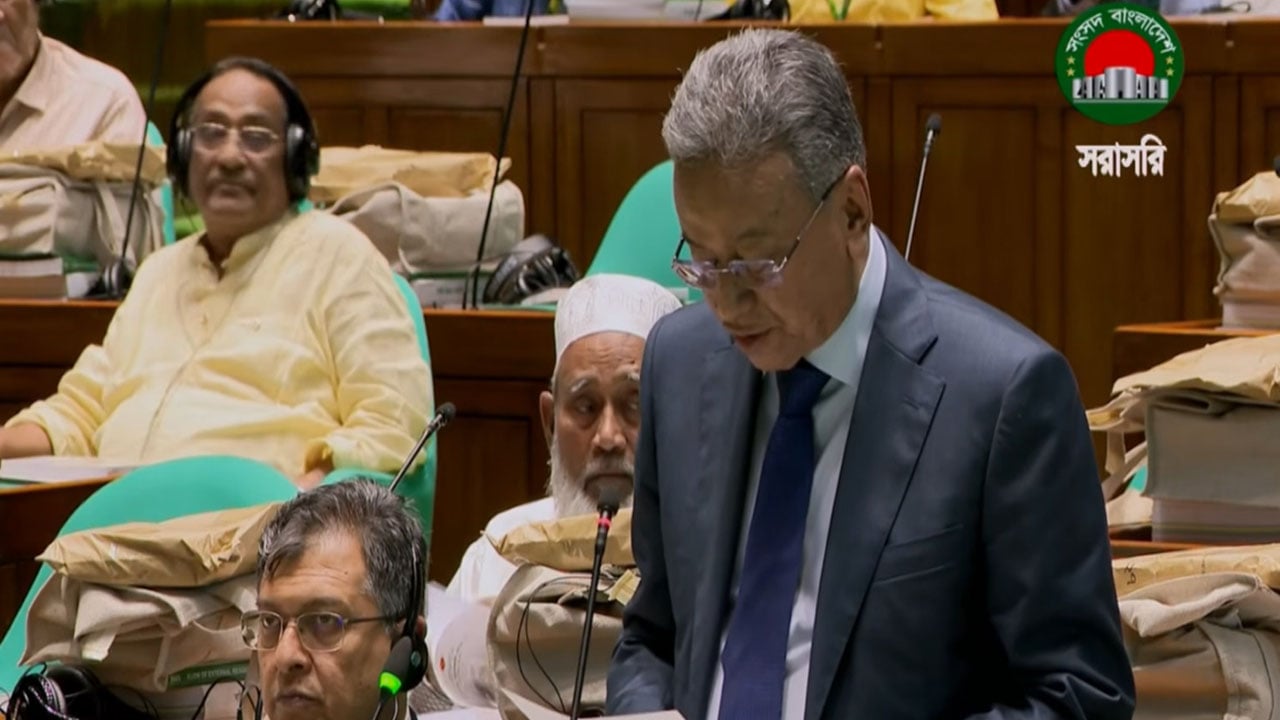
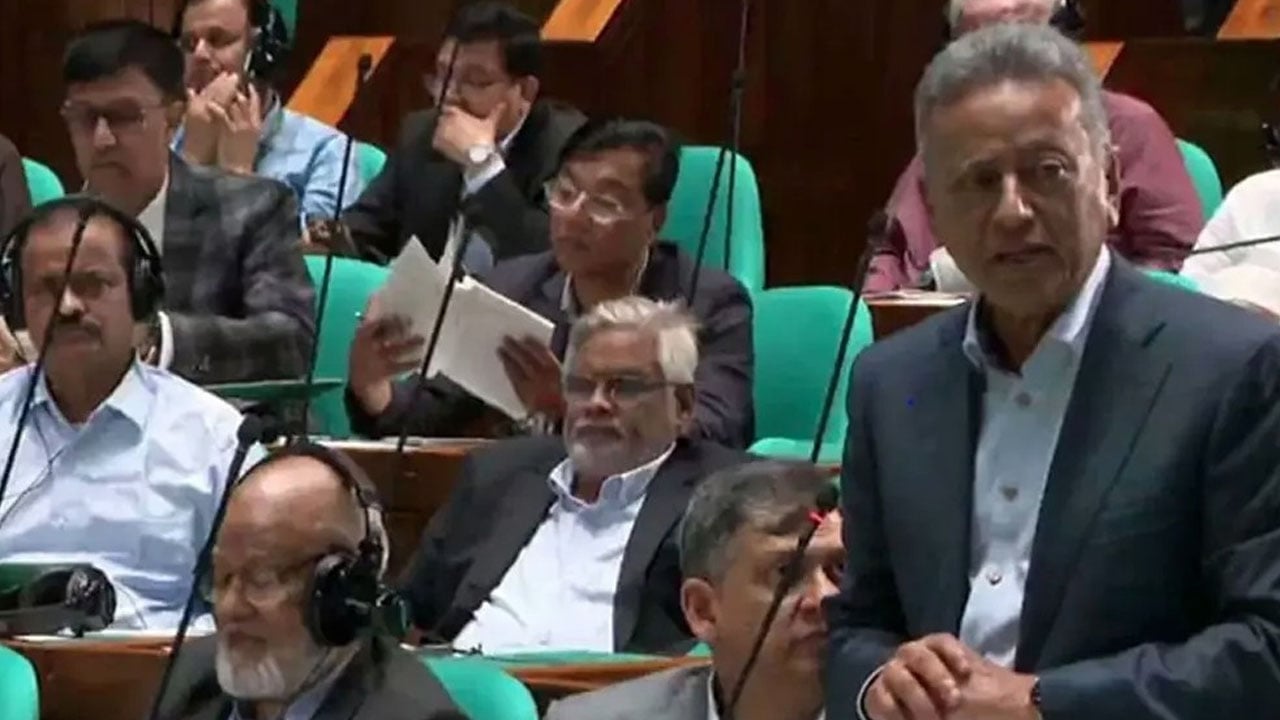
Finance Minister Amir Khasru Mahmud Chowdhury has proposed major VAT exemptions in Bangladesh’s upcoming fiscal year budget, focusing on business, investment, and employment growth. The proposal includes a complete withdrawal of the 15 percent VAT on services provided by content creators and freelancers, removal of the 300 taka tax on mobile SIM cards, and an extension of VAT exemptions for certain industries. The budget also suggests full VAT exemption for local supply, service imports, and rental spaces used by startup companies until June 30, 2035. In the health sector, a 10 percent VAT exemption is proposed for heart rings and intraocular lenses, along with a 7.5 percent advance tax waiver on dialysis equipment. For agriculture, all fertilizers and imported pesticides would be exempted from VAT and advance tax. Additionally, VAT exemption for local production of mobile phones, computers, and electric vehicles would continue until 2030. New VAT rates are proposed for imported frozen fish, trees, and jewelry services, while higher taxes are planned for tobacco products to discourage consumption.

Finance Minister Amir Khosru Mahmud Chowdhury proposed allocating Tk 300 crore for housing families of martyrs and disabled fighters from the July uprising under an ongoing project. He announced this during the presentation of the proposed 2026–27 national budget in parliament on Thursday. The proposal also includes continuing the existing monthly allowances for July uprising martyrs’ families and injured participants, while increasing the number of beneficiaries by 1,857 to a total of 16,513. According to the proposal, families of martyrs will continue to receive Tk 20,000 monthly, while injured individuals in categories A, B, and C will receive Tk 20,000, Tk 15,000, and Tk 10,000 respectively. Additionally, allowances for decorated freedom fighters’ families will rise by Tk 5,000, setting monthly payments at Tk 40,000 for Bir Sreshtho, Tk 30,000 for Bir Uttom, and Tk 25,000 for Bir Bikrom and Bir Protik. The general freedom fighters’ allowance remains unchanged at Tk 20,000. The finance minister also stated that the government plans to build 4,730 Bir Nibash homes in the 2026–27 fiscal year to ensure housing for freedom fighters and preserve the history of the Liberation War.
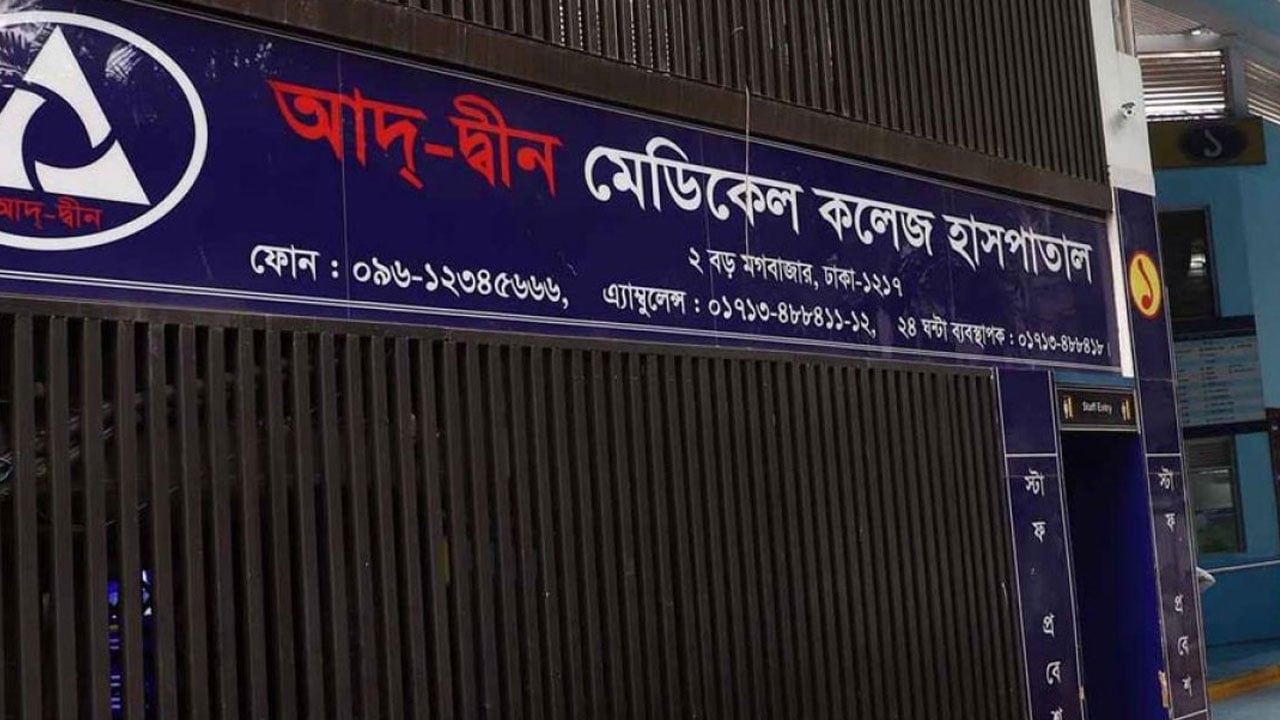
Ad-Din Medical College Hospital in Dhaka’s Moghbazar has requested permission to continue normal operations until its final appeal is resolved. The hospital’s license was recently revoked following the deaths of six newborns. In a press release signed by Tariqul Islam Mukul, Director of Company Affairs at Ad-Din Foundation, the hospital stated that under the Directorate General of Health Services’ regulations, it has 30 days to appeal the decision and asked to maintain services during that period for the sake of patients currently under treatment. The hospital emphasized that it serves as a vital healthcare center for middle- and lower-middle-income groups. It warned that an abrupt shutdown could disrupt treatment for many admitted patients and endanger their lives. According to the statement, 416 patients are currently admitted, with around 1,000 receiving outpatient care daily. Additionally, 60 newborns are in the NICU, 20 patients in the ICU, and 4 in the CCU. The hospital authorities argued that continuing operations until the appeal is settled is essential on humanitarian grounds.
Finance Minister Amir Khosru Mahmud Chowdhury announced major reforms for Bangladesh’s telecommunications and information technology sectors in the proposed 2026–27 national budget. To accelerate digital transformation, the government plans to withdraw the SIM card tax, reduce local production taxes, and expand 5G coverage nationwide. The Tk 300 tax on each SIM card will be fully removed, leaving only a 15 percent tax, which is expected to make mobile services more affordable. The government anticipates a revenue loss of about Tk 1,200 crore from this decision. To keep mobile phone prices within reach, the budget proposes cutting advance tax on 22 raw materials for local manufacturers from 5 and 2 percent to just 1 percent. The source tax on mobile network services will drop from 12 to 10 percent, likely reducing call and internet costs. Additionally, the 20 percent source tax on BTRC license fees will be withdrawn. The minister said the government aims to bring 90 percent of the population under 5G coverage and ensure a minimum broadband speed of 100 Mbps. Work has already begun with 4.1 million new 4G connections and free high-speed internet at key trains and airports.

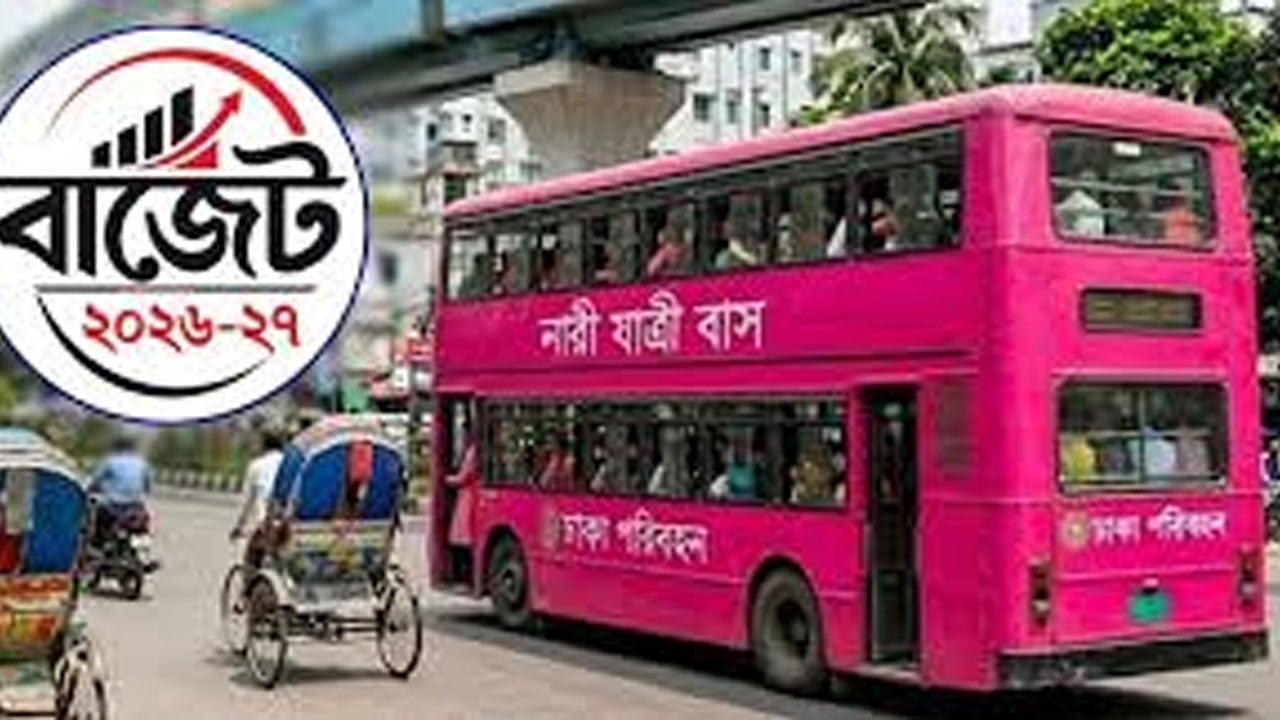
Bangladesh has announced a plan to introduce a special 'Pink Bus Service' aimed at ensuring safe travel for women and children. Finance Minister Amir Khasru Mahmud Chowdhury revealed the initiative on Thursday while presenting the proposed national budget for the 2026–27 fiscal year in the Jatiya Sangsad. The service will be operated entirely by women, including drivers, assistants, and management staff, to strengthen safety measures for female passengers. The proposed budget also reaffirmed the government's commitment to a 'zero tolerance' policy against workplace violence, abuse, and sexual harassment targeting female workers and professionals. It further outlined plans to expand safe housing and transportation facilities for women across the country. According to the government, creating a secure environment is essential to increasing women’s participation in the workforce and public life. The introduction of the Pink Bus Service is part of broader protective measures designed to promote gender-inclusive mobility and empowerment.
Finance Minister Amir Khosru Mahmud Chowdhury announced that the government will increase the monthly honorarium for families of decorated freedom fighters. Presenting the 2026–27 fiscal year budget in the National Parliament on June 11, he proposed a rise of 5,000 taka per month for each category of decorated freedom fighters’ families. Under the proposal, Bir Sreshtho families would receive 40,000 taka, Bir Uttom families 30,000 taka, and Bir Bikrom and Bir Protik families 25,000 taka monthly. The allowance for general freedom fighters remains unchanged at 20,000 taka. Other benefits such as festival bonuses, New Year allowances, medical support, and funeral grants will continue. According to the Muktijoddha Kalyan Trust, the titles were awarded in 1973 to recognize acts of bravery during the 1971 Liberation War, with seven Bir Sreshtho, 68 Bir Uttom, 175 Bir Bikrom, and 426 Bir Protik honorees. The minister also announced plans to build 4,730 “Bir Nibas” homes for freedom fighters in the next fiscal year. The budget proposal also maintains existing allowances for families of those killed in the July uprising and increases the number of beneficiaries to 16,513.
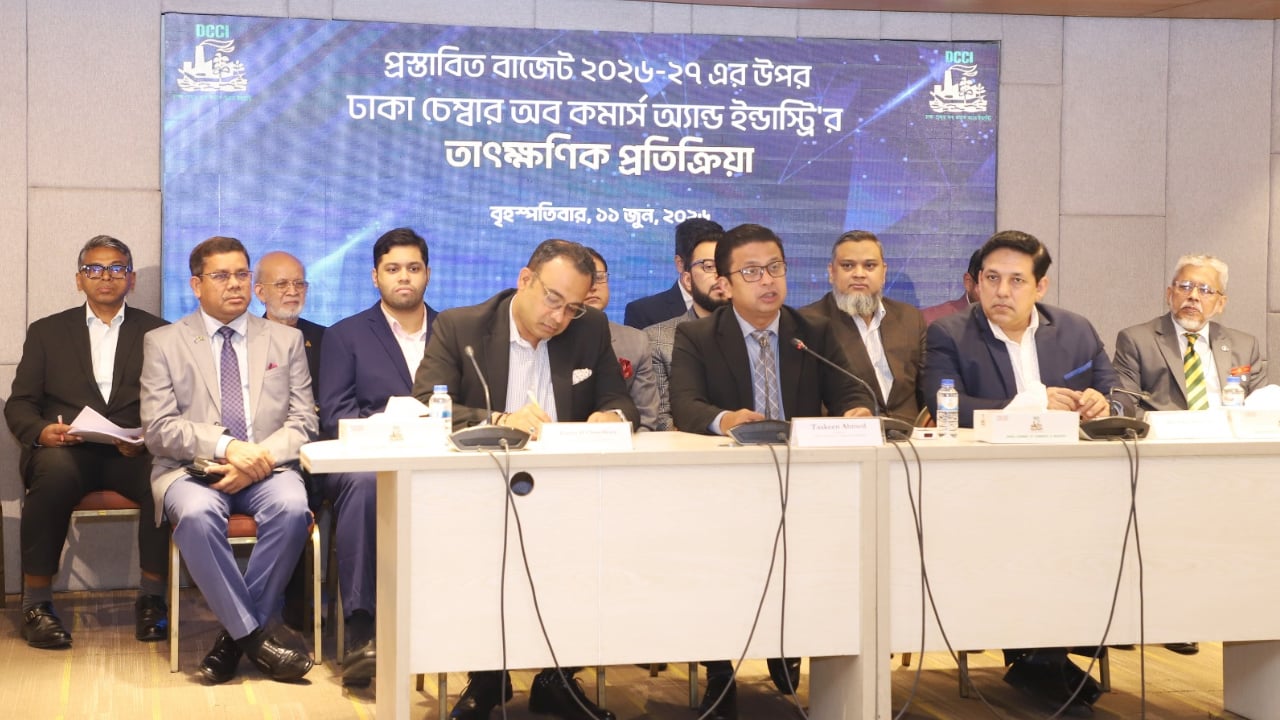
The Dhaka Chamber of Commerce and Industry (DCCI) has described the proposed national budget for the 2026–27 fiscal year as business and investment friendly. The organization stated that the real success of the budget will depend on the effective implementation of the announced reform programs. At a post-budget reaction event in Dhaka, DCCI President Taskeen Ahmed said the proposed budget of Tk 9.38 trillion and the Tk 3 trillion Annual Development Programme are significant for the economy, but improving implementation capacity is essential. He also noted that high revenue targets and debt-based deficit management could pose challenges for private sector liquidity. DCCI welcomed several measures, including treating tax deducted at source as advance tax, reducing duties on industrial raw materials, setting lower tax rates on 60 essential goods, and announcing a five-year tax structure in advance. It also appreciated incentives for healthcare, renewable energy, and electric vehicles, while urging an increase in the tax-free income limit to Tk 500,000. The chamber further endorsed the allocation of Tk 50 billion for CMSMEs within a Tk 600 billion stimulus package, special facilities for women and disabled entrepreneurs, and simplification of small business taxation. It said mandatory single-window systems, faster work permits, lower withholding tax on foreign loans, and policy reforms could attract domestic and foreign investment.
The human rights organization Ain o Salish Kendra (ASK) has expressed deep concern over recent incidents along the Bangladesh-India border where many people, including women, children, and elderly individuals, were reportedly forced toward Bangladeshi territory and made to remain in the zero line for extended periods. In a press release issued on Thursday, ASK described these actions as violations of human dignity and international human rights principles. ASK stated that Indian authorities were attempting to push individuals into Bangladesh without transparent or lawful verification of their nationality or identity. The organization emphasized that no one should be subjected to inhuman, cruel, or degrading treatment, regardless of nationality, religion, or migration status. It warned that depriving people of food, water, medical care, and shelter in such uncertain border conditions could amount to inhuman treatment. ASK urged that questions of citizenship or nationality be resolved through lawful, transparent, and mutually recognized diplomatic and administrative processes rather than through coercive measures that undermine the rule of law.

Bangladesh’s proposed 2026–27 national budget introduces major tax reductions for the telecommunications industry, aiming to establish it as a national “thrust sector.” The budget proposes full withdrawal of the fixed Tk 300 tax on mobile SIMs, which is expected to reduce government revenue by about Tk 1,200 crore in the next fiscal year. It also suggests removing the 20 percent withholding tax on revenue shares, license fees, and other charges collected by the Bangladesh Telecommunication Regulatory Commission (BTRC). Additionally, import duties on 22 types of raw materials used in mobile handset production would be reduced to 1 percent. The proposal extends the conditional VAT exemption for mobile phone manufacturing and assembly until June 30, 2030. The government has also initiated efforts to expand 5G coverage to 90 percent of the population within two years and ensure broadband speeds between 100 Mbps and 1 Gbps nationwide. The budget speech emphasized that telecom tax, VAT, and licensing policies will undergo major reforms to align with international standards. Currently, ICT and telecom contribute only 1–2 percent to GDP, but the government targets a 10 percent share within five years through planned reforms and investment.
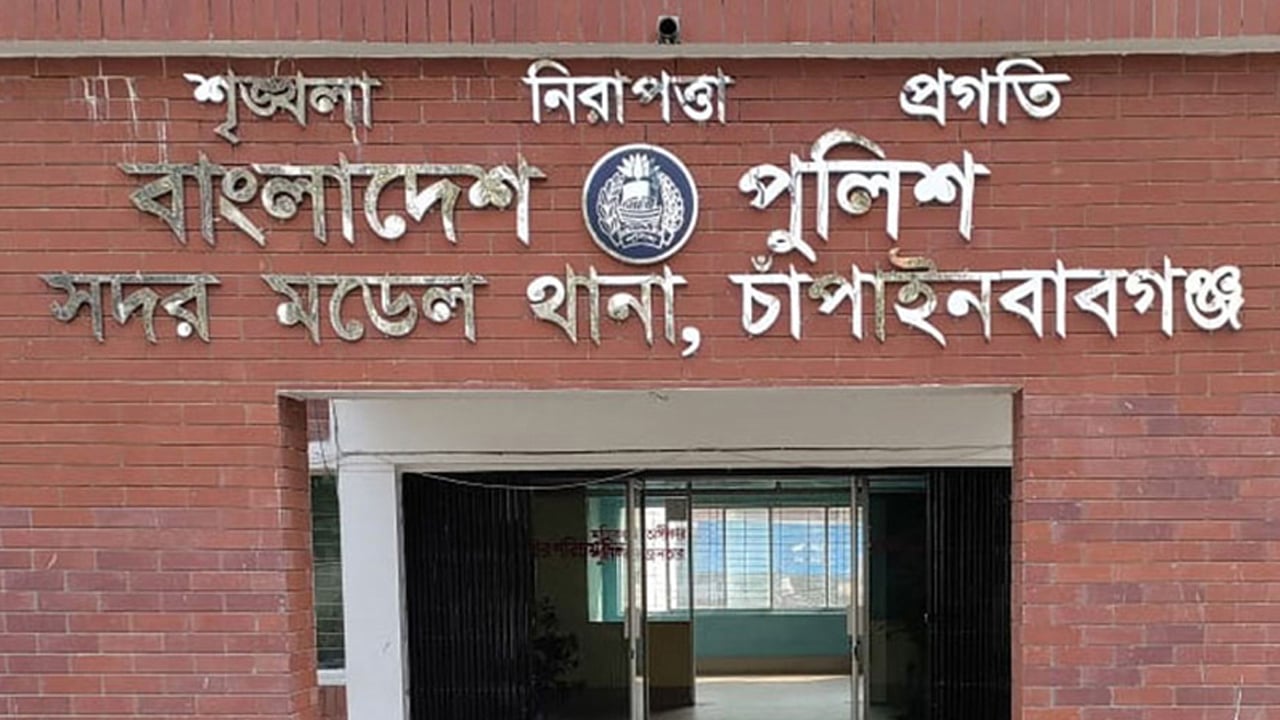
Police in Chapainawabganj have arrested two teenagers, identified as Rahmat Roni and Raihan, on charges of raping a child. The arrests took place on Wednesday night in the Barapukuria area of Sadar upazila, and the suspects were presented before the Chapainawabganj court on Thursday afternoon. The incident reportedly occurred on Wednesday evening when the child was playing behind her house. According to police, the two accused lured the child away and committed the assault. The matter came to light after the child informed her family, who then reported it to the authorities. A case has been filed with the Sadar Model Police Station, and the victim has been taken to a hospital for medical examination. The arrests were confirmed by Additional Superintendent of Police ANM Wasim Firoz. Both suspects are 15 years old and residents of Barapukuria in Sadar upazila.
Finance Minister Amir Khosru Mahmud Chowdhury has proposed allocating Tk 1,081 crore in the 2026–27 national budget to expand monthly honorariums and festival allowances for imams, muezzins, mosque caretakers, and priests and attendants of other religious institutions. The proposal was presented in the national parliament on Thursday. The government also plans to make Hajj management more affordable and efficient. Currently, imams, muezzins, and caretakers receive Tk 10,000 monthly, while priests and attendants of other faiths receive Tk 8,000. So far, 9,520 individuals from 6,438 religious institutions have benefited from these payments. The proposed national budget for the 2026–27 fiscal year totals Tk 9.38 trillion, equivalent to 13.7 percent of GDP. The GDP growth target is set at 6.5 percent, with inflation expected at 7.5 percent. The budget deficit is projected at Tk 2.43 trillion, or 3.6 percent of GDP, to be primarily financed from domestic sources. This is the first budget presented by the newly formed BNP government following the February national election. Compared to the previous fiscal year’s revised budget of Tk 7.88 trillion, the new proposal increases total expenditure by Tk 1.5 trillion.

Bangladesh Jamaat-e-Islami organized a protest march in Dhaka on Thursday evening in immediate reaction to the proposed national budget for the 2026–27 fiscal year. The demonstration began from the north gate of the National Mosque Baitul Mukarram, where participants denounced the budget as anti-people and oppressive. Protesters chanted slogans condemning various sections of the budget and demanded its withdrawal along with increased allocations for public welfare sectors. Leaders and activists from Jamaat’s central and Dhaka city units led the procession, which moved through several key streets in the capital. The protest reflected the party’s strong opposition to the government’s fiscal plan presented earlier in the day. Earlier on Thursday, Finance and Planning Minister Amir Khasru Mahmud Chowdhury had placed the proposed budget of 9.38 trillion taka before the National Parliament, marking the formal start of the 2026–27 budget discussions.

The ‘1 Nojor’ media platform is now live in beta, inviting users to explore and provide feedback as we continue to refine the experience.