

The ‘1 Nojor’ media platform is now live in beta, inviting users to explore and provide feedback as we continue to refine the experience.
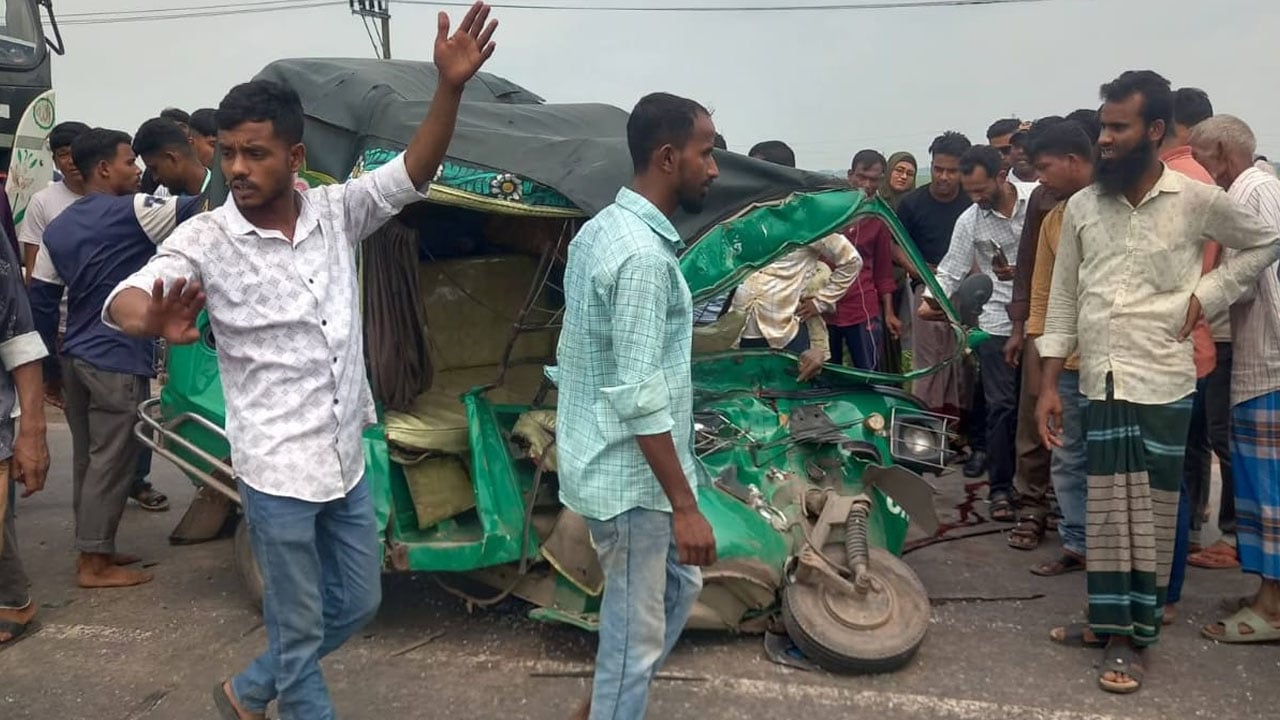
Two passengers were killed when a dump truck ran over a CNG-powered autorickshaw in Madhabpur upazila of Habiganj on Wednesday morning. The accident occurred around 10 a.m. in the Bejura area along the Dhaka-Sylhet highway. The victims were identified as Akkas Mia, son of Babu Mia from Bengadoba village, and Monowara Begum, wife of Dr. Kamrul Islam from Noyapara Sayham Nagar. According to police and eyewitnesses, the autorickshaw was traveling from Noyapara to Madhabpur when it was struck by a sand-laden dump truck, killing two passengers on the spot and seriously injuring two others. Fire service personnel and highway police from Shayestaganj rescued the victims and took the injured to the upazila health complex for treatment. Shayestaganj Highway Police Officer-in-Charge Anjan Chakma stated that legal procedures regarding the incident are underway.
China and North Korea have adopted a long-term and far-reaching plan to enhance their bilateral relations, according to the Korean Central News Agency (KCNA) on Wednesday. The plan was agreed during Chinese President Xi Jinping’s visit to North Korea on Monday. The visit took place at a time when North Korea’s ties with Russia have become closer than ever, with Pyongyang reportedly sending troops and military equipment to assist Moscow in the Ukraine war. KCNA reported that North Korean leader Kim Jong Un and President Xi Jinping expressed satisfaction over the formulation of the plan aimed at strengthening bilateral relations. During the two-day visit, both nations reaffirmed their historical friendship and mutual cooperation, pledging to make their relationship one of the world’s strongest and most strategic partnerships. In a letter to Kim Jong Un after the visit, Xi Jinping said both leaders held in-depth discussions on issues of mutual interest and reached several important agreements. He added that the meeting reflected their shared determination to reinforce traditional friendship, promote joint development and prosperity, and maintain regional and global peace and stability.

A man named Pankaj Shil, aged 35, was killed and another person, Tilak Shil, aged 40, was critically injured after being stabbed by suspected muggers in Patiya upazila of Chattogram on Tuesday night. The incident occurred around 9:30 p.m. in the Chakrashala area of Kochuai Union. Locals apprehended one suspect, identified as Abidul Islam, a 40-year-old resident of Gaibandha district, and handed him over to police. According to local accounts, three people, including one wearing a burqa, were seen standing suspiciously by the roadside. When Pankaj and Tilak approached them to ask about their identity, an argument broke out, leading to the stabbing. Both victims were taken to Patiya Upazila Health Complex and later referred to Chattogram Medical College Hospital, where Pankaj died on the way. Tilak remains in critical condition in the ICU. Police said the attackers are members of a mugging group. The detained suspect is being interrogated, and efforts are underway to identify and arrest the remaining two suspects. Legal proceedings are in progress.

Millions of people are at risk of acute hunger due to the ongoing war in Iran, according to Carl Skau, acting executive director of the World Food Programme (WFP), in comments to CNN. The closure of the Strait of Hormuz has sharply increased fuel prices, making WFP operations significantly more expensive and driving up global food costs. Instability in this vital waterway has also disrupted the supply of essential fertilizers from the Gulf region to countries such as Sudan, affecting crop production. The WFP, which relies heavily on government donations, is facing severe funding shortages. As of Monday, U.S. contributions for 2026 stood at about $731 million, compared with more than $4 billion in 2024. Skau warned that when food prices rise by 20–30 percent in the world’s poorest countries, people consume 20–30 percent less food. The WFP had earlier cautioned that if oil prices remain above $100 per barrel, an additional 45 million people could face acute hunger by July. Even if the Strait of Hormuz reopens soon, Skau said the effects will persist for a long time.
A mobile court of RAJUK conducted an operation on June 10, 2026, in the Baigartek area of Monowara Housing, Pallabi, Dhaka. The court, led by Executive Magistrate Shahnaz Parvin Beethi along with authorized officers and building inspectors, disconnected electricity connections to 10 out of 11 under-construction buildings. The action was taken because the buildings were not being constructed according to RAJUK-approved designs. During the operation, DPDC representatives assisted in disconnecting the power supply and seizing electric meters from the buildings. The affected properties included structures ranging from one to ten stories, owned by various individuals such as Badrul Monir, Nasir Uddin, Kamrul, Monir Hossain, and others. In some cases, parts of unauthorized structures, including walls and cantilevers, were demolished. The mobile court’s enforcement aims to ensure compliance with approved building plans under RAJUK’s jurisdiction in Bawnia Mouza, Subzone 3/1. The operation reflects ongoing efforts to curb unauthorized construction in Dhaka’s residential areas.

Former England footballer Ian Wright has sharply criticized the United States after Somali referee Omar Abdulkadir Artan was denied entry just one day before the 2026 FIFA World Cup begins. Artan, selected as one of 52 match officials by FIFA and set to become the first Somali referee in World Cup history, was stopped at Miami airport by US border authorities despite holding a valid visa and documents. After extended questioning, he was declared ineligible and sent back, with US Customs and Border Protection citing “vetting concerns.” FIFA later confirmed that Artan would not officiate in the tournament. Wright expressed outrage in a social media video, calling the event a “World Cup of chaos.” He criticized the organizers for high costs and poor management, saying the situation embarrassed US football fans. The incident follows other visa and travel complications affecting officials and supporters from several countries, including Iran. FIFA stated it has no control over national visa or immigration policies, emphasizing that such decisions rest solely with the host governments of the 2026 World Cup in the US, Canada, and Mexico.

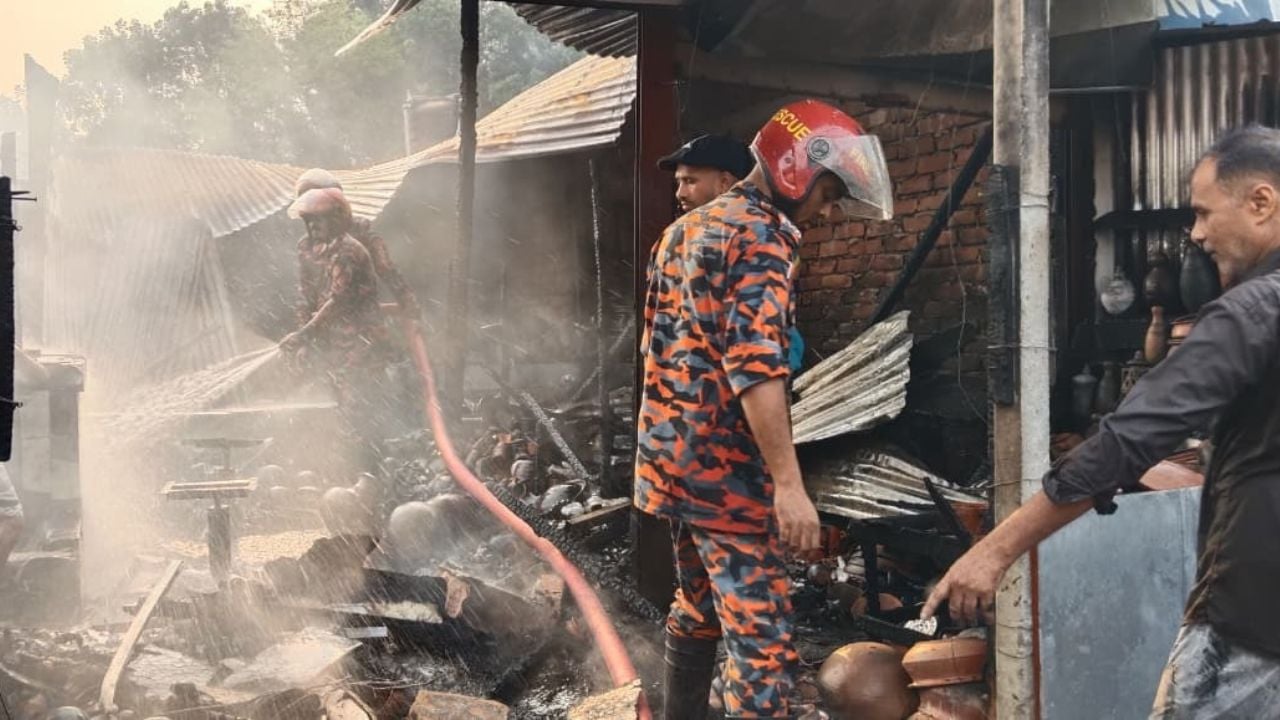
A fire broke out early Wednesday at Jamtoil Purbo Bazar in Kamarkhand upazila of Sirajganj, destroying seven shops and causing an estimated loss of around Tk 4 million, according to affected traders. The blaze, which started around 6 a.m., is suspected by locals to have originated from an electrical short circuit before spreading to a rice hotel, sweet shop, salon, electronics store, and other small businesses. The affected shop owners include Lal Mohan, Ratan Das, Rezaul Karim, Chan Mia, Lal Mia, Ripon, and Shahjahan. Fire service, police, and local residents managed to bring the fire under control after more than an hour of effort, but by then all the shops had been completely burned. Traders reported losing all goods and cash in the incident. Farid Uddin, warehouse inspector of Kamarkhand Fire Service and Civil Defense, said the extent of the damage would be confirmed after investigation. Several traders appealed for government assistance following the losses.
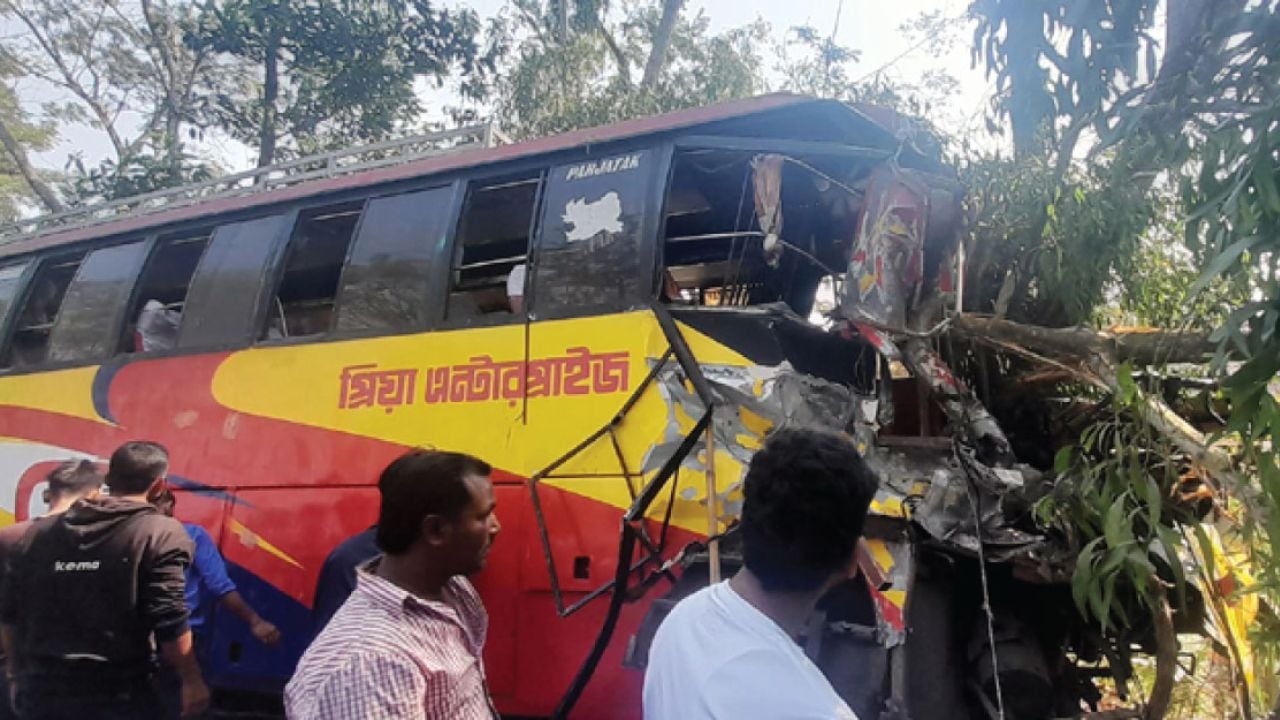
At least 30 passengers were injured when two passenger buses, Hanif Paribahan and Bauphal Travels, collided head-on on the Dhaka-Barishal highway in Uzirpur’s Notun Shikarpur area early Wednesday night. The accident occurred amid rain, damaging the front sections of both vehicles. Injured passengers were rescued and taken to Uzirpur Upazila Health Complex and Sher-e-Bangla Medical College Hospital in Barishal. Police and fire service teams from Uzirpur and the highway station responded immediately after receiving the report, assisting locals in rescuing the injured and sending them to hospitals. The identities of the injured were not immediately known. Both buses have been seized by authorities following the crash. According to Uzirpur Model Police Station officials, traffic movement on the highway was restored after the damaged vehicles were removed. The situation on the Dhaka-Barishal highway has since returned to normal.
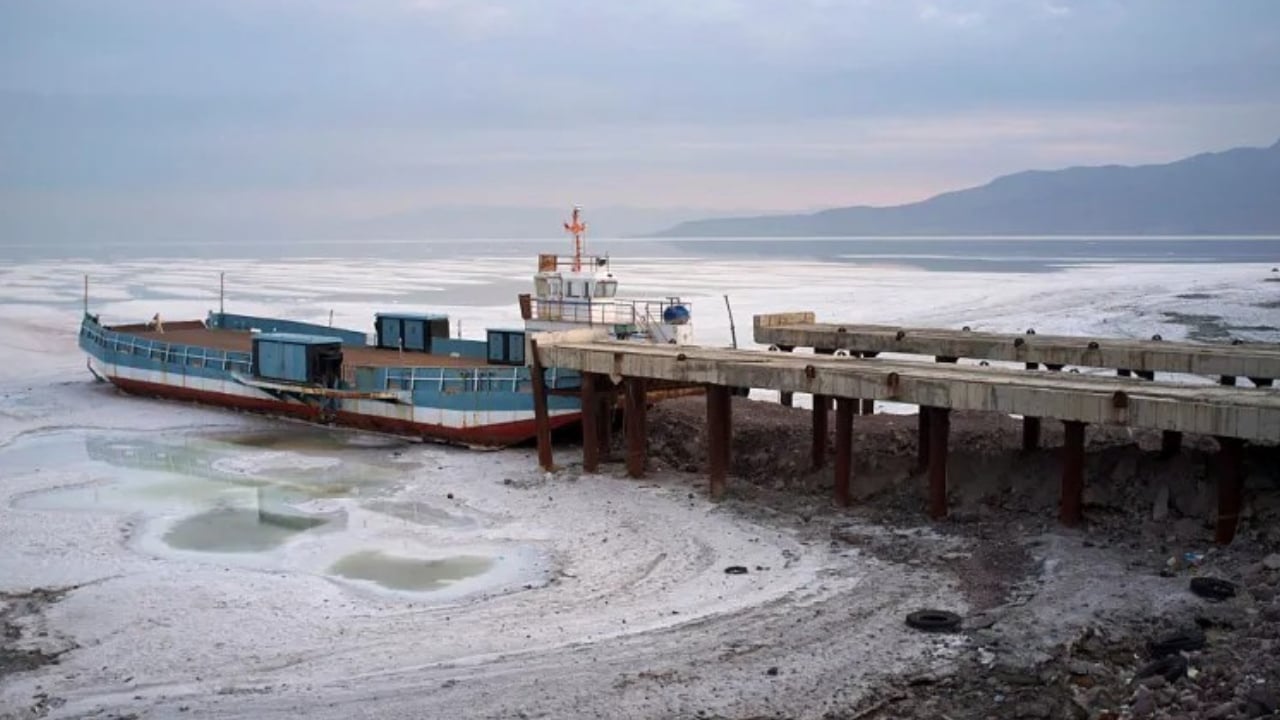
Iran is experiencing an acute water crisis as prolonged drought, reduced rainfall, and unsustainable water use have depleted reservoirs, rivers, and groundwater. The situation has worsened following Israeli attacks that damaged desalination plants, pipelines, and other civilian water infrastructure. The World Resources Institute has classified Iran as a country under 'extremely high' water stress, using over 80 percent of its renewable water resources annually. Lake Urmia in northwestern Iran, once spanning about 6,000 square kilometers in the 1990s, has shrunk to just 581 square kilometers. Drought, excessive irrigation, river diversion, and groundwater extraction have turned much of the lakebed into salt flats. More than 60 dams on feeder rivers have further reduced water flow, while inefficient irrigation systems waste large amounts of water. In 2025, Iran’s population of 92 million used around 100 billion cubic meters of water—13 billion more than renewable supply. Agriculture consumes about 91 percent of total water use, while desalination provides only 3 percent, mostly limited to southern coastal cities.
Global oil prices increased again following new US military strikes on Iran. According to the report, international crude prices rose by about 1 percent on June 10, 2026. Brent crude climbed 0.9 percent to reach 92.29 dollars per barrel, while US West Texas Intermediate (WTI) crude rose 0.8 percent to 88.97 dollars per barrel. Al Jazeera reported that crude oil prices rebounded from a seven-week low after the US attacks on Iran and data showing a significant decline in US crude inventories. The combination of geopolitical tension and reduced supply contributed to the upward movement in prices. The report indicates that the market reaction reflects renewed concern over supply disruptions in the Middle East and tightening US stock levels, which could influence short-term global energy costs.

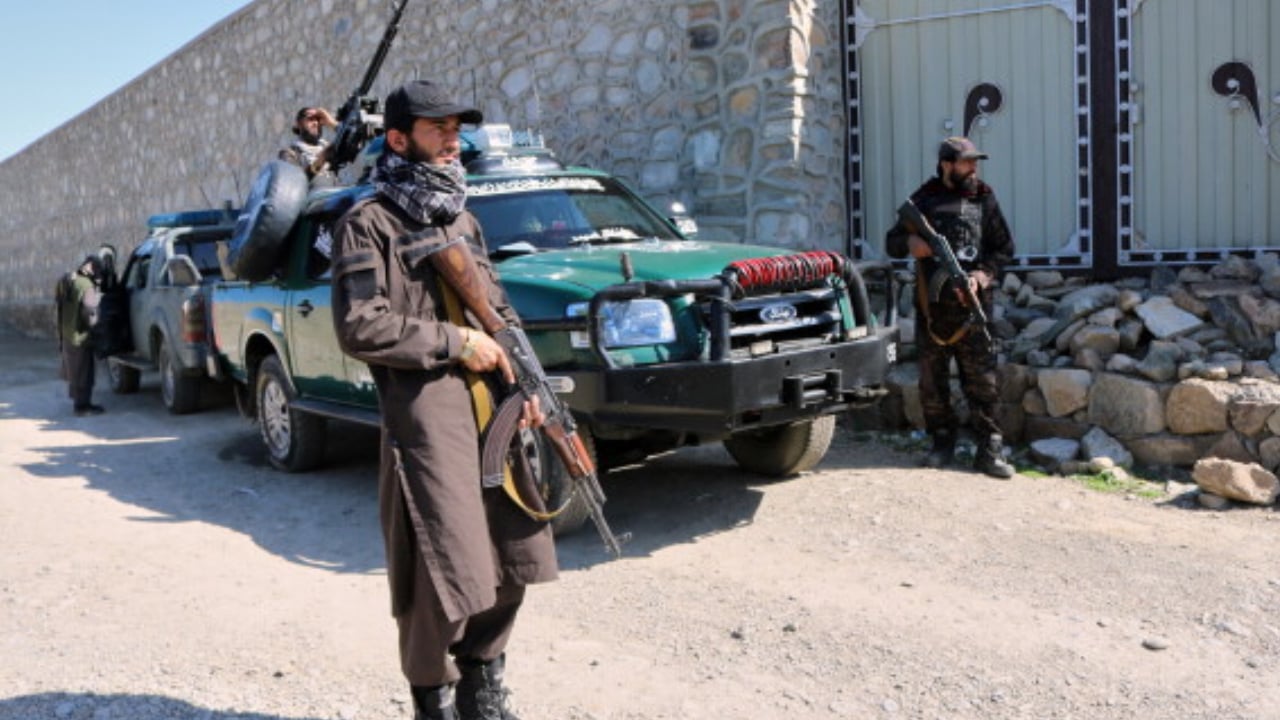
Afghanistan has claimed that 13 people, including 11 children, were killed and 14 others injured in airstrikes carried out by Pakistan’s military. Taliban government spokesperson Zabihullah Mujahid said the strikes targeted Kunar, Khost, and Paktia provinces late on Tuesday night, describing the incident as a humanitarian crime and an act of aggression. The attack was reported as the deadliest in recent weeks. No immediate comment was issued by Pakistan’s military or government. However, security officials told Reuters that the strikes targeted militant hideouts and other locations. A local official in Khost province told AFP that nine people were killed and ten injured in a strike on a house in Spera district, while three civilians died in a separate attack in Barmal district of neighboring Paktika province. Islamabad has accused militants of launching attacks into Pakistan from Afghan territory, a claim the Taliban government denies, insisting that militancy in Pakistan is an internal issue.
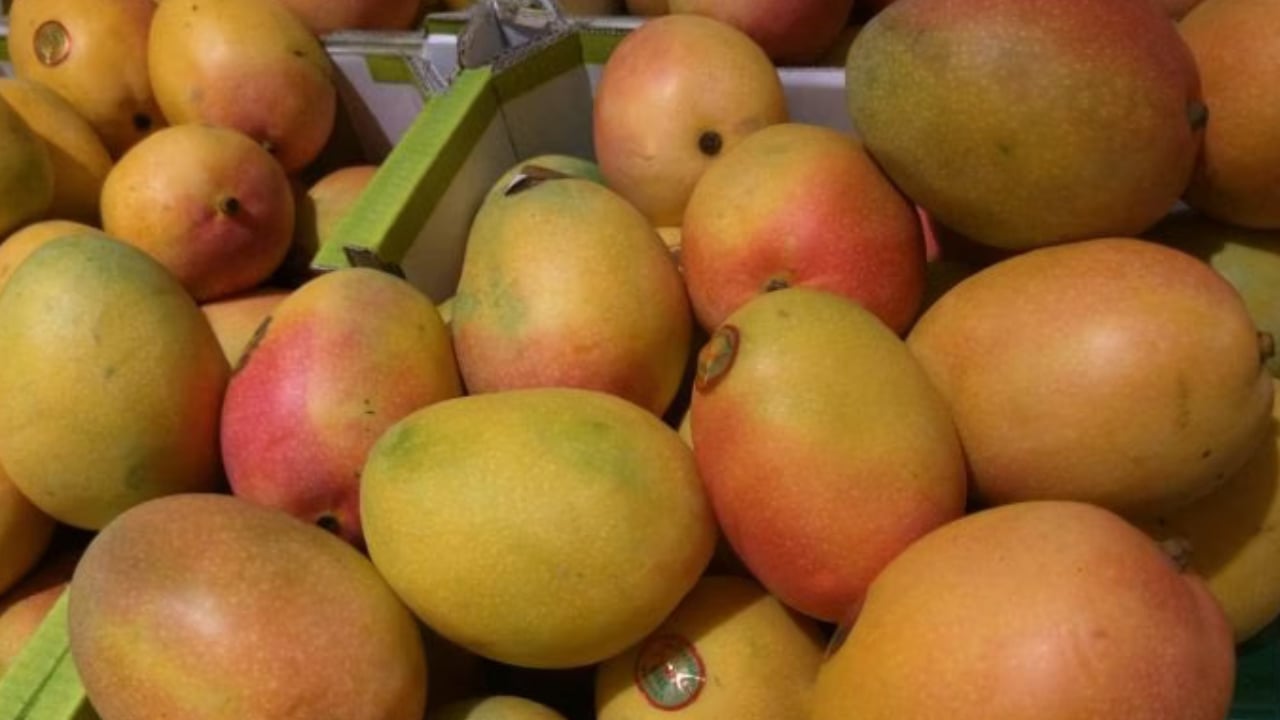
Nepal has imposed a ban on the import of Indian mangoes after detecting excessive levels of chemical pesticides in imported consignments. The decision was announced by the Ministry of Agriculture and Livestock Development in Kathmandu, following a similar move by Japan in May. The ministry stated that the measure aims to ensure food safety and protect consumers. Officials from Nepal’s Madhesh Province said the ban would help expand the market for locally grown fruits. Ministry spokesperson Manish Kumar Pal told The Rising Nepal that the decision would encourage domestic fruit production and allow citizens access to healthier and safer produce. However, mango traders in Nepal expressed concern that the ban could lead to shortages, price increases, and financial losses. Although Nepal produces and exports mangoes, domestic production is insufficient to meet local demand, and the mango season lasts only two months each year.
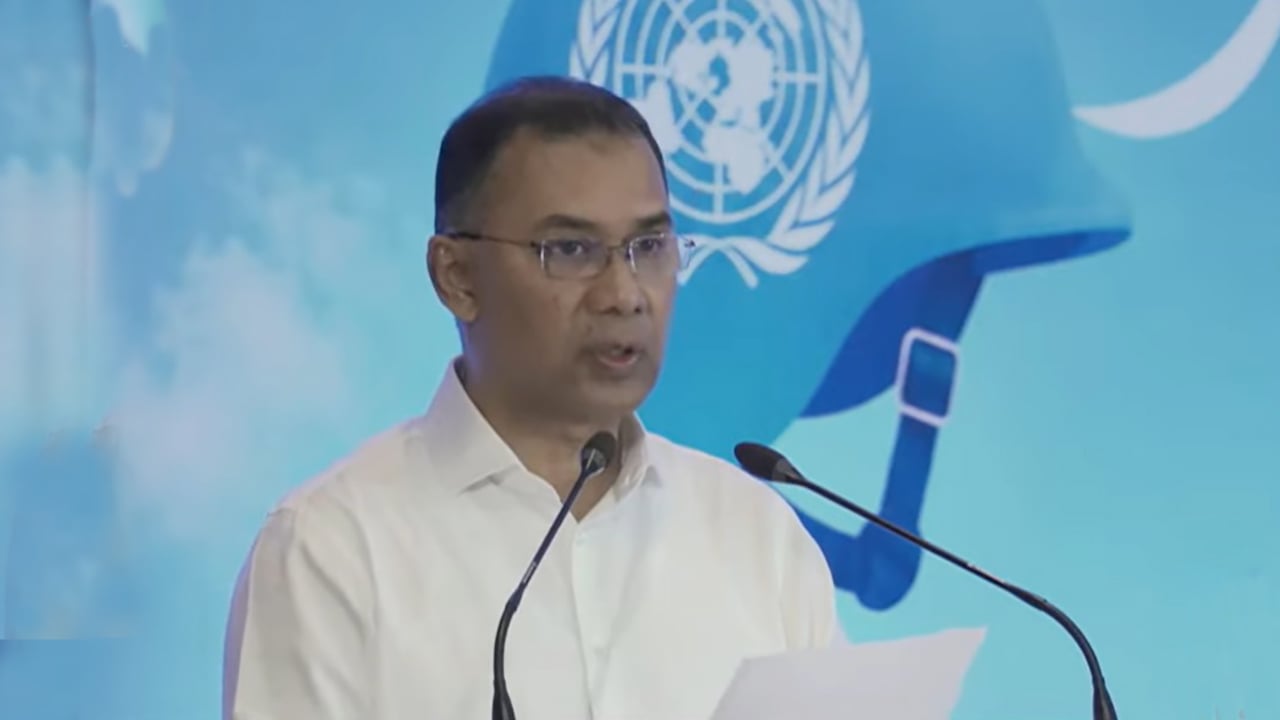
Prime Minister Tarique Rahman has announced that future peacekeeping missions will be modern and technology-driven. He made the statement on Wednesday morning at the International United Nations Peacekeepers Day event held at Senakunja in Dhaka Cantonment. The Prime Minister said the sacrifices of peacekeepers will remain a shining example in the nation’s history and reaffirmed Bangladesh’s commitment to global peace under the UN flag. He paid deep tribute to Bangladeshi peacekeepers who have sacrificed their lives for world peace since 1988, noting that 175 members have been martyred and many others injured while serving in UN missions. Rahman expressed condolences to the bereaved families and prayed for the departed souls. He emphasized that the dedication of Bangladeshi peacekeepers demonstrates their resolve to defend not only national sovereignty but also global peace. The Prime Minister added that the government remains committed to honoring the families of fallen and injured peacekeepers and to strengthening Bangladesh’s role in future UN peacekeeping operations through modernization and technology integration.
Iran carried out a drone attack on the Ali Al Salem Air Base in Kuwait, which serves as the United States’ main military installation in the country. Kuwait’s military claimed to have intercepted the assault. The incident occurred as part of a broader Iranian operation targeting 21 US military sites across the region, including air and naval bases. According to Iranian state media, the Islamic Revolutionary Guard Corps (IRGC) described the strikes as retaliation for recent US air raids in southern Iran. The IRGC also confirmed attacks on American bases in Bahrain and Jordan. The escalation follows earlier US strikes on Iranian territory after Washington accused Tehran of downing a US military helicopter. Iranian media further reported multiple explosions in Qeshm Island, Jask, Sirik, and Bandar Abbas, indicating heightened military activity in southern Iran. The situation underscores rising hostilities between the two nations and growing instability across the Gulf region.
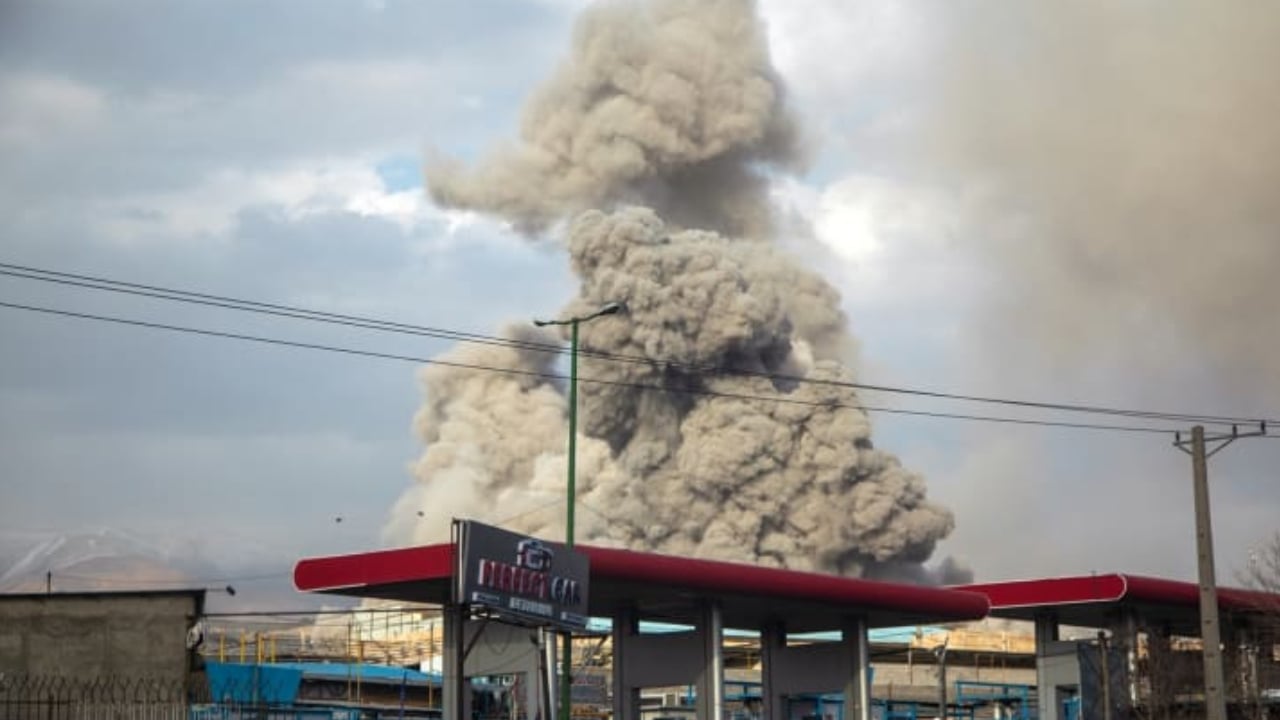
Gold prices in Bangladesh have dropped significantly following a decline in the global market. The Bangladesh Jewellers Association (BAJUS) announced a reduction of Tk 6,591 per bhori, setting the new price for 22-carat gold at Tk 222,782 per bhori. The revised rates took effect from 10 a.m. on Wednesday, according to a BAJUS notice. The association stated that the price of pure gold in the local market had decreased, prompting the adjustment. Under the new pricing, 21-carat gold now costs Tk 212,635 per bhori, 18-carat gold Tk 182,250, and traditional gold Tk 148,424 per bhori. The last adjustment was made on June 6, when BAJUS reduced the price by Tk 5,482 per bhori. So far this year, BAJUS has adjusted gold prices 72 times, with 37 increases and 35 decreases, reflecting ongoing volatility in both local and international markets.

The ‘1 Nojor’ media platform is now live in beta, inviting users to explore and provide feedback as we continue to refine the experience.