

The ‘1 Nojor’ media platform is now live in beta, inviting users to explore and provide feedback as we continue to refine the experience.
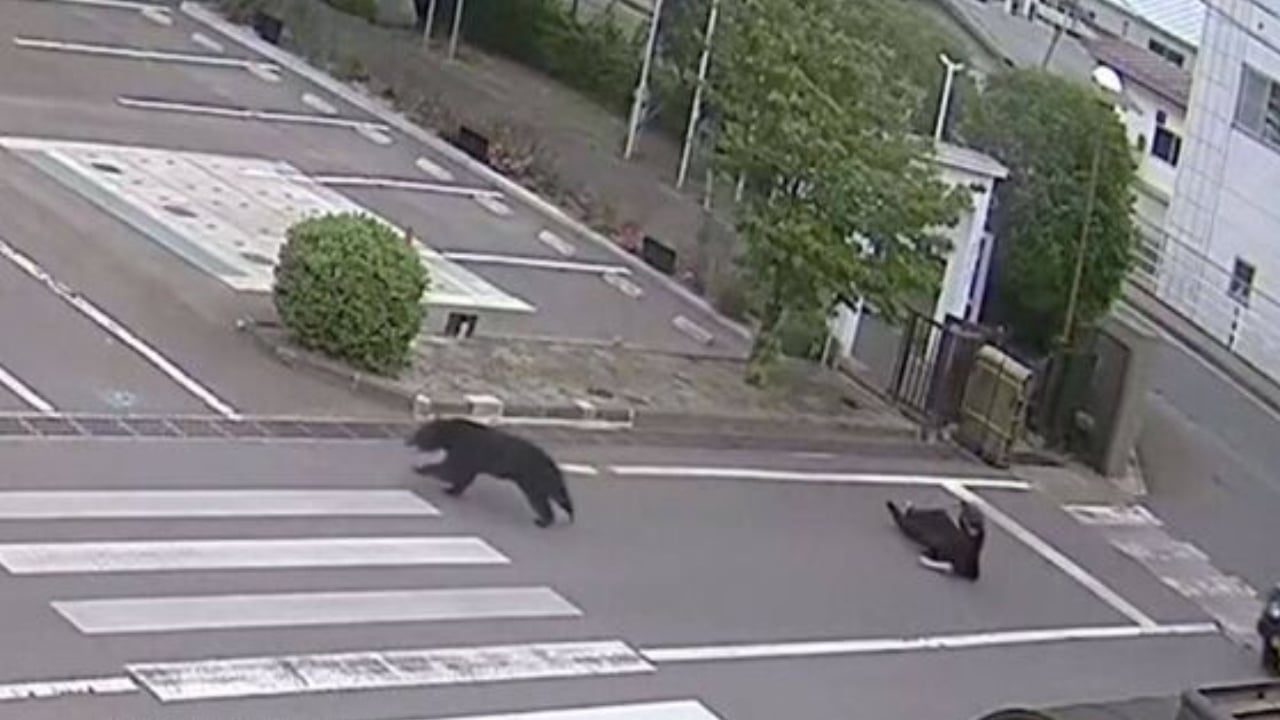
A sudden appearance of a black bear in Utsunomiya, a city about 100 kilometers north of Tokyo, has caused widespread alarm. Authorities closed 94 primary and secondary schools after the bear was first seen near a park on Saturday. The animal was later captured on CCTV early Sunday running through the city center, and sightings continued into Monday morning near an industrial area. Officials urged residents to keep doors and windows shut, avoid approaching the bear, and seek shelter indoors. Police and local hunters have launched a joint search operation. Reports indicate that Japan has recorded around 50,000 bear sightings this year, an unusually high number. Although bears are rarely seen so close to Tokyo, recent months have seen several attacks and encounters in nearby regions, including Okutama, Hachioji, and Fukushima. The incidents reflect a broader rise in bear encounters across Japan’s main island, Honshu, where an estimated 12,000 to 42,000 Asian black bears live. Authorities continue to monitor the situation as search efforts in Utsunomiya remain underway.
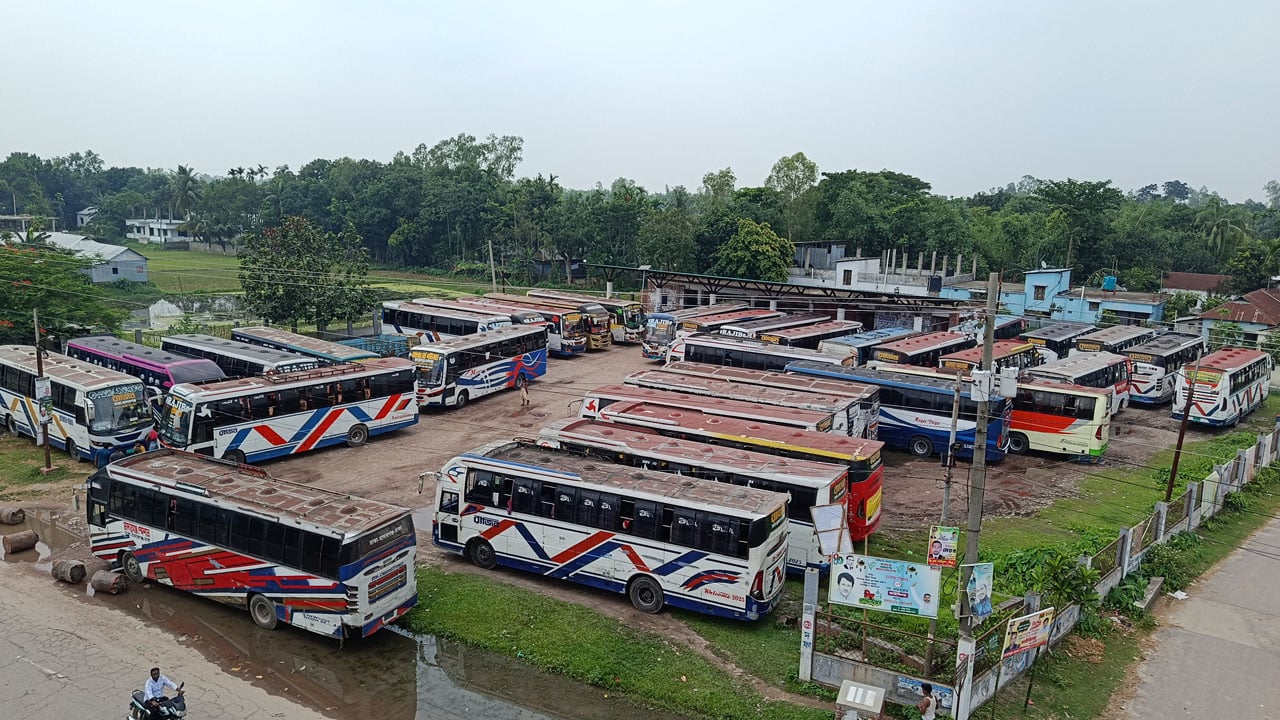
Long-distance bus services from Madarganj in Jamalpur to Dhaka remained suspended for 21 hours following an assault on a bus driver. The suspension began on Sunday evening and continued until Monday afternoon, causing severe inconvenience to passengers. Many travelers expressed frustration as the shutdown occurred without prior notice. Transport workers said they stopped operations to protest the attack on the driver and demanded the arrest of the accused, including Sohel. They warned of tougher actions if their demands were not met. The suspension also led to a shortage of CNG-run autorickshaws, affecting passengers traveling toward Jamalpur. The incident originated from a dispute on Sunday evening when a bus driver was beaten by two counter staff, escalating into a violent altercation that left one person injured. Local authorities confirmed that efforts were underway to restore normal transport operations. Police said a case had been filed by the assaulted driver, and raids were ongoing to arrest the suspects.
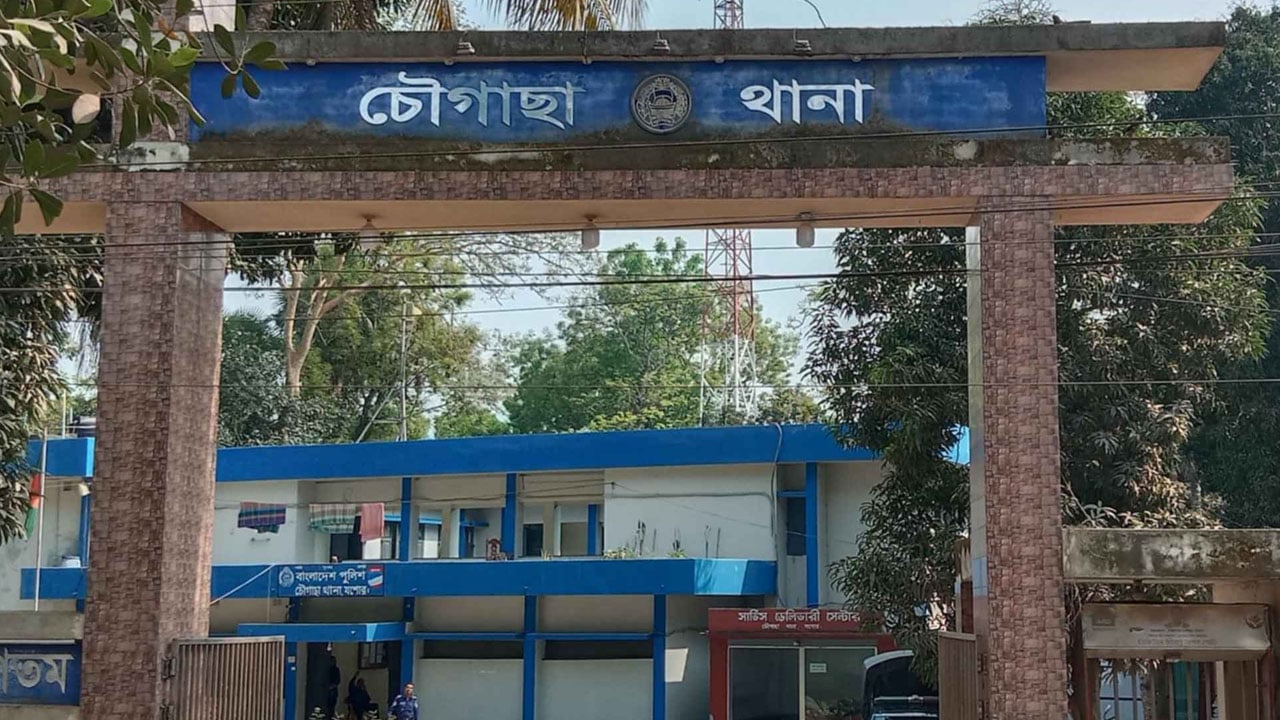
A newly married woman named Shefa, aged 18, died by suicide in the Kutipara area of Chowgacha municipality, Jashore, on Sunday night. According to local sources, she took her own life by hanging herself while on a live video call with her husband, Khalid Bin Walid, also known as Setu. Shefa was the daughter of Mujibul Islam from Kutipara and had been married to Setu, a clothing shop owner in Akbar Market, for two months. Family members alleged that after the marriage, Setu and his family repeatedly demanded a large sum of money from Shefa’s family, first for business purposes and later for traveling abroad. When her family could not meet the demands, Shefa was reportedly subjected to mental and physical abuse. Feeling helpless, she ended her life at her father’s home. She was taken to Chowgacha Hospital, where doctors declared her dead. The incident has cast a shadow of grief across the area. Chowgacha Police Station Officer-in-Charge Mamunur Rashid confirmed the incident and said legal action would be taken if a complaint is filed.
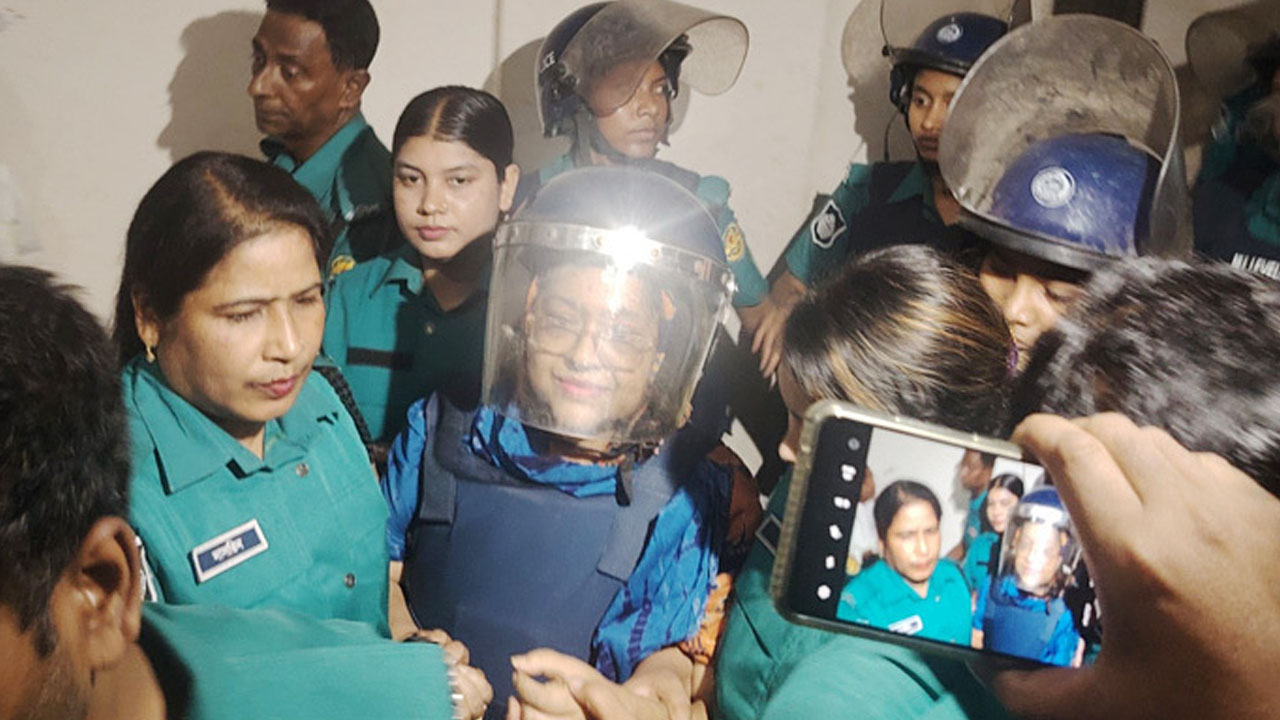
A Dhaka court has ordered the arrest of former International Crimes Tribunal prosecutor Barrister Turin Afroz in a case filed by her brother over alleged fraud and illegal possession of family property. The order was issued on Monday by Additional Chief Metropolitan Magistrate Zakir Hossain following a petition from the investigating officer. According to the case, the dispute began over family property in the Uttara area of Dhaka. Plaintiff Shah Newaz Ahmad alleged that Turin Afroz attempted to seize their ancestral property through fraudulent means and abuse of influence. The complaint also stated that she created a false affidavit to claim ownership, physically assaulted the plaintiff’s mother, and took important documents from her flat. It further alleged that Afroz threatened the family with death, leaving them in fear for a long time. The Police Bureau of Investigation submitted its report to the court, after which the plaintiff’s lawyer, Advocate Kofil Mahmud Raihan, sought an order to show Afroz as arrested in the case. The court granted the request and issued the arrest order.
Iran’s Islamic Revolutionary Guard Corps (IRGC) has announced the launch of 'Operation Nasr' against Israel. According to the IRGC, its Aerospace Force carried out missile strikes targeting key installations at Israel’s Nevatim and Tel Nof air bases. The operation reportedly began on Monday morning under the code name 'Ya Haidar Karar' as a tribute to those killed in a 12-day war. The IRGC stated that the operation was a direct response to Israeli missile attacks on Iranian radar facilities. In its official statement, the IRGC said it relied on divine support while striking the strategic air bases. The statement also cited a verse from the Quran emphasizing the right of those wronged to defend themselves. The IRGC added that all its fighters and operational units remain fully prepared to respond to any further attacks from the enemy. The report was carried by Iran’s Mehr News Agency and cited by Middle East Eye.
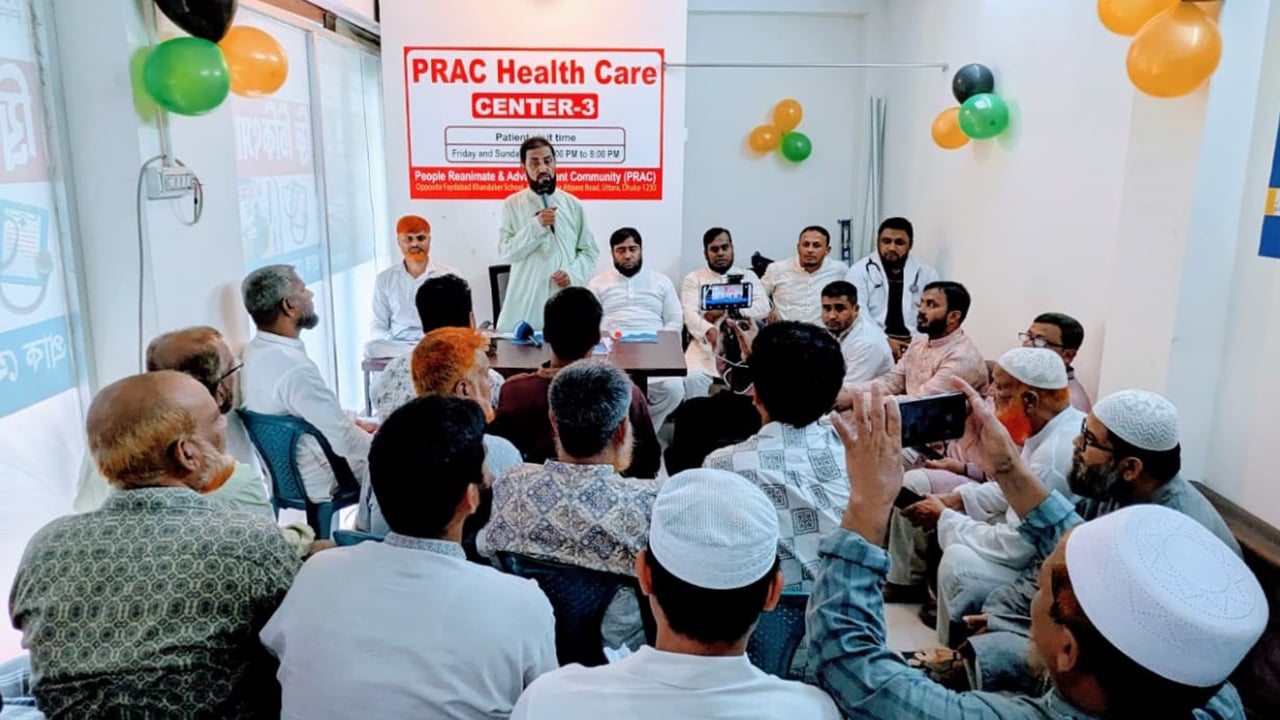
Mohammad Selim Uddin, a central executive member of Bangladesh Jamaat-e-Islami and mayoral candidate for Dhaka North City Corporation, warned that anyone attempting to take over Islami Bank Bangladesh would face consequences similar to those of past occupiers. He made the remarks on Monday morning at the inauguration of a new 'Praq Health Care Center' in Uttara’s Faydabad area of Dhaka. Selim Uddin said Jamaat could be criticized, but few could build service-oriented institutions like it. He described Islami Bank as the country’s top bank, claiming it handles a significant portion of remittance inflows and serves as one of Bangladesh’s most successful service institutions. He urged the government to follow Islami Bank’s model to revive struggling banks instead of destabilizing the sector. Selim Uddin also called on the government to maintain peace and avoid actions that could create unrest. Addressing other issues, he urged the BNP to adhere to the ideals of Ziaur Rahman and Khaleda Zia, criticized Islami Bank’s current chairman, and demanded at least 8 percent of the national budget be allocated to healthcare.
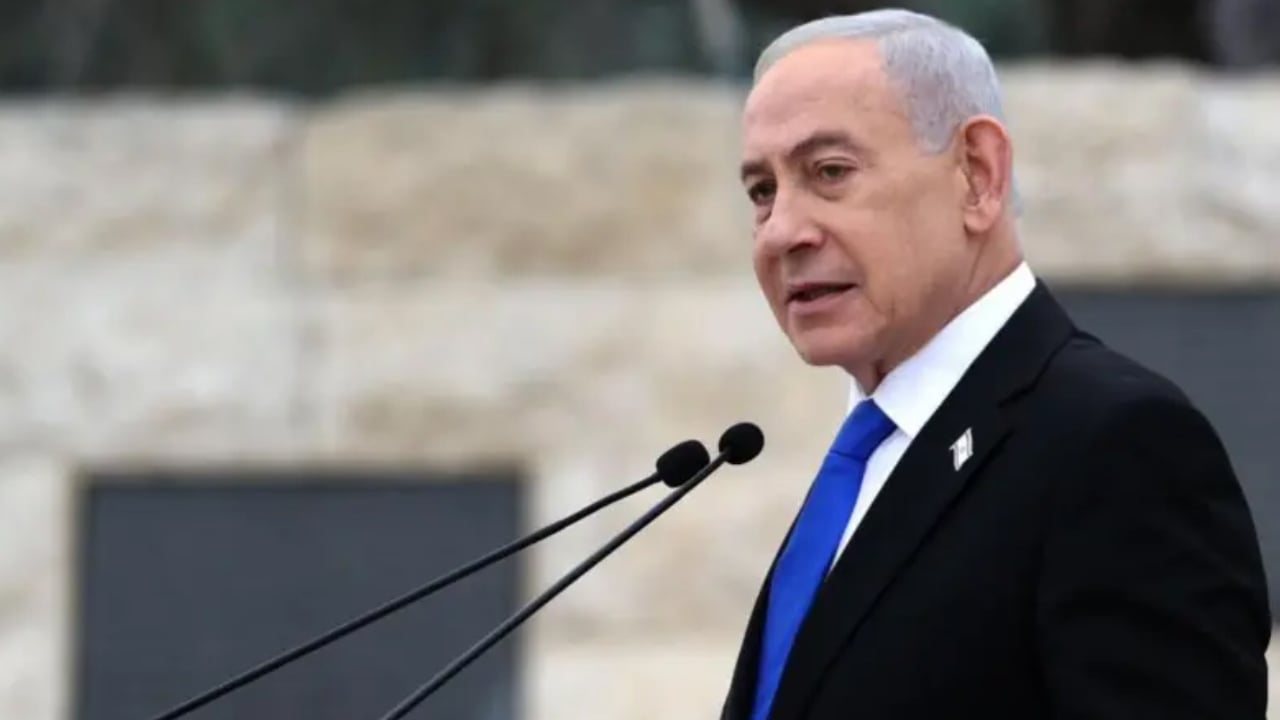
Israeli Prime Minister Benjamin Netanyahu is facing increasing domestic pressure as tensions rise over ongoing regional conflicts and diplomatic developments. Reports indicate that Netanyahu is worried about a potential agreement between the United States and Iran, which he views as disadvantageous for Israel. Some observers believe he may be attempting to create conditions for a renewed full-scale war. Support remains within Israel for continuing military operations in Lebanon despite dissatisfaction over Hezbollah’s persistent attacks. However, it is unclear what further gains Israel could achieve through continued strikes, especially as President Trump has reportedly limited Israeli actions in efforts to de-escalate the conflict. Public opinion polls suggest Netanyahu could lose his position in the upcoming Israeli elections scheduled before October, adding to the mounting political pressure he faces at home.
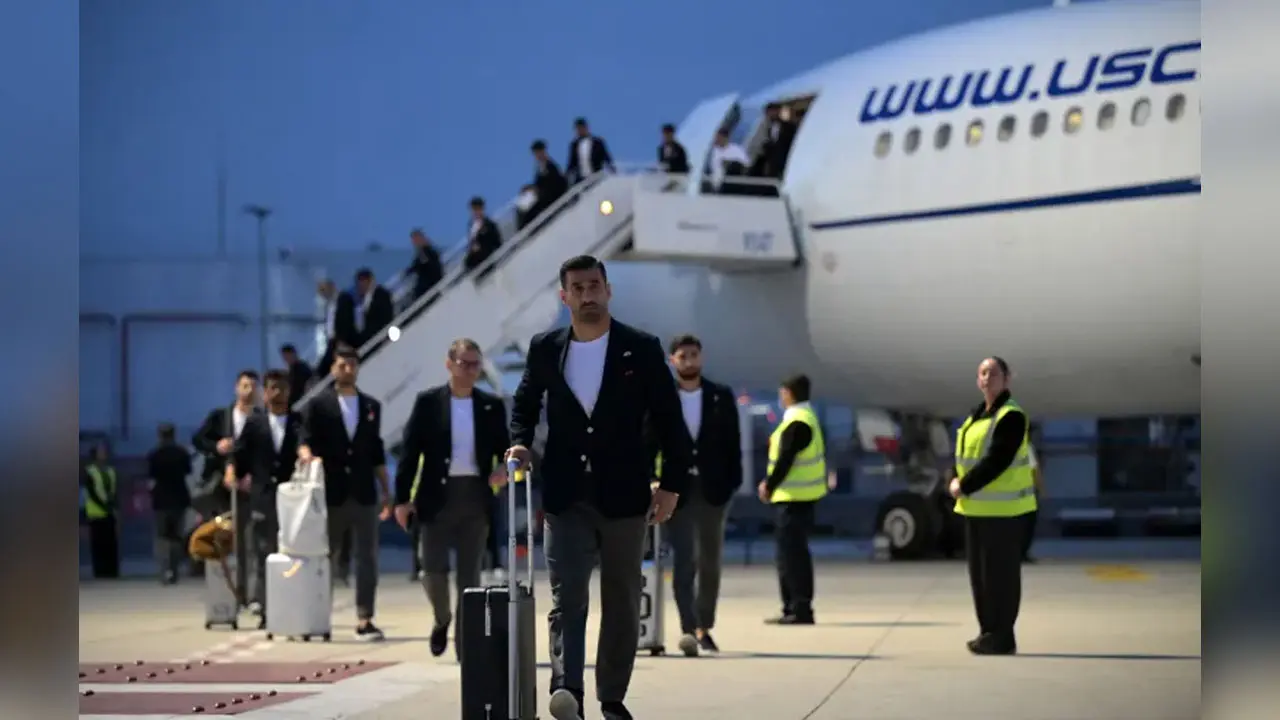
The Iran national football team has finally arrived in Mexico after overcoming visa complications ahead of the World Cup. However, several key officials have yet to receive U.S. visas, prompting veteran defender Ehsan Hajsafi to express frustration and question FIFA’s handling of the matter. Due to the delays, Iran relocated its planned training camp from Tucson, Arizona, to Tijuana, Mexico, near the U.S. border. Iran’s participation had faced uncertainty because of regional conflicts and diplomatic tensions. Although the team was eventually cleared to compete, the visa process forced logistical changes. According to Iranian media, those still awaiting visas include the federation’s secretary general Hedayat Mombeyni, vice president Mehdi Mohammad Nabi, and several senior staff members from management and media operations. Hajsafi emphasized that these officials play vital roles in daily operations and urged a swift resolution. Head coach Amir Ghalenoei has received his visa and continues leading preparations. While the visa delays have affected Iran’s pre-tournament readiness, the team now aims to focus on on-field performance as discussions over the unresolved visa issues continue.
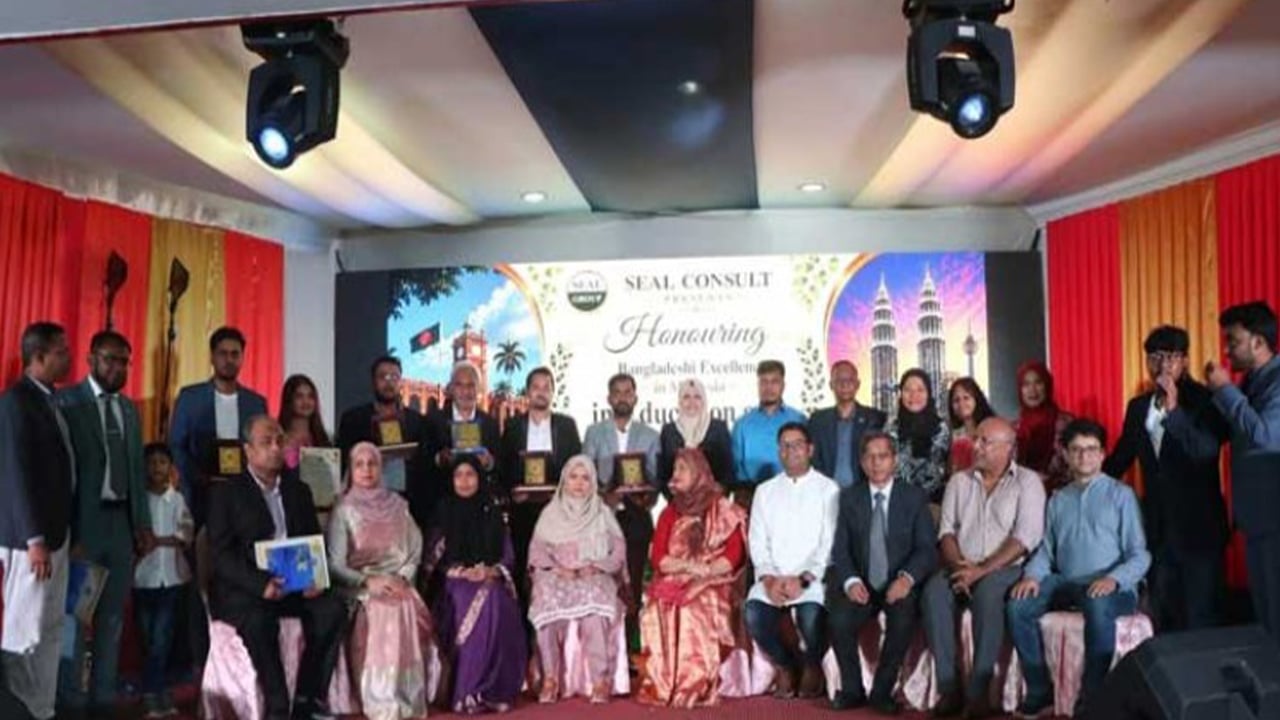
Twenty-four accomplished Bangladeshis were honored at the 'Bangladeshi Excellence Award in Malaysia 2026', organized by the Dhaka University Alumni Association Malaysia (DUAAM) in Kuala Lumpur on Saturday. The event recognized outstanding contributions in education, research, leadership, women’s empowerment, and community development among the Bangladeshi diaspora. According to the organizers, the initiative aims to acknowledge the positive global contributions of Bangladeshis and strengthen the country’s image internationally. The ceremony featured recognition for top-cited scientists, university professors, and researchers from around the world. Bangladesh’s High Commissioner to Malaysia, Md. Monjurul Karim Khan Chowdhury, attended as chief guest and congratulated the awardees, emphasizing that their achievements enhance Bangladesh’s global reputation. Awards were presented in four categories: nine in Academic Excellence, nine in Student Excellence, four in Women Empowerment, and two in Community Engagement. Guests from various Malaysian states including Kuantan, Kelantan, Johor Bahru, Malacca, Sabah, Sarawak, and Penang attended the event, which was described as a milestone for the Bangladeshi community abroad.
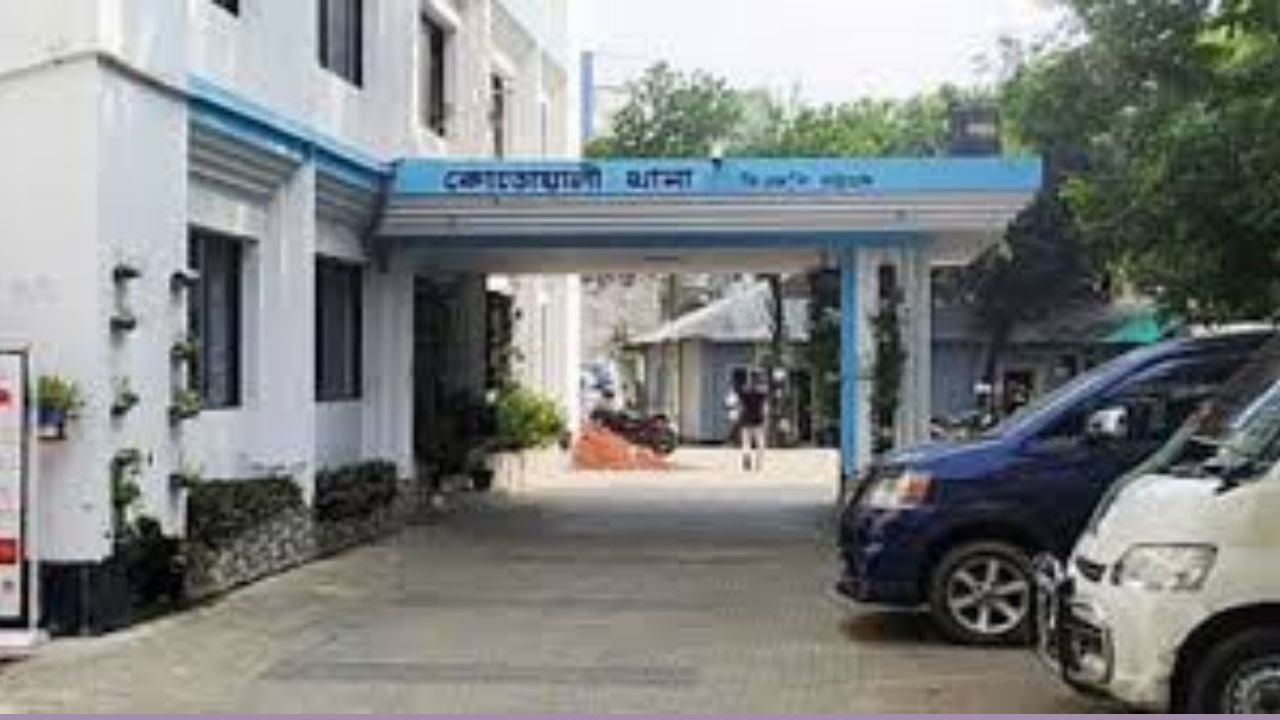
A video showing a Jubo League activist speaking with family and party members from inside the Kotwali Police Station lockup in Chattogram has gone viral, prompting public debate about police procedures. The footage, recorded on Saturday and widely shared on Monday, shows the detainee, identified as Md. Shukkur, claiming familiarity with the officer-in-charge Aftab Uddin and another officer, assuring that he would face no trouble. The incident has raised questions about whether detainees are allowed such communication while in custody. Officer-in-Charge Aftab Uddin confirmed that family members had visited the station and that someone recorded and shared the video online. He stated that police are not responsible for what detainees say. Legal provisions allow limited contact between detainees and relatives or lawyers, but unrestricted communication from inside a lockup is not permitted under police regulations. Legal expert Zia Habib Ahsan noted that such claims of personal ties with police officers could undermine public confidence in law enforcement neutrality. He emphasized that transparency and controlled access in lockups are essential to maintain the integrity of the judicial process.
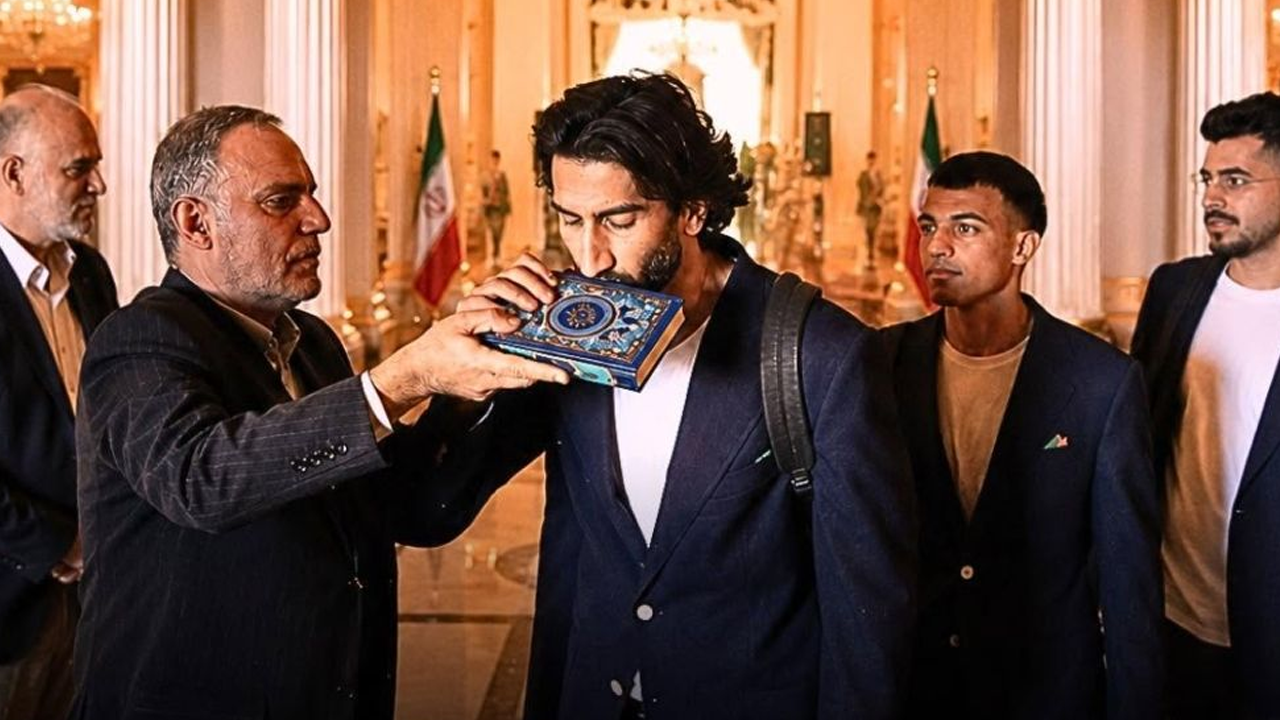
The Iranian national football team has arrived in Mexico to begin final preparations for the upcoming FIFA World Cup. Before departing, players and officials followed a long-standing tradition by kissing the Holy Quran and walking beneath it, seeking divine protection and success. The farewell ceremony took place in Antalya, Turkey, where the ritual was performed before the team flew to Mexico for training ahead of their group-stage matches in the United States later this month. The ritual, deeply rooted in Iranian culture, symbolizes faith, unity, and national pride. Iran’s World Cup participation has faced complications due to ongoing conflict with Israel and U.S. involvement in that situation. Visa issues forced the team to relocate its training camp from Tucson, Arizona, to Tijuana, Mexico, near the California border. The team had been training in Antalya before traveling to Mexico. Earlier this year, U.S. President Donald Trump discouraged Iran from participating, citing safety concerns. Iran’s team responded firmly, asserting that no one could exclude them from the tournament. The team is now preparing to compete despite earlier obstacles.
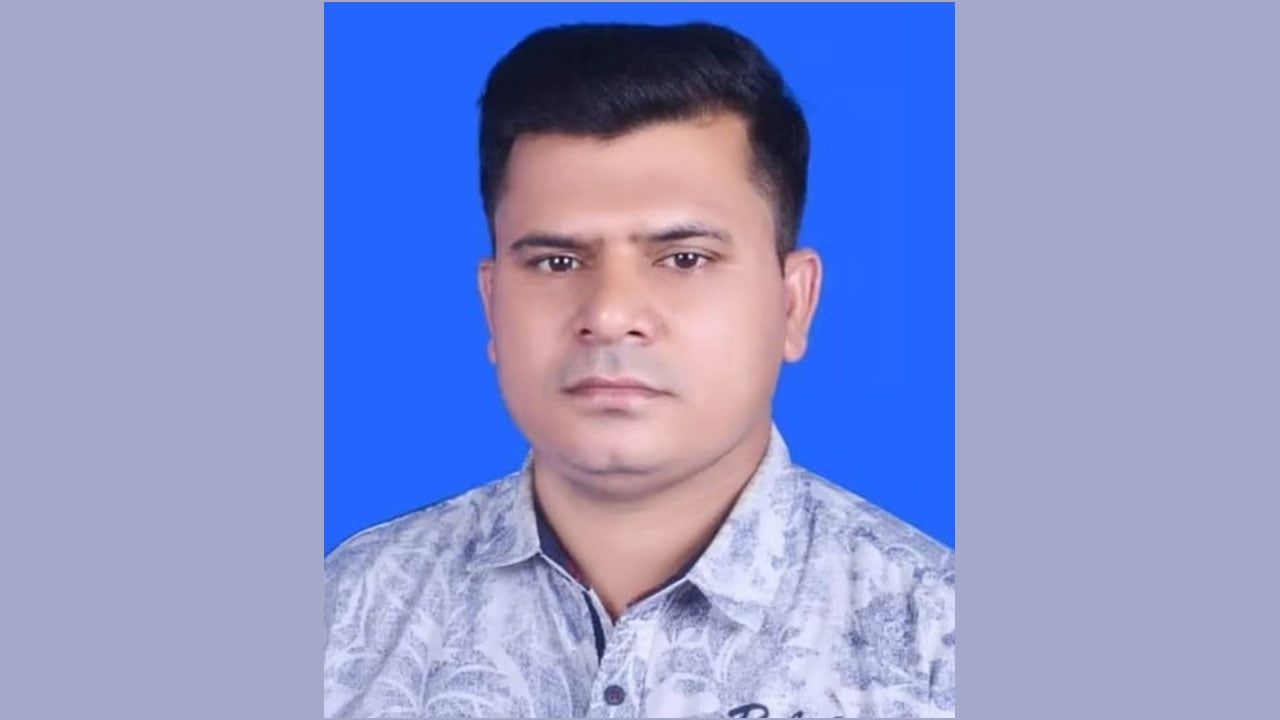
A Youth League leader who had been forcibly taken from police custody in Brahmanbaria’s Sarail upazila seven months ago has been arrested again. Police detained Gazi Borhan Uddin, 48, convener of the banned Aruail Union Youth League, on Sunday evening around 7:30 p.m. from the Aruail Bazar area. According to police sources, Borhan Uddin was originally arrested on November 4 last year and held at the Aruail police outpost before being attacked and freed by a group led by his brother, former union council member Gazi Bahar Uddin. Police reported that more than a hundred people participated in the assault, during which Borhan Uddin was taken away in handcuffs. He had been in hiding since then. On Sunday evening, officers located and arrested him from a business establishment behind the Aruail police outpost. The Sarail police station officer-in-charge, Monjur Kader Bhuiyan, stated that Borhan Uddin faces multiple cases and was brought to the station under special security measures. Legal procedures are ongoing, and operations to apprehend other fugitives will continue.
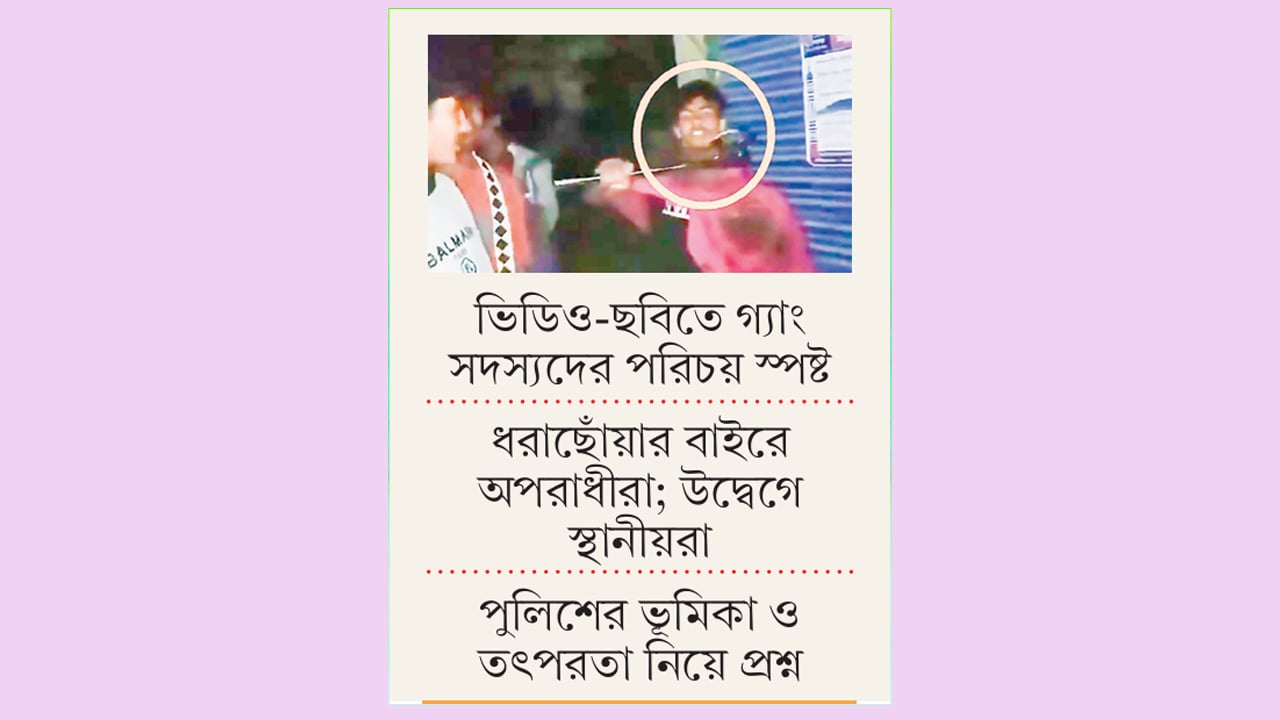
A public armed demonstration by a teenage gang at Anand Pilot School field in Burichang upazila of Cumilla has caused widespread concern. The incident occurred on Friday, when a group of teenagers displayed locally made weapons and firearm-like objects in an apparent show of power. Despite more than two days passing since the event, police have not arrested anyone, prompting anger and anxiety among residents. Videos of the incident, recorded by onlookers, quickly spread on social media and were widely discussed. Media reports and footage clearly identified many of the participants, yet no visible legal action has been taken. Locals questioned why arrests have not been made even though police admitted to identifying the suspects. Residents and parents expressed fears that unchecked gang activity is making the area unsafe for students and the community. Burichang Police Station’s officer-in-charge said the suspects had fled the area and that operations to arrest them were ongoing. Local lawmaker Jasim Uddin declared a zero-tolerance stance against teenage gangs and assured that those involved would be brought under the law.
U.S. President Donald Trump has said that Iran’s billions of dollars in frozen assets will not be released until a permanent ceasefire agreement formally ends the ongoing conflict between the United States, Israel, and Iran. Speaking on NBC’s Meet the Press, Trump stated that the release of Iranian funds would only be considered after a deal is signed and if Tehran demonstrates good behavior. He also warned that the U.S. is either very close to a deal or prepared to launch a severe attack. Iranian officials have indicated that without partial release of the frozen assets, a ceasefire agreement may not be possible. Iran’s state media reported that Tehran is demanding the release of 12 to 24 billion dollars as part of the deal, describing it as a test of trust. The frozen assets, estimated at over 100 billion dollars, have been held in foreign banks due to international sanctions. Despite ongoing diplomatic efforts, tensions remain high. Iran’s parliament speaker warned of possible retaliation for Israeli strikes in Beirut and U.S. naval blockades, while a U.S. official told Al Jazeera that Washington holds Hezbollah fully responsible for the Lebanon conflict.

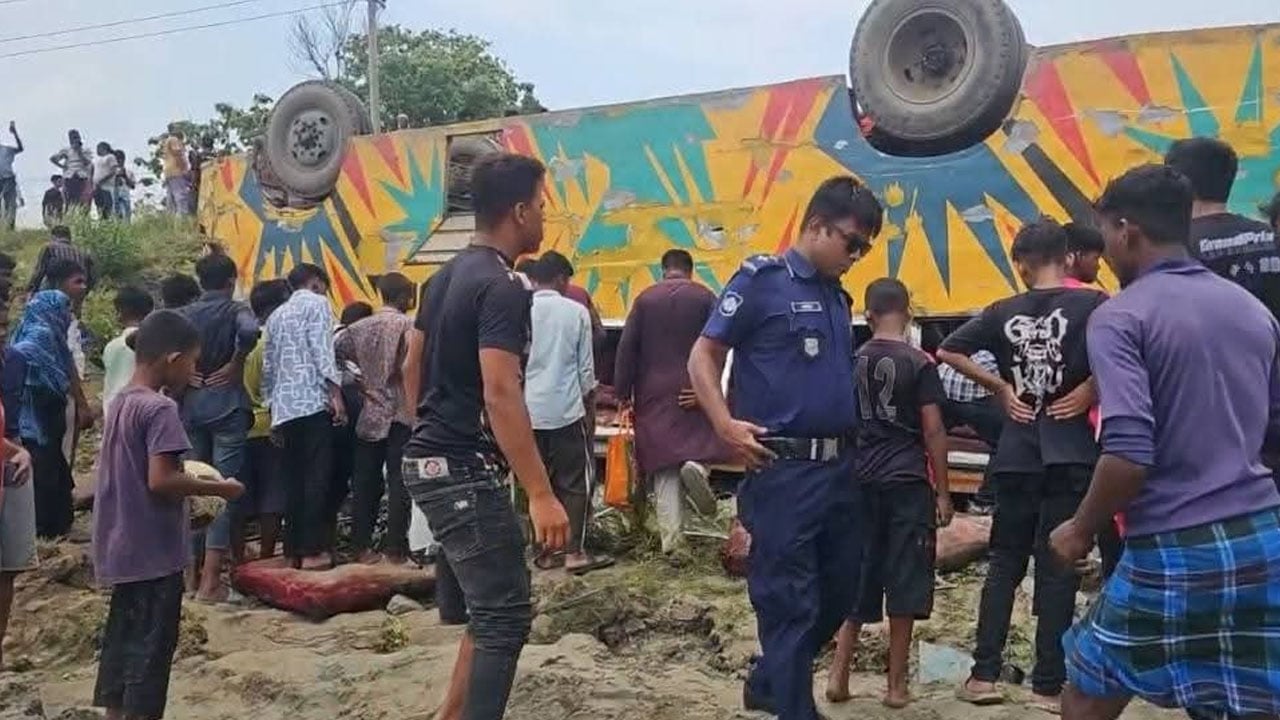
Four people were killed and at least 40 others injured when a passenger bus plunged into a roadside ditch in the Baishamrao area of Shahbazpur Union under Sarail upazila of Brahmanbaria on Monday afternoon. The accident occurred on the Dhaka–Sylhet Highway when a Diganta Paribahan bus traveling from Madhabpur in Habiganj to Brahmanbaria collided with a CNG-run autorickshaw and lost control. Highway police, fire service personnel, and local administration officials rushed to the scene and carried out rescue operations. The injured were taken to hospitals in Brahmanbaria, Sarail, and nearby areas for treatment. Authorities said the exact cause of the accident and the final number of casualties would be confirmed after the rescue operation concludes. Sarail Khatihata Highway Police Station Officer-in-Charge Abu Taher Dewan confirmed the incident and ongoing rescue efforts.
The ‘1 Nojor’ media platform is now live in beta, inviting users to explore and provide feedback as we continue to refine the experience.