

The ‘1 Nojor’ media platform is now live in beta, inviting users to explore and provide feedback as we continue to refine the experience.
The Washington-based research organization The Bengal Council has released a new policy paper analyzing the recently signed United States–Bangladesh trade agreement. Titled “The Cotton Corridor: Bangladesh’s Reciprocal Trade Agreement with the United States and the Path Forward,” the six-page paper examines the strategic importance, potential, and implementation aspects of the deal signed earlier this year. It emphasizes that the agreement should be seen not merely as a tariff reduction initiative or political issue but as the institutional basis for a long-term economic partnership between the two nations. The paper discusses five key areas: Bangladesh’s export economy, the agreement’s core commitments, the global geopolitical and trade context, prospects for bilateral cooperation, and institutional challenges in implementation. It highlights that effective execution of the zero-tariff benefit for garments made with US cotton could significantly enhance Bangladesh’s apparel competitiveness. The report also notes that the deal could influence Bangladesh’s relations with other partners such as the EU, India, and China, while opening opportunities in investment, technology, supply chain stability, cybersecurity, and development finance. Eight recommendations are proposed, including launching the zero-tariff corridor swiftly, strengthening parliamentary oversight, managing third-country relations strategically, and using the agreement to drive domestic reforms.

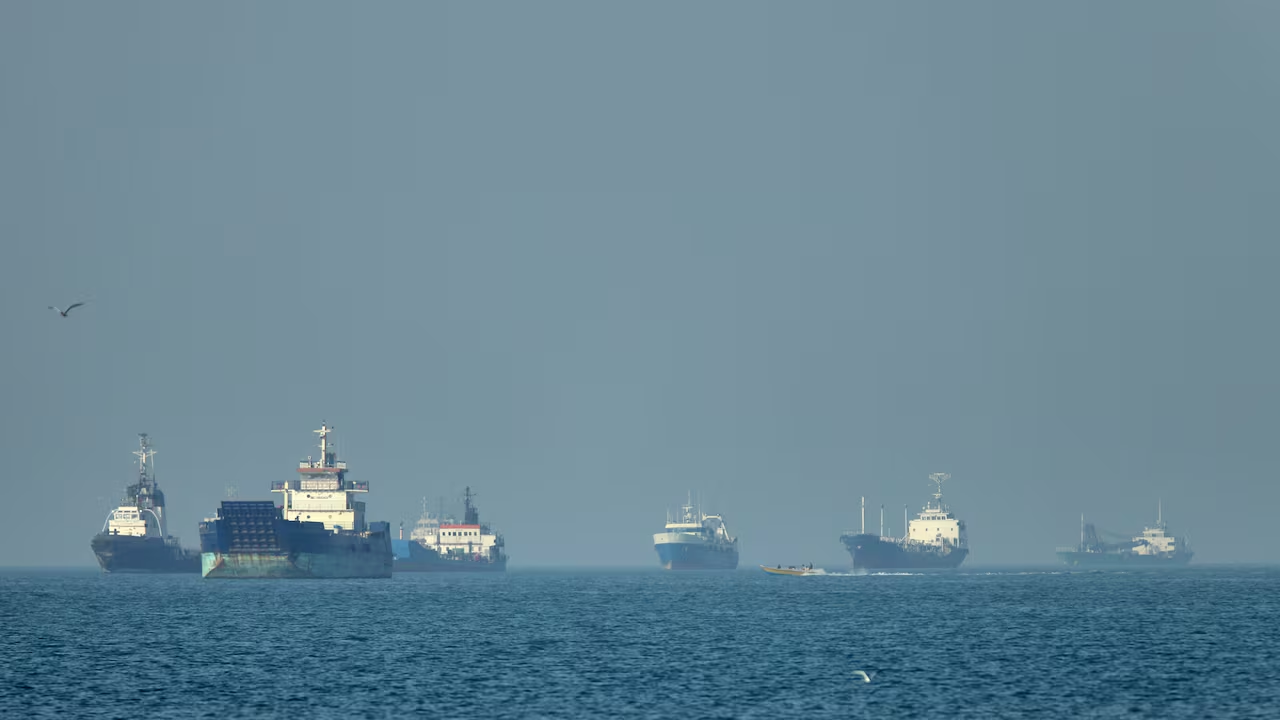
At least 6,000 sailors have been stranded in the strategically vital Hormuz Strait amid escalating tensions between Iran and the United States. The information was confirmed by Arsenio Dominguez, head of the International Maritime Organization (IMO), in an interview with NBC News. He warned that reckless attacks in the area have once again placed innocent sailors’ lives at extreme risk, emphasizing that no seafarer should have to risk their life merely to fulfill professional duties. Dominguez added that behind these numbers are ordinary sailors and their families, who are paying a heavy humanitarian price for the ongoing conflict. The situation has raised serious concerns about the safety of commercial vessels operating in the region. According to the report, the conflict’s impact is directly affecting thousands of workers involved in global maritime trade, as the security of shipping routes through the Hormuz Strait remains uncertain.
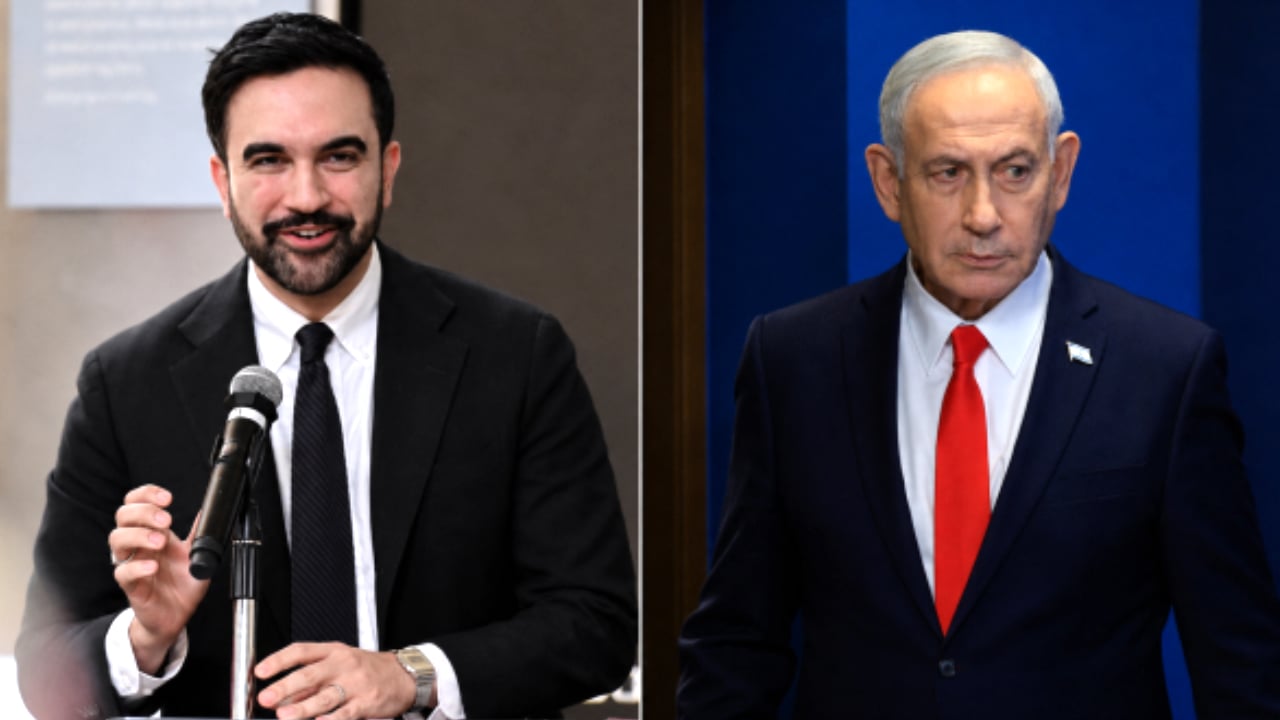
A recent survey by the Associated Press and the NORC Center for Public Research found that overall American support for Israel has dropped significantly. One in three adult Americans believe Israel is committing genocide against Palestinians in Gaza. The poll also revealed that New York City Mayor Zohran Mamdani, known for his strong criticism of Israel, is more popular among Jewish Americans than Israeli Prime Minister Benjamin Netanyahu. Among Jewish-American respondents, about 30 percent said Israel has committed genocide, while 49 percent disagreed. Netanyahu remains deeply unpopular among Jewish Americans, with nearly six in ten expressing dislike and only one-third viewing him favorably. In contrast, 44 percent of Jewish respondents said they like Mamdani, while 39 percent view him negatively and 17 percent had no opinion. The survey further showed that Netanyahu’s popularity is low among the general US population, with only 20 percent expressing a favorable view and 38 percent unfavorable, while 41 percent offered no opinion.
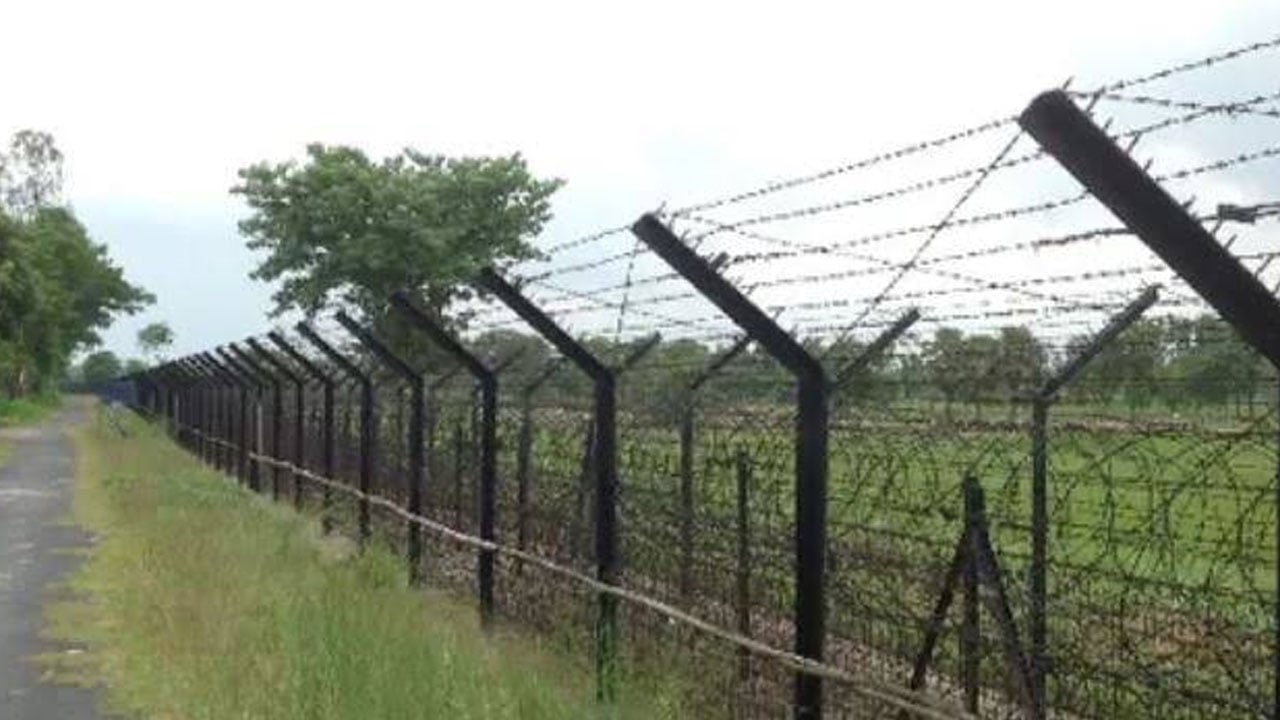
The Border Guard Bangladesh (BGB) stopped an attempt by India’s Border Security Force (BSF) to push seven individuals into Bangladesh through the Companyganj border in Sylhet. The incident occurred around 4:30 a.m. on Thursday at the Kalairag Kauar Tuk border area. The seven people are currently positioned in the no-man’s land between the two countries. According to BGB and local sources, the attempt took place near sub-pillar 33 of the 1251 main border pillar. BGB personnel intervened and prevented the push-in, forcing the individuals to return to the Indian side, where they are now located about 50 yards inside Indian territory. The commander of the Kalasadek Border Outpost confirmed that the situation was under control and that a letter had been sent to BSF requesting a flag meeting on the matter. The border area remains calm following the incident, and both sides are expected to address the issue through official communication channels.
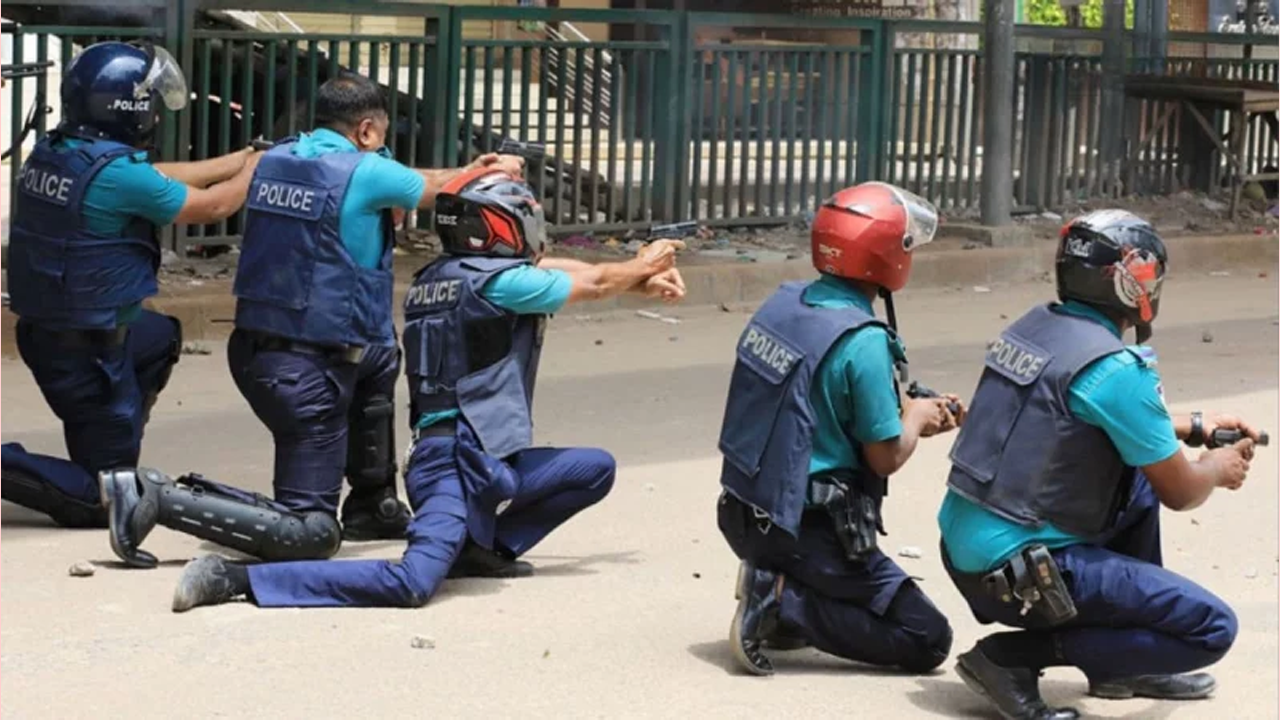
The Ministry of Home Affairs in Bangladesh has decided to dismiss 57 police officers who went into hiding following the July mass uprising. An official notification issued on Thursday confirmed the dismissal of three officers—Mishu Biswas, Jewel Chakma, and Mahmudul Hasan—while the remaining names are being finalized. The ministry has already begun issuing formal orders for the terminations. According to ministry sources, at least 82 cadre officers have been absent without leave since August 5, 2024. After completing the necessary legal procedures, the government reached a final decision to dismiss 57 of them. The list includes several assistant and additional superintendents of police, as well as deputy commissioners from various units. The dismissals mark one of the largest disciplinary actions within the police force in recent years, signaling the government’s intent to address absconding officers linked to the unrest.
South Korea’s Supreme Court has upheld a seven-year prison sentence for former president Yoon Suk Yeol, confirming lower court rulings related to his failed attempt to impose martial law in 2024. The verdict, delivered on Thursday, rejected appeals from both prosecutors and Yoon’s defense team, stating that no legal errors were found in earlier judgments. Yoon remains imprisoned and is also serving a separate life sentence for leading a rebellion through the declaration of martial law. The case centered on allegations that Yoon obstructed full cabinet discussions before declaring martial law, used a forged signature of the prime minister, and ordered the destruction of related documents. He was also accused of directing misleading press releases and instructing a military commander to delete secure communications data. Prosecutors had sought a ten-year sentence, while lower courts initially imposed five years, later increased to seven by the appellate court. Yoon’s lawyers expressed deep regret over the Supreme Court’s decision, claiming the case was resolved without sufficient review. They announced plans to challenge the ruling on constitutional grounds.

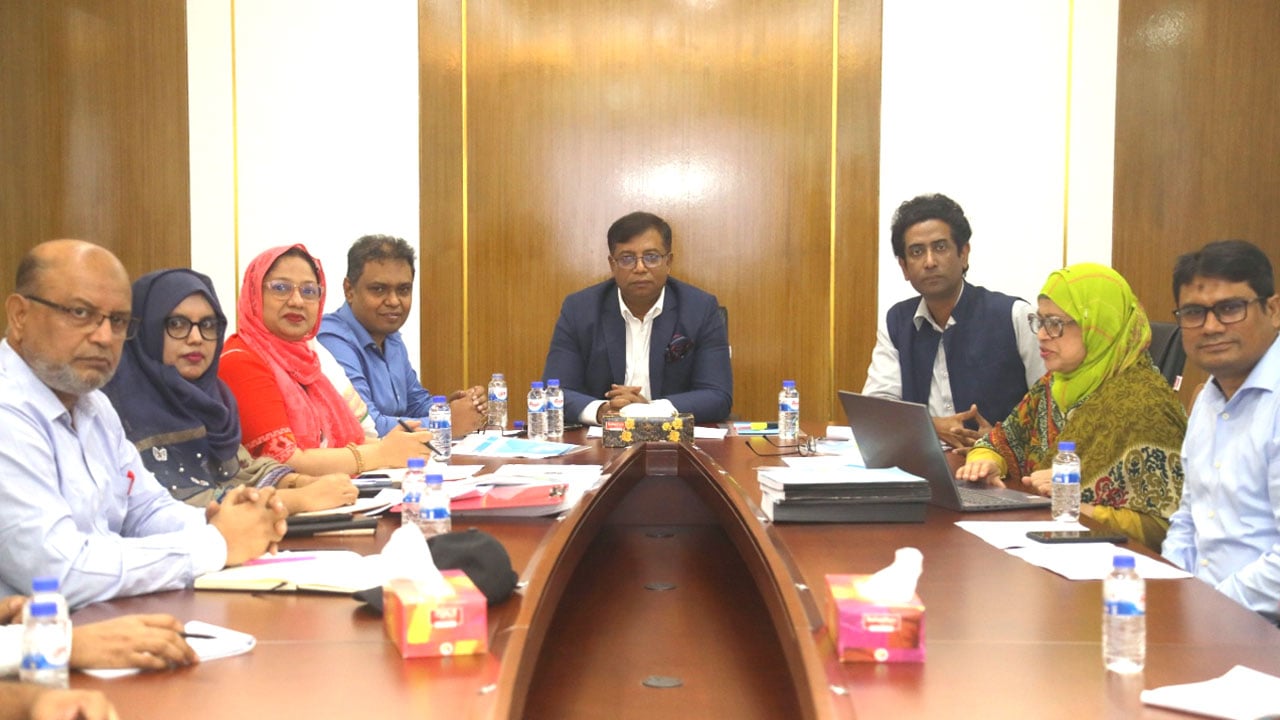
The University Grants Commission (UGC) of Bangladesh has initiated short-term training programs aimed at enhancing university students’ employability and soft skills. The announcement came during a meeting at the Higher Education Acceleration and Transformation (HEAT) project office, where officials discussed the design of the new training modules. The programs will cover soft skills, ethics, values, and life-oriented competencies. Before finalizing the content, UGC will conduct an assessment to identify skill gaps and training needs among students. UGC Chairman Professor Dr. Mamun Ahmed stated that the framework for the initiative is expected to be finalized within three months, with plans to gradually include students from all universities. A separate two-day ‘Professional Knowledge Sharing Program’ for vice-chancellors, pro-vice-chancellors, and treasurers is also being planned to strengthen university governance and leadership. Additionally, a seven-day capacity-building course for associate professors and professors will be introduced. The UGC is updating its strategic plan for long-term higher education reform, aligning it with government priorities and current realities, with completion targeted within the current month.
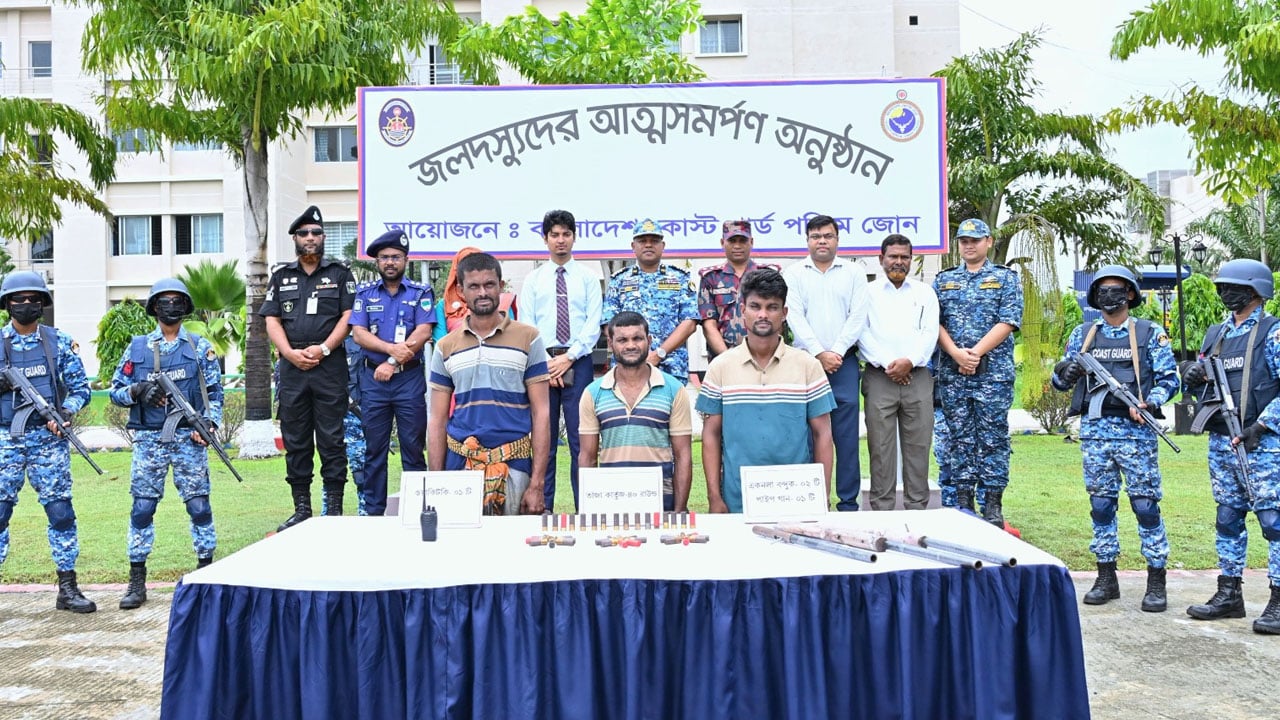
Three active members of the notorious Boro Jahangir gang surrendered to the Bangladesh Coast Guard in the Sundarbans, handing over weapons, ammunition, and a walkie-talkie. The surrender took place on Wednesday afternoon near the Tambulbunia Forest Office area under Sharankhola Police Station in Bagerhat. During the same operation, a fisherman held hostage by the gang was rescued alive. The information was confirmed in a press release by Coast Guard media officer Lieutenant Commander Sabbir Alam Sujon on Thursday morning. According to the Coast Guard, the surrender occurred as part of ongoing operations titled “Operation Restore Peace in Sundarbans” and “Operation Mangrove Shield,” aimed at eliminating forest banditry and ensuring the safety of fishermen and forest workers. The three who surrendered were identified as residents of Bagerhat, Satkhira, and Khulna districts. Since February 12 of this year, Coast Guard operations have recovered 49 firearms, various ammunition, and rescued 41 hostages while arresting 42 bandits. Legal processes and rehabilitation efforts for the surrendered members and rescued individuals are currently underway.
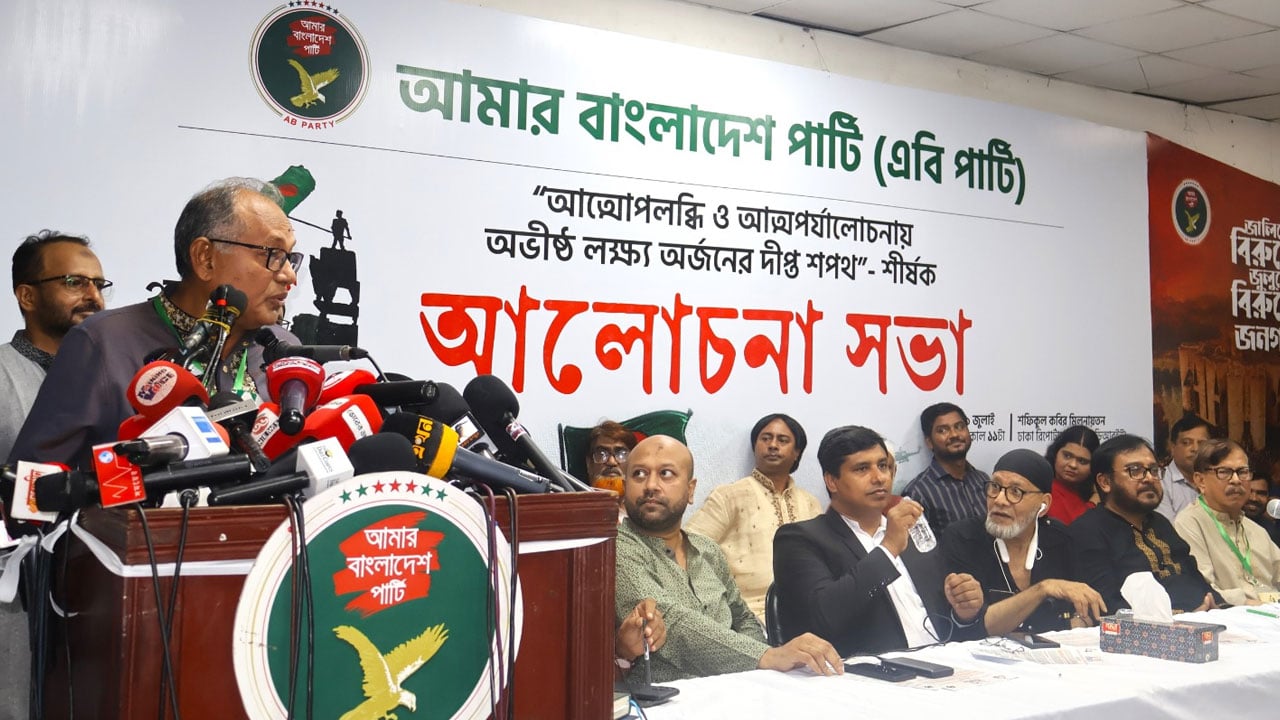
At a discussion in Dhaka marking the second anniversary of the July Revolution, speakers stated that preventing the recurrence of fascism in Bangladesh requires not just constitutional amendments but a complete transformation of the state structure. Organized by the Amar Bangladesh (AB) Party at the Dhaka Reporters Unity, the event featured leaders from various political parties, families of July martyrs, and organizers of the uprising. Participants also pledged to continue united efforts against those who exploited and fled the country. Speakers including BNP Vice Chairman Asaduzzaman Ripon, Jamaat-e-Islami Assistant Secretary General Hamidur Rahman Azad, and Nagorik Oikya President Mahmudur Rahman Manna emphasized that the July uprising symbolized public resistance to injustice and authoritarianism. They argued that the reforms mandated by the people must be implemented to prevent the return of fascist governance. AB Party Chairman Mojibur Rahman Monju described the July Revolution as a historic commitment to justice and dignity, while others called for accountability for past human rights violations and the preservation of July’s legacy. Several participants urged the government to reinstate canceled reform ordinances, establish a July museum, and ensure that the revolution’s achievements are constitutionally protected.
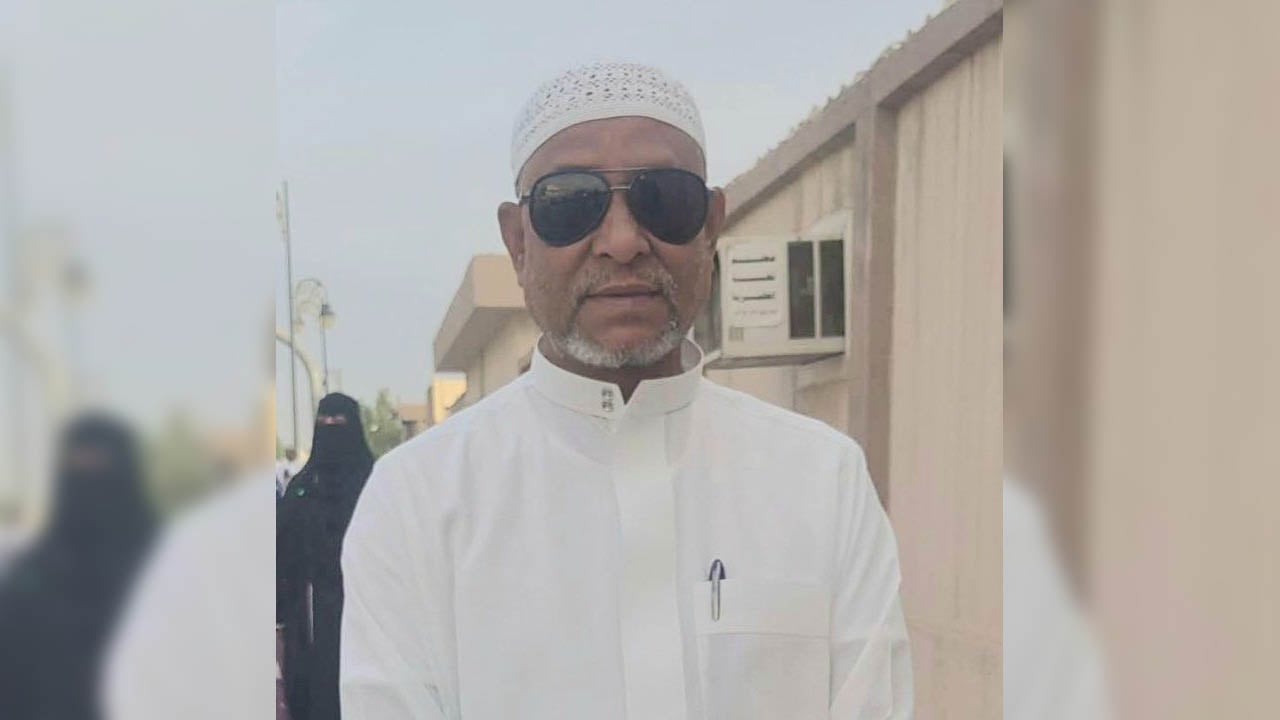
Police in Kishoreganj’s Katiadi upazila arrested Abdul Khalek Sarkar Raju, 55, president of the Jalalpur Union unit of the Awami League, in connection with a case filed under the Anti-Terrorism Act. The arrest took place around 9:30 p.m. on Wednesday near a petrol pump at Katiadi bus stand area. Raju, a resident of Uttar Charpukhiya village in Jalalpur Union, is the son of the late Abdur Rashid. Officer-in-Charge Md Rafiqul Islam of Katiadi Model Police Station confirmed that the arrest was made under an anti-terrorism case and that the accused was produced before court on Thursday. Police stated that investigation and subsequent legal proceedings are ongoing. No further details about the nature of the case or the specific allegations were disclosed in the report.
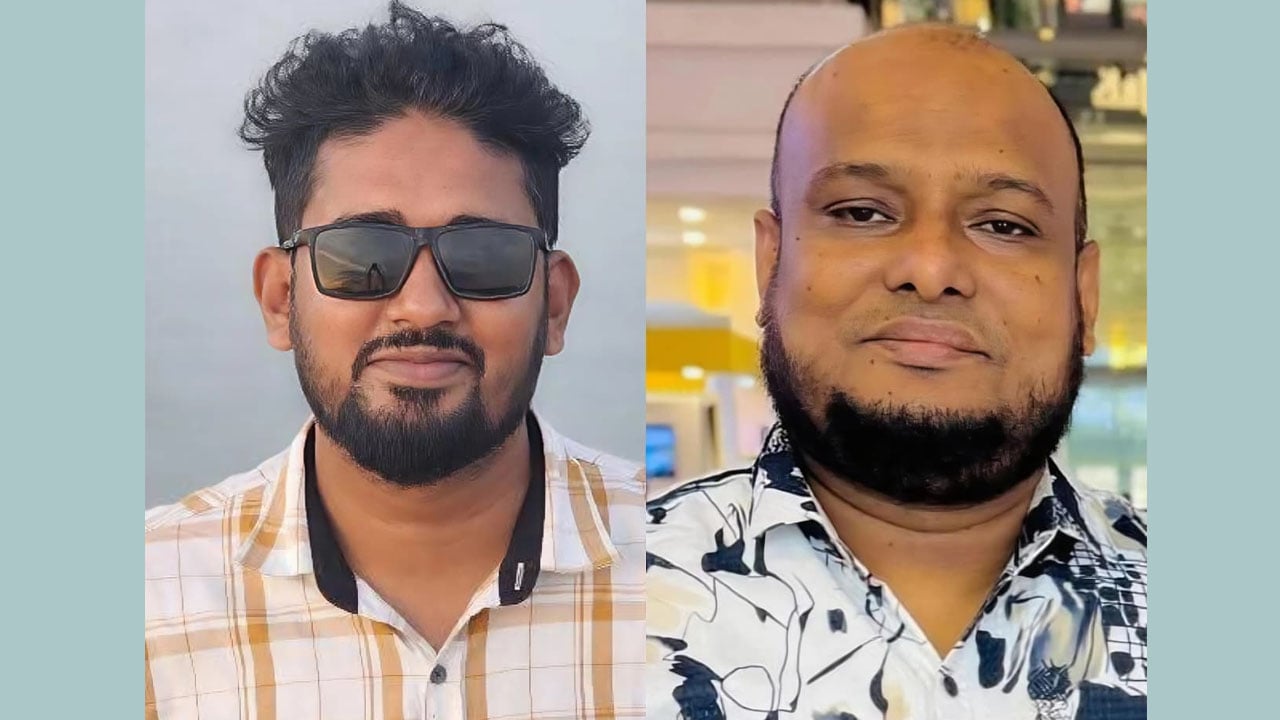
A journalist in Naria upazila of Shariatpur has alleged that he was threatened by Motiur Rahman Sagor, the upazila BNP’s organizing secretary, after publishing a report about an assault complaint against the politician. The report, published in the online edition of daily Kalbela, covered a general diary filed by an office assistant of the local LGED office who accused Sagor of assault and issuing death threats. Following the publication, Sagor reportedly sent several messages to journalist Khan Mohammad Shihan’s WhatsApp, questioning his professionalism and implying influence over his employment. When contacted, Sagor did not deny the allegations but expressed anger, saying he would take legal action against those who reported on him. Journalist Shihan described the threats as alarming and said he was consulting senior journalists and the local press club about possible legal steps. Abul Hossain Sardar, president of the district press club, condemned the intimidation, calling it a threat to media freedom and journalists’ safety. The incident has sparked concern among local journalists about the safety of media workers and the environment for free reporting in the region.
An attempted land grab in Golapganj upazila of Sylhet turned chaotic on Wednesday afternoon when alleged attackers fled, abandoning a vehicle and local weapons after being confronted by residents. Police later seized the items from the scene. The incident occurred in Chaughari village under Golapganj Sadar Union, sparking tension in the area. According to police, officers from Golapganj Model Police Station recovered a Noah microbus and several homemade weapons with help from locals. London expatriate Javed Ahmed filed a written complaint alleging that influential locals brought outsiders to seize his family’s land during his absence. He stated that the land is under a court case and subject to a Section 144 order prohibiting such actions. Local residents claimed the attackers ignored the court’s restriction and attempted to occupy the land, prompting villagers to gather and resist. Police said an investigation is underway based on the complaint, and efforts continue to identify and arrest those involved.

The United Arab Emirates (UAE) has strongly condemned Iran’s recent attacks on Kuwait and Bahrain, expressing full solidarity with the two Gulf nations. In a statement issued by its Ministry of Foreign Affairs on July 9, 2026, the UAE described the assaults as hostile acts that clearly violate the sovereignty of both Bahrain and Kuwait and threaten their security and stability. According to the statement cited by Al Jazeera, the UAE reaffirmed its commitment to stand by Gulf countries in protecting their sovereignty and security. The condemnation underscores the UAE’s position against actions that destabilize the Gulf region and its emphasis on collective regional security. The statement reflects growing concern among Gulf states over regional tensions and reiterates the UAE’s call for respect of national sovereignty and stability within the Gulf Cooperation Council area.

Hundreds of snakes escaped from a breeding farm in Hengzhou city of China’s Guangxi Zhuang Autonomous Region after floods triggered by Typhoon Maysak damaged the facility. According to Chinese media outlet Global Times, around 800 to 900 snakes fled into surrounding areas, causing widespread alarm. The flood began on July 6 when heavy rainfall broke a local reservoir dam, inundating the farm. Initial reports suggest most of the escaped snakes are nonvenomous. Local authorities confirmed that one villager was hospitalized after a snakebite, while many snakes were swept away by floodwaters. Residents formed volunteer teams to capture snakes using fishing nets, but officials urged people not to attempt this themselves. The Hengzhou administration strengthened emergency medical services, increased antivenom supplies, deployed additional rescue teams, and set up temporary clinics for bite victims. Public awareness campaigns through loudspeakers, WeChat groups, and home visits advised residents to avoid risky areas, especially at night. Local media also issued safety guidelines, warning against traditional but unsafe snakebite treatments and urging immediate medical attention.

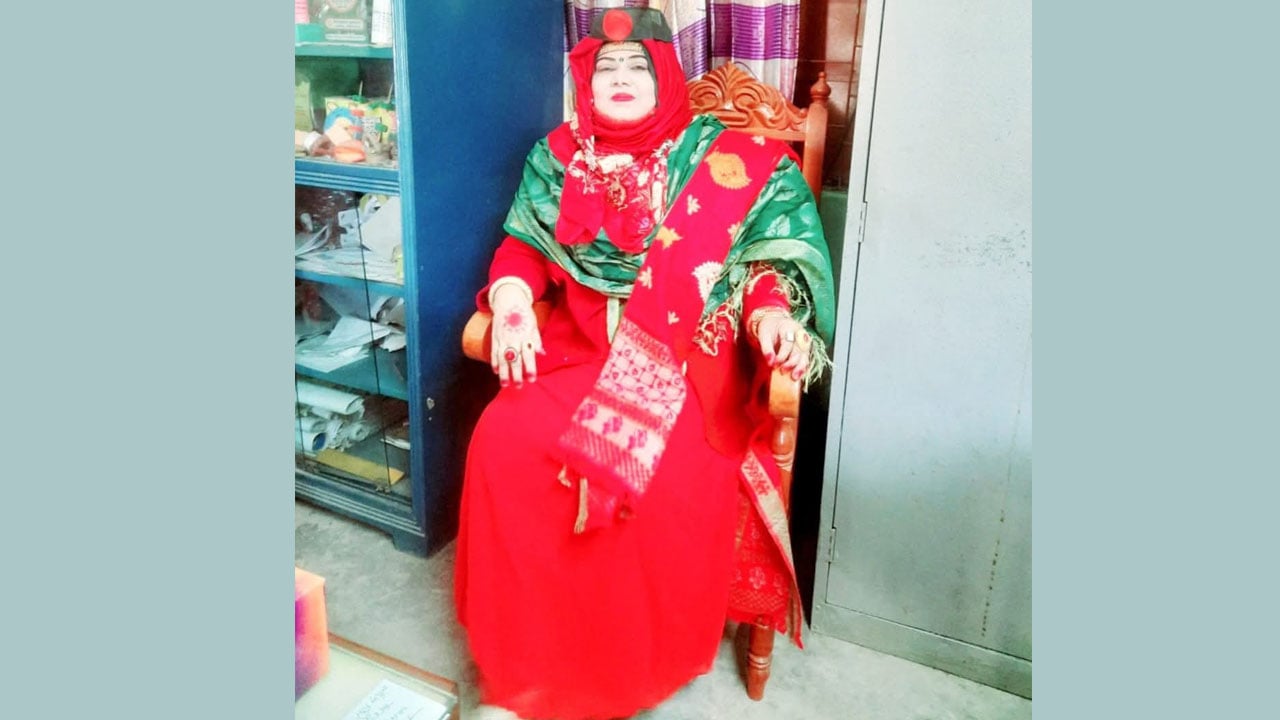
Assistant teacher Nasrin Sultana of Rahanpur No. 2 Model Government Primary School in Gomostapur upazila, Chapainawabganj, has been temporarily suspended. The district primary education officer, Md. Saiful Islam, issued the order on Thursday under Section 39(1) of the Government Employees Act 2018. The suspension followed allegations that she threatened to set fire to the education office, was frequently absent, stole a school laptop, assaulted students, and disrespected the head teacher. According to the office order, two departmental cases are already pending against Nasrin under the Government Employees (Discipline and Appeal) Rules 2018, and she did not attend personal hearings. Officials said her irregular attendance and conflicts with colleagues disrupted the school environment. Assistant Upazila Education Officer A.K.M. Oliul Islam stated that Nasrin had threatened to burn the office and was caught on CCTV taking a laptop, which she later returned after a police report. Nasrin Sultana denied all allegations, claiming she was being targeted with false information and asserting her honesty and dedication to teaching.
The ‘1 Nojor’ media platform is now live in beta, inviting users to explore and provide feedback as we continue to refine the experience.