

The ‘1 Nojor’ media platform is now live in beta, inviting users to explore and provide feedback as we continue to refine the experience.
Bangladesh Bank has introduced a Tk 20,000 crore pre-financing scheme aimed at reopening closed industrial and service establishments. The central bank issued a circular on Thursday outlining that defaulters, money launderers, and entities involved in fraud or misuse of previous loans will not be eligible for this facility. The scheme, valid for three years, will be operated using surplus liquidity from scheduled banks, which must sign separate agreements with Bangladesh Bank to participate. According to the circular, the initiative seeks to boost industrial production, employment, exports, and overall economic activity. Priority will be given to export-oriented and high-potential enterprises, as well as entrepreneurs reopening closed factories through acquisition or lease. Each borrower may receive up to Tk 200 crore for a maximum term of one year, with interest rates capped at 7 percent. The funds must be used for operational expenses such as wages, utilities, and raw materials, not for repaying existing loans. Banks will bear all credit risks and must ensure proper loan utilization through regular reporting and inspections. Misuse of funds will trigger penalties, including recovery from the bank’s account and possible legal action against involved parties.
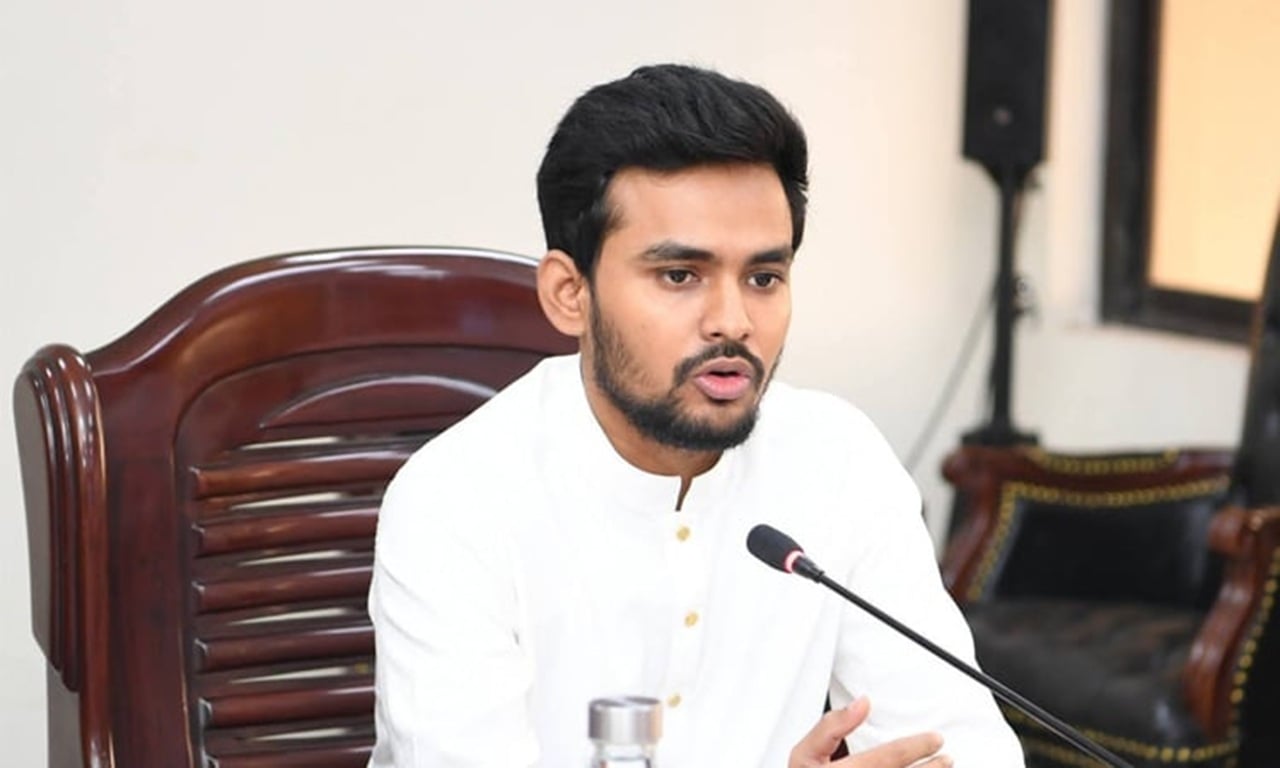
National Citizen Party (NCP) spokesperson Asif Mahmud Sajib Bhuiyan said that the recent increase in electricity prices will directly raise production costs, affecting sectors from agriculture to industry. He made the remarks on Thursday at a seminar organized by Jatiya Juboshokti at the organization’s central office in Banglamotor. Asif Mahmud noted that ordinary citizens in Bangladesh are already burdened with various taxes, including those on personal vehicles and motorcycles, yet improvements in public services remain limited. He criticized the lack of effective planning to address road infrastructure and traffic congestion, despite tax revenues being collected for such development. Discussing the electricity price adjustment, he pointed out that while the government promotes a reduction in monthly charges for prepaid meters, it has simultaneously raised electricity tariffs. He warned that this move could increase commodity prices and urged the government to take necessary measures to minimize the negative impact on the general population.
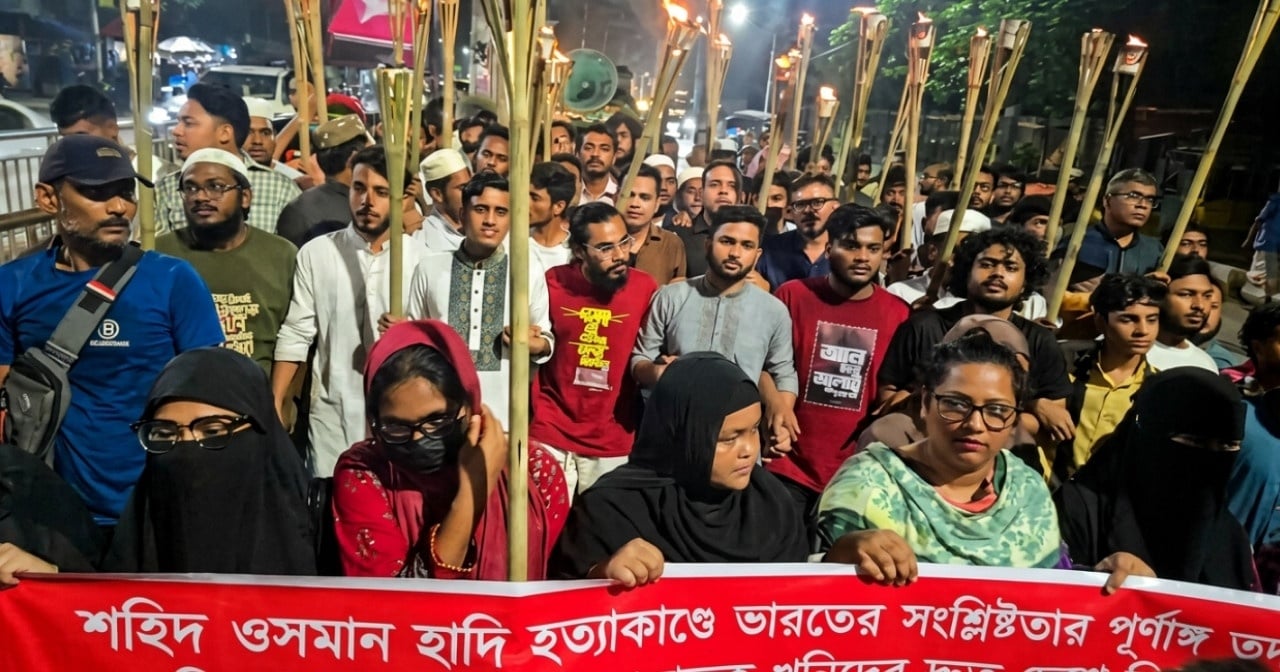
Inquilab Mancha organized a torch procession at Dhaka University on Thursday evening, demanding justice for the killing of Sharif Osman bin Hadi. The march began at the base of the Raju Sculpture around 7:30 p.m. and concluded at the same location after passing through Shahbagh. Participants chanted slogans calling for justice, the return of the killers to Bangladesh, and the exposure of alleged domestic and foreign conspiracies behind the murder. At a press conference held the previous day at Madhu’s Canteen, the organization’s member secretary Abdullah Al Jaber accused authorities of repeatedly delaying the investigation and failing to take effective action to bring the perpetrators to justice. He alleged that attempts were made to shield those involved and that the killing might have deeper domestic and international links beyond political rivalry. Jaber also raised questions about border security and the role of intelligence agencies, noting that the suspects fled the country soon after the incident. Inquilab Mancha demanded a specific deadline for repatriating the accused and called for a United Nations–supervised international investigation into the murder.
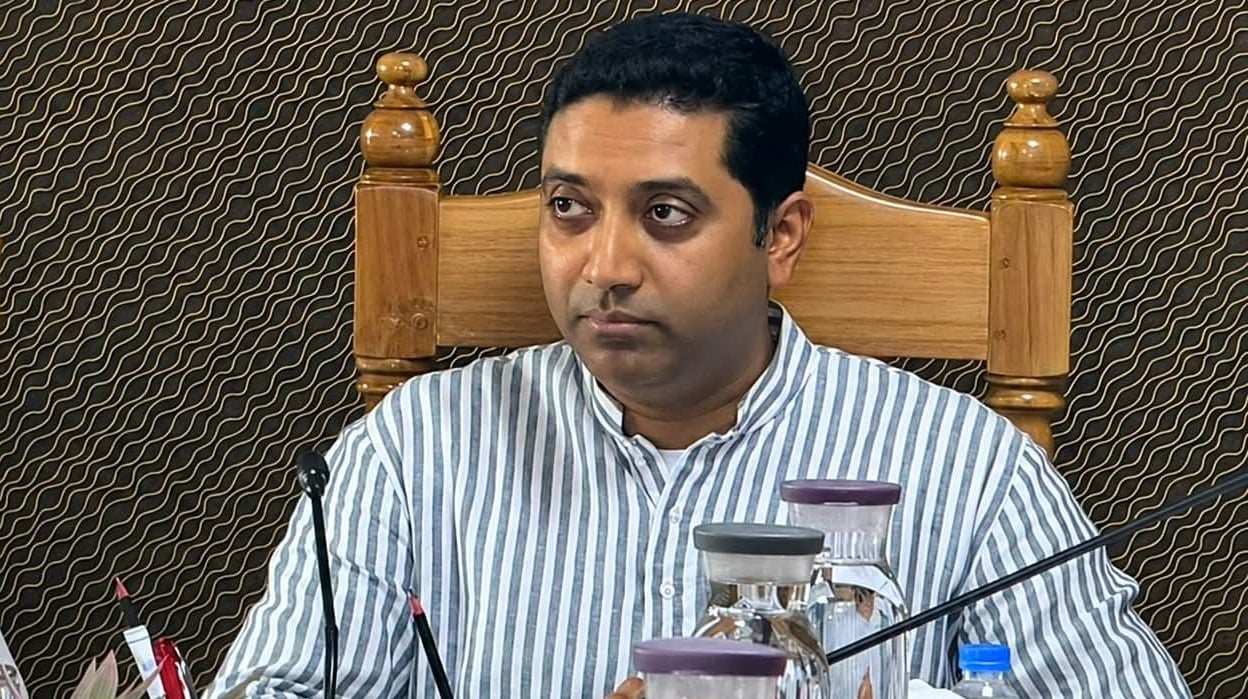
Opposition Whip and Jamaat-e-Islami Assistant Secretary General Rafiqul Islam Khan said that the people of Bangladesh would not allow 'looters' to take control of Islami Bank. He made the remarks on Thursday afternoon at a protest rally held at the north gate of Baitul Mukarram National Mosque in Dhaka. The rally was organized to protest what participants called the irrational and abnormal increase in electricity prices, demanding its withdrawal and control of rising commodity costs. The demonstration was part of a nationwide program organized by Jamaat-e-Islami’s Dhaka North and South city units. After the rally, a procession marched through several streets. Jamaat Secretary General Mia Golam Porwar stated that the government had sought and received public support for a referendum but was now ignoring that mandate. He urged the authorities to stop corruption instead of raising electricity prices. The event reflected Jamaat’s continued criticism of government economic policies and its call for immediate reduction in power and fuel prices.

State Minister for Primary and Mass Education Bobby Hajjaj announced that the government has adopted a phased plan to supply uniforms and shoes to about 10.7 million government primary school students. As part of a 180-day program, a pilot initiative is being implemented to test the effectiveness of distributing quality clothing and footwear. The announcement came during a meeting at the ministry with leading footwear brands to discuss free distribution of uniforms and shoes to students. Hajjaj stated that top organizations in the country’s garment industry have already responded positively, providing over 400,000 uniforms for the pilot project. The government also expects cooperation from domestic footwear manufacturers. Initial discussions focused on supplying white velcro shoes for first-grade students, considering size variations and gender-specific needs. Companies were asked to submit details on potential donations, delivery timelines, and production costs. The minister emphasized that the government aims to show visible progress in the pilot program by August and begin implementation within the administration’s first six months. Senior ministry officials and top footwear company executives attended the meeting.
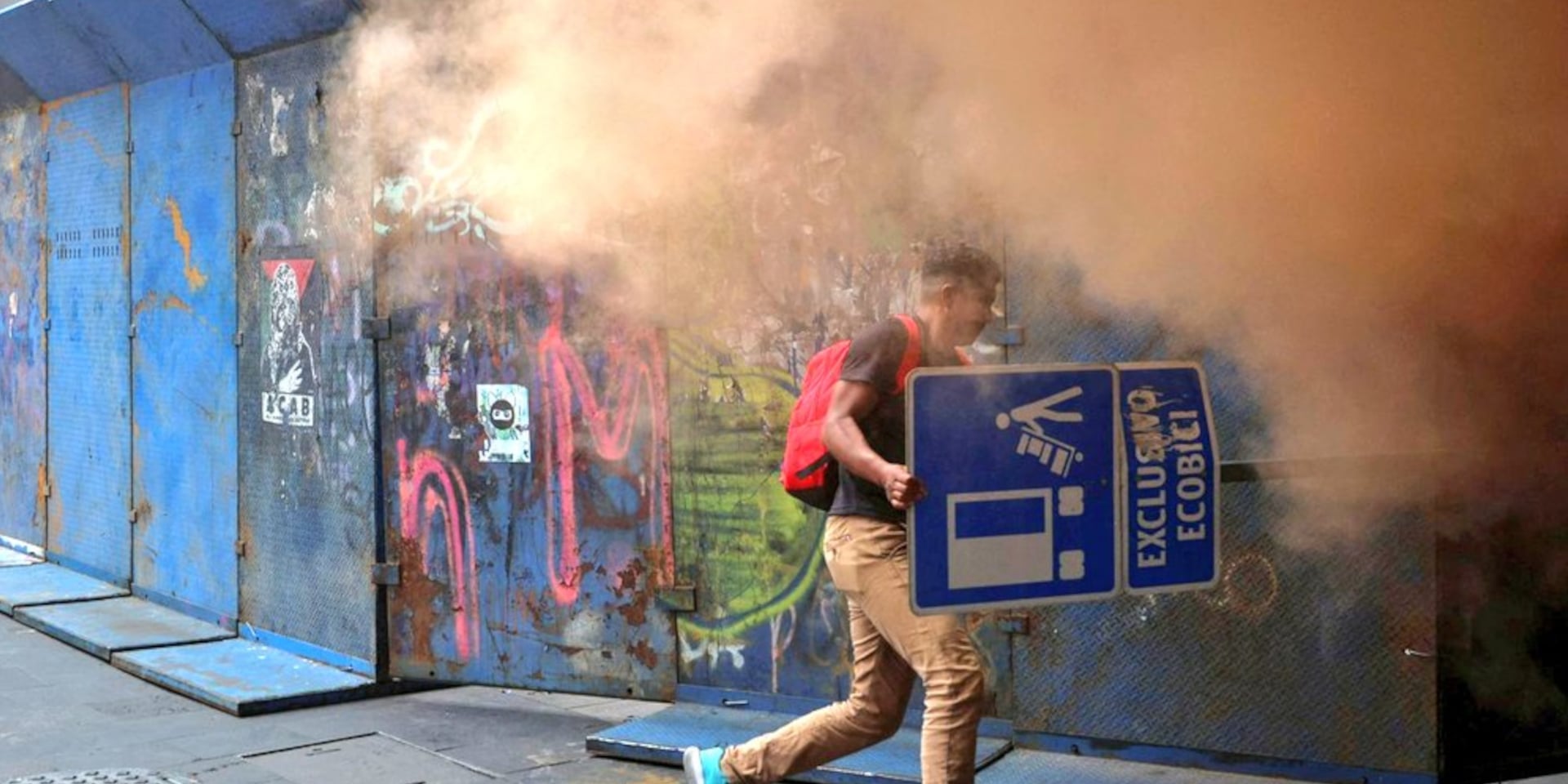
Just days before the 2026 FIFA World Cup begins, Mexico City has witnessed violent protests targeting government buildings. Demonstrators, linked to a faction of the CNTE teachers’ union, stormed the Education Ministry headquarters, damaging property and setting small fires. The unrest comes as the city prepares for the tournament’s opening match between Mexico and South Africa on June 11 at the historic Azteca Stadium. President Claudia Sheinbaum has stated that her government will not resort to repression ahead of the global event. The teachers are demanding a significant salary increase and the repeal of a controversial pension law. Although the government has offered a 9 percent pay raise, protesters continue to demand a 100 percent increase. The current starting monthly salary for public school teachers in Mexico is about 967 dollars. Demonstrators have also threatened to continue their movement during the World Cup if their demands remain unmet. Despite the political tension, the Mexican government remains firm in its commitment to hosting the World Cup as planned.
Nasiruddin Patwari, chief coordinator of the National Citizens Party (NCP), has called on the government to politically resist the Awami League, which he described as a fascist force likely to fall in the July uprising. He made the remarks on Thursday at a seminar organized by the National Youth Power at its central office in Banglamotor. Patwari criticized the Election Commission for alleged election engineering and warned that any repeat of such actions would be met with street protests. He also accused the government of neglecting youth development, claiming it avoids investing in young people to prevent the rise of skilled manpower that could challenge its authority. According to him, the government’s failure to create employment opportunities risks turning the youth into a burden on society. He further cautioned that the reasons for the Awami League’s rejection by the public could also apply to the BNP if it follows the same system. Patwari emphasized the need to engage the new generation properly to safeguard national sovereignty.

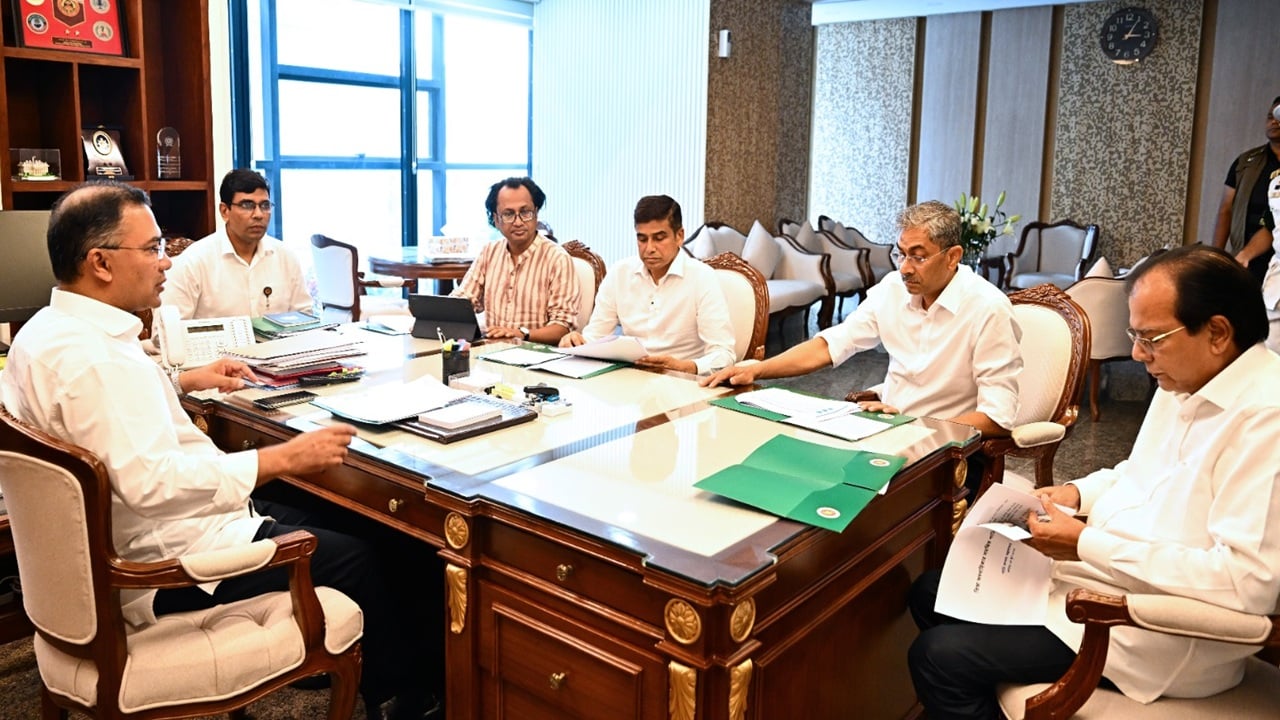
A meeting on the implementation of the Teesta Master Plan was held on Thursday afternoon at the Cabinet Division in the Prime Minister’s Office, chaired by Prime Minister Tarique Rahman. After the meeting, Water Resources Minister Shahid Uddin Chowdhury Anee told reporters that the discussion focused on integrated water management in the Teesta basin. Ministers from the Disaster Management and Relief Ministry, the State Minister for Water Resources, advisers, secretaries, and other relevant officials attended the meeting. The minister said that the Teesta Master Plan had been presented to the nation as a pre-election commitment, and the government is now working to fulfill that pledge. Efforts are underway to accelerate the integrated water management process. He added that a team of experts has already begun work on the project, and an eight-member expert committee has been formed to support the implementation. According to the minister, the committee is expected to submit its report within the next one to one and a half months, marking a key step toward advancing the plan’s execution.
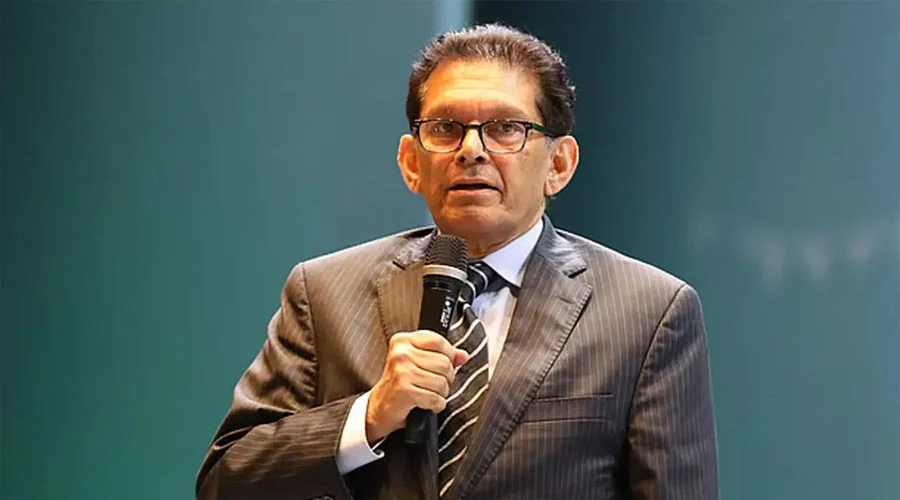
Foreign Minister Dr. Khalilur Rahman returned to Bangladesh after winning the presidency of the 81st session of the United Nations General Assembly. Speaking to journalists at the Ministry of Foreign Affairs, he described his victory as the result of collective effort and sincere support from all involved. When asked whether he would continue as foreign minister while serving as UNGA president, Rahman recalled that former foreign minister Humayun Rashid Choudhury had successfully held both positions four decades ago, even without modern communication tools. He noted that technological advancements now make managing such responsibilities smoother. Rahman further stated that he had already clarified his position on holding both roles. He mentioned that the current UNGA president before him had been Germany’s foreign minister but could not continue in that role after his party lost the election.
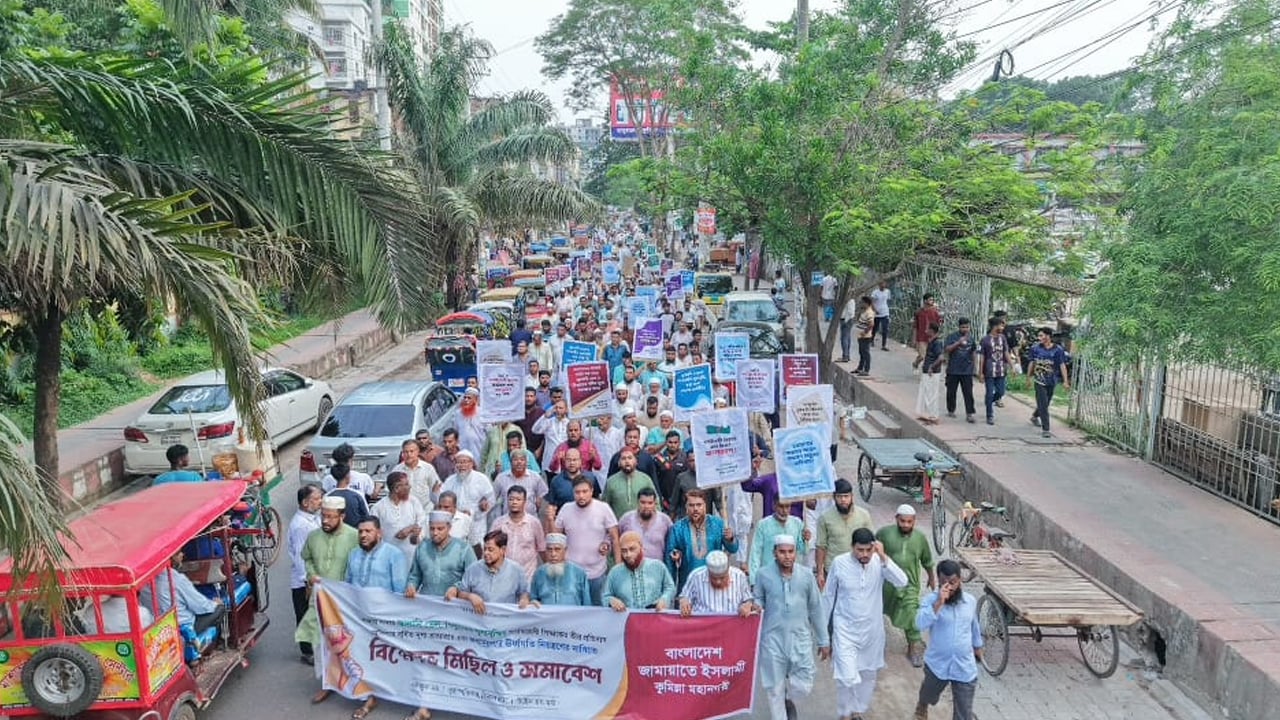
Bangladesh Jamaat-e-Islami’s Cumilla Metropolitan unit organized a protest rally and gathering on Thursday afternoon at the Cumilla Town Hall field, opposing the government’s repeated increases in fuel and electricity prices. The event demanded immediate withdrawal of the new rates and called for control over rising commodity prices. The rally was led by city unit Ameer and central executive member Kazi Din Mohammad, who addressed the gathering before the procession. Speakers at the event accused the government of worsening public hardship by raising energy prices, which they said would increase transport costs, agricultural expenses, and prices of essential goods, disproportionately affecting low-income citizens. They urged the authorities to take effective measures to protect people’s purchasing power and warned of a nationwide movement if the decisions were not reversed. The protest march, attended by a large number of party leaders, activists, and citizens, concluded at the central Eidgah ground after parading through key city streets.
Jamaat-e-Islami Secretary General Mia Golam Porwar has urged the government to immediately withdraw the increased electricity prices and halt what he described as anti-people measures. He issued the call during a protest rally held on Thursday afternoon at the north gate of Baitul Mukarram National Mosque in Dhaka, organized to oppose the recent electricity price hike and rising commodity costs. The demonstration, part of a nationwide program by the party’s Dhaka North and South units, later turned into a procession through several city streets. Porwar criticized the government for ignoring public suffering and failing to fulfill its promise not to raise electricity prices within two years, noting that the increase came only three months after the pledge. He also accused the authorities of corruption, mismanagement, and neglecting renewable energy initiatives. Other party leaders, including Assistant Secretary General Maulana Rafiqul Islam Khan and Dhaka South Amir Md Nurul Islam Bulbul, condemned recent fuel price hikes, alleged law enforcement abuses, and the appointment of a new chairman at Islami Bank, calling it illegal. The protests were simultaneously held across major cities as part of Jamaat’s central program demanding price reductions and better governance.

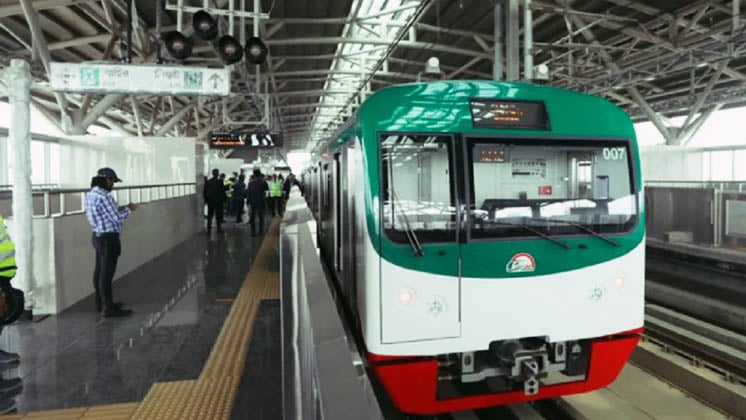
Dhaka Mass Transit Company Limited (DMTCL) has decided to extend the operating hours of the metro rail by 20 minutes at night starting Sunday. Under the new schedule, one additional trip will be added to the service. The last train from Uttara North to Motijheel will now depart at 9:50 p.m., while the final train from Motijheel to Uttara North will leave at 10:30 p.m. Currently, the last trains depart at 9:30 p.m. and 10:10 p.m. respectively. According to Ahsan Ullah Sharifi, Deputy Project Director (Public Relations) of the Dhaka Mass Rapid Transit Development Project (Line-6), the decision was made considering passenger demand. The new schedule will take effect on June 7. The extension aims to accommodate increasing ridership during late hours and improve commuter convenience across the metro network.
Transparency International Bangladesh (TIB) has expressed deep disappointment and anger over media reports that the government is considering allowing the legalization of undisclosed or black money in the upcoming 2026–2027 fiscal year budget through a declaration of unconditional amnesty, without allowing any authority to question the source of such funds. The organization said the move, justified by the government as a way to boost investment and economic growth, would instead institutionalize corruption and irregularities under state patronage. In a statement, TIB Executive Director Dr. Iftekharuzzaman said that successive governments since independence have continued this unconstitutional practice under Article 20(2) of the Constitution, often under the pretext of short-term financial benefits. He noted that such policies have encouraged tax evasion and discouraged honest taxpayers. He also criticized the current government’s attempt to reintroduce the provision, arguing it undermines previous efforts to abolish it. Dr. Iftekharuzzaman added that while the government may aim to repatriate laundered money through general amnesty, those involved in illegal earnings or ongoing legal cases must not be exempted from accountability.

Five Deputy Inspectors General (DIGs) of police have been promoted to the rank of Additional Inspector General of Police (Grade-2). The promotion was announced on Thursday through a notification signed by Toufique Ahmed, Deputy Secretary of the Police-1 Branch of the Ministry of Home Affairs. According to the notification, the promoted officers are DIG of Sylhet Range Md. Mushfequr Rahman, NSI Director (DIG) Barrister Mohammad Mosharraf Hossain, DIG of Chattogram Range Md. Moniruzzaman, Additional Director General (Admin) of RAB Faruq Ahmed, and DIG of Dhaka Range Rezaul Karim Mallik. The order instructed the newly promoted officials to submit their joining letters to the Senior Secretary of the Ministry of Home Affairs through the proper authority. The announcement formalizes the elevation of these senior police officials to higher administrative responsibilities within Bangladesh’s law enforcement structure.

Uber has announced a major initiative to advance its autonomous vehicle technology by deploying 500 specially equipped data collection cars across global roads this year. According to a TechCrunch report, these vehicles will gather real-world driving information to support Uber’s self-driving technology partners. The company has developed a customized version of the Hyundai Ioniq 5 electric car fitted with numerous sensors, including 14 cameras, 8 lidar units, and 9 radar systems. Uber stated that the fleet is expected to collect data covering about two million miles each month. The company aims to have at least 50 of these vehicles operational by the coming summer. The collected data will not only be stored but also analyzed to train autonomous driving software, which Uber believes will make robotaxi technology more advanced and reliable. Uber’s broader goal is to build the world’s most diverse autonomous driving database, incorporating real experiences from different countries, cities, and environments. Its current partners in autonomous vehicle development include Waymo, WeRide, and Avride.

The ‘1 Nojor’ media platform is now live in beta, inviting users to explore and provide feedback as we continue to refine the experience.