

The ‘1 Nojor’ media platform is now live in beta, inviting users to explore and provide feedback as we continue to refine the experience.
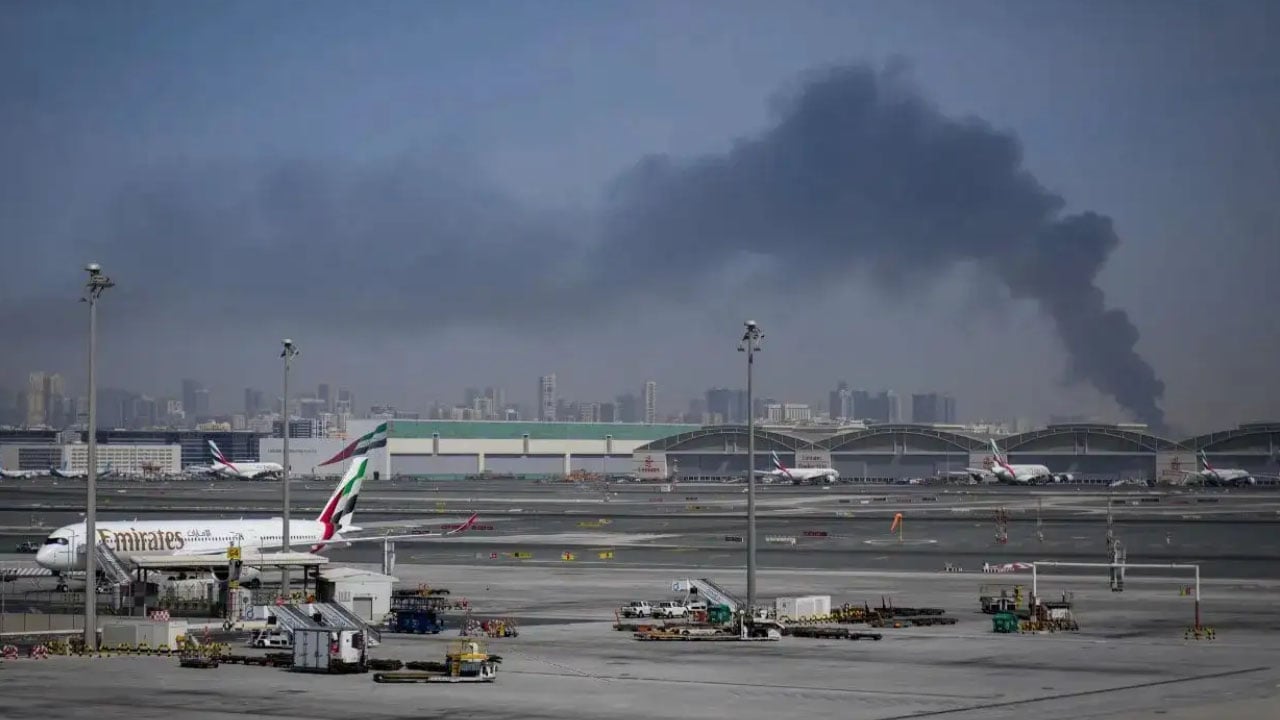
Kuwait’s military reported that several people were injured after Iranian drone and missile strikes hit a terminal at Kuwait International Airport, causing significant damage. The attack targeted the airport’s T-1 building, prompting authorities to halt all flight operations. The General Civil Aviation Authority of Kuwait announced that flight operations would remain suspended until further notice, with other flights being diverted to alternative airports. The decision followed the damage assessment and safety concerns raised by the military and aviation officials. According to the report, Iran launched attacks on neighboring countries, including Kuwait, in response to a U.S. strike on Iranian territory. The situation has led to heightened regional tensions and disruptions in air travel across the area.
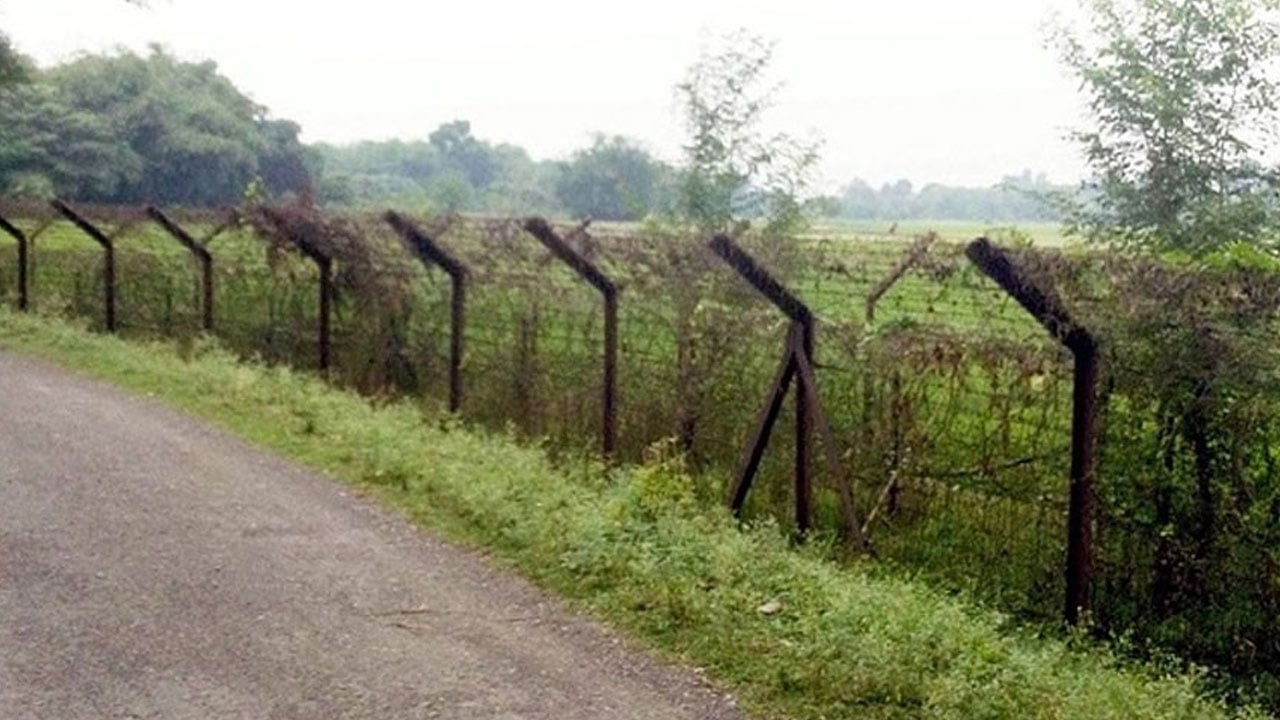
Two Bangladeshi nationals were injured by gunfire allegedly from India’s Border Security Force (BSF) near the Satkhira border early Tuesday night. The incident occurred around 2 a.m., injuring Mohiuddin, 42, and Shahin, 28, both residents of Shitalpur village in Kaliganj upazila. Family members said the two men had been working as masons in India and were returning home through a broker when they were shot. They were later dropped off in Nalta area by unidentified persons and taken to hospital. Local law enforcement and border officials have provided differing accounts. Lieutenant Colonel Rajib Hossain of BGB-17 said no such incident occurred in the area he was patrolling, while Lieutenant Colonel Ashiqur Rahman Chowdhury of BGB-33 confirmed that an investigation is ongoing. Kaliganj police said preliminary information suggests the men had crossed the border illegally and were shot while re-entering Bangladesh. Both victims are in critical condition and have been referred to Satkhira Sadar Hospital. Authorities have yet to confirm the exact border point where the shooting took place, and investigations are continuing.
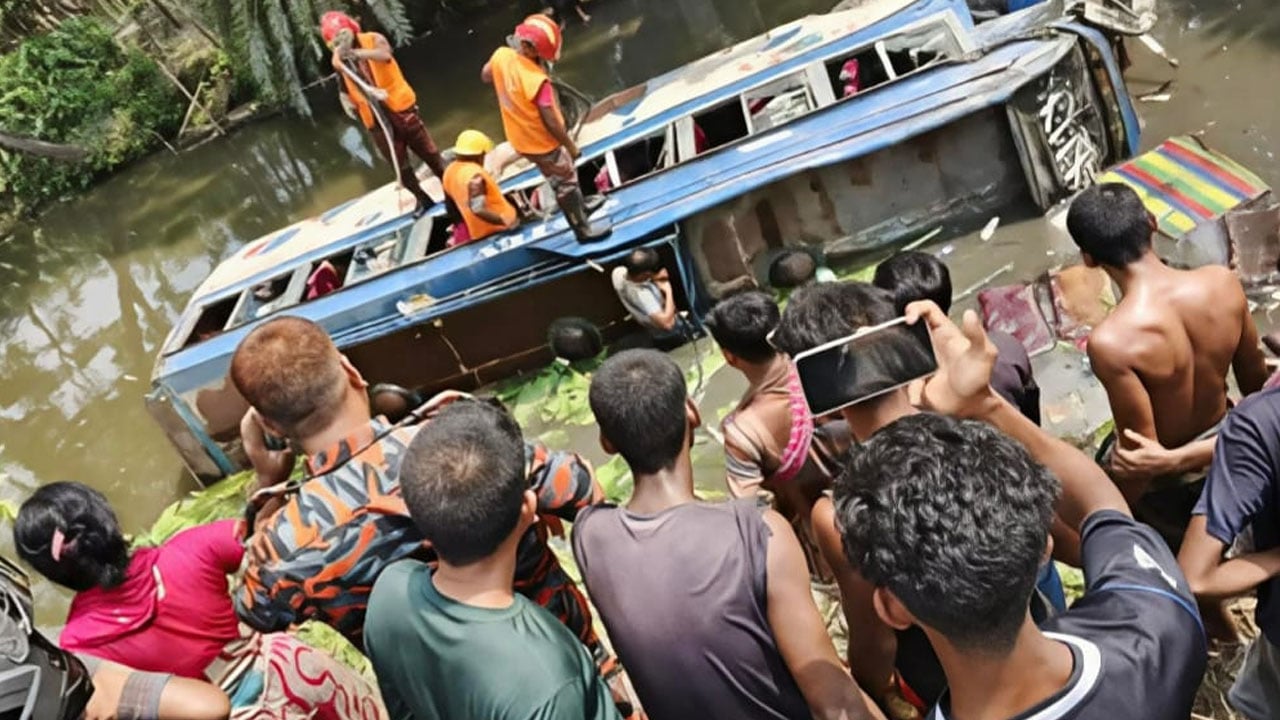
A passenger died when a bus lost control and plunged into a pond in Khulna’s Dumuria upazila on Wednesday morning. The accident occurred around 9:30 a.m. in front of the PCF Feed Industries in Gutudia area. Fire service teams launched a rescue operation soon after receiving the report. According to local residents, the bus was traveling from Satkhira to Khulna when it veered off the road and fell into the pond. Two passengers remain missing, and the rescue operation is continuing to locate them. Dumuria Police Station Officer-in-Charge Khondaker Hafizur Rahman confirmed that the bus is still submerged and said details about the deceased and the incident will be provided later. Authorities have not yet released the identity of the deceased passenger or the cause of the loss of control, and rescue efforts are ongoing at the scene.
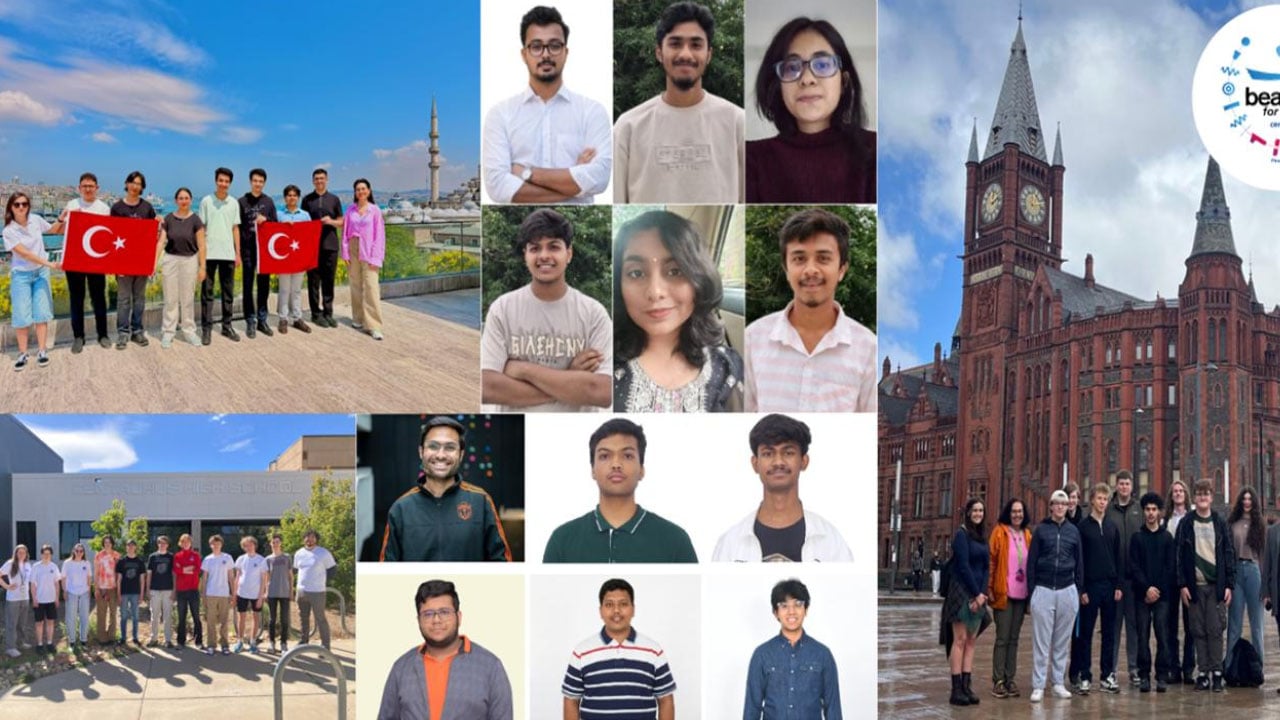
Bangladesh has been named among the winners of the 13th edition of the Beamline for Schools competition, alongside teams from India, Turkey, the United Kingdom, and the United States. The competition, organized for secondary school students worldwide, invites participants to submit proposals for physics experiments to be conducted at CERN or its partner institutions. Five teams were selected based on the scientific merit of their proposals. The Bangladeshi winning team, named POLARIS, includes students from Chowmuhani Government Saleh Ahmed College in Noakhali, Birshreshtha Noor Mohammad Public College, and Collectorate School and College Rangpur (CSCR). They will travel to Bonn University to carry out their proposed experiments. Teams from India and Turkey will perform their experiments at CERN in August 2026, while the UK and US teams will conduct theirs at a DESY beamline. Since its launch in 2014, the Beamline for Schools program has seen growing participation. In 2026, a record 712 teams from 89 countries submitted experimental proposals.
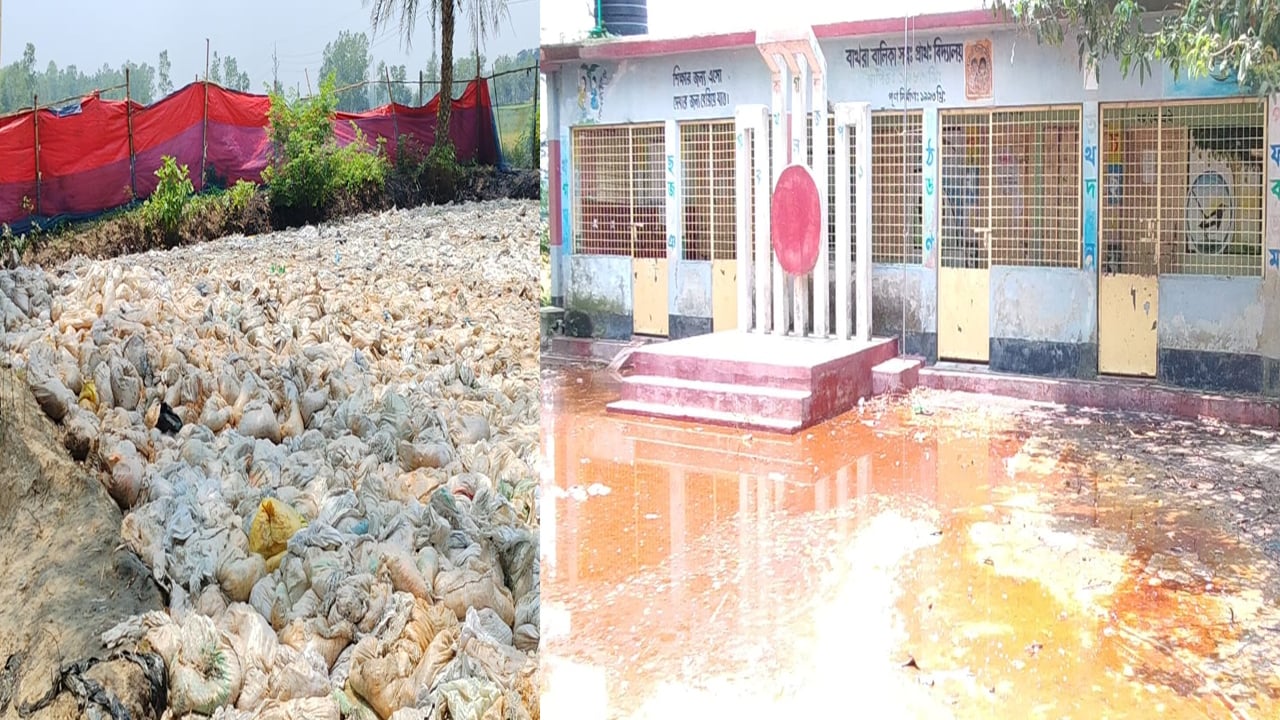
An unrefined oil dumping point has been set up next to Bakhra Government Girls Primary School in Kahalu upazila of Bogura district, putting more than 300 students at health risk. The site contains chemically mixed waste, and the school grounds are reportedly covered with oily water and garbage. Locals said thousands of white sacks filled with chemical residues have been dumped into a nearby pond, producing a foul smell and causing respiratory problems among residents. Parents and community members expressed concern that the unhygienic environment could discourage them from sending their children to school. One parent reported that his daughter fell ill after contact with the contaminated water. Locals alleged that some ruling party members are involved in the dumping activities and demanded immediate relocation of the site to protect public health and the environment. The school’s head teacher stated that he had filed a written complaint to the Upazila Nirbahi Officer (UNO) after verbal requests failed. The district primary education officer confirmed that instructions had been issued for necessary action, while the newly appointed UNO pledged to investigate the matter seriously and take appropriate measures.
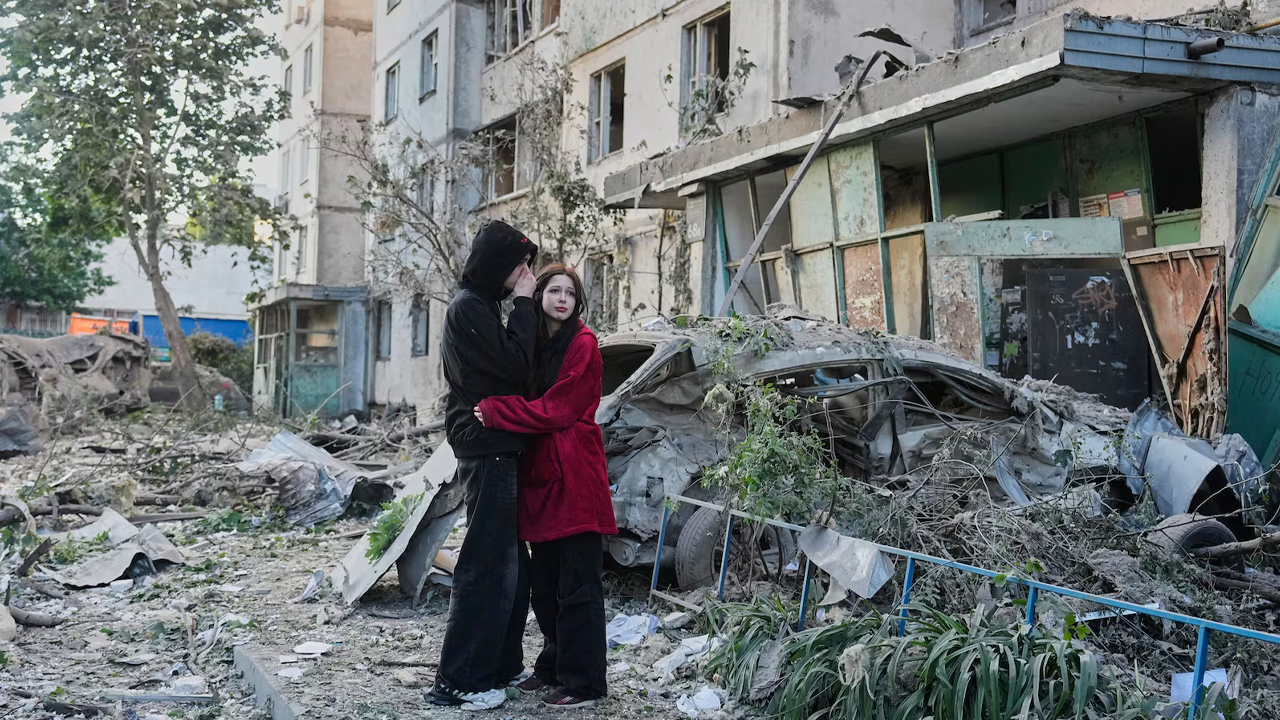
At least 23 people were killed in widespread Russian missile and drone attacks across several regions of Ukraine late on Tuesday, June 2, according to local authorities. The overnight strikes damaged numerous residential and commercial buildings. Ukrainian officials had earlier warned that Russia was preparing for larger-scale assaults amid the ongoing war. Ukraine’s Air Force reported that Russia launched a total of 73 missiles and 656 drones targeting different areas. While most were intercepted by Ukrainian air defenses, 54 drones and 33 missiles penetrated the defenses and struck various targets. The southeastern city of Dnipro suffered the highest casualties, with 16 people killed, including two children, after a four-story residential building collapsed. Another 42 people were injured. In Kyiv, Mayor Vitali Klitschko confirmed seven deaths and about 50 injuries. The attacks have further intensified the Ukraine-Russia conflict, raising new concerns about the future of potential peace efforts.
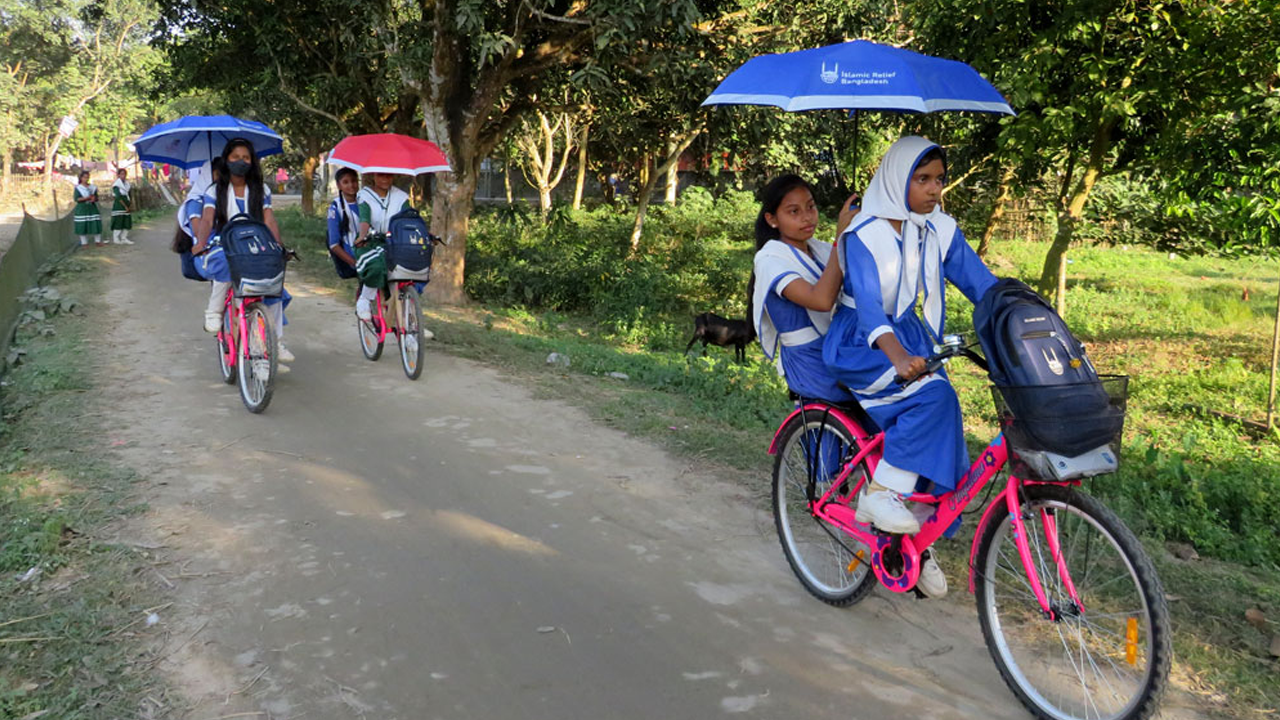
World Bicycle Day is being celebrated worldwide on Wednesday, June 3, 2026, including in Bangladesh. Various cycling organizations across the country have arranged awareness programs and bicycle rallies to mark the occasion. The day aims to raise public awareness about the importance of this environmentally friendly mode of transport. The initiative for World Bicycle Day was led by U.S. professor Leszek Sibilski, who launched an international campaign to highlight the benefits of cycling and sought recognition from the United Nations. Starting as an academic project in 2015, the movement gradually gained global momentum. On April 12, 2018, the UN General Assembly unanimously declared June 3 as World Bicycle Day, with Turkmenistan playing a key supporting role and about 56 countries joining as co-sponsors. Experts emphasize that bicycles are an effective, affordable, and sustainable means of urban transport. The observance symbolizes a global commitment to environmental protection and healthy living.
The Technical and Madrasa Education Division of Bangladesh’s Ministry of Education has issued the 2026 transfer policy for MPO-listed teachers working in private madrasas. The policy, published on Tuesday, sets eligibility for transfer applications after two years of service and allows a maximum of three transfers during a teacher’s career. All transfer processes will be conducted through an automated software system, and the policy took effect immediately upon publication. It replaces the 2024 transfer policy issued in December 2024. According to the new policy, the Directorate of Madrasa Education will publish vacancy lists online and invite applications within government-specified timeframes. Teachers may apply for transfer to equivalent posts in other madrasas, with priority given to women, distance, spouse’s workplace, and seniority. Transfers will not be considered a right, and teachers will not receive travel or daily allowances. The policy also maintains continuity of MPO benefits and seniority after transfer. The Bangladesh Madrasa General Teachers Association has protested the policy, alleging discrimination because it applies only to NTRCA-recommended teachers, unlike the broader transfer provisions for school and college teachers.

Bangladesh Petroleum Corporation (BPC) has initiated steps to relocate its headquarters from Chattogram to Dhaka, with plans to purchase three floors of the 20-storey Jamuna Oil Company building in Karwan Bazar. The process has advanced significantly, receiving approval from Jamuna’s board and a positive response from the government. A committee has been formed to determine the fair value of the floors, and BPC intends to finalize the purchase after Eid. However, the transfer appears to breach company law, which requires approval from the annual general meeting (AGM) for asset transfers. Jamuna Oil, a listed company with BPC holding 60 percent of its shares, built the Dhaka building to generate rental income. Critics say the transfer decision bypassed shareholder approval and was driven by top-level pressure. BPC’s move comes even as it recently completed a new headquarters building in Chattogram’s Joypahar area, where 90 percent of its operations are based. Energy sector experts and transparency advocates warn that relocating the headquarters could undermine administrative decentralization, create bureaucratic delays, and contradict the government’s policy of moving institutions outside Dhaka.

The European Union is considering imposing sanctions on Israeli ministers accused of inciting human rights violations following the attack on the Gaza-bound Global Sumud flotilla. According to a draft prepared ahead of the EU’s June summit, the proposal calls for continued efforts to take strong measures against extremist ministers allegedly involved in such violations. The draft was reported by Italian news agency ANSA on Tuesday. The document condemns the mistreatment of passengers after the flotilla was intercepted in international waters and urges EU member states to maintain pressure for accountability. Representatives from the EU’s 27 member countries are currently discussing the proposal, which may be revised before the upcoming summit. The move follows widespread international criticism over the flotilla’s interception. Organizers of the mission have alleged that detainees were subjected to physical and sexual abuse, degrading treatment, and deprivation of basic needs while held in Israeli detention centers.

After Eid-ul-Azha, bottle gourd prices have sharply fallen in Durgapur upazila of Rajshahi, with each gourd selling for only five taka at local roadside markets. Farmers report that before Eid, they sold each gourd for 35 to 40 taka, but within a few days the price dropped so low that production costs can no longer be recovered. Meanwhile, traders are buying directly from farmers at these low prices and reselling the gourds in other districts at nearly ten times the cost. Field visits across several villages in Durgapur revealed abundant harvests, with traders loading gourds onto trucks bound for Dhaka, Gazipur, Narayanganj, Khulna, Barishal, Sylhet, and Chattogram. Farmers blame the post-Eid market slump and transport shortages, while traders cite driver holidays and increased delivery costs. The Rajshahi Department of Agricultural Extension confirmed that bottle gourd cultivation reached a record 666 hectares this season, up from 521 hectares last year. Officials acknowledged that large price gaps between rural and urban markets often result from syndicate control, and they have reported the issue to the government for review.

Bangladesh is preparing to announce a record budget of about Tk 9.38 trillion for the 2026–27 fiscal year amid mounting economic pressures. The government plans to present the budget in parliament on June 11, marking a nearly 19 percent increase from the current year’s Tk 7.9 trillion. Economists identify growing foreign debt repayments and persistent inflation as the biggest challenges to implementing the new government’s first budget. According to the Economic Relations Division, Bangladesh paid USD 3.802 billion in foreign loan installments and interest during July–April of the current fiscal year, up 8.41 percent from the same period last year. Meanwhile, new loan commitments and disbursements have declined sharply. The government expects to spend around Tk 460 billion on foreign debt servicing next year, which could strain allocations for development and social protection. Inflation remains another major concern, with April’s rate rising to 9.04 percent from 8.71 percent in March. Analysts warn that without effective control measures, higher living costs could undermine welfare initiatives and increase pressure on low- and middle-income households.

UK Foreign Secretary Yvette Cooper is on a three-day visit to Beijing as part of Prime Minister Keir Starmer’s effort to revive relations with China after what he earlier described as an “ice age” in ties. The trip follows Starmer’s January visit to meet President Xi Jinping, which laid the groundwork for deeper economic cooperation, including a $15 billion AstraZeneca investment and visa-free travel for Britons. Cooper met Chinese Vice President Han Zheng at the Great Hall of the People, calling for collaboration on global challenges such as conflicts in Iran and Ukraine and the Ebola outbreak in the Democratic Republic of the Congo. The visit reflects a broader Western trend of re-engagement with Beijing amid global instability and supply chain disruptions. Analysts cited the UK’s growing economic dependence on China for advanced goods and critical resources, and the need for pragmatic diplomacy given shifting US-China relations under President Donald Trump. Cooper emphasized candid dialogue to manage disagreements over security, human rights, and the Ukraine war while pursuing mutual economic benefits. Observers noted that both nations seek a pragmatic thaw: the UK for economic growth and China to strengthen ties with Europe amid strained US relations.

Israeli forces have captured Beaufort Castle, a 900-year-old fortress near Nabatieh in southern Lebanon, marking the deepest Israeli military incursion into Lebanon in 26 years. The advance north of the Litani River and toward the Zahrani River has placed numerous archaeological and cultural sites in jeopardy despite a declared ceasefire. Lebanon’s Culture Minister Ghassan Salame said Israeli attacks are putting heritage sites, including the ancient city of Tyre, in serious danger. Tyre, a UNESCO World Heritage Site located 83 kilometers south of Beirut, contains extensive Roman-era ruins and remnants of the ancient Phoenician civilization. Bombings have reportedly fallen close to its ruins, while Beaufort Castle was directly hit. The conflict has displaced tens of thousands from Tyre and about one million people across Lebanon. UNESCO officials have emphasized that the destruction of heritage undermines social cohesion and identity. Lebanon hosts six UNESCO World Heritage Sites and at least 39 cultural sites under provisional enhanced protection. Violations of these protections could constitute breaches of the 1954 Hague Convention and its 1999 Second Protocol, potentially leading to criminal responsibility under international law.

Independent Ebtedayee madrasa teachers, who have been staging a continuous sit-in for MPO inclusion and salary release, faced police obstruction on Wednesday when they attempted a long march to the Secretariat in Dhaka. Witnesses said police stopped the procession around 11:30 a.m., after which a five-member delegation was taken to the Secretariat for talks with the education minister. The teachers waited for hours but did not get a meeting and later returned to the National Press Club to announce a hunger strike beginning Sunday. According to the teachers’ welfare committee, the education minister was occupied with budget session duties at the Prime Minister’s Office and could not meet them. Teachers have been demonstrating for 14 days, with many reportedly falling ill due to continuous protest without adequate food or rest. Their demands include implementation of MPO benefits for registered independent Ebtedayee madrasas verified under the 2025 policy and release of salaries approved from January 2026. Earlier, on May 28, police also blocked a teachers’ march toward the Prime Minister’s residence, briefly detaining six representatives before releasing them. The teachers have sought intervention from both the Prime Minister and the Education Minister.

The ‘1 Nojor’ media platform is now live in beta, inviting users to explore and provide feedback as we continue to refine the experience.