

The ‘1 Nojor’ media platform is now live in beta, inviting users to explore and provide feedback as we continue to refine the experience.
Many students aspiring for higher education abroad face challenges with English proficiency tests such as IELTS due to high fees and lengthy preparation. The report explains that several foreign universities and scholarship authorities now accept the Medium of Instruction (MOI) certificate as an alternative proof of English proficiency, making overseas study more accessible for students who completed their degrees in English. An MOI certificate officially confirms that a student completed a course or degree in English. It can be obtained from the registrar or examination office of the last attended institution by submitting an application with academic details and supporting documents. Some universities, however, only accept MOI if the degree was completed within the past five years, requiring others to submit IELTS or similar test results. Countries such as Germany, Hungary, the United Kingdom, Malaysia, Poland, France, Sweden, Denmark, China, and South Korea have universities that accept MOI. Several major scholarships, including Stipendium Hungaricum, Erasmus Mundus, and Swedish Institute programs, also allow applications without IELTS, provided MOI and other eligibility conditions are met.

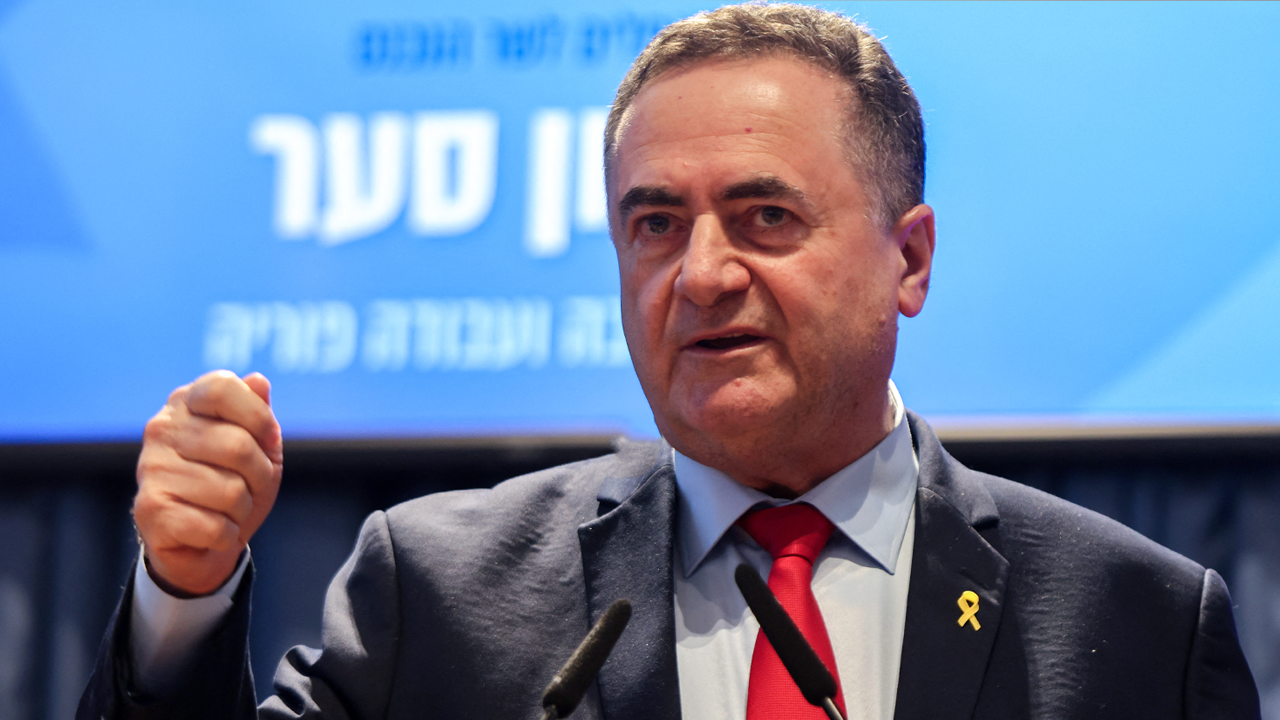
Israeli Defense Minister Israel Katz has announced that Israel will continue its military operations in southern Lebanon regardless of circumstances. He stated that the Israeli military is considering the possibility of conducting additional operations in Lebanon and indicated that the scope of attacks could expand depending on the situation along the border. According to Katz, Israel’s immediate goal is to completely remove Hezbollah’s weapons from areas under Israeli control south of the Litani River. In the longer term, Israel’s main objective is to fully disarm Hezbollah. The statement reflects Israel’s ongoing military focus on countering Hezbollah’s presence near its northern border. The announcement underscores Israel’s intent to maintain pressure on Hezbollah and signals potential escalation if border tensions persist.
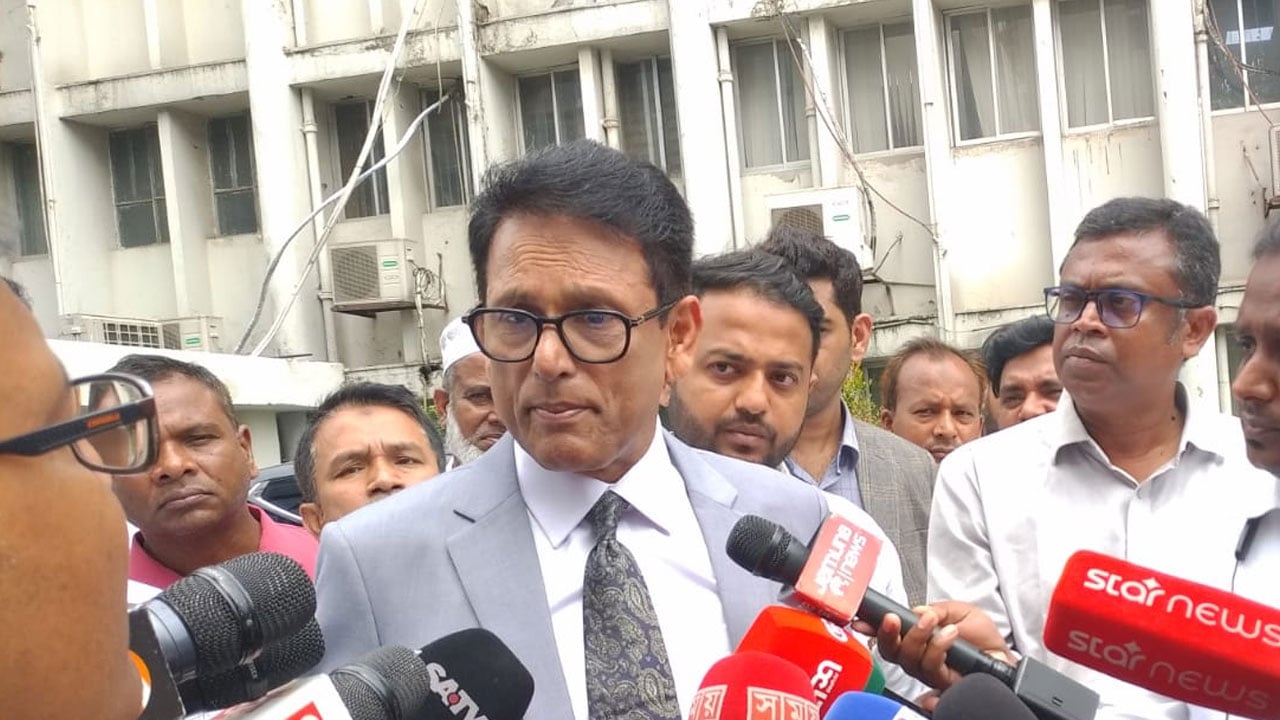
Education Minister Dr. A N M Ehsanul Haque Milan has indicated that the 2027 Secondary School Certificate (SSC) examinations may see a change in schedule. Speaking to reporters at the Secretariat on June 2 after a courtesy meeting with Prime Minister Tarique Rahman, he said the government had initially planned to hold the exams in January. However, due to Ramadan falling in February, the schedule might be pushed back by a month, though no final decision has been made. The minister explained that the government had earlier prepared a routine aiming to complete the exams before Ramadan, but this plan is now being reconsidered following requests from various stakeholders. He emphasized that opinions from parents, students, teachers, and the media are being taken into account before finalizing the decision. Dr. Milan added that the SSC is a major public examination requiring full syllabus completion. The final schedule will be determined after considering students’ preparation, syllabus completion, and overall practical realities.
A Russia-linked oil tanker suspected of being part of the country’s so-called “shadow fleet” arrived at a French port on Tuesday after being detained by the French Navy. According to AFP, the vessel, named Tagr, was seized on suspicion of using a false flag. This marks the fourth ship France has detained since September of the previous year. The French Navy, supported by the United Kingdom, intercepted the tanker in international waters on Sunday morning after its Russian captain refused to comply with orders. The Kremlin condemned the seizure, describing it as an act of “international piracy.” The tanker reached the Bay of Douarnenez in the Brittany region of western France on Tuesday morning, AFP reported. Open-source database OpenSanctions.org indicates that the ship is suspected of transporting oil for Russia or Iran in violation of international sanctions. The incident underscores ongoing Western efforts to enforce sanctions against Russia’s oil trade and highlights tensions over maritime enforcement in international waters.

Bangladeshi director Mabrur Rashid Bannah has faced online threats following the release of his new drama 'Helmet Bahini' during Eid 2026. The production, which Bannah wrote, directed, and acted in, portrays a student leader who supported a repressive regime during the July 2024 anti-discrimination movement and later attempts to reinvent himself after the regime’s fall. Following its release, several artists critical of the drama issued threats on social media, including actor Tomal Mahbub and producer Arshad Adnan, son of President Shahabuddin Chuppu. Adnan’s comment suggesting punitive action against anti-fascist artists drew widespread criticism before he deleted it. Screenshots of the posts circulated widely, prompting online solidarity under the hashtag “Stand with Mabrur Rashid Bannah.” Bannah responded publicly, urging his supporters to maintain faith and perseverance in cultural activism. Several cultural figures, including lyricist Atif Abu Bakar and Dr. Md. Nur Uddin, expressed support for Bannah’s stance and praised his continued engagement with the July movement’s themes. Former student leader Rizwan Sheikh questioned whether authorities would act against the president’s son for allegedly compiling lists of dissenting artists under state protection.

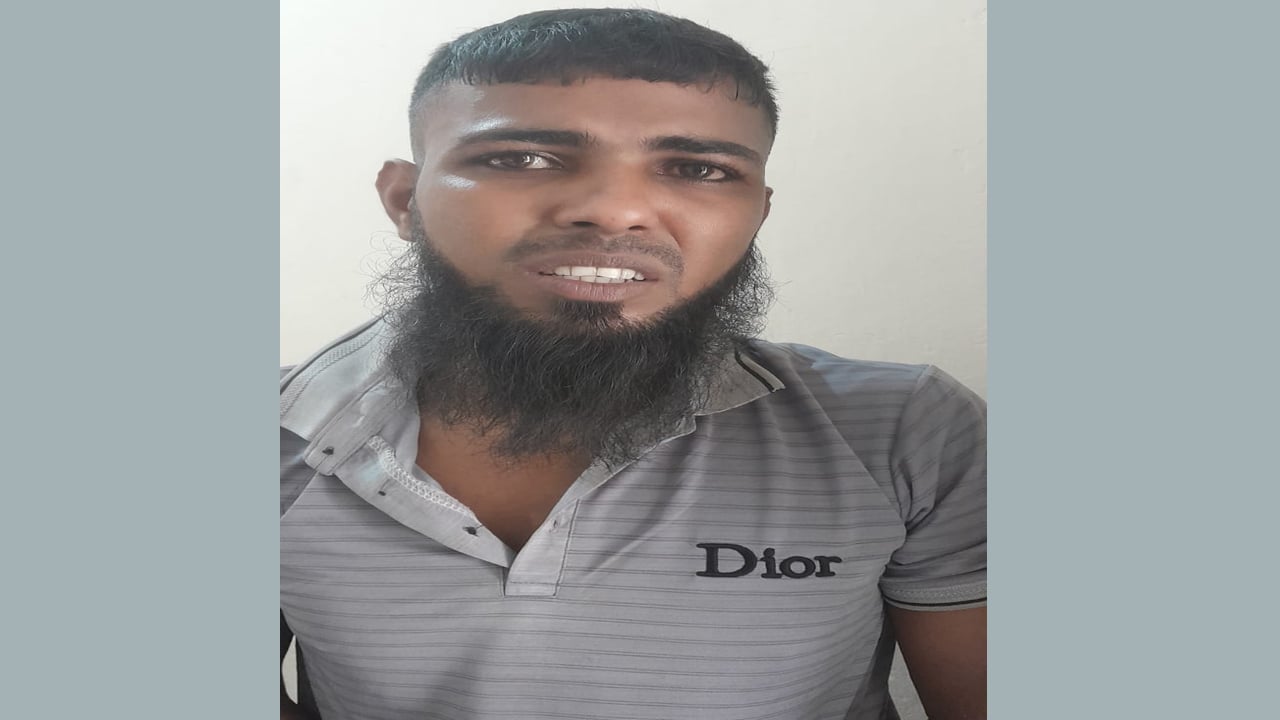
Police in Araihazar, Narayanganj, arrested Abul Kashem, 35, who is described as a gang leader accused in several criminal cases involving robbery, drugs, and illegal weapons. The arrest took place on Monday afternoon around 2 p.m. in the Islambpur area of Gopaldi municipality during a police operation. According to police sources, Abul Kashem had been involved in various criminal activities for a long time. The Officer-in-Charge (Investigation) of Araihazar Police Station, Ripon Kumar, confirmed the arrest and stated that legal proceedings against him are currently underway. Authorities have not disclosed further details about the ongoing investigation or potential court proceedings following the arrest.
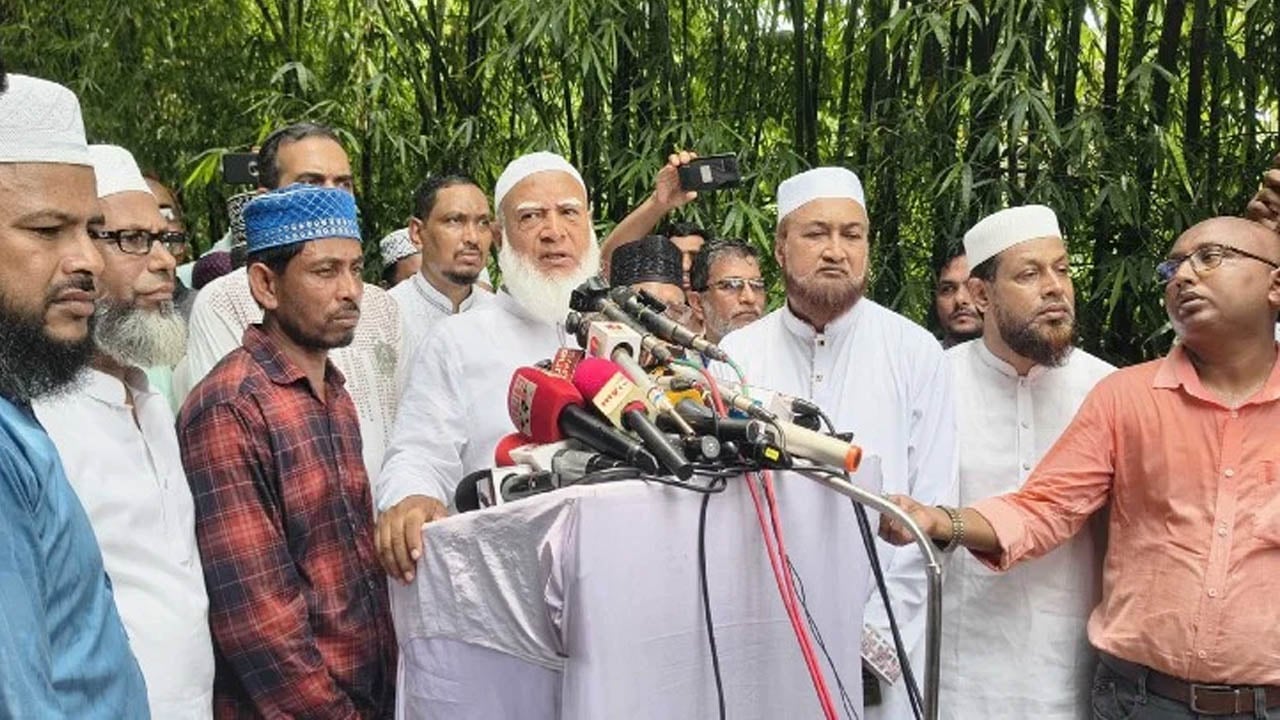
Bangladesh’s opposition leader and Jamaat-e-Islami chief Dr. Shafiqur Rahman has condemned the government’s decision to raise fuel prices without any discussion in parliament, calling it a deception against the people. Speaking to reporters in Badaghat Sonatola village of Sylhet after visiting the family of murdered child Fahima, he said the recent fuel price hikes—about 15 percent last month and an additional five taka per liter this month—will increase costs across all sectors and hurt ordinary citizens. Dr. Rahman also expressed concern over the lack of progress in the Fahima murder investigation, which has seen no visible advancement after 28 days. He demanded exemplary punishment for those involved and urged the government to ensure swift justice, similar to the Ramisa murder case in the capital. He further criticized the government’s handling of the measles outbreak, questioning why vaccines were not procured in time. He pledged legal and moral support for Fahima’s family and called on local residents to stand by them. Rahman warned that failure to deliver justice and maintain law and order would undermine the government’s legitimacy.
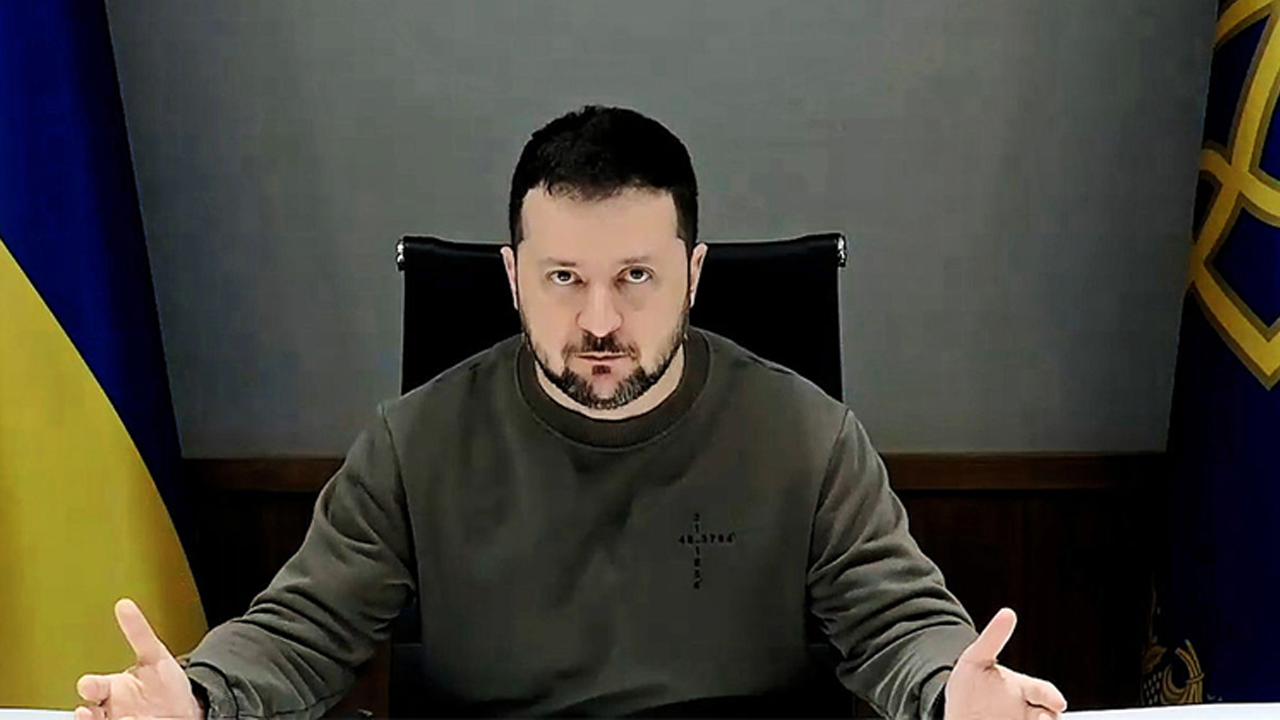
Ukrainian President Volodymyr Zelensky said on Tuesday that strengthening air defense capabilities for both Ukraine and Europe is essential following Russia’s latest deadly drone and missile strikes. He urged the United States to provide additional assistance, according to AFP. In a message shared on social media, Zelensky emphasized that Europe needs its own anti-ballistic air defense system to help end the ongoing war. He also described U.S. support in supplying missiles for the Patriot air defense system as critically important. The appeal comes amid continuing Russian attacks, highlighting Ukraine’s dependence on Western defense aid to protect its skies and maintain security across the region.
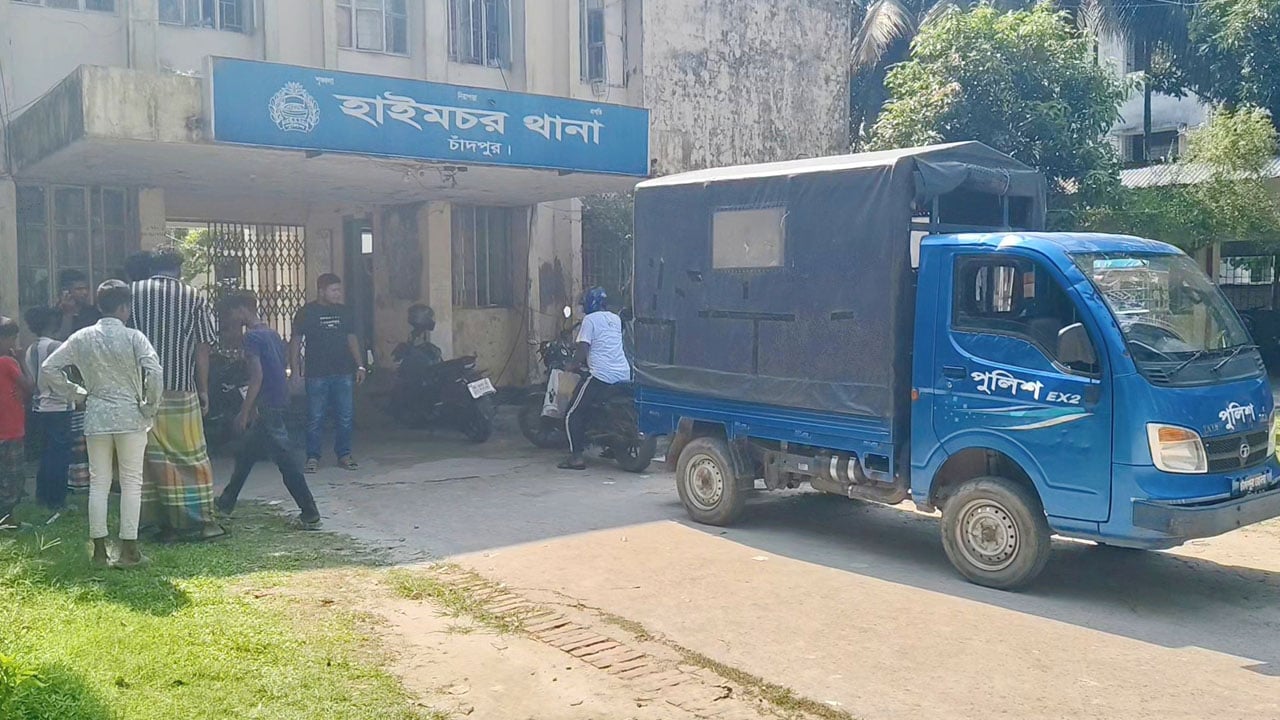
A young man named Omar Faruk, aged 22, was hacked to death on Tuesday, June 2, in Chandpur’s Hajimchar upazila following a violent clash over the construction of a shared pond embankment. The incident occurred around 12:45 p.m. inside the Mridha family home in Chhoto Laxmipur village under Algi Durgapur North Union. Omar, visiting his grandfather Hasmat Ullah Mridha, was attacked when he tried to stop a quarrel between his grandfather’s family and their rivals. According to local and police sources, the dispute escalated when members of the opposing group threw chili powder into the eyes of Omar and his relatives, leaving them disoriented. One of the attackers then struck Omar in the neck with a sharp weapon, causing fatal injuries. He was rushed to Hajimchar Upazila Health Complex, where doctors declared him dead. Police recovered the body and sent it to Chandpur Sadar Hospital morgue for autopsy. Hajimchar police chief Mohammad Nazmul Hasan said operations are underway to arrest the suspects, including Habib Mridha, and that legal proceedings are in progress. The area remains tense as locals demand exemplary punishment for those involved.
The United Nations has warned that the natural weather phenomenon El Niño is likely to return soon, potentially intensifying extreme climate and weather conditions worldwide. The World Meteorological Organization (WMO) reported an 80 percent chance of El Niño forming before September and a 90 percent chance by November. The agency said the upcoming event could be at least moderately strong, though it declined to confirm predictions that it might become the strongest of the century. UN Secretary-General António Guterres called El Niño an “emergency climate warning,” urging countries to treat it as a global crisis. The WMO forecast indicates that nearly all regions could experience above-normal temperatures in the next three months, with heightened risks of droughts and heavy rainfall. Experts warned that agricultural production and food security could be severely affected, especially if extreme heat and drought persist. The WMO noted that Pacific Ocean surface temperatures are already trending toward El Niño conditions. Analysts emphasized that fossil fuel use and global warming are making extreme weather more frequent and severe, calling for stronger early warning systems and faster transitions to renewable energy.

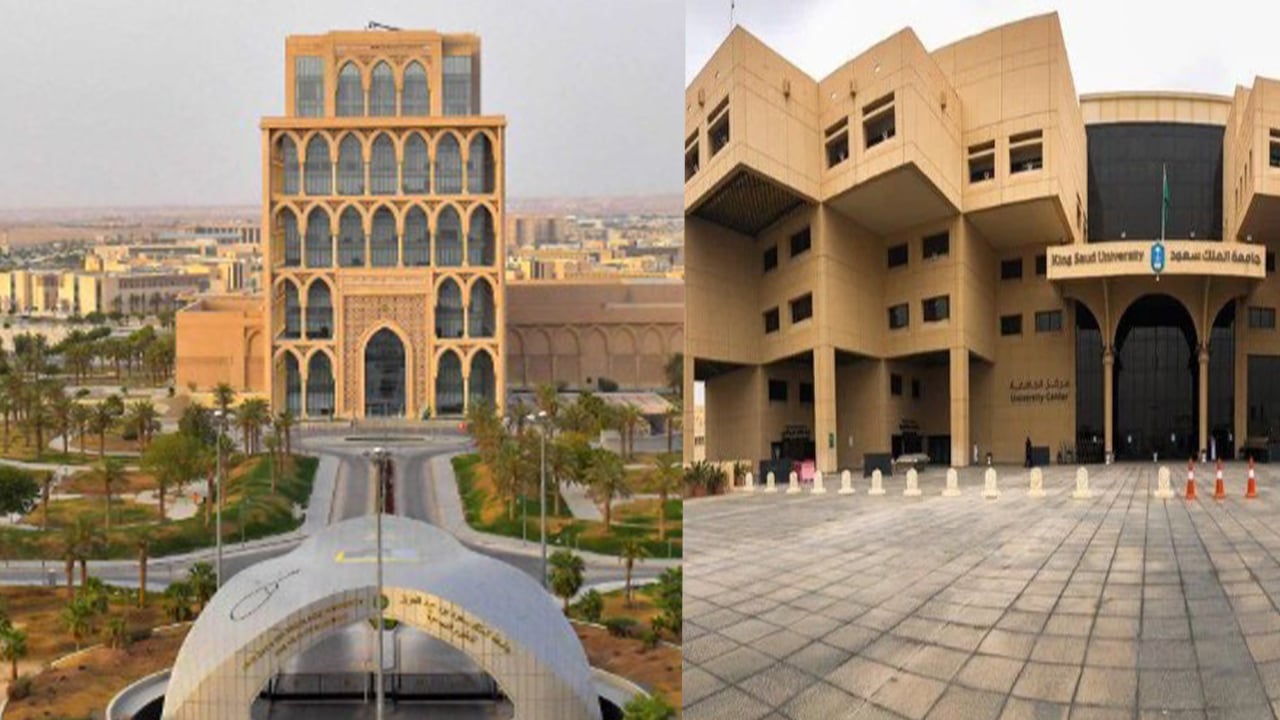
Saudi Arabia continues to offer scholarship opportunities for international students, including those from Bangladesh, to study at its renowned universities. The country’s higher education system combines Islamic studies with modern disciplines such as science, technology, and business. Foreign students typically begin with an Arabic language diploma before entering undergraduate programs. Education at public universities is tuition-free, and students receive necessary study materials at no cost. Applicants must generally be between 17 and 23 years old, with some universities allowing up to 25. A minimum GPA of 4.00 in HSC or Alim exams is required, though certain institutions accept lower results. The application process demands verified and translated documents, including passports, certificates, and medical fitness reports, all authenticated by relevant authorities and the Saudi Embassy in Bangladesh. Female applicants must comply with specific guardian-related conditions. Popular universities for Bangladeshi students include the Islamic University of Madinah, King Abdulaziz University in Jeddah, Umm al-Qura University in Makkah, and Taibah University in Madinah. Saudi Arabia’s blend of academic excellence, Islamic learning, and international exposure makes it an appealing destination for higher education.
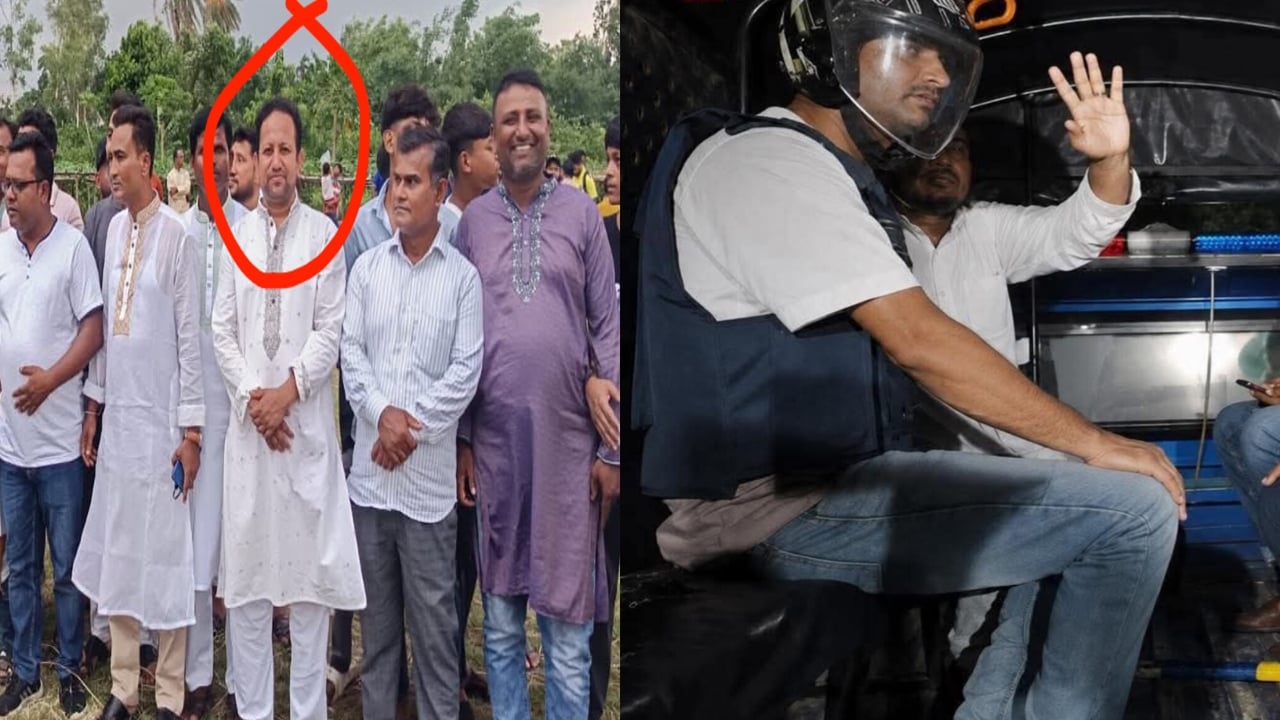
A youth leader named Hasibul Hossain Liton, known for appearing on stage with BNP activists in Dhamrai, was arrested in Dhanmondi, Dhaka, after chanting the slogan 'Joy Bangla' on Monday night. Police detained him in front of Takwa Mosque when he attempted to lead a procession following the funeral of former Awami League minister Tofail Ahmed. Liton, a resident of Yadabpur village in Dhamrai, is the son of Fayez Mollah and a relative of the late Tofail Ahmed. He previously served as vice president of the Mirpur Bangla College unit of the Chhatra League and currently works at a private bank, reportedly with Tofail Ahmed’s assistance. Local BNP activists alleged that Liton had shared platforms with Habibur Rahman Badsha, general secretary of Yadabpur Union BNP, at various events. They claimed that long-time activists were being overlooked while those benefiting under the current government were gaining influence. Attempts to contact Badsha for comment were unsuccessful. Dhamrai BNP’s general secretary Shamsul Islam said he was unaware of the incident and would verify the matter for possible organizational action.
An explosive batting display unfolded at the Sher-e-Bangla National Cricket Stadium in Mirpur, where Legends of Rupganj batter Habibur Rahman smashed a half-century off just 15 balls against Mohammedan Sporting Club in the Dhaka Premier Division Cricket League. With this performance, Habibur equaled the record for the fastest fifty in Bangladesh’s List A cricket, previously held solely by Parvez Hossain Imon. Habibur’s innings turned into a batting storm, particularly targeting Mohammedan’s pacer Nahid Rana. In one over, he scored 26 runs, breaking the rhythm of the opposition and pushing his team into a dominant position. His aggressive approach brought a T20-style intensity to the one-day format, leaving Mohammedan struggling to recover. The innings not only matched a national record but also highlighted the growing competitiveness and power-hitting trend in domestic List A cricket, signaling a shift in batting dynamics within Bangladesh’s premier league.

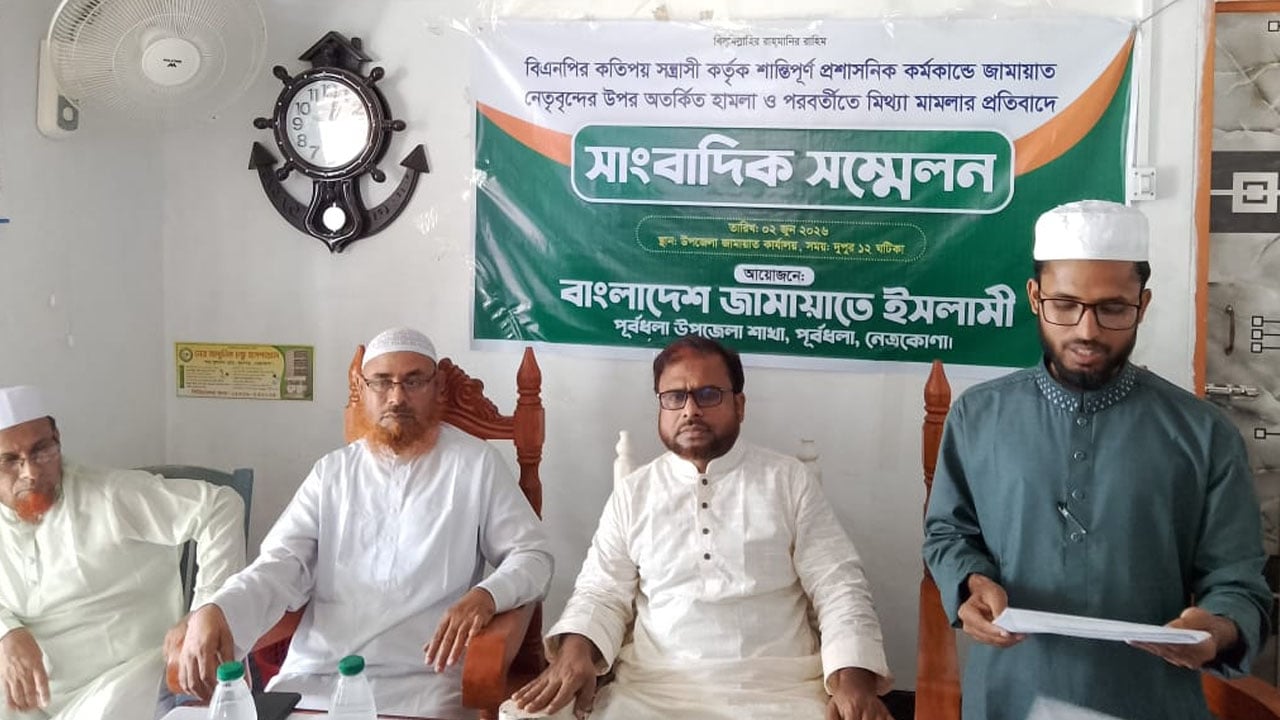
Leaders of Bangladesh Jamaat-e-Islami in Purbadhala, Netrakona, held a press conference on Tuesday afternoon at the party office on Roushnara Road to protest what they described as a false case filed against their members. In a written statement, the party’s assistant secretary Abu Huzaifa said that on May 20, during an open auction for a temporary Eid-ul-Azha cattle market organized by the upazila administration, some BNP activists and recently expelled individuals allegedly attacked Jamaat members, injuring several. The statement claimed that among the injured, Agia Union Jamaat president A.K.M. Mahfuzur Rahman underwent surgery, while others including Hanif Uddin, Abul Hasnat, and Shafiullah were also hurt. Jamaat alleged that the attackers continued their activities, vandalizing and looting Mahfuzur Rahman’s business and setting fire to a motorcycle belonging to Maulana Abu Saleh Sohag. The leaders said they had video evidence of the incidents and accused local BNP figures of involvement. The press conference presented five demands, including withdrawal of the case against Jamaat members, arrest and trial of attackers, ensuring administrative neutrality, stopping threats and assaults, and taking visible steps to prevent political violence.
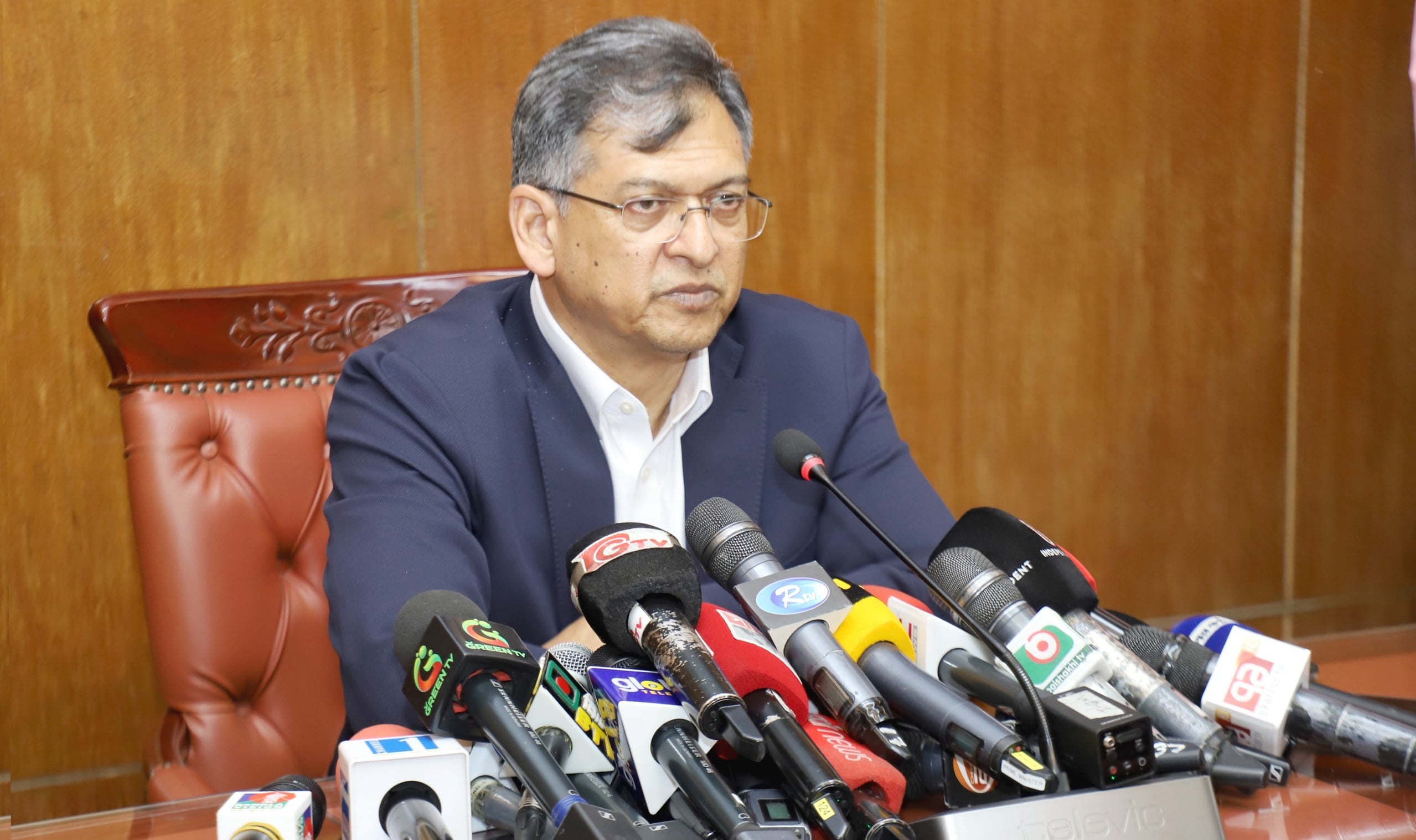
Bangladesh Home Minister Salahuddin Ahmed stated that Border Guard Bangladesh (BGB) is on alert along the frontier and that the government firmly opposes any illegal push-in or push-back activities. He made the remarks on Tuesday afternoon during an emergency press briefing at the Secretariat in response to questions about reports of Bangladeshis being detained near the border after the formation of a new BJP government in West Bengal, India. The minister explained that if any Bangladeshi citizens are found in India, their identification must be verified through proper channels. Only if India’s central government officially sends a verified list to Bangladesh’s Ministry of Foreign Affairs will the repatriation process proceed legally. He confirmed that no such pending cases currently exist. Ahmed also addressed issues related to Jangal Salimpur, saying the government will not evict long-term residents from state land unless necessary for public projects, but will eliminate any terrorist hideouts there. On the Pallabi child murder case, the minister said most witness testimonies have been completed and the government is assisting the court to ensure a fair and timely trial.
The ‘1 Nojor’ media platform is now live in beta, inviting users to explore and provide feedback as we continue to refine the experience.