

The ‘1 Nojor’ media platform is now live in beta, inviting users to explore and provide feedback as we continue to refine the experience.
According to a report by Axios, U.S. President Donald Trump called Israeli Prime Minister Benjamin Netanyahu 'crazy' and said 'everyone hates him' during a phone conversation about Israel’s planned military escalation in Lebanon. The report states that Trump was angered by Netanyahu’s decision to expand operations in southern Lebanon and warned him against launching a major strike on Beirut, arguing it could harm Israel’s global standing and increase its isolation. Citing U.S. officials, Axios reported that Trump expressed concern that the growing Lebanon conflict could undermine efforts to stabilize the Middle East and negatively affect ongoing diplomatic talks involving Iran. He also opposed a plan to destroy an entire building to target a Hezbollah commander, citing potential civilian casualties. Following the call, an Israeli official said Israel had backed away from a planned strike in Beirut. Trump later described the discussion as productive, saying Israel had taken steps to control the situation. Netanyahu, however, characterized the exchange as a warning rather than restraint, reaffirming that Israel would continue its operations in southern Lebanon if Hezbollah attacks persisted.

A newly married Indian-origin pilot, Dave Fizi, aged 26, was killed in a helicopter crash in Georgia, United States, just hours after his wedding. The accident occurred as he and his wife, Jesni, were traveling to DeKalb-Peachtree Airport for their honeymoon. The helicopter, a Robinson R-66, crashed in a remote forest area of Dawson County before reaching its destination. Both Fizi and the pilot were killed, while Jesni survived with injuries and severe psychological trauma after being trapped in the wreckage for nearly six hours. Fizi, a first officer with Delta Air Lines, had family roots in Kerala, India. He had married Jesni, a nurse, in Dawsonville in front of about 400 guests. According to his father, George Fizi, Dave had expressed concern about poor weather and low visibility before takeoff, but the pilot reportedly assured him it was safe to fly at higher altitude. The National Transportation Safety Board (NTSB) has launched an investigation into the crash. No official cause has been confirmed yet.

U.S. President Donald Trump said he convinced Israeli Prime Minister Benjamin Netanyahu to refrain from launching a large-scale attack on Lebanon. Trump disclosed on his Truth Social account that after his request, Netanyahu withdrew Israeli troops. The phone conversation between the two leaders was described as heated, with Trump reportedly telling Netanyahu that without his intervention, the Israeli leader would already be in prison. According to reports cited by Axios, Trump sharply criticized Netanyahu during the call, accusing him of escalating tensions and damaging Israel’s global image. The exchange followed Iran’s threat to suspend peace talks with the United States over Israel’s attacks in Lebanon. Trump also claimed to have spoken with representatives of Hezbollah’s leadership, who agreed to stop firing at Israeli forces, while Israel also agreed to cease fire. The developments came amid renewed hostilities between U.S. and Iranian forces that threatened a two-month ceasefire. Despite the truce, Israeli troops had advanced deeper into Lebanon than at any time in the past 26 years.

A housewife named Monowara Begum Chaina was stabbed to death inside her home in the Uttar Katli area of Netrakona municipality on the evening of June 2, 2026. Her husband, Abu Chan, and son, Munna, were also seriously injured in the attack. Locals rescued the injured and took them to Netrakona Modern Sadar Hospital. The suspected attacker, identified as local rickshaw driver Abdur Rashid, was caught at the scene and handed over to police. Police later visited the location for investigation. According to police, local residents, and relatives, the incident came to light when Abu Chan called his elder son Anwar to report the assault. After searching the house, locals found Chaina’s body hidden under a bed, bearing multiple stab wounds. Police confirmed that Abdur Rashid was being interrogated in custody. Additional Superintendent of Police (Sadar Circle) Sajal Kumar Sarkar stated that the motive behind the killing was not immediately clear, but an investigation was underway to uncover the cause.

At least seven people, including the suspected gunman, were killed in a series of shootings linked to a family dispute in Muscatine, Iowa, on Monday afternoon. Police said the victims were believed to be members of the suspect’s family. Officers responding to reports of gunfire on Park Avenue found four bodies, all dead from gunshot wounds. Investigators identified 52-year-old Ryan Willis McFarland as the main suspect. He fled before police arrived but was later found critically injured near a bridge, apparently from a self-inflicted gunshot wound, and died at the scene despite medical efforts. Police subsequently discovered two more male victims at separate locations—one at a residence on Mill Street and another at a business on Grandview Avenue—both believed to have died from gunshot injuries. Authorities said the incidents were connected and driven by family conflict. The identities and ages of the victims have not yet been released. Local media reported that McFarland had a prior criminal record, though details were not disclosed. The investigation remains ongoing.

The government of Bangladesh has reassigned five additional secretaries to various departments as part of an administrative reshuffle. According to separate notifications issued by the Ministry of Public Administration on Monday night, a new director general has been appointed for the Directorate General of Family Planning. Zinnat Rehana, previously attached to the Roads and Highways Department, has been appointed as the new director general of the Family Planning Directorate on deputation. Fazlur Rahman, an additional secretary from the Ministry of Religious Affairs, has been made the new managing director of the Bangladesh Hi-Tech Park Authority, with his service placed under the ICT Division. Additionally, Rashida Ferdous from the Ministry of Civil Aviation and Tourism has been transferred to the Ministry of Agriculture, Abdur Rahim Khan from the Ministry of Commerce to the Ministry of Labour and Employment, and Badrun Nahar from the Secondary and Higher Education Division to the Ministry of Civil Aviation and Tourism.

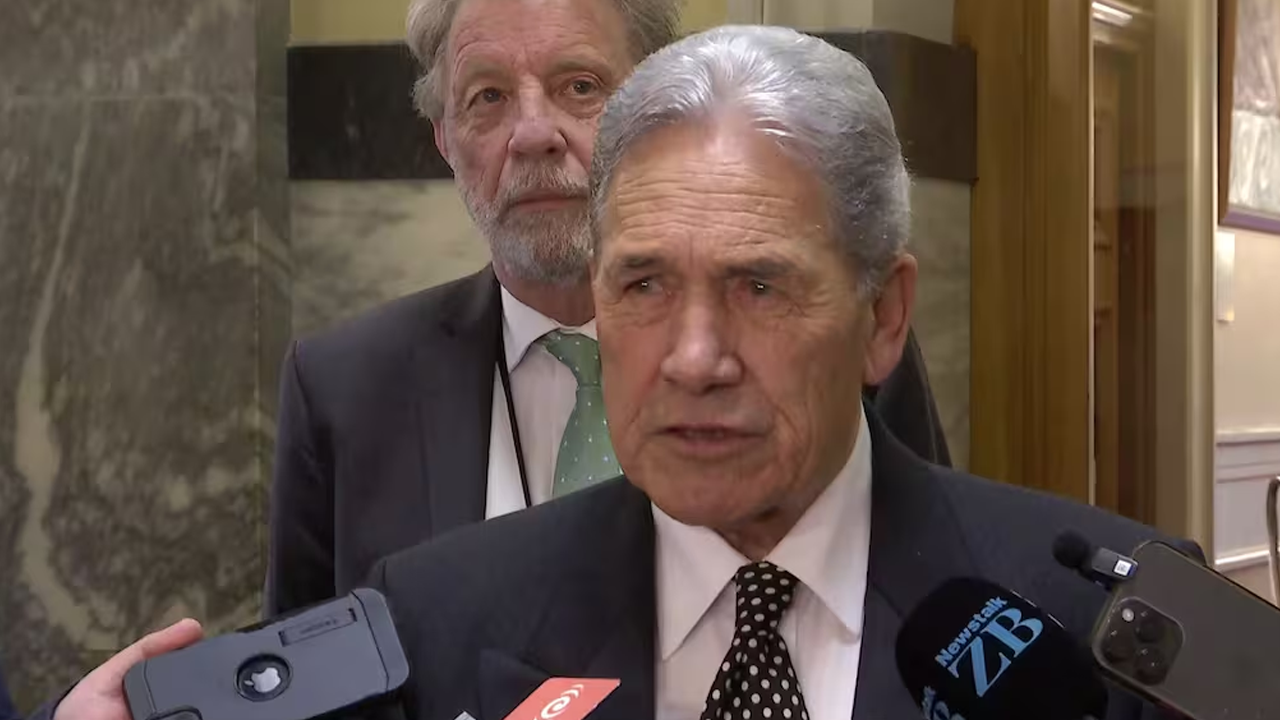
New Zealand has imposed travel bans on three Israeli settlers accused of promoting illegal settlement expansion in the occupied West Bank. Foreign Minister Winston Peters announced the decision on June 2, 2026, identifying the individuals as Itamar Yehuda Levi, Harel David Libi, and Eliav Libi. In a statement, Peters said the three had actively contributed to expanding illegal settlements through violent and coercive means, posing threats to the peace and security of both Israelis and Palestinians. He emphasized that their actions were worsening tensions in the region and reaffirmed New Zealand’s support for a two-state solution for Palestinians and Israelis. The decision aligns with New Zealand’s stated policy of supporting peace and stability in the Middle East through adherence to international law and opposition to settlement activities deemed illegal under global norms.
Thousands of ultra-Orthodox Jews staged nationwide protests in Israel on June 2, blocking major roads and railways to oppose mandatory military conscription. According to an Associated Press report, the demonstrations paralyzed highways in Jerusalem and the Tel Aviv metropolitan area, halting public transport due to large crowds. Protesters carried placards condemning the government and rejecting Zionist military service. The protests come as Israel faces a severe shortage of soldiers amid ongoing conflicts on multiple fronts. Historically, ultra-Orthodox groups secured exemptions from military service, allowing their followers to pursue religious studies instead. However, these exemptions are now under threat as the Israeli military considers extending the duration of compulsory service to address manpower shortages. Currently, most Jewish men in Israel are required to serve about three years in the military, followed by reserve duties, while Jewish women serve two years. The potential policy changes have intensified tensions between the government and ultra-Orthodox communities.

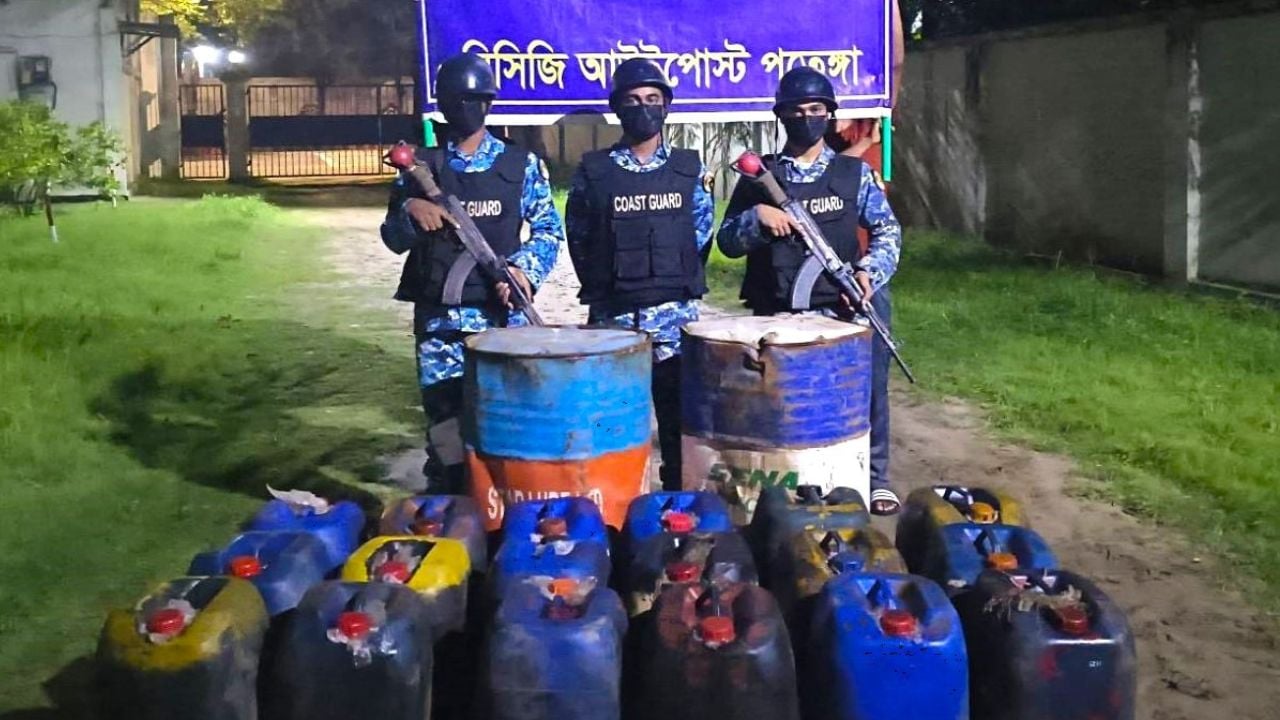
The Bangladesh Coast Guard seized 1,400 liters of stolen diesel during an operation in Patenga, Chattogram, on June 1, 2026. The fuel, valued at approximately 161,000 taka, was allegedly being transported for illegal sale. Two engine-powered wooden boats used to carry the fuel were also confiscated. The operation was conducted by a special team from the Coast Guard’s Patenga outpost based on secret intelligence. According to a press release from the Coast Guard’s East Zone, the smugglers fled the scene upon realizing the presence of the law enforcement team, and no arrests were made. Legal procedures regarding the seized fuel and boats are currently underway. The Coast Guard’s East Zone media officer stated that similar operations will continue in the region to curb smuggling and other illegal activities.
Customers of Islami Bank have resumed protests in Dhaka demanding the resignation of newly appointed chairman Khurshid Alam and all board members, along with the reinstatement of former managing director Omar Farooq Khan. The demonstration began at 9 a.m. Tuesday in front of Islami Bank Tower in Motijheel under the banner of the Conscious Customers Forum. Law enforcement agencies have been deployed in large numbers, including water cannons and armored vehicles, to maintain order. Protesters expressed concern over recent changes in the bank’s board and the appointment of the new chairman, calling for transparency in management. Witnesses reported that customers, shareholders, and people from various professions gathered at the site, chanting slogans and voicing their demands. On Monday, a similar protest and human chain were held at the bank’s headquarters, where clashes reportedly occurred between demonstrators and police. The unrest follows the resignation of former chairman Professor M. Zubaidur Rahman on May 24 and the subsequent appointment of Khurshid Alam, a former deputy governor of Bangladesh Bank. The board later accepted Omar Farooq Khan’s resignation in a virtual meeting chaired by Alam.

A Bangladeshi migrant worker from Hauli Union in Damurhuda upazila of Chuadanga district has died while working in Malaysia. The deceased was identified as Aynul Islam, a resident of Puratan Bastapur village under the Gobindpur post office. His family has appealed to the authorities to bring his body back to Bangladesh as soon as possible. According to the report, Hauli Union Parishad panel chairman Md. Nizam Uddin sent an application on May 29 to the Labor Counselor at the Bangladesh Embassy in Malaysia, requesting necessary steps for the repatriation of the body. Family members have also urged the relevant government offices and the embassy to assist in returning the remains promptly. The report highlights the family's appeal for swift action but does not specify the cause of death or the timeline for repatriation.

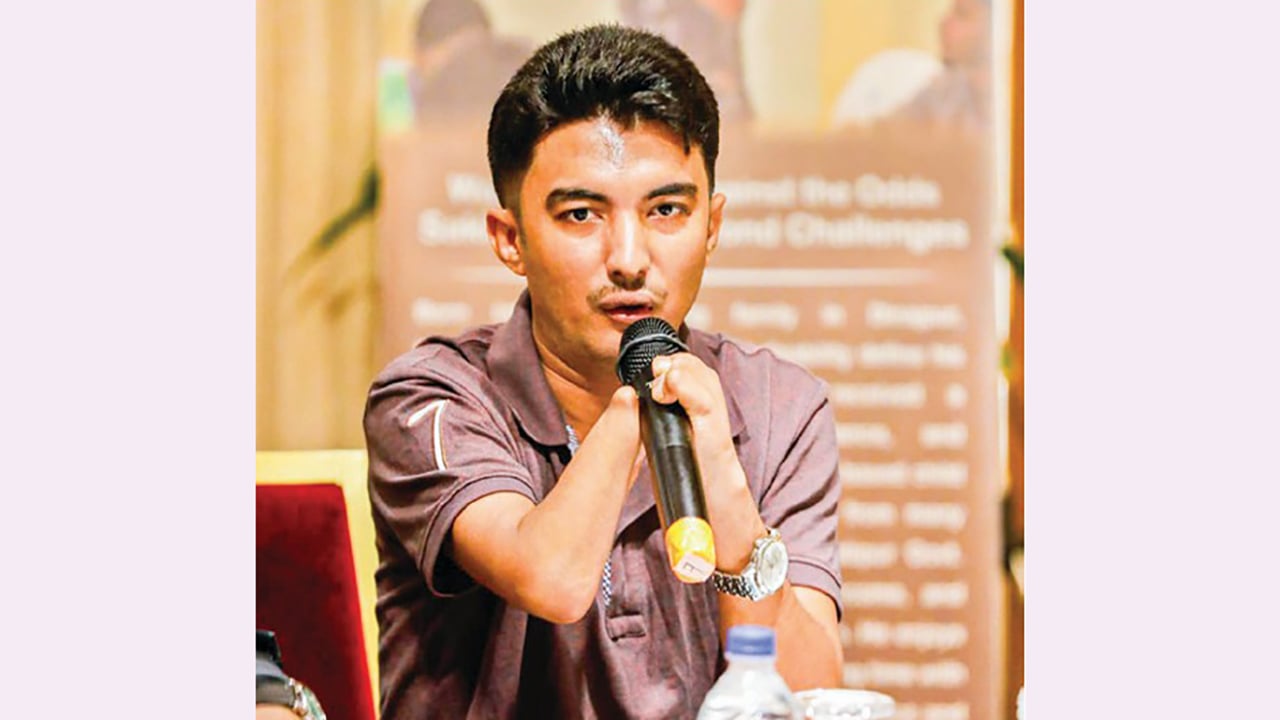
Nazmuz Sakib, a young man from Parbatipur in Dinajpur, has overcome severe physical disabilities to pursue higher education. Born without both hands up to the wrists and missing part of his right leg below the knee, Sakib refused to accept his condition as a limitation. Through determination and confidence, he has achieved academic success at every stage and is now in his third year at Parbatipur Government College. Sakib’s educational journey began at Manmathpur Government Primary School, where he earned GPA-5 in the Primary Education Completion Examination. He later achieved GPA-4.40 in JSC, GPA-4.56 in SSC (Science), and GPA-4.83 in HSC from Manmathpur Ideal Degree College. Despite financial hardship, he continues to study with strong family support. His father, Azimuddin Sardar, expressed pride in Sakib’s perseverance, while his elder brothers have also pursued higher education and professional careers. Sakib’s story has become a source of inspiration in his community, symbolizing resilience and the power of education to overcome adversity.
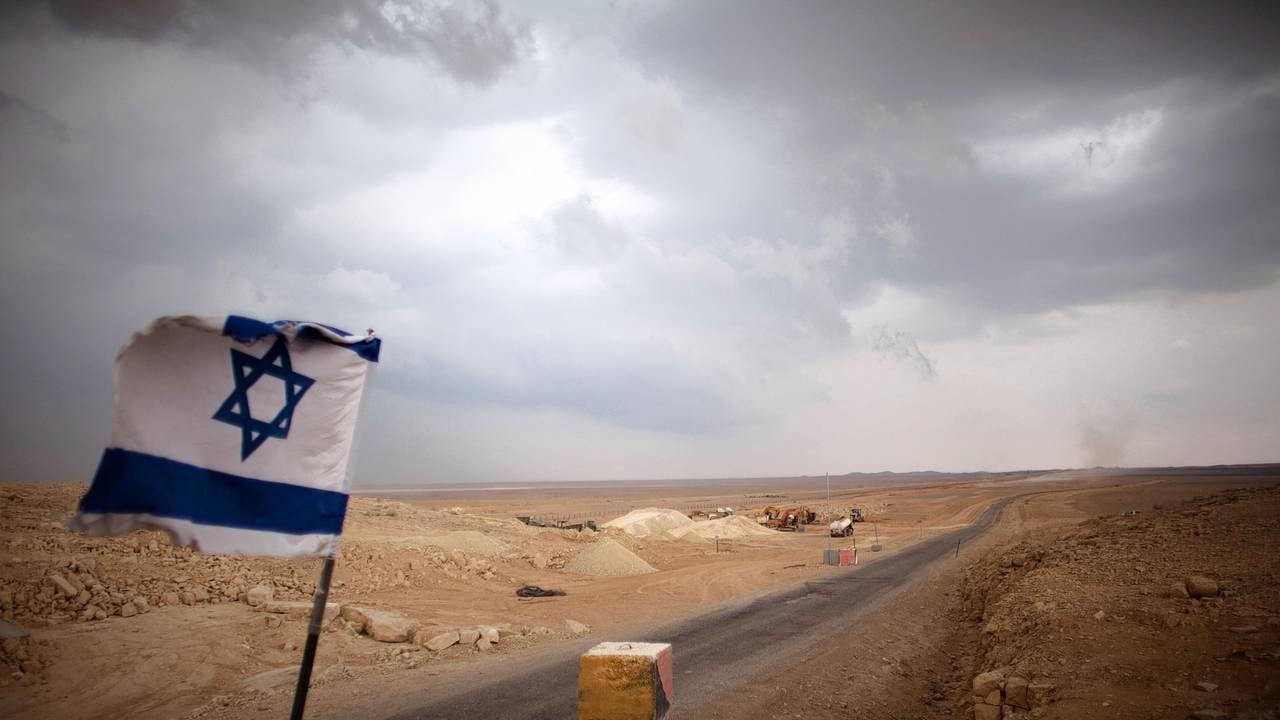
A group of nationalist Israelis entered the Al-Aqsa Mosque compound in occupied East Jerusalem on Sunday, raising the Israeli flag and singing the national anthem under heavy police protection. According to the Jerusalem Islamic Waqf, which manages the site, at least 199 Israelis took part in the incursion. Some participants were also seen performing Jewish religious rituals inside the compound. The Al-Aqsa Mosque, one of Islam’s holiest sites, is governed by a long-standing international status quo agreement that allows only Muslim worship within the complex. The Waqf, under Jordanian supervision, oversees its administration and maintenance. Israeli authorities have faced repeated accusations of violating this arrangement, with near-daily incursions by extremists displaying flags and performing religious acts. Omar Rajoub, media director of the Jerusalem Governorate, told Anadolu Agency that such actions are part of a systematic policy by Israel’s far-right government to alter the historical and legal status of Al-Aqsa. He warned that these provocations aim to Judaize Jerusalem and erase its religious identity, calling them clear violations of international law.

Irregularities have been reported before and after the approval of sand extraction for the Matarbari Deep Sea Port connecting road project in Maheshkhali, Cox’s Bazar. The contractor, Tokyo-MIL-JV, was permitted to extract sand under 13 conditions but allegedly ignored them, using a 12-inch suction dredger instead of the required 18-inch cutter dredger. The company also failed to obtain environmental clearance or conduct an Environmental Impact Assessment (EIA). Officials from Max International Limited, the local partner, denied all allegations, claiming compliance with government terms. Documents show that the Cox’s Bazar district administration approved sand extraction without tender or environmental clearance, setting a rate of Tk 6.94 per cubic foot while the government would pay Tk 4.56 per cubic foot as dredging cost. This arrangement allegedly allows the contractor to profit while the government bears the expense. Competing firms offering higher royalties were reportedly ignored. The district administration, led by Deputy Commissioner Md. A. Mannan, justified the approval as being based on a land ministry directive. The Department of Environment confirmed that no application for clearance was submitted and warned of legal action if extraction continues without approval. The administration has asked the Water Development Board to verify whether the contractor is violating conditions.

In Jerusalem, public discussion around Israel’s participation in the Eurovision Song Contest reflected the country’s growing sense of isolation. Several European nations boycotted the event over Israel’s military operations in Gaza, where more than 70,000 Palestinians have been killed, most of them civilians. Despite finishing second in the contest, Israel faces increasing rejection in academic and diplomatic circles, with scientists reporting unexplained denials of research funding and parents fearing social exclusion for their children abroad. Inside Israel, many view global criticism as unfair, arguing that the world ignores Hamas’s deadly October 2023 attack that killed 1,200 people. Supporters cite strong U.S. ties, particularly under former President Donald Trump, as evidence that Israel is not truly alone. Yet, officials privately fear that shifting American politics and potential U.S.–Iran negotiations could weaken Israel’s strategic position. European nations remain major trade partners, but trust is eroding. Former security chief Ami Ayalon warned that without granting Palestinians statehood, Israel risks losing peace with Egypt and Jordan. As both Israeli and Palestinian leaderships remain divided, the article concludes that Israel’s growing solitude may deepen unless a credible path toward peace emerges.
The ‘1 Nojor’ media platform is now live in beta, inviting users to explore and provide feedback as we continue to refine the experience.