

The ‘1 Nojor’ media platform is now live in beta, inviting users to explore and provide feedback as we continue to refine the experience.
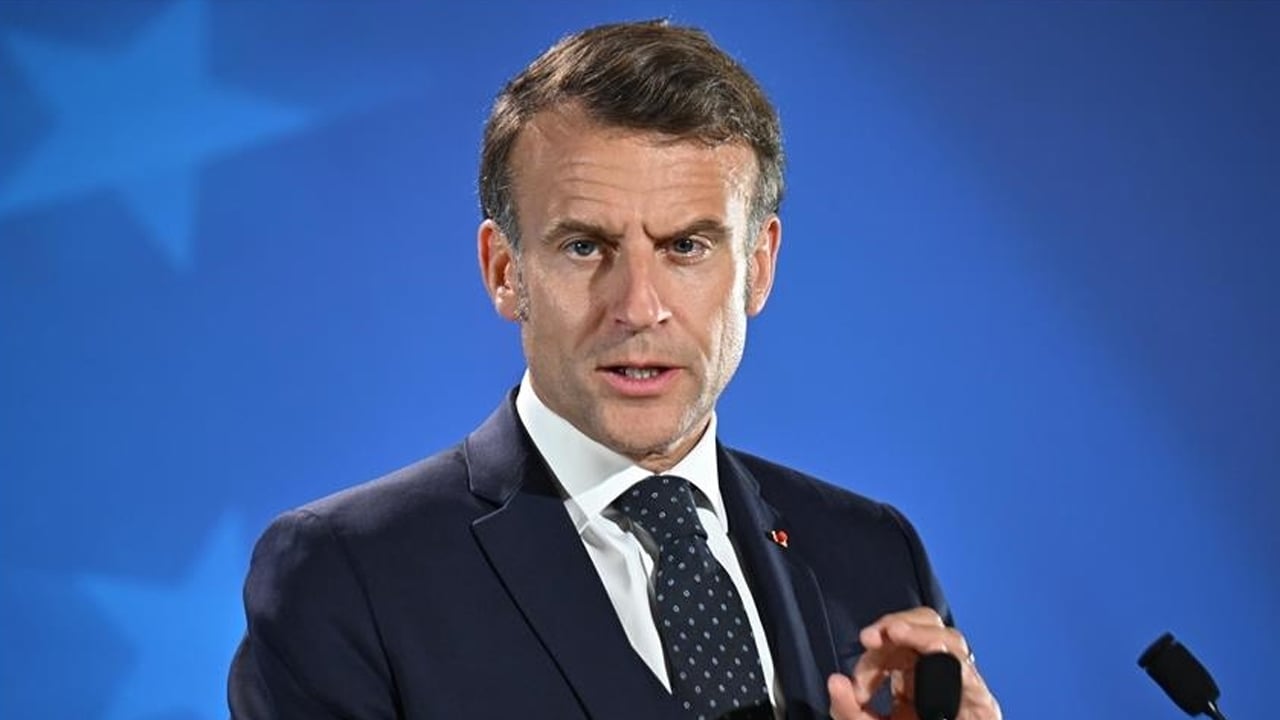
French President Emmanuel Macron announced on Monday that France and its allies have seized a Russian oil tanker named 'Tagr' in the Atlantic Ocean. The vessel, which was under international sanctions, was intercepted on Sunday morning in international waters. According to Macron, the operation was supported by the United Kingdom and other partner nations, as reported by AFP from Paris. Macron stated that using the ship to evade international sanctions, violate maritime law, and finance Russia’s ongoing war against Ukraine for more than four years is unacceptable. The French leader’s statement highlights continued Western enforcement of sanctions targeting Russia’s energy trade amid the prolonged conflict. The announcement underscores France’s coordination with allied nations in monitoring and enforcing maritime sanctions, though further details about the tanker’s destination or crew were not disclosed in the report.
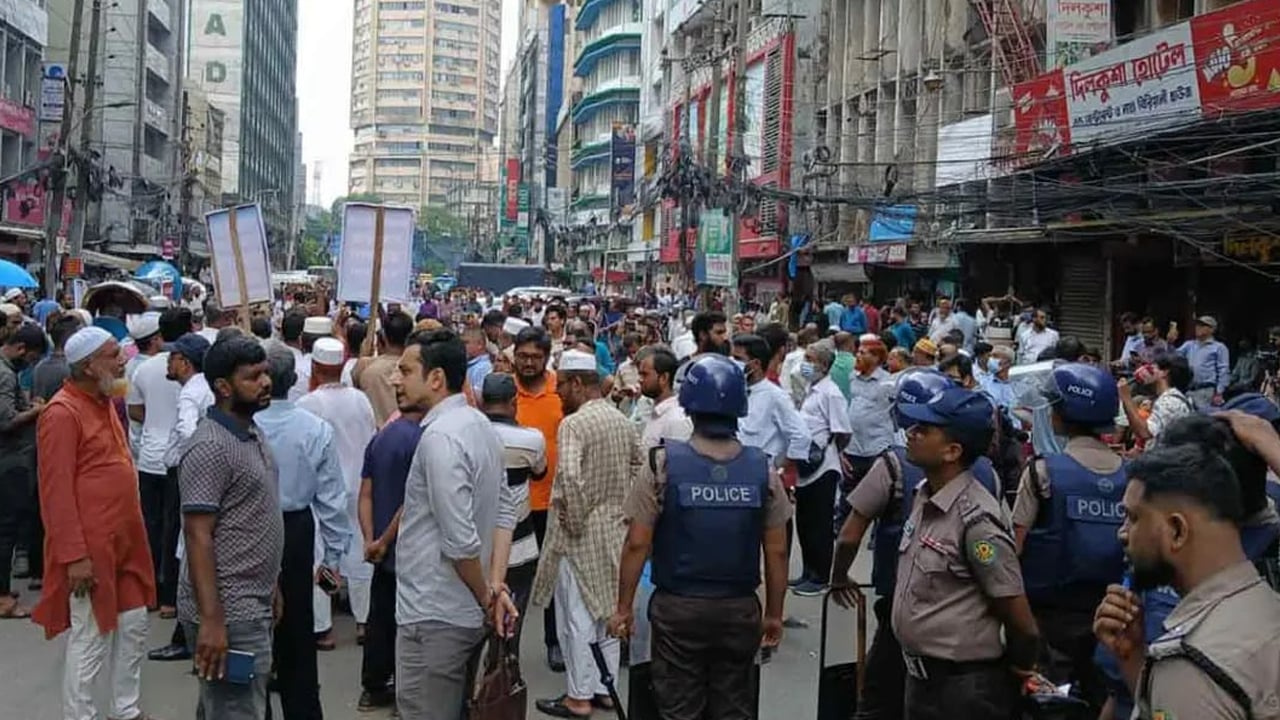
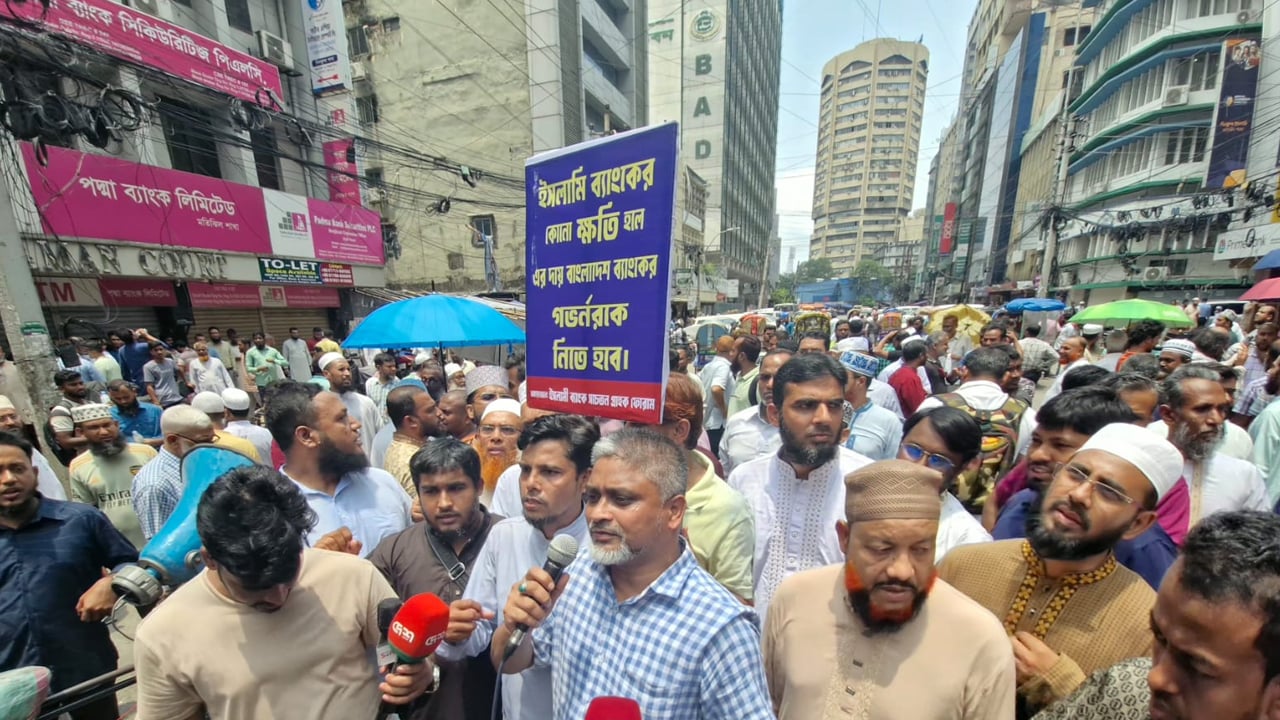
Thousands of customers and shareholders of Islami Bank Bangladesh PLC staged a protest in front of the bank’s head office in Motijheel, Dhaka, on Monday, demanding the cancellation of newly appointed chairman Md. Khurshid Alam. Police used batons, water cannons, tear gas, and sound grenades to disperse the demonstrators, but they regrouped and continued their sit-in outside the Islami Bank Tower. As of the latest report, protesters and police remained in a tense standoff at the site. The demonstration was organized under the banner of the Islami Bank Affected Customers Coordination Council. Participants began gathering from various parts of the capital and beyond early in the morning to join the human chain program. Police later dispersed the crowd, but the protest resumed shortly afterward. According to Motijheel Zone Deputy Commissioner Harunur Rashid, the situation was under control. The ongoing standoff highlights growing unrest among the bank’s stakeholders following the leadership change, though no further details on official responses or next steps were available.
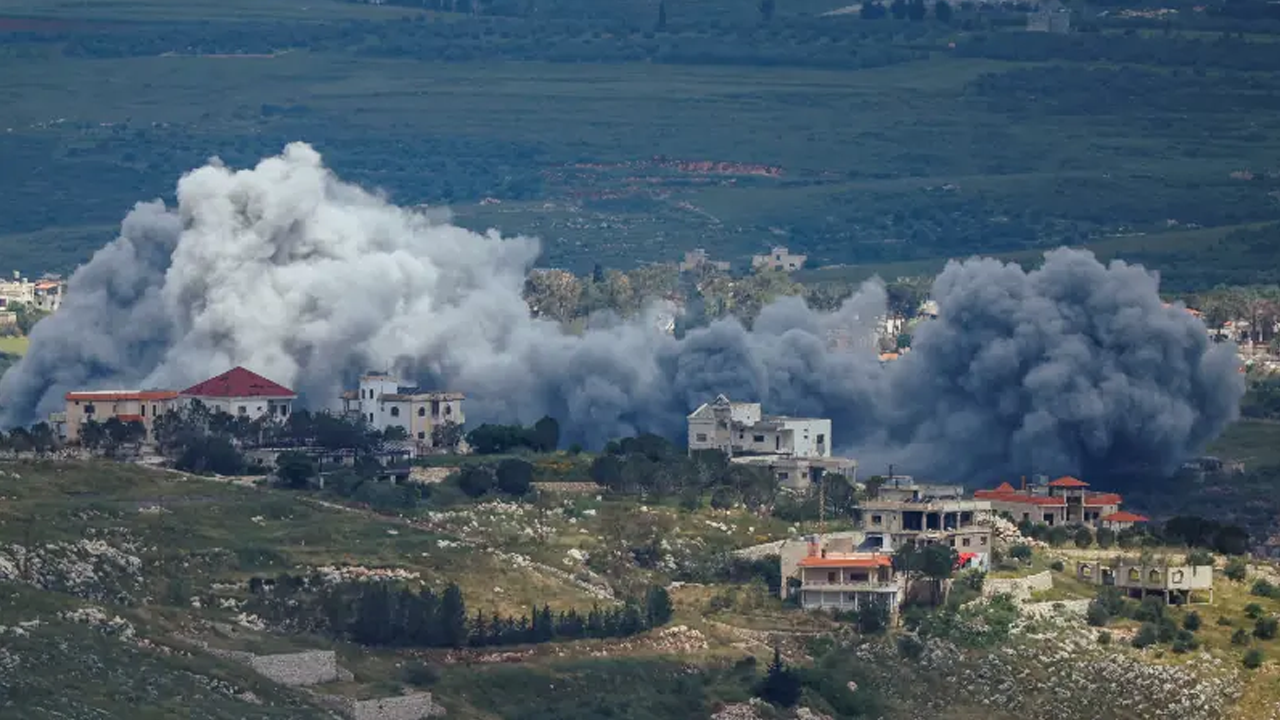
Israel is working in coordination with the US administration to expand its military operations in Lebanon, according to a report by Israel’s Channel 15. The report indicates that Washington has been directly involved in the escalation of Israeli attacks across Lebanese territory. Citing reliable sources, the report states that Israeli officials held close consultations with the US administration before broadening the scope of the operation. The offensive has resulted in civilian casualties and widespread destruction across southern Lebanon. The Israeli ambassador in Washington reportedly played a central role in coordinating the expansion efforts. According to Israeli officials, limited military actions would not achieve their objectives, prompting the decision to intensify the campaign.
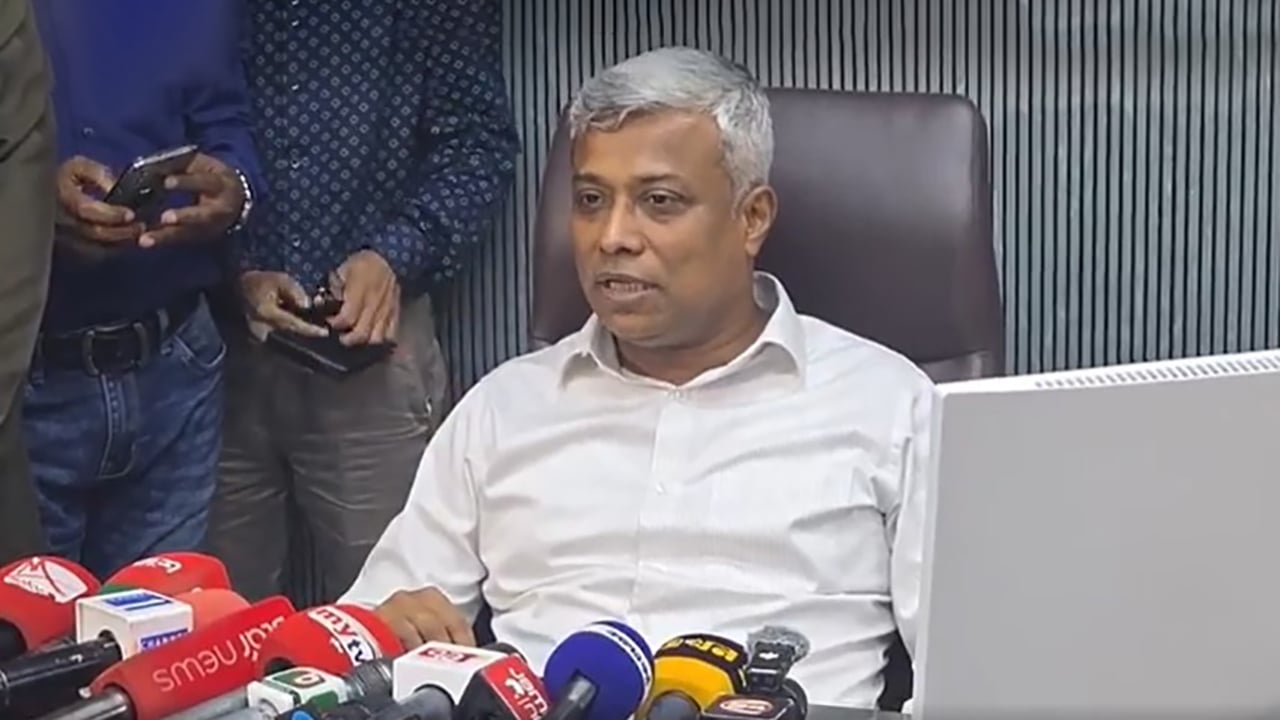
State Minister for Power, Energy and Mineral Resources Anindya Islam Amit announced that the government has decided to adjust fuel prices due to rising pressure in the international energy market. Speaking to reporters at his office in the Secretariat on Monday, he said the government would act quickly to reduce prices if global oil rates decline significantly, aiming to ease consumer burdens. The minister explained that fuel prices are reviewed monthly, though no adjustment was made in May. He noted that about 66 percent of the country’s fuel consumption is diesel, which receives the highest government subsidy, and its price has been kept unchanged to protect ordinary consumers. He cited the Middle East crisis as a key factor behind the recent adjustments and reaffirmed that unnecessary price hikes would be avoided. Amit added that the government is pursuing long-term plans to reduce subsidies by expanding renewable energy use and advancing major projects such as offshore exploration, a second Eastern Refinery unit, and new LNG infrastructure to ensure stable energy supply and lower production costs.
BNP Senior Joint Secretary General Ruhul Kabir Rizvi has alleged that extensive conspiracies are still being woven against the government. Speaking on Monday at the BNP central office in Naya Paltan during a food distribution event for the poor organized by the Bangladesh Nationalist Rickshaw-Van-Auto Drivers’ Association, Rizvi claimed that not only propaganda but also a dangerous mob culture is being created against the government. Rizvi emphasized that since the time of late President Ziaur Rahman, the BNP has been a government of employment creation, not unemployment. He credited Ziaur Rahman for initiating overseas employment opportunities and said that under Tarique Rahman’s leadership, no one in the country would remain jobless. He also promised rehabilitation for evicted street vendors. Rizvi criticized the Awami League’s 1972–1975 rule, alleging widespread poverty and misrule, and accused the current government of laundering vast sums of public money. He warned that if old fascism resurfaces through any loophole, democracy and sovereignty would be at risk. The event was also addressed by several BNP leaders and concluded with food distribution among the poor.
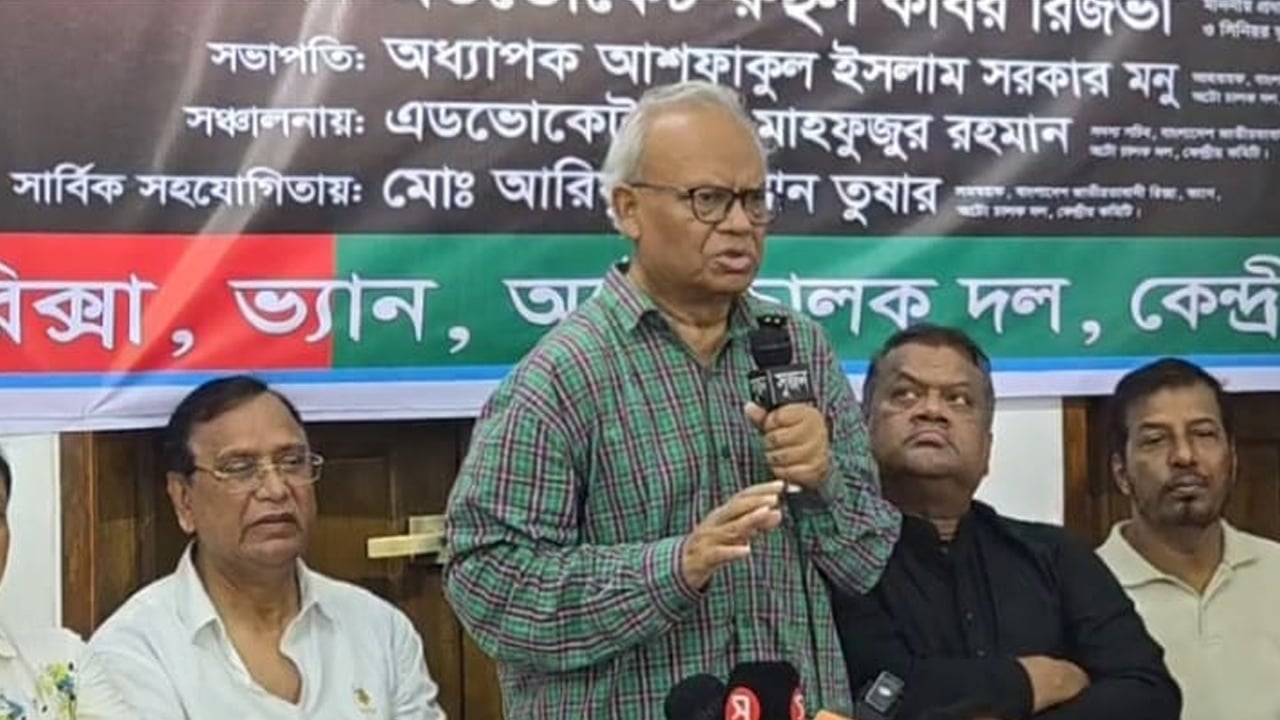
Iran has rejected the amendment to a draft agreement proposed by US President Donald Trump, according to semi-official Tasnim News Agency. The report stated that Tehran has submitted its own new amendment proposal to the draft memorandum of understanding. The decision comes as discussions between the parties remain ongoing. Citing unnamed sources, Tasnim emphasized that Iran’s move to propose changes does not mean it has accepted Trump’s suggested amendments. Earlier, The New York Times reported that President Trump had sent Iran a revised version of a proposed peace framework aimed at ending the conflict, which included stricter conditions than before. The developments indicate that negotiations over the proposed ceasefire agreement are still in flux, with both sides maintaining differing positions on the terms of the deal.
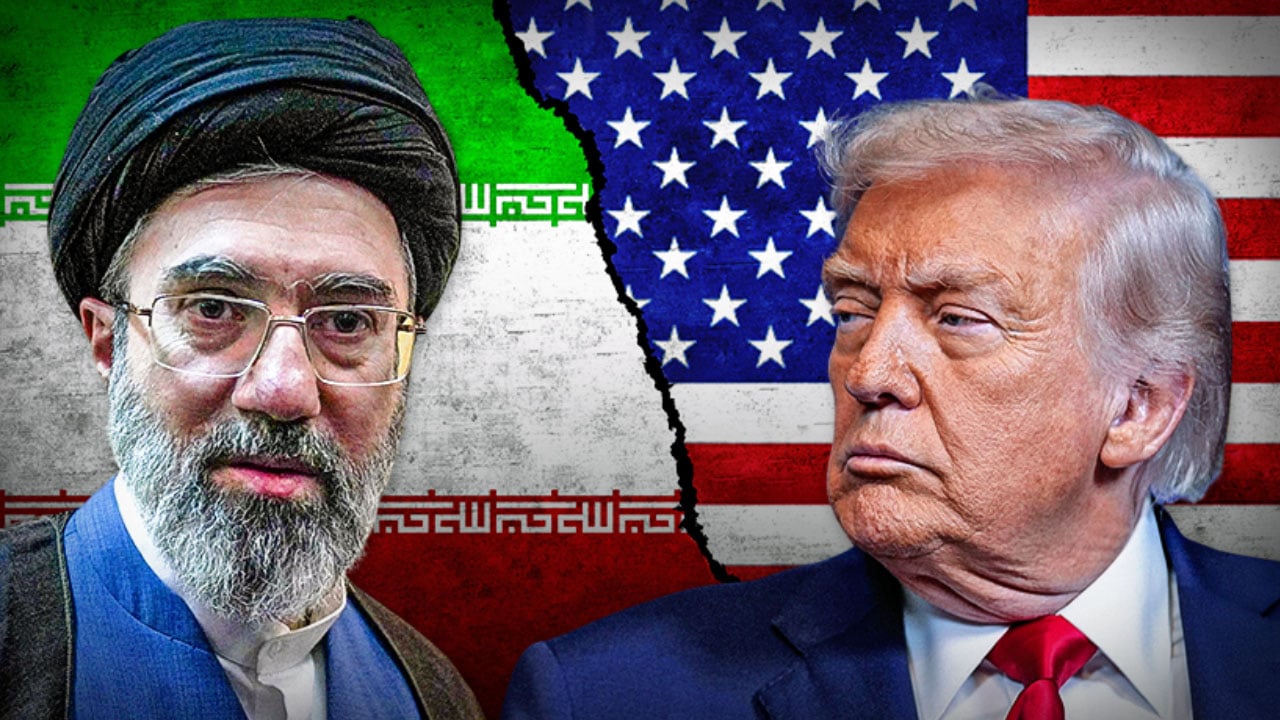
Authorities in Mexico reported that seven inmates were killed during a violent clash between rival gangs inside a prison in Culiacán, located in the northwestern state of Sinaloa. The incident occurred from Saturday night through Sunday, according to official statements. The prison is known to hold many members of the Sinaloa cartel, one of the country’s most powerful drug organizations. Sinaloa state’s security ministry stated that the riot has been brought under control, but family visits have been temporarily suspended. The violence is linked to ongoing internal conflicts between factions loyal to the cartel’s co-founders, Joaquín ‘El Chapo’ Guzmán and Ismael ‘El Mayo’ Zambada, both currently imprisoned in the United States. The broader struggle among rival groups has reportedly claimed thousands of lives since 2024. Authorities have not released further details about the cause of the latest outbreak of violence or the condition of other inmates.
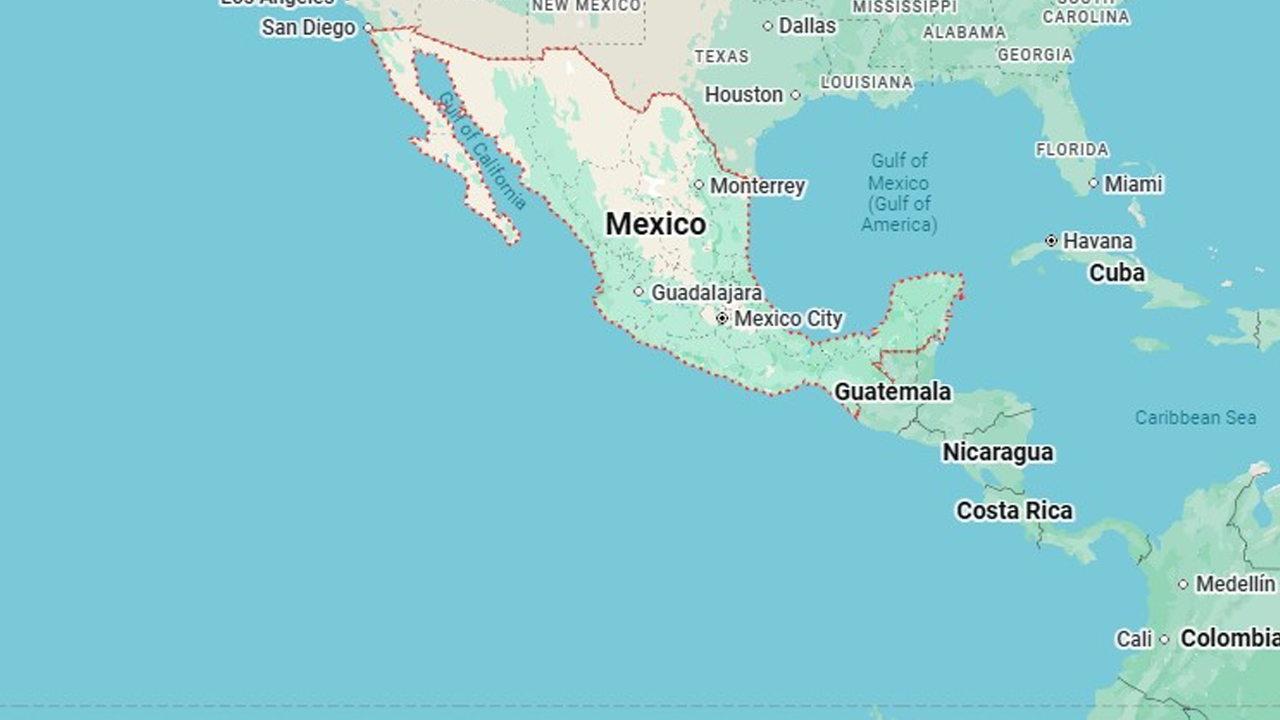
Malaysia has begun enforcing a new regulation that bans children under 16 from opening social media accounts, effective Monday. The rule requires platforms such as Facebook, Instagram, TikTok, and YouTube to implement age verification systems and block underage accounts. Companies failing to comply could face fines of up to 10 million ringgit. Parents will not be penalized if children bypass the restriction. Authorities said the move aims to protect minors from harmful content, cyberbullying, and addiction risks. The Malaysian Communications and Multimedia Commission stated that the policy seeks to make service providers more accountable and ensure age-appropriate safeguards, not to restrict children’s access to digital technology. Platforms must introduce “safety-by-design” features and curb manipulative designs that encourage excessive use. A grace period will be provided for implementing age verification systems. The decision has drawn mixed reactions. Meta’s regional policy director warned the blanket ban could push teens toward unsafe online spaces, while academics raised privacy concerns over ID-based verification. Critics also questioned the law’s effectiveness, noting parents could still help children bypass the restrictions.
Prime Minister Tarique Rahman returned to work at the Bangladesh Secretariat on Monday, marking the first working day after the Eid-ul-Azha holidays. He entered the Secretariat around 10 a.m., according to Deputy Press Secretary Zahidul Islam Roni. The Prime Minister’s Office confirmed that he resumed official duties following the holiday celebrations. During the day, the Prime Minister met with the Administrator of Khulna City Corporation at 10:30 a.m. He was also scheduled to hold discussions with the Ministry of Youth and Sports and the Ministry of Cultural Affairs at 1:30 p.m. Later, at 2 p.m., he was expected to attend a meeting focused on strategies for the development of the pharmaceutical industry. His presence at the Secretariat and participation in official meetings signaled the full resumption of regular government activities after the Eid break.
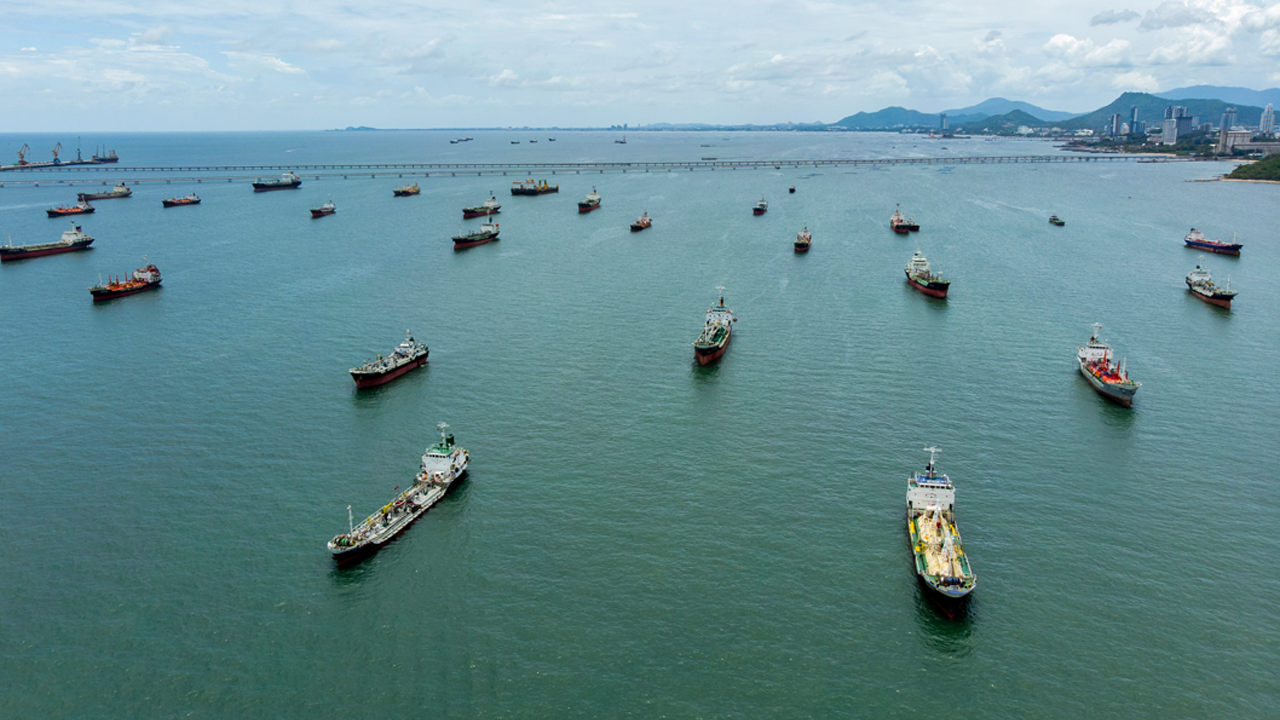
Iran’s ability to control the Strait of Hormuz is a more powerful and effective deterrent than nuclear weapons, according to Colin Clarke, executive director of the Soufan Center. In an interview with Al Jazeera published on June 1, 2026, Clarke described the strait as Iran’s “trump card” in any potential conflict, noting that Tehran could disrupt global trade by closing the passage using mines and portable missiles. Clarke said the U.S. National Security Agency is well aware of the potential consequences of such an action and likely maintains extensive documentation analyzing its direct, secondary, and tertiary impacts, as well as possible mitigation strategies. He emphasized that the strait gives Tehran a strategic advantage without the risks associated with deploying nuclear weapons. According to Clarke, while the use of nuclear arms would escalate conflict into an entirely different realm, Iran could indefinitely sustain a blockade of the Strait of Hormuz, exerting long-term pressure on the global economy.
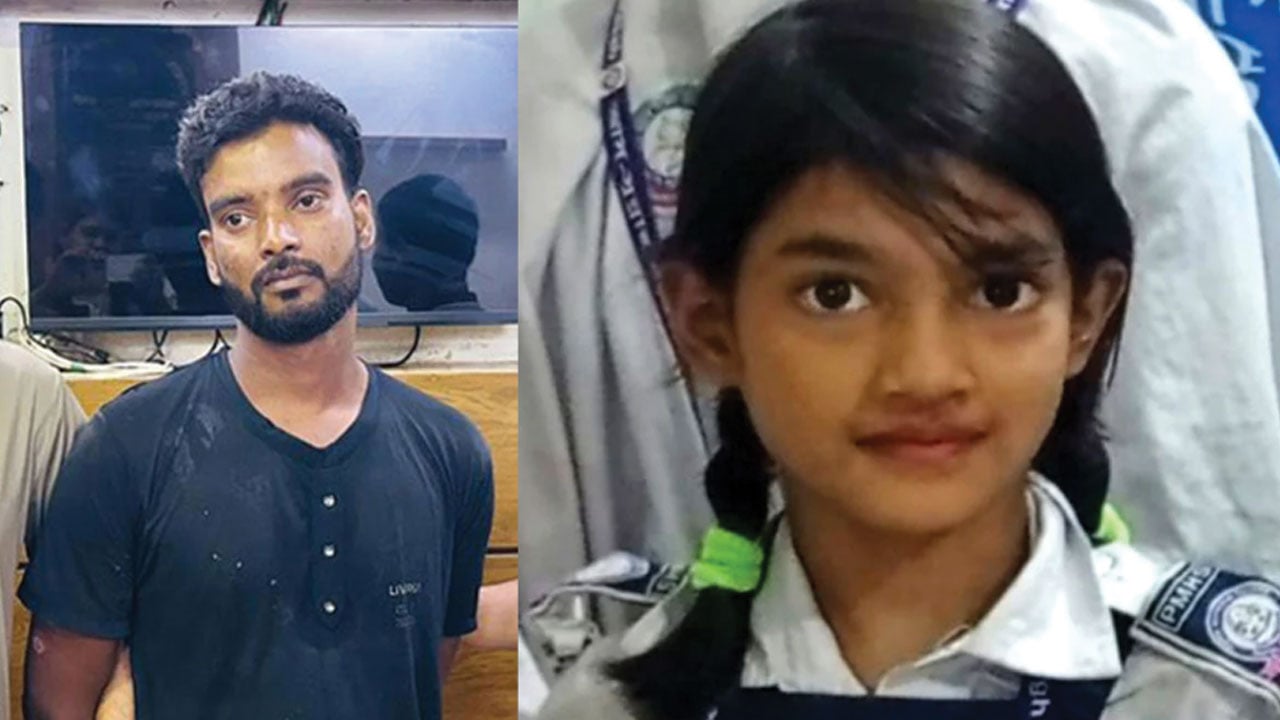
A Dhaka tribunal has formally begun the trial of Sohel Rana and his wife Swapna Akter in the case over the rape and murder of eight-year-old Ramisa Akter in Pallabi. On Monday, June 1, 2026, Judge Masrur Saleqin of the Dhaka Metropolitan Tribunal for Suppression of Violence Against Children framed charges against both accused and set June 2 for witness testimony. During the hearing, Sohel Rana told the court that his wife was innocent, but the tribunal proceeded with the charge reading. Both defendants pleaded not guilty. According to the case file, Ramisa, a second-grade student, was found dead inside the accused couple’s flat on May 19. Police said Swapna lured the child into the apartment, where Sohel allegedly raped and killed her. The child’s father filed a case the same day, leading to the arrest of both suspects. The investigation officer later submitted a charge sheet naming Sohel and Swapna as accused, which was accepted by the court and transferred to the children’s tribunal for trial. The court appointed a state defense lawyer for the accused, as they had no private counsel. The public prosecutor represented the state during the hearing.
A protest organized by customers and shareholders of Islami Bank Bangladesh in front of Islami Bank Tower in Motijheel turned violent on Monday, according to a statement from the Victim Customers Coordination Council. Demonstrators claimed that police used batons, tear gas, water cannons, and sound grenades to disperse their human chain, leaving more than a hundred people injured and around fifty shot. The incident occurred during a demonstration opposing the appointment of Khurshid Alam as the bank’s new chairman. The council stated that thousands joined the protest demanding the cancellation of Khurshid Alam’s appointment and the reinstatement of former managing director Omar Faruk Khan. Despite police intervention, protesters regrouped in front of the bank tower. Council president Professor Nur Nabi Manik alleged that the appointment, made through a Bangladesh Bank circular on May 24, reflected government interference and an attempt to reintroduce individuals linked to S Alam Group into the bank. He further claimed that Islami Bank is facing a liquidity crisis, with customers struggling to withdraw funds. The protesters demanded the removal of S Alam Group affiliates and restoration of control to the bank’s original owners.
FIFA has announced a new rule aimed at stopping the controversial practice of 'tactical time-outs' before the 2026 World Cup, which begins on June 11. The regulation prohibits players from approaching the bench or touchline for instructions when the goalkeeper is receiving medical treatment. Instead, players must remain in their positions or gather in the center circle. The change follows widespread criticism of teams using goalkeeper injury breaks to receive tactical guidance from coaches. Pierluigi Collina, chairman of FIFA’s Referees Committee, confirmed that the rule was explained to coaches of all 48 participating teams during a workshop. He stated that referees will ensure no team uses such breaks for coaching discussions, though players will not be shown yellow cards for violations. The enforcement responsibility lies with match referees. Additionally, the International Football Association Board approved a proposal allowing the Video Assistant Referee (VAR) to review fouls in the attacking phase before the ball comes into play. The new rules will take effect from the opening match between Mexico and South Africa.

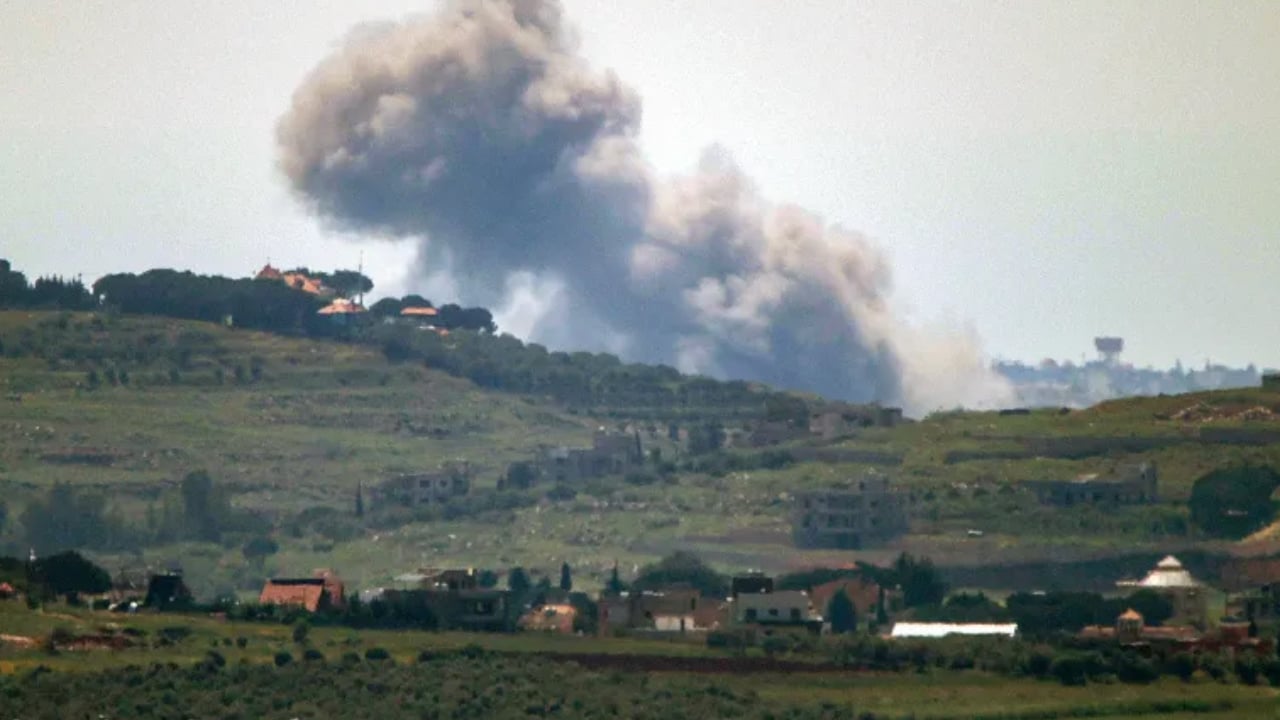
Lebanon’s state-run National News Agency (NNA) reported that six people were killed in the latest wave of Israeli attacks across the country’s south. According to the report, two people died in a drone strike on the southern city of Braika, while another Syrian national was killed in a separate strike in nearby Toul. Three more fatalities were recorded in Kfarsir, north of the Litani River, following overnight bombardments. The NNA noted that Israeli strikes have intensified in multiple areas of Lebanon in recent days, leading to a rising death toll. The report added that Israeli authorities have not issued any immediate comment regarding the latest incidents. The continued escalation has raised concerns about further casualties as cross-border hostilities persist without official clarification from Israel.
Pakistan has signed a two-year lobbying agreement worth $1.3 million with the US-based firm Arwin Graves Strategy Group LLC to improve its image in Washington. According to documents obtained by NDTV, the deal was signed on May 1 at the Pakistani embassy in Washington. The campaign aims to influence US policymakers and strengthen Pakistan’s position in South Asia-related policies. The firm will target key congressional committees, influential caucuses, policy experts, and investors to promote Pakistan as a partner in regional stability and counterterrorism, while also encouraging US investment in mining, IT, pharmaceuticals, agriculture, and infrastructure. Analysts view this image restoration effort as a major challenge given Pakistan’s deepening internal crises, including economic collapse, inflation, and debt burdens. The country remains under international scrutiny over allegations of enforced disappearances and excessive military force in Balochistan. Human rights groups have repeatedly raised concerns about extrajudicial killings, suppression of free expression, and misuse of anti-terror laws against dissenters, as well as discrimination against religious minorities such as Hindus, Christians, and Ahmadis.

The ‘1 Nojor’ media platform is now live in beta, inviting users to explore and provide feedback as we continue to refine the experience.