

The ‘1 Nojor’ media platform is now live in beta, inviting users to explore and provide feedback as we continue to refine the experience.
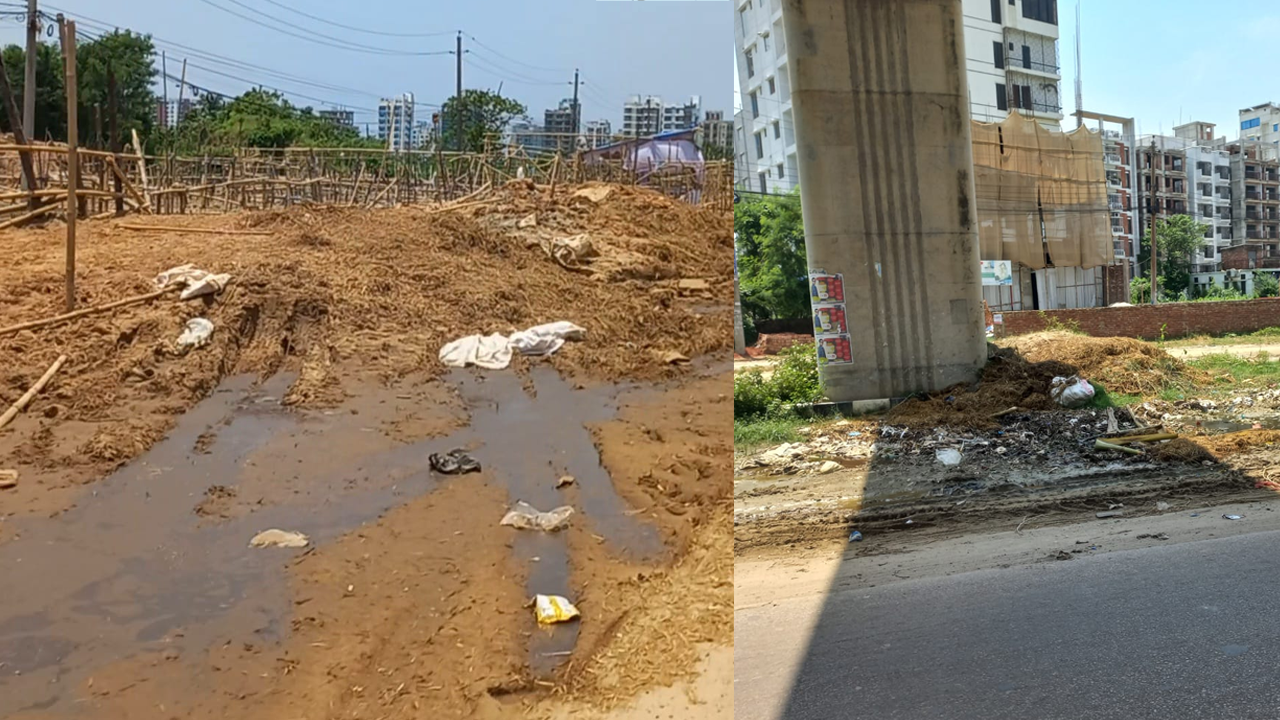
On the third day of Eid-ul-Azha, waste removal from temporary cattle markets in Dhaka remained sluggish, particularly in areas under Dhaka North City Corporation such as Gabtoli and Uttara Diabari. Despite the end of animal sales two days earlier, piles of straw, fodder, and animal waste continued to emit foul odors, making it difficult for pedestrians to pass. Cleaners were seen working, but officials admitted that full cleanup could take several more days. Field visits revealed that while parts of Uttara’s metro route had been cleared, surrounding roads were still covered in waste. In Gabtoli, main roads were mostly cleaned, but stains and odors persisted due to insufficient washing. Workers said dismantling bamboo structures was delaying progress, with some estimating up to a week for full clearance. DNCC official Md. Ziaur Rahman said cleanup of inner areas depended on leaseholders removing their materials first. Meanwhile, new trees were being planted in damaged green zones near metro stations, though residents urged authorities to spray disinfectants to prevent disease spread from remaining waste.
Workers have started returning to Dhaka after the Eid holidays, with passenger movement visible at major terminals since Saturday morning. The seven-day holiday will end on Monday when offices and courts reopen, though some private offices will resume on Sunday. Crowds were seen at the city’s entry points and at Gabtoli, Sayedabad, and Mohakhali bus terminals. Buses arriving from nearby districts such as Mymensingh, Sherpur, Jamalpur, Kishoreganj, and Gazipur reported normal passenger loads. Train services to Dhaka were also operating smoothly. There were no reports of long waits or excessive fares, and transport operators said passengers were returning gradually due to the extended holiday period. Travelers described their return to Dhaka as more comfortable this year because of relatively empty roads. However, passenger numbers are expected to rise significantly by Sunday afternoon as more people head back to the capital.

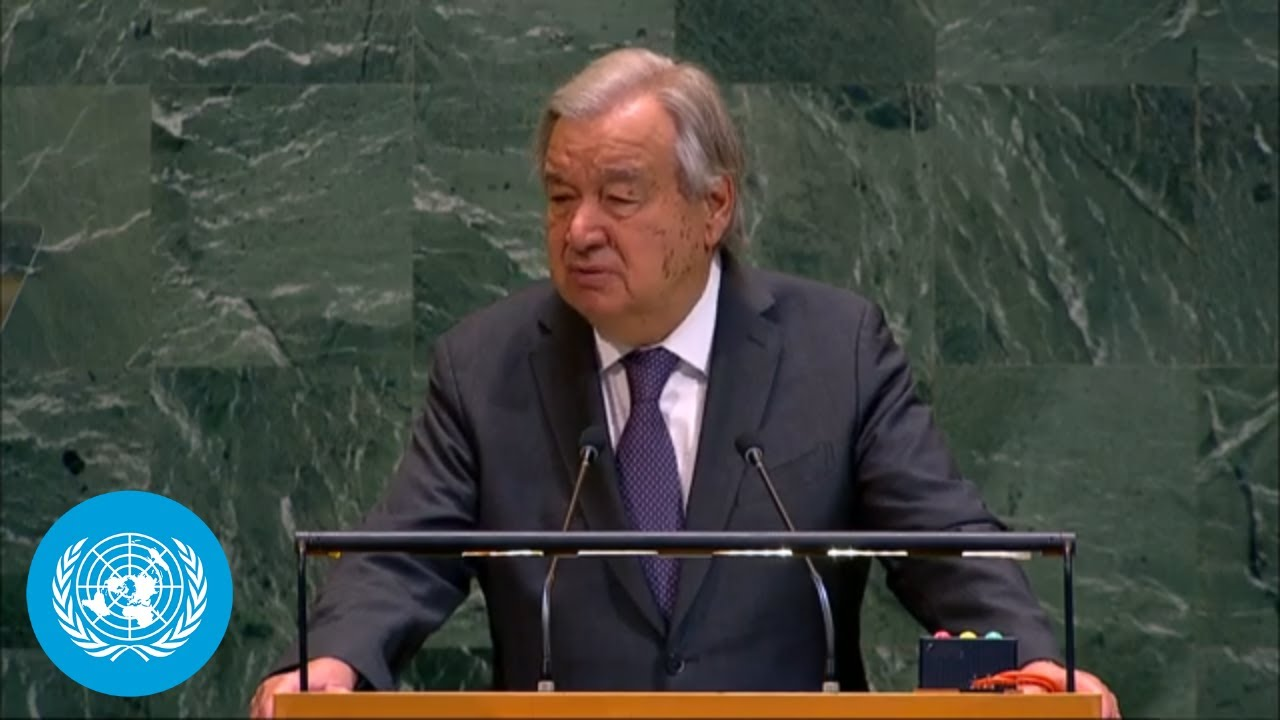
Israel has announced it will sever all ties with United Nations Secretary-General António Guterres after the UN added Israel to a blacklist of countries accused of sexual violence in conflict zones. The decision was revealed on Thursday in a video message posted on X by Israel’s ambassador to the UN, Danny Danon, who said Israel would no longer work with the Secretary-General. Danon criticized the upcoming UN report, calling the allegations that Israel used sexual violence as a weapon of war 'unreasonable.' The UN report placed Israel among nations whose military and security forces have repeatedly committed acts such as rape against detainees or vulnerable populations. The Secretary-General had previously warned that such measures could be taken. In response, Israel’s Foreign Ministry issued a statement labeling the UN as a 'political and corrupt organization' that systematically targets Israel and has abandoned its founding principles. Israel stated it would not re-engage with the Secretary-General’s office until a new UN chief is appointed. Guterres’s current term is set to end on December 31.
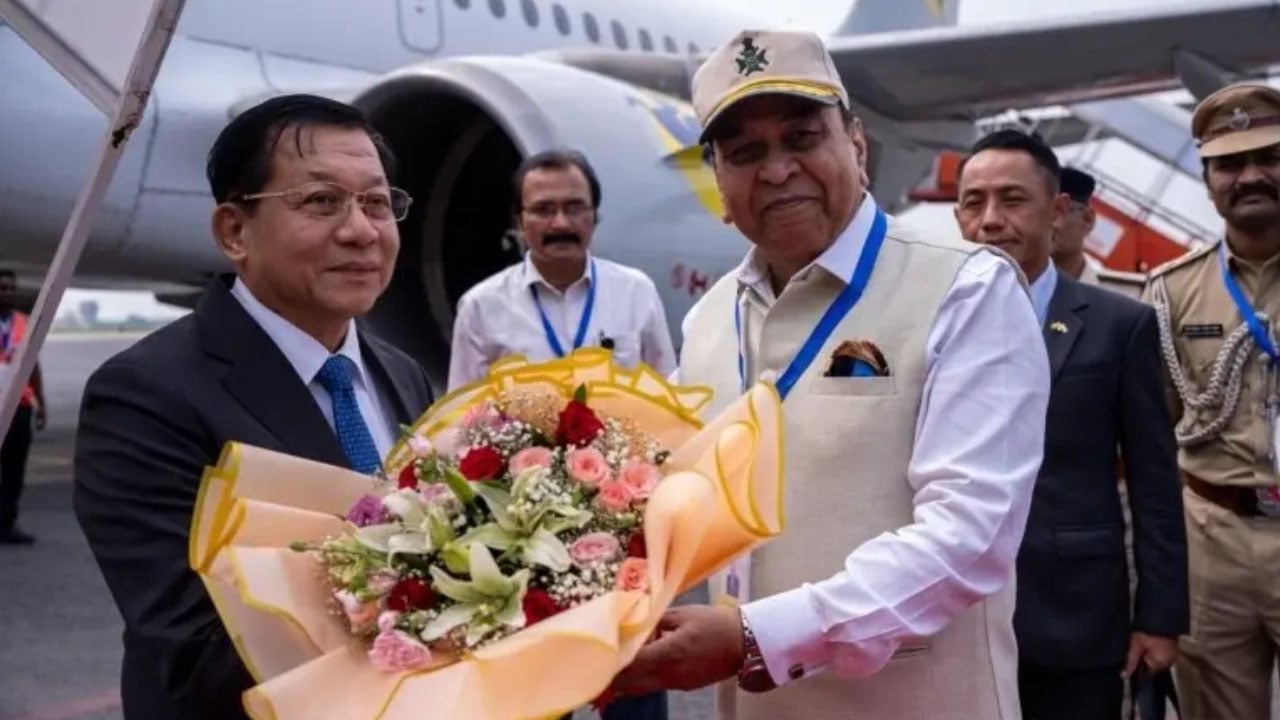
Myanmar’s President Min Aung Hlaing, who previously led the country’s military junta, has arrived in India for a five-day official visit. This marks his first foreign trip since assuming the presidency. During the visit, he is scheduled to meet Indian Prime Minister Narendra Modi and hold discussions with business representatives. Min Aung Hlaing seized power on February 1, 2021, ousting the elected civilian government led by Aung San Suu Kyi. Following the coup, ASEAN barred Myanmar’s generals from its top summits, leaving the military-led administration increasingly isolated. Analysts view this visit as an opportunity for India to counterbalance China’s growing influence in Myanmar, secure access to the country’s rare mineral resources, and strengthen security along the northeastern border. According to Crisis Group adviser Richard Horsey, Min Aung Hlaing aims to expand diplomatic engagement across the region and normalize ties with ASEAN, with support from Thailand and other member states. He may also visit Beijing soon to meet Chinese President Xi Jinping, while India remains another key neighbor for Myanmar.
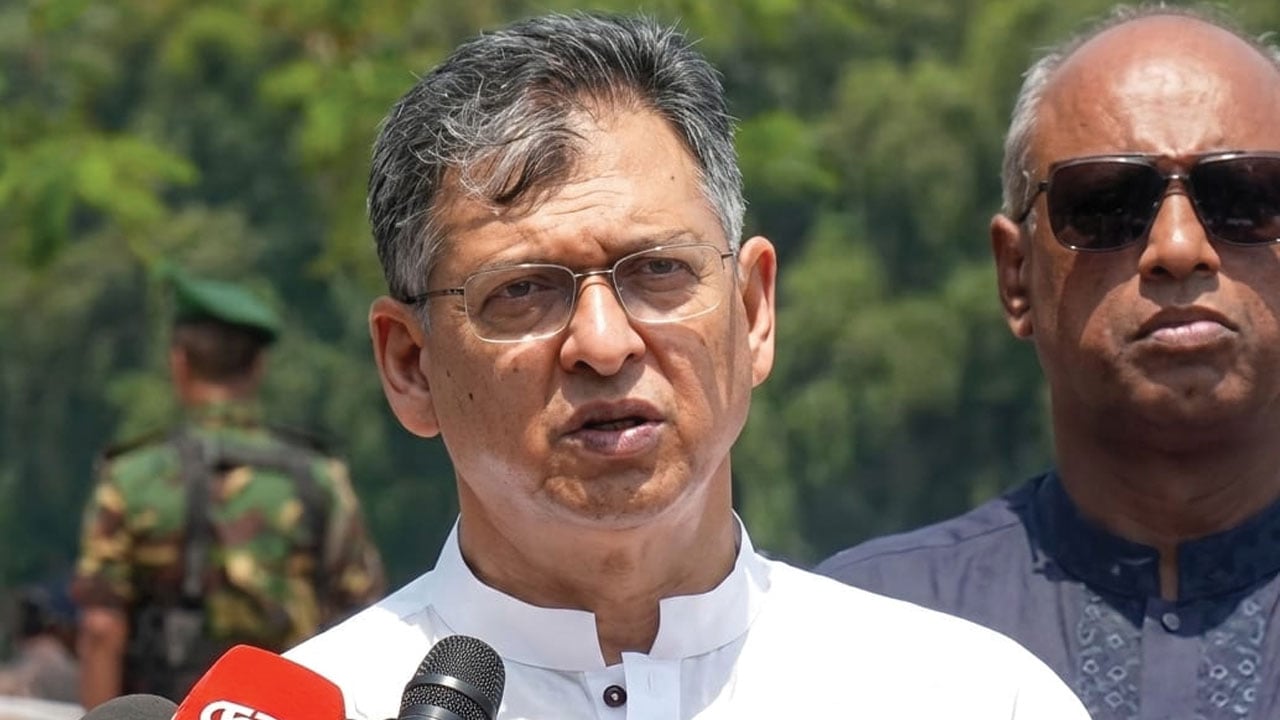
Home Minister Salahuddin Ahmed has called for collective efforts to build a non-discriminatory, democratic, and prosperous Bangladesh inspired by the ideals of the student uprising and the philosophy of late President Ziaur Rahman. He made the remarks on Saturday at Sher-e-Bangla Nagar in Dhaka after paying tribute at the mausoleum of Ziaur Rahman on his death anniversary. The minister described the day as one of deep sorrow and remembrance for the Bangladesh Nationalist Party (BNP) and the people of the country. He said Ziaur Rahman played a unique role in safeguarding Bangladesh’s independence, sovereignty, and progress, and that his legacy continues through the political ideals of BNP based on Bangladeshi nationalism and multi-party democracy. Ahmed reaffirmed the government’s commitment to maintaining a democratic system in the country. He also paid tribute to Begum Khaleda Zia, referring to her as the “Mother of Democracy,” and acknowledged her sacrifices for the nation’s democratic cause. The minister concluded by praying for the souls of both leaders and for the welfare of the country.
The Sadapathor area in Companiganj upazila of Sylhet has become crowded with tourists during the Eid-ul-Azha holidays. On Saturday, the third day of Eid, visitors continued to arrive in large numbers. According to Bhulaganj police outpost in-charge Nur Mia, around 15,000 tourists visited the site on Friday, and the number appeared to double the following day. Visitors from different parts of the country expressed both admiration and concern. A tourist from Barishal said his family enjoyed the natural beauty and refreshing waters but noted a shortage of changing booths and safety equipment such as life jackets and tubes. Another visitor from Dhaka described the scenic combination of Sadapathor’s white stones and nearby Indian hills as captivating. Sadapathor Hotel and Resort CEO Mohammad Ramim Ahmad reported full bookings for three consecutive days after Eid, while police officials said law enforcement was maintaining regular monitoring to ensure safety. No untoward incidents were reported over the past two days.

Ukraine has introduced a new phase of warfare in its eastern front, using unmanned robots, drones, and remote-controlled tanks to strike Russian positions without direct human presence. In recent operations, Ukrainian forces conducted six explosions against three Russian frontline targets entirely through remote systems. President Volodymyr Zelensky earlier claimed that a Russian base was captured solely with robotic and drone assistance, marking a milestone in automated combat. The shift toward automation stems from Ukraine’s manpower shortages after four years of war and uncertain U.S. support. Units like the Third Assault Brigade’s “NC 13” have found that robotic attacks can replace thousands of soldiers while saving lives. Russian prisoners reportedly call these silent machines “Silent Death.” The technology has evolved rapidly, with robots now handling supply runs, evacuations, and even heavy weaponry. British intelligence agency GCHQ recently estimated Russian fatalities at 500,000. Ukrainian commanders acknowledge that this new form of warfare lacks the traditional valor of past battles but recognize that adaptation to remote and automated combat is now essential for survival and strategic advantage.

Indian Home Minister Amit Shah has called on so-called 'Bangladeshi infiltrators' to voluntarily leave India, saying those who do so will face no legal action. Speaking during a three-day visit to Gujarat, Shah said the new BJP-led West Bengal government will assist anyone crossing the border back to Bangladesh without obstruction. He claimed that while thousands used to enter India daily, an equal number are now returning. According to official data, 11 holding centers have been established across West Bengal to detain alleged Bangladeshi and Rohingya migrants, with a total of 386 people currently held. The highest number, 335, are in Basirhat, where three camps operate. Other centers are located in districts including Murshidabad, Malda, Cooch Behar, and South Dinajpur. State minister Dilip Ghosh made harsh remarks, warning that food supplies to detainees would soon stop and urging them to leave. He argued that the government bears no responsibility to feed them and compared the situation to Afghan repatriations from Pakistan, insisting that returning to Bangladesh is their best option.
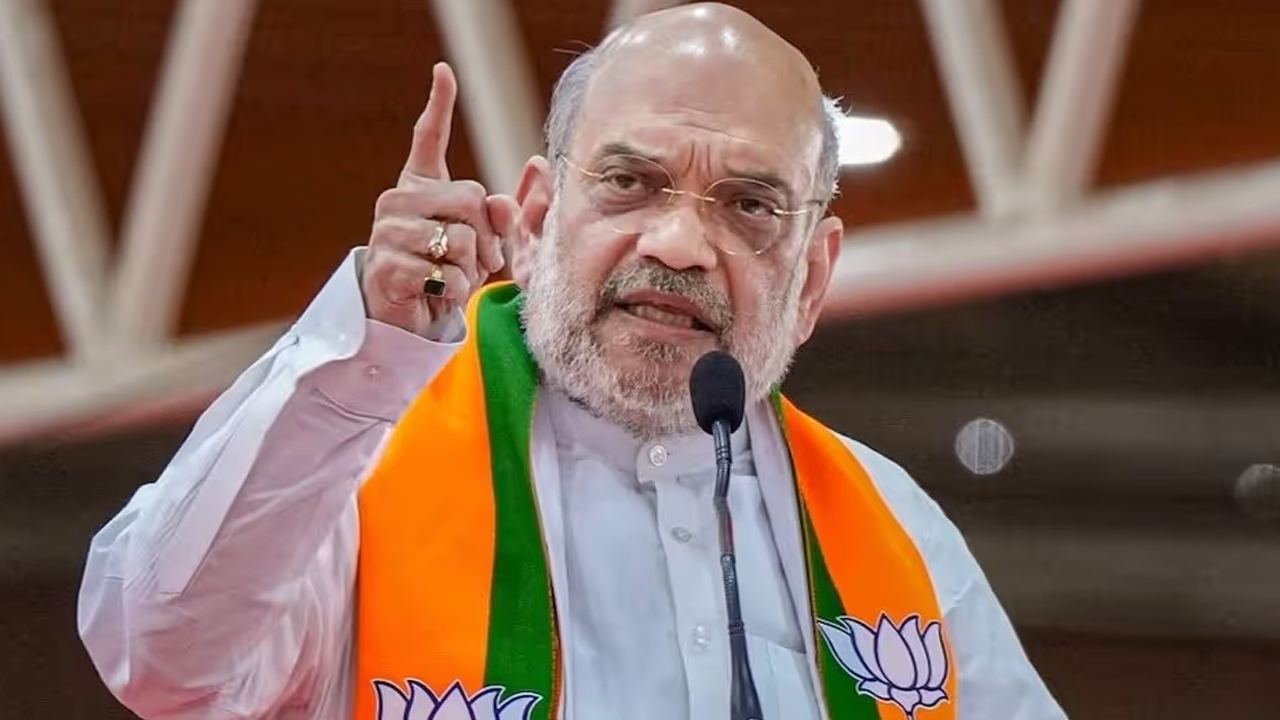
The Indian government has sent a list of 2,680 individuals accused of living illegally in India to the government of Bangladesh. According to Indian officials, repatriation will begin once the verification of their citizenship is completed. The announcement was made by Randhir Jaiswal, spokesperson for India’s Ministry of External Affairs, during a weekly press briefing. Jaiswal stated that in many cases, the verification process has been pending for five years or longer. In West Bengal, authorities have established multiple holding centers to identify and detain suspected illegal entrants. A total of 11 such centers are currently operational across various districts, housing over a hundred suspected infiltrators awaiting identity verification and subsequent legal action. The Indian Ministry of External Affairs emphasized that all actions against foreign nationals residing illegally in India will follow legal procedures. It also expressed hope that the Bangladeshi government will expedite the citizenship verification process to facilitate repatriation.
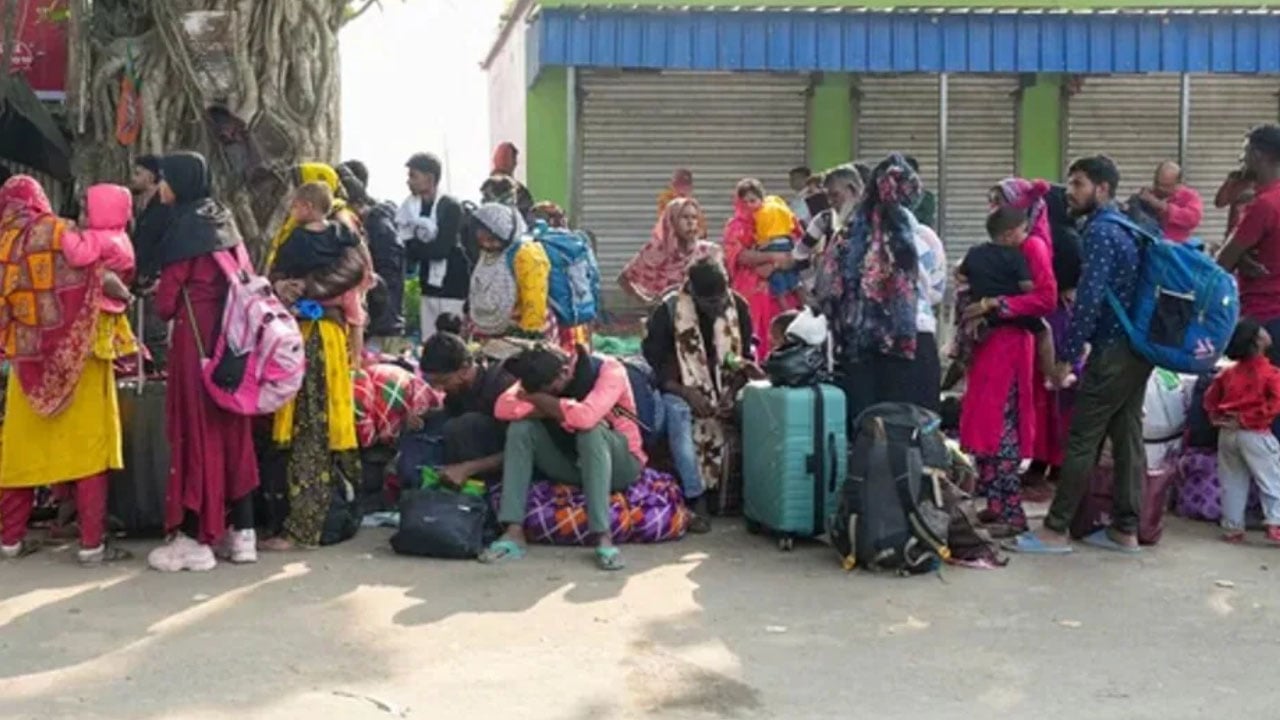
Dhaka-bound traffic increased sharply on the Dhaka-Bhanga Expressway on Saturday morning following the end of the Eid-ul-Azha holidays. In the Shibchar section of Madaripur, long-distance buses from southern districts were seen heading toward the capital, while local buses were overcrowded. At major stops such as Bhanga, Suryanagar, Pachchar, and Naodoba, passengers waited for long periods as most buses were already full. Many travelers arrived from rural areas by easybikes, vans, Mahindra vehicles, CNG auto-rickshaws, and other three-wheelers to reach the highway’s passenger shelters. Passengers reported difficulty finding seats due to the heavy rush. Alongside buses, the number of microbuses, private cars, and motorcycles also increased on the expressway. Although the Dhaka-bound lane saw the heaviest pressure, traffic toward the southern region was also higher than usual. Shibchar Highway Police Officer-in-Charge Mizanur Rahman said traffic pressure had risen significantly since morning and could increase further over the next two to three days. Highway police have been deployed at key points to control speed, maintain smooth traffic flow, and prevent untoward incidents, with additional patrol teams on duty.

The U.S. Department of Homeland Security (DHS) has announced that most immigrants applying for permanent residency will not be required to leave the country while waiting for their green cards. The clarification reverses earlier guidance that had indicated applicants would need to return to their home countries during the waiting period. According to DHS, immigration officers will decide whether an applicant must complete the green card process from outside the United States. Factors such as visa expiration or other immigration-related concerns may influence these decisions. However, DHS did not provide details on which applicants might be affected by these conditions. The department suggested that the majority of green card applicants will be allowed to remain in the United States while their applications are under review, signaling a continuation of long-standing policy favoring in-country processing.

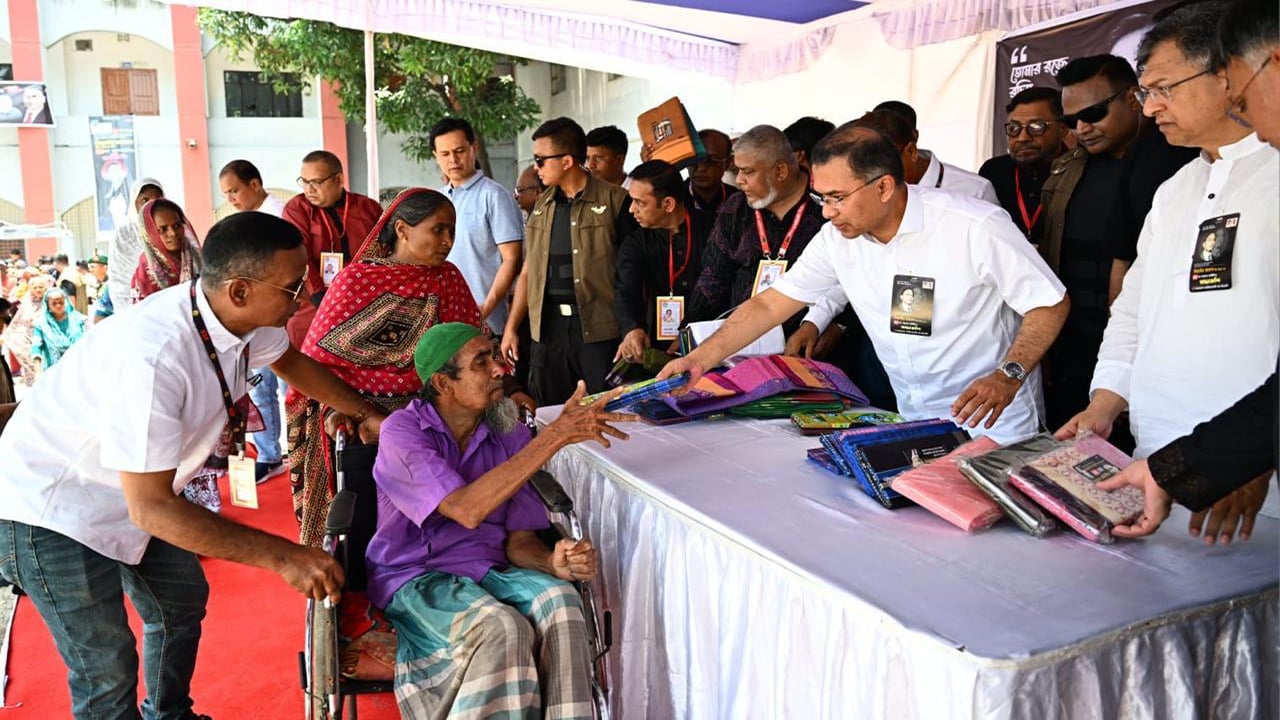
Prime Minister Tarique Rahman distributed clothing among the poor on the occasion of the 45th death anniversary of Shaheed President Ziaur Rahman. The event took place on Saturday at 11:30 a.m. in the premises of Capital High School on Manik Mia Avenue in Dhaka. The initiative marked the beginning of a nationwide program to distribute clothing and provide free medical services to underprivileged people. Home Minister Salahuddin Ahmed, State Minister for Youth and Sports Aminul Haque, Dhaka North City Corporation Administrator Shafiqul Islam Khan Milton, and former councilor Anwaruzzaman were present at the event. According to the announcement, Tarique Rahman is scheduled to attend similar programs throughout the day at 16 locations across Dhaka North and South. The program is part of broader commemorative activities held nationwide to honor the legacy of Ziaur Rahman through social welfare initiatives.
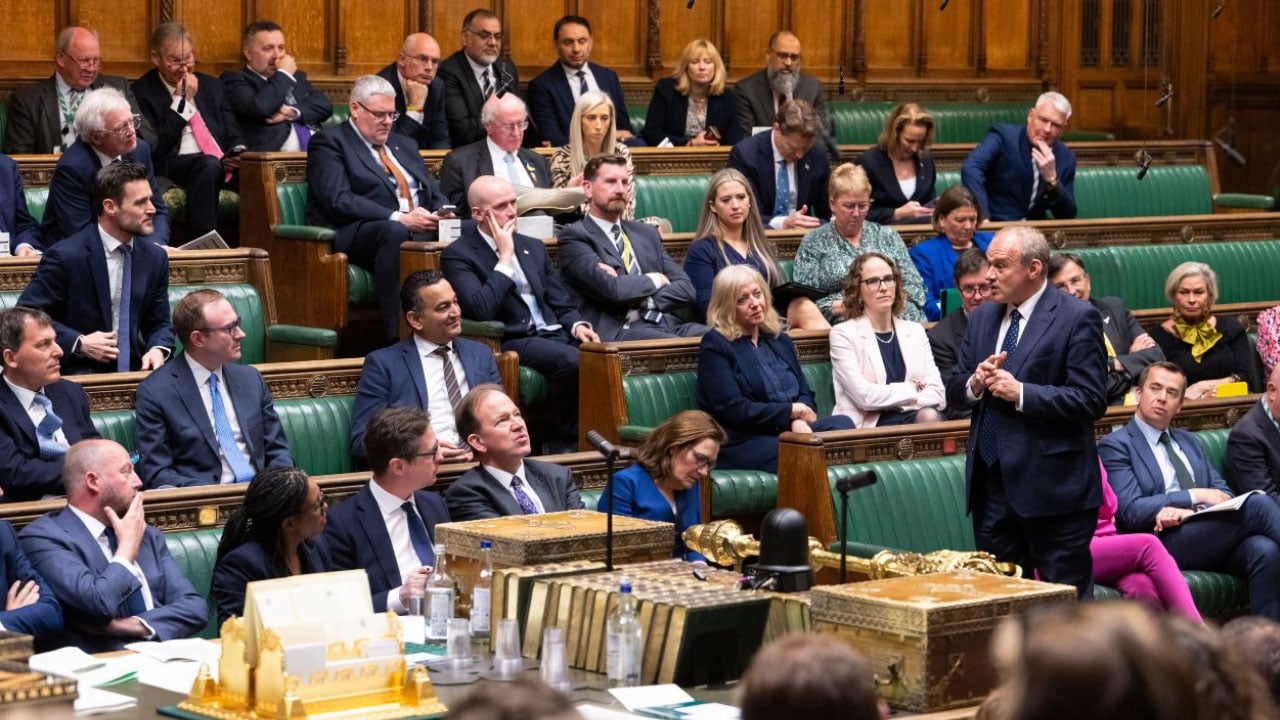
Members of the UK Parliament are set to debate the influence of the Israeli lobby in British politics following a public petition that gathered more than 116,000 signatures, surpassing the threshold required for parliamentary consideration. The debate is scheduled for June 22 and will focus on the role of Israel-related and pro-Israel lobbying in shaping political decision-making in the United Kingdom. According to the petition, the devastation in Gaza, ongoing repression of Palestinians in the West Bank, and the UK’s political response highlight the urgent need to examine how pro-Israel organizations, networks, and lobbying efforts may affect government decisions, party policies, and public discourse. The discussion comes amid heightened scrutiny of political donations linked to pro-Israel advocacy groups and individuals. The debate is expected to provide a parliamentary platform to address public concerns about transparency and influence in UK political processes, as reported by Middle East Eye.
BNP Secretary General Mirza Fakhrul Islam Alamgir has called for collective efforts to advance the country, emphasizing that the political philosophy of late President and BNP founder Ziaur Rahman continues to guide Bangladesh’s progress. He made the remarks on Saturday in Dhaka’s Sher-e-Bangla Nagar after paying tribute at Ziaur Rahman’s grave on the occasion of his 45th martyrdom anniversary. Fakhrul said that for many years people could not freely observe the day due to what he described as a period of “fascism,” but now there is comparatively more freedom to commemorate the leader. He stated that Ziaur Rahman had laid the foundation for a modern and well-governed state, and that his development-oriented vision remains relevant for the nation’s advancement. He added that ongoing reform initiatives in the country align with Ziaur Rahman’s state philosophy, and that the BNP aims to continue following his ideals under the leadership of Acting Chairman Tarique Rahman. Party leaders and activists also paid their respects and observed various programs marking the anniversary.
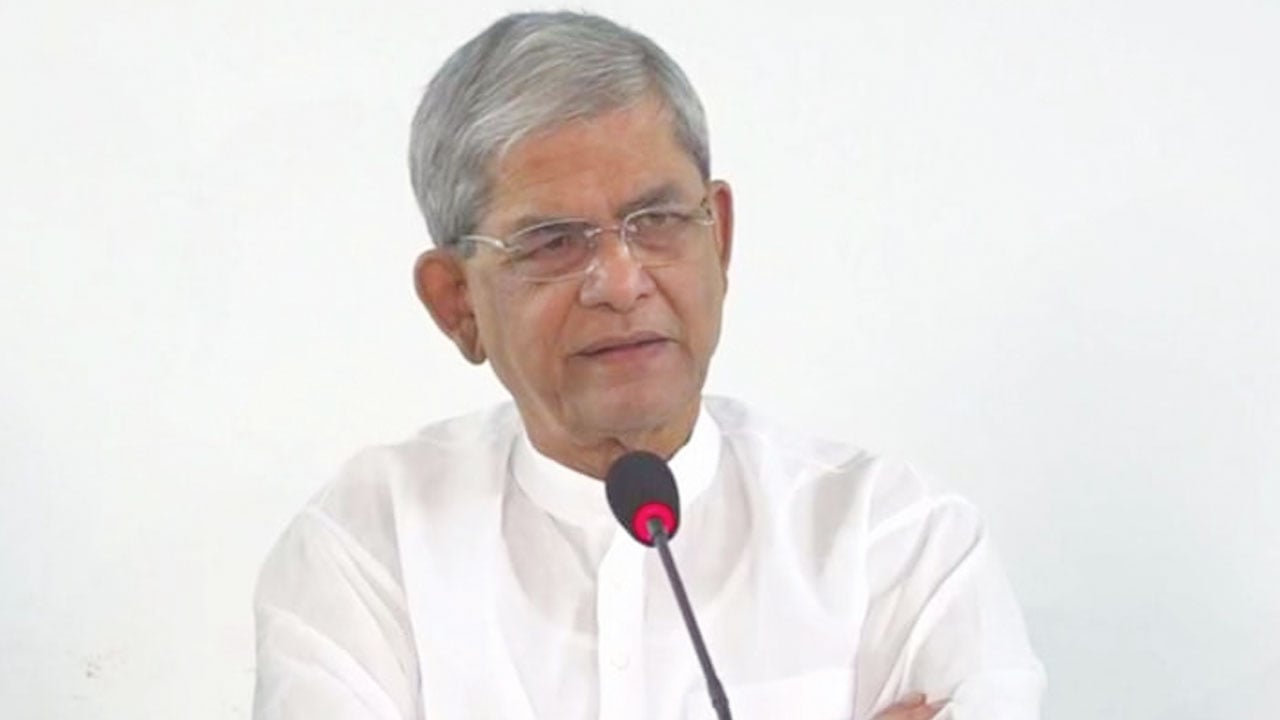
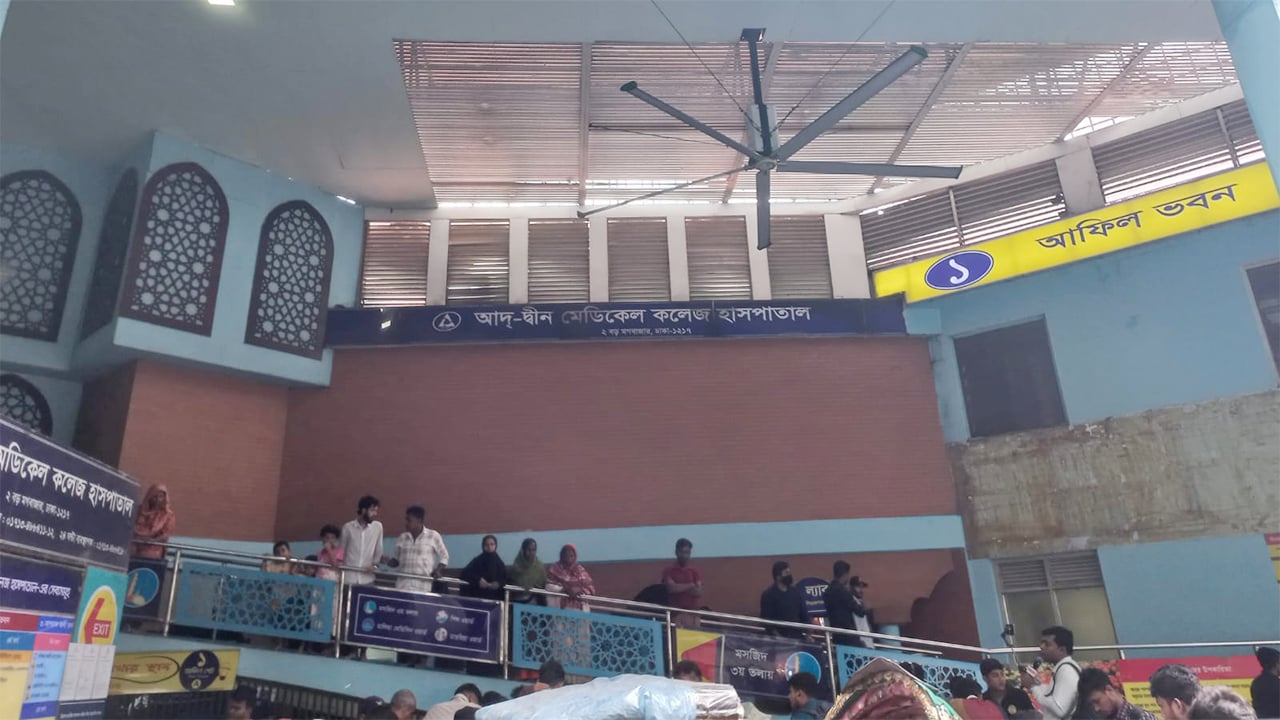
Health Minister Sardar Sakhawat Hossain Bokul announced that the full investigation report on the deaths of six newborns at Ad-Din Medical College Hospital in Moghbazar, Dhaka, will be submitted on June 3. He made the statement on Saturday, May 30, during a briefing with journalists at the Directorate General of Health Services in Mohakhali. The minister explained that the report was initially scheduled to be submitted earlier but has been delayed by three days. The investigation committee was granted additional time because it had not yet collected statements from the mothers who lost their children. Once their testimonies are included, the committee will finalize and submit the complete report. The incident at Ad-Din Medical College Hospital has drawn official attention, and the ministry’s decision to extend the deadline aims to ensure that all relevant voices are heard before the report is finalized.
The ‘1 Nojor’ media platform is now live in beta, inviting users to explore and provide feedback as we continue to refine the experience.