

The ‘1 Nojor’ media platform is now live in beta, inviting users to explore and provide feedback as we continue to refine the experience.
A 60-year-old Canadian citizen, Kenneth Law, has pleaded guilty to 14 charges of aiding suicide by selling poison online. He entered the plea on Friday in an Ontario court as part of a deal with prosecutors, which led to the withdrawal of more serious murder charges. Authorities said Law, a former chef, sold about 1,200 poison packages to people in 40 countries through online suicide forums, with a quarter of the shipments sent to the United Kingdom. All 14 charges against him relate to Canadian victims. Families in the UK expressed anger that British prosecutors did not charge him, despite reports that 79 deaths there were linked to his products. The UK’s Crown Prosecution Service stated it agreed with the Canadian plea deal, ensuring British deaths would be considered during sentencing. Law will not face trial in the UK, as he could challenge extradition after conviction in Canada. Under Canadian law, aiding suicide carries a maximum penalty of 14 years in prison. His sentencing hearing will begin on September 23, where victim impact statements will be read in court.

U.S. President Donald Trump has held Hezbollah solely responsible for the ongoing conflict with Israel, according to remarks conveyed to Lebanese President Joseph Aoun. Senator Marco Rubio stated that Hezbollah must immediately stop its attacks to create an opportunity for easing tensions with Israel. Rubio also praised Aoun’s courage and foresight in continuing direct talks with Israel. Rubio said Hezbollah is attempting to undermine efforts to seize a historic opportunity for advancing peace and stability. He reaffirmed Washington’s support for diplomatic initiatives aimed at reducing tensions along the Lebanon-Israel border. Despite a ceasefire, Israel continues to carry out full-scale attacks in Lebanon, while Hezbollah is conducting retaliatory strikes, according to the report sourced from Middle East Eye.
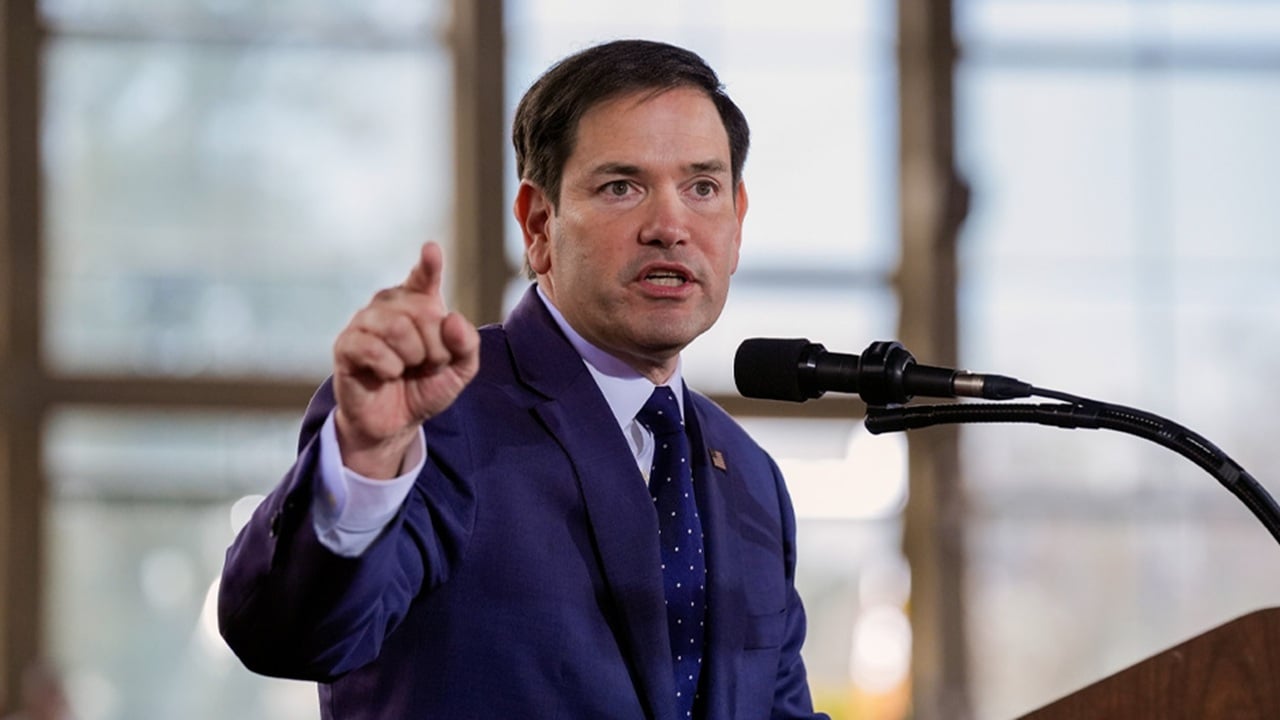
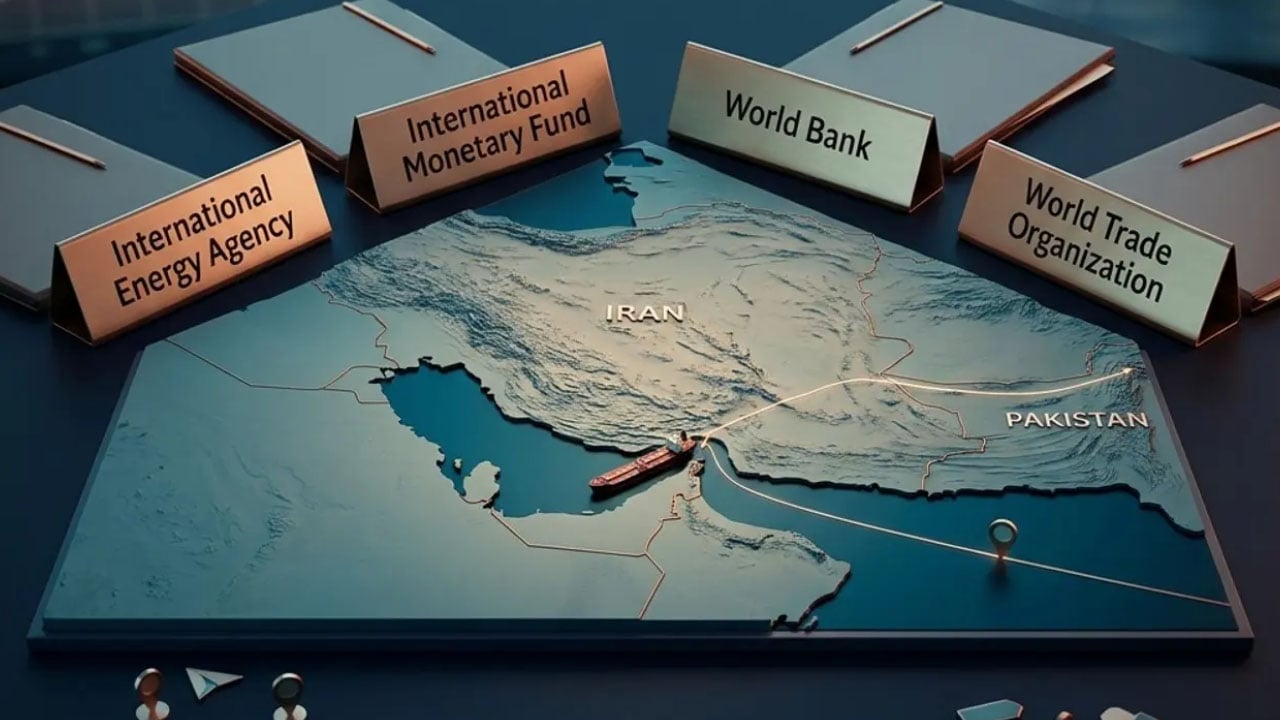
Leaders of the International Energy Agency (IEA), International Monetary Fund (IMF), World Bank, and World Trade Organization met to discuss the economic and energy impacts of the ongoing war in Iran and the wider Middle East. Following the meeting, the institutions issued a joint statement warning that if shipping through the Strait of Hormuz does not return to normal, global oil reserves could be depleted before the northern hemisphere’s summer demand peaks. They cautioned that this would heighten risks to energy security, market stability, and the broader global economy. The statement also noted that the organizations are exploring ways to strengthen collective support through multilateral and bilateral measures to mitigate the crisis and its economic consequences. In April, the IMF, World Bank, and IEA had announced the formation of a joint team to assist vulnerable economies in managing the crisis. The institutions’ coordinated approach signals growing concern over the potential escalation of the energy crisis and its ripple effects on global markets and economic stability.
US Defense Secretary Pete Hegseth announced that President Donald Trump will make a $1.5 trillion generational investment in the defense sector this year. Speaking at the Shangri-La Dialogue, Asia’s leading security conference in Singapore, Hegseth described the move as a historic national production momentum for America’s defense industrial base. He called on allied nations to allocate at least 3.5 percent of their GDP to defense spending, emphasizing that Washington will now prioritize relations with what he termed “ideal allies.” Hegseth warned that countries failing to meet this commitment would face clear changes in their business and diplomatic relations with the United States. He added that those relying on American taxpayers’ generosity for free benefits should recognize that such days are over. Hegseth characterized the initiative as a strategic necessity, underscoring a shift in US defense and alliance policy direction.
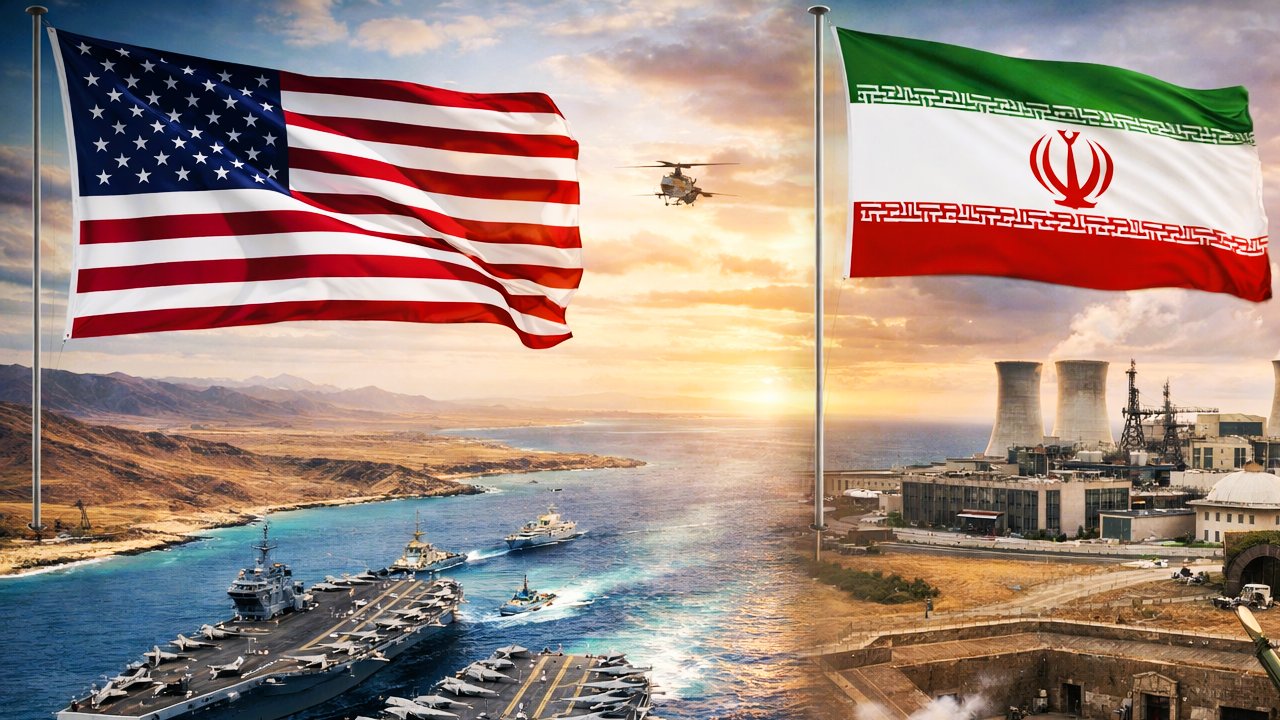
US President Donald Trump has announced the lifting of the naval blockade imposed on Iran last month. The announcement was made through a post on his social media platform, Truth Social. Trump stated that the blockade on Iranian ports would soon be removed, allowing detained ships to return to their destinations. In his post, Trump outlined several conditions for a potential US-Iran agreement. He said Iran must pledge never to develop nuclear weapons and ensure free passage of ships through the Strait of Hormuz without any tolls. He also demanded that any mines in the strait be cleared, claiming that US forces had already destroyed several through explosions. Trump further claimed that the United States, with assistance from the International Atomic Energy Agency, would recover and destroy uranium that had been damaged in an underground Iranian facility during a US B-2 bomber strike about eleven months ago.
Iran has confirmed that message exchanges with the United States are ongoing but no final agreement has been reached. The statement came from Iranian Foreign Ministry spokesperson Esmail Baghaei, who issued a formal response emphasizing Tehran’s cautious stance. He strongly rejected the tone and language used by U.S. President Donald Trump, asserting that Iran abandoned the language of imposed conditions 47 years ago. Baghaei stressed that Iran bases all its decisions solely on the interests and rights of its people. Addressing the issue of the naval blockade and the Strait of Hormuz, he said that what the United States calls a blockade is, from Iran’s perspective, an illegal act since the beginning of the war, violating both the ceasefire and international maritime freedom. He added that Iran will observe whether the announced lifting of the blockade is implemented in practice or remains a mere publicity claim. Overall, Tehran’s message was one of caution, indicating that despite ongoing discussions, the main contentious issues between the two countries remain unresolved.
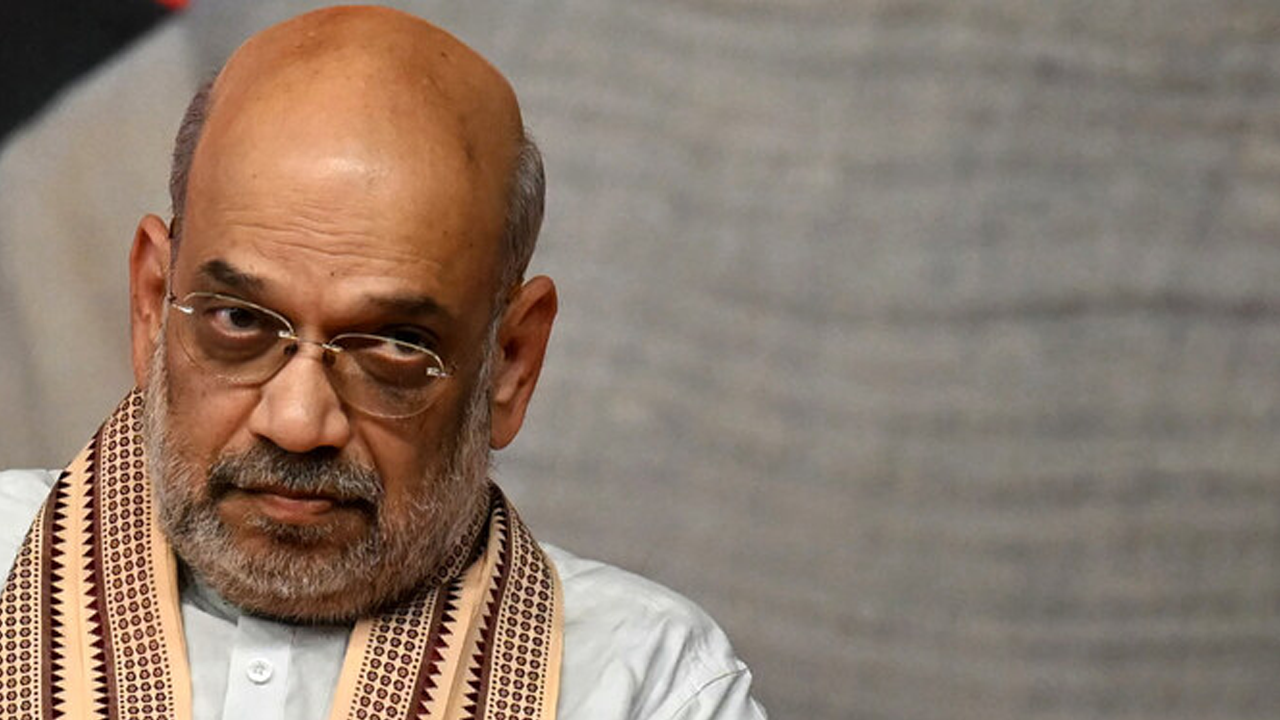
The West Bengal state government, led by Chief Minister Suvendu Adhikari, has handed over 721 hectares of land to India’s Border Security Force (BSF) for constructing border fencing. The announcement was made by Union Home Minister Amit Shah on Thursday during a meeting in Gandhinagar, Gujarat. According to Shah, the land transfer took place within seven days of Adhikari’s swearing-in as chief minister. Of the total land, 600 hectares are located along various Bangladesh–West Bengal border areas, while 121 hectares are in the sensitive Chicken’s Neck region. Amit Shah stated that under Prime Minister Narendra Modi’s leadership, the Bharatiya Janata Party (BJP) now governs across the Ganga river basin. He added that after the establishment of detention centers in West Bengal, illegal immigrants have begun returning to their home countries voluntarily. Shah contrasted this with the previous administration under Mamata Banerjee, claiming that daily infiltration occurred during her tenure. He further said that the state government is ready to assist those who wish to leave voluntarily and assured that no legal cases would be filed against them if they depart before formal identification begins.
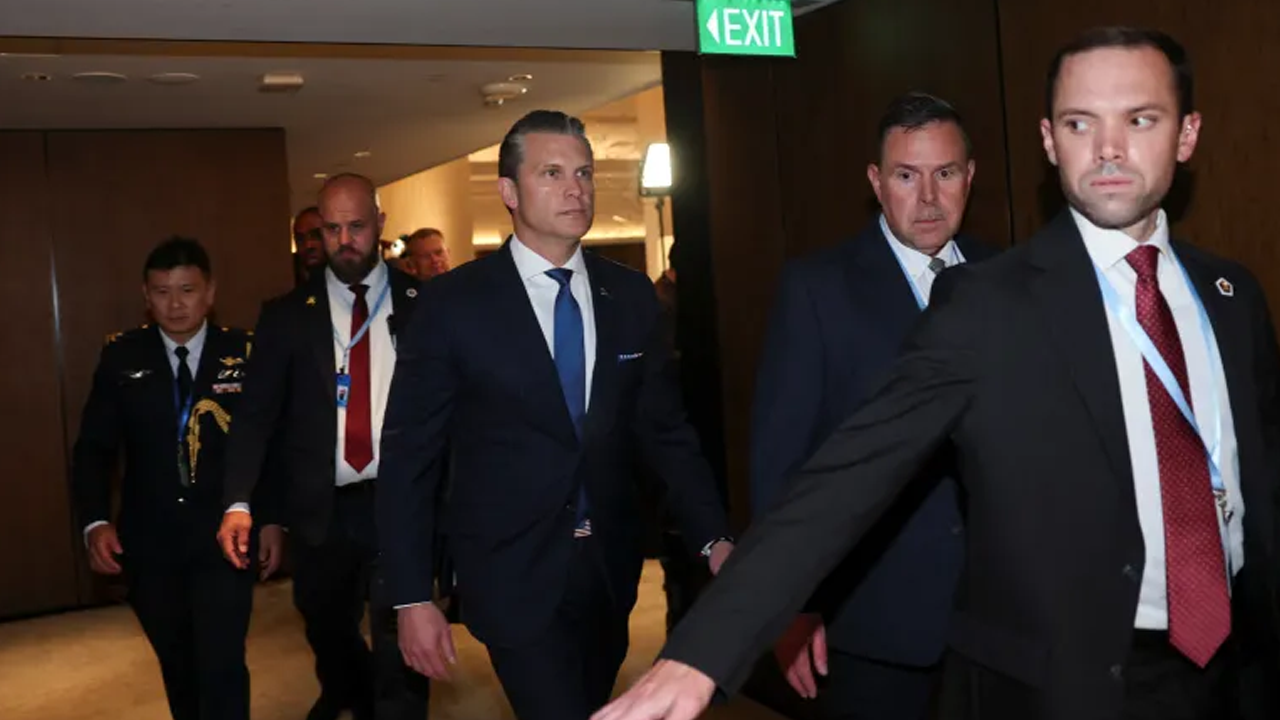
US Defense Secretary Pete Hegseth declared that Washington will not accept any form of Chinese dominance, speaking at the Shangri-La Dialogue, Asia’s leading security summit held in Singapore. Addressing the gathering, he warned that no nation, including China, should seek unilateral control or threaten the security of the United States and its allies. Despite the strong message, Hegseth noted that under President Trump, US-China relations are currently at their best in many years. He said military-level communication channels remain open and meetings are taking place more frequently. He emphasized that the United States expects China to respect its long-standing presence in the region. Hegseth reaffirmed Washington’s commitment to maintaining a free and open Indo-Pacific, even as attention has recently been diverted by the war in Iran. He also stated that the era of the United States subsidizing wealthy nations has come to an end.
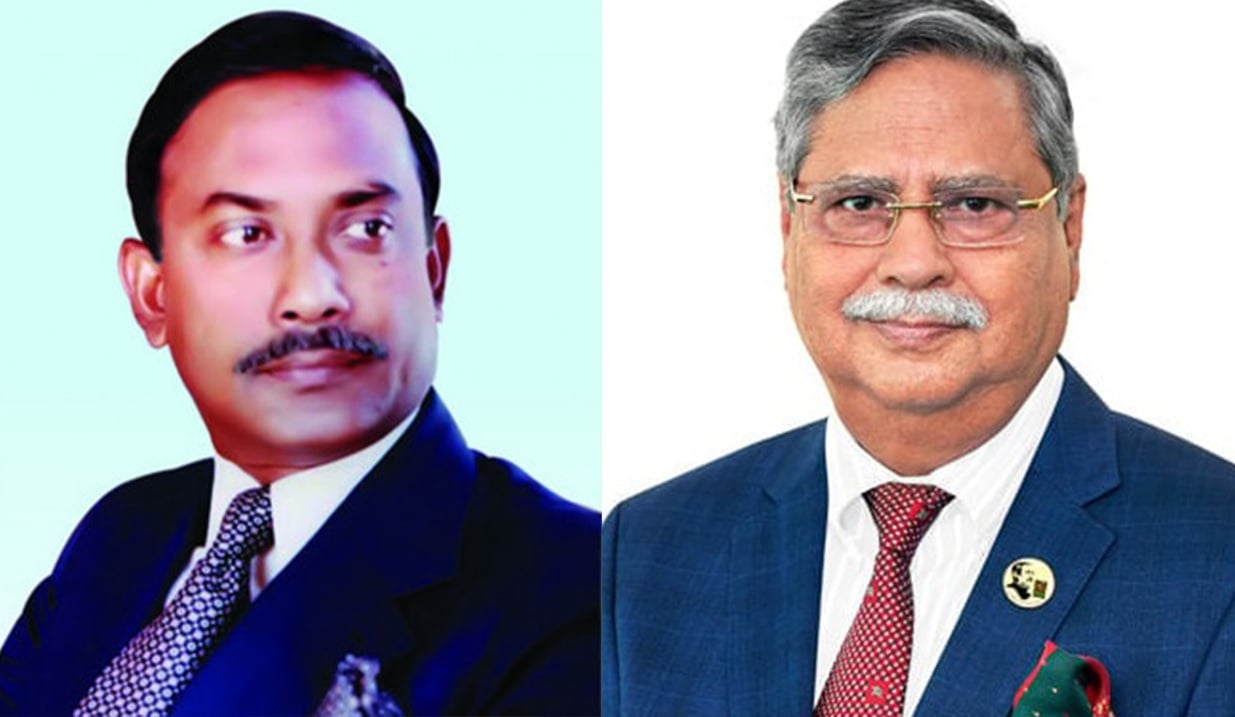
President Md. Shahabuddin stated that the simple and selfless life, strong personality, unquestionable honesty, and pragmatic leadership of martyred President Ziaur Rahman will remain forever in the hearts of the people. He made these remarks in a message marking the 45th anniversary of Ziaur Rahman’s martyrdom on May 30, 2026. The President expressed hope that Ziaur Rahman’s active life, deep patriotism, strict stance against corruption, commitment to justice, and vision for self-reliant development would continue to inspire future generations. He paid deep respect to Zia’s memory, recalling his assassination on May 30, 1981, in Chattogram Circuit House. Shahabuddin highlighted Zia’s roles as a valiant freedom fighter, proclaimer of independence, founder of multi-party democracy, and architect of modern Bangladesh. He noted Ziaur Rahman’s contributions to establishing political freedom, promoting socio-economic progress, and adopting a balanced foreign policy that expanded Bangladesh’s labor markets abroad. The President said Zia’s 19-point program aimed to build a productive and self-reliant nation, and his leadership remains a shining example of patriotism and foresight.
In Lakshmipur’s Chandraganj upazila, the authorities of Ramnagar Madinatul Ulum Dakhil Madrasa buried around 150 sacrificial animal hides after failing to sell them. The incident occurred following Eid-ul-Azha when the madrasa collected hides from local households but could not find wholesale buyers or fair prices. Due to the lack of preservation facilities and concerns over odor and decay, the madrasa decided to bury the hides to prevent environmental pollution. Local residents expressed mixed reactions, noting that poor preservation systems and ineffective market management have caused recurring crises in the leather trade. The madrasa’s management committee said they had spent significant funds on labor and transport to collect the hides, but the absence of buyers led to major financial losses. According to the madrasa’s general secretary, despite waiting two days for buyers, none appeared, forcing them to dispose of the hides for environmental reasons. The institution now faces substantial financial damage as a result of the unsold collection.

State Minister for Primary and Mass Education Bobby Hajjaj has withdrawn his recent remark describing Dhaka University as a 'coaching center'. The comment, made during a podcast, sparked anger among the university’s teachers and students. In response, a group of students announced a protest and human chain to be held Friday evening near the Raju Memorial Sculpture at the Teacher-Student Centre (TSC). Facing widespread criticism, Hajjaj clarified that his statement had been misrepresented and reflected his personal opinion, not the government’s official stance. In a Facebook post at 5:30 p.m. Friday, he emphasized his respect for Dhaka University’s history and contributions, saying his intention was to encourage its transformation into a world-class research institution. He also noted that the podcast discussion was informal and not policy-oriented. Hajjaj further commented on challenges in higher education over the past 17 years, including insufficient focus on research and questions over politically influenced faculty appointments. He concluded by apologizing for any misunderstanding and fully retracting his earlier comment.
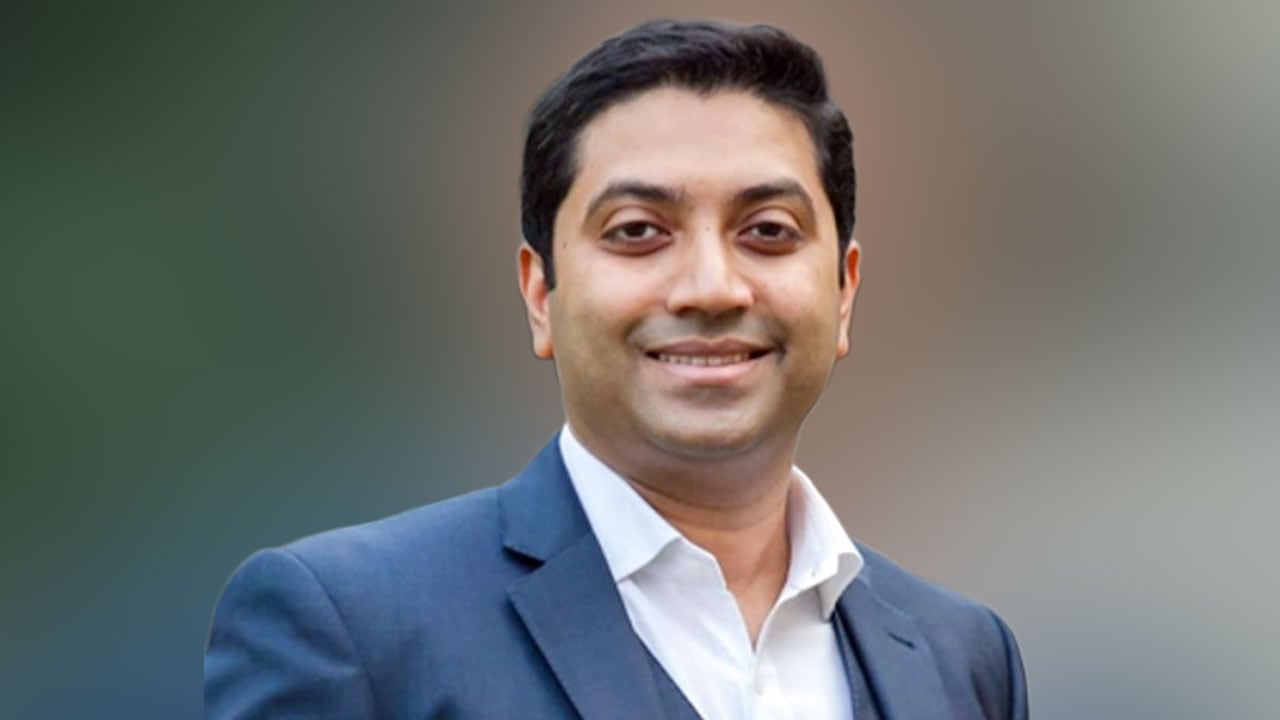
Return flights for Bangladeshi Hajj pilgrims are set to begin tonight following the completion of Hajj rituals. The first flight, operated by Saudia Airlines (SV-5806), will depart from King Abdulaziz International Airport in Jeddah at 12:10 a.m. local time. On the first day, a total of 13 flights will carry 5,434 pilgrims back to Bangladesh. The Hajj flight operations began on April 17 when Prime Minister Tareq Rahman inaugurated the first outbound flight from Hazrat Shahjalal International Airport. The final flight carrying Bangladeshi pilgrims to Saudi Arabia arrived on May 21. The Ministry of Religious Affairs completed all necessary arrangements, including tent rentals, transportation contracts, housing, and visa processing, within the timeframe set by the Saudi government. Authorities coordinated with airlines to ensure smooth transportation, allowing all registered pilgrims to travel to Saudi Arabia without any schedule disruptions. The return flights are scheduled to continue until July 1.

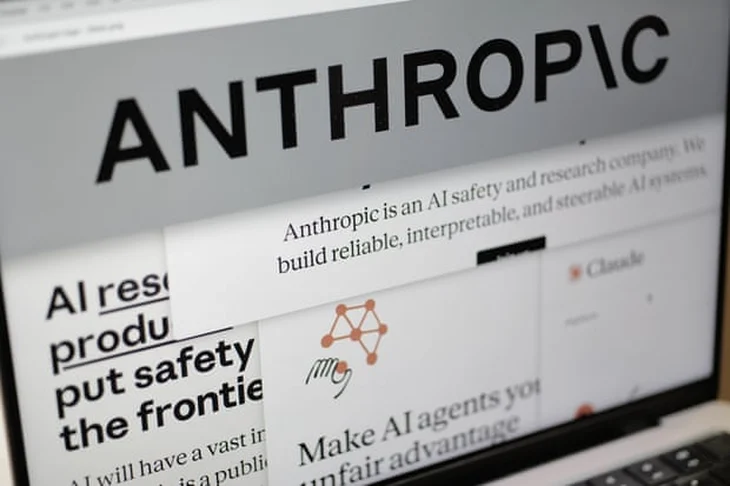
AI technology company Anthropic has reached a valuation of $965 billion following a new funding round, making it the world’s most valuable AI startup. The maker of the Claude chatbot announced on Thursday that it raised $65 billion in its latest investment round, surpassing rival OpenAI. The funding was led by Altimeter Capital, Dragoneer, Greenoaks, and Sequoia Capital. Once considered a smaller player in the global AI race, Anthropic’s rapid rise has drawn major attention in the tech industry. The company’s coding assistance tools, launched late last year, have gained widespread adoption among large corporations. Analysts say the new valuation signals a shift in the balance of power within the AI sector and could influence IPO plans of companies like OpenAI and SpaceX. Anthropic has also positioned itself as a safety-focused AI firm and is currently in a legal dispute with the U.S. Department of Defense over the use of its technology in autonomous weapons. The company recently delayed the release of its new “Mythos” model due to cybersecurity concerns, prompting international discussion about AI safety and regulation.
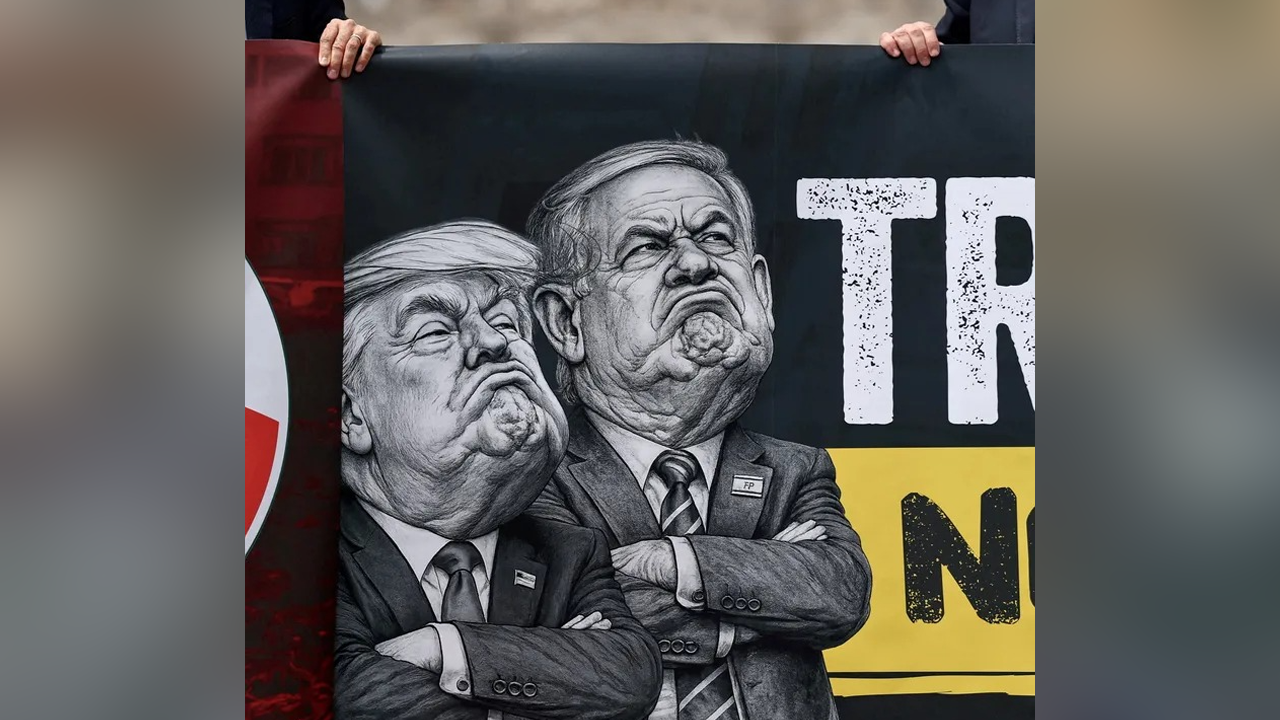
Israeli Prime Minister Benjamin Netanyahu is reportedly under growing pressure as U.S. President Donald Trump advances toward an interim agreement with Iran following their joint military strikes on February 28. While Netanyahu initially celebrated the operation as a symbol of unprecedented U.S.-Israel unity, he now finds himself sidelined in the American-led diplomatic process. Israeli sources told CNN that Netanyahu privately admitted Israel has little influence over the outcome of the U.S.-Iran talks. Netanyahu has urged Trump to resume full-scale military action, arguing that sustained pressure could topple Iran’s regime. However, Washington appears to be moving in the opposite direction. Israeli officials fear the emerging deal may leave Iran’s uranium stockpile, missile program, and regional proxies largely unresolved while easing economic pressure on Tehran. Netanyahu’s far-right allies have called for a tougher stance, urging him to confront Trump directly. The situation has exposed deep political and strategic strains for Netanyahu ahead of Israel’s upcoming election. Analysts say the outcome could undermine his long-standing Iran policy and weaken his image as a security leader, with polls showing declining public confidence in his handling of Iran.
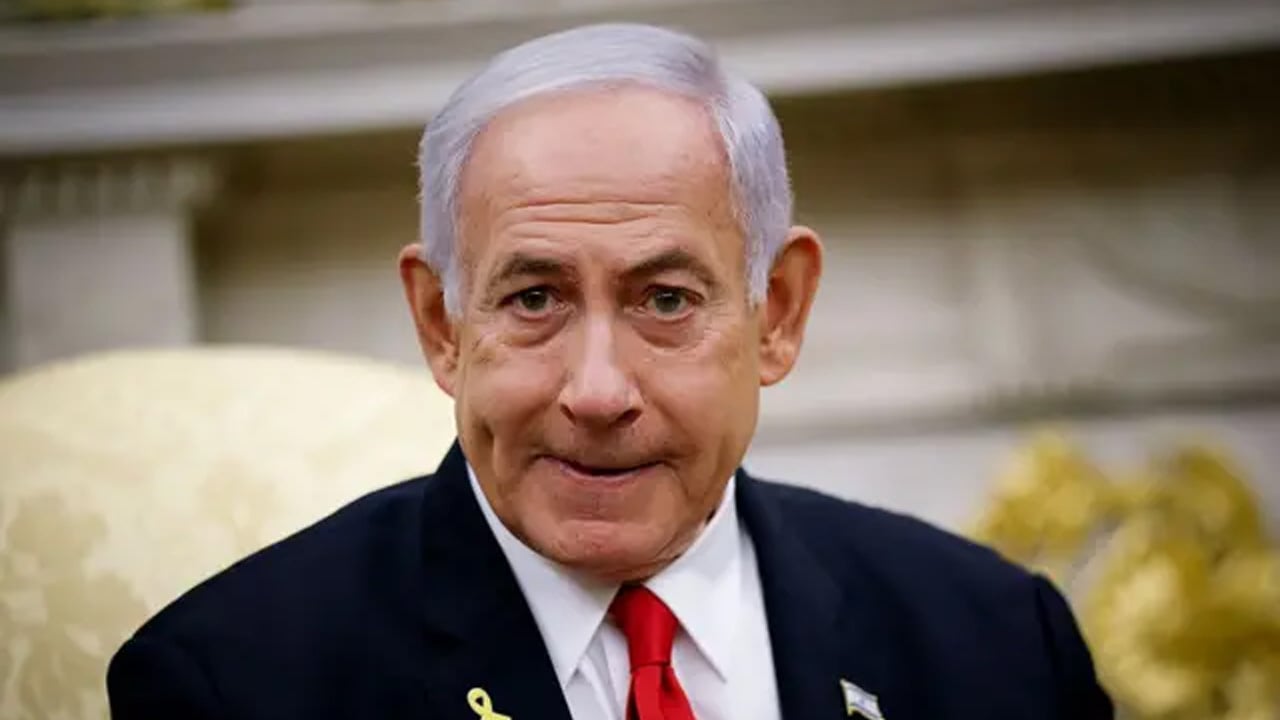
Israeli Prime Minister Benjamin Netanyahu said that while Israel faces delegitimization in many parts of the world, it continues to enjoy strong support in India. Speaking at a conference in the West Bank on Thursday, he described India as a special friend of Israel and claimed that Indians support Israel blindly. Netanyahu added that Israel has more followers in India than in any other country. He recalled his 2018 visit to India with his wife Sara, calling it a “love fest” and praising the extraordinary respect Indians have for Israel. In a separate interview with CBS News’ program 60 Minutes, Netanyahu said that India, with its population of over 1.4 billion, remains one of the few places where Israel is still respected. He also mentioned that Indian Prime Minister Narendra Modi was warmly welcomed in Israel. Recent Pew Research Center data cited in the report showed declining support for Israel in the United States, while Netanyahu blamed Pakistan for using social media bots to spread anti-Israel sentiment online.
The ‘1 Nojor’ media platform is now live in beta, inviting users to explore and provide feedback as we continue to refine the experience.