

The ‘1 Nojor’ media platform is now live in beta, inviting users to explore and provide feedback as we continue to refine the experience.
Rajshahi City Corporation completed waste removal ahead of schedule during Eid-ul-Azha under the leadership of administrator Md. Mahfuzur Rahman Riton. The administrator had earlier announced that the city would be cleaned within six to eight hours, and large-scale cleaning began from noon on Eid day. He personally supervised the operations, resulting in the city being cleared of waste earlier than expected and earning public praise. According to city sources, 1,270 cleaners worked tirelessly across all wards to remove waste quickly. Secondary Transfer Stations at Bulanpur, RUET, and Rajshahi University were inspected in the afternoon. To prevent odor and health risks, sufficient bleaching powder and disinfectants were sprayed, and vehicles, equipment, and manpower were kept ready throughout the process. Residents expressed satisfaction with the timely cleanup and the distribution of eco-friendly bags and bleaching powder for meat preservation. Administrator Riton credited the success to citizens’ cooperation and the dedication of cleaning staff, emphasizing the city’s ongoing commitment to quality civic services.

Leather sellers in Dhaka and other districts expressed deep frustration on Friday, May 29, 2026, as sacrificial animal hides were sold at nominal prices during Eid-ul-Azha. Many sellers alleged that buyers were offering far below the government-fixed rates. In several areas, goat and cow hides were seen piled up on roadsides, with sellers unable to find fair buyers despite busy market scenes. Madrasa representatives, orphanages, and seasonal collectors said the market price did not match the official rate, while traders blamed tannery owners’ unpaid dues and cash shortages for the crisis. In Dhaka’s Posta area, large cowhides fetched as little as 500 taka, dropping to 100–200 taka if damaged. Seasonal traders in Chattogram and Satkhira reported similar conditions, with some abandoning hides on roads or burying them to avoid losses and odor. In Sirajganj’s Tarash upazila, the market collapsed entirely, with few buyers appearing. Many sellers either left hides behind or donated them to local madrasas and boarding houses, reflecting a recurring crisis in the country’s leather trade.

China has decided to boycott the Asian security summit known as the Shangri-La Dialogue, which is being held in Singapore from May 29 to 31, 2026. The event, hosted at the Shangri-La Hotel, brings together defense leaders, military chiefs, and security experts from around the world. U.S. Pentagon chief Pete Hegseth is scheduled to be the keynote speaker, but Chinese top officials will not attend despite the inclusion of major issues such as the Iran war. According to the organizers, the 23rd edition of the Shangri-La Dialogue will include 54 ministerial-level representatives from 44 countries. The absence of China comes at a time of heightened regional and global tensions. Kepler, a maritime monitoring agency, reported that 57 percent of China’s crude oil imports in 2025 came from the Middle East, but supplies were severely disrupted after U.S. and Israeli attacks on Iran led to the closure of the Strait of Hormuz. A senior fellow at the Singapore Institute of International Affairs, Oh Ei Sun, noted that renewed U.S.-Iran clashes have reduced the likelihood of any meaningful agreements emerging from the summit.

Dhaka South City Corporation (DSCC) Administrator Md. Abdus Salam announced that the city aims to remove 11,776 tons of waste on the second day of Eid. He made the statement while inspecting the temporary cattle market at Shahjahanpur Railway Colony on Friday. During the visit, he observed ongoing waste removal operations and instructed officials and workers to complete the task swiftly. According to the administrator, uninterrupted waste removal activities are continuing across DSCC areas to clear animal and market waste generated during Eid. He said DSCC’s waste management teams, including cleaners and transport workers, are working round the clock to maintain a clean and healthy environment for residents. On the first day of Eid, a total of 14,814 tons of sacrificial waste were dumped at the Matuail landfill by midnight. Salam warned that any leaseholders expanding temporary cattle markets beyond designated areas or occupying roads illegally will face strict legal action, including fines and blacklisting. DSCC has deployed additional manpower, vehicles, containers, and cleaning equipment, supported by a special monitoring team overseeing the entire operation.

Local Government, Rural Development and Cooperatives Minister Mirza Fakhrul Islam Alamgir stated that nepotism, political influence, or favoritism will not be tolerated in the recruitment of university teachers. He made the remarks on Friday after inaugurating the temporary office of Thakurgaon University. The minister emphasized that only candidates with the highest qualifications and competence will be appointed as teachers based solely on merit. He described Thakurgaon University as a reflection of the long-cherished dream and expectation of the local people. The institution, he said, should be developed into one of the country’s top world-class universities by maintaining uncompromised educational standards. He also expressed gratitude to the Prime Minister and the government for fulfilling the long-standing demand of Thakurgaon residents for a medical college and a university. The minister noted that the appointment of a vice-chancellor has already been completed, marking an important step toward advancing the university’s operations. The event was attended by the State Minister for Water Resources, local lawmakers, the vice-chancellor, and senior officials.

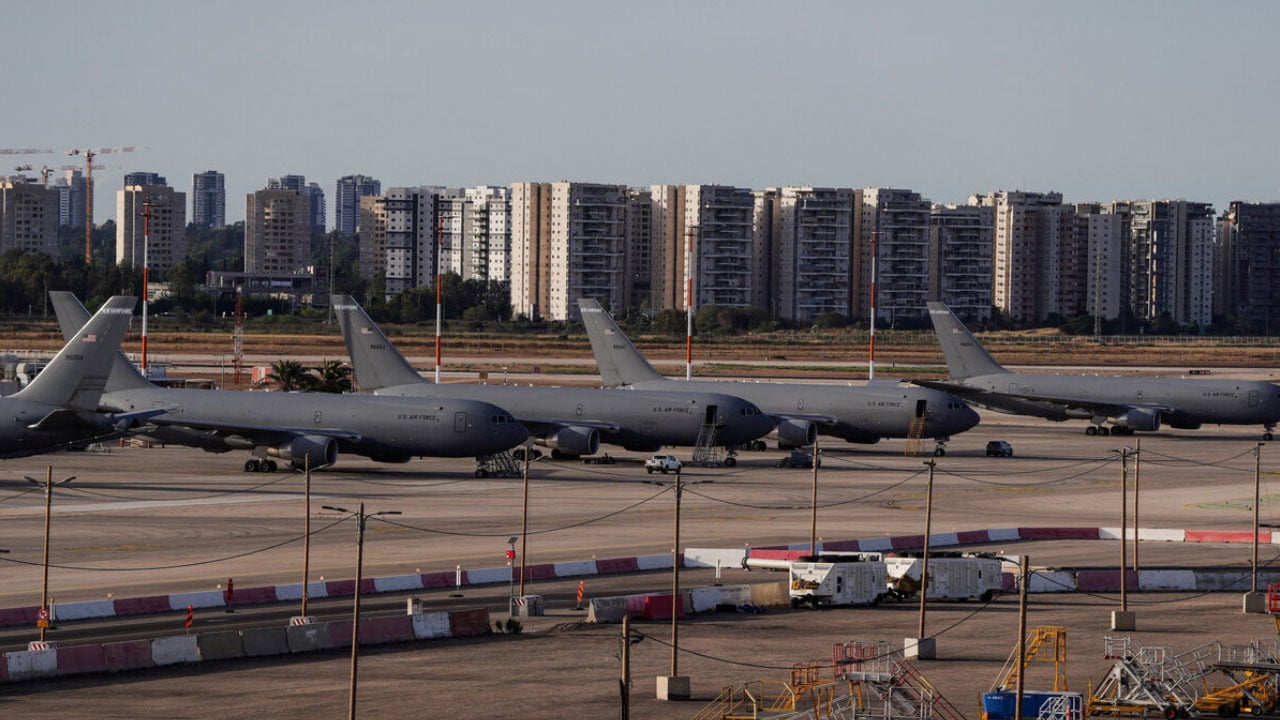
Israel has incurred financial losses of 248 million dollars over the past two months due to the presence of US military aircraft at Ben Gurion Airport, according to a report by Israel’s public broadcaster Kan. The airport is being used by the United States for military operations, significantly limiting its civilian capacity. Sharon Kedmi, Director General of the Israel Airports Authority, stated that the airport is currently operating at only one-third of its capacity because of the space and equipment occupied by US military refueling planes. He noted that nearly 70 percent of the airport’s operations have been restricted as a result of Washington’s ongoing military activities. Kedmi warned that if the current situation continues, Israel’s financial losses could reach billions of dollars and more flight cancellations may follow in the coming days.
European Union leaders are increasingly alarmed by their economic dependence on China, with top diplomat Kaja Kallas comparing efforts to reduce reliance to a painful medical treatment. The bloc’s trade deficit with China has reached record levels, driven by a surge in electric vehicle imports. Brussels is debating how to respond to Beijing’s aggressive trade policies, as Chinese officials warn of retaliation against any protective measures. Analysts and policymakers describe a growing sense of urgency within Europe’s industrial sectors, particularly in Germany, where manufacturers face mounting competition. France, Spain, and several other EU members have urged stronger action to defend strategic industries, while Beijing has denounced proposed EU policies such as the Industrial Accelerator Act as protectionist. China’s recent export restrictions on rare minerals and new regulatory powers over foreign-linked firms have further strained relations. Upcoming G7 and EU summits are expected to address these tensions, with European officials seeking ways to rebalance trade without triggering a full-scale trade war. However, fears of Chinese retaliation and consumer dependence on low-cost imports complicate the path forward.

Dhaka South City Corporation (DSCC) Administrator Abdus Salam stated that several sanitation workers have been issued show-cause notices for negligence in removing sacrificial waste in the capital. He made the remarks on Friday afternoon while inspecting waste removal activities at Shahjahanpur cattle market. Salam emphasized that negligence in duty will not be tolerated. According to the administrator, waste collection began on Thursday afternoon and continued until 1 a.m. Due to a shortage of trucks at night, waste was temporarily kept on main roads and later removed in the morning. He added that leaseholders were supposed to clean the markets within 72 hours after operations ended but failed to do so. As a result, they will be fined and barred from future leases. The DSCC continues intensified efforts to clear sacrificial waste across the city following Eid celebrations, aiming to restore cleanliness and normalcy in Dhaka’s streets.

Member of Parliament Aslam Chowdhury has announced plans to build a walkway around Laldighi in Sitakunda, Chattogram. He made the announcement while speaking to journalists after the Eid-ul-Azha congregation at the Sitakunda Central Eidgah ground. Chowdhury described Laldighi as not just a waterbody but a part of Sitakunda’s history, heritage, and culture, which has lost its beauty due to years of neglect, encroachment, and pollution. He stated that the initiative aims to revive this heritage for the younger generation by creating a modern, clean, and citizen-friendly environment centered on Laldighi. The plan includes developing the area into a space that reflects both tradition and modern urban values. According to the report, the announcement has drawn widespread positive reactions on social media. Many users believe that if implemented, the project will transform Laldighi into a modern, eco-friendly attraction while preserving its historical significance.

A video showing Israeli National Security Minister Itamar Ben-Gvir mocking activists aboard the ‘Global Sumud Flotilla’ carrying aid to Gaza has triggered global outrage and strained Italy-Israel relations. Within hours of the video’s release on social media, Italian Prime Minister Giorgia Meloni condemned the behavior as unacceptable and demanded an apology, marking a sharp shift from her earlier stance toward the flotilla. Analysts cited in the report describe the incident as a dramatic turning point in bilateral ties. Once one of Israel’s closest allies in Europe, Italy under Meloni had previously shown little sympathy for pro-Palestinian activists. However, recent Israeli actions, including the seizure of flotilla ships in international waters and incidents involving Christian clergy in Jerusalem, have fueled anger among Italians. Political analysts link the shift to domestic Catholic sentiment, economic concerns over the Iran-Israel war, and declining support for pro-Israel policies among younger voters. In recent months, Italy has suspended defense cooperation with Israel, summoned the Israeli ambassador multiple times, and pushed for EU sanctions on extremist Israeli figures. Experts note that while ties have weakened, Rome has not yet pursued a full diplomatic break, suggesting the rift may be temporary.

Tourist turnout in Kuakata, Patuakhali, remained below expectations on the second day of Eid-ul-Azha, despite extensive preparations by local businesses. Hotel and motel owners had cleaned facilities, offered special discounts, and readied themselves for an anticipated influx of 300,000 to 400,000 visitors. However, field observations on Friday showed the beach areas, including Zero Point and Gangamati, were largely empty, with most visitors being local day-trippers returning home by evening. Small traders in hotels, shell markets, and handicraft stalls reported sluggish sales due to the lack of tourists. Business owners attributed the downturn to the country’s overall economic situation and high inflation, which they said forced many families to cut travel budgets. Hotel managers reported low booking rates, with only 20–30 percent occupancy in top-tier hotels and 10–20 percent in mid-range ones. Tourism leaders expressed hope that visitor numbers might rise later in the week, though they warned that continued low turnout could make it difficult to recover earlier losses. Police authorities confirmed enhanced security measures across the beach and nearby attractions.

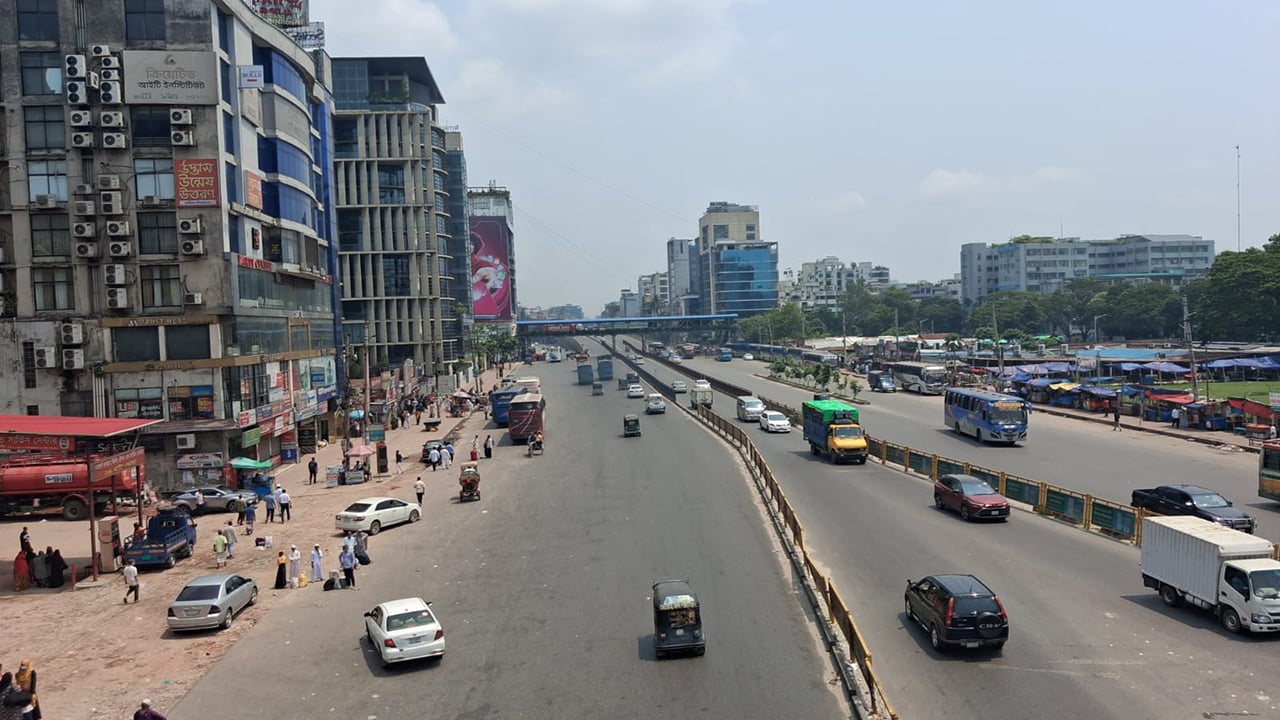
After the Eid-ul-Azha holidays, Dhaka is still experiencing a festive calm as many residents have yet to return from their hometowns. On Friday, May 29, 2026, the capital saw little pressure of returning workers, while many others were still leaving for villages. The usual traffic congestion, car horns, and bustling crowds were notably absent, leaving the city unusually quiet. Although a few shops in neighborhoods and shopping malls have reopened, most remain closed. Residents expressed relief at the ease of movement through the city’s empty streets. One resident from Mohammadpur noted that the lack of traffic and noise made travel peaceful and quick across the capital. The relaxed atmosphere reflects the lingering holiday spirit, with Dhaka’s streets offering a rare sense of calm before normal activity resumes in the coming days.
U.S. President Donald Trump has sent a draft of an Iran peace agreement to allies, including Israel, according to a report published on May 29, 2026. The move comes as both sides seek to prevent recent ceasefire violations from escalating. The draft reportedly resembles versions circulated across the Middle East in recent days. Under the proposed terms, the Strait of Hormuz would reopen for commercial shipping, U.S. sanctions on Iranian ports would be lifted, and Iran would gain access to about $12 billion in previously frozen assets. The plan aims to restore pre-war shipping levels within 30 days and initiate up to 60 days of negotiations on Iran’s nuclear program, including uranium enrichment limits and oversight by the International Atomic Energy Agency. U.S. Vice President JD Vance stated that both sides are close to an agreement, though key issues such as Iran’s enriched uranium stockpile and enrichment activities remain unresolved.

Chattogram City was declared free of sacrificial animal waste within six hours on Thursday, according to Mayor Dr. Shahadat Hossain. Speaking at the Dampara control room, he said the cleanup operation began at 9 a.m. and was closely supervised throughout the day. A total of 3,200 workers used 379 vehicles, including dump trucks, compactors, and payloaders, to collect waste from neighborhoods. Water and bleaching powder were applied immediately after waste removal to ensure cleanliness at sacrifice sites. The mayor added that residents could report any remaining waste to the Dampara control room for prompt action. He also noted that special measures were taken for areas where animal sacrifices traditionally occur later in the afternoon. The operation was attended by acting chief executive officer and secretary Md. Ashraful Amin, chief cleanliness officer Commander Ikhtiar Uddin Ahmed Chowdhury, and chief engineer Anisur Rahman. The initiative reflects the city corporation’s effort to maintain hygiene and public satisfaction during the Eid-ul-Azha festival.

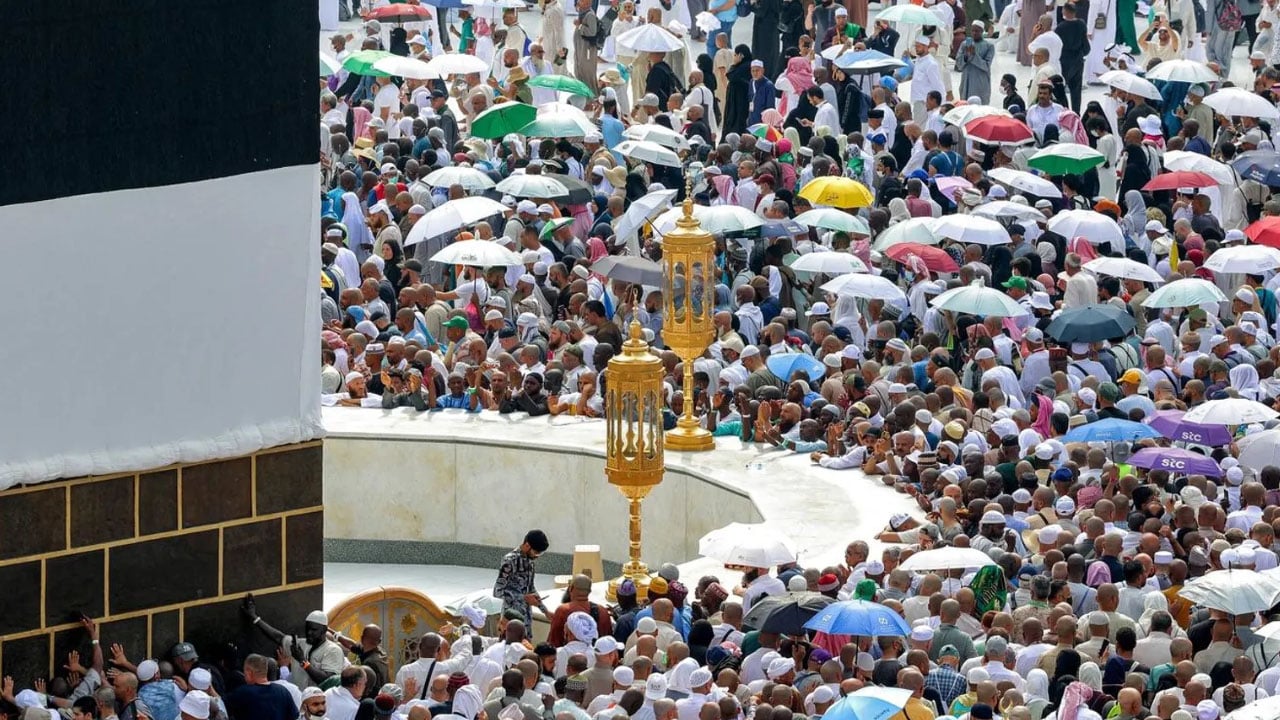
A new research report has found that global warming has fundamentally altered Mecca’s climate, exposing millions of Hajj pilgrims to extreme and dangerous heat not only in summer but also in other months. The study shows that carbon dioxide emissions from fossil fuels have caused temperatures to regularly reach around 40 degrees Celsius even in May, a level previously seen only during peak summer. Scientists warn that without a rapid shift away from fossil fuels, Hajj could face hazardous heat almost year-round by the end of this century. Saudi Arabia, the world’s second-largest oil producer, has long been seen as a barrier to stronger global climate action. The report notes that in 2024, more than 1,300 pilgrims died due to severe heat and humidity during the June Hajj. The World Weather Attribution group described May pilgrimages as now being as dangerous as those in summer. Saudi authorities have introduced measures such as shaded walkways, cooling centers, misting systems, and expanded medical services to reduce heat-related illnesses among pilgrims, but experts stress that deeper systemic changes are needed.
The ‘1 Nojor’ media platform is now live in beta, inviting users to explore and provide feedback as we continue to refine the experience.